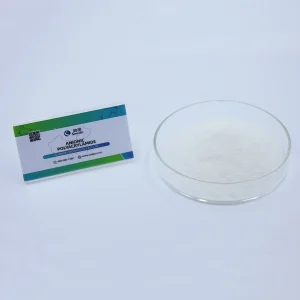
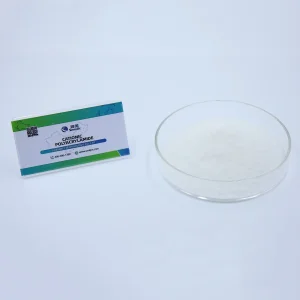
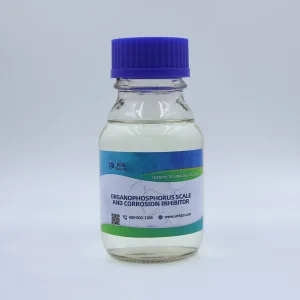
High-efficiency chemical products optimized for heavy metals, defoaming, flocculation, and target pollutant removal across multi-sector systems.
Understanding the structural challenge of methanal concentration in complex chemical effluents, resin synthesis loop discharge, and wood product adhesives manufacturing.
Formaldehyde (HCHO) is a highly reactive chemical intermediate utilized extensively in the production of resins (UF, PF, MF), thermoplastics, adhesives, textile finishing, and chemical synthesis. Due to its intense antimicrobial properties and extreme cytotoxicity, effluent streams containing formaldehyde pose a major threat to conventional biological wastewater treatment systems. High concentrations of formaldehyde (exceeding 100 mg/L) inhibit bacterial activity, denature active enzymes, and crash activated sludge systems, making raw biological treatment of these streams completely unviable.
Historically, industrial operators relied on basic dilution or simple lime precipitation methods. However, in the modern regulatory landscape, which demands strict compliance with Environmental Protection Agency (EPA) standards, European Union REACH requirements, and China's GB Standards, these legacy methodologies are no longer acceptable. The industry has shifted towards integration of Advanced Oxidation Processes (AOP), tailored condensation-precipitation pathways, and robust biological enhancement through dedicated carbon sources and high-stability flocculants like Smedic APAM and PFS Coagulant.
Smedic Technology Co., Ltd. has stood at the forefront of this evolution since 2011. By engineering dedicated organic-inorganic covalent bond flocculants and highly customized macromolecular reagents, we enable global manufacturing hubs to safely remove formaldehyde, neutralize microbial toxicity, and reclaim process water. This approach aligns directly with the Circular Economy and Zero Liquid Discharge (ZLD) paradigms now mandated across major industrial sectors globally.
Utilizing high-efficiency Fenton, catalytic ozonation, and hydrogen peroxide systems to break HCHO molecules down into harmless carbon dioxide and water molecules.
Application of specialized Smedic Inorganic-Organic Covalent Bond Flocculants to bind formaldehyde molecules in aqueous solutions, forming stable, easily filters precipitates.
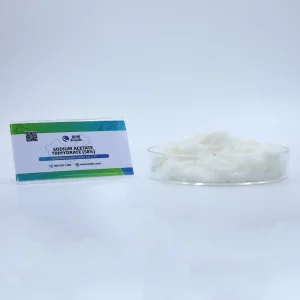
Employing Smedic Pure Solid Sodium Acetate for denitrification, adjusting critical carbon-to-nitrogen ratios, and fostering formaldehyde-tolerant microbial strains.
Smedic Technology Co., Ltd. was established in 2011 as a comprehensive solution provider specialized in environmental protection agents, integrating R&D, production, sales, and engineering-related technical services. We are dedicated to providing customers with customized chemical products, technical solutions, and services. Smedic produces environmental protection agents covering multiple sectors such as municipal sewage, industrial wastewater, and tap water treatment, as well as mineral processing agents, and oilfield chemicals. We offer more than 80 different environmental protection products, with an annual production capacity exceeding 1 million tons.
Our corporate headquarters is located in Beijing, we have multiple wholly-owned production bases in Hebei, Guizhou, Shanxi, and other regions, and have set up more than ten OEM partner factories and regional warehousing and logistics bases in Shandong, Shanxi, Anhui, Guangxi, and Sichuan provinces, among others. Our business and service network covers over 20 provinces across China.
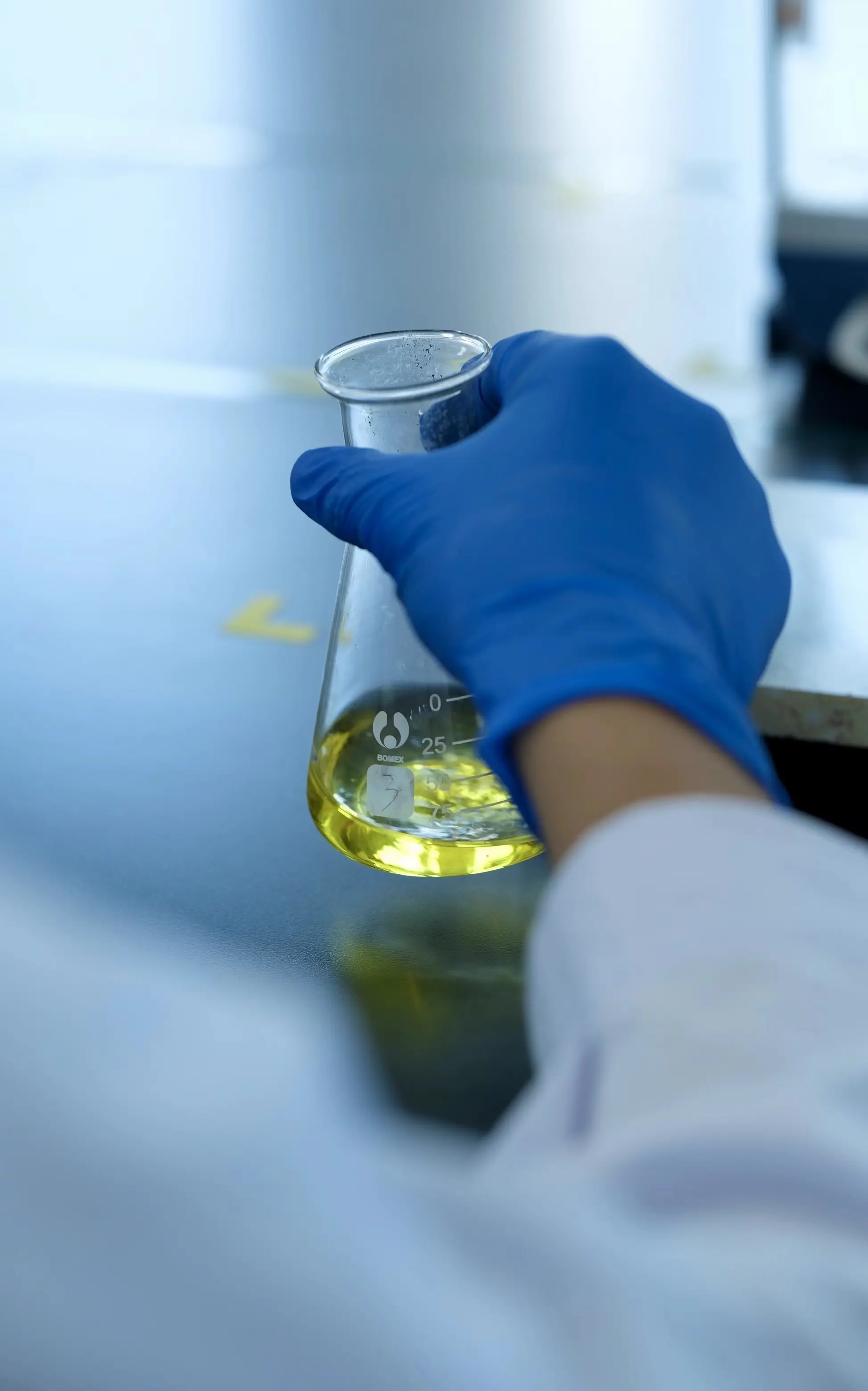
Our projects involve more than 600 urban sewage treatment plants and over 1,000 end customers in industrial wastewater treatment, mineral processing, and oilfield chemicals. The total sewage treatment capacity involved in the projects exceeds 20 million tons per day. We are a leading company in the Chinese market within the high-end segment of environmental protection chemicals for municipal and industrial wastewater treatment.
How international buyers navigate regulatory limits, ESG directives, and the transition to non-toxic process effluents.
Purchasing teams at global chemical corporations, resin plants, and wood composite manufacturers face complex compliance environments when sourcing wastewater treatment chemistries. The modern procurement officer must evaluate environmental solutions through the prism of E-E-A-T: Experience, Expertise, Authoritativeness, and Trustworthiness. In countries such as Germany, the United States, Japan, and China, discharge standards for formaldehyde have tightened to sub-parts-per-million levels. Simply dosing coagulants without knowing their molecular characteristics is no longer sufficient.
Key priorities in global procurement include:
Backed by academicians, national specialized titles, and major environmental awards.
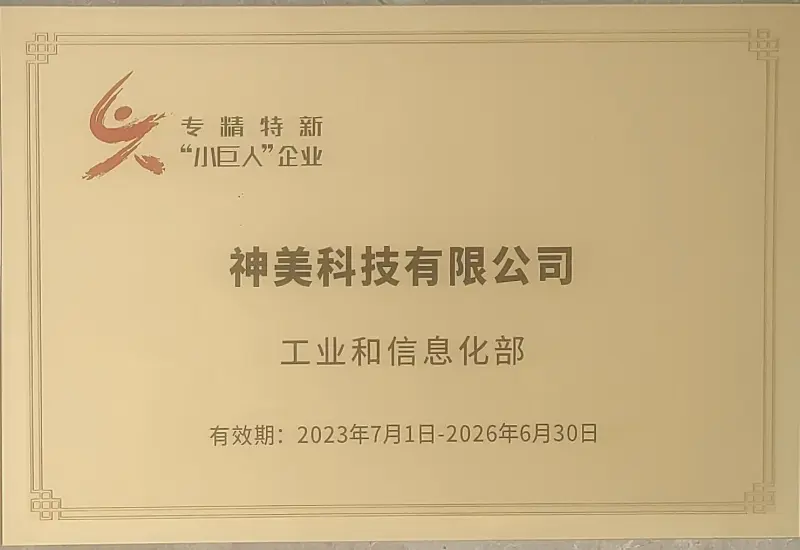
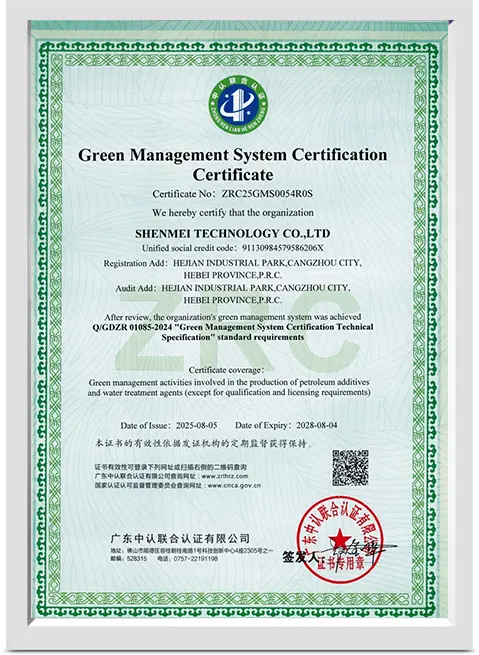
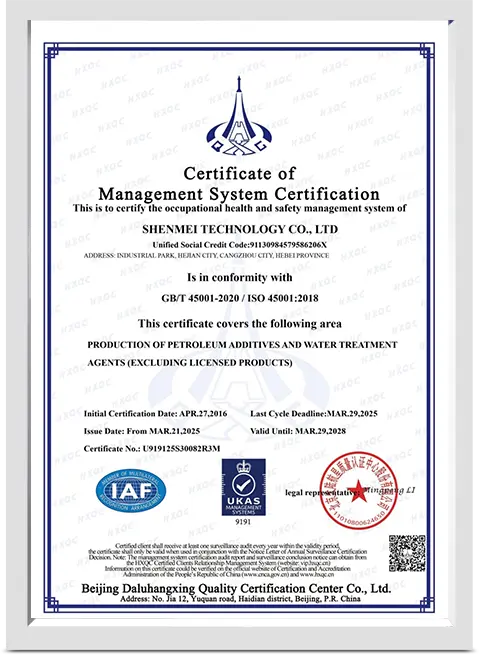
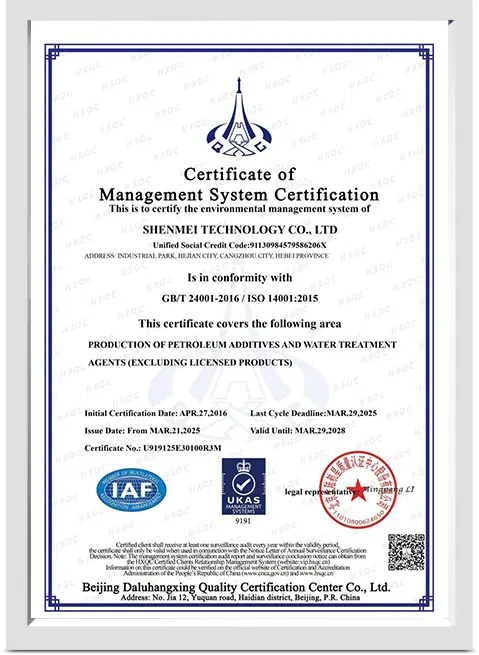
We have obtained qualifications such as National High-tech Enterprise, National Specialized, Refined, Unique and Innovative "Little Giant" Enterprise, National Key-Supported Specialized, Refined, Unique and Innovative "Little Giant" Enterprise, Hebei Province Specialized, Refined, Unique and Innovative "Little Giant" Demonstration Enterprise, Hebei Province Green Factory, Hebei Province Science and Technology-based Small and Medium-sized Enterprise, and China's Science and Technology-based Innovative Small and Medium-sized Enterprise.
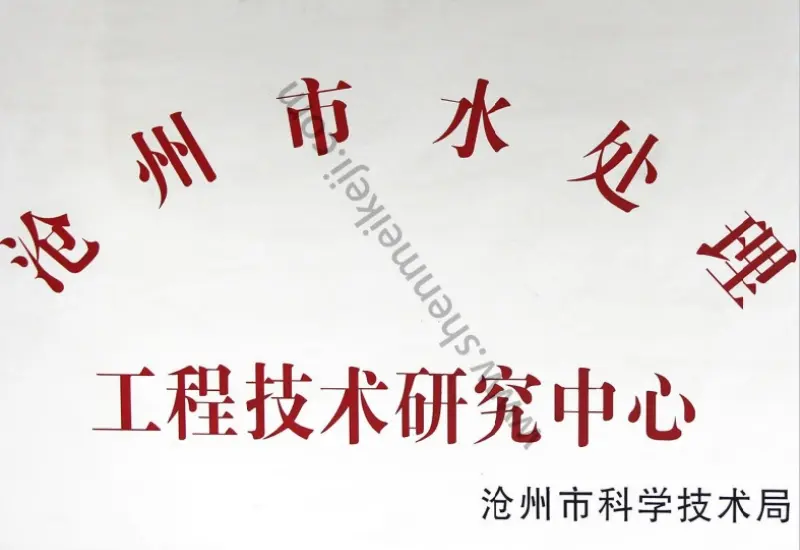
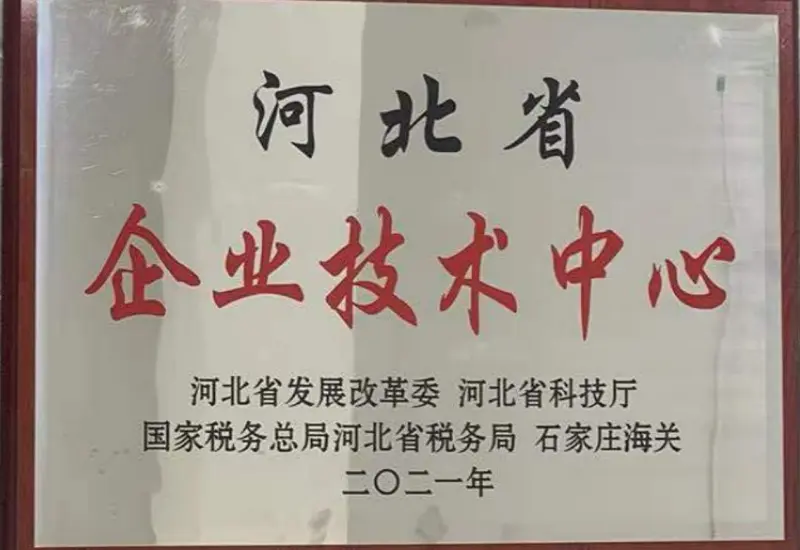
We have a core technical team composed of academicians, experts, professors, and senior engineers, and have established an R&D system and a technology commercialization platform centered around one academy, three research institutes, and five bases. We have established the Hebei Provincial Enterprise Technology Center, the Hebei Provincial Advanced Water Treatment Chemicals Technology Innovation Center, and the Cangzhou Water Treatment Engineering Technology Research Center, and have been recognized as a Class A R&D institution in Hebei Province. We have established an expert workstation with Tsinghua University Association of Senior Scientists and Technicians, and have set up joint R&D laboratories with Shandong University and Beijing University of Technology. Additionally, we also serve as a commercialization partner for the industry-academia-research achievements of institutions such as Peking University and Tianjin University.
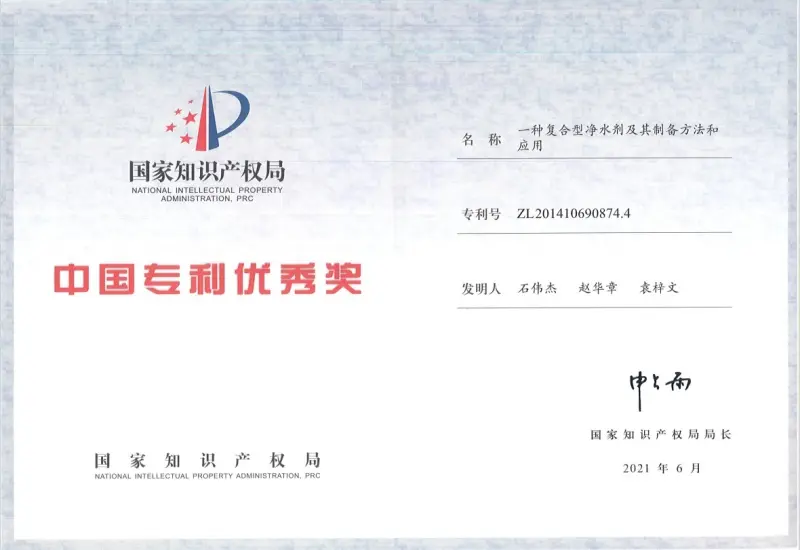
We have been granted over sixty Chinese patents, including more than forty invention patents and over twenty utility model patents. We have led the drafting of more than ten national and industry standards, including those for composite carbon sources, composite coagulants, sodium acetate, and nitrifying and denitrifying bacterial agents. Our patented technologies and products, such as the bio-enhanced denitrification carbon source and the deep multi-nuclear phosphorus removal agent, have passed the scientific and technological achievement evaluation conducted by the Science and Technology Department of Hebei Province, receiving appraisals as "internationally advanced."
Our independently developed "Inorganic-Organic Covalent Bond Flocculant and Its Advanced Water Purification Technology" has won multiple awards, including the 22nd China Patent Award, the First Prize for Technological Invention from the China Petrochemical Industry Association, the Hebei Province Science and Technology Progress Award, and recognition as a Belt and Road SME Recommended Project. Furthermore, we have been recognized as the "Leading Brand of Advanced Wastewater Treatment Chemicals" and the "Most Valuable Water Treatment Chemicals Brand" by China Water Network and the E20 Environmental Platform for four consecutive years.
Integrated workflows combining advanced oxidation, physical-chemical absorption, and biological finishing.
Modern industrial facilities generate highly variable formaldehyde streams. Effectively treating this wastewater requires a coordinated, multi-stage strategy. Smedic has developed a macro-industrial solution framework that combines physical separation, advanced oxidation, and biological polishing. This system ensures consistent compliance, even when treating peak formaldehyde concentrations up to 5,000 mg/L.
Stage 1: Physicochemical Pretreatment & Condensation
High-concentration streams are first directed to a reaction tank where pH is adjusted using Smedic Pure Solid Sodium Acetate compound. Specialized condensation catalysts are introduced alongside Smedic's Inorganic-Organic Covalent Bond Flocculants. Formaldehyde is rapidly polymerized and precipitated out of the liquid phase, reducing the dissolved HCHO load by up to 75% before downstream stages.
Stage 2: Advanced Oxidation & Mineralization
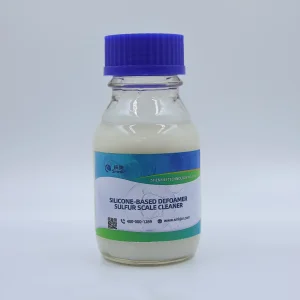
The remaining dissolved formaldehyde is subjected to high-efficiency catalytic oxidation. Utilizing our proprietary catalytic complexes, HCHO molecules undergo rapid cleavage, converting into formic acid and eventually mineralizing into CO₂ and H₂O. At this stage, defoaming agents like our Organic Silicone Defoamers are utilized to control foam formation caused by violent gas evolution and surfactant action.
Stage 3: Biological System Polishing (Denitrification and BOD Balancing)
Once the toxic concentration drops below 50 mg/L, the stream enters the main activated sludge basin. Because formaldehyde-laden influent often suffers from nutrient imbalances, Smedic's bio-enhanced composite carbon sources are added. This provides a highly bioavailable energy source for denitrifiers, preserving the active biomass and ensuring total nitrogen and chemical oxygen demand (COD) discharge limits are met.
A history of pioneering wastewater innovations and chemical production expansions.
Smedic was founded, setting out to develop specialized environmental protection agents and wastewater chemicals.
The company established a complete product portfolio for municipal wastewater treatment chemicals, targeting domestic treatment centers.
Smedic was formally recognized as a key national high-tech enterprise, validating our research focus.
A dedicated production base for specialized water treatment chemicals was established in Guiyang, increasing regional supply security.
Production bases in Hebei, Shandong, and Guizhou were completed and expanded, lifting our annual production capacity past the 1 million ton mark.
Awarded national certification as a "Specialized, Refined, Unique and Innovative Small and Medium-sized Enterprise" (Little Giant).
Established our provincial-level R&D platform in Hebei, facilitating joint development with academic partners.
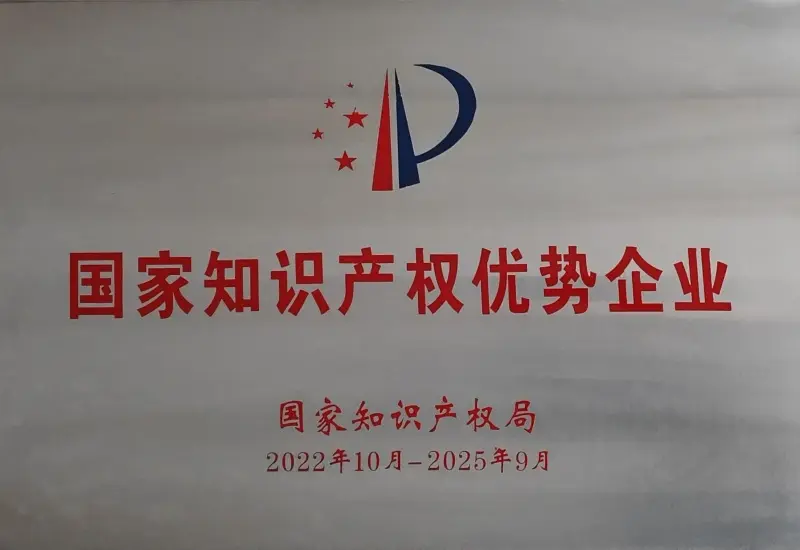
Recognized as a National Intellectual Property Advantage Enterprise, holding over 60 patents with 40+ invention patents.
Partnered with the Chengdu Institute of Mineral Comprehensive Utilization, China Geological Survey to launch specialized mineral processing and oilfield reagents.
Adapting to complex regional chemical regulations while charting the path toward low-carbon and automated wastewater treatment.
Operating as a reliable OEM and ODM partner for international clients requires more than manufacturing capacity. Localized technical services, regulatory compliance, and regional supply chain management are critical to success. Smedic coordinates with regulatory structures in Europe, North America, and Southeast Asia to ensure all exported chemicals comply with local environmental standards. We provide comprehensive Safety Data Sheets (SDS), technical documentation, and chemical optimization services tailored to local operational setups.
Our logistical network, consisting of multiple production centers and over ten storage bases across China, allows us to dispatch chemicals quickly. This ensures that global customers experience minimal lead times and maintain safe inventory levels, even during challenging transport periods.
Smedic is committed to developing sustainable water treatment solutions. Our R&D roadmap focuses on:
Frequently asked technical questions regarding chemical reactions, product applications, and wastewater treatment troubleshooting.
Formaldehyde is highly cytotoxic and denatures bacterial cell wall proteins. Smedic mitigates this by applying physicochemical pretreatment (covalent bond flocculants and AOP) to reduce HCHO levels below 50 mg/L before the water enters the biological system.
Unlike standard coagulants that rely on simple charge neutralization, our patented covalent bond flocculant forms chemical bonds with organic pollutant molecules. This produces larger, more stable flocs and achieves higher removal efficiency at lower dosage rates.
Industrial formaldehyde effluents are often nutrient-deficient. Smedic Pure Solid Sodium Acetate serves as an easily digestible carbon source, supporting biological denitrification and helping maintain the health of the bacterial colony during fluctuating toxic loads.
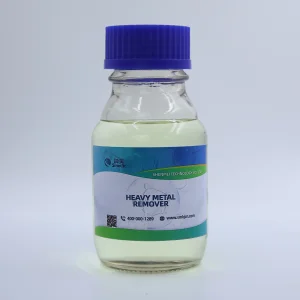
Yes. Many chemical effluents contain both formaldehyde and heavy metal catalysts. Our ODM Heavy Metal Removal Agent forms stable, insoluble chelates with metals like nickel, copper, and chrome, allowing them to precipitate out alongside polymerized HCHO.
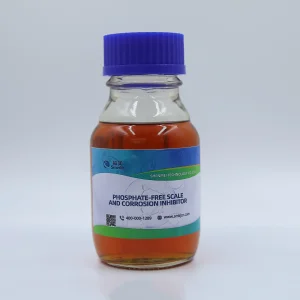
Yes, we offer specialized phosphate-free formulations to comply with strict regional nutrient discharge limits. These help prevent eutrophication in receiving water bodies while maintaining scale and corrosion inhibition in cooling loops.
We operate several fully owned production bases and partnership factories with a total annual capacity exceeding 1 million tons. Backed by regional logistics warehouses, we provide stable, year-round chemical supplies to global markets.
Explore our full line of polyacrylamides, corrosion inhibitors, organic defoamers, and pH regulators.
 Smedic Tech