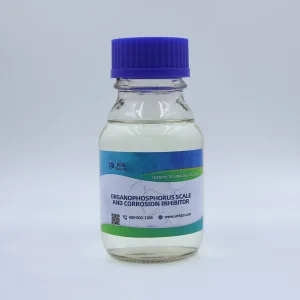
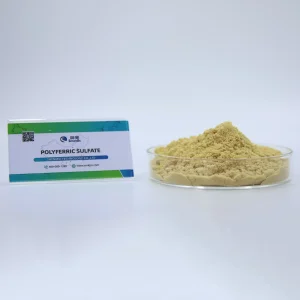
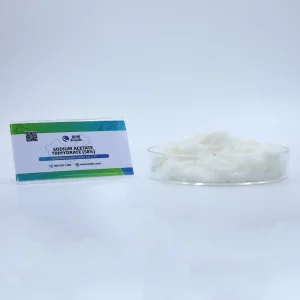
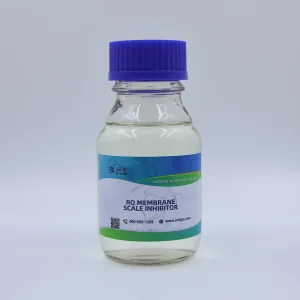
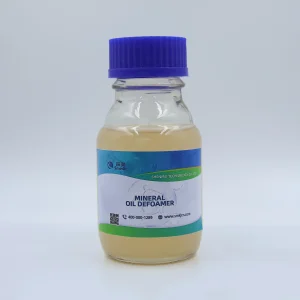
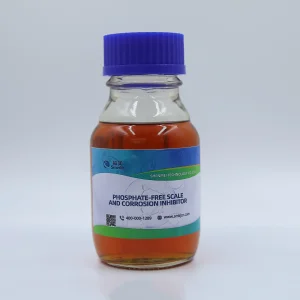
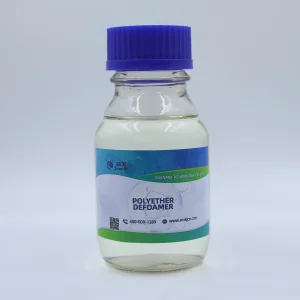
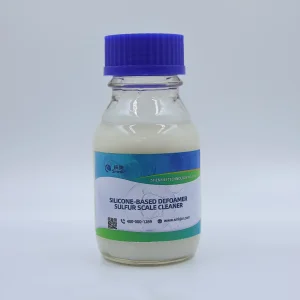
Explore our advanced formulation selections for scale control, coagulation, defoaming, and custom industrial water purification agents.
Reverse Osmosis (RO), Nanofiltration (NF), and Electrodialysis Reversal (EDR) membrane technologies are critical elements of modern water security. However, concentration polarization on membrane surfaces drives scaling species past their thermodynamic solubility limits. Without high-efficiency antiscalants, divalent and trivalent metal ions precipitate as crystalline solids, causing irreversible permeate flux decline, elevated operational pressures, feed-channel blockage, and physical damage to thin-film composite membranes.
Membrane scaling typically involves calcium carbonate (CaCO3), calcium sulfate (CaSO4), barium sulfate (BaSO4), strontium sulfate (SrSO4), and colloidal silica (SiO2). The crystallization pathway begins with nucleation, followed by crystal growth. Smedic's range of OEM membrane antiscalants targets these steps by altering the surface charge of micro-crystallites, inducing severe structural distortion of the crystal lattices, and preventing the attachment of scale-forming crystals to the hydrophobic polyamide layer of the membrane.
Industrial feedwater chemistry varies significantly by region. Coastal seawater desalination facilities face elevated boron, high ionic strength, and potential marine organic fouling. Inland brackish aquifers often contain high concentrations of sulfate, silica, and iron. Utilizing a generic, one-size-fits-all antiscalant formula often results in sub-optimal system performance, accelerated clean-in-place (CIP) frequencies, and premature membrane replacement.
As a seasoned OEM partner, Smedic Technology conducts precise feed chemistry assessments to tailor specific molecular weight distributions of polycarboxylic, phosphonic, and sulfonic acid polymers. Our localization support integrates on-site technical diagnostics with tailored formulations to meet local regulatory and operational requirements:
For municipal drinking water applications, our products are formulated to comply with strict international criteria, limiting chemical residue release into municipal supply lines.
We provide full documentation and regulatory transparency for our European partners, ensuring seamless import customs clearances and safety profile verifications.
Specially synthesized formulations for high-silica feed waters (up to 200 mg/L SiO2 in concentration streams) common in geothermally active regions and semi-arid aquifers.
Smedic Technology operates a sophisticated manufacturing and distribution network across China. From our strategic headquarters in Beijing to our wholly-owned manufacturing bases in Hebei, Guizhou, and Shanxi, we control the entire supply chain cycle. This upstream integration guarantees raw material consistency, insulates global buyers from market price volatility, and maintains bulk scale efficiencies.
Our network of over ten OEM partner factories and regional warehousing and logistics bases in Shandong, Shanxi, Anhui, Guangxi, and Sichuan provinces ensures rapid shipping times. By leveraging nearby shipping hubs such as Tianjin Port and Qingdao Port, we minimize global shipping lead times, optimize maritime freight rates, and guarantee reliable supply security for our partners.
For Engineering, Procurement, and Construction (EPC) firms, selection of a membrane antiscalant OEM partner is based on lifecycle value, technological support, and long-term chemical compatibility. To assist procurement managers, Smedic outlines key factors for chemical evaluation:
Shipping bulk water globally increases freight costs. Smedic offers 11x ultra-concentrated liquid formulations and dry powder chemistry. Our technology platforms enable localized dilution using controlled systems, reducing shipping weight, lower carbon footprint, and minimizing global shipping expenses.
Antiscalants must not interact with upstream coagulants, biocide residues, or downstream clean-in-place (CIP) chemicals. Smedic's R&D laboratories perform compatibility profiles utilizing membrane autopsies, zeta potential tracking, and pilot-scale RO test loops to ensure compatibility with major commercial membranes.
Regulatory frameworks globally are limiting phosphorus discharges to prevent the eutrophication of receiving waters. Smedic is at the forefront of this shift, offering sustainable phosphate-free antiscalant options that match traditional phosphonate chemistry performance.
Our green initiatives focus on advanced biopolymer compounds, including Polyaspartic Acid (PASP) and Polyepoxysuccinic Acid (PESA) derivatives. These polymers degrade naturally without releasing orthophosphates, allowing industrial facilities to meet zero-liquid discharge (ZLD) requirements and strict local wastewater discharge permits.
Feedwater conditions determine antiscalant selection. Smedic's formulations address specific municipal and industrial application challenges:
Formulations designed to inhibit calcium carbonate and calcium sulfate scaling under high salinity, high temperature, and elevated recovery conditions, maintaining system efficiency.
Tailored chemistry engineered to manage complex wastewater containing organic matter, ammonium, high silica, and volatile organics, helping plants meet Zero Liquid Discharge standards.
High-purity formulations designed to prevent trace mineral scaling in high-pressure steam boiler feed loops, reducing downtime and protecting heat exchange efficiency.
Smedic Technology Co., Ltd. was established in 2011 as a comprehensive solution provider specialized in environmental protection agents, integrating R&D, production, sales, and engineering-related technical services. We are dedicated to providing customers with customized chemical products, technical solutions, and services. Smedic produces environmental protection agents covering multiple sectors such as municipal sewage, industrial wastewater, and tap water treatment, as well as mineral processing agents, and oilfield chemicals. We offer more than 80 different environmental protection products, with an annual production capacity exceeding 1 million tons.
Our corporate headquarters is located in Beijing. We operate wholly-owned production bases in Hebei, Guizhou, Shanxi, and other regions, alongside more than ten OEM partner factories and regional warehousing and logistics bases in Shandong, Shanxi, Anhui, Guangxi, and Sichuan provinces. Our business and service network covers over 20 provinces across China. Our projects involve more than 600 urban sewage treatment plants and over 1,000 end customers in industrial wastewater treatment, mineral processing, and oilfield chemicals. The total sewage treatment capacity involved in the projects exceeds 20 million tons per day.
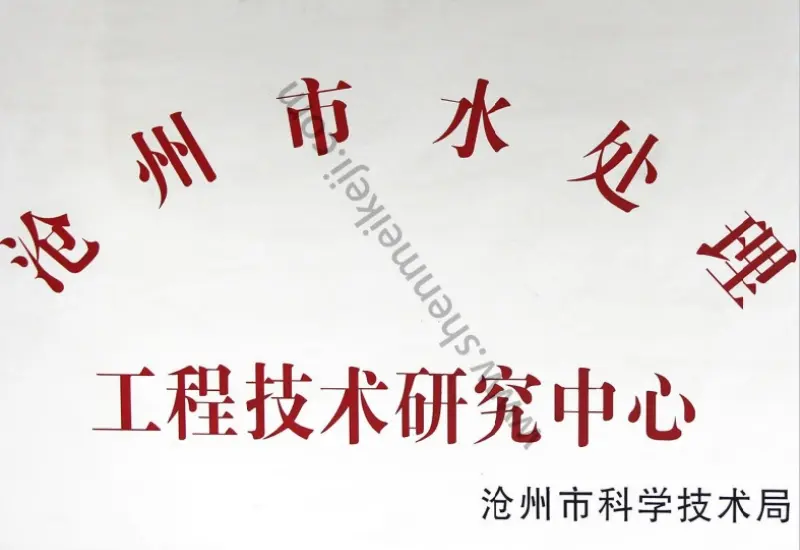
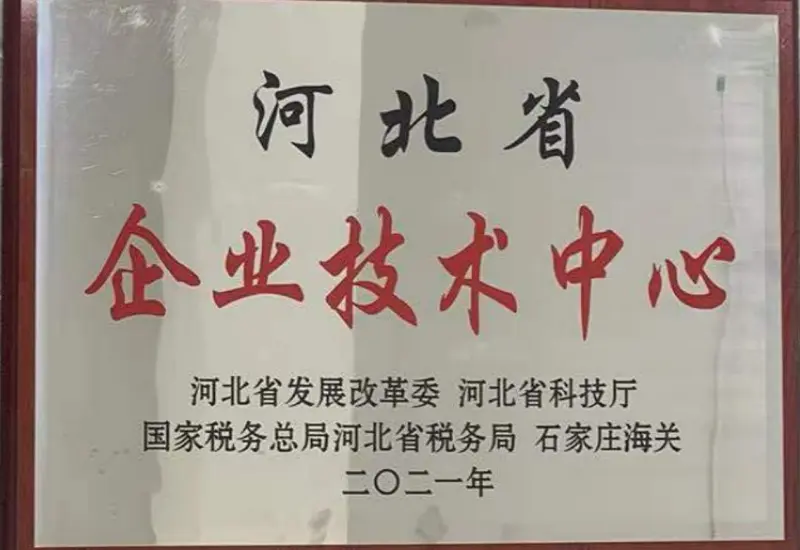
We have established an R&D system and a technology commercialization platform centered around one academy, three research institutes, and five bases. We have established the Hebei Provincial Enterprise Technology Center, the Hebei Provincial Advanced Water Treatment Chemicals Technology Innovation Center, and the Cangzhou Water Treatment Engineering Technology Research Center, and have been recognized as a Class A R&D institution in Hebei Province. We have established an expert workstation with the Tsinghua University Association of Senior Scientists and Technicians, and have set up joint R&D laboratories with Shandong University and the Beijing University of Technology. Additionally, we also serve as a commercialization partner for the industry-academia-research achievements of institutions such as Peking University and Tianjin University.
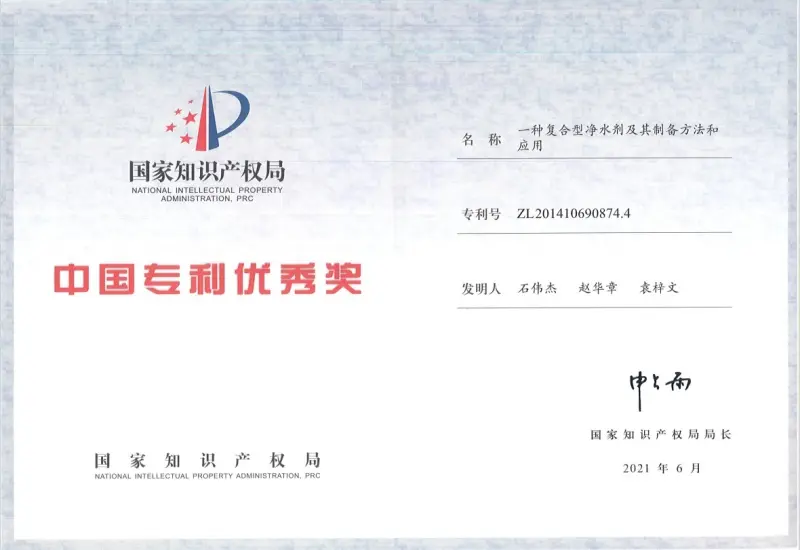
We have been granted over sixty Chinese patents, including more than forty invention patents and over twenty utility model patents. We have led the drafting of more than ten national and industry standards, including those for composite carbon sources, composite coagulants, sodium acetate, and nitrifying and denitrifying bacterial agents.
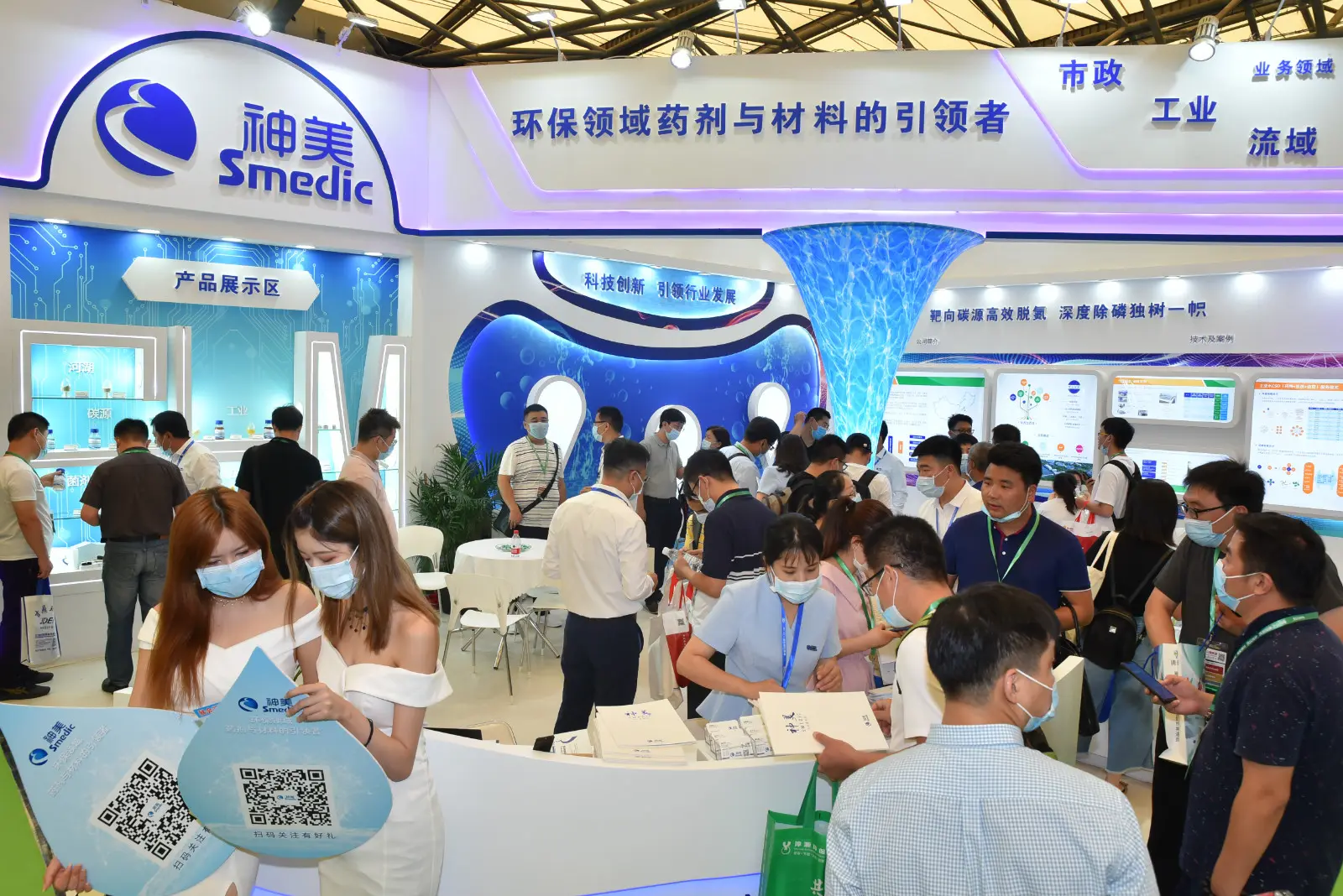
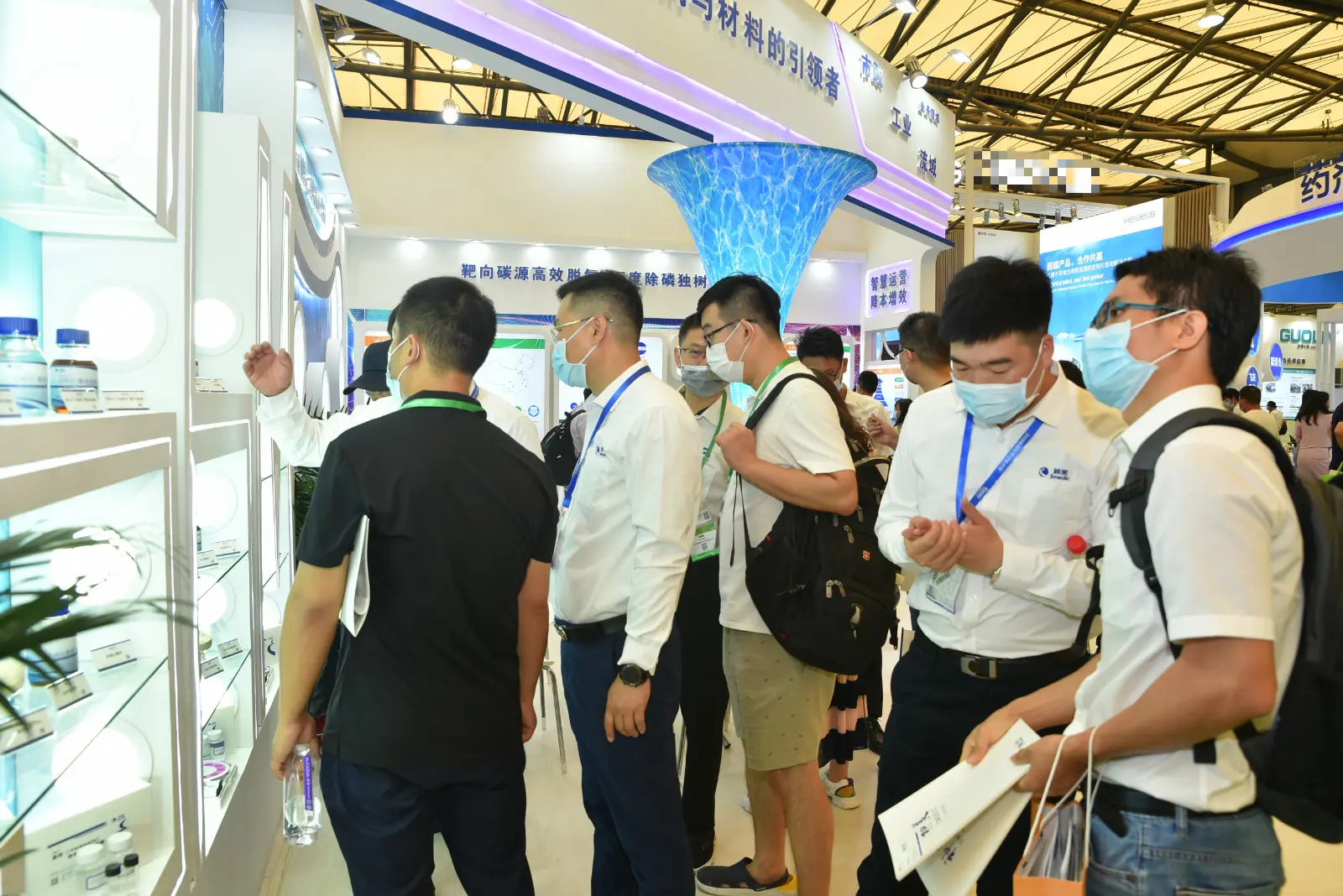
We have been recognized as the "Leading Brand of Advanced Wastewater Treatment Chemicals" and the "Most Valuable Water Treatment Chemicals Brand" by China Water Network and the E20 Environmental Platform for four consecutive years. We have established long-term strategic partnerships with dozens of major water groups, including Shouchuang Ecological and Environmental Group, Yangtze River Ecological and Environmental Group, Beijing Enterprises Water Group, OriginWater, and China Water Environment Group, and have been included in their centralized procurement supplier lists.
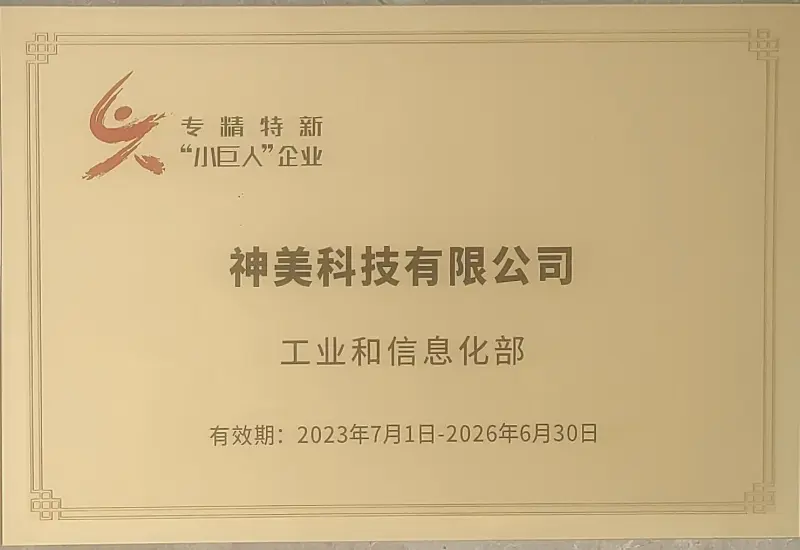
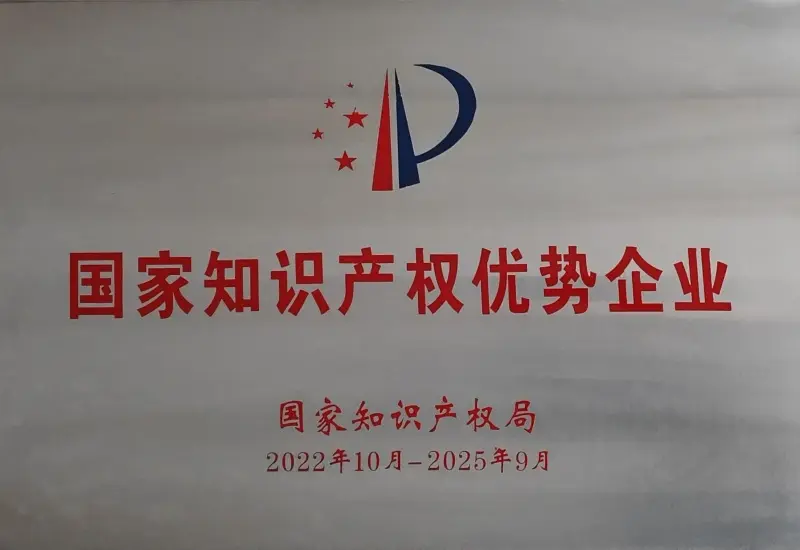
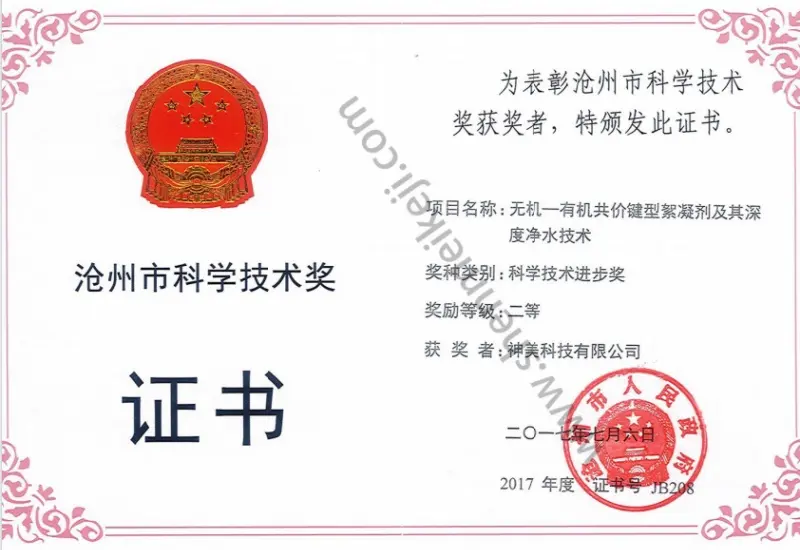
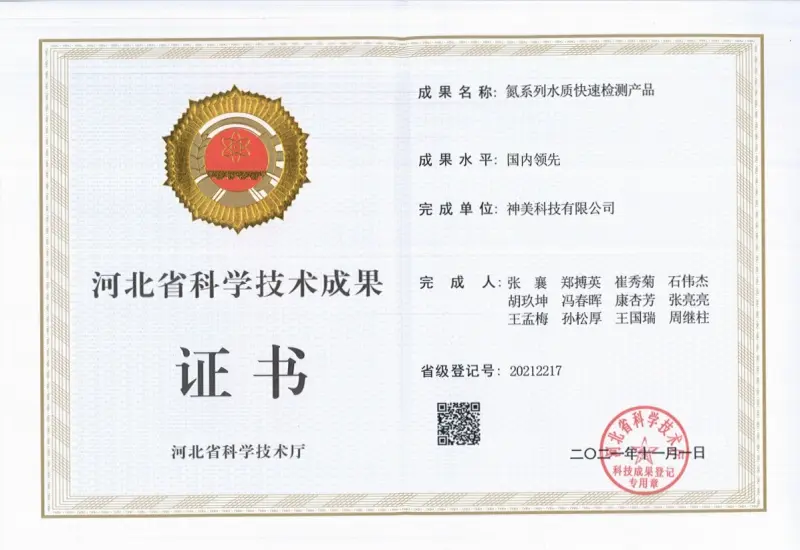
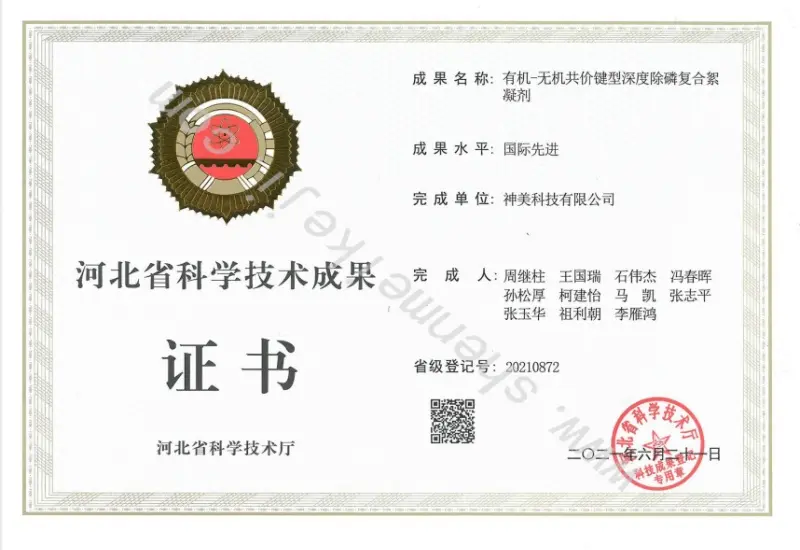
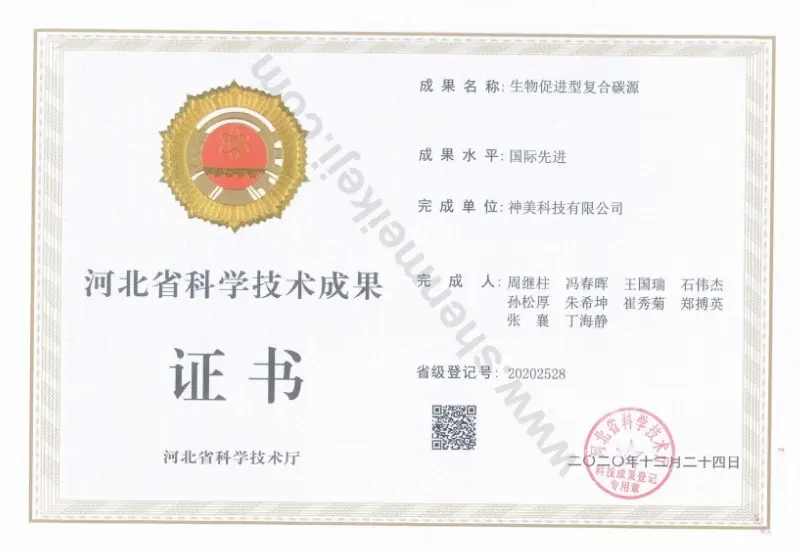
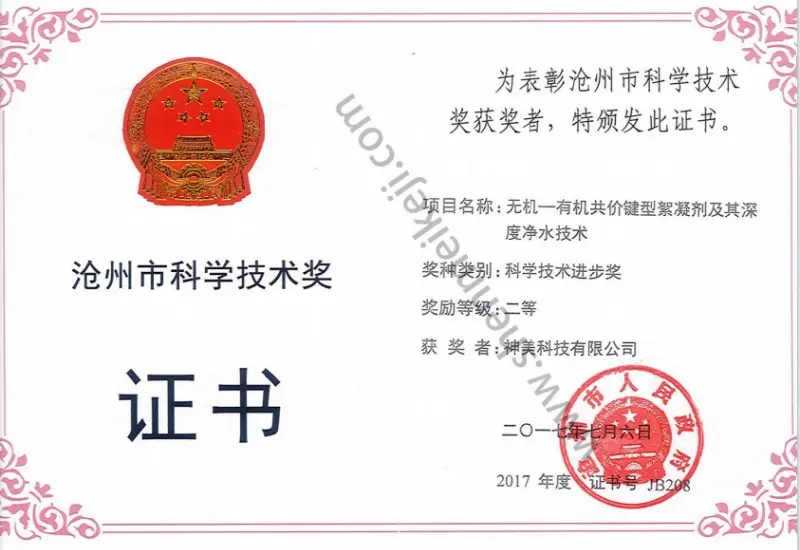
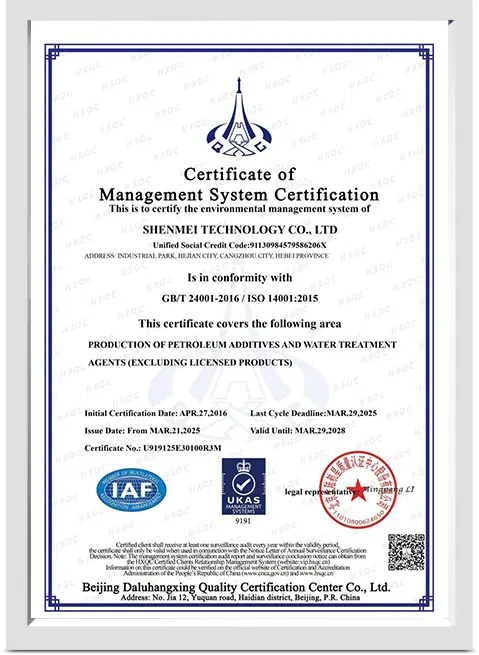
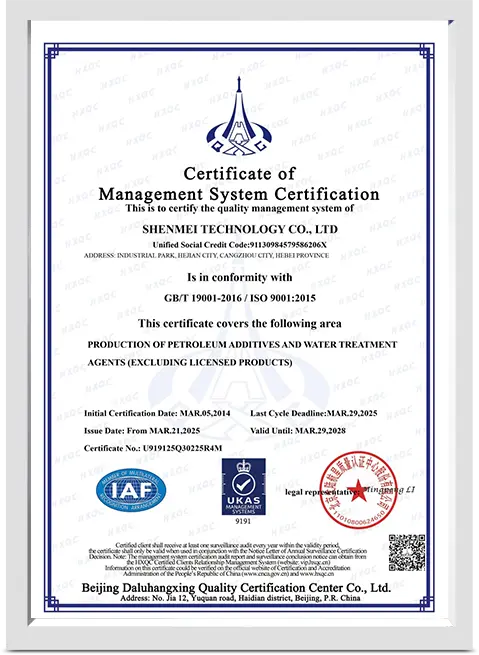
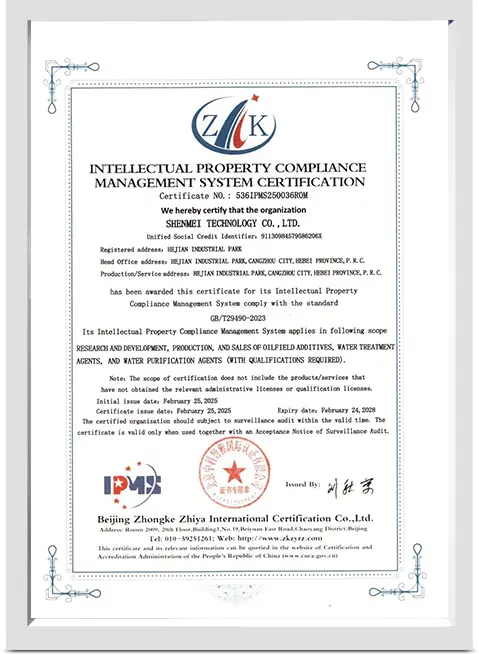
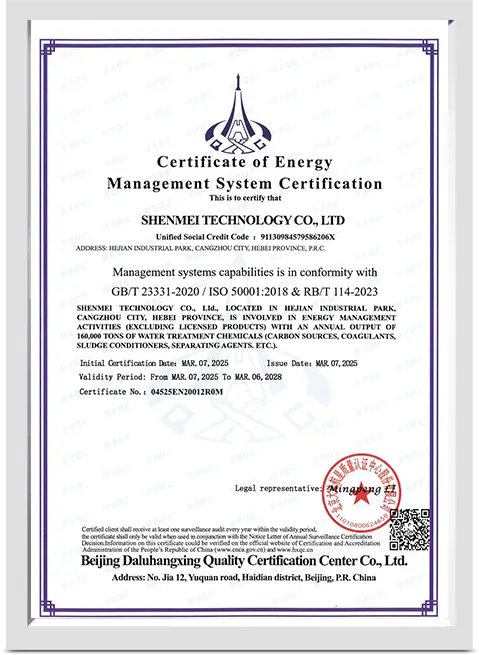
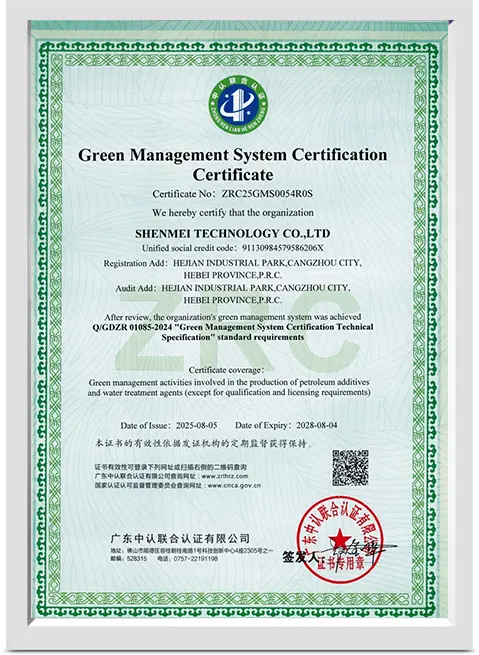
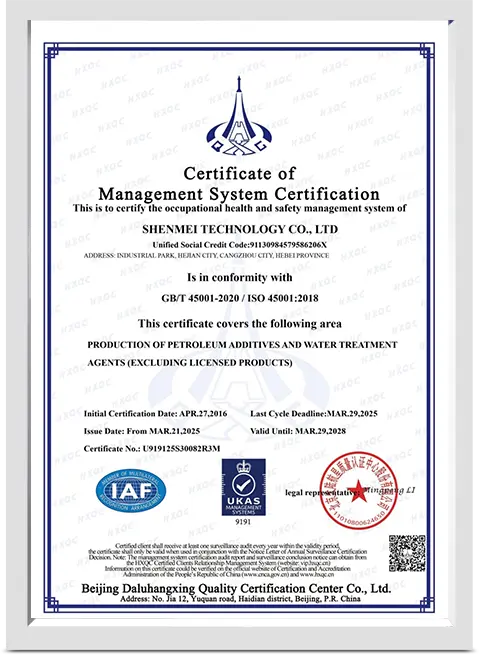
Common technical challenges and selection criteria for industrial membrane scale inhibitors.
Most standard RO systems run a dosage rate of 2.0 to 6.0 ppm (mg/L) of active product in the feed water stream. The exact dosage rate is calculated using specific design software, evaluating factors such as feed pH, temperature, recovery rate, and specific mineral saturation indices.
Smedic's green, phosphate-free antiscalants (such as PASP/PESA systems) utilize polymer architectures that disperse calcium carbonate, calcium sulfate, and silica scaling as effectively as traditional phosphonates. These formulations are ideal for plants aiming to comply with strict local environmental limits on phosphorus discharge.
Many scale inhibitors are optimized for specific pH ranges. For example, calcium carbonate solubility decreases as pH rises, requiring higher threshold inhibition. Smedic formulations are designed to remain chemically stable and effective across a broad pH spectrum of 5.0 to 10.0.
Yes. Standard scale inhibitors are primarily designed to prevent mineral scale crystallization. However, Smedic manufactures specialized high-silica antiscalants that prevent silica polymerization and maintain amorphous silica in solution up to concentrations of 200 ppm in the concentrate stream.
We perform flat-sheet cell testing, dynamic RO test runs, and zeta potential evaluation to ensure that our polymer formulations do not coat or react with the membrane's polyamide layer, avoiding loss of permeate flux or reduction in salt rejection.
Our liquid concentrates are highly stable formulations with a standard shelf life of 12 to 24 months when stored in original, unopened packaging, out of direct sunlight, and within a temperature range of 5°C to 35°C.
Our Quality Assurance (QA) system includes raw material certification, inline process analysis, and final product batch validation. We maintain ISO 9001, ISO 14001, and ISO 45001 certifications across our wholly-owned production plants, ensuring consistent quality for all shipments.
Yes, we provide 8x to 11x high-concentration liquid products and dry powder blends. These options significantly reduce volume and shipping weight, lowering shipping costs and reducing the storage footprint for international customers.
For customized formulations, lab analysis and custom molecular synthesis validation typically take 2 to 3 weeks. Production and export packaging are usually completed within 14 days following client approval.
If cationic coagulants or flocculants carry over from pretreatment, they can react with anionic antiscalants, forming a sticky precipitate on the membrane surface. Smedic offers compatible antiscalants or adjusted pretreatment chemistries to prevent this interaction.
Explore our comprehensive chemical range, including defoamers, organic scale inhibitors, and specialty coagulants.
 Smedic Tech