Engineered and optimized for municipal water treatment, sludge dehydration, and heavy-metal remediation systems.
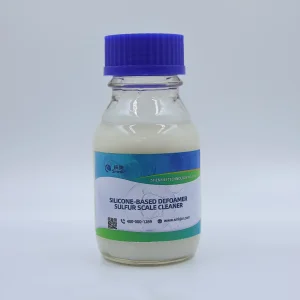
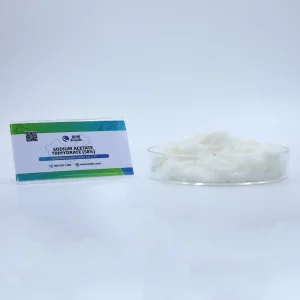
Modern municipal sewage systems struggle with increasingly complex biochemical matrices. The global push for zero liquid discharge (ZLD), combined with tighter regulatory requirements on chemical oxygen demand (COD), total nitrogen (TN), and phosphorus (TP) levels, requires advanced chemical reagents. Smedic Technology Co., Ltd. is a global leader in high-performance water treatment chemistry, helping municipalities bridge the gap between traditional processing plants and smart, low-carbon facilities.
By integrating advanced chemical synthesis with digital dosing feedback systems, we ensure municipal plants maximize particulate flocculation, accelerate biological denitrification, and prevent organic fouling in membranes. Achieving stable effluent quality under variable hydraulic loads is not just a regulatory necessity—it is an operational requirement that we deliver through customized OEM/ODM industrial chemical supply chains.
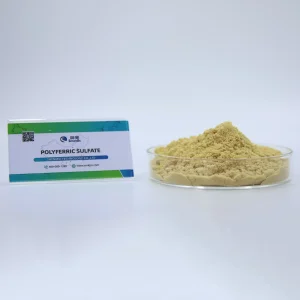
Traditional plants often over-dose basic chemicals like alum or ferric chloride, causing high sludge volumes and membrane scaling. Smedic's composite chemistry uses covalent bond flocculants and targeted organic carbon sources, reducing sludge production by up to 30% while maintaining rapid floc settling velocities.
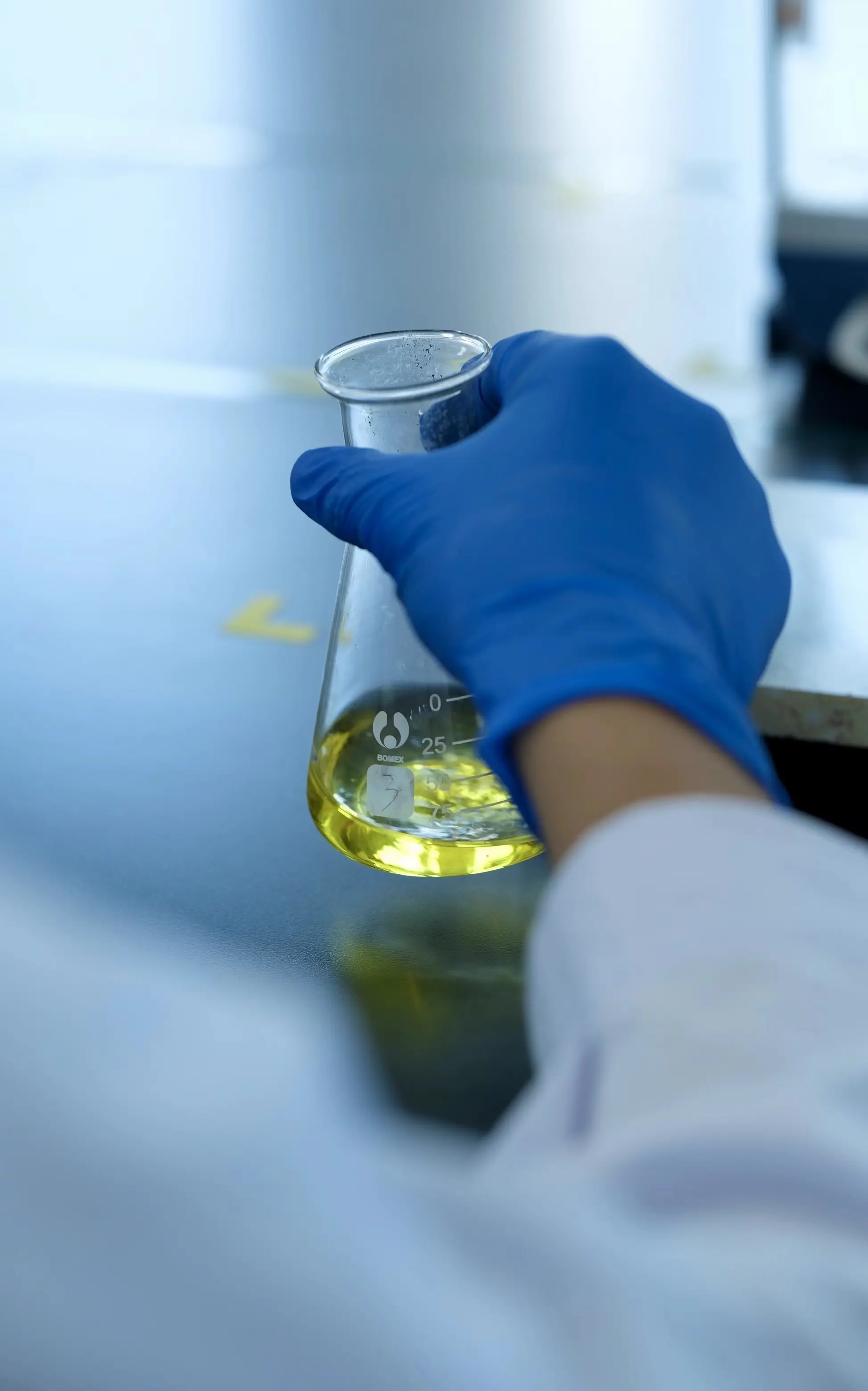
Established in 2011, Smedic Technology has evolved into a key player in the research, development, and high-volume manufacture of environmental chemicals. We provide specialized reagents for municipal sewage, industrial wastewater, tap water purification, mineral processing, and oil extraction.
With an annual production capacity exceeding 1 million tons and a selection of over 80 environmental agent types, we support complex treatment workflows. Our service network reaches over 20 provinces across China, treating more than 20 million tons of wastewater daily at over 600 urban plants.
We manage domestic warehousing and production bases in Hebei, Guizhou, Shanxi, Shandong, Anhui, Guangxi, and Sichuan. This infrastructure ensures reliable supply chains and prompt logistics for municipal and industrial partners worldwide.
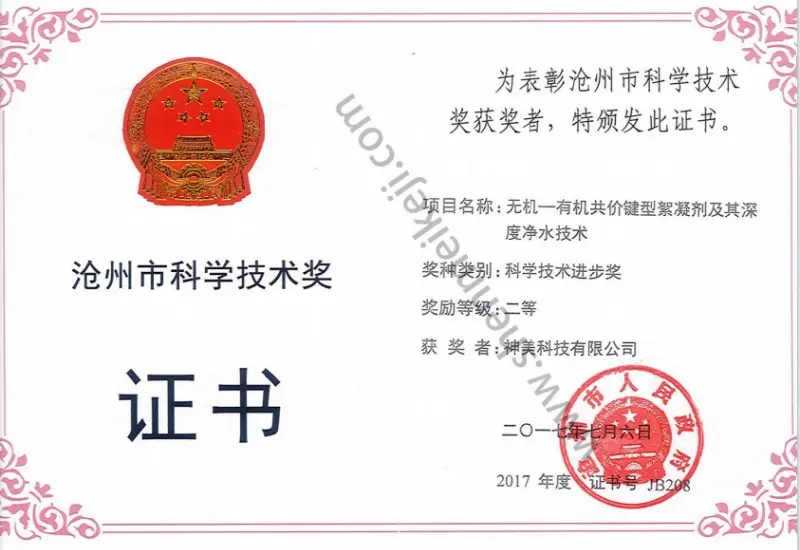
Recognized as a National High-Tech Enterprise and a "Little Giant" enterprise specializing in wastewater treatment chemicals.
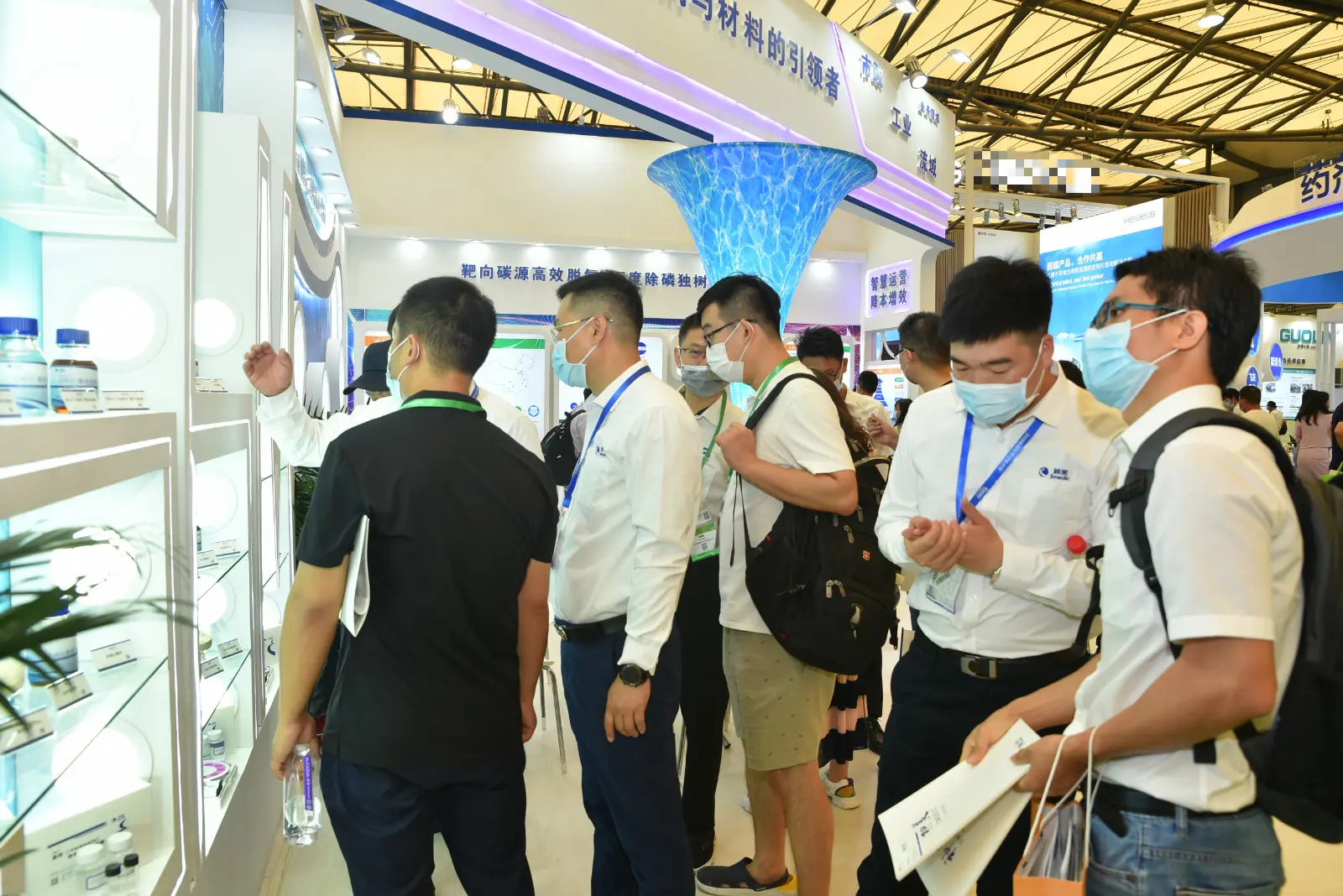
Smedic maintains a robust technology transfer and commercialization platform. Our network includes one primary academy, three research institutes, and five testing bases. Our operations are supported by provincial platforms, including the Hebei Provincial Enterprise Technology Center and the Hebei Provincial Advanced Water Treatment Chemicals Technology Innovation Center.
We collaborate with academic institutions like Tsinghua University, Shandong University, Beijing University of Technology, Peking University, and Tianjin University. These partnerships keep our product development aligned with advanced water treatment technologies.
Our intellectual property portfolio includes over sixty patents, with forty invention patents. We have contributed to national and industrial standards for carbon sources, composite coagulants, sodium acetate, and specialized bacterial agents.
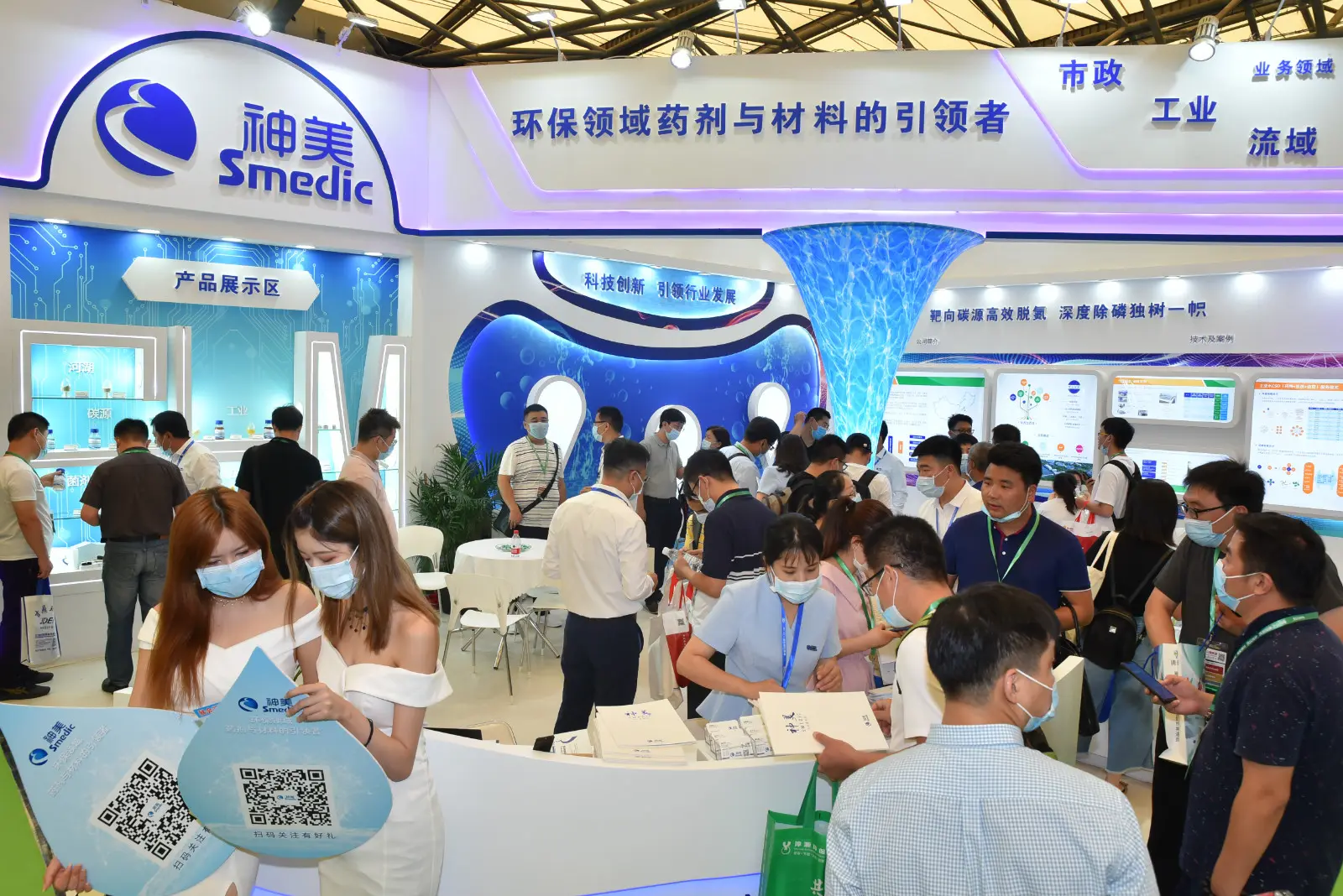
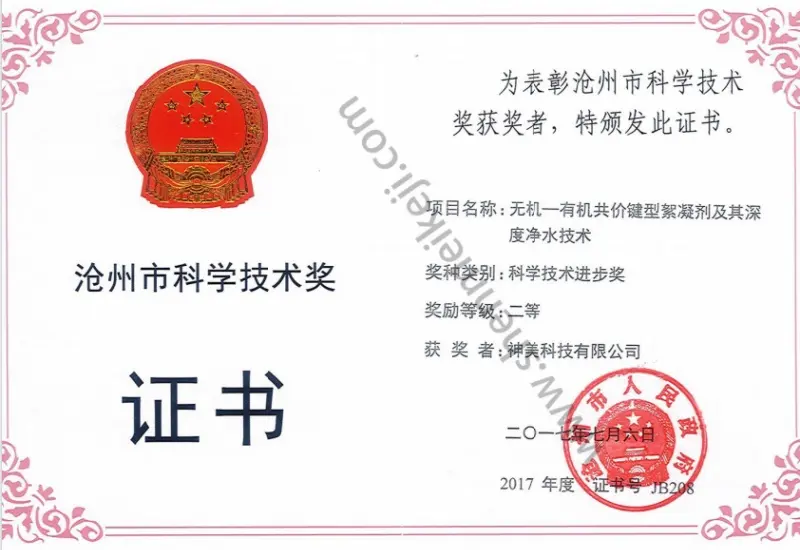
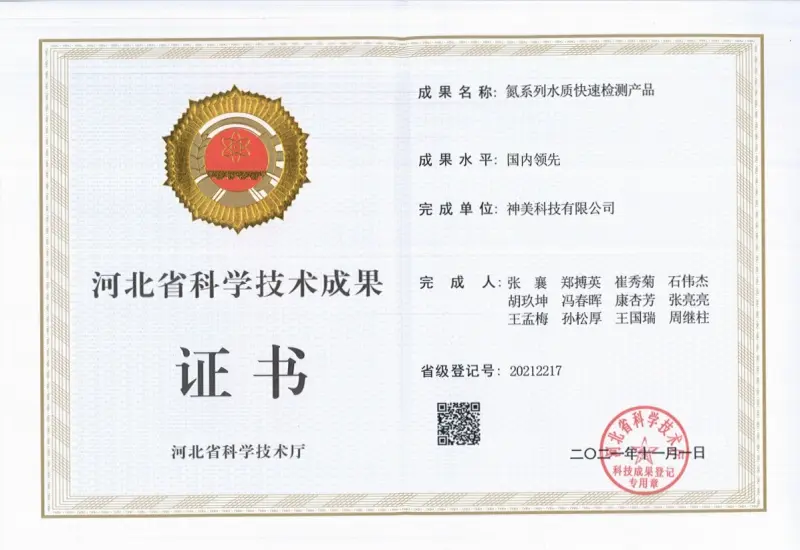
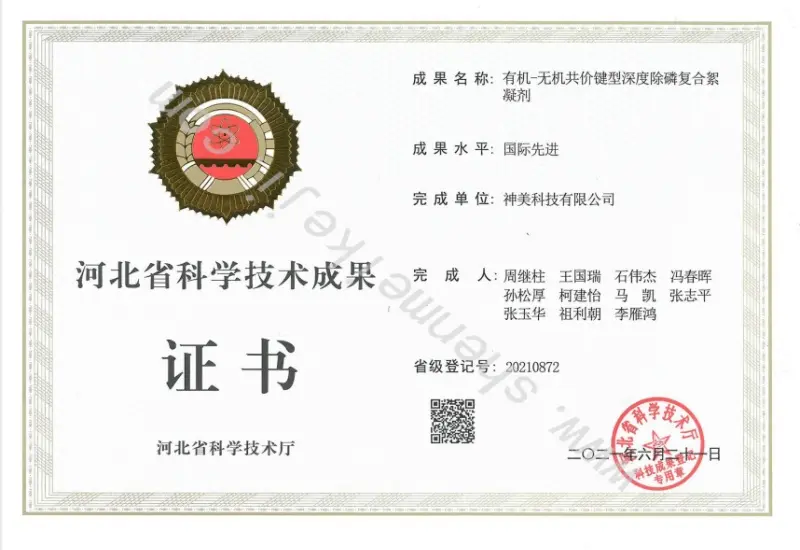
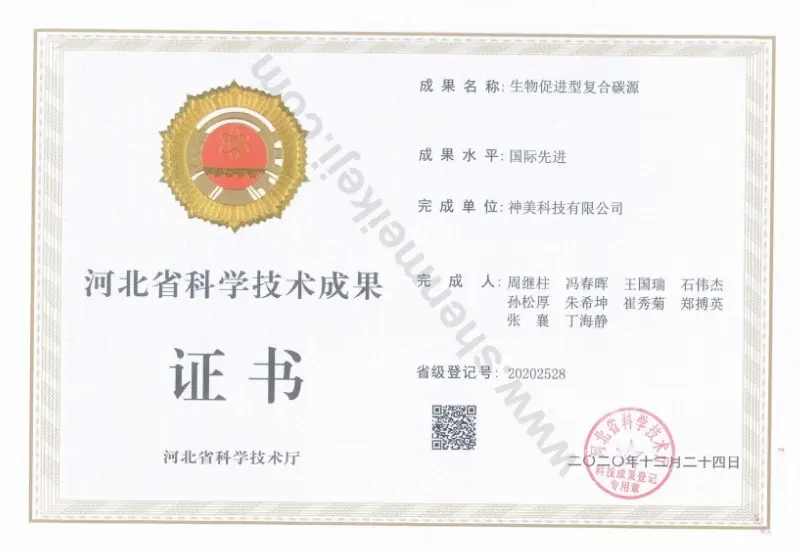
Why global municipal operators partner with Chinese chemical synthesis factories for long-term supply contracts.
We source key raw materials directly from adjacent industrial areas, stabilizing costs for polyacrylamide monomers, acetic acid, and aluminum-iron ores during global market fluctuations.
We configure polymer structures to specific conditions, modifying molecular weights and charge densities to fit different sludge types, mixing systems, and local temperatures.
We maintain strict ISO 9001, ISO 14001, and ISO 45001 standards. Each batch undergoes chromatography, titration, and jar testing to ensure uniform viscosity and active content.
A history of technical innovation and scale expansions from 2011 to 2024.
Smedic Technology was established in Beijing, focusing on polymer synthesis and testing advanced coagulant formulas.
Awarded National High-Tech Enterprise status after developing our independently synthesized organic-inorganic covalent bond flocculant.
Completed chemical manufacturing facilities in Hebei, Shandong, and Guizhou, exceeding 1 million tons in cumulative annual production capacity.
Recognized as a National Specialized, Refined, Unique and Innovative "Little Giant" Enterprise for key contributions to municipal wastewater treatment chemistry.
Granted over 60 Chinese patents, including 40 invention patents, while leading draft standardizations for composite carbon sources.
Established a joint venture with the Chengdu Institute of Mineral Comprehensive Utilization, expanding our mineral processing and chemical options.
Modern water treatment requires customized, site-specific formulations rather than off-the-shelf options. Global municipal buyers demand products that offer:
Through our OEM/ODM division, Smedic provides custom formulations to global engineering and procurement firms. We supply chemicals that match regional source water chemistry, seasonal temperature variations, and existing system design.
Detailed chemical optimization methodologies for real-world municipal and industrial wastewater installations.
Challenge: Recirculating cooling systems experience calcium carbonate and sulfate scaling, reducing heat transfer efficiency.
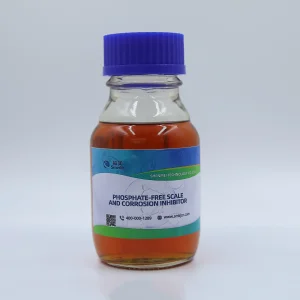
Solution: Smedic's Phosphate-Free Scale and Corrosion Inhibitors form a protective layer on heat exchanger tubes, preventing mineral buildup without causing phosphorus algae growth in discharging streams.
Challenge: Slow nitrification/denitrification in winter due to insufficient biological carbon sources.
Solution: Smedic's Pure Solid Sodium Acetate Compound serves as an easily digestible carbon source for denitrifying bacteria. It maintains denitrification kinetics down to 5°C, preventing nitrate spikes in treated water.
Challenge: High water content in sludge cakes increases transportation costs.
Solution: Our CPAM and APAM series create robust flocs under high shear. Using these in belt or centrifuge dewatering systems reduces cake moisture to under 75%, lowering disposal fees.
Direct technical answers from Smedic's laboratory experts on performance optimization and chemical properties.
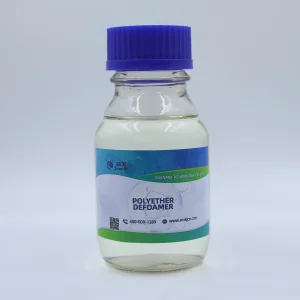
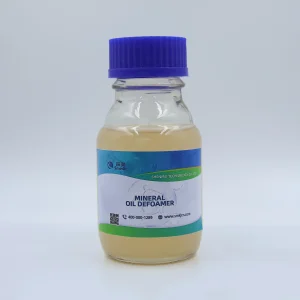
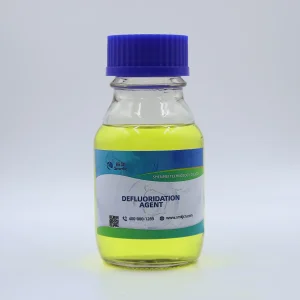
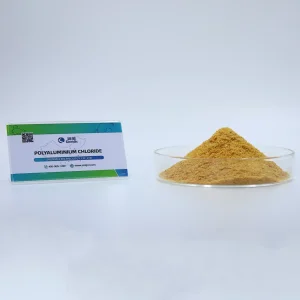
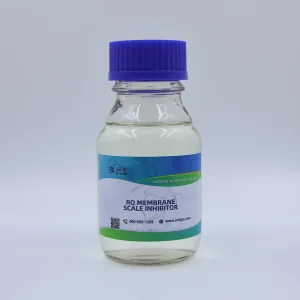
Advanced scale inhibitors, defoamers, and ionic polymers designed for water reclamation systems.
 Smedic Tech