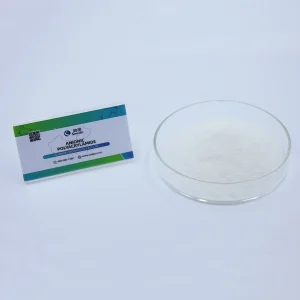
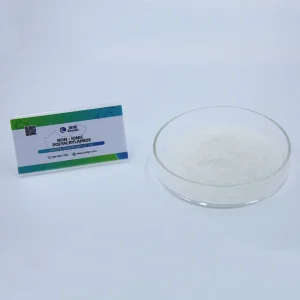
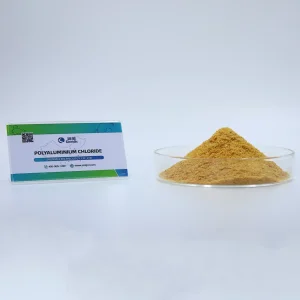
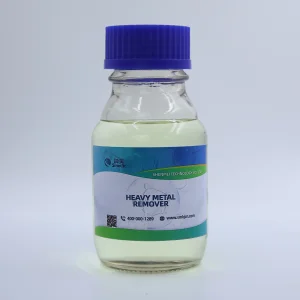
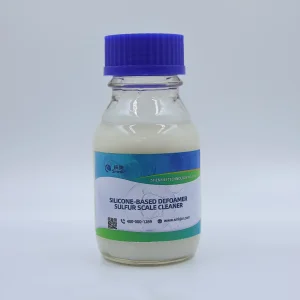
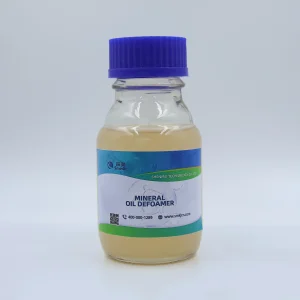
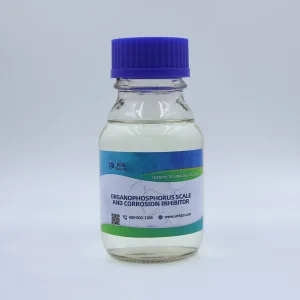
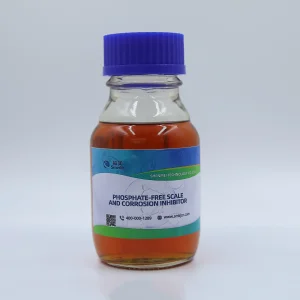
Explore our leading industrial formulations engineered for maximum efficiency, municipal compliance, and extreme operational performance.
A comprehensive study on the macromolecular dynamics, production scalability, and global industrial integration of Polyacrylamide (PAM).
In the era of modern environmental engineering and heavy industrial extraction, Polyacrylamide (PAM) stands as a pivotal synthetic polymer. Characterized by its repeating acrylamide subunits, PAM is a highly customizable water-soluble macromolecule widely utilized for flocculation, rheology modification, friction reduction, and cohesion enhancement. As a premier OEM Polyacrylamide Manufacturer & Exporter, Smedic Technology Co., Ltd. has spent over a decade refining the synthesis pathways and delivery mechanisms of Anionic (APAM), Cationic (CPAM), and Non-Ionic (NPAM) polymers to meet the demanding requirements of global markets.
The global demand for Polyacrylamide is expanding rapidly, driven by the tightening of environmental regulations governing municipal effluent discharge and the intensifying requirements of resource recovery sectors. Structurally, the global market is segmented based on the ionic nature of the polymer. The molecular weight and charge density profile of each polymer must be precision-tailored to suit specific fluid dynamics and suspended solid characteristics.
Commonly employed in mineral processing, coal washing, and aggregate processing where the suspended particles carry a positive charge. APAM molecules boast long chain structures, promoting bridging and rapid sedimentation of dense inorganic particulates.
Highly effective in municipal sewage sludge dewatering and organic wastewater treatment. By neutralizing the negative surface charges on organic colloids, CPAM facilitates clean phase separation, leaving behind clear supernatant water and dense filter cakes.
Used predominantly in highly acidic environments or in applications requiring structural preservation under high salt/electrolyte concentrations, such as enhanced oil recovery (EOR) and secondary chemical filtration.
At present, industrial activities in the Americas, Europe, and the Asia-Pacific region are demanding massive scalability from chemical manufacturers. The challenge lies not only in producing bulk volumes but in ensuring the consistency of molecular weight distribution (MWD) across production batches. Smedic Technology utilizes state-of-the-art polymerization chambers to limit molecular weight degradation, guaranteeing high-performance flocculation across all climate zones and operating temperatures.
The deployment of Polyacrylamide within macro systems dictates the efficiency of core infrastructure. Modern heavy industries incorporate automated dosing modules that depend on the physical properties of Smedic’s dry powder and emulsion formulas:
Every geographic region possesses distinct regulatory demands and local operational constraints. In the European Union, compliance with REACH regulations mandates strict tracking of monomer impurities, particularly residual acrylamide content, which must be kept below 250 ppm (and in many cases below 100 ppm for potable water systems). In North America, NSF/ANSI Standard 60 guidelines govern the usage of polymers in municipal drinking water systems.
Smedic Technology addresses these localized needs by operating a global distribution and technical support framework. By establishing regional warehousing and technical centers across crucial industrial corridors, we minimize supply chain volatility and provide on-site jar testing and optimization services to verify compatibility with local water chemistry profiles.
The future of water treatment polymers points toward ecological neutrality and smart process control. Our R&D center is focusing its technical roadmap on:
Developing structural monomers derived from renewable, agricultural-grade raw materials. These bio-polymers yield comparable charge characteristics to synthetic equivalents while drastically reducing the overall carbon footprint of chemical processing plants.
Synthesizing intelligent polymer systems that alter their molecular structures in response to real-time changes in salinity, pH, or shear stress. This prevents premature polymer chain rupture in turbulent chemical injection lines.
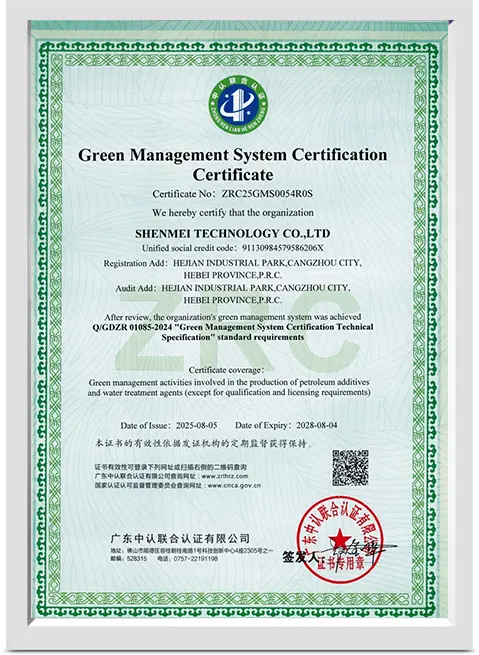
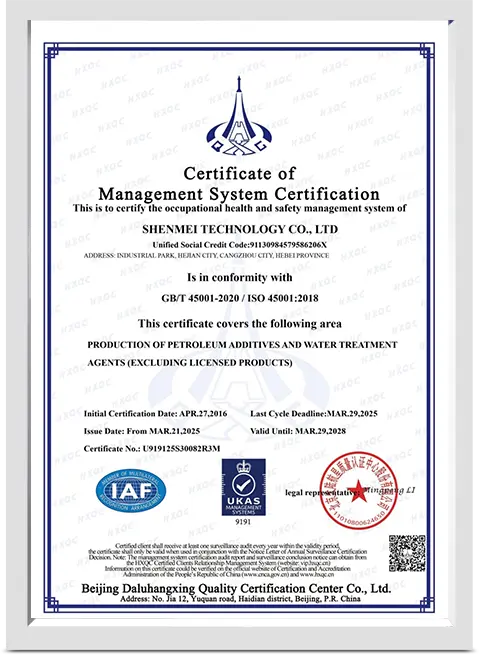
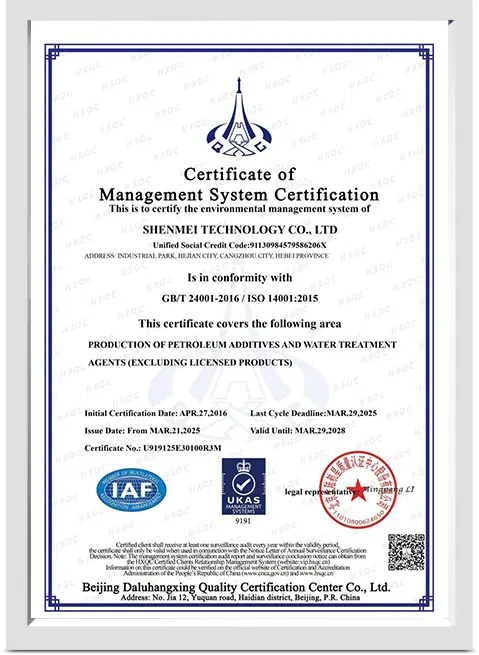
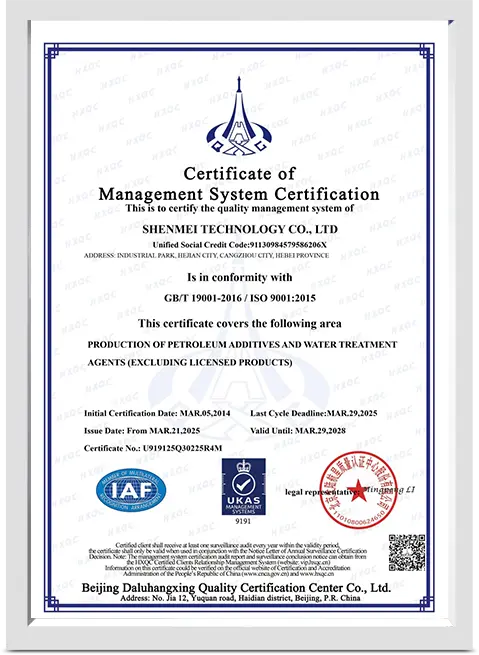
Established in 2011, Smedic Technology is a leading comprehensive environmental protection provider integrating R&D, production, and technical services.
Headquartered in Beijing, Smedic operates proprietary eco-friendly chemical production facilities in Hebei, Guizhou, and Shanxi, supplemented by more than ten OEM partner factories and regional warehousing bases. Our network covers 20+ Chinese provinces, serving 600+ municipal wastewater installations and 1,000+ industrial end-users.
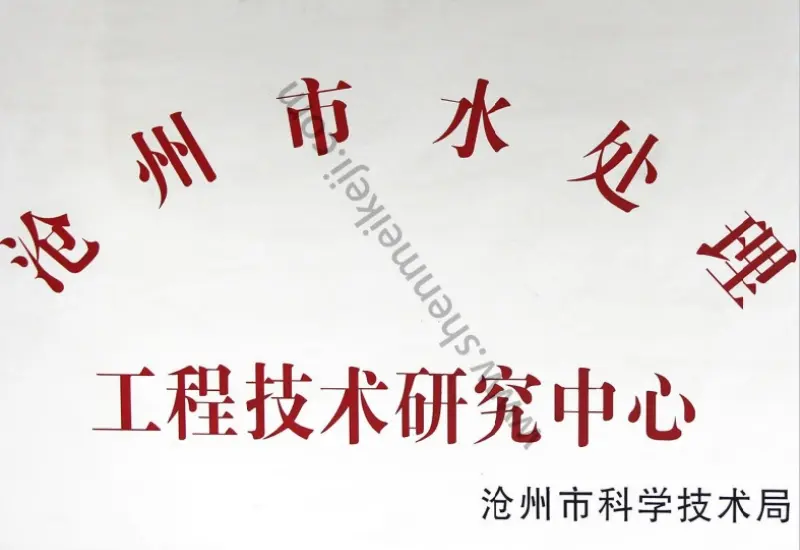
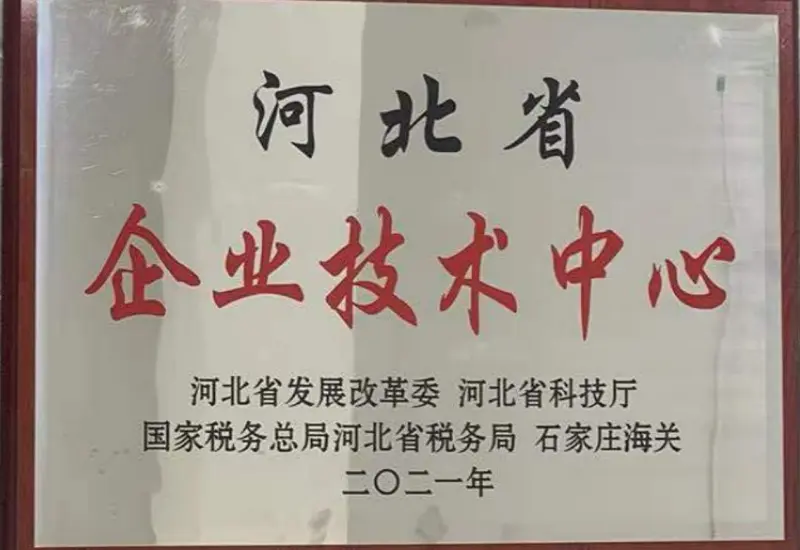
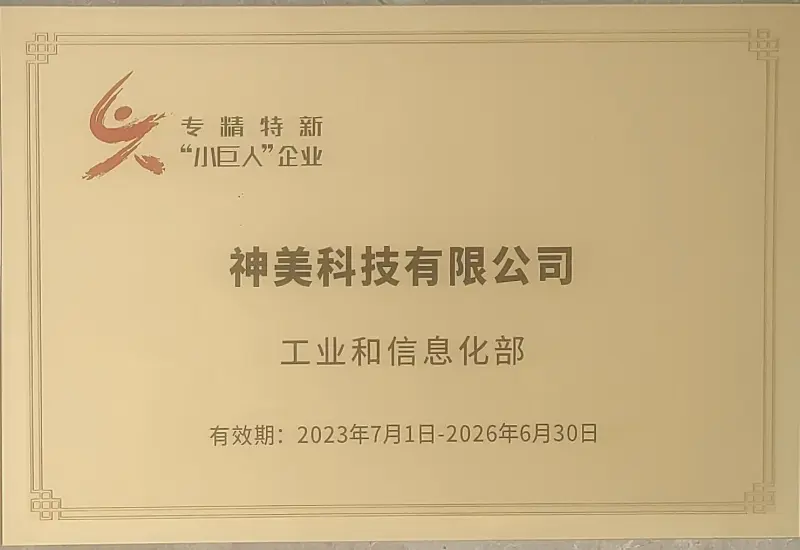
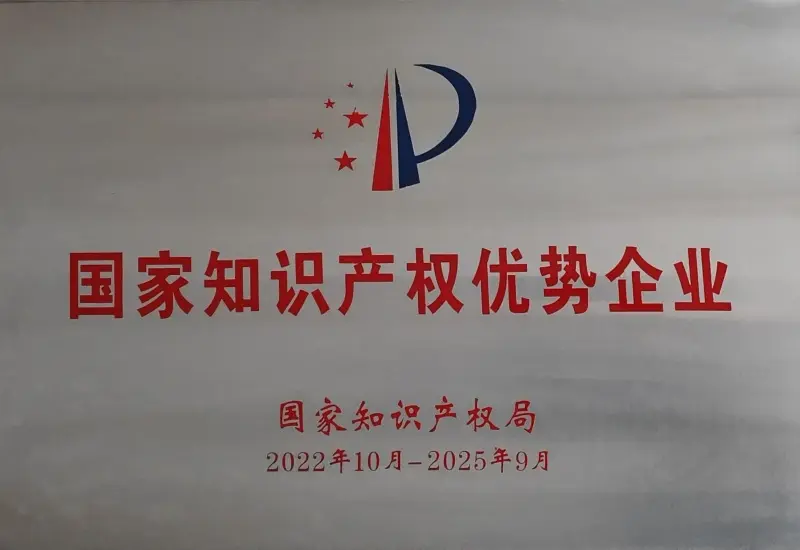
We are recognized as a National Specialized, Refined, Unique and Innovative "Little Giant" Enterprise. Our core scientific network features collaborations with Tsinghua University Association of Senior Scientists and Technicians, Shandong University, Beijing University of Technology, Peking University, and Tianjin University.
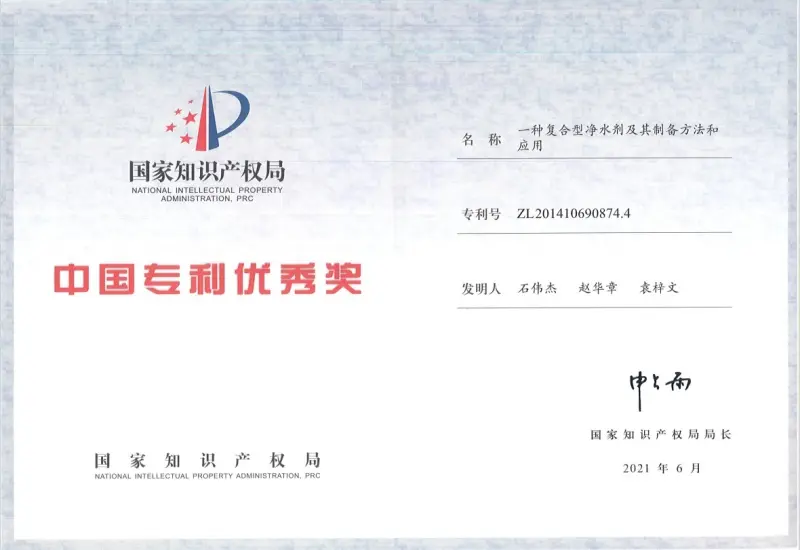
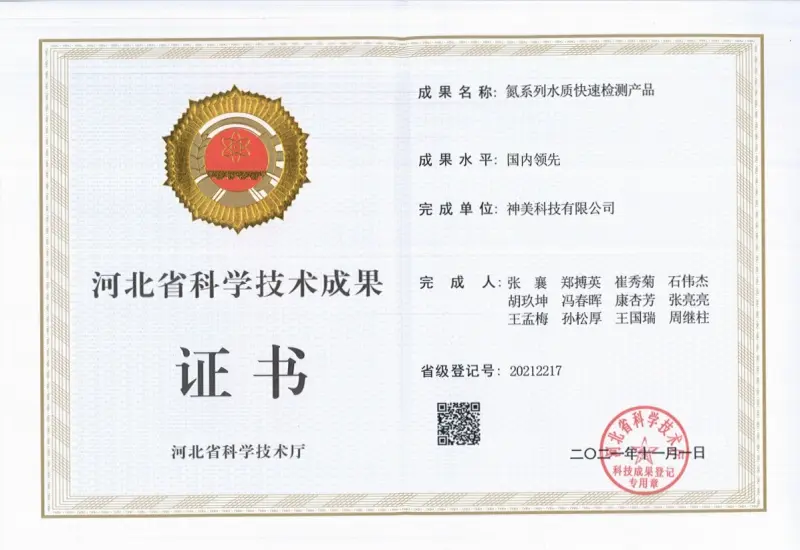
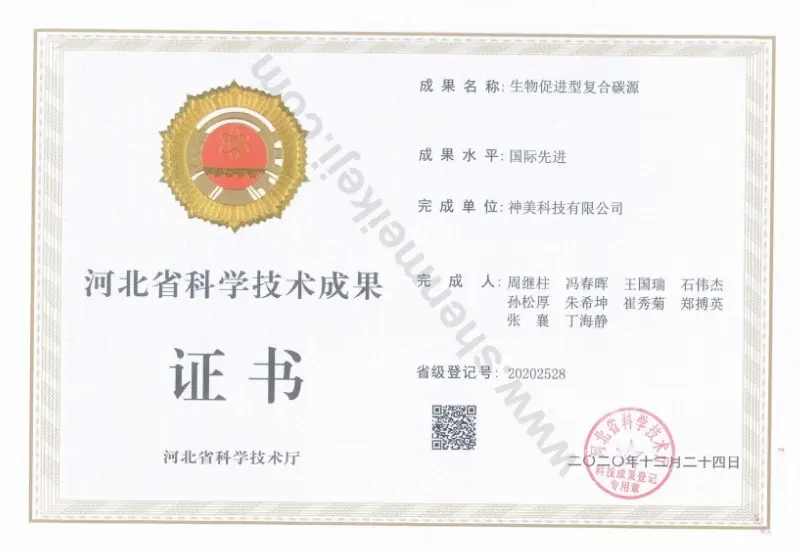
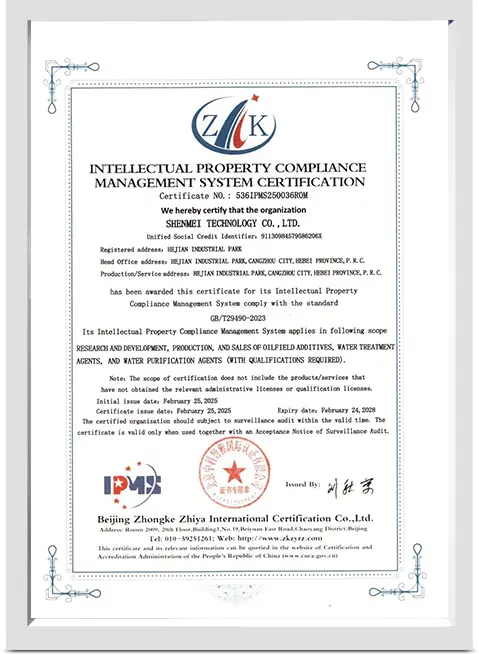
Smedic has been granted over sixty Chinese patents, including more than forty invention patents and over twenty utility model patents. We have led the drafting of more than ten national and industry standards.
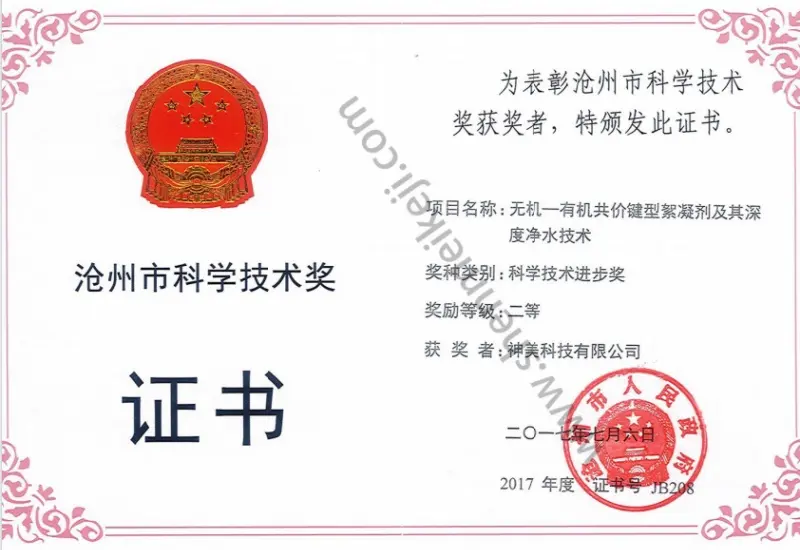
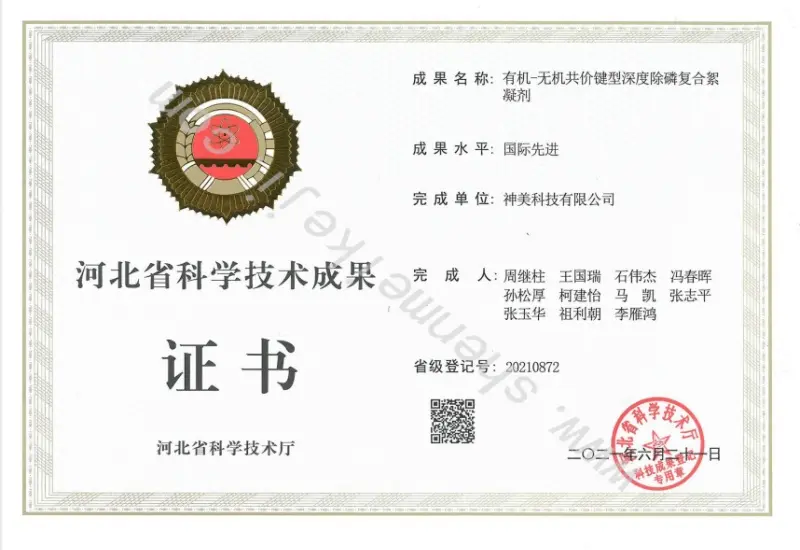
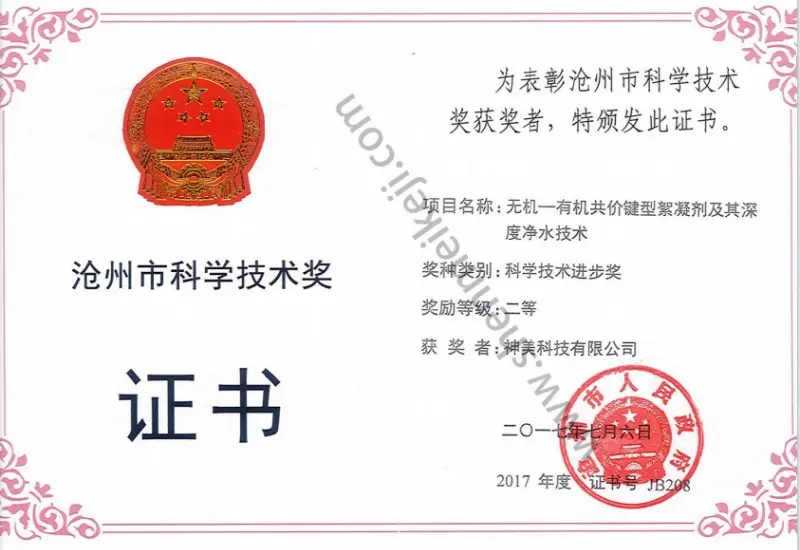
Our "Inorganic-Organic Covalent Bond Flocculant" technology won the 22nd China Patent Award and First Prize for Technological Invention from the China Petrochemical Industry Association.
A history of scientific breakthroughs and manufacturing expansions shaping our leading market presence.
Technical guidance and application troubleshooting curated by Smedic's senior chemical engineers.
Browse our expanded portfolio of defoamers, inhibitors, and specialized purification chemicals.
 Smedic Tech