Engineered chemical formulations designed for municipal and industrial wastewater clarification.
As the international community tightens regulations surrounding industrial effluent discharge, the role of premium chemical treatment agents has shifted from standard compliance to core strategic infrastructure. Industrial wastewater processing is currently undergoing a massive evolution driven by structural resource challenges and ambitious ecological metrics. Traditional methods of waste dilution are no longer viable under modern environmental frameworks.
The global cost of industrial freshwater procurement is escalating. Deploying specialized water clarification agents allows manufacturing plants to implement Zero Liquid Discharge (ZLD) closed-loop reclamation protocols, directly dropping overhead costs.
Environmental protection agencies globally (such as the EPA in the USA and European Environment Agency directives) are enforcing stringent guidelines on heavy metals, chemical oxygen demand (COD), and toxic compounds.
Prior to biological treatment, raw effluent must be pre-treated chemically. Custom coagulants remove hazardous suspended solids, protecting sensitive biological membranes from toxic shock and fouling.
Furthermore, rapidly growing industrial corridors in the Asia-Pacific region, Latin America, and sub-Saharan Africa require scalable, stable, and highly customizable supply chains for flocculants, defoamers, and heavy metal binders. To optimize shipping economics and local operations, municipal governments and large multinational corporations rely on high-volume OEM/ODM exporters capable of tailoring molecular properties to local geographic climates and effluent compositions.
Smedic Technology Co., Ltd. — A Recognized Leader in Ecological Purification Chemistry
Established in 2011, Smedic Technology Co., Ltd. operates as a globally integrated environmental protection enterprise combining research & development, automated production, international logistics, and comprehensive engineering consultancy. Our custom formulations cover key application vectors including municipal wastewater purification, heavy industrial effluent treatment, high-purity tap water preparation, mineral ore flotation enhancers, and oilfield tertiary extraction chemicals.
Headquartered in Beijing, China, our industrial network utilizes wholly owned chemical production installations across Hebei, Guizhou, and Shanxi. Our logistical reach is supported by over ten strategic OEM partner factories and regional distribution centers in Shandong, Shanxi, Anhui, Guangxi, and Sichuan. Currently, Smedic's business footprint services over 20 Chinese provinces and rapidly expands into international markets via our specialized OEM export channels.
Our solutions are deployed daily across 600+ municipal sewage complexes and over 1,000 heavy industrial operations. In total, Smedic chemicals process over 20 million tons of wastewater every single day, reinforcing our status as an elite manufacturing partner in high-performance environmental agents.
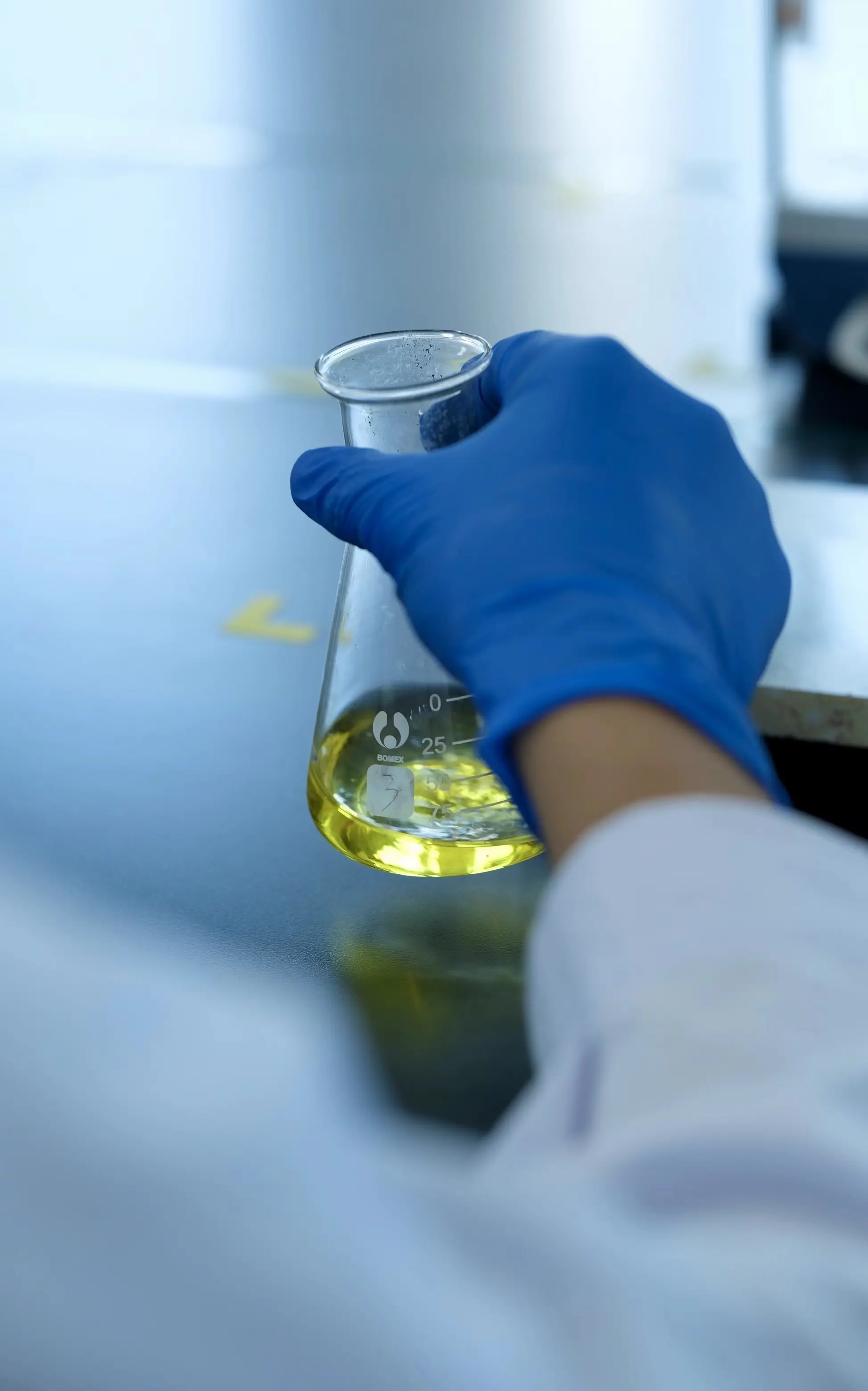
Modern wastewater clarification demands complex physical-chemical transformations. At Smedic, our research centers focus on maximizing functional efficacy by engineering advanced molecular structures. Below is an overview of our key chemical innovations and their application parameters:
| Chemical Agent Class | Core Active Component | Primary Reaction Mechanism | Key Industrial Application |
|---|---|---|---|
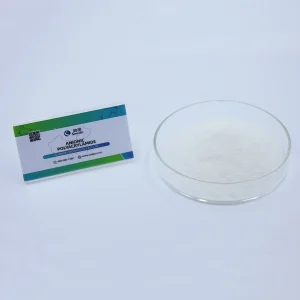
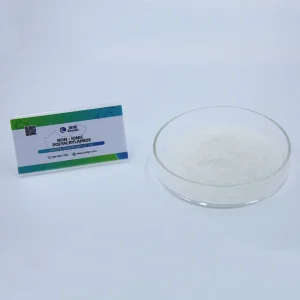
| Anionic Polyacrylamide (APAM) | High molecular weight polyacrylamide copolymer | Polymer bridging and charge neutralization of positively charged colloids | Mining tailings dewatering, metal smelting discharge, industrial sand washing |
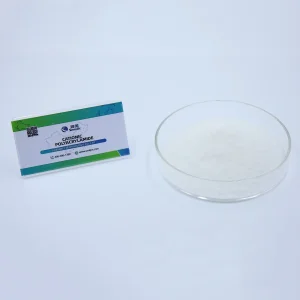
| Cationic Polyacrylamide (CPAM) | Cationic monomer-acrylamide copolymer | High charge-density neutralization for organic, negatively charged particulates | Municipal sludge conditioning, municipal sewage digestion, paper mill effluent |
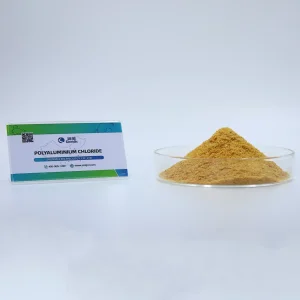
| Polyaluminum Chloride (PAC) | Highly charged polymeric aluminum silicate complexes | Destabilization of colloidal dispersions through rapid charge neutralization | Drinking water purification, municipal raw water coagulation, pre-filtration prep |
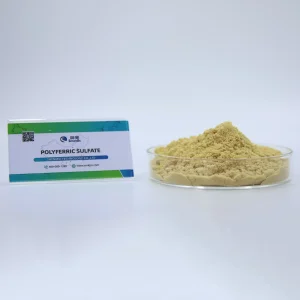
| Polyferric Sulfate (PFS) | Multinuclear hydroxyl-complexed iron polymer | Rapid flocculation coupled with chemical precipitation of orthophosphates | Heavy chemical sewage, industrial phosphorus removal, COD reduction |
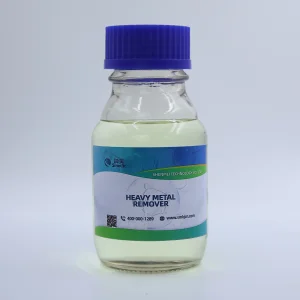
| Heavy Metal Removal Agents | Chelating organic polymers containing sulfur functional groups | Stable complexation forming highly insoluble metal organo-precipitates | Electroplating rinse-water treatment, battery manufacturing wastewater |
A major focus of Smedic’s R&D program is our patented Inorganic-Organic Covalent Bond Flocculant. Traditional processes rely on dosing inorganic coagulants (like PAC) followed by organic flocculants (like PAM) sequentially. By chemically synthesizing these two phases into a singular, covalently bonded molecule, Smedic's innovative coagulant forms larger, denser micro-flocs at half the typical dosage rate. This reduces overall sludge generation by up to 30%, lowering disposal costs and reducing downstream filter press strain.
Smedic is designated as a National High-Tech Enterprise and a specialized, refined, unique, and innovative "Little Giant" Enterprise in China. These recognitions reflect our commitment to advancing industrial wastewater chemistry.
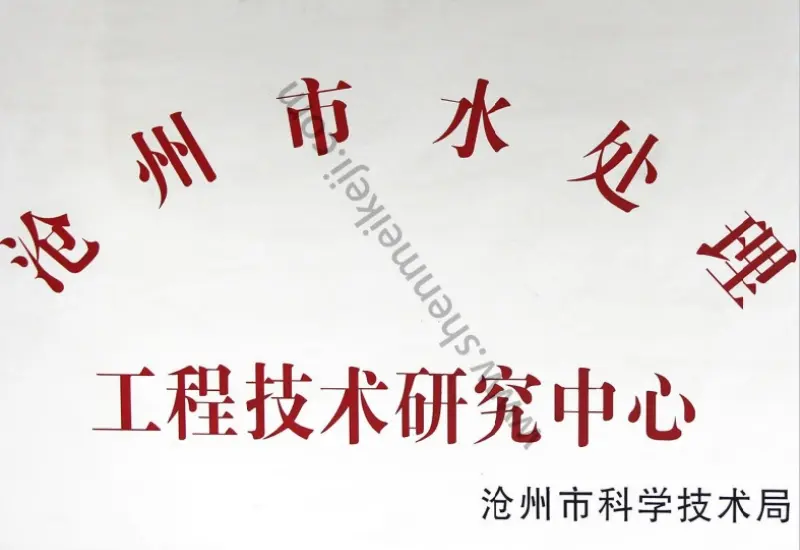
Our research and development program operates through a network composed of one academy, three research institutes, and five production bases. Our facilities include the Hebei Provincial Enterprise Technology Center and the Cangzhou Water Treatment Engineering Technology Research Center. In addition, we maintain collaborative research workstations and joint laboratories with leading academic institutions, including Tsinghua University, Shandong University, Beijing University of Technology, Peking University, and Tianjin University.
Currently, Smedic holds over sixty Chinese patents, including more than 40 invention patents and 20 utility model patents. We have also led the drafting of over 10 national and industry standards governing composite carbon sources, composite coagulants, sodium acetate, and bacterial formulations.
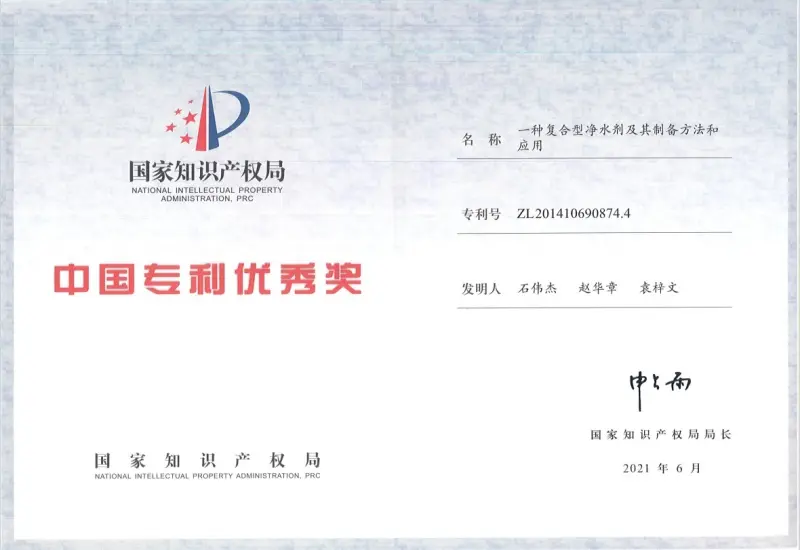
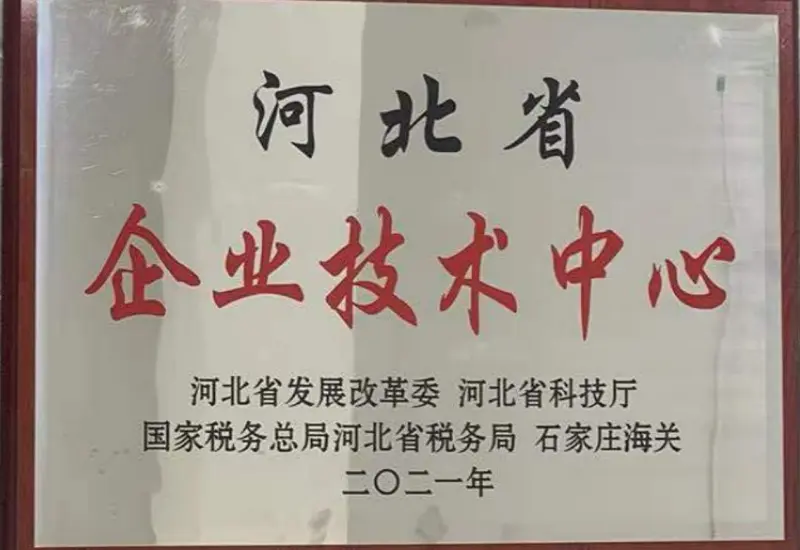
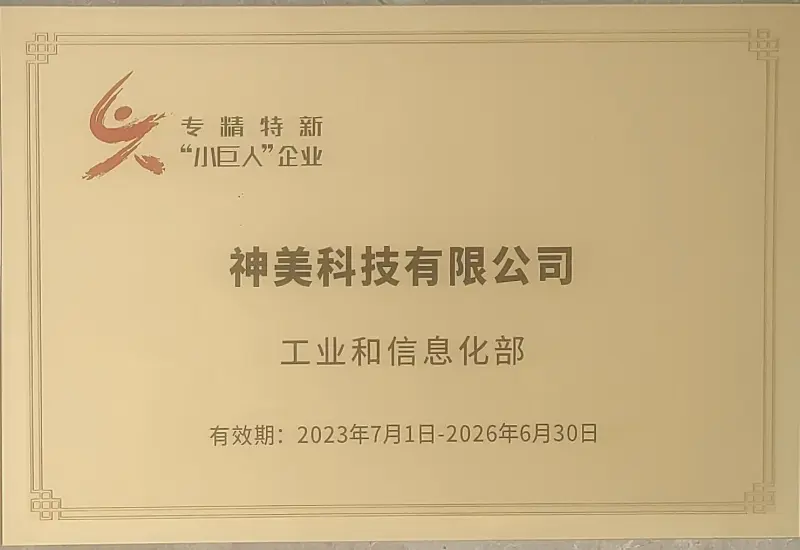
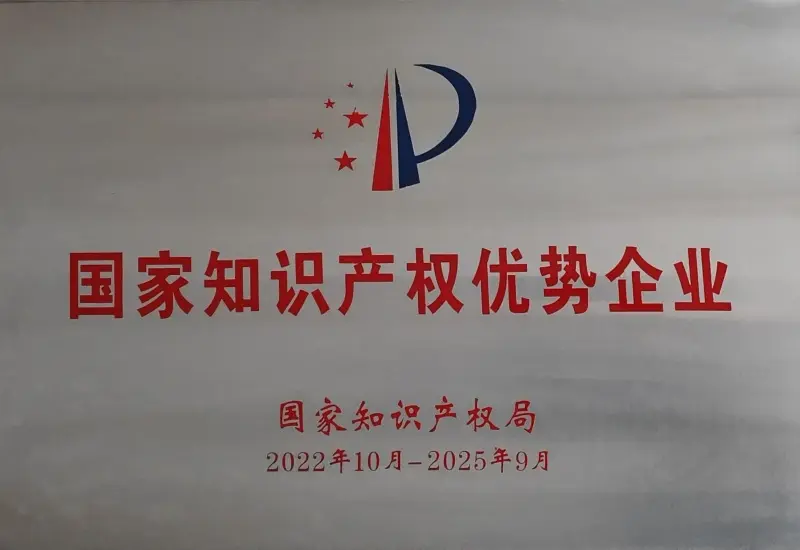
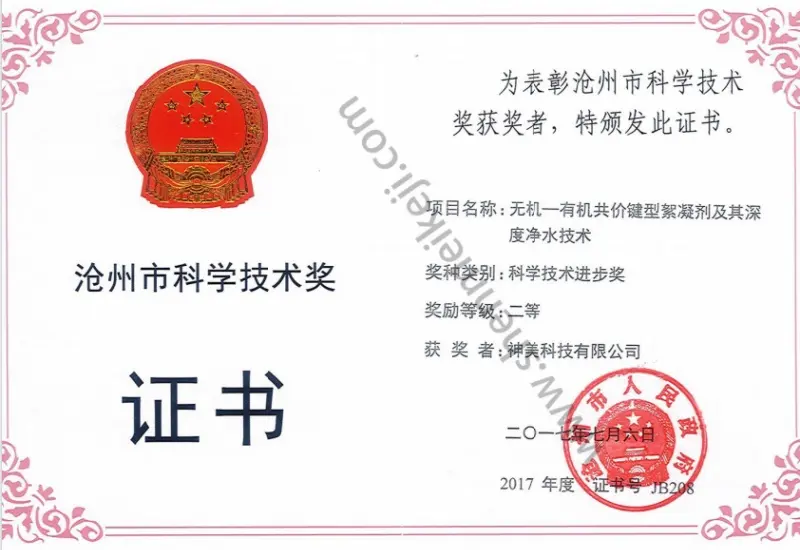
Smedic's independently developed bio-enhanced denitrification carbon sources and deep multi-nuclear phosphorus removal agents have been evaluated as "internationally advanced" by the Science and Technology Department of Hebei Province. Our active oxygen compound disinfectant is also recognized as a National Construction Industry Scientific and Technological Achievement Promotion Project by the Ministry of Housing and Urban-Rural Development.
Our "Inorganic-Organic Covalent Bond Flocculant" has received multiple awards, including the 22nd China Patent Award, the First Prize for Technological Invention from the China Petrochemical Industry Association, and the Hebei Province Science and Technology Progress Award.
For four consecutive years, China Water Network and the E20 Environmental Platform have named Smedic the "Leading Brand of Advanced Wastewater Treatment Chemicals" and the "Most Valuable Water Treatment Chemicals Brand." We maintain long-term supply agreements and partnerships with major environmental groups, including Shouchuang Ecological and Environmental Group, Yangtze River Ecological and Environmental Group, Beijing Enterprises Water Group, OriginWater, and China Water Environment Group.
Our quality management system covers every step of the manufacturing lifecycle. All raw materials undergo verification testing prior to manufacturing. In-process monitors track temperature, pH, pressure, and polymerization rates to maintain consistency. Finally, each production run is verified and issued a Certificate of Analysis (COA) to confirm performance metrics and compliance before shipment.
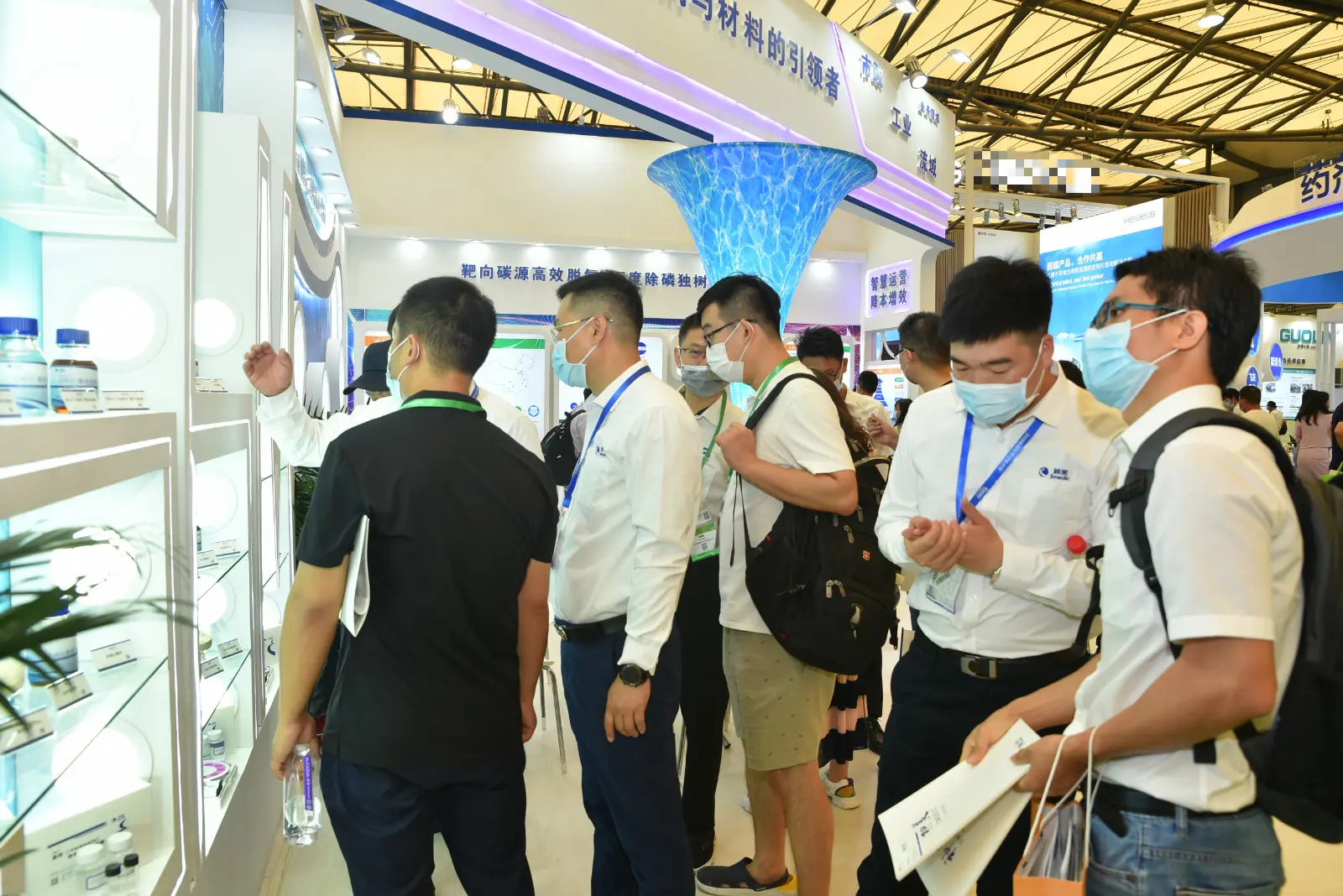
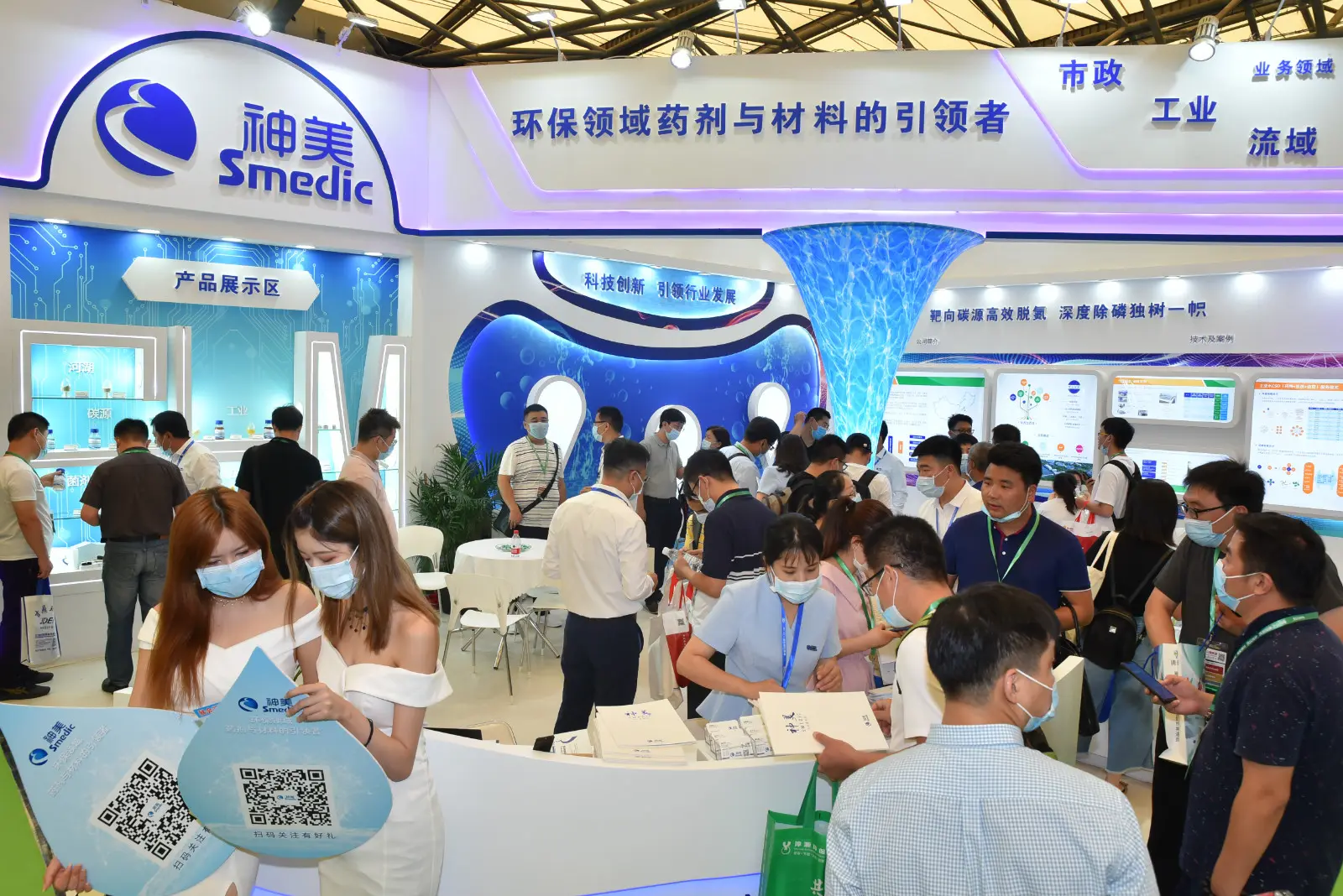
A timeline of Smedic’s evolution from a regional environmental agent manufacturer to a major OEM/ODM water treatment exporter.
Smedic Technology Co., Ltd. is founded in Beijing, China, establishing its first production line for coagulation agents.
Establishes a complete product portfolio tailored to municipal wastewater systems, initiating supply partnerships with regional treatment facilities.
Officially recognized as a key national high-tech enterprise, expanding domestic sales operations.
Constructs and commissions a dedicated water treatment chemical production base in Guiyang to serve Southwest China.
Completes expansions at production bases in Hebei, Shandong, and Guizhou, raising aggregate annual production capacity past 1 million tons.
Designated as a National Specialized, Refined, Unique, and Innovative "Little Giant" Enterprise.
Establishes a provincial-level R&D platform in Hebei to accelerate development of polymer formulations.
Recognized as a National Intellectual Property Advantage Enterprise with over 60 utility and invention patents.
Establishes a joint venture with the Chengdu Institute of Mineral Comprehensive Utilization, China Geological Survey, focused on advanced mineral flotation and mining tailings water recycling agents.
Wastewater characteristics vary widely between industries. Smedic provides tailored chemical solutions formulated for specific sector requirements:
Custom CPAM dewaters municipal sludge efficiently, while PFS reduces total phosphorus levels to meet local regulatory discharge standards.
We provide ultra-high molecular weight APAM to accelerate tailings settling in coal washing, gold processing, and silica mining, enabling water recycling.
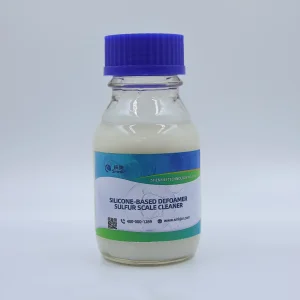
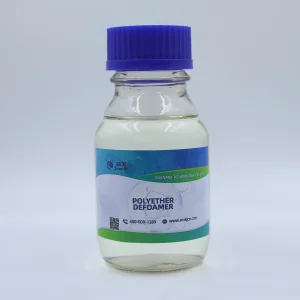
Our silicone and polyether defoamers manage foam in biological basins and aeration towers, preventing overflow and improving process efficiency.
Our heavy metal removal agents precipitate copper, nickel, chrome, and zinc from rinse-waters, achieving parts-per-billion discharge levels.
Smedic offers phosphate-free scale and corrosion inhibitors that prevent scale buildup in heat exchangers without promoting algae growth in municipal discharge zones.
Get professional insights from Smedic’s senior chemical engineering team on product selection, performance, and customization.
Targeted formulations for foam suppression, heavy metal precipitation, and scale control.
 Smedic Tech