Explore our premium grade chemical agents formulated for high-performance flocculation, foam control, and targeted contaminant removal.
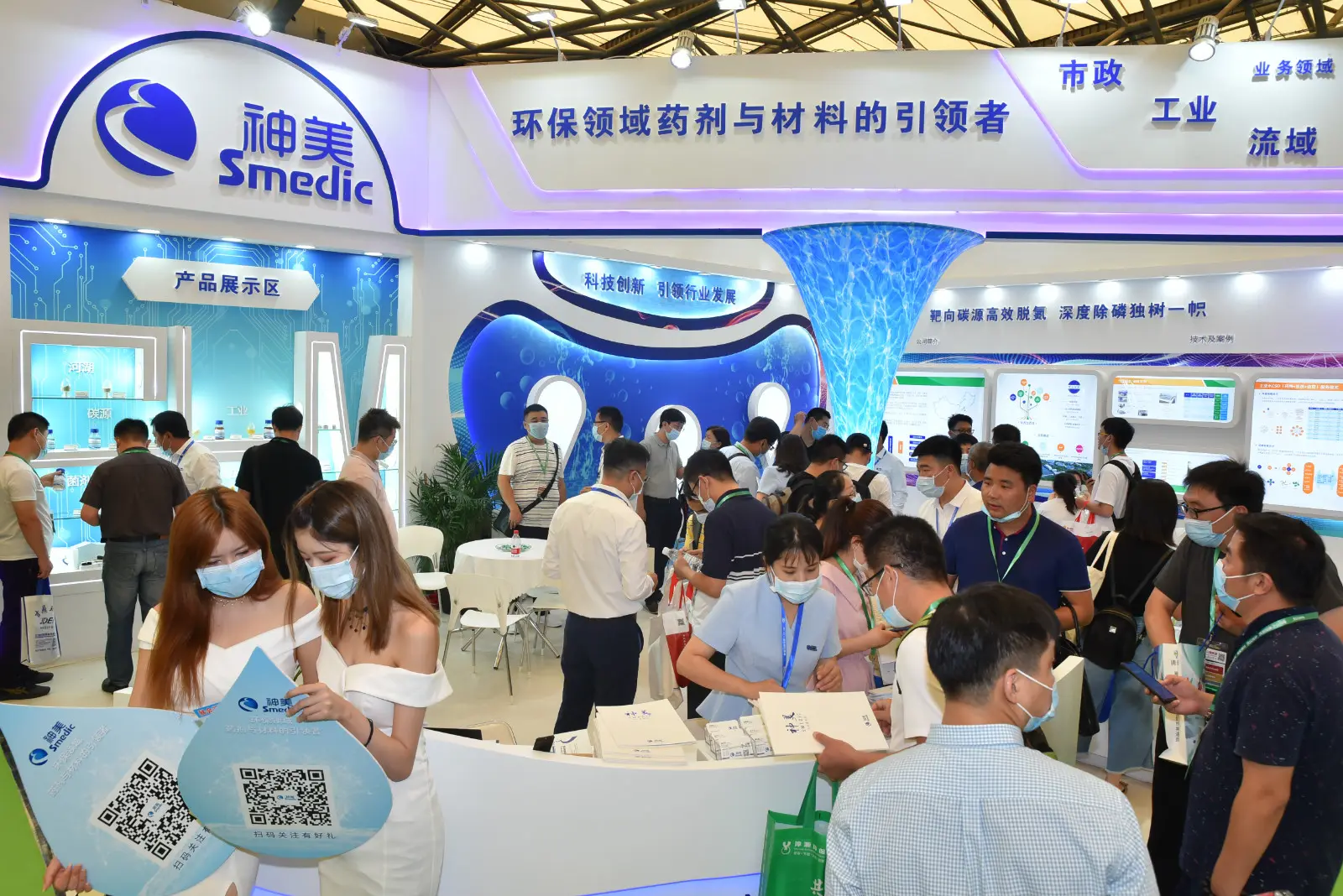
Established in 2011, Smedic Technology Co., Ltd. has evolved into a comprehensive, high-tier solution provider specializing in environmental protection agents, integrating advanced research and development, large-scale chemical manufacturing, global sales channels, and dedicated engineering services. We are structurally aligned to deliver custom environmental solutions that address localized, complex ecological challenges across municipal and heavy industrial applications.
Smedic is positioned at the forefront of the chemical water treatment industry in China, producing more than 80 variations of environmental protection products. Our annual aggregate manufacturing capacity exceeds 1 million tons, serving over 600 urban sewage treatment facilities and sustaining structural partnerships with more than 1,000 corporate end customers in industrial wastewater treatment, metallurgy, oilfields, and mining processes.
A resilient, multi-provincial manufacturing and logistics ecosystem engineered to guarantee uninterrupted supply chains and prompt onsite technical intervention.
Headquartered strategically in Beijing, the political and administrative hub of China, Smedic Technology has built a robust domestic infrastructure. We possess wholly-owned, state-of-the-art production bases in the provinces of Hebei, Guizhou, and Shanxi. This distributed manufacturing model minimizes regional supply risks and optimizes feedstock procurement efficiency.
To maximize service availability and delivery speed, Smedic operates more than ten OEM partner facilities alongside regional warehousing and logistics hubs across key provinces including Shandong, Shanxi, Anhui, Guangxi, and Sichuan. This intricate, integrated logistics network serves 20+ provinces across China and facilitates international distribution channels via major commercial ports.
Global procurement specialists seeking reliable chemical agents face persistent challenges surrounding chemical yield consistency, regulatory compliance, and volatile raw material costs. Partnering with a large-scale Chinese manufacturer like Smedic offers decisive supply chain advantages:
Our production bases in northern and southwest China are strategically positioned near raw material sources (such as acetic acid, phosphate rock, and acrylamide monomer synthesis units). This close proximity buffer-protects our clients from international chemical feed-stock price volatility.
Recognized as a Hebei Province Green Factory, Smedic operates clean-coal gasification and closed-loop process automation. This guarantees that our production runs remain continuous even during stringent local environmental inspections, securing long-term contract reliability.
With an annual production capacity exceeding one million tons, our factories easily scale batch sizes to match specific molecular weight parameters (for APAM/CPAM) or concentration variants, packing under customized private label requirements for international markets.
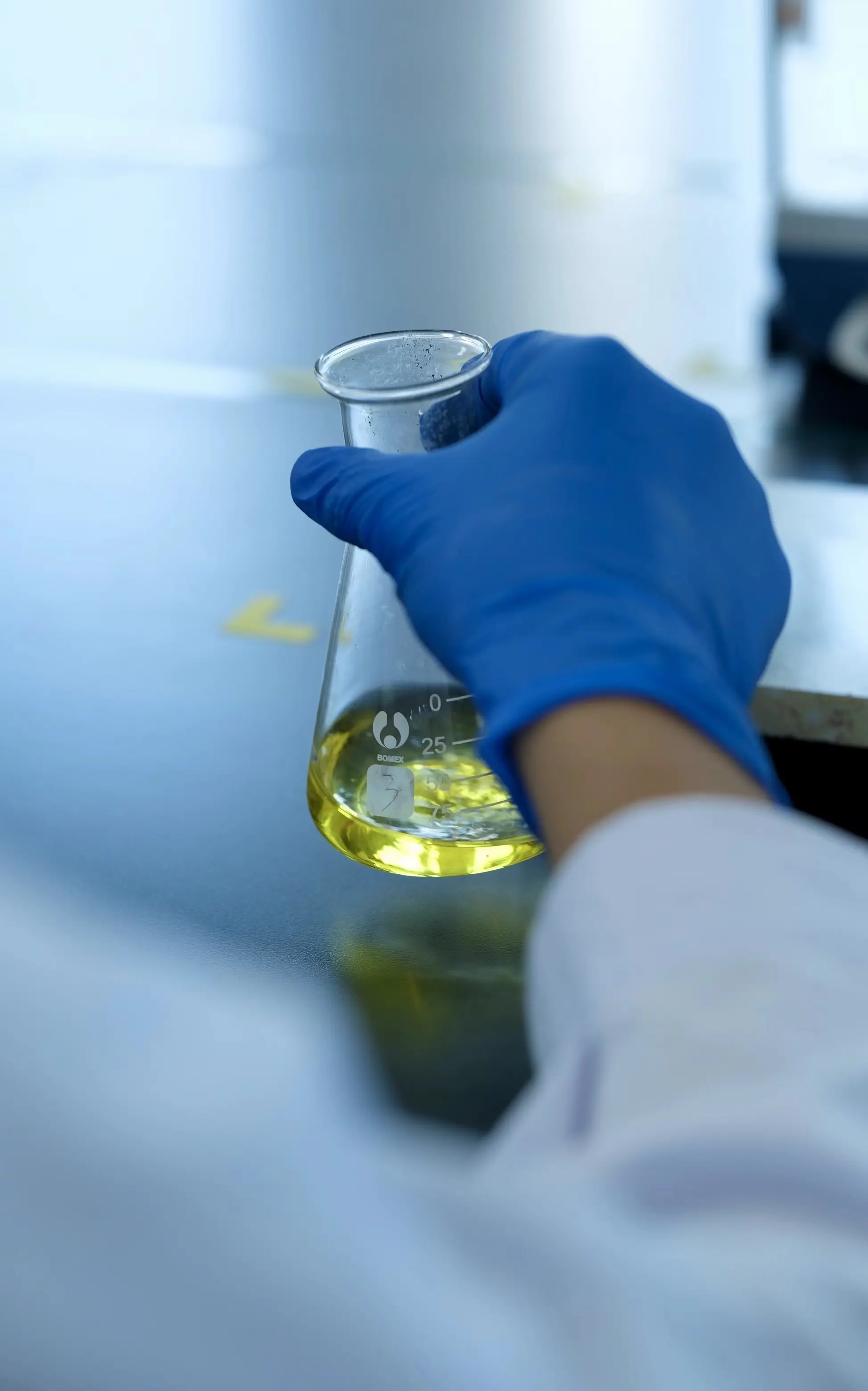
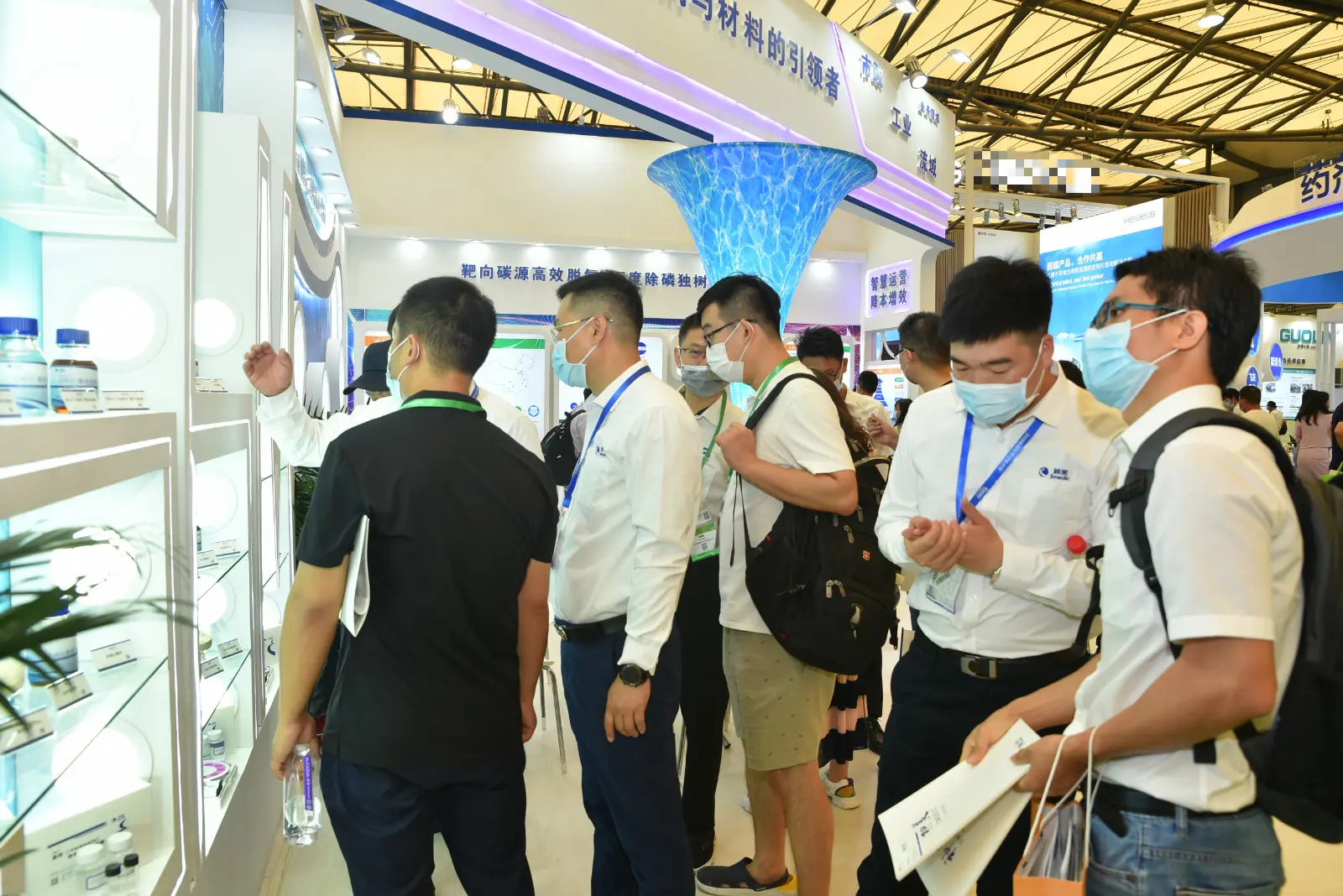
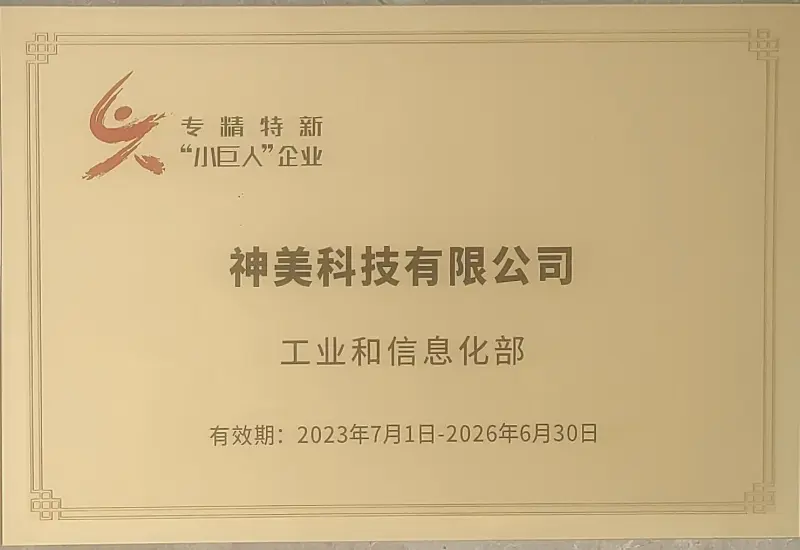
Our operational philosophy is rooted in technology-first development. Smedic is accredited as a National Specialized, Refined, Unique and Innovative "Little Giant" Enterprise and a National Key-Supported "Little Giant" Demonstration Enterprise. Our scientific platform comprises a core technical panel of senior academicians, engineering professors, and researchers.
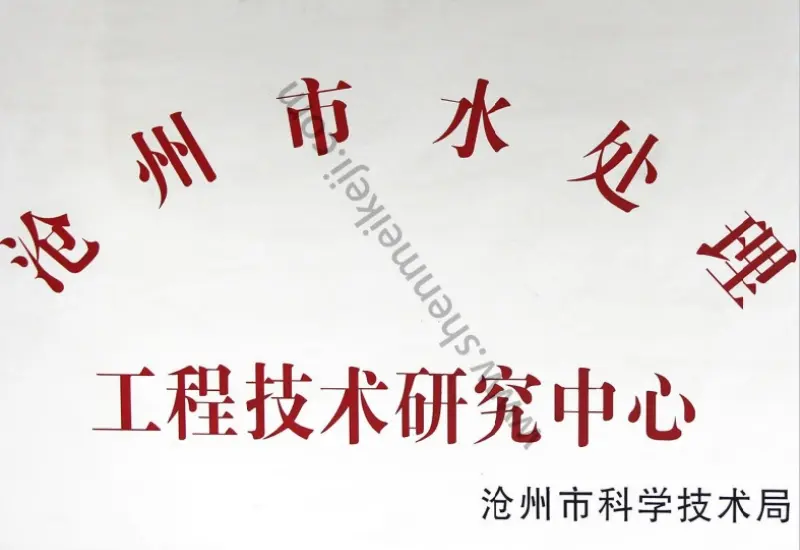
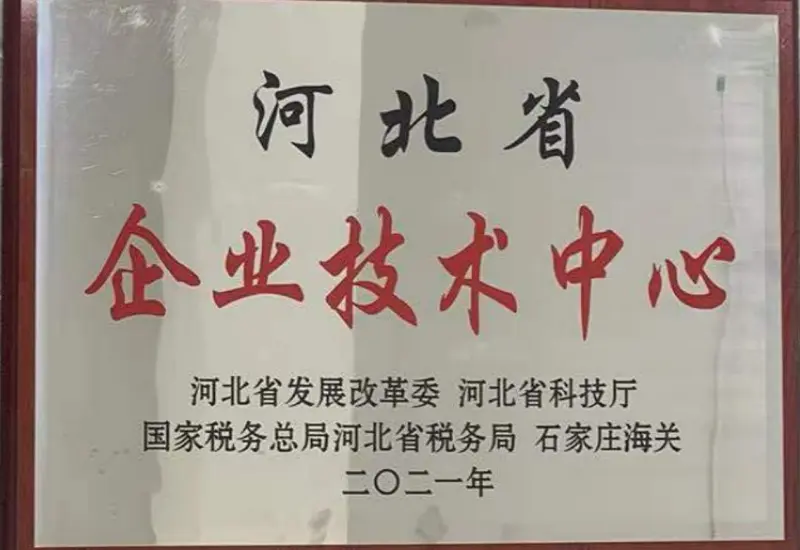
We have structured our R&D framework around a specialized "one academy, three research institutes, and five production bases" architecture. This platform houses the Hebei Provincial Enterprise Technology Center, the Hebei Provincial Advanced Water Treatment Chemicals Technology Innovation Center, and the Cangzhou Water Treatment Engineering Technology Research Center. We collaborate closely with premier academic research bodies, running joint laboratories with Tsinghua University Association of Senior Scientists, Shandong University, Beijing University of Technology, Peking University, and Tianjin University.
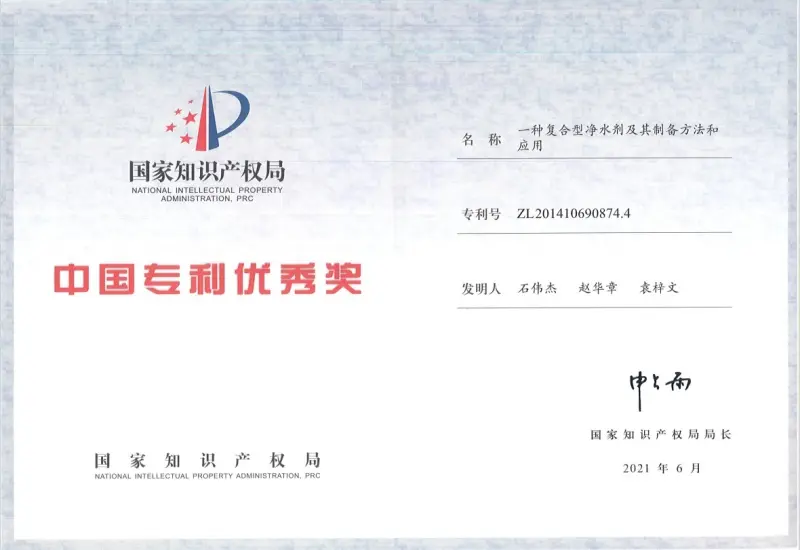
Smedic holds over sixty Chinese patents, including forty invention patents and twenty utility model patents. We have taken the lead in drafting more than ten national and industry chemical standards in China, specifying chemical standards for composite carbon sources, composite coagulants, sodium acetate, and specialized nitrifying and denitrifying bacterial agents.
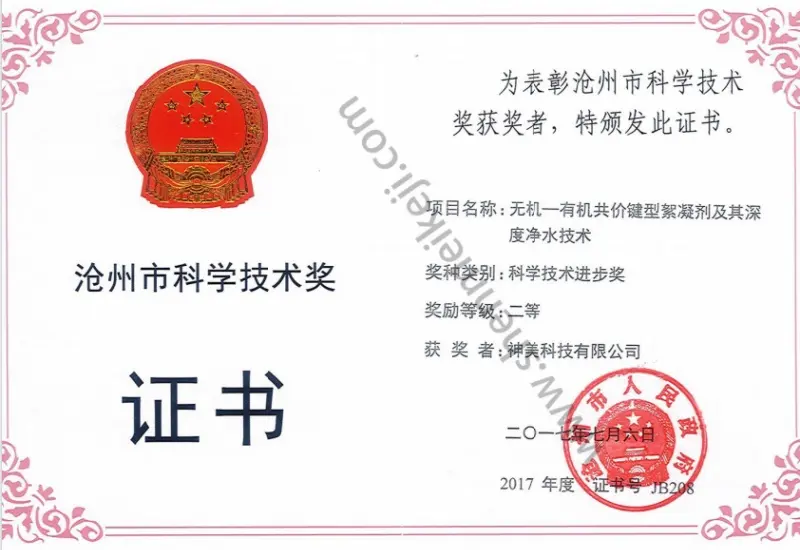
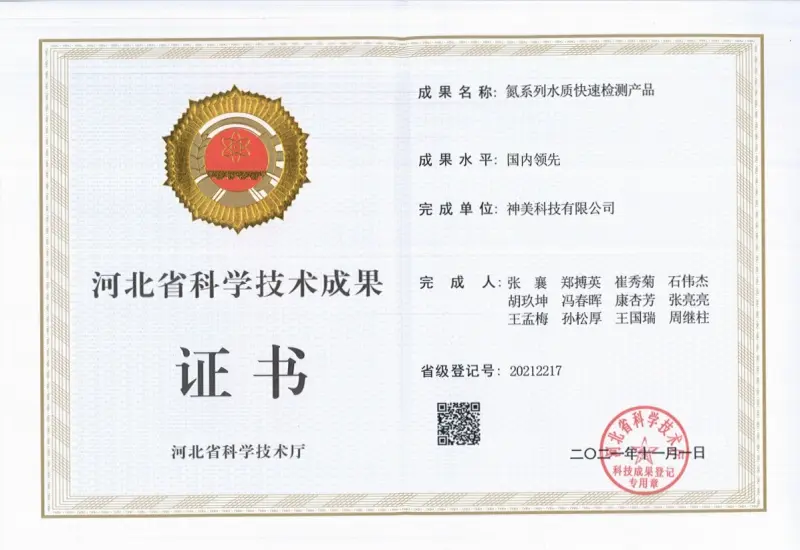
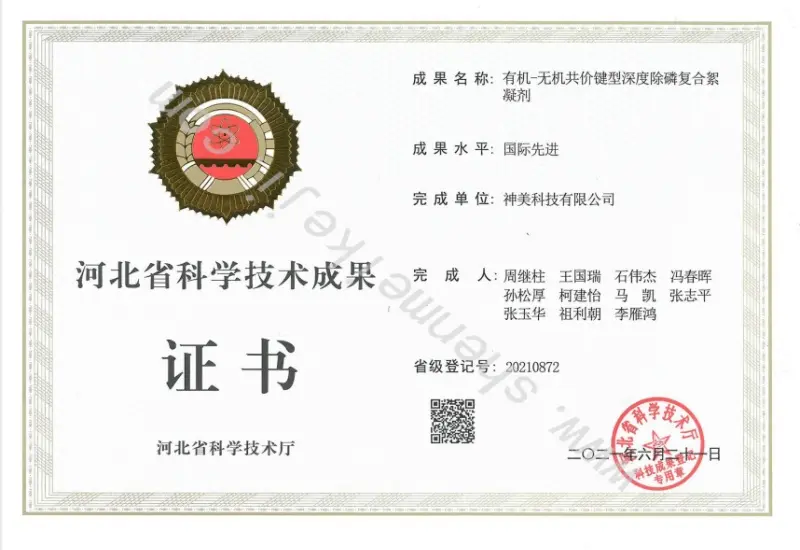
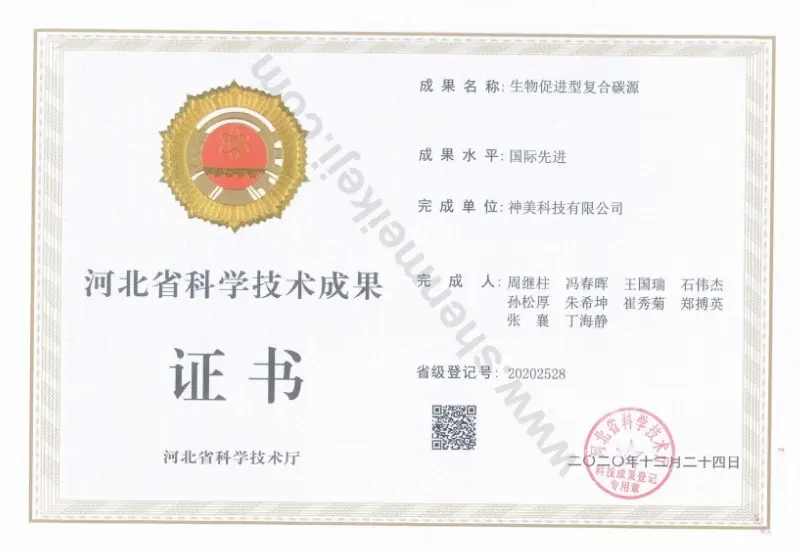
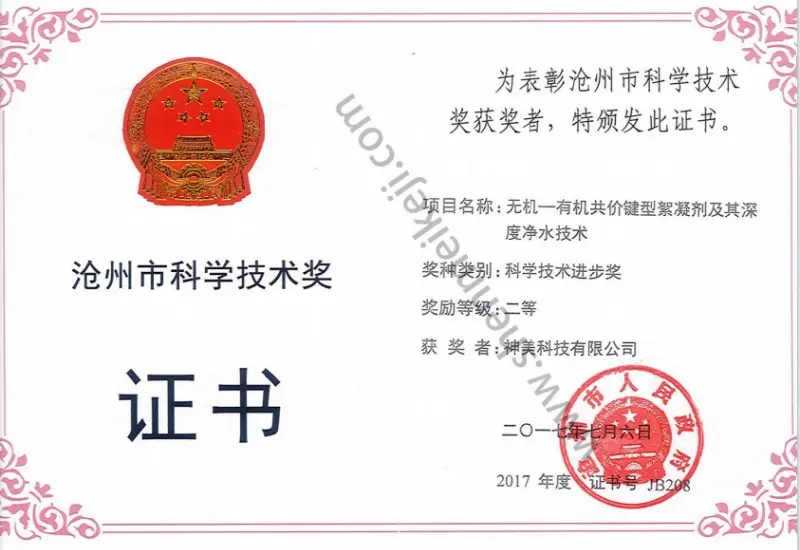
Our proprietary chemical achievements, including the bio-enhanced denitrification carbon source and the deep multi-nuclear phosphorus removal agent, have been verified as "internationally advanced" by the Science and Technology Department of Hebei Province. Furthermore, our "Inorganic-Organic Covalent Bond Flocculant" has received the prestigious 22nd China Patent Award and the First Prize for Technological Invention from the China Petrochemical Industry Association.
For four consecutive years, Smedic has been named the "Leading Brand of Advanced Wastewater Treatment Chemicals" and the "Most Valuable Water Treatment Chemicals Brand" by China Water Network and the E20 Environmental Platform. Our strategic client list features prominent water groups, such as BEWG (Beijing Enterprises Water Group), Shouchuang Ecological and Environmental Group, Yangtze River Ecological and Environmental Group, OriginWater, and China Water Environment Group.
How Smedic Technology aligns its chemistry formulations with international ESG frameworks and the technological evolution of modern environmental engineering.
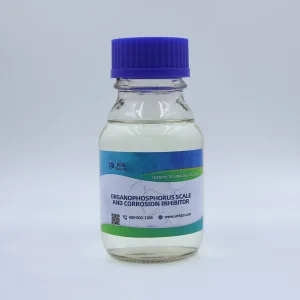
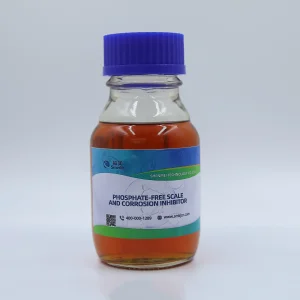
Eutrophication remains a primary threat to global freshwater resources. Because phosphorus discharges face heavy regulatory fines internationally, our R&D focus has shifted to the production of high-performance phosphate-free scale and corrosion inhibitors. By using biodegradable polycarboxylic and sulfonic acid polymers, Smedic provides heavy industries with scale protection for cooling towers and RO systems without the ecological burden of phosphorus emissions.
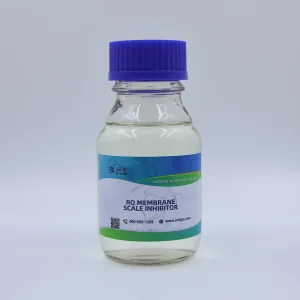
As water recycle rules tighten from the Americas to Asia, industrial manufacturing zones are adopting ZLD systems. ZLD relies heavily on high-pressure Reverse Osmosis (RO) membranes. To prevent premature silica and calcium sulfate fouling on these expensive membranes, Smedic manufactures advanced, high-stability RO membrane scale inhibitors designed to double the lifecycle of membranes under high salinity conditions.
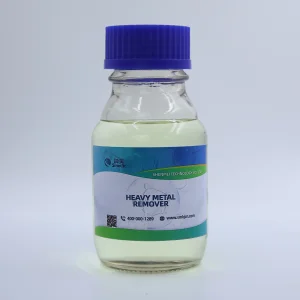
Traditional hydroxide precipitation often fails to meet strict EPA or European heavy metal limits. Smedic's Specialized Heavy Metal Removal Agents utilize high-affinity organic chelating polymers. These molecules chemically bond with trace dissolved metals (including copper, nickel, zinc, and cadmium) to form insoluble macro-flocs that are easily filtered out in clarifiers, even in the presence of complexing agents like EDTA.
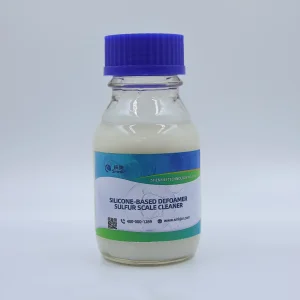
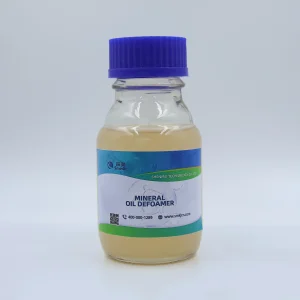
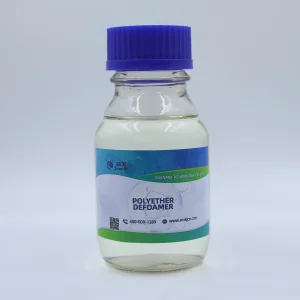
Process foam disrupts aeration efficiency in biological reactors and compromises paper/textile output quality. Smedic provides a dual-approach: high-performance polyether defoamers for thermal stability and shear resistance, alongside organic silicone defoamer agents for rapid foam collapse at extremely low dosages.
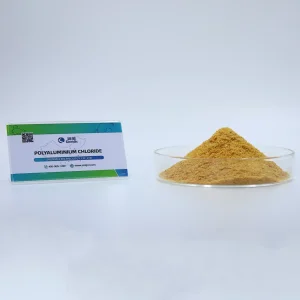
Our high-MW APAM and PAC coagulants accelerate primary flocculation, reducing turbidity, while our premium sodium acetate feed serves as an optimized carbon donor for clean denitrification processes.
Partnering with the Chengdu Institute of Mineral Comprehensive Utilization, Smedic produces flotation collectors and rapid-settling flocculants that maximize water recovery in mine tailings tailing thickeners.
For Enhanced Oil Recovery (EOR), our highly stable Non-Ionic Polyacrylamide (NPAM) retains viscosity under elevated temperatures and high-salinity reservoir conditions to optimize sweep efficiency.
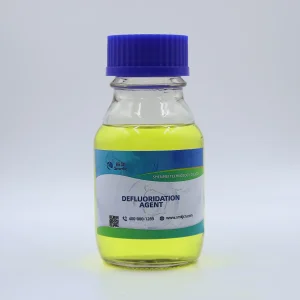
Our specialized fluoride removal chemicals selectively precipitate soluble fluoride ions down to concentrations below 1 ppm, ensuring compliance with strict regional environmental rules.
A history of technological breakthroughs and manufacturing expansions shaping our present capabilities.
Smedic was officially established, focusing on environmental protection agents and municipal sewage chemical R&D.
The company established a complete product portfolio specifically targeting municipal wastewater treatment chemicals.
Smedic achieved official recognition as a key national high-tech enterprise.
A state-of-the-art production base for water treatment chemicals in Guiyang was completed.
Production bases in Hebei, Shandong, and Guizhou were completed and expanded, lifting annual production capacity past 1 million tons.
Recognized as a National Specialized, Refined, Unique and Innovative Small and Medium-sized Enterprise.
Established a provincial-level water chemistry R&D platform in Hebei Province.
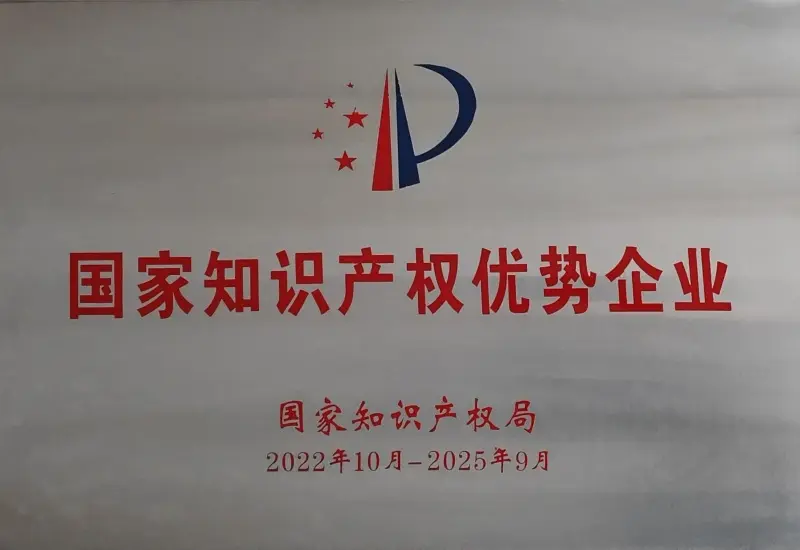
Awarded the official status of National Intellectual Property Advantage Enterprise.
Established a joint venture company with the Chengdu Institute of Mineral Comprehensive Utilization, China Geological Survey to produce advanced mineral processing reagents.
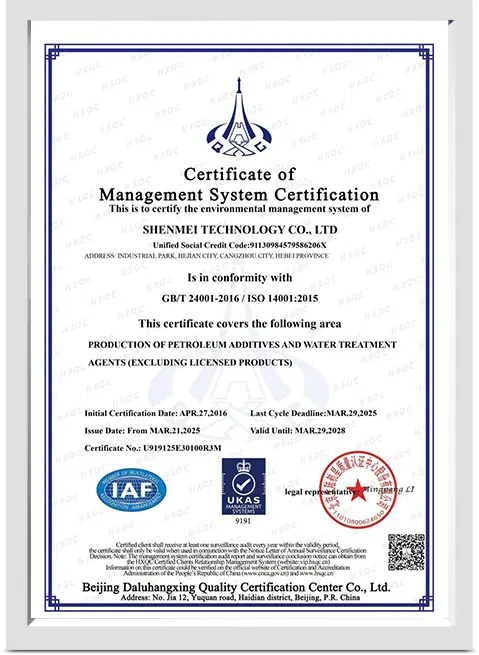
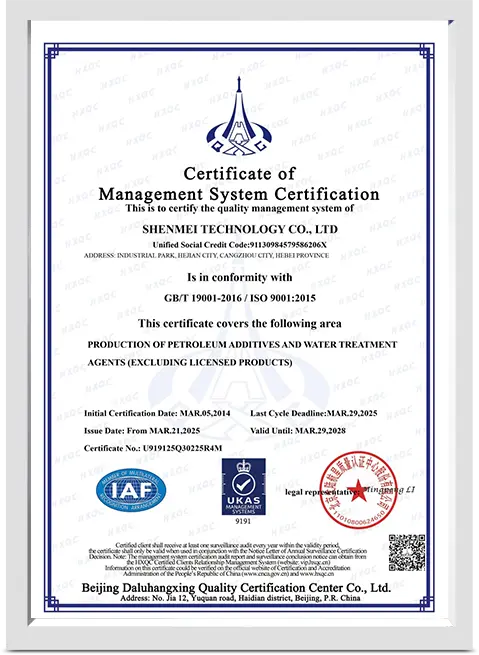
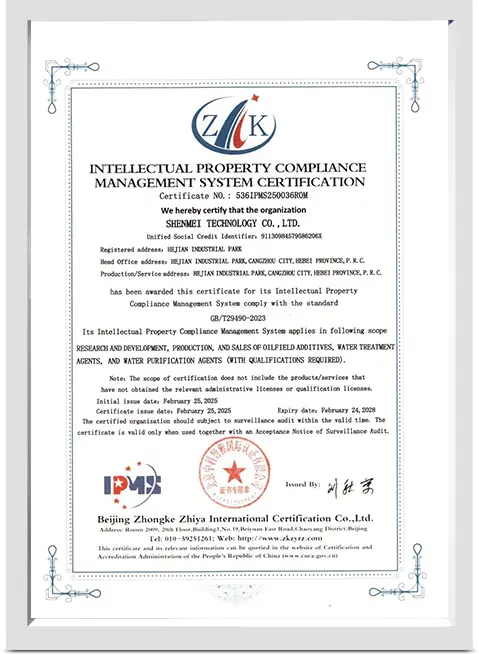
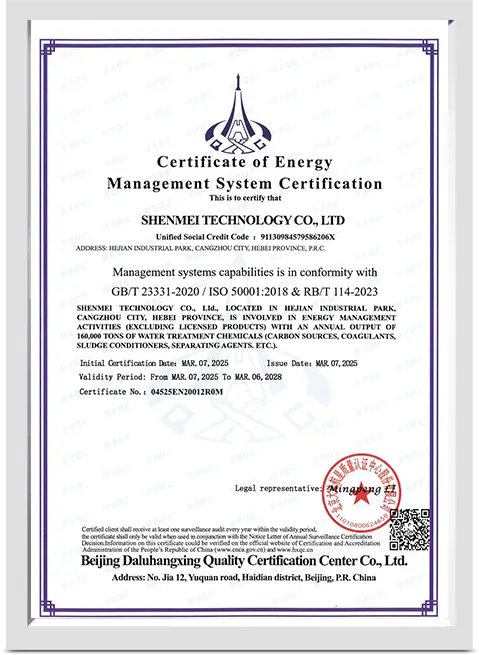
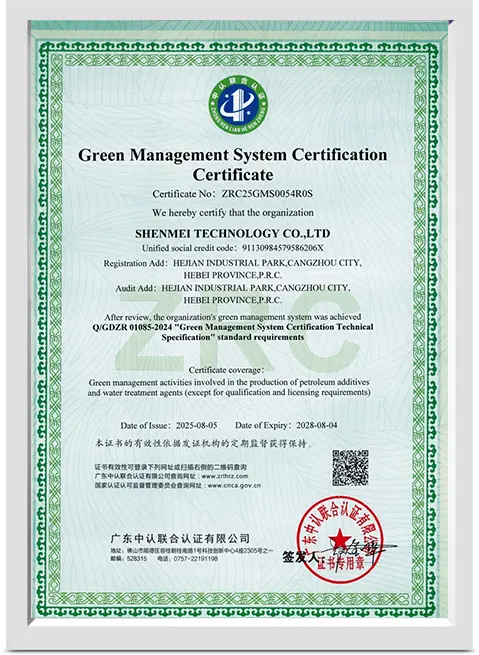
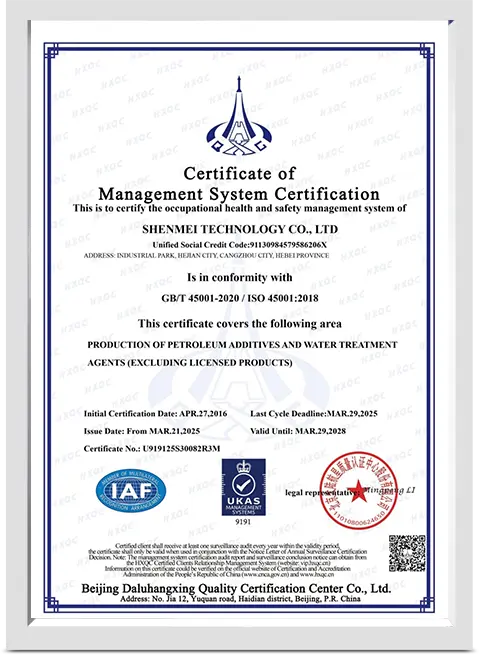
Our quality-assured operations comply with international quality protocols and safety certifications.
Insights from Smedic's senior chemical engineers on choosing, sourcing, and applying advanced wastewater treatment chemicals.
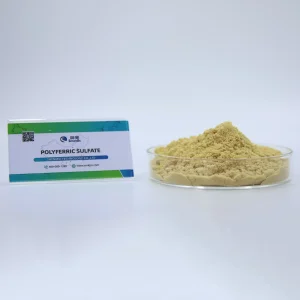
Polyaluminum Chloride (PAC) is an aluminum-based coagulant that forms stable micro-flocs across a broad pH spectrum, making it highly versatile for general water treatment. Polyferric Sulfate (PFS), on the other hand, is an iron-based coagulant that yields denser, heavier flocs with fast settling kinetics. PFS is particularly effective for heavy metal co-precipitation, phosphorus removal, and color reduction, though it requires careful pH control to avoid residual iron discolouration in downstream processes.
Tailing mineral compositions vary globally. We customize the molecular weight (typically between 12 to 25 million Daltons) and the charge density of our APAM agents. High-MW APAM acts by bridging suspended solid particles together into robust flocs. Our laboratories perform jar tests using local slurry samples to balance settling speed with clarity, preventing over-flocculation which can trap moisture in the filter cake.
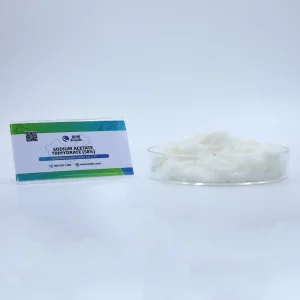
In biological denitrification systems, denitrifying bacteria require a reliable carbon source to convert nitrate (NO3-) into gaseous nitrogen (N2). Compared to methanol, which is highly toxic and flammable, or glucose, which reacts slowly and can cause sludge bulking, Smedic's high-purity solid Sodium Acetate is metabolically assimilated by bacteria instantly. This allows operators to quickly adapt to incoming nitrogen spikes and keep effluent Total Nitrogen (TN) parameters compliant.
Yes. Our R&D team has developed copolymer structures of maleic acid, acrylic acid, and sulfonic acids that achieve up to 98% scale inhibition efficiency against calcium carbonate and calcium sulfate. These phosphate-free formulations match traditional phosphonates (like ATMP or HEDP) in efficiency while easily meeting green discharge guidelines.
All our liquid agents, including silicone and polyether defoamers, undergo rigorous thermal stability cycling tests (from -20°C to +60°C) before packaging. We use UV-resistant, high-density polyethylene (HDPE) drums and reinforced IBC containers. For hygroscopic solids like sodium acetate and PAC, we utilize multi-wall moisture-barrier PE lining bags to prevent caking and clumping during sea transit.
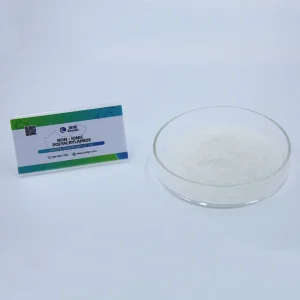
Explore our targeted product range below, including high-efficiency membrane scale inhibitors and selective heavy metal precipitants.
 Smedic Tech