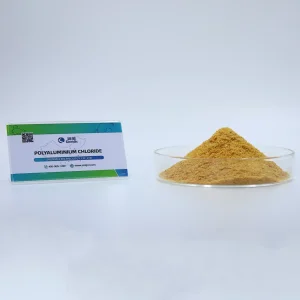
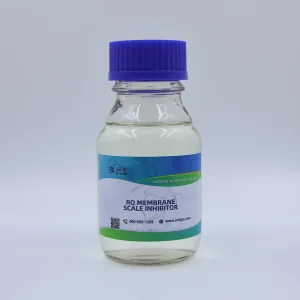
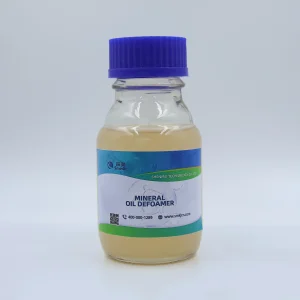
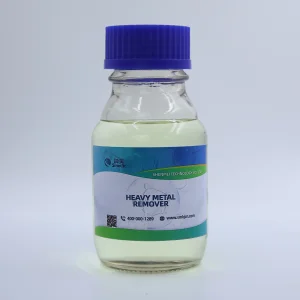
Explore our core engineering catalog designed for heavy industry, high-load municipal systems, and complex membrane purification setups.
Foam formation in wastewater treatment systems presents complex thermodynamic and biological challenges. Excessive foam degrades oxygen transfer rates in activated sludge systems, causes solids carryover in clarifiers, damages mechanical equipment, and poses environmental compliance risks. To systematically combat this, industrial operators and municipal plant managers rely on specialized chemical defoamers and antifoaming agents.
As a leading OEM Wastewater Defoamer Manufacturer, Smedic Technology designs and produces high-performance formulations tailored for specific water chemistries. By reducing surface tension, penetrating surfactant monolayers, and facilitating gas release, our defoamers preserve system hydraulics and ensure stable effluent parameters.
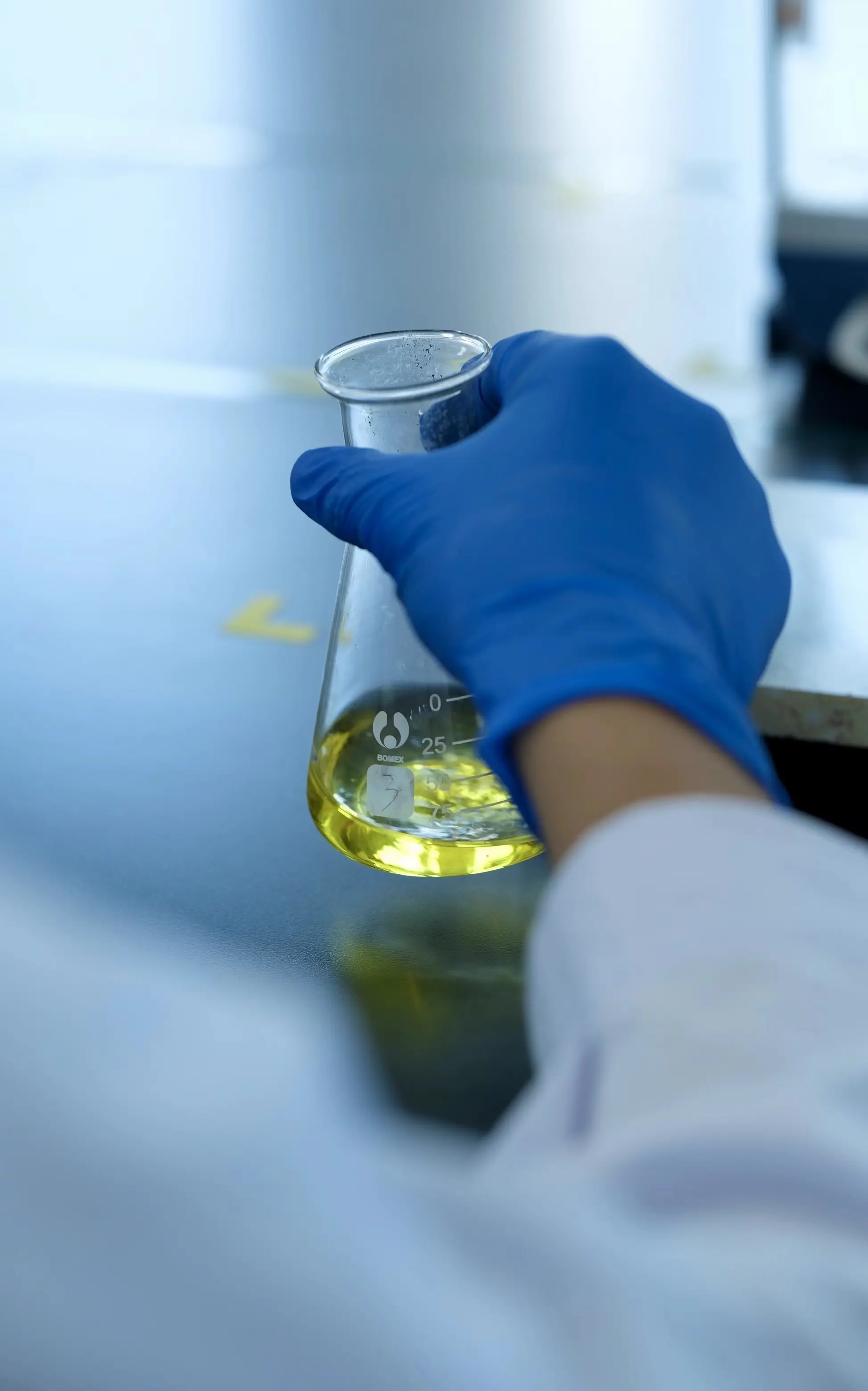
Wastewater matrices vary by industry; hence, generic defoamers often fail. We provide custom formulations matching specific process parameters.
Polyether defoamers leverage inverse solubility properties (cloud point behavior). At temperatures above their cloud point, they become insoluble, spreading rapidly across the gas-liquid interface to collapse dense biological and chemical foam. Ideal for high-temperature processes like paper pulping, textile processing, and chemical synthesis.
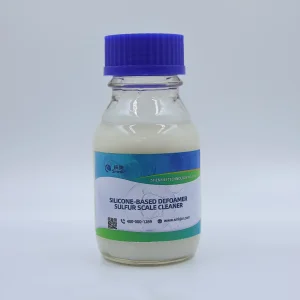
Organosilicone formulations feature remarkably low surface tension, allowing them to rapidly penetrate bubble lamellae. They provide outstanding durability at low dosage rates. Smedic's silicone defoamers are highly stable across wide pH ranges (2-12) and are widely used in chemical plants, textile dyeing, and complex industrial effluent sumps.
Consisting of hydrophobic particles suspended in mineral oil carrier fluids, these agents act as excellent localized shear-breaking solutions. They are particularly suitable for paint and coatings wastewater, municipal aerators, and applications where silicone carryover could interfere with downstream processes or membrane systems.
| Defoamer Type | Primary Active Agent | pH Operating Range | Optimal Temperature | Best Application Scenarios |
|---|---|---|---|---|
| Silicone Emulsion | Polydimethylsiloxane (PDMS) & Silica | 2.0 - 12.0 | 15°C - 80°C | Industrial chemical wastewater, landfill leachate, textile wash. |
| Polyether Defoamer | PPO / PEO Block Copolymers | 5.0 - 10.0 | 35°C - 95°C | Paper mills, fermentation, high-temperature biological basins. |
| Mineral Oil Blend | Hydrophobic Silica in Paraffinic Oil | 4.0 - 11.0 | 10°C - 50°C | Municipal sewers, paint/coating effluents, construction wastewater. |
A premier environmental chemical developer and manufacturer with over a decade of verified project successes.
Established in 2011, Smedic Technology Co., Ltd. is a comprehensive solutions provider specializing in environmental protection agents. We integrate advanced R&D, large-scale production, global sales, and engineering-related technical services. We are dedicated to providing customized chemical products, technical packages, and operational services.
Smedic's environmental agents cover municipal sewage treatment, industrial wastewater treatment, municipal tap water systems, mineral processing, and oilfield extraction chemicals. With a portfolio containing over 80 different environmental protection products, our annual production capacity exceeds 1 million tons, making us a key supplier in the global water treatment supply chain.
Our service network spans more than 20 provinces across China, supporting more than 600 urban sewage treatment facilities and over 1,000 industrial end-users. The combined processing volume of systems using Smedic chemicals exceeds 20 million tons of wastewater per day.
Strategic production hubs, integrated raw materials, and robust logistics infrastructure optimize your chemical procurement.
Smedic operates proprietary, state-of-the-art chemical manufacturing facilities in Hebei, Guizhou, and Shanxi provinces. In addition, we coordinate production with more than 10 OEM partner factories and regional warehousing bases located across Shandong, Shanxi, Anhui, Guangxi, and Sichuan. This distributed footprint guarantees reliable supply and rapid delivery.
We implement strict quality assurance protocols at every facility, spanning incoming raw material testing, real-time in-process monitoring, and rigorous batch release analysis. Our products are engineered to conform with international quality and environmental safety certifications.
Our core technical team comprises senior academics, water treatment experts, chemical professors, and senior field engineers. Supported by our multi-layered R&D framework—including provincial-level technology innovation centers and joint research initiatives—we deliver customized formulations for difficult wastewater matrices.
Smedic is recognized at the national level for chemical innovation, demonstrating high levels of technical competence and trustworthiness.
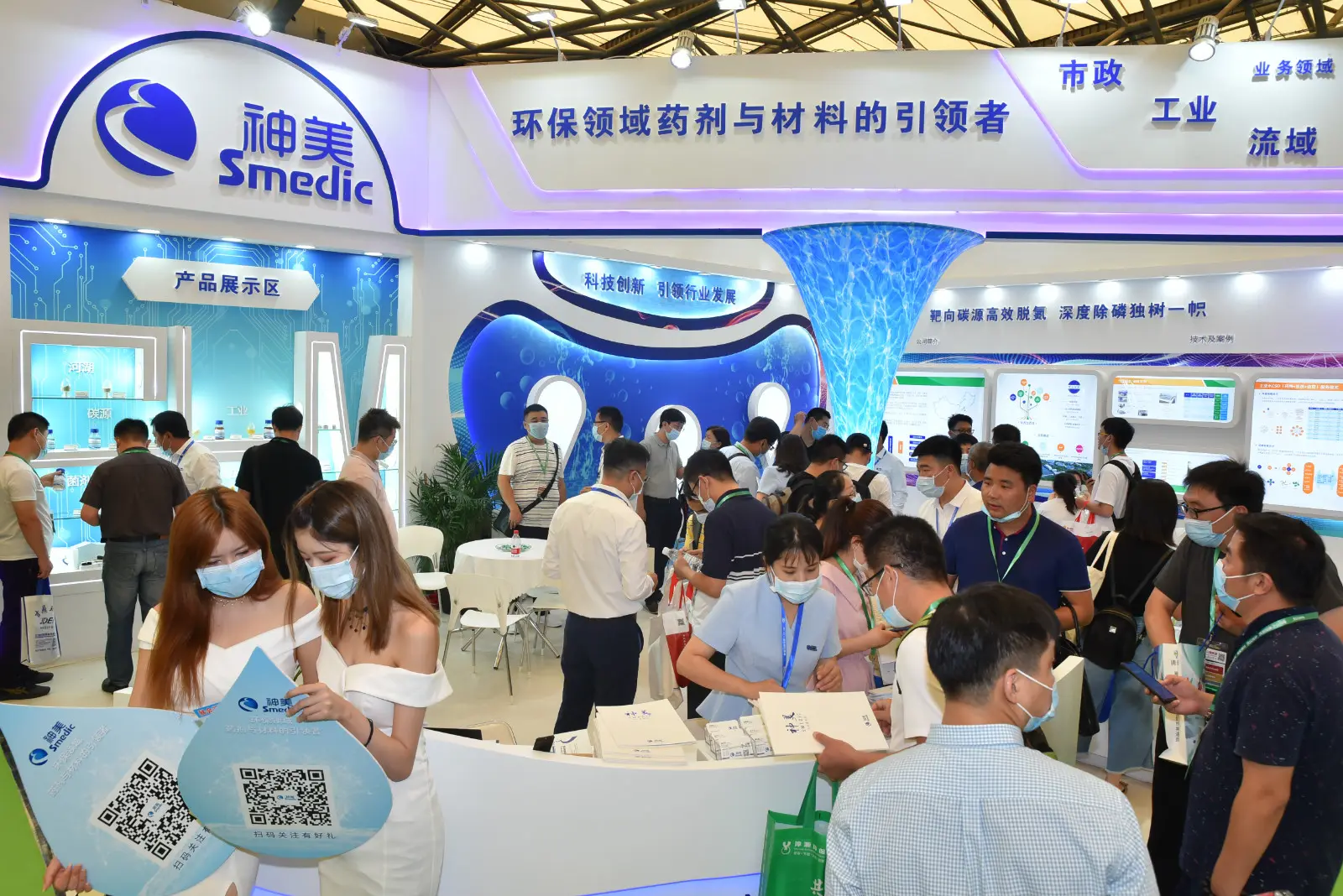
Smedic has earned multiple prestigious national distinctions, including the status of National Specialized, Refined, Unique and Innovative "Little Giant" Enterprise and recognition as a National High-tech Enterprise. These honors reflect our deep technical specialization and the stability of our manufacturing capabilities.
We operate joint research labs with prestigious academic institutions, including Tsinghua University (Association of Senior Scientists and Technicians), Shandong University, and Beijing University of Technology. Smedic is also a key commercialization partner for the research output of Peking University and Tianjin University.
A history of continuous development, technology accumulation, and capacity expansion.
Smedic Technology Co., Ltd. was established, initiating research and development into specialized environmental chemicals.
Established a complete, specialized product line tailored for municipal wastewater treatment processes.
Constructed a major water treatment chemical manufacturing facility in Guiyang to service South and Southwest China.
Expanded production sites across Hebei, Shandong, and Guizhou, raising our collective capacity past 1 million tons per annum.
Recognized as a National Specialized, Refined, Unique and Innovative Small and Medium-sized Enterprise.
Formed a joint venture with the Chengdu Institute of Mineral Comprehensive Utilization (China Geological Survey) to scale mineral processing agents globally.
Our OEM defoamers are formulated to address the distinct chemical challenges of different industrial wastewater systems.
During high-load seasons, municipal activated sludge tanks can experience severe biological foaming caused by surfactant accumulation or filamentous micro-organisms. Smedic's silicone-based defoamer emulsions provide immediate foam knockdown without reducing oxygen transfer efficiency, supporting stable biological activity.
The pulping process releases high concentrations of natural lignins and surfactants under alkaline conditions, producing stable chemical foam. Our high-temperature polyether and silicone-glycol copolymer defoamers break these strong bubbles, ensuring stable drainage and washing operations.
Landfill leachate is a complex matrix containing heavy organic loads and high salinity. During mechanical vapor recompression (MVR) or membrane filtration (RO/NF), heavy foam can cause distillate pollution and membrane fouling. We supply non-silicone and specialty silicone defoamers designed for high thermal stability and zero membrane scaling.
Finishing and dyeing processes introduce heavy volumes of synthetic detergents, leveling agents, and pigments. Smedic's specialized defoamers maintain high stability in high-shear, high-temperature dye baths, preventing spots or color unevenness on finished textiles.
Mineral flotation requires precise froth control to separate target minerals from gangue. Smedic's flotation defoamers break unwanted mineralized foam in thickeners and tailing dams, speeding up water recycling loops and improving sludge dewatering efficiency.
Refinery wastewater contains emulsified oils, sulfidic compounds, and various chemical additives that stabilize foam. Smedic's organosilicone defoamers are highly effective in dissolved air flotation (DAF) units and oil-water separators, speeding up phase separation.
We supply global water treatment chemical distributors, engineering contractors, and multi-national groups. Smedic offers robust custom manufacturing (OEM/ODM) to meet specific performance and branding requirements.
Whether you require a highly concentrated defoamer active compound for localized dilution, or finished retail packaging with private labels, our production and logistics facilities are equipped to deliver.
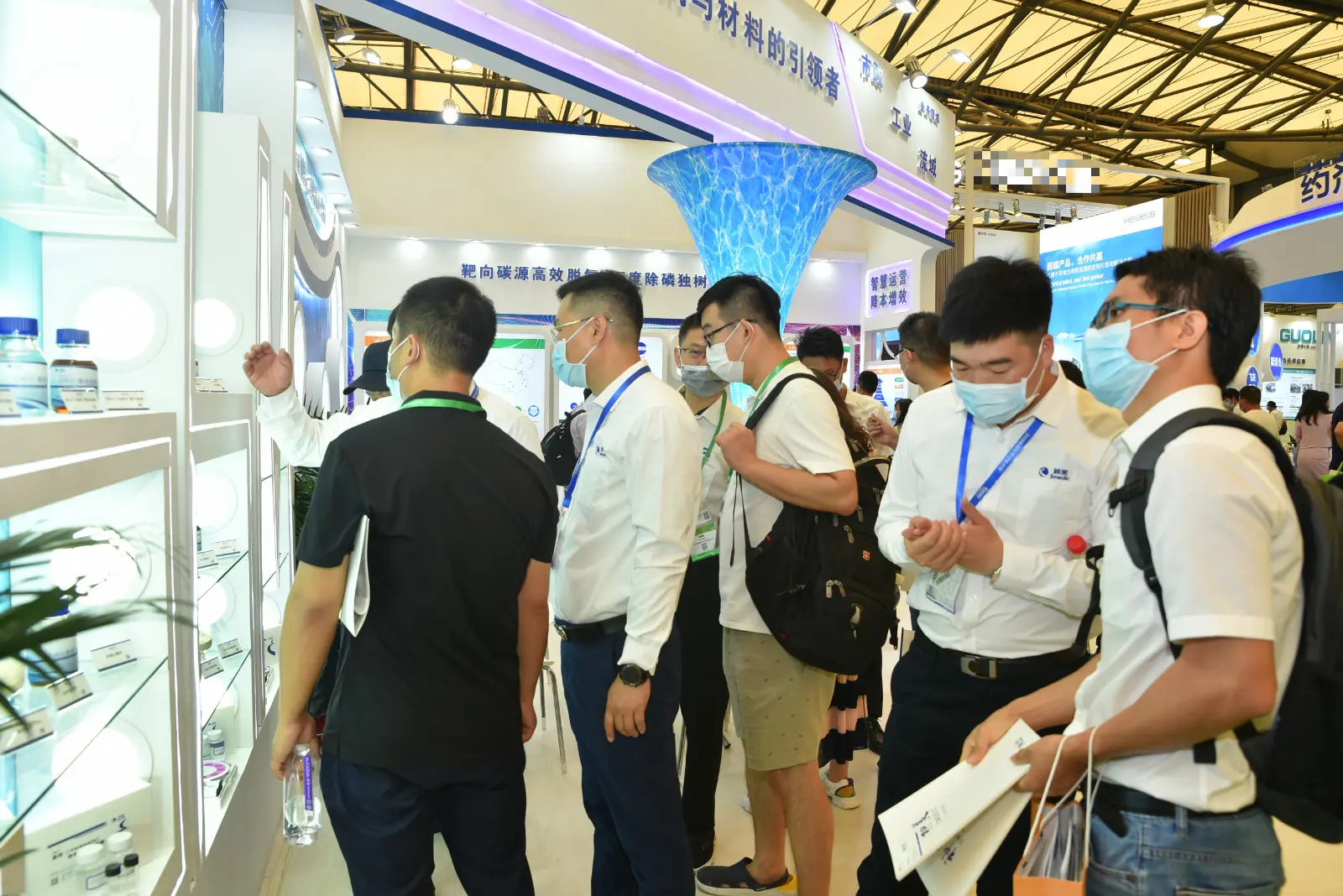
Detailed explanations regarding chemical mechanisms, selection, and dosing of defoamers in wastewater treatment systems.
Complementary water treatment agents to optimize flocculation, scale control, and heavy metal removal.
 Smedic Tech