Established in 2011, Smedic Technology Co., Ltd. has evolved into a premier global solution provider specializing in environmental protection agents. Our operations seamlessly integrate advanced R&D, large-scale chemical manufacturing, international trade, and application-specific technical engineering services. We support heavy industries, municipal installations, and chemical processors worldwide with tailored, high-performance formulations.
Headquartered in Beijing, China, we operate state-of-the-art production bases across Hebei, Guizhou, and Shanxi. Furthermore, Smedic has established over ten OEM partner factories and regional warehousing/logistics bases in strategic provinces including Shandong, Shanxi, Anhui, Guangxi, and Sichuan. This sprawling infrastructure guarantees logistics security, short lead times, and stable supply networks across global corridors.
Proven Municipal and Industrial Reach: Smedic's products and systems process municipal wastewater in over 600 urban water treatment plants and manage process chemistry for over 1,000 corporate industrial customers across 20+ provinces in China and global export destinations. Our technologies successfully clarify, defoam, and purify over 20 million tons of wastewater per day.
Industrial aqueous processing inevitably faces the structural challenge of foam generation. In municipal biological reactors, food processing wash waters, mining pulp circuits, and chemical plants, excessive foam disrupts process dynamics, causes toxic aerosol release, damages filter membranes, and reduces operational capacity. To address this, high-performance foam control agents—commonly classified as defoamers and antifoaming agents—are implemented.
As a premier OEM Water Treatment Defoamer Manufacturer and Exporter, Smedic designs solutions targeting the thermodynamic properties of liquid-gas interfaces. The presence of natural and synthetic surfactants lowers the surface tension of water, stabilizing the thin liquid film (lamella) surrounding gas bubbles. Smedic's defoamers function by entering the lamella, spreading across the surface film, displacing stabilizing surfactants, and accelerating drainage. This process leads to rapid bubble coalescence and collapse.
For a defoamer to be effective, its entering coefficient (E) and spreading coefficient (S) must be positive. Smedic's formulations feature low surface tension carrier fluids combined with active solid particulates (like hydrophobic silica) to penetrate the surfactant bilayer, creating destabilized pinpricks that rupture bubbles instantaneously.
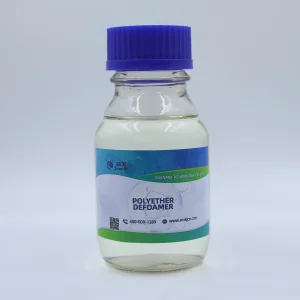
Polyether-based defoamers leverage thermo-responsive block copolymer behaviors. Above the specific cloud point temperature, the defoamer becomes insoluble, forming micro-droplets that efficiently attach to foam walls. Smedic customizes cloud points to match the exact operating temperatures of client processes.
Modern water reclamation increasingly relies on Membrane Bioreactors (MBR) and Reverse Osmosis (RO). Standard silicone defoamers risk irreversible membrane fouling. Smedic's proprietary polyether defoamers provide clean defoaming without altering membrane flux or chemical structure.
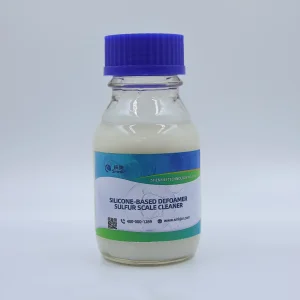
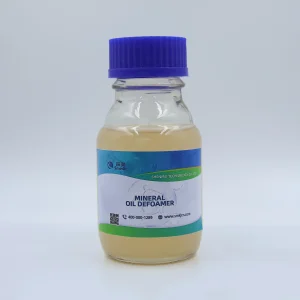
Smedic Technology manufactures three main categories of defoaming agents, each engineered to address specific physical-chemical conditions:
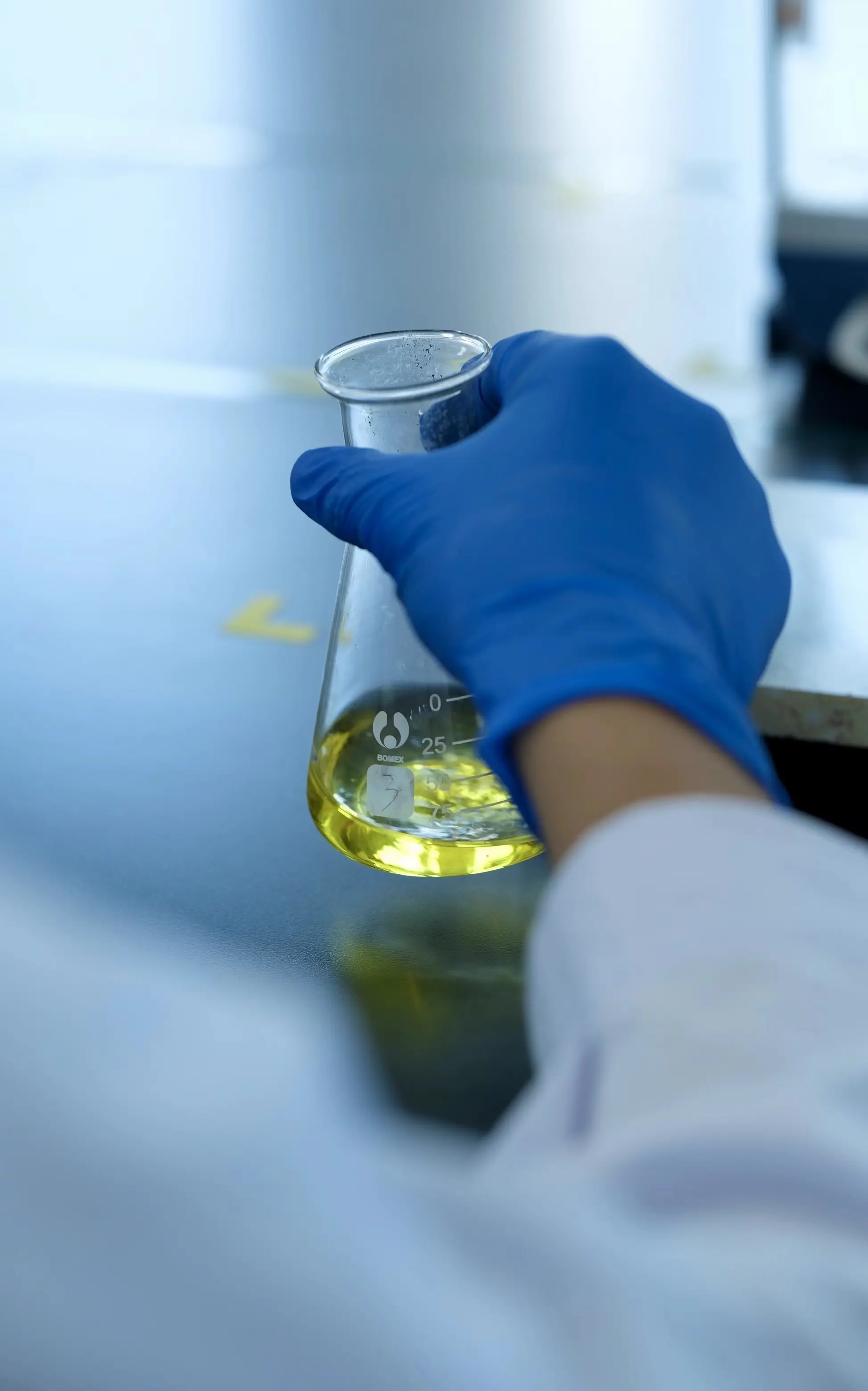
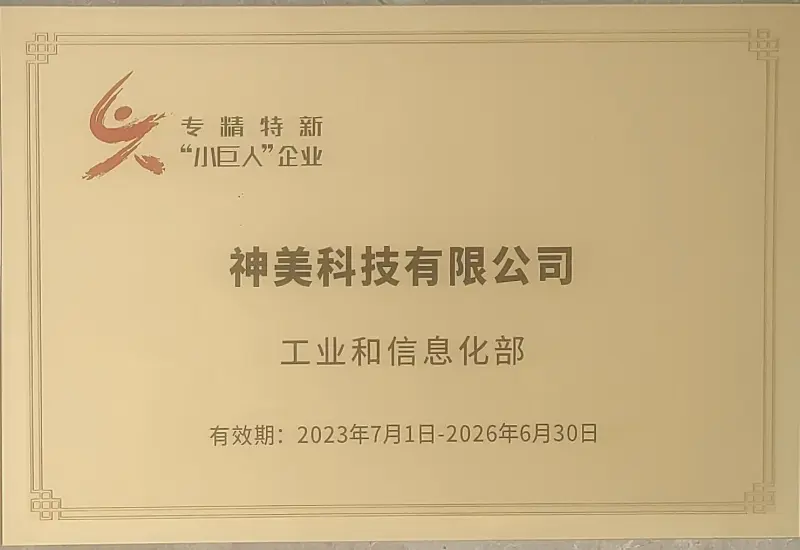
Smedic has secured national recognition as a Specialized, Refined, Unique and Innovative "Little Giant" Enterprise. Our manufacturing sites are recognized as "Green Factories," operating under clean production mandates with minimal environmental footprints.
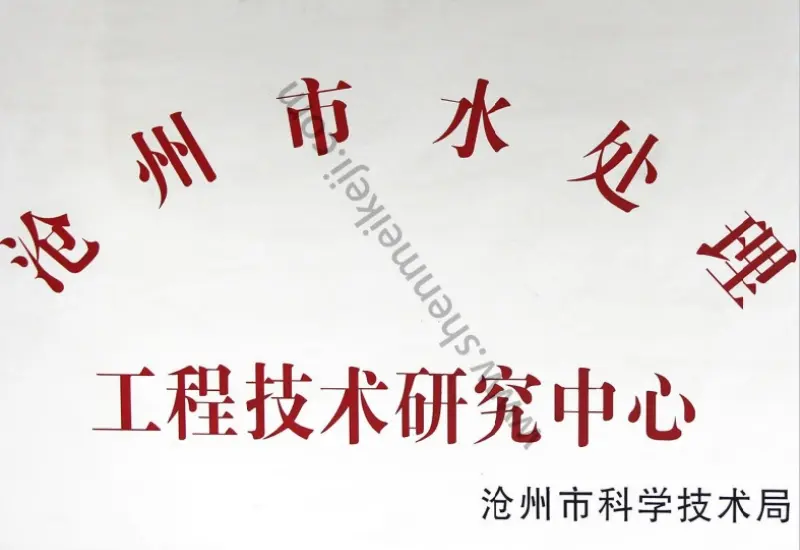
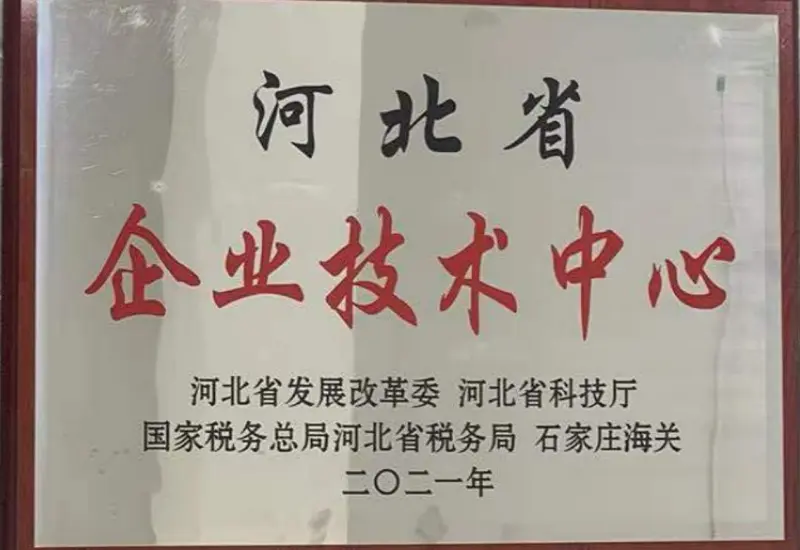
Our core R&D framework links academic researchers with senior plant engineers. Smedic's technology commercialization network includes one academy, three research institutes, and five dedicated production/testing bases. Key facilities include the Hebei Provincial Enterprise Technology Center, the Advanced Water Treatment Chemicals Technology Innovation Center, and the Cangzhou Engineering Technology Research Center.
Our collaborative expert workstation operates alongside the Tsinghua University Association of Senior Scientists and Technicians, with joint R&D laboratories established at Shandong University and Beijing University of Technology. Smedic acts as the industrialization partner for breakthrough patents developed at Peking University and Tianjin University.
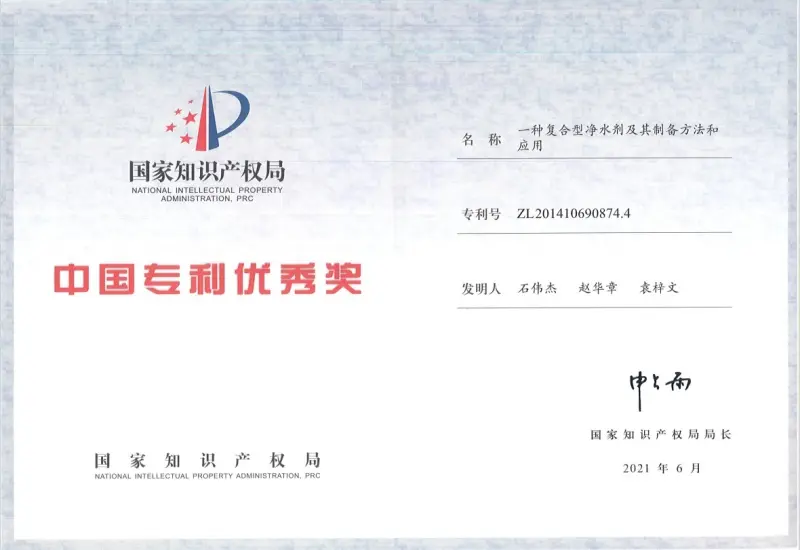
To date, Smedic holds over sixty Chinese patents (including forty invention patents and twenty utility model patents) and has drafted over ten national and industry standards for environmental agents.
High surfactant levels in incoming sewage cause foam build-up in primary clarifiers and aeration tanks. Smedic's silicone emulsions break this foam rapidly, preventing biological sludge carryover, maintaining dissolved oxygen transfer efficiency, and ensuring compliance with discharge regulations.
Black liquor recovery, bleaching, and papermaking circuits generate highly stable chemical foams under elevated shear forces and temperatures. Our mineral oil and polyether defoamers suppress foam within high-turbulence pipes and headboxes, enhancing pulp washing efficiency and paper quality.
Landfill leachate is a complex matrix characterized by high COD, ammonia-nitrogen, and heavy organic loads. Treatment using evaporators or advanced oxidation processes (AOPs) triggers aggressive foaming. Smedic's customized organo-silicon formulations remain stable and active in high-salinity leachate and concentrated chemical mixtures.
Smedic Technology Co., Ltd. founded in Beijing, establishing core laboratories for municipal water treatment agents.
Acquired National High-Tech Enterprise status and scaled regional production lines to meet municipal demand.
Expanded manufacturing bases in Hebei, Shandong, and Guizhou, driving aggregate annual capacity past 1,000,000 tons.
Established the Hebei Provincial Advanced Water Treatment Chemicals Technology Innovation Center to pioneer polyether chemistry.
Partnered with the Chengdu Institute of Mineral Comprehensive Utilization to co-develop mineral and complex wastewater reagents.
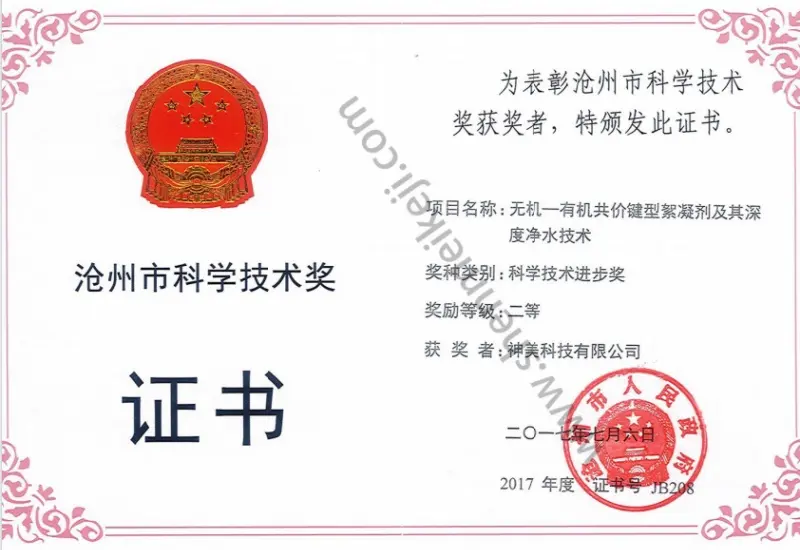
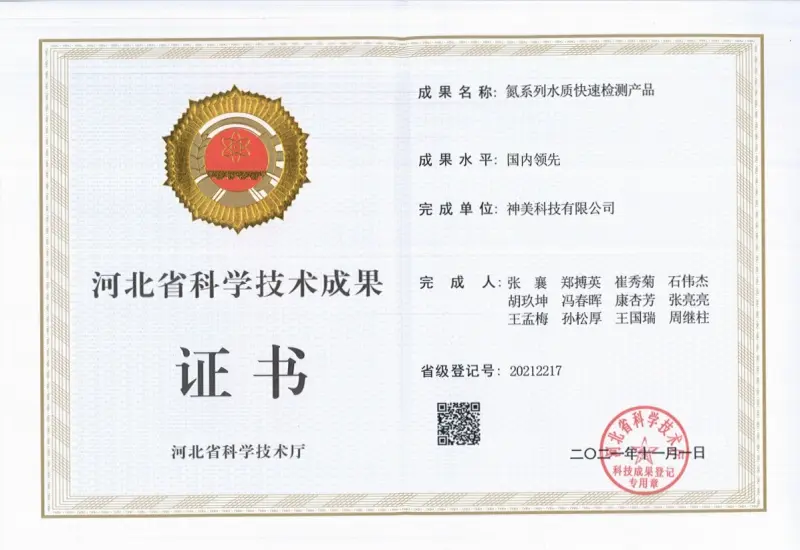
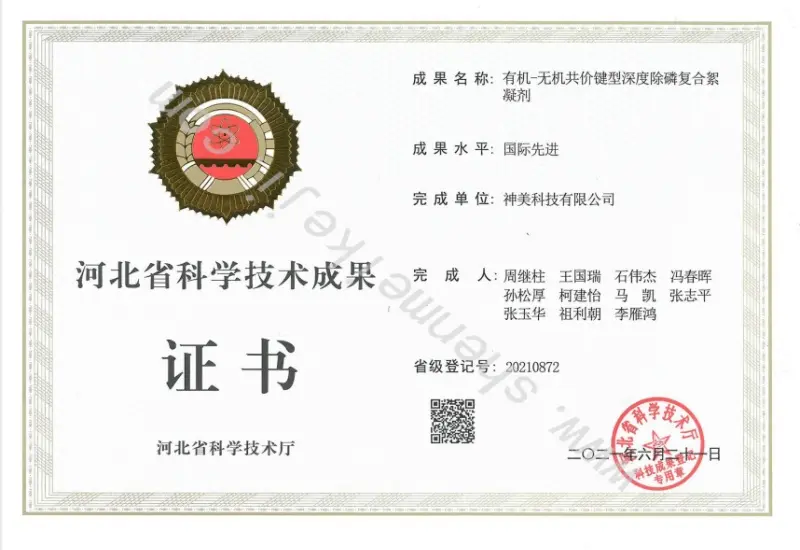
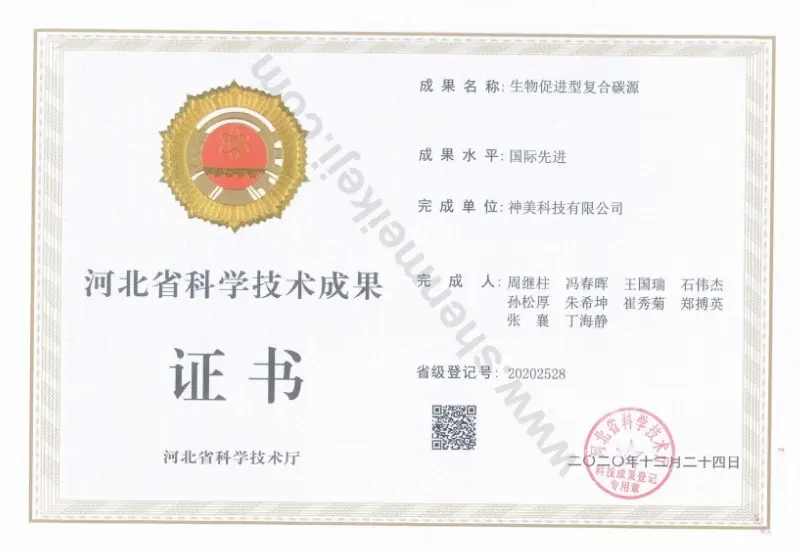
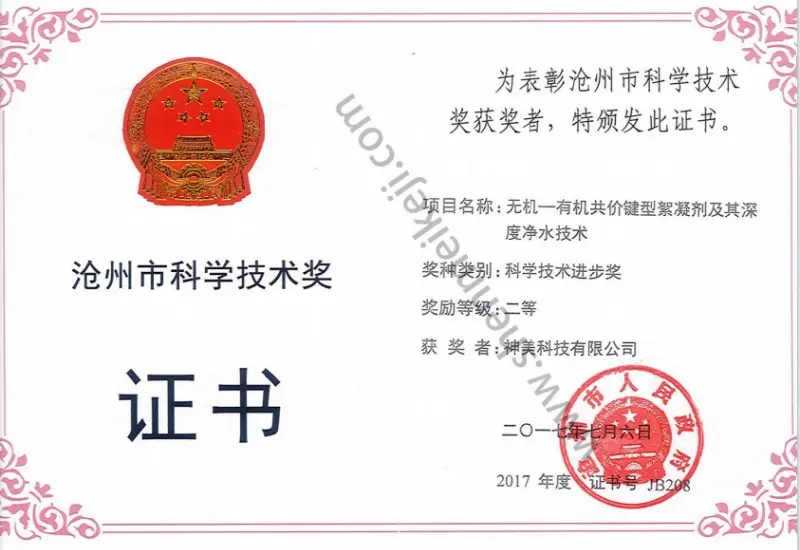
Smedic Technology manages water treatment challenges through an integrated system of coagulants, flocculants, and scale inhibitors that operate alongside our defoaming products. Foam generation is rarely an isolated chemical issue; it typically indicates high organic loading, particulate accumulation, or structural changes in process waters. Correcting foam issues requires a holistic approach to water chemistry.
Our engineered solutions leverage the synergistic relationships between our core products:
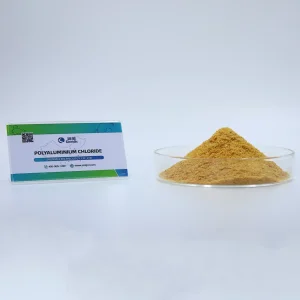
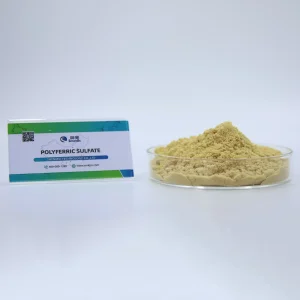
Employing Smedic Polyaluminum Chloride (PAC) or Polyferric Sulfate (PFS) destabilizes suspended colloidal organic compounds. Removing these colloids prevents them from contributing to surface tension reduction, thereby minimizing foam generation potential.
Utilizing Smedic Anionic Polyacrylamide (APAM) or Cationic Polyacrylamide (CPAM) aggregates suspended solids into larger, rapidly settling flocs. This step reduces the mechanical agitation required for separation, lowering physical aeration and foam generation.
Dosing Smedic's targeted silicone or polyether defoamers addresses residual surface-active agents. This process collapses surface bubbles, protects mechanical equipment, and maintains high water flow rates across membrane systems.
 Smedic Tech