High-Quality Non-Ionic Polyacrylamide (NPAM) from China: Top Suppliers and Factory for Enhanced Oil Recovery Solutions Supplier, Exporter

,

With the growing global energy demands, efficient oilfield extraction and management have never been more critical. Non-ionic polyacrylamide (NPAM) emerges as a pivotal water-soluble polymer, significantly enhancing oil recovery and operational efficiency in petroleum applications. As a leading supplier and factory in China, Smedic Water Treatment Co., Ltd. is committed to providing high-quality NPAM solutions to tackle the pressing challenges in the oilfield sector. Experience the advantages of NPAM in boosting productivity and sustainability in your operations.

,

Product Description

Product Specification

Degree Of Hydrolysis: ≤ 5 % Shelf Life: 2 Years
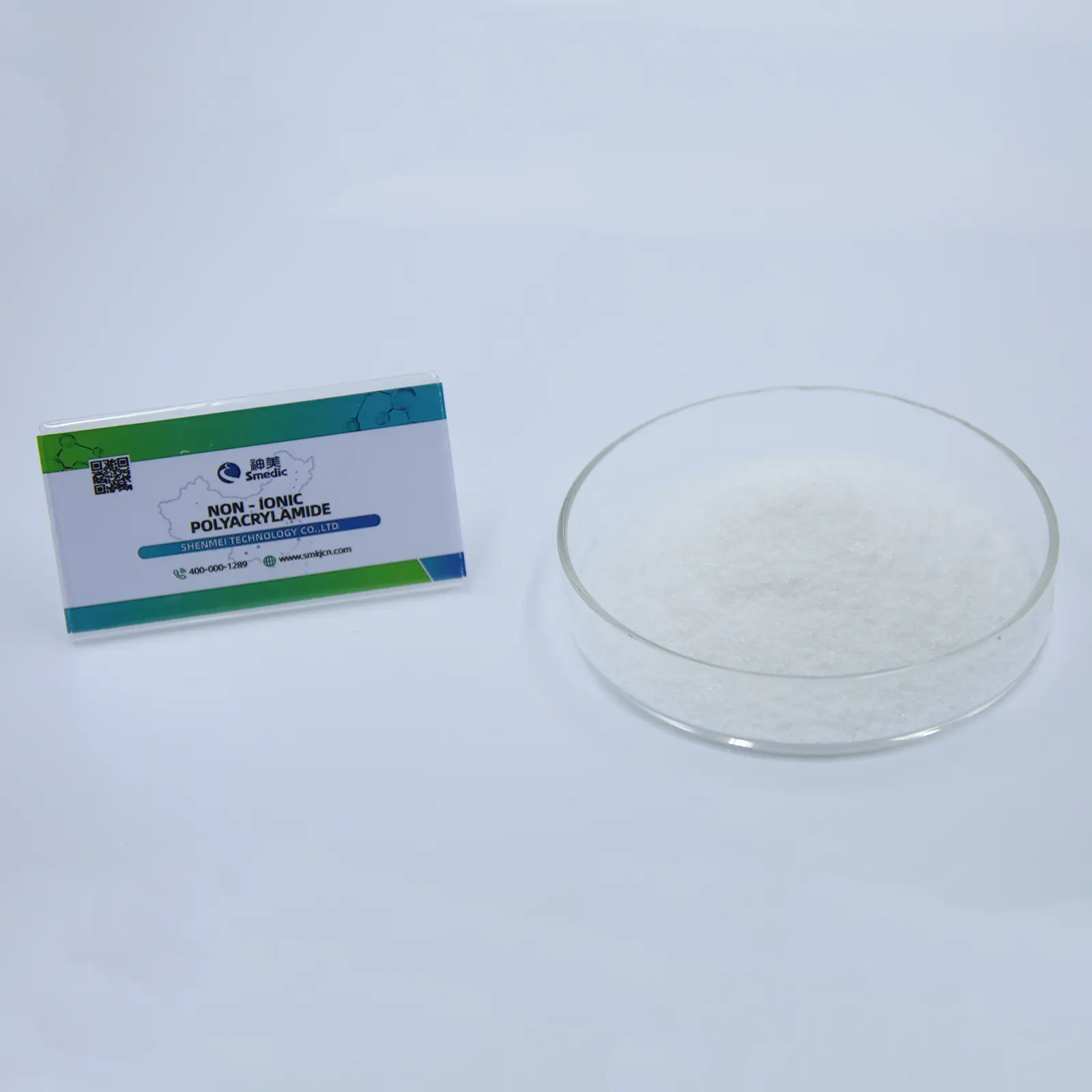
Appearance: White To Faintly Yellow Granules, Solid Molecular Mass: 15,000,000 g/mol
Flash Point: Not Applicable Relative Density: 0.750 g/cm³
Ionic Charge: Neutral (Ionicity: 0 %) Environmental Protection: Yes
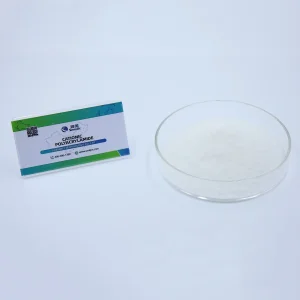
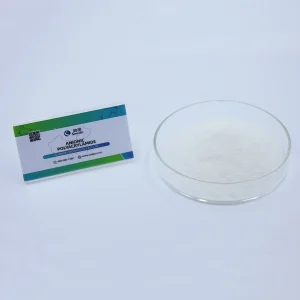
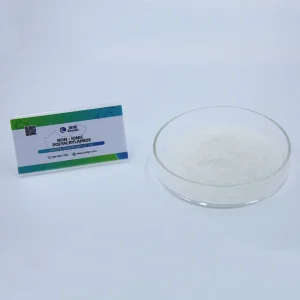
Key Features: Solid Appearance Water Treatment Polyacrylamide
Non-ionic Water Treatment Polyacrylamide
Solid Appearance NPAM

Features

Salt Tolerance and Stability
NPAM exhibits exceptional resistance to high-salinity environments, a common feature in oilfield brines. Unlike ionic polymers, its non-ionic structure prevents precipitation or viscosity loss in saline conditions, thus ensuring consistent performance in water injection and drilling fluids.
Thermal Resistance
With the ability to withstand temperatures exceeding 80°C (176°F), NPAM remains stable in high-temperature reservoirs. This thermal resilience allows it to maintain viscosity and functionality during enhanced oil recovery (EOR) processes, including in deep or harsh formations.
Shear-Thinning Behavior
NPAM solutions display shear-thinning properties, meaning their viscosity decreases under high shear stress (e.g., during pumping) but recovers once the stress is removed. This feature reduces energy consumption during fluid injection while ensuring effective oil displacement in reservoirs.
Strong Adsorption and Flocculation
The long-chain molecular structure of NPAM enables efficient adsorption onto suspended particles and emulsified oil droplets in produced water. This promotes rapid flocculation and sedimentation, simplifying Water Purification and supporting sustainable water reuse practices.
Low Sensitivity to pH Variations
NPAM performs reliably across a broad pH range (3–10), making it suitable for diverse oilfield environments. Its non-ionic nature avoids interactions with charged ions in acidic or alkaline conditions, ensuring stable performance in varying wellbore chemistries.
Environmental Compatibility
As a non-toxic and biodegradable polymer, NPAM aligns with increasingly stringent regulatory and environmental demands. Its use minimizes ecological risks in sensitive oilfields while meeting exacting discharge standards for treated water.
Versatility in Multifunctional Roles
Beyond its core functions in EOR and water treatment, NPAM serves as:
  • A friction reducer in drilling fluids, lowering operational resistance.
  • A soil stabilizer for preventing erosion during pipeline construction.
  • A clay inhibitor to protect reservoir permeability.

Frequently Asked Questions

Q What is Non-ionic Polyacrylamide (NPAM) and how does it differ from ionic PAM?
Non-ionic Polyacrylamide (NPAM) is a high-molecular-weight polymer with a neutral (zero ionicity) charge. Unlike anionic or cationic PAM, it carries no electrical charge on its backbone, which means it does not interact with charged ions in solution. This makes NPAM far more stable and effective in high-salinity or variable-pH environments such as oilfield brines and industrial wastewater.
Q What are the primary applications of NPAM in the oil and gas industry?
NPAM is widely used in Enhanced Oil Recovery (EOR) to improve sweep efficiency, in drilling fluids as a friction reducer and viscosifier, and in produced water treatment for flocculation and sedimentation of suspended particles. It also acts as a clay inhibitor to protect reservoir permeability and as a soil stabilizer during pipeline construction.
Q What temperature range can NPAM withstand during oilfield operations?
NPAM is thermally stable at temperatures exceeding 80°C (176°F), making it suitable for use in high-temperature reservoirs and deep formations. This thermal resilience ensures that the polymer retains its viscosity and functional properties throughout EOR and drilling operations without degradation.
Q Is NPAM safe for the environment and compliant with environmental regulations?
Yes. NPAM is classified as non-toxic and biodegradable, which means it poses minimal ecological risk when used in sensitive oilfield environments. It meets stringent environmental protection standards and complies with discharge regulations for treated water, making it a responsible choice for sustainable oilfield operations.
Q How does the shear-thinning property of NPAM benefit fluid injection operations?
NPAM solutions become less viscous under high shear stress — such as the pressure generated during pumping — but recover their viscosity once that stress is removed. This shear-thinning behavior significantly reduces the energy required to pump the fluid into the reservoir while still delivering effective oil displacement and mobility control once the fluid reaches the formation.
Q What is the shelf life and storage condition for NPAM granules?
NPAM has a shelf life of 2 years when stored under appropriate conditions. The product appears as white to faintly yellow solid granules with a relative density of 0.750 g/cm³. It should be stored in a cool, dry, and well-ventilated area, away from moisture and direct sunlight, to preserve its molecular integrity and performance characteristics.

Related Products