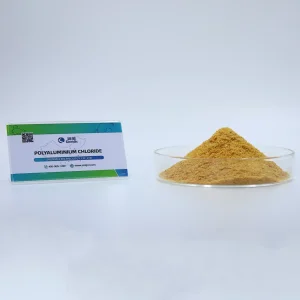
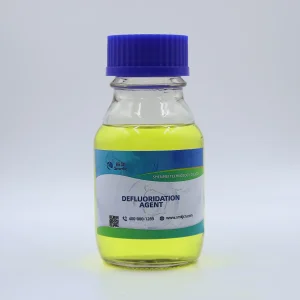
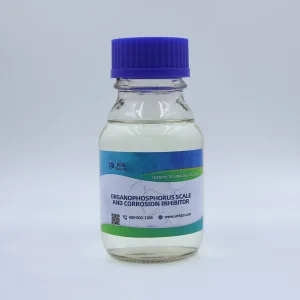
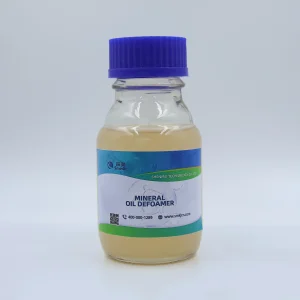
Explore our premium grade chemical reagents manufactured under stringent quality protocols.
Anionic Polyacrylamide (APAM) is a water-soluble linear polymer synthesized from acrylamide monomers co-polymerized with anionic groups, typically acrylic acid. The presence of negatively charged carboxylate functional groups along the molecular chain gives APAM its distinctive adsorption, bridging, and charge neutralization properties. In aqueous systems, these active sites expand the polymer chain structure, allowing it to efficiently intercept and bind suspended solids, colloidal impurities, and metal hydroxides.
The operational mechanisms of APAM are dual-phased. First, electrostatic bridging occurs where loop and tail structures of the high-molecular-weight polymer chain attach to multiple suspended particulate nodes simultaneously. Second, charge neutralization reduces the zeta potential of disperse particles, diminishing the repulsive electrostatic forces between them and facilitating rapid micro-floc consolidation. As a result, industries achieve accelerated sedimentation rates, reduced sludge volume, and exceptional effluent clarity.
Choosing the correct APAM relies heavily on configuring its two key properties: Molecular Weight (MW), which dictates the physical span and strength of the floc bridges, and the Degree of Hydrolysis (Charge Density), which governs the intensity of ionic binding. Optimal tuning ensures low dosage requirements and peak process efficiency.
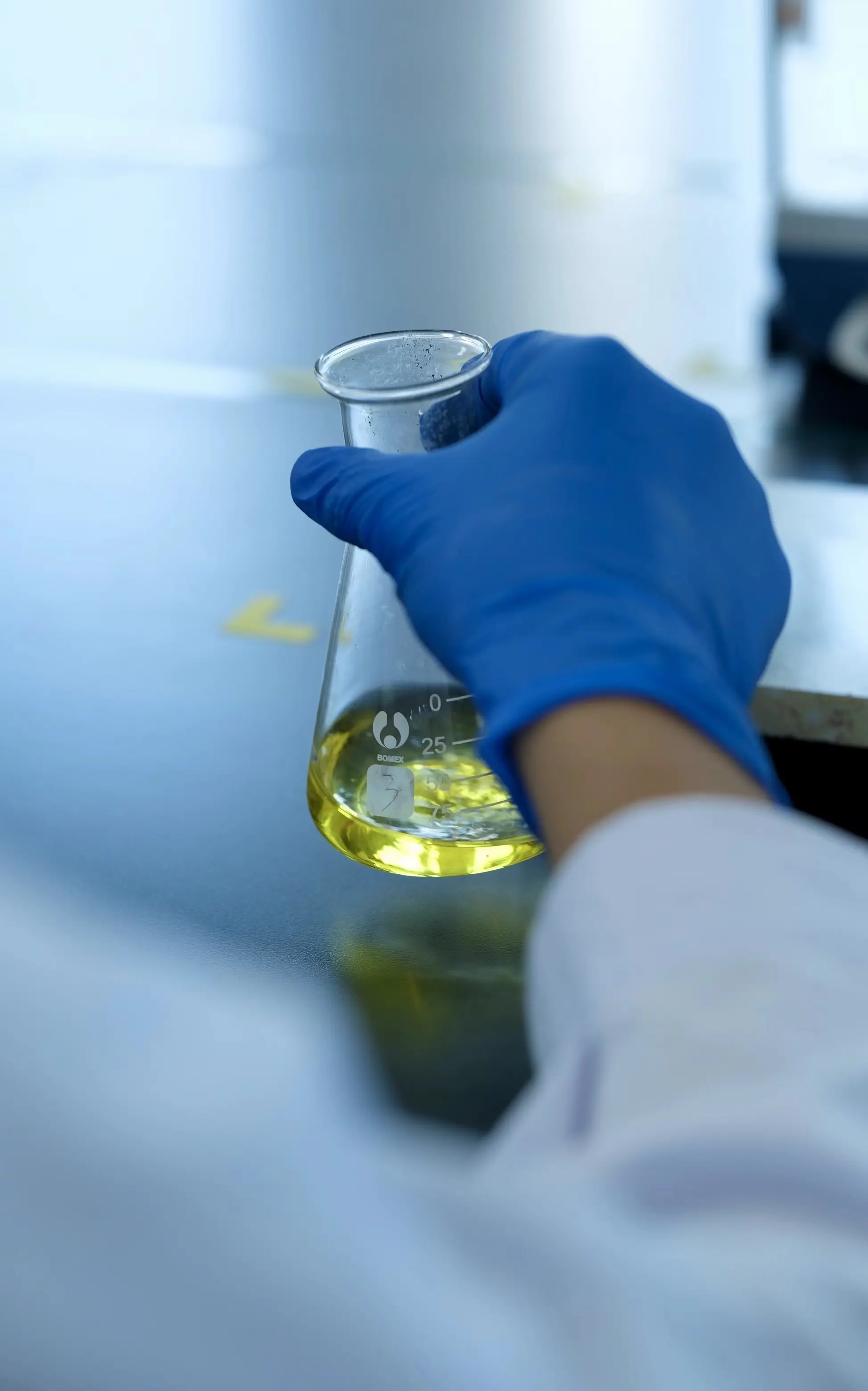
Navigating technical benchmarks, regulatory compliance, and supply chain logistics for high-volume polymer sourcing.
Strict environmental regulations, such as EPA and REACH, require polymer formulations to have low residual free acrylamide monomer content (often under 250 ppm or 500 ppm). Smedic leverages highly controlled polymerization processes to meet these international toxicity safety standards.
Slow polymer dissolution (longer than 60 minutes) limits onsite throughput. Our advanced granulation process produces polymers that hydrate and dissolve quickly, minimizing processing bottlenecks and preventing product clumping.
Procurement teams need stable products that resist moisture and degradation during ocean transit and long-term warehouse storage. Smedic's multi-layer moisture-proof packaging keeps active polymer chains fully functional until application.
How high-grade Anionic Polyacrylamide optimizes performance across critical municipal and industrial sectors.
In municipal facilities, APAM acts as a primary flocculant during primary sedimentation and tertiary filtration. It rapidly gathers biological solids and phosphorus precipitates into large flocs, producing clear water that meets strict environmental discharge requirements.
In mining operations, handling mineral slurries is a significant challenge. APAM speeds up the settling of copper, gold, coal, iron, and alumina tailings. It clarifies process water for immediate reuse and improves the efficiency of belt filter presses and centrifuges.
APAM is key to tertiary oil recovery. By adjusting the viscosity of injected water, it improves sweep efficiency to extract trapped oil from reservoirs. It also serves as a friction reducer and stabilizer in high-temperature, high-pressure drilling muds.
Our polymers improve retention of fibers and fillers during papermaking, which accelerates dewatering. This yields high-strength paper sheets while reducing wastewater load by retaining valuable raw materials.
A leading Chinese environmental agent producer integrating R&D, manufacturing, and technical services since 2011.
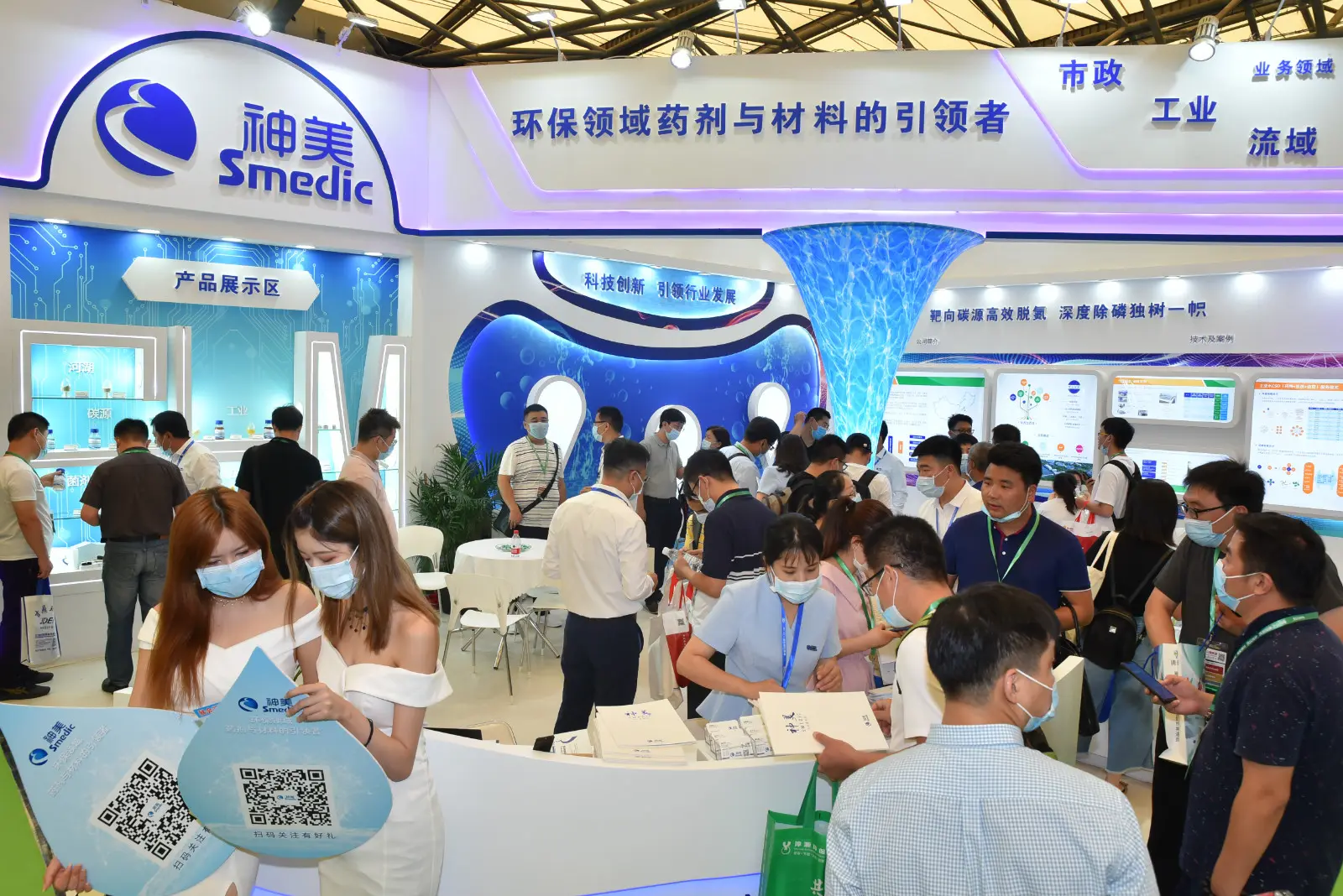
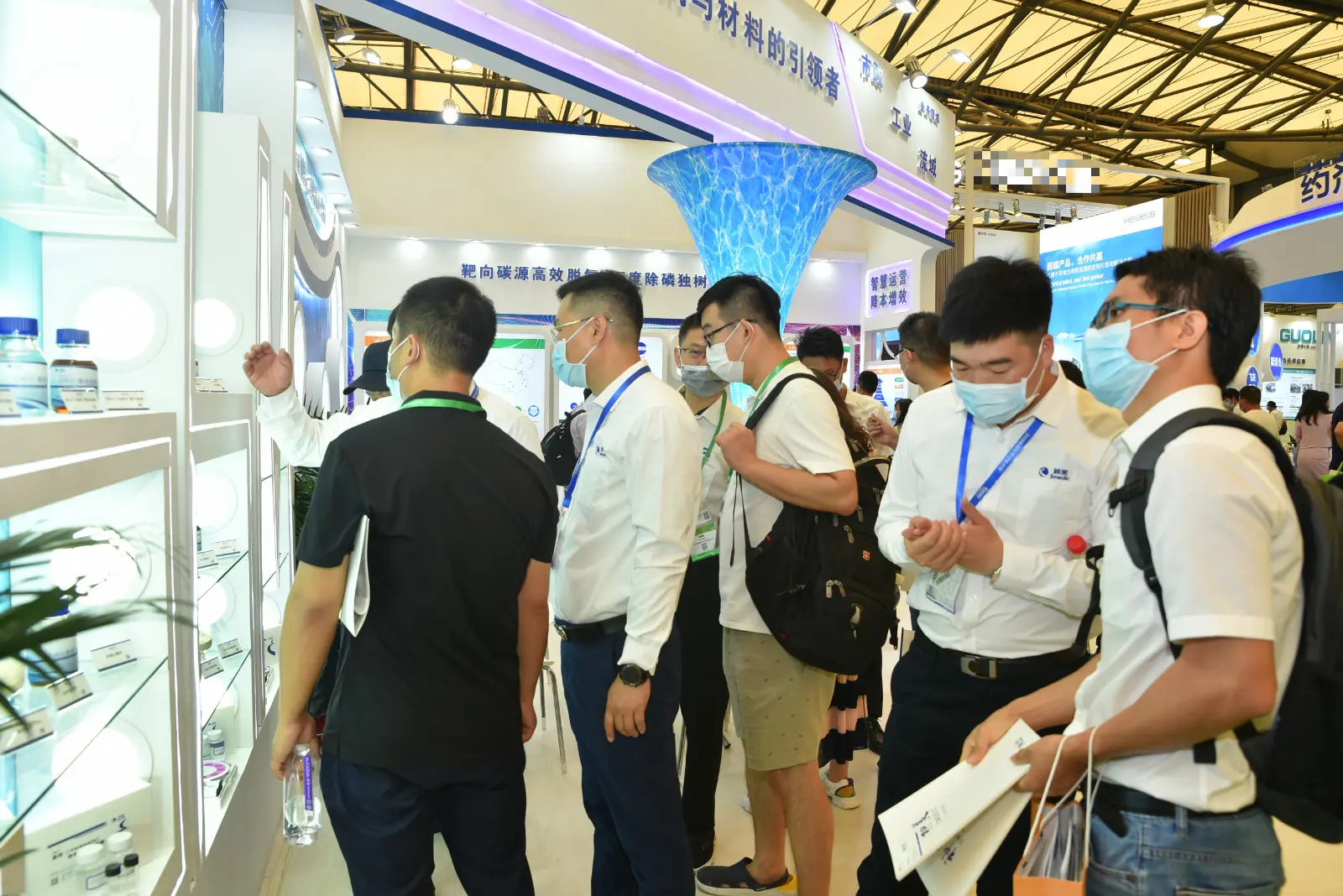
Smedic Technology's corporate headquarters is in Beijing, with production bases located in Hebei, Guizhou, Shanxi, and other regions. We also operate more than ten OEM partner factories and regional warehousing bases in provinces like Shandong, Shanxi, Anhui, Guangxi, and Sichuan. Our service network covers over 20 provinces across China, supplying over 600 urban sewage treatment plants and 1,000+ industrial end customers.
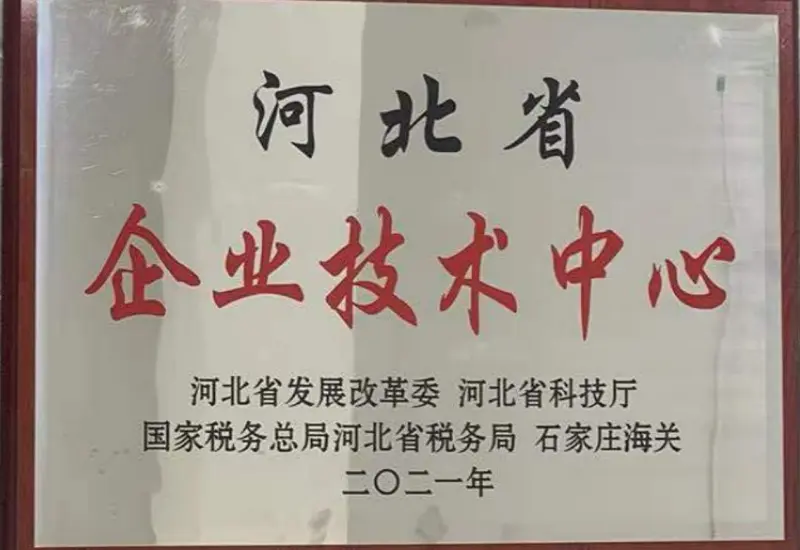
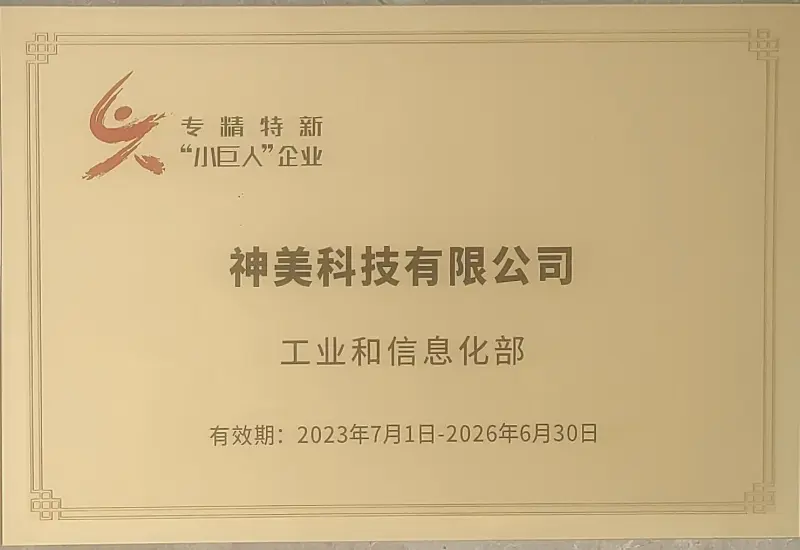
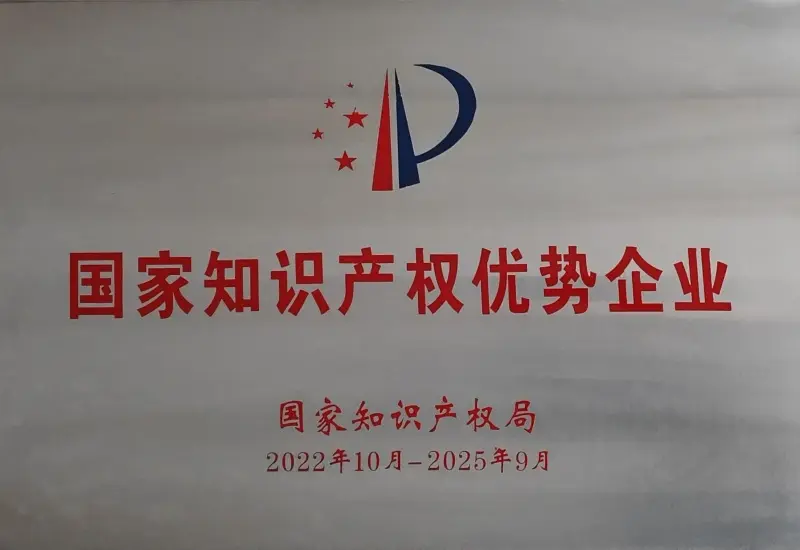
We have earned recognition as a National High-tech Enterprise, a National Specialized, Refined, Unique and Innovative "Little Giant" Enterprise, and a Hebei Province Green Factory. Our R&D team features academicians, professors, and senior engineers working in our Advanced Water Treatment Chemicals Technology Innovation Center. Smedic also collaborates with top institutions like Tsinghua University, Shandong University, and Beijing University of Technology.

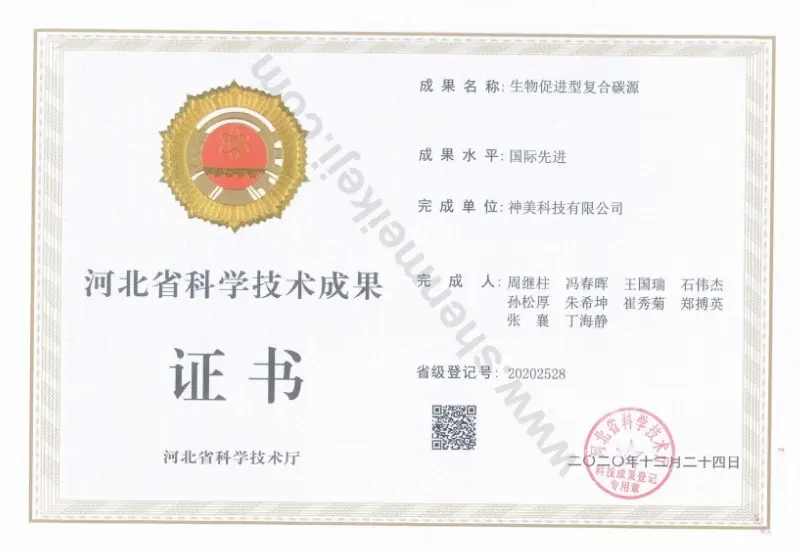
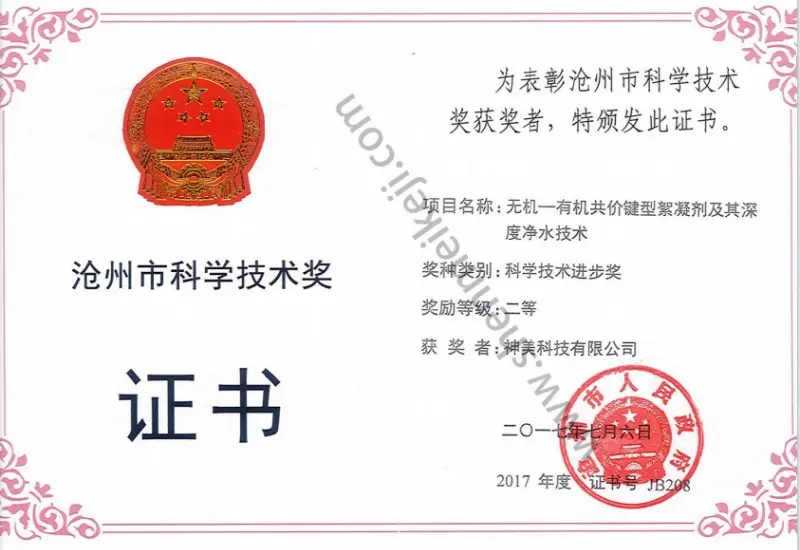
Pioneering polymer synthesis technologies to improve structural efficiency and reduce environmental footprints.
Our R&D focuses on expanding molecular weights past 25 million Daltons through post-hydrolysis methods. Longer polymer chains create stronger, larger flocs that settle faster in challenging industrial water systems.
To reduce dependence on petroleum, we are researching bio-acrylamide monomers derived from enzymatic conversions. This process reduces energy use during monomer production and lowers the overall carbon footprint of our APAM lines.
We are developing next-generation temperature- and pH-responsive flocculants. These smart polymers adjust their molecular conformation in response to changing environments, optimizing chemical dosing and treatment performance.
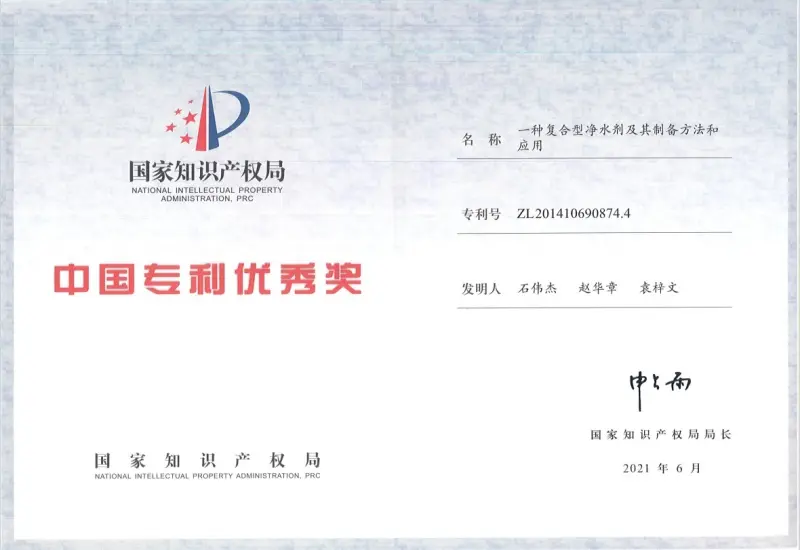
Smedic holds over sixty Chinese patents, including forty invention patents and twenty utility model patents. We have led the drafting of ten national and industry standards for products like composite carbon sources, composite coagulants, sodium acetate, and bacterial agents.
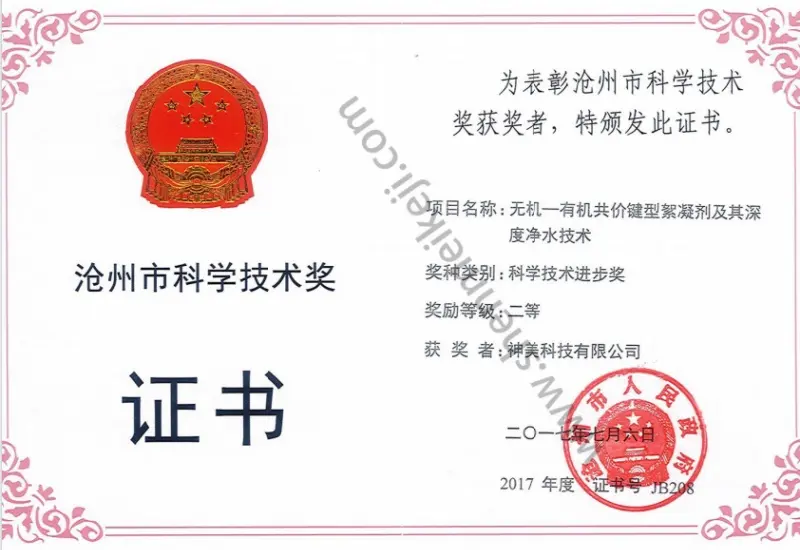
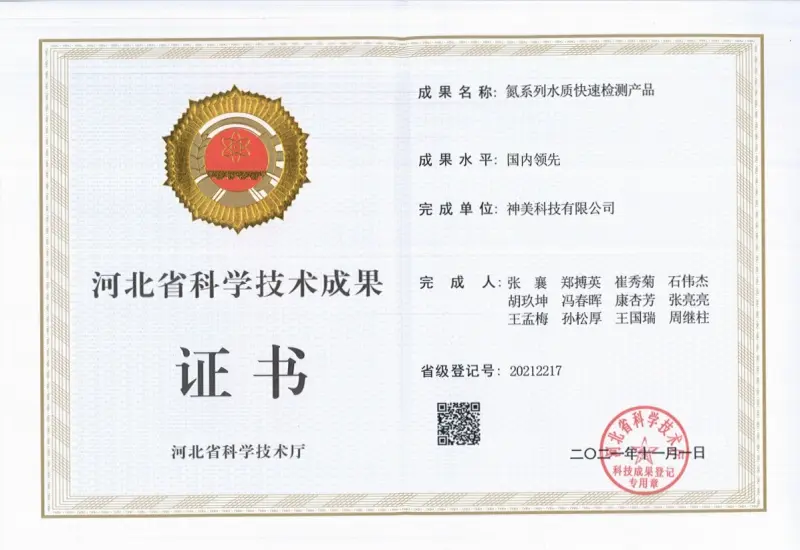
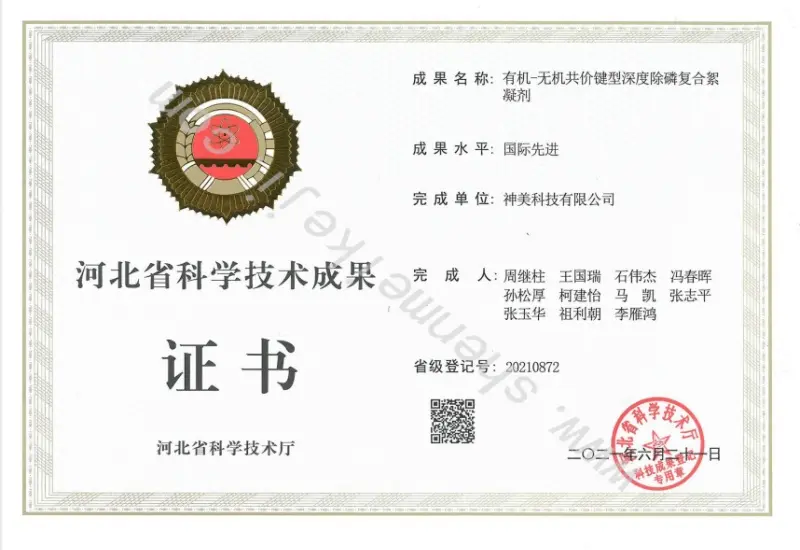
Our independently developed technologies—including a bio-enhanced denitrification carbon source and a multi-nuclear phosphorus removal agent—have been evaluated as "internationally advanced" by the Science and Technology Department of Hebei Province. Additionally, our inorganic-organic covalent bond flocculant technology received the 22nd China Patent Award and the First Prize for Technological Invention from the China Petrochemical Industry Association.
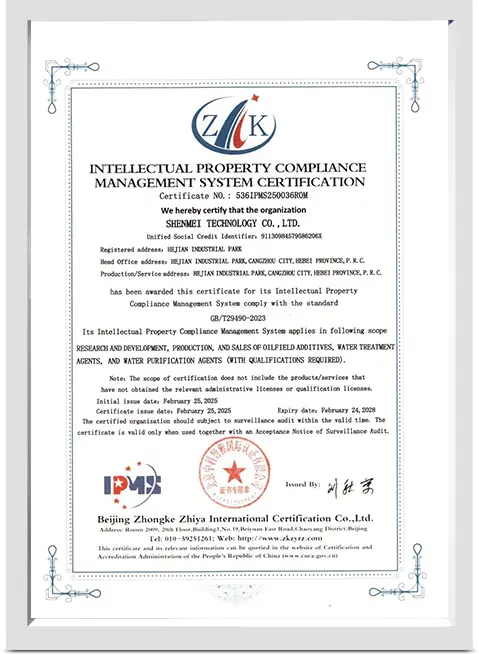
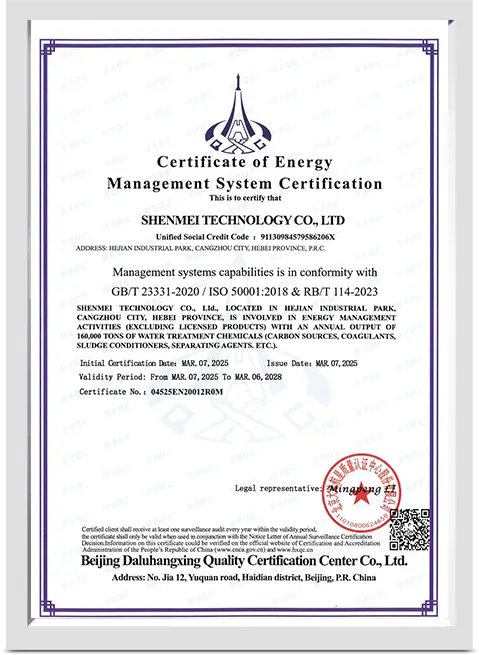
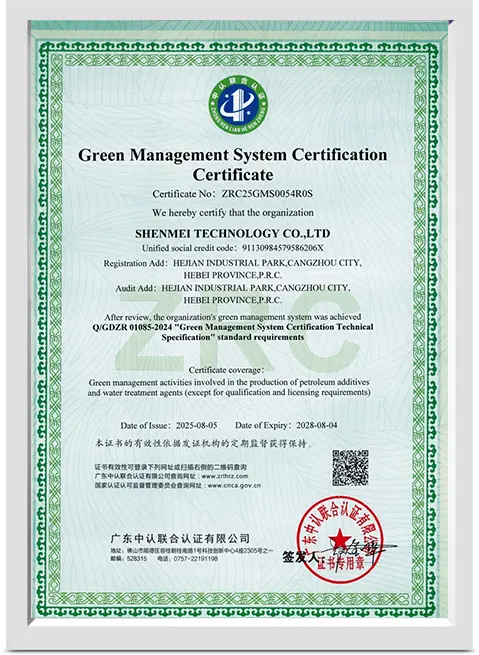
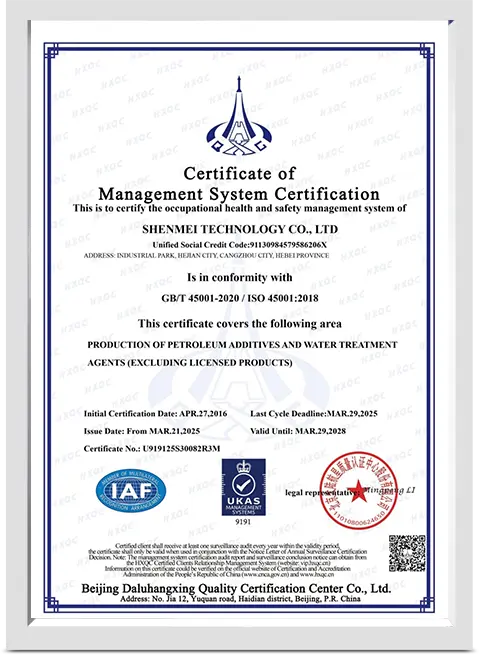
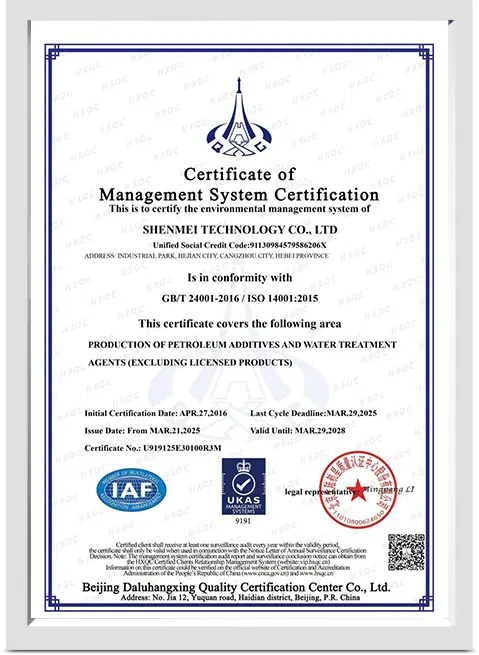
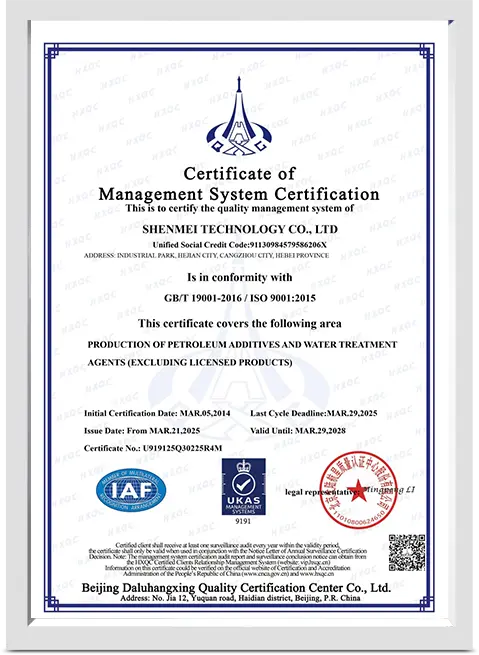
Managing water treatment projects on a global scale requires strict adherence to international quality and environmental standards. Smedic's manufacturing facilities are certified to ISO 9001 (Quality Management), ISO 14001 (Environmental Management), and ISO 45001 (Occupational Health and Safety) standards. Every batch of Anionic Polyacrylamide undergoes rigorous laboratory analysis to verify its molecular weight, charge density, dissolution rate, and residual monomer levels.
We maintain raw material traceability and employ advanced quality control systems at all stages of production. Our logistics network includes regional warehouses near major shipping hubs like Tianjin, Qingdao, and Shanghai. This strategic setup ensures reliable domestic delivery and timely international shipping, backed by complete customs clearances and safety documentation (including SDS and Certificate of Analysis).
Expert insights on Anionic Polyacrylamide chemistry, application parameters, and ordering processes.
Complete your treatment process with our line of specialized chemical agents and scaling inhibitors.
 Smedic Tech