OEM Cationic polyacrylamide (CPAM) Manufacturers, Supplier

Cationic polyacrylamide (CPAM, CAS 9003-05-8): water-soluble high-MW polymer; flocculant/coagulant for wastewater treatment. Specs: ≥90% solids, 8-12M MW, 10-90% cation degree; dissolves ≤60 min, ≤0.5% insoluble. Strong coagulation enables efficient flocculation for municipal/industrial wastewater: turbidity removal, decolorization, sludge dewatering. Non-toxic, eco-friendly; avoids harmful monomer decomposition to ensure safe use.

Product Description

Product Specification

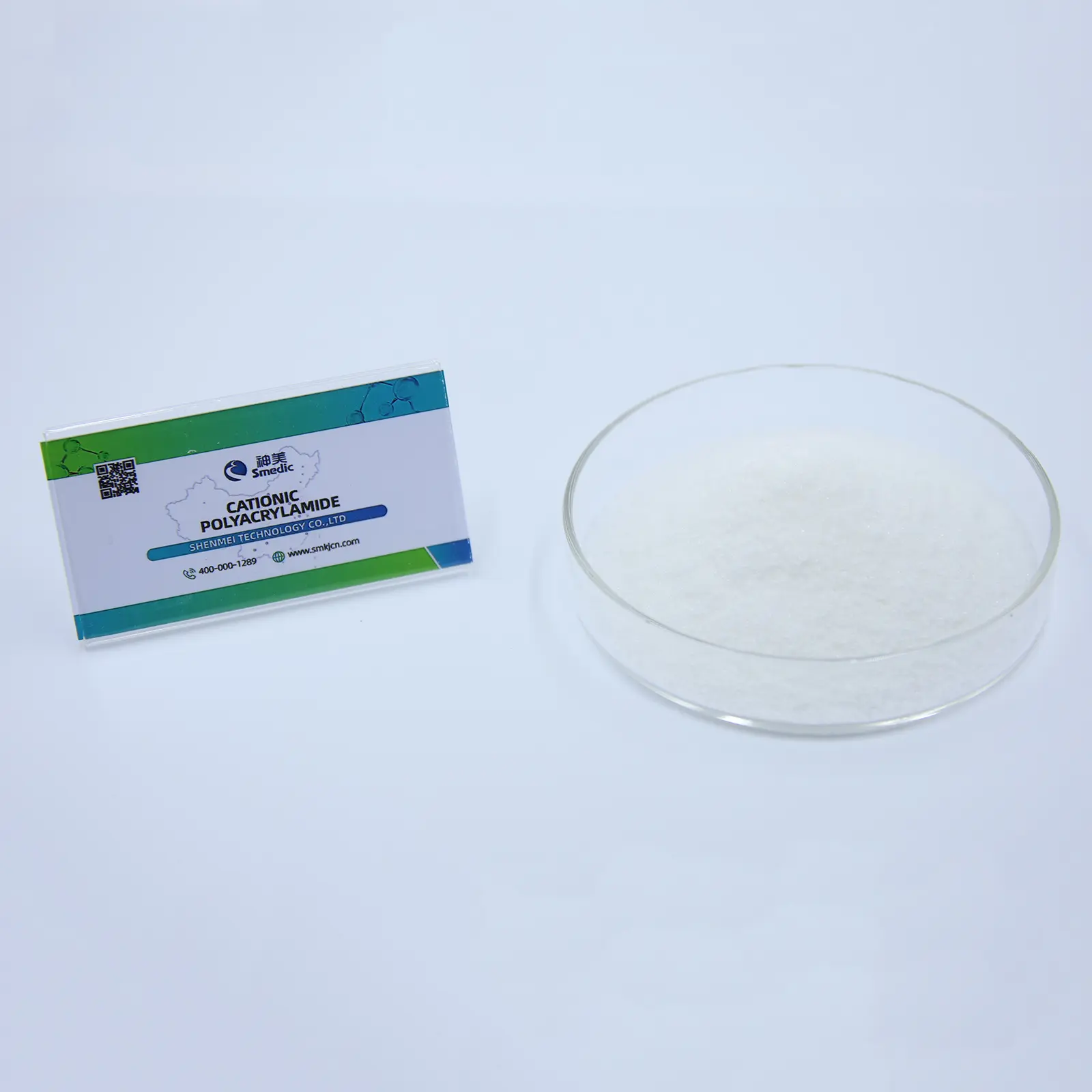
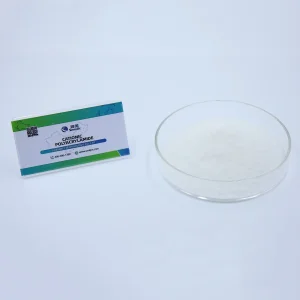
Appearance: White To Faintly Yellow Granules, Solid Solid Content: ≥ 90%
CAS NO: 9003-05-8 Molar Mass: 15000000g/mol
Dissolution Time: ≥ 60 Residual Unit: ≤ 0.05%
Insoluble Matter: ≤0.5% Decomposition Temperature: >150℃
Key Features: Cpam Cationic Polyacrylamide Powder
Polyacrylamide Coagulant Wastewater Treatment
Wastewater Treatment Cationic Polyacrylamide Powder
Cpam Cationic Polyacrylamide chemical coagulant polyamine for wastewater treatment

Product Description

Its customizable molecular weight and ionic charge allow tailored solutions for diverse applications, including papermaking, textiles, and enhanced oil recovery. CPAM excels in treating complex wastewater streams, such as those from chemical plants and mining operations, delivering clear and compliant effluents. Its adaptability to varying pH levels and water chemistries ensures consistent performance in challenging conditions. The polymer’s high efficiency at low dosages reduces chemical consumption, making it a cost-effective choice for large-scale treatment systems.

CPAM’s environmentally safe profile aligns with regulatory standards, supporting sustainable water management practices. Its robust flocculation capabilities enhance sedimentation rates, improving operational efficiency and reducing processing times. Packaged for easy handling, CPAM integrates seamlessly into existing treatment systems, requiring minimal adjustments. By ensuring reliable particle aggregation and water clarification, it minimizes environmental impact and operational costs.

CPAM’s versatility and high performance make it a preferred solution for industries seeking efficient, eco-friendly, and cost-effective wastewater treatment that can deliver consistent results across diverse industrial and environmental applications.

Synonyms & Classifications

Acrylamide Homopolymer;Propenamide Homopolymer. PAM is a synthetic chemical that can be tailored to fit a broad range of applications:
Cationic Polyacrylamide – CPAM
Anionic Polyacrylamide – APAM
Nonionic Polyacrylamide – NPAM

Cationic Polyacrylamide Specifications

Appearance White powder or granular appearance
Solid Content ≥90%
Molecular Weight 800-1200 million
Insoluble Matter ≤ 0.5%
Residual Unit ≤ 0.05%
Cation Degree 10-90%
Dissolution Time ≤ 60 minutes

Advantages

  • Variety of Molecular Weight and Ionic Charge
  • Wide Range of Applications
  • Customized Formation to Fit Applications

Features

  • Strong coagulant agent
  • Environmentally friendly
  • Non-decomposable in nature (into toxic monomers)
  • No poisoning and side effects
  • Variety of characteristics and chemical and physical behavior

Frequently Asked Questions (FAQ)

What is Cationic Polyacrylamide (CPAM) used for?
CPAM is primarily used as a chemical coagulant and flocculant for wastewater treatment across various industries, including chemical processing, mining, papermaking, textiles, and enhanced oil recovery.
What are the key technical specifications of your CPAM?
Our Cationic Polyacrylamide has a solid content of ≥90%, a molecular weight range of 800-1200 million, and a dissolution time of ≤60 minutes, ensuring high performance and efficiency.
How does CPAM compare to other polyacrylamides?
Unlike Anionic (APAM) or Nonionic (NPAM) versions, Cationic Polyacrylamide (CPAM) carries a positive charge, making it highly effective at binding with negatively charged organic particles and impurities in complex industrial wastewater.
Is CPAM environmentally safe?
Yes, our CPAM features an environmentally safe profile that aligns with regulatory standards. It does not decompose in nature into toxic monomers, meaning there are no toxic side effects.
What is the advantage of using CPAM at low dosages?
CPAM provides robust flocculation and rapid sedimentation rates even at minimal dosages. This efficiency reduces overall chemical consumption, helping operators decrease processing times and operational costs.

Related Products