China Membrane Cleaning Chemical Suppliers & Exporters

Premium Chemical Cleaners, High-Efficiency Scale Inhibitors & Custom OEM/ODM Industrial Water Treatment Solutions

Smedic Technology: Pioneering Advanced Membrane Chemicals

Established in 2011, Smedic Technology Co., Ltd. has developed into a premier global solution provider for environmental protection chemistry. We specialize in high-efficiency membrane cleaning chemicals, antiscalants, and flocculants.
2011
Company Established
1+Million Tons
Annual Production Capacity
80+Types
Eco-Protection Products
20M+Tons/Day
Wastewater Treatment Capacity

Empowering Global Industries with Leading Chemical Formulations

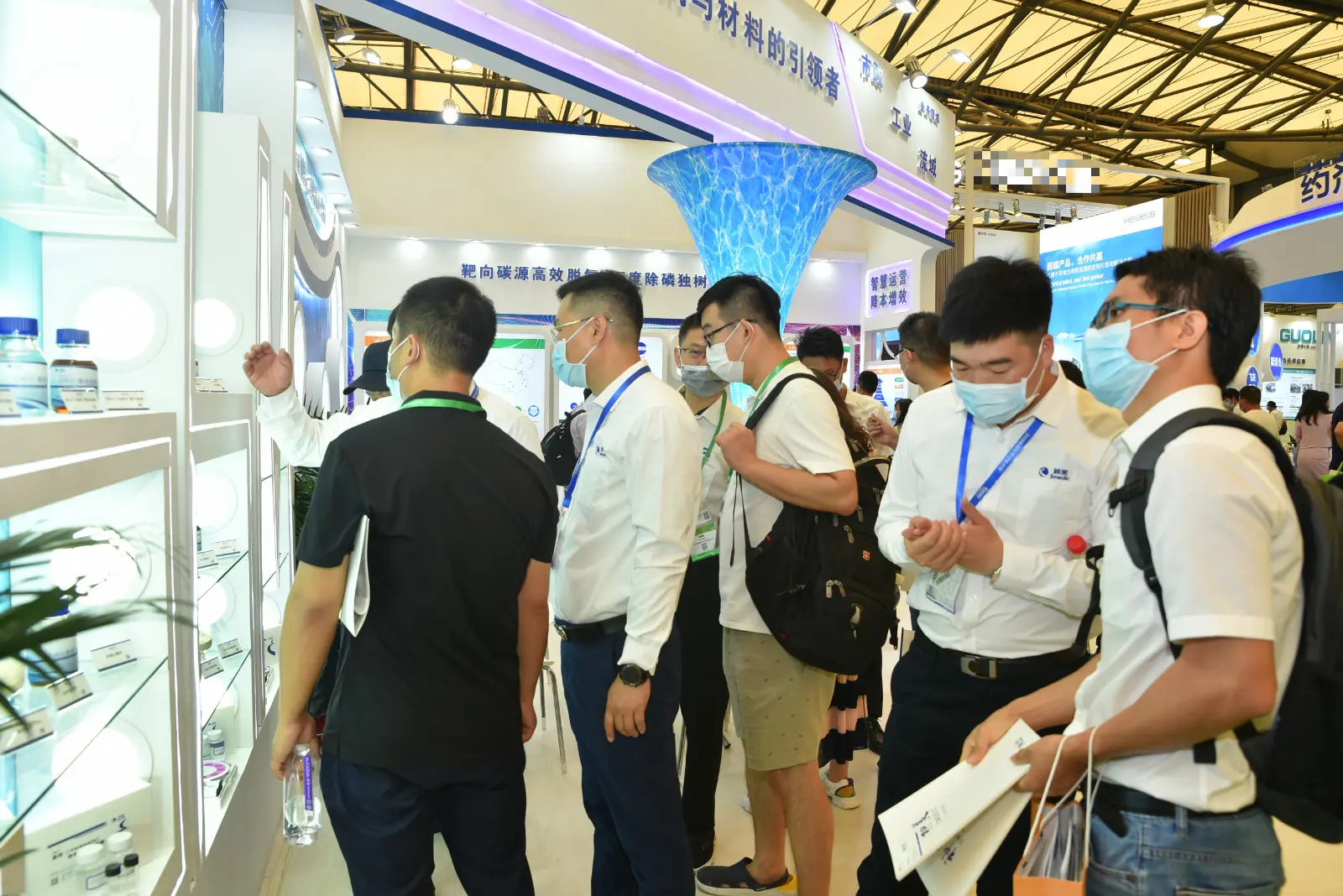
Our corporate headquarters in Beijing drives continuous R&D innovation, supported by fully owned manufacturing centers in Hebei, Guizhou, and Shanxi, alongside ten OEM partner factories and logistics bases across Shandong, Shanxi, Anhui, Guangxi, and Sichuan. This extensive supply network ensures rapid, reliable logistics and customized chemical formulations for municipal wastewater treatment, industrial process water, mine purification, and oilfield extraction operations globally.

Smedic's integrated technical footprint serves over 600 municipal sewage plants and 1,000 industrial end-users. As high-end purification standards tighten worldwide, particularly regarding Zero Liquid Discharge (ZLD) and advanced Reverse Osmosis (RO) desalinization systems, Smedic continues to engineer highly specialized cleaners and antiscalants to address complex fouling mechanisms and protect valuable membrane assets.
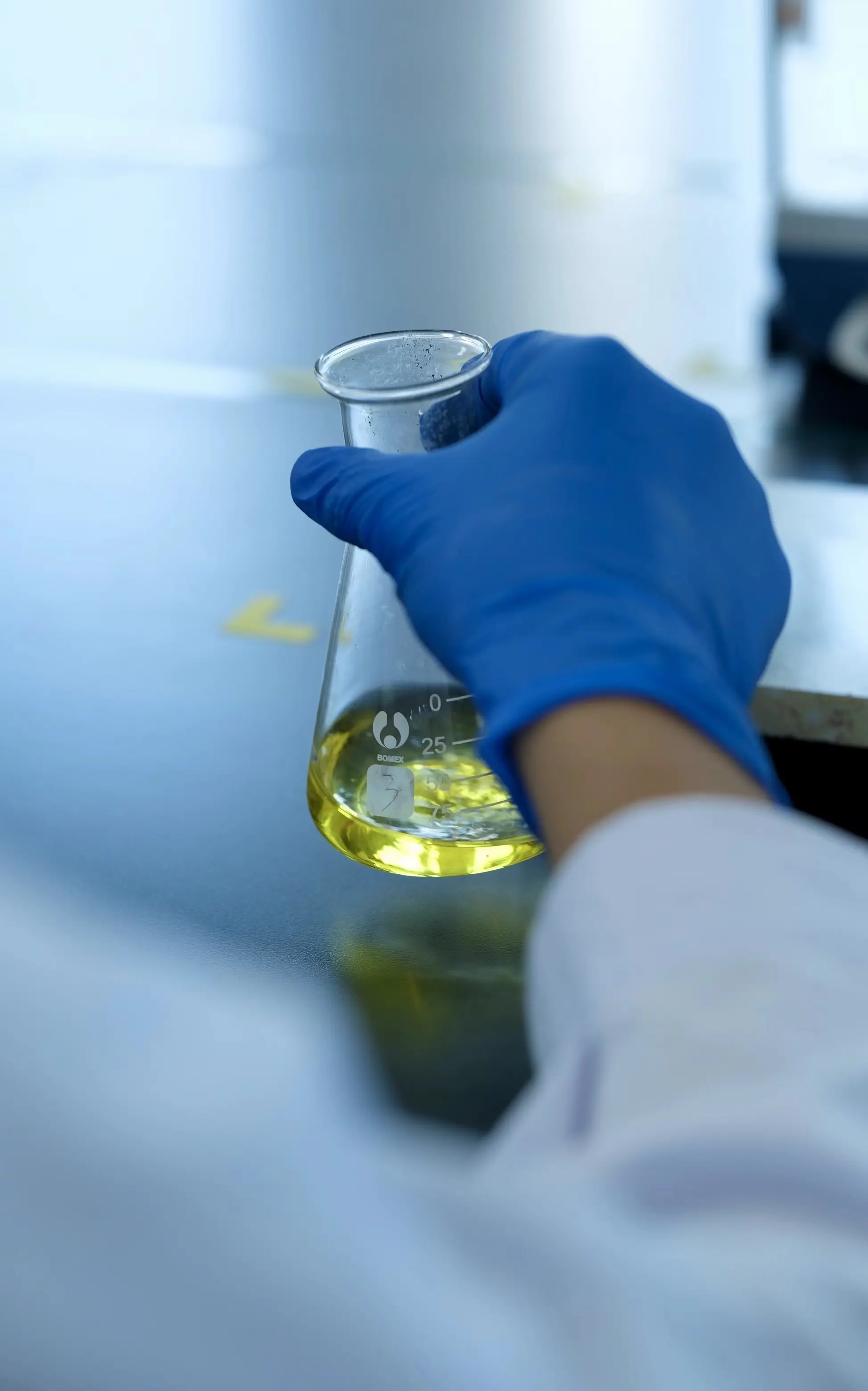
Smedic Production Facility & Warehousing

Membrane Cleaning Chemicals: Global Market Status & Industrial Realities

The rapid expansion of seawater desalination, industrial water recycling, and ZLD systems dictates strict membrane maintenance strategies.
Membrane separation processes—including Reverse Osmosis (RO), Nanofiltration (NF), Ultrafiltration (UF), and Microfiltration (MF)—form the cornerstone of modern industrial water management. However, as these systems operate under high-recovery pressures, dissolved salts, suspended colloids, and organic compounds precipitate onto the membrane surfaces. This scaling and biological fouling lead to reduced permeate flux, higher feed pressure demands, and premature membrane degradation.

The Global Economic Impact of Membrane Fouling:

Uncontrolled membrane fouling directly increases the Levelized Cost of Water (LCOW) by forcing operational shutdowns for manual cleans, raising energy consumption by up to 30%, and reducing total membrane life by 50% or more. Utilizing highly precise chemical formulations is the single most effective method to mitigate these operational losses.

In localized industrial scenarios—such as high-salinity coal-to-chemical wastewater reclamation, lithium extraction concentration, and oilfield reinjection water cleanup—the composition of feed streams changes constantly. Standard off-the-shelf cleaning solutions often fail to dissolve complex composite scales consisting of calcium carbonate, barium sulfate, silica, and biological EPS (Extracellular Polymeric Substances). Smedic’s specialized formulations are optimized to target specific crystal structures, enabling continuous high flux in the most demanding process environments.

Technical Roadmap: Chemistry of Membrane Scale Control & Cleaning

Advanced chemical pathways to combat biological, organic, and mineral foulants.

Acidic Cleaning (Inorganic Scales)

Designed to target carbonate scales (calcium carbonate), sulfate scales (calcium sulfate, barium sulfate), and metal oxides (iron and manganese foulants). Our formulations employ optimized organic acids and mild inorganic acid blends. By reducing the pH of the cleaning bath to 2.0-3.0, mineral salts are converted into highly soluble ionic forms, dissolving the crystal lattice structure without damaging the polyamide active layer of the thin-film composite membranes.

Alkaline Cleaning (Organics & Biofilms)

Alkaline formulations operate at pH 11.0-12.0. These agents rely on saponification, emulsification, and chelation to strip away humic substances, proteins, and complex biological biofilms. Smedic incorporates advanced biodegradable chelants (such as GLDA/MGDA) to bind polyvalent cations (calcium and magnesium) that bridge organic matrices, dispersing the foulants from the membrane pores.

Synergy with Coagulants & Flocculants:

Pretreatment carryover is a major source of membrane fouling. Smedic balances the dosing of coagulants like Polyferric Sulfate (PFS) and Polyaluminum Chloride (PAC), along with Anionic/Cationic Polyacrylamides (APAM/CPAM), to minimize downstream membrane footprint while maximizing floc deposition. If carryover does occur, our specialized cleaners are formulated to target and dissolve polymer complexes safely.
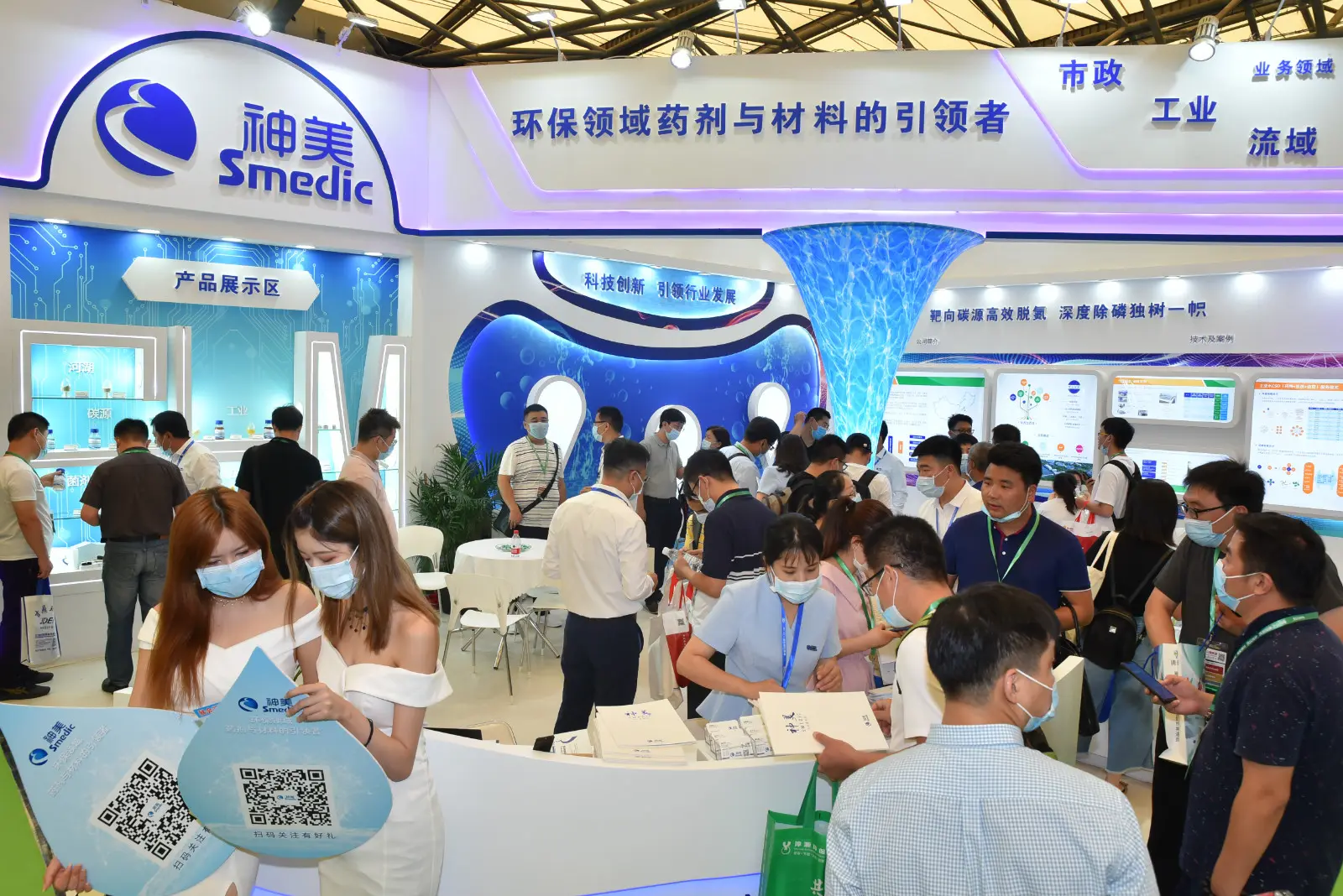
Qualifications, Patents & Research Infrastructure

Smedic operates a robust research ecosystem centered on national certifications and industry-wide quality compliance.
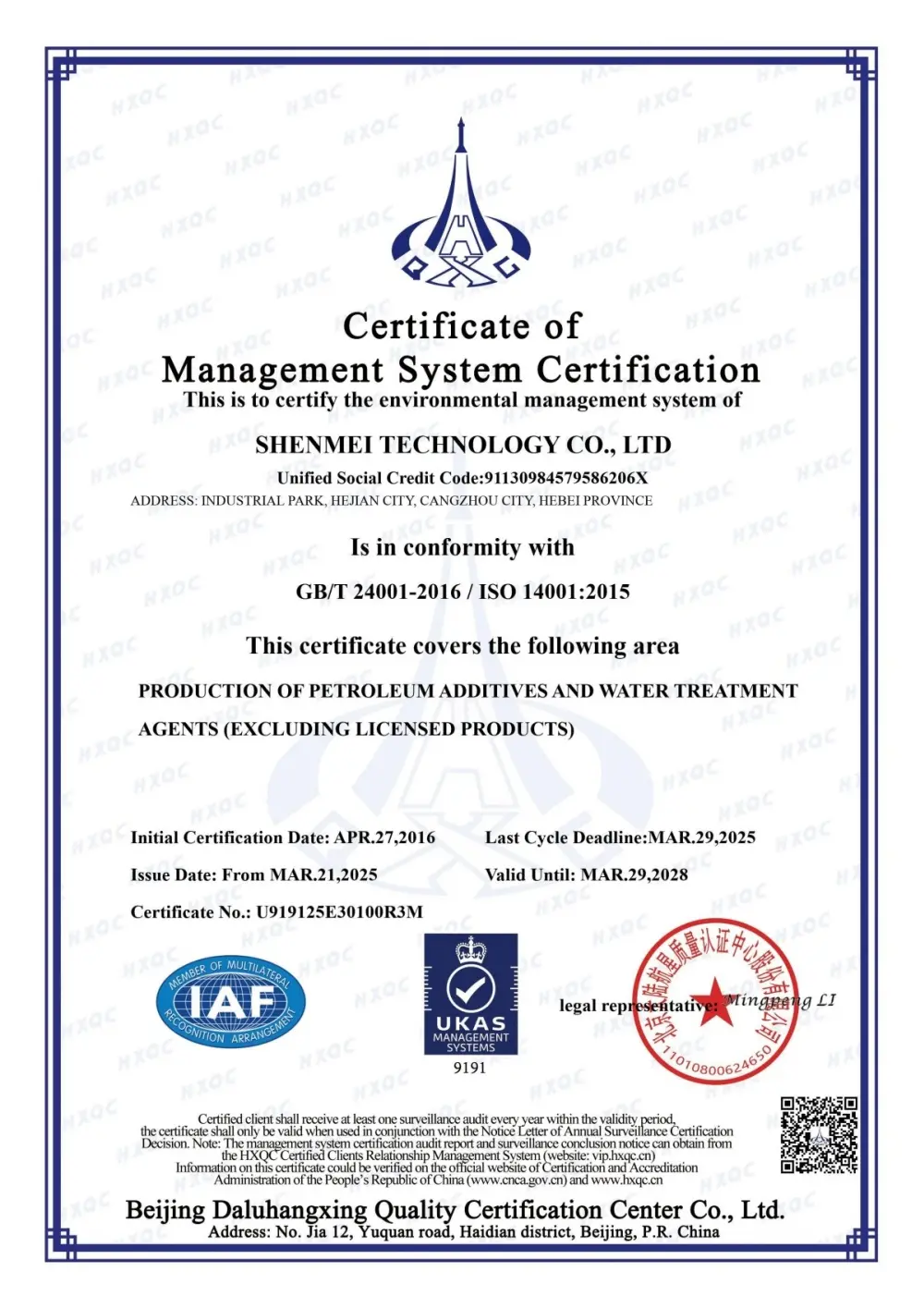
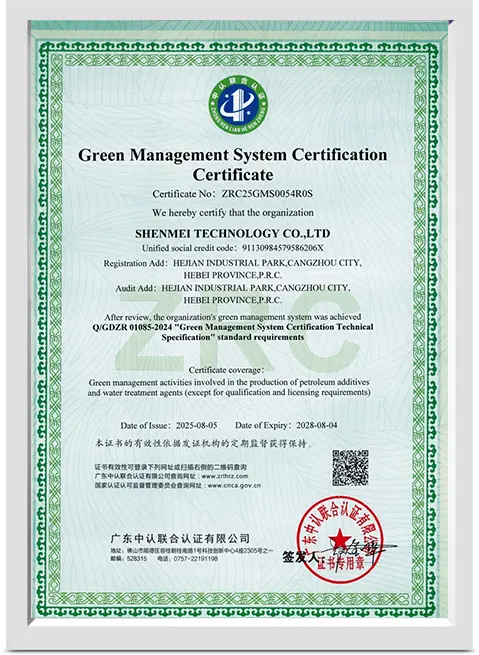
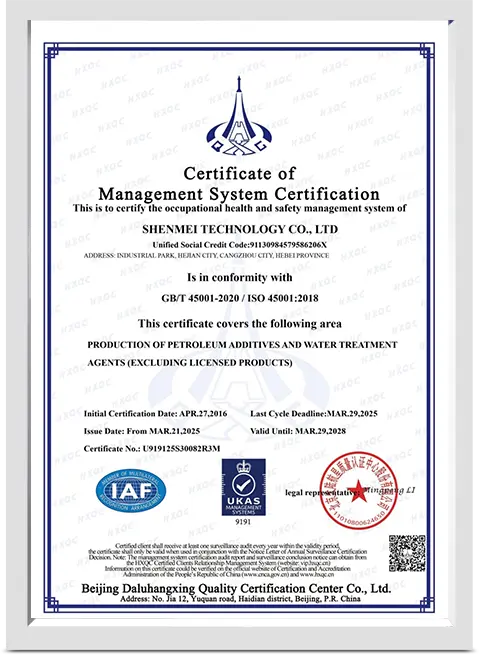
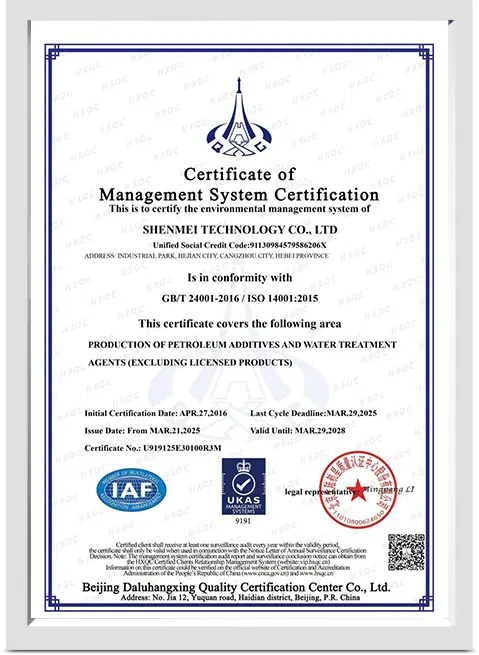
Patent Evaluation & Standard Verification Documentation

State-Recognized Scientific Achievements & Standard Drafting

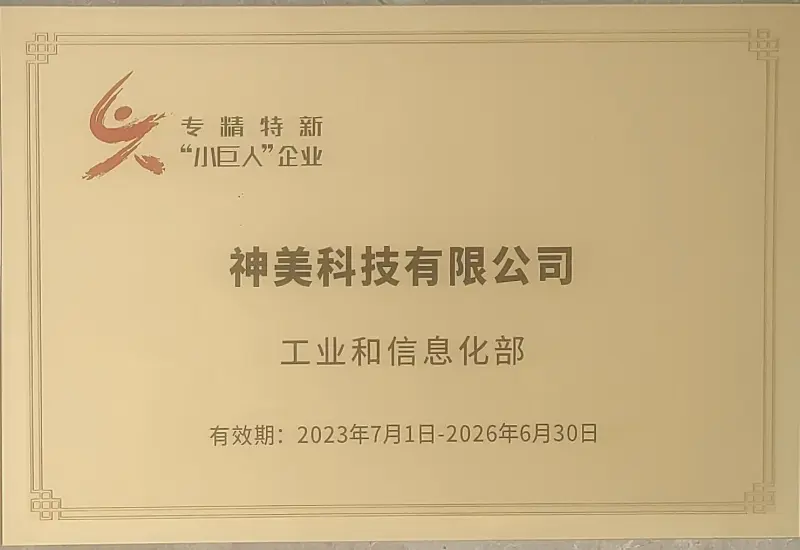
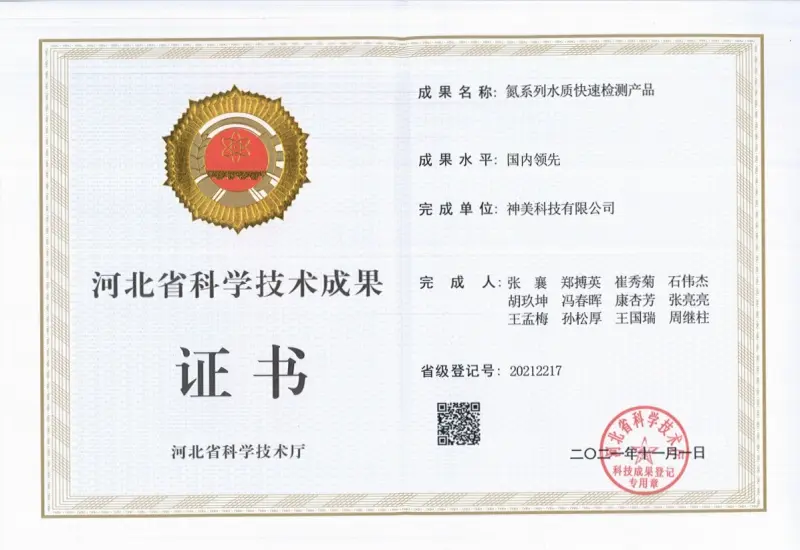
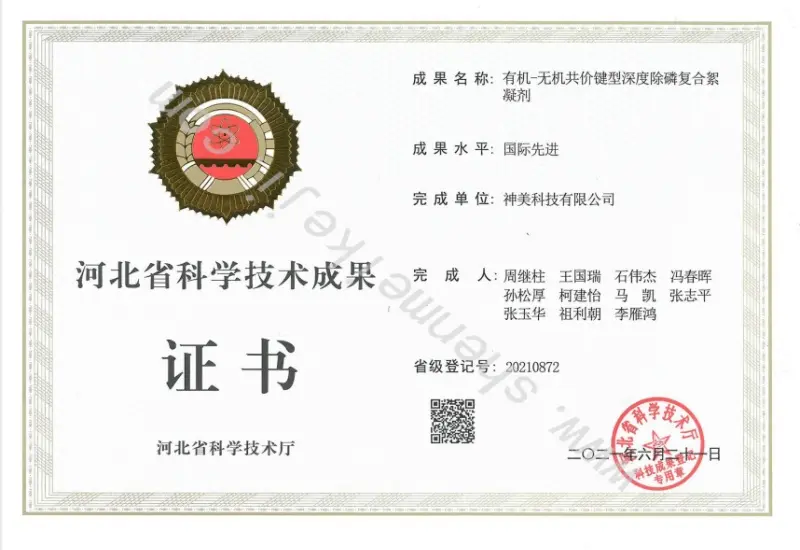
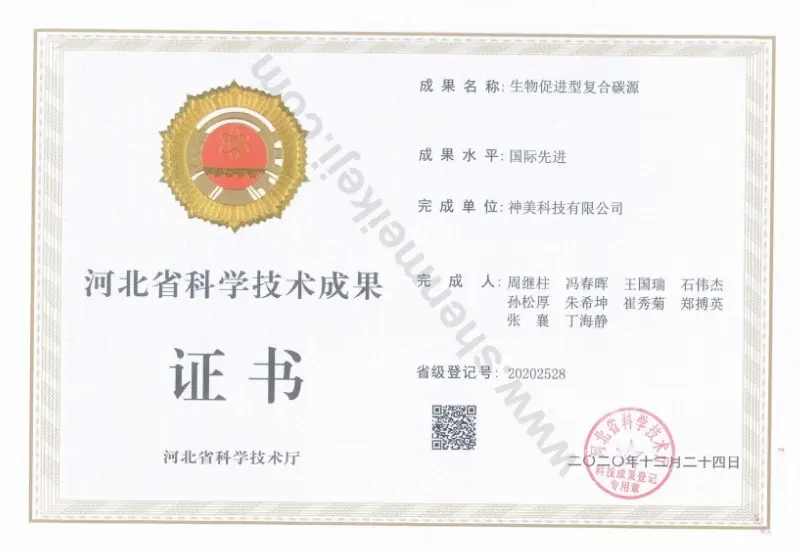
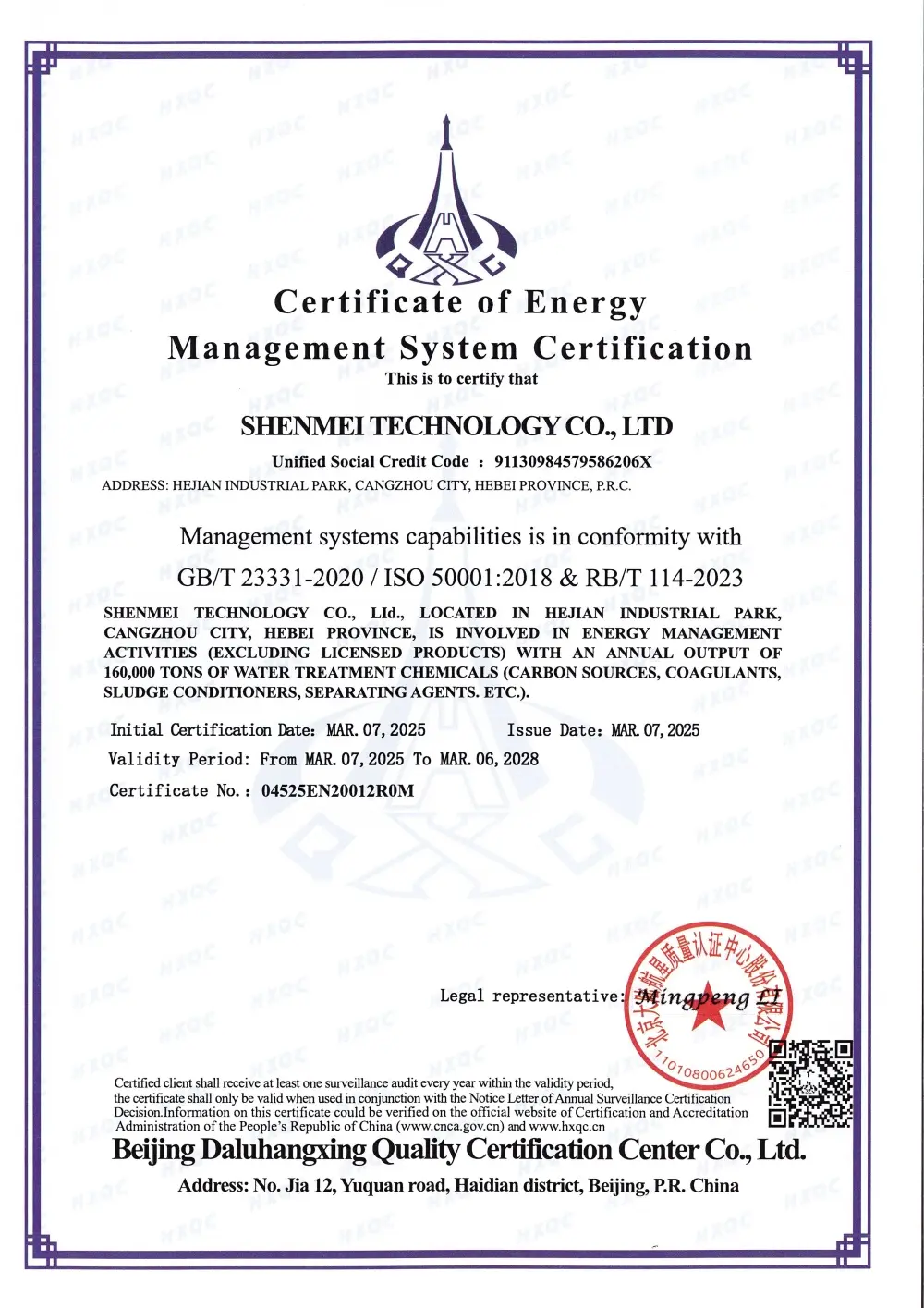
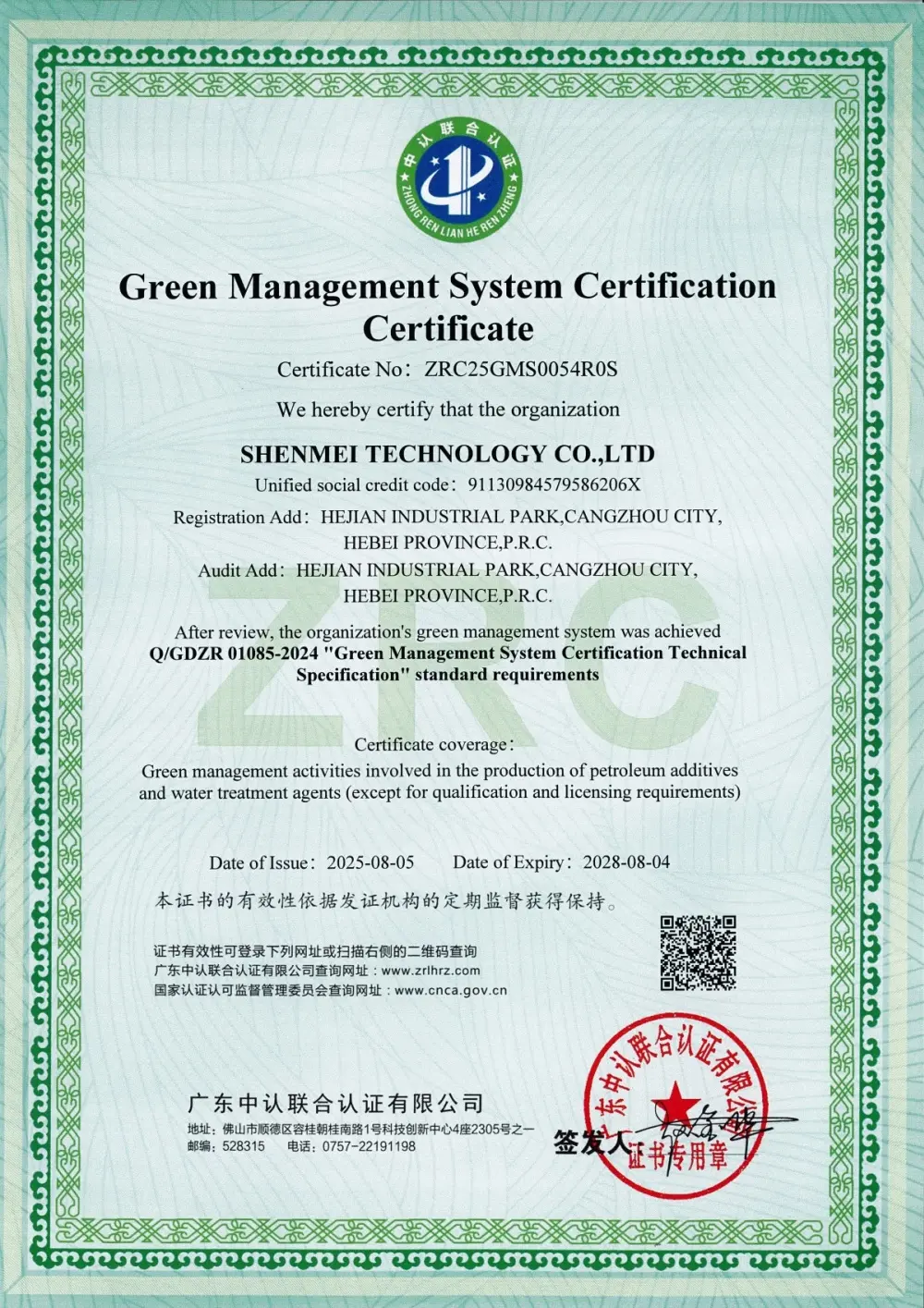
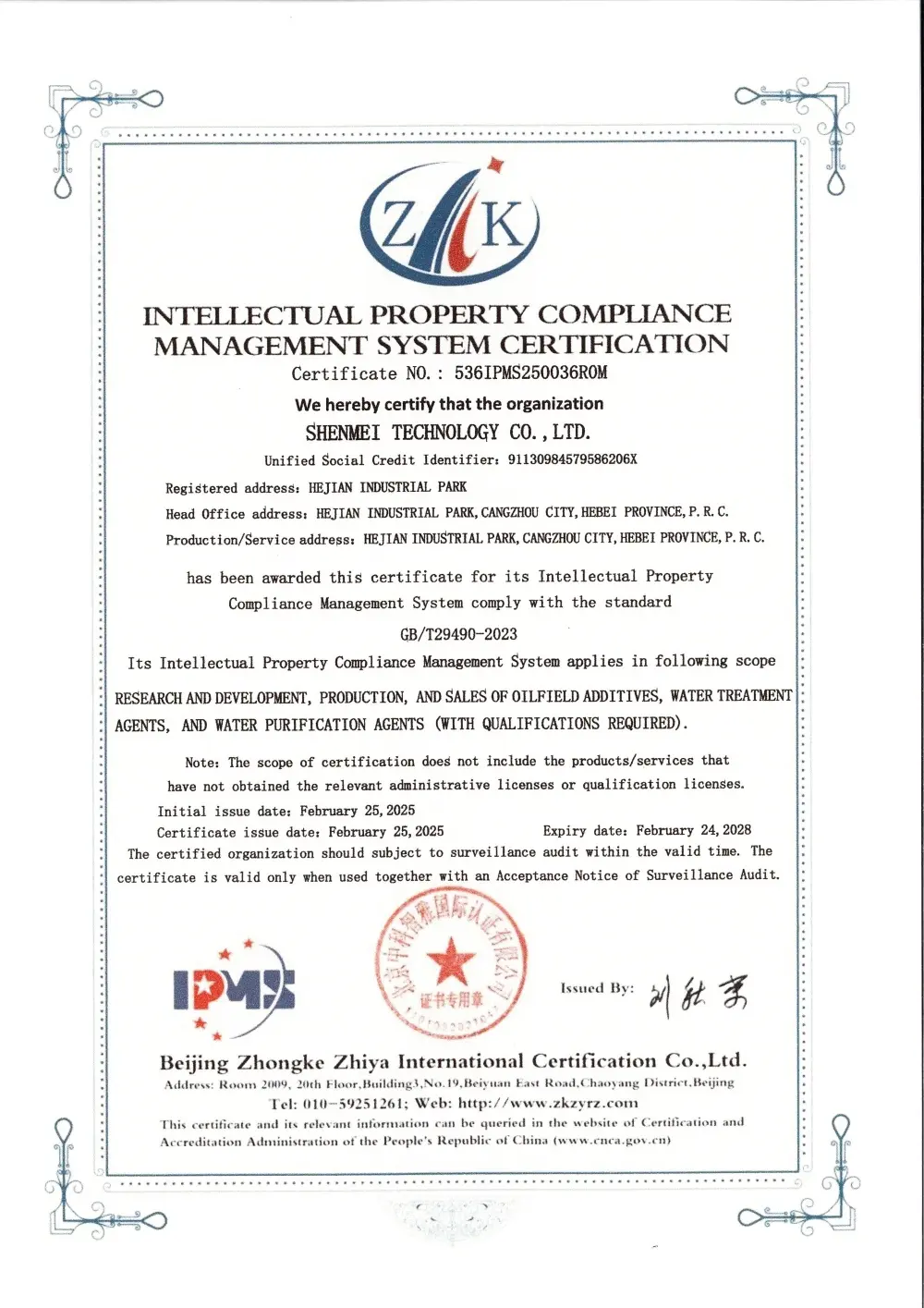
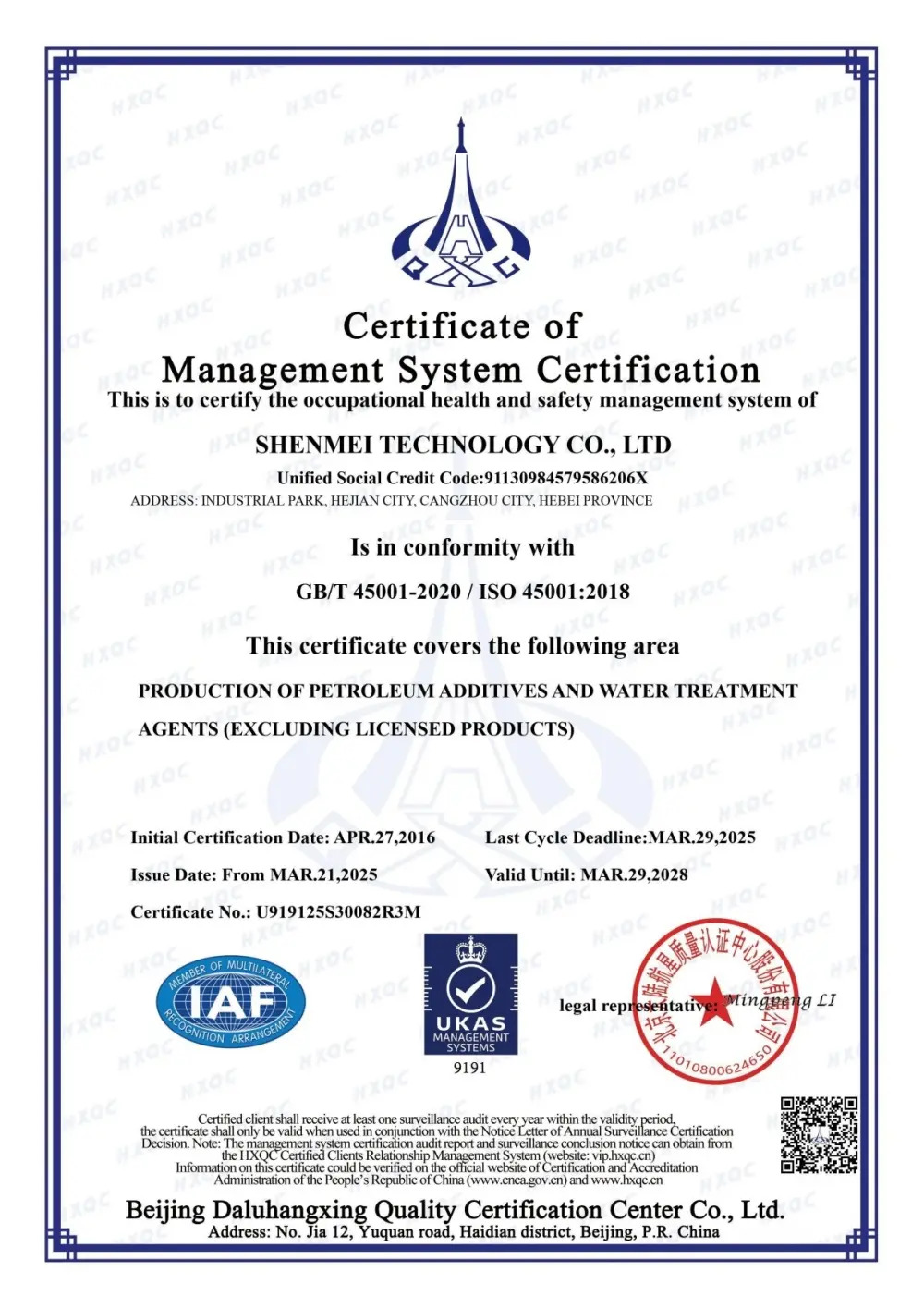
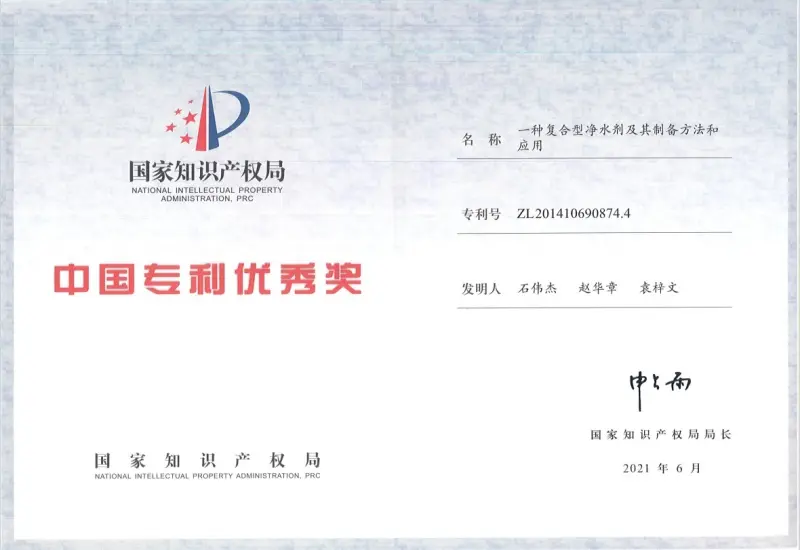
Smedic has been recognized as a National High-tech Enterprise, a National Specialized, Refined, Unique and Innovative "Little Giant" Enterprise, and a Hebei Province Green Factory. We hold more than 60 Chinese patents, including over 40 invention patents and 20 utility model patents. Our independently developed technologies, including bio-enhanced denitrification carbon sources and deep multi-nuclear phosphorus removal agents, have won first prize for technological invention from the China Petrochemical Industry Association.

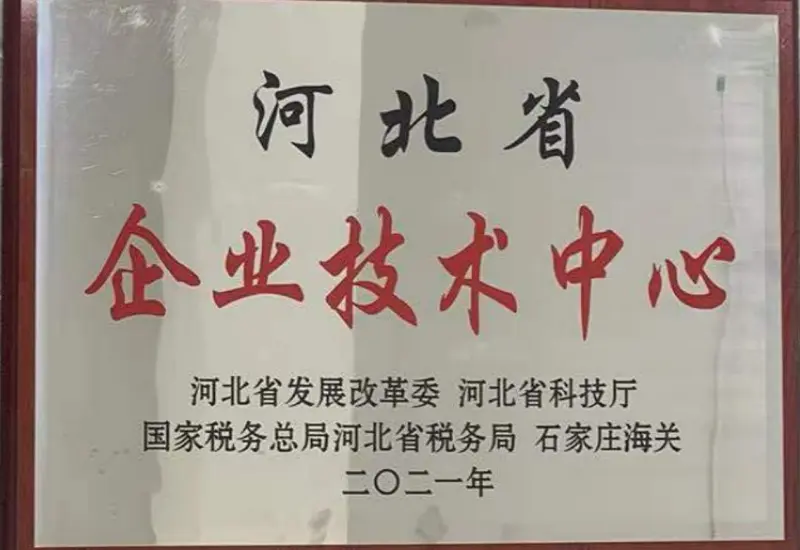
We operate the Hebei Provincial Enterprise Technology Center and the Hebei Provincial Advanced Water Treatment Chemicals Technology Innovation Center, both recognized as Class A R&D institutions. Through active collaborations with Tsinghua University Association of Senior Scientists and Technicians, Shandong University, Beijing University of Technology, Peking University, and Tianjin University, Smedic actively leads the drafting of national and industry chemical safety and performance standards.
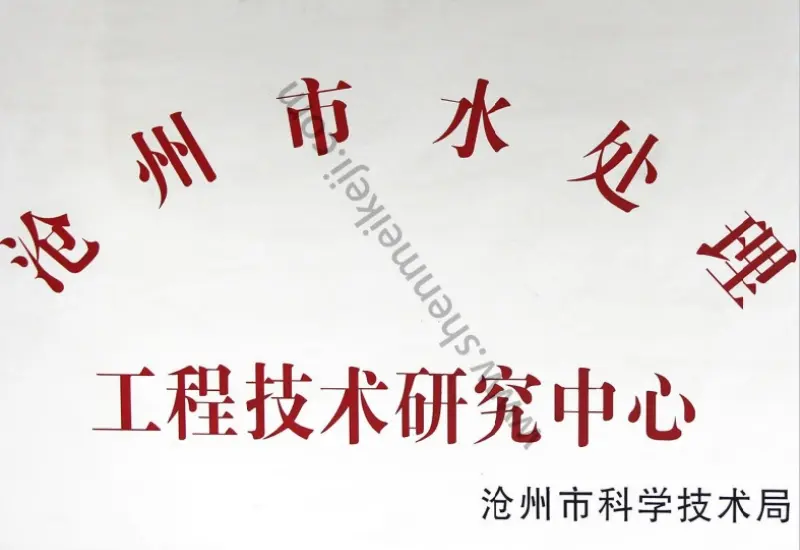
National Certifications & Brand Honors

Certification 1
Certification 2
Certification 3
Certification 4
Certification 5
Certification 6
Certification 7
Certification 8
Certification 9
Certification 10

Proprietary Brands & Technological Edge

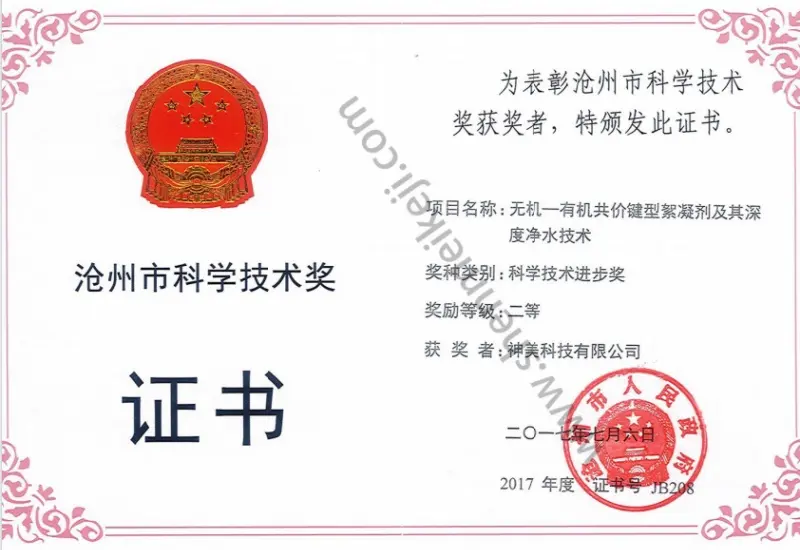
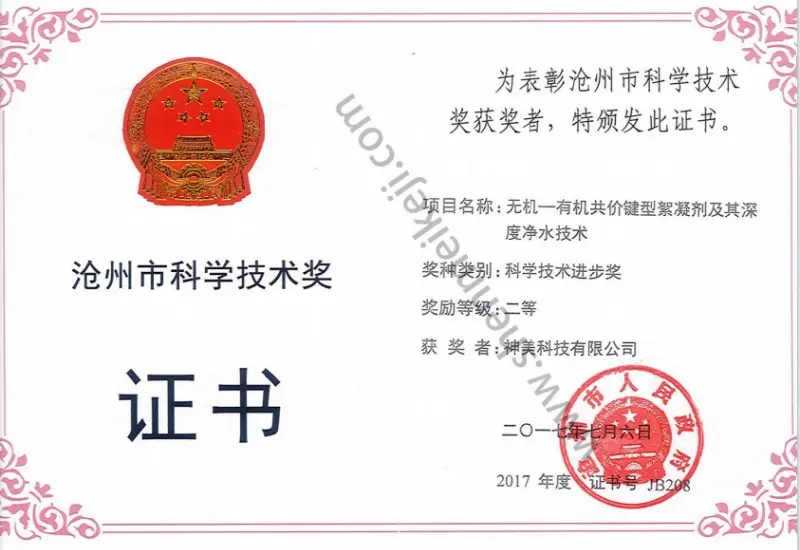
For four consecutive years, Smedic has been named the "Leading Brand of Advanced Wastewater Treatment Chemicals" and the "Most Valuable Water Treatment Chemicals Brand" by China Water Network and the E20 Environmental Platform. Our inorganic-organic covalent bond flocculant technology won the 22nd China Patent Award and has been integrated into Belt and Road SME initiatives.

By partnering with prominent water utility groups—including Shouchuang Ecological and Environmental Group, Yangtze River Ecological and Environmental Group, Beijing Enterprises Water Group (BEWG), OriginWater, and China Water Environment Group—we provide centralized procurement and system optimizations that stabilize water production and reduce operating costs.
Smedic Patent Awards & Enterprise Standard Honors

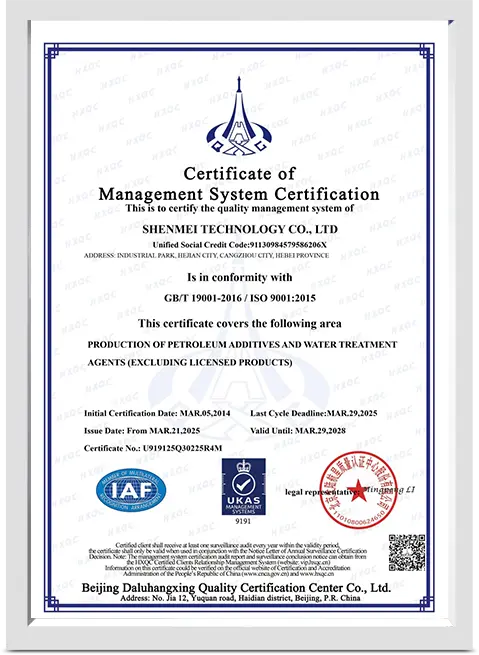
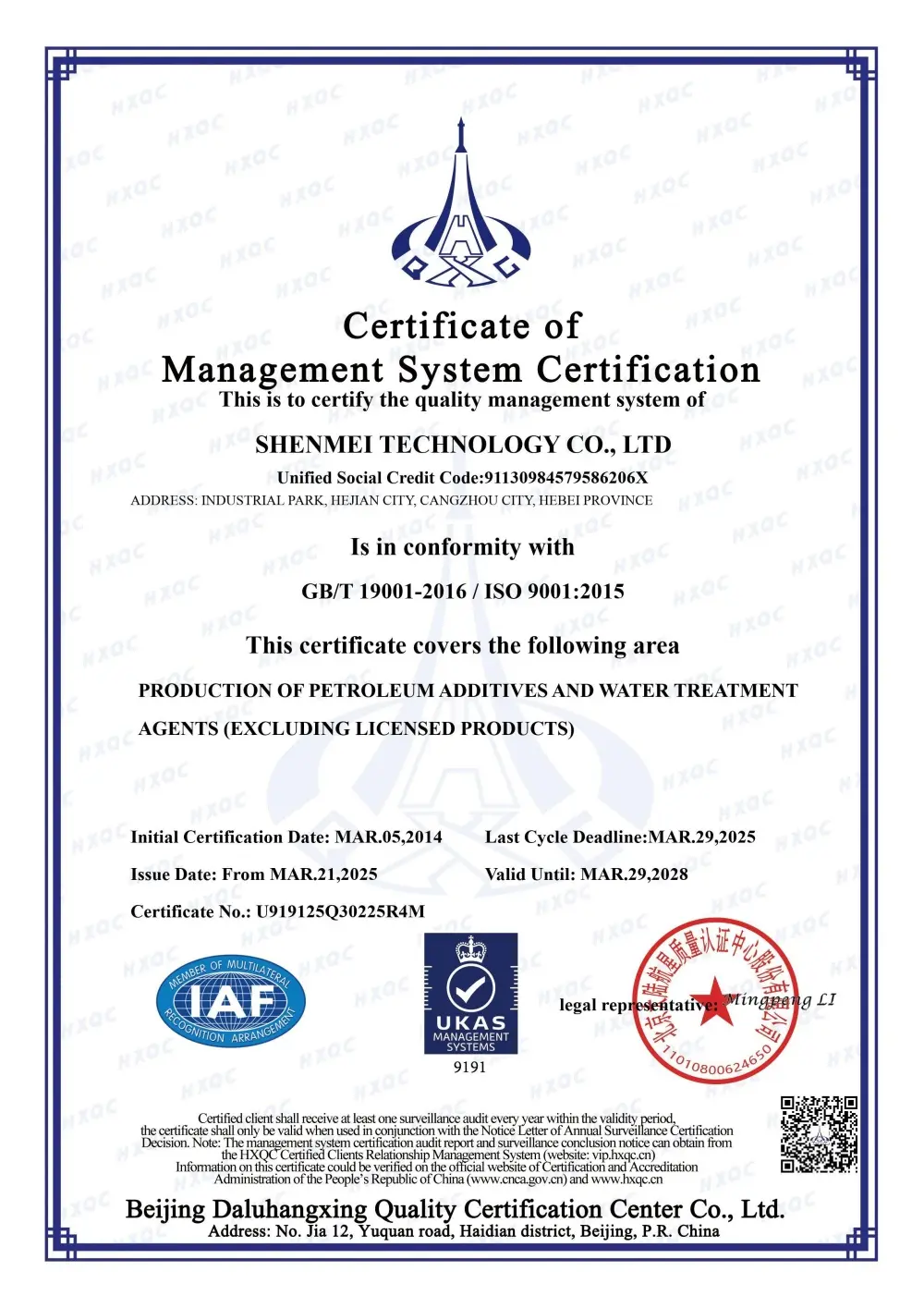
System Certifications & Brand Verification

System Certificate 1
System Certificate 2
System Certificate 3
System Certificate 4
System Certificate 5
System Certificate 6

Custom Macro Solutions & Industry Applications

Tailored chemical regimens to meet the challenges of distinct operating environments.

Municipal Water Reclamation

Treating secondary effluent requires precise biological control. Smedic supplies high-efficiency coagulants (PFS and PAC) and anti-biofouling chemicals that allow membrane systems to process municipal wastewater at high volumes. Our target formulations minimize extracellular polymeric substance (EPS) buildup, helping plants sustain over 20 million tons of daily capacity.

Petrochemical & High-Salinity ZLD

In coal-to-chemical plants, water reuse demands near-total salt separation. This process relies on RO and NF membranes that operate under extreme saturation limits, where calcium sulfate and silica scaling are constant risks. Smedic’s organophosphorus and phosphate-free scale inhibitors are engineered to operate in these environments, preventing crystallization and lowering cleaning frequencies.

Mining & Tailings Thickening

In 2024, Smedic established a joint venture with the Chengdu Institute of Mineral Comprehensive Utilization, China Geological Survey. This partnership focuses on heavy metal removal and tailings water recycling. By utilizing tailored non-ionic (NPAM) and anionic (APAM) polyacrylamides, we achieve rapid solids sedimentation, protecting downstream membrane filtration systems from excessive mineral loading.

Upstream Oilfield Water Reinjection

Produced water reinjection requires effective oil-water separation and biological stabilization. Smedic provides specialized defoamers (polyether and mineral oil-based) along with customized biocide packages that prevent microbial corrosion and organic fouling on high-pressure reinjection membranes.
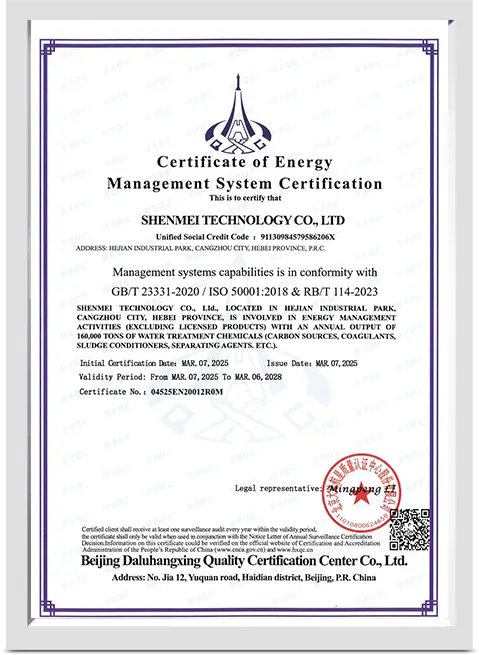
Smedic Technology History & Milestones

Over a decade of scientific development and industrial scale scaling.
2011
Smedic Technology founded in Beijing, specializing in specialized environmental protection agents.
2014
Established a comprehensive product portfolio for municipal wastewater treatment, expanding into municipal bidding catalogs.
2015
Formally recognized as a National High-Tech Enterprise, driving localized water purification patents.
2016
Established the Guiyang water treatment chemical production base to serve Southwest China.
2018
Completed and expanded production facilities in Hebei, Shandong, and Guizhou, boosting total annual production capacity beyond 1 million tons.
2020
Awarded the National Specialized, Refined, Unique and Innovative "Little Giant" Enterprise certification.
2021
Established the provincial-level Advanced Water Treatment Chemicals Technology Innovation Center in Hebei Province.
2023
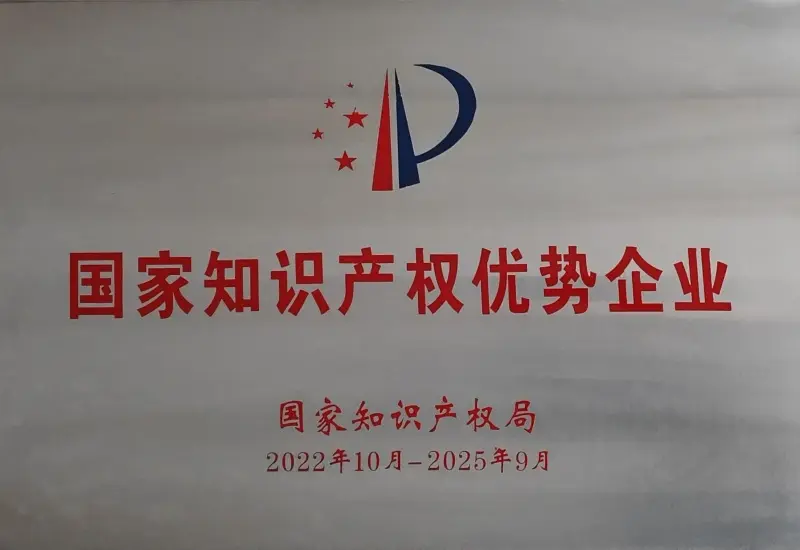
Recognized as a National Intellectual Property Advantage Enterprise with over 60 utility and invention patents.
2024
Formed a joint venture with the Chengdu Institute of Mineral Comprehensive Utilization, China Geological Survey, to develop advanced mineral processing and recycling reagents.

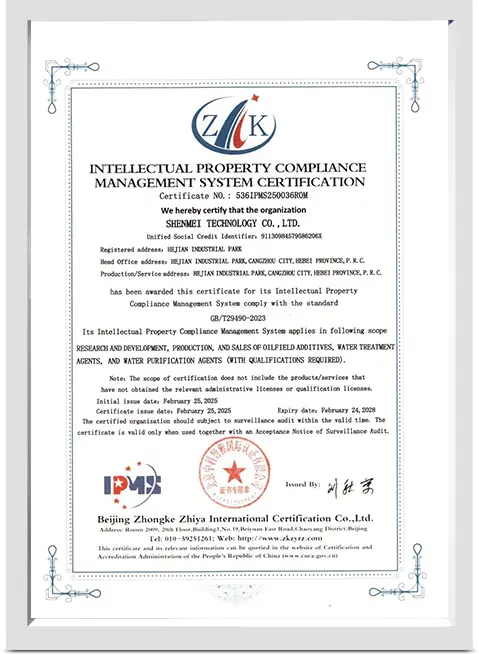
Qualifications & Technical Licensing

Independent intellectual property and provincial engineering certifications.
Licensing 1
Licensing 2
Licensing 3
Licensing 4
Licensing 5
Licensing 6

Product Categories

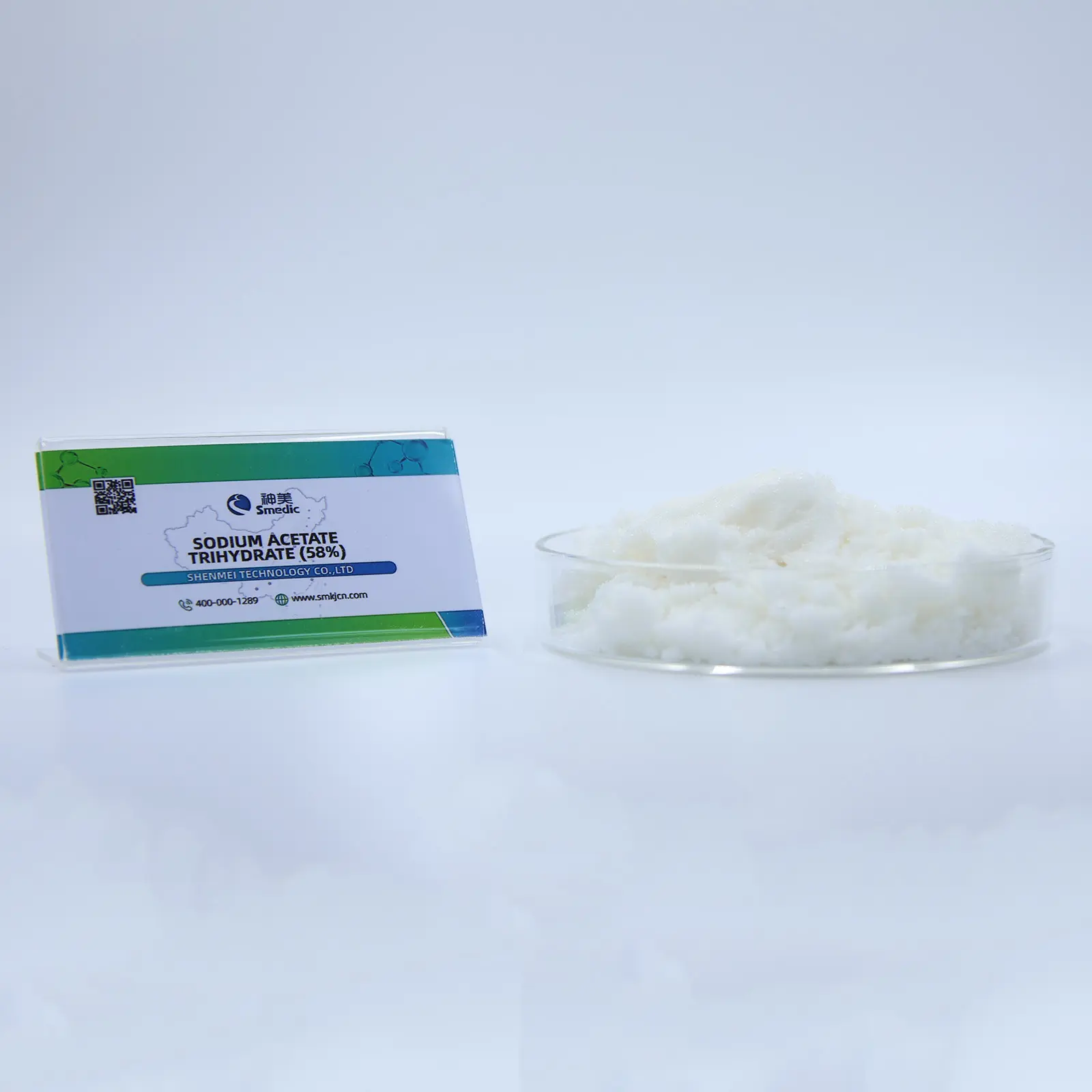
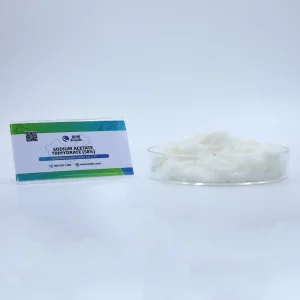
Sodium Acetate
Smedic Pure Solid Sodium Acetate Compound

High purity buffer & carbon source for denitrification systems.
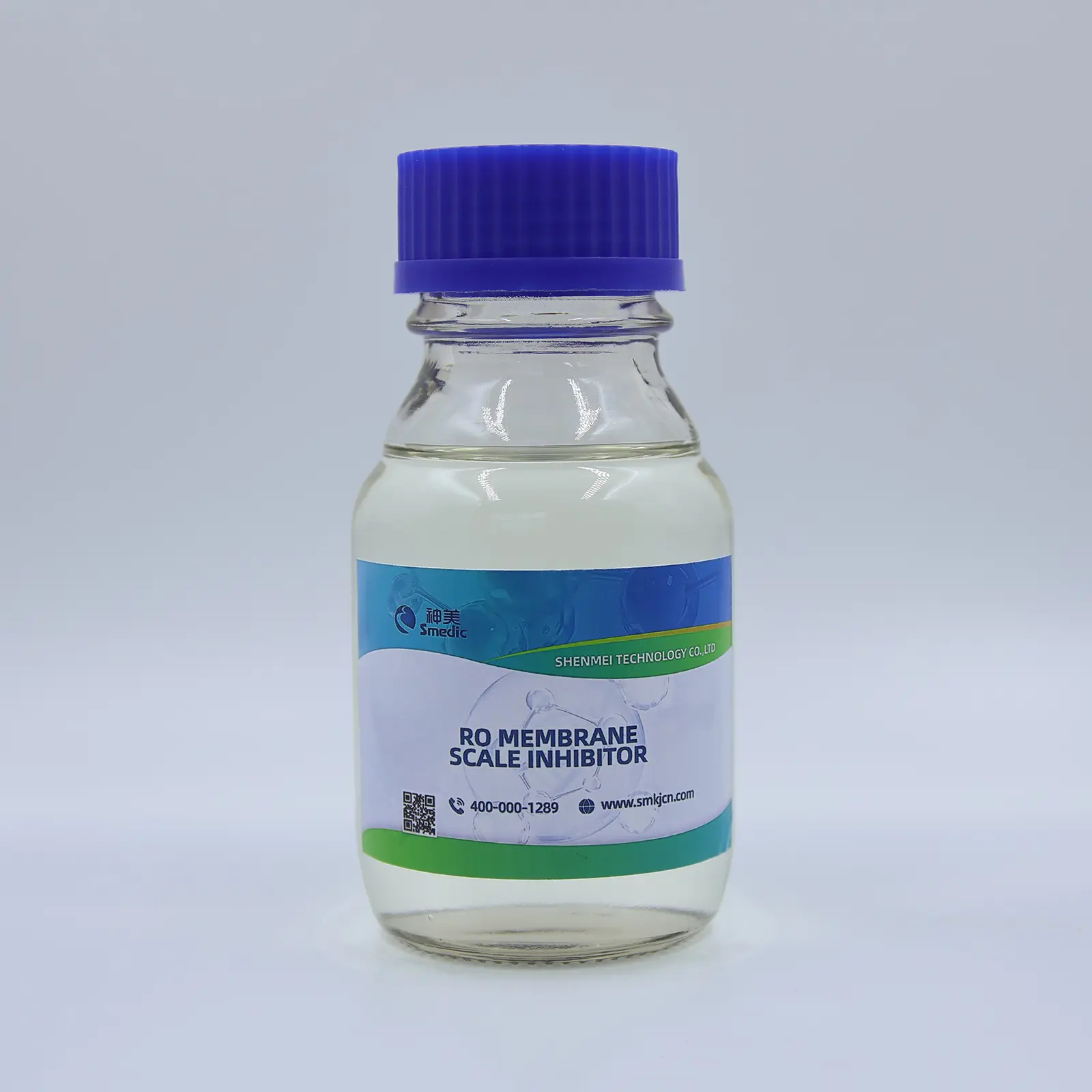
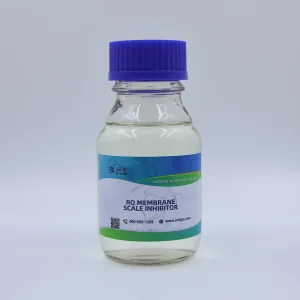
RO scale inhibitor
RO membrane scale inhibitor

Prevents carbonate, sulfate and silica fouling on active membranes.
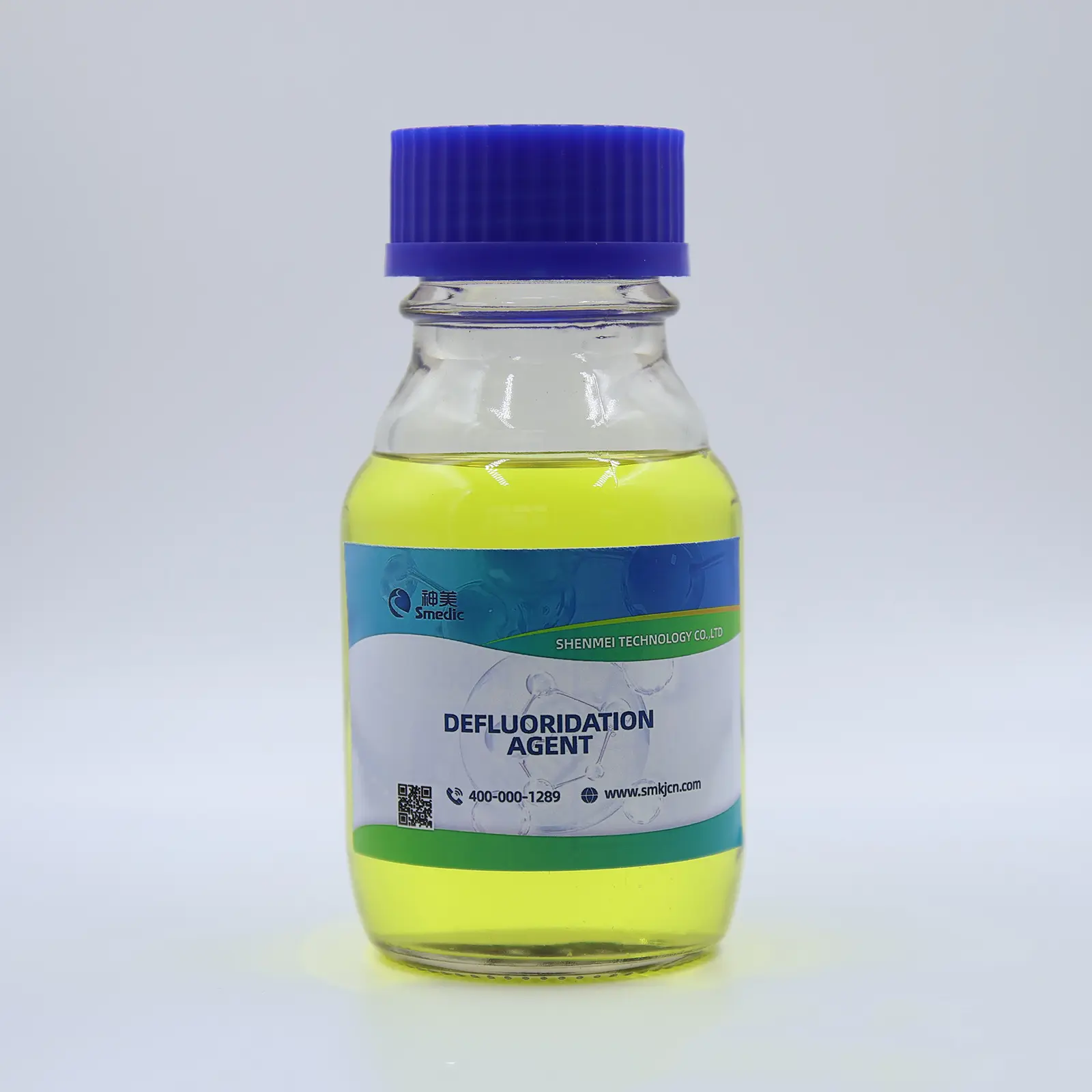
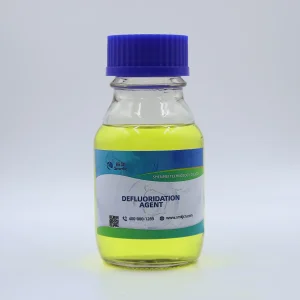
Fluoride removal
Smedic Specialized Fluoride Removal Agent

Targets fluoride ions down to environmental discharge thresholds.
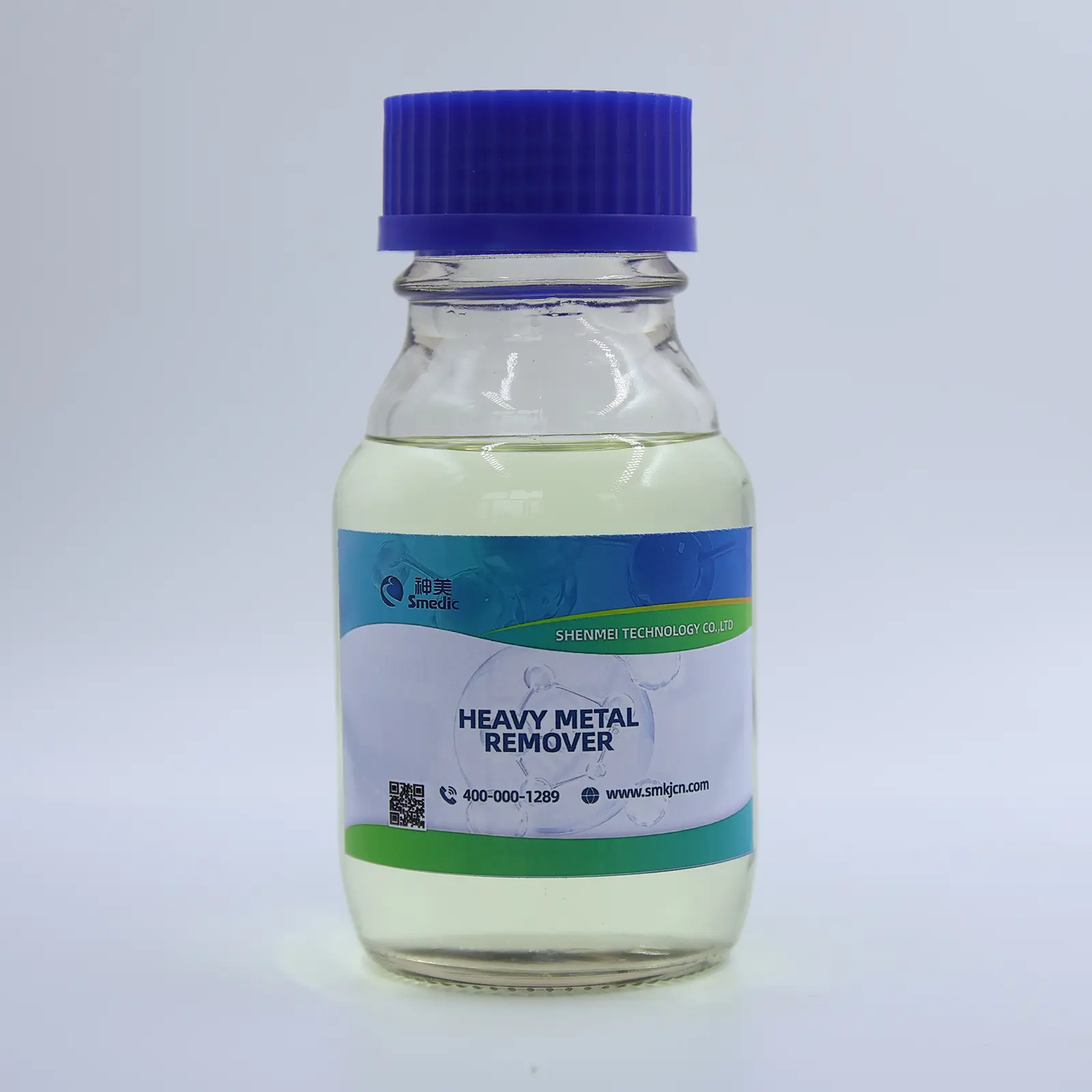
Heavy Metal removal
Smedic Powerful Heavy Metal removal Agent

Chelates and precipitates nickel, copper, lead, and cadmium.
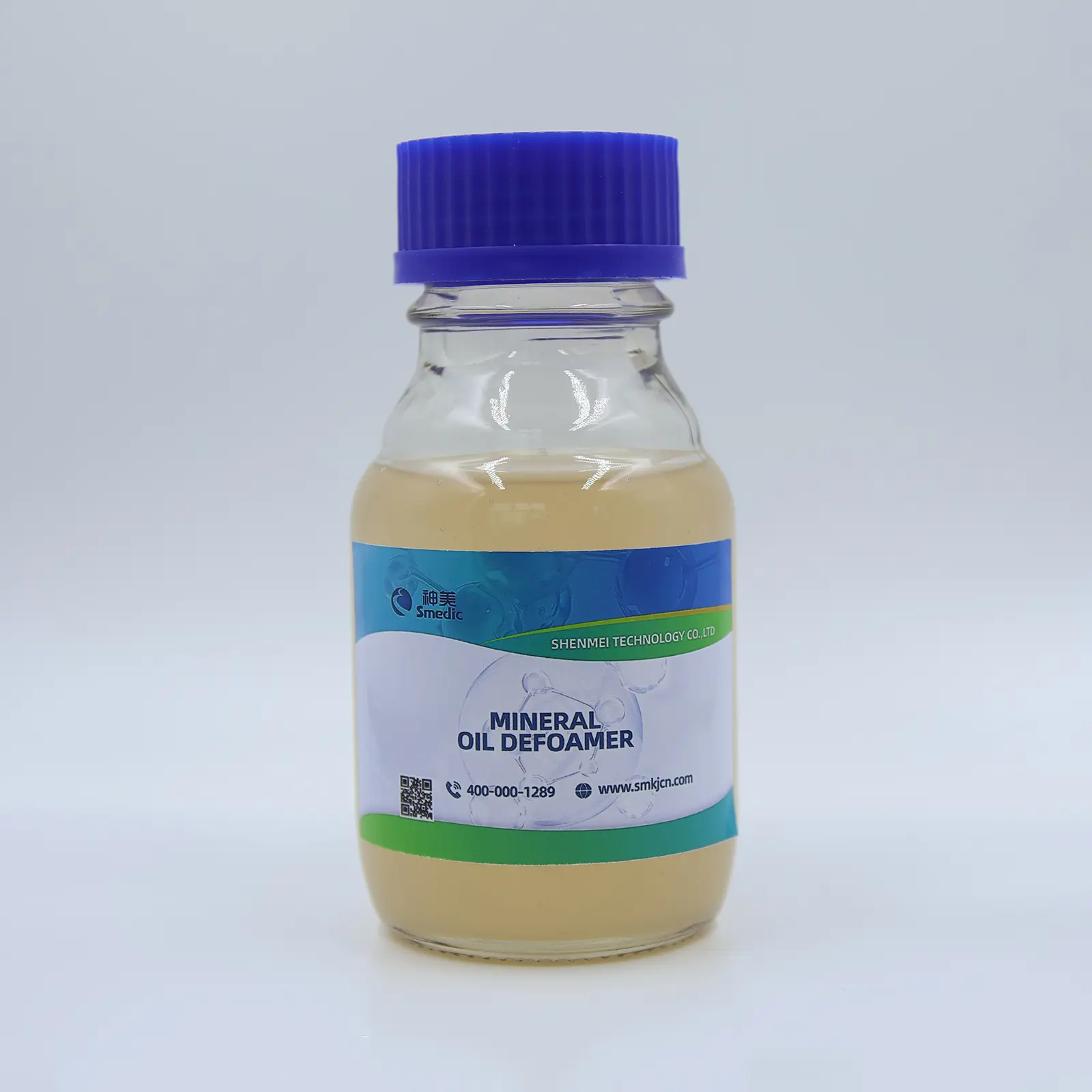
Mineral Oil Defoamer
Smedic Reliable Mineral Oil Defoamer Solution

Breaks macro and micro foams in paint, coating, and water plants.
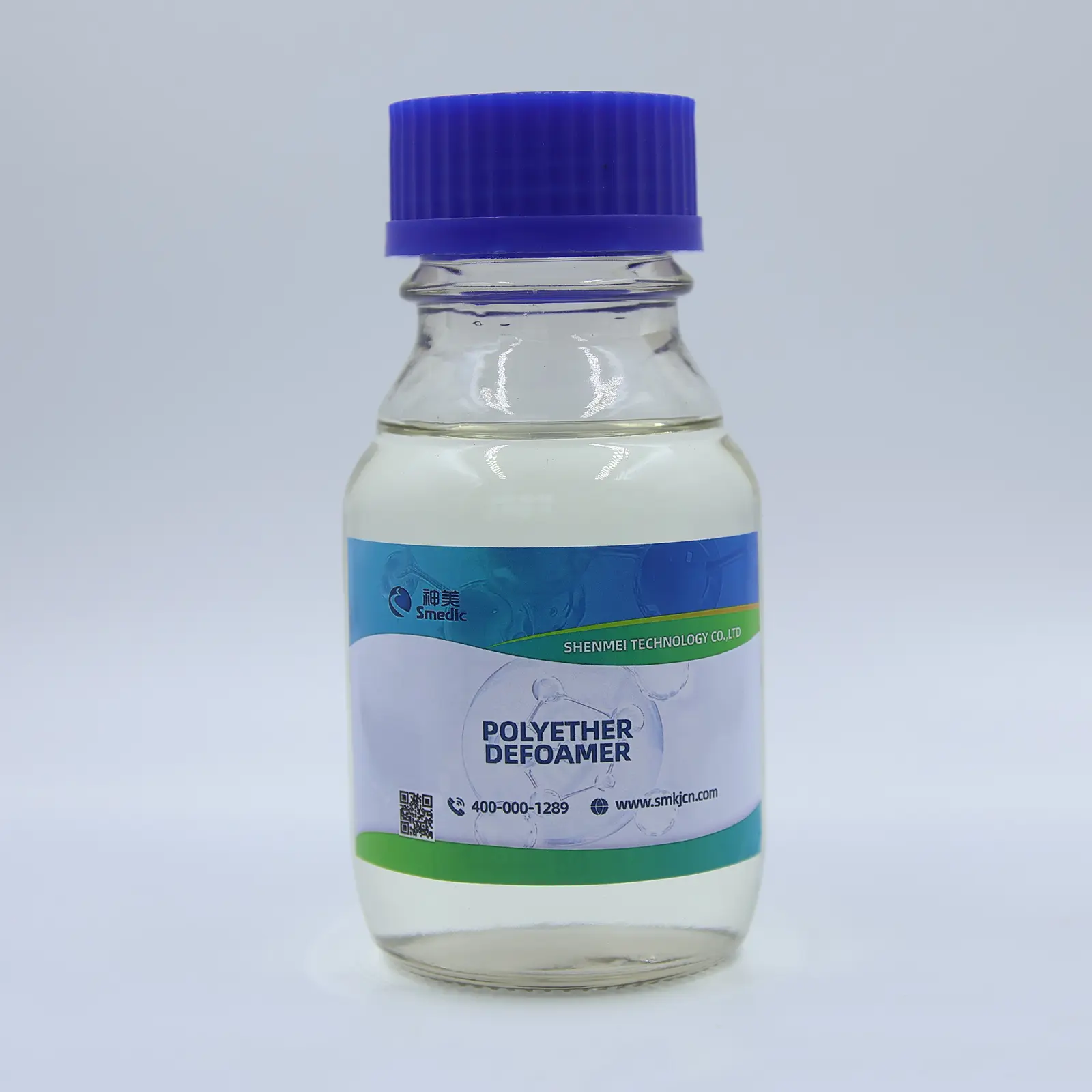
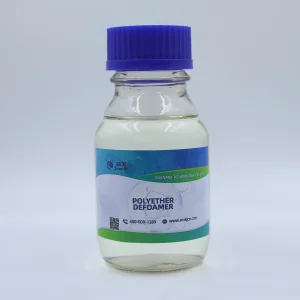
Polyether defoamer
Polyether defoamer

Provides thermal stability and chemical persistence in aeration basins.
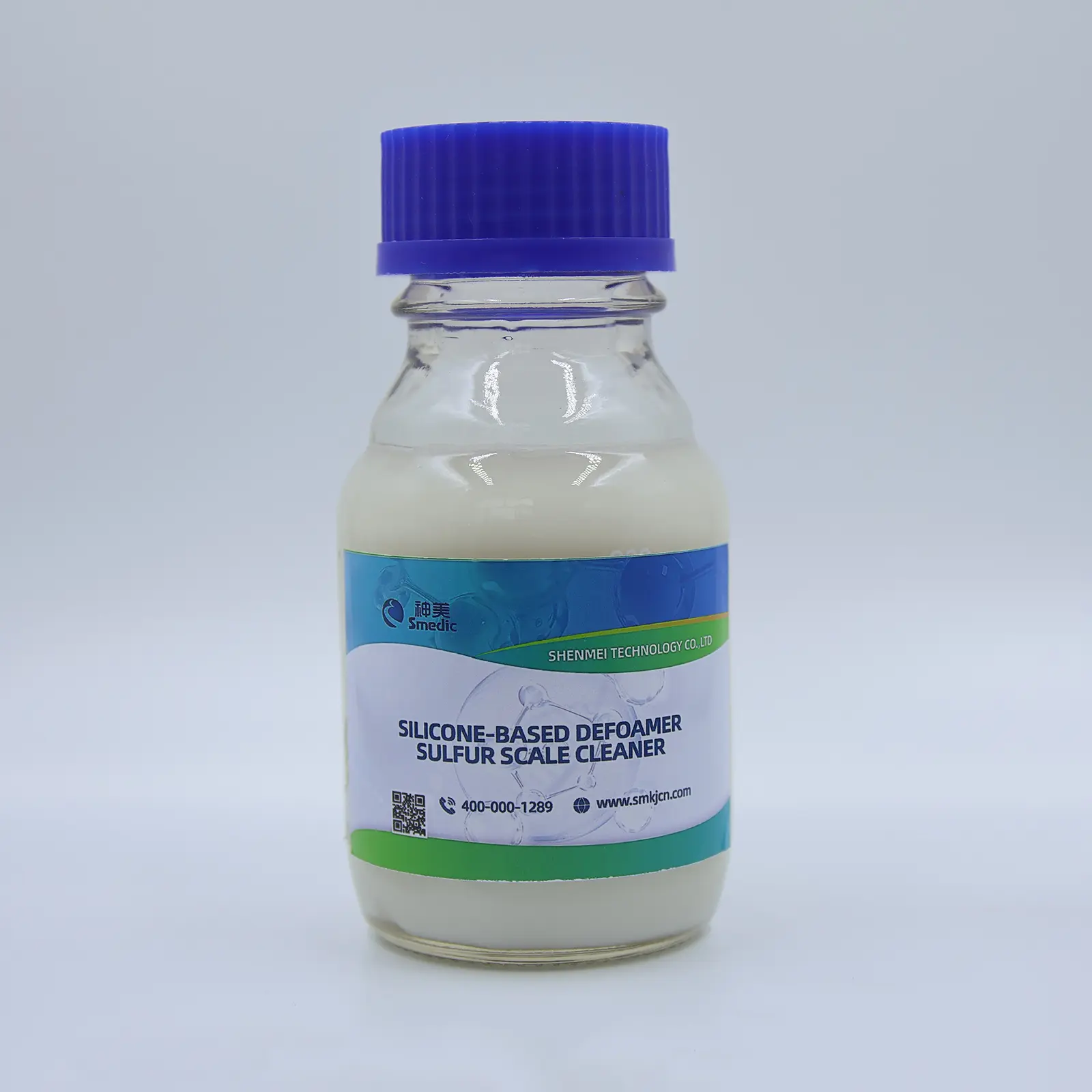
Silicone Defoamer
Smedic Effective Organic Silicone Defoamer Agent

Rapid foam knockdown for industrial process waters.
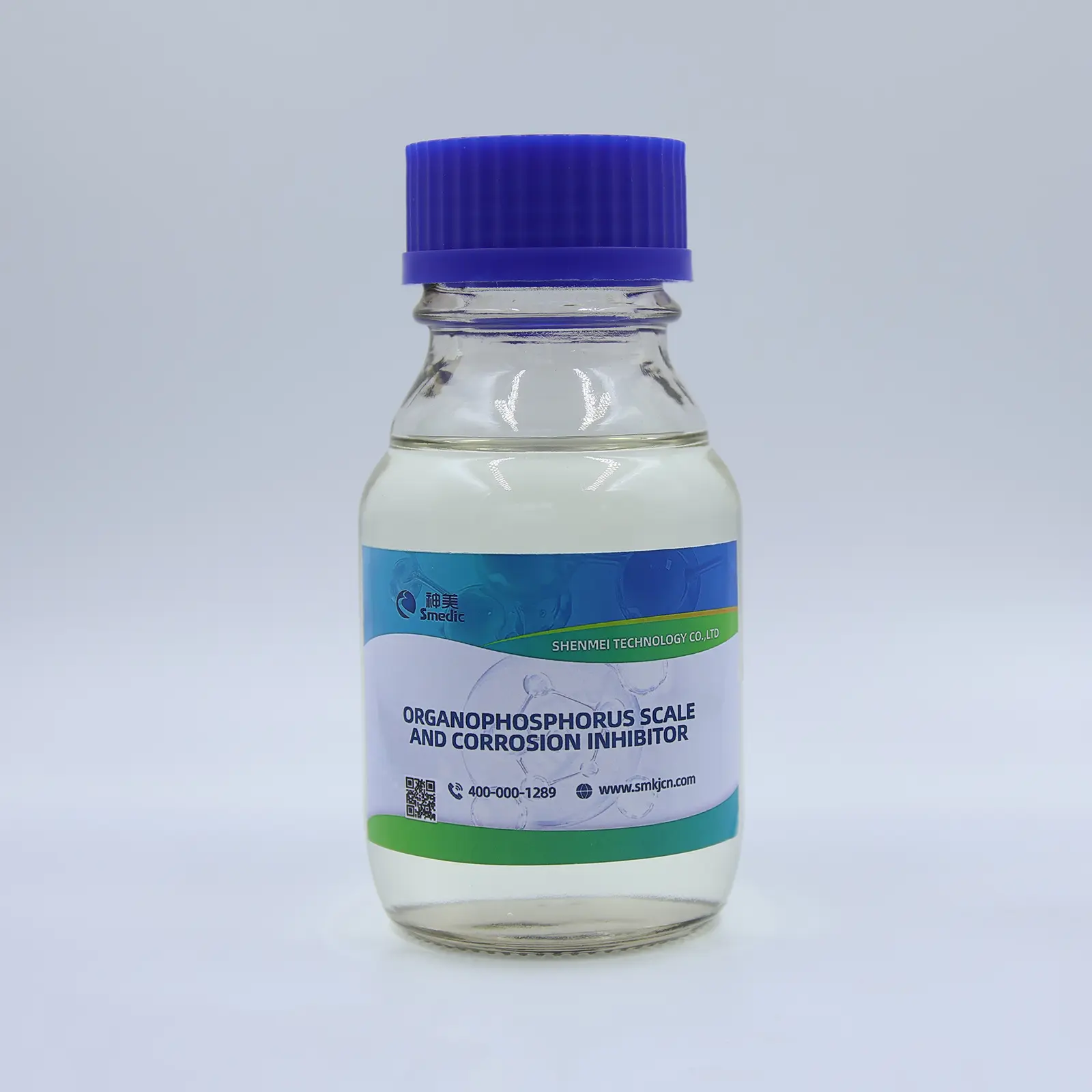
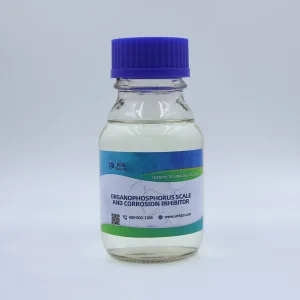
Organophosphorus scale
Organophosphorus scale and corrosion inhibitor

Threshold crystal distortion for high hardness waters.
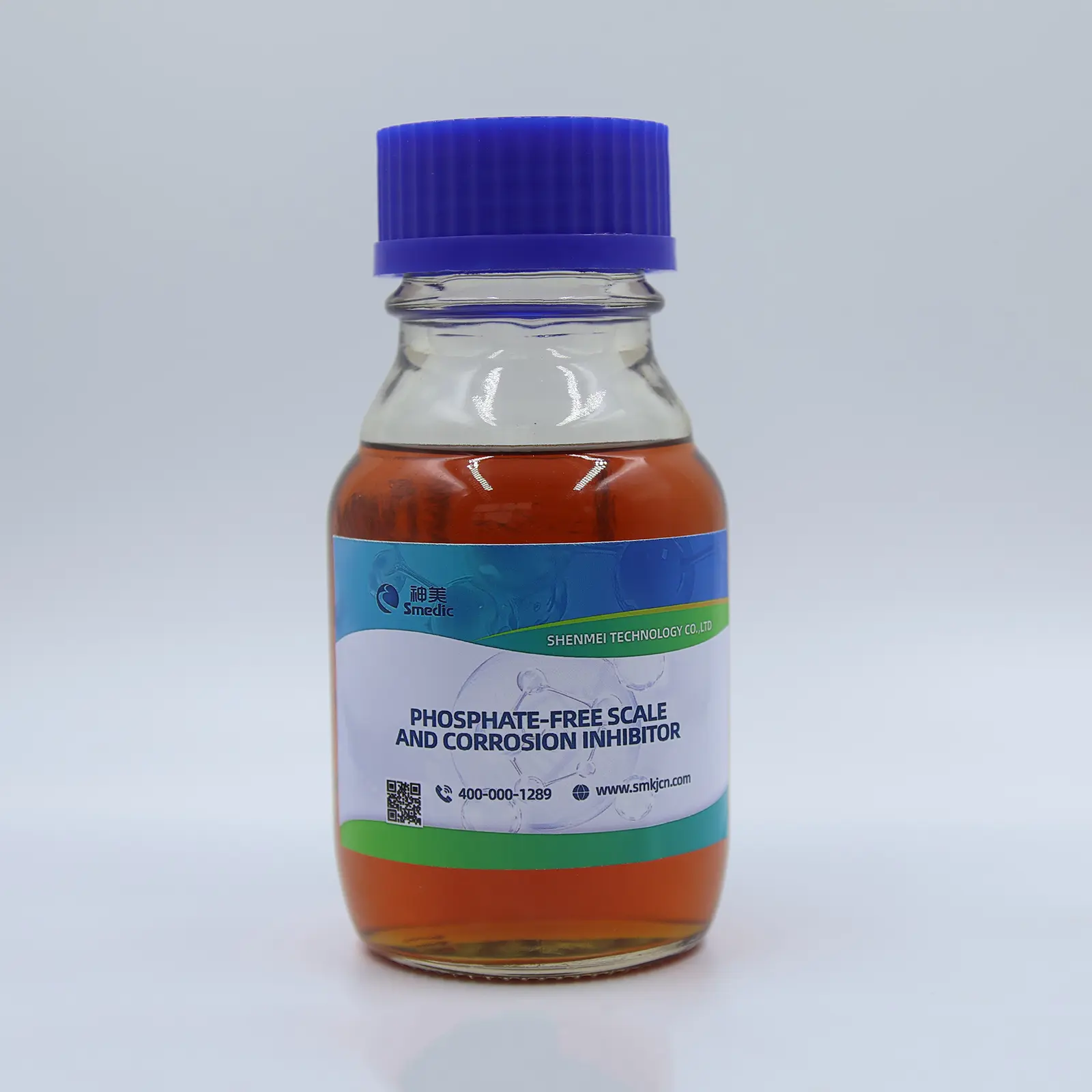
Phosphate-free inhibitor
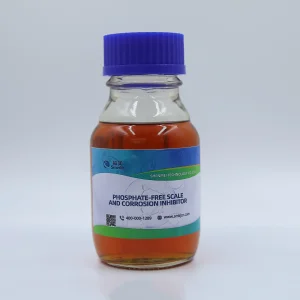
Phosphate-free scale and corrosion inhibitor

Eco-friendly formulation to bypass phosphorus discharge caps.
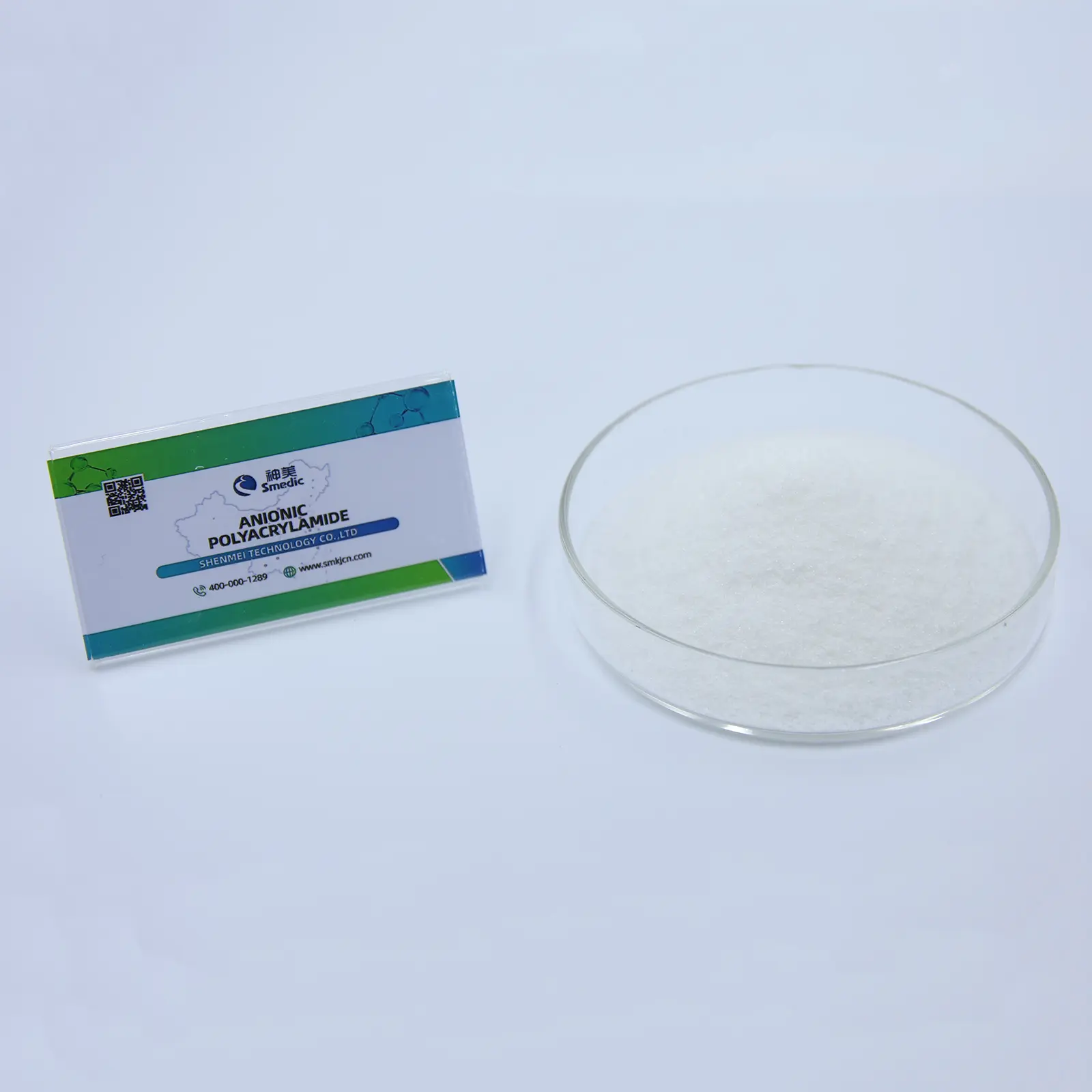
APAM Flocculant
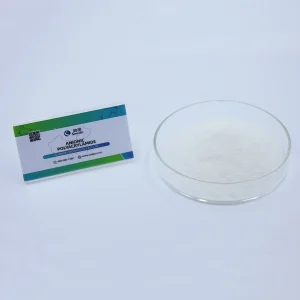
Smedic Premium Anionic Polyacrylamide APAM Flocculant

Promotes rapid particle aggregation in municipal and mining streams.
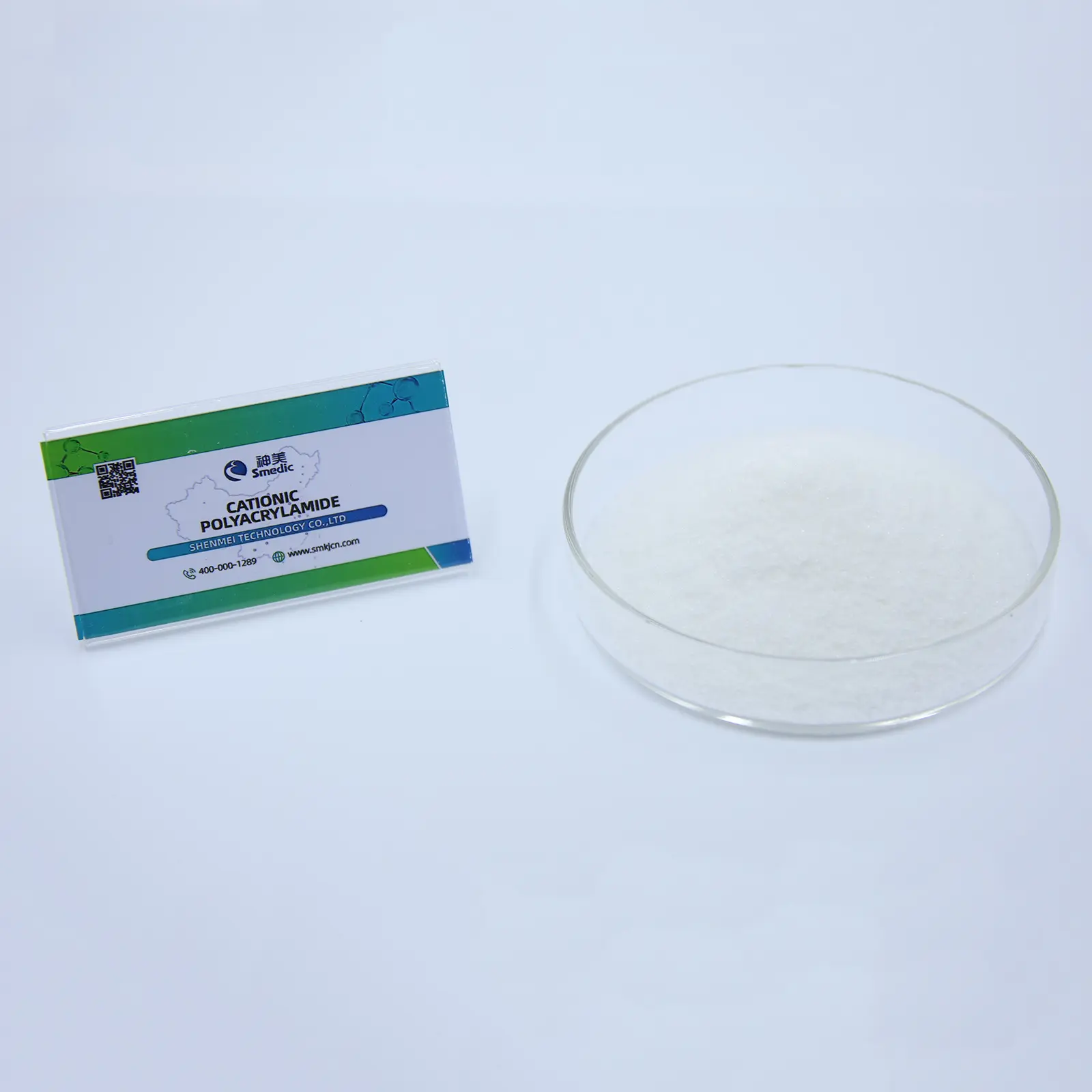
CPAM
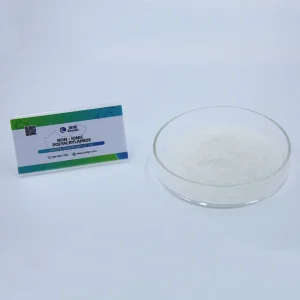
Cationic polyacrylamide (CPAM)

Optimized sludge dewatering and municipal wastewater purification.
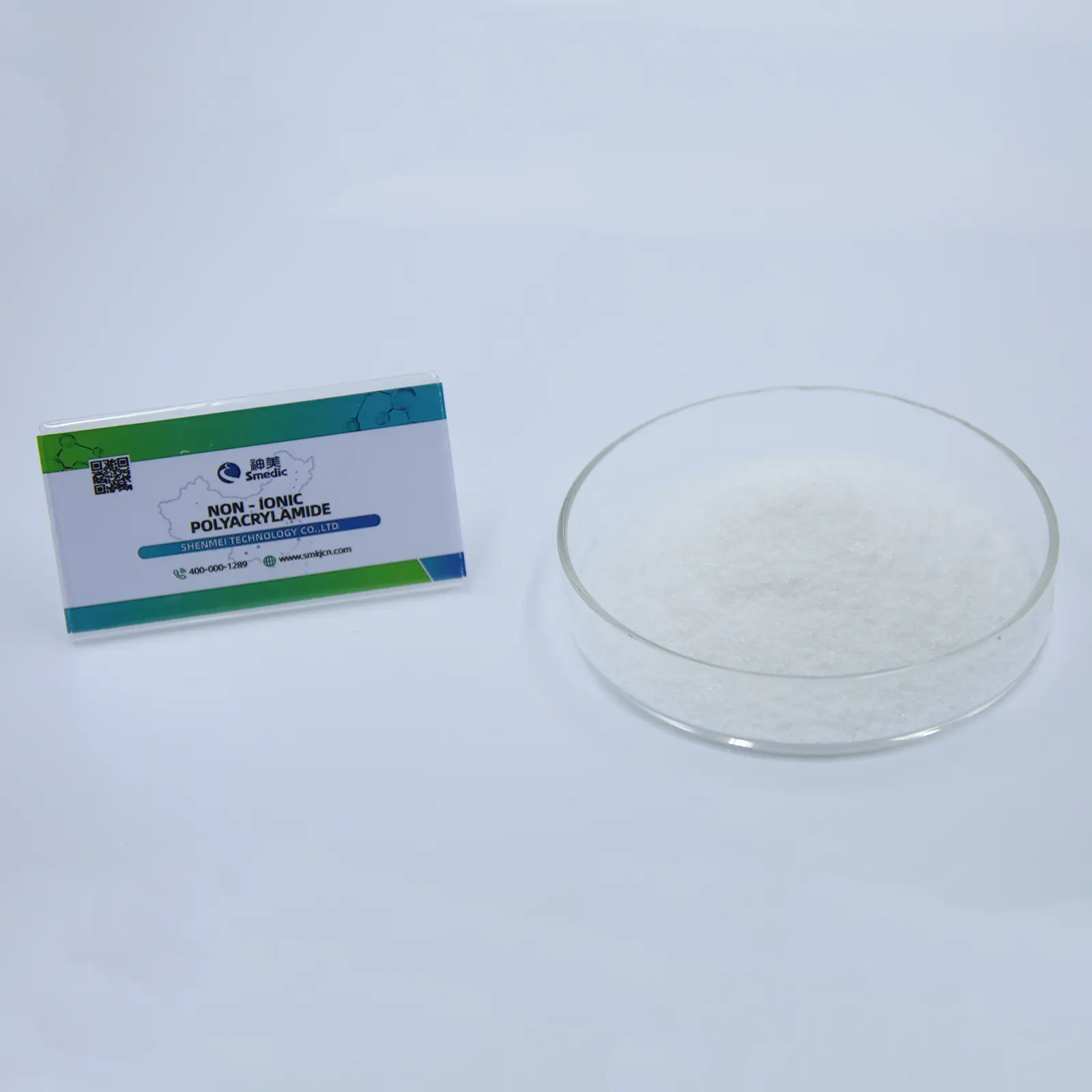
NPAM
Non-ionic polyacrylamide (NPAM)

Provides mineral suspension and enhanced oil recovery under high acidity.
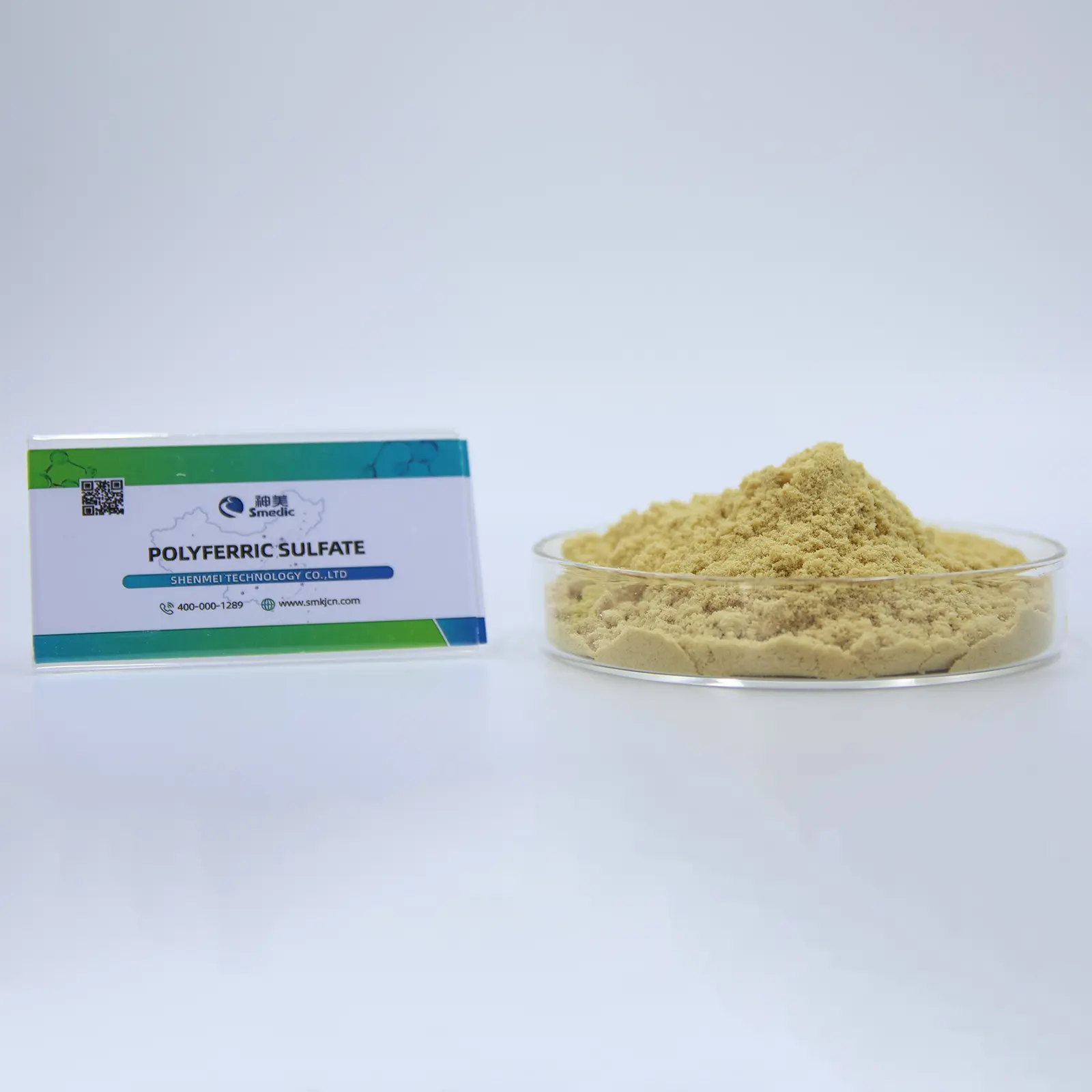
PFS Coagulant
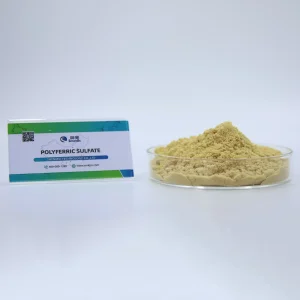
Smedic High Efficiency Polyferric Sulfate PFS Coagulant

Polymerized iron salt for phosphorus removal and turbidity reduction.
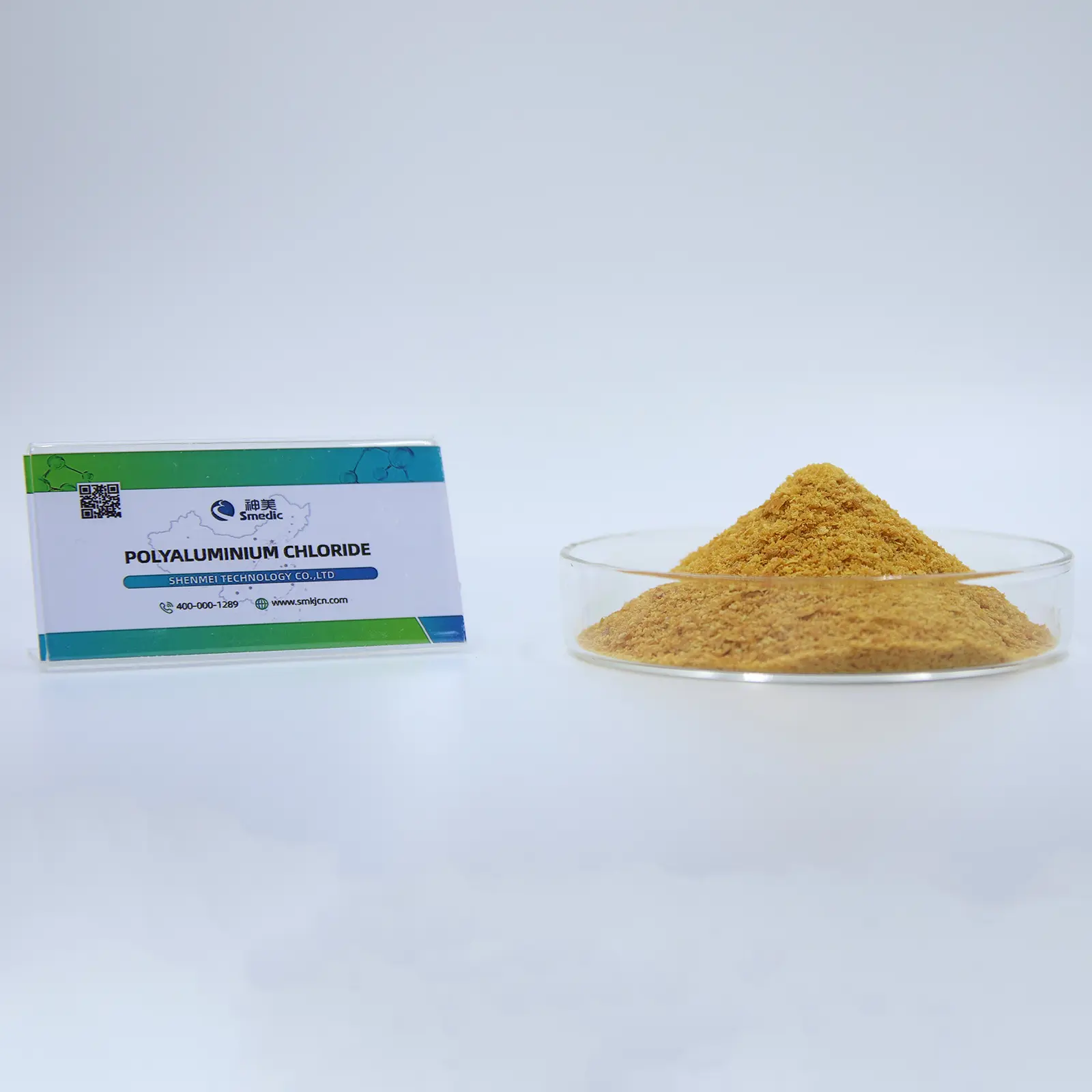
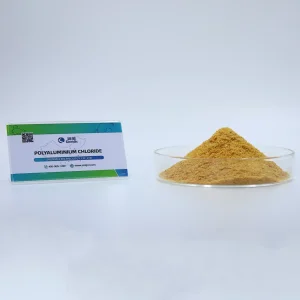
PAC Coagulant
Smedic Advanced Polyaluminum Chloride PAC Coagulant

Coagulation chemistry for water purification and paper mill effluents.
Future Outlook: Next-Generation Membrane Chemical Trends

Green chemistry and AI-driven predictive dosing are shaping the future of water treatment.
As environmental regulations tighten globally, the water treatment industry is moving away from persistent, bioaccumulative compounds. Phosphorous discharges are increasingly restricted, driving the adoption of green antiscalants. Smedic is at the forefront of this shift, engineering biodegradable chelants and polymeric scale inhibitors that prevent scaling without contributing to downstream eutrophication.
  • AI-Driven Dynamic Dosing: Integrating real-time sensor data, including temperature, conductivity, pH, and flow rate, to adjust chemical dosing dynamically. This prevents scaling while avoiding over-chemicalization.
  • Green Chelation Agents: Shifting from EDTA and phosphonates to highly biodegradable structures like GLDA, MGDA, and polyaspartic acid (PAA) to minimize environmental impact.
  • Smart Clean-in-Place (CIP) Regimens: Designing multi-stage chemical flushes that remove mineral scale and organic biofilm sequentially, preventing chemical neutralization and extending membrane life.

Technical Q&A: Membrane Chemistry Optimization

Answers to technical questions regarding Clean-in-Place (CIP) engineering and formulation selection.
1. What is the optimal CIP protocol for polyamide RO membranes showing both silica scaling and organic biofouling?
When dealing with composite fouling, the cleaning sequence is critical. Running an acid wash first can bind organic matter and trap it within the membrane pores. The recommended approach is to start with an alkaline wash (pH 11.0-12.0) using Smedic's chelating formulations. This breaks down the organic biofilm matrix and dissolves silica structures. Follow this with an acid wash (pH 2.0-3.0) to target remaining calcium carbonate and mineral salts. In cases of severe biofouling, we recommend incorporating a non-oxidizing biocide to disrupt the cellular matrix without damaging the polyamide membrane.
2. How does Smedic’s R&D capacity translate to custom membrane chemical development for extreme salinity oilfield wastewater?
Through our research centers and partnerships with institutions like Tsinghua University and Shandong University, Smedic analyzes the mineral saturation indices of complex feedwaters. We look at factors like the Langelier Saturation Index (LSI) and Stiff-Davis Stability Index (SDSI). For high-salinity oilfield produced water, we adjust the molecular weight of our polyacrylic or polymaleic acid scale inhibitors. This helps the chemicals function in environments with high TDS (Total Dissolved Solids) and temperatures up to 120°C, preventing barium sulfate and calcium carbonate scale precipitation.
3. What is the risk of coagulant carryover (like PFS or PAC) on membrane systems, and how can it be chemically resolved?
Coagulant carryover occurs when polyaluminum chloride (PAC) or polyferric sulfate (PFS) is dosed incorrectly in upstream clarifiers. These cationic metal salts can bind with organic compounds or carry over directly, depositing onto negatively charged RO/NF membranes and causing rapid fouling. Smedic addresses this by adjusting the charge density of our coagulants to match downstream conditions. If fouling does happen, we use specialized acidic cleaners containing specific chelating agents to dissolve the metal-polymer matrix, restoring membrane flux.
4. Why is phosphate-free antiscalant chemistry becoming critical in global industrial cooling water and membrane operations?
Phosphate-based antiscalants, while effective, contribute to phosphorus loading in wastewater, which can trigger algae blooms and eutrophication in receiving water bodies. Many jurisdictions now regulate phosphorus discharge levels closely. Additionally, high orthophosphate concentrations can react with calcium to form calcium phosphate scale, creating a secondary fouling issue. Smedic’s phosphate-free scale inhibitors use carboxylate-sulfonate co-polymers and polyaspartic acid chemistry. These provide effective scale control while meeting strict ecological discharge standards.