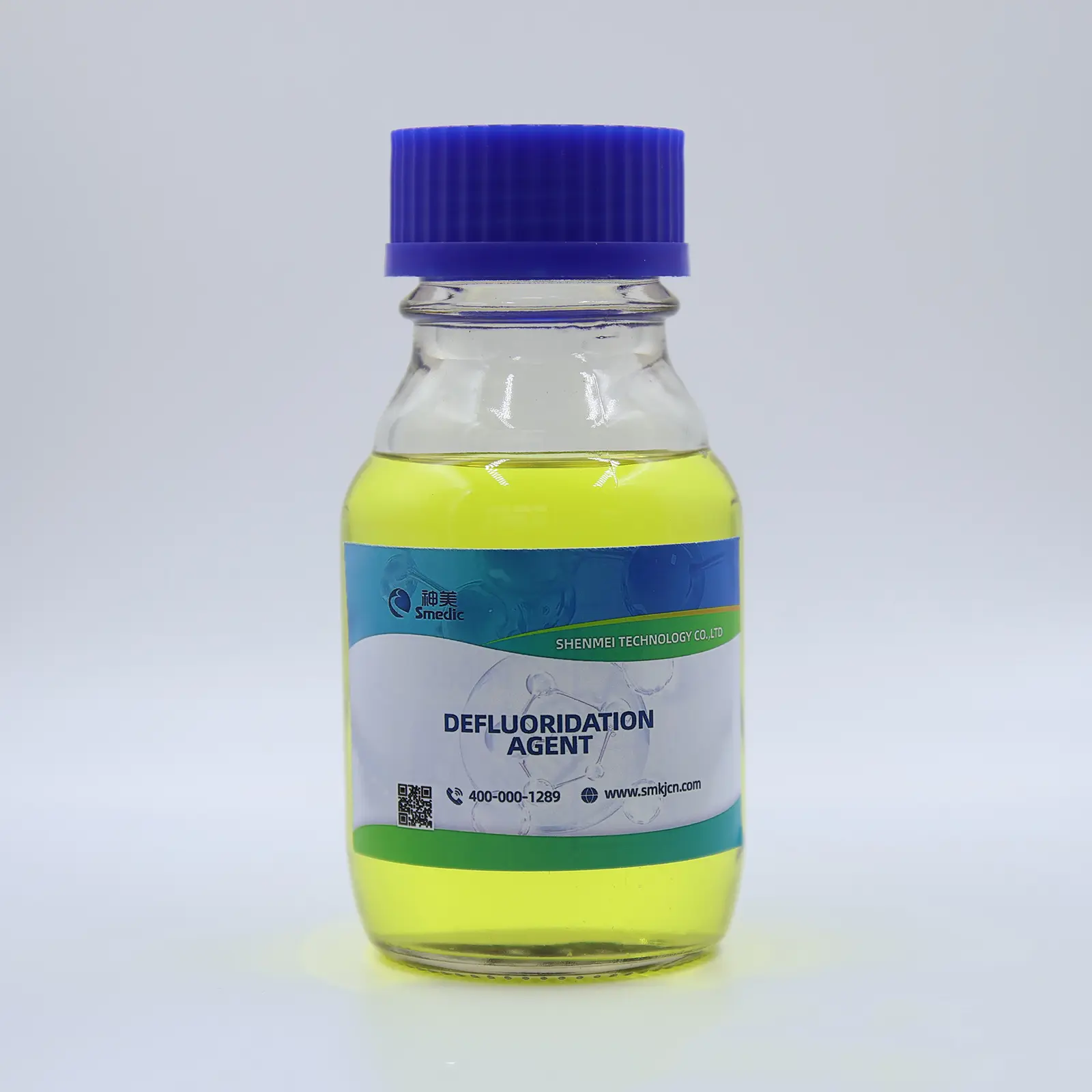
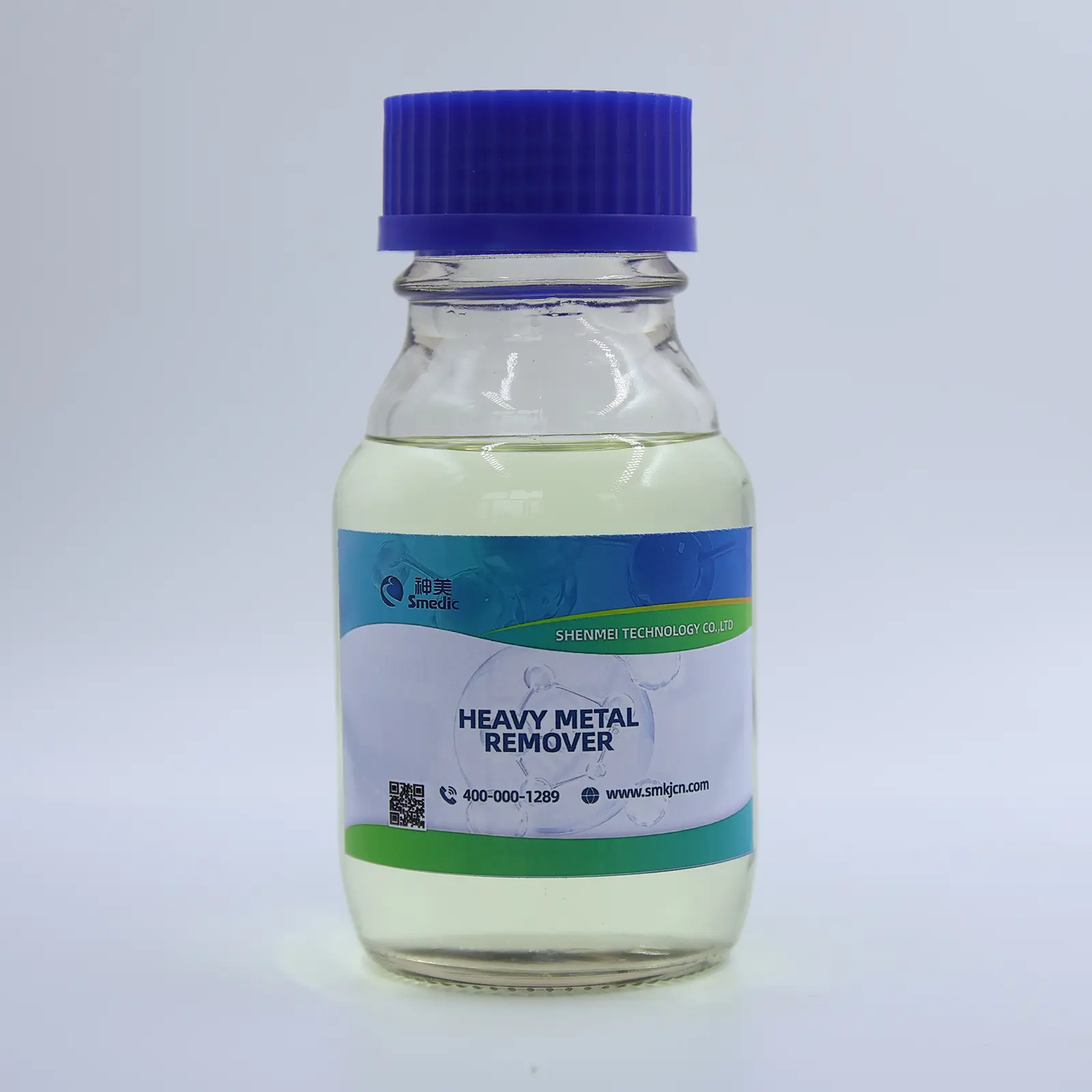
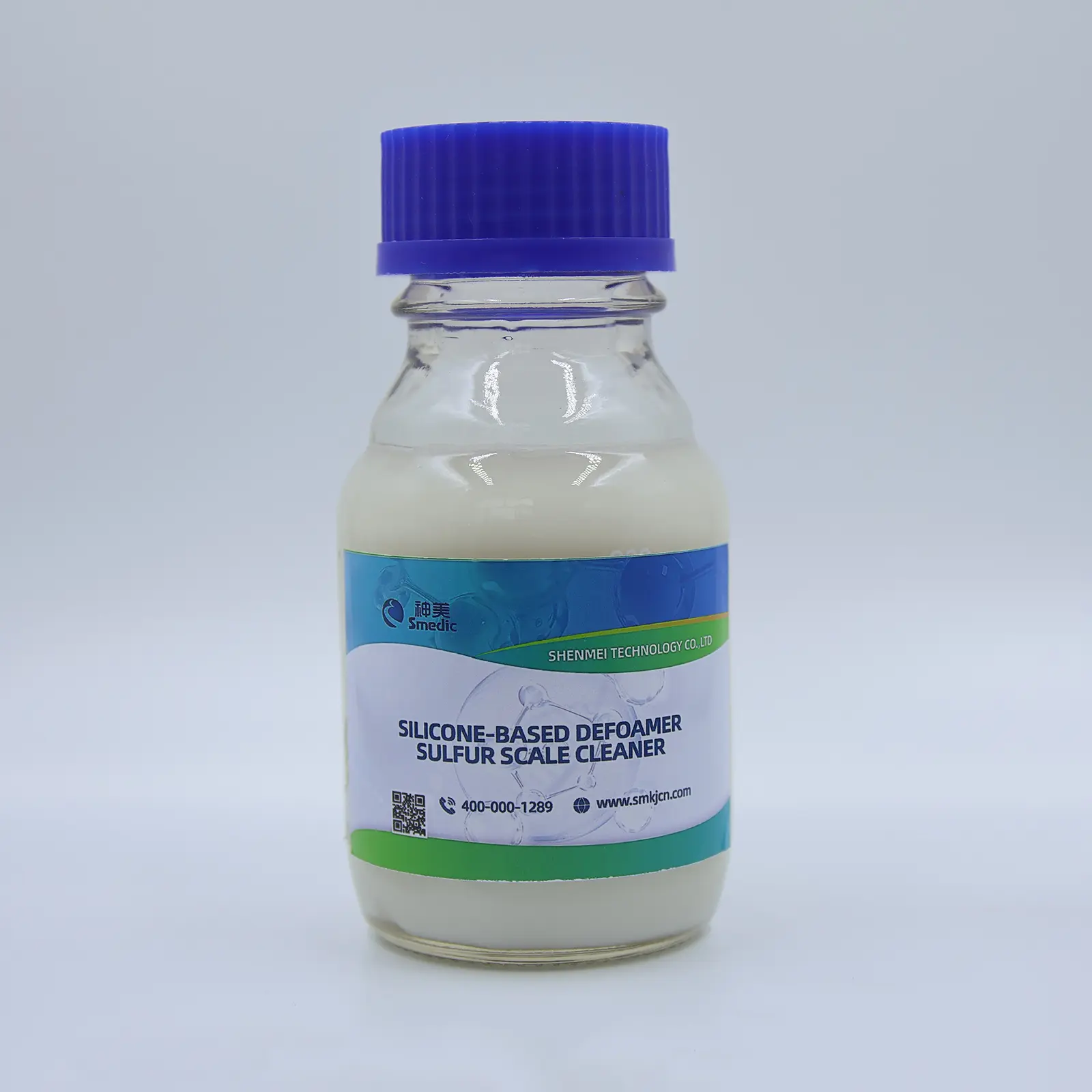
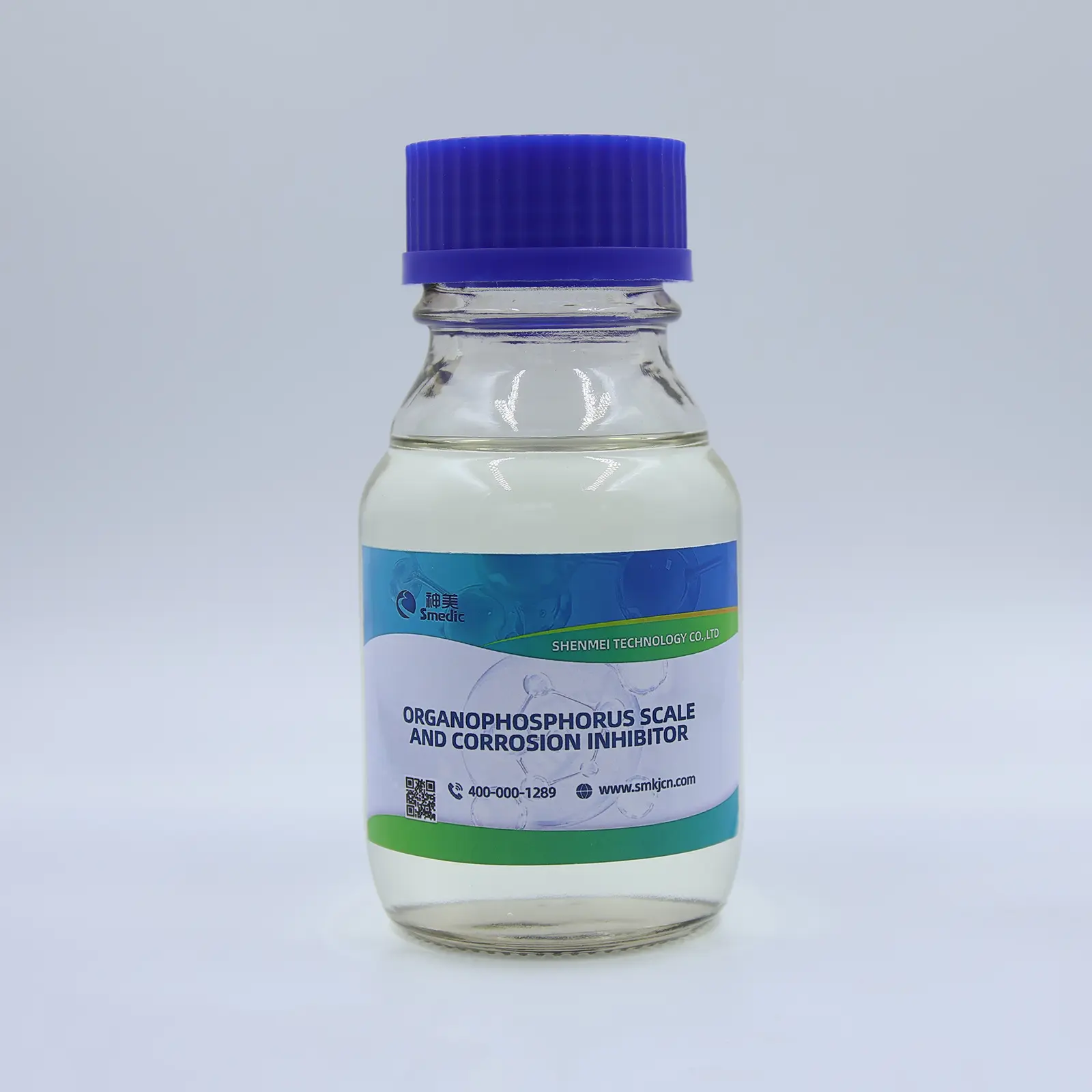
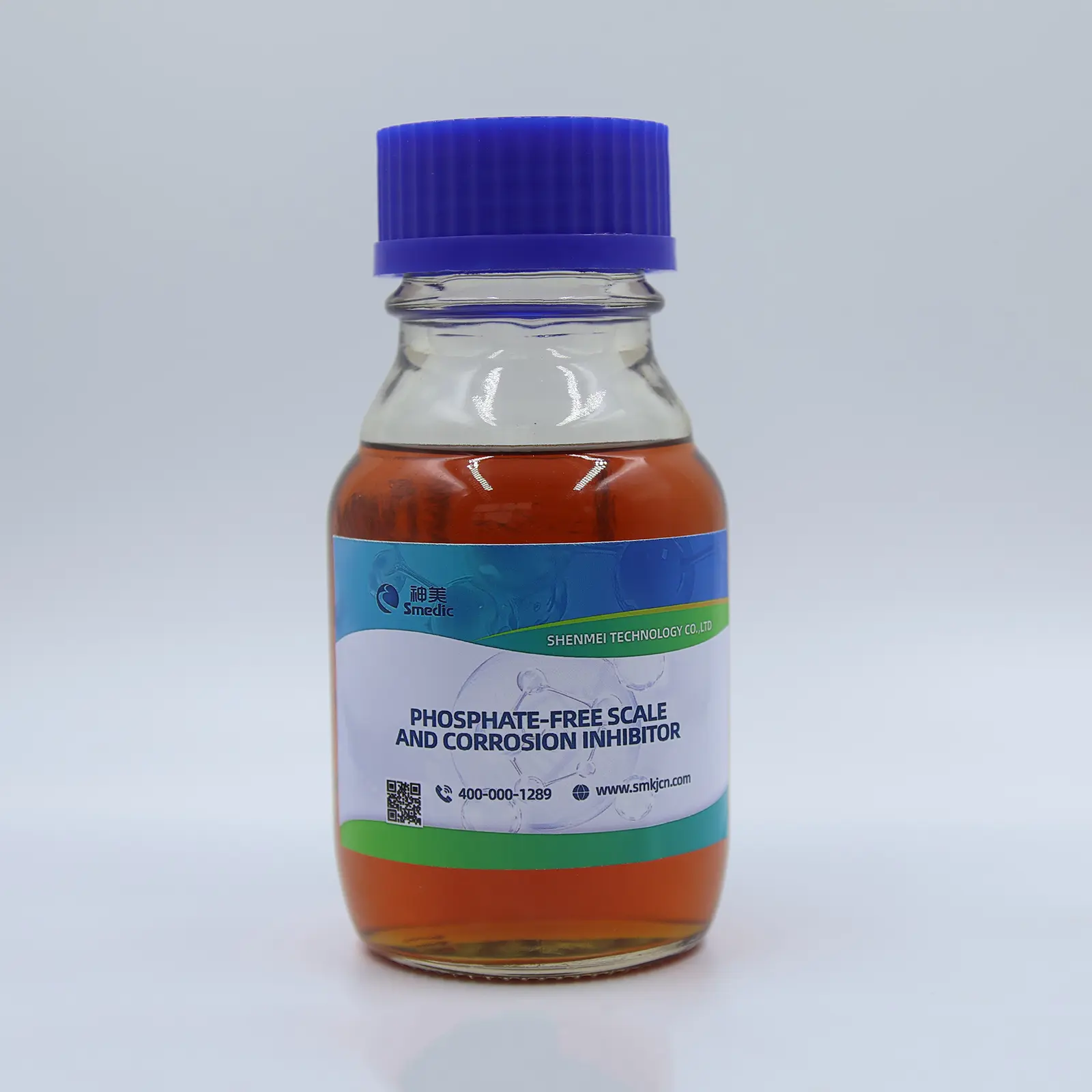
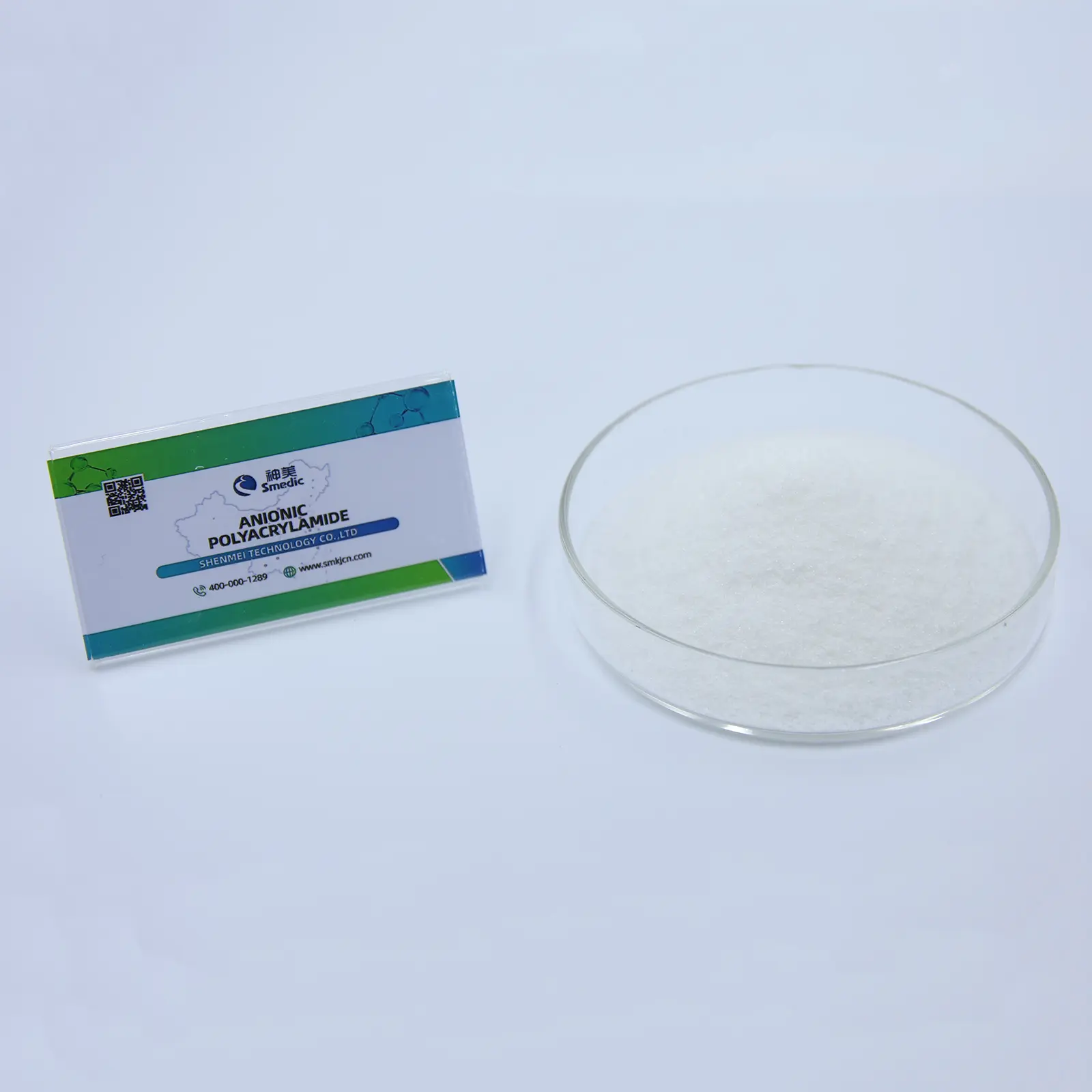
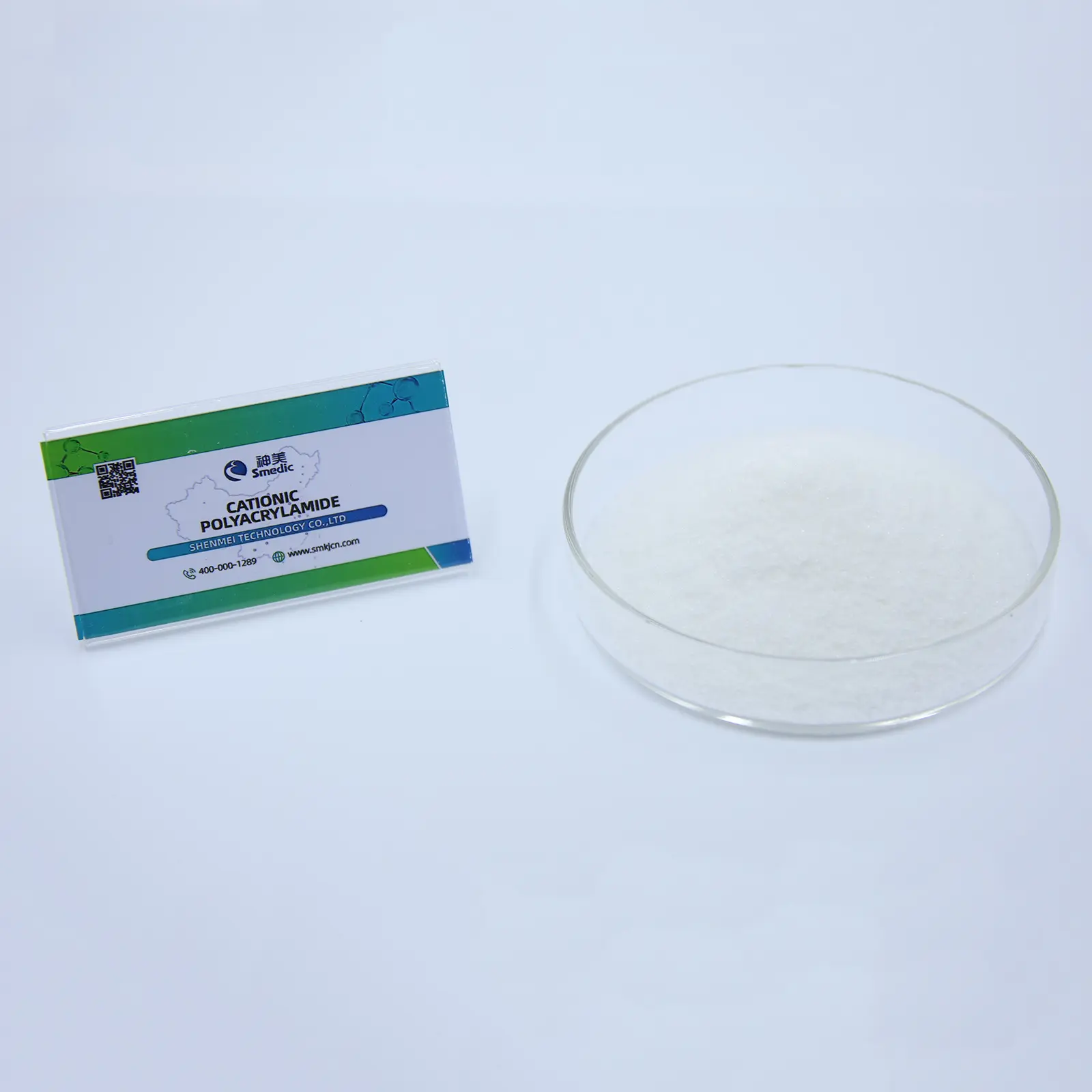
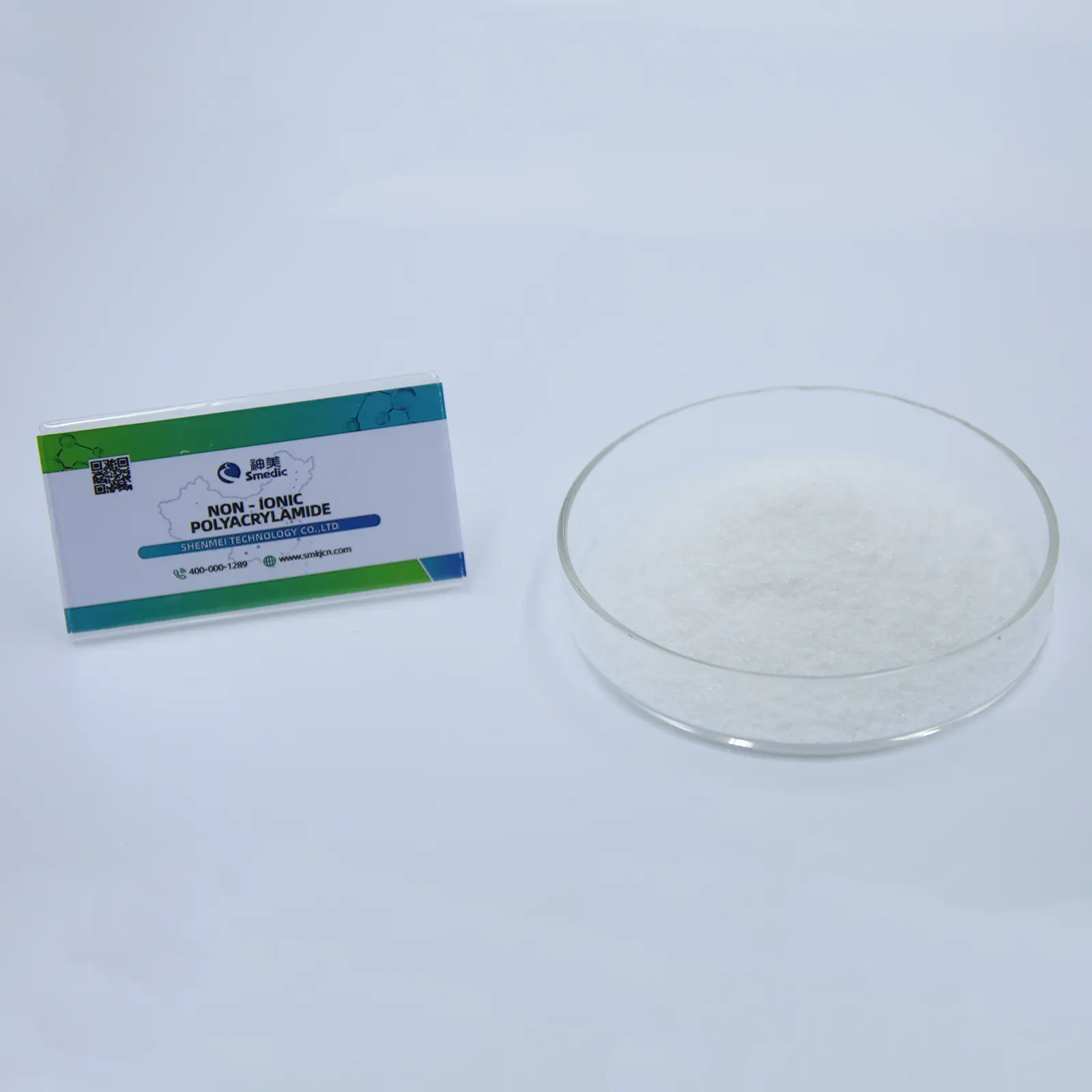
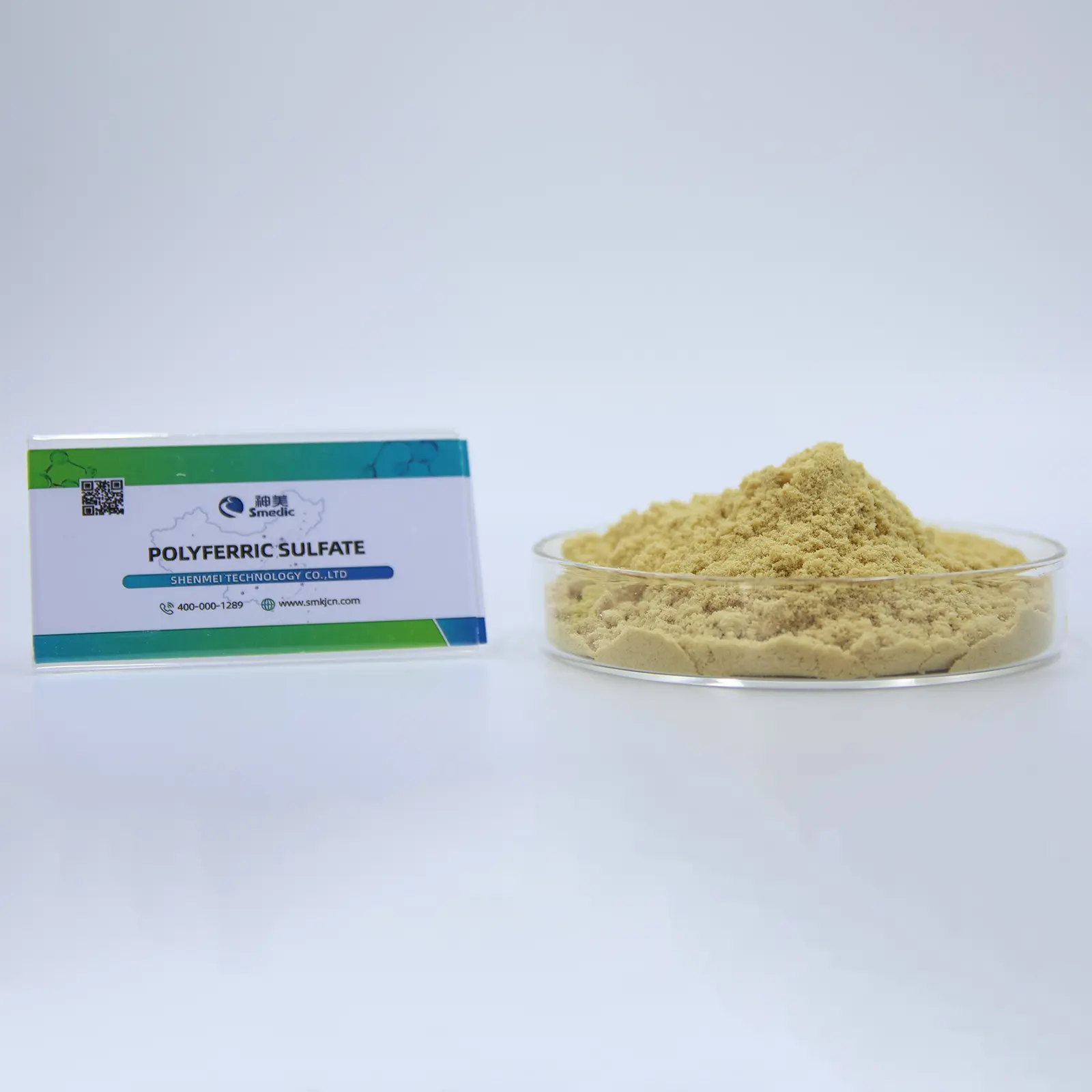
Engineered high-performance formulations designed for rapid clarification, efficient solid-liquid separation, and heavy-metal removal.
Water purification challenges have shifted from basic suspended solid filtration to complex molecular-level remediation. Globally, industrial expansion, tightening environmental standards, and the critical need for circular economy loops place massive demand on high-performance macromolecules like Polyacrylamide (PAM). As a primary water treatment agent, PAM serves as the chemical engine behind sludge dewatering, wastewater clarification, and mineral extraction processes.
From the municipal sludge management systems of European cities to the deep-well oil recovery networks of North America and South America's mineral flotation basins, PAM formulations must be tailored with extreme precision. The global demand relies on three structural categories of polyacrylamide: Anionic Polyacrylamide (APAM), which features negatively charged carboxyl groups for capturing positively charged metallic ions and mineral pulps; Cationic Polyacrylamide (CPAM), incorporating positively charged quaternary ammonium groups to destabilize organic sludges; and Non-ionic Polyacrylamide (NPAM), heavily optimized for acidic and highly saline conditions.
Operating as a trusted China PAM Water Treatment Manufacturer & Exporter, Smedic Technology is positioned at the intersection of raw material integration and innovative polymer chemistry. By controlling the polymerization kinetics, Smedic addresses the vital performance metrics expected by global EPCs: filtration velocity, chemical oxygen demand (COD) reduction, and minimal residual monomer concentration.
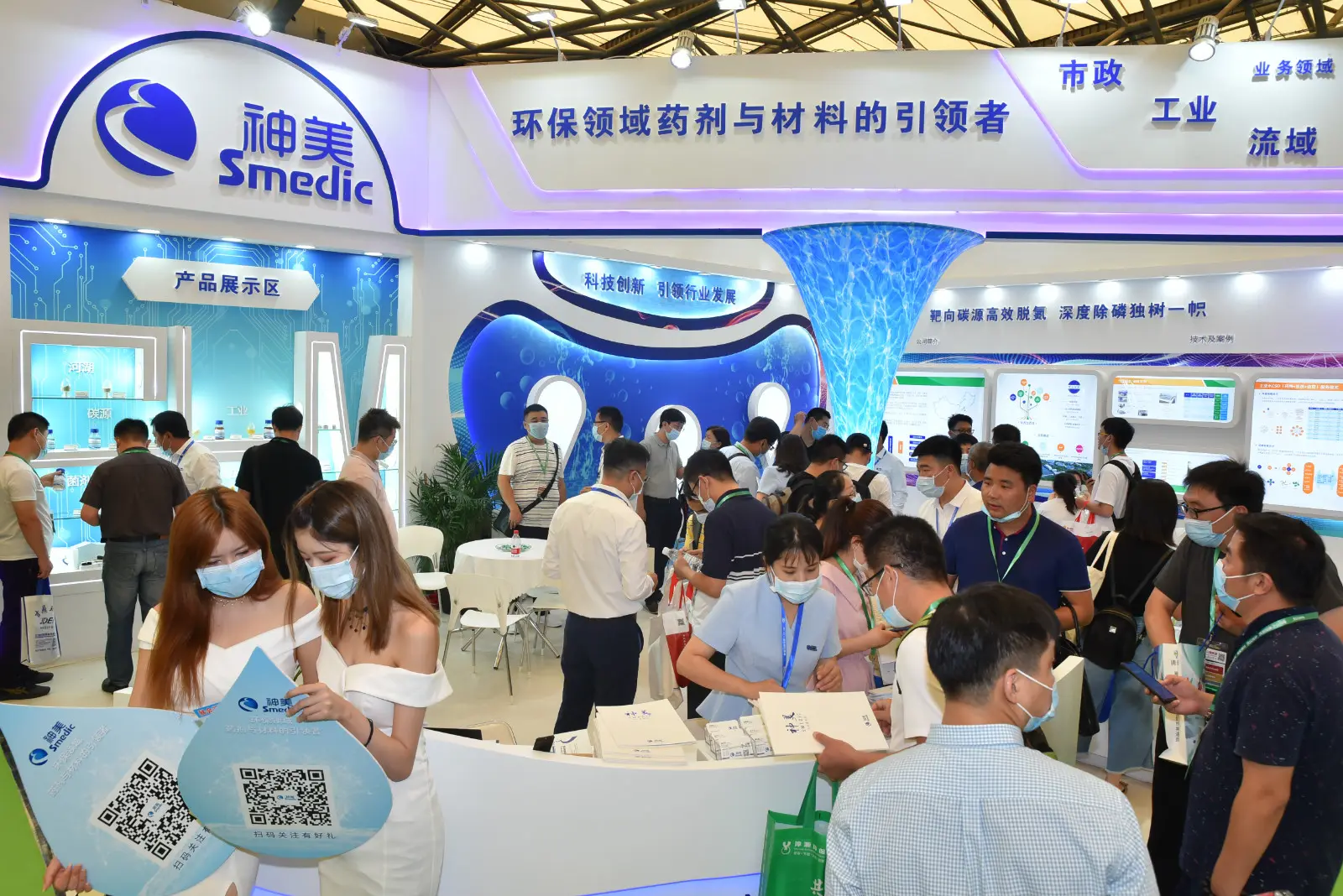
Established in 2011, Smedic Technology Co., Ltd. has developed from a dedicated regional chemical supplier into a leading, comprehensive solution provider specializing in environmental protection agents. Smedic integrates specialized research and development, large-scale production, global sales channels, and hands-on engineering-related technical services.
Smedic's environmental protection portfolio covers multiple critical sectors: municipal sewage treatment, high-concentration industrial wastewater treatment, municipal tap water purification, mineral processing agents, and oilfield chemicals. Offering more than 80 different environmental protection products, the company boasts an annual production capacity exceeding 1 million tons.
The company's corporate headquarters is based in Beijing, acting as the strategic core for scientific coordination. The production footprint is highly diversified, spanning multiple wholly-owned production bases in Hebei, Guizhou, Shanxi, and other mineral-rich regions. This is supported by over ten OEM partner factories and regional warehousing/logistics bases in Shandong, Shanxi, Anhui, Guangxi, and Sichuan provinces. Through this distribution network, Smedic's business covers over 20 provinces across China, catering to more than 600 urban sewage treatment plants and over 1,000 industrial end-users, managing a total sewage treatment capacity of over 20 million tons per day.
How Smedic leverages industrial integration, advanced process automation, and proximity to raw material nodes to deliver cost-effective performance.
Proximity to key raw materials such as Acrylonitrile (AN), Acrylic Acid, and catalytic precursors ensures continuous production security and dampens global chemical market volatility.
Automated reactor lines control heat dissipation and polymerization speeds, achieving a narrow molecular weight distribution (MWD) and keeping residual monomers strictly under 0.05%.
Capacity to dynamically adjust charge density, crosslinking structure, and chemical composition (powder, emulsion, or liquid form) to accommodate varying regional water qualities.
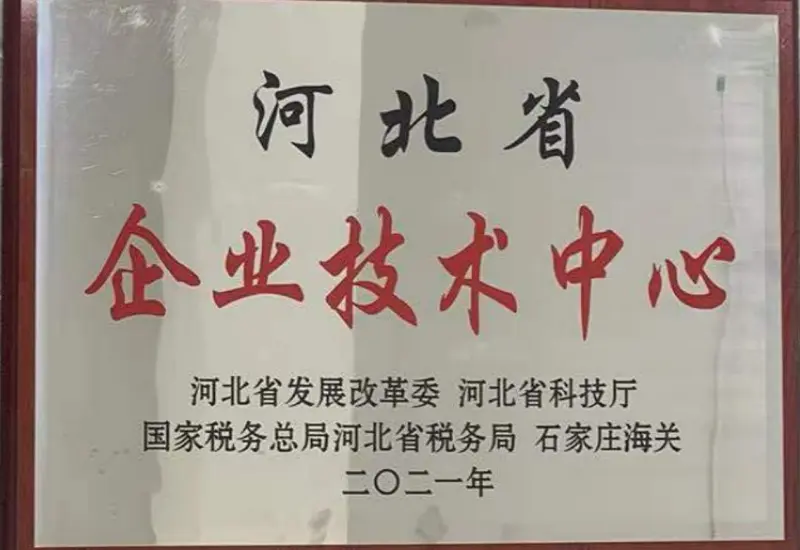
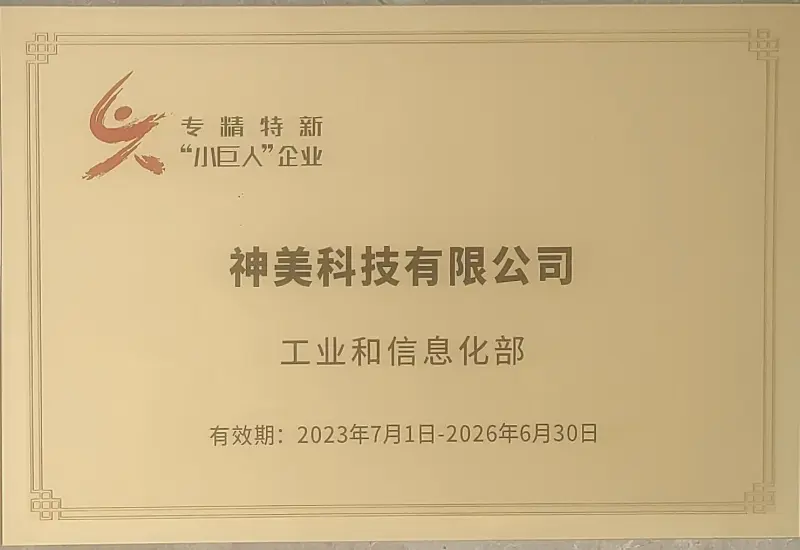
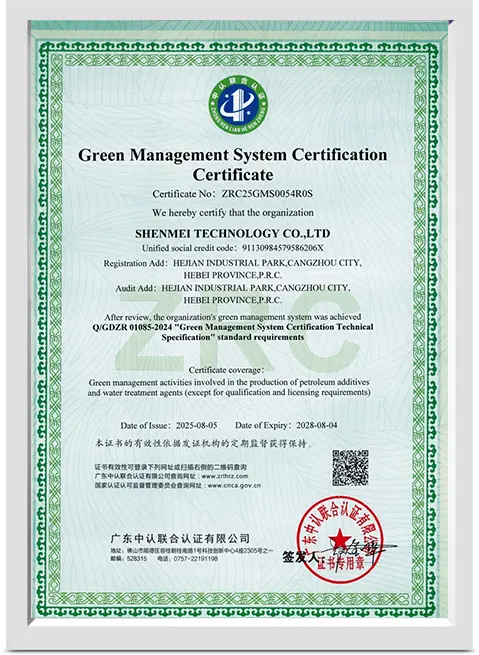
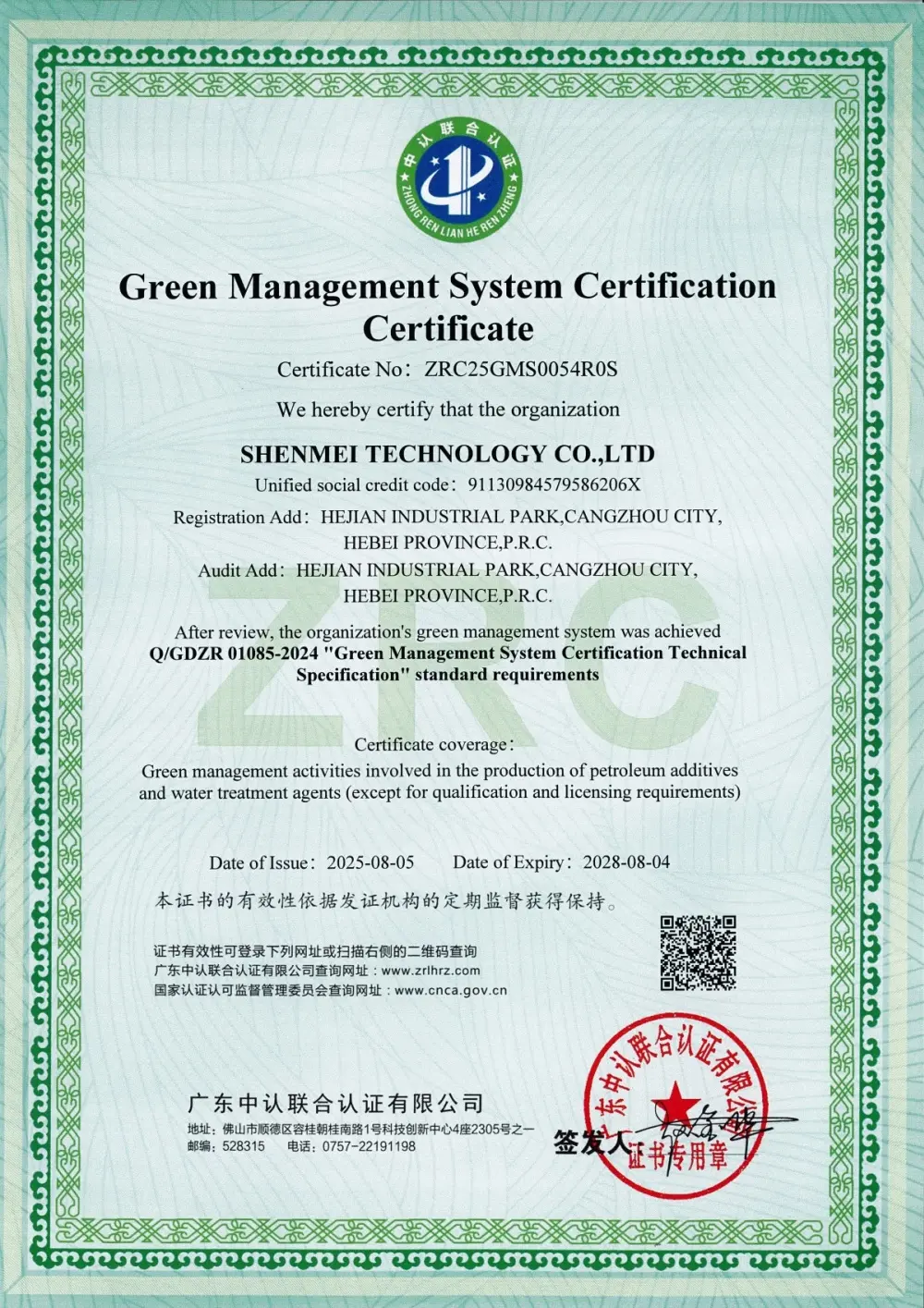
Smedic Technology has earned prestigious designations including National High-Tech Enterprise, National Specialized, Refined, Unique and Innovative "Little Giant" Enterprise, and Hebei Province Green Factory. The company operates a comprehensive R&D system featuring one academy, three research institutes, and five production-scale trial bases.
By establishing an expert workstation in collaboration with the Tsinghua University Association of Senior Scientists and Technicians, alongside joint R&D laboratories with Shandong University and Beijing University of Technology, Smedic bridges academic theory and wastewater engineering. In partnership with Peking University and Tianjin University, Smedic acts as a primary commercialization hub for advanced chemical technologies.
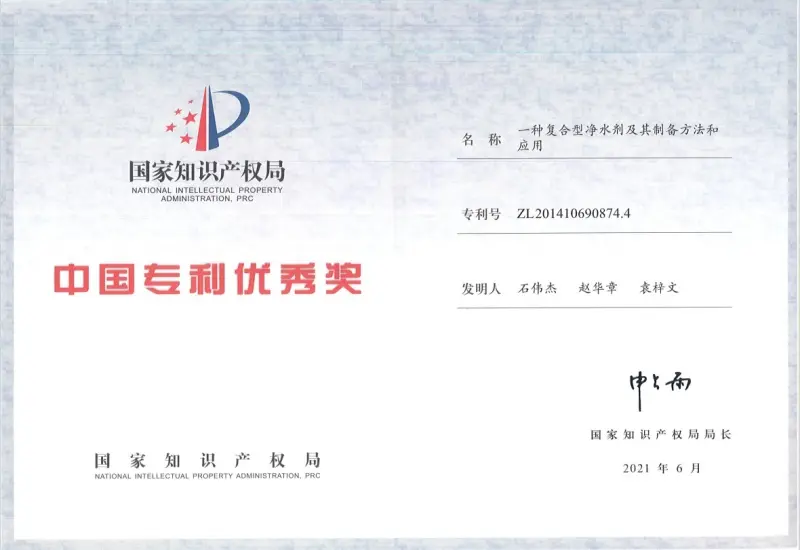
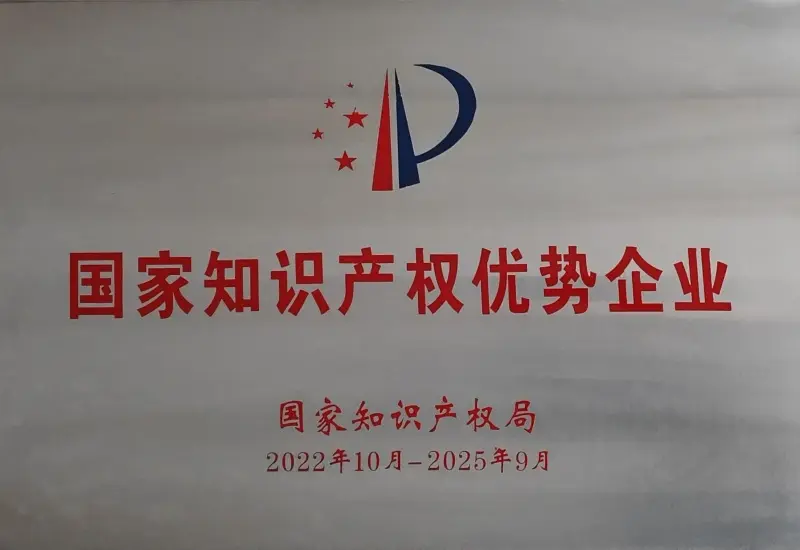
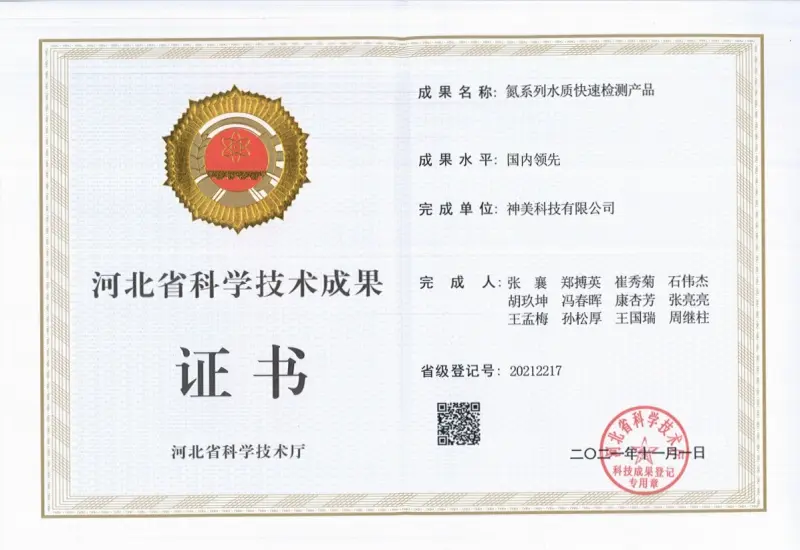
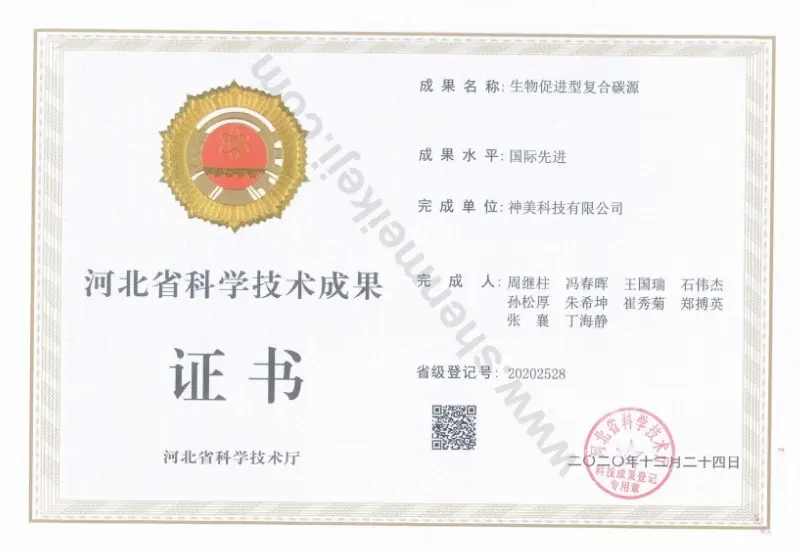
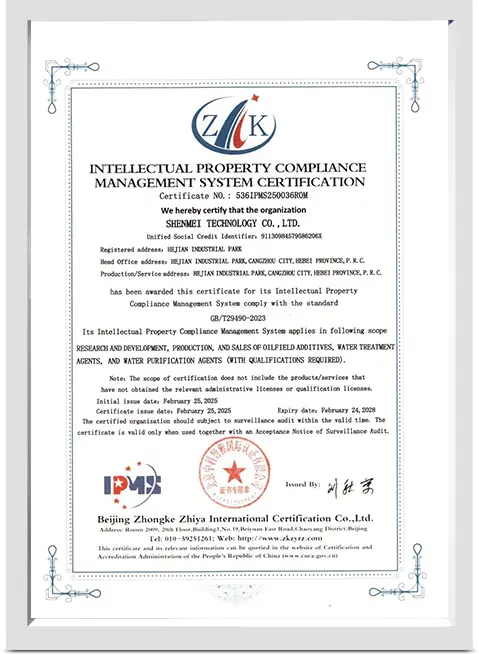
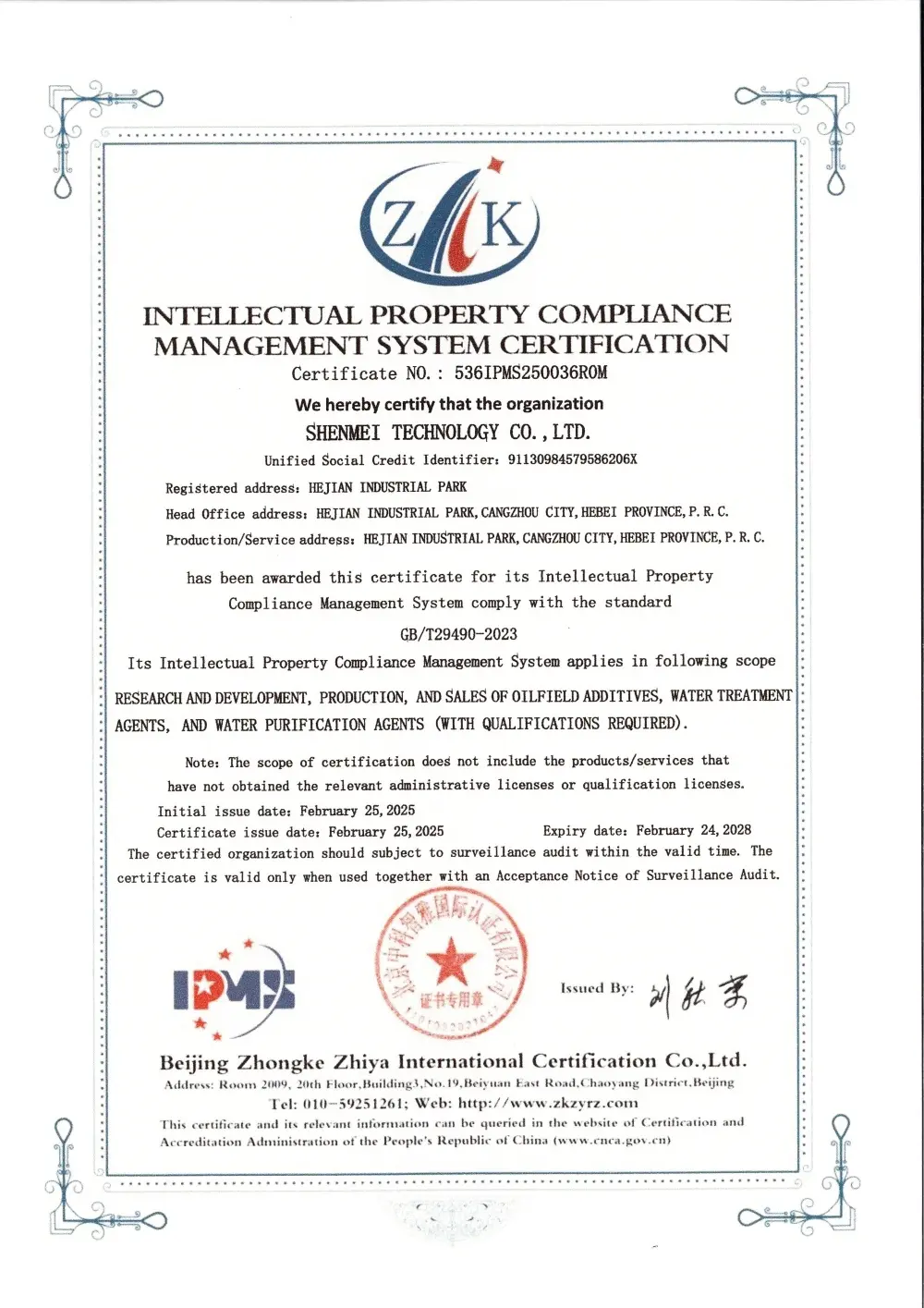
Smedic has been granted over 60 Chinese patents, including more than 40 invention patents. Highlighting its regulatory leadership, Smedic has drafted over 10 national and industry standards for chemical reagents, including standards for composite carbon sources, sodium acetate, and advanced nitrifying bacterial formulations.
Awarded the prestigious 22nd China Patent Award and the First Prize for Technological Invention from the China Petrochemical Industry Association.
Active Oxygen Compound Disinfectant recognized as a National Construction Industry Scientific and Technological Achievement by the Ministry of Housing and Urban-Rural Development.
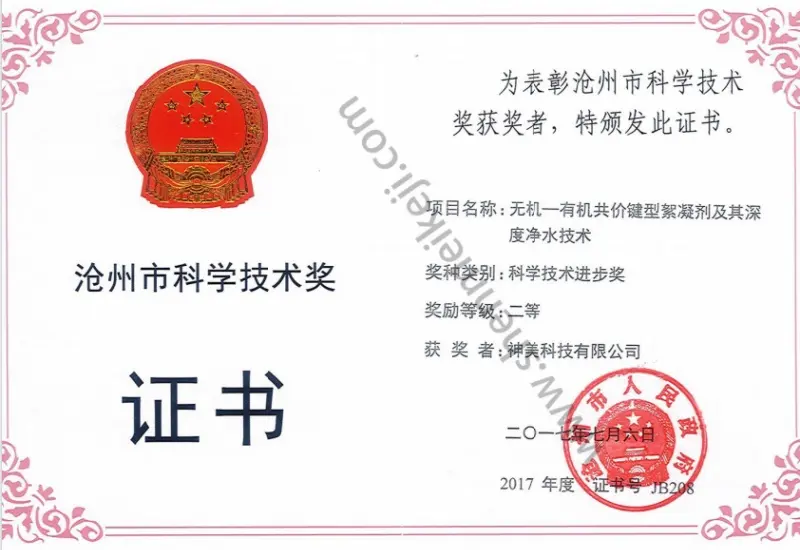
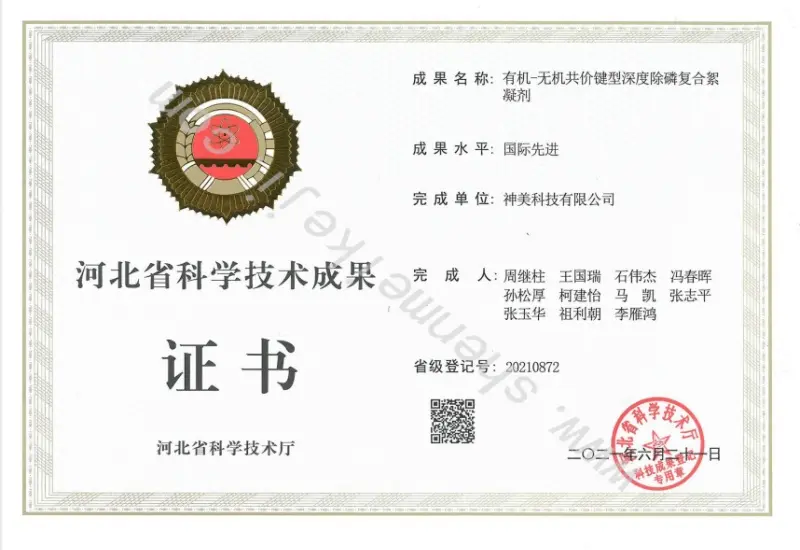
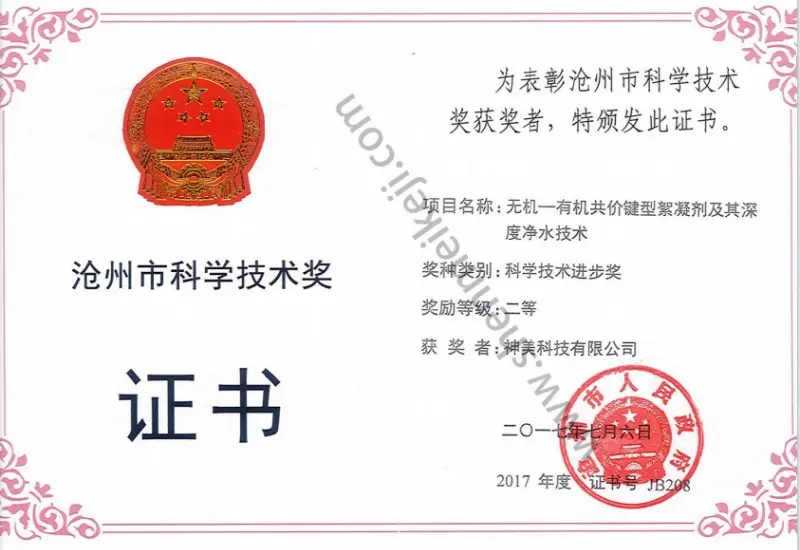
Developed "Inorganic-Organic Covalent Bond Flocculant," recognized as a recommended project under the Belt and Road SME Initiative.
How customized PAM formulations resolve specific liquid-solid separation challenges in heavy industries.
| Application Field | Predominant Chemistry | Operational Function | Engineering Key Performance Indicator (KPI) |
|---|---|---|---|
| Municipal Sludge Dewatering | Highly Cationic PAM (CPAM) | Destabilizes negative colloid charges in organic sludge, releasing bound water. | Dry cake solid content > 25%, filtrate turbidity < 15 NTU. |
| Metallurgical & Coal Flotation | High MW Anionic PAM (APAM) | Selectively adsorbs gangue and fine coal dust, promoting accelerated settling. | Settling velocity > 5.5 mm/s, clarified water recycling loop rate > 98%. |
| Enhanced Oil Recovery (EOR) | Ultra-High MW Anionic PAM | Increases injection water viscosity, improving oil sweep efficiency in reservoirs. | Thermal and shear resistance up to 95°C and 15,000 ppm salinity. |
| Chemical & Textile Clarification | Inorganic-Organic Covalent Flocculant | Binds complex industrial dyes, pigments, and organic complexes. | Color removal rate > 95%, COD fraction reduction > 60%. |
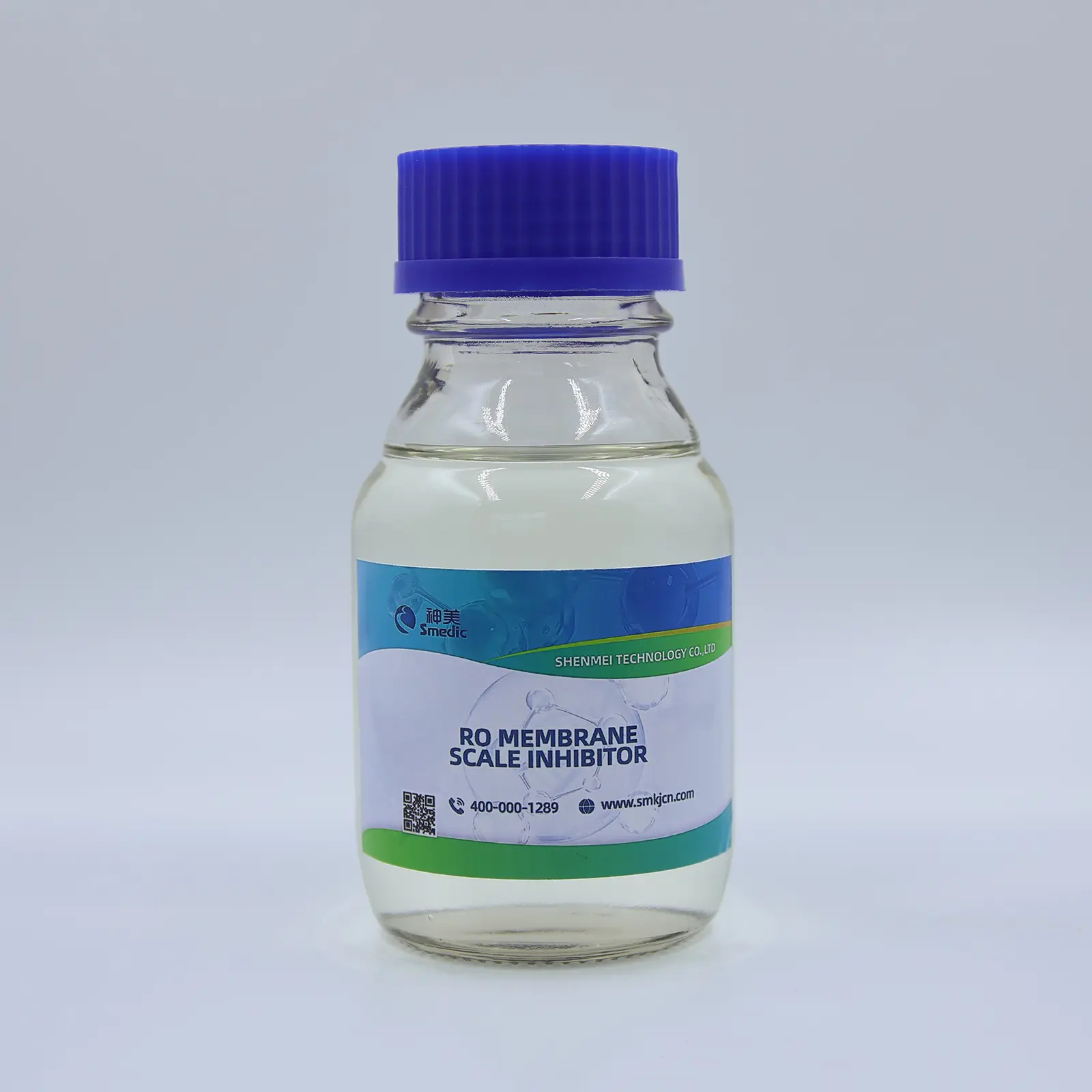
| RO Membrane Pretreatment | Multifunctional Scale Inhibitors | Prevents calcium, magnesium, and sulfate crystallization on membranes. | Extended membrane lifespan (2x), operational flux retention > 92%. |
Selecting the ideal flocculant requires matching the zeta potential of the wastewater's suspended solids with the charge density of the polymer. Municipal wastewater sludge, which consists of biological cellular matter, typically carries a strong negative charge, requiring Cationic PAM (CPAM) with a charge density ranging from 20% to 60%.
In contrast, mineral slurries (such as gold, copper, and iron tailings) are dominated by inorganic particles with high surface charges, requiring Anionic PAM (APAM) with molecular weights reaching up to 25 million Daltons. The ultra-long molecular chain acts as a bridge, linking small particles into heavy flocs that settle rapidly under gravity.
For global procurement directors and EPC engineering specialists, securing a reliable supply of water treatment chemicals is not just about price. It requires ensuring batch-to-batch consistency, raw material traceability, and regulatory compliance.
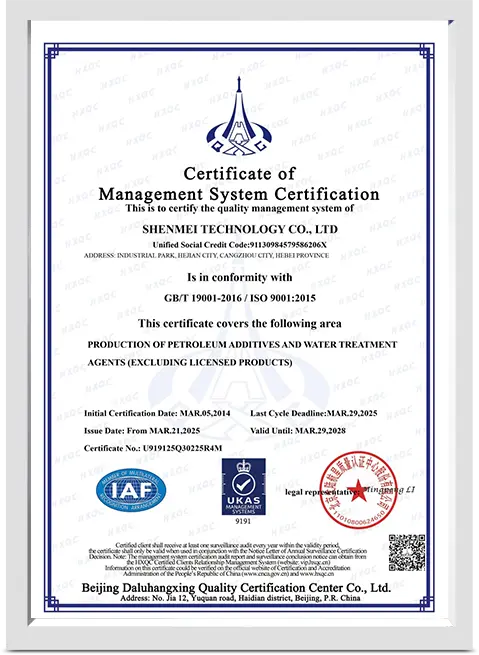
Batch-to-Batch Quality Controls: Smedic implements strict inspection protocols covering raw material acceptance, in-process polymerization parameters, and final product release testing. Dynamic light scattering and viscometer tests confirm the molecular weight and hydrolysis properties of every batch.
Regulatory Support & Environmental Stewardship: With environmental compliance regulations tightening in regions like Europe and North America, Smedic is continuously refining its chemistry. We are shifting toward bio-based acrylamide monomers derived from enzymatic conversions, reducing the carbon footprint of production. Our goal is to ensure our customers' wastewater discharge meets the most stringent environmental requirements.
25kg moisture-barrier bags, 750kg/1000kg bulk super-sacks, and liquid totes.
Strategic warehouses near major shipping hubs like Tianjin, Qingdao, and Shanghai ensure rapid worldwide dispatch.
Complimentary lab evaluations (jar testing) are available to match chemical formulations with local water properties.
Engineered for membrane filtration lines, high-temperature cooling circuits, and heavy-metal remediation systems.
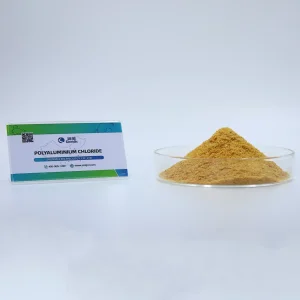
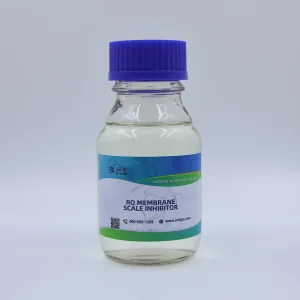
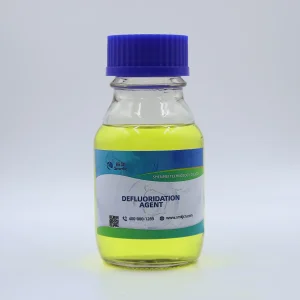
Expert technical insights from Smedic's senior chemical engineering department.
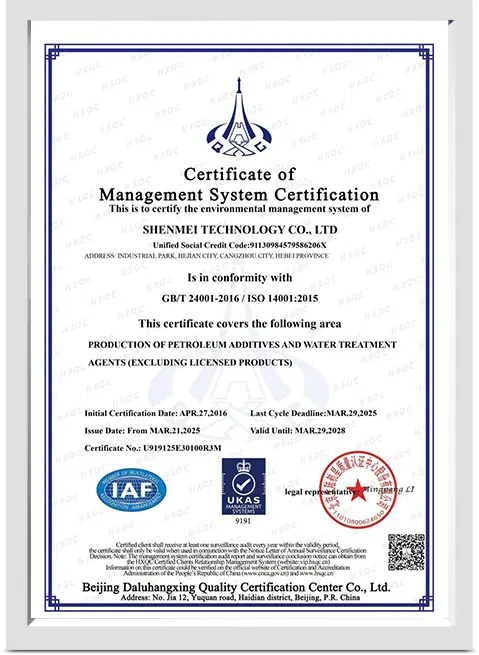
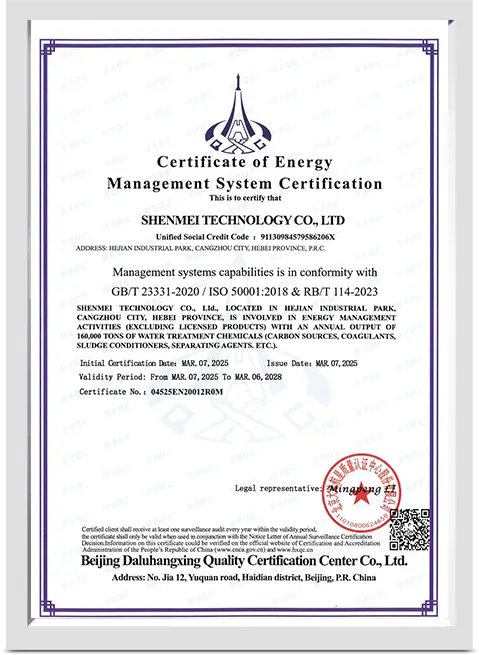
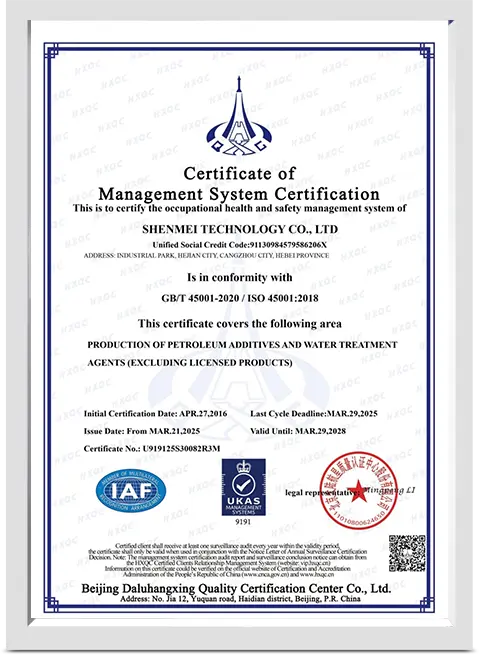
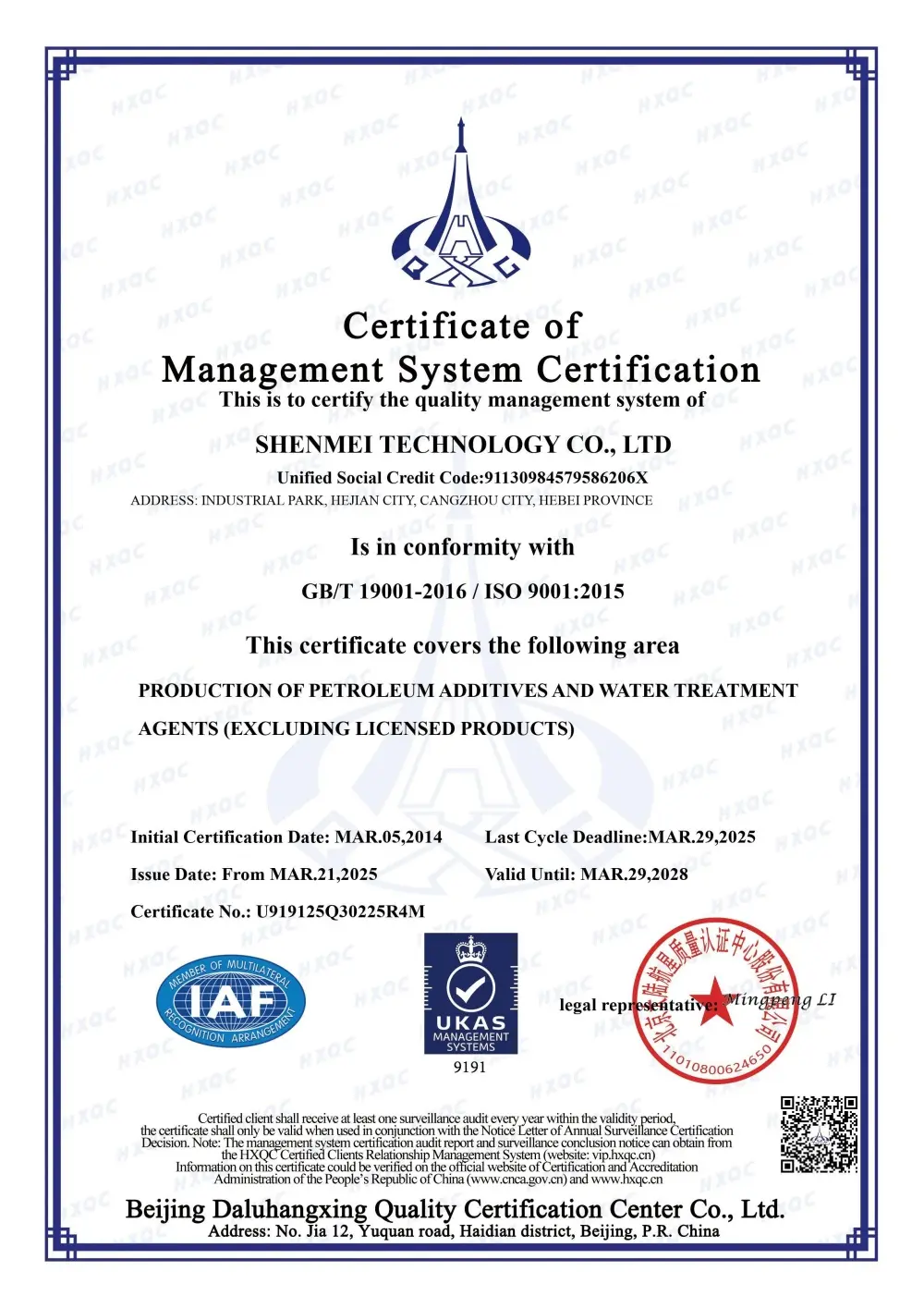
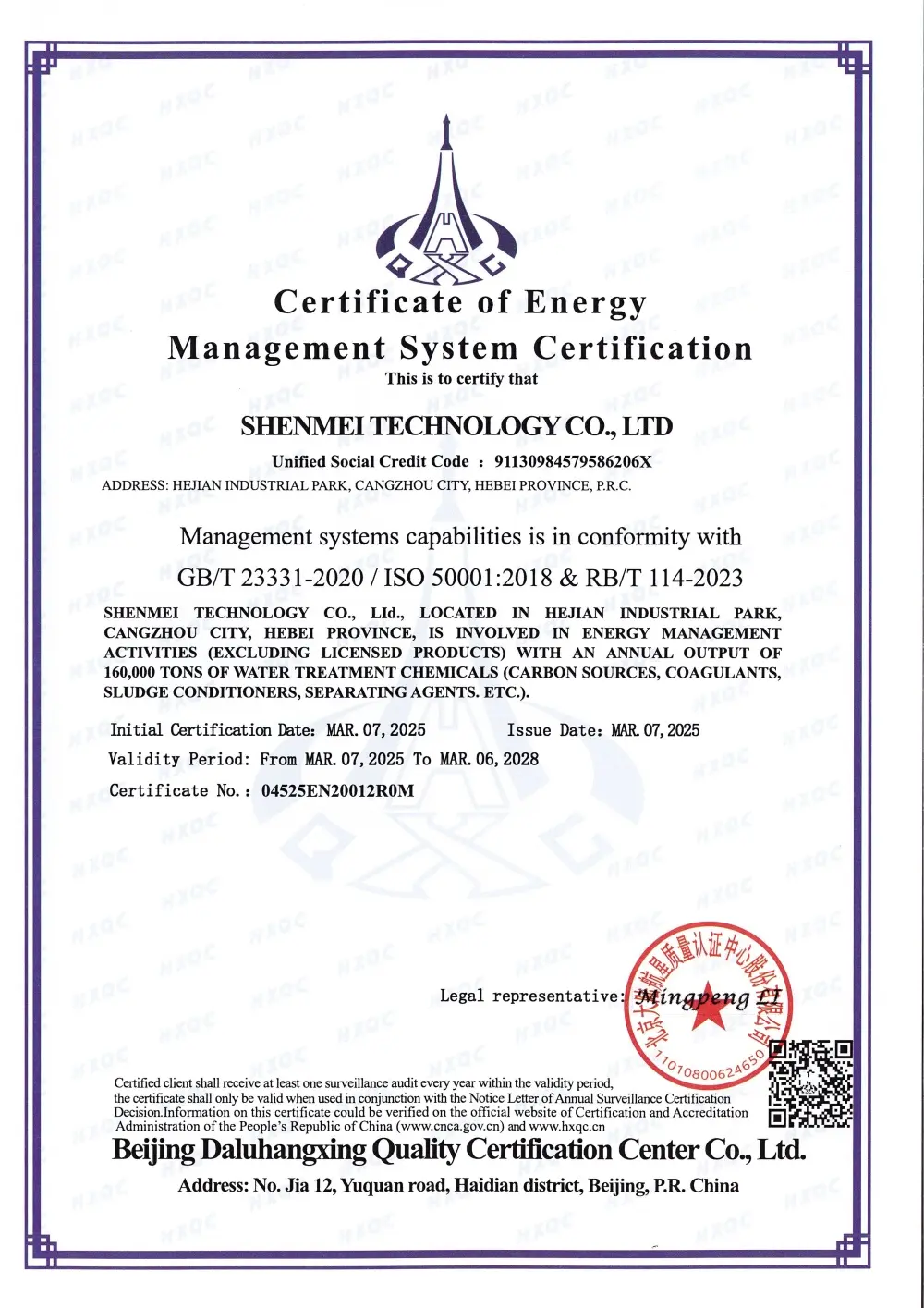
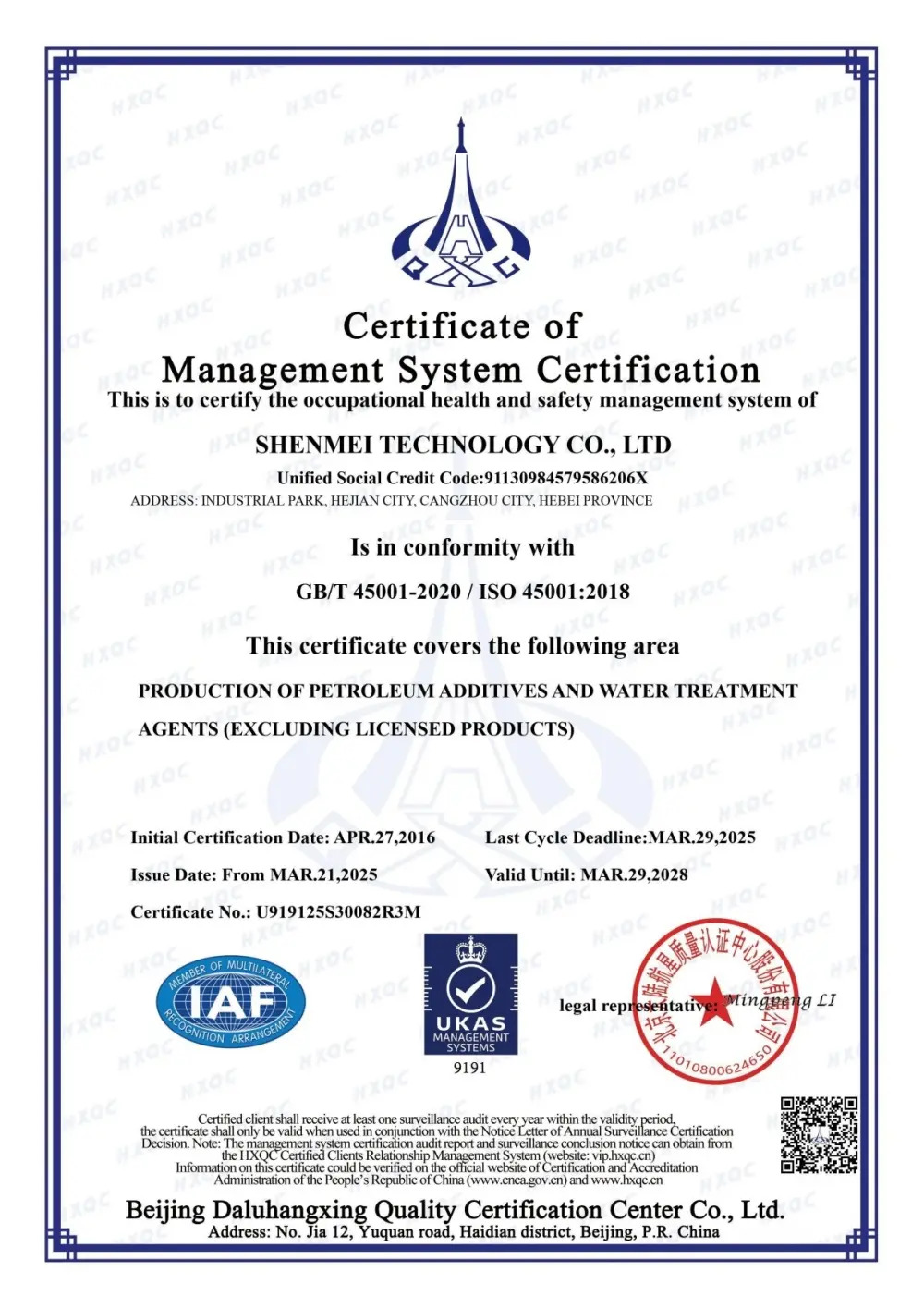
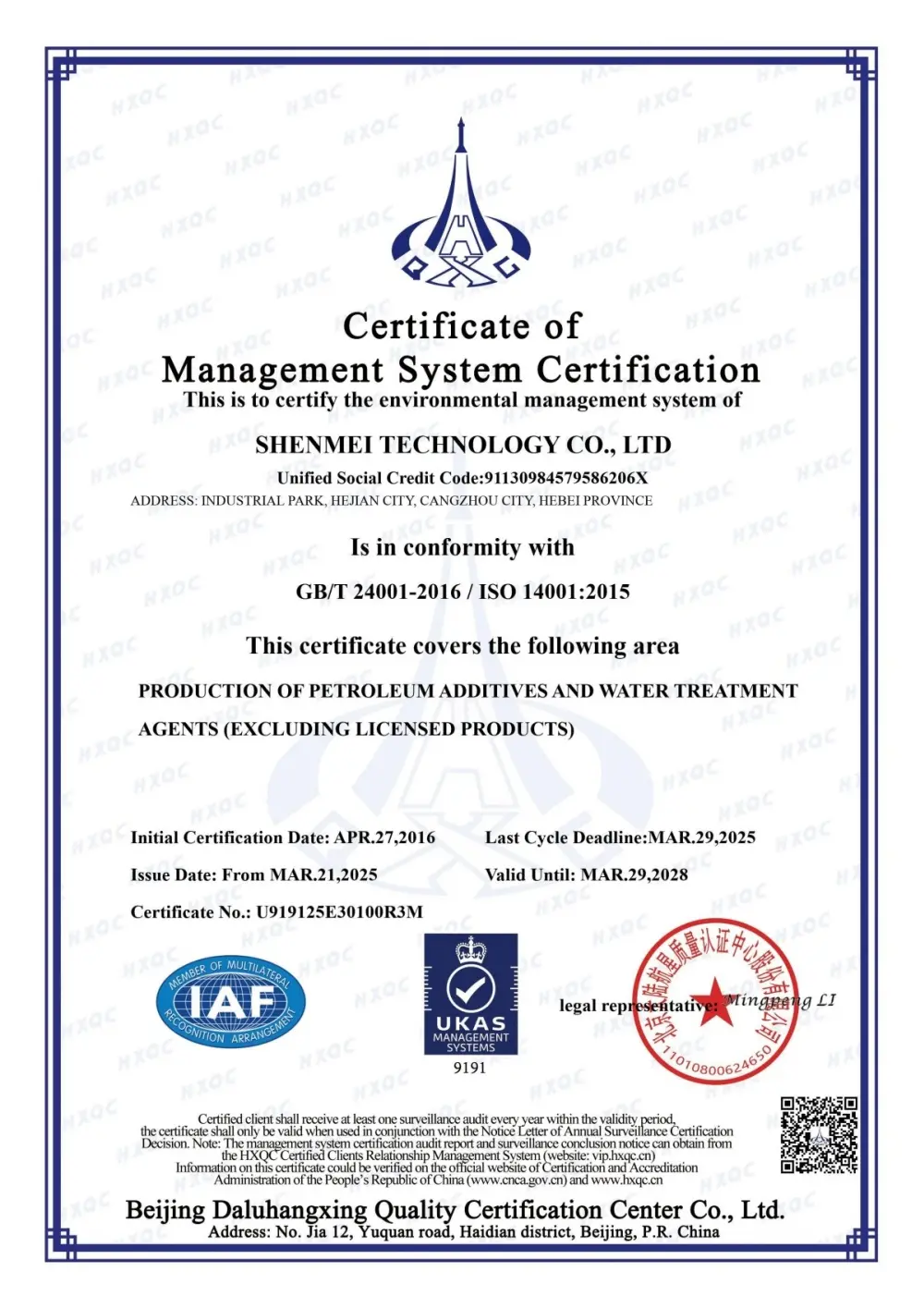
Operating across a national manufacturing network with certified quality assurance standards.

 Smedic Tech