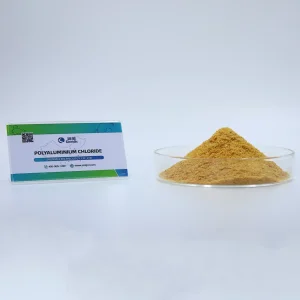
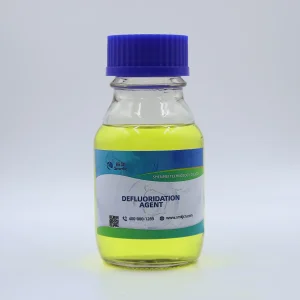
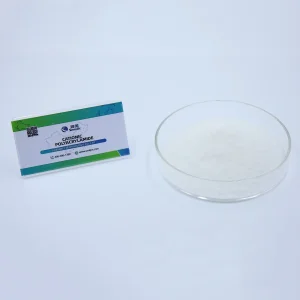
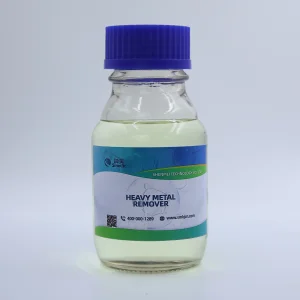
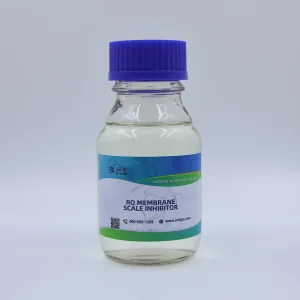
Engineered chemicals targeting complex effluent streams, specialized heavy metal precipitation, and organic emulsion breaking.
Per- and polyfluoroalkyl substances (PFAS) represent a family of over 9,000 synthetic organofluorine chemical compounds characterized by multiple carbon-fluorine bonds. These bonds exhibit unmatched chemical stability, thermal resistance, and hydrophobic-lipophobic properties. Often termed "forever chemicals," PFAS compounds do not degrade under typical environmental conditions, leading to widespread bioaccumulation and stringent regulatory frameworks globally. Consequently, municipal wastewater networks, industrial processing zones, and mineral refinement sites face critical challenges in removing trace PFAS concentrations to protect public health and maintain regulatory compliance.
"The integration of advanced chemical pre-treatment—specifically focused on high-efficiency flocculation, heavy metal co-precipitation, and surface charge modification—is crucial for optimizing down-stream physical separation steps like Granular Activated Carbon (GAC), Ion Exchange (IX) resins, and Reverse Osmosis (RO) systems."
Across North America, Europe, and the Asia-Pacific region, environmental regulators are setting ultra-trace limits on PFAS concentrations in drinking water and industrial effluent. The U.S. EPA's National Primary Drinking Water Regulation (NPDWR) enforces maximum contaminant levels (MCLs) down to 4 parts per trillion (ppt) for specific compounds like PFOA and PFOS. Similarly, the European Union's Environmental Quality Standards under REACH require stringent monitoring of industrial discharges.
Conventional physical filtration processes struggle to remove PFAS economically due to competition from other dissolved organic matter. This creates a critical need for chemical pre-treatment agents. High-charge density coagulants and customized polymeric flocculants help bind short-chain and long-chain PFAS compounds, forming larger flocs that can be removed through sedimentation, dissolved air flotation (DAF), or ultrafiltration. This pre-treatment step prevents fouling and extends the service life of costly downstream ion-exchange resins and activated carbon beds.
Industrial procurement teams at municipal facilities, chemical plants, and semiconductor fabs focus on several key metrics when sourcing water treatment chemistries:
As the global manufacturing landscape evolves, Chinese chemical plants have adopted Industry 4.0 paradigms to ensure supply chain resilience and price stability. Automated synthesis lines and real-time reactor monitoring help manufacturers maintain consistent batch-to-batch polymer molecular weights and charge densities.
This systematic optimization reduces energy consumption and raw material waste, shielding global buyers from supply disruptions. Combined with direct access to local precursors, integrated warehousing, and major shipping ports, China's environmental chemical suppliers offer a highly stable option for international procurement departments.
Established in 2011, Smedic Technology Co., Ltd. is a comprehensive solution provider of environmental protection chemicals, integrating research and development, manufacturing, sales, and technical engineering services. Dedicated to offering custom-tailored water treatment chemistries, the enterprise maintains an annual production capacity exceeding one million tons across over 80 distinct product formulations.
Headquartered in Beijing, Smedic operates multiple production facilities in Hebei, Guizhou, and Shanxi, alongside ten OEM partner facilities and strategic warehousing hubs in Shandong, Anhui, Guangxi, and Sichuan. Smedic's distribution network covers over 20 provinces across China, supporting more than 600 municipal sewage facilities and over 1,000 industrial wastewater clients, representing a total treatment capacity exceeding 20 million tons daily.
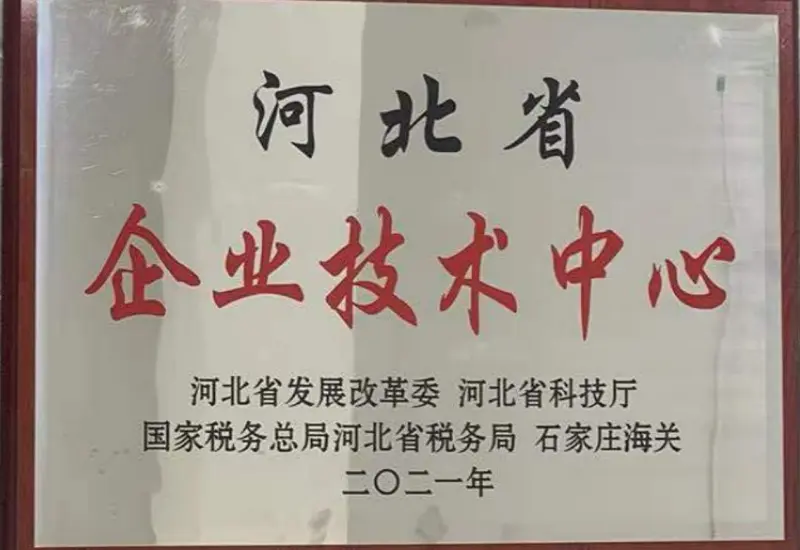
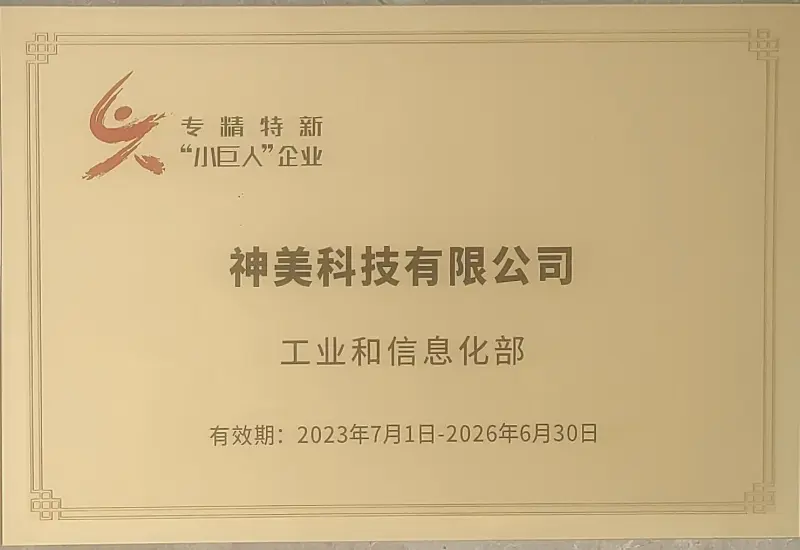
Maintaining high standards in chemical manufacturing requires robust R&D and strict quality assurance protocols. Smedic Technology has secured designations including National High-tech Enterprise, National Specialized, Refined, Unique and Innovative "Little Giant" Enterprise, and Hebei Province Green Factory.
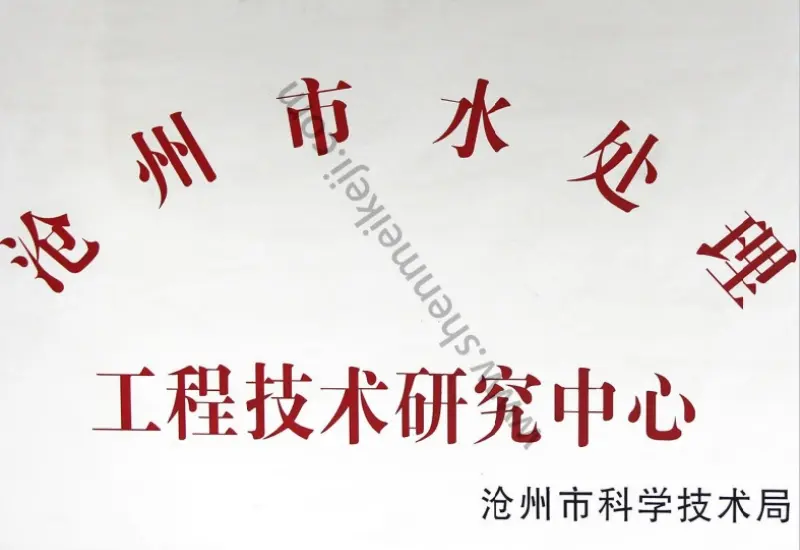
Smedic's R&D framework is built around one central academy, three specialized research institutes, and five testing bases. This network is recognized as a Class A R&D institution in Hebei Province, supporting several specialized platforms:
Through collaboration with academic institutions, Smedic operates an expert workstation with the Tsinghua University Association of Senior Scientists and Technicians. It also maintains joint R&D laboratories with Shandong University and Beijing University of Technology, while serving as a commercialization partner for Peking University and Tianjin University.
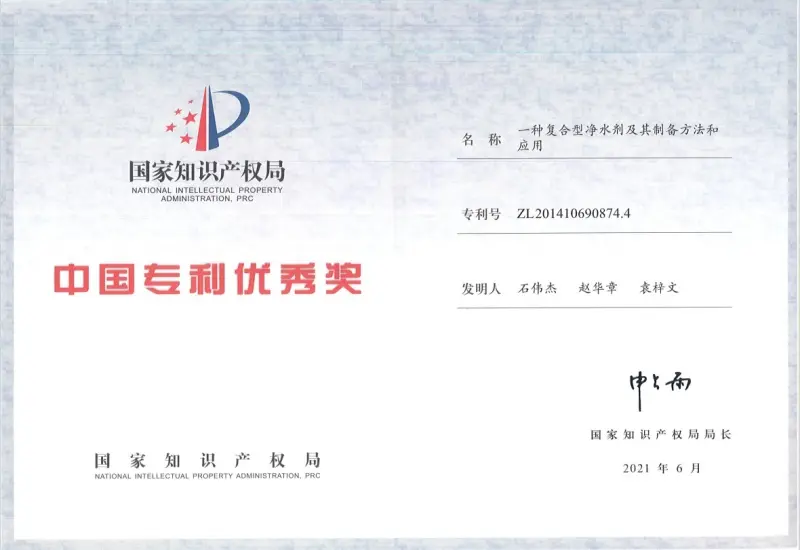
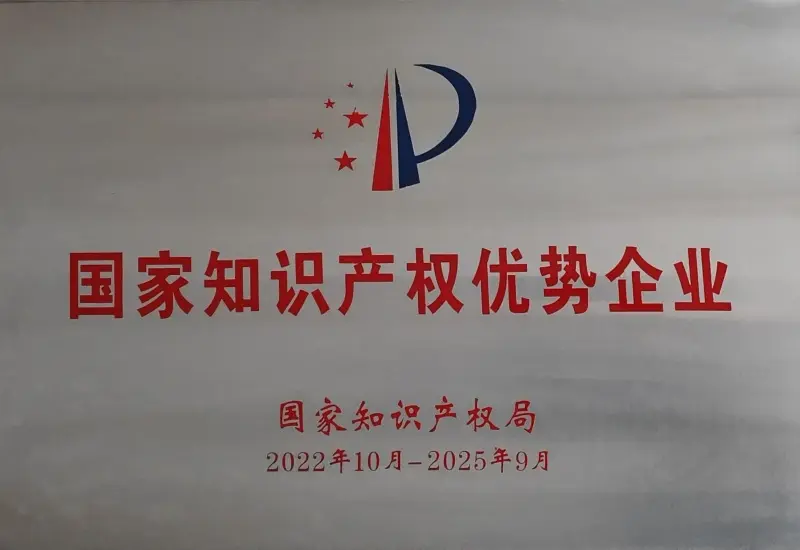
Smedic holds over sixty Chinese patents, including more than forty invention patents and twenty utility model patents. Smedic's R&D team has also led the drafting of more than ten national and industry standards, including those for composite carbon sources, composite coagulants, sodium acetate, and nitrifying/denitrifying bacterial agents.
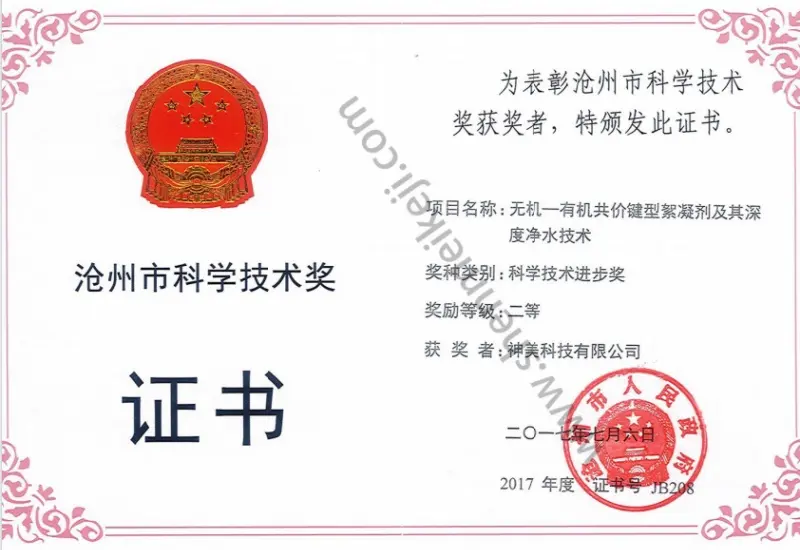
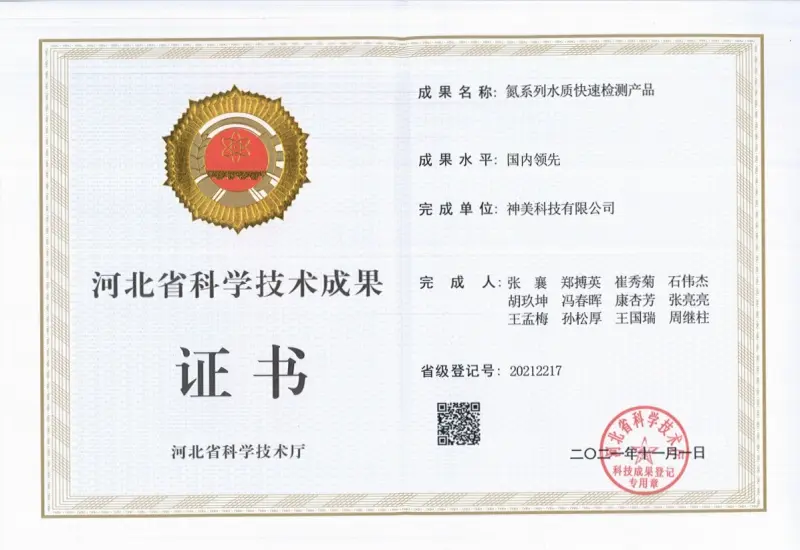
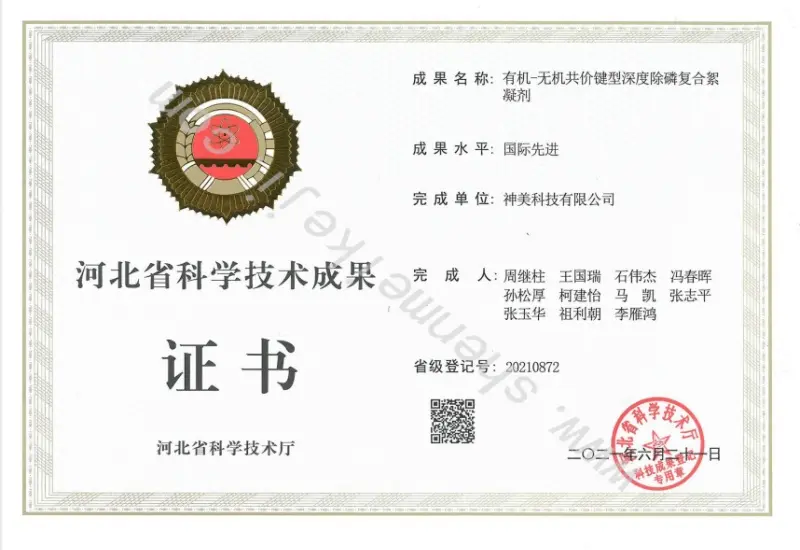
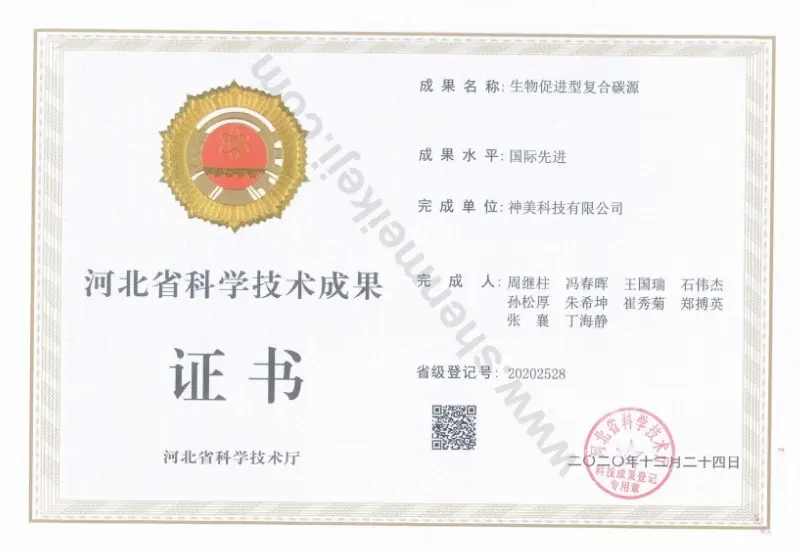
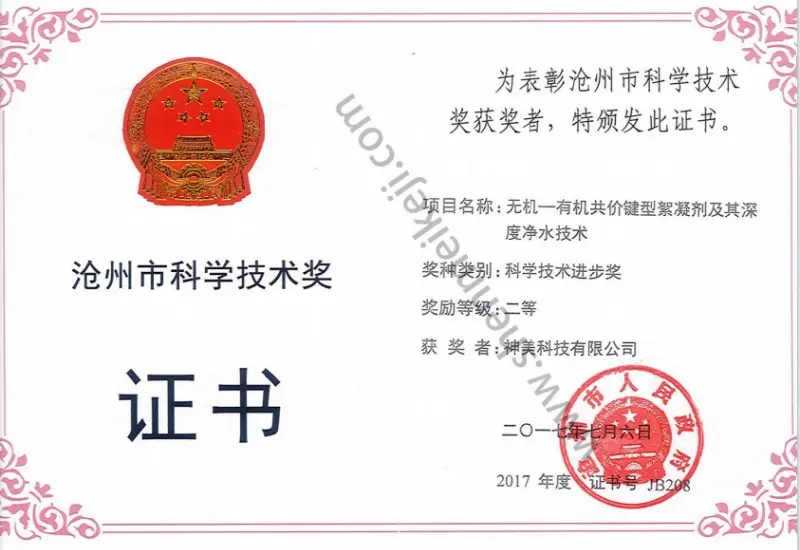
Among Smedic's developments, its bio-enhanced denitrification carbon source and deep multi-nuclear phosphorus removal agent have passed Hebei Province scientific reviews, being appraised as "internationally advanced." Additionally, Smedic's independently developed Inorganic-Organic Covalent Bond Flocculant received the 22nd China Patent Award and the First Prize for Technological Invention from the China Petrochemical Industry Association.
Providing bio-enhanced carbon sources, coagulants, and flocculants to municipal wastewater networks to ensure effluent meets local discharge standards.
Optimizing heavy metal precipitation, defoaming, and scale inhibition for complex chemical processing plant runoff.
Supplying flotation reagents and polymer clarifiers in partnership with the Chengdu Institute of Mineral Comprehensive Utilization.
Operational stability depends on maintaining production capacity and robust supply chain networks. Smedic maintains proprietary manufacturing centers across several provinces, backed by over a dozen joint venture installations nationwide to support localized logistics.
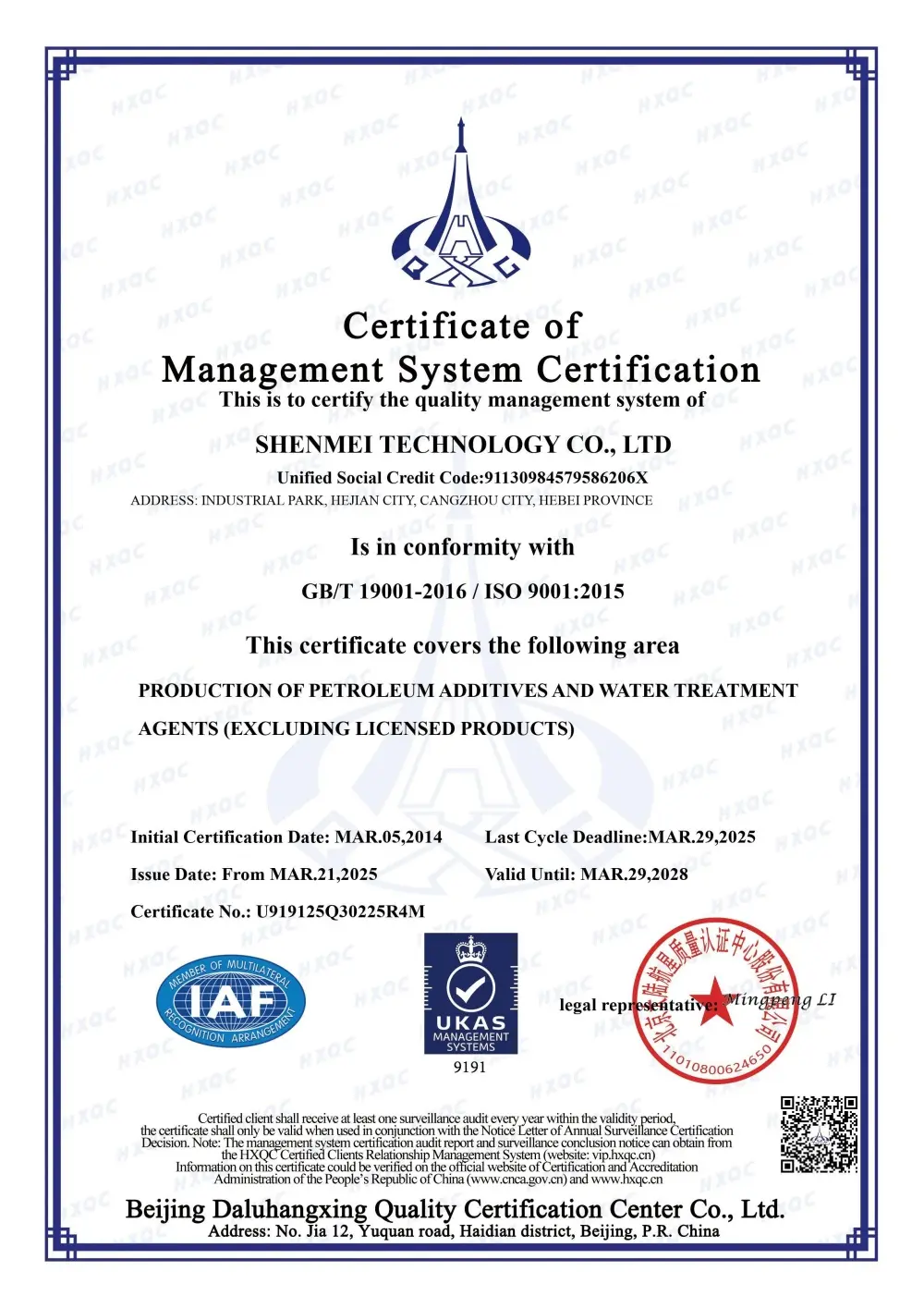
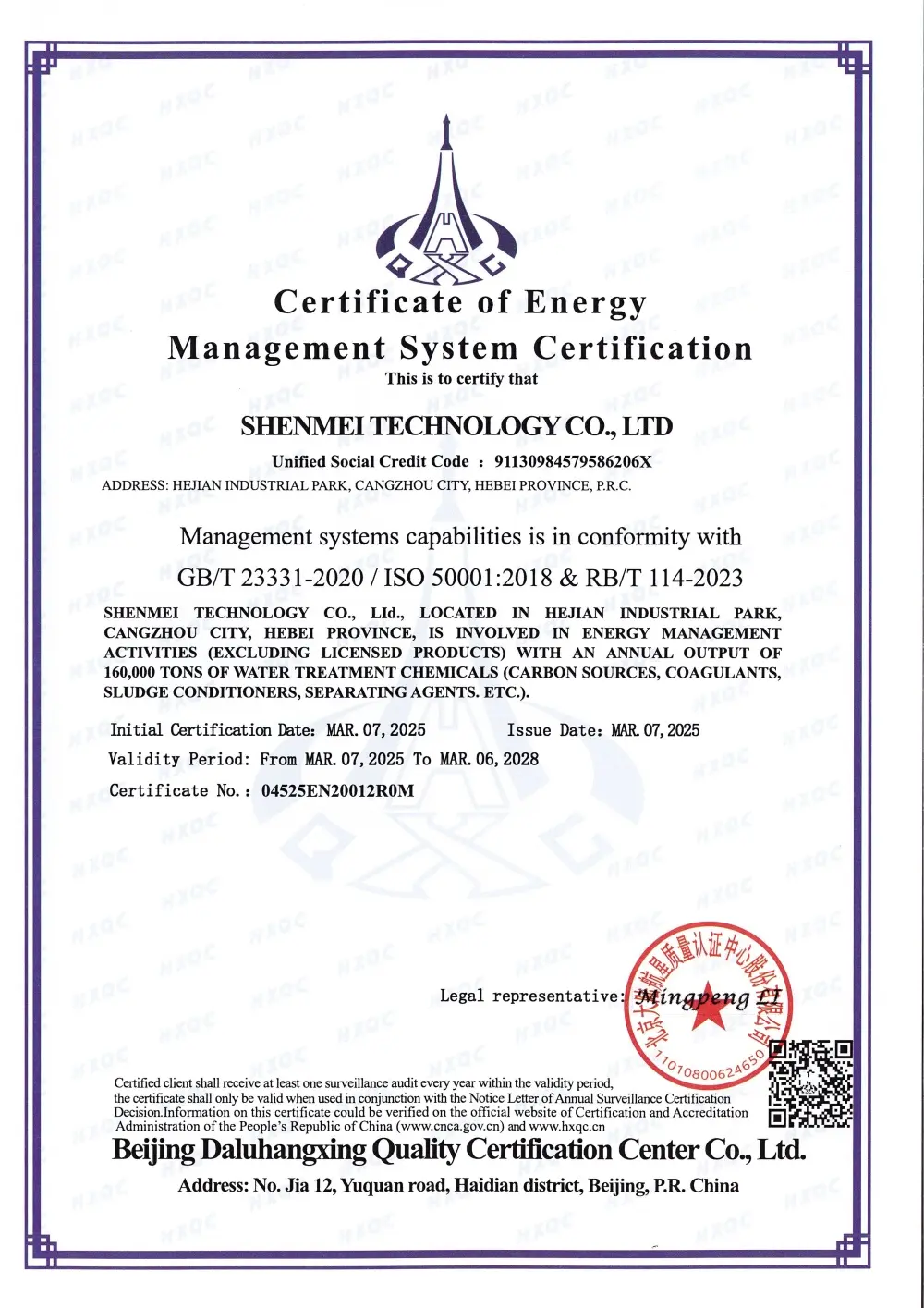
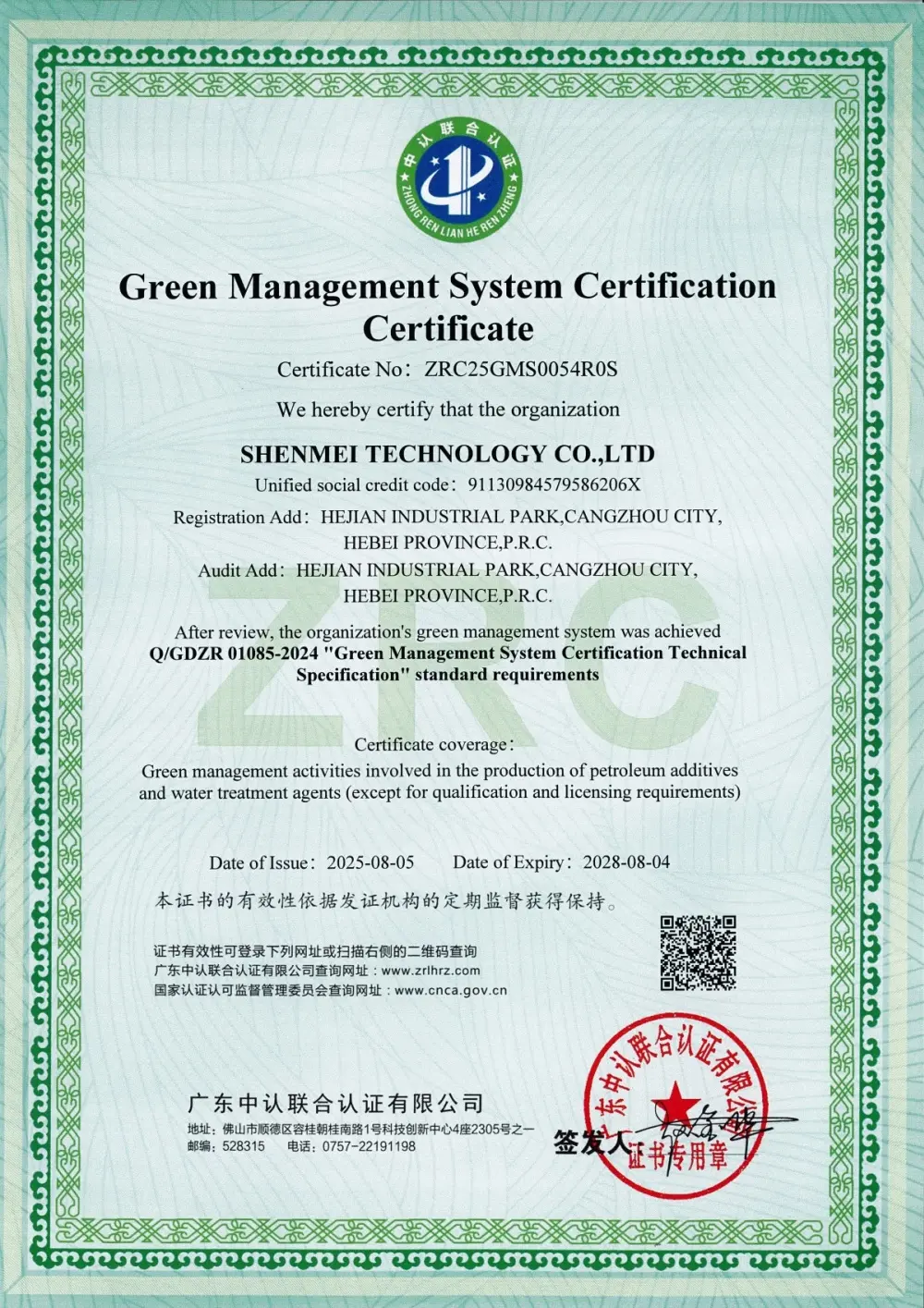
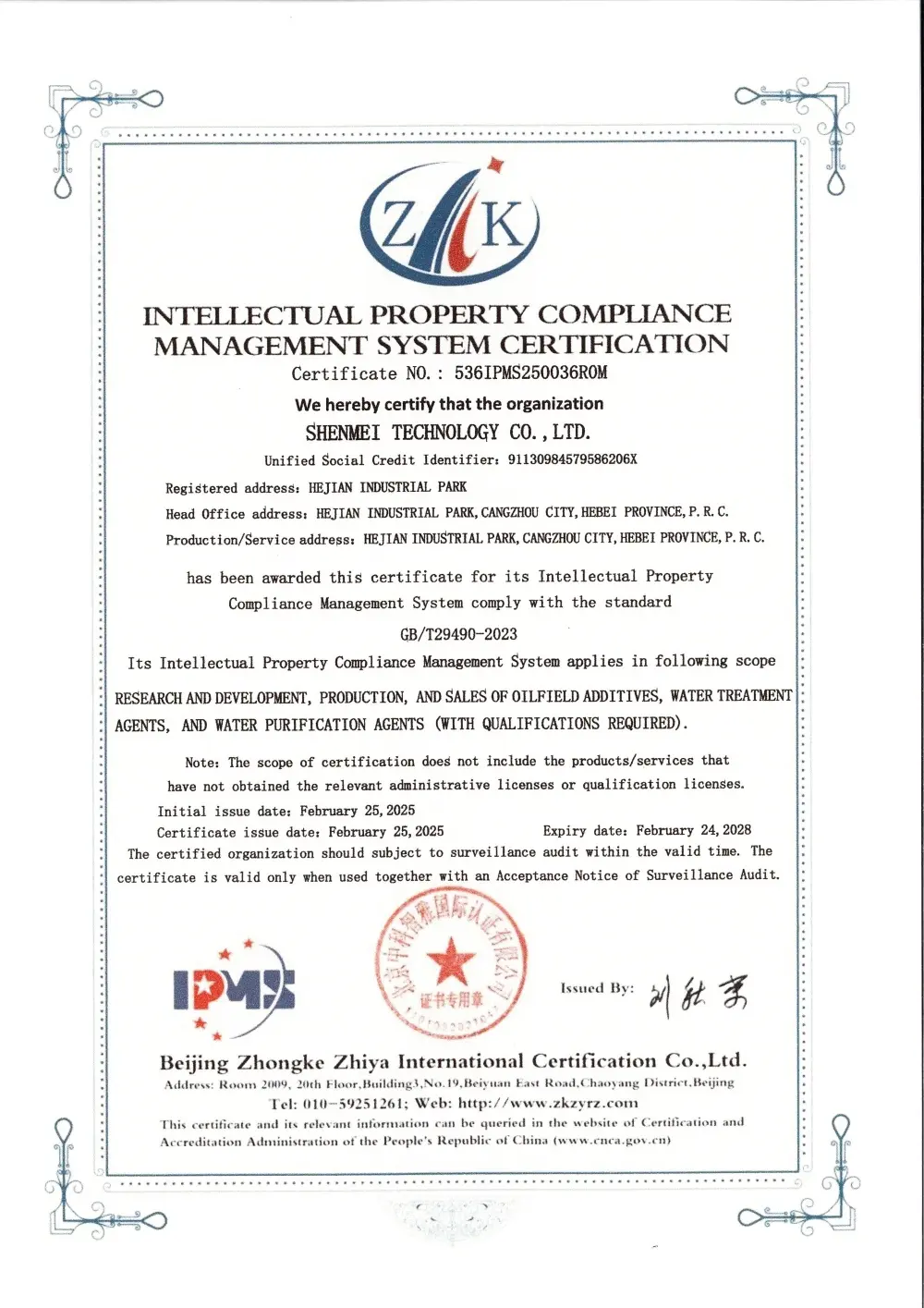
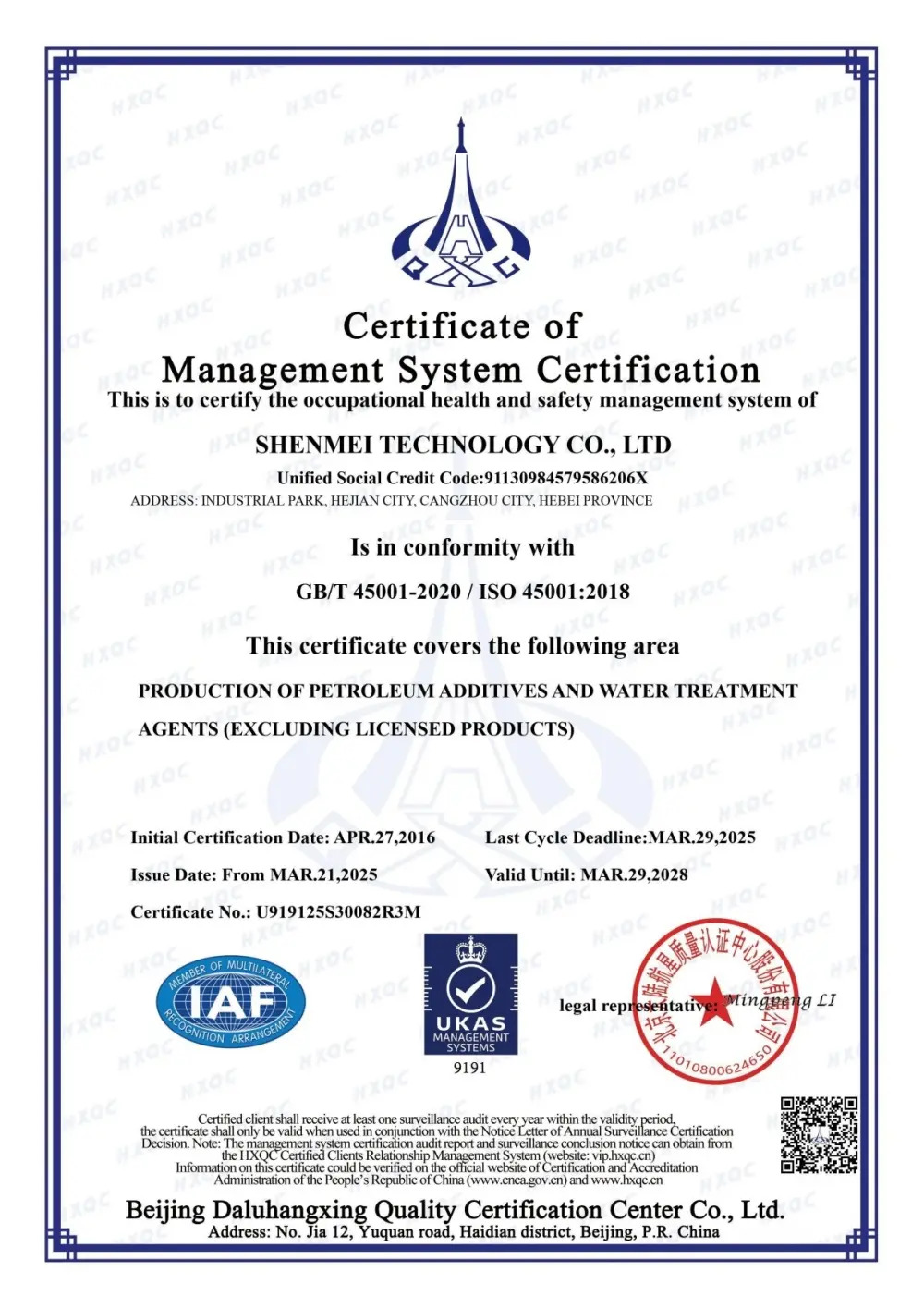
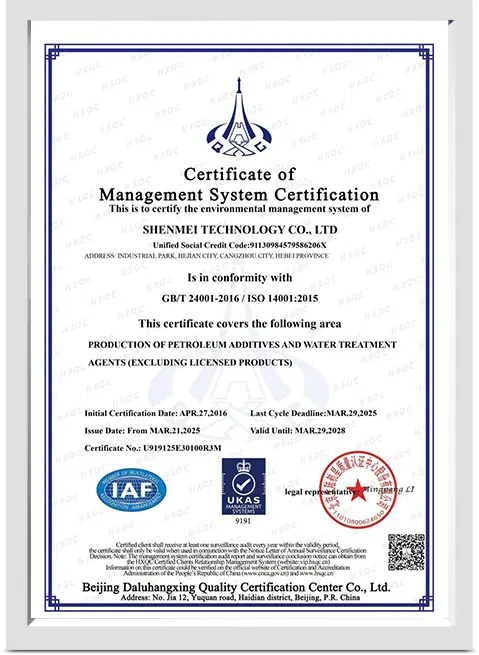
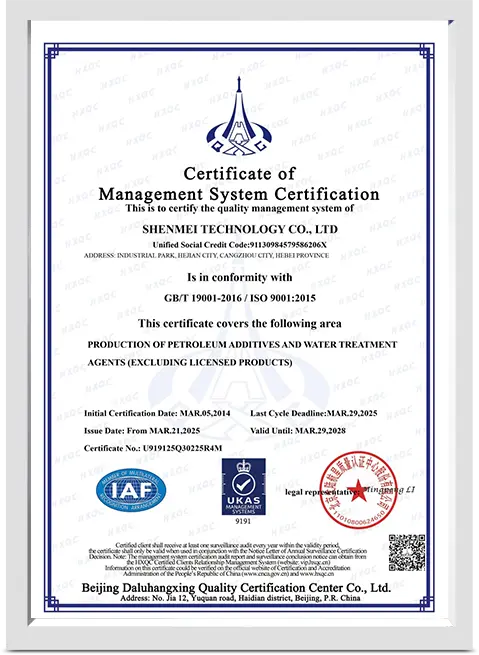
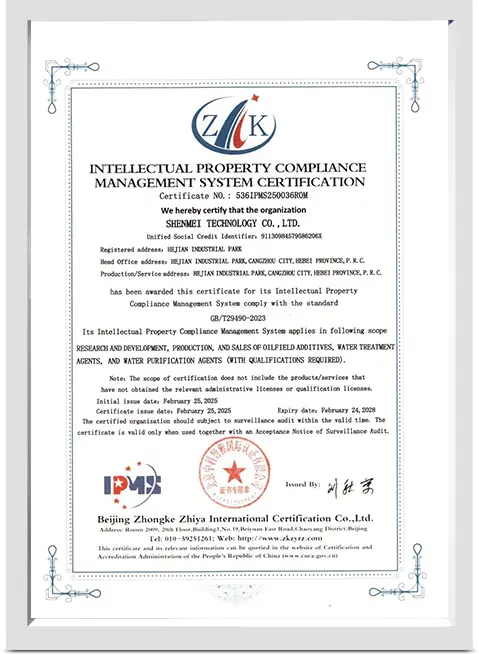
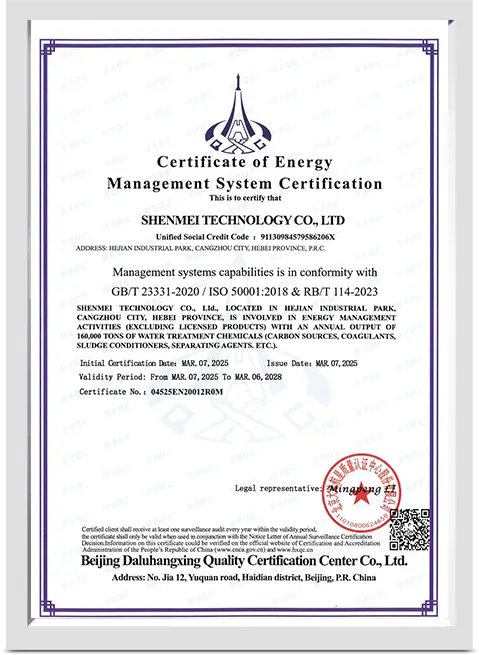
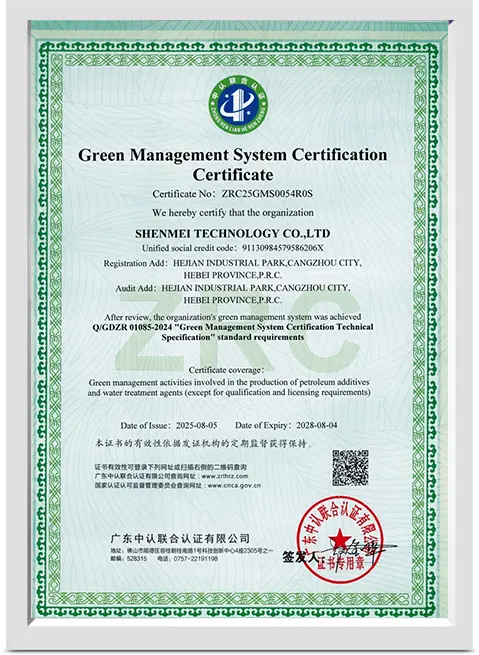
Our quality assurance and production systems are verified through ongoing industry certifications and audits by third-party testing organizations.
A: PFAS compounds contain hydrophobic tail groups and anionic head groups. High-charge density inorganic coagulants (such as Polyaluminum Chloride or Polyferric Sulfate) and cationic polymers neutralize these surface charges. This charge neutralization causes the dissolved and colloidal PFAS molecules to precipitate, forming micro-flocs. These micro-flocs are then consolidated by anionic polyacrylamide (APAM) into larger flocs, which can be removed via sedimentation or flotation.
A: Untreated industrial wastewater contains high levels of suspended solids, natural organic matter (NOM), and dissolved heavy metals. Direct filtration through Granular Activated Carbon (GAC) or Ion Exchange (IX) systems leads to rapid fouling and media saturation. Using coagulants, flocculants, and scale inhibitors as a pre-treatment step removes these competing materials, extending the operational life of the filtration media.
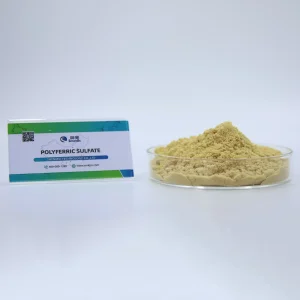
A: Polyferric Sulfate (PFS) provides excellent floc sedimentation speed and phosphorus removal due to the high density of trivalent iron ions. It is particularly effective for heavy metal co-precipitation and treating complex industrial wastes. Polyaluminum Chloride (PAC) is widely used across a broader pH range, offering clean decanting without the potential color shift associated with residual iron.
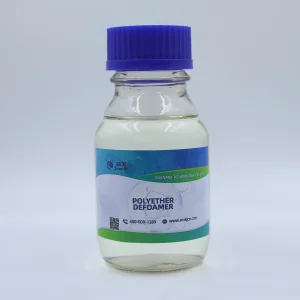
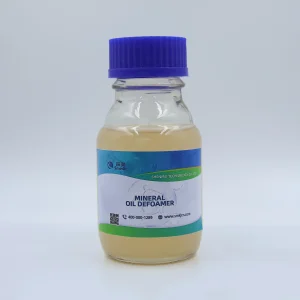
A: High organic content, surfactant presence, and mechanical aeration can cause excessive foaming in aeration basins and discharge tanks. Defoamers, such as polyether and mineral-oil formulations, lower the surface tension of the foam films. This causes the bubble walls to collapse, preventing foam overflow and maintaining consistent process control.
A: With an annual production capacity exceeding one million tons and multiple regional production bases (including Hebei, Guizhou, and Shanxi), Smedic secures direct raw material supply chains. A network of more than ten partner factories and dedicated logistics hubs ensures reliable delivery schedules for large-scale international projects.
Our complete range of industrial water treatment agents, formulated for stability and performance across diverse environmental conditions.
 Smedic Tech