In modern industrial water treatment, Reverse Osmosis (RO) systems represent the gold standard for purification, desalination, and recycling loops. However, the operational integrity of thin-film composite (TFC) polyamide membranes is constantly threatened by feed-water impurities. As dissolved minerals concentration exceeds thermodynamic solubility limits, deposition occurs, forming scale. Simultaneously, humic acids, extracellular polymeric substances (EPS), and microbial colonies accumulate, creating organic and biological fouling.
Without systematic, chemically precise restoration, fouling results in a cascade of efficiency losses: decreased permeate flux, increased feed pressure requirements, elevated salt passage, and eventually, irreversible membrane damage. Smedic Technology Co., Ltd. delivers high-performance RO Membrane Cleaners engineered to address the specific chemistries of mineral scale and organic bio-fouling. By optimizing Clean-in-Place (CIP) protocols, Smedic ensures systems recover up to 98% of their design flux, lowering energy consumption and operational downtime.
Targeted low-pH formulations solubilize calcium carbonate, calcium sulfate, barium sulfate, and metal hydroxide deposits without stripping the active polyamide skin.
High-pH alkaline agents disrupt the extracellular matrix of biofilms, emulsify grease, and disperse humic substances to clear flow pathways.
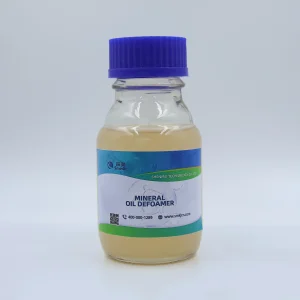
Integrating pre-treatment chemistry, including defoamers and coagulants, to significantly reduce the frequency of CIP cycles.
Industrial procurement managers in regions like Europe, North America, and the Middle East are shifting from simple cost-per-kilogram evaluations to Total Cost of Ownership (TCO) frameworks. Key trends shaping procurement demands include:
As a leading player in environmental protection chemicals, our infrastructure and output guarantee supply security, logistics reliability, and consistent product quality for domestic and international projects.
Our corporate headquarters is located in Beijing, we have multiple wholly-owned production bases in Hebei, Guizhou, Shanxi, and other regions, and have set up more than ten OEM partner factories and regional warehousing and logistics bases in Shandong, Shanxi, Anhui, Guangxi, and Sichuan provinces. Our business and service network covers over 20 provinces across China, catering to the industrial wastewater, mineral processing, and oilfield chemical sectors.
The application of RO membrane systems varies across industries. Smedic tailors clean-in-place configurations to match these specific processes:
High salinity water contains extreme concentrations of sodium, chloride, calcium, and magnesium. SWRO plants face constant marine biological fouling and silicate-based crystallization. Smedic's SWRO cleaning solutions combine high-alkalinity bio-dispersants to digest organic slime, followed by highly active organic acid cleaners that remove stubborn silicate matrices without hydrolyzing the polyamide layer.
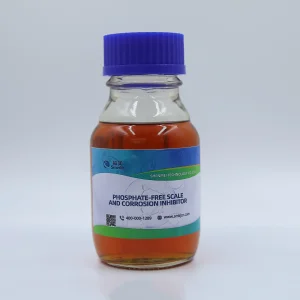
Industrial wastewater recycle loops operate at near-saturation levels for calcium sulfate, barium sulfate, and silica. In these environments, mineral scales precipitate in minutes during unexpected shutdowns. Smedic's proprietary phosphonate-free antiscalants and targeted low-pH acid cleaners are utilized to restore flux under extreme supersaturated chemical environments.
UPW loops require absolute control over Total Organic Carbon (TOC) and particle counts. Standard surfactant-based cleaners leave residues that can leach into product streams. Smedic provides non-ionic, rinse-easy formulations that remove biofilm matrices while maintaining ultra-low chemical residues on the membrane surface, speeding up the system rinse-down phase.
The evolution of membrane cleaning technology is driven by the dual goals of environmental sustainability and high chemical efficiency. Smedic's R&D team, collaborating with institutions like Tsinghua University and Shandong University, focuses on the following technical directions:
Replacing classic, persistent EDTA complexes with highly biodegradable alternatives like GLDA (glutamic acid diacetic acid) and IDS. These green chelants offer comparable stability constants for calcium and magnesium while avoiding bioaccumulation in local water systems.
Integrating specific extracellular polysaccharide-digesting enzymes into cleaners. These enzymes break down the organic biofilm backbone at moderate pH, minimizing the chemical stress of extreme high-pH cycles on polyamide membranes.
Developing chemical formulations optimized for sensor integration. By monitoring real-time differentials in Transmembrane Pressure (TMP) and temperature-corrected flux decline, AI systems can trigger preventative micro-dosing cleanings before crystalline scale hardens.
Smedic Technology Co., Ltd. has obtained qualifications such as National High-tech Enterprise, National Specialized, Refined, Unique and Innovative "Little Giant" Enterprise, National Key-Supported Specialized, Refined, Unique and Innovative "Little Giant" Enterprise, Hebei Province Specialized, Refined, Unique and Innovative "Little Giant" Demonstration Enterprise, Hebei Province Green Factory, Hebei Province Science and Technology-based Small and Medium-sized Enterprise, and China's Science and Technology-based Innovative Small and Medium-sized Enterprise. We have established an expert workstation with the Tsinghua University Association of Senior Scientists and Technicians, and joint R&D laboratories with Shandong University and Beijing University of Technology, serving as a commercialization partner for Peking University and Tianjin University.
We have been granted over sixty Chinese patents, including more than forty invention patents and over twenty utility model patents. Smedic has led the drafting of more than ten national and industry standards. Below is a collection of our official qualification certifications.
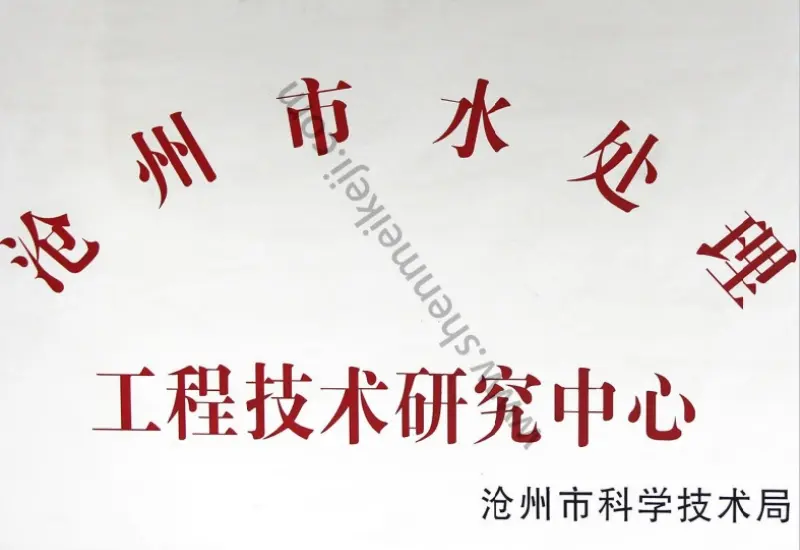
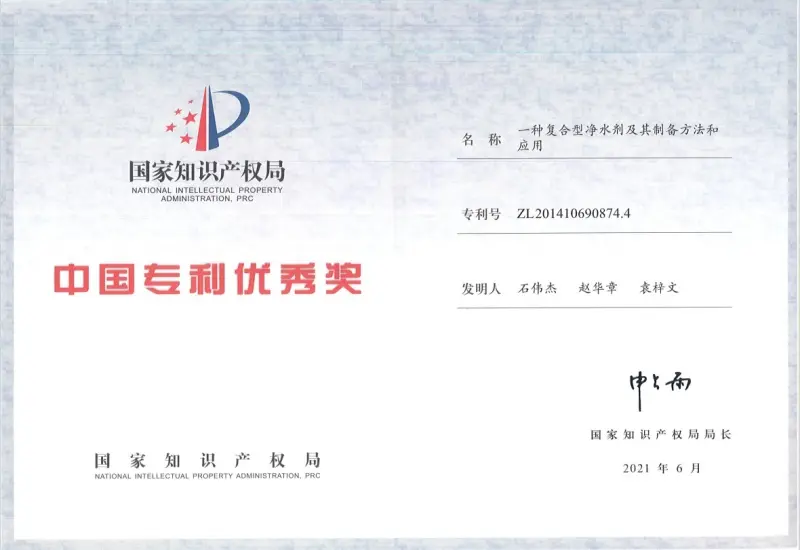
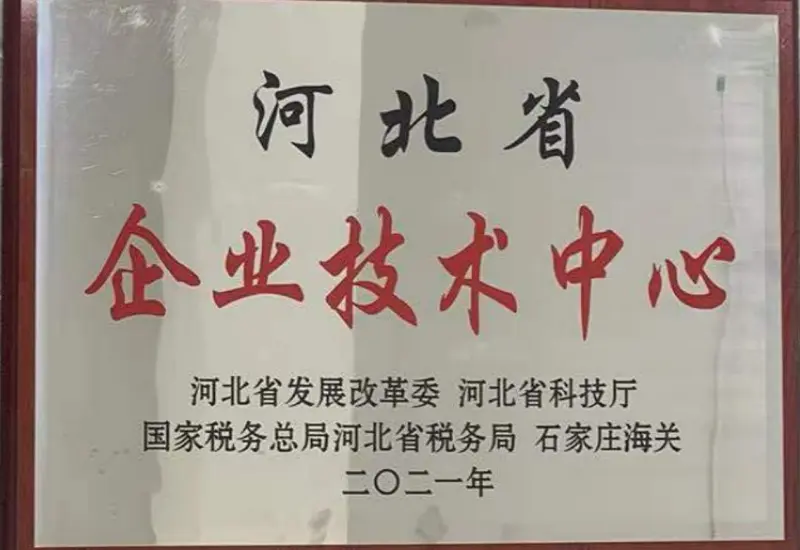
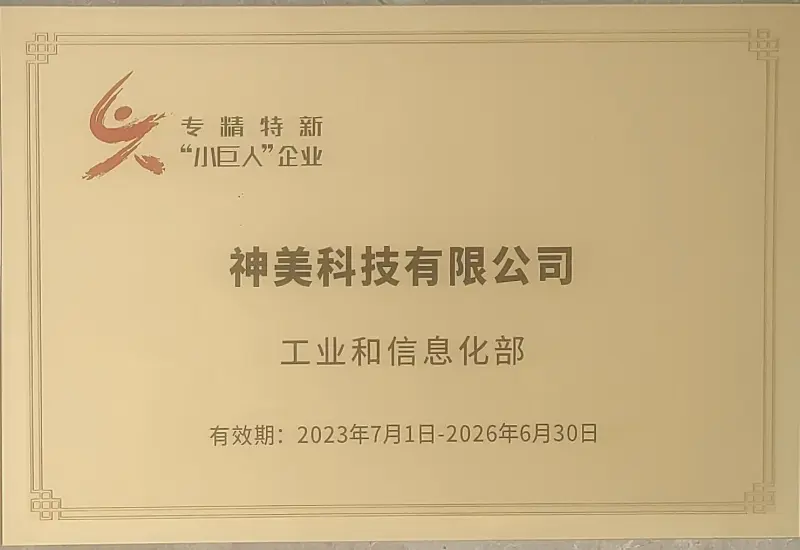
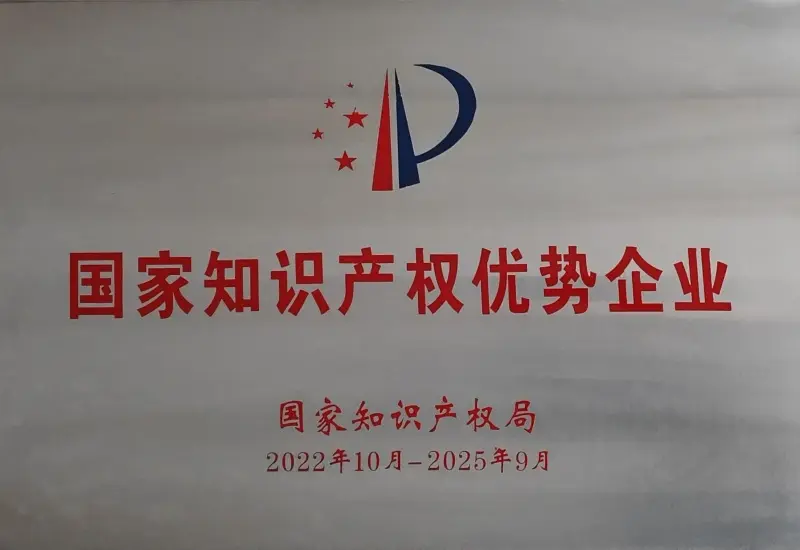
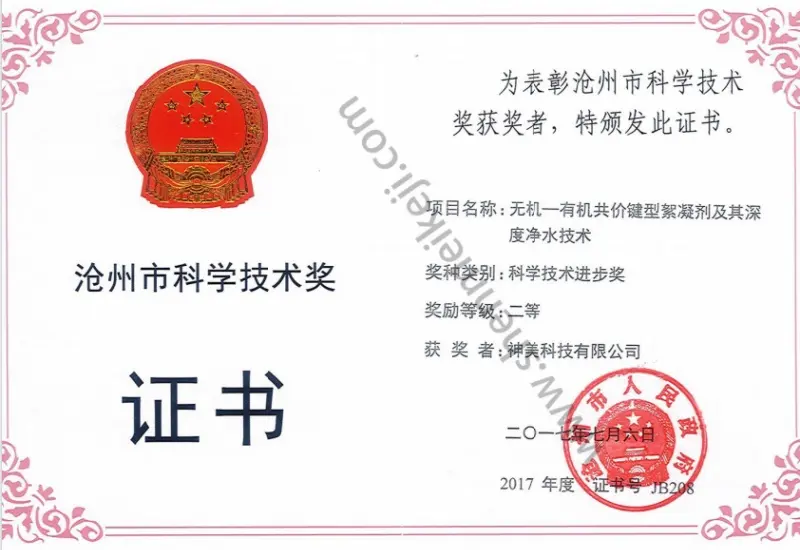
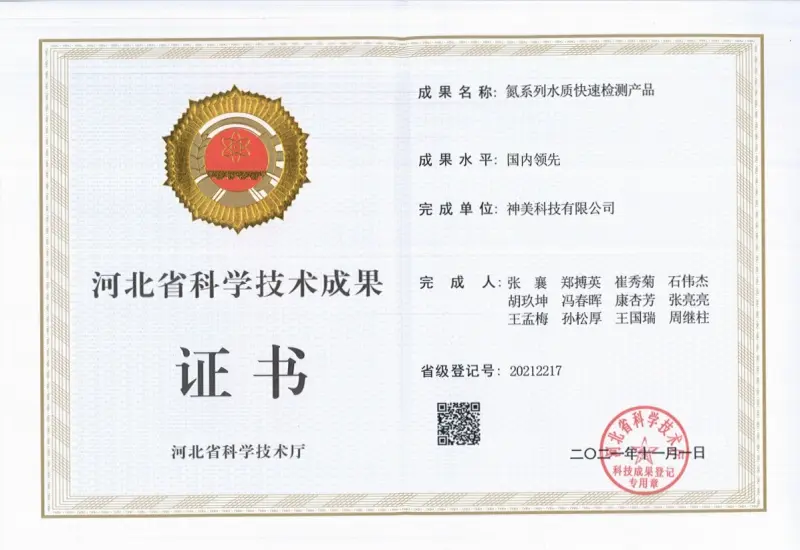
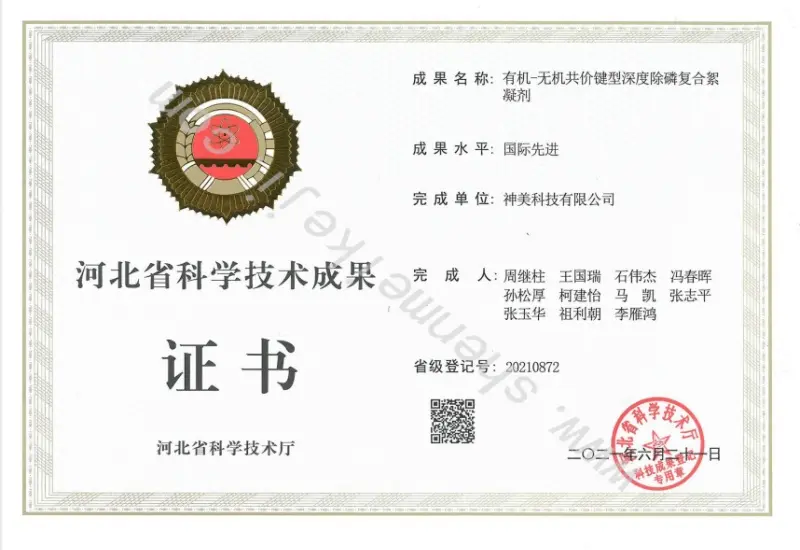
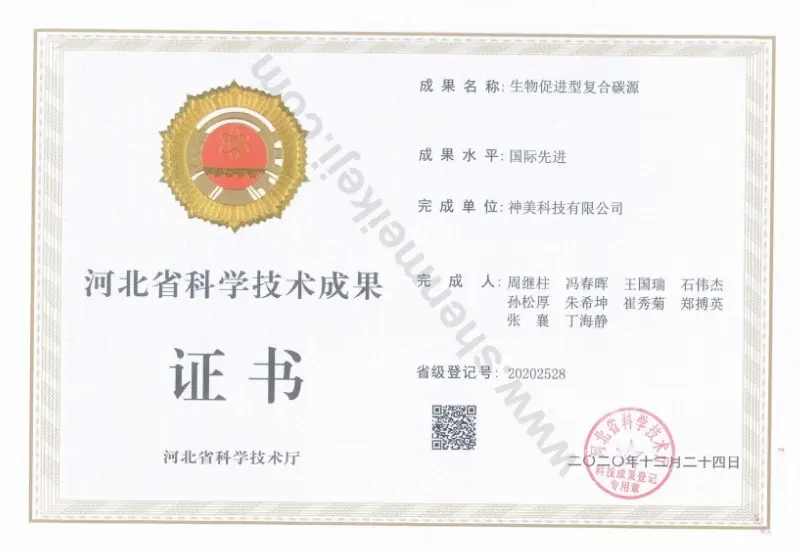
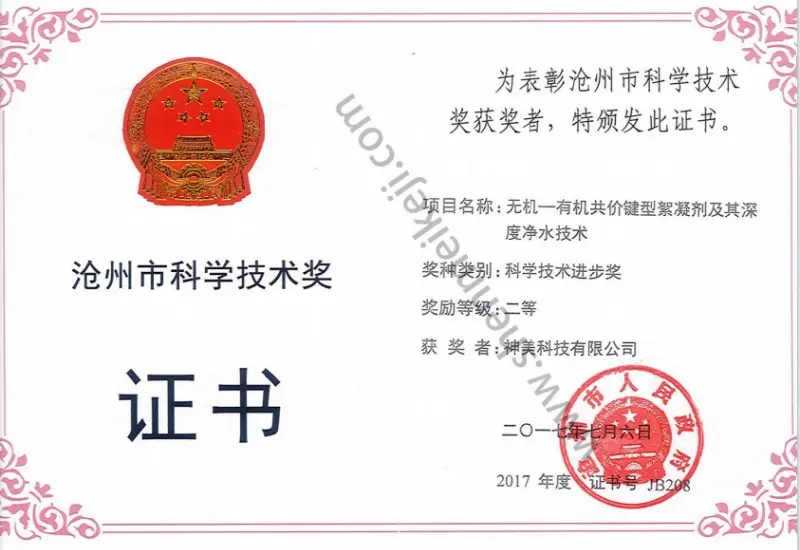
Smedic's independently developed "Inorganic-Organic Covalent Bond Flocculant and Its Advanced Water Purification Technology" won the 22nd China Patent Award, the First Prize for Technological Invention from the China Petrochemical Industry Association, and the Hebei Province Science and Technology Progress Award.
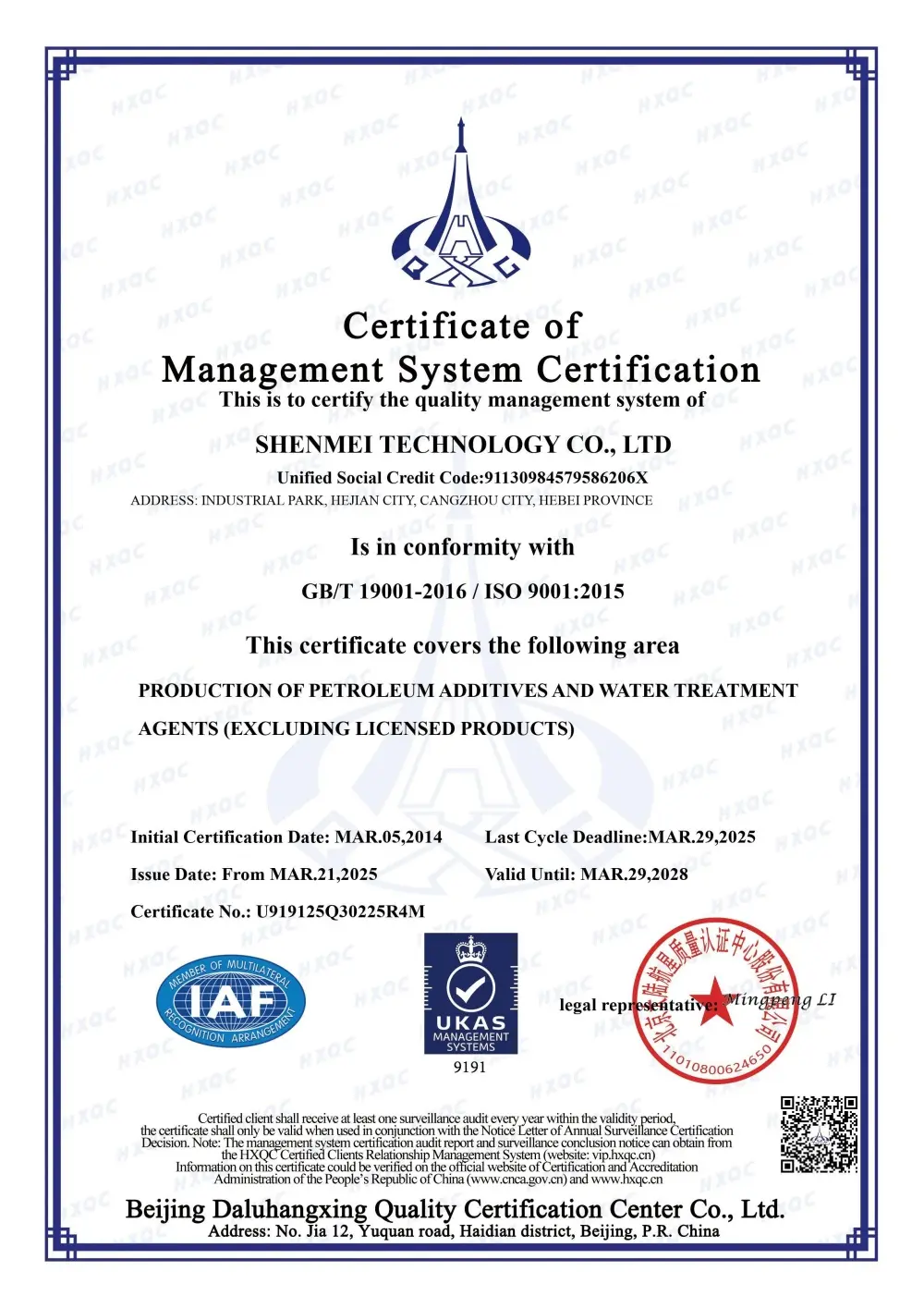
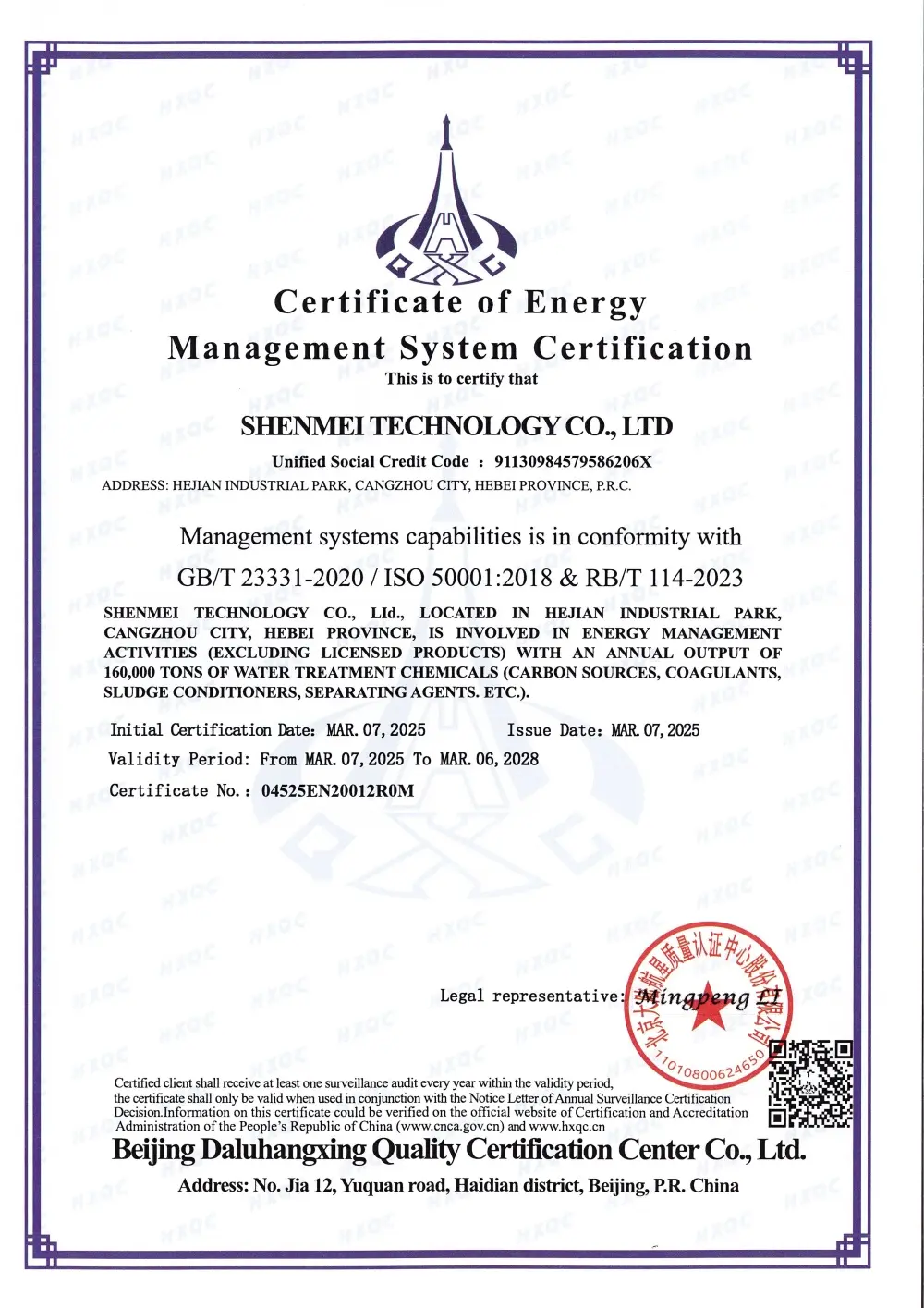
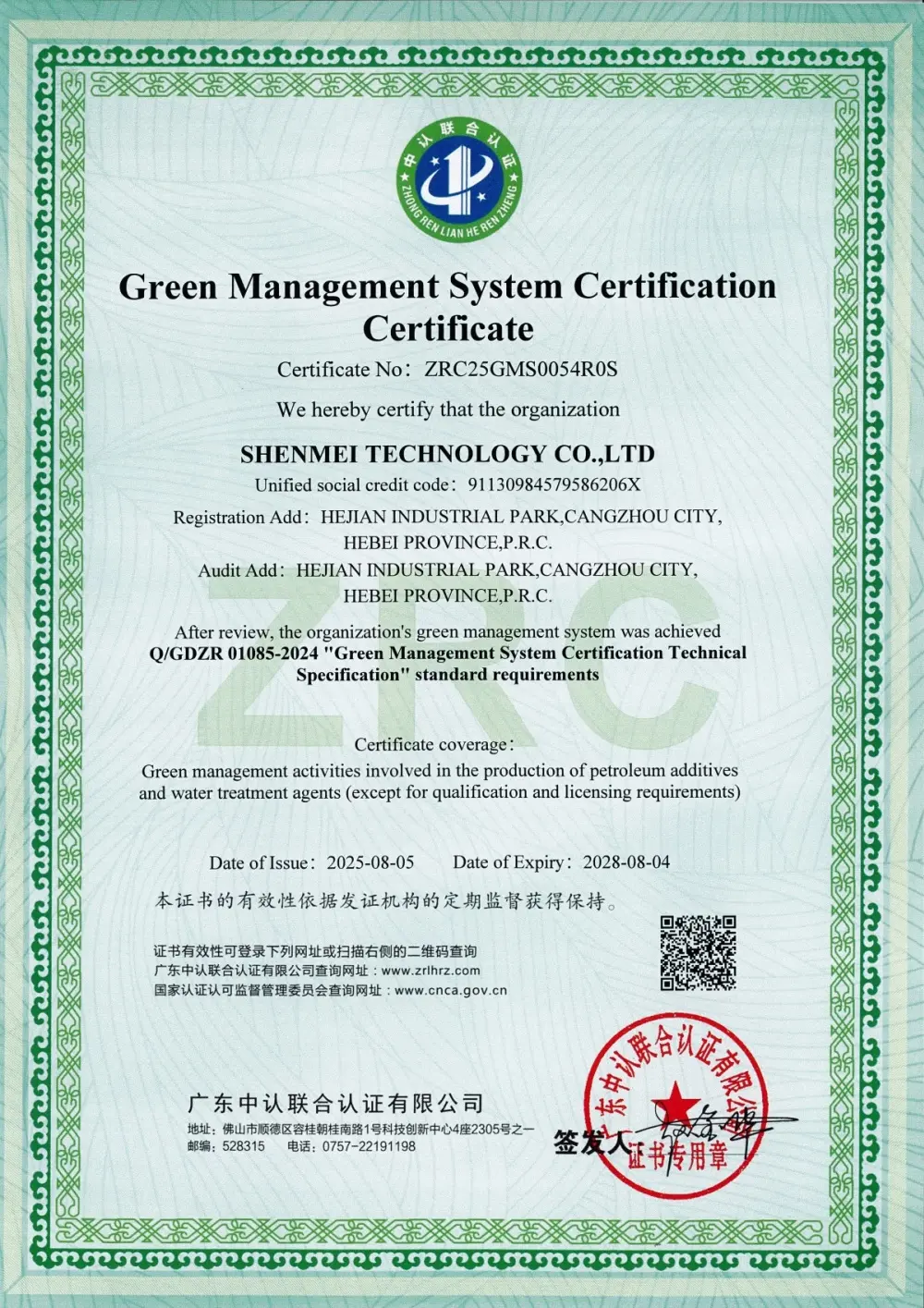
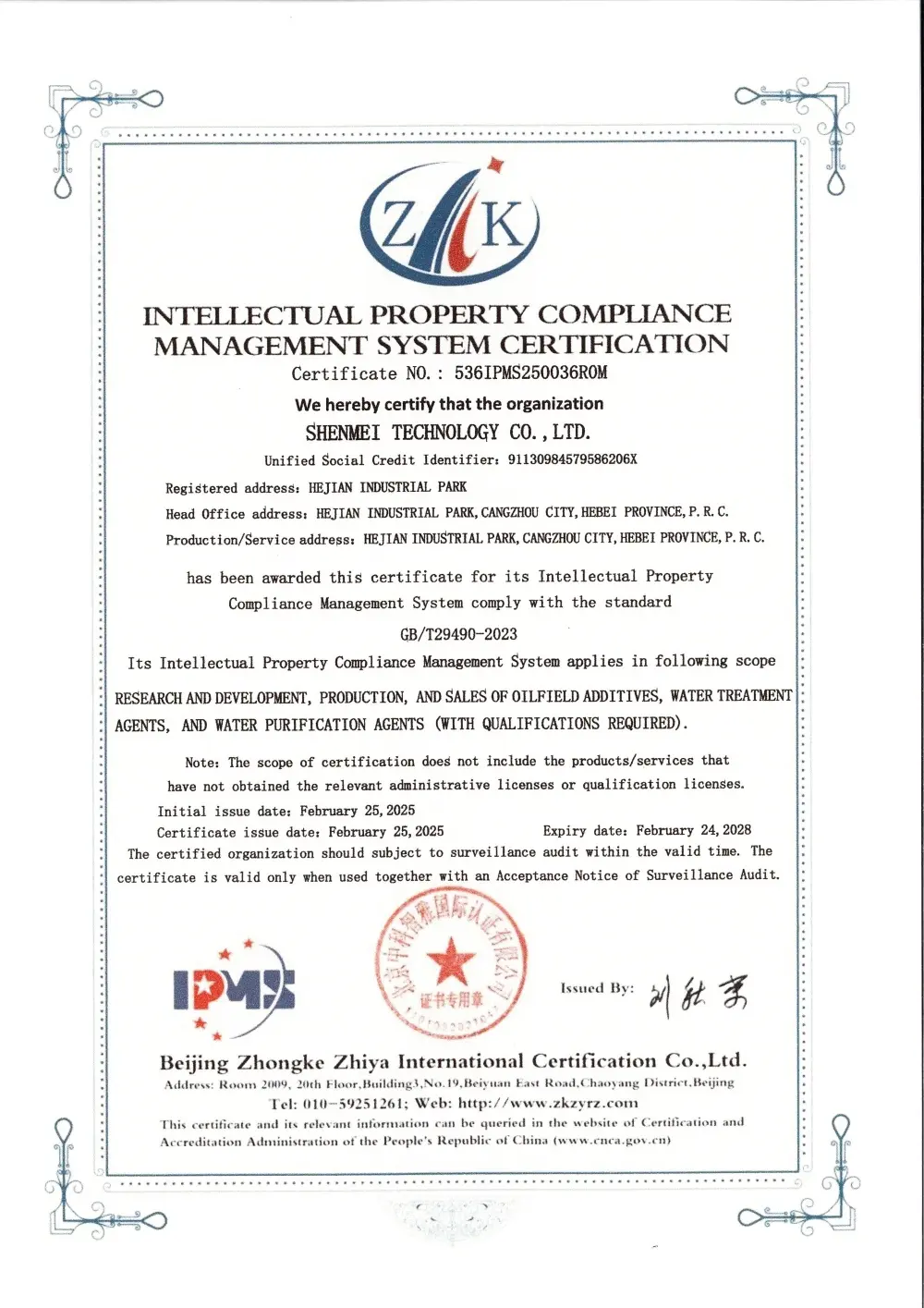
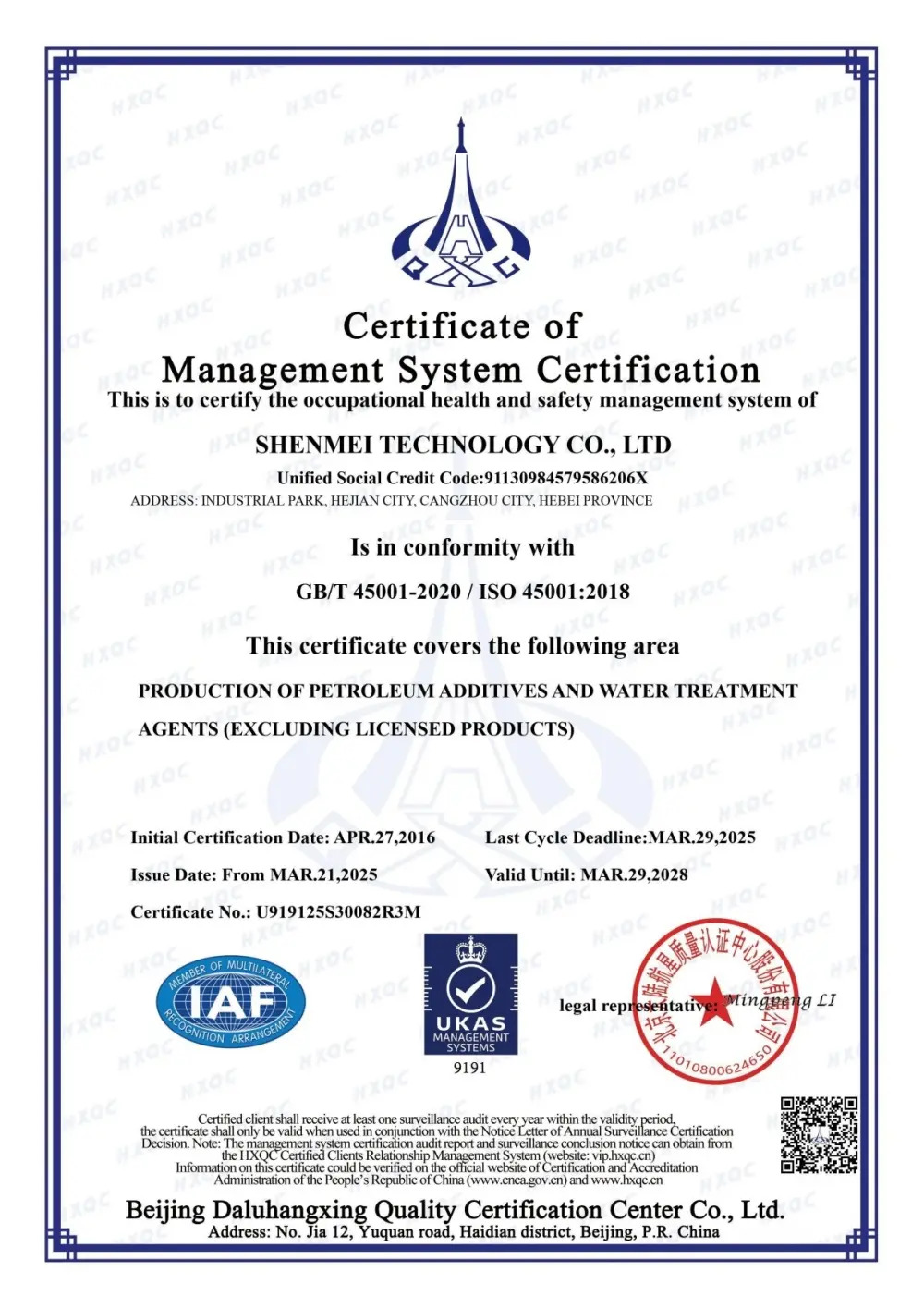
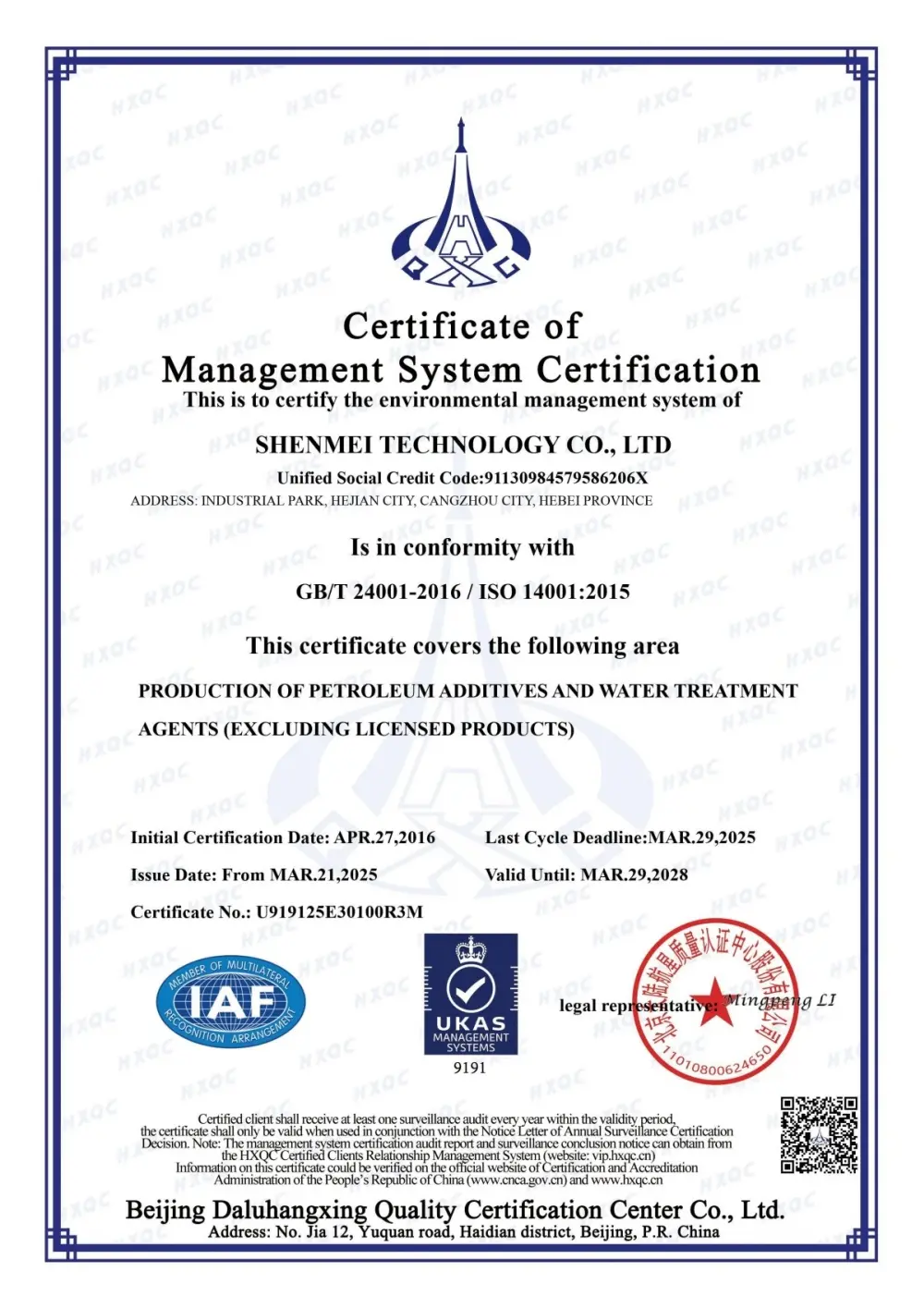
Explore our full scope of environmental protection agents, including scale inhibitors, municipal wastewater compounds, mineral processing agents, and advanced defoamers.
Smedic Technology Co., Ltd. founded, establishing a core vision for water treatment and environmental agents.
Formulated a complete portfolio for municipal wastewater treatment, introducing custom organic carbon sources.
Formally recognized as a National High-tech Enterprise, establishing specialized R&D focus.
Established the first dedicated Southern production base for municipal agents in Guiyang.
Completed major expansion projects in Hebei, Shandong, and Guizhou, exceeding 1 million tons of annual capacity.
Recognized as a National Specialized, Refined, Unique and Innovative Small and Medium-sized Enterprise.
Commissioned a provincial-level water treatment chemicals technology research center in Hebei.
Awarded National Intellectual Property Advantage Enterprise status, holding over 60 utility and invention patents.
Formed joint venture operations with the Chengdu Institute of Mineral Comprehensive Utilization to expand into mineral processing reagents.
 Smedic Tech