Explore our core selection of high-performance defoamers, coagulants, heavy metal precipitants, and scale inhibitors.
In high-recovery reverse osmosis (RO) systems, membrane performance is constantly challenged by the buildup of foulants and mineral scales on the polyamide thin-film composite interface. As water passes through the membrane, dissolved salts and organic substances concentrate at the boundary layer—a phenomenon known as concentration polarization. When solubility limits are exceeded, precipitation occurs, leading to thermodynamic crystallization of mineral scale (such as calcium carbonate, barium sulfate, and silica).
Uncontrolled scaling and organic biofouling quickly manifest as an increase in differential pressure (ΔP), a decrease in permeate flux, and an elevated salt passage. Over time, these conditions lead to irreversible physical damage to the membrane structure, resulting in premature replacement costs and operational downtime. To mitigate these threats, plant operators must implement a rigorous Clean-in-Place (CIP) protocol utilizing optimized RO membrane cleaning chemicals. Smedic Technology Co., Ltd. provides customized, high-potency chemical reagents designed to target specific foulants, restore membrane flux, and maintain system integrity across municipal and industrial water treatment installations.
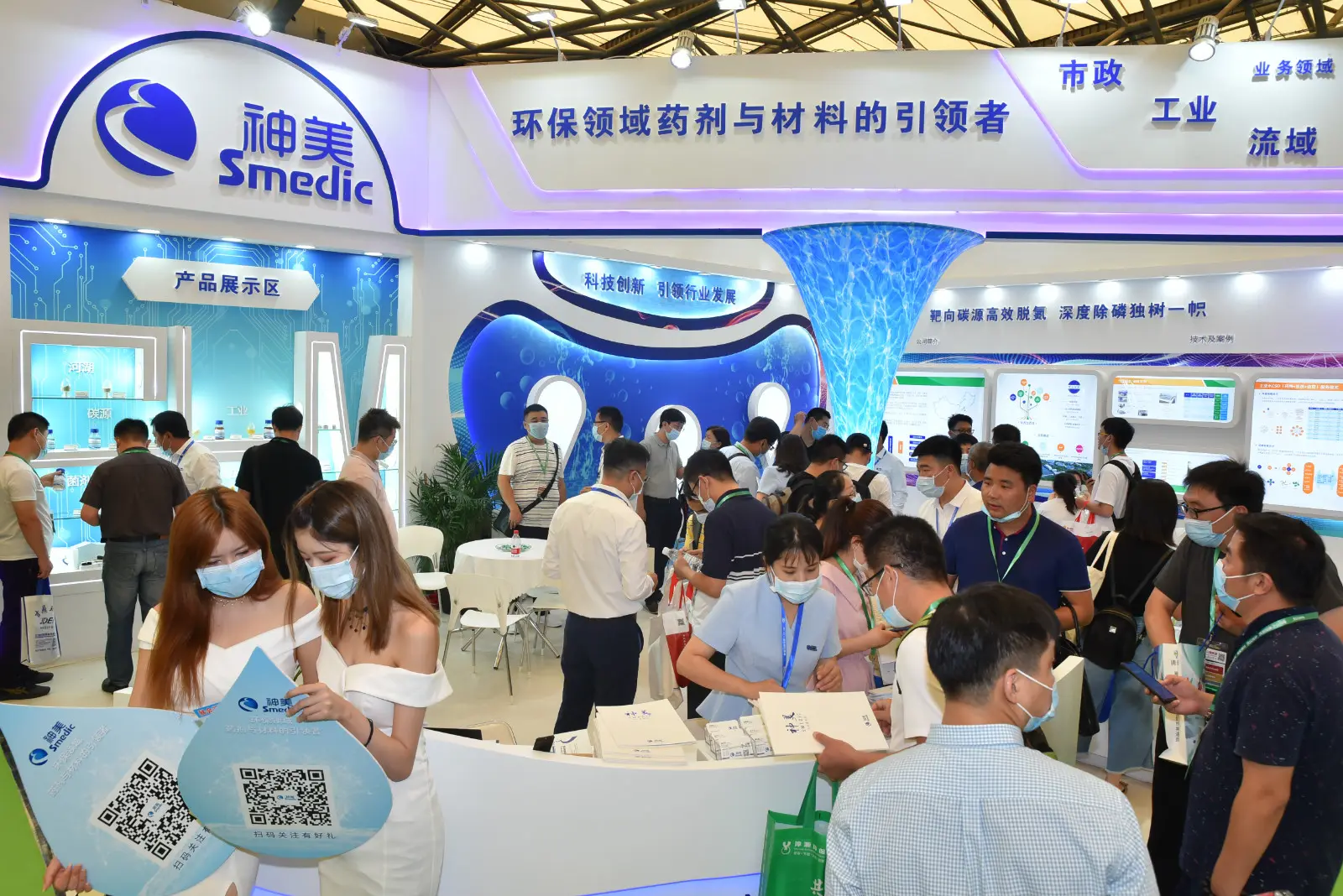
Established in 2011, Smedic Technology Co., Ltd. is a comprehensive, scientific-driven manufacturer and service provider specializing in advanced environmental protection agents. We integrate research and development, large-scale production, global sales channels, and specialized engineering support. Our objective is to design custom chemical products, chemical technical frameworks, and responsive site services to stabilize global water purification systems.
Smedic produces high-grade water treatment chemicals addressing municipal sewage, heavy industrial wastewater, municipal tap water systems, mineral processing facilities, and oilfield extraction operations. Offering a catalog of over 80 environmental protection products, we maintain an annual production capacity exceeding 1 million tons, ensuring chemical supply chain stability for our partners worldwide.
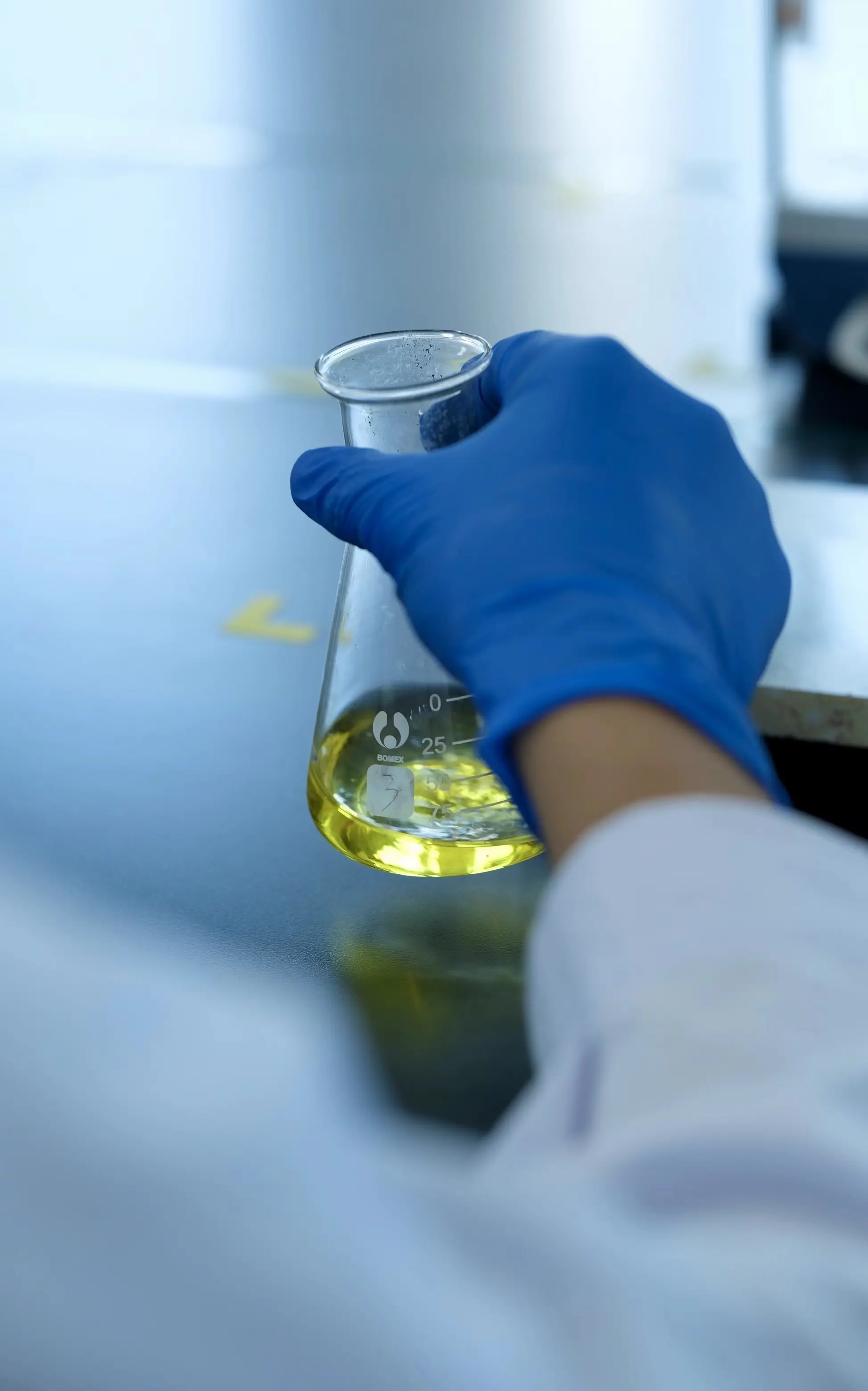
Deploying key chemical manufacturing infrastructure and localized supply storage networks to serve global enterprise operations.
Headquartered in Beijing, Smedic Technology operates wholly-owned chemical production complexes in Hebei, Guizhou, and Shanxi. To optimize distribution speeds, we have established over ten OEM manufacturing partner centers and regional warehouse/logistics hubs across strategic provinces including Shandong, Shanxi, Anhui, Guangxi, and Sichuan. Our service network covers over 20 provinces across mainland China and extends internationally through streamlined customs portals.
Our technologies support more than 600 urban sewage treatment facilities and over 1,000 corporate clients operating in chemical processing, mineral extraction, and upstream oil & gas production. The total sewage processing capacity supported by Smedic chemicals exceeds 20 million tons per day, establishing our position as a leading partner in industrial water treatment chemicals.
Selecting the precise chemical cleaning formulation based on feedwater composition, operational history, and foulant characteristics.
Formulated to dissolve divalent and trivalent metal deposits, calcium carbonate, calcium sulfate, and metal oxides (rust). Smedic low-pH cleaners break down crystalline lattices without damaging delicate polyamide membrane surfaces.
Utilizes advanced surfactant blends, organic chelating agents, and builders to liquefy biological slime, organic humic substances, and oil deposits. High-pH chemistry swells and suspends organic materials for rapid flushing.
Formulated to penetrate cellular membranes of bio-foulants. Regular offline sanitization disrupts micro-colonial growth and prevents extracellular polymeric substances (EPS) from cementing onto the membrane channels.
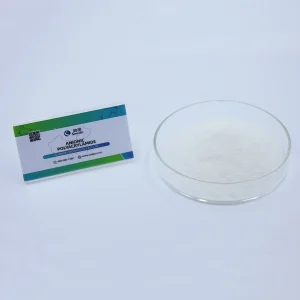
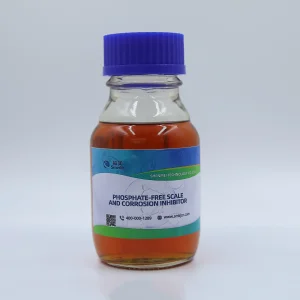
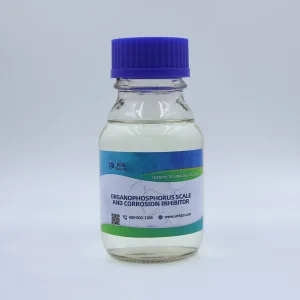
Preventative chemical agents dosed online in the feedwater. They act by threshold inhibition, crystal distortion, and dispersion to prevent scale formation, increasing overall water recovery rates.
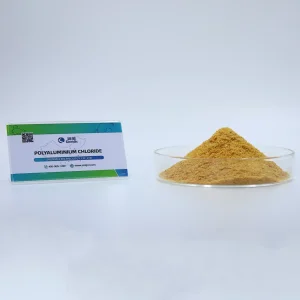
Optimized for coagulation and flocculation pre-filtration. These chemicals clump suspended colloids and fine particles before they reach the RO membranes, reducing the CIP frequency.
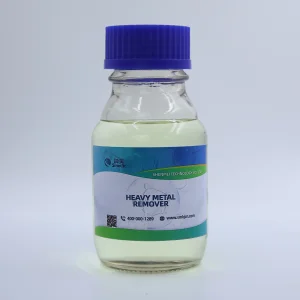
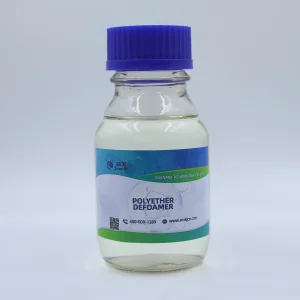
Targeted solutions designed for high-stress wastewater streams containing heavy foaming properties or toxic heavy metals, ensuring regulatory discharge compliance.
Combining automated manufacturing systems, advanced production techniques, and strict quality control standards.
Smedic Technology's manufacturing complexes run on automated, DCS-guided production lines. From computer-controlled raw material feeds to multi-stage crystallization systems, each stage is strictly monitored to eliminate human error. This digital integration guarantees batch-to-batch consistency, which is critical for complex scale inhibitors and high-pH alkaline membrane cleaners where minor formulation shifts can impact membrane integrity.
By producing raw chemical intermediates in our own production bases across three provinces, Smedic is insulated from supply chain shocks. Our localized raw material networks and massive warehouse complexes allow us to maintain a minimum stock level of critical formulations, shielding customers from price swings and ensuring consistent supply. This structured system allows us to deliver high volumes under demanding project timelines without sacrificing product quality.
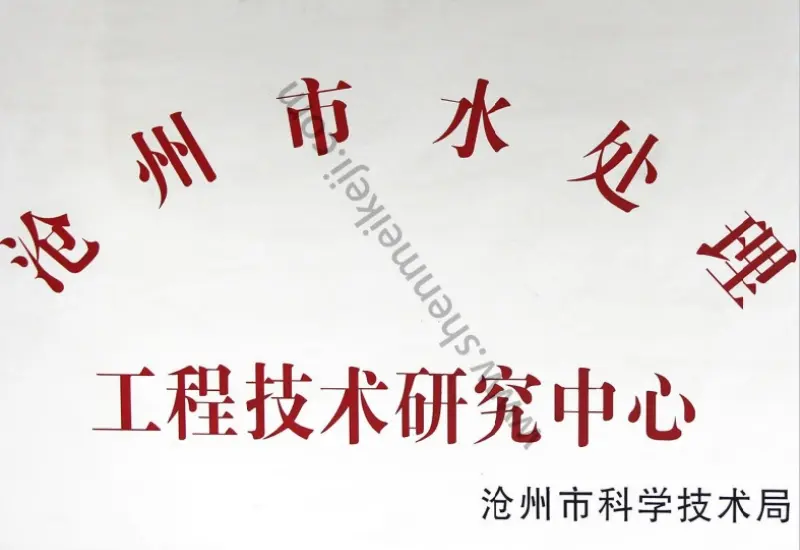
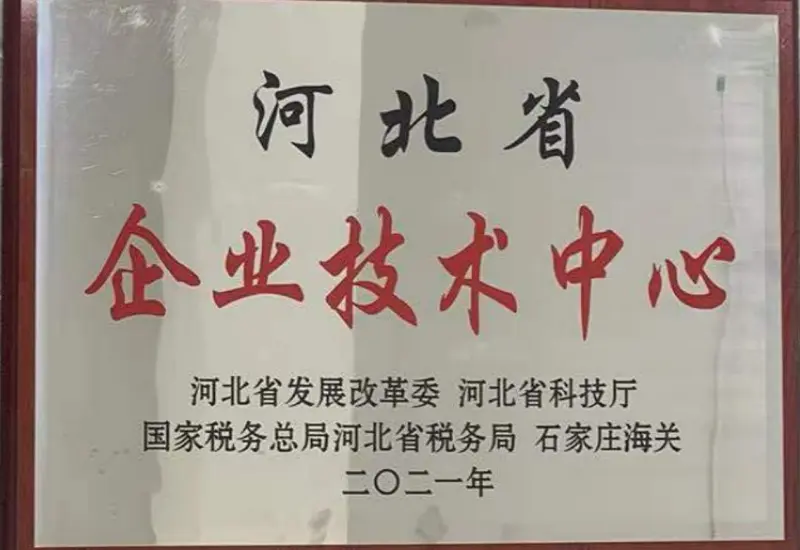
We maintain an active research and development program led by a technical team of senior engineers and industrial chemists. Smedic has established an innovation infrastructure comprising one academy, three research institutes, and five production test bases. Our facilities are recognized as a Class A R&D Institution in Hebei Province, and we host the Hebei Provincial Enterprise Technology Center, the Advanced Water Treatment Chemicals Technology Innovation Center, and the Cangzhou Water Treatment Engineering Technology Research Center.
To support academic research, we operate an expert workstation with the Tsinghua University Association of Senior Scientists and Technicians. We also run joint R&D laboratories with Shandong University and the Beijing University of Technology, while partnering with Peking University and Tianjin University to commercialize new technologies.
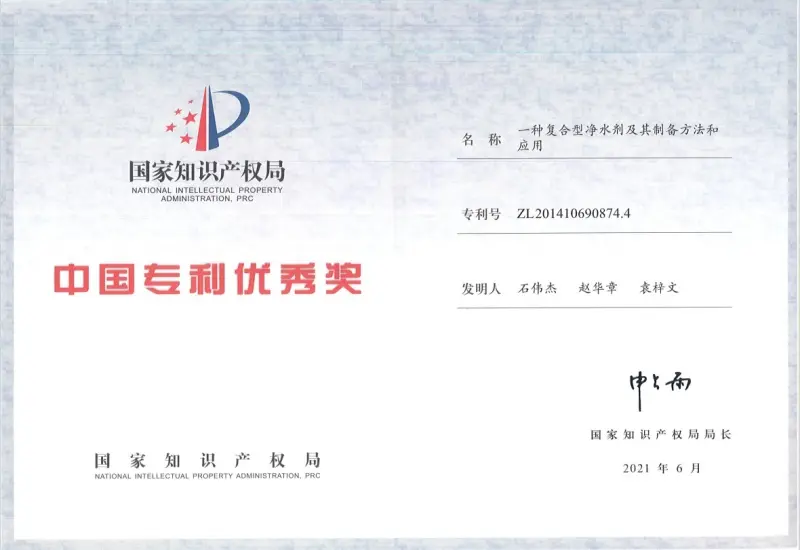
Smedic holds over 60 Chinese patents, including more than 40 invention patents and 20 utility model patents. We have led the drafting of more than 10 national and industry standards for chemical carbon sources, composite coagulants, sodium acetate, and bacterial formulations.
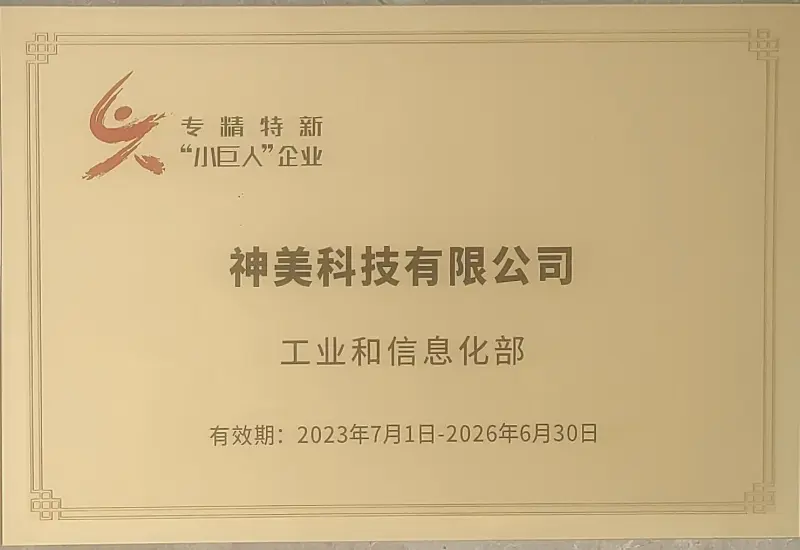
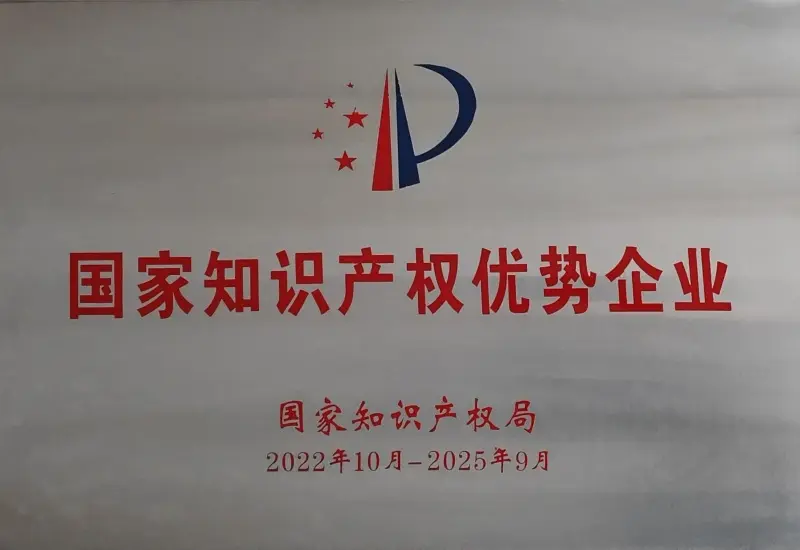
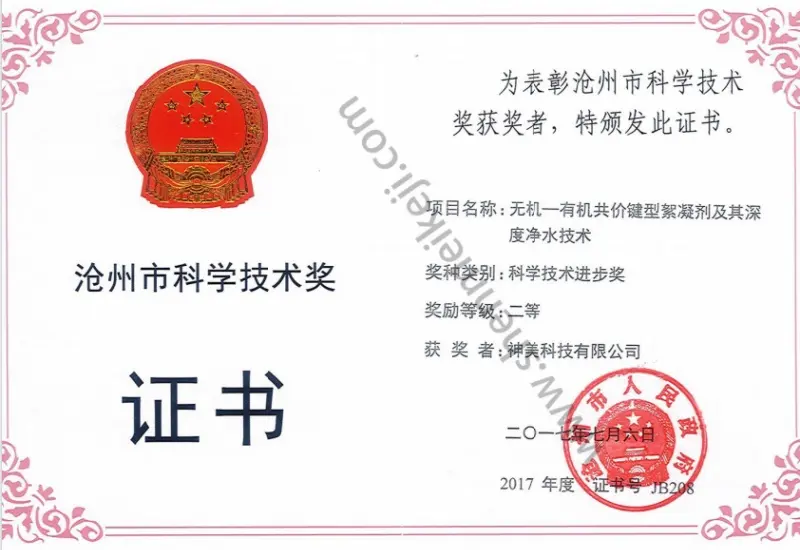
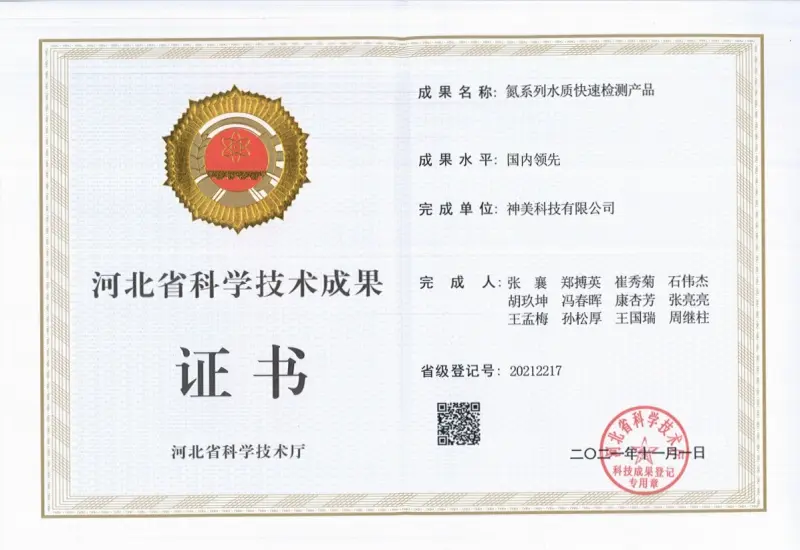
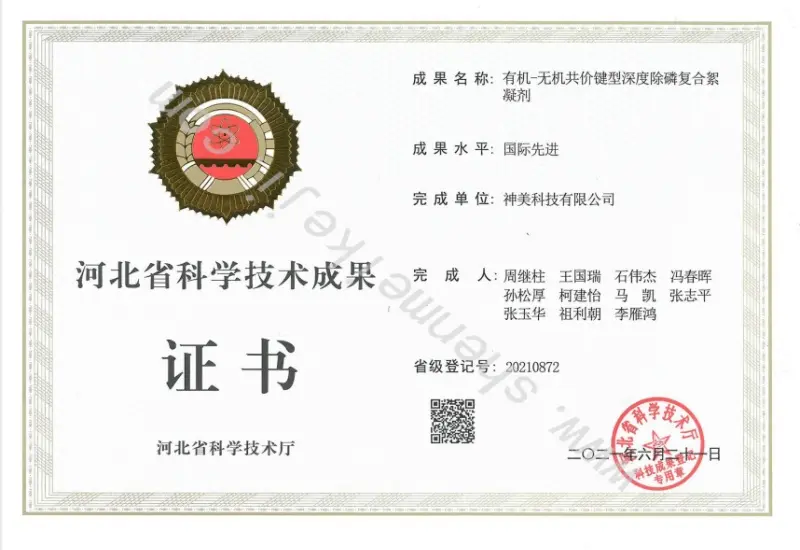
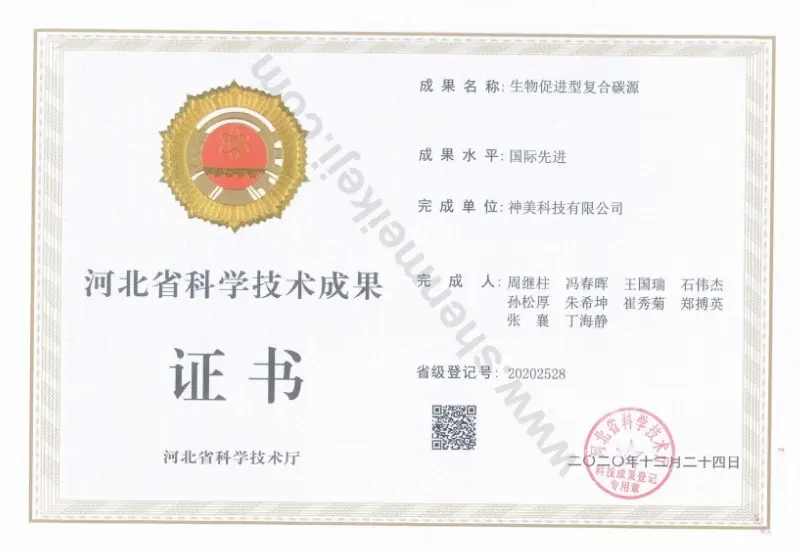
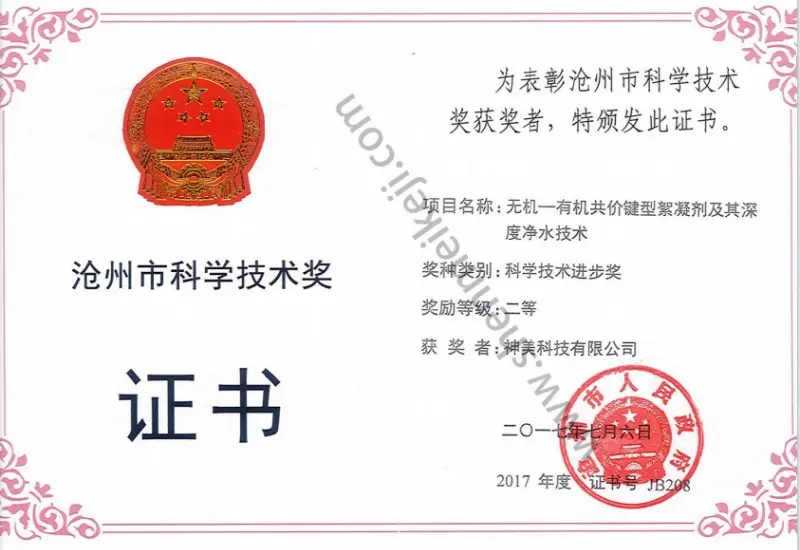
Developing sustainable, high-efficiency chemical solutions for the next generation of membrane systems.
The RO membrane chemical market is moving toward green, sustainable chemistry. Standard scale inhibitors containing phosphonates and heavy polycarboxylates can cause environmental challenges in reject water discharge. The industry is shifting toward phosphorus-free scale inhibitors that offer high biodegradability while maintaining threshold performance. Smedic is focusing on developing green, biodegradable polyaspartic acid (PASA) and polymaleic acid (PMA) polymers to meet strict environmental regulations on wastewater discharge.
Additionally, we are developing smart, interactive Clean-in-Place (CIP) systems. By integrating real-time UV-Vis sensors and fluorescence-tagged anti-scalant molecules, industrial operators can monitor scaling levels on-site. This data allows for precise adjustment of chemical dosages, helping to reduce chemical waste and operational costs. We are also researching enzyme-based targeted cleaners to break down industrial biofilms without degrading membrane polymers.
Simplifying international logistics, ensuring chemical compliance, and offering technical support across global markets.
Sourcing chemicals internationally requires managing compliance regulations, shipping logistics, and varying feed water chemistry. Smedic manages these challenges through our dedicated international trade division, ensuring all shipments comply with EU REACH, US EPA, and regional hazardous material regulations. We provide complete documentation, including SDS sheets, Certificates of Analysis (CoA), and import permits, to ensure smooth customs clearance.
To reduce shipping costs and carbon emissions, we formulate concentrated chemical options. Our liquid formulations are available in 25kg, 200kg, and 1000kg IBC containers, and we also offer powder blends to minimize transport weight. Additionally, our global technical team provides support with water chemistry analysis, helping clients select the correct chemical dosage based on their local feed water quality.
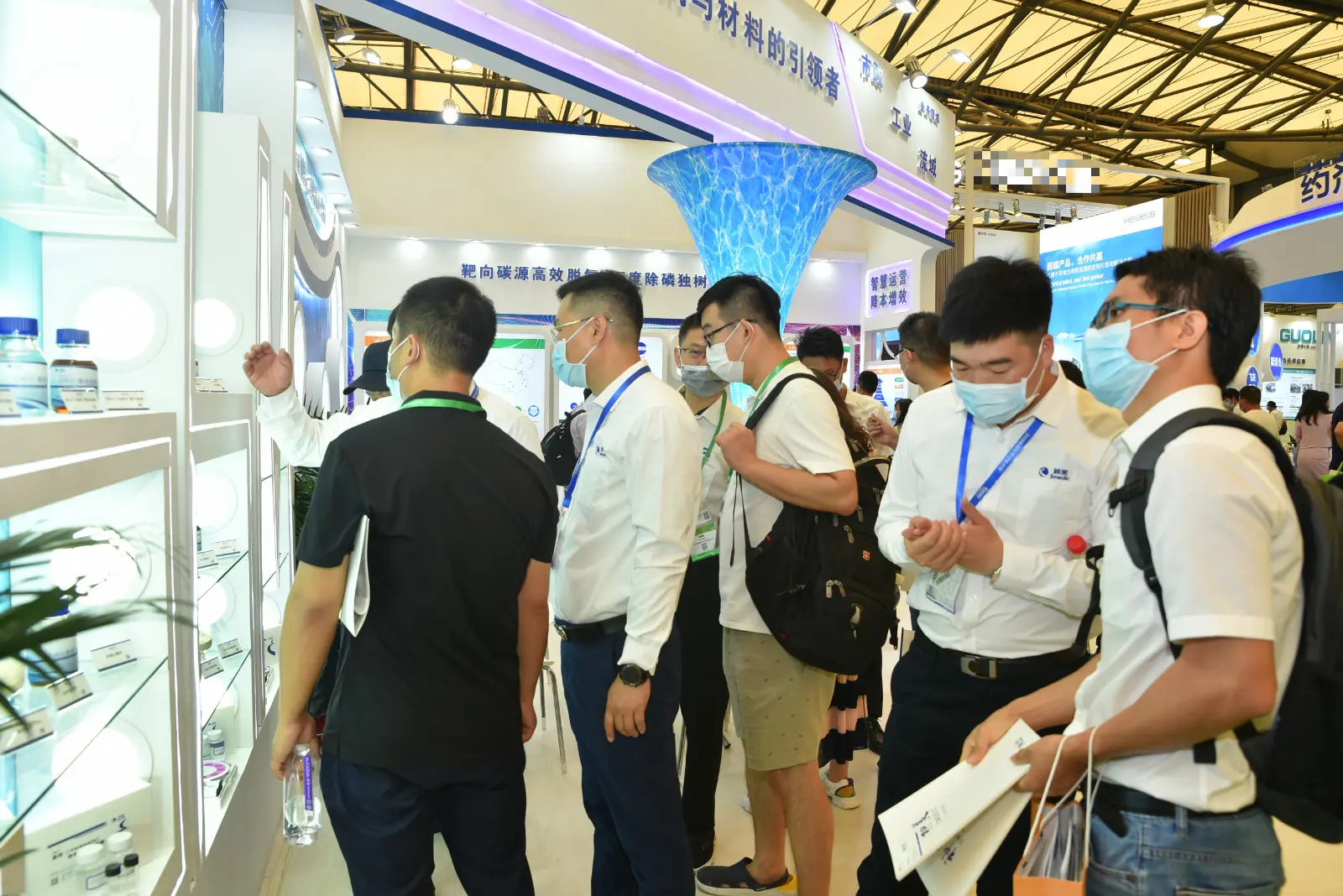
Over a decade of milestones in research, industrial scaling, and strategic partnerships.
Technical guidance on managing membrane scaling and optimizing clean-in-place (CIP) chemistry.
Browse our full range of flocculants, scale inhibitors, defoamers, and specialty water treatment chemicals.
 Smedic Tech