Premium environmental protection agents manufactured to stringent ISO quality controls for global distribution.
A comprehensive white paper on market demands, industrial standards, and systemic performance parameters.
The global commercial and industrial sewage management sector is undergoing a profound structural transition. Driven by stringent international frameworks such as the European Union’s Water Framework Directive, the United States Environmental Protection Agency’s Clean Water Act, and China’s "Action Plan for Prevention and Control of Water Pollution," regional authorities are enforcing near-zero discharge policies. This heightened regulatory baseline demands an evolution in advanced biochemical reagents, coagulants, and scale inhibitors to clean complex effluent structures.
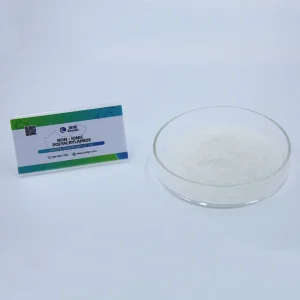
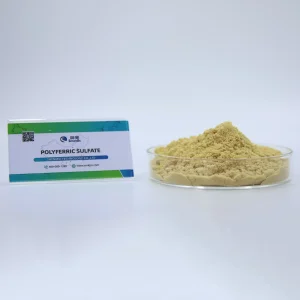
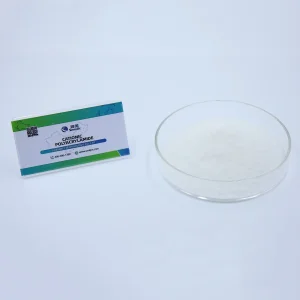
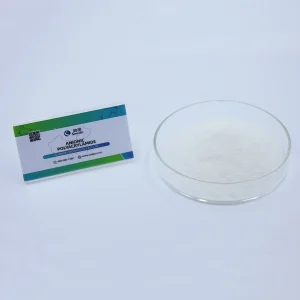
Industrialization has significantly altered the composition of wastewater. Effluents from heavy chemical processing, electroplating, semiconductors, textile manufacturing, and municipal networks are no longer easily treatable via conventional biological remediation. High chemical oxygen demand (COD), excessive ammoniacal nitrogen, heavy metal contamination, and highly emulsified mineral oils demand highly precise chemical treatment. Chemical agents such as cationic polyacrylamide (CPAM), anionic polyacrylamide (APAM), and high-efficiency polyferric sulfate (PFS) have become critical to ensuring compliant effluent discharges globally.
According to global industrial water utilization statistics, optimization of chemical dosage models can reduce operating expenditures (OPEX) by up to 25% while simultaneously decreasing heavy metal levels to below detection limits. Implementing specialized agents such as advanced organic silicone defoamers and RO membrane scale inhibitors ensures industrial assets operate continuously with minimal downtime.
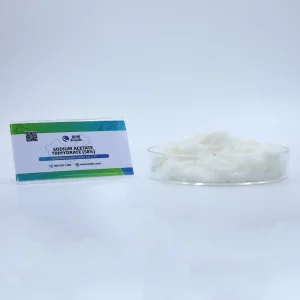
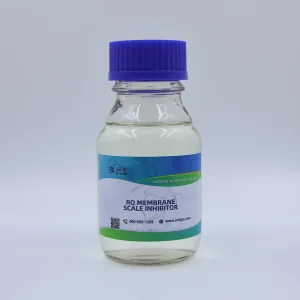
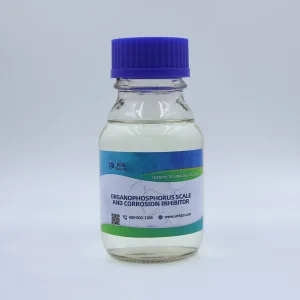
In municipal sewage plants, biological denitrification processes often suffer from carbon source deficiencies. Smedic’s pure solid sodium acetate compounds provide a highly bio-available carbon source that accelerates denitrification rates, preventing nitrite accumulation. In parallel, industrial cooling towers and high-pressure reverse osmosis (RO) systems are prone to scaling from calcium sulfate, barium sulfate, and silica. Without advanced organophosphorus scale and corrosion inhibitors, the efficiency of heat exchangers drops rapidly. Smedic Technology address these challenges at molecular levels, formulating polymeric backbones that prevent crystallization and inhibit local corrosion.
Smedic Technology Co., Ltd. was established in 2011 as a comprehensive solution provider specializing in environmental protection agents, integrating R&D, production, sales, and engineering-related technical services. We are dedicated to providing customers with customized chemical products, technical solutions, and services. Smedic produces environmental protection agents covering multiple sectors such as municipal sewage, industrial wastewater, and tap water treatment, as well as mineral processing agents, and oilfield chemicals. We offer more than 80 different environmental protection products, with an annual production capacity exceeding 1 million tons.
Our corporate headquarters is located in Beijing, we have multiple wholly-owned production bases in Hebei, Guizhou, Shanxi, and other regions, and have set up more than ten OEM partner factories and regional warehousing and logistics bases in Shandong, Shanxi, Anhui, Guangxi, and Sichuan provinces, among others. Our business and service network covers over 20 provinces across China. Our projects involve more than 600 urban sewage treatment plants and over 1,000 end customers in industrial wastewater treatment, mineral processing, and oilfield chemicals. The total sewage treatment capacity involved in the projects exceeds 20 million tons per day. We are a leading company in the Chinese market within the high-end segment of environmental protection chemicals for municipal and industrial wastewater treatment.
Why sourcing from Smedic Technology ensures supply chain resilience and cost-to-performance efficiency.
Operating a network of wholly-owned bases in raw-material-rich provinces (Hebei, Guizhou, Shanxi, Shandong) ensures constant access to chemical precursors. This insulates our global clients from bulk market price fluctuations.
With localized warehouses across ten provinces, Smedic manages express dispatch mechanisms for large-volume container loads, optimizing sea freight pipelines to the Americas, Europe, Middle East, and Southeast Asia.
Our systems adapt chemical metrics (molecular weight, charge density, active solid contents) to match site-specific water profiles. We support custom branding, unique packaging, and bulk shipping formats.
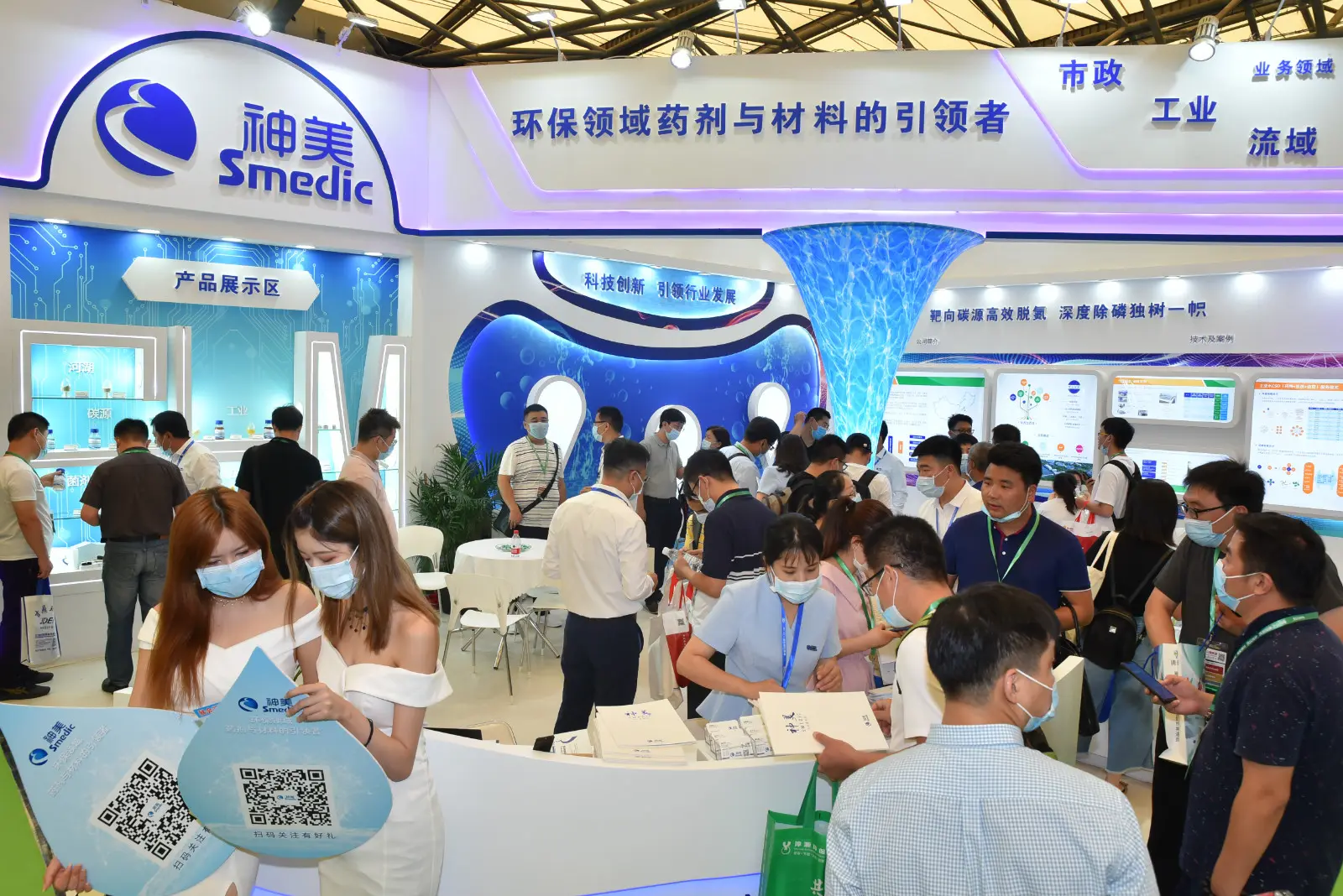
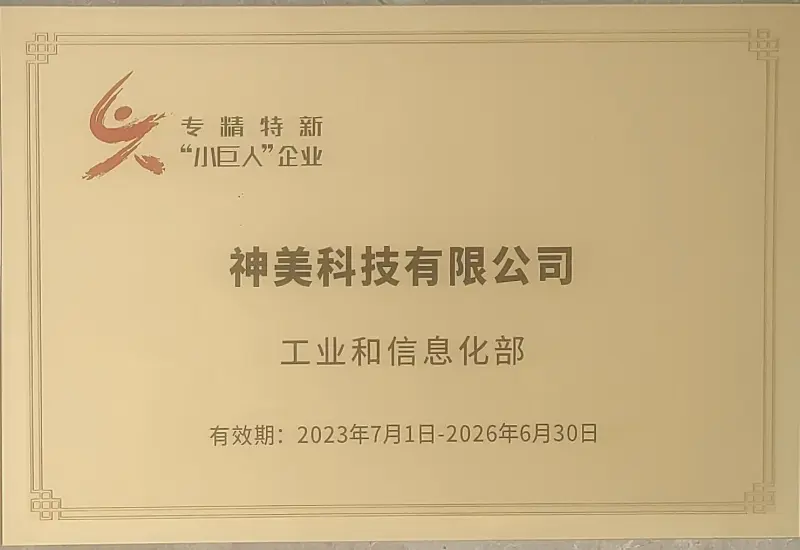
We have obtained qualifications such as National High-tech Enterprise, National Specialized, Refined, Unique and Innovative "Little Giant" Enterprise, National Key-Supported Specialized, Refined, Unique and Innovative "Little Giant" Enterprise, Hebei Province Specialized, Refined, Unique and Innovative "Little Giant" Demonstration Enterprise, Hebei Province Green Factory, Hebei Province Science and Technology-based Small and Medium-sized Enterprise, and China's Science and Technology-based Innovative Small and Medium-sized Enterprise.
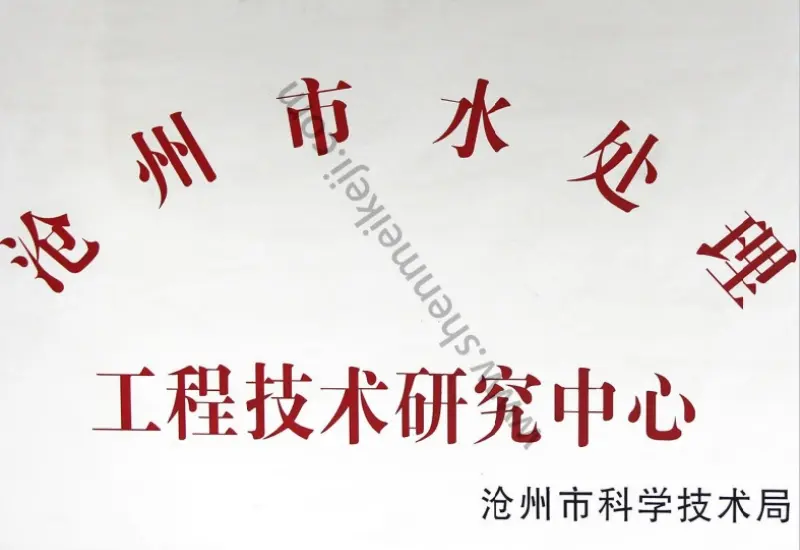
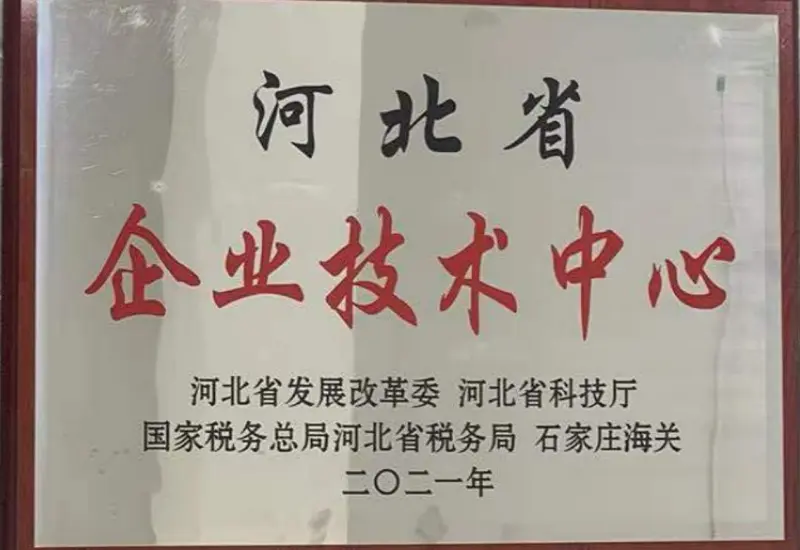
We have a core technical team composed of academicians, experts, professors, and senior engineers, and have established an R&D system and a technology commercialization platform centered around one academy, three research institutes, and five bases. We have established the Hebei Provincial Enterprise Technology Center, the Hebei Provincial Advanced Water Treatment Chemicals Technology Innovation Center, and the Cangzhou Water Treatment Engineering Technology Research Center, and have been recognized as a Class A R&D institution in Hebei Province. We have established an expert workstation with Tsinghua University Association of Senior Scientists and Technicians, and have set up joint R&D laboratories with Shandong University and Beijing University of Technology. Additionally, we also serve as a commercialization partner for the industry-academia-research achievements of institutions such as Peking University and Tianjin University.
The patented technologies and products we have independently developed, such as the bio-enhanced denitrification carbon source and the deep multi-nuclear phosphorus removal agent, have passed the scientific and technological achievement evaluation conducted by the Science and Technology Department of Hebei Province. These achievements have been appraised as "internationally advanced" and have filled a domestic gap in this product category.
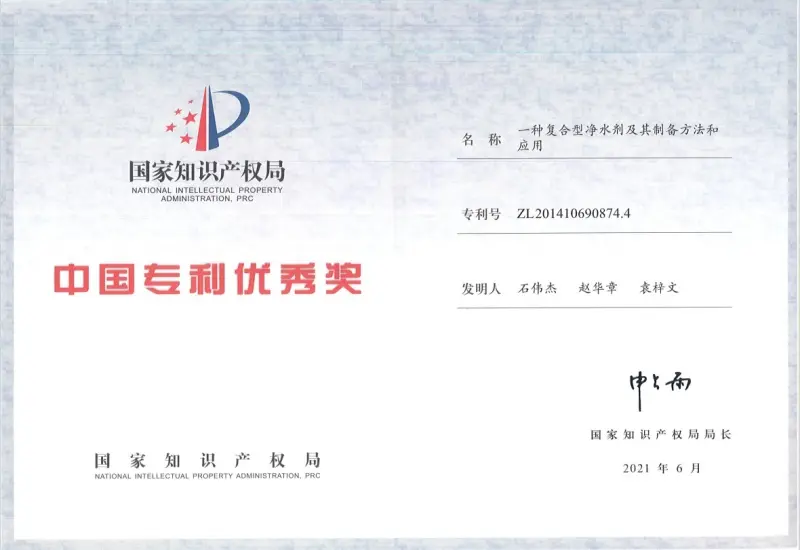
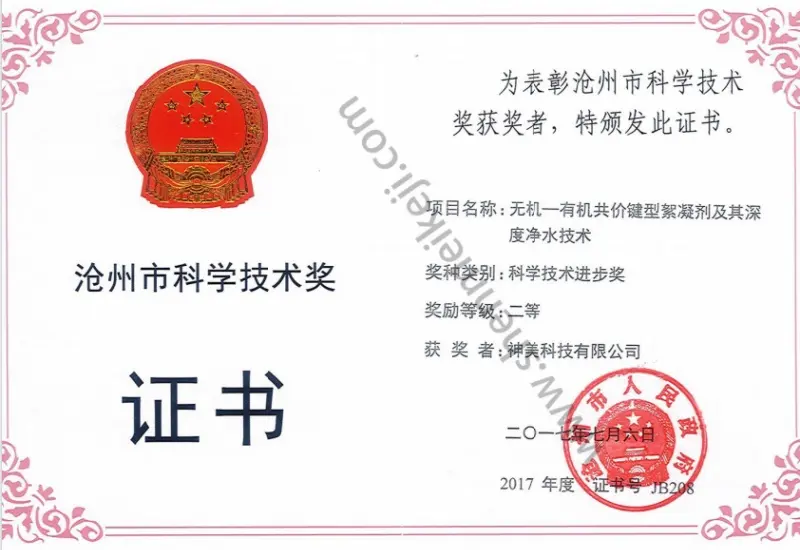
Our "Active Oxygen Compound Disinfectant" has been recognized as a National Construction Industry Scientific and Technological Achievement Promotion Project by the Science and Technology Development Promotion Center of the Ministry of Housing and Urban-Rural Development. Furthermore, our independently developed "Inorganic-Organic Covalent Bond Flocculant and Its Advanced Water Purification Technology" has won multiple awards, including the 22nd China Patent Award, the First Prize for Technological Invention from the China Petrochemical Industry Association, the Hebei Province Science and Technology Progress Award, and recognition as a Belt and Road SME Recommended Project.
We have been recognized as the "Leading Brand of Advanced Wastewater Treatment Chemicals" and the "Most Valuable Water Treatment Chemicals Brand" by China Water Network and the E20 Environmental Platform for four consecutive years. We have established long-term strategic partnerships with dozens of major water groups, including Shouchuang Ecological and Environmental Group, Yangtze River Ecological and Environmental Group, Beijing Enterprises Water Group, OriginWater, and China Water Environment Group, and have been included in their centralized procurement supplier lists.
A history of continuous growth and technology commercialization in global water purification agents.
Smedic was founded in Beijing, establishing R&D pipelines for advanced polymers.
The company established a complete product portfolio for municipal wastewater treatment chemicals.
Recognized as a key national high-tech enterprise, initiating industry-university joint labs.
A key production base for water treatment chemicals in Guiyang was established to supply Southern China networks.
Production bases in Hebei, Shandong and Guizhou completed expansion, elevating capacity past 1 million tons.
Recognized as a National Specialized, Refined, Unique and Innovative Small and Medium-sized Enterprise.
Established a provincial-level R&D platform in Hebei, cementing our status as a Class A R&D institution.
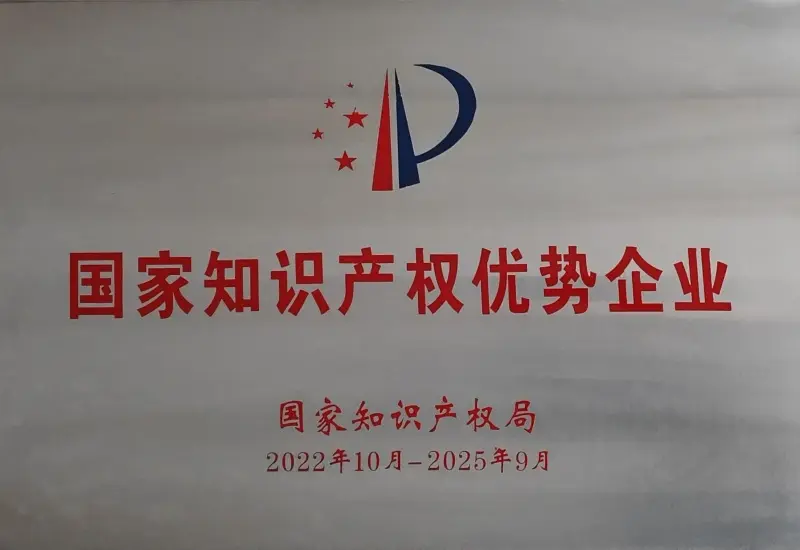
Formally recognized as a National Intellectual Property Advantage Enterprise with over sixty patents.
Established a joint venture company with Chengdu Institute of Mineral Comprehensive Utilization, China Geological Survey, targeting specialized mineral processing reagents.
Analyzing key engineering fields where Smedic environmental chemicals deliver optimal outcomes.
For municipal sewage treatment facilities working under stringent winter conditions, nitrification and denitrification cycles often drop in efficiency. By utilizing Smedic’s pure solid sodium acetate compounds as carbon supplements, treatment plants maintain stable denitrification kinetics. Unlike methanol, sodium acetate is non-toxic, non-flammable, and rapidly metabolized by denitrifying bacteria, minimizing the risk of COD spikes in the final effluent.
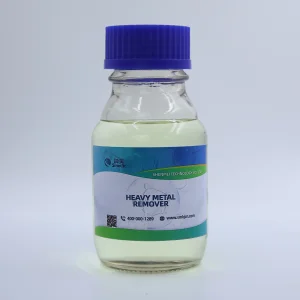
Industrial wastewater from surface finishing and metallurgical processing contains complexed divalent heavy metal ions (e.g., Copper, Nickel, Zinc, Lead). Standard hydroxide precipitation methods fail when organic chelators are present. Smedic's Powerful Heavy Metal Removal Agent operates by breaking these chelates and forming highly insoluble macro-molecular organometallic precipitates. These precipitates are easily separated by anionic polyacrylamide (APAM) flocculating steps, allowing compliance with ppb-level local environmental criteria.
In sludge management, separating water from solid colloidal organic matter requires polymers with highly optimized charge density. Smedic’s Cationic Polyacrylamide (CPAM) range offers high molecular weight structures that wrap suspended particles, neutralizing negative charges. This accelerates the formation of large flocs, leading to lower moisture cakes in filter presses and centrifuge operations, reducing disposal costs.
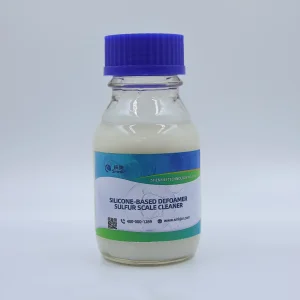
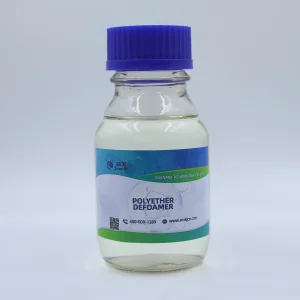
Excessive foam in aeration tanks and pulp digestors disrupts liquid phase control and compromises gas exchange. Smedic’s Polyether Defoamer and Organic Silicone Defoamers are formulated to act instantly upon application, lowering surface tension and rupturing foam bubbles. Our defoamers remain active across wide pH bands and thermal fluctuations, leaving zero hydrophobic residues on manufacturing components.
Direct answers to critical operational, chemical, and procurement queries from global system integrators.
High-purity formulations designed for oilfield recovery, scale inhibition, and high-capacity industrial foam control.
 Smedic Tech