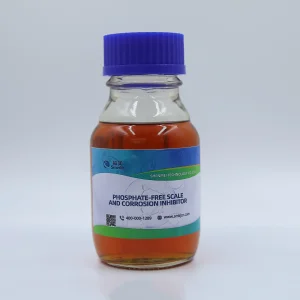
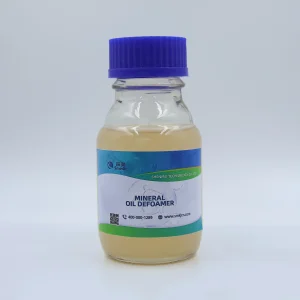
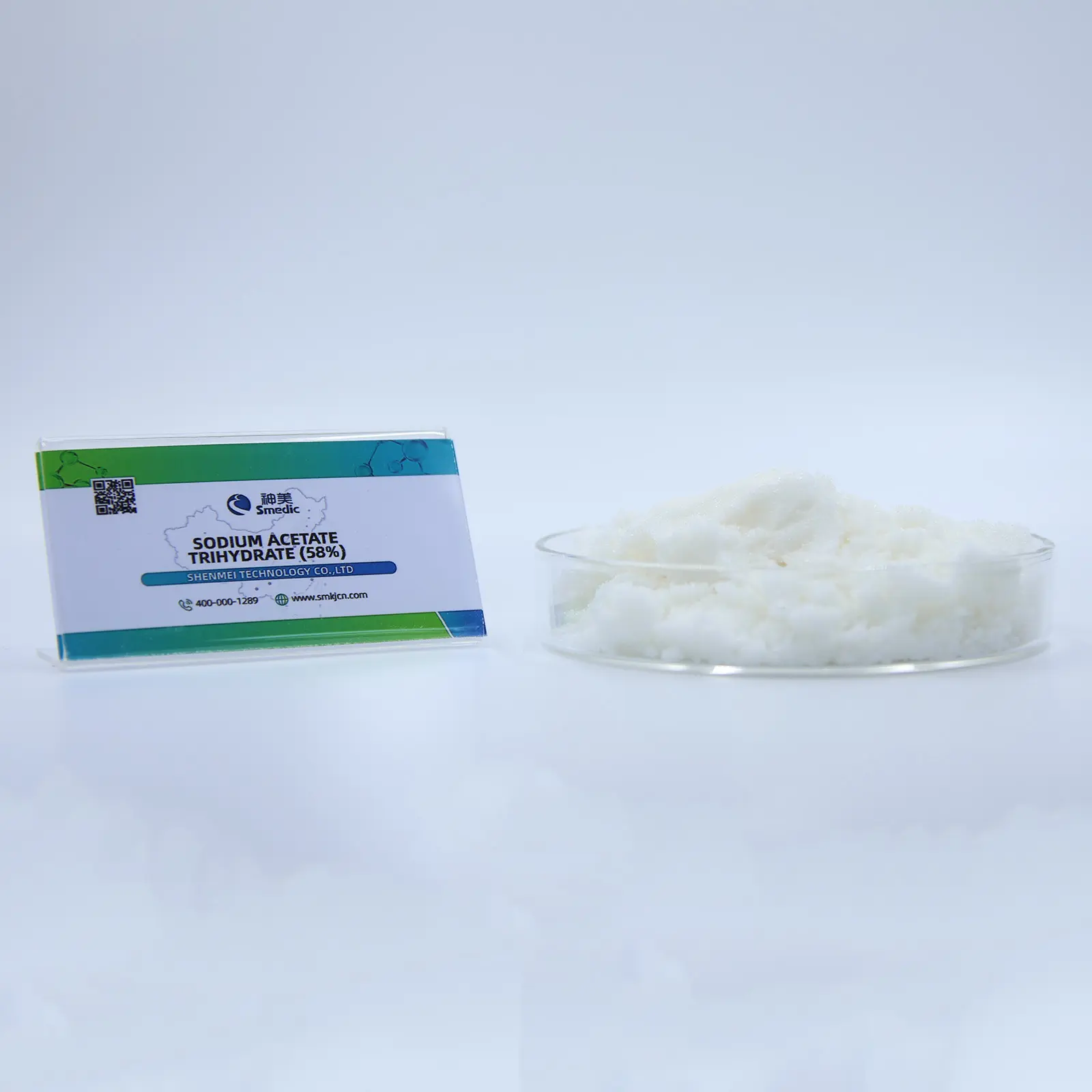
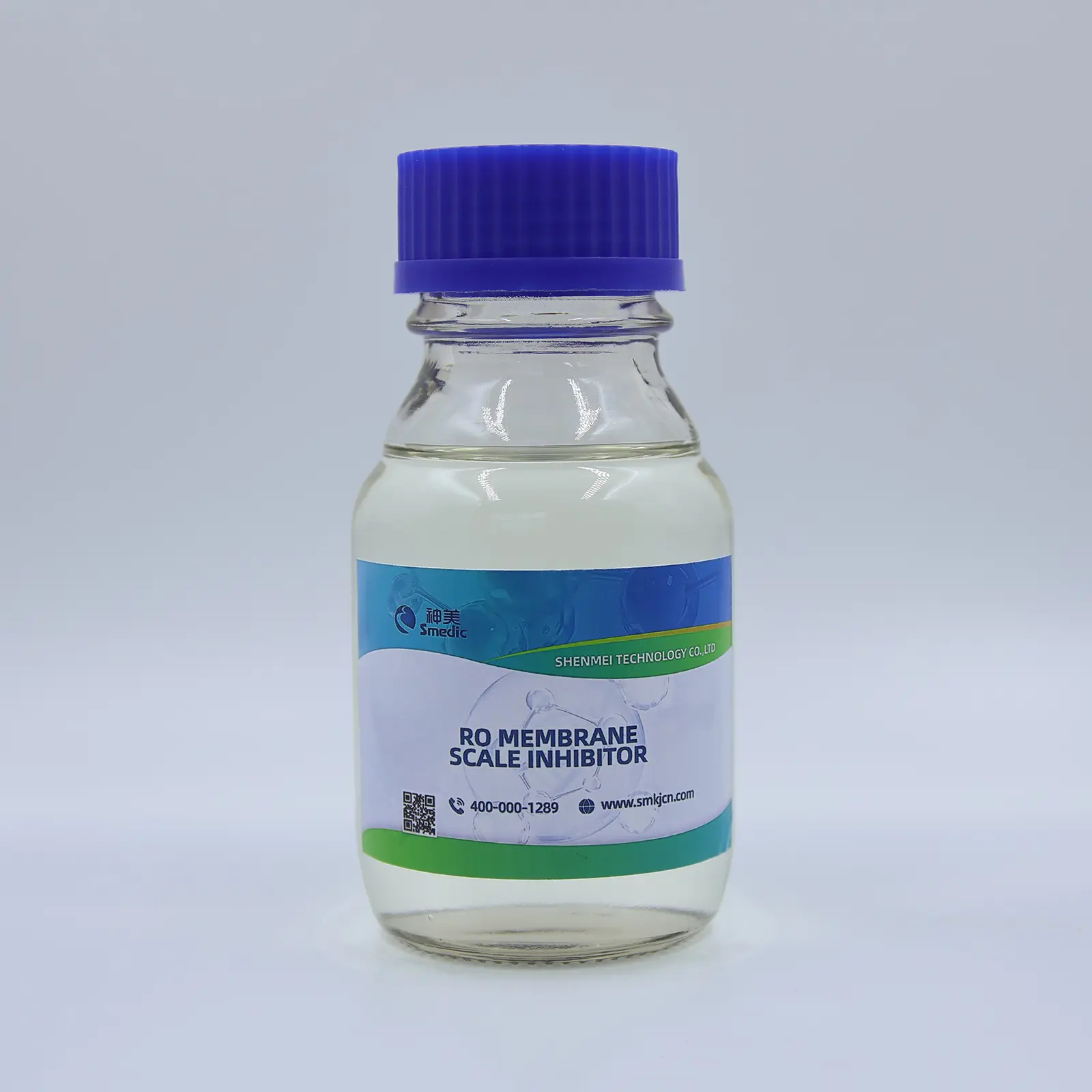
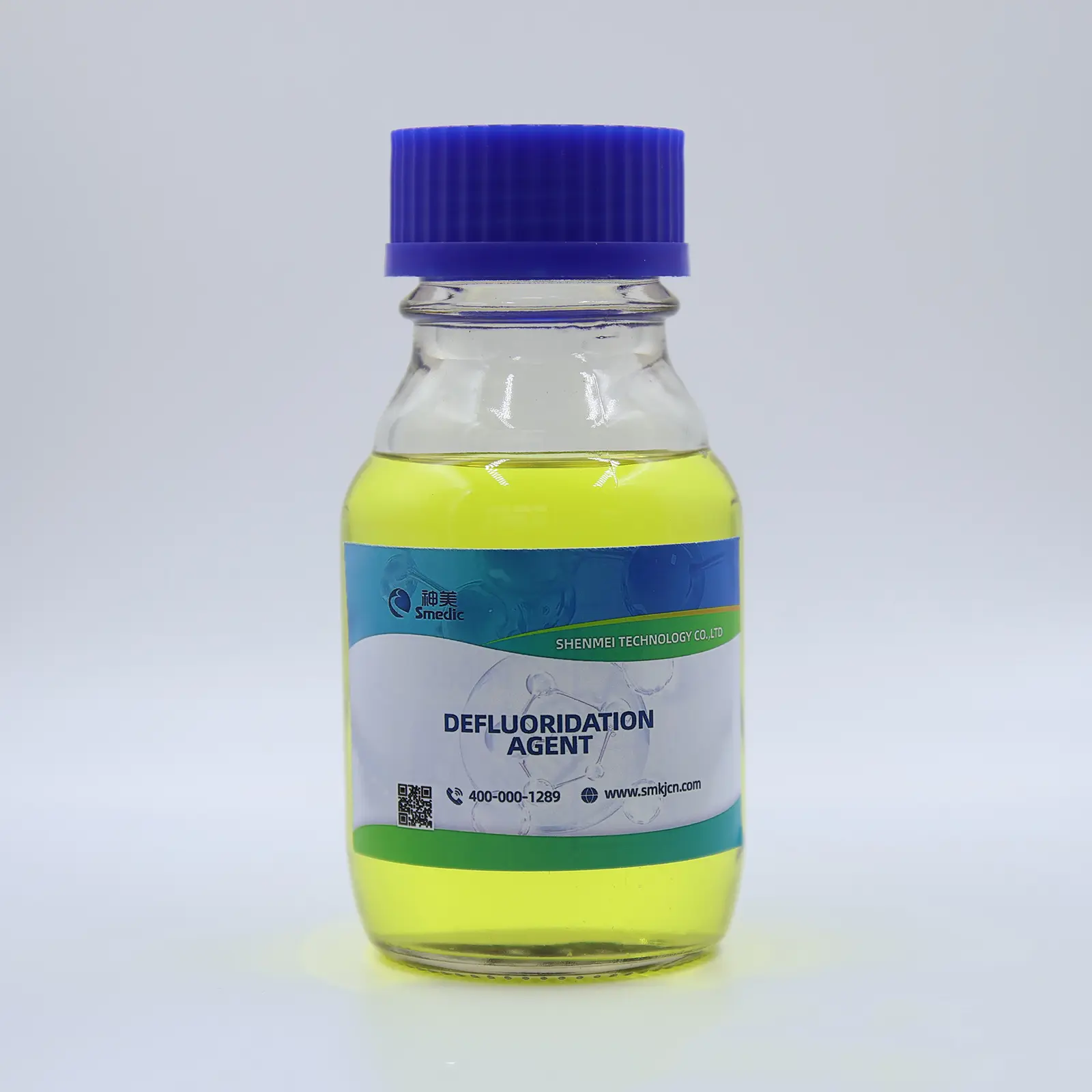
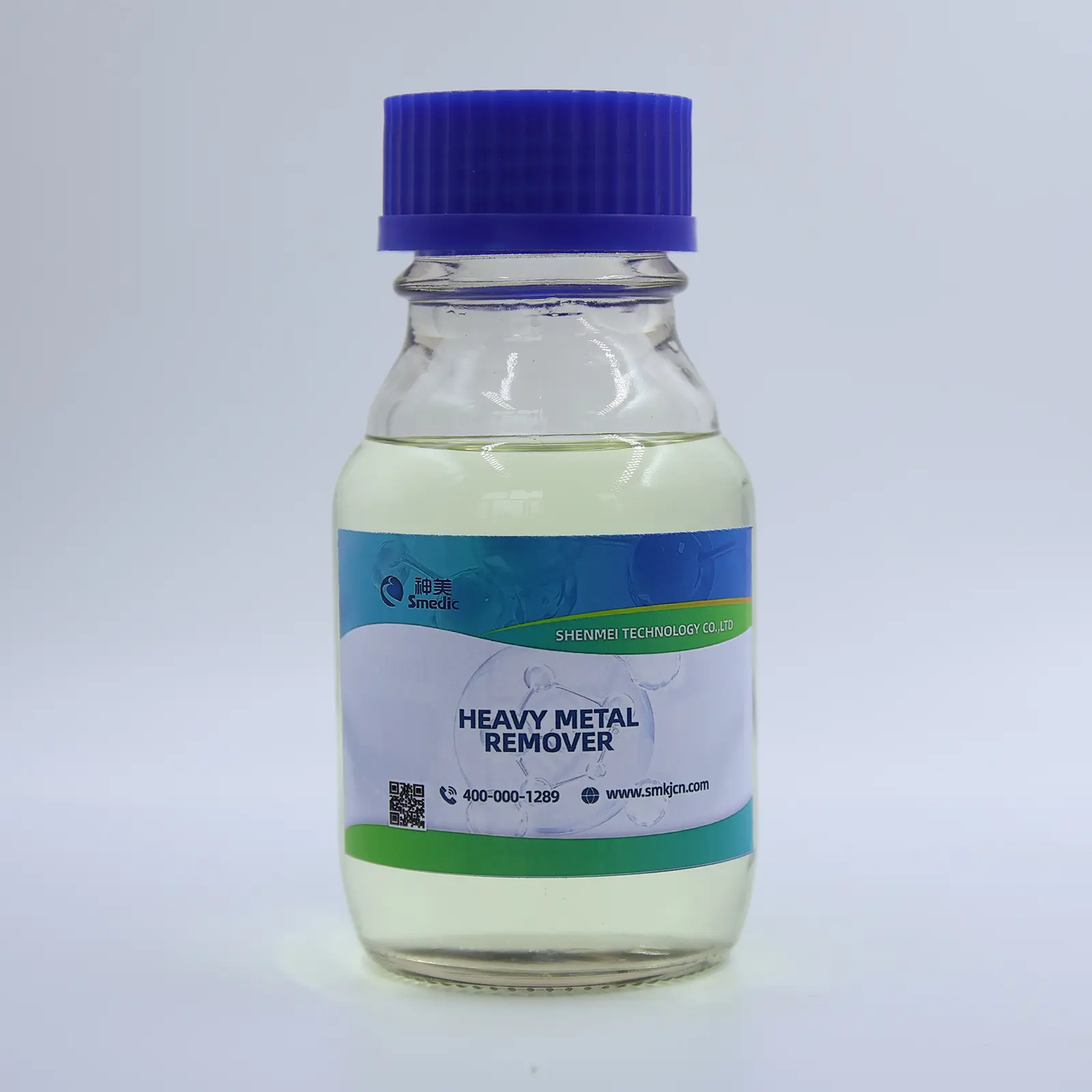
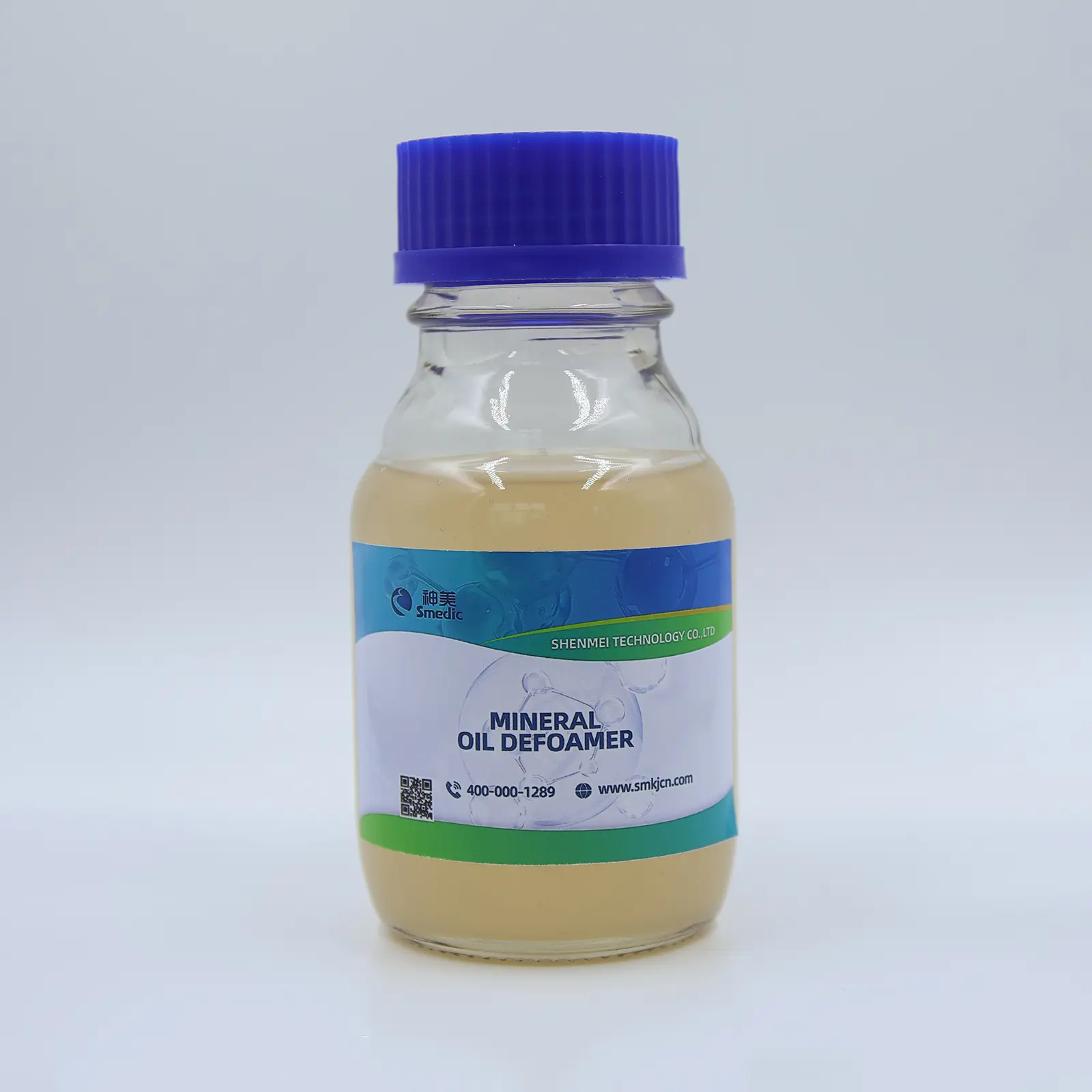
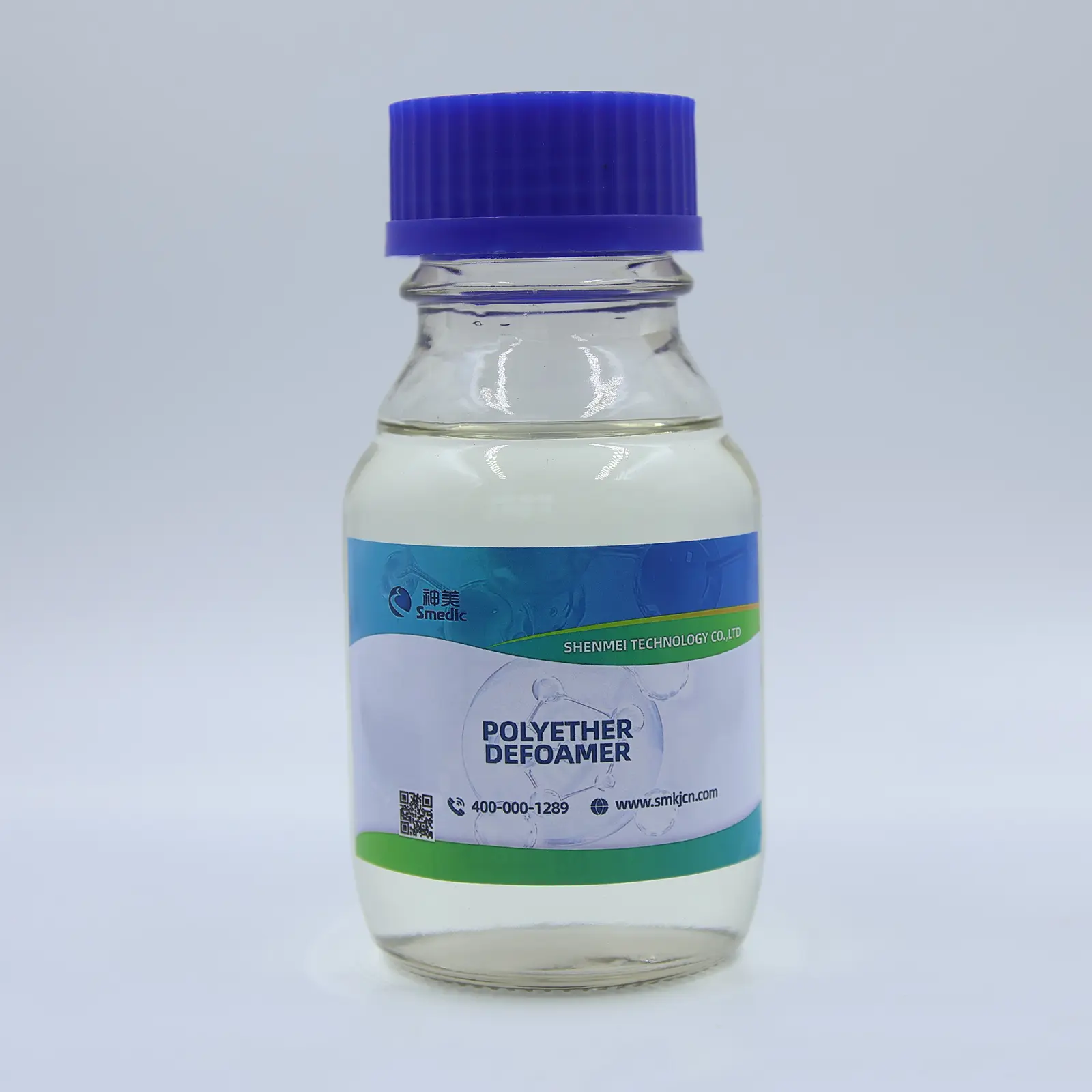
Engineered chemicals tailored for membrane safety, foam control, and advanced sedimentation
Analyzing key structural shifts, regulatory frameworks, and market drivers across continents
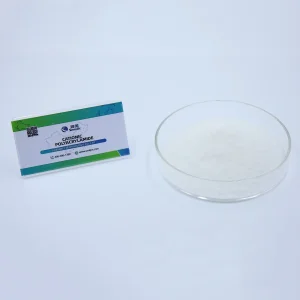
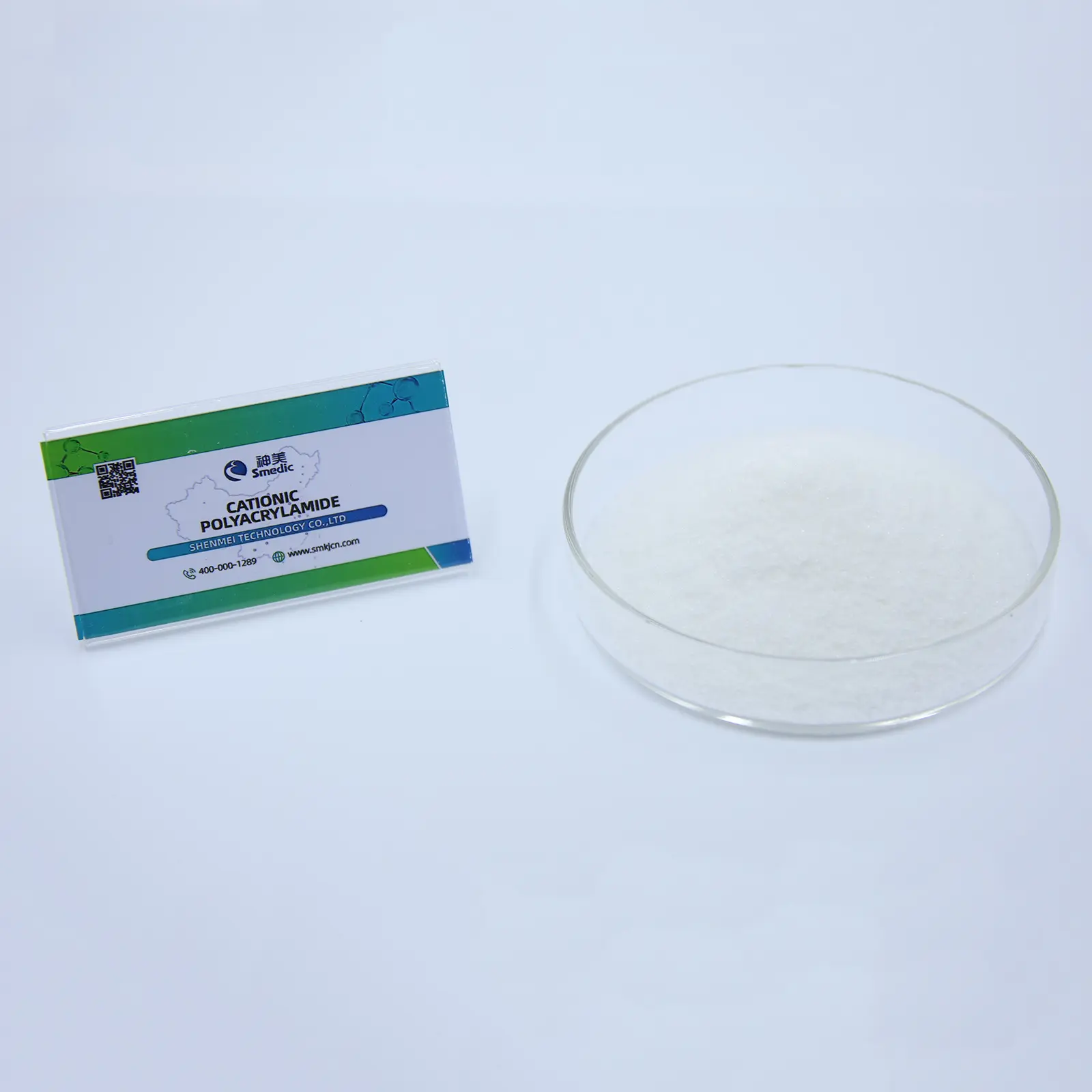
Cationic Polyacrylamide (CPAM) represents a cornerstone class of water-soluble polymers designed to destabilize, aggregate, and settle negatively charged organic and inorganic suspended solids. Historically driven by basic municipal sanitation, the modern global market for high-efficiency CPAM is undergoing rapid expansion. This development is propelled by stringent environmental regulations, shifting industrial dynamics, and the acute global need for water recycling. With a projected compound annual growth rate (CAGR) exceeding 6% through the next decade, industrial demand spans crucial sectors including petroleum refining, mineral processing, pulp and paper manufacturing, and heavy chemical manufacturing.
In the Asia-Pacific region, rapid urbanization coupled with robust industrialization policies drives the bulk of consumption. In Europe and North America, regulatory mandates—such as the European Union’s Urban Wastewater Treatment Directive and the United States’ EPA effluent guidelines—place immense pressure on municipalities and manufacturers to achieve dry, easily transportable filter cakes. This demands CPAM of highly customized charge densities and molecular weights to optimize the efficiency of mechanical dewatering equipment, including decanter centrifuges, belt filter presses, and plate-and-frame filtration units.
The efficacy of CPAM resides primarily in its dual-mechanism functioning: charge neutralization and polymer bridging. Structurally, Cationic Polyacrylamide is a copolymer synthesized from acrylamide (AM) monomers and cationic monomers such as acryloyloxyethyltrimethylammonium chloride (DAC), methacryloyloxyethyltrimethylammonium chloride (DMC), or diallyldimethylammonium chloride (DADMAC). By varying the ratio of these monomers, manufacturers can meticulously adjust the polymer's charge density.
1. Charge Neutralization: Industrial wastewater colloids typically exhibit negative zeta potentials. The positively charged amine functional groups along the CPAM backbone attract and neutralize these surface charges. This reduces the electrostatic repulsion barriers between particles, enabling micro-floc formation.
2. Polymeric Bridging: Extremely high molecular weights (ranging from 5 million to over 15 million Daltons) allow the extended polymer chains to adhere to multiple particles simultaneously. This forms robust, shear-resistant macro-flocs capable of rapid sedimentation and clean water separation.
Smedic Technology leverages advanced continuous copolymerization technologies, ensuring extremely low residual monomer levels (under 0.05%) and highly uniform molecular weight distributions. This molecular precision reduces overall dosage requirements while mitigating the risk of polymer carryover, which can foul downstream processes like Reverse Osmosis (RO) membranes.
Smedic Technology Co., Ltd.
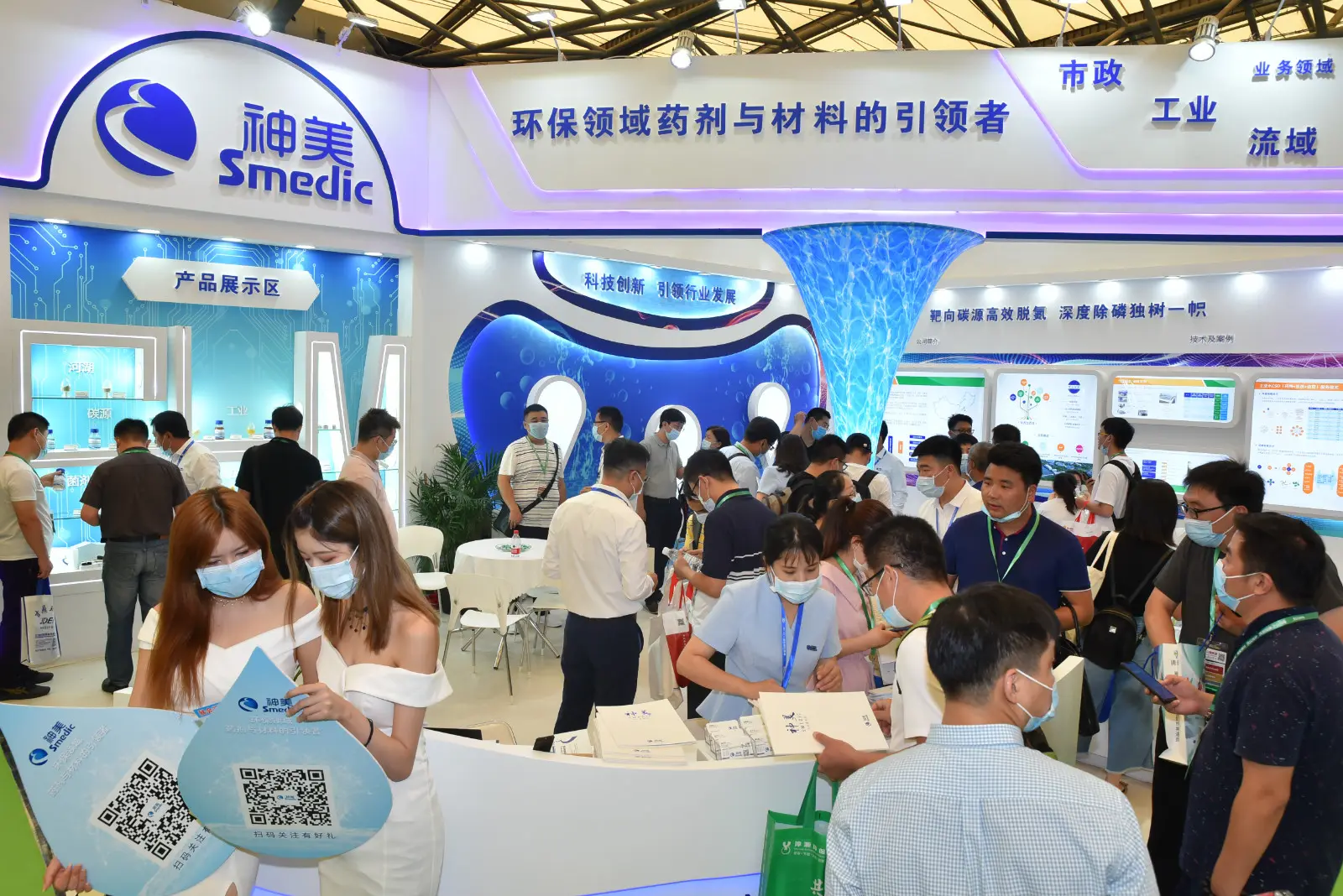
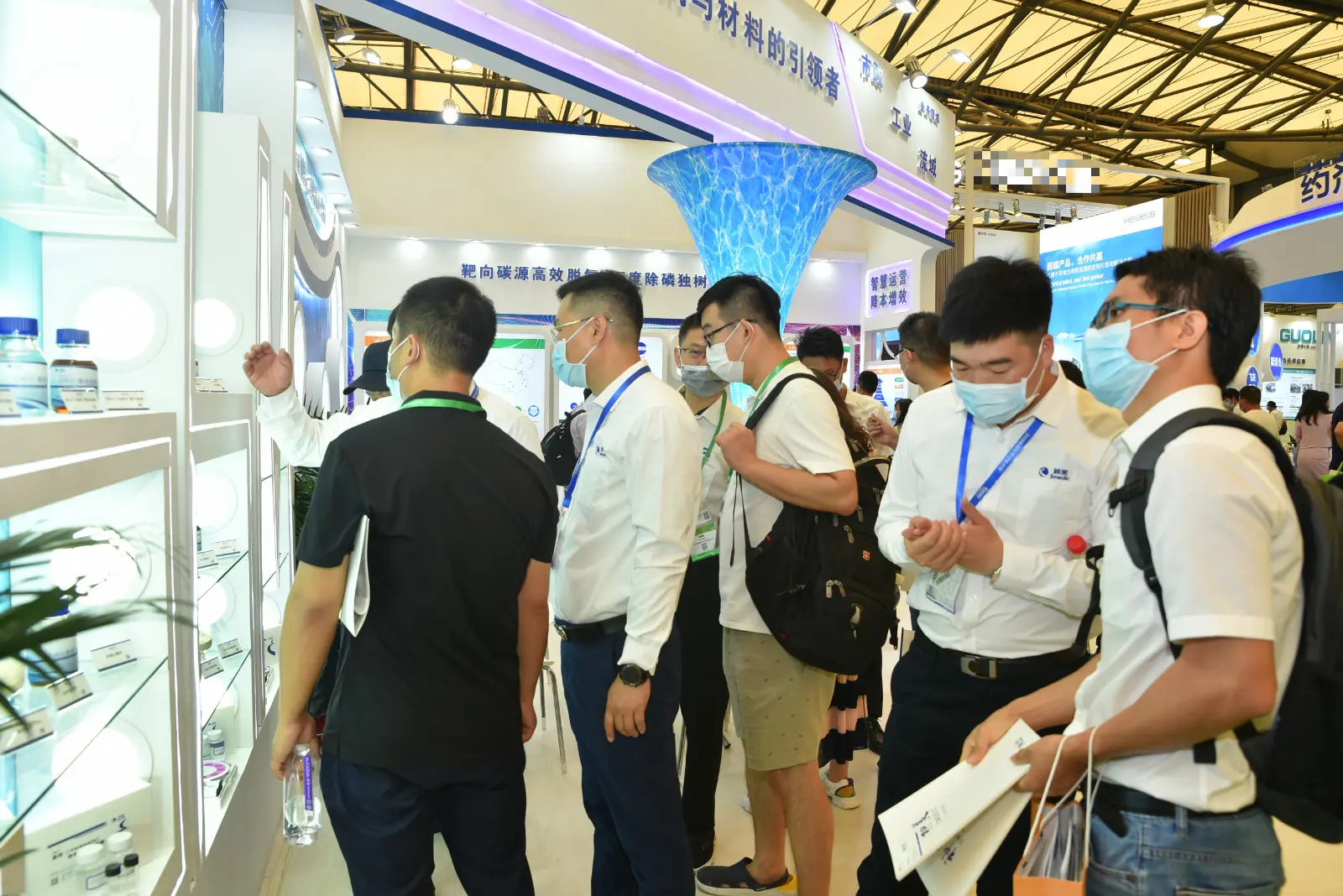
Smedic Technology Co., Ltd. was established in 2011 as a comprehensive solution provider specialized in environmental protection agents, integrating R&D, production, sales, and engineering-related technical services. We are dedicated to providing customers with customized chemical products, technical solutions, and services. Smedic produces environmental protection agents covering multiple sectors such as municipal sewage, industrial wastewater, and tap water treatment, as well as mineral processing agents, and oilfield chemicals. We offer more than 80 different environmental protection products, with an annual production capacity exceeding 1 million tons.
Our corporate headquarters is located in Beijing, we have multiple wholly-owned production bases in Hebei, Guizhou, Shanxi, and other regions, and have set up more than ten OEM partner factories and regional warehousing and logistics bases in Shandong, Shanxi, Anhui, Guangxi, and Sichuan provinces, among others. Our business and service network covers over 20 provinces across China. Our projects involve more than 600 urban sewage treatment plants and over 1,000 end customers in industrial wastewater treatment, mineral processing, and oilfield chemicals. The total sewage treatment capacity involved in the projects exceeds 20 million tons per day. We are a leading company in the Chinese market within the high-end segment of environmental protection chemicals for municipal and industrial wastewater treatment.
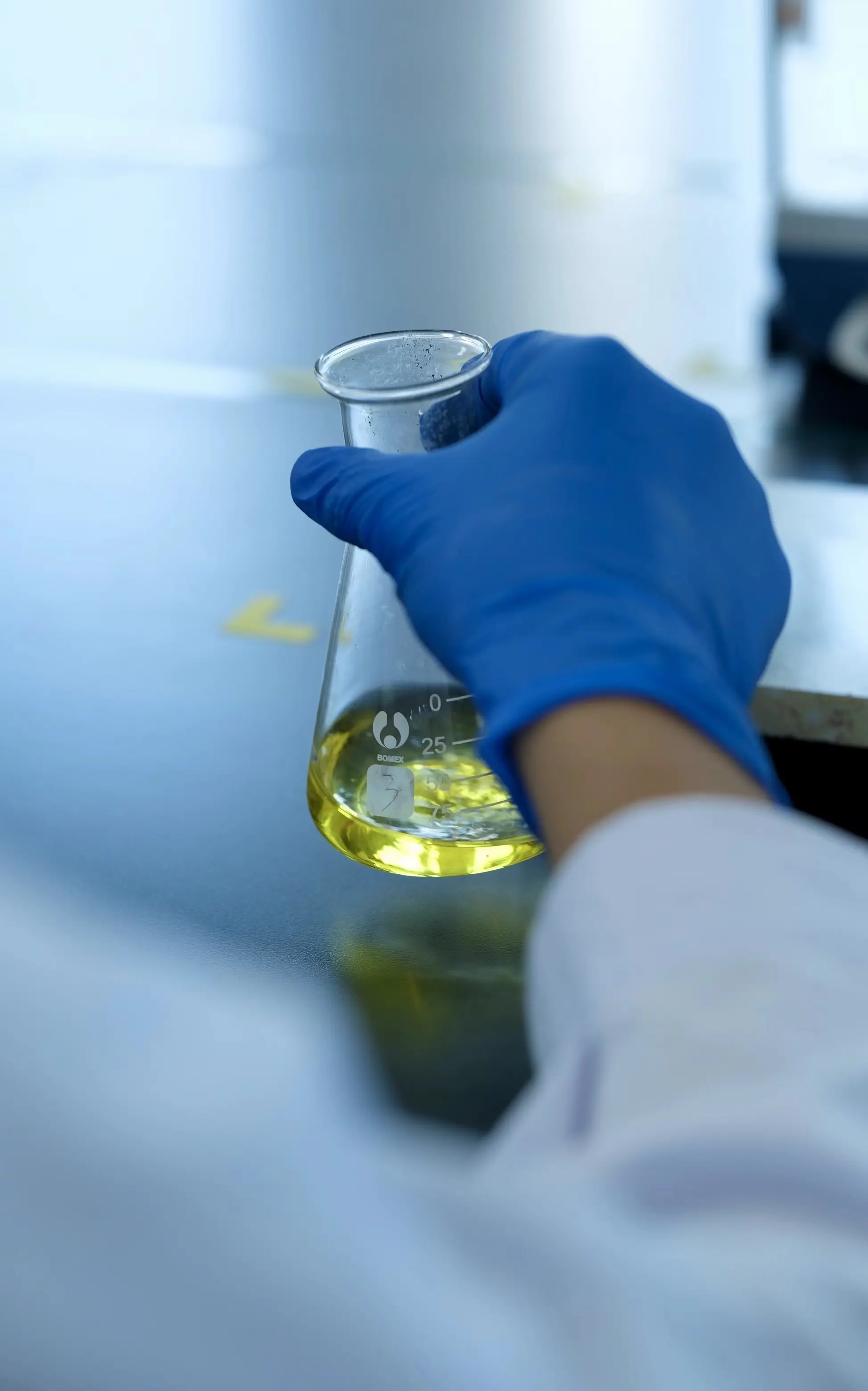
Addressing large-scale environmental challenges with targeted polymer technologies
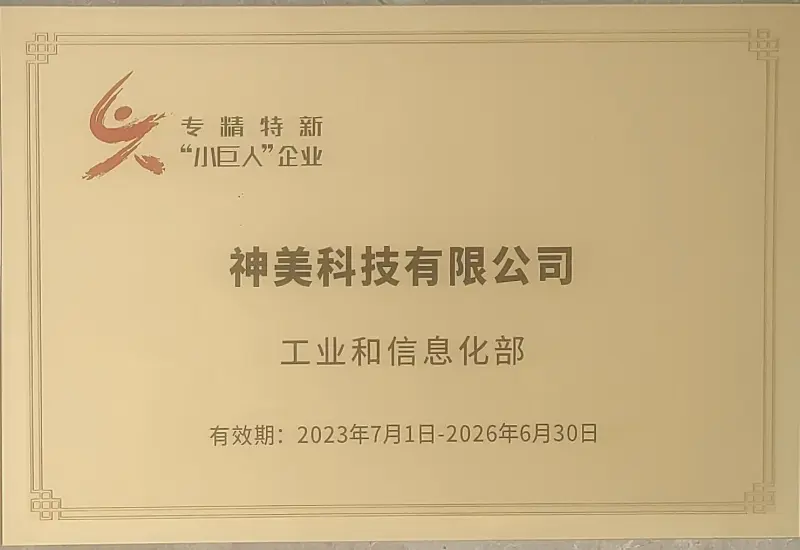
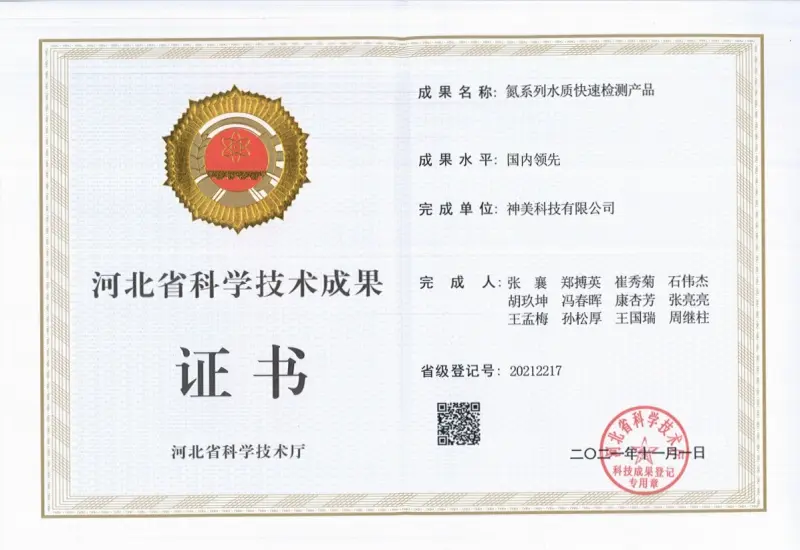
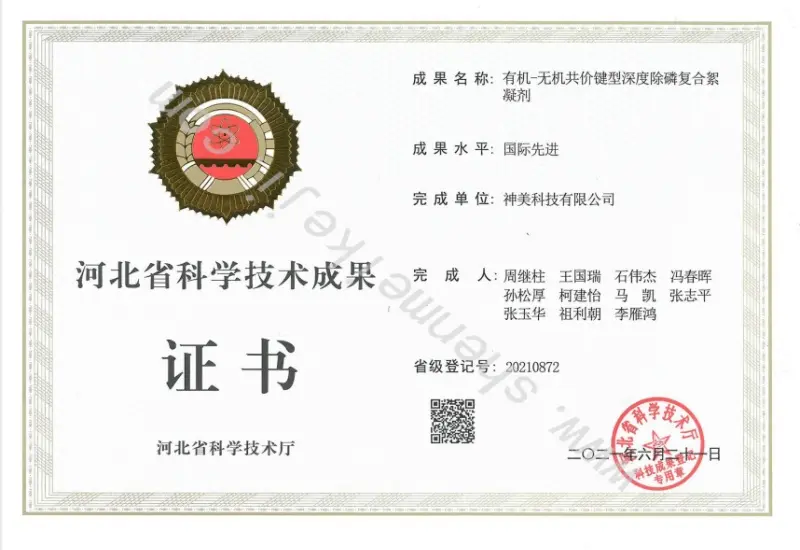
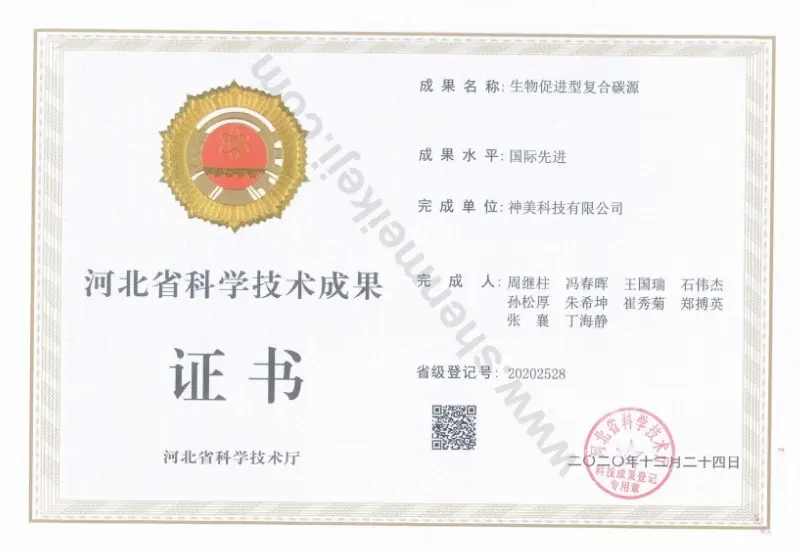
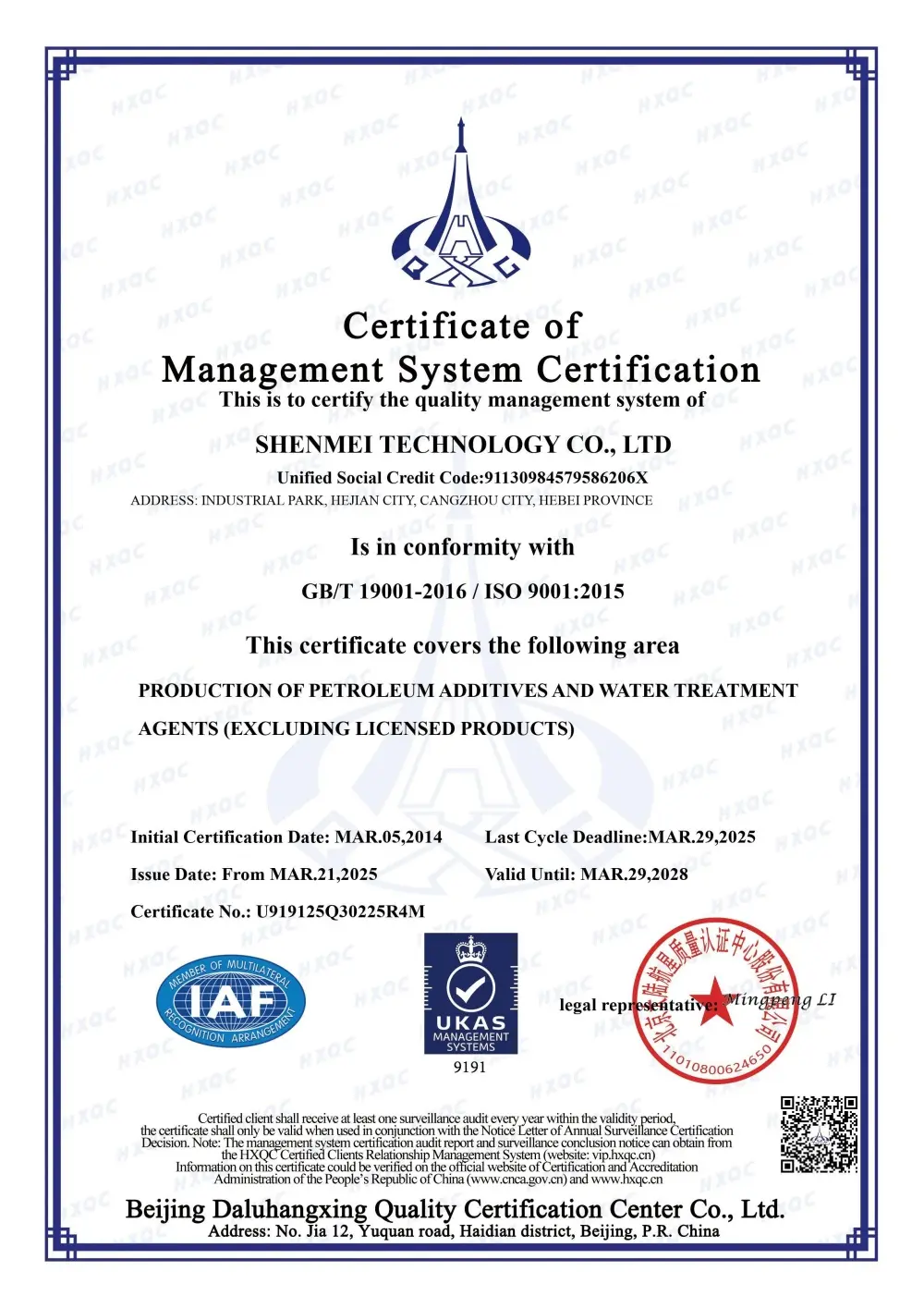
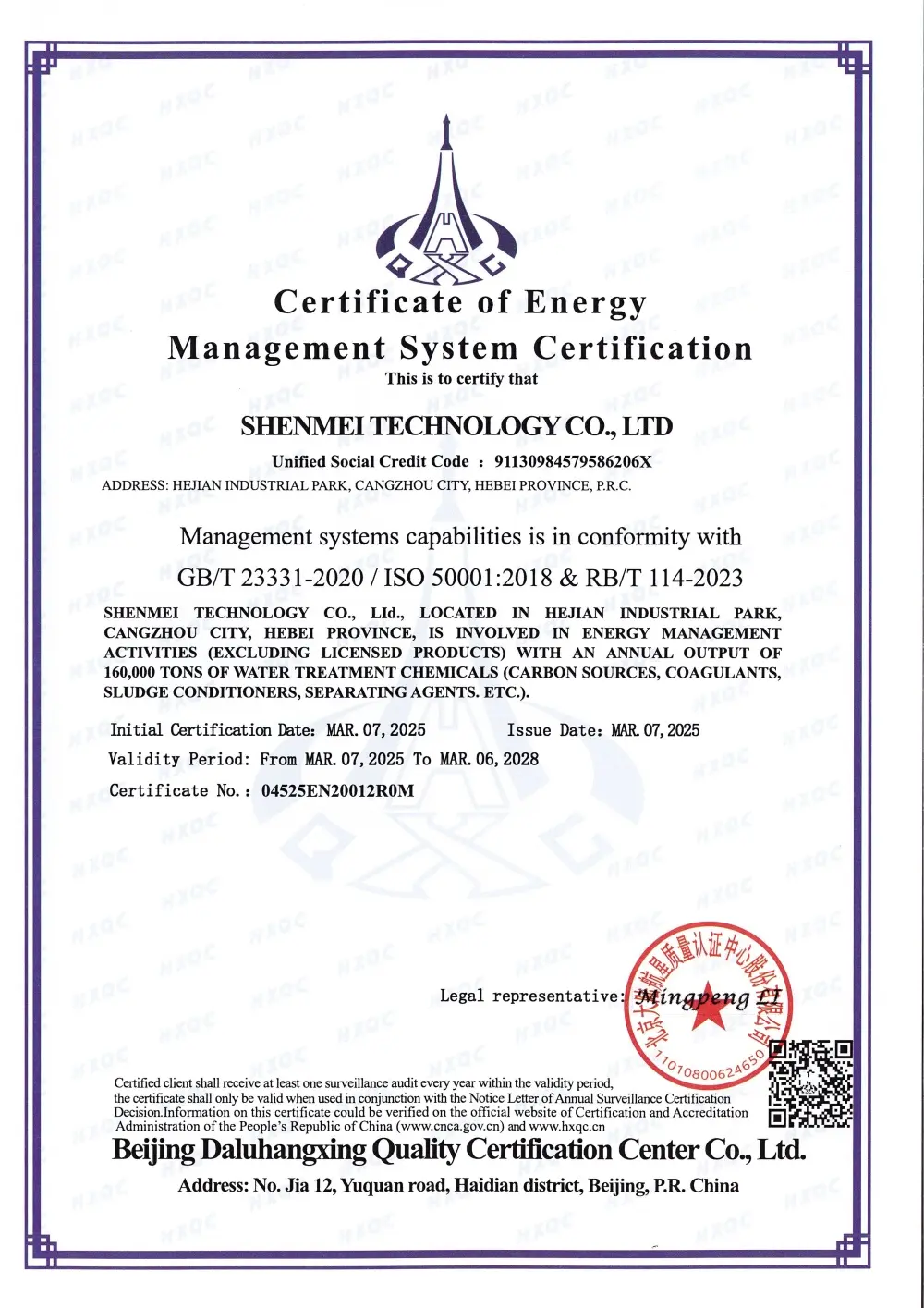
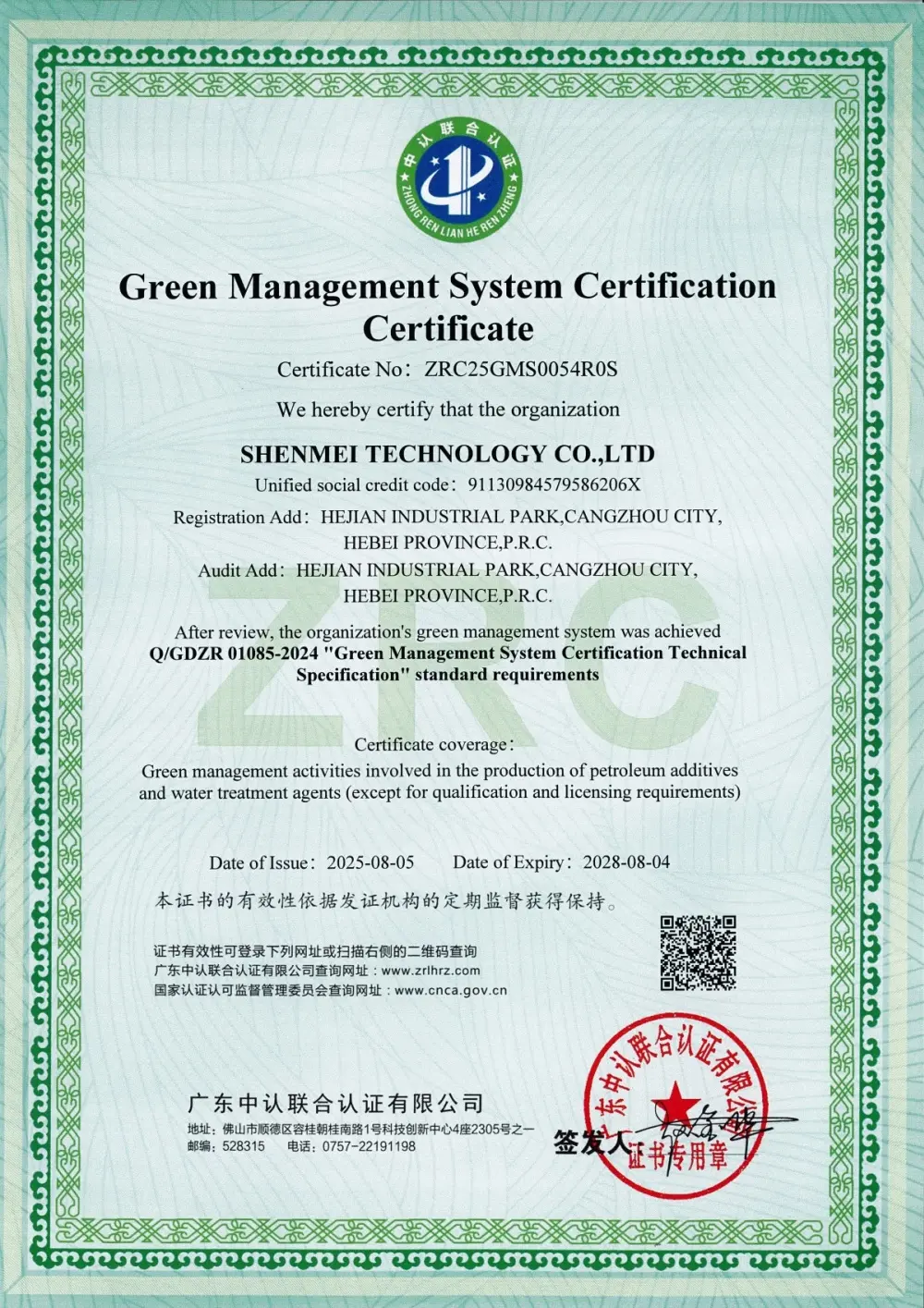
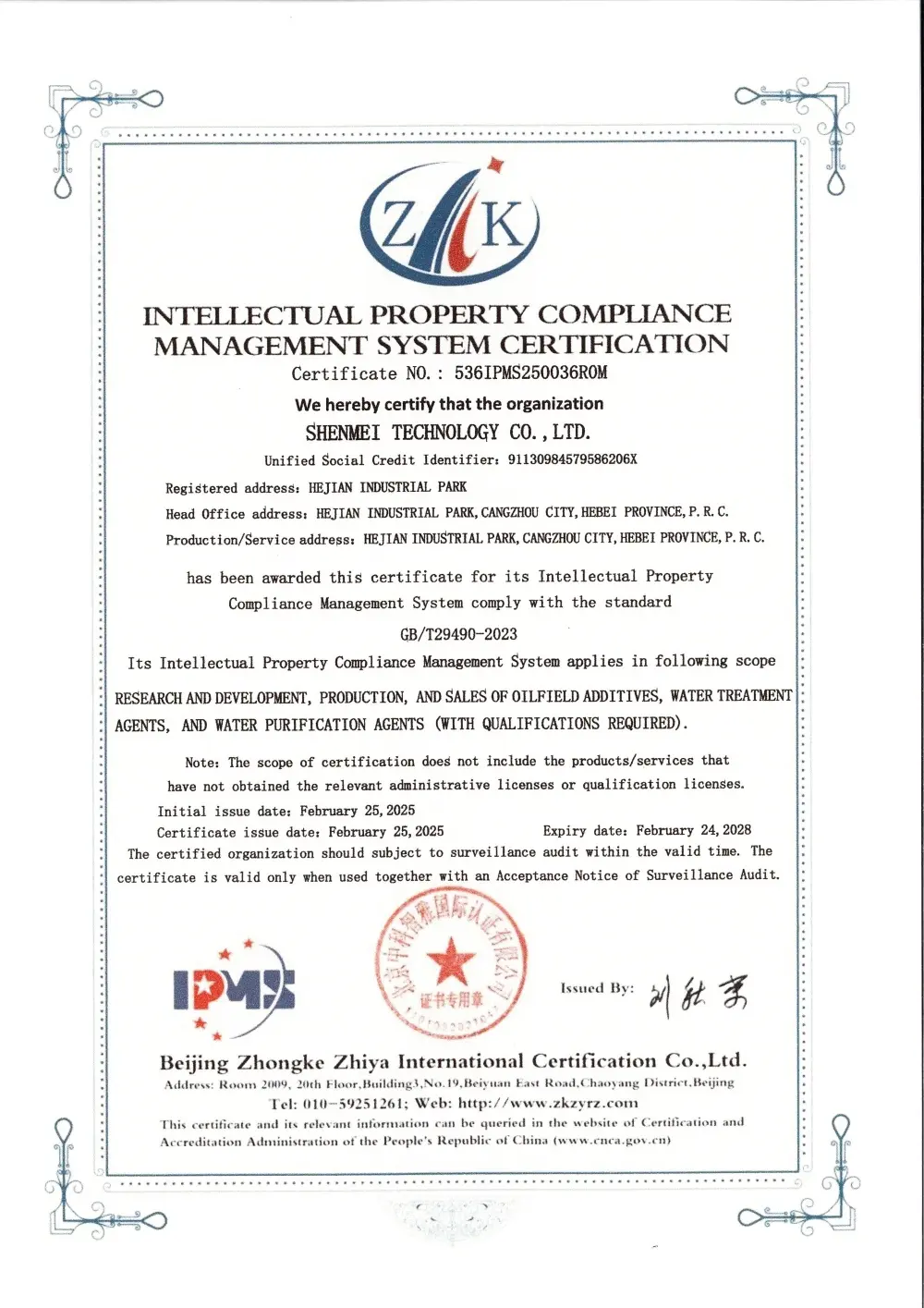
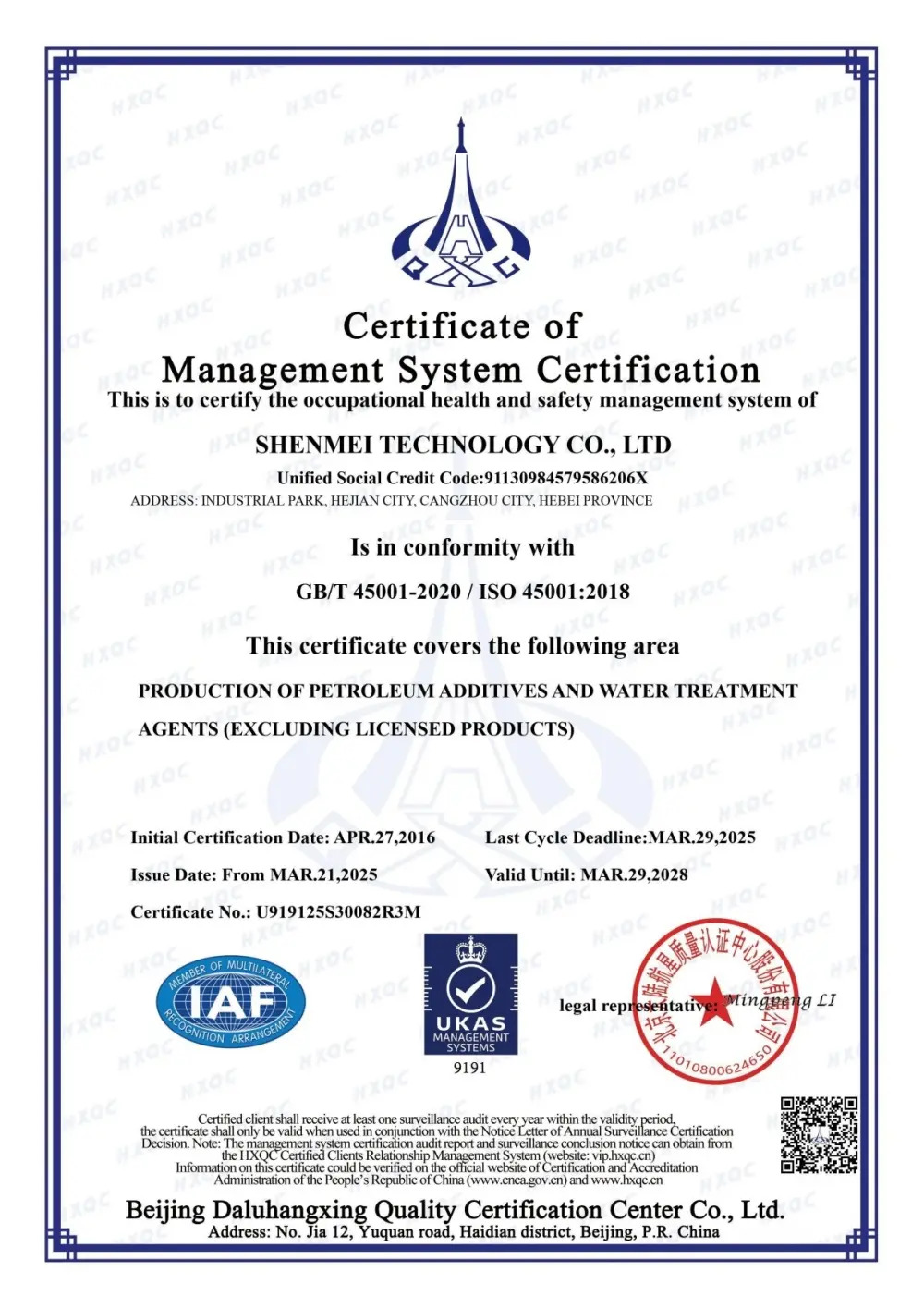
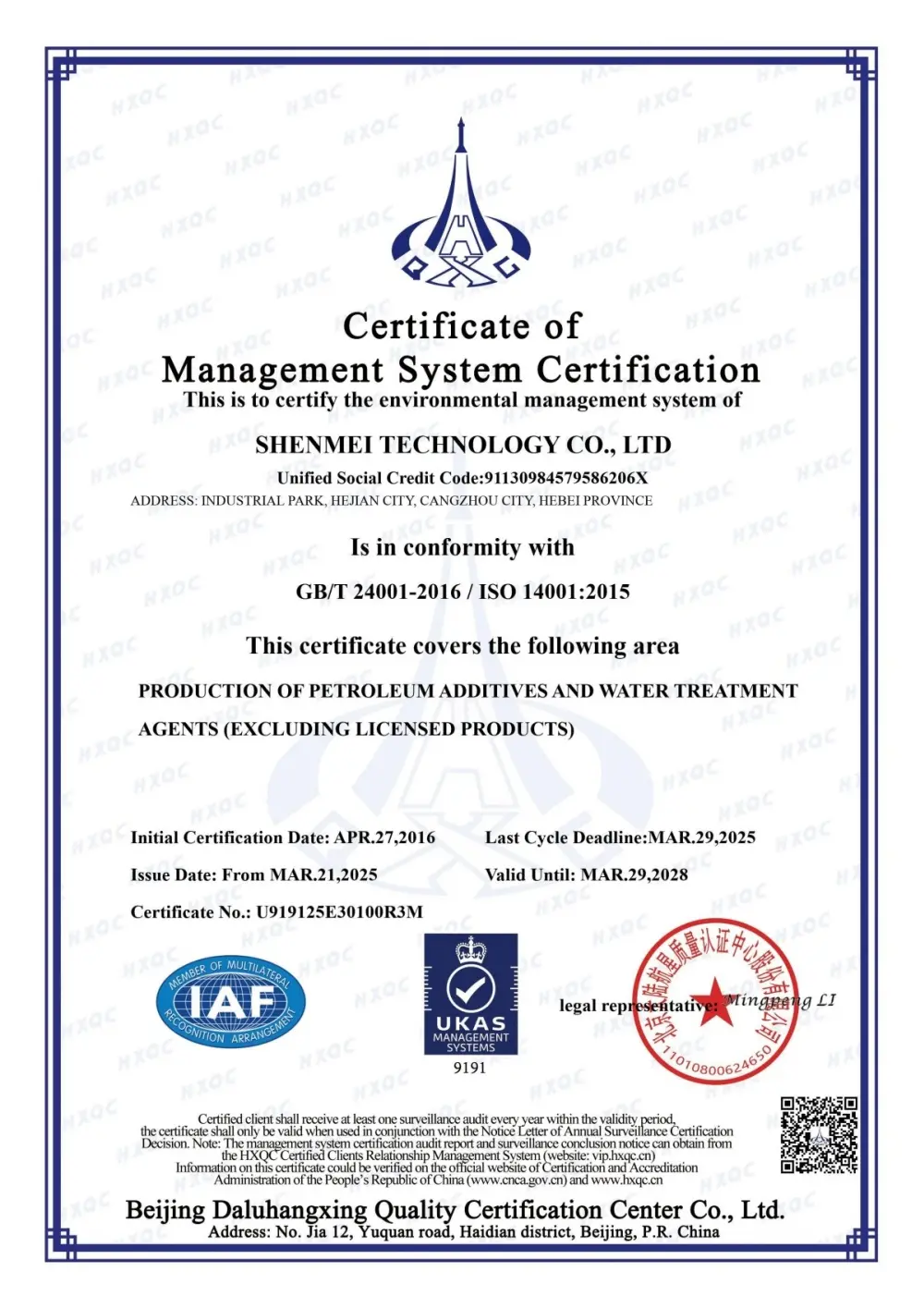
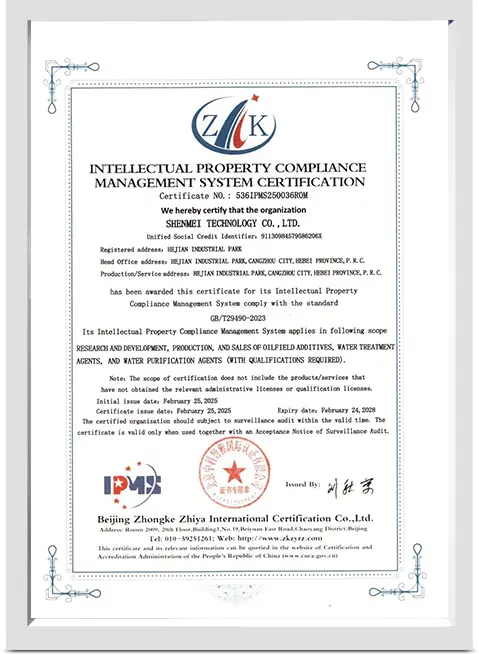
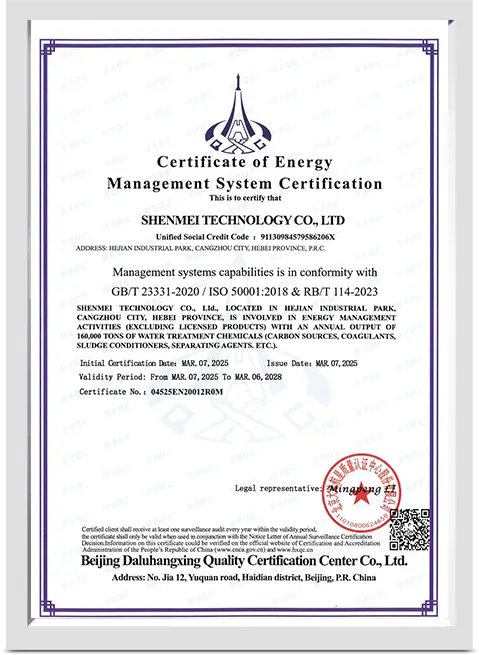
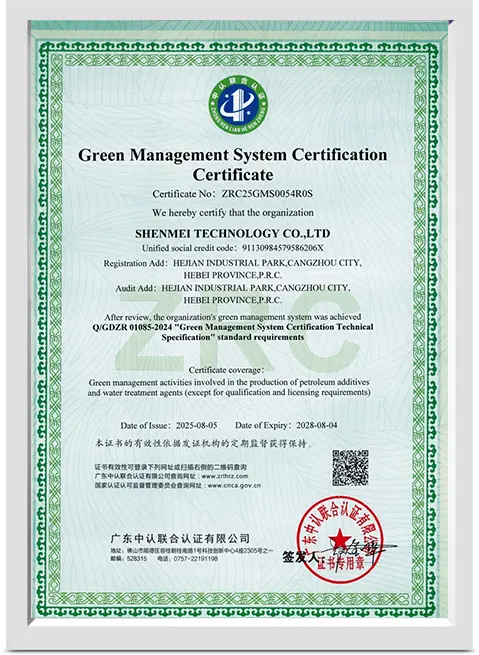
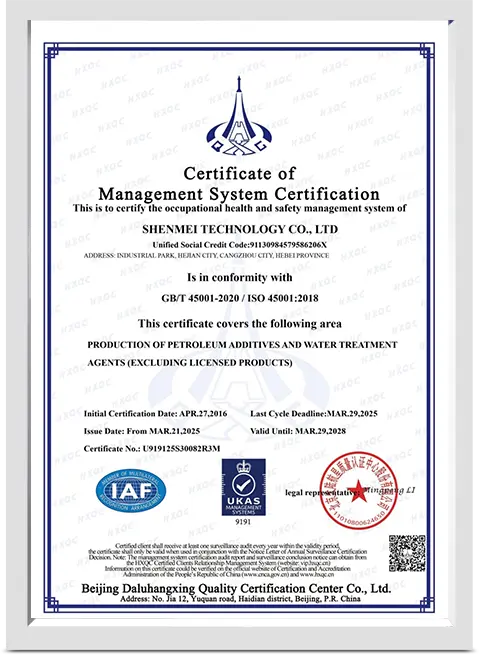
We have obtained qualifications such as National High-tech Enterprise, National Specialized, Refined, Unique and Innovative "Little Giant" Enterprise, National Key-Supported Specialized, Refined, Unique and Innovative "Little Giant" Enterprise, Hebei Province Specialized, Refined, Unique and Innovative "Little Giant" Demonstration Enterprise, Hebei Province Green Factory, Hebei Province Science and Technology-based Small and Medium-sized Enterprise, and China's Science and Technology-based Innovative Small and Medium-sized Enterprise.
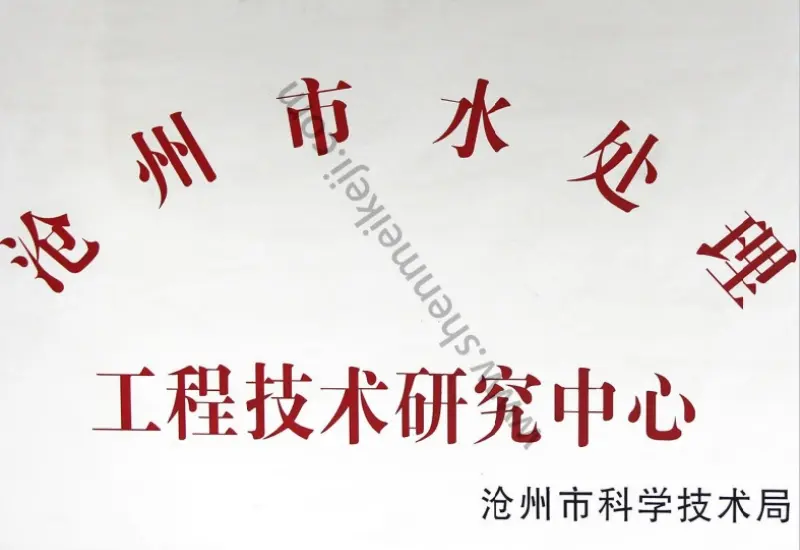
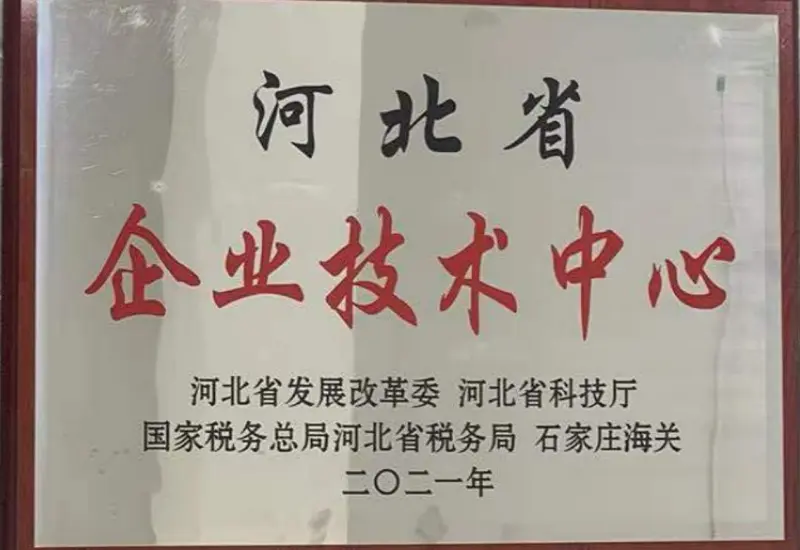
We have a core technical team composed of academicians, experts, professors, and senior engineers, and have established an R&D system and a technology commercialization platform centered around one academy, three research institutes, and five bases. We have established the Hebei Provincial Enterprise Technology Center, the Hebei Provincial Advanced Water Treatment Chemicals Technology Innovation Center, and the Cangzhou Water Treatment Engineering Technology Research Center, and have been recognized as a Class A R&D institution in Hebei Province. We have established an expert workstation with Tsinghua University Association of Senior Scientists and Technicians, and have set up joint R&D laboratories with Shandong University and Beijing University of Technology. Additionally, we also serve as a commercialization partner for the industry-academia-research achievements of institutions such as Peking University and Tianjin University.
The patented technologies and products we have independently developed, such as the bio-enhanced denitrification carbon source and the deep multi-nuclear phosphorus removal agent, have passed the scientific and technological achievement evaluation conducted by the Science and Technology Department of Hebei Province. These achievements have been appraised as “internationally advanced” and have filled a domestic gap in this product category.
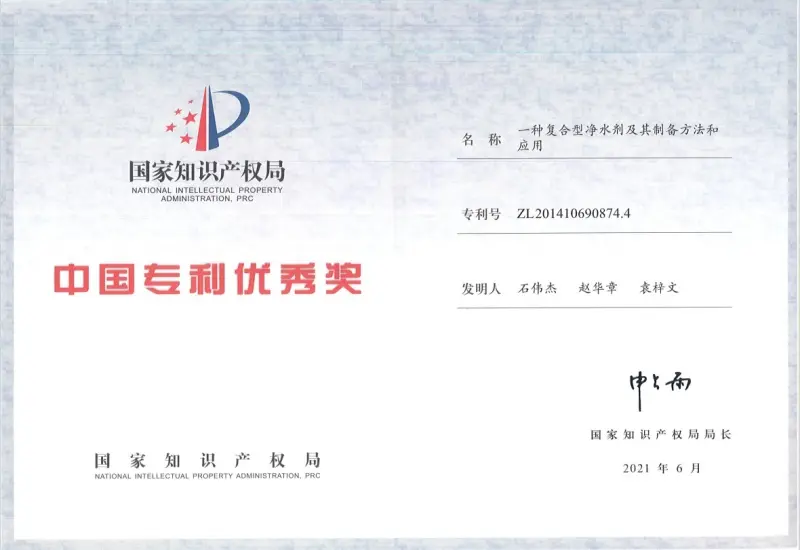
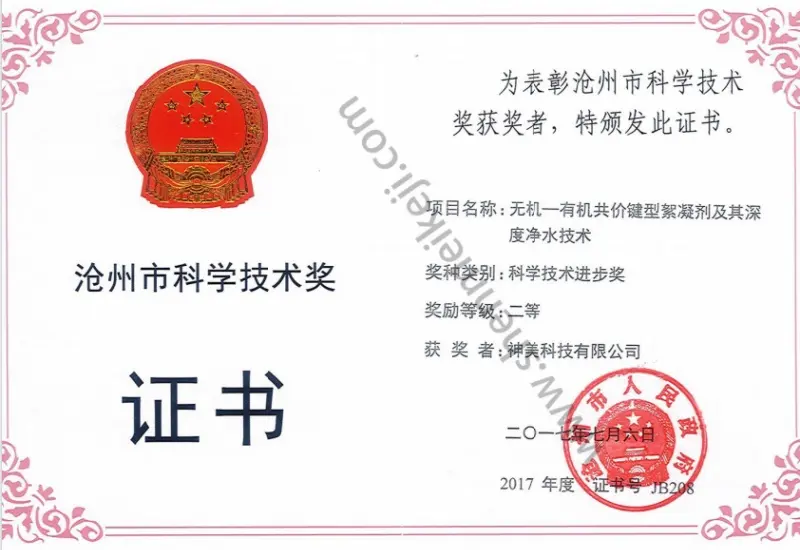
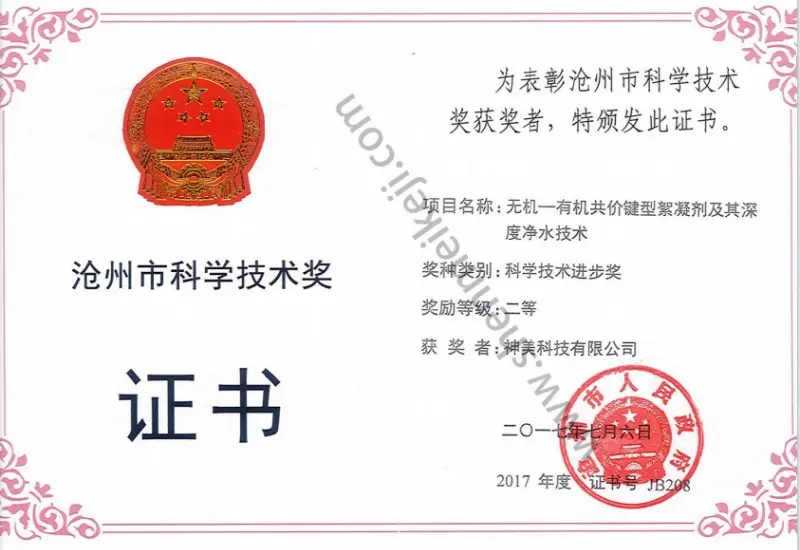
Our “Active Oxygen Compound Disinfectant” has been recognized as a National Construction Industry Scientific and Technological Achievement Promotion Project by the Science and Technology Development Promotion Center of the Ministry of Housing and Urban-Rural Development. Our independently developed “Inorganic-Organic Covalent Bond Flocculant and Its Advanced Water Purification Technology” has won multiple awards, including the 22nd China Patent Award, the First Prize for Technological Invention from the China Petrochemical Industry Association, the Hebei Province Science and Technology Progress Award, and recognition as a Belt and Road SME Recommended Project.
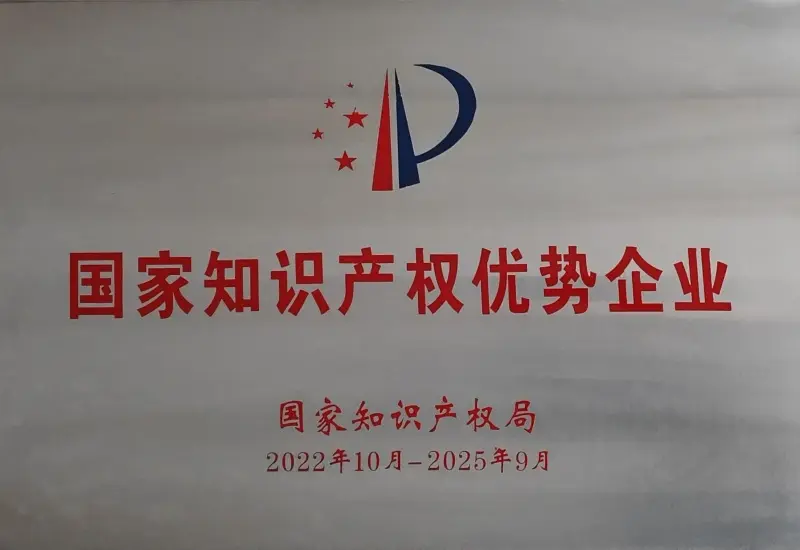
We have been recognized as the “Leading Brand of Advanced Wastewater Treatment Chemicals” and the “Most Valuable Water Treatment Chemicals Brand” by China Water Network and the E20 Environmental Platform for four consecutive years. We have established long-term strategic partnerships with dozens of major water groups, including Shouchuang Ecological and Environmental Group, Yangtze River Ecological and Environmental Group, Beijing Enterprises Water Group, OriginWater, and China Water Environment Group, and have been included in their centralized procurement supplier lists. We have been granted over sixty Chinese patents, including more than forty invention patents and over twenty utility model patents. We have led the drafting of more than ten national and industry standards, including those for composite carbon sources, composite coagulants, sodium acetate, and nitrifying and denitrifying bacterial agents.
Comprehensive environmental protection agent selections for global distribution
A timeline of innovation, growth, and industry leadership
Navigating the green transition, smart dosing systems, and polymer safety standards
The water treatment chemical industry is transitioning from standard treatment options to advanced, highly customized solutions. Driven by global sustainability metrics, carbon neutrality protocols, and circular economy concepts, the future of Cationic Polyacrylamide manufacturing focuses on three key technological areas:
Conventional polyacrylamide formulations rely heavily on petroleum-derived acrylamide monomers. While the polymer chains are inert and non-toxic, their long-term environmental persistence presents challenges. Research is actively focused on incorporating bio-derived backbones (e.g., starch, chitosan, or cellulose derivatives) grafted with cationic acrylic monomers. Smedic’s R&D division, in collaboration with leading academic institutes, is spearheading pilot trials for hybrid organic-inorganic polymers that offer rapid enzymatic degradation in soil while maintaining charge density values suitable for high-solids centrifugation.
Residual acrylamide monomer (AMD) is classified as a neurotoxin and potential carcinogen. Regulatory frameworks globally are lowering permissible residual AMD levels to under 250 ppm for municipal discharge and under 100 ppm for potable water systems. Smedic employs advanced post-polymerization extraction and thermal treatment processes to reduce residual AMD to near-undetectable levels. This ensures our export-grade CPAM complies with NSF/ANSI Standard 60 requirements and stringent European REACH guidelines.
Wastewater treatment plants face fluctuating inlet loads, leading to either chemical under-dosing (resulting in poor effluent quality) or over-dosing (causing polymer waste and membrane fouling). Integrating industrial IoT (Internet of Things) with real-time UV-Vis spectrophotometers and streaming current monitors allows for precise dosing of CPAM. By tracking real-time zeta potential changes in primary and secondary clarifiers, automatic dosing valves dynamically adjust dilution and feed rates. Smedic supports engineering integrations, providing complete telemetry and hardware-software optimization packages to maximize plant performance.
Expert insights addressing key inquiries from design engineers, procurement specialists, and plant operators
Formulated for scale inhibition, foam suppression, and heavy metal removal in industrial systems
 Smedic Tech