Engineered for high performance, thermal efficiency, and environmental compliance. Explore our premium direct-factory products.
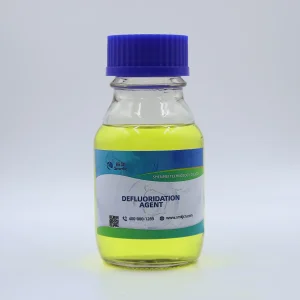
Scale deposits in industrial water systems represent a multi-billion dollar challenge globally. Scale forms when the concentration of dissolved mineral salts exceeds their solubility limits, precipitating onto heat transfer surfaces and membranes. Typical scales like calcium carbonate (CaCO₃), calcium sulfate (CaSO₄), barium sulfate (BaSO₄), and silica restrict flow, degrade heat transfer efficiency, and induce localized under-deposit corrosion.
Advanced descalers and scale inhibitors work through three primary mechanisms: threshold inhibition, crystal modification, and dispersion. Threshold inhibition disrupts the crystallization process at sub-stoichiometric levels, preventing nuclei from growing. Crystal modification deforms the growing crystal lattice structures, preventing them from adhering to surfaces. Finally, polymeric dispersants add negative charges to suspended particles, keeping them repelled and suspended in the water stream rather than settling on equipment.
For reverse osmosis and industrial cooling towers, precise dosing requires evaluating the LSI or Ryznar Stability Index (RSI). Effective formulation ensures operation above standard LSI saturation limits without scale formation risk.
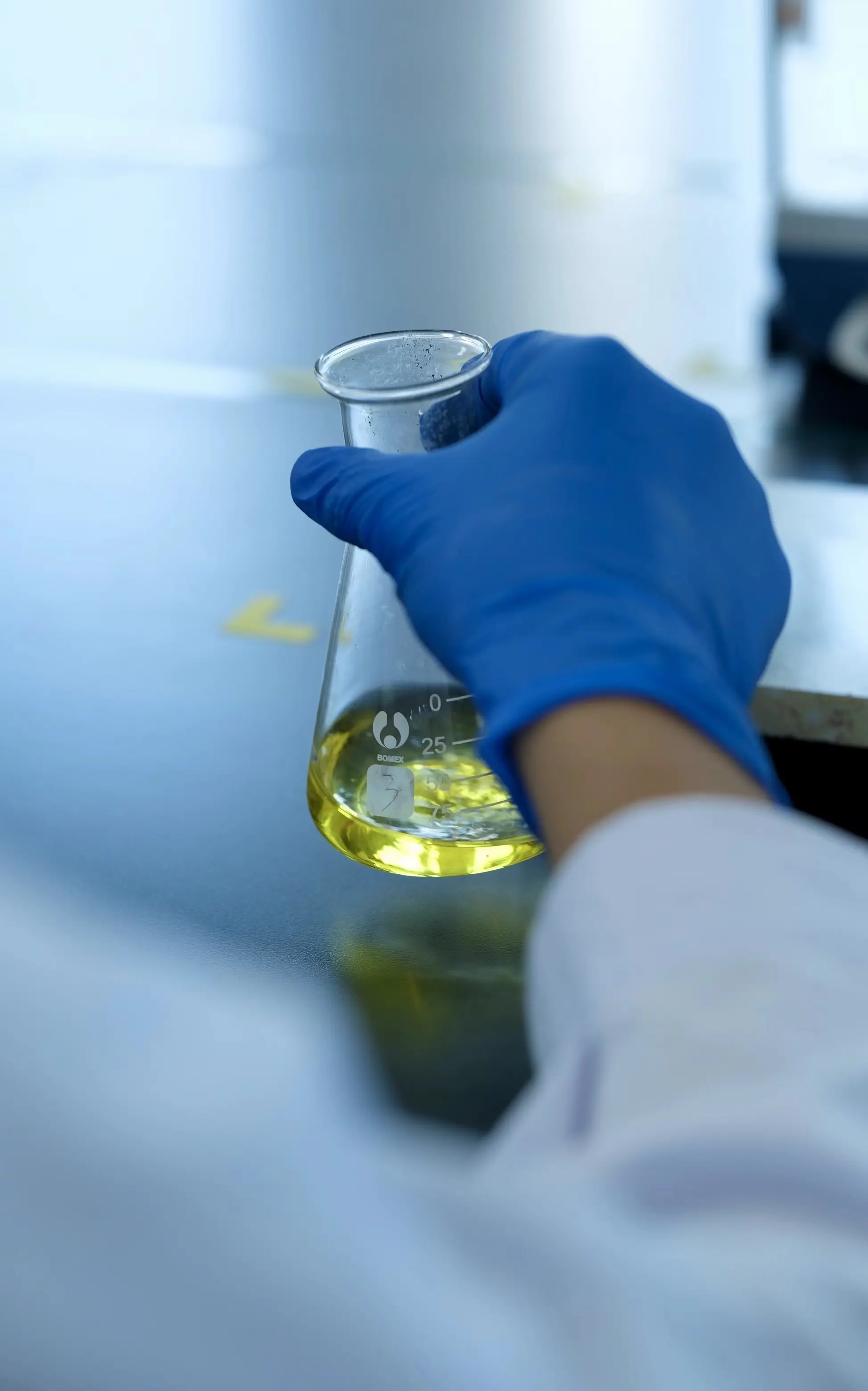
Tailored chemical compositions designed to resolve scale, corrosion, and biological fouling across diverse operational conditions.
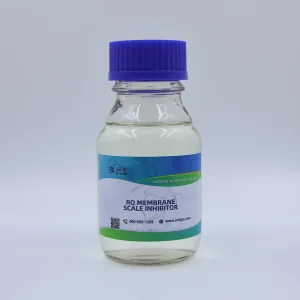
Highly effective formulations preventing crystallization of calcium carbonate, calcium sulfate, and silica on delicate polyamide membranes. Extends cleaning cycles (CIP) and maintains stable flux rates.
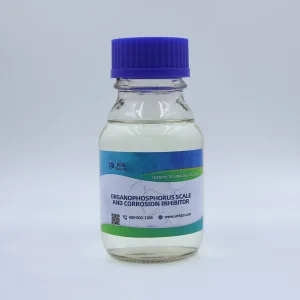
Utilizing highly stable structures like HEDP, ATMP, and PBTC. These compounds offer excellent thermal stability, making them perfect for high-pressure boilers and high-temperature cooling loops.
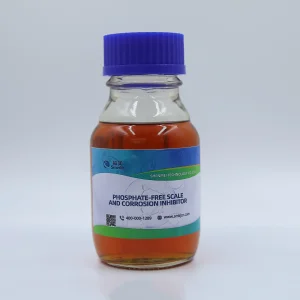
Advanced biodegradable antiscalants like polyaspartic acid (PASP) and polyepoxysuccinic acid (PESA) that comply with strict global phosphorus discharge regulations without sacrificing scale inhibition efficiency.
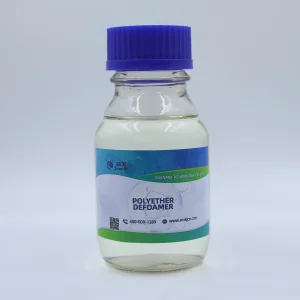
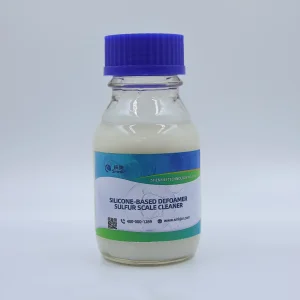
Specially formulated defoaming agents designed for biological reactors, industrial wastewater neutralization, and high-foam oilfield applications to prevent mechanical overflow.
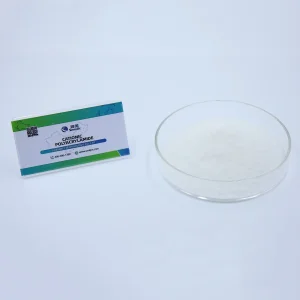
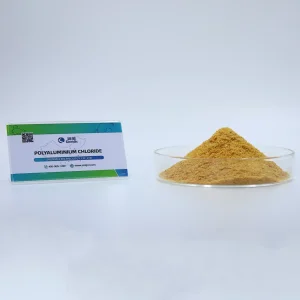
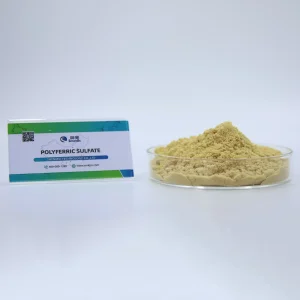
Premium Polyaluminum Chloride (PAC), Polyferric Sulfate (PFS), and Polyacrylamide (PAM) formulations. Optimizes solid-liquid separation, sludge dewatering, and turbidity removal.
Engineered chelating polymers that precipitate dissolved contaminants out of industrial wastewater, helping operators meet stringent environmental limits and regulatory criteria.
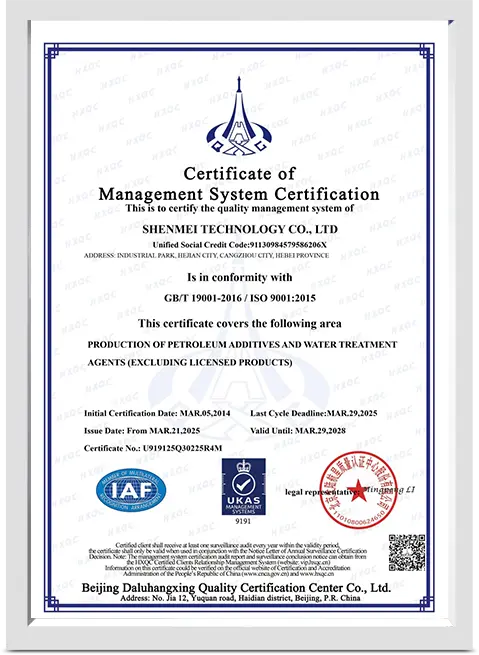
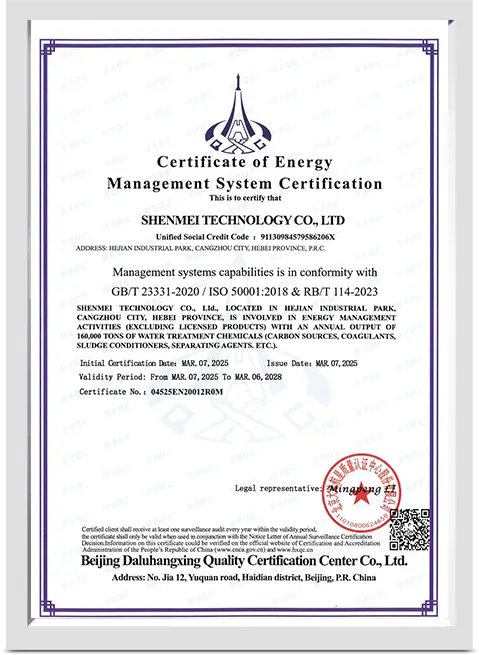
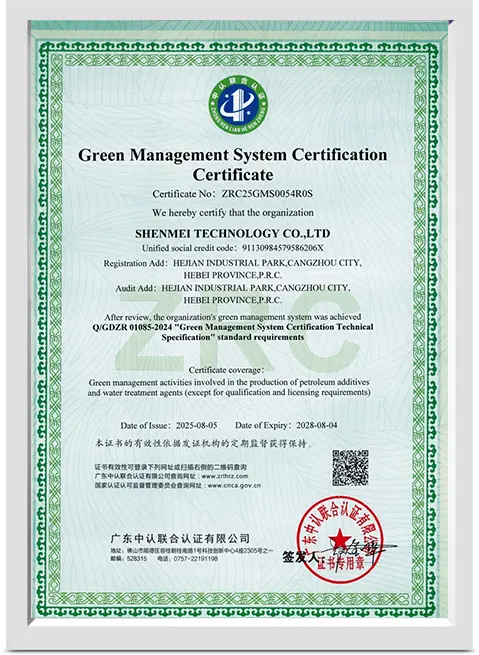
A comprehensive environment protection chemical agent provider specializing in R&D, production, sales, and localized technical services since 2011.
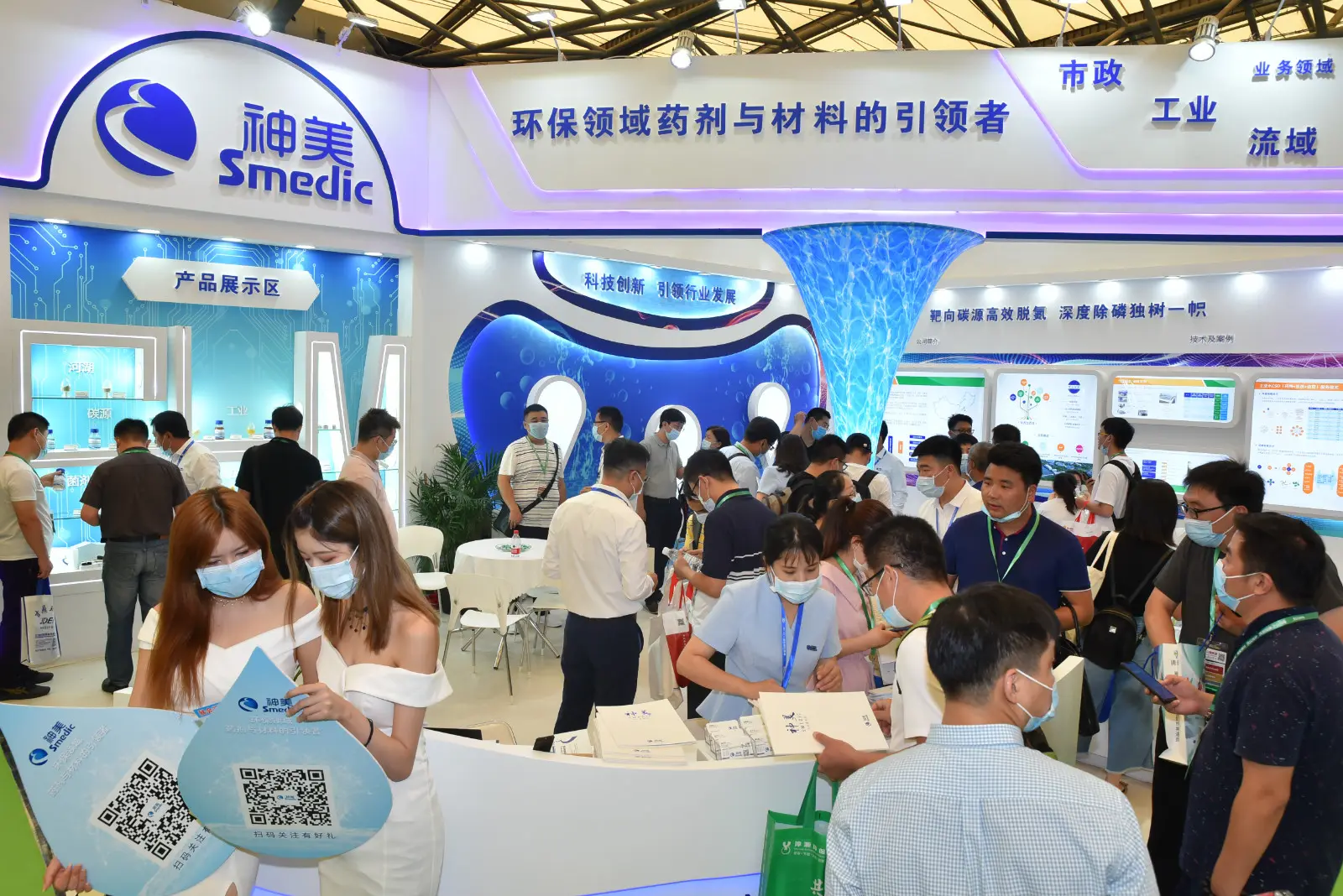
Headquartered in Beijing, Smedic operates wholly-owned production bases in Hebei, Guizhou, Shanxi, and regional warehousing/logistics centers across Shandong, Anhui, Guangxi, and Sichuan. This strategic positioning covers over 20 Chinese provinces, ensuring rapid deployment and stable logistics. We proudly support over 600 urban municipal sewage treatment plants and 1,000+ industrial end customers in mineral processing, oilfield development, and cooling loop systems.
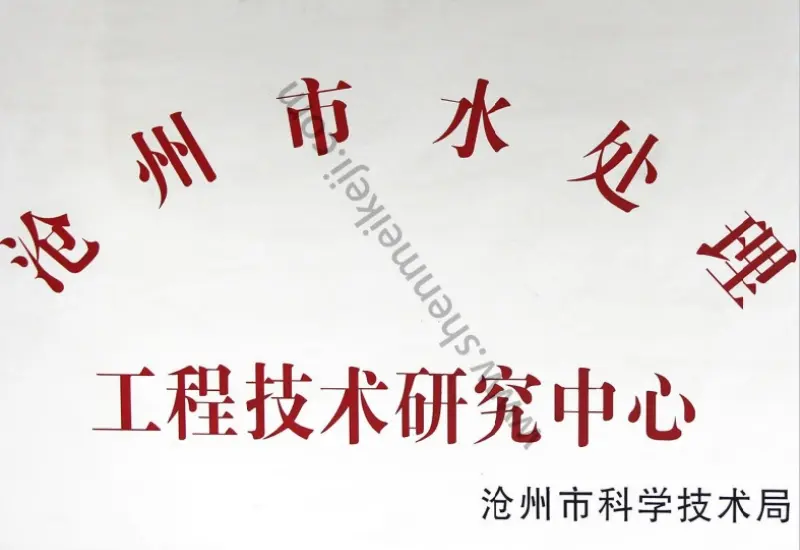
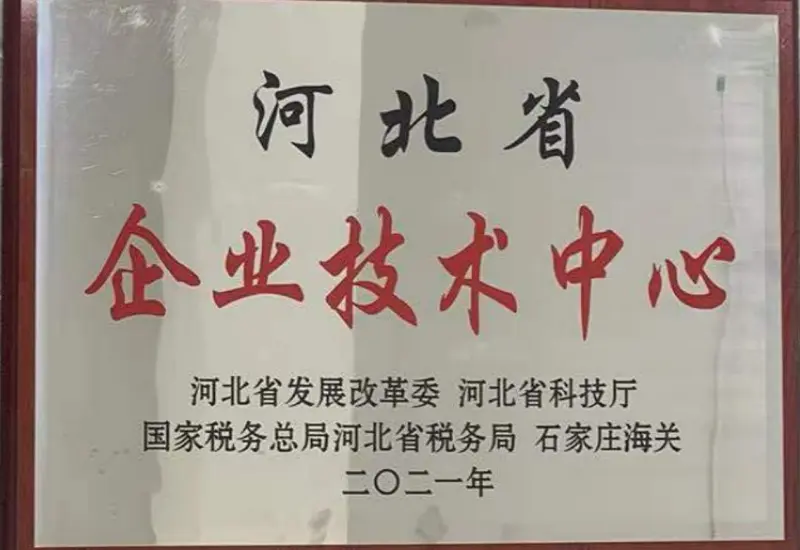
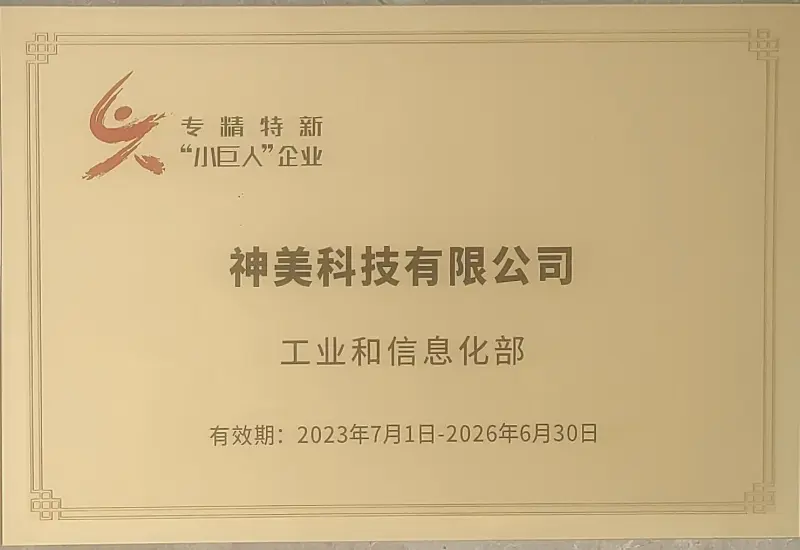
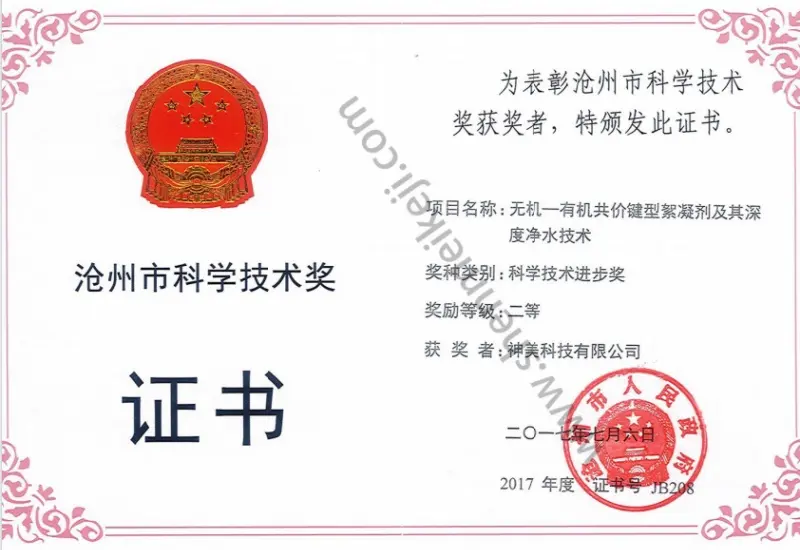
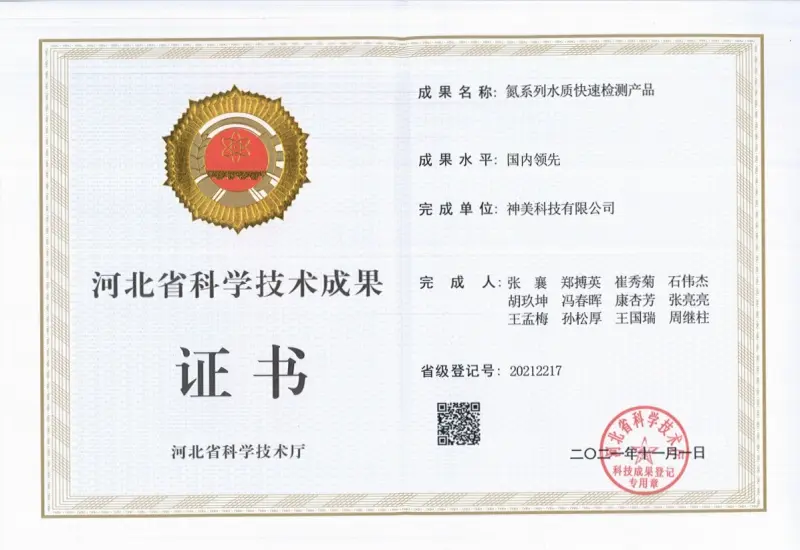
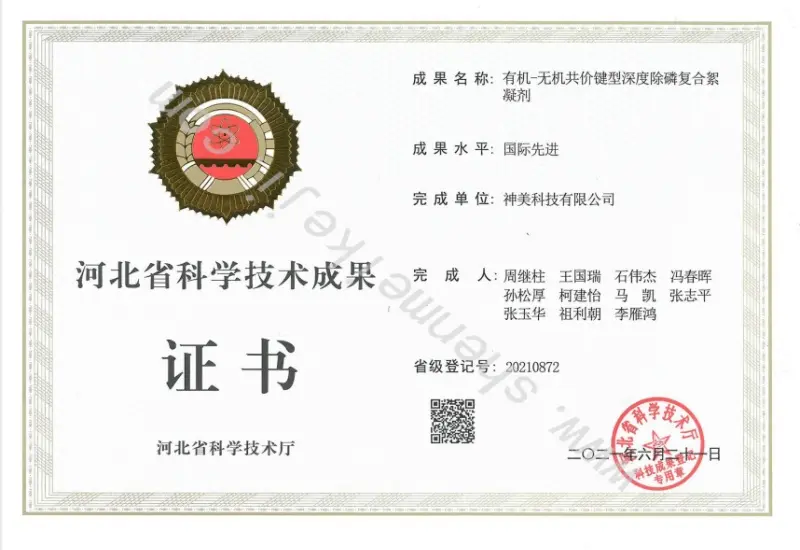
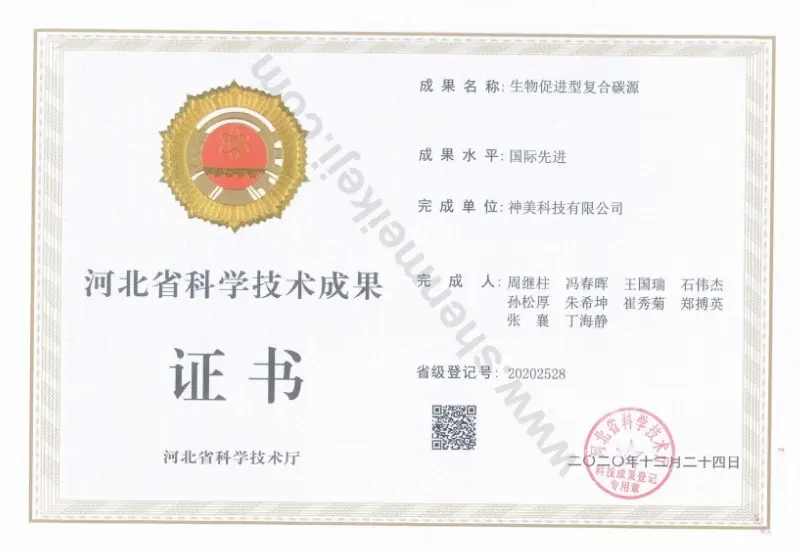
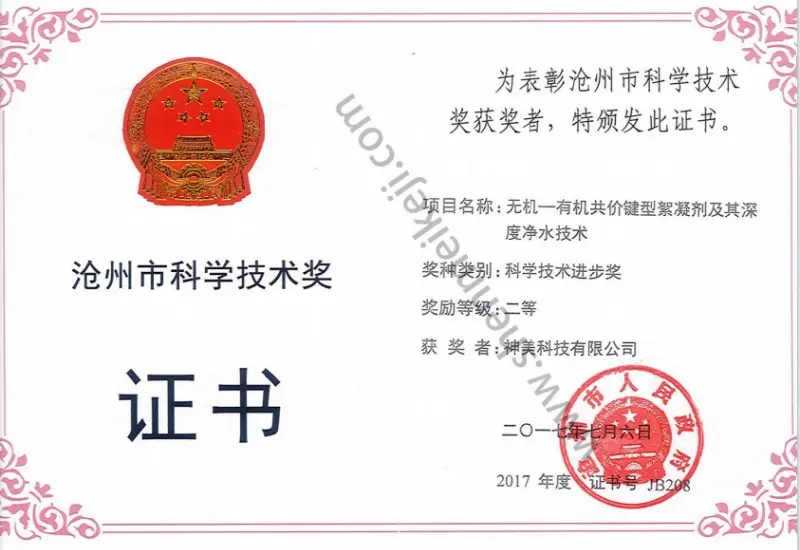
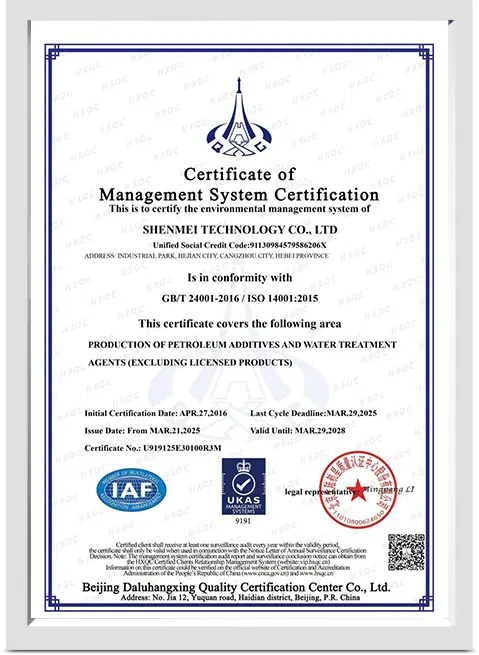
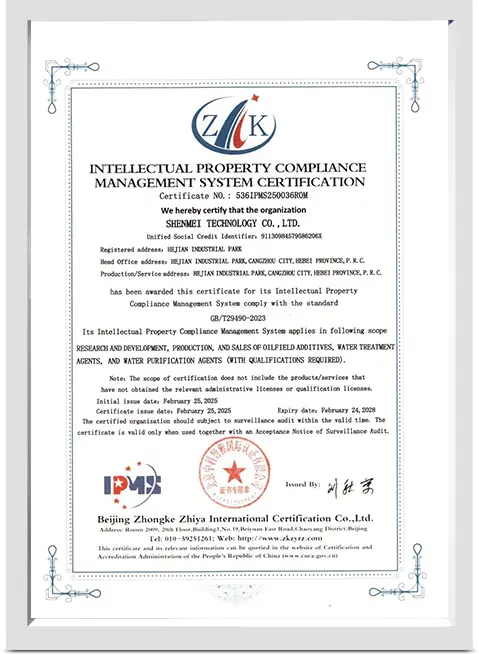
Smedic is recognized as a National High-tech Enterprise and a Specialized, Refined, Unique and Innovative "Little Giant" Enterprise. Our research framework is built around 1 Academy, 3 Research Institutes, and 5 Bases. We have established research centers and joint R&D laboratories with top-tier universities, including Tsinghua University, Shandong University, and Beijing University of Technology.
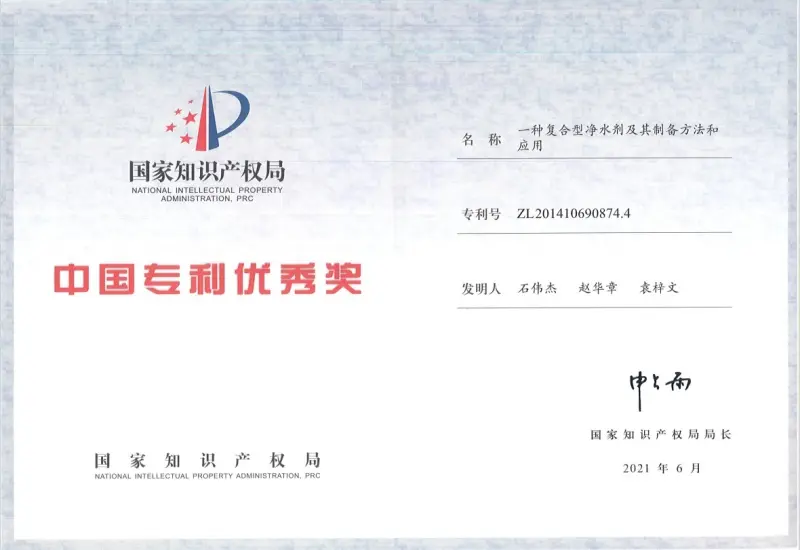
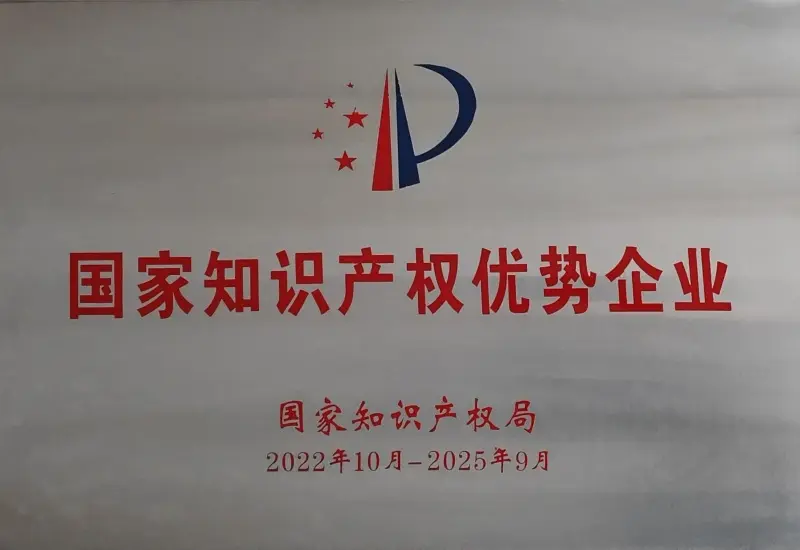
Holding over sixty Chinese patents (including more than forty invention patents) and lead drafting over 10 national water treatment standards.
How integrated procurement, chemical raw material upstream alignment, and deep industrial scale maximize value for global partners.
By positioning our key factories directly near chemical raw material clusters, Smedic secures stable, long-term supplies of monomers and core salts. This allows us to guarantee pricing stability and uninterrupted deliveries even during volatile global market cycles.
Operating custom, fully-automated reaction chambers capable of continuous synthesis, our facilities exceed 1 million tons of annual output. High automation reduces manual variance, guaranteeing consistent scale-inhibition performance across lots.
From highly specialized, customized active ingredient concentrations to tailor-made private labels and drum/IBC container packaging, our facilities adapt rapidly to client specifications and international shipping regulations.
Procurement directors in multinational chemical companies, large-scale EPC contractors, and water utilities face intense pressures: balancing operational efficiency against volatile logistics costs, international safety norms, and technical requirements. Smedic satisfies these stringent mandates through dedicated trade teams and standard operating procedures (SOPs) for export clearance.
We ensure that our logistics comply with international shipping guidelines for dangerous and non-dangerous chemicals, including IMDG codes, providing complete GHS-compliant Safety Data Sheets (SDS), certificates of origin, and custom packaging designs that stand up to intercontinental shipping stresses.
By optimizing dosage efficacy (active ingredient strength) and shipping logistics, we help clients minimize cost-per-cubic-meter treated water, driving down operating expense (OPEX) in desalination and cooling plant processes.
Navigating complex international chemical regulatory landscapes to ensure safe, legal, and rapid imports for global clients.
For European buyers, we provide REACH-pre-registered and fully registered substances, complying with EU chemical safety requirements and ensuring import viability.
Our chemicals designed for municipal potable water treatment conform to food-grade and public safety regulations, meeting key testing metrics parallel to NSF/ANSI Standard 60.
Every shipment undergoes a triple-tier inspection process: raw material assay checks, intermediate reaction chamber analysis, and pre-shipment COA (Certificate of Analysis) generation.
Real-world operational implementations where Smedic scale-control chemistries optimize industrial efficiency.
High temperatures and evaporation cycles dramatically elevate scaling risk in metallurgy and thermoelectric cooling networks. Implementing our organophosphorus scale and corrosion inhibitors prevents thermal scale build-up, maintaining heat exchanger parameters and avoiding emergency downtime. By avoiding scale, plants reduce energy loss by up to 15% and cut maintenance costs related to mechanical tube cleaning.
Desalination units operate under extreme high-salinity conditions. The presence of carbonate and sulfate ions poses severe membrane clogging threats. Our specialized RO membrane scale inhibitors suppress scale formation even at high recovery rates, significantly extending membrane life and reducing the frequency of chemical cleaning cycles.
Municipal facilities processing reuse-quality effluent must remove secondary minerals and phosphate residues to avoid eutrophication in downstream ecosystems. Utilizing Smedic's composite PAC coagulants and premium anionic polyacrylamide APAM, municipal operators achieve stable flocculation and accelerated settling. This clean processing minimizes post-filtration fouling, ensuring compliance with strict regional environmental standards.
In high-pressure oil exploration, re-injected water often contains complex mixtures of barium, strontium, and sulfate ions, creating highly stubborn scales. Smedic custom antiscalants are formulated to resist high temperature and shear forces downhole, keeping injection lines clear and preserving oilwell productivity.
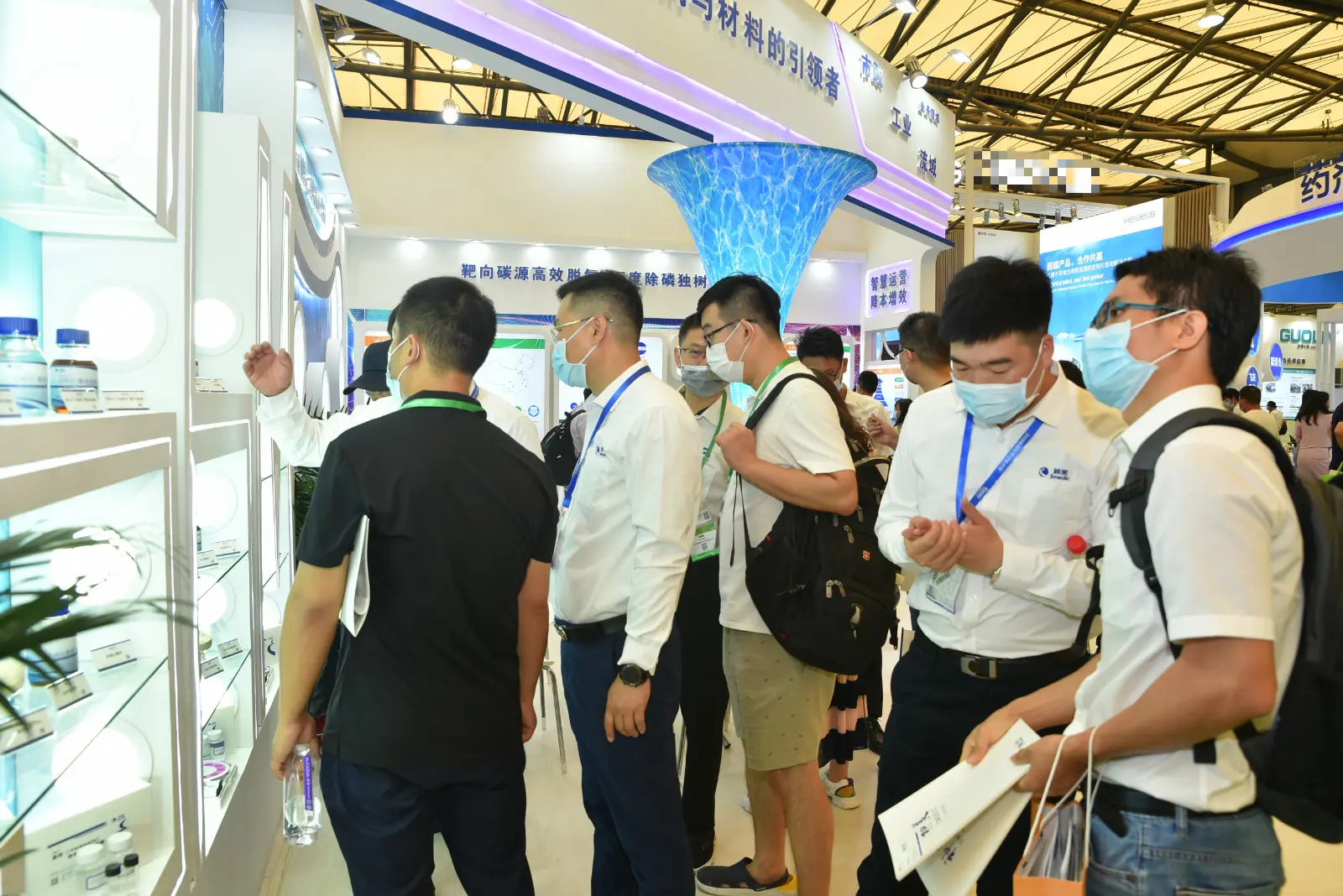
The water treatment chemical industry is undergoing a paradigm shift driven by environmental mandates and resource conservation goals. Smedic is at the forefront of these transitions, focusing research on green chemistry, circular systems, and intelligent deployment.
Green Chemistry (Zero-Phosphorus): Regulatory pressures on phosphorus discharge are forcing industrial systems to seek low-phosphorus or zero-phosphorus alternatives. Next-generation biopolymers like polyaspartic acid (PASP) are replacing traditional phosphonates due to their outstanding biodegradability and minimal ecological footprint.
Smart Dosing & Real-Time Monitoring: Integrating chemical dosing with real-time water quality sensors and predictive AI algorithms is becoming the standard. Dynamic dosing adjusters respond to swings in pH, conductivity, and temperature, optimizing agent usage and avoiding chemical waste.
Zero Liquid Discharge (ZLD) Compatibility: As zero liquid discharge policies become mandatory across heavy industrial zones, treatment chemicals must perform under extreme mineral concentration factors. Our latest R&D focus is on antiscalants that remain active in brine water nearing saturation limits.
Answers to critical technical, operational, and procurement queries regarding descalers and scale inhibitors.
Complementary industrial agents including coagulants, defoamers, and corrosion inhibitors manufactured to ISO specifications.
 Smedic Tech