Explore our premium range of factory-formulated antiscalants, defoamers, and flocculants designed for industrial scale management, reverse osmosis protection, and municipal water safety.
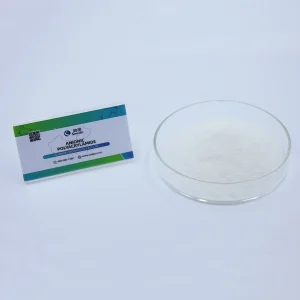
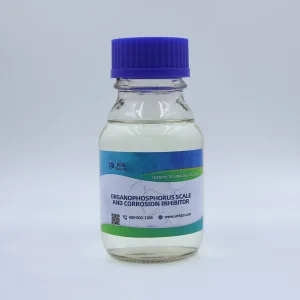
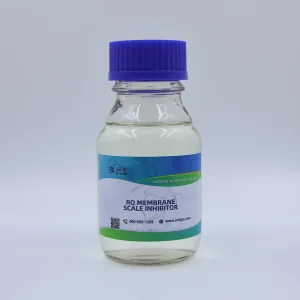
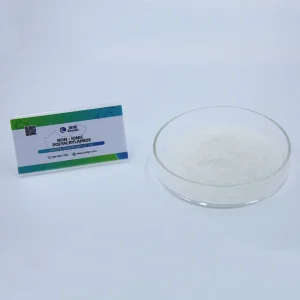
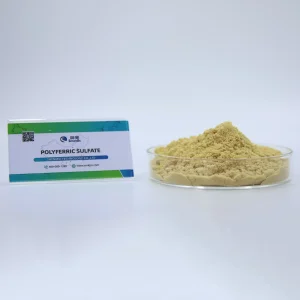
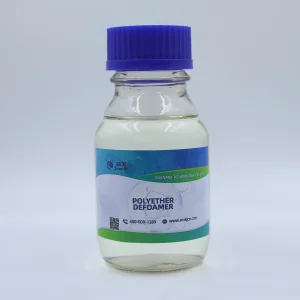
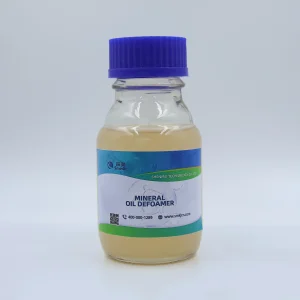
An in-depth analysis of calcium carbonate dynamics, scale kinetics, and targeted chemical solutions for major industries.
Hard water is enriched with divalent cations, primarily calcium (Ca2+) and magnesium (Mg2+), alongside bicarbonate (HCO3-) and sulfate (SO42-) anions. Under thermodynamic alterations—such as localized temperature spikes, pressure drops, or pH shifts—these dissolved ions exceed their solubility limit, precipitating out of solution. The most common manifestation, calcium carbonate (CaCO3), crystallizes into hard, insulating scales (calcite, aragonite, or vaterite polymorphs) directly onto heat-transfer and fluid-transport boundaries.
In highly intensive thermal environments, such as steam boilers, cooling loops, and multi-stage flash desalination plants, scaling leads to a drastic drop in thermal efficiency. A mere 1mm of calcium carbonate scale buildup can trigger up to an 11% increase in energy consumption. Over time, localized scale deposition creates severe under-deposit corrosion hazards, placing critical mechanical equipment at risk of catastrophic structural failure.
To interrupt the nucleation and growth phases of scale formation, modern water treatment relies on advanced chemical antiscalants. These active compounds function via three primary chemical pathways:
Established in 2011, Smedic Technology Co., Ltd. is a leading, comprehensive solution provider specializing in environmental protection agents, integrating cutting-edge R&D, scale production, global sales, and engineering-related technical services. We are dedicated to providing global industrial and municipal clients with customized chemical products, customized technical solutions, and long-term technical services.
Smedic produces high-efficacy environmental protection agents covering multiple sectors such as municipal sewage treatment, industrial wastewater purification, tap water filtration, mineral processing agents, and oilfield chemicals. We currently offer more than 80 distinct environmental protection products, with our annual production capacity exceeding 1 million tons.
Our corporate headquarters is located in Beijing, and we have multiple wholly-owned production bases in Hebei, Guizhou, Shanxi, and other regions. We have also set up more than ten OEM partner factories and regional warehousing and logistics bases in Shandong, Shanxi, Anhui, Guangxi, and Sichuan provinces, among others. Our domestic business and service network covers over 20 provinces across China, involving more than 600 urban sewage treatment plants and over 1,000 end customers in industrial wastewater treatment, mineral processing, and oilfield chemicals. Our total wastewater treatment capacity involved in projects exceeds 20 million tons per day, establishing our firm as a market leader in the municipal and industrial wastewater treatment chemical sectors.
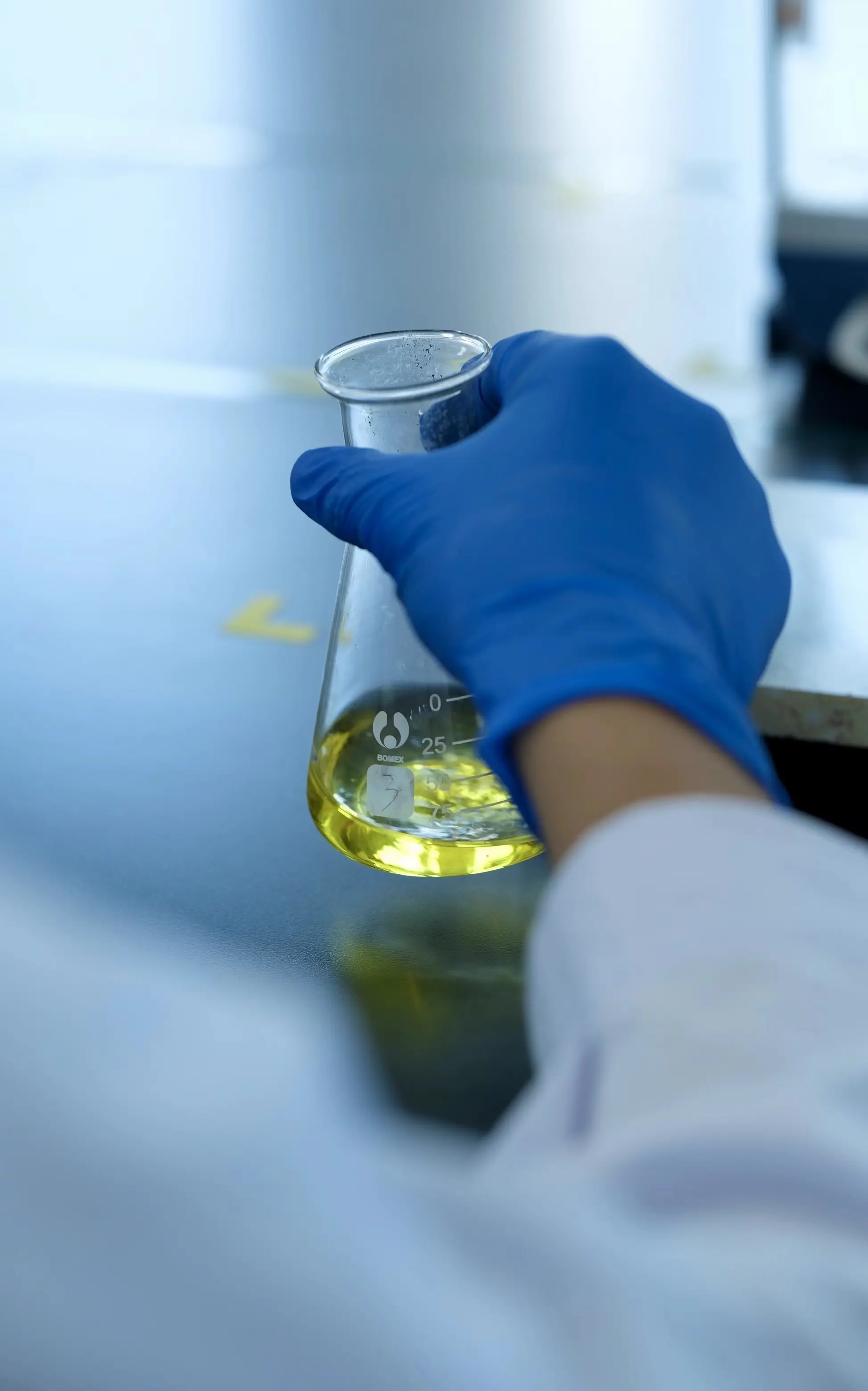
Our commitment to technical excellence is supported by robust research partnerships, national recognitions, and a strong portfolio of patents.
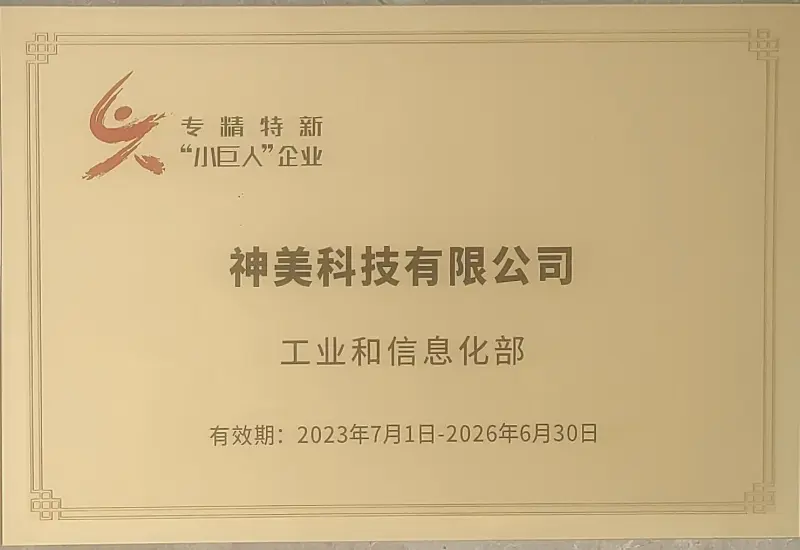
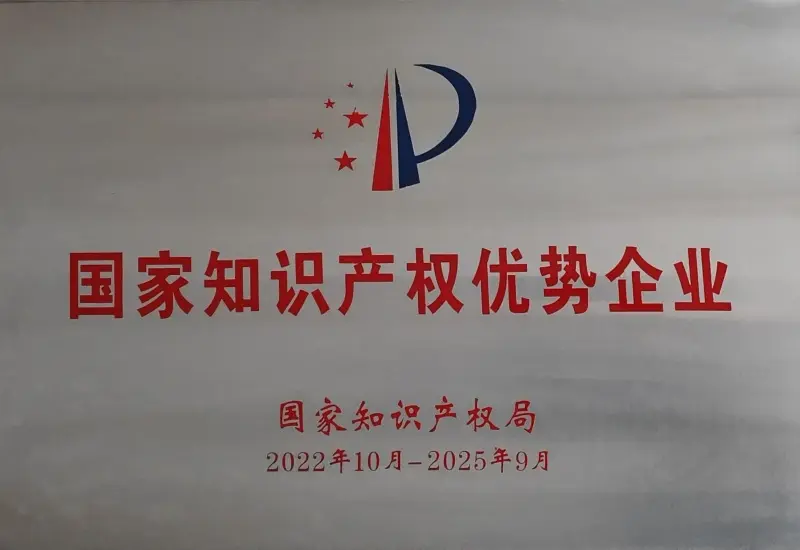
Smedic Technology has proudly obtained qualifications as a National High-tech Enterprise and a National Specialized, Refined, Unique and Innovative "Little Giant" Enterprise.
We are recognized as a Hebei Province Green Factory and Hebei Province Science and Technology-based Small and Medium-sized Enterprise, representing our dedication to sustainable and advanced manufacturing.
Our core technical team is composed of academicians, water experts, professors, and senior engineers. We operate a highly structured R&D network built around one academy, three research institutes, and five production bases.
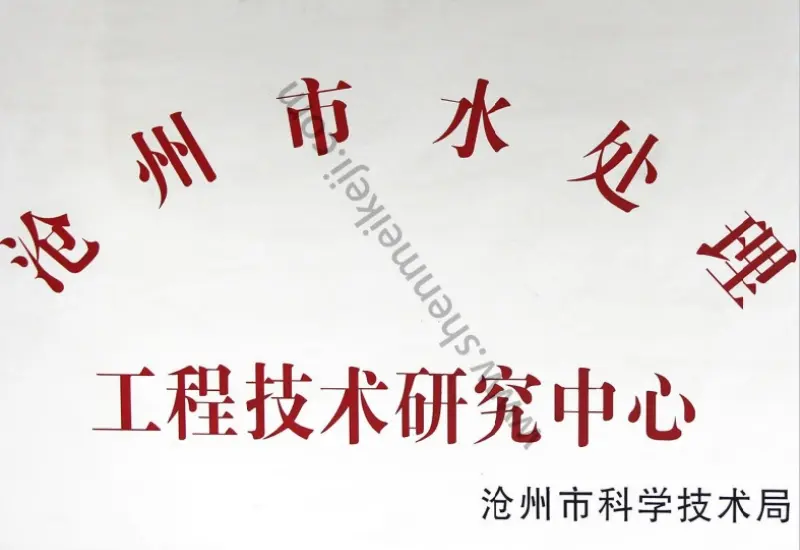
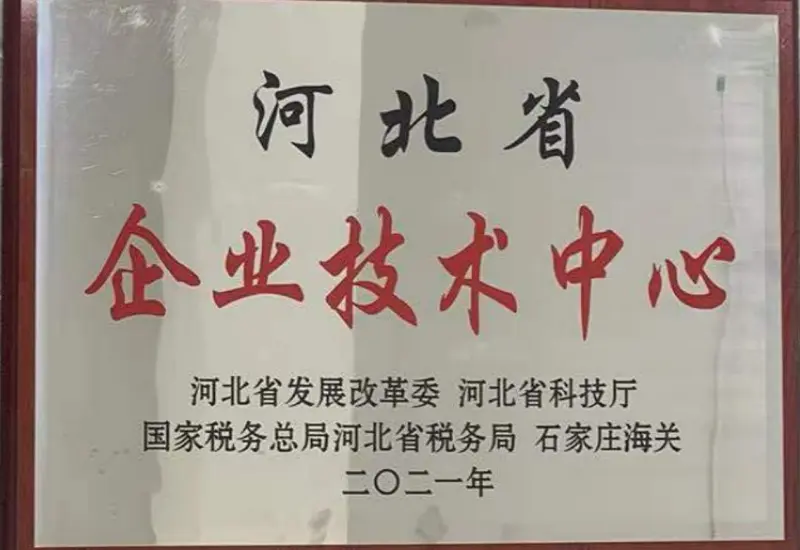
We host the Hebei Provincial Enterprise Technology Center and the Cangzhou Water Treatment Engineering Technology Research Center. In cooperation with leading institutions, we have established workstations with the Tsinghua University Association of Senior Scientists and Technicians, alongside joint research labs with Shandong University and Beijing University of Technology.
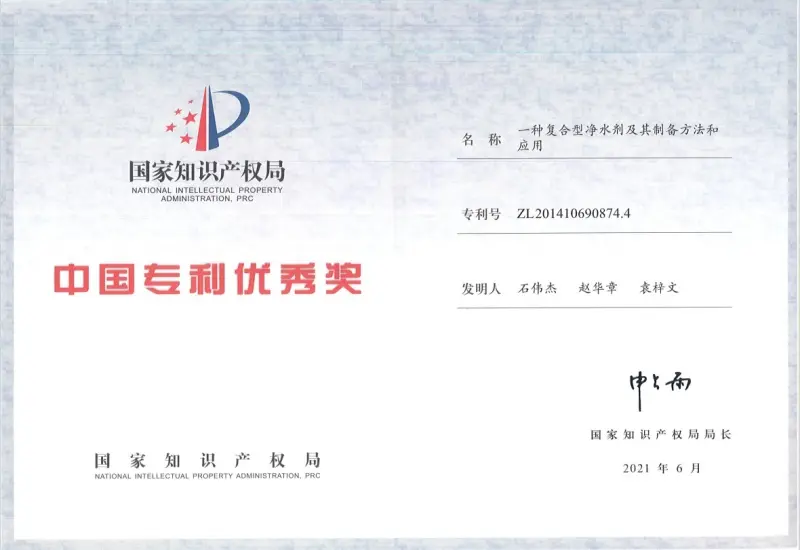
Smedic has been granted over 60 Chinese patents, including more than 40 invention patents and 20 utility model patents. Our independently developed technologies, such as the bio-enhanced denitrification carbon source and the deep multi-nuclear phosphorus removal agent, have been appraised as "internationally advanced."
Furthermore, we have led the drafting of more than ten national and industry standards, including those for composite carbon sources, composite coagulants, sodium acetate, and nitrifying/denitrifying bacterial agents.
The technological evolution of hard water descalers from harsh inorganic acids to eco-friendly, high-performance polymeric formulations.
Environmental regulations globally, such as the EU's REACH Directive and North American local EPA limits, are cracking down on phosphorus discharges that cause aquatic eutrophication. This pressure has driven the industry toward phosphorus-free or ultra-low phosphorus scale inhibitors. Sustainable options like polyaspartic acid (PASP) and polyepoxysuccinic acid (PESA) are replacing traditional phosphonates (like HEDP or PBTC) while maintaining scale control efficiency in cooling towers.
With industrial sites increasingly adopting "Zero Liquid Discharge" (ZLD) configurations, wastewater is recycled multiple times, resulting in extremely high dissolved solids (TDS) and silica concentrations. Next-generation descalers are engineered to target complex, mixed scales like calcium sulfate, barium sulfate, and colloidal silica. This chemical precision protects expensive reverse osmosis (RO) membranes and industrial evaporator surfaces from performance degradation.
The modern industrial scale management sector is integrating IoT sensors and fluorescent tracing technology directly into chemical solutions. By modifying antiscalants with inert fluorescent markers, automation systems can measure actual concentration down to parts-per-billion (ppb). This data enables precision chemical dosing, eliminating both waste from over-dosing and scale-related risks from under-dosing.
How global industrial operations approach scale inhibition across key sectors to secure plant performance and supply chain stability.
Industrial facilities face distinct scaling threats depending on their core processes. Smedic designs targeted treatment options to meet these unique challenges:
B2B buyers, EPC contractors, and procurement managers prioritize suppliers who can offer end-to-end operational assurance, focusing on key performance pillars:
A look at Smedic's evolution from a regional chemical supplier to a nationally recognized water treatment innovator.
Strategic directions guiding Smedic's research and development over the next decade.
| Research Domain | Current Capabilities | Next-Generation (2025-2027) | Future Target (2028-2030) |
|---|---|---|---|
| Scale Inhibitor Chemistry | Organophosphorus (HEDP/PBTC) & Acrylic polymers (PAA) | Biodegradable polymers (PASP/PESA) & low-phosphorus blends | Enzymatic biomimetic scale inhibitors & complete bio-degradation |
| Covalent Flocculation | Inorganic-organic covalent bond flocculant systems | Hybrid flocculants with target ionic charge tuning | Nanocomposite flocculant materials for rapid micro-pollutant removal |
| Dosing Systems | Manual adjustments & continuous flow pumps | Fluorescent tracing chemical feedback control loops | Autonomous AI-driven dosing based on real-time electrochemical water analysis |
| Specialty Defoamers | Standard silicone & mineral oil emulsions | High-temperature stable organic polyether defoamers | Self-dispersing, micro-emulsion defoamers with zero surface carryover |
Answers to common questions from plant managers, procurement teams, and engineers regarding industrial scale management.
Expand your process efficiency with our complete selection of polyacrylamides, organic defoamers, and heavy-metal removal agents.
 Smedic Tech