The global mining sector generates billions of cubic meters of wastewater annually, widely known as mine water. As environmental regulations tighten from North America to the European Union and the Asia-Pacific region, sustainable mine water management has transformed from a regulatory compliance task to a core economic driver.
In modern mining operations—encompassing coal, copper, gold, iron ore, and lithium processing—wastewater presents extreme chemical complexity. Raw discharge often contains elevated levels of suspended solids (TSS), highly corrosive Acid Mine Drainage (AMD), heavy metal ions (such as copper, lead, zinc, arsenic, and manganese), and severe dissolved salts. Without intervention, unchecked discharge ruins local ecosystems, pollutes municipal drinking water aquafers, and incurs astronomical regulatory fines.
Furthermore, the massive consumption of fresh water in mineral flotation circuits puts heavy pressure on local water basins. Mining complexes are increasingly forced to recycle up to 95% of their process water. However, recycling creates a compounding cycle of dissolved salt accumulation and organic residue concentration. This process impairs flotation efficiency and accelerates scaling in expensive piping systems. Consequently, specialized water treatment agents have become essential tools for sustainable mining.
Addressing complex mine wastewater requires a multi-stage physical-chemical treatment roadmap. Leading exporters leverage a combination of coagulation, flocculation, scale inhibition, and dynamic defoaming to ensure continuous operation.
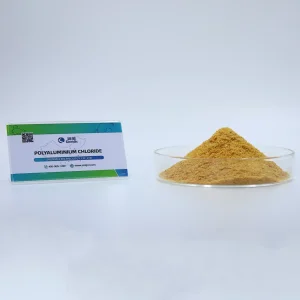
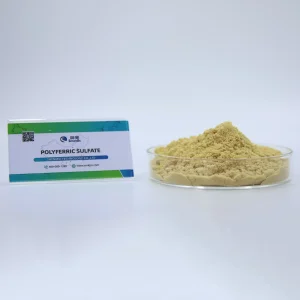
Utilizing high-basicity Polyaluminum Chloride (PAC) and Polyferric Sulfate (PFS) to neutralize negative surface charges on colloidal clay particles and coal fines, allowing them to form stable micro-flocs.
Introducing high-molecular-weight Polyacrylamide (PAM) polymer chains (Anionic, Cationic, or Non-ionic) that bind micro-flocs into large, rapid-settling macro-flocs for easy separation in thickeners and dewatering presses.
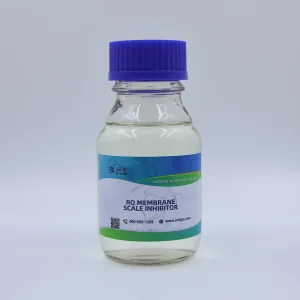
Dosing advanced RO Membrane Scale Inhibitors (including Phosphate-free variants) to prevent calcium carbonate, calcium sulfate, and silica scaling on reverse osmosis membranes during high-recovery filtration cycles.
Acid Mine Drainage remains one of the most destructive byproducts of metal mining, characterized by low pH and high concentration of dissolved iron, sulfate, and heavy metals. When exposed to oxygen and water, iron sulfides in tailings oxidize, generating sulfuric acid.
Remediation begins with neutralization (typically using lime or sodium hydroxide) to raise pH and precipitate metal hydroxides. However, precipitation alone yields slow-settling particles. Smedic's Inorganic-Organic Covalent Bond Flocculant acts as a powerful bridge, capturing fine metal hydroxide precipitates and dramatically reducing retention time in sedimentation basins.
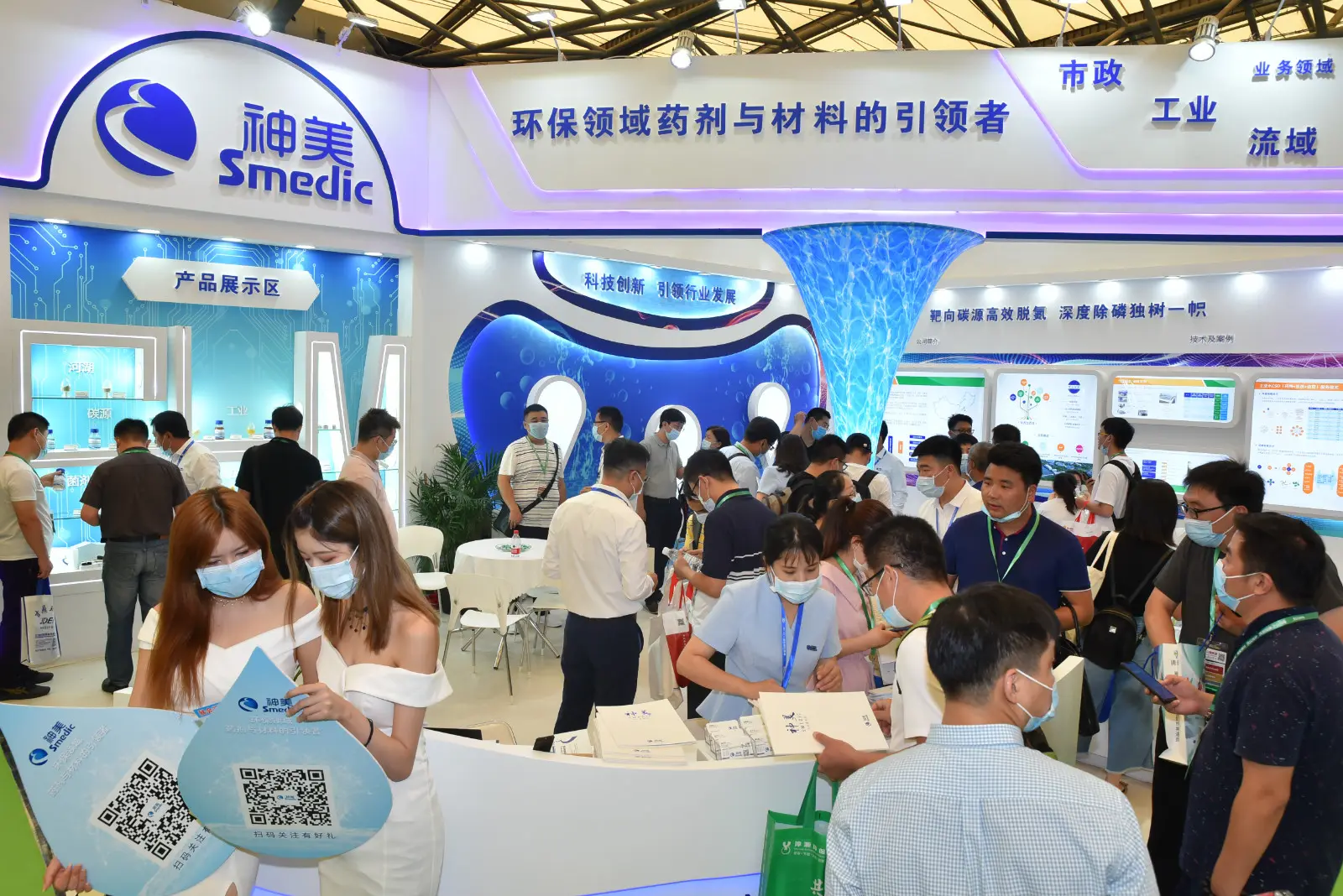
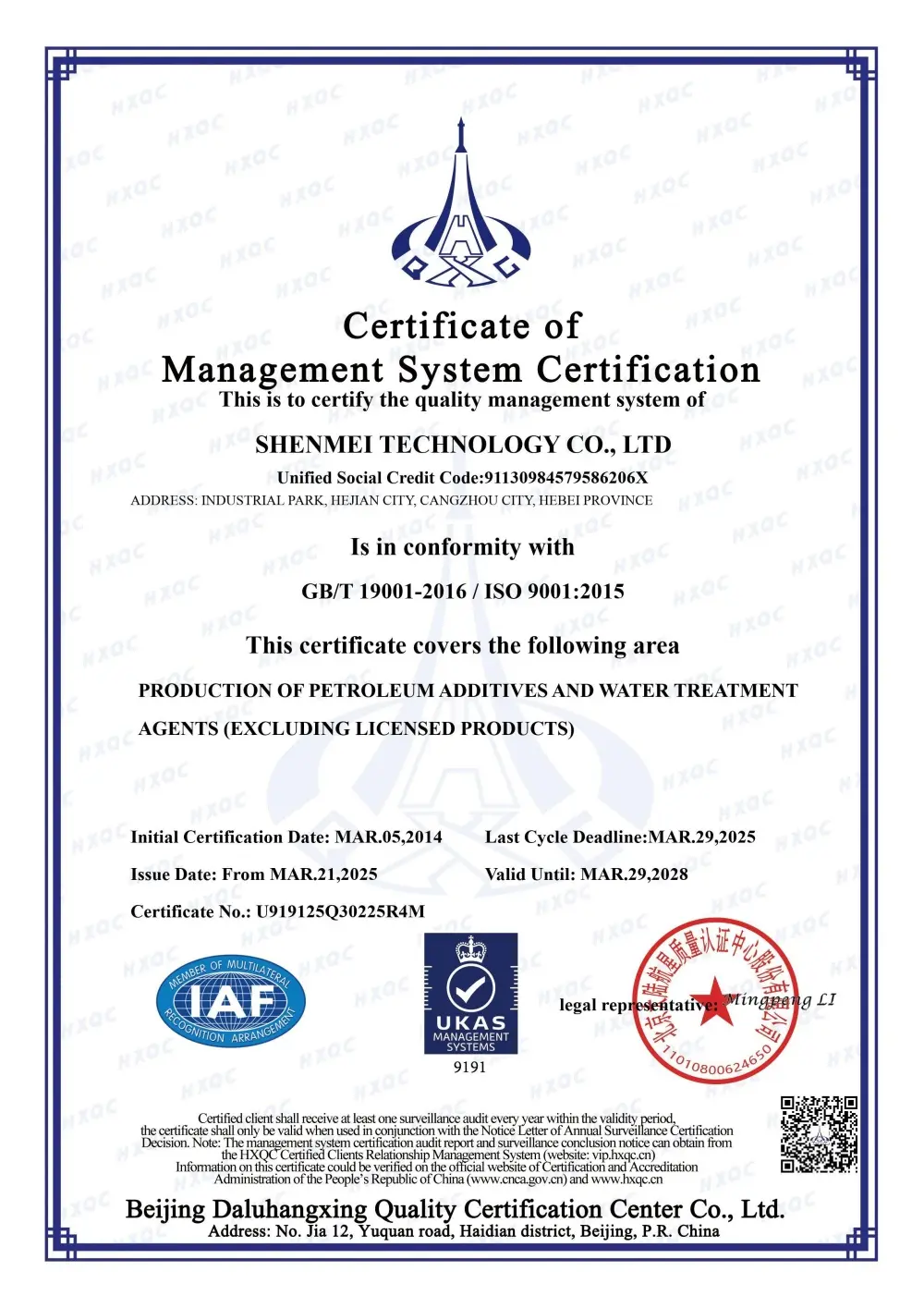
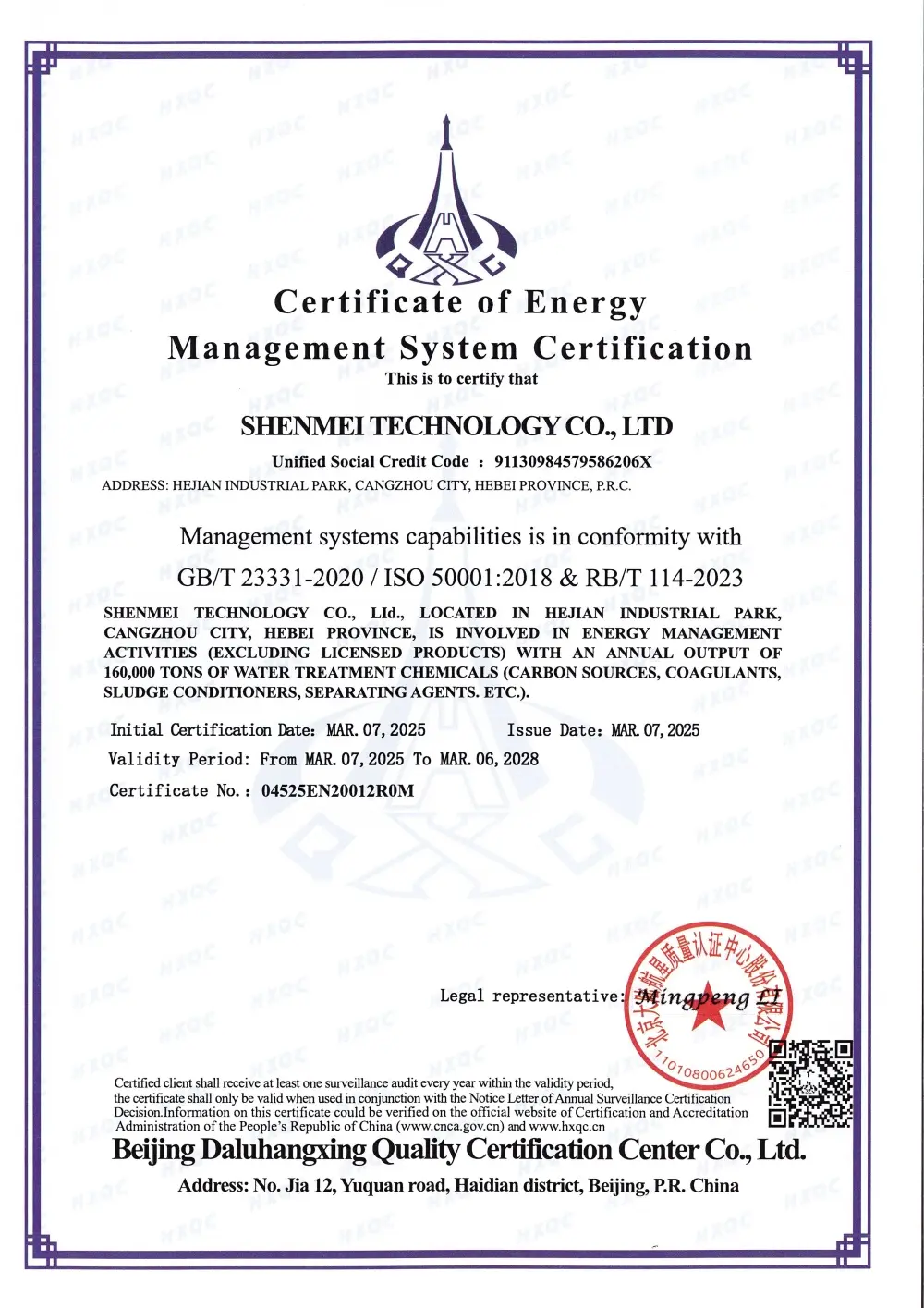
Established in 2011, Smedic Technology Co., Ltd. has evolved into a globally recognized environmental protection agent provider. Integrating research and development, large-scale production, comprehensive distribution, and advanced engineering services, Smedic serves municipal wastewater, industrial processing, oilfield development, and global mining clients.
Smedic’s technological foundation is rooted in deep academic collaborations. The company operates a dedicated expert workstation with the **Tsinghua University Association of Senior Scientists and Technicians**, and has established joint R&D laboratories with **Shandong University** and **Beijing University of Technology**. Additionally, Smedic serves as a key commercialization partner for industry-academia-research achievements with **Peking University** and **Tianin University**.
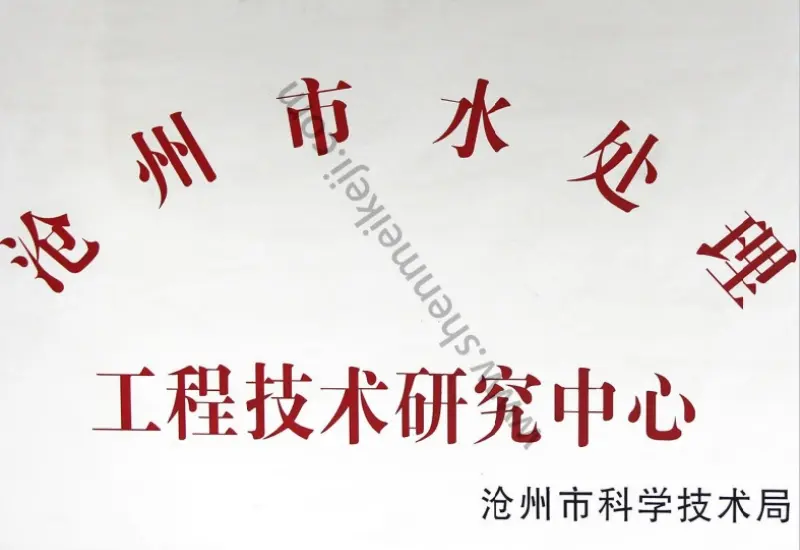
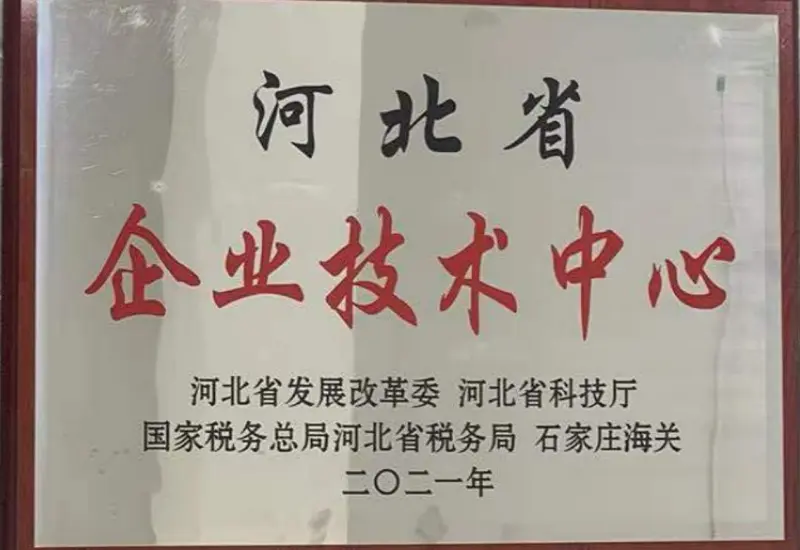
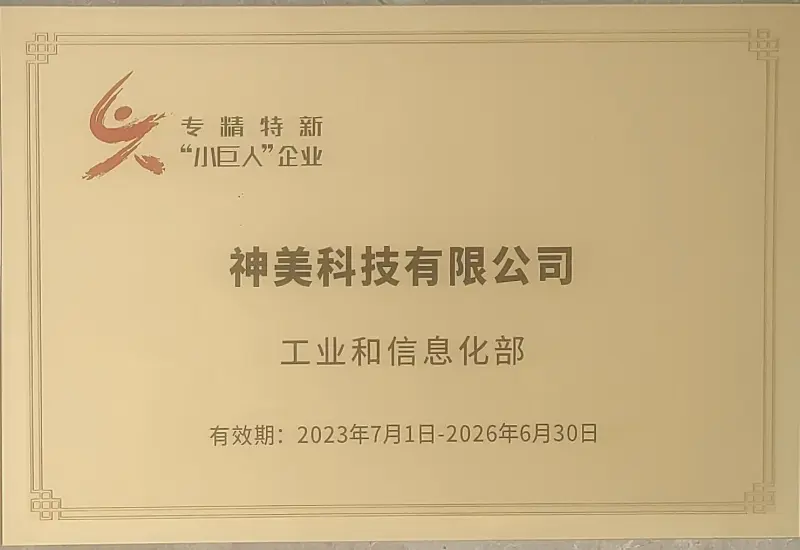
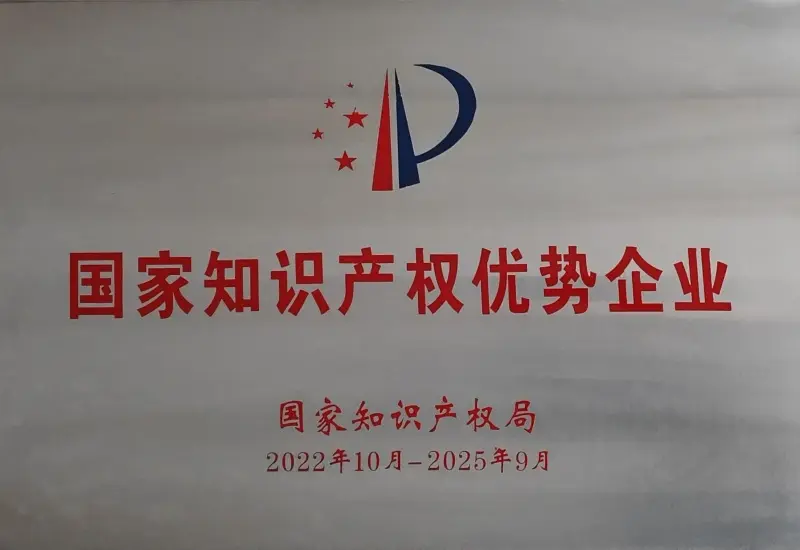
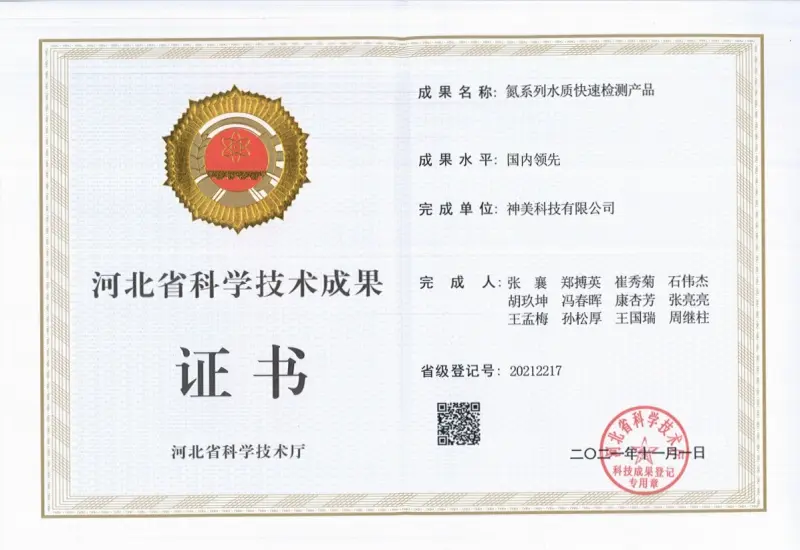
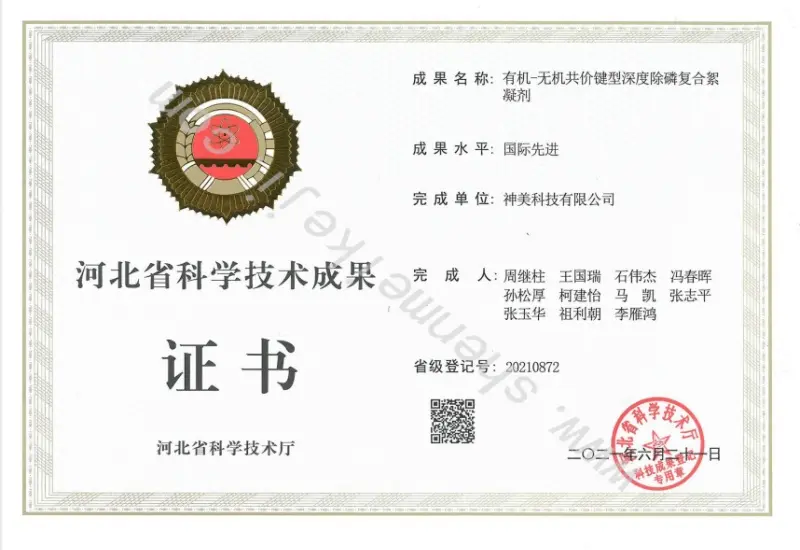
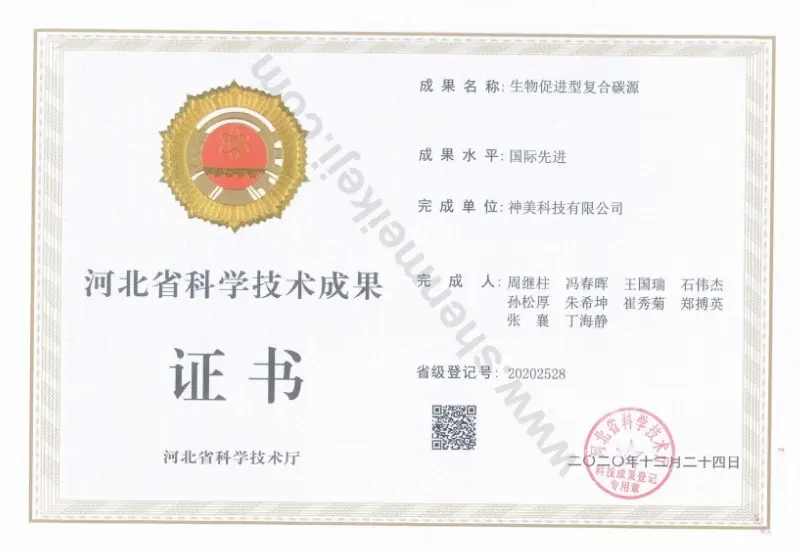
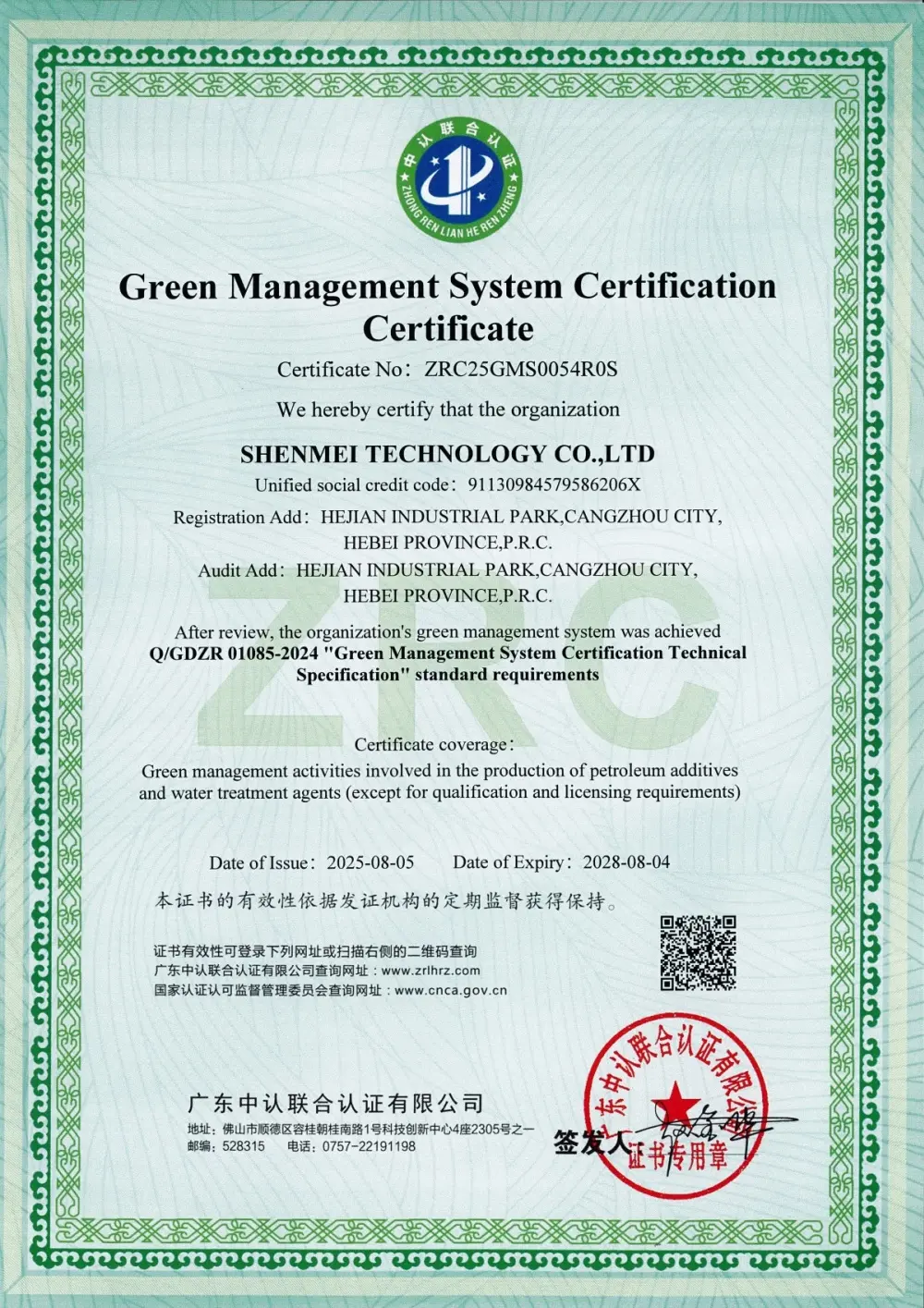
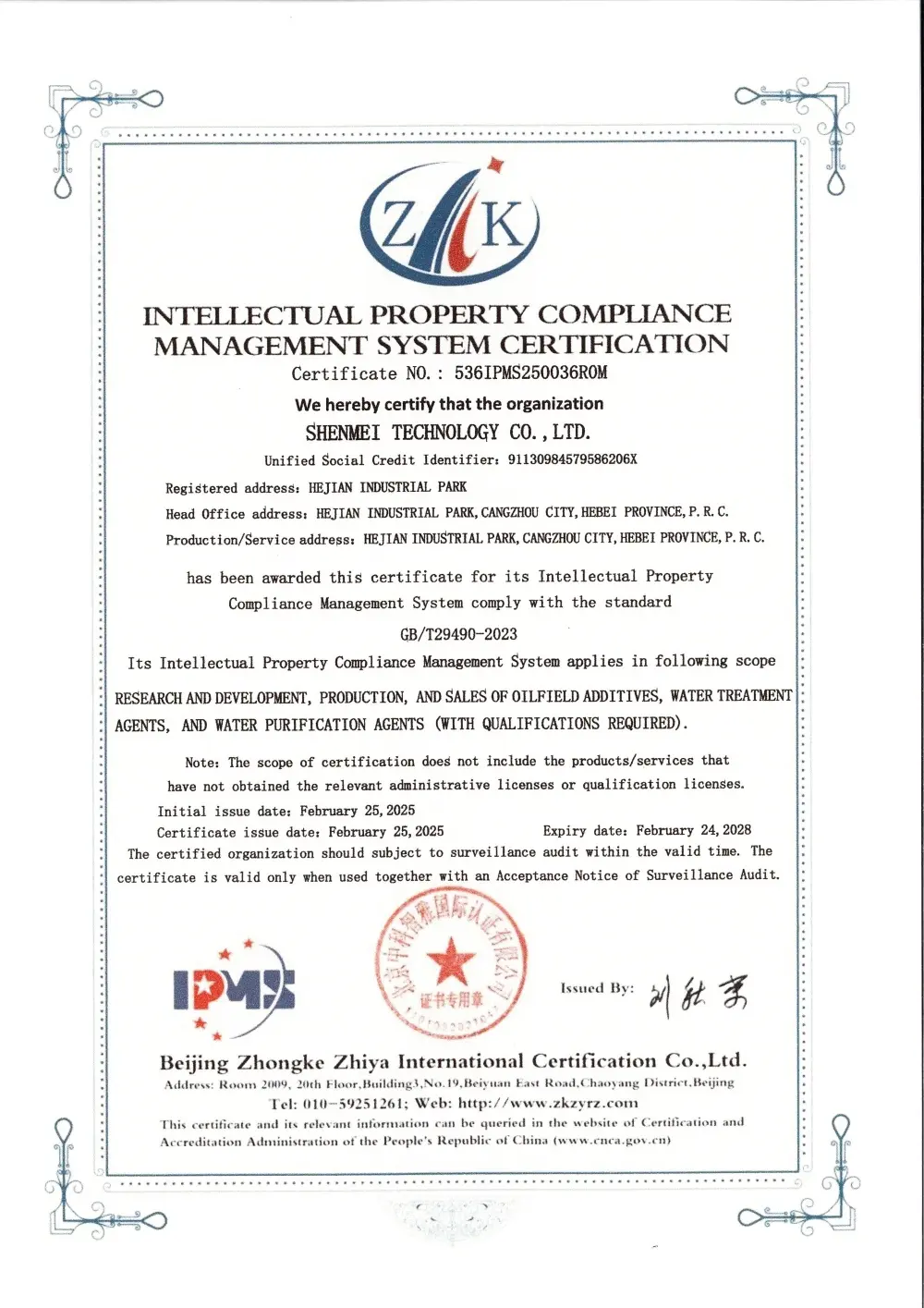
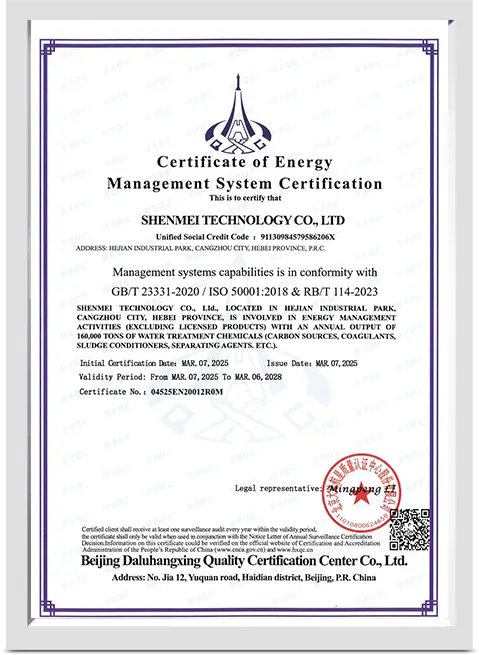
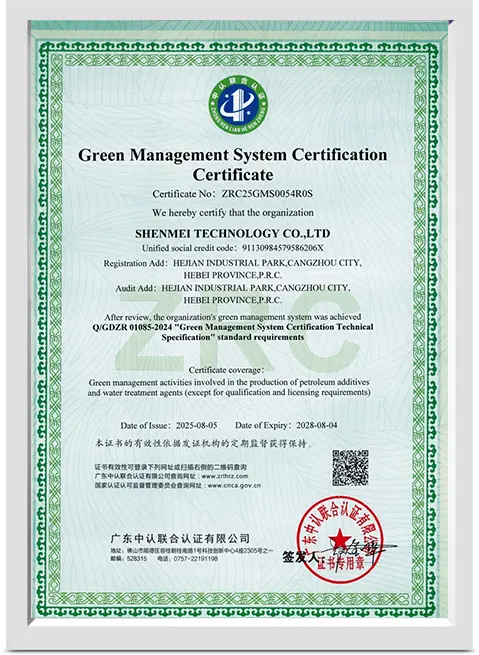
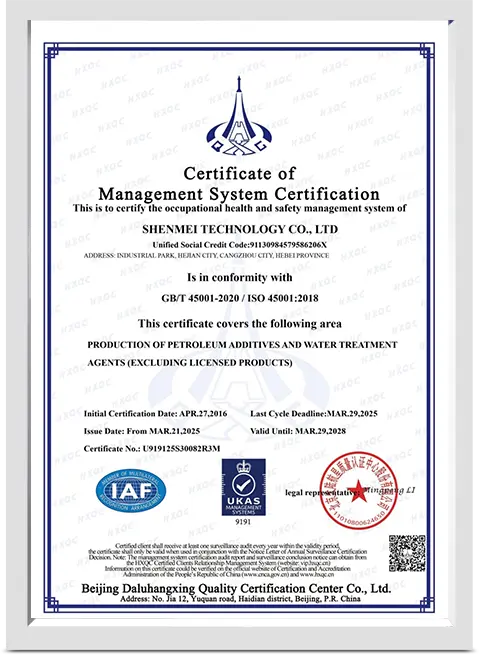
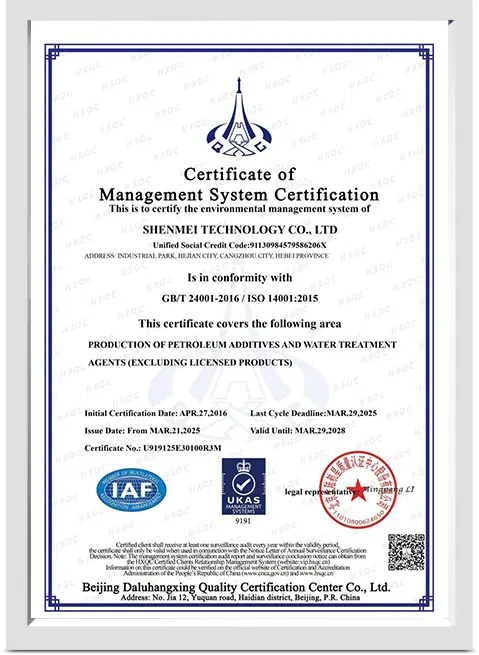
This elite research network has yielded over sixty Chinese patents (including 40+ invention patents and 20+ utility model patents). Smedic is recognized as a National High-tech Enterprise, and a National Specialized, Refined, Unique and Innovative "Little Giant" Enterprise, confirming its status as a trusted manufacturer in the water treatment industry.
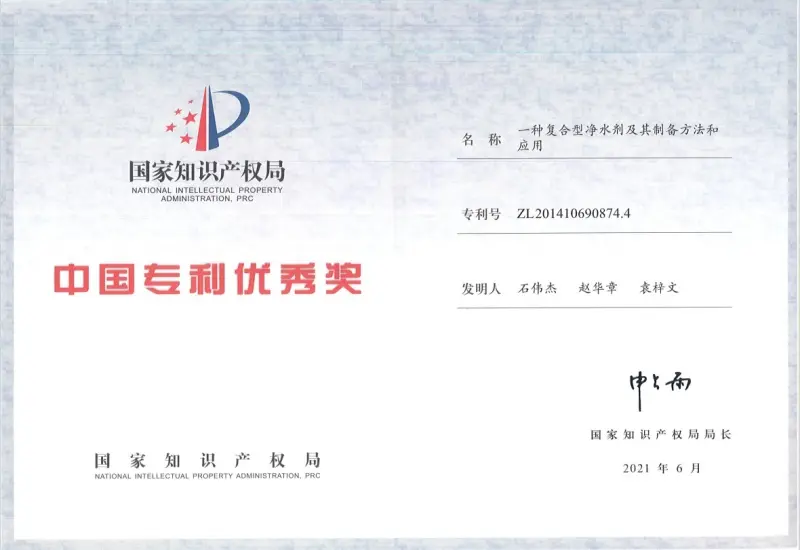
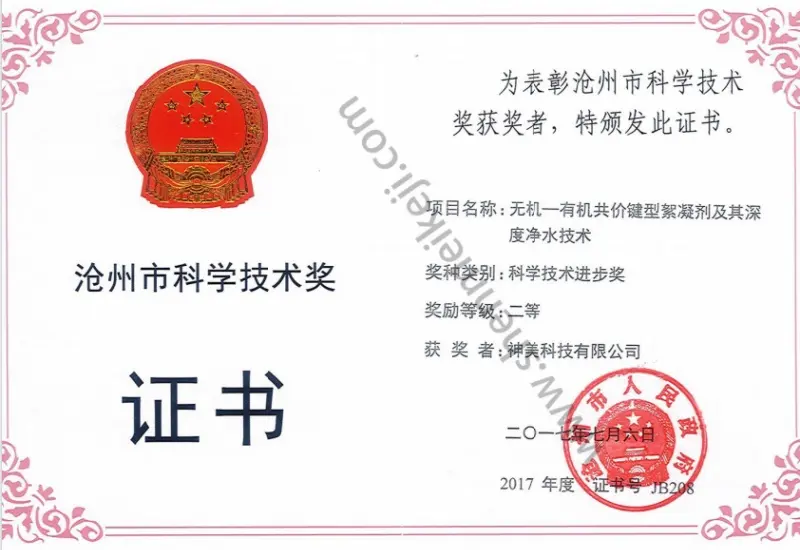
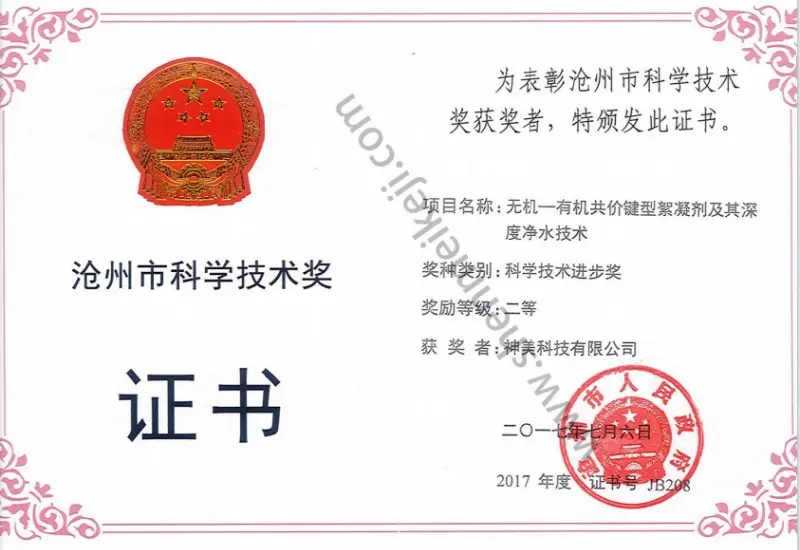
Smedic's independently developed "Inorganic-Organic Covalent Bond Flocculant and Its Advanced Water Purification Technology" has won the prestigious 22nd China Patent Award and the First Prize for Technological Invention from the China Petrochemical Industry Association.
By integrating inorganic polymerization centers with flexible organic polymer backbones, Smedic's agents achieve rapid charge neutralization and physical sweep flocculation in a single dosage, cutting sludge volume by up to 30% compared to traditional treatments.
Mine water treatment cannot rely on a one-size-fits-all approach. Different geographic regions and ore types require highly localized, customized chemical regimes. Smedic specializes in providing integrated, macro-level water treatment schemes for several core mining sectors:
Coal preparation plants rely heavily on high-speed water circuits to wash and sort raw coal. The resulting blackwater slurry contains highly dispersed coal particles that are notoriously difficult to settle due to high electronegativity.
Smedic’s macro solution pairs high-charge Polyaluminum Chloride (PAC) with high-molecular-weight Anionic Polyacrylamide (APAM). PAC neutralizes surface charges, enabling primary aggregation, while the long-chain APAM forms dense polymer bridges. This combination produces large, shear-resistant flocs that settle rapidly in radial thickeners. As a result, clean water can be immediately returned to the washing loop, preventing slurry accumulation.
Gold, copper, lead, and zinc mines produce wastewater loaded with toxic heavy metal complexes and complex flotation chemicals (such as xanthates and frothers). Neutralization often leaves traces of metals that exceed local discharge limits.
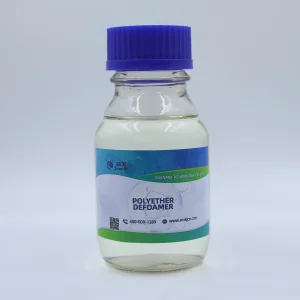
Smedic deploys specialized heavy metal chelating agents and advanced Polyferric Sulfate (PFS) coagulants. The polymer complex structures of PFS capture micron-scale metal oxide precipitates. Additionally, Smedic’s Polyether Defoamers effectively eliminate stable industrial foams caused by residual flotation frothers, preventing biological treatment unit upsets and ensuring smooth gravity settling.
In arid mining locations (e.g., Western Australia, Northern Chile), mine water must be desalinated via RO for reuse in boilers or sensitive refining circuits. High calcium, magnesium, and sulfate levels in mine water cause rapid membrane scaling, which reduces system throughput and increases maintenance costs.
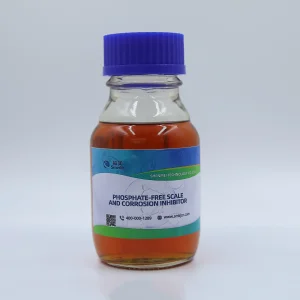
Smedic’s Phosphate-Free Scale Inhibitors are specially formulated to inhibit calcium sulfate and silicate crystallization. These biodegradable antiscalants keep membrane surfaces clean without releasing phosphate nutrients into local discharge paths, eliminating the risk of secondary algae blooms.
The future of mine water treatment is guided by green chemistry and intelligent dosing systems. Global regulatory updates show a clear trajectory:
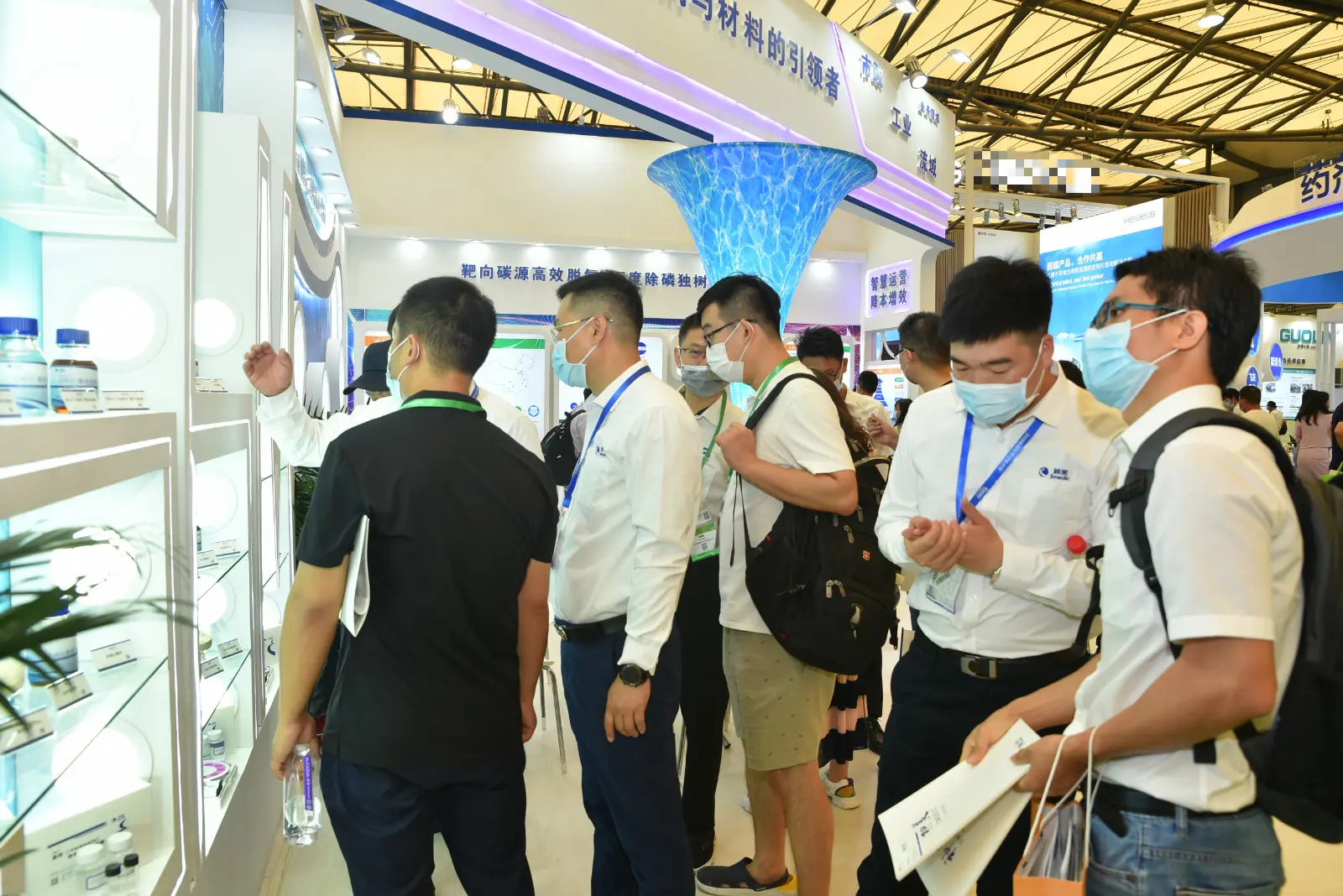
Smedic has established long-term strategic partnerships with China's leading ecological and environmental protection groups, including Shouchuang Ecological and Environmental Group, Yangtze River Ecological and Environmental Group, Beijing Enterprises Water Group (BEWG), and OriginWater. Smedic is consistently listed as a preferred supplier for large-scale municipal and industrial purification projects.
The company has been recognized as the "Leading Brand of Advanced Wastewater Treatment Chemicals" and the "Most Valuable Water Treatment Chemicals Brand" by China Water Network and the E20 Environmental Platform for four consecutive years.
 Smedic Tech