Premium specialized chemical formulations, scale inhibitors, and industrial defoamers engineered to support complex treatment systems globally.
Per- and polyfluoroalkyl substances (PFAS) represent a family of thousands of synthetic organic chemicals characterized by stable carbon-fluorine bonds. Historically preferred for their thermal stability, water and oil repellency, and surfactant properties, PFAS compounds—frequently termed "forever chemicals"—have become a critical global environmental concern due to their persistence in ecological systems and bioaccumulative nature in human tissue.
As international environmental regulators, including the United States Environmental Protection Agency (US EPA) and the European Chemicals Agency (ECHA), establish stringent maximum contaminant levels (MCLs) down to parts-per-trillion (ppt) levels, industries and municipalities are scrambling to optimize their industrial wastewater systems. Traditional biological treatment systems are ineffective against these recalcitrant pollutants. Addressing this challenge requires advanced chemical engineering, robust adsorption technologies, and strategic coagulation processes.
"To successfully eliminate PFAS from wastewater cycles, environmental engineers must look beyond traditional primary treatments. Achieving sub-ppt purification requires a synergistic approach combining high-density adsorption, advanced membrane technologies, and target-specific chemical flocculants."
The global PFAS remediation landscape is shifting from simple filtration to highly specialized chemical separation and destruction matrices. Industry trends point to the adoption of combined treatment trains, where targeted pre-coagulation agents precipitate heavy particulates, followed by high-efficiency Reverse Osmosis (RO) concentration or Ion Exchange (IX) resin adsorption. Advanced oxidation processes (AOPs) and specialized biological denitrification platforms are also being deployed to address co-contaminants, ensuring that secondary wastewater matrices do not impede downstream PFAS separation.
Global procurement teams in heavy chemical processing, semiconductor fabrication, and aerospace manufacturing are increasingly auditing their water footprints. To mitigate liability risks and satisfy Environmental, Social, and Governance (ESG) mandates, operations are prioritizing high-volume, reliable procurement of municipal sewage agents, mineral processing agents, and membrane protection reagents. Suppliers must not only offer consistent high-purity chemical outputs but must also provide comprehensive engineering support, customized dosing configurations, and verified logistics resilience.
Providing comprehensive, high-volume chemical solution pathways to meet the complex global demands of municipal and industrial wastewater remediation.
Established in 2011, Smedic Technology Co., Ltd. has evolved into a premier solution provider specialized in environmental protection agents, integrating R&D, chemical production, international sales, and engineering-related technical services. Operating at a scale that exceeds 1 million tons of annual production capacity, Smedic serves over 600 urban sewage treatment plants and over 1,000 industrial wastewater, mineral processing, and oilfield enterprise end customers, ensuring water security across a broad spectrum of commercial activities.
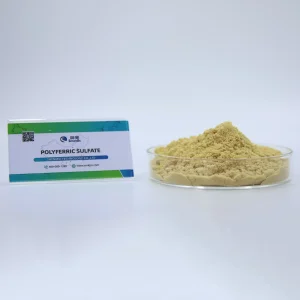
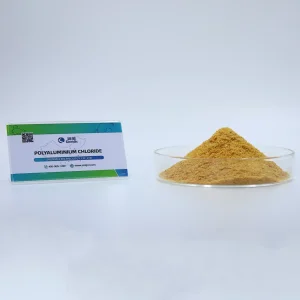
For global buyers searching for reliable PFAS removal chemicals and industrial coagulants, consistency is the paramount metric. Smedic Technology utilizes a Factory 4.0 model, integrating real-time automated process control (APC), continuous monitoring systems, and raw material supply integrations. This advanced manufacturing approach minimizes batch-to-batch variability and ensures that coagulants like Polyferric Sulfate (PFS) and Polyaluminum Chloride (PAC) maintain peak performance parameters.
By leveraging an extensive domestic network spanning over 20 provinces, Smedic secures localized raw materials. This setup buffers operations against international market disruptions, logistics blockages, and pricing volatility. Wholly-owned production facilities in Hebei, Guizhou, and Shanxi, paired with over ten OEM partner facilities nationwide, guarantee supply continuity even during peak demand cycles or regulatory crackdowns.
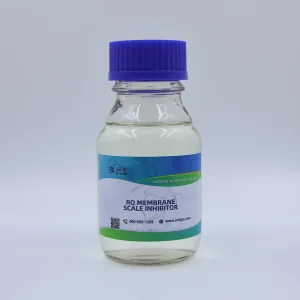
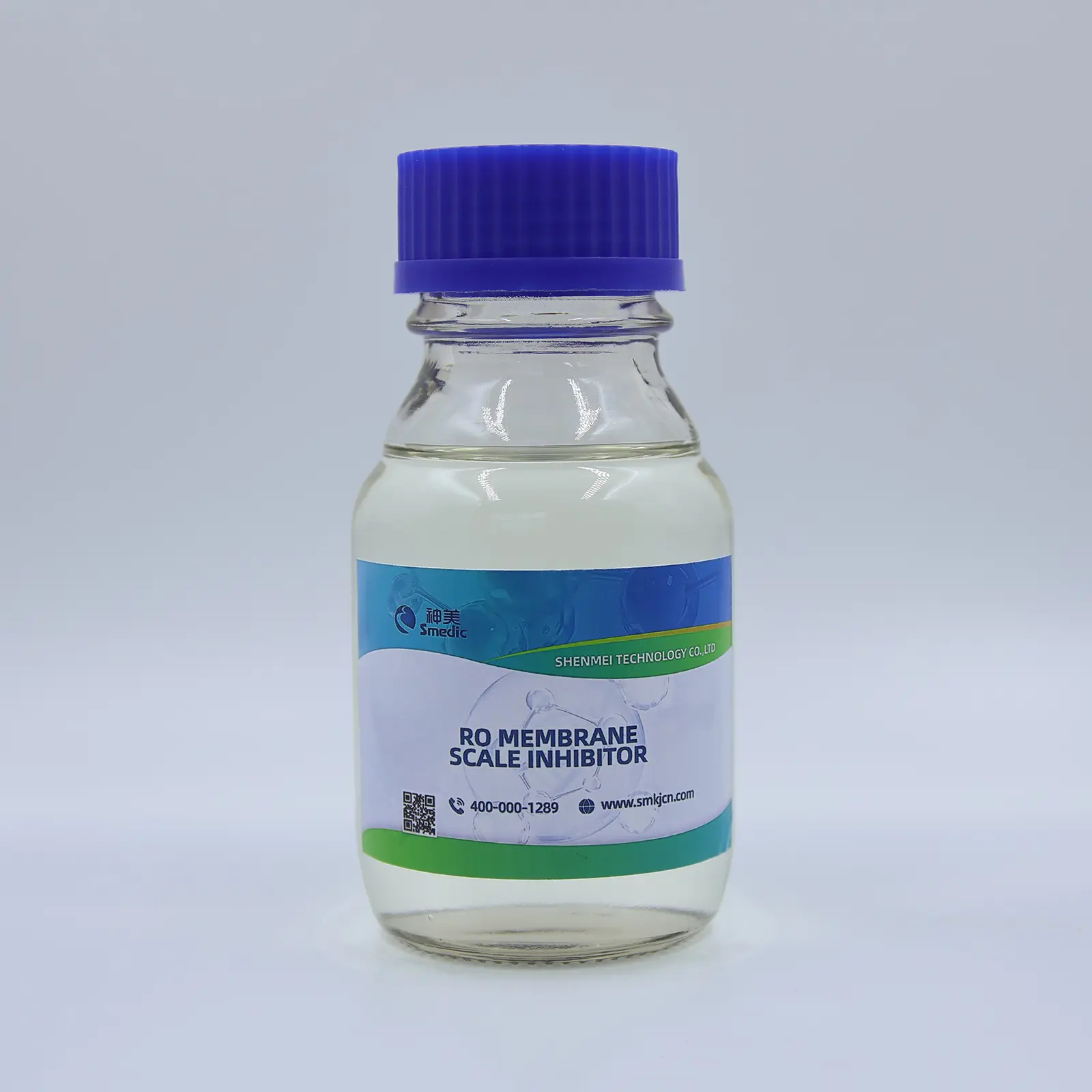
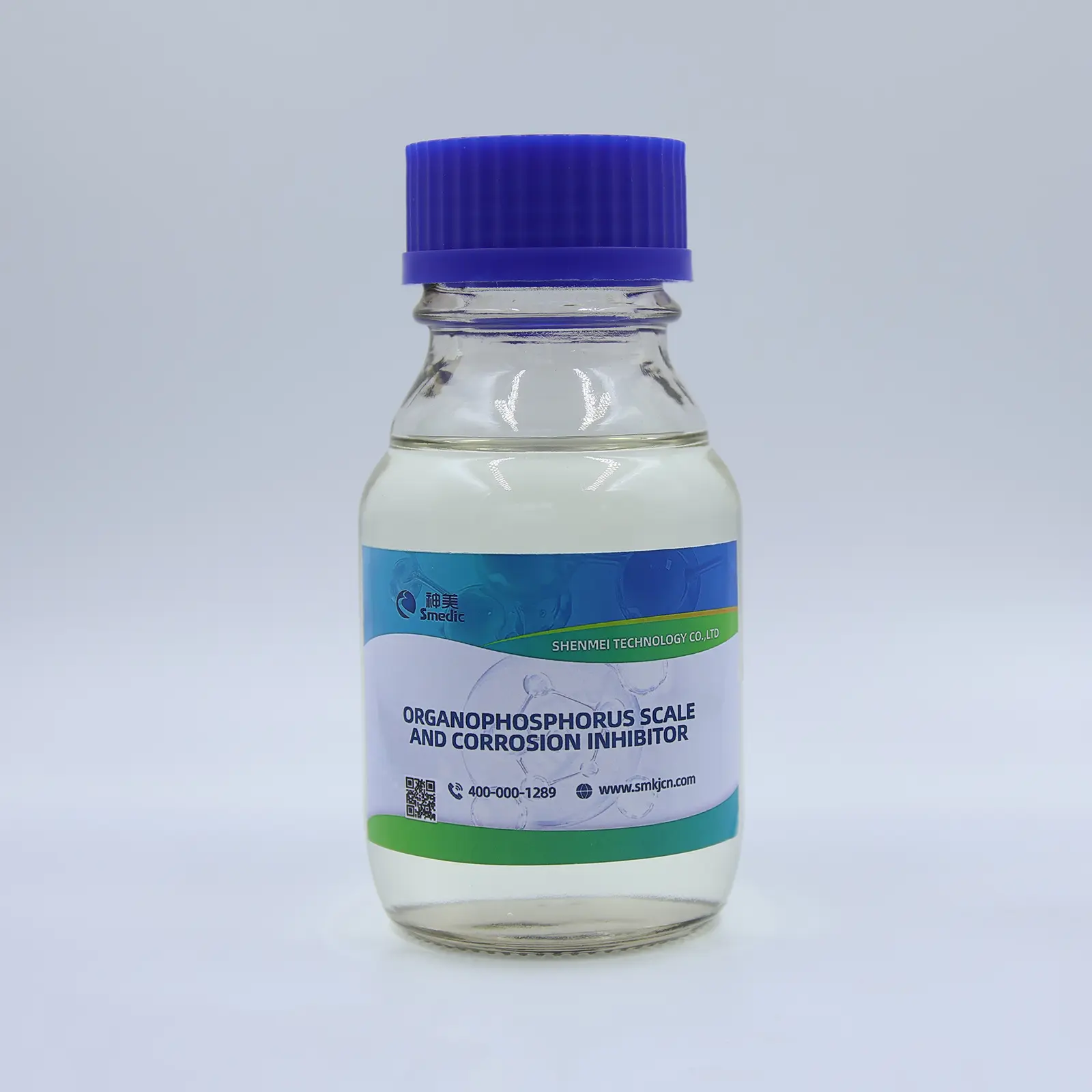
When high-pressure Reverse Osmosis (RO) systems are utilized to concentrate and capture dissolved PFAS, scaling of the membrane elements is a critical failure point. High concentration gradients cause dissolved salts (calcium sulfate, silica, and carbonate) to precipitate onto the membrane surface, deteriorating flux rate and separation efficiency. Smedic's range of RO membrane scale inhibitors is specifically formulated to mitigate this hazard, maintaining membrane integrity and ensuring high-recovery operations in industrial water facilities.
Our Inorganic-Organic Covalent Bond Flocculant won the 22nd China Patent Award and the First Prize for Technological Invention from the China Petrochemical Industry Association, reflecting our commitment to cutting-edge water treatment chemistry.
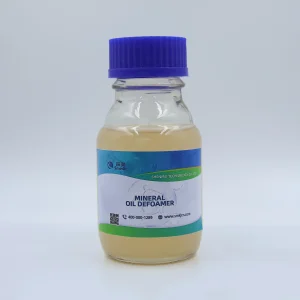
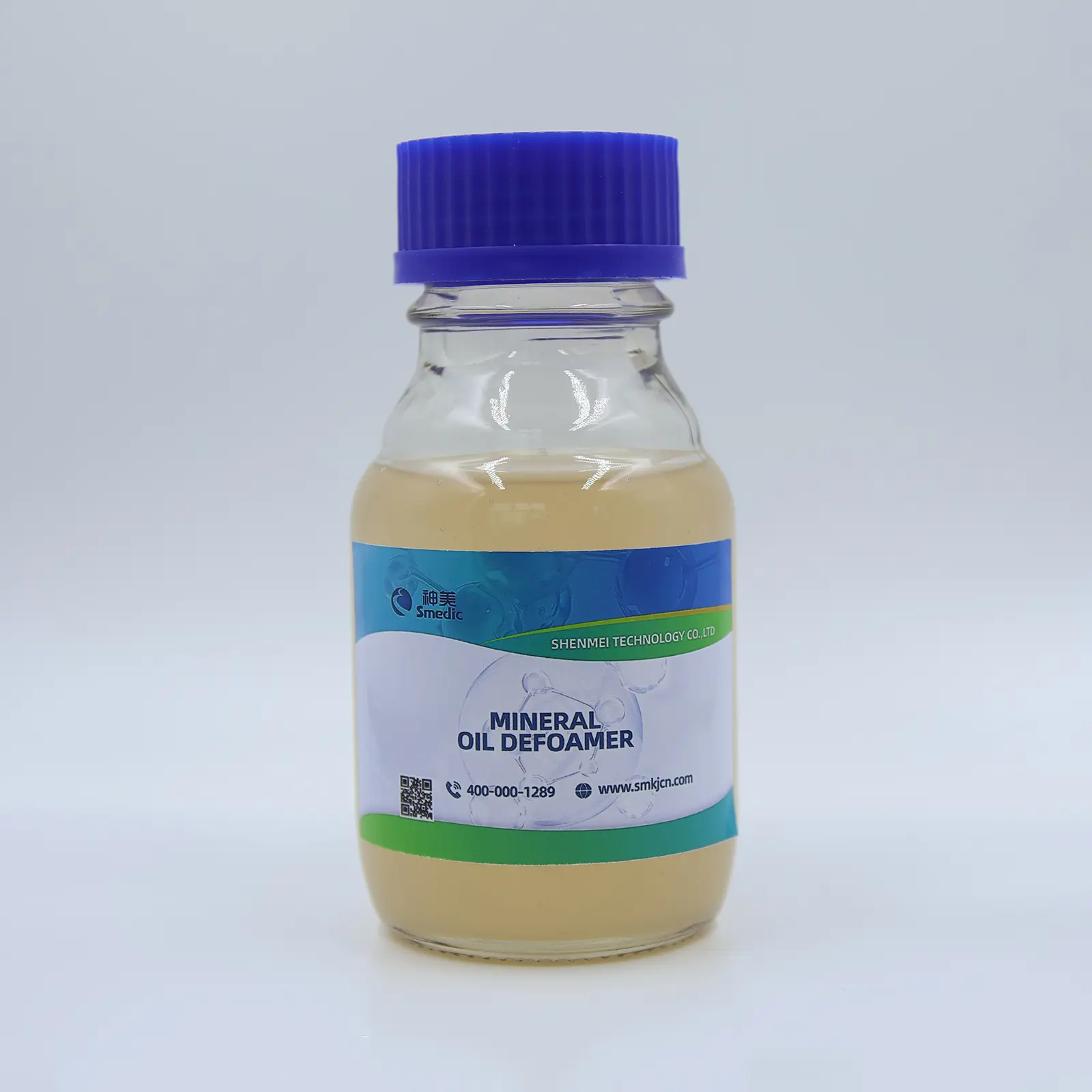
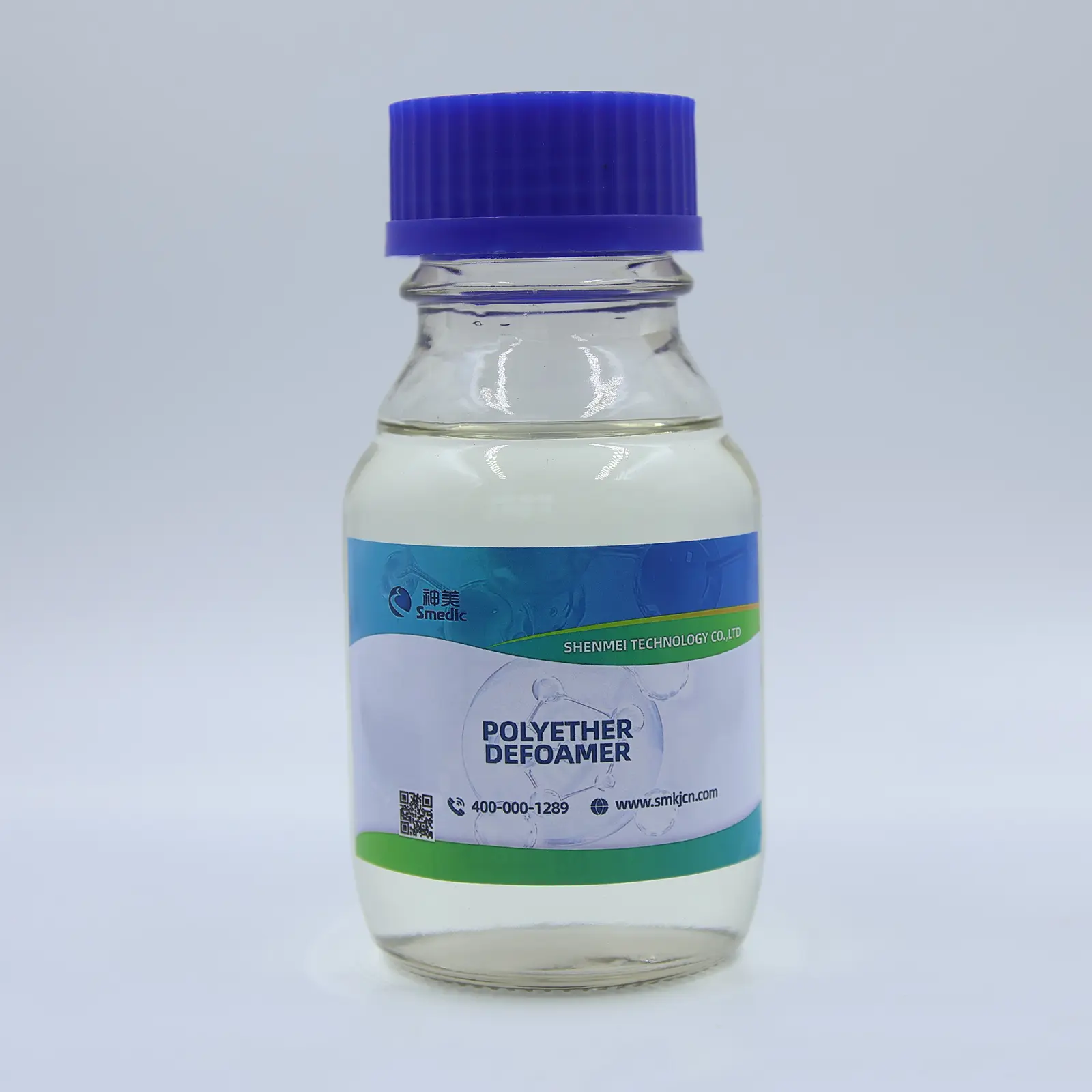
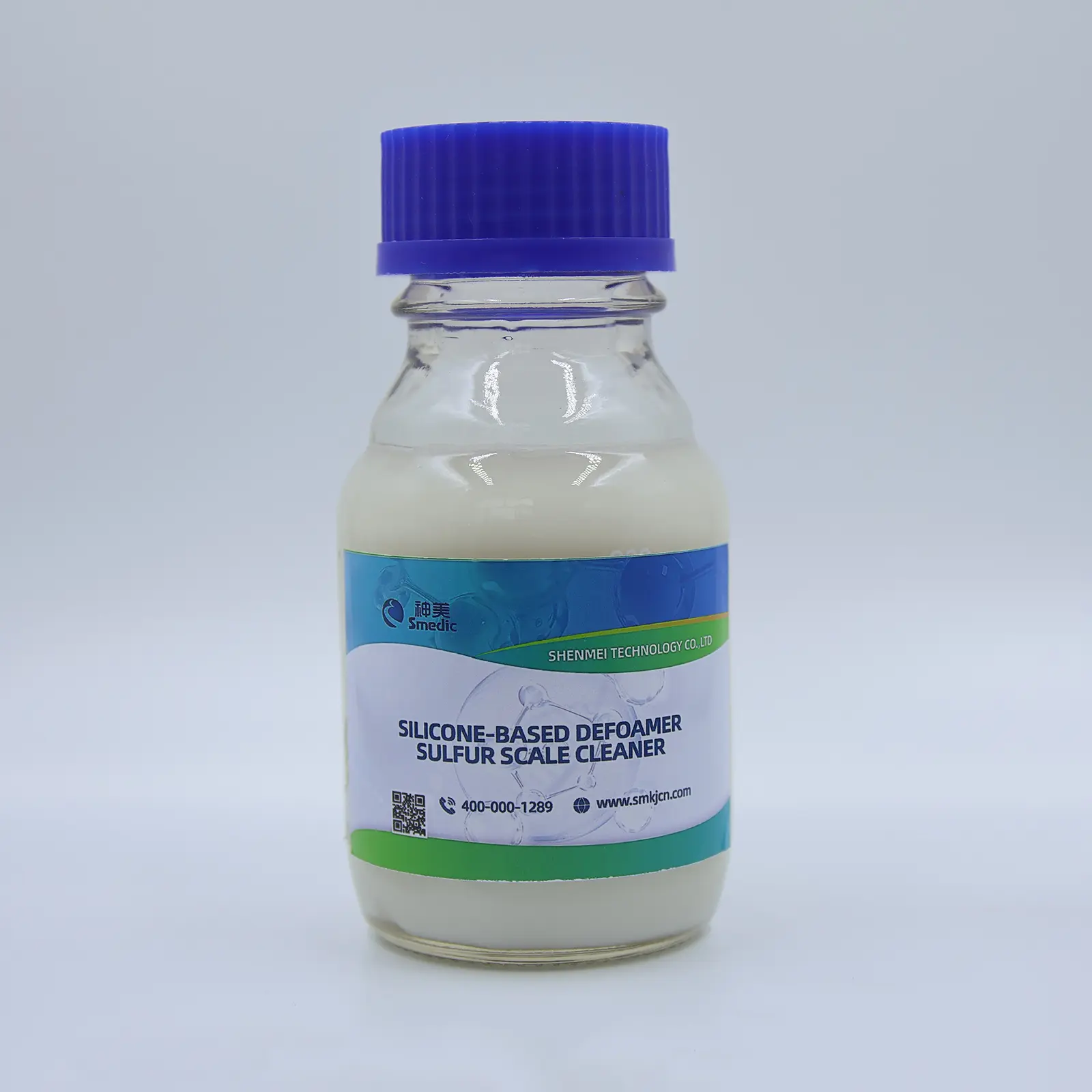
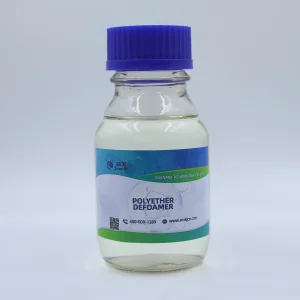
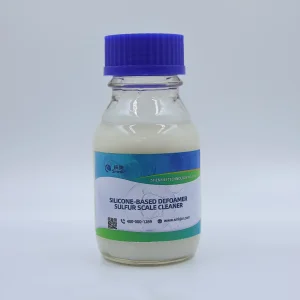
Many advanced treatment processes utilize high-aeration stripping or concentration towers to separate PFAS surfactants from aqueous streams. A common side effect of this process is the generation of voluminous, persistent foam. Smedic's high-performance polyether defoamers and organic silicone defoamers are designed to function under high-temperature and high-shear conditions. By rapidly reducing surface tension, these agents collapse foam structures without fouling downstream filtration media or active carbon adsorption beds.
Custom chemical engineering tailored to specific industrial workflows and municipal disposal systems.
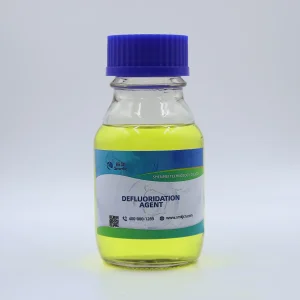
Semiconductor production processes generate wastewater streams that contain high concentrations of fluorinated surfactants and metal complexes. Specialized pre-treatment using Smedic's Fluoride Removal Agent, combined with tailored Polyaluminum Chloride (PAC) formulations, allows operations to precipitate out bulk fluorides and complexed ions prior to advanced polishing.
Landfill leachate is a major source of environmental PFAS contamination. Smedic's bio-enhanced denitrification carbon sources and high-efficiency Polyferric Sulfate (PFS) coagulants work in tandem to optimize biological reactors and stabilize colloidal organic carbon, enhancing the efficiency of active carbon adsorption beds.
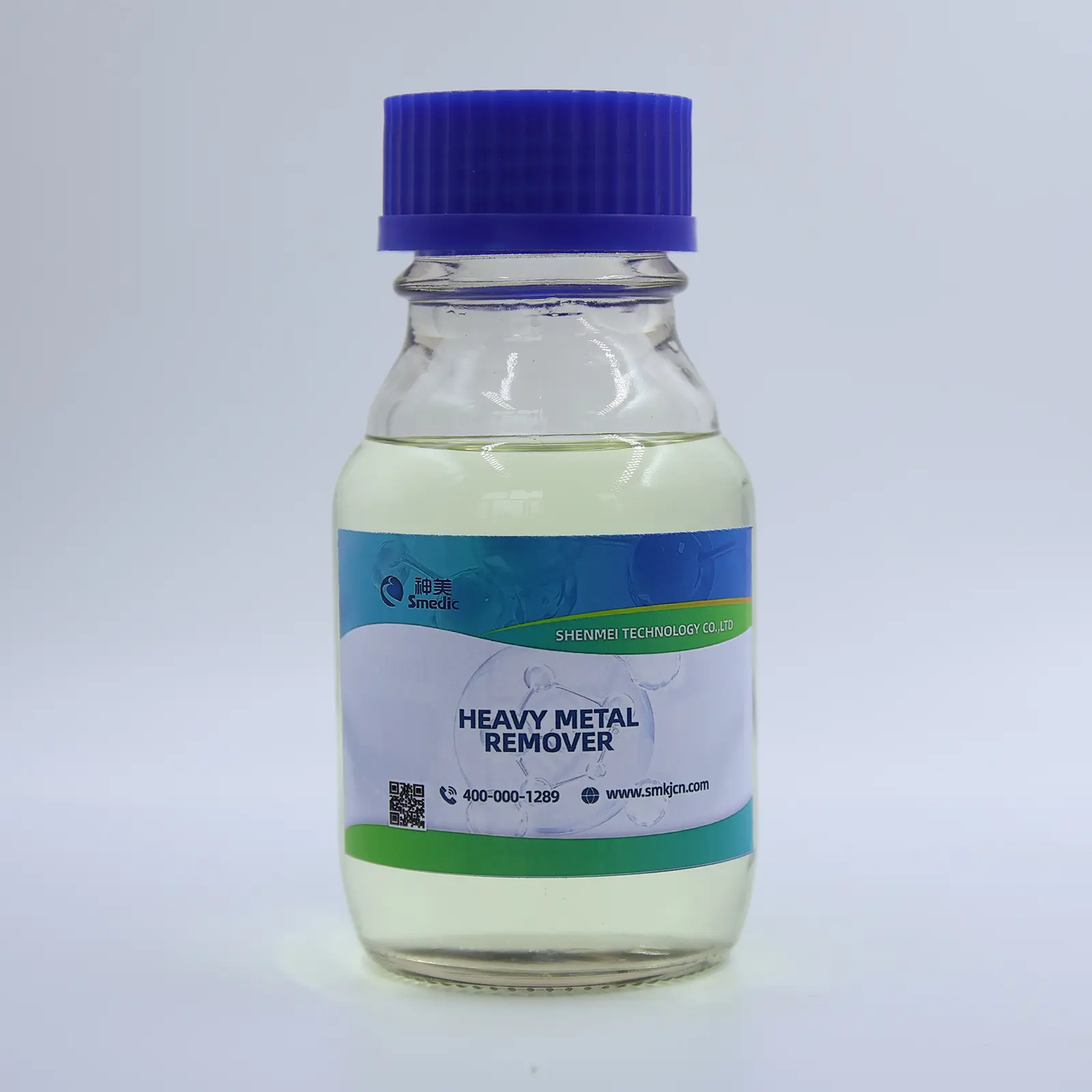
Managing water runoffs in heavy mining operations requires robust reagents that can withstand extreme pH variations. In partnership with the Chengdu Institute of Mineral Comprehensive Utilization, China Geological Survey, Smedic designs mineral processing agents and flocculants that capture heavy metals and organic complexing agents.
Smedic Technology has built a robust research and development ecosystem to address the evolving challenges of municipal and industrial wastewater remediation. This system is supported by academic workstations and joint research laboratories developed in collaboration with top-tier universities, including Tsinghua University Association of Senior Scientists and Technicians, Shandong University, and Beijing University of Technology.
Recognized as a National Specialized, Refined, Unique and Innovative "Little Giant" Enterprise and a Hebei Province Green Factory, Smedic operates a provincial-level Advanced Water Treatment Chemicals Technology Innovation Center. This R&D infrastructure has produced over sixty Chinese patents, including more than forty invention patents and twenty utility model patents. Smedic has also led the drafting of ten national and industry standards for chemical carbon sources, sodium acetate, and bacterial agents, reinforcing our position as an authority in the environmental chemistry field.
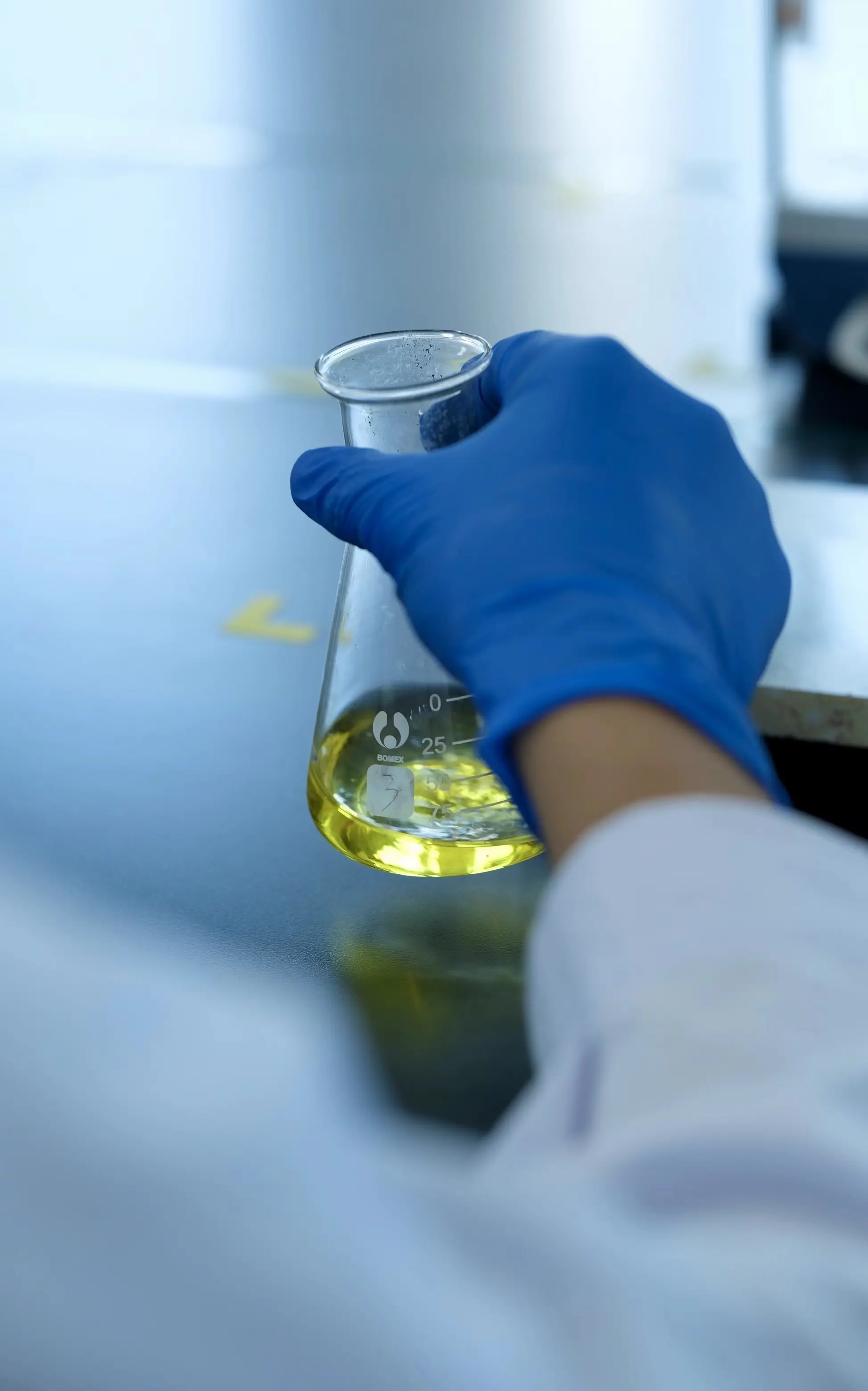
Furthermore, Smedic's independently developed "Active Oxygen Compound Disinfectant" and "Inorganic-Organic Covalent Bond Flocculant" have received national acclaim and have been integrated into the central procurement databases of major environmental groups, including Beijing Enterprises Water Group, Shouchuang Ecological and Environmental Group, and Yangtze River Ecological and Environmental Group.
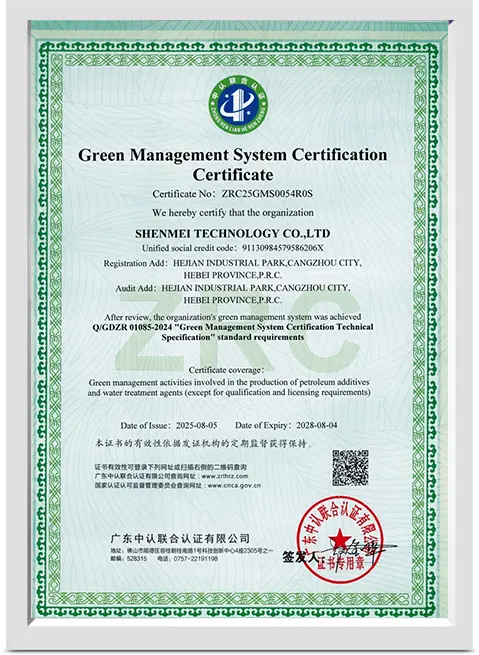
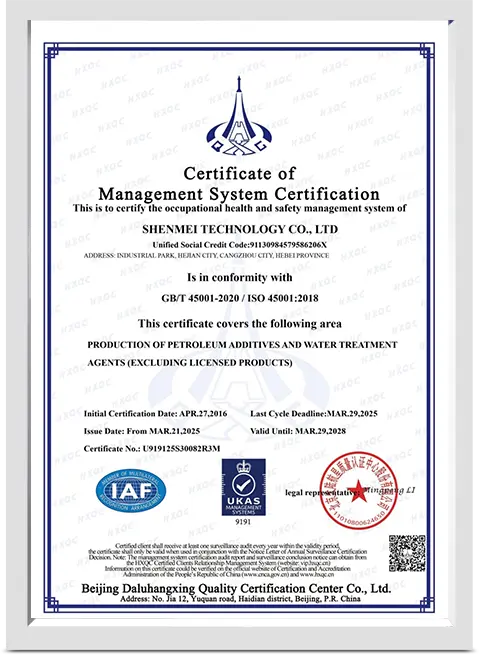
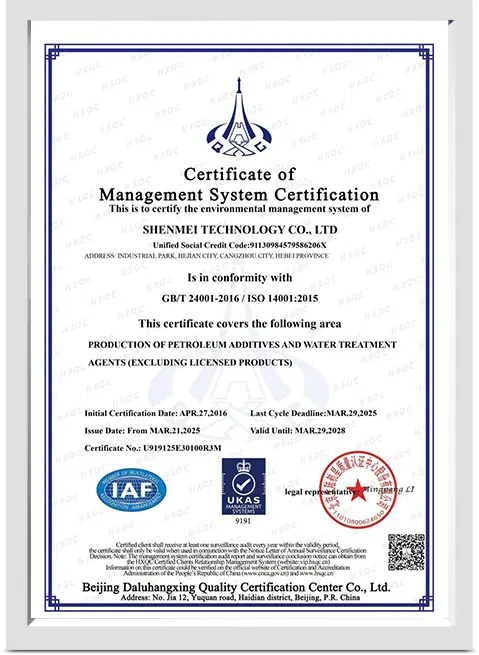
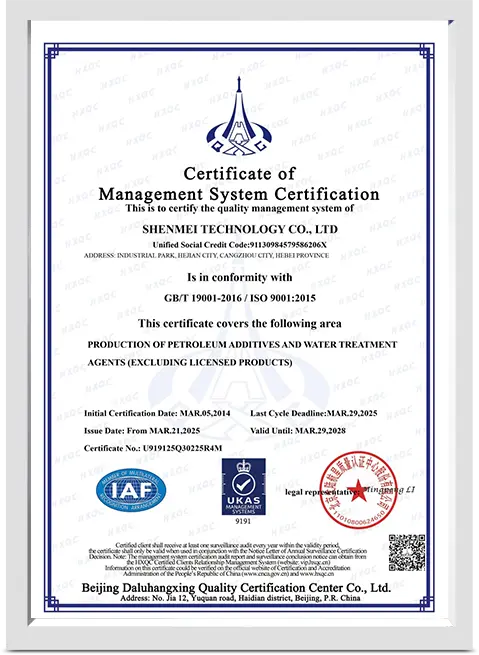
A verified portfolio of manufacturing quality, environmental standards compliance, and technical innovation awards.

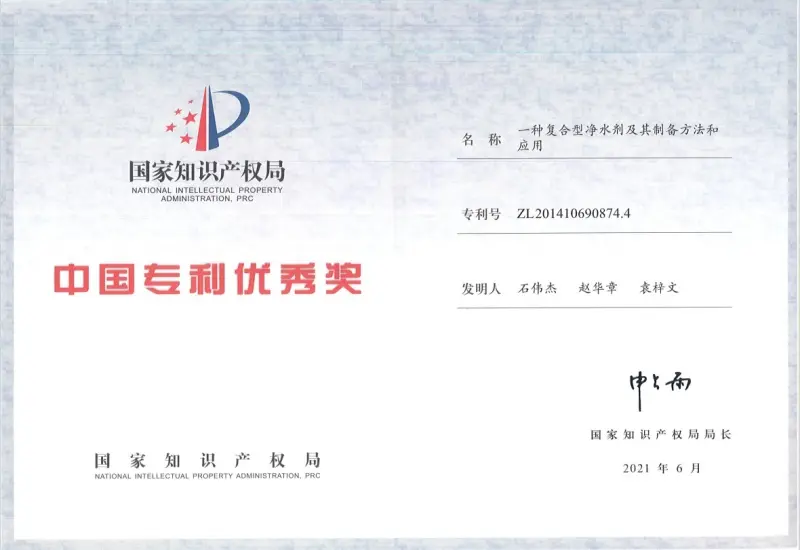
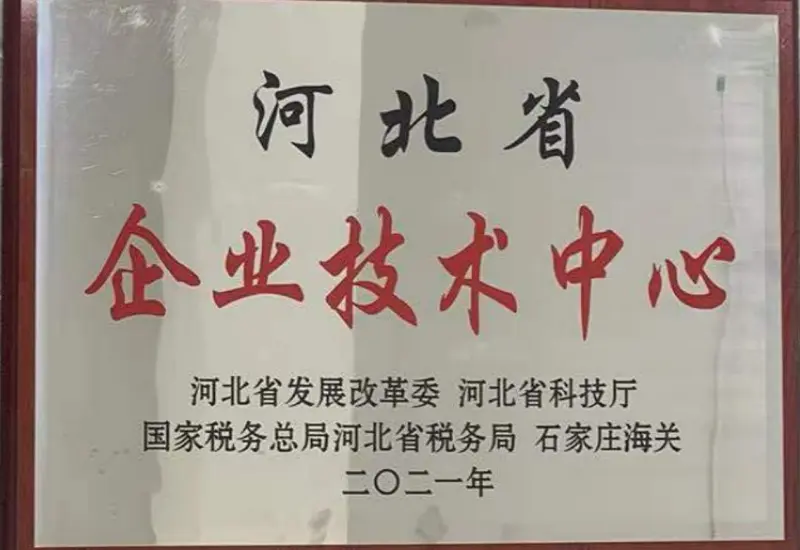
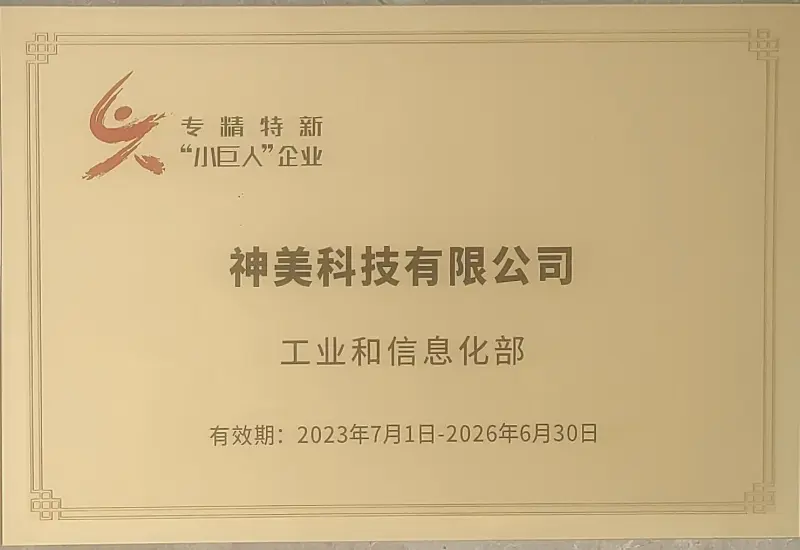
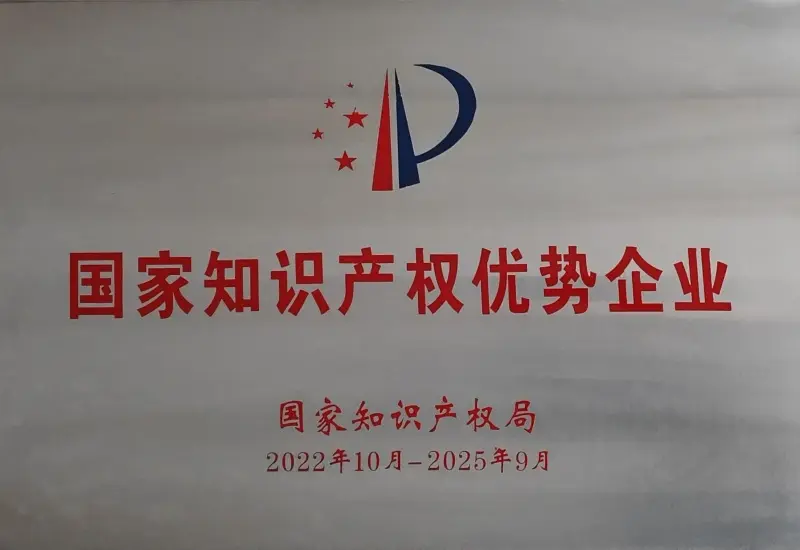
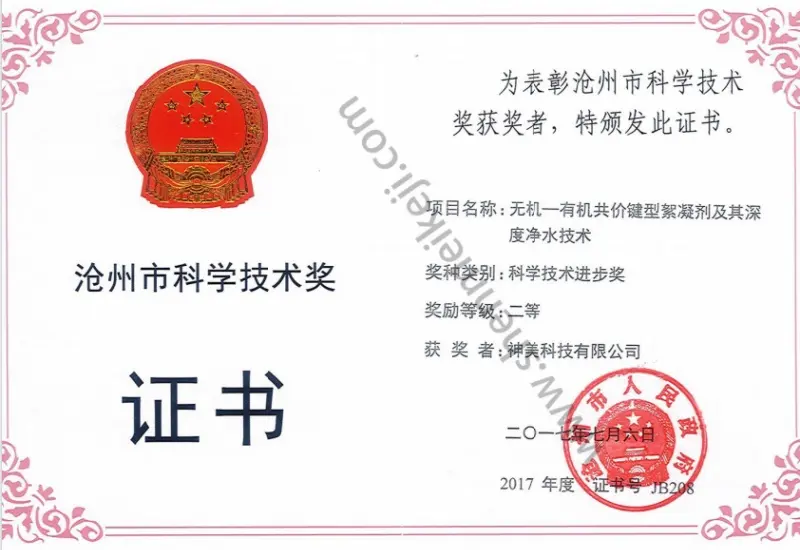
Independently developed technologies evaluated as "internationally advanced" by scientific authorities.
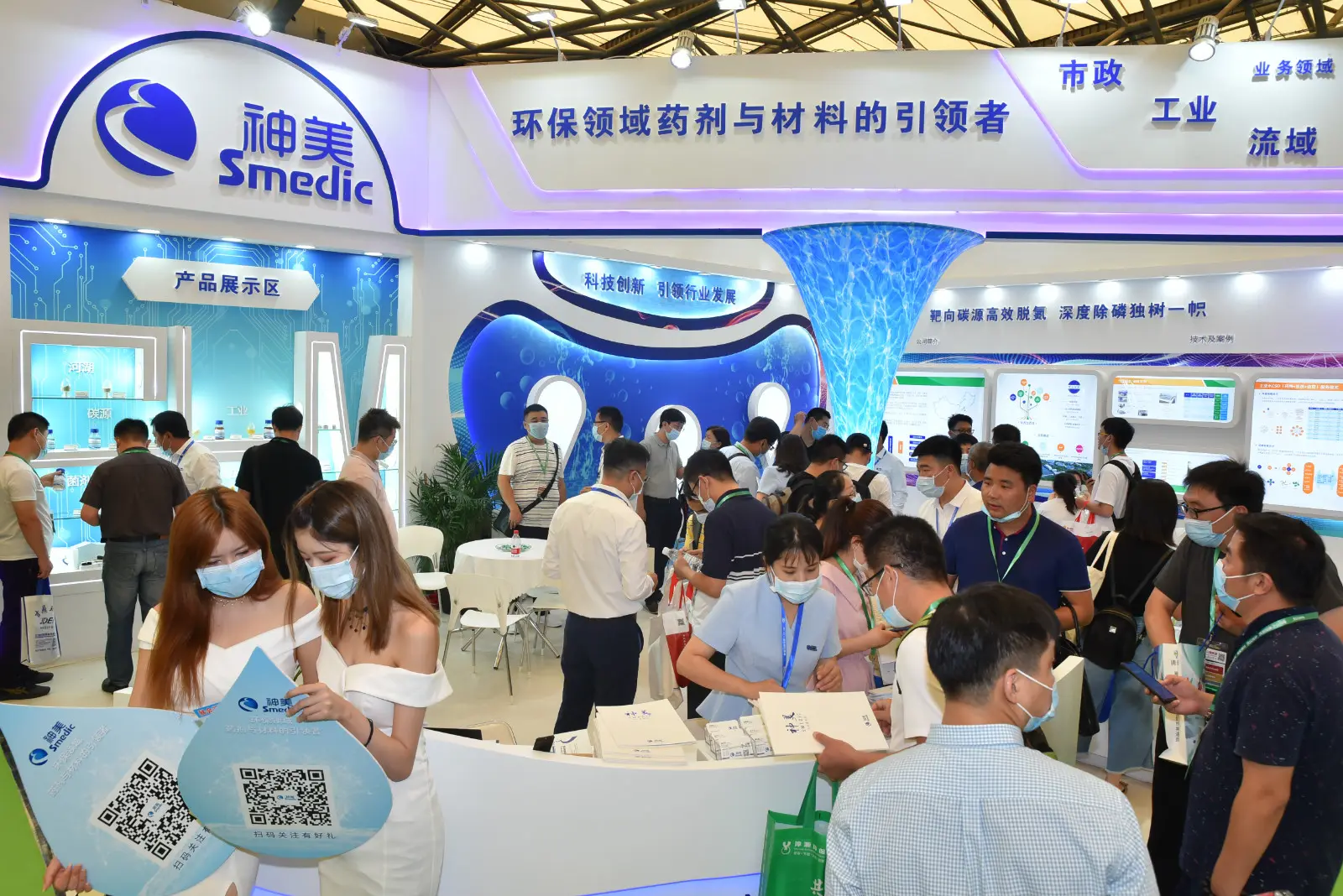
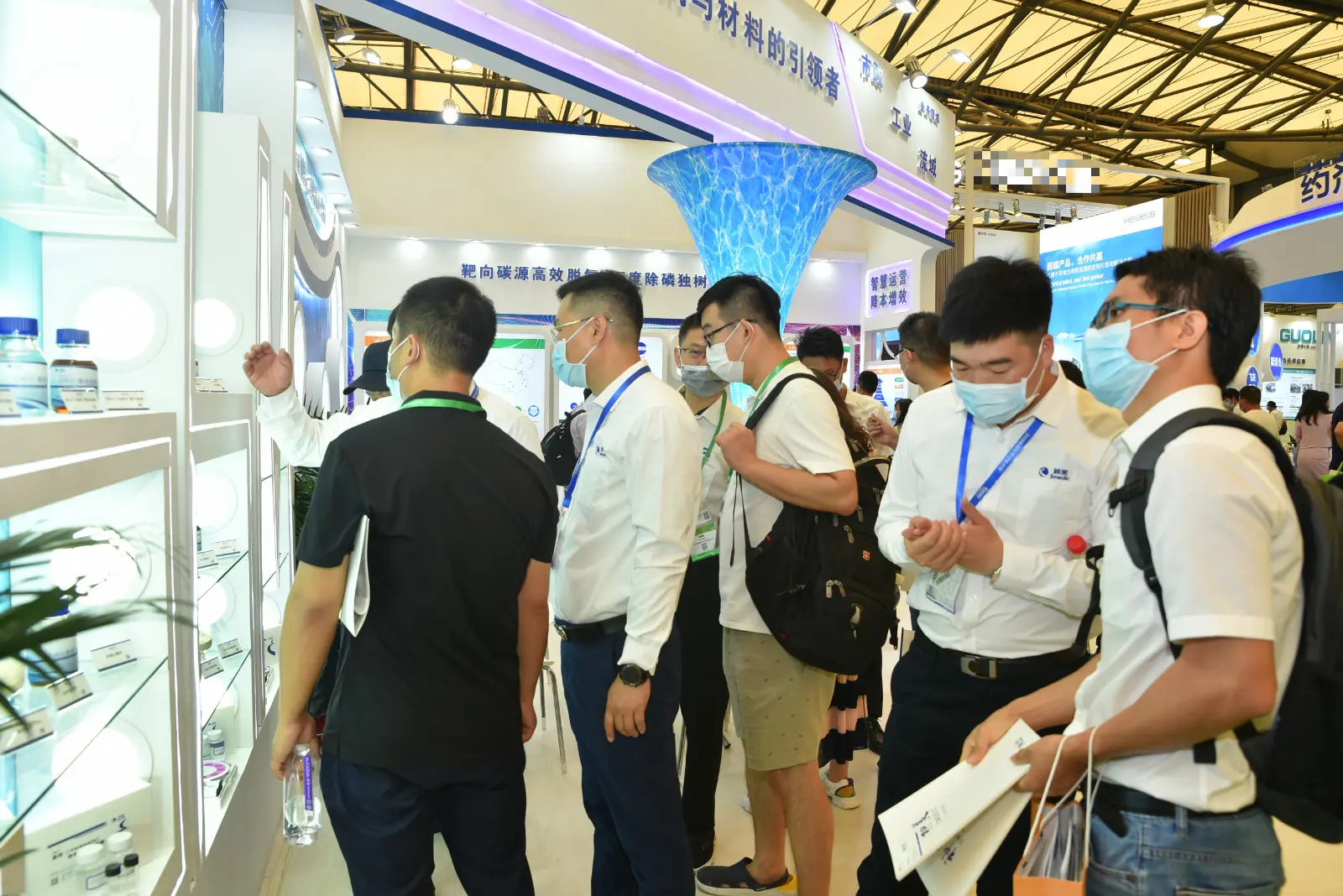
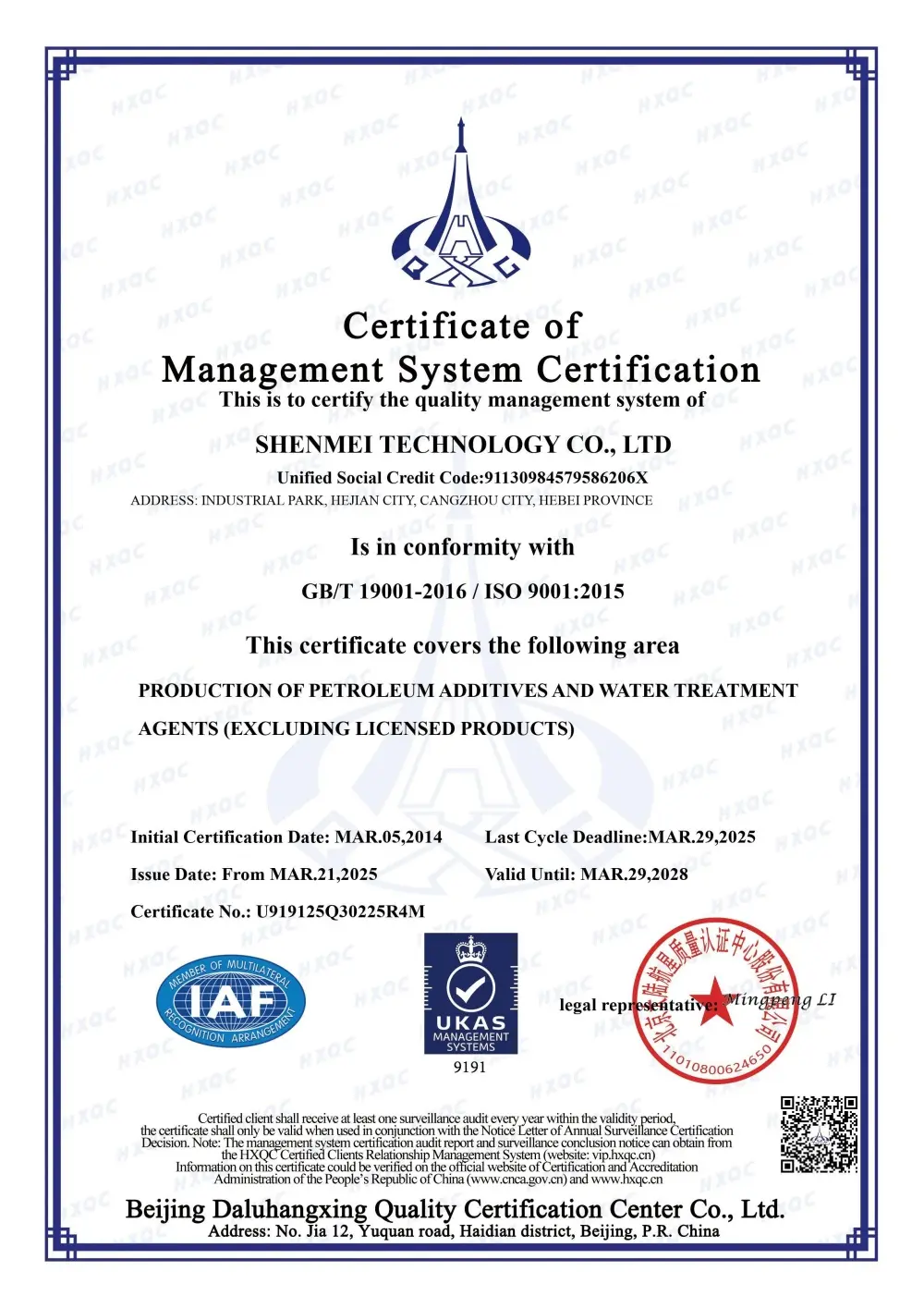
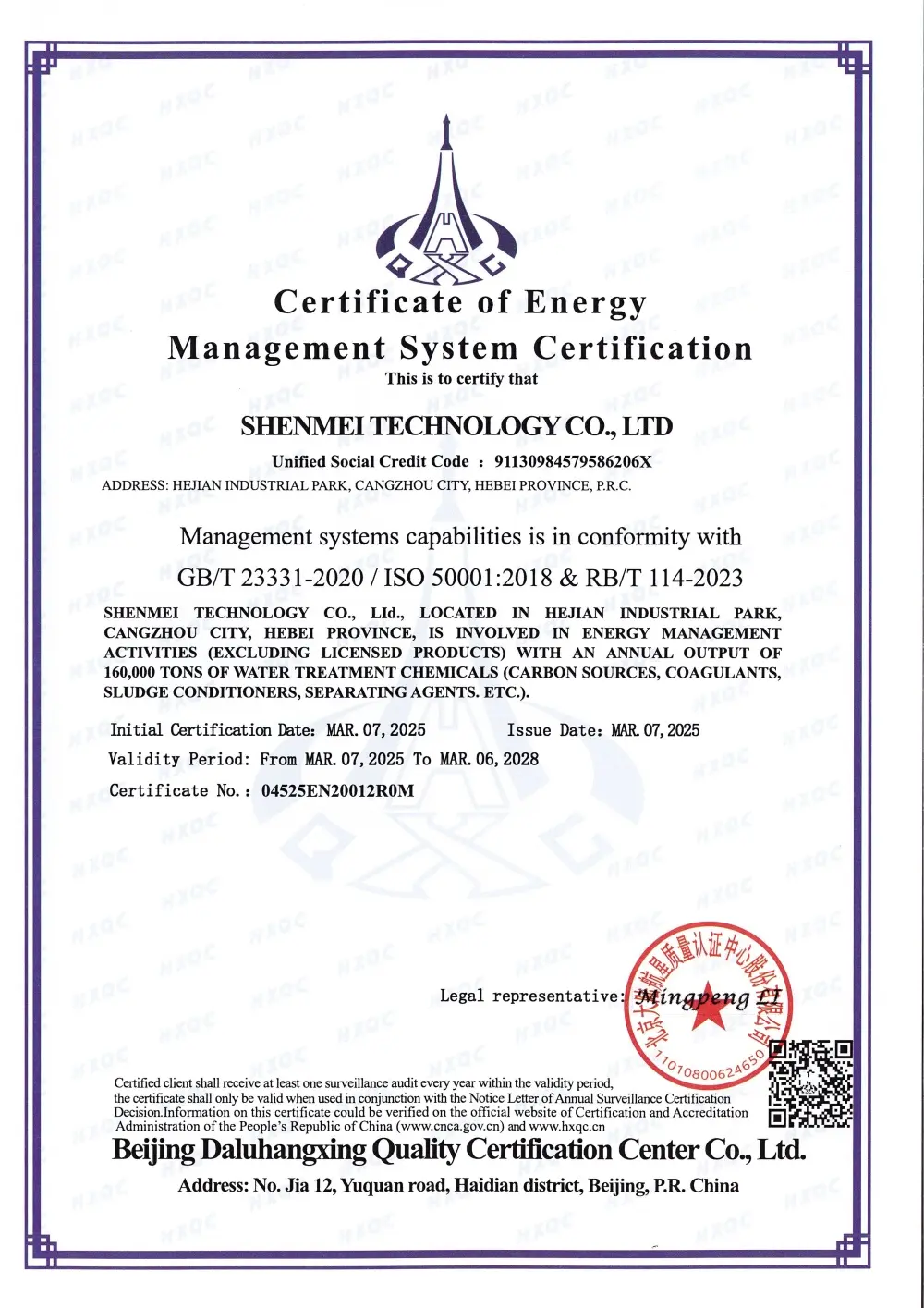
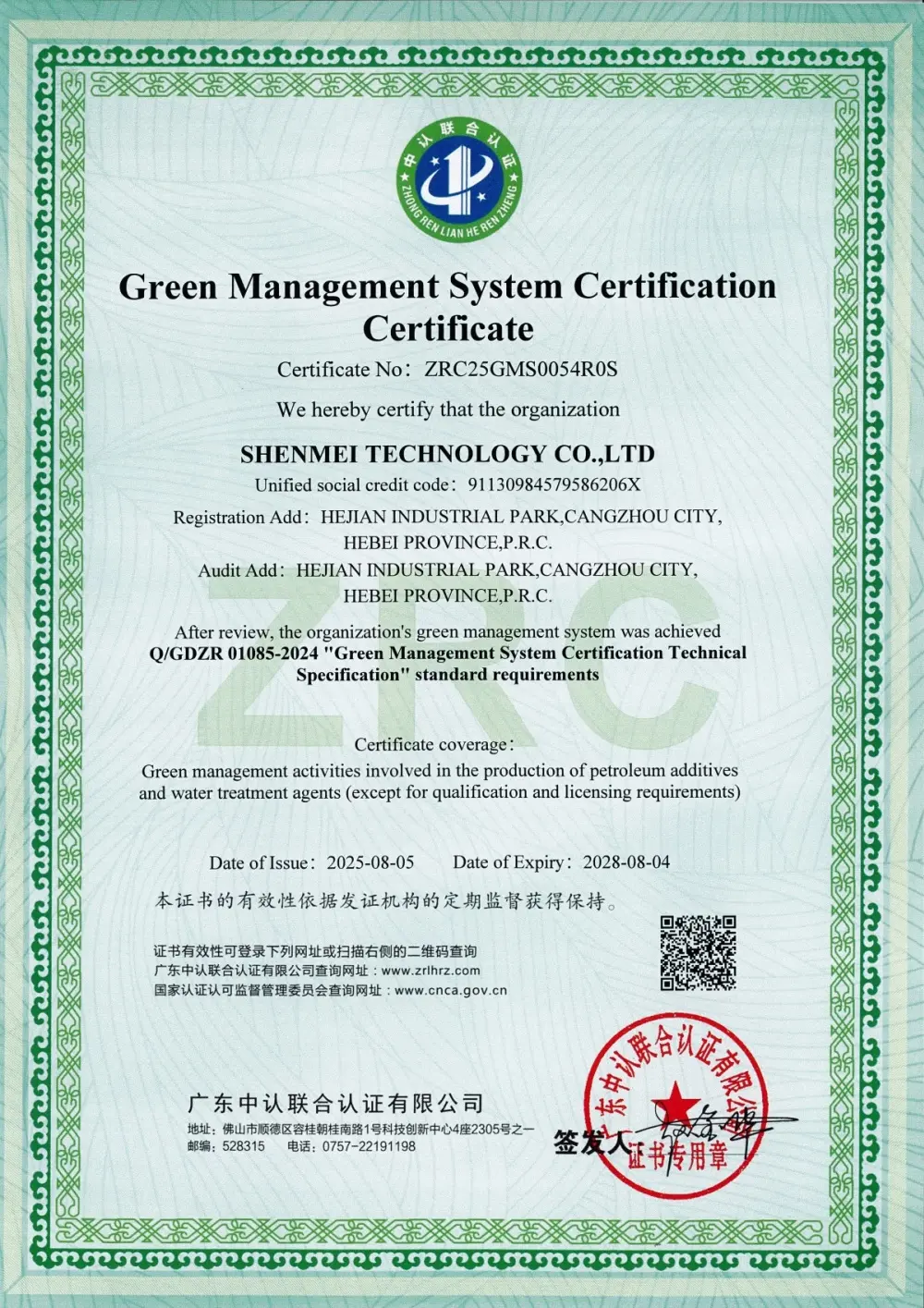
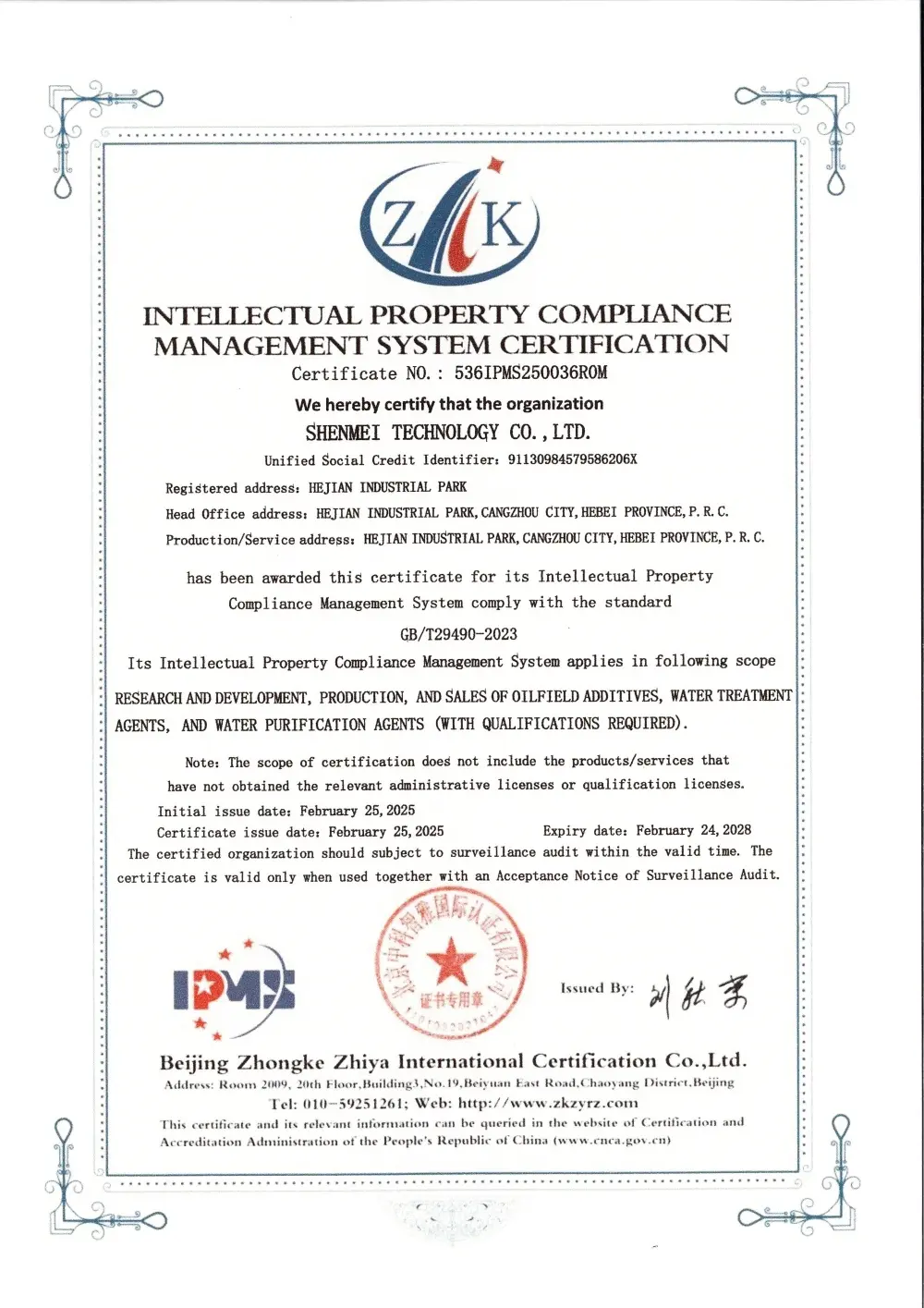
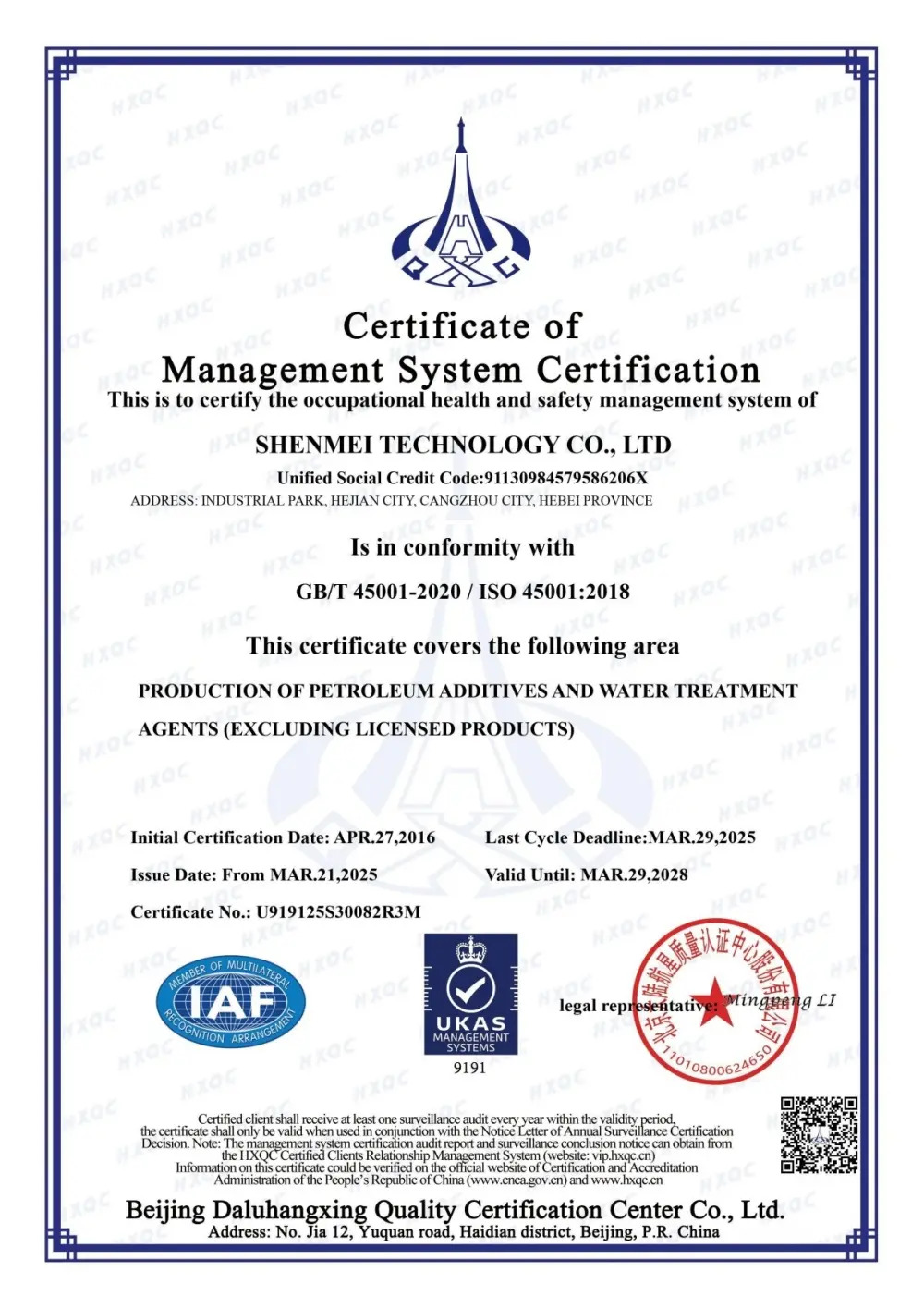
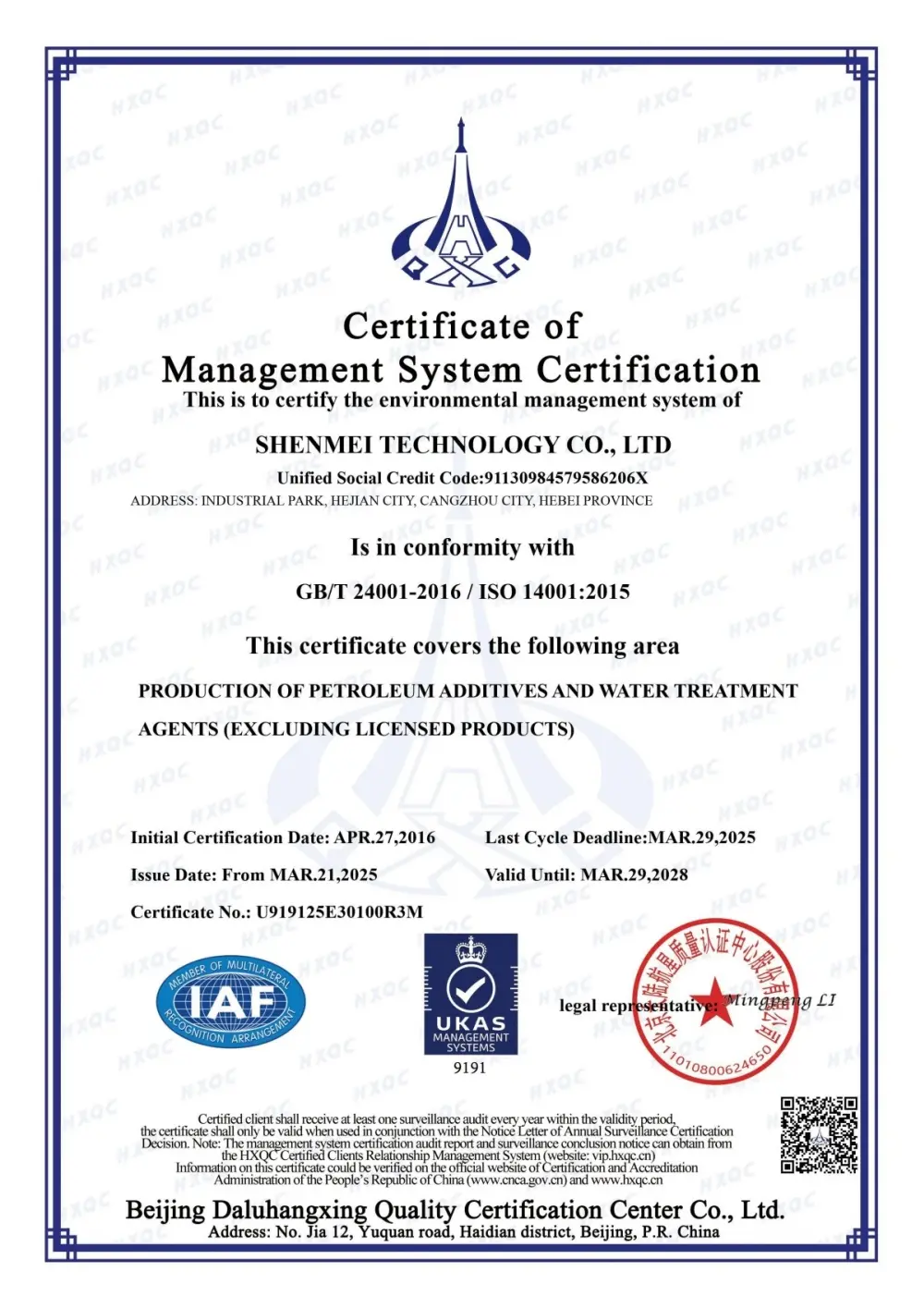
A history of technological evolution and capacity expansion in the environmental water treatment sector.
Comprehensive environmental agent categories designed to treat specific wastewater challenges.
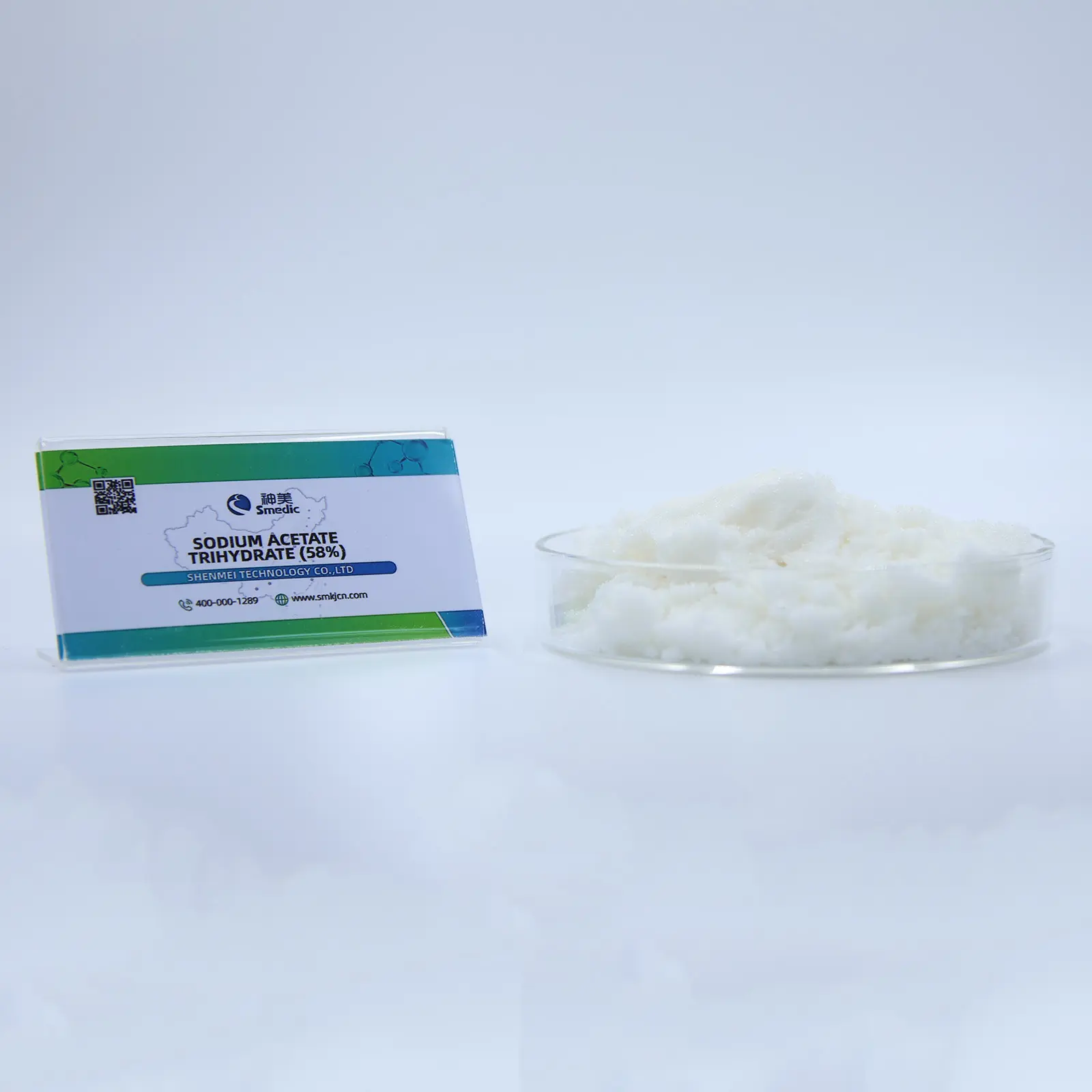

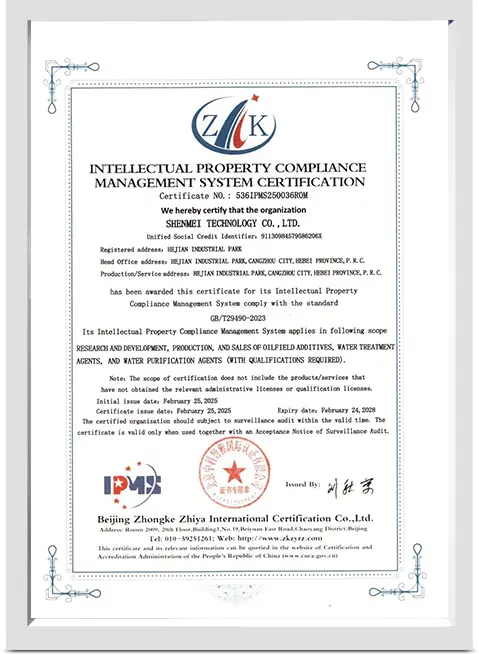
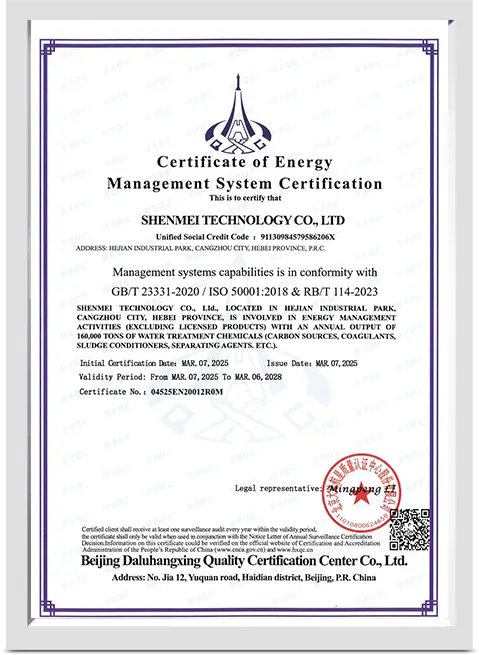
Highlighting patents and technical appraisals received from provincial and national scientific committees.
Insights from our chemical engineers on regulations, dosing configurations, and water reclamation strategies.
Defoamers, antiscalants, and coagulants engineered for industrial operations and environmental compliance.
 Smedic Tech