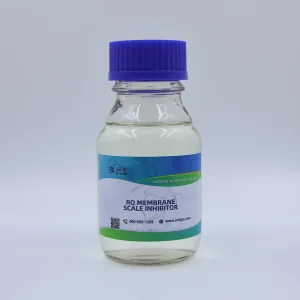
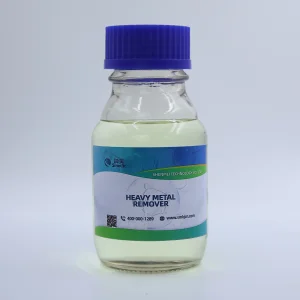
Explore our premium grade chemical solutions engineered for rapid sedimentation, heavy metal removal, and process water conditioning.
Modern industrial processes and municipal infrastructures are faced with a compounding challenge: the separation of colloidal suspensions under stringent environmental constraints. Soluble polymeric flocculants, particularly based on Polyacrylamide (PAM) and inorganic-organic hybrids, play a decisive role in resolving these complexities. By facilitating charge neutralization, polymer chain bridging, and sweep flocculation, these high-molecular-weight compounds allow for rapid settleability, high sludge compaction, and maximized water reuse efficiency.
Choosing the right polymer requires analyzing wastewater parameters: Zeta potential, shear rate, pH, and ionic strength. Whether deploying Cationic Polyacrylamide (CPAM) for organic sludge dewatering, Anionic Polyacrylamide (APAM) for inorganic mineral slurries, or non-ionic variants (NPAM) for highly acidic systems, selecting the proper chemistry determines the operational cost-effectiveness of industrial treatment facilities globally.
Information Gain Insight: Our proprietary "Inorganic-Organic Covalent Bond Flocculant" represents a major advancement in polymer chemistry, combining the structural stability of inorganic metal cores with the long-chain bridging dynamics of organic macromolecules to handle high-salinity and high-turbidity matrices effectively.
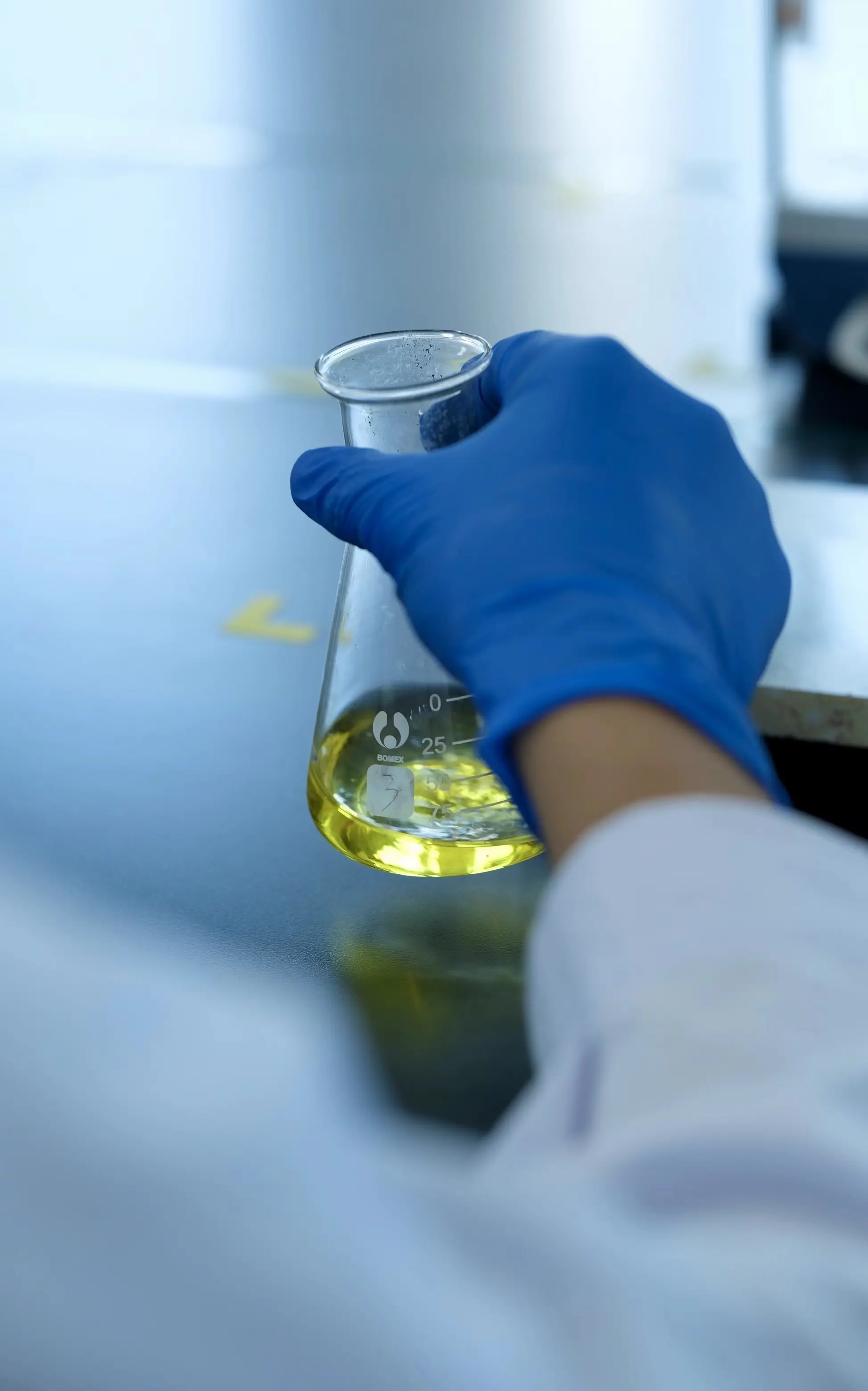
A leading comprehensive solution provider integrating R&D, manufacturing, sales, and custom environmental engineering services since 2011.
Established in 2011, Smedic Technology Co., Ltd. has evolved into a premier developer of environmental protection agents. We serve multiple critical sectors, including municipal sewage treatment, industrial wastewater, tap water purification, mineral processing, and specialized oilfield chemicals. Operating across a nationwide logistics network, we deliver over 80 distinct environmental formulations, backed by an annual production capacity that exceeds 1 million tons.
We provide more than just off-the-shelf chemicals. Smedic operates on an consultative partnership model, offering custom chemical synthesis, real-time lab diagnostic evaluations, and on-site engineering support. By optimizing molecular weights, charge densities, and functional groups, we help clients lower dosing costs and meet strict discharge rules.
Strategic localization, robust production infrastructure, and collaborative academic innovation platforms.
Headquartered in Beijing, Smedic operates manufacturing facilities in Hebei, Guizhou, Shanxi, and other regions. To minimize transit times and ensure supply security, we have established over ten OEM partner factories and regional warehousing and logistics bases in Shandong, Shanxi, Anhui, Guangxi, and Sichuan. This network covers over 20 Chinese provinces and supports major shipping hubs, allowing us to manage complex export logistics to North America, Europe, Southeast Asia, and the Middle East.
Our daily water treatment footprint exceeds 20 million tons of wastewater. We serve as a direct centralized supplier to industry leaders like Shouchuang Ecological and Environmental Group, Yangtze River Ecological and Environmental Group, Beijing Enterprises Water Group, OriginWater, and China Water Environment Group.
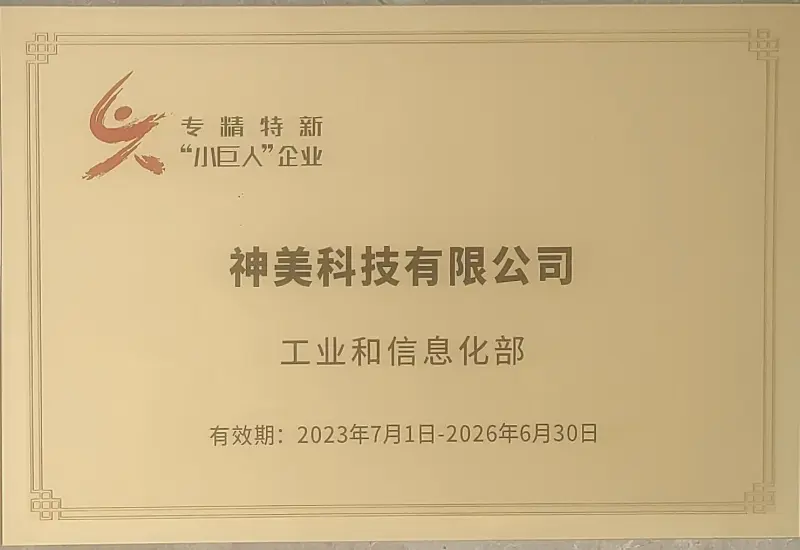
Smedic has earned national recognitions, including National High-tech Enterprise and National Specialized, Refined, Unique and Innovative "Little Giant" Enterprise. Our research division comprises academicians, professors, and senior engineers, operating across **one academy, three research institutes, and five development bases**.
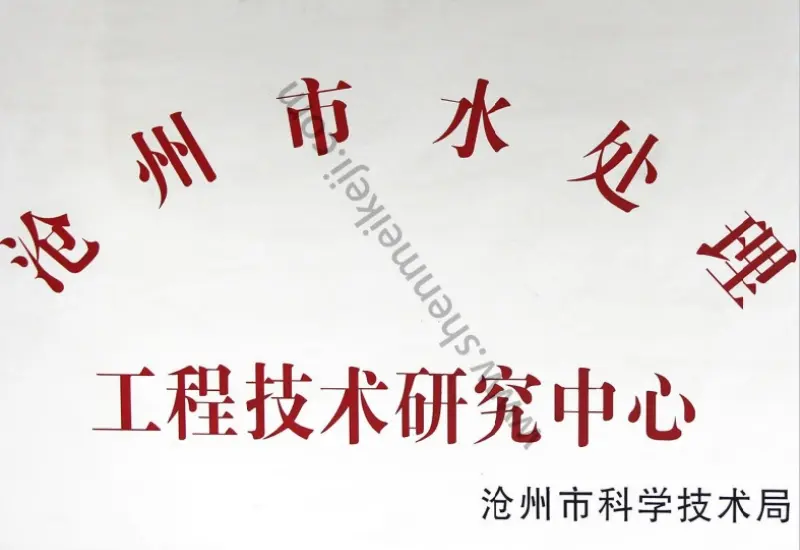
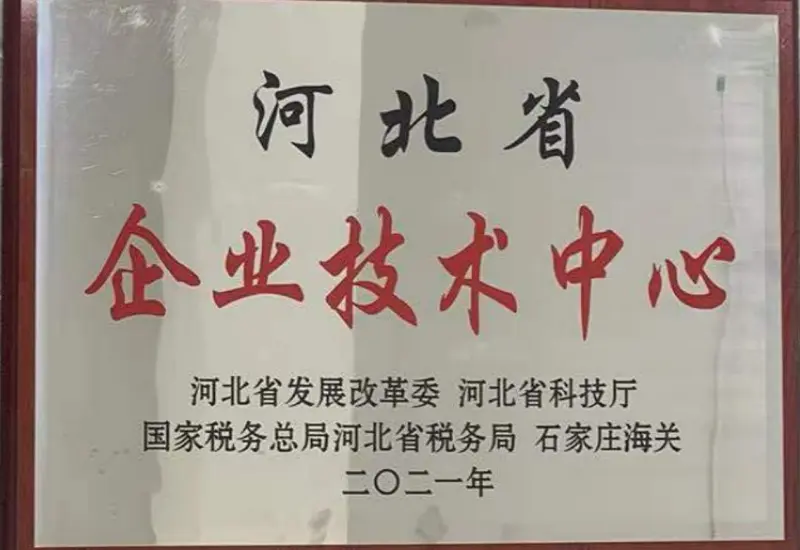
We maintain the Hebei Provincial Enterprise Technology Center and the Cangzhou Water Treatment Engineering Technology Research Center. In addition, we host an expert workstation in collaboration with the Tsinghua University Association of Senior Scientists and Technicians, alongside joint laboratories with Shandong University and Beijing University of Technology. We also commercialize R&D achievements from Peking University and Tianjin University.
Navigating the shift toward green chemistry, high-concentration formulas, and carbon-neutral treatment protocols.
By securing direct access to key monomers like acrylonitrile and utilizing integrated gas and raw material networks within domestic chemical parks, Smedic maintains pricing stability and continuous production, insulating global buyers from volatile price swings.
We provide full documentation for international exports, including REACH registrations for Europe, GHS-compliant Safety Data Sheets (SDS), and hazardous/non-hazardous transport certifications. This ensures zero customs delays at major ports.
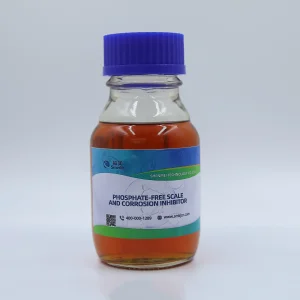
Regulations increasingly restrict traditional scaling agents like high-phosphate compounds. Smedic leads this shift with high-efficiency phosphate-free corrosion inhibitors and biodegradable organic formulations that protect cooling towers without causing downstream eutrophication.
Custom chemical programs designed to address specific regional mineral profiles, water temperatures, and plant configurations.
Challenge: Variable sludge feed rates, high organic loads, and the need for dry cake properties to lower landfill tipping fees.
Solution: High-molecular-weight Cationic Polyacrylamide (CPAM) with targeted charge density. Our polymers produce stable flocs that resist high shear forces in belt presses and centrifuges, optimizing water release and cake dryness.
Challenge: Slow settling times in coal, copper, or gold mining operations, which can limit plant throughput and increase environmental liability.
Solution: Smedic ultra-high molecular weight Anionic Polyacrylamide (APAM). These long-chain polymers create micro-flocs in tailing thickeners, increasing settling rates and helping operators recycle clean process water back into the circuit.
Challenge: Strict discharge limits for trace metals (e.g., copper, nickel, lead) and fluorides in chemical processing and semiconductor manufacturing effluents.
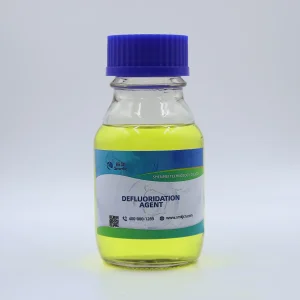
Solution: Customized dosing using Smedic Fluoride Removal Agents and Heavy Metal Precipitators, followed by a light APAM polish. This process reduces dissolved ions to sub-parts-per-billion levels, ensuring regulatory compliance.
Challenge: Viscous oil-in-water emulsions, high temperatures, and high salinity that degrade standard polymers.
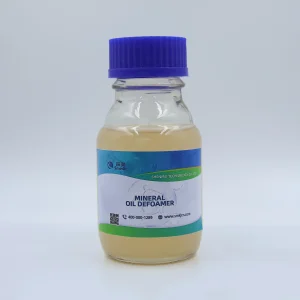
Solution: Salt-tolerant Non-Ionic Polyacrylamide (NPAM) and specialized mineral oil defoamers. These chemical programs remain stable under thermal shear, separating hydrocarbons from produced water for reinjection or discharge.
A history of growth, patent accumulation, and academic partnerships in water treatment.
Smedic Technology was founded, focusing on R&D of water treatment agents.
Established a comprehensive product portfolio for municipal wastewater chemicals.
Officially recognized as a key National High-Tech Enterprise.
Opened the Guiyang production base, expanding service coverage in southwest China.
Completed expansion in Hebei, Shandong, and Guizhou, pushing capacity past 1 million tons.
Recognized as a National Specialized, Refined, Unique and Innovative Small and Medium-sized Enterprise.
Established the provincial-level advanced water chemicals R&D platform in Hebei.
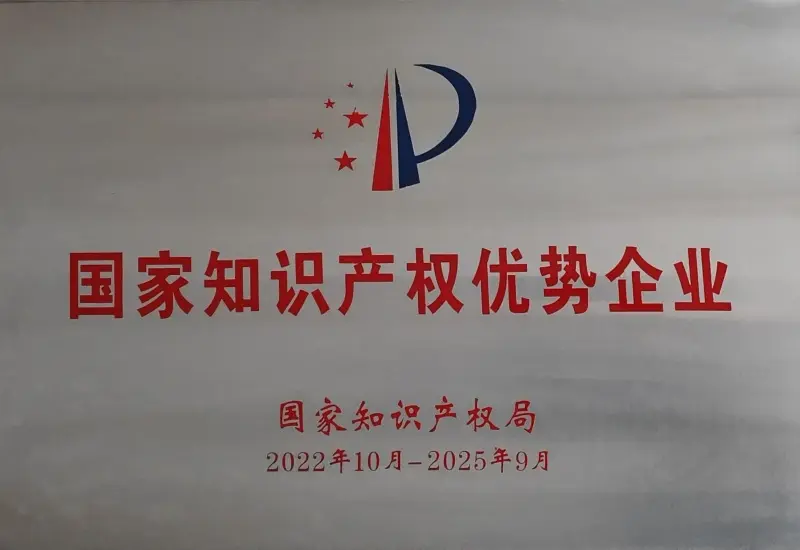
Recognized as a National Intellectual Property Advantage Enterprise with over 60 patents.
Established a joint venture with the Chengdu Institute of Mineral Comprehensive Utilization, China Geological Survey, to produce next-gen mineral processing reagents.
We have been granted over **sixty Chinese patents**, including more than forty invention patents and over twenty utility model patents. Smedic has led the drafting of more than ten national and industry standards for chemical agents, including regulations for composite carbon sources, composite coagulants, sodium acetate, and specialized bacterial agents.
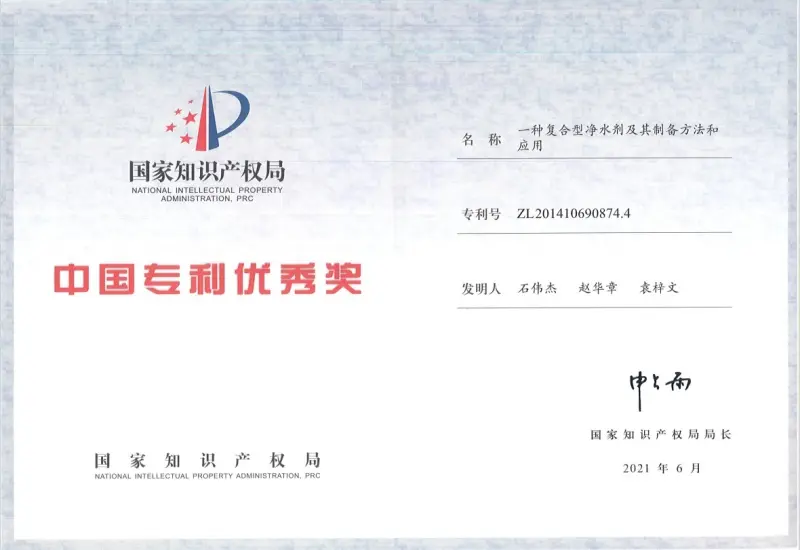
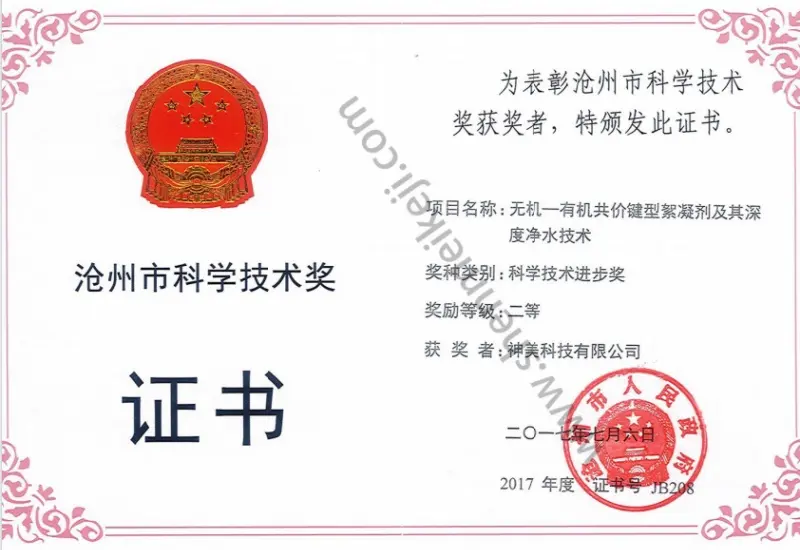
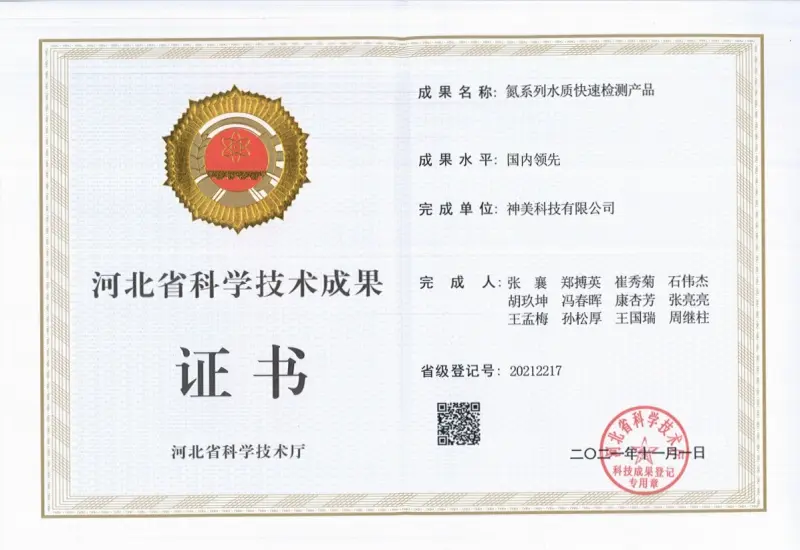
Our proprietary technologies, such as the bio-enhanced denitrification carbon source and deep multi-nuclear phosphorus removal agents, have been certified as "internationally advanced" by the Science and Technology Department of Hebei Province. Furthermore, our "Inorganic-Organic Covalent Bond Flocculant" received the 22nd China Patent Award and the First Prize for Technological Invention from the China Petrochemical Industry Association.
Scientific answers to common operational, selection, and logistics questions from our engineering support team.
The primary factor is the charge of the suspended solids. Anionic Polyacrylamide (APAM) is typically used for inorganic suspensions, such as sand, clay, mineral slurries, and metallurgical effluents, where the solids carry a positive surface charge. Cationic Polyacrylamide (CPAM) is selected for organic wastes, such as municipal sludge, food processing waste, and biological sludge, which carry negative surface charges. The choice is confirmed via jar testing to optimize settling speed, water clarity, and floc shear resistance.
Polymer dissolution requires careful management. Cold water (below 15°C) slows down the untangling of the polymer chains, requiring longer aging times to prevent fish-eyes (undissolved gel particles that can clog pumps). Dissolving water should ideally be kept between 20°C and 40°C. Water above 50°C can degrade the polyacrylamide chains, breaking down their molecular weight and reducing flocculation performance. In cold climates, heated makeup water or extended aging times are recommended.
Phosphate-based inhibitors can release phosphorus into wastewater systems, contributing to algae blooms and eutrophication in receiving waters. Many environmental agencies now enforce strict limits on total phosphorus discharge. Smedic's phosphate-free inhibitors use advanced carboxylic and sulfonic acid copolymers. These block scale formation and passivate metal surfaces without adding phosphorus, helping plants meet green building and ESG standards.
Dry powder polymers are highly stable and can be stored for up to 2 years in cool, dry warehouses in their original, unopened packaging. Liquid emulsions have a shorter shelf-life (typically 6 months) because the oil-water phases can separate over time. Emulsions require moderate agitation or recirculation before use and must be protected from freezing, which can permanently break the emulsion.
Yes. In oilfield applications like Enhanced Oil Recovery (EOR) and produced water treatment, standard polymers can lose viscosity due to high salt concentrations (specifically divalent ions like Ca2+ and Mg2+) and high temperatures. Smedic designs salt-tolerant polymers using co-monomers like AMPS (Acrylamido-Methyl-Propane Sulfonic acid). This increases the polymer's stability against salinity and thermal degradation.
Our dedicated export department handles all customs verification. We provide GHS-compliant SDS, Certificate of Analysis (CoA) for every batch, packaging declarations, and customs documents customized to the destination country (e.g., REACH compliance declarations for Europe, specific import declarations for the US). For hazardous chemicals, we secure approved shipping containers and use specialized logistics partners to ensure safe delivery.
Ensure smooth plant operations, prevent carryover, and maintain system integrity with our industrial performance line.
 Smedic Tech