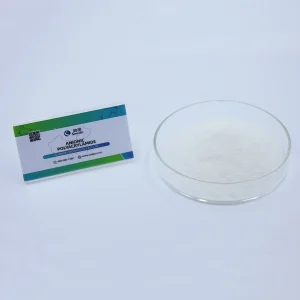
Explore our high-performance reverse osmosis antiscalants, municipal wastewater treatment agents, and industrial scale inhibitors designed for optimal process efficiency.
As freshwater scarcity intensifies across the globe, industrial entities and municipalities are increasingly turning to membrane separation technologies, notably Reverse Osmosis (RO) and Nanofiltration (NF), to secure reliable water sources. RO membranes serve as the critical filtration barrier in sea water desalination plants, heavy industrial cooling processes, chemical manufacturing, and reclaimed wastewater recycling facilities. However, the operational efficiency and physical lifespan of these membranes are constantly threatened by the phenomenon of scaling.
Membrane scaling occurs when dissolved inorganic salts—such as calcium carbonate (CaCO₃), calcium sulfate (CaSO₄), barium sulfate (BaSO₄), strontium sulfate (SrSO₄), and reactive silica (SiO₂)—exceed their thermodynamic solubility limits during the filtration process. As pure water permeates through the membrane barrier, these salts become concentrated in the reject stream, nucleating and crystallizing directly onto the membrane surface. This crystalline matrix obstructs the membrane pores, leading to a marked drop in permeate flow rate, an escalation in feed pressure, and a decline in salt rejection efficiency.
To combat this, the global commercial sector relies heavily on high-performance chemical antiscalants. These specialized polymeric substances act as threshold inhibitors, crystal lattice distorters, and dispersing agents. Without active antiscalant chemistry, an RO system treating brackish or seawater would require frequent, aggressive chemical cleanings, which degrades the delicate polyamide thin-film composite membrane material, shortens its functional life, and increases overall energy expenditure. Consequently, high-quality RO antiscalants represent a multi-billion dollar segment of the global water treatment chemicals market, driven by the expanding clean energy, semiconductor, and zero-liquid-discharge (ZLD) processing industries.
A national-tier scientific innovator specializing in premium water purification chemicals and tailored environmental agent engineering.
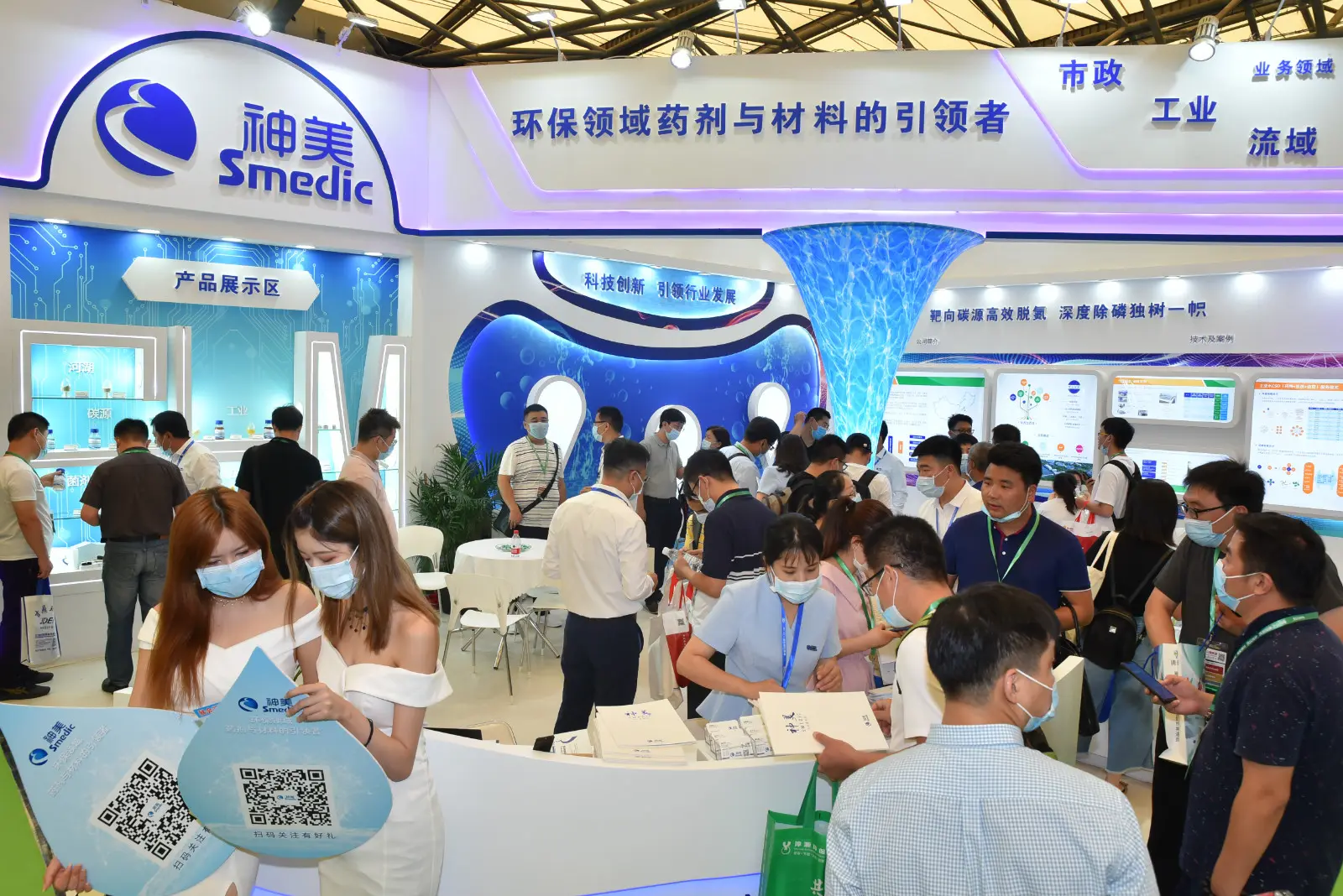
Established in 2011, Smedic Technology Co., Ltd. is a comprehensive, R&D-driven solution provider specialized in advanced environmental protection agents. We integrate research, raw synthesis, industrial-scale manufacturing, international export, and professional on-site engineering services. Over more than a decade of active expansion, Smedic has positioned itself as an industry leader in municipal sewage processing, high-salt industrial wastewater purification, drinking water purification, mineral processing agents, and oilfield auxiliary chemicals.
Smedic is distinguished by its massive production capacity, delivering over 80 different types of environmental chemicals with an annual output exceeding 1 million tons. Headquartered in Beijing, the political and academic heart of China, we operate wholly-owned, state-of-the-art production bases in Hebei, Guizhou, and Shanxi provinces. In addition, we maintain more than ten OEM partner factories and regional warehousing and logistics centers strategically positioned across Shandong, Anhui, Guangxi, and Sichuan. This robust supply chain ensures rapid, cost-effective global export access.
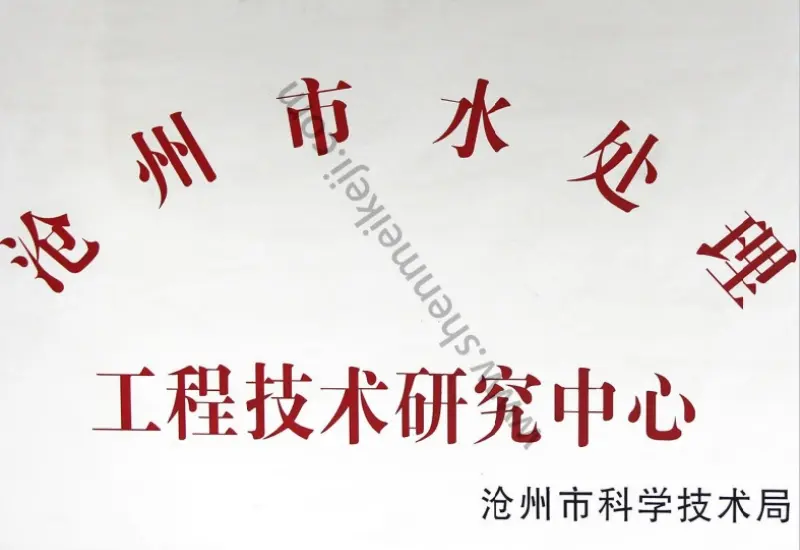
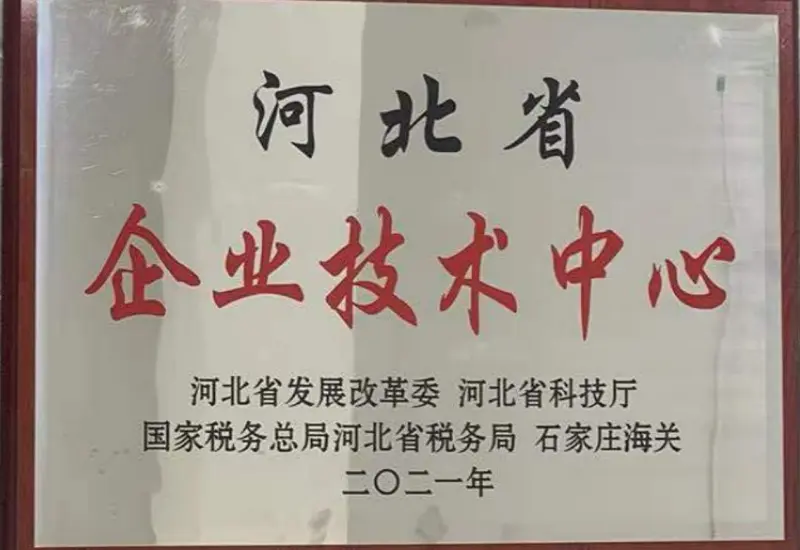
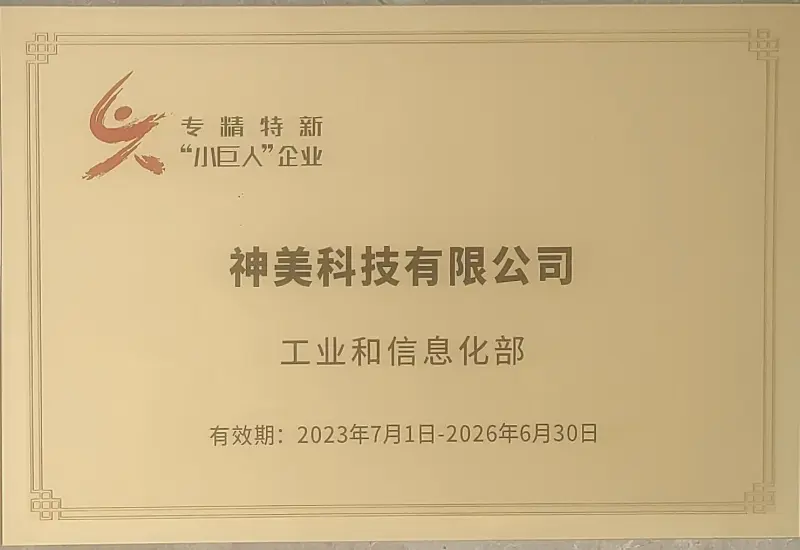
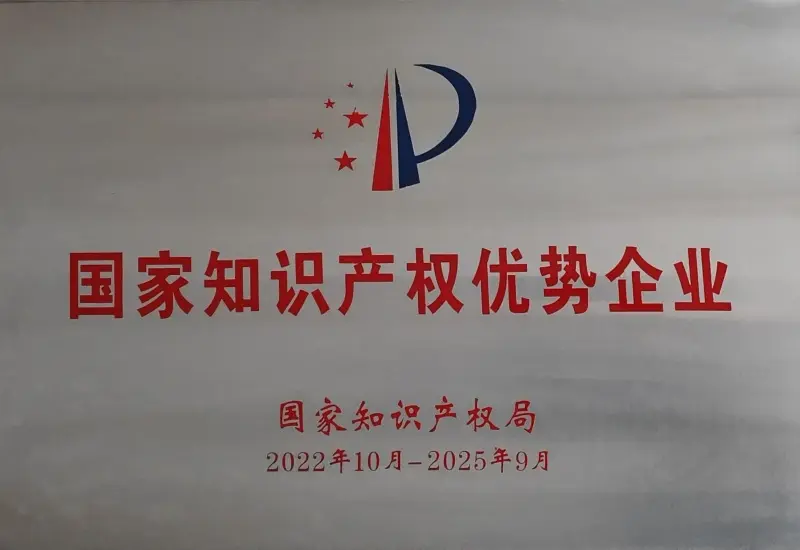
Smedic Technology's engineering and chemical supremacy is anchored by an academic-backed innovation network. We have established a structured R&D system and technology commercialization platform centered around one academy, three research institutes, and five production bases. We maintain the Hebei Provincial Enterprise Technology Center, the Hebei Provincial Advanced Water Treatment Chemicals Technology Innovation Center, and the Cangzhou Water Treatment Engineering Technology Research Center.
Our collaborative R&D workstations boast partnerships with premier Chinese scientific entities, including the Tsinghua University Association of Senior Scientists and Technicians, and joint R&D laboratories with Shandong University and the Beijing University of Technology. We serve as the primary commercialization channel for advanced water treatment patents generated by the engineering faculties of Peking University and Tianjin University.
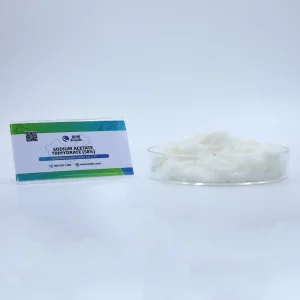
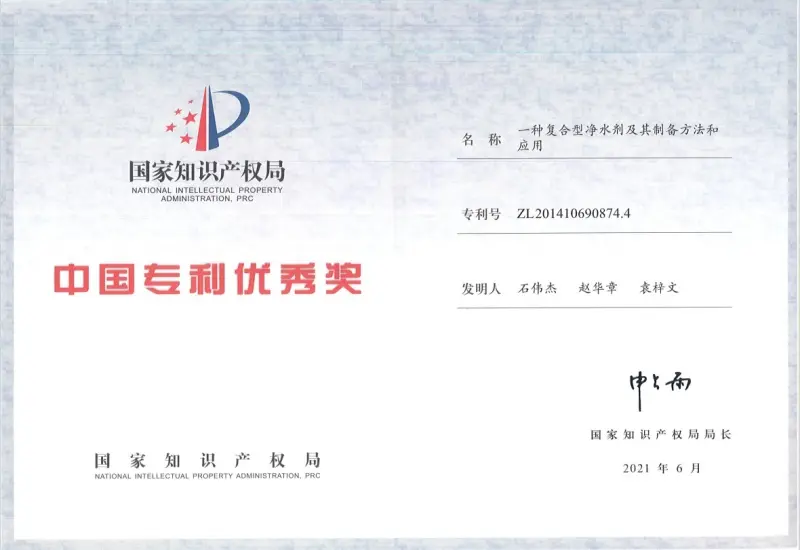
As an authoritative standard-setter, Smedic has led the drafting and publication of more than ten Chinese national and industry standards. These standardizations dictate high-quality protocols for critical chemical reagents such as composite carbon sources, composite coagulants, sodium acetate, and nitrifying/denitrifying bacterial agents, ensuring compliance and technological uniformity across industrial platforms.
The RO antiscalant manufacturing sector is experiencing rapid transformation driven by environmental mandates, regulatory tightening on phosphorus discharges, and the technological evolution of membrane modules. Distributors and global procurement managers must monitor these three dominant megatrends:
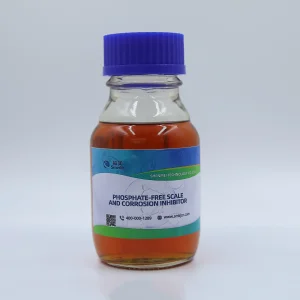
For decades, organophosphonates (such as ATMP, HEDP, and PBTC) served as the primary active ingredients in commercial RO antiscalants. Despite their high performance against calcium carbonate scaling, their residual release in concentrate streams contributes directly to surface water eutrophication—causing massive algal blooms and ecological depletion. In response, global environmental protection agencies have enacted strict phosphorus discharge limits. Consequently, research and demand have shifted to green, biodegradable polymers, such as Polyaspartic Acid (PASP) and Polyepoxysuccinic Acid (PESA). High-performance, phosphate-free scale inhibitors are now the gold standard for environmentally conscious projects.
Modern industrial complexes are moving toward minimal liquid discharge (MLD) and Zero Liquid Discharge (ZLD) models. In these setups, RO systems are pushed to ultra-high recoveries (often exceeding 85% to 92%), which concentrates scale-forming ions to near-precipitation levels. Standard antiscalants fail under these extreme conditions. The industry now requires high-performance, multi-functional copolymer antiscalants that combine thermodynamic threshold inhibition with strong dispersibility to handle complex mixtures of silica, sulfates, and organic matter.
To avoid either under-dosing (resulting in irreversible membrane scaling) or over-dosing (which can lead to chemical fouling and feed pump waste), water treatment plants are transitioning from manual batch testing to automated dosing systems. Utilizing real-time data from Langelier Saturation Index (LSI) sensors, silica analyzers, temperature indicators, and flow meters, these systems adjust chemical dosing rates dynamically. Smedic works closely with engineering partners to provide synergistic chemical formulations designed to work flawlessly with automated feed systems.
RO membranes operate in highly diverse chemical and geographic conditions. A standard, off-the-shelf scale inhibitor is rarely optimal. Smedic Technology designs custom chemical solutions for various key localized application scenarios:
Through our dedicated provincial innovation centers, Smedic Technology provides complimentary water analysis and software-based projection reports to our global export partners. By analyzing raw water quality data—including pH, temperature, conductivity, calcium hardness, alkalinity, and silica levels—our engineers calculate the exact scale risk profile and supply the optimal antiscalant formulation. This custom approach ensures maximum membrane protection, lower chemical costs, and minimizes the risk of biological and chemical fouling.
Request Water Analysis ReportOur decade-long path from a regional chemicals supplier to a nationally-recognized environmental technology group.
As membrane technology continues to advance, the requirements for scale inhibition will change. Smedic is actively developing the next generation of membrane chemicals:
Developing next-generation organic polymer matrices that break down safely into non-toxic components in natural aquatic systems, completely eliminating downstream ecological footprints.
Engineering compounds that prevent amorphous silica crystallization in waters containing silica levels up to 300 ppm, enabling high recovery rates in geothermal and volcanic regions.
Formulating dual-functional, non-oxidizing polymer agents that prevent mineral scaling while simultaneously inhibiting biological attachment, simplifying dosing setups.
Expert technical answers to common queries regarding RO antiscalant performance, dosing calculations, and material compatibility.
Using a high-quality RO antiscalant is critical to prevent membrane scaling. During filtration, mineral concentrations in the reject stream rise. Without effective inhibition, these minerals crystallize on the polyamide surface, leading to permanent membrane damage, higher feed pressure, increased energy costs, and frequent cleanings. High-quality formulations extend membrane lifespans and maintain consistent water quality.
Phosphonate-based antiscalants contain phosphorus, which can contribute to eutrophication and algal blooms when discharged into local waters. Phosphate-free antiscalants are made from biodegradable polymers, such as polyaspartic acid (PASP), which break down safely without releasing phosphorus. This makes them ideal for facilities facing strict local discharge regulations.
Yes. Over-dosing can cause chemical fouling. When excessively dosed, the polymer can precipitate or bind with heavy metal ions and cationic species, forming a gelatinous foulant layer on the membrane surface. This layer reduces water flux and increases feed pressure, similar to mineral scaling. Precise dosing calculations are necessary.
Optimal dosage is calculated using specialized simulation software. The calculation accounts for raw water chemistry parameters (pH, temperature, TDS, calcium, barium, strontium, silica, and alkalinity concentrations), system design specifications (recovery rate, membrane type, flux rate), and temperature variations. Smedic provides tailored chemical selection and dosage reports based on customer water analysis.
Yes, all Smedic products are manufactured in ISO 9001, ISO 14001, and ISO 45001 certified facilities. We comply with strict quality control protocols from raw material sourcing to final packaging. Our chemicals are systematically exported to clients in the Middle East, Southeast Asia, South America, and Europe, meeting local environmental and safety standards.
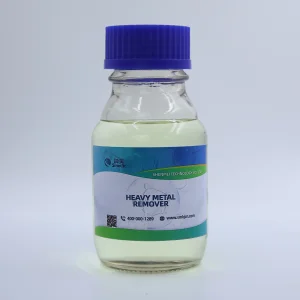
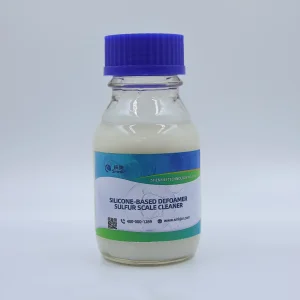
Our full line of coagulants, defoamers, heavy metal removal agents, and organic polymers for complex water purification systems.
 Smedic Tech