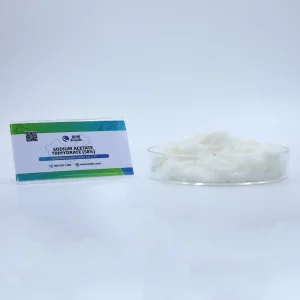
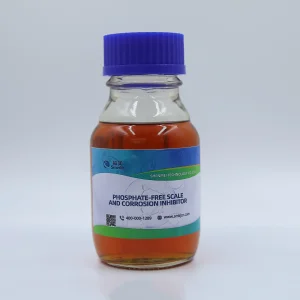
Deposition of mineral scale (such as calcium carbonate, calcium sulfate, barium sulfate, and silica) is a persistent operational challenge in modern cooling systems, reverse osmosis (RO) desalination, and oilfield extraction operations. Left untreated, scaling decreases thermal efficiency, restricts hydraulic throughput, and accelerates localized corrosion (Under-Deposit Corrosion). Smedic Technology Co., Ltd. serves as a leading force in advanced macromolecular research and eco-friendly scale inhibition solutions, bringing deep chemical expertise, large-scale production, and industry standard-setting capacity to global supply lines.
Founded in 2011, Smedic Technology has evolved into a global supplier integrating raw material synthesis, custom compound formulation, and full-service process engineering. By deploying advanced synthetic cooling water scale inhibitors, green phosphate-free polymers, and highly selective membrane anti-scalants, Smedic ensures process continuity across municipal wastewater, mining flotation, oil and gas, and heavy manufacturing sectors globally.
Company Established
Environmental Protection Products
Annual Agent Production Capacity
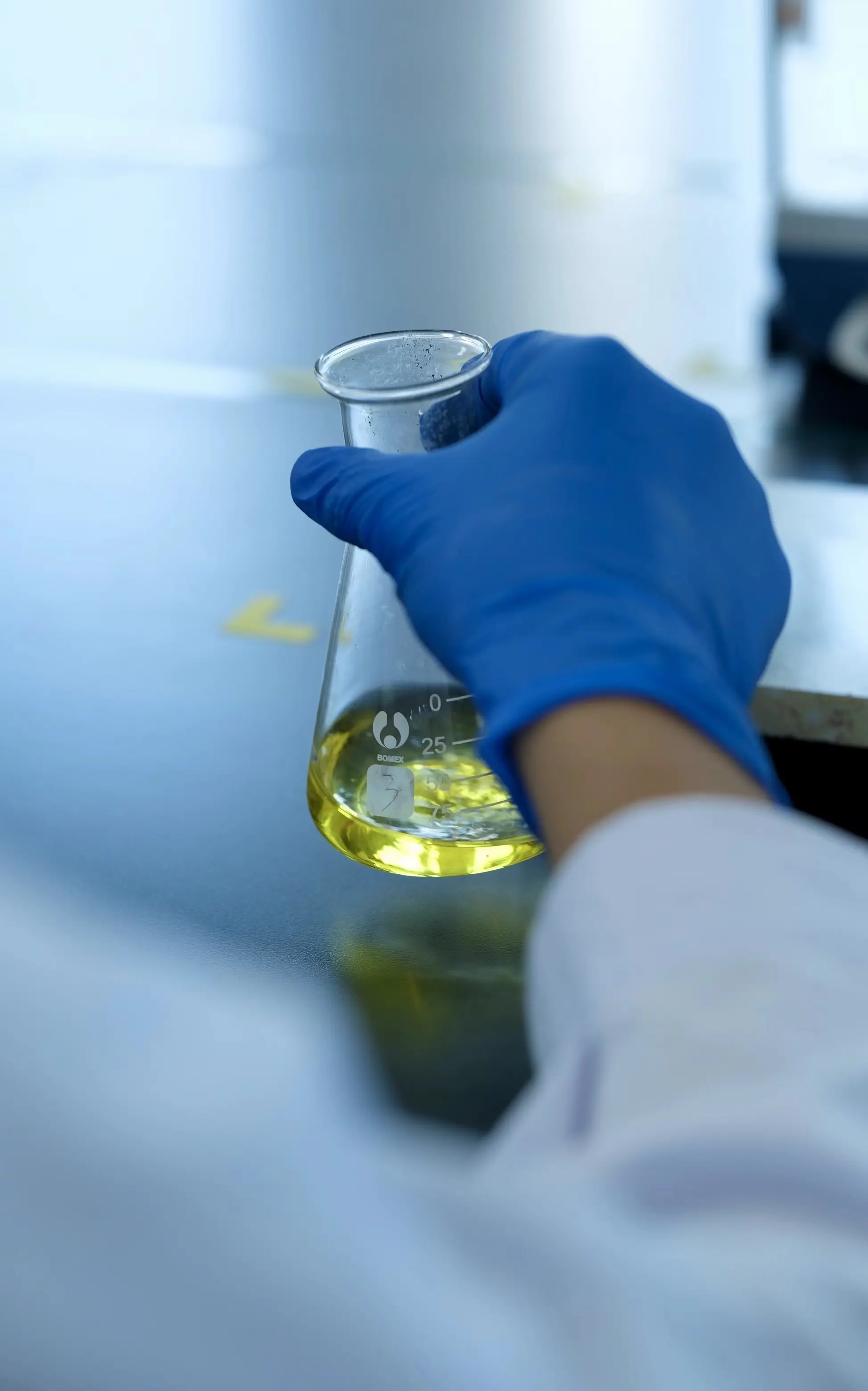
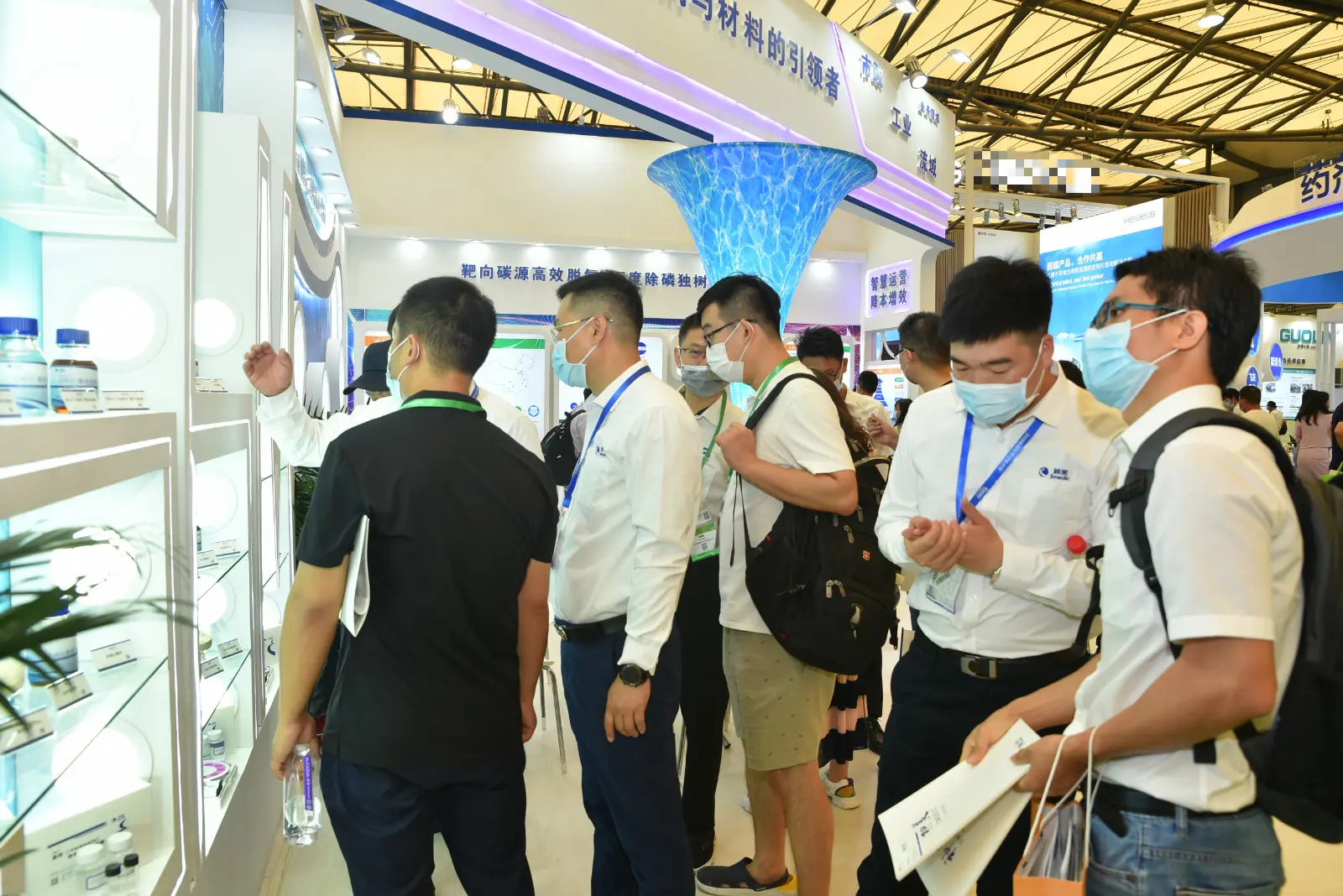
From our corporate headquarters in Beijing, Smedic coordinates a broad manufacturing footprint consisting of wholly-owned chemical synthesis bases in Hebei, Guizhou, and Shanxi. To optimize shipping and regional supply times, we operate over ten OEM partner facilities and strategic warehousing hubs across Shandong, Shanxi, Anhui, Guangxi, and Sichuan. This infrastructure supports prompt domestic supply lines and simplifies international shipments through primary Chinese shipping hubs.
Our domestic service reach spans over 20 provinces, supporting daily water treatment programs for more than 600 municipal wastewater treatment facilities and 1,000 industrial end-users. The combined processing load of municipal and industrial wastewater installations utilizing Smedic technology exceeds 20 million tons per day, establishing the company as a key chemical provider in high-end municipal and industrial wastewater applications.
Provinces Reached
Sewage Plants Served
Tons Treated Daily
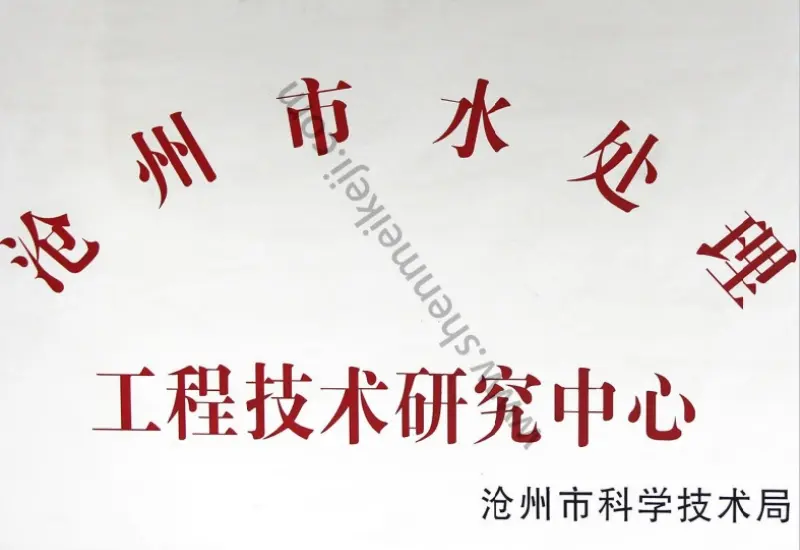
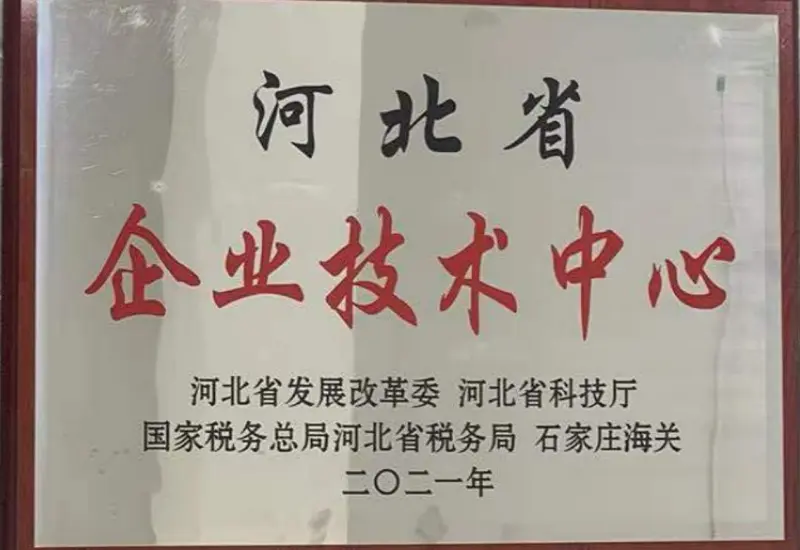
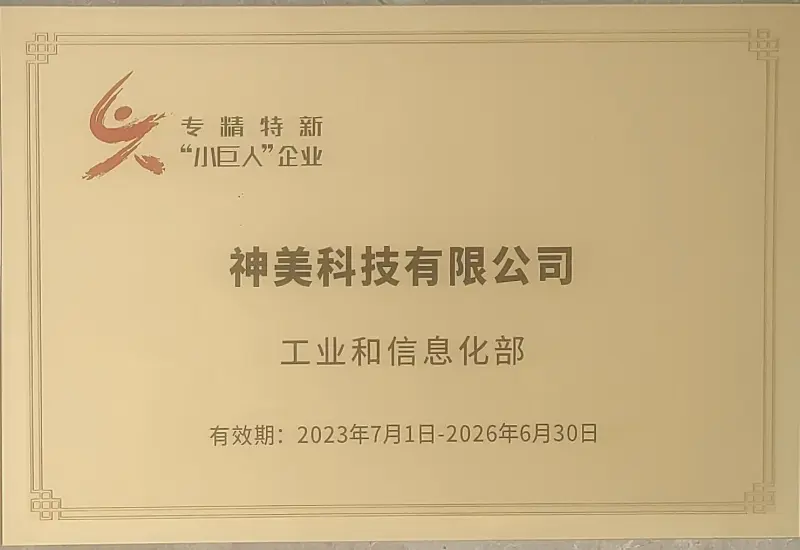
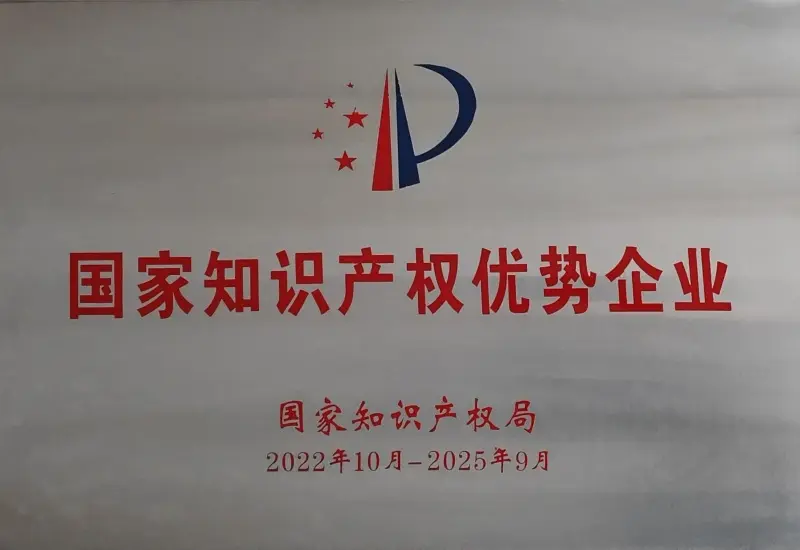
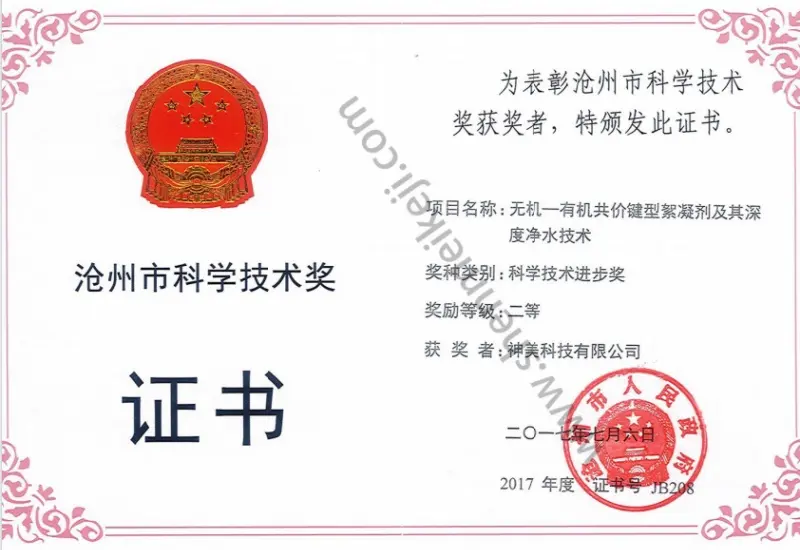
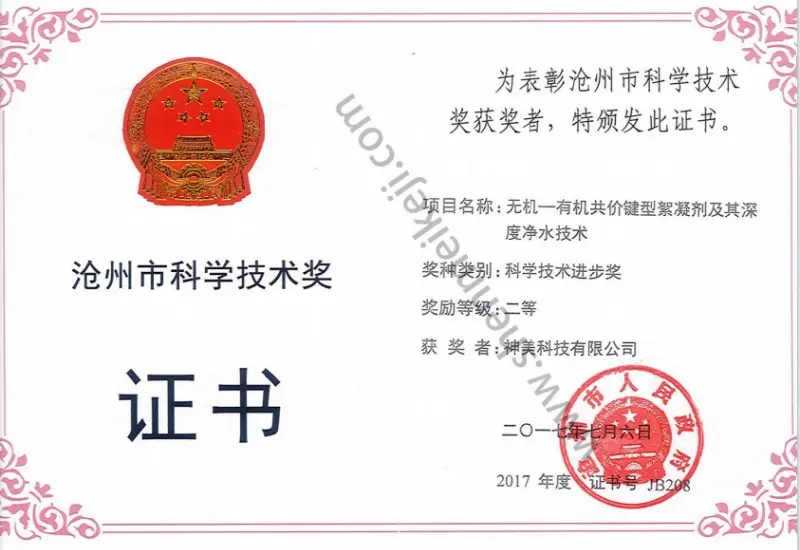
Smedic is recognized as a National High-tech Enterprise and a National Specialized, Refined, Unique and Innovative "Little Giant" Enterprise. Our dedication to research is backed by key state-supported structures and collaborations with top-tier research institutions.
Our structured research framework features one dedicated Academy, three specialized Research Institutes, and five Pilot Production Bases. The company operates key regional innovation platforms, including:
To keep our chemical research aligned with scientific advancements, Smedic maintains joint platforms and technology commercialization pipelines with leading universities:
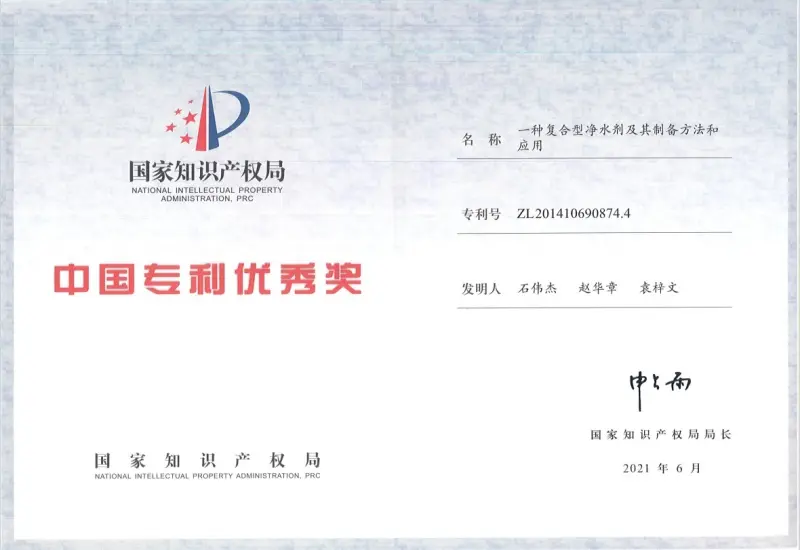
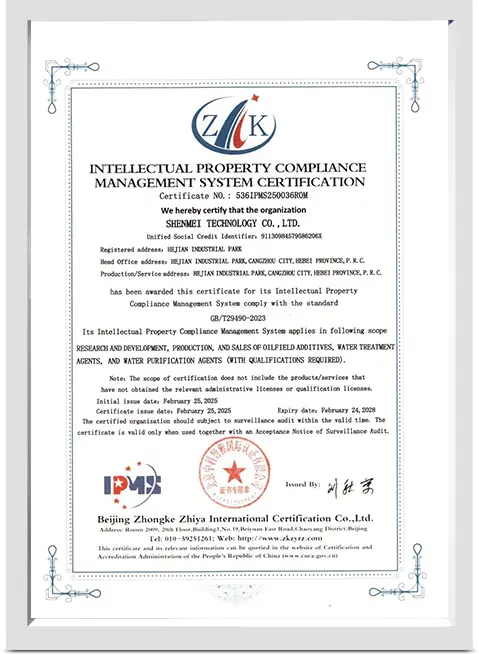
Smedic holds over sixty Chinese patents, including more than forty invention patents and over twenty utility model patents. We lead standard-setting initiatives for key water treatment chemical formulations, including composite carbon sources, coagulants, sodium acetate, and nitrifying bacterial agents.
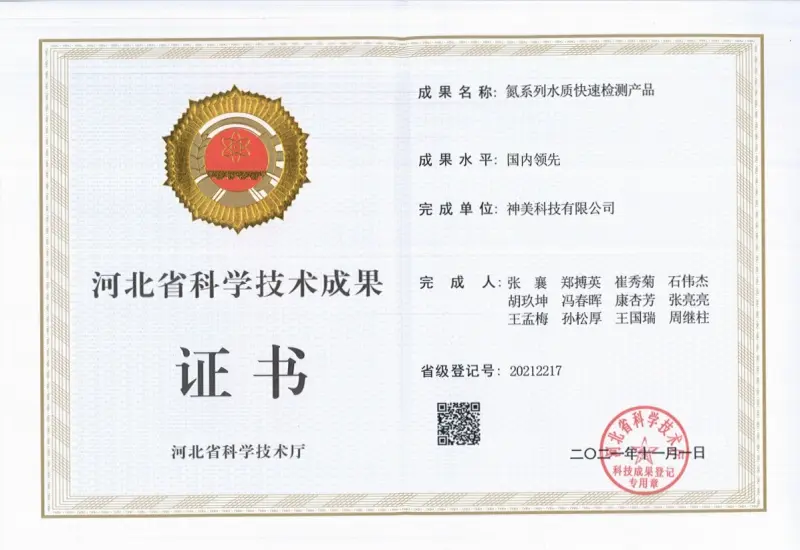
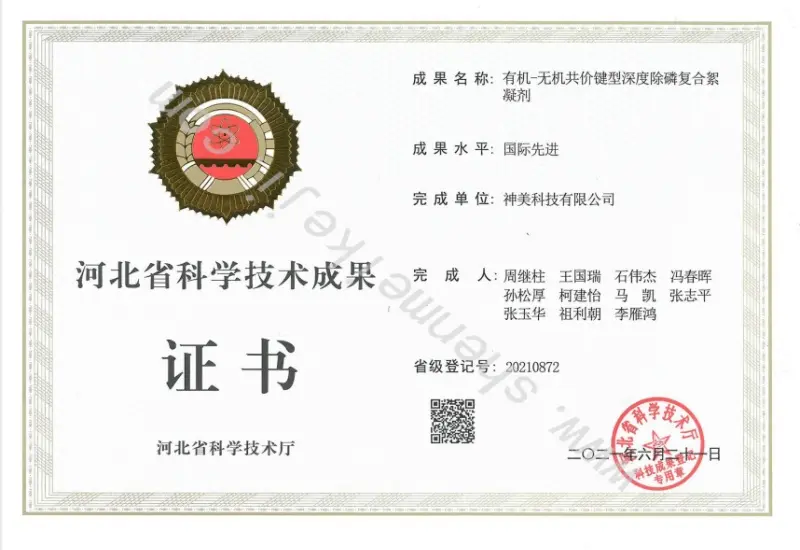
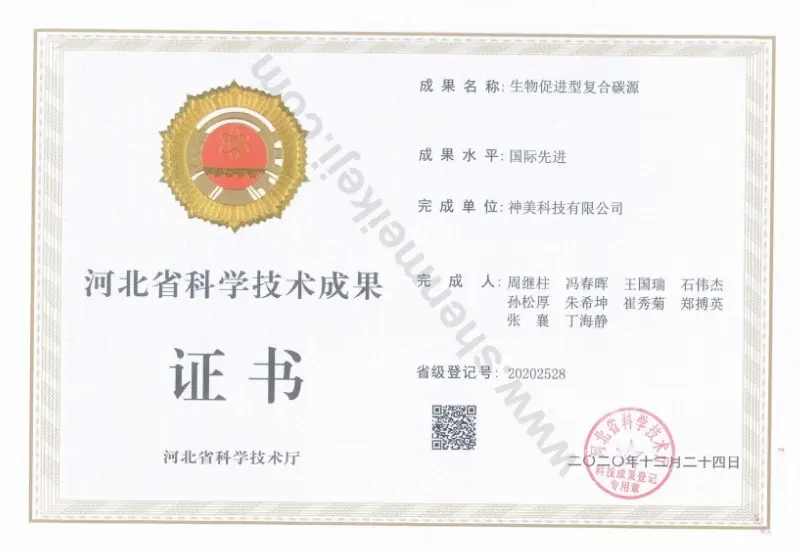
Our bio-enhanced denitrification carbon sources and deep multi-nuclear phosphorus removal agents have been evaluated as "internationally advanced" by the Science and Technology Department of Hebei Province, filling key domestic product gaps.
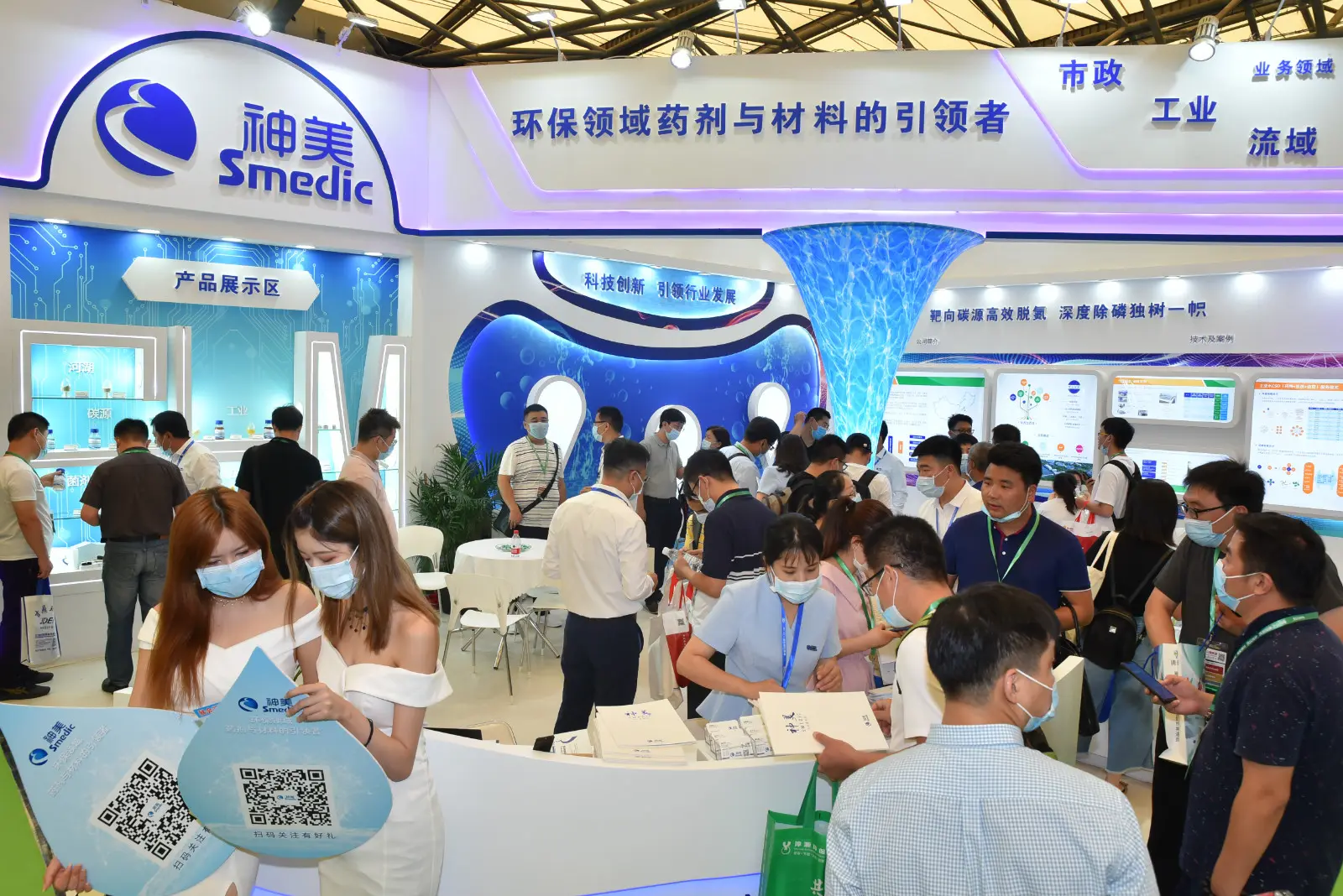
China has become a key hub for global scale inhibitor and water treatment chemical manufacturing, combining mineral resources, chemical process engineering, and integrated logistics.
China's domestic supply of phosphorus and acrylic monomers supports a stable chemical manufacturing pipeline, cushioning international buyers against global price fluctuations.
Smedic's facilities feature automated synthesis loops, DCS systems, and continuous-run reactors that ensure consistent batch-to-batch polymer weight distributions.
We offer tailored formulations (such as varying active solids, custom pH ranges, and color tracking dyes) to meet unique field scaling and corrosion requirements.
Proximity to key domestic raw material resources and major shipping ports reduces shipping times and lowers global bulk freight costs.
Scale formation is a crystallization process where dissolved mineral ions exceed their solubility limit, forming crystal nuclei that deposit on system surfaces. Smedic scale inhibitors disrupt this deposition process through three main chemical pathways:
| Inhibitor Class | Active Component | Scale Target | Typical Dosage (ppm) | Thermal Stability | Biodegradability |
|---|---|---|---|---|---|
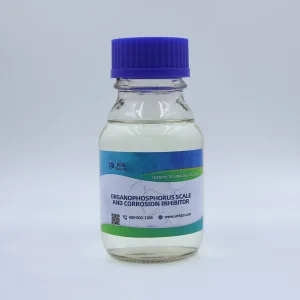
| Organophosphonates (HEDP, ATMP) | Organophosphorus compounds | CaCO3, CaSO4 | 2.0 - 10.0 | Up to 150°C | Moderate |
| Polyacrylic Copolymers (AA/AMPS) | Carboxylate/Sulfonate copolymer | Phosphate, Silica, CaCO3 | 5.0 - 20.0 | Up to 200°C | Good |
| Phosphate-Free Green Polymers (PESA, PASP) | Polyepoxysuccinic acid, Polyaspartic acid | CaCO3, BaSO4 | 3.0 - 15.0 | Up to 120°C | Excellent (100%) |
| RO Membrane Anti-scalants | Tailored Multi-polymer Blends | Silica, Iron, Carbonates | 1.0 - 5.0 | Up to 80°C | Good |
The global water treatment industry is shifting toward sustainable, high-efficiency, and digitally integrated processes. Smedic aligns its R&D with these key developments:
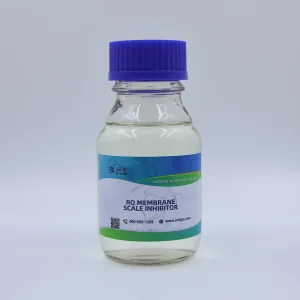
In high-recovery RO operations, scale accumulation on membranes blocks water flow, increases operating pressure, and shortens membrane life. Smedic's RO scale inhibitors prevent calcium carbonate and silica crystallization, extending cleaning cycles and membrane durability.
Open evaporative cooling loops concentrate dissolved minerals, leading to scaling in heat exchangers. Our organophosphorus and copolymer scale inhibitors maintain heat transfer efficiency and prevent under-deposit corrosion in power plants, steel mills, and chemical facilities.
Re-injecting produced water into formations can trigger barium sulfate and calcium sulfate precipitation due to water incompatibility. Smedic's scale and corrosion inhibitors work effectively under high-pressure, high-salinity oilfield conditions.
Scale in process water circuits can block screens, filters, and dosing equipment. In partnership with the Chengdu Institute of Mineral Comprehensive Utilization, Smedic provides specialty mining water reagents that prevent scaling without disrupting flotation chemistry.
Modern industrial water management is transitioning from single-stage treatment to closed-loop recycling and Zero Liquid Discharge (ZLD). Reaching high water recovery rates requires a coordinated chemical treatment strategy, as recycling concentrates dissolved minerals and increases the risk of severe scaling.
Smedic's scale control formulations are designed to work compatibly with other critical process chemicals:
Procuring industrial scale inhibitors for large-scale municipal or industrial plants requires evaluating several operational, regulatory, and quality parameters:
Concentrated scale inhibitors must remain stable without separation or precipitation over extended storage times, across various shipping and warehousing temperatures. Smedic formulations undergo accelerated thermal degradation testing to ensure a minimum shelf life of 12 to 24 months.
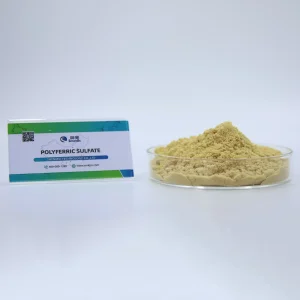
Anti-scalants must operate compatibly alongside other water treatment chemicals like primary coagulants (such as PAC or PFS) and flocculants (Anionic/Non-ionic Polyacrylamide). Chemical incompatibility can form insoluble residues that foul membranes or heat-exchange surfaces.
Formulations used in municipal drinking water systems or food processing plants must meet strict safety standards, such as NSF/ANSI Standard 60, REACH registration, and regional environmental rules limiting total phosphorus discharges.
Securing reliable supply links is essential for continuous process plants. Utilizing multiple regional manufacturing bases and logistical hubs helps mitigate raw material and shipping disruptions.
A scale inhibitor is a specialized chemical agent designed to prevent the precipitation and deposition of mineral scale (such as calcium carbonate, calcium sulfate, and silica) on pipes, heat exchangers, and reverse osmosis membrane surfaces. It works through threshold inhibition, crystal lattice modification, and dispersion.
While the terms are often used interchangeably, "anti-scalant" is most commonly used in membrane filtration systems (like Reverse Osmosis), whereas "scale inhibitor" refers broadly to chemical treatments used in cooling towers, boilers, oilfields, and municipal heat exchangers.
Phosphate-based scale inhibitors can act as nutrients when discharged, promoting algae blooms and eutrophication in receiving water bodies. Green, phosphate-free alternatives, such as PESA and PASP, are biodegradable, helping industrial plants meet strict environmental discharge limits.
Smedic operates automated DCS-controlled reactors across our production bases. We perform rigorous QC testing on raw materials, check process parameters during synthesis, and run final quality assays (measuring solid content, pH, density, and viscosity) on every batch before release.
Typical production lead times range from 7 to 15 days, depending on custom formulation requirements. Shipping transit times depend on the destination port and selected shipping method, with tracking handled through our integrated warehousing and shipping hubs.
Yes. We offer custom ODM scale inhibitors matched to specific feed water chemistry, silica levels, and recovery targets, providing compatibility with major commercial reverse osmosis membranes.
 Smedic Tech