Explore our core selection of high-performance chemical agents formulated to increase water recycle efficiency, remove harmful impurities, and secure mechanical integrity.
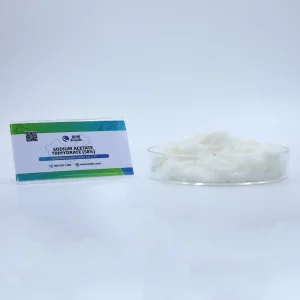
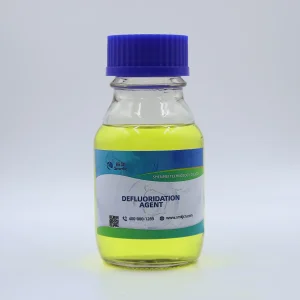
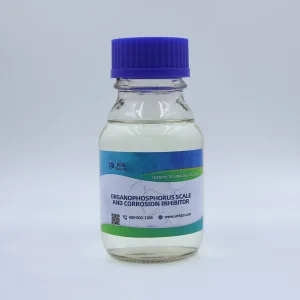
Uncovering the macroeconomic drivers, regulatory constraints, and advanced chemical solutions fueling the clean water transition.
The industrial landscape is undergoing a critical transition. Global water stress, driven by climate instability, rapid urbanization, and stringent ESG (Environmental, Social, and Governance) mandates, has elevated wastewater recycling from a compliance burden to a strategic necessity. Heavy industries—such as chemical manufacturing, mining, power generation, electronics, and textiles—are actively deploying advanced Zero Liquid Discharge (ZLD) and Minimal Liquid Discharge (MLD) systems. However, the physical hardware of these recovery systems can only perform as well as the specialty chemistry driving them.
Without high-performance chemical conditioning, complex filtration systems like Reverse Osmosis (RO) membranes, thermal evaporators, and biological reactors suffer from rapid degradation. Organic fouling, mineral scaling, foam build-up, and chemical imbalances decrease operational cycle life and elevate capital expenditure. Consequently, selecting a specialized, research-driven wastewater recycling chemicals manufacturer is the foundation of modern, cost-efficient industrial water loop closure.
Procuring raw municipal or groundwater is facing rising tariff rates worldwide. Meanwhile, discharging untreated or partially treated industrial effluent incurs heavy environmental fines. Operating an optimized wastewater recycling cycle reduces raw water intake costs by up to 90%, shielding industrial giants from supply vulnerabilities and municipal pricing adjustments.
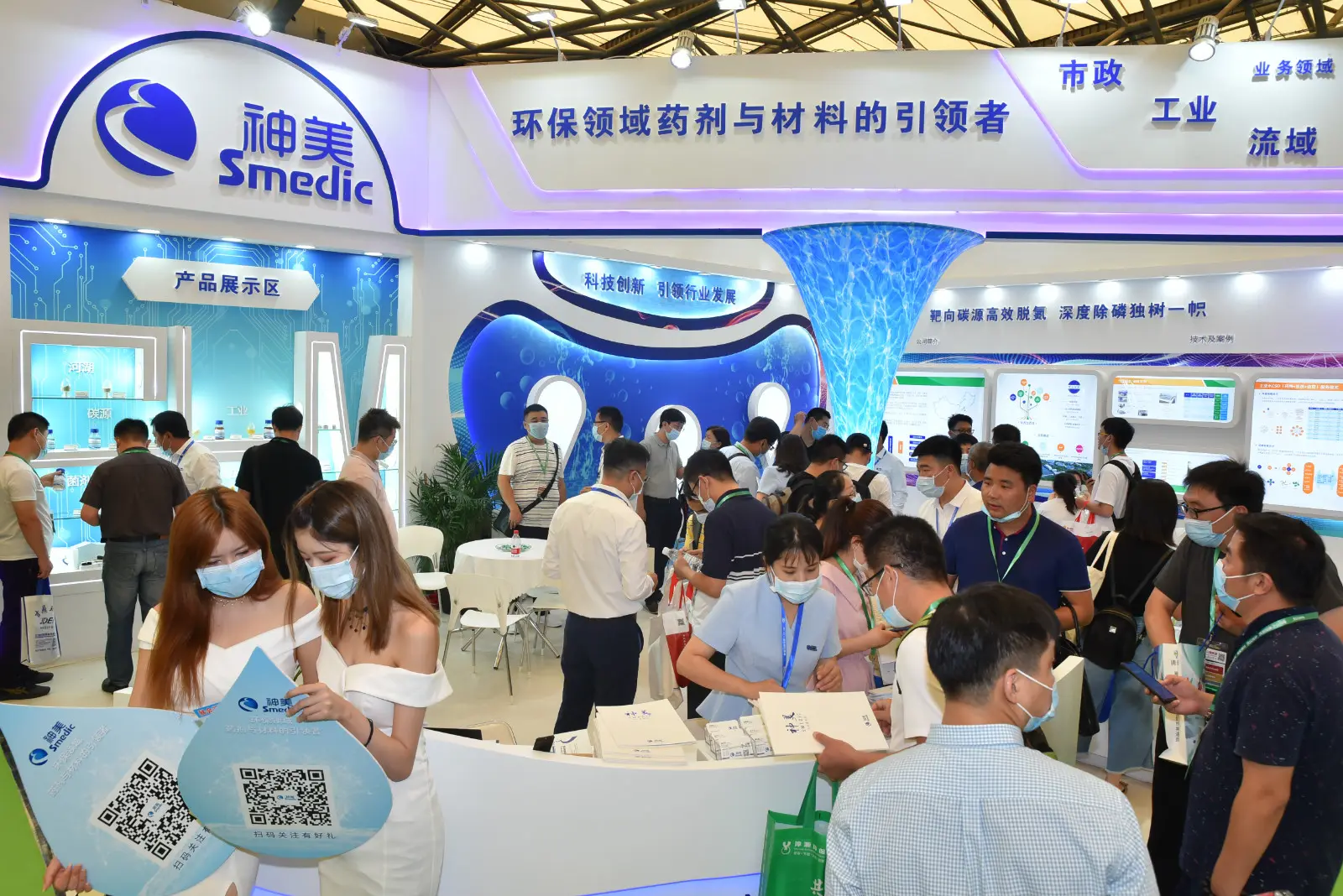
Established in 2011, Smedic Technology Co., Ltd. integrates R&D, production, sales, and customized technical services on a global scale.
With an annual production capacity exceeding **1 million tons** and a diverse product range of over **80 distinct environmental protection chemicals**, Smedic is a key player in municipal sewage, industrial wastewater, tap water purification, mineral processing, and oilfield chemistry. Headquartered in Beijing, China, we operate multiple proprietary production plants in Hebei, Guizhou, and Shanxi, supplemented by more than ten OEM partner facilities and strategic warehousing centers across major provinces including Shandong, Anhui, Guangxi, and Sichuan.
Today, our chemical technologies optimize the daily operation of over **600 urban sewage treatment plants** and support **over 1,000 global industrial and municipal clients**, facilitating the safe, efficient treatment of more than **20 million tons of wastewater every single day**.
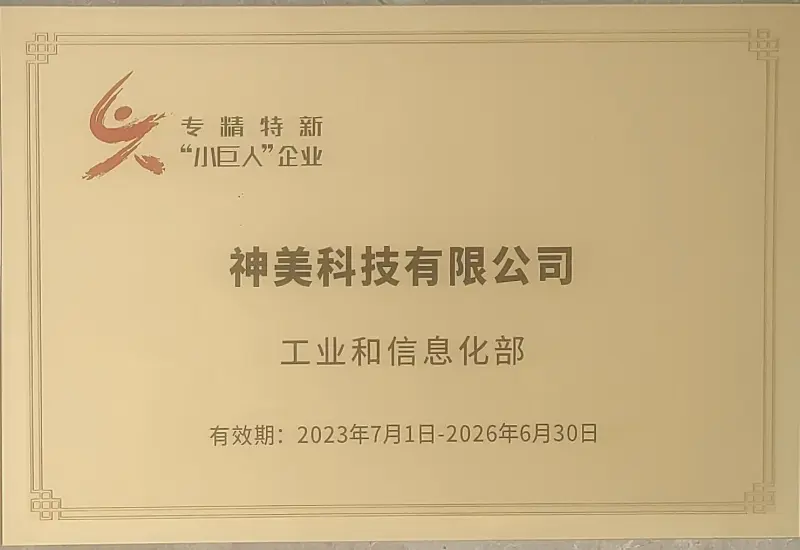
"Recognized as a National Specialized, Refined, Unique and Innovative 'Little Giant' Enterprise, Smedic bridges academic research with high-volume industrial output."
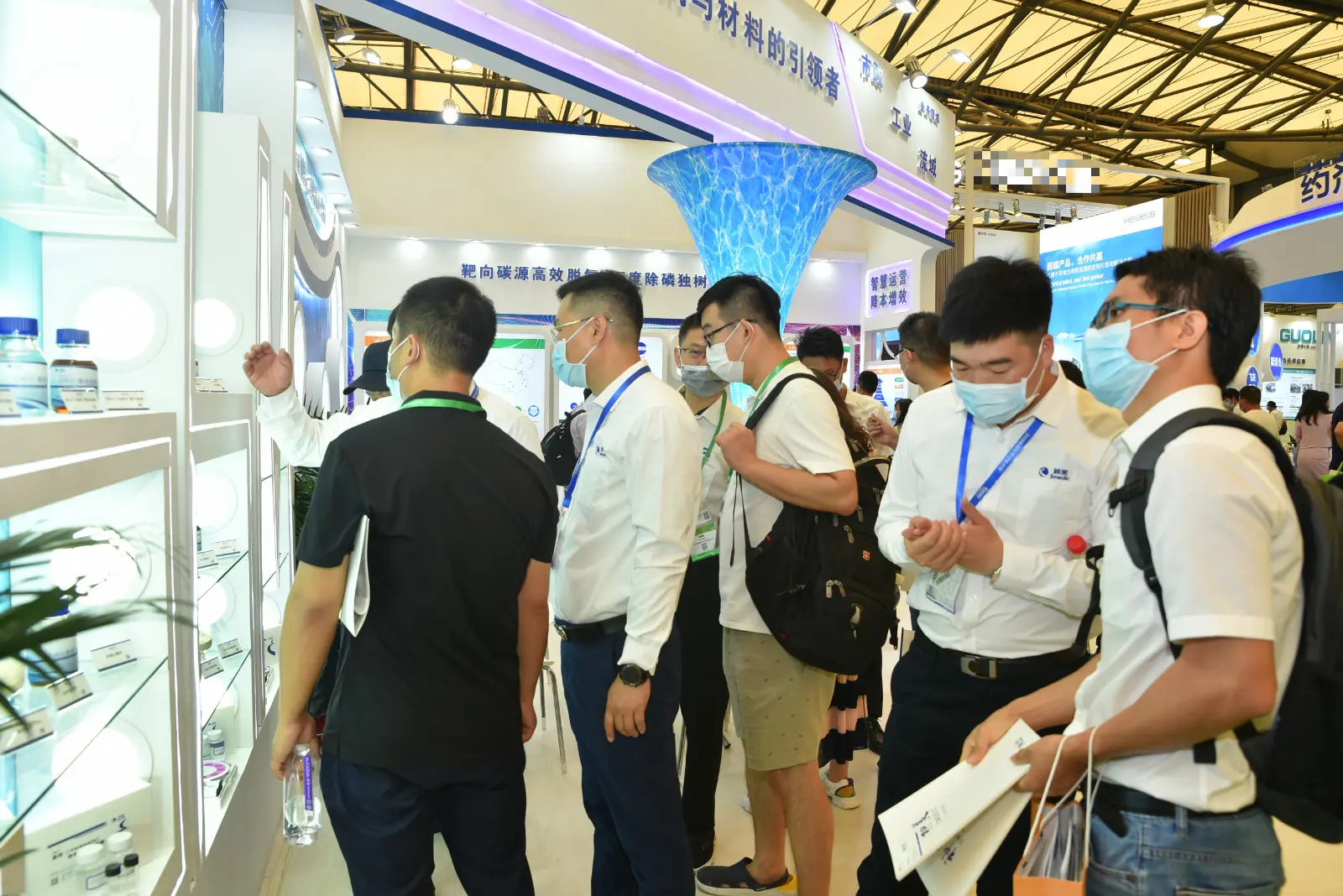
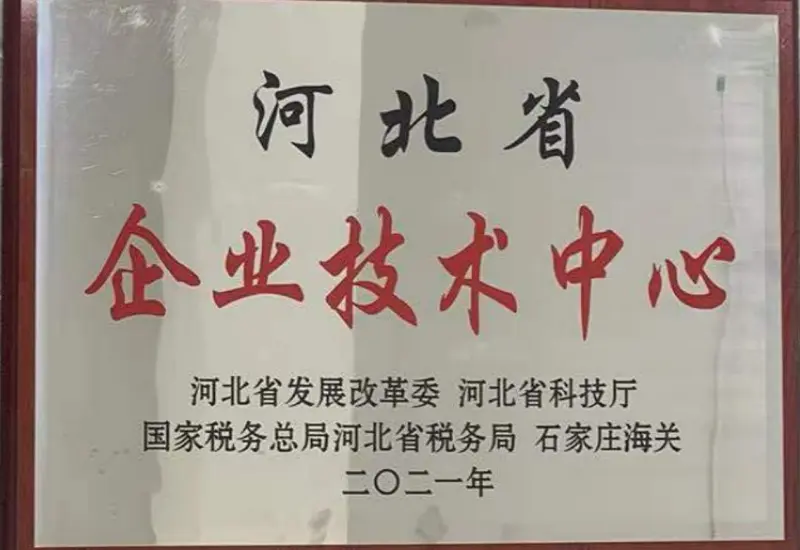
We believe that technological advancement is the only path to sustainable resource recovery. Smedic's core engineering board features academicians, senior polymer chemists, and wastewater engineers. We have built an R&D framework centered around **one academy, three research institutes, and five production bases**, earning designations such as the *Hebei Provincial Advanced Water Treatment Chemicals Technology Innovation Center* and *Class A R&D Institution* status.
Our collaborative workstations with the **Tsinghua University Association of Senior Scientists and Technicians**, along with joint research programs at **Shandong University** and **Beijing University of Technology**, keep our technology at the forefront of the industry. These efforts have yielded over **sixty national patents** (including 40+ invention patents) and led to the drafting of **ten national and industrial standards** for composite carbon sources, coagulants, and biological bacterial agents.
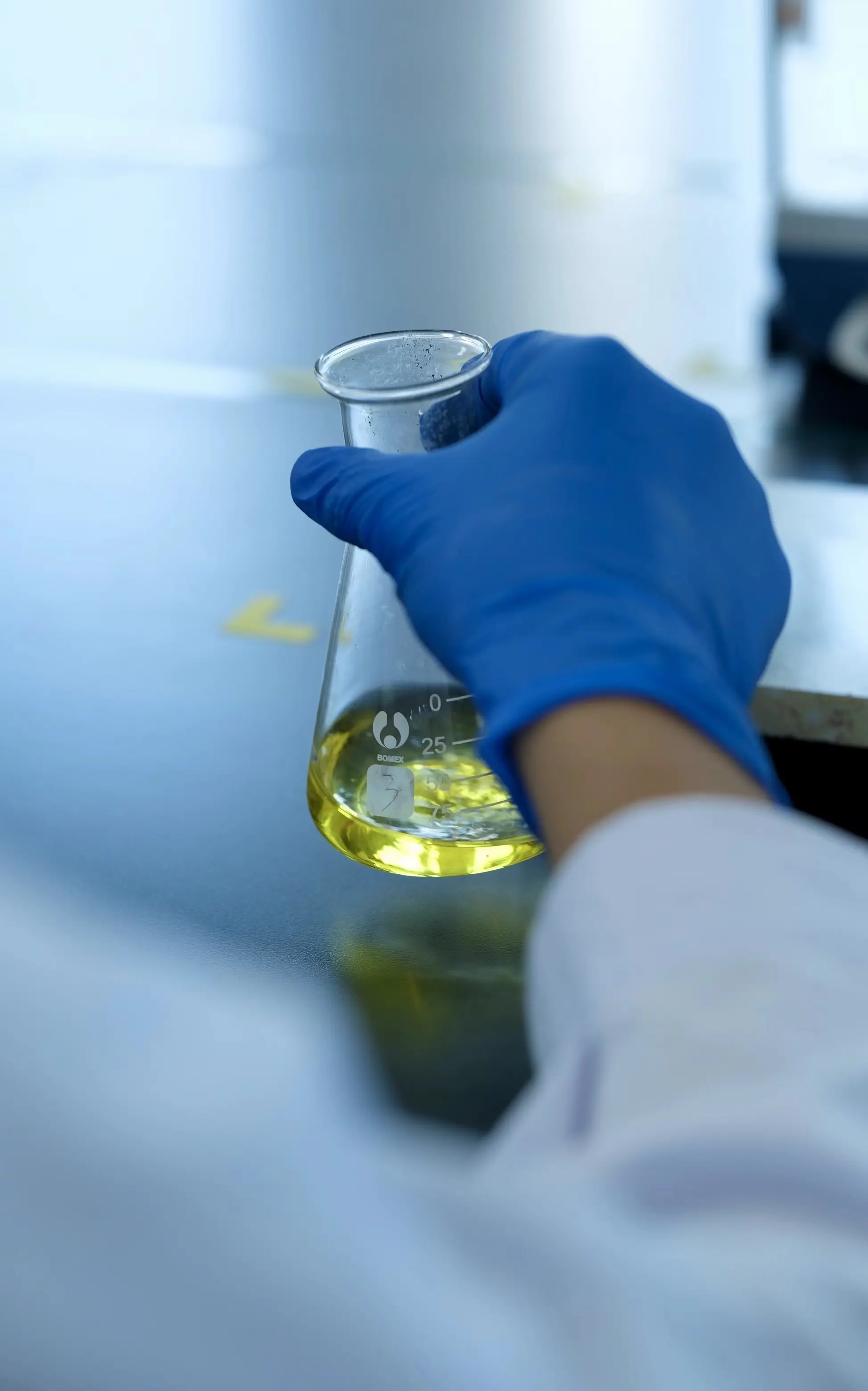
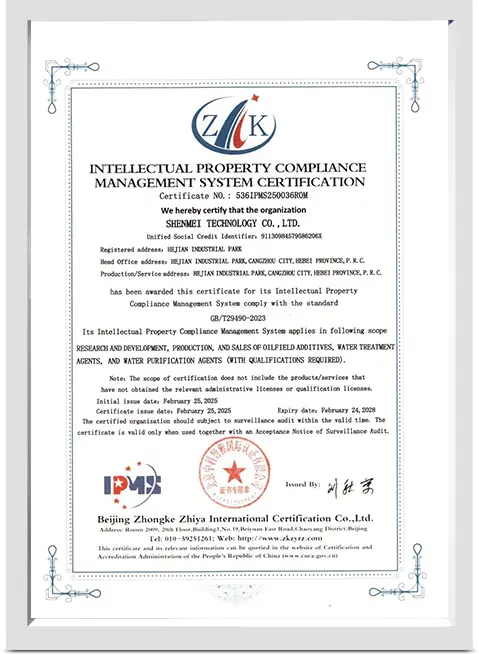
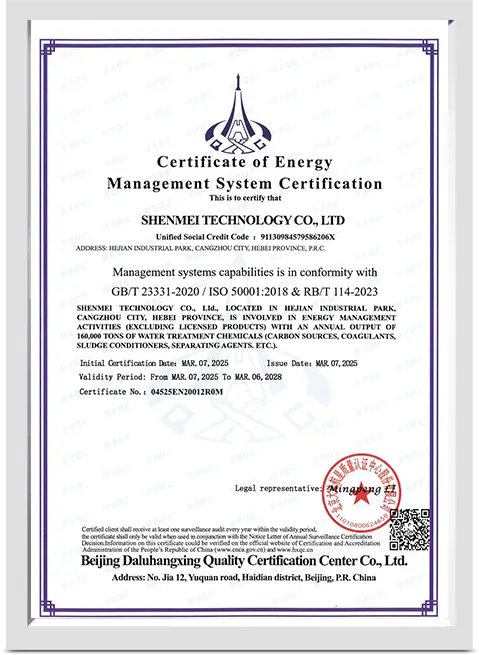
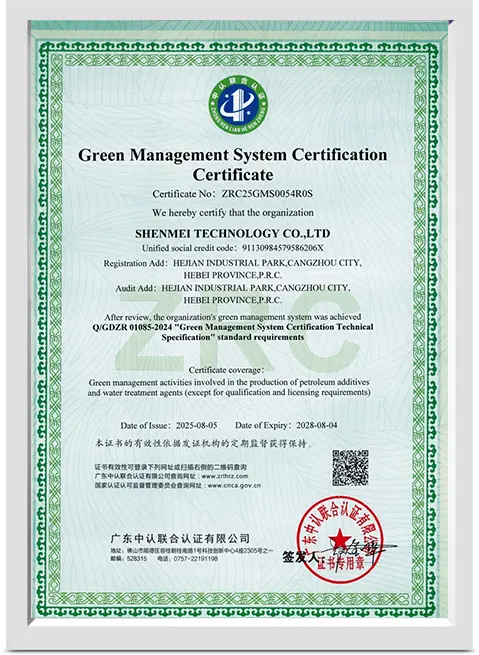
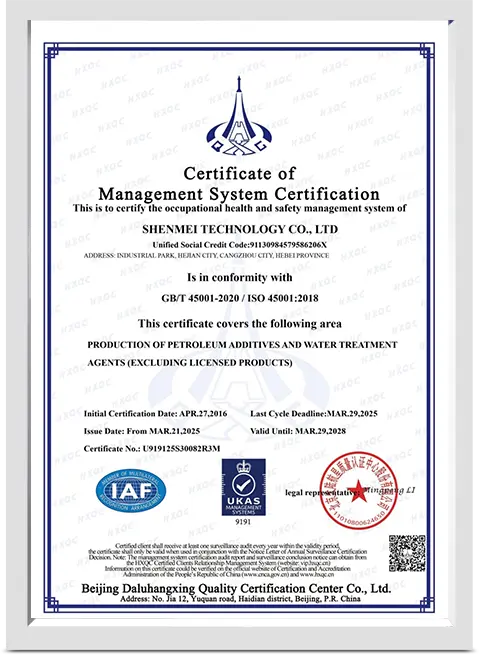
Earning recognition from the Ministry of Housing and Urban-Rural Development, the China Petrochemical Industry Association, and leading environmental networks.
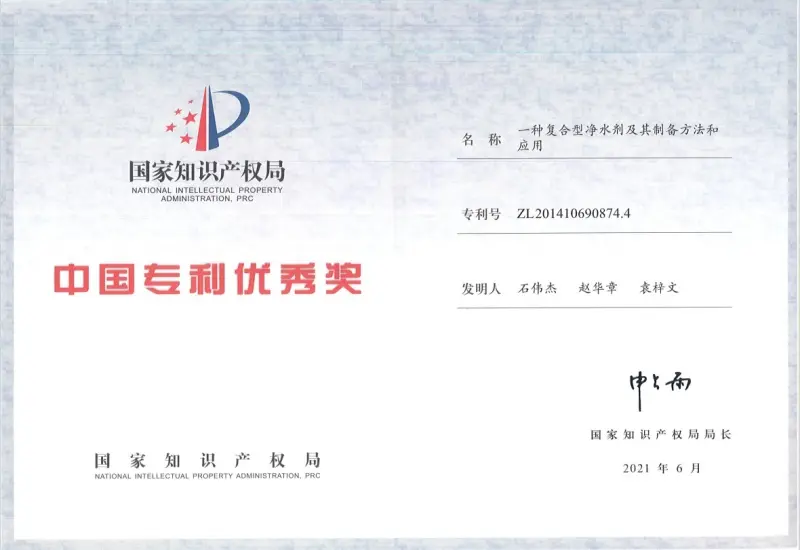
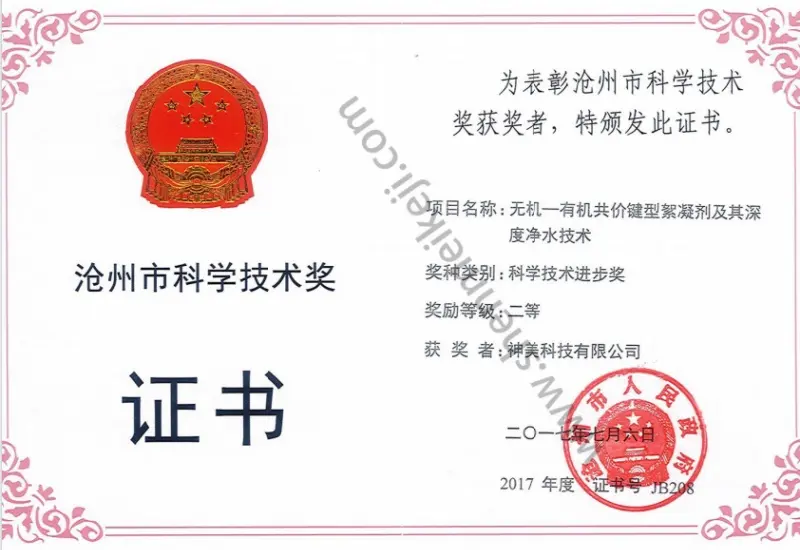
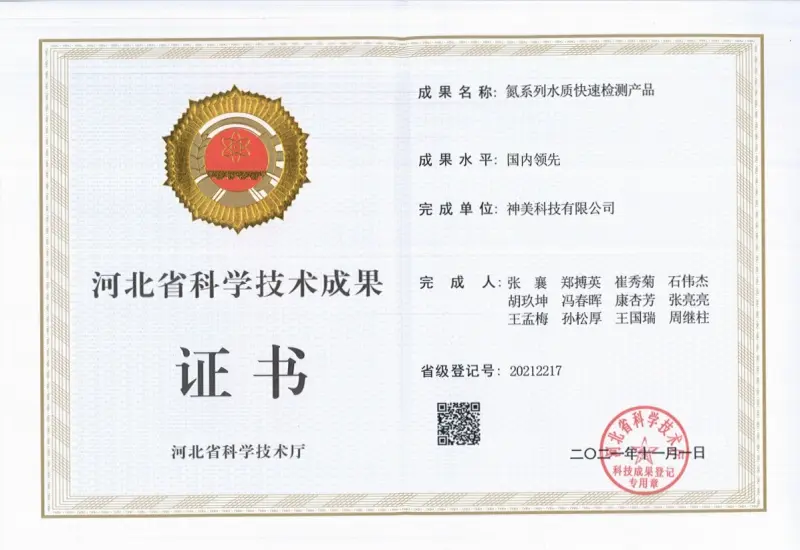
Our independently developed **Inorganic-Organic Covalent Bond Flocculant** won the **22nd China Patent Award** and the First Prize for Technological Invention from the China Petrochemical Industry Association. Smedic's **Active Oxygen Compound Disinfectant** is recognized as a National Construction Industry Scientific and Technological Achievement Promotion Project. Additionally, our bio-enhanced denitrification carbon sources have been appraised as "internationally advanced," filling a key supply gap in the domestic market.
Smedic has been named the **"Leading Brand of Advanced Wastewater Treatment Chemicals"** and the **"Most Valuable Water Treatment Chemicals Brand"** by the China Water Network and the E20 Environmental Platform for four consecutive years.
We maintain long-term centralized procurement partnerships with major global environmental conglomerates, including:
These partnerships highlight Smedic's supply security, consistent batch-to-batch chemical quality, and technical service network.
Combining automated production, smart logistics, and localized bulk warehousing to support global water treatment operations.
Our plants in Guizhou, Hebei, and Shanxi utilize digital DCS automated control systems. This automation maintains batch consistency across our coagulant, defoamer, and polymer production lines, minimizing variance in molecular weight, active ingredient concentration, and viscosity.
With warehouse facilities in key industrial regions (Shandong, Shanxi, Anhui, Guangxi, and Sichuan), we maintain a consistent buffer stock of water treatment products. This localized supply network safeguards operations against shipping fluctuations and seasonal demand spikes.
Our quality management workflow tracks reagents from raw material verification to in-process synthesis and final product dispatch. This end-to-end traceability ensures compliance with municipal purity standards and prevents system fouling from impurities.
A history of technology development, capacity scaling, and environmental leadership since 2011.
Smedic founded in Beijing, establishing core laboratories for environmental protection formulations.
Expanded our municipal wastewater treatment portfolio, launching specialized carbon sources and composite coagulants.
Recognized as a key national high-tech enterprise, increasing R&D funding for advanced polymeric flocculants.
Established our Guiyang manufacturing base, strengthening our supply capabilities in southwest China.
Completed expansions in Hebei, Shandong, and Guizhou, boosting Smedic's total annual production capacity beyond 1 million tons.
Awarded National Specialized, Refined, Unique and Innovative Small and Medium-sized Enterprise status.
Built a provincial-level R&D platform in Hebei to accelerate developments in fluoride and heavy metal removal technologies.
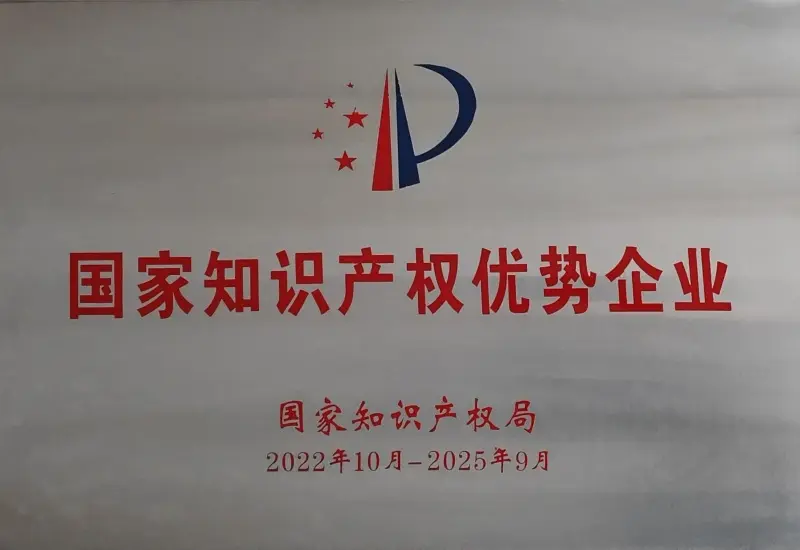
Recognized as a National Intellectual Property Advantage Enterprise with over 60 utility and invention patents.
Established a joint venture with the Chengdu Institute of Mineral Comprehensive Utilization, China Geological Survey, to engineer specialized mineral processing reagents.
Custom chemical solutions engineered for complex, real-world industrial and municipal challenges.
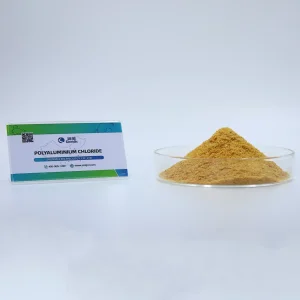
Effluents from coal gasification and steel processing contain high levels of dissolved solids, phenols, and emulsified oils. Smedic's high-basicity Polyaluminum Chloride (PAC) and anionic polyacrylamide (APAM) clarify these complex waste streams, protecting downstream RO membranes from particulate fouling.
Microchip fabrication demands ultrapure water (UPW) and produces fluoride-heavy rinsing streams. Our specialized fluoride removal agents precipitate fluorine ions down to sub-ppm levels, permitting safe water reclamation and compliance with environmental regulations.
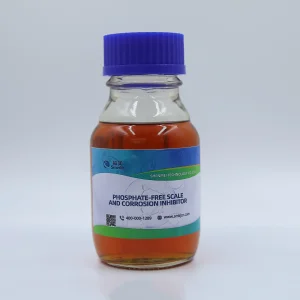
Closed-loop cooling towers face scaling and corrosion issues due to cyclic evaporation. Smedic's organophosphorus scale inhibitors and eco-friendly phosphate-free options prevent calcium carbonate and sulfate deposition, maintaining heat transfer efficiency in high-temperature environments.
Frequently asked technical questions regarding chemical dosing, membrane safety, and flocculation kinetics.
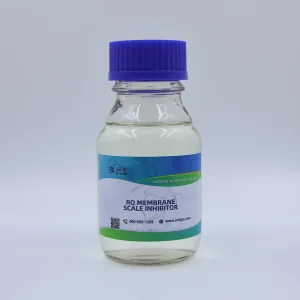
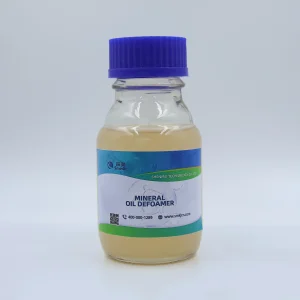
Explore our targeted agents designed for RO membrane protection, scale prevention, and heavy metal removal.
 Smedic Tech