Engineered to deliver high settling velocity, minimal sludge volume, and maximum purification efficiency.
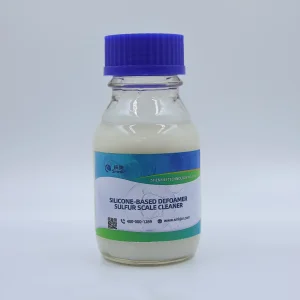
Modern industrial wastewater and municipal sewage reclamation demand more than standard chemistry; they require advanced molecular engineering. At the core of suspended solid removal is the destabilization of colloidal systems. Suspended organic particles and inorganic silts carry negative electrostatic surface charges, forming stable dispersions that refuse to settle.
Smedic Technology's advanced coagulation and flocculation systems operate on three distinct thermodynamic principles: charge neutralization, polymer bridging, and sweep flocculation.
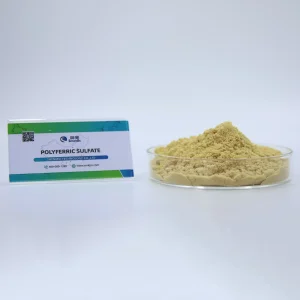
High-basicity coagulants like our Polyferric Sulfate (PFS) and Polyaluminum Chloride (PAC) release highly polymerized cationic complexes (such as [Fe2(OH)n(SO4)3-n/2]m). These complexes feature a much higher charge density than standard monomeric salts (e.g., Alum or Ferric Chloride), allowing rapid zeta-potential reduction at lower dosage configurations, lowering sludge production by up to 30%.
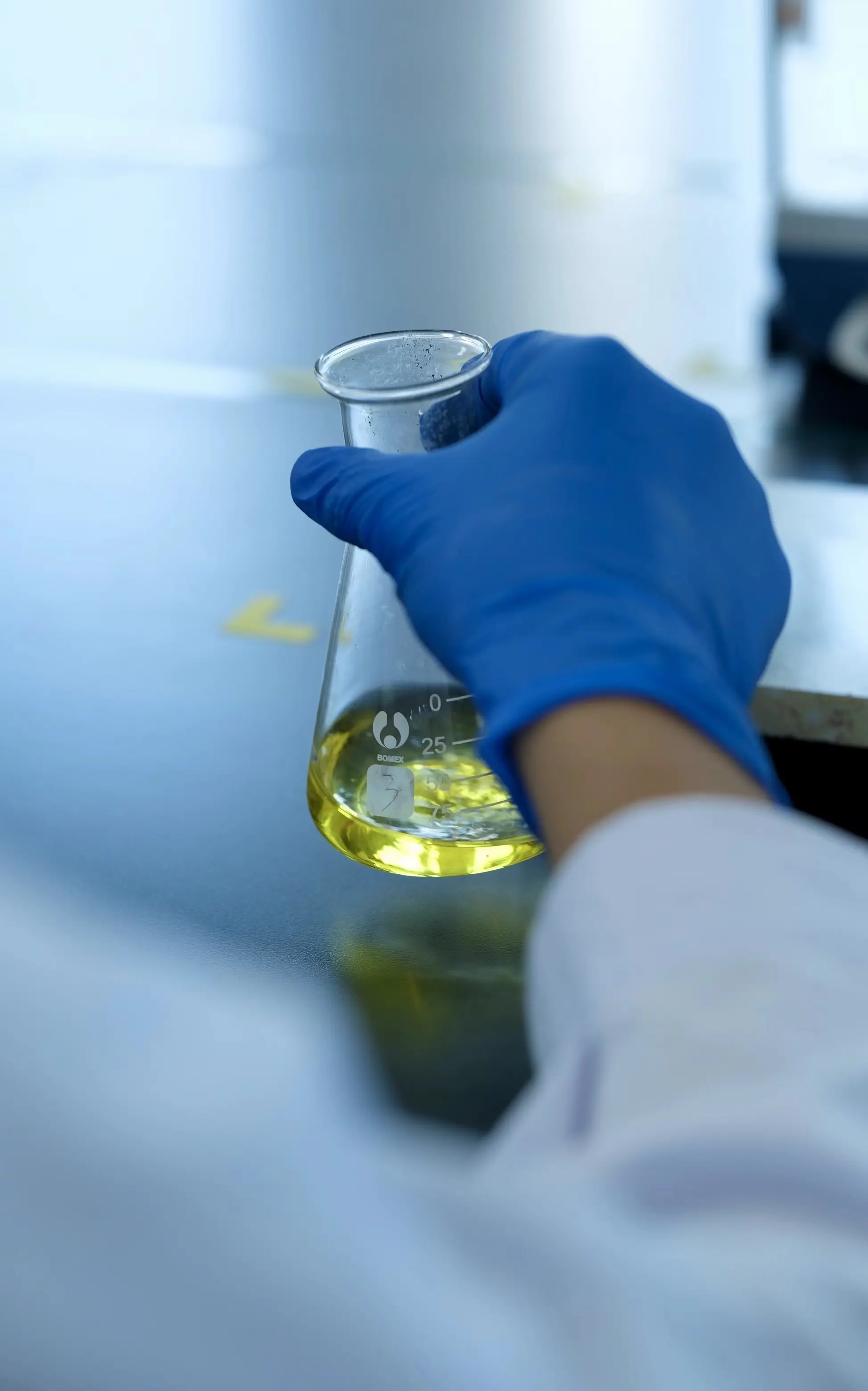
Integrating state-of-the-art chemical synthesis, rigorous R&D platforms, and high-volume output capacity.
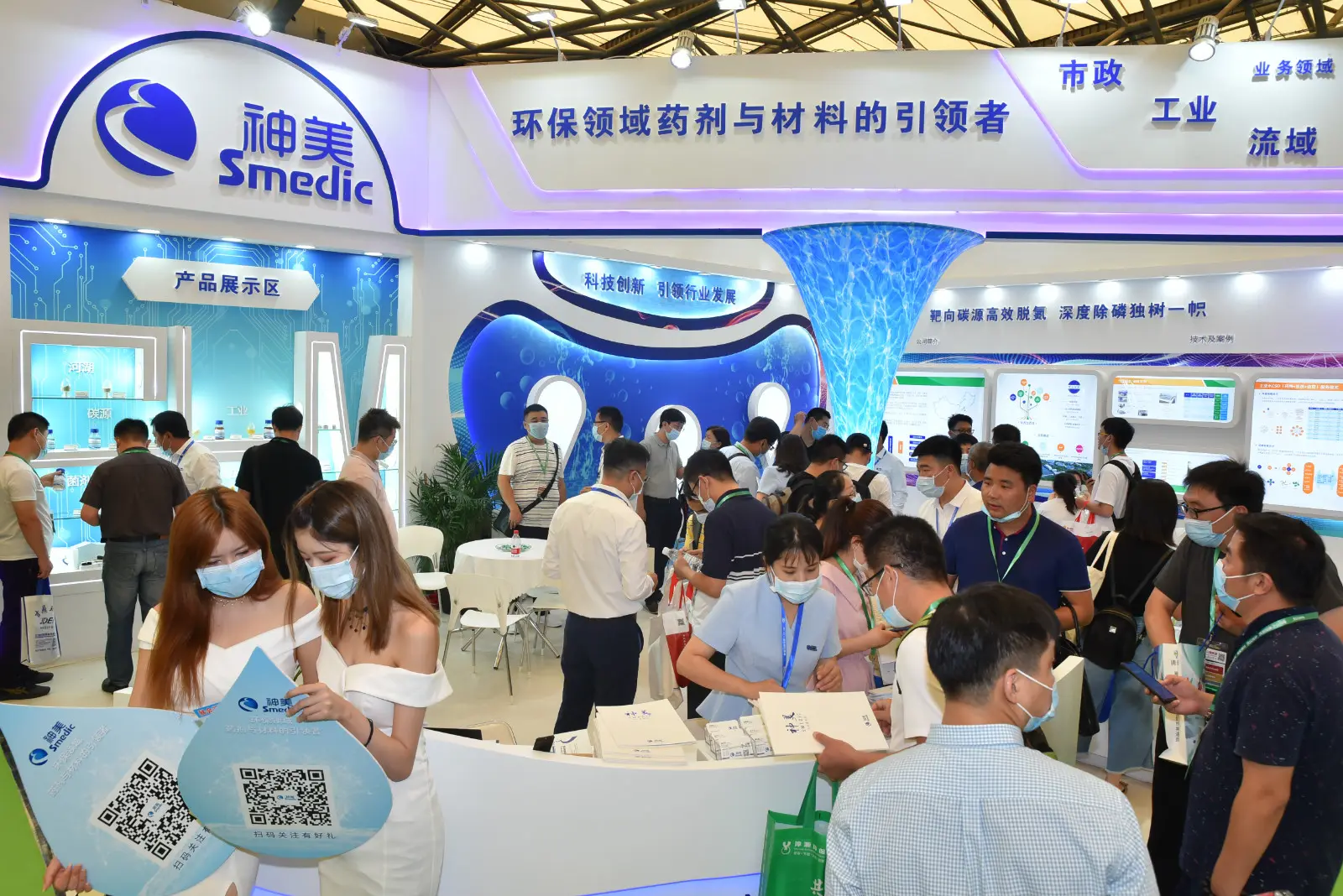
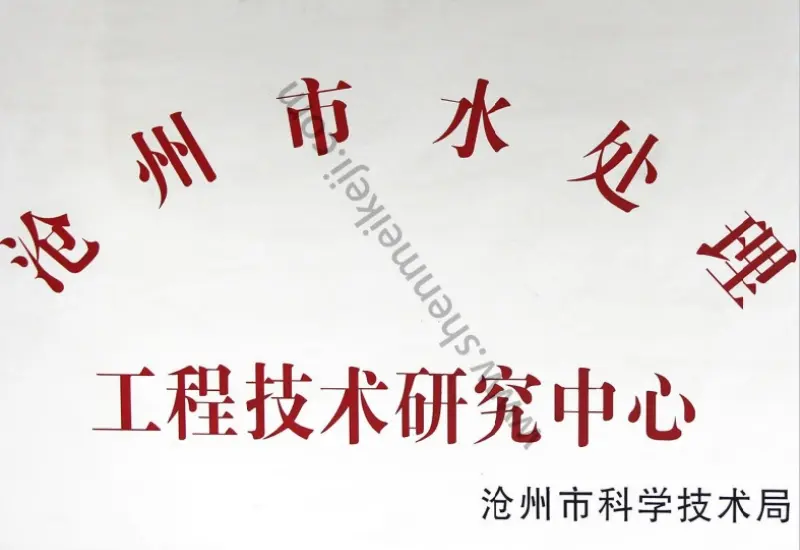
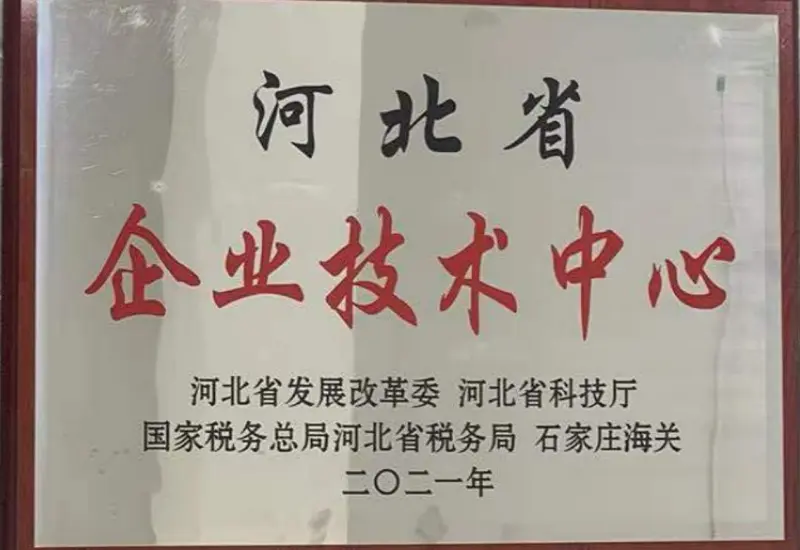
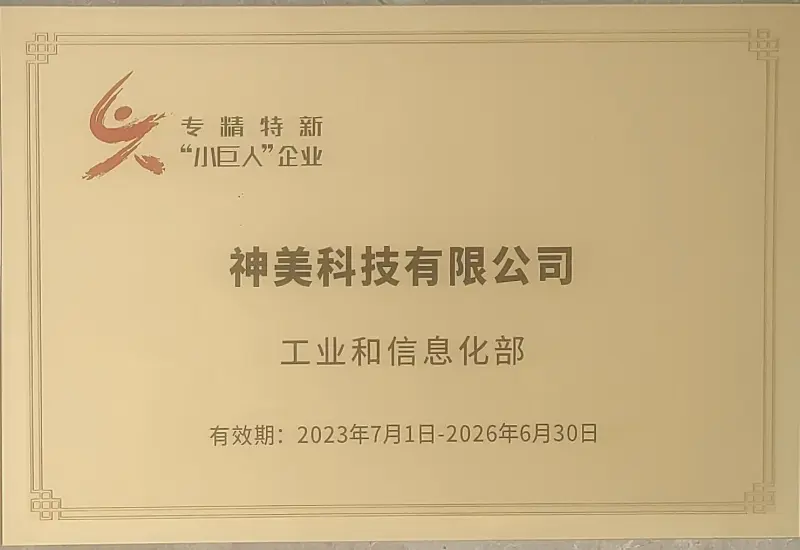
Our commitment to professional technology commercialization is backed by a robust research network consisting of "One Academy, Three Research Institutes, and Five Bases." Smedic Technology is recognized as a National High-Tech Enterprise and a National Specialized, Refined, Unique and Innovative "Little Giant" Enterprise.
Through joint R&D laboratories established with Tsinghua University Association of Senior Scientists and Technicians, Shandong University, and Beijing University of Technology, we bridge the gap between academic innovation and commercial scalability.
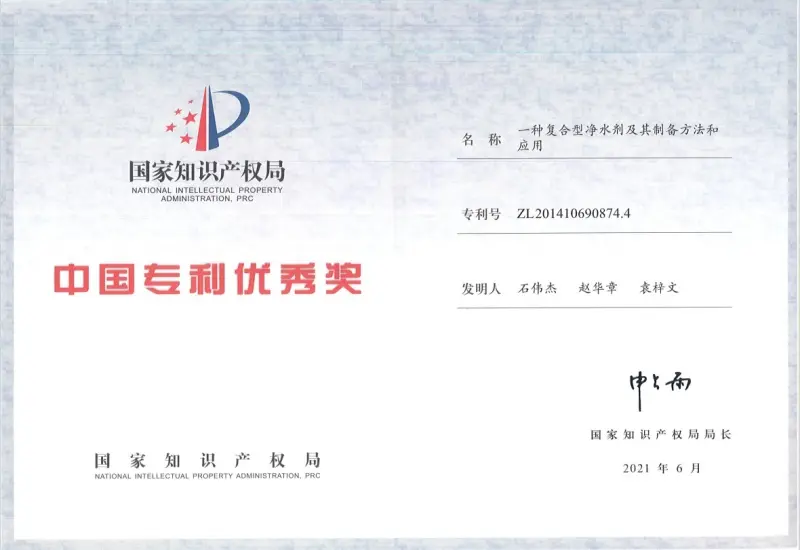
To date, Smedic has been granted over sixty Chinese patents, including more than 40 invention patents and over 20 utility model patents. We have played an active role in drafting more than ten national and industry standards in China, detailing the specifications for composite carbon sources, composite coagulants, sodium acetate, and specialized nitrifying and denitrifying bacterial agents.
Deploying specialized chemistry to resolve complex water matrix profiles across diverse industries.
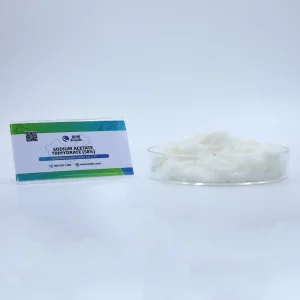
Municipal plants experience severe organic carbon deficiencies during cold seasons, impeding total nitrogen (TN) removal. Smedic's Pure Solid Sodium Acetate acts as a biological carbon source, providing heterotrophic denitrifiers with immediate acetate ions (CH3COO-) without generating intermediate toxic byproducts, enhancing denitrification kinetics down to single-digit TN levels.
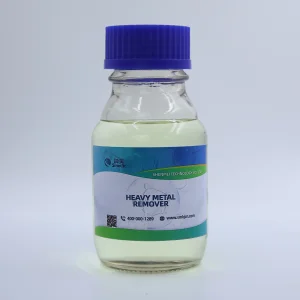
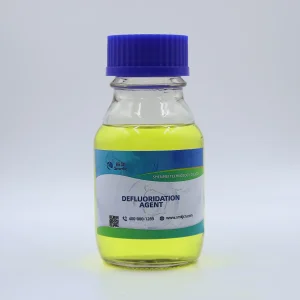
Wastewater from semiconductor and solar panel production contains high concentrations of fluoride and complexes of heavy metals. Smedic's Specialized Fluoride Removal Agent and Heavy Metal Removal Agent form stable, insoluble macromolecular precipitates with fluoride and divalent metals (e.g., Cu2+, Ni2+), achieving EPA-compliant effluent levels under complex chelating conditions.
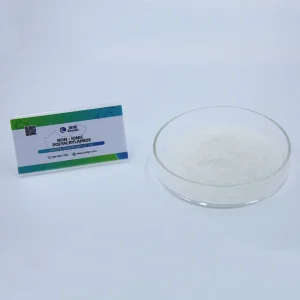
In heavy mineral flotation and coal washing, solids must be settled out rapidly to recycle process water. Smedic's Premium Anionic Polyacrylamide (APAM) features molecular weights up to 22 million Daltons. This high molecular chain acts as a highly effective bridging agent, drawing fine ore particles into dense, rapidly settling flocs that decrease underflow moisture content.
In the global water treatment chemicals market, supply chain disruptions can compromise municipal operations and halt industrial manufacturing. Smedic Technology addresses this through vertical raw material integration and diversified domestic manufacturing bases.
With an annual manufacturing capacity exceeding **1 million tons**, our primary chemical synthesis facilities are located adjacent to basic mineral reserves in Hebei, Shanxi, and Guizhou. This minimizes internal logistical volatility and insulates our pricing from raw material market swings.
Our localized distribution network features regional warehousing centers in Shandong, Anhui, Guangxi, and Sichuan. This spatial distribution ensures that global orders are routed to international ports—such as Tianjin, Qingdao, and Shanghai—with short transit times, cutting down lead times and ensuring consistent, on-time deliveries for overseas clients.
Over a decade of engineering breakthroughs and eco-friendly development in environmental chemistry.
Smedic Technology was founded in Beijing, establishing our initial research laboratory dedicated to municipal water clarification agents.
Successfully engineered a comprehensive product portfolio tailored for high-nitrogen municipal wastewater denitrification.
Completed construction on our major chemical base in Guiyang, increasing our regional supply capabilities for Southwest China.
Production expansion across Hebei and Shanxi plants pushed Smedic's total annual capacity past the 1 million ton mark.
Officially recognized as a National Specialized, Refined, Unique and Innovative "Little Giant" Enterprise by the Ministry of Industry and Information Technology.
Partnered with the Chengdu Institute of Mineral Comprehensive Utilization, China Geological Survey to research and produce next-generation eco-friendly flotation and mineral reagents.
Global industrial regulations are pushing wastewater discharge parameters to record lows. Regulatory frameworks such as the European Union's REACH, US EPA guidelines, and domestic zero-liquid-discharge (ZLD) mandates have placed heavy emphasis on the chemical composition of wastewater effluent.
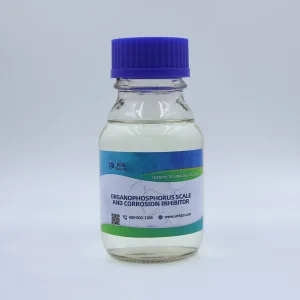
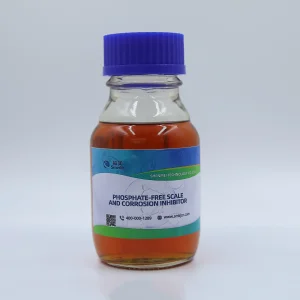
Traditional phosphorus-based scale and corrosion inhibitors, while highly effective in open-loop cooling systems, are under scrutiny due to their role in surface water eutrophication. Smedic's Phosphate-Free Scale and Corrosion Inhibitors address this challenge, offering scaling protection for cooling towers without contributing to nutrient discharge.
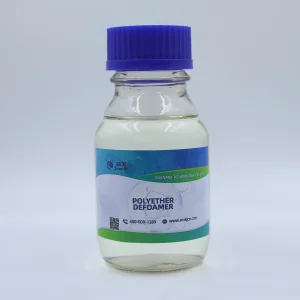
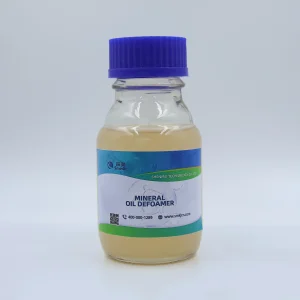
Additionally, our defoaming products—including specialized Mineral Oil Defoamers, Polyether Defoamers, and Organic Silicone Defoamers—are synthesized in compliance with FDA 21 CFR and European regulations, ensuring suitability for food processing, pulp and paper, and pharmaceutical applications.
Answering common questions on flocculation chemistry, dosage selection, and process optimization.
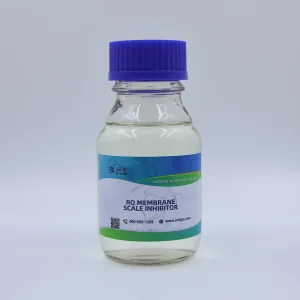
From RO membrane anti-scalants to eco-friendly defoaming solutions, we provide verified chemical reagents for global systems.
 Smedic Tech