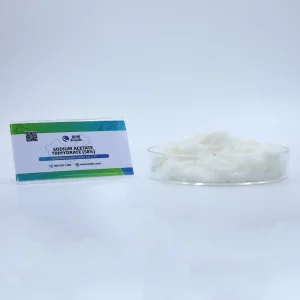
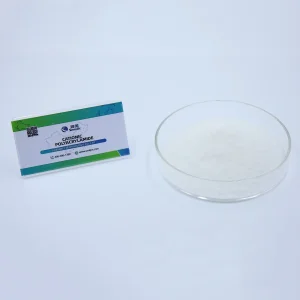
Explore our premium grade chemical reagents engineered for high-performance municipal, oilfield, and heavy industrial water clarification processes.
An in-depth analysis of chemical treatment patterns, environmental frameworks, and the paradigm shift in industrial sludge management.
In modern petrochemical processing, coal chemical industries, and heavy metallurgical extraction,
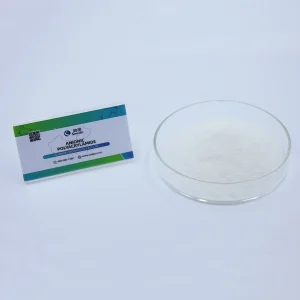
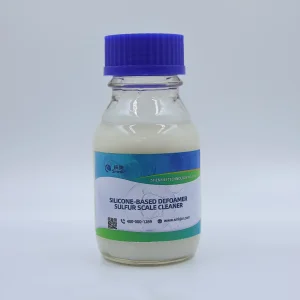
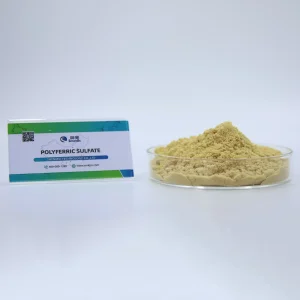
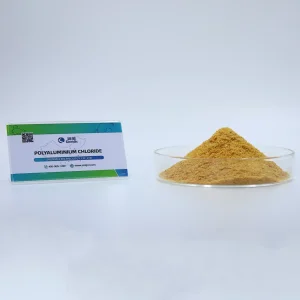
Acid sludge typically contains complex emulsions of hydrocarbons, highly concentrated mineral acids, and particulate heavy metals. Breaking this stable colloidal suspension requires specialized surface-active demulsifiers, silicone defoamers, and inorganic-organic hybrid coagulants. Our research at Smedic shows that applying a dual-dosing sequence—first adjusting structural zeta potentials with high-charge inorganic coagulants such as Polyaluminum Chloride (PAC) or Polyferric Sulfate (PFS), followed by macro-floc aggregation with high molecular weight Anionic Polyacrylamide (APAM)—drastically reduces specific resistance to filtration (SRF). This chemical synergy accelerates mechanical dewatering by up to 45% compared to single-agent dosing protocols.
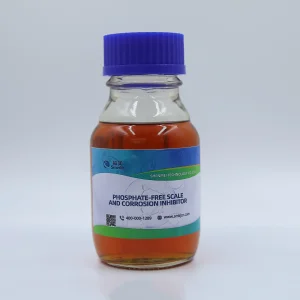
Modern operations no longer view sludge merely as waste. The focus has pivoted to recovering useful fractions, specifically sulfuric acid regenerates and organic hydrocarbons. Implementing efficient scale inhibitors within heat exchangers and flash evaporators is crucial to prevent sulfate scaling during acid concentration processes. Using our proprietary Phosphate-Free Scale and Corrosion Inhibitors ensures that structural elements of evaporative systems remain free of calcium sulfate and barium sulfate scales, ensuring maximum thermal efficiency and uninterrupted processing cycles.
Reducing moisture content in acid filter cakes from 85% to less than 45% yields dramatic logistical savings and slashes municipal incineration or landfill levies.
By controlling scaling and corrosive sulfurous compounds in the fluid phase, heavy processing machinery sees an extended lifecycle of up to 180%.
Converting corrosive, hazardous acid sludge into stable neutral solids allows facilities to meet EPA guidelines and pass environmental audits seamlessly.
Established in 2011, Smedic Technology is a leading provider of comprehensive environmental protection agents, integrating intensive R&D, chemical production, global distribution, and professional engineering-related technical services. We are dedicated to providing global clients with customized chemical formulations, engineered solutions, and hands-on site support. Our diverse catalog covers municipal sewage, industrial wastewater, tap water purification, mineral processing agents, and oilfield chemicals.
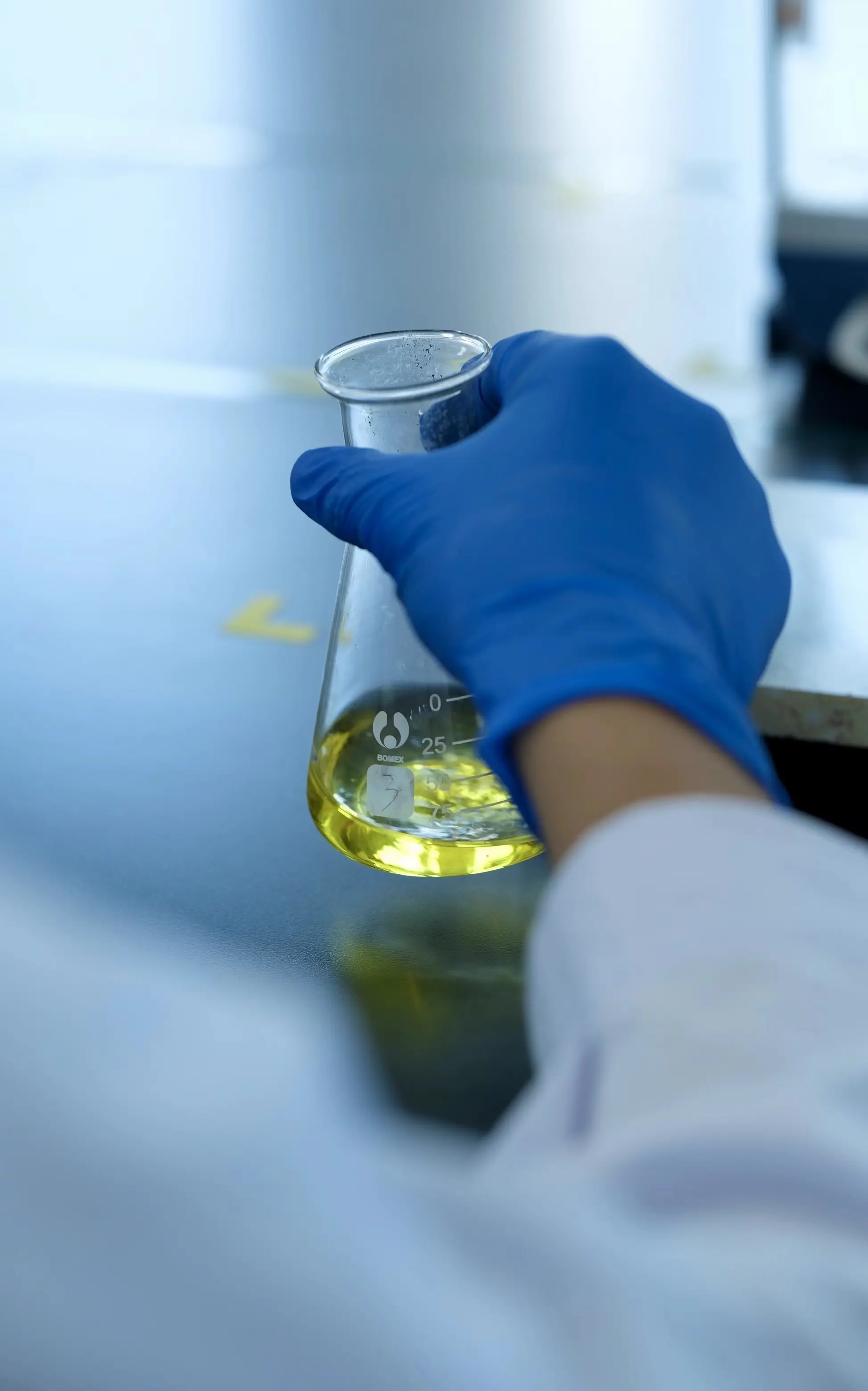
A resilient warehousing network spanning dozens of strategic hubs, delivering prompt, large-scale chemical distribution.
Headquartered in Beijing, Smedic Technology maintains wholly owned production bases in Hebei, Guizhou, and Shanxi provinces. To guarantee dynamic dispatching and eliminate supply-side vulnerabilities, we have integrated more than ten OEM partner factories and regional distribution centers in Shandong, Shanxi, Anhui, Guangxi, and Sichuan provinces. This strategic presence allows us to serve municipal and industrial complexes across 20+ provinces in China and export bulk liquids and powders overseas through specialized shipping lanes.
Enabling standardized logistical dispatch nationwide and rapid custom transport overseas.
Providing reliable daily treatment chemicals to municipal water districts.
Treating wastewater matrices within mining, petrochemicals, and metal finishing sectors.
Ensuring buffer stocks and zero-delay shipping schedules during demand peaks.
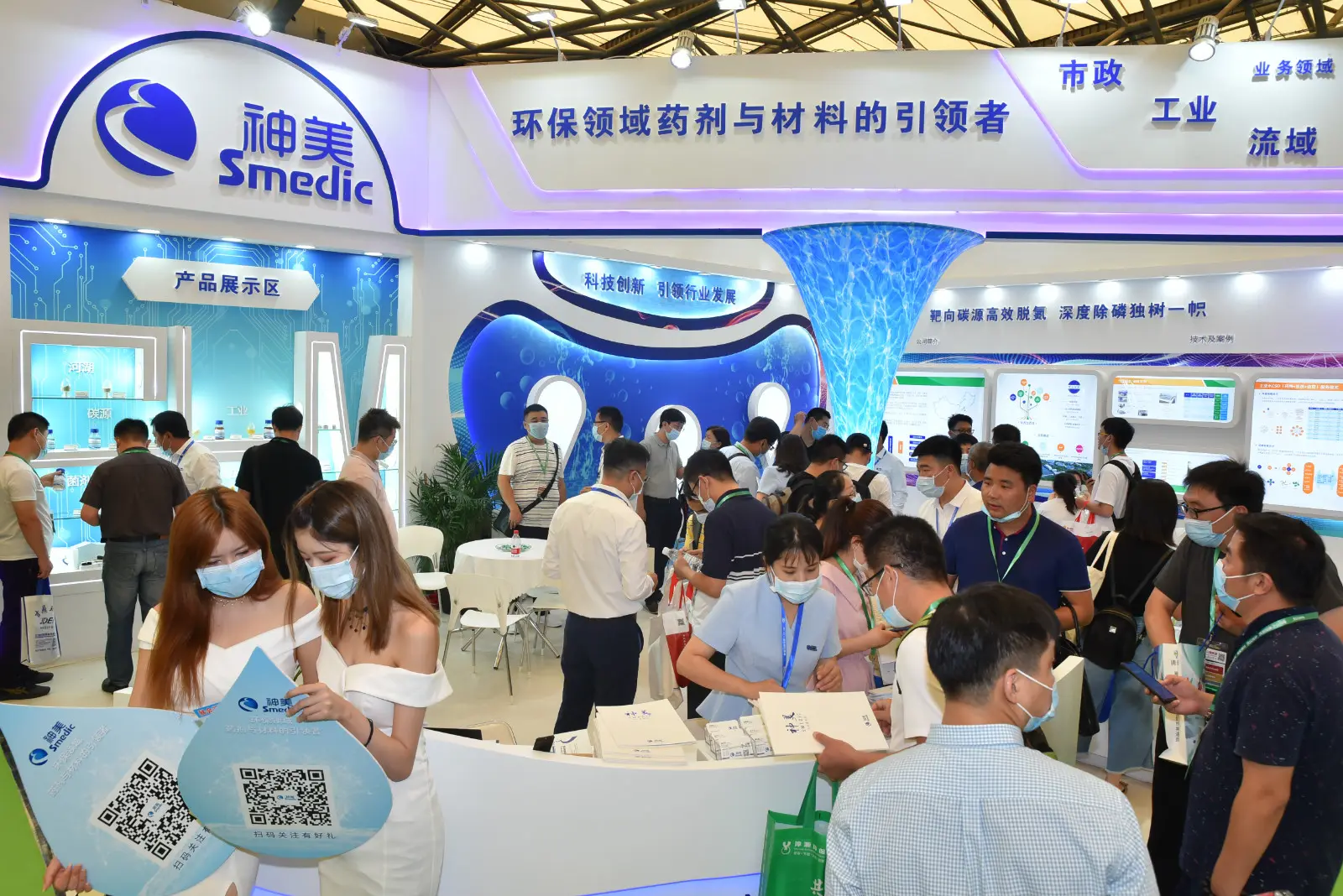
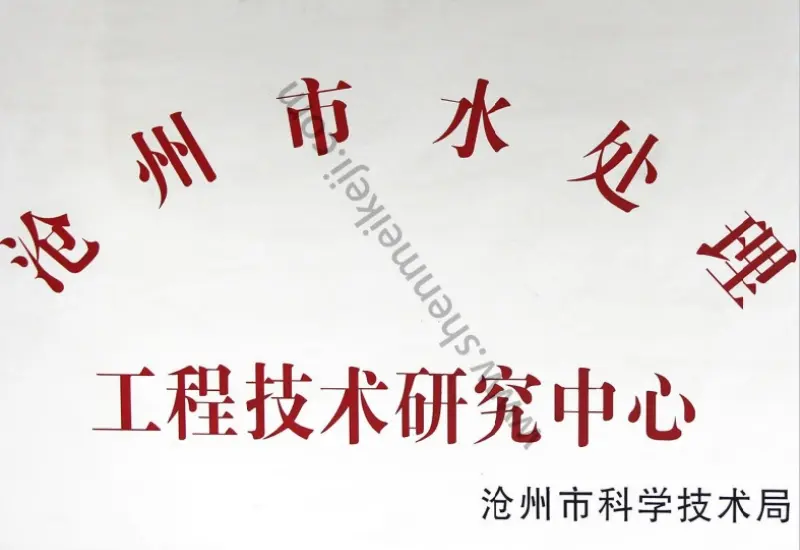
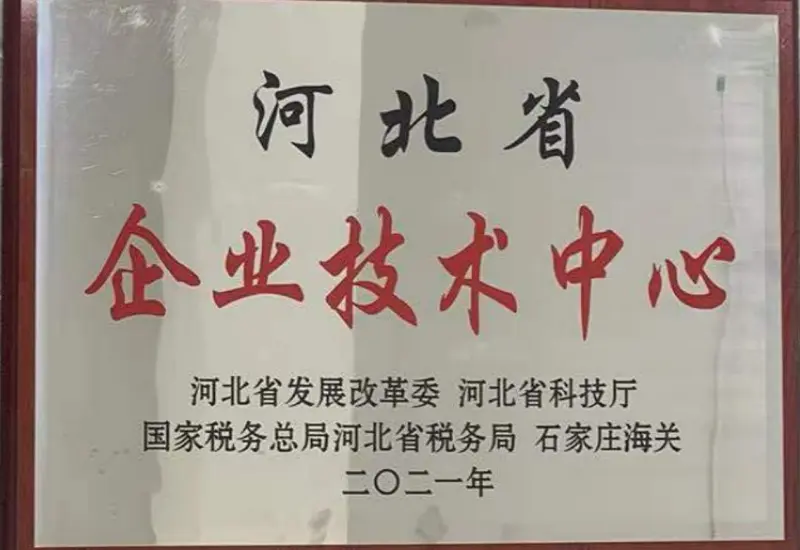
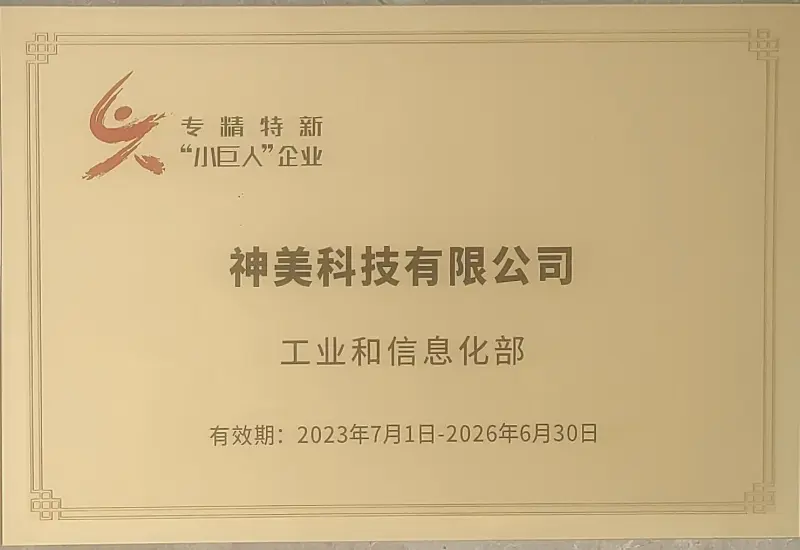
Smedic has been designated a National Specialized, Refined, Unique and Innovative "Little Giant" Enterprise and a Hebei Province Green Factory. We leverage an elite R&D network comprising a central academy, three specialized institutes, and five production pilot bases. In recognition of our formulation safety and engineering efficacy, we have been granted over sixty Chinese patents (including more than forty invention patents) and led the drafting of ten national and industry standards for composite carbon sources, coagulants, sodium acetate, and bacterial agents.
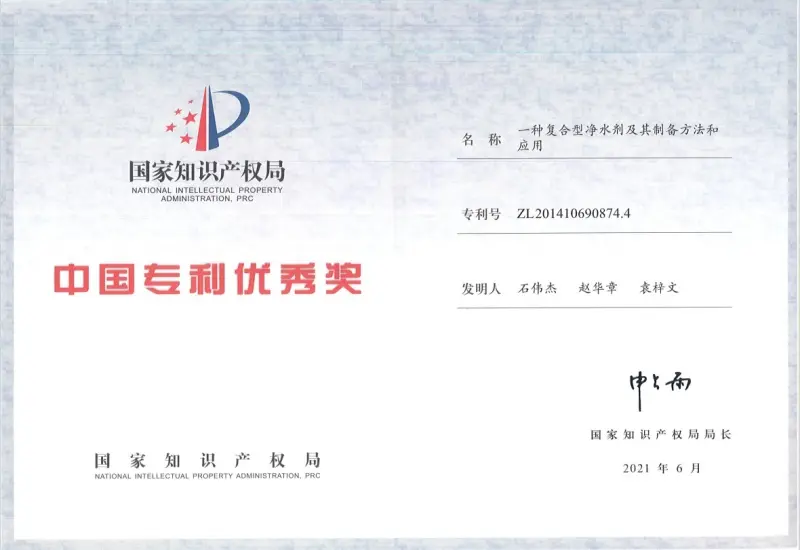
Our independently developed “Inorganic-Organic Covalent Bond Flocculant and Advanced Water Purification Technology” won the 22nd China Patent Award and the First Prize for Technological Invention from the China Petrochemical Industry Association.
A timeline showcasing Smedic's evolution from a domestic developer into an environmental engineering powerhouse.
Smedic was founded, specializing in environmental protection agents for municipal sewage sectors.
Established a complete, high-efficiency municipal water treatment chemical portfolio.
Constructed and commissioned our Guiyang production base, extending reach to Southwest China.
Expanded manufacturing footprints across Hebei, Shandong, and Guizhou, exceeding 1 million tons in combined output capacity.
Awarded National "Little Giant" status and finalized critical research on bio-enhanced denitrification agents.
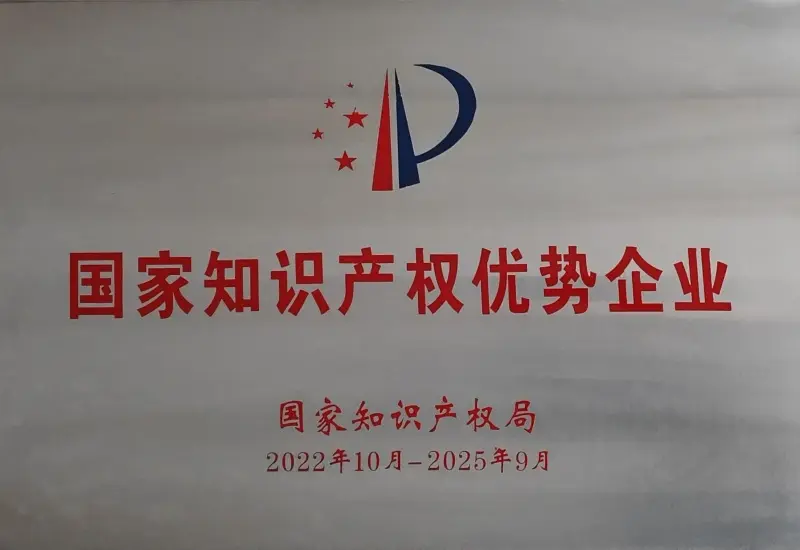
Designated a National Intellectual Property Advantage Enterprise with over 60 active patents.
Joint venture partnership initiated with the Chengdu Institute of Mineral Comprehensive Utilization, China Geological Survey.
How global buyers leverage Smedic ODM formulations to overcome operational constraints in real-world environments.
Neutralizing highly acidic bottoms and dewatering tarry sludges. Dosing with specific cationic polymers and defoamers facilitates phase separation, maximizing oil recovery and ensuring dry cake disposal compliance.
Treating rinse baths characterized by high sulfate and iron levels. The use of Polyferric Sulfate (PFS) coupled with Phosphate-Free scale inhibitors protects pipeline assets from severe structural scaling.
Breaking emulsions within produced water streams. Smedic silicone defoamers eliminate foaming under high-shear flow conditions, preventing cavitation in process pump stations.
Global procurement teams prioritize chemical suppliers that offer stable prices, predictable lead times, and comprehensive quality control. Our integrated manufacturing supply chain leverages raw material reserves located near major mineral reserves. This layout reduces exposure to commodity price volatility and guarantees reliable pricing structures, which are critical for long-term contract partners and municipal bids.
Authorized verification of our commitment to quality manufacturing and intellectual integrity.
Expert answers addressing chemistry selections, application dynamics, and customized ODM workflows.
Browse our complete range of high-efficiency defoamers, scale inhibitors, and coagulants optimized for process water systems.
 Smedic Tech