Advanced scaling, corrosion control, and foam suppression agents designed for global industrial standards.
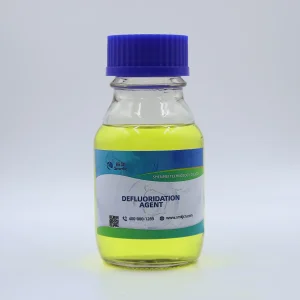
An authoritative analysis of chemistry pathways, global procurement trends, and engineering solutions.
Industrial steam generation and heat transfer systems represent the operational core of modern heavy manufacturing, petrochemical processing, power generation, and centralized municipal heating. However, these systems are continuously subject to thermodynamic degradation driven by chemical impurities in the feed-water. As water changes state from liquid to steam, dissolved minerals, silica, and alkaline-earth metal cations crystallize and precipitate on critical boiler tube interfaces, creating highly insulating scale deposits. Even a microscopic layer of carbonate, sulfate, or silica scale acts as an aggressive thermal barrier, directly reducing the boiler's overall thermal transfer efficiency and drastically increasing global carbon footprint through excessive fuel consumption.
To combat this, contemporary energy infrastructure relies heavily on specialized chemical regimens. Selecting an experienced ODM (Original Design Manufacturer) for boiler cleaning chemicals and maintenance solutions guarantees that the formulation matches the specific metallurgical, thermal, and hydro-chemical profiles of the target installation. Modern boiler cleaning chemistry has moved beyond simple bulk acid pickling toward multi-component, synergistic compounds integrating organic chelators, polymer-based dispersants, volatile neutralizing amines, and passivating agents that protect metal surfaces during and after treatment.
In high-pressure boilers, thermal transfer is carefully optimized. The thermal conductivity of common low-carbon steel boiler tubing is approximately 50 W/(m·K), whereas the thermal conductivity of calcium carbonate scale is roughly 1.0 to 2.2 W/(m·K)—more than twenty times lower. Silica scale is even more insulating, with conductivity metrics dropping as low as 0.1 to 0.5 W/(m·K). When scale accumulates to a thickness of only 1 mm, it restricts heat flow to such a degree that the system requires up to a 5% to 8% increase in energy consumption to generate the same volume of steam. More critically, the blocked heat remains in the structural metal walls of the tubes, driving the metal's localized temperature far beyond design thresholds. This phenomenon, known as localized overheating, leads to structural bulging, stress cracking, and eventual catastrophic tube ruptures, bringing production lines to an unscheduled halt.
Formulations targeting crystalline lattices, preventing calcium carbonate, calcium sulfate, and magnesium silicate from bonding onto metallic heat exchange surfaces.
Removing dissolved oxygen through chemical reduction, preventing pitting corrosion, localized metal loss, and eventual structural failures in steam piping.
Generating a micro-molecular protective magnetite (Fe3O4) barrier over bare carbon steel to isolate it from aggressive dissolved anions in boiler feed water.
Established in 2011, Smedic Technology is a leading, comprehensive chemical manufacturer specializing in environmental protection agents, water purification, and custom industrial treatment solutions. By integrating state-of-the-art Research & Development, large-scale production, global sales, and specialized on-site technical services, we provide end-to-end support for our international clients.
Smedic operates advanced production facilities focusing on municipal wastewater treatment, industrial process water purification, high-end defoaming solutions, mineral processing agents, and oilfield chemicals. With an annual production capacity exceeding 1 million tons, we are fully equipped to fulfill high-volume OEM/ODM commercial contracts while ensuring absolute compliance with international environmental standards.
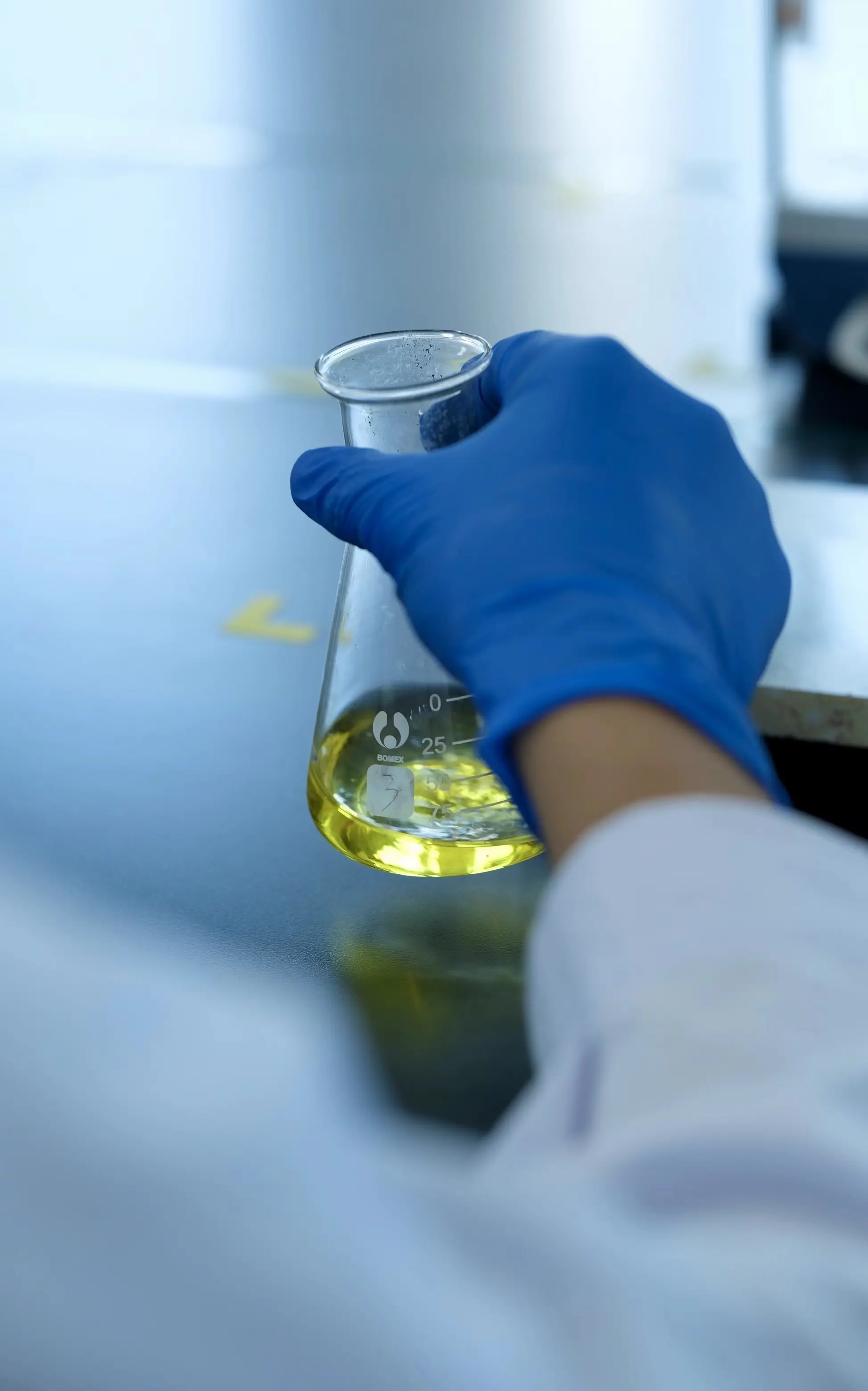
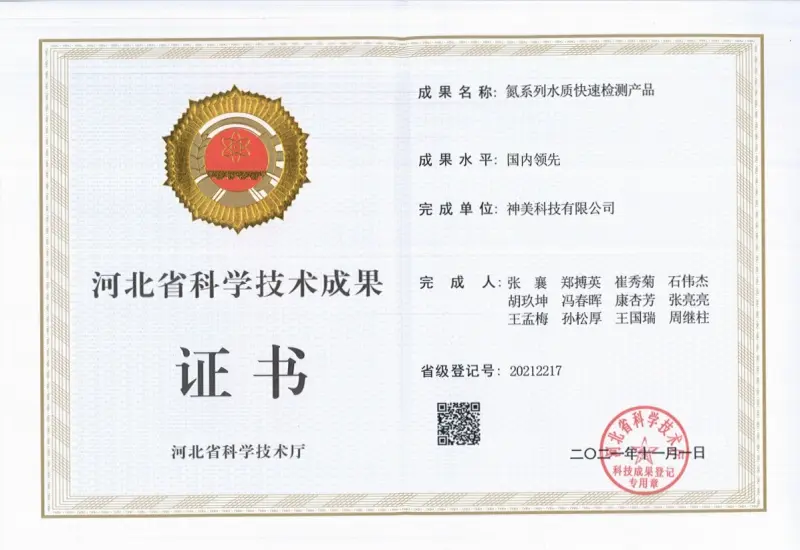
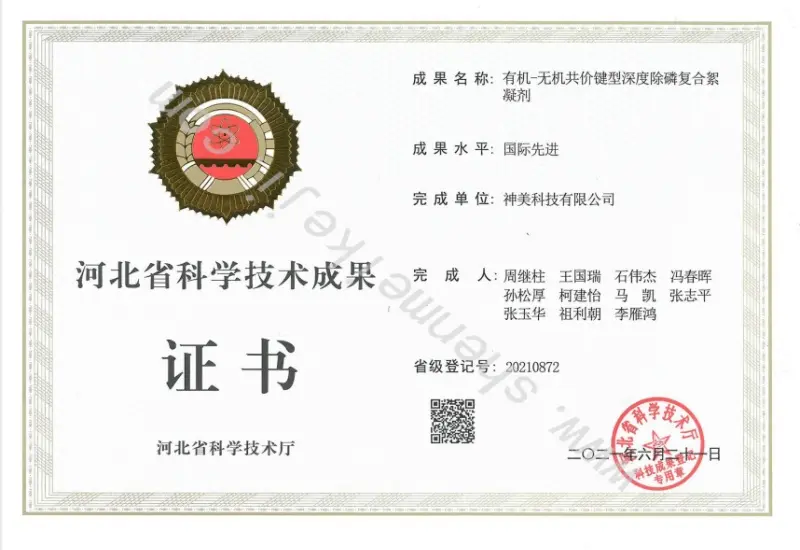
Demonstrated compliance, advanced patent portfolios, and technological innovation platforms.
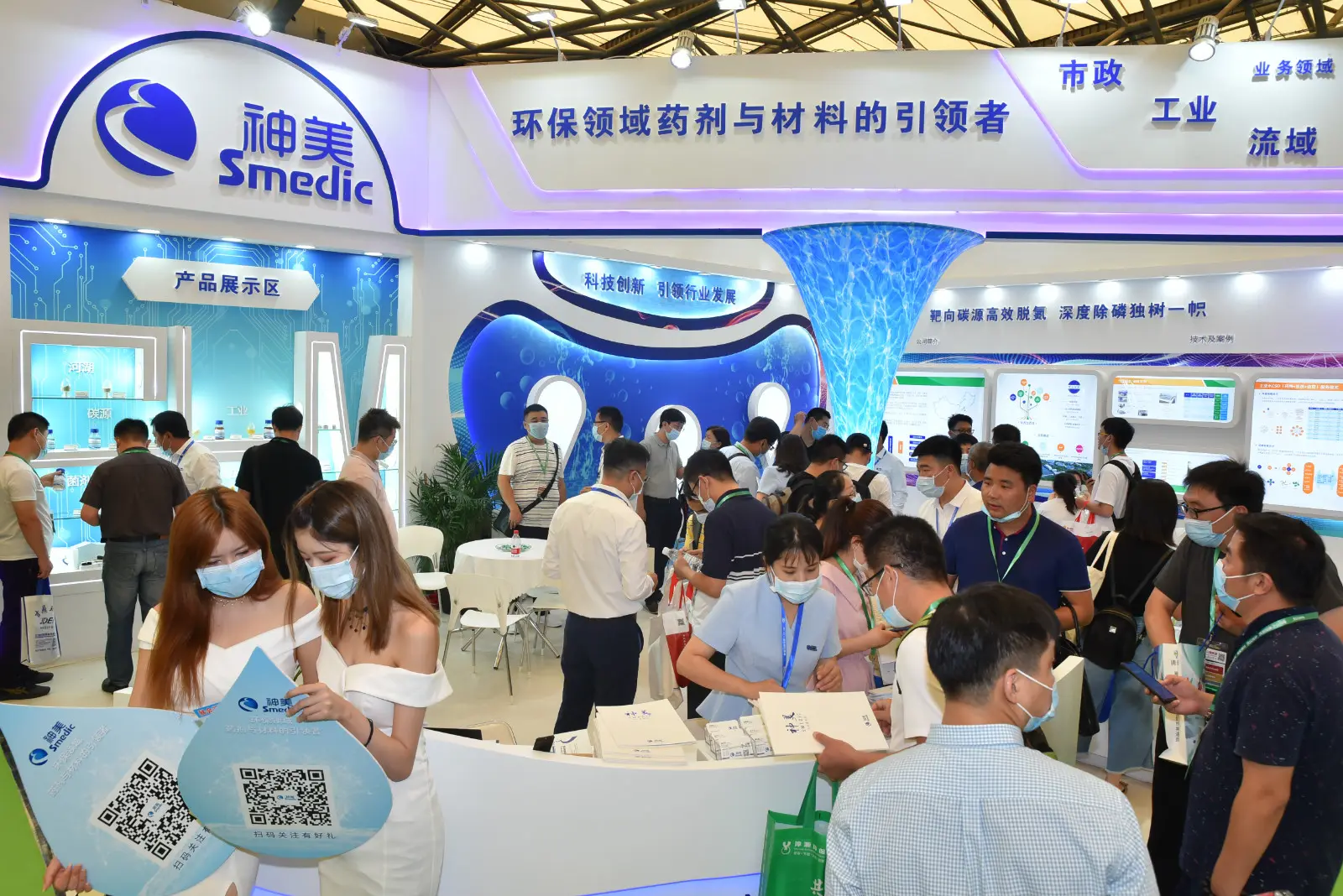
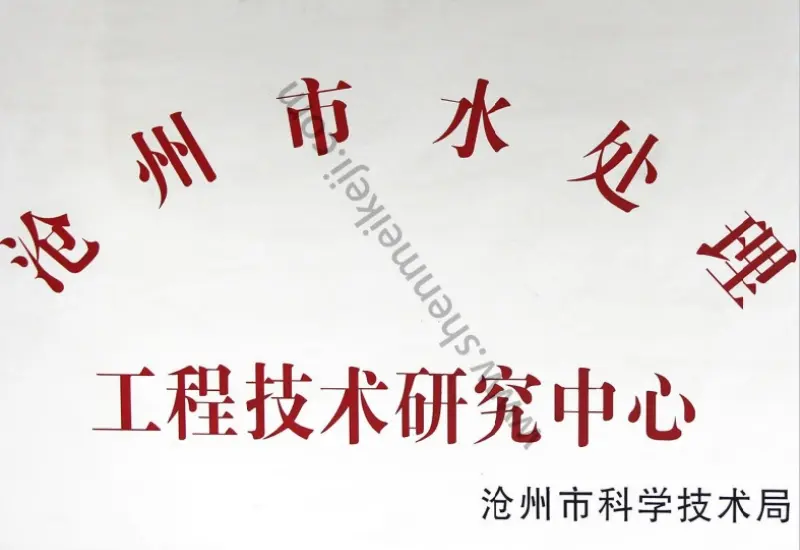
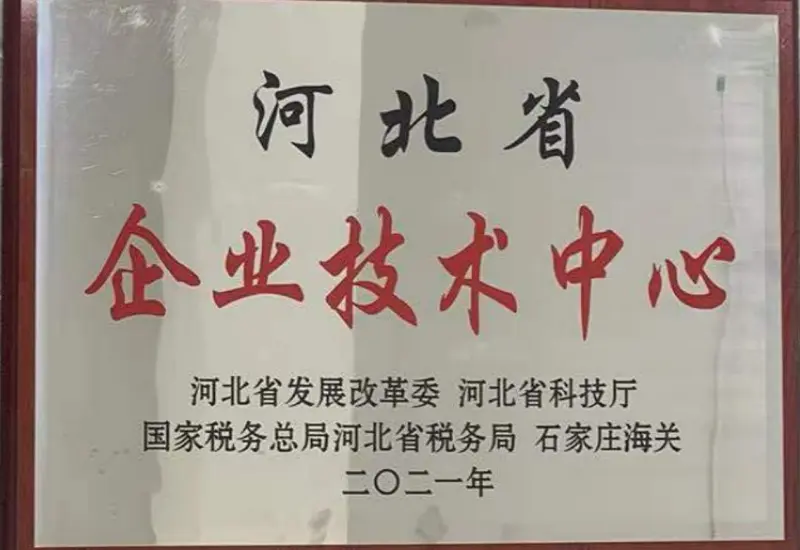
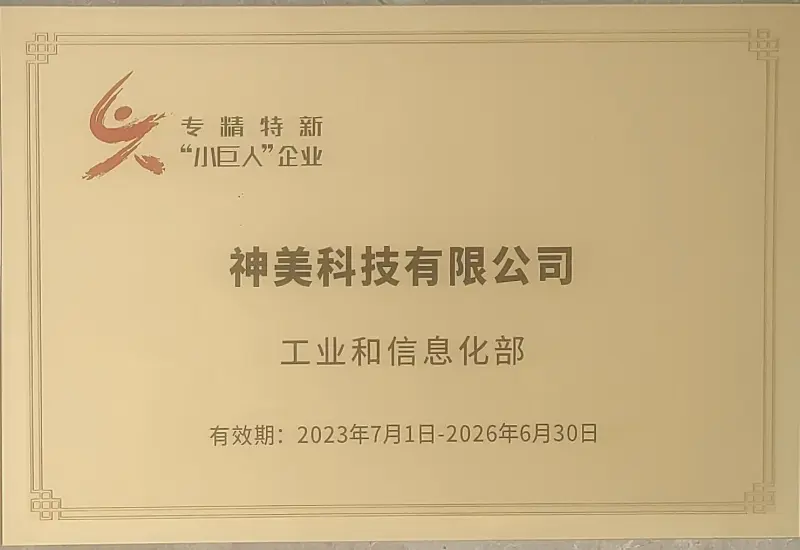
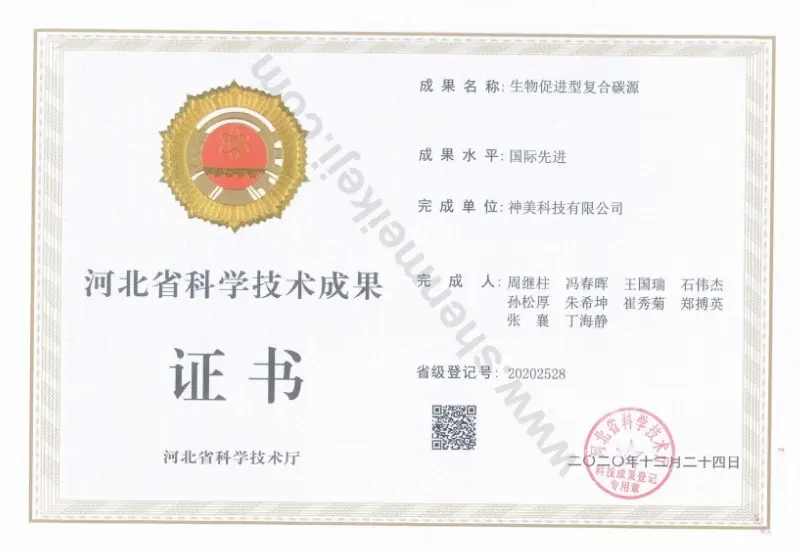
Smedic Technology has been designated as a National High-tech Enterprise and a National Specialized, Refined, Unique and Innovative "Little Giant" Enterprise. This recognition reflects our persistent investments in R&D and our commitment to developing pioneering water purification agents. We operate a multi-tier R&D architecture composed of one central academy, three specialized research institutes, and five field application bases. This network serves as a powerful incubator for new chemical formulations.
Our core technical team is led by academicians, industry experts, university professors, and senior chemical engineers. We maintain active joint R&D laboratories with renowned institutions, including Tsinghua University Association of Senior Scientists and Technicians, Shandong University, and Beijing University of Technology. We also serve as the commercialization partner for chemical research output from Peking University and Tianjin University.
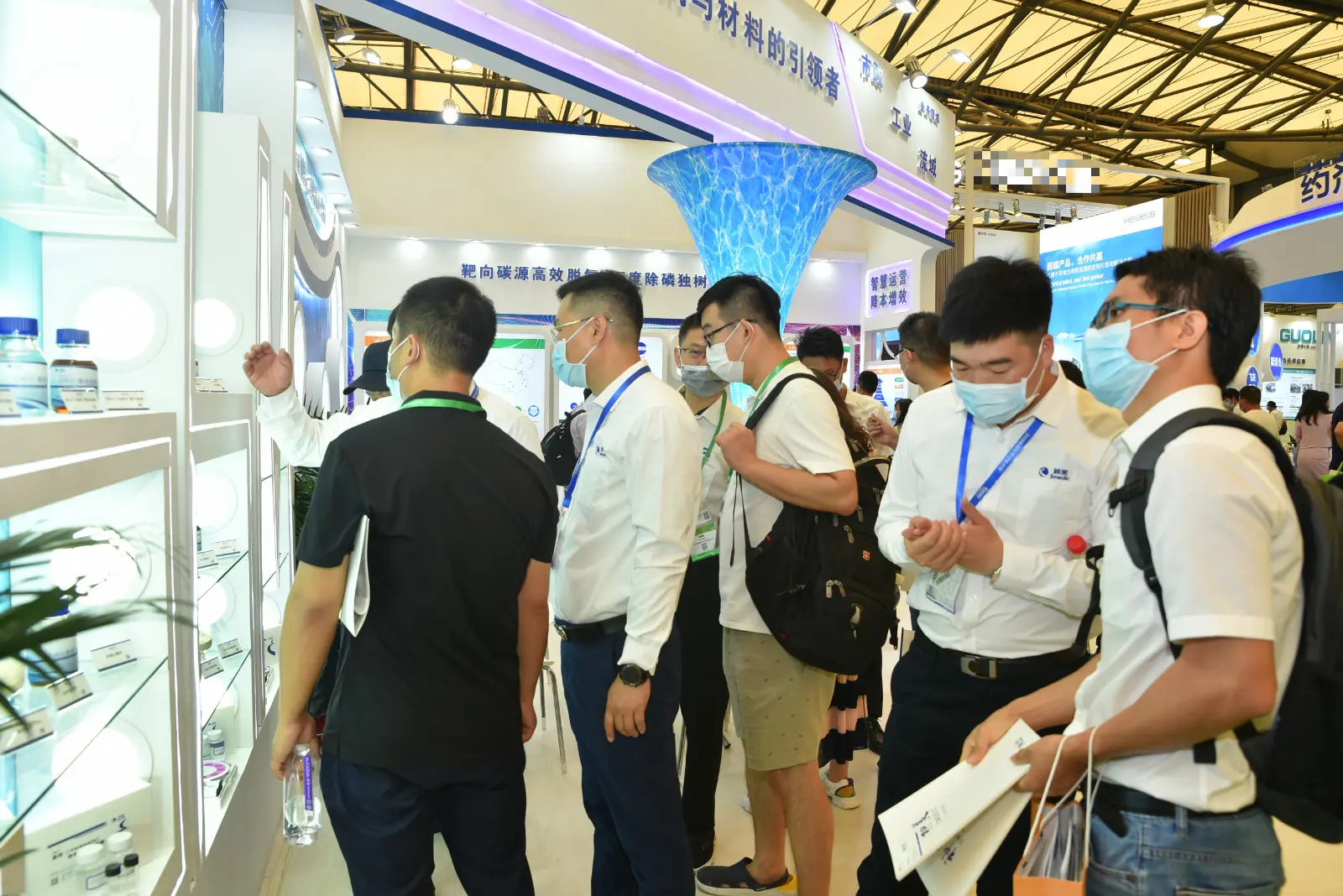
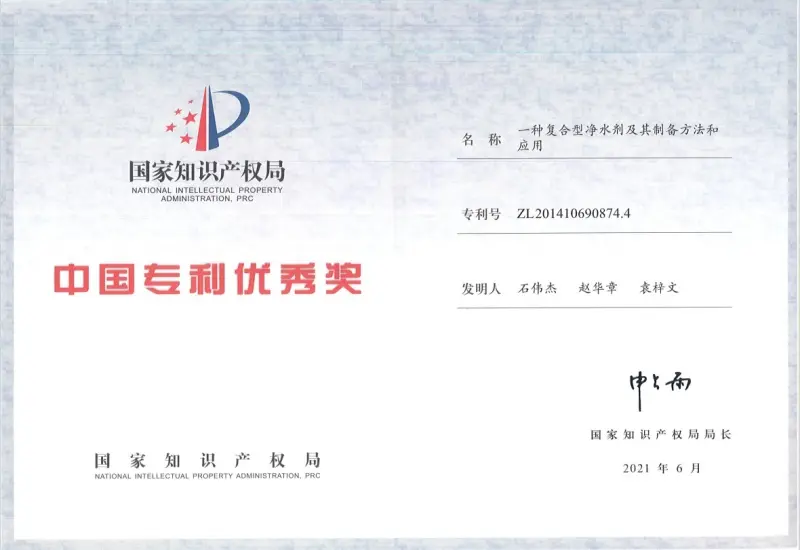
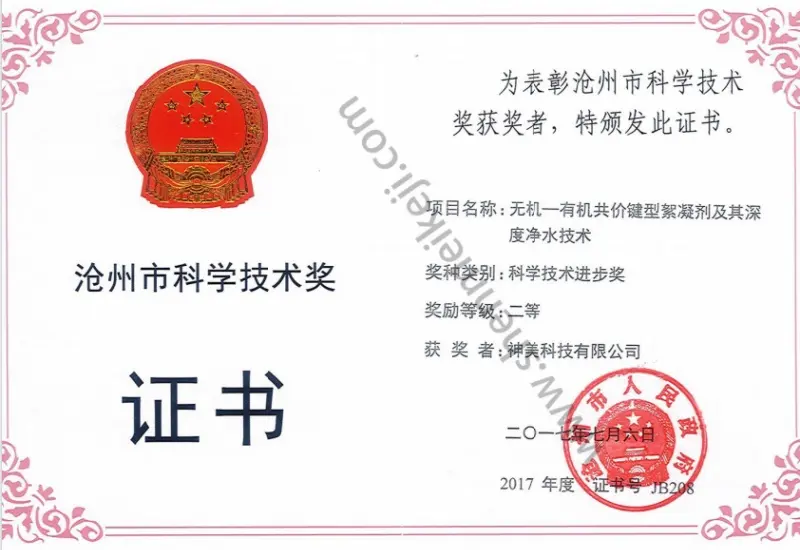
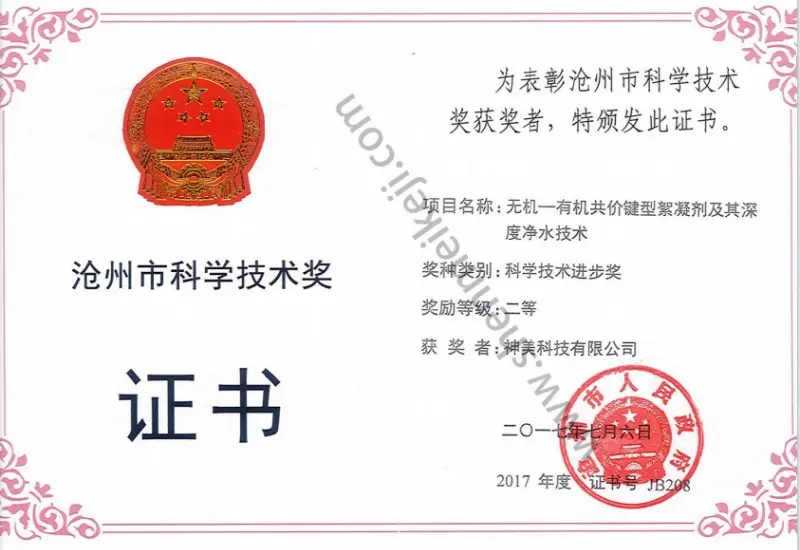
Our independently developed "Inorganic-Organic Covalent Bond Flocculant" and associated advanced water purification methodologies have earned national acclaim, receiving the 22nd China Patent Award, the First Prize for Technological Invention from the China Petrochemical Industry Association, and the Hebei Province Science and Technology Progress Award. Furthermore, Smedic has been honored as the "Leading Brand of Advanced Wastewater Treatment Chemicals" and the "Most Valuable Water Treatment Chemicals Brand" by China Water Network and the E20 Environmental Platform for four consecutive years.
We are a trusted strategic supplier for major environmental conglomerates, including Shouchuang Ecological and Environmental Group, Yangtze River Ecological and Environmental Group, Beijing Enterprises Water Group (BEWG), OriginWater, and China Water Environment Group.
Smedic holds over 60 Chinese patents, including 40+ invention patents and 20+ utility model patents, demonstrating our strong R&D capability and legal compliance.
Meeting stringent local standards and regional operating demands across diverse industries.
The global demand for industrial boiler cleaning chemicals and scale inhibitors is heavily shaped by regional environmental mandates, fuel cost variations, and localized raw water composition. In highly regulated markets like North America and the European Union, procurement guidelines are strictly focused on biodegradability and phosphorus discharge limits. Traditional organophosphonate formulas, while highly effective, are facing increasing restrictions due to eutrophication concerns in receiving water bodies. As a result, purchasing departments are shifting toward green alternatives such as polyaspartic acid (ESA), polyepoxysuccinic acid (PESA), and custom-synthesized phosphorus-free scale inhibitors. In contrast, emerging manufacturing hubs in Southeast Asia, the Middle East, and parts of South America often deal with high-salinity source water, requiring scale inhibitors with high calcium tolerance and robust performance under elevated temperatures.
For industrial operators, transitioning from off-the-shelf, standard chemical formulations to customized ODM supply arrangements provides a key competitive advantage. Every boiler system operates within a unique matrix of variables: feedwater temperature, heat flux density, metallurgical profile (such as carbon steel, stainless steel, or copper alloys), cycle of concentration (CoC), and municipal environmental limits on effluent blowdown. By partnering with Smedic as an ODM manufacturer, engineering teams can customize their scaling inhibitor and defoaming agents to match these exact operational parameters. This targeted chemical treatment maximizes thermal transfer efficiency and extends the operational lifespan of the boiler, preventing premature tube failure and costly downtime.
High-temperature, high-pressure steam loops require oxygen scavengers with zero inorganic residues to protect turbine systems from erosion and oxide scaling.
Steam lines in contact with food and pharmaceutical products demand FDA-compliant, food-grade neutralizing amines and non-toxic scale control chemicals.
Large-scale hot water distribution systems require low-toxicity corrosion and scale inhibitors to handle high water volumes while protecting long-distance pipelines.
Understanding the engineering behind modern scale prevention, metal cleaning, and corrosion control.
A modern chemical cleaning program for industrial boilers relies on a sequential process: **pre-commissioning boil-out, acid pickling, metal neutralization, and surface passivation**. During the initial cleaning phase, organic silicone and polyether defoamers are used alongside alkaline cleaning solutions to prevent excessive foaming, ensuring thorough contact with scale deposits. Once scale layers are softened or dissolved, acidic cleaning agents target the remaining scale. However, cleaning bare metal with acid carries inherent risks of corrosion. To prevent this, specialized corrosion inhibitors must be added to form a temporary protective molecular layer over the clean metal surfaces, neutralizing the acid's corrosive potential.
Following acid pickling, passivation is performed to create a stable protective layer on the metal. Smedic's passivation programs use advanced chemical agents to oxidize bare iron atoms on the tube surfaces, forming a uniform, micro-thin layer of magnetite (Fe3O4). This protective barrier isolates the underlying metal from dissolved oxygen, preventing pitting and corrosion. Magnetite formation requires careful control of temperature, pH, and chemical concentrations. If the passivation layer is compromised or uneven, it can lead to localized galvanic cells and accelerated pitting corrosion, highlighting the need for precise chemical formulations and dosing protocols.
The industrial water treatment sector is shifting toward green chemistry and automated monitoring. Traditional hydrazine-based oxygen scavengers are being replaced by safer, organic alternatives like diethylhydroxylamine (DEHA) and carbohydrate derivatives. At the same time, real-time dosing systems are becoming standard. These systems use inline optical sensors to monitor scaling index indicators and adjust polymer dosage dynamically. Smedic is at the forefront of this transition, developing biodegradable, phosphorus-free scale inhibitors that deliver high performance while meeting strict modern discharge regulations.
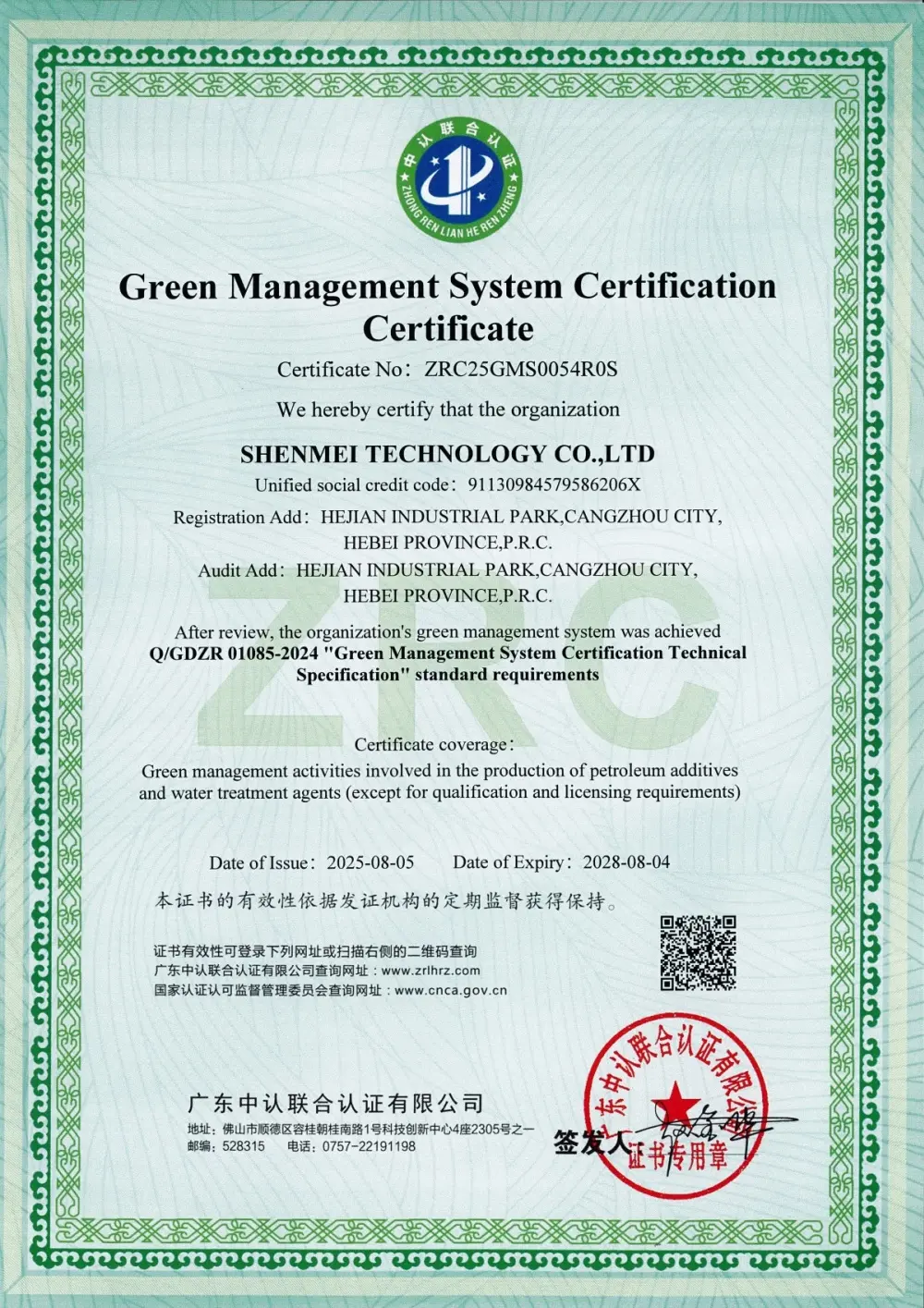
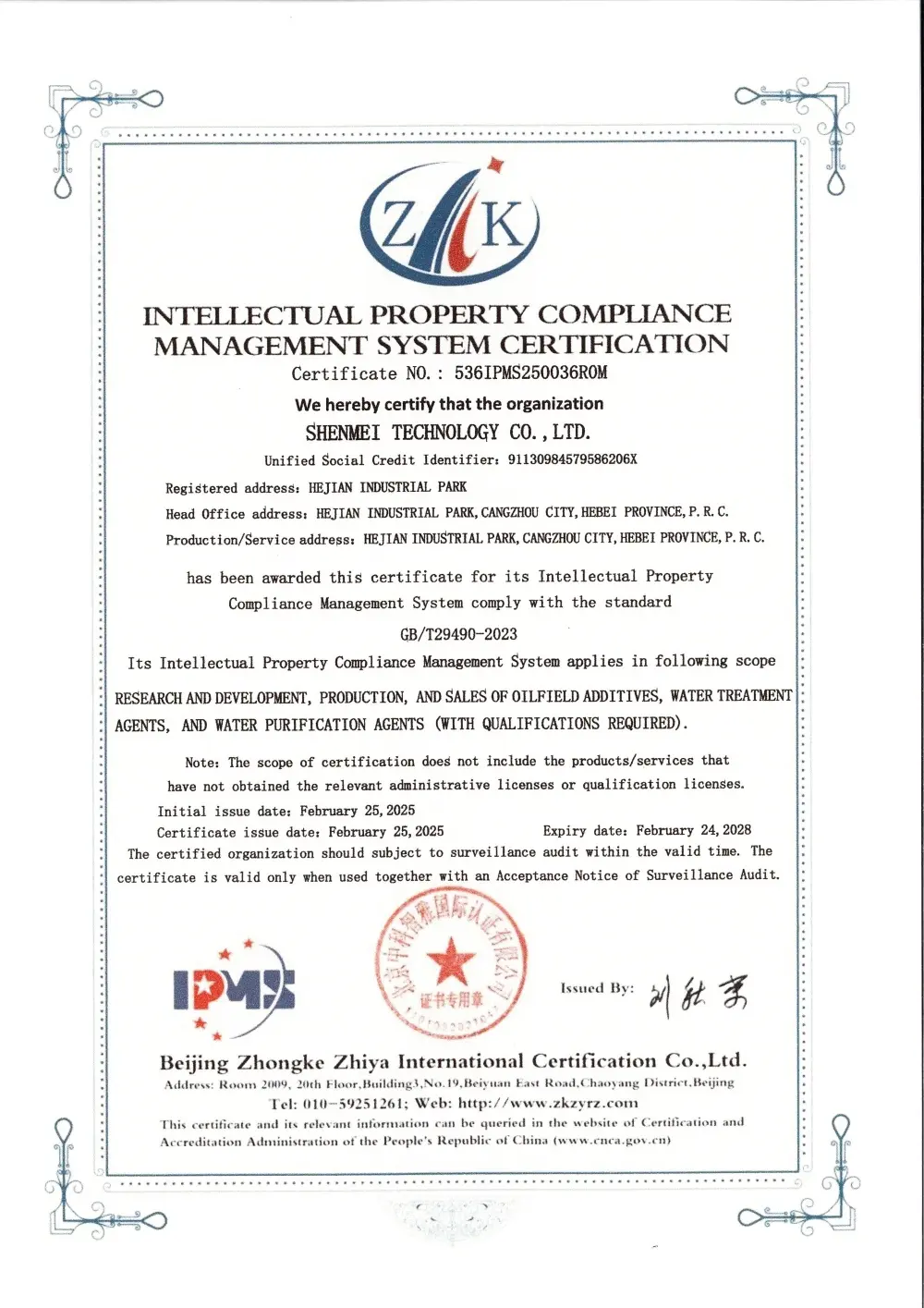
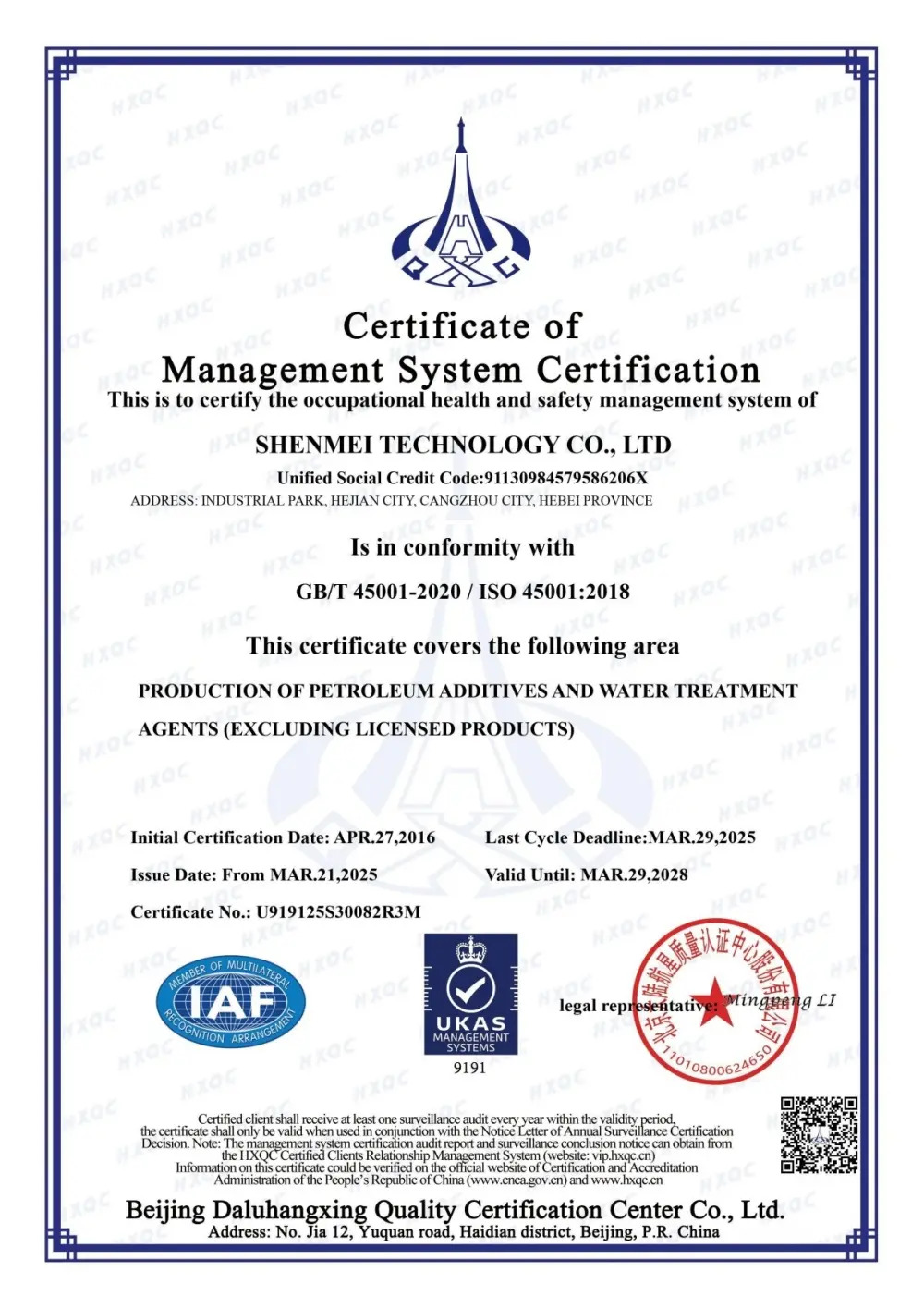
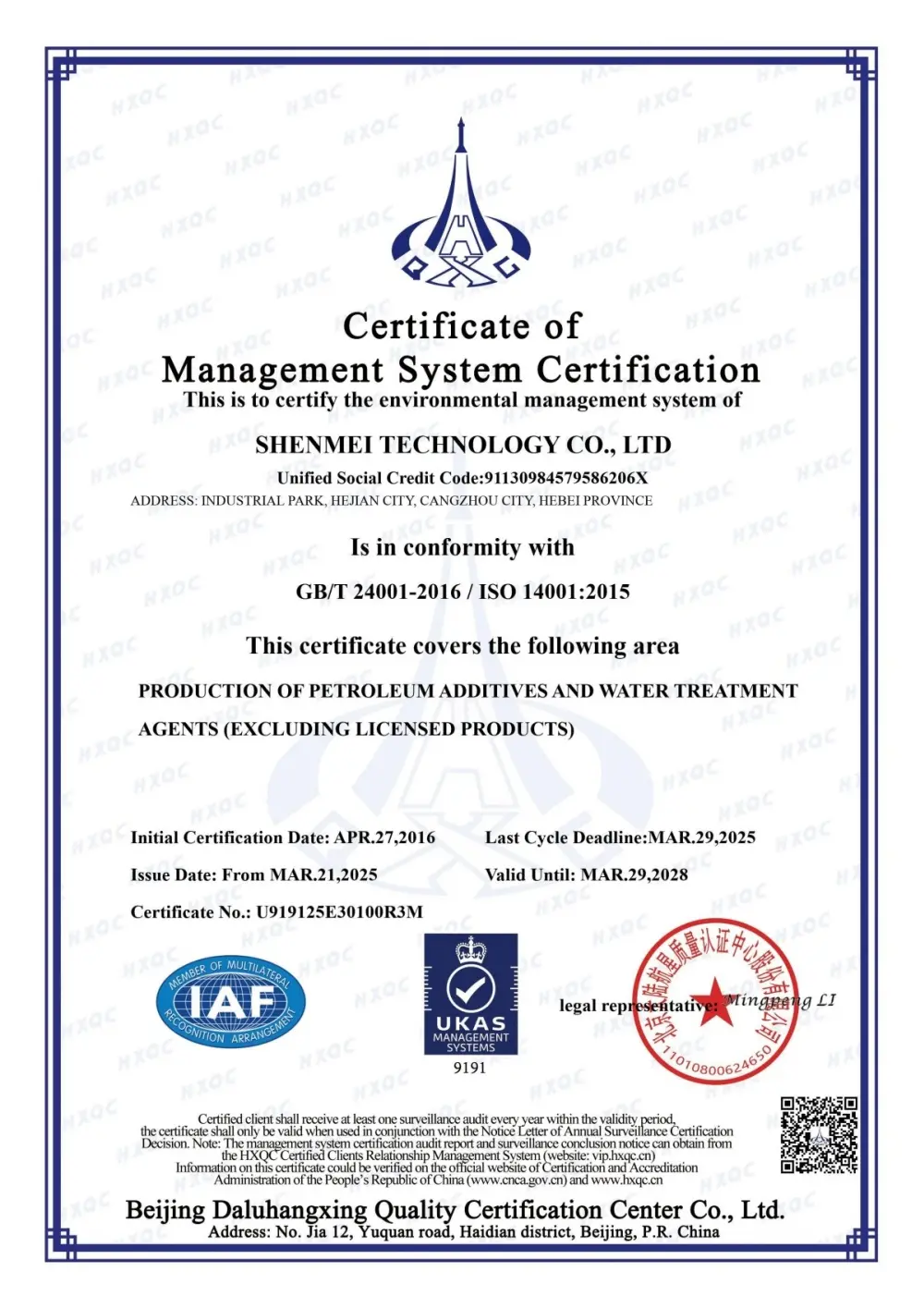
A timeline of Smedic Technology's growth, expansion, and key achievements.
Smedic was established, focusing on industrial wastewater treatment and process water chemicals.
Expanded services into municipal wastewater treatment, introducing flocculant and coagulant product lines.
Recognized as a National High-Tech Enterprise, marking a milestone in R&D and patent development.
Established a key production base in Guiyang to expand capacity for the Southwest market.
Expanded bases in Hebei, Shandong, and Guizhou, driving total annual capacity past 1 million tons.
Honored as a National Specialized, Refined, Unique and Innovative "Little Giant" Enterprise.
Established the Hebei Provincial Advanced Water Treatment Chemicals Technology Innovation Center.
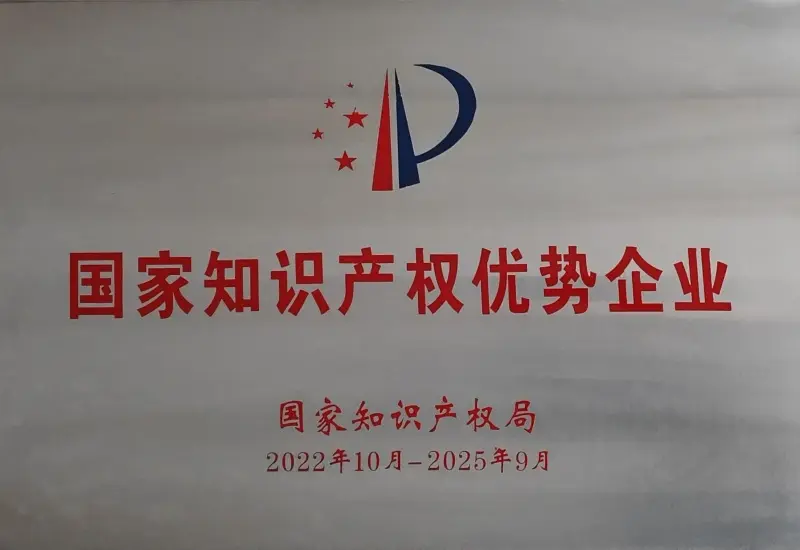
Recognized as a National Intellectual Property Advantage Enterprise, holding 60+ patents.
Partnered with Chengdu Institute of Mineral Comprehensive Utilization to produce advanced mineral processing agents.
Guaranteeing chemical quality and environmental regulatory alignment across global markets.
Exporting boiler cleaning chemicals and scale inhibitors requires strict adherence to international safety standards, customs regulations, and environmental limits. Products must comply with key global frameworks, including the European Union's REACH regulation (Registration, Evaluation, Authorization and Restriction of Chemicals), the United States' Toxic Substances Control Act (TSCA), and the Globally Harmonized System of Classification and Labelling of Chemicals (GHS). Because boiler chemicals are exported as concentrated mixtures, they must be accompanied by comprehensive Safety Data Sheets (SDS) and clear GHS labelling. Working with an experienced ODM exporter like Smedic ensures that all technical documentation, regulatory clearances, and packaging meet these requirements, ensuring smooth customs processing and hassle-free transit.
In addition to regulatory compliance, Smedic provides localized technical support to help clients optimize their systems. Operating across diverse industrial markets, Smedic coordinates with local water treatment engineers to perform water analysis, diagnostic testing, and dosage adjustments. Whether working with high-hardness well water in North America or reverse osmosis permeate in the Middle East, our technical teams help configure chemical feed systems to deliver maximum scaling protection and operational efficiency.
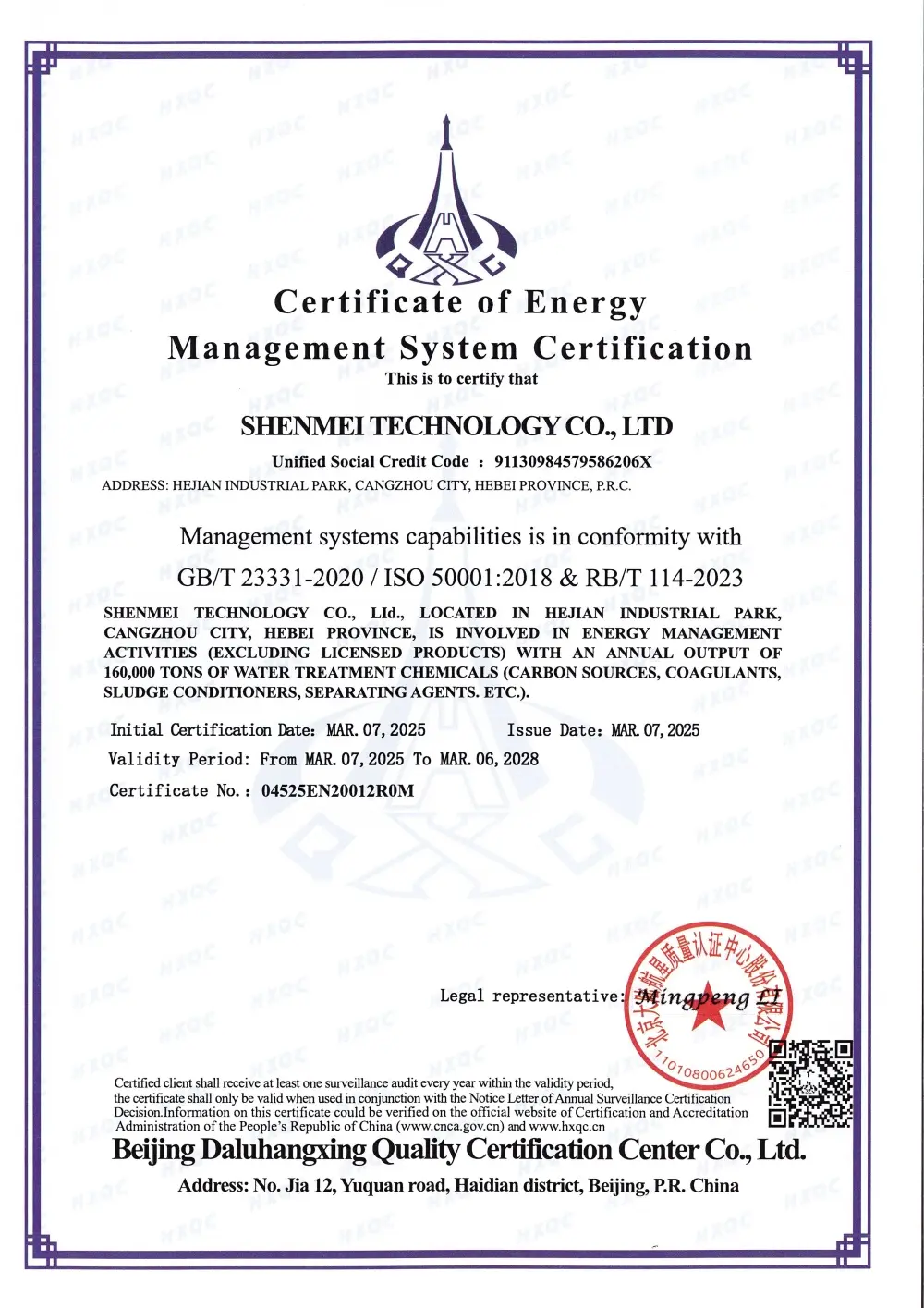
All chemical agents are pre-registered and compliant with the European Chemicals Agency (ECHA) and United States EPA regulations.
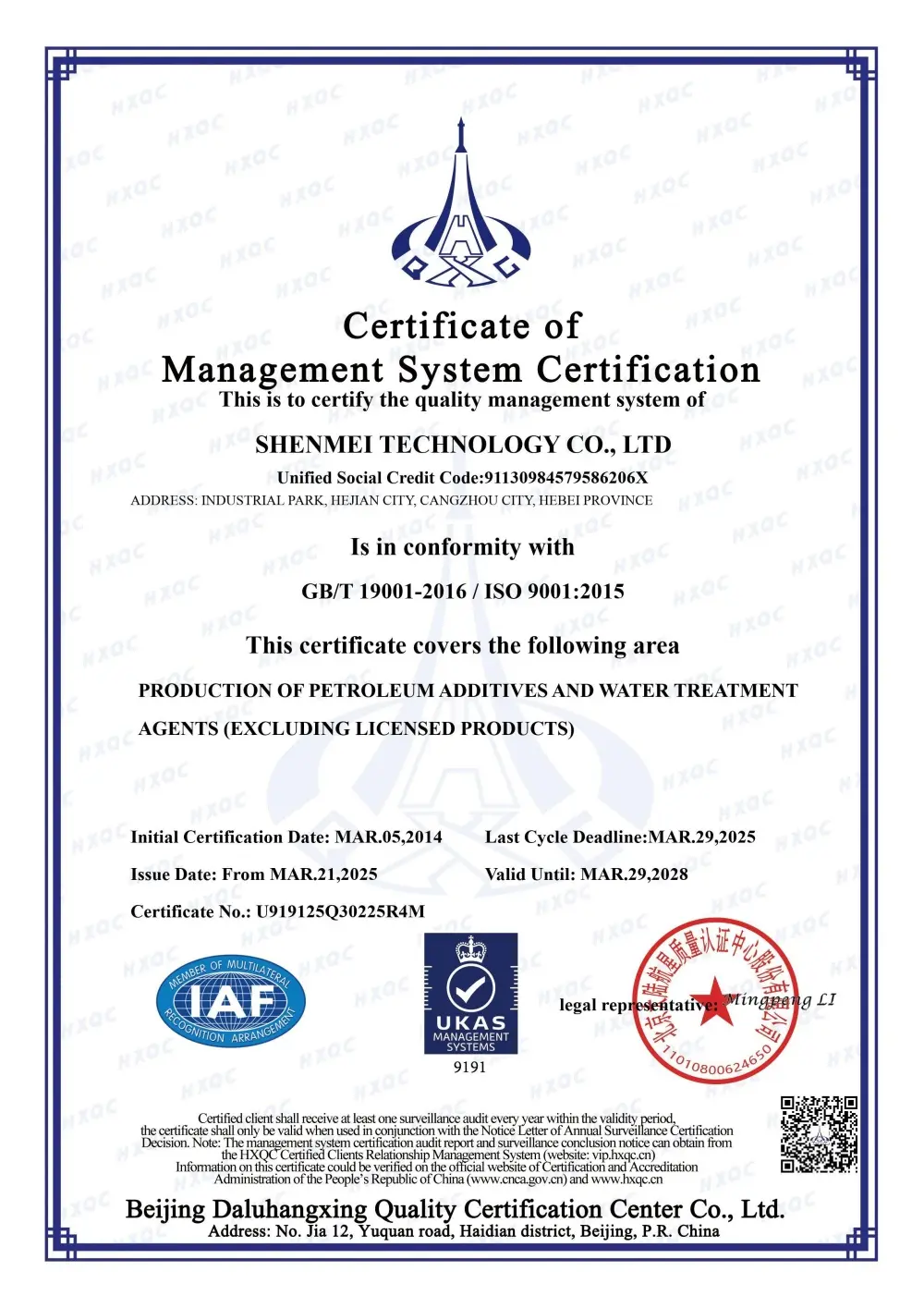
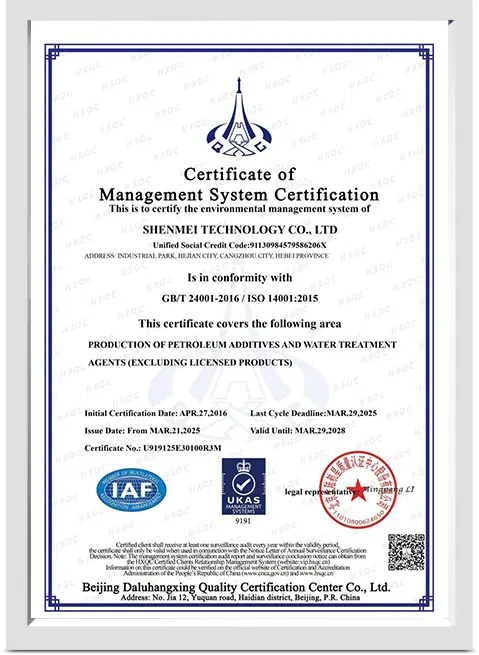
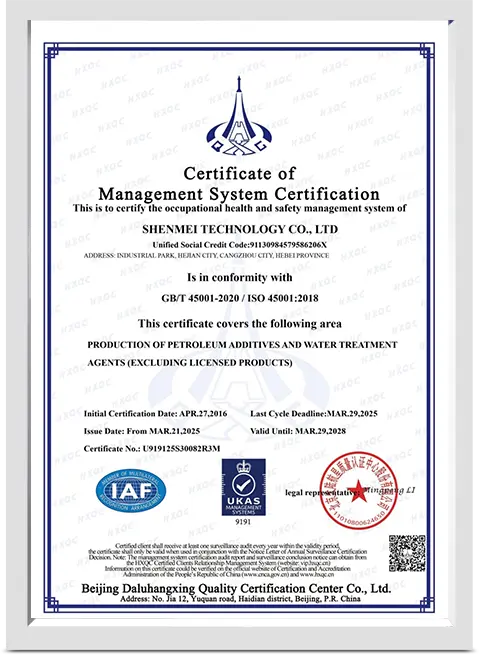
Integrated ISO 9001, ISO 14001, and ISO 45001 manufacturing systems ensure high formulation consistency.
Dedicated warehousing and logistics nodes in major ports ensure secure storage and on-time international delivery.
Key technical queries on boiler scale inhibition, cleaning chemicals, and procurement programs.
Specialized defoamers, organic scale inhibitors, and advanced coagulants for industrial process systems.
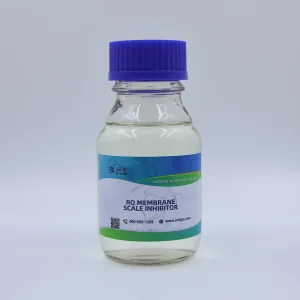
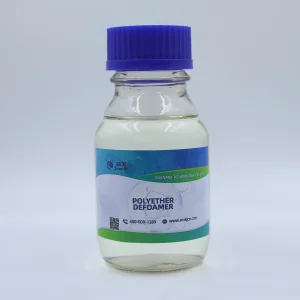
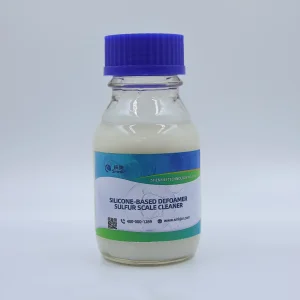
Accredited testing certifications and factory audits for global export assurance.
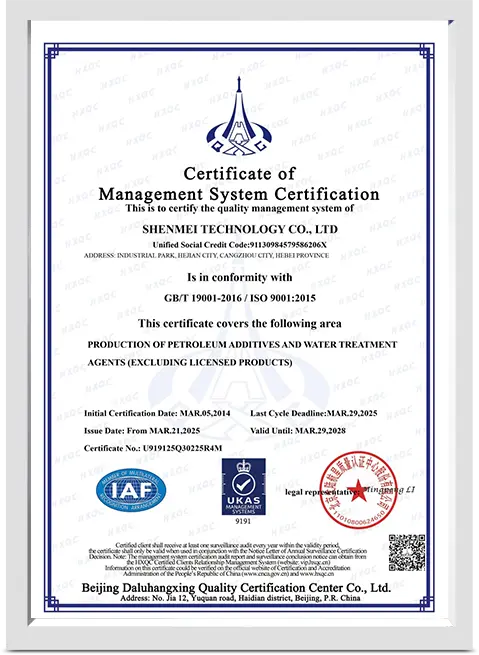
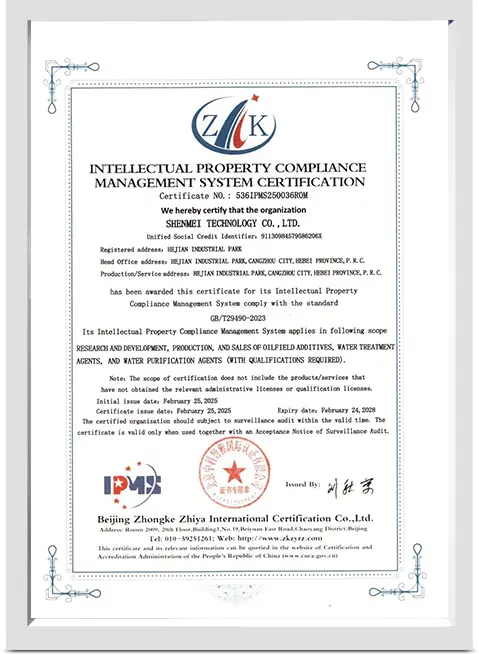
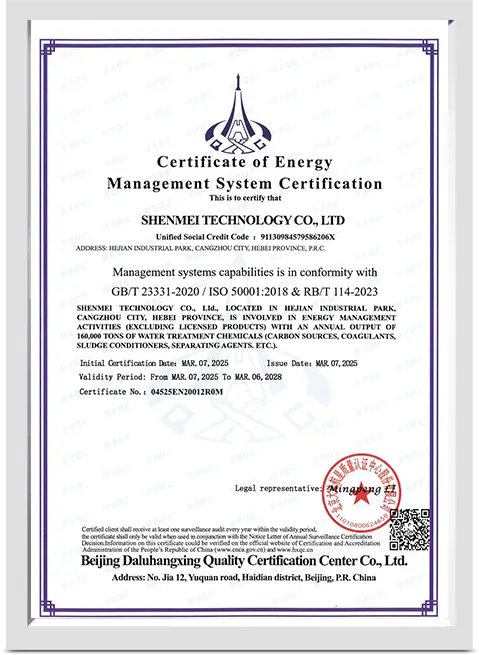
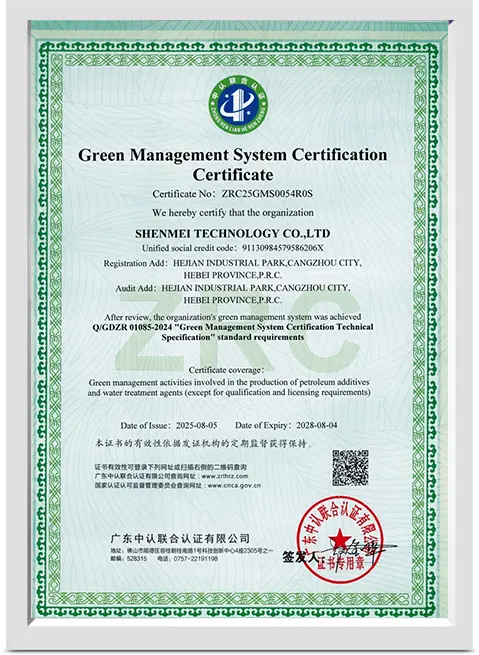
Explore our diverse formulation groups designed for municipal and industrial water treatment.
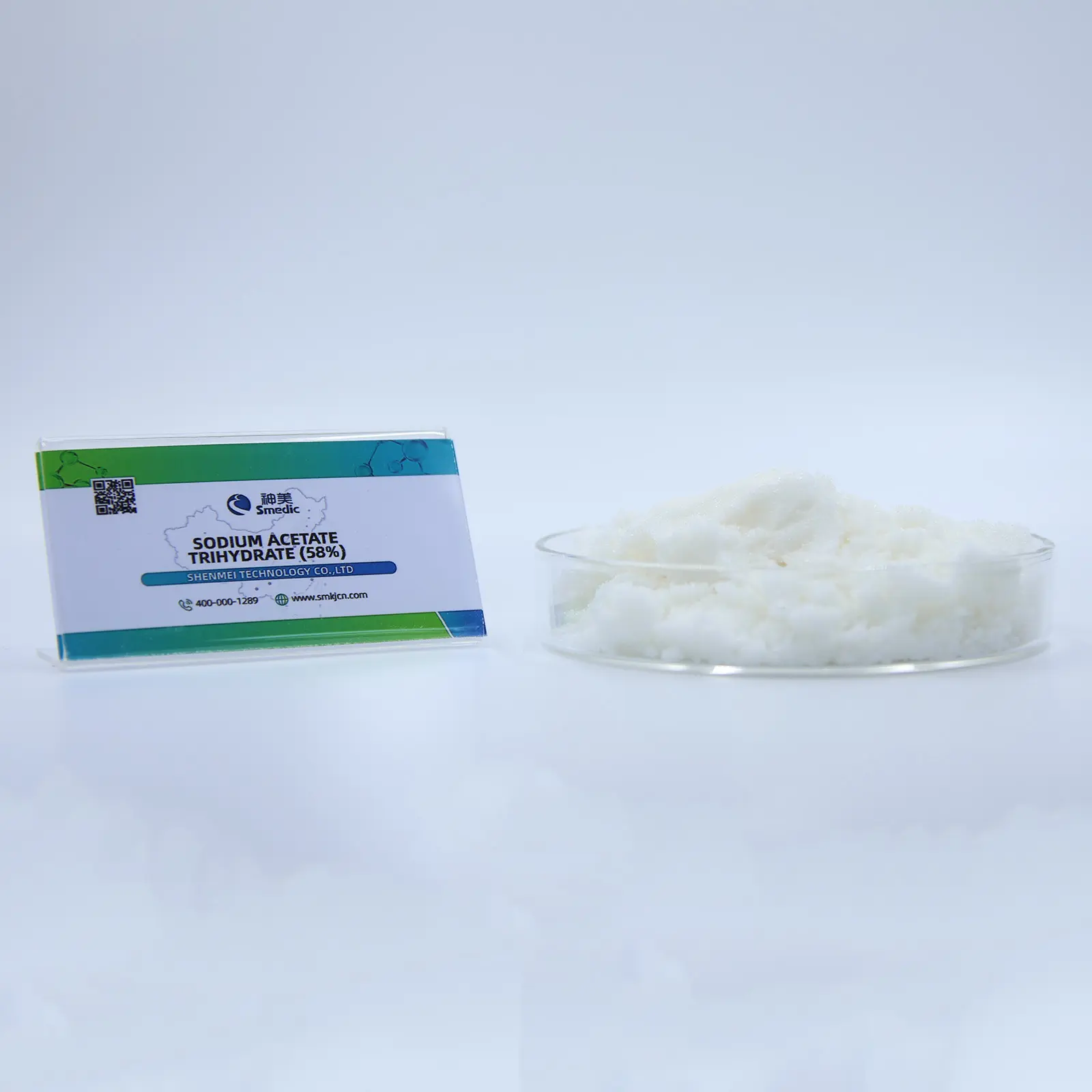
Sodium Acetate
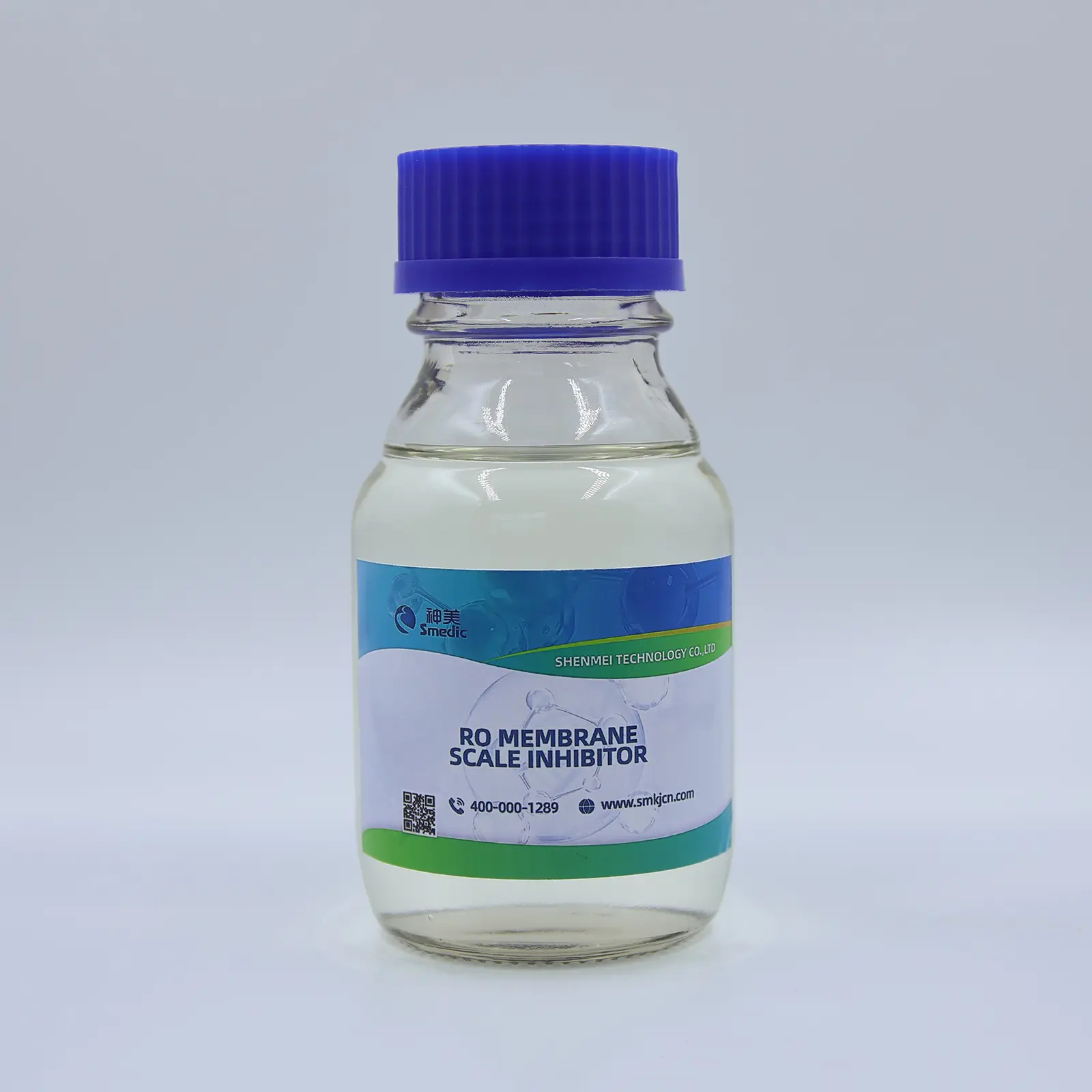
RO Scale Inhibitor
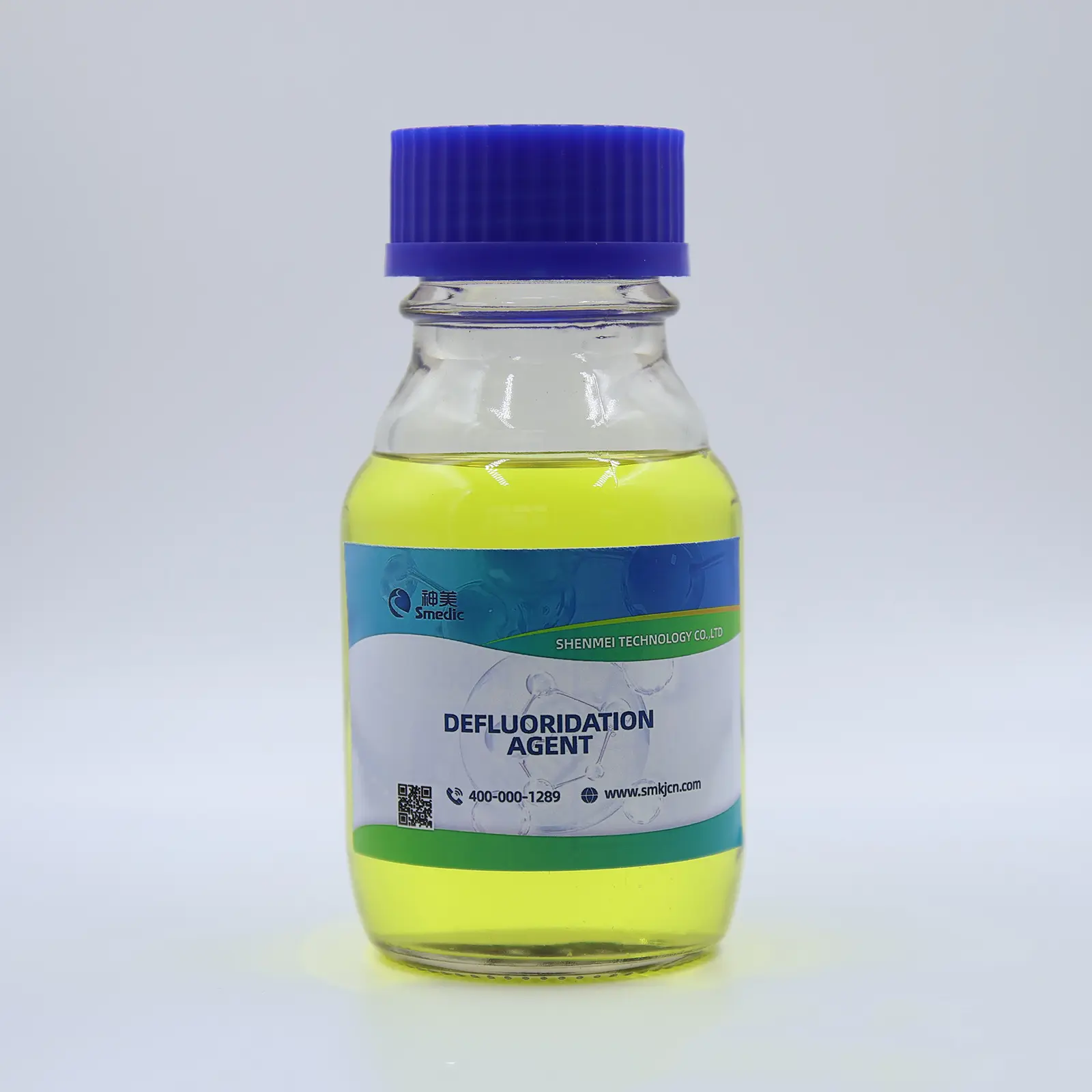
Fluoride Removal
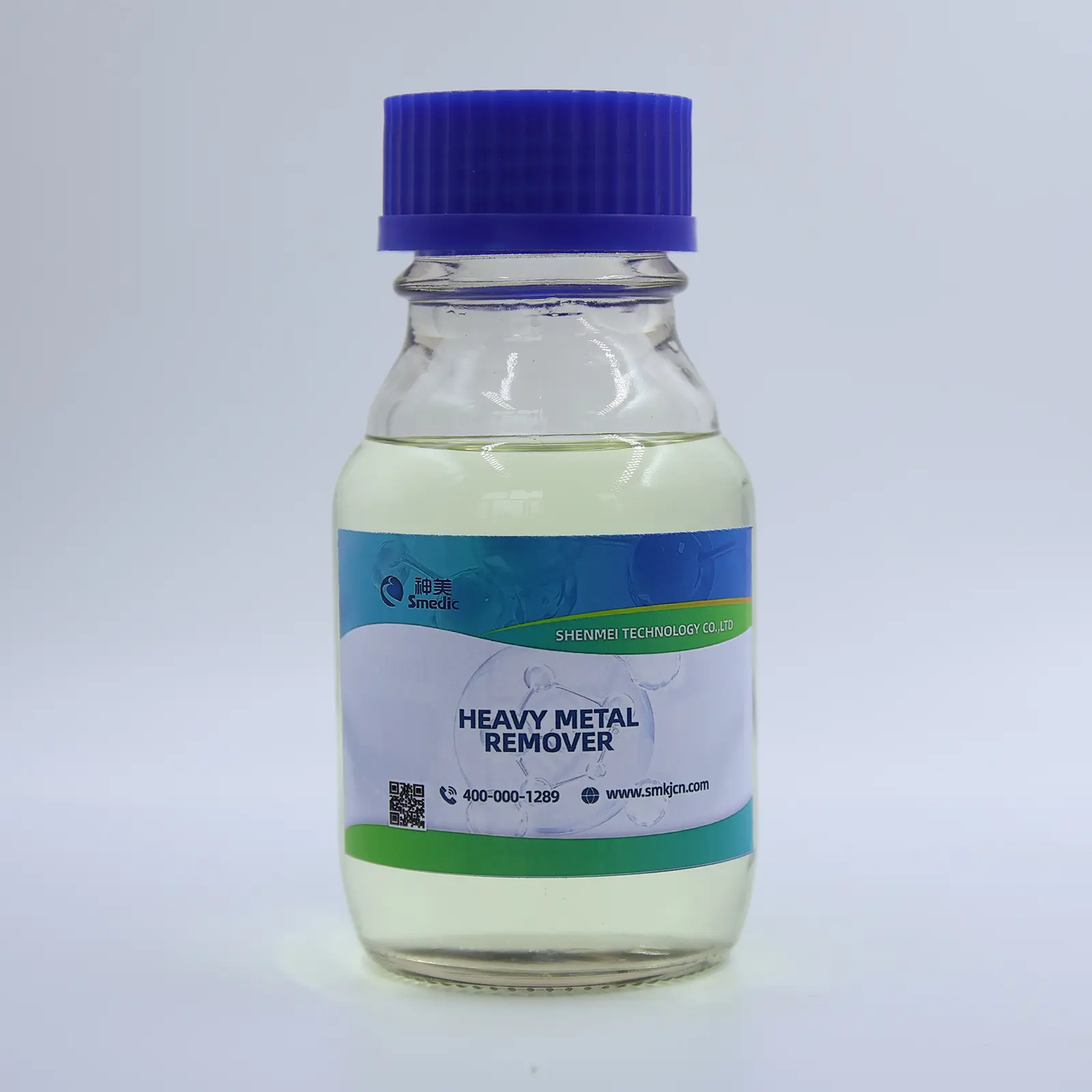
Heavy Metal Removal
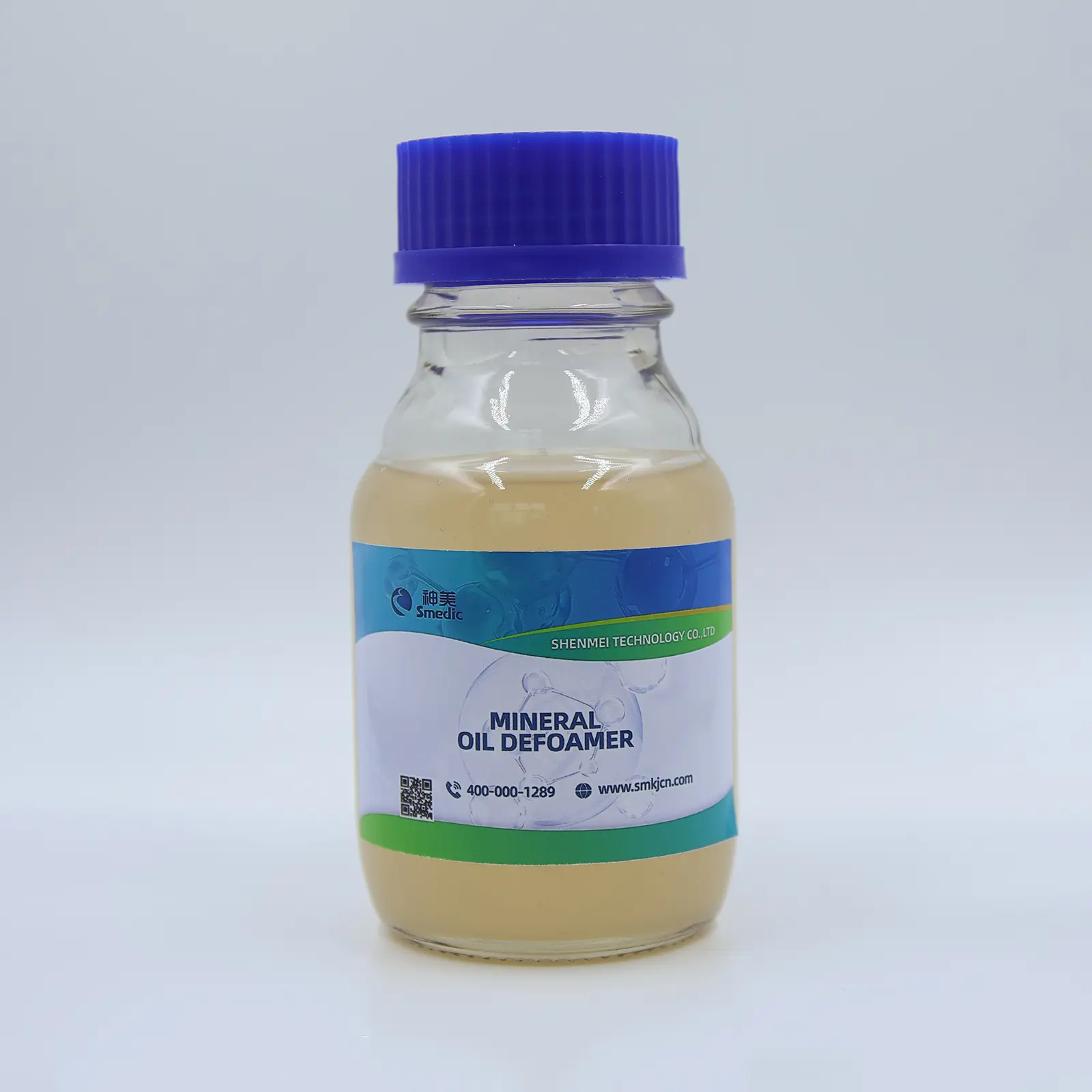
Oil Defoamer
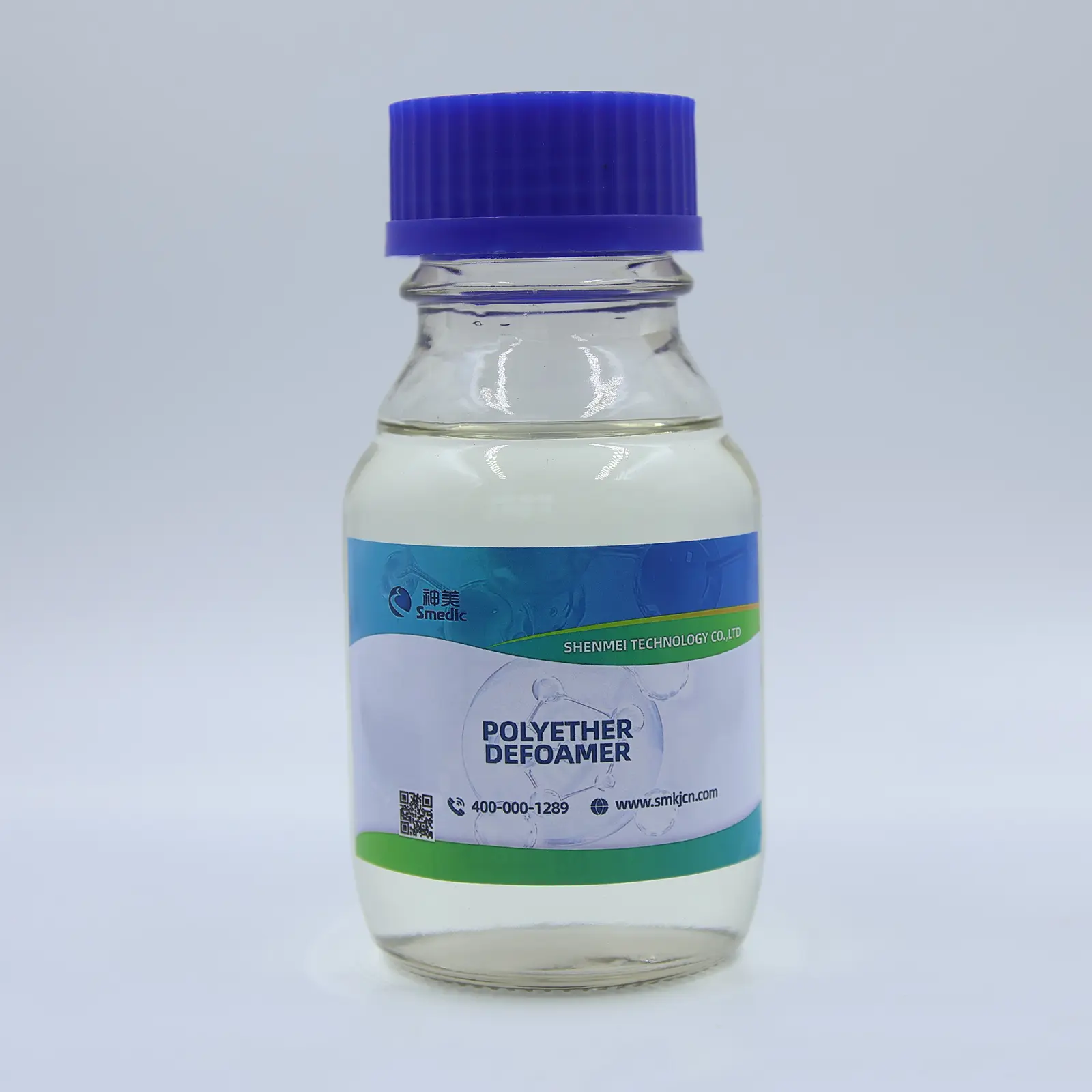
Polyether Defoamer

Silicone Defoamer
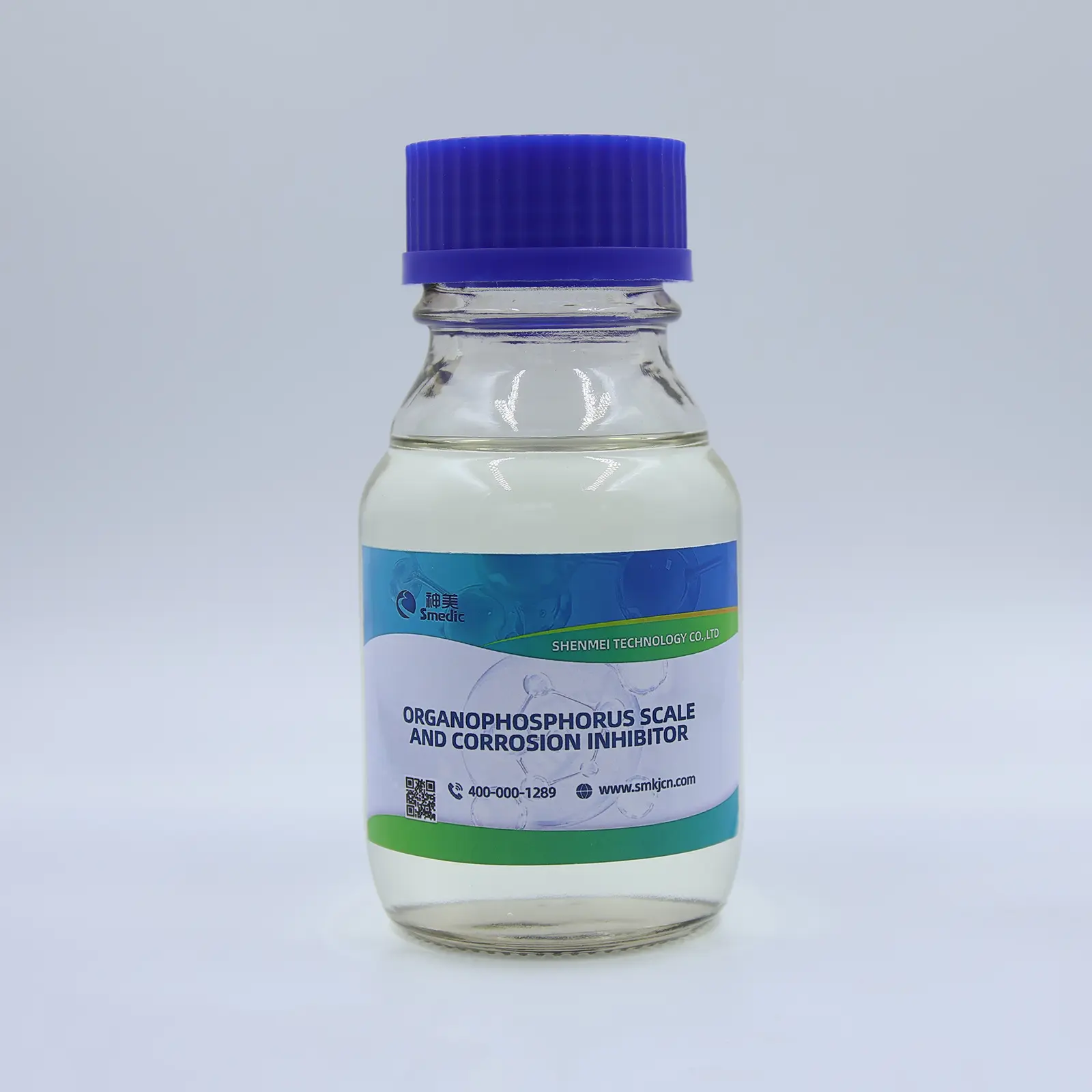
Organophosphorus
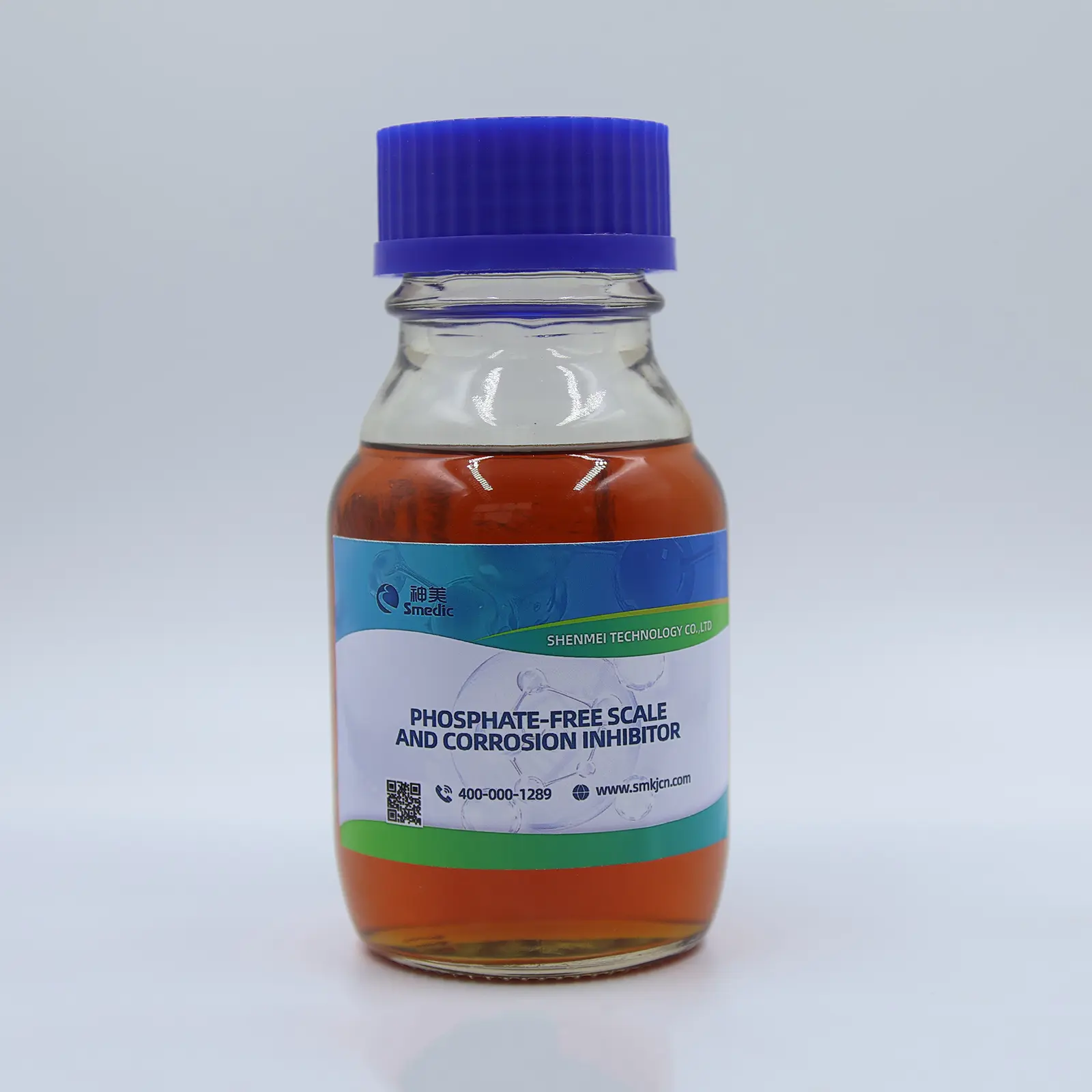
Phosphate-Free
Anionic PAM
Cationic PAM
Non-ionic PAM
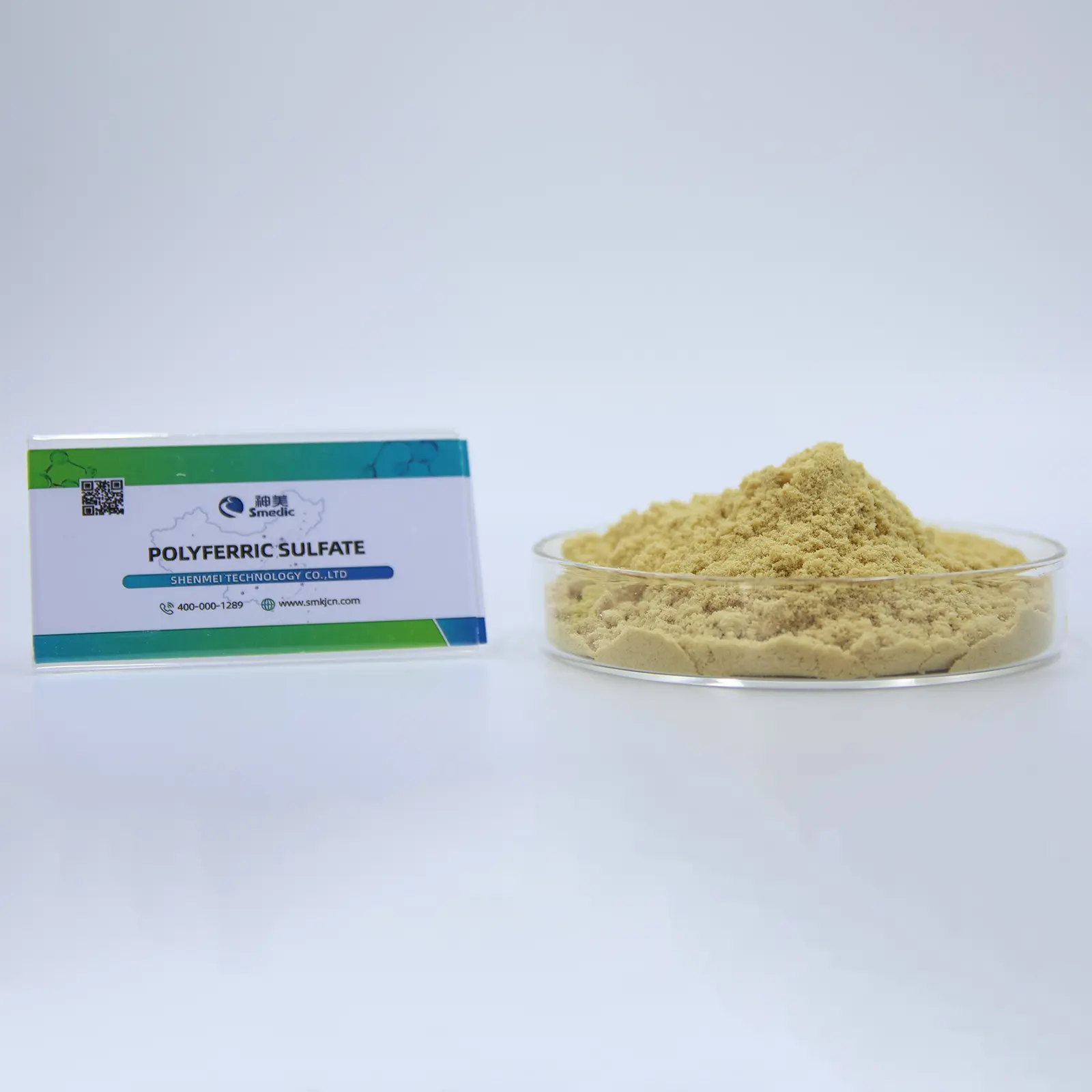
Polyferric Sulfate

PAC Coagulant
 Smedic Tech