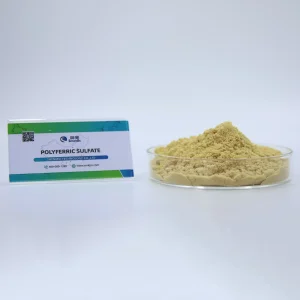
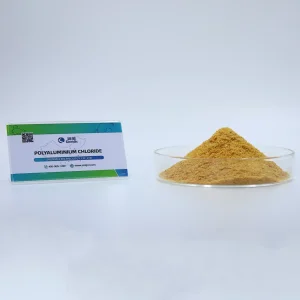
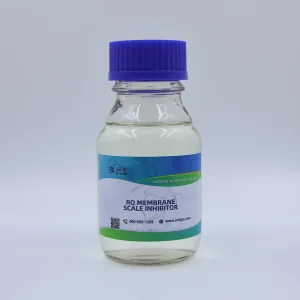
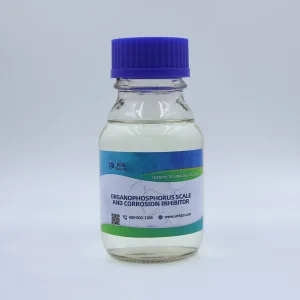
Explore our core engineering catalog featuring advanced coagulants, flocculants, and scale inhibitors optimized for extreme operational conditions.
Operational scale, research capability, and infrastructure footprint powering water treatment across the globe.
In modern industrial and municipal wastewater management, solid-liquid separation represents one of the most operationally challenging and costly phases. Sludge dewatering—whether handled via high-speed centrifuges, plate-and-frame filter presses, belt filters, or multi-disk screw presses—depends fundamentally on the chemical conditioning of the feed sludge. Among the array of chemical conditioning agents, Cationic Polyacrylamide (CPAM) stands out as the core polymer for destabilizing negatively charged organic particulate suspensions.
As regulatory requirements for industrial discharges and municipal sludge moisture content tighten globally, water engineers and procurement managers can no longer rely on standardized, off-the-shelf polymer solutions. Variables such as pH dynamics, salt concentrations, volatile solids fraction, and mechanical shear forces dictate the precise molecular architecture required for optimal flocculation. The failure to specify the correct cationic polymer often leads to inefficient cake formation, high moisture retention, clogged filtration media, and excessive chemical consumption. Smedic Technology operates at this exact junction, offering ODM (Original Design Manufacturer) and custom-synthesized cationic flocculants engineered to resolve site-specific conditioning challenges.
Cationic polyacrylamides are synthetic linear macromolecules formed by the copolymerization of acrylamide (AM) monomers and cationic monomers. The most widely utilized cationic monomers in industrial-scale synthesis include:
The performance of CPAM in wastewater treatment relies on two primary physical-chemical pathways: Charge Neutralization and Polymer Bridging. The positively charged quaternary ammonium groups on the CPAM chain interact electrostatically with the negatively charged surface groups (such as carboxylate and phosphate groups on organic sludge and bacterial cells). This electrostatic interaction neutralizes the zeta potential of the particles, diminishing the repulsive forces that keep them suspended, and allowing them to coalesce. Concurrently, the ultra-long polymer chains of high molecular weight CPAM capture multiple particles along their length, forming large, shear-resistant flocs (the bridging effect) that separate rapidly from the aqueous phase.
Established in 2011, Smedic Technology Co., Ltd. is a comprehensive environmental chemical solution provider integrating advanced R&D, chemical production, global sales, and engineering field services. We are dedicated to delivering customized chemical agents and system packages tailored for industrial wastewater, municipal sewage, tap water purification, mineral processing, and oilfield applications.
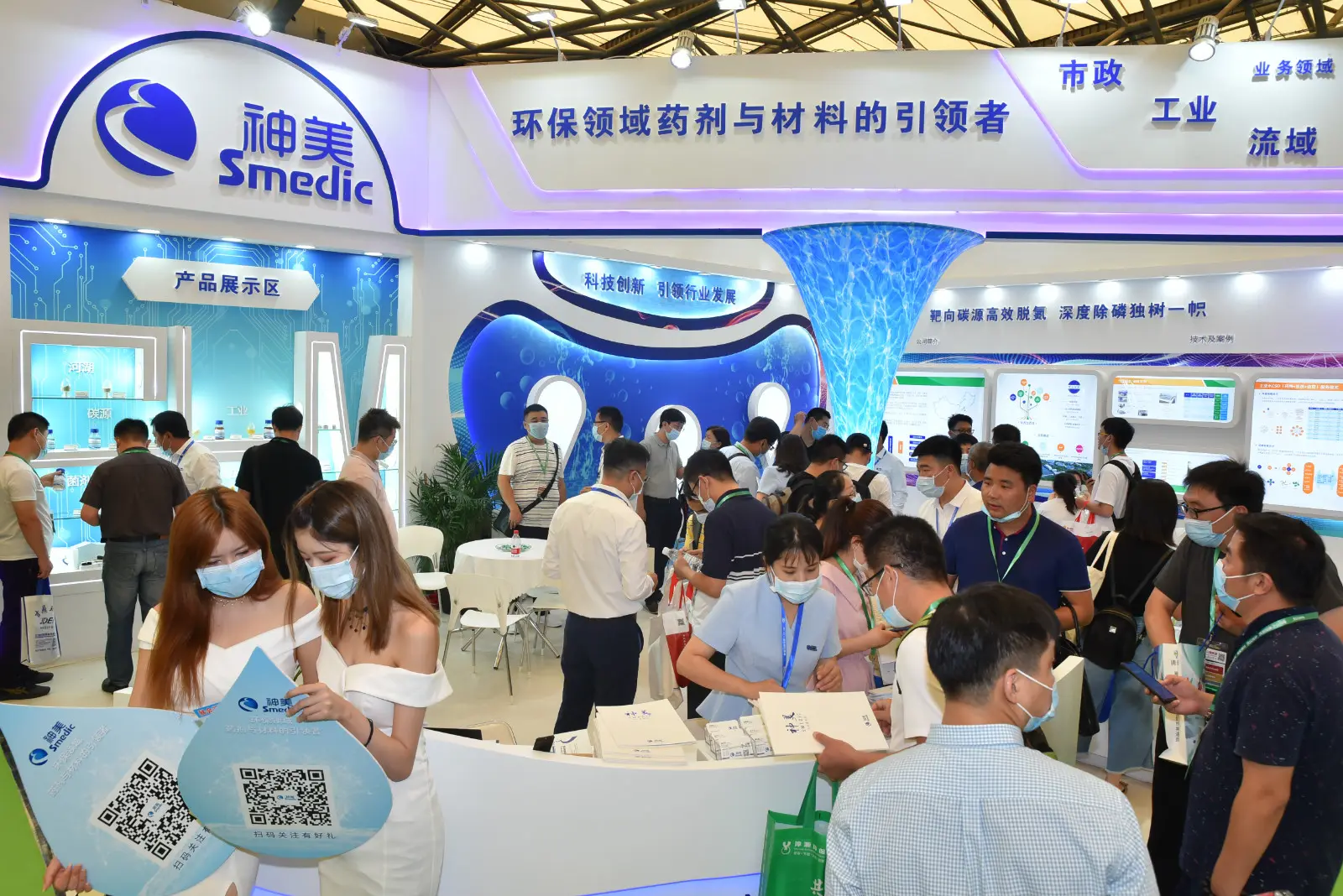
Smedic's corporate headquarters is based in Beijing, with wholly-owned manufacturing facilities and production bases in Hebei, Guizhou, and Shanxi provinces. In addition, we operate more than ten regional warehousing facilities and partner factories in strategic logistics hubs such as Shandong, Shanxi, Anhui, Guangxi, and Sichuan. This distributed manufacturing and warehousing model allows us to service over 20 provinces across China and facilitate direct exports globally. Today, Smedic chemicals treat over 20 million tons of wastewater daily, serving more than 600 urban sewage treatment facilities and over 1,000 industrial end-users.
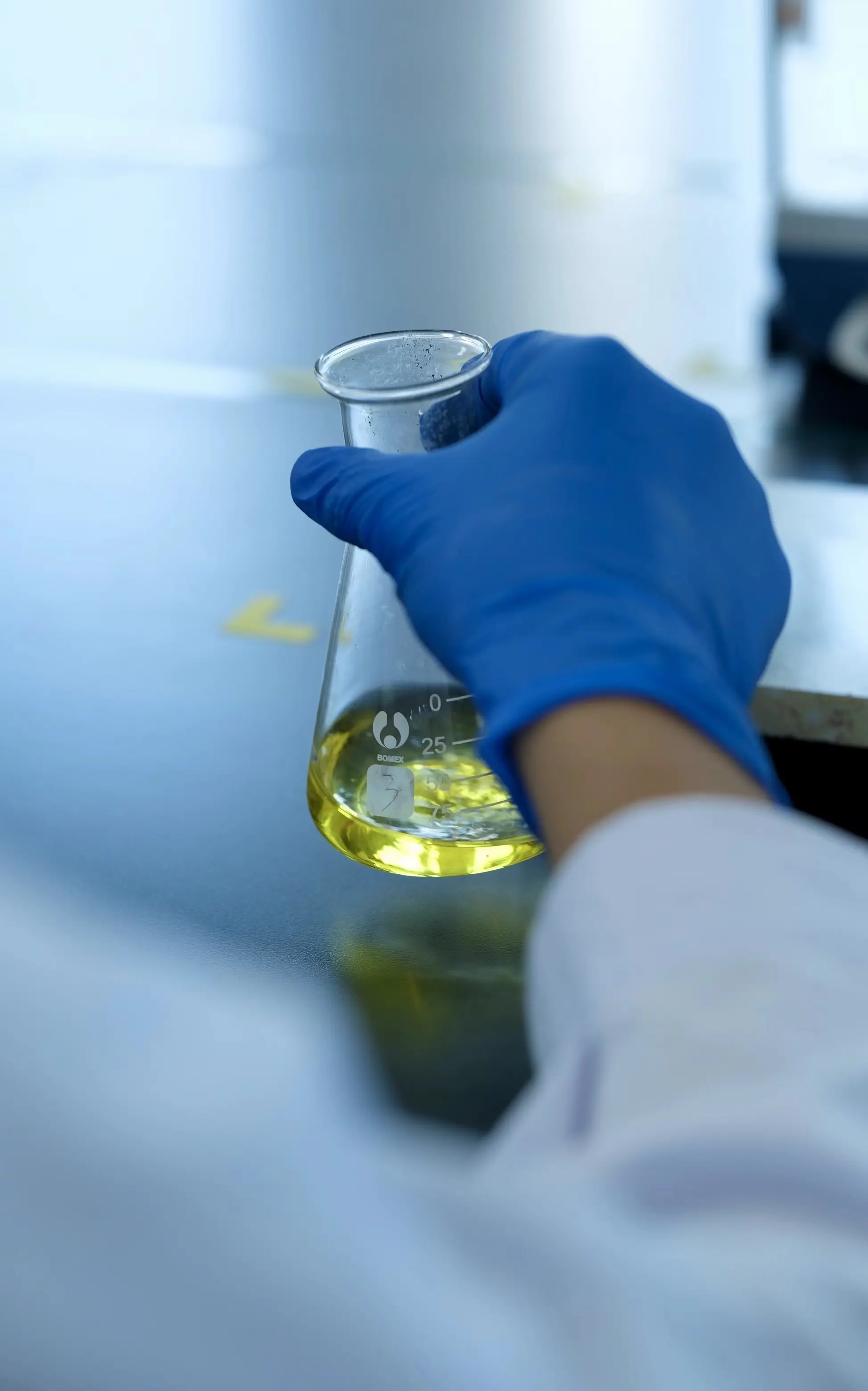
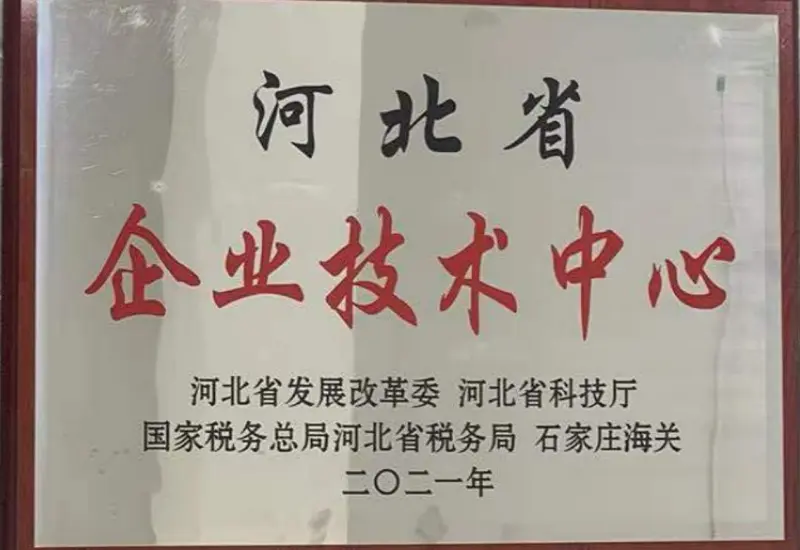
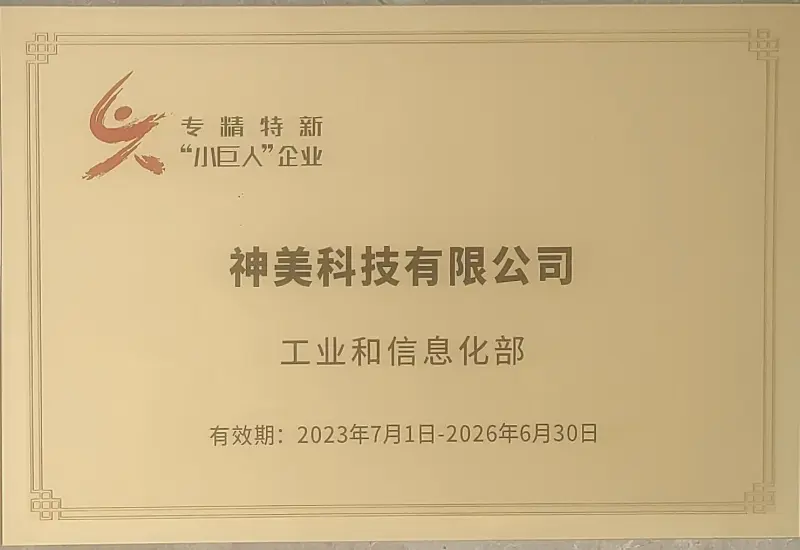
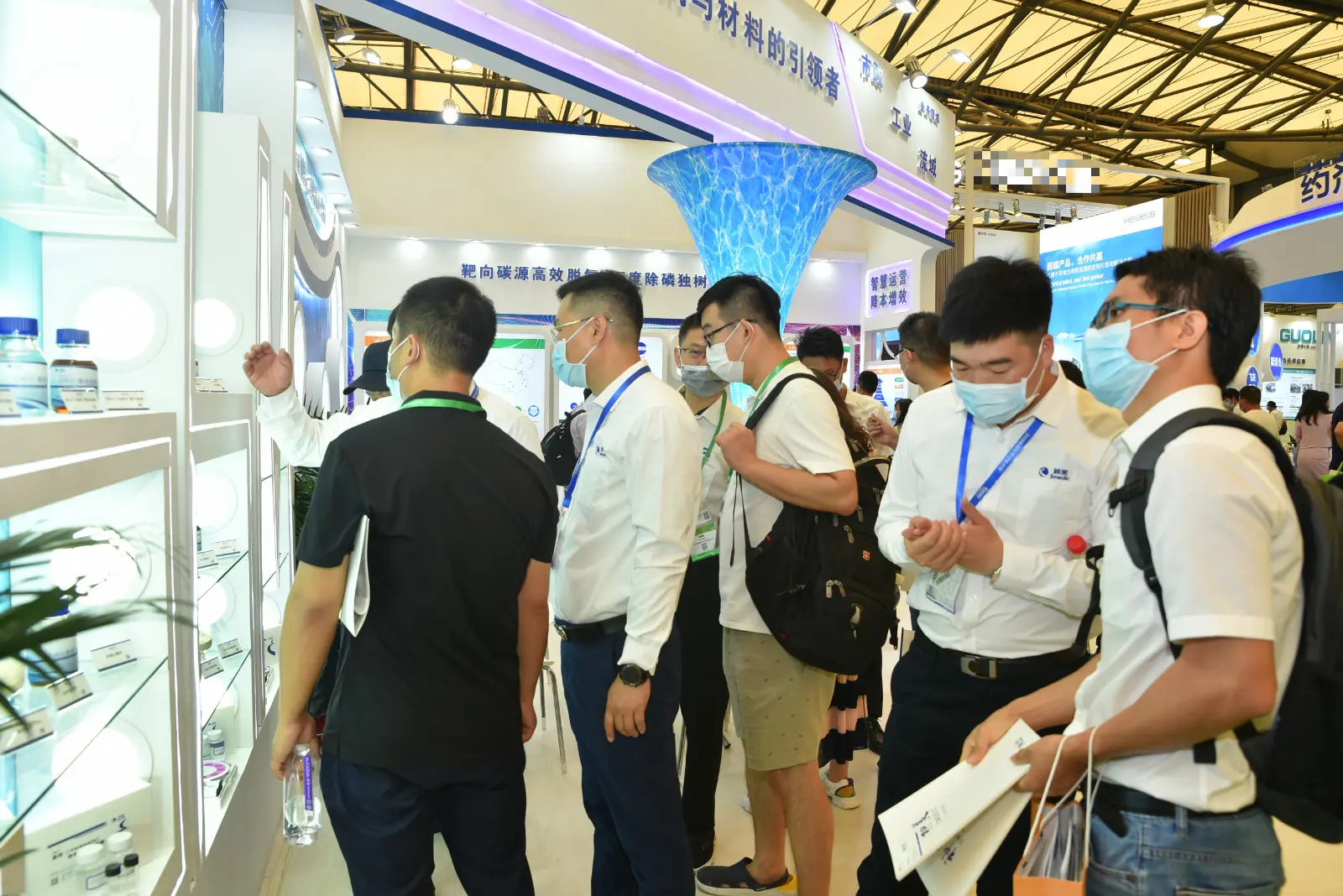
Smedic Technology has positioned itself as an innovator in water treatment by focusing on research and development. We have been recognized with numerous state-level honors, including the national Specialized, Refined, Unique and Innovative "Little Giant" Enterprise designation and the Hebei Province Green Factory certification. Our R&D apparatus centers around a specialized multi-tier system: one academy, three research institutes, and five dedicated pilot testing bases. This structure hosts the Hebei Provincial Enterprise Technology Center, the Advanced Water Treatment Chemicals Technology Innovation Center, and the Cangzhou Water Treatment Engineering Technology Research Center.
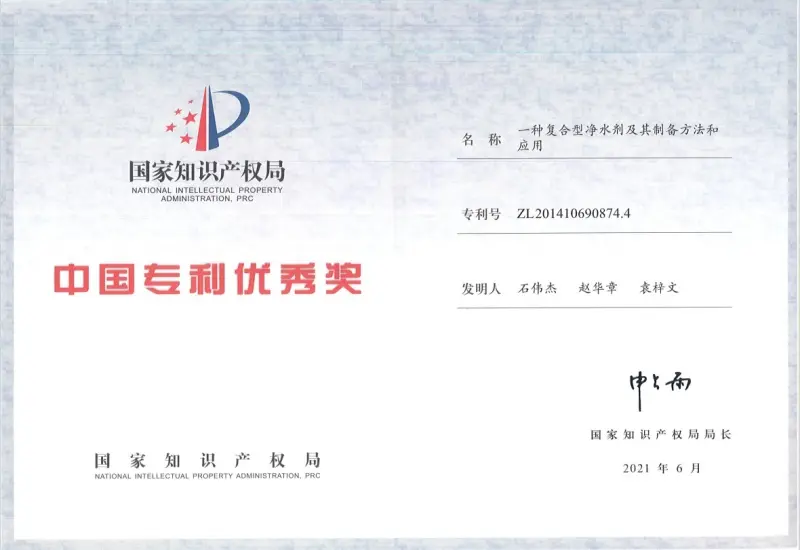
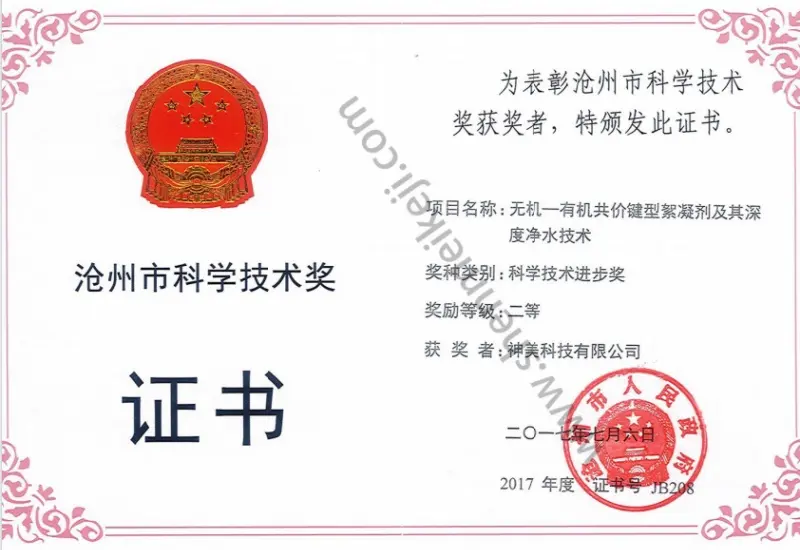
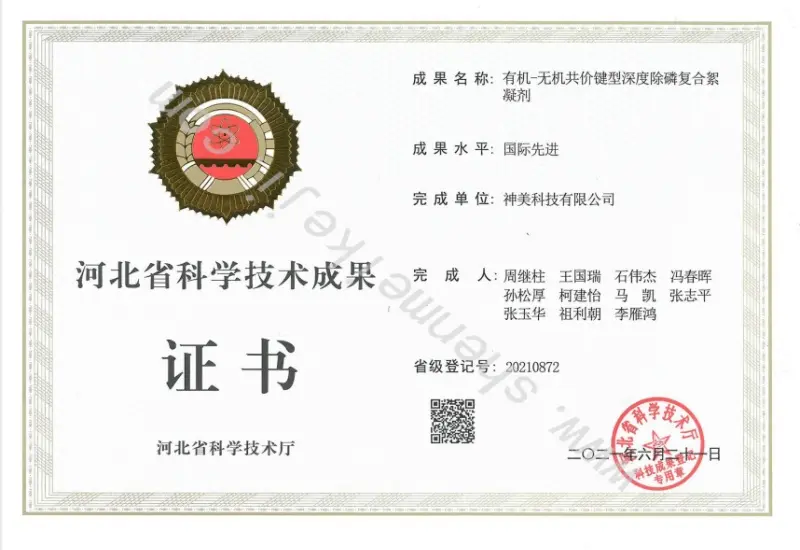
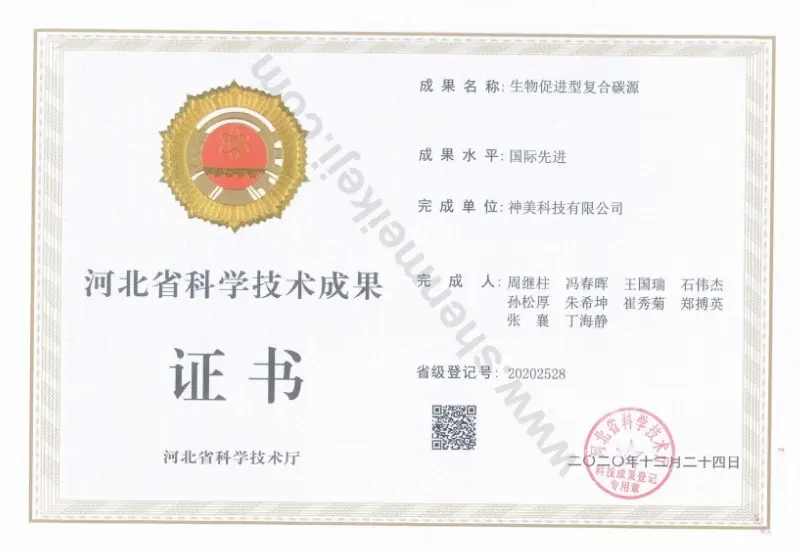
Through our expert workstation established with the Tsinghua University Association of Senior Scientists and Technicians, and joint R&D laboratories with Shandong University and the Beijing University of Technology, Smedic is continuously advancing the boundaries of polymer chemistry. One of Smedic’s key innovations is our independently developed Inorganic-Organic Covalent Bond Flocculant. This class of polymers combines the rapid charge neutralization characteristics of inorganic coagulants with the high-strength molecular bridging capabilities of organic polymers through direct chemical bonding. Evaluated as "internationally advanced" by the Science and Technology Department of Hebei Province, this technology won the **22nd China Patent Award** and the **First Prize for Technological Invention from the China Petrochemical Industry Association**.
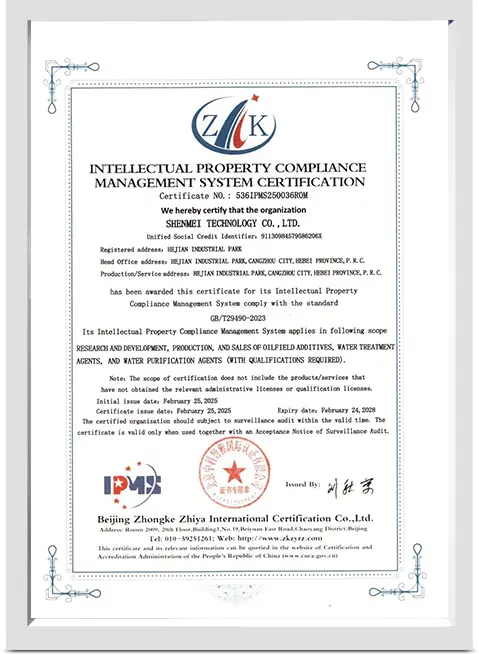
Smedic's technology portfolio is backed by solid IP protection. We hold more than **sixty registered Chinese patents**, including over forty invention patents and twenty utility model patents. Rather than simply complying with existing standards, Smedic actively drives regulatory and safety standards across the industry. Our engineers have led the drafting and revision of more than **ten national and industrial water chemical standards**, defining the technical parameters for composite carbon sources, composite coagulants, sodium acetate compounds, and denitrifying bacterial agents. This level of industry authority is why leading environmental conglomerates—such as Shouchuang Ecological and Environmental Group, Yangtze River Ecological and Environmental Group, and Beijing Enterprises Water Group (BEWG)—have established long-term strategic procurement agreements with Smedic.
Smedic Technology established. Focused on R&D of municipal wastewater chemicals.
Completed comprehensive portfolio development for municipal wastewater treatment systems.
Recognized as a National High-tech Enterprise, accelerating academic-industrial partnerships.
Established Guiyang production base, expanding operations to Southwest China.
Production facility expansions in Hebei, Shandong, and Guizhou pushed annual capacity past 1 million tons.
Awarded the National Specialized, Refined, Unique, and Innovative "Little Giant" Enterprise designation.
Authorized and established the provincial-level advanced water treatment chemical R&D platform in Hebei.
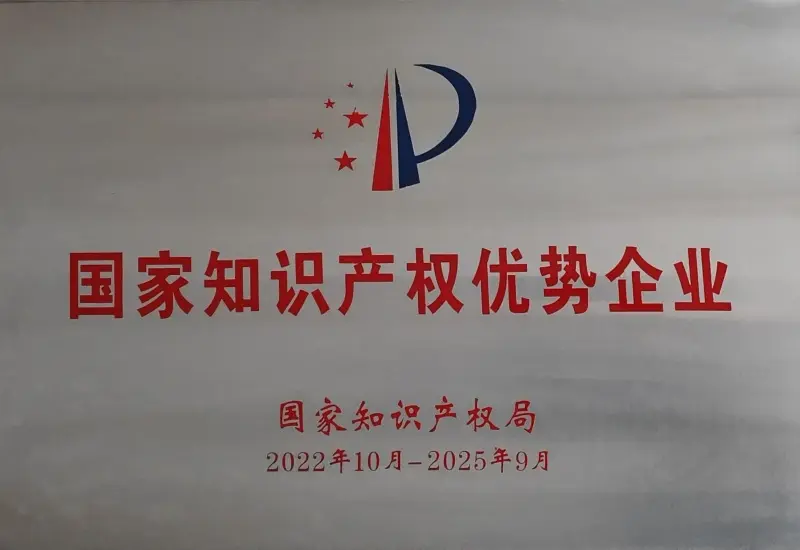
Recognized as a National Intellectual Property Advantage Enterprise with over 60 patents.
Formed a strategic joint venture with the Chengdu Institute of Mineral Comprehensive Utilization, China Geological Survey, to develop specialized mining reagents.
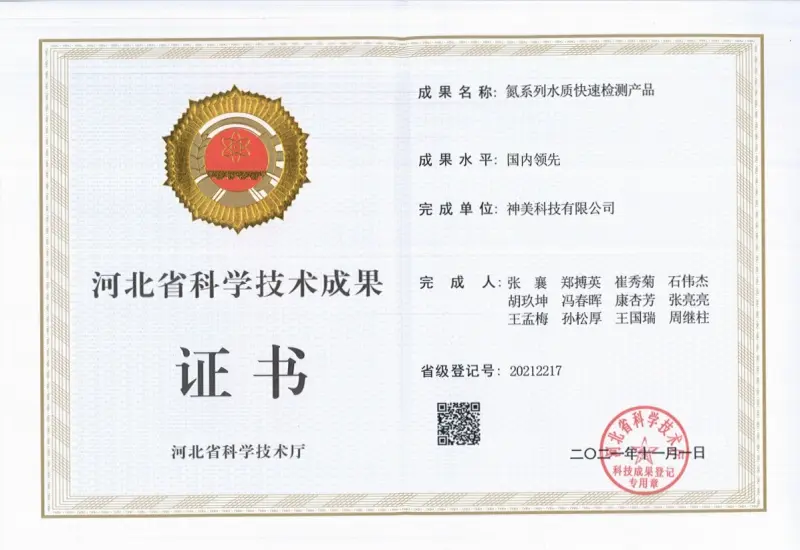
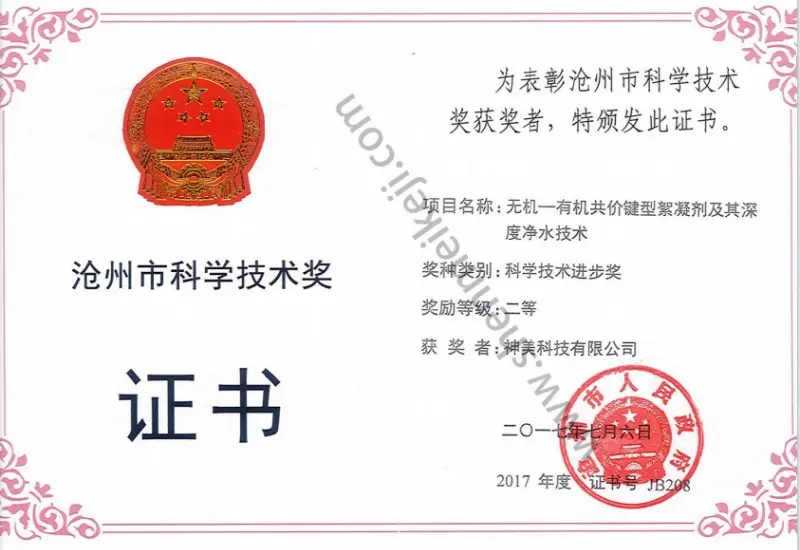
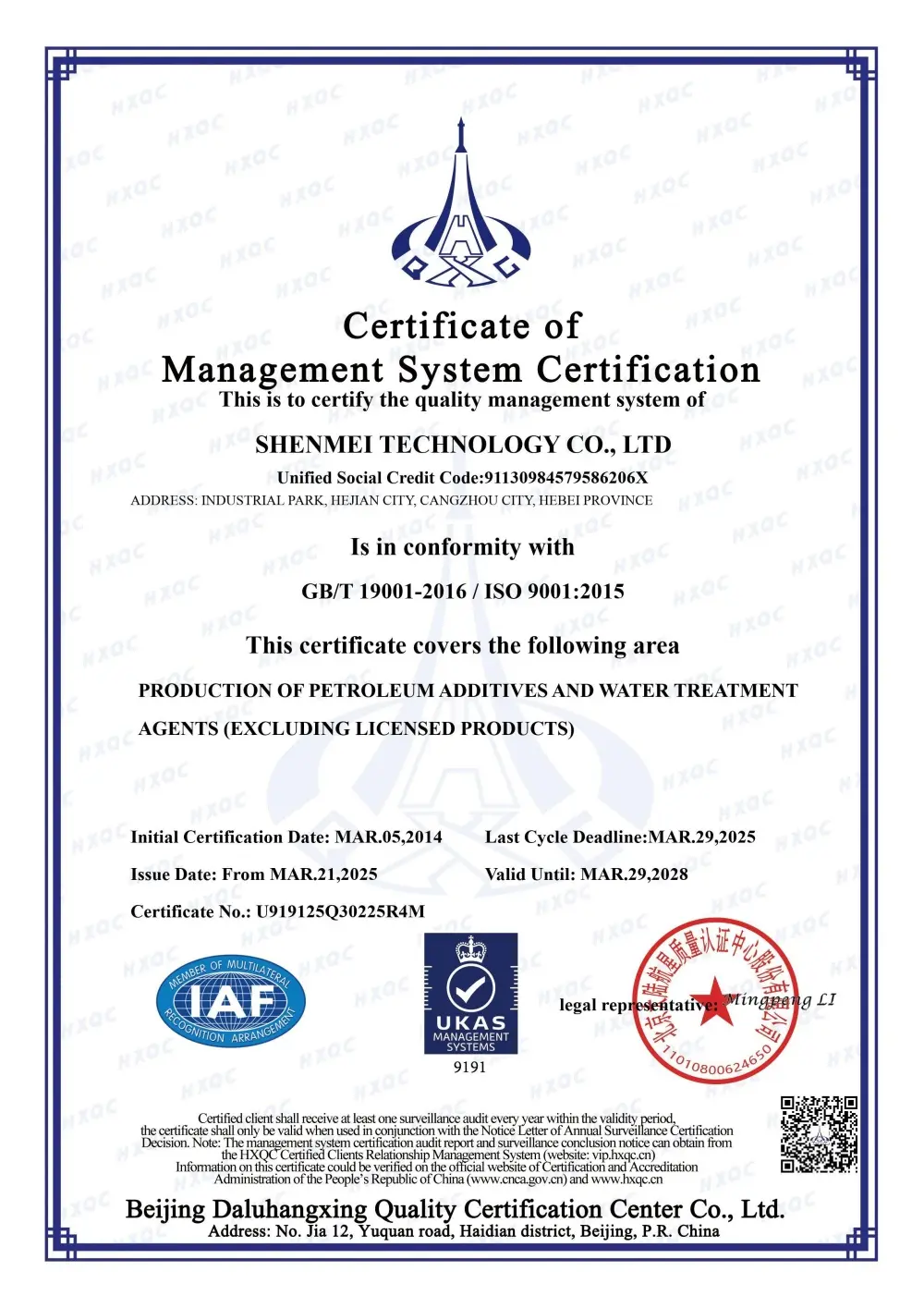
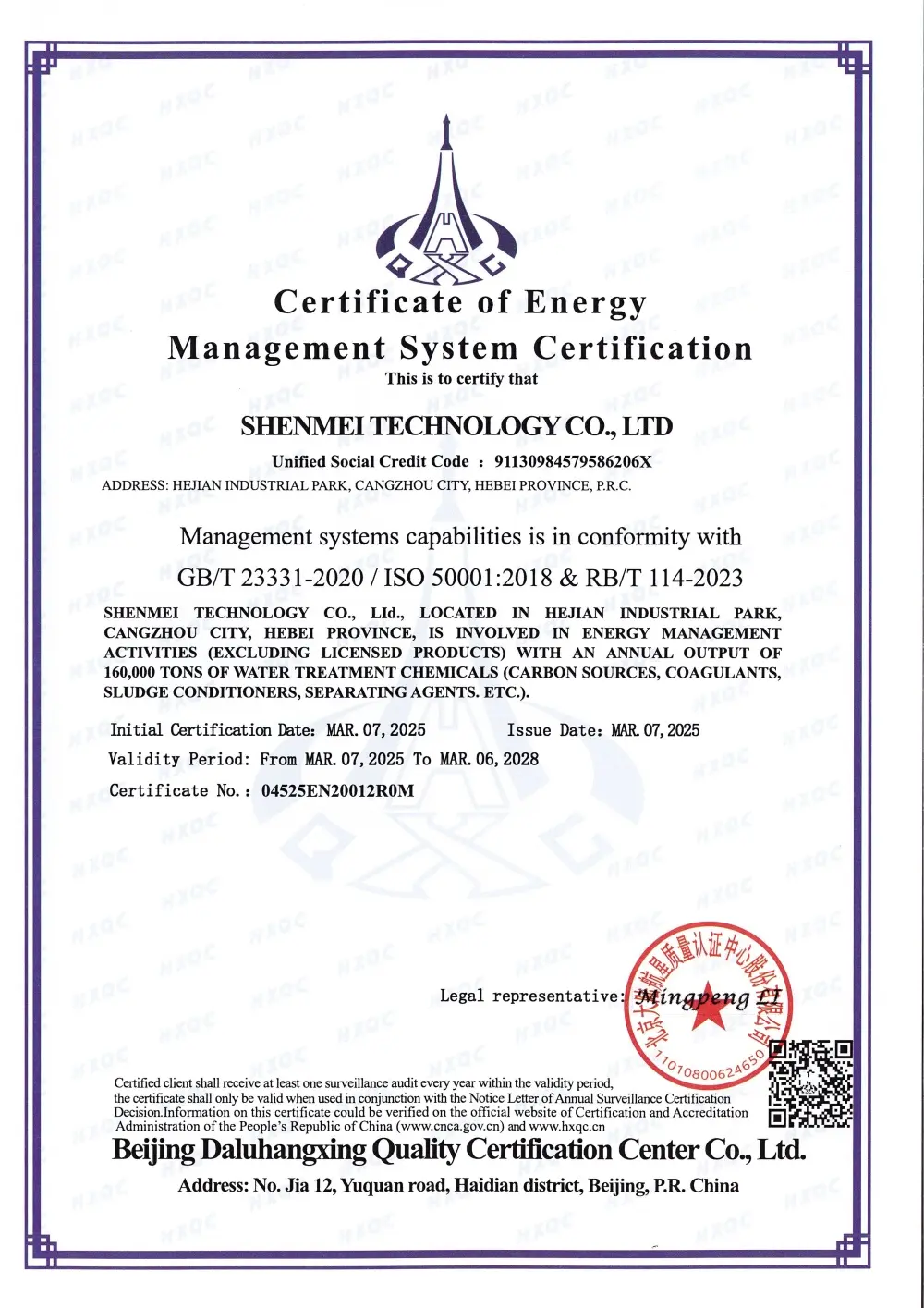
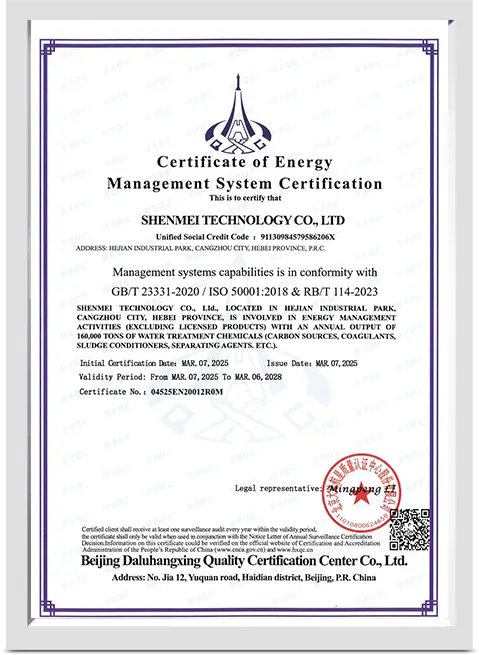
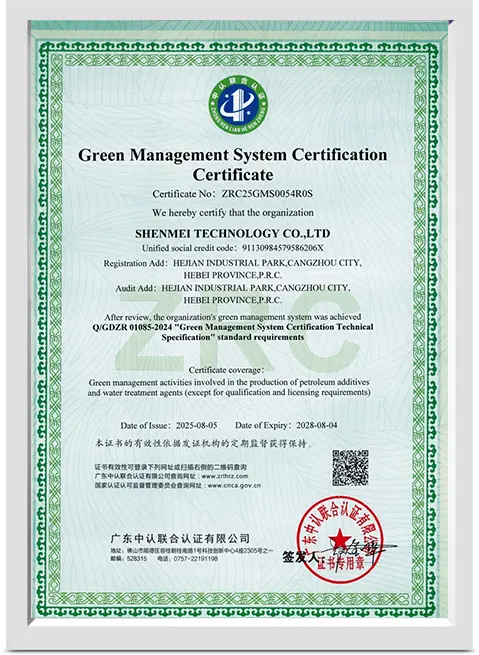
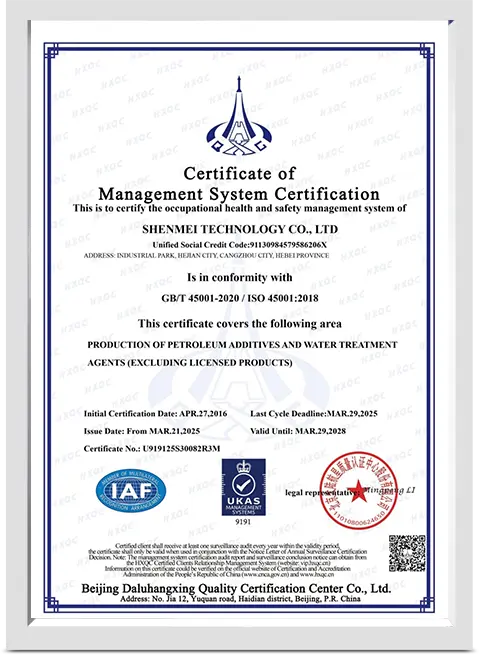
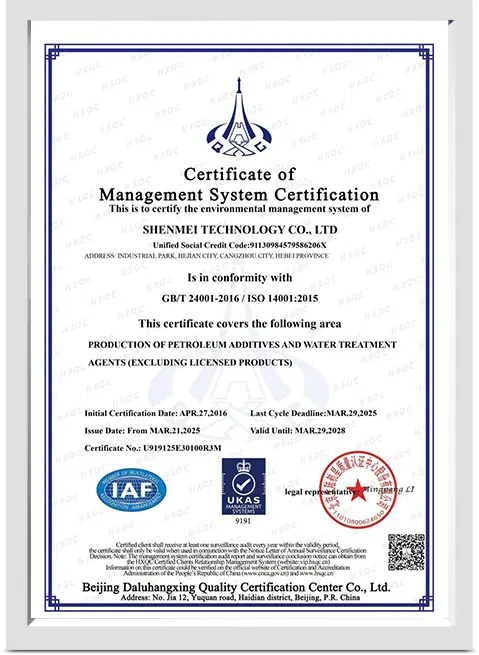
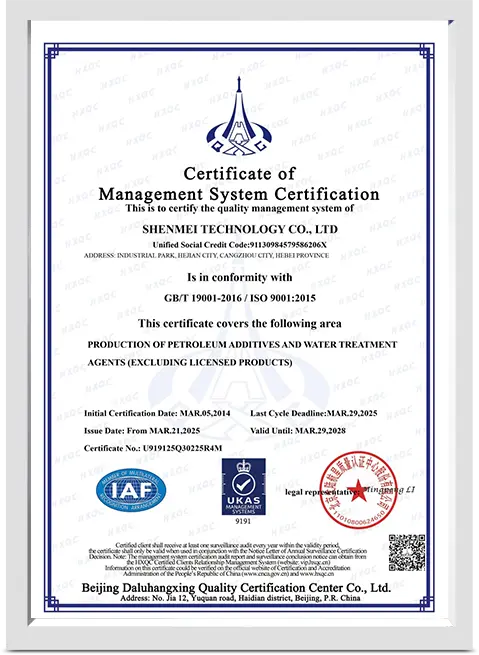
A showcase of our industrial patents, quality certifications, and municipal awards validated by official regulatory bodies.

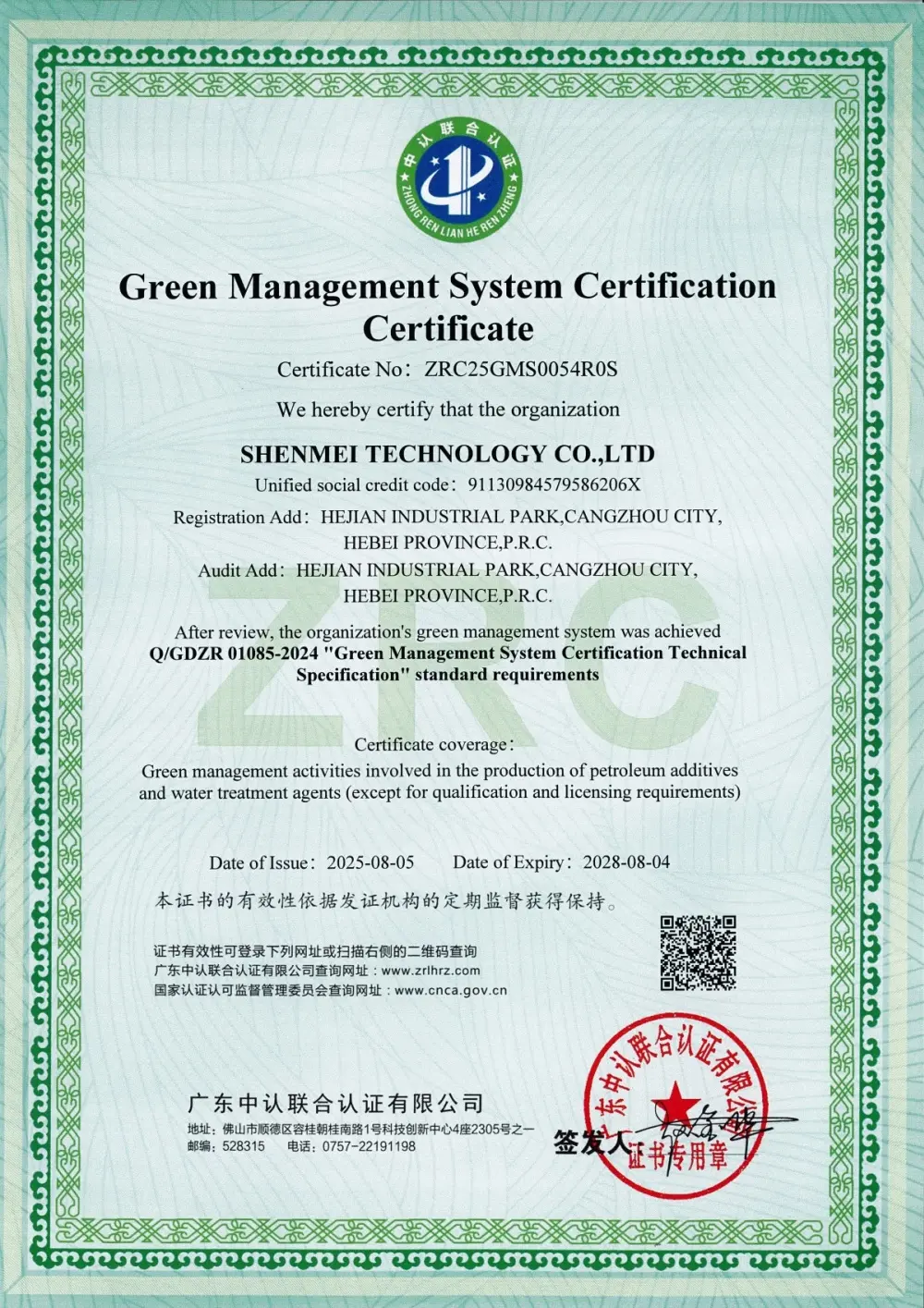
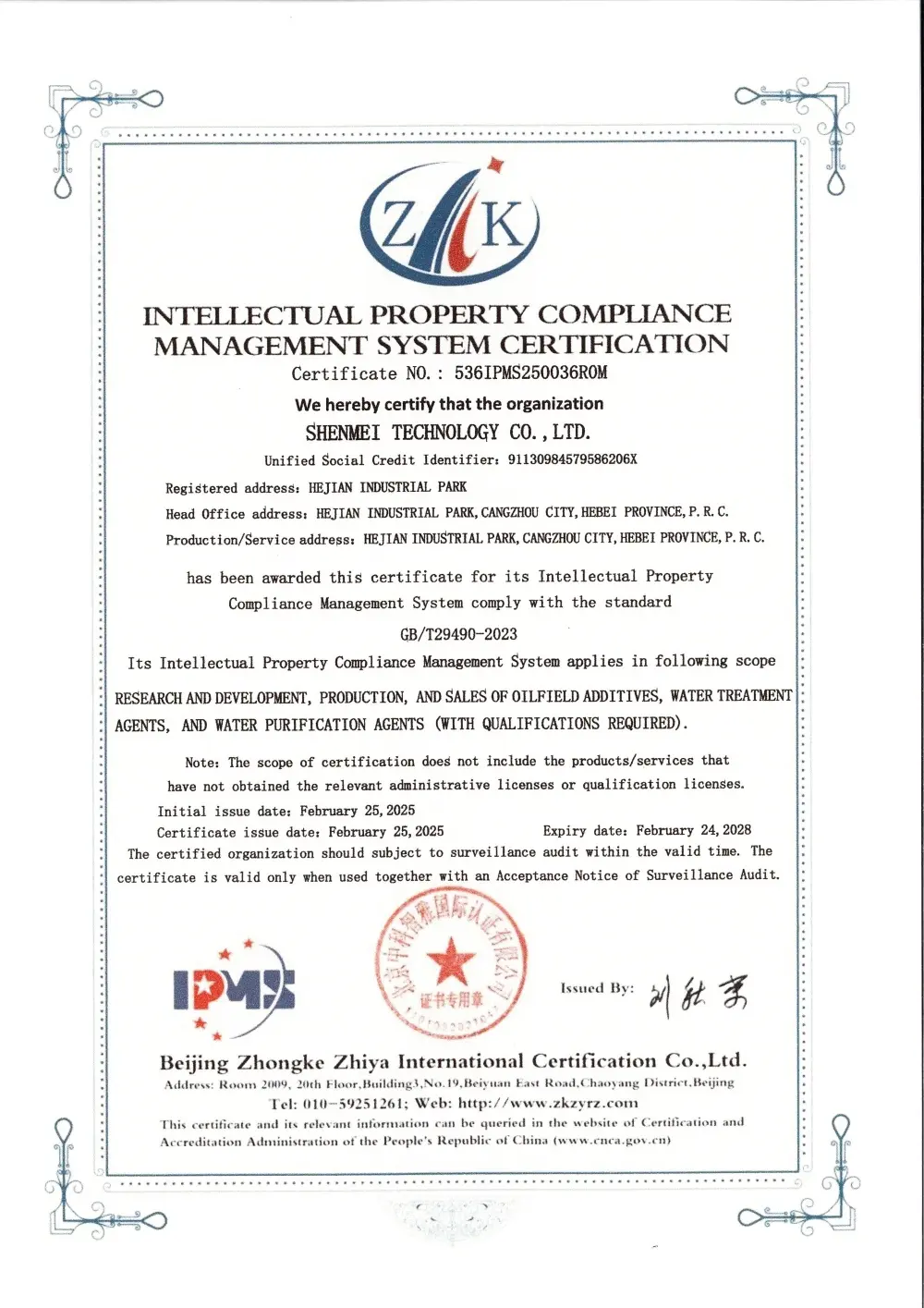
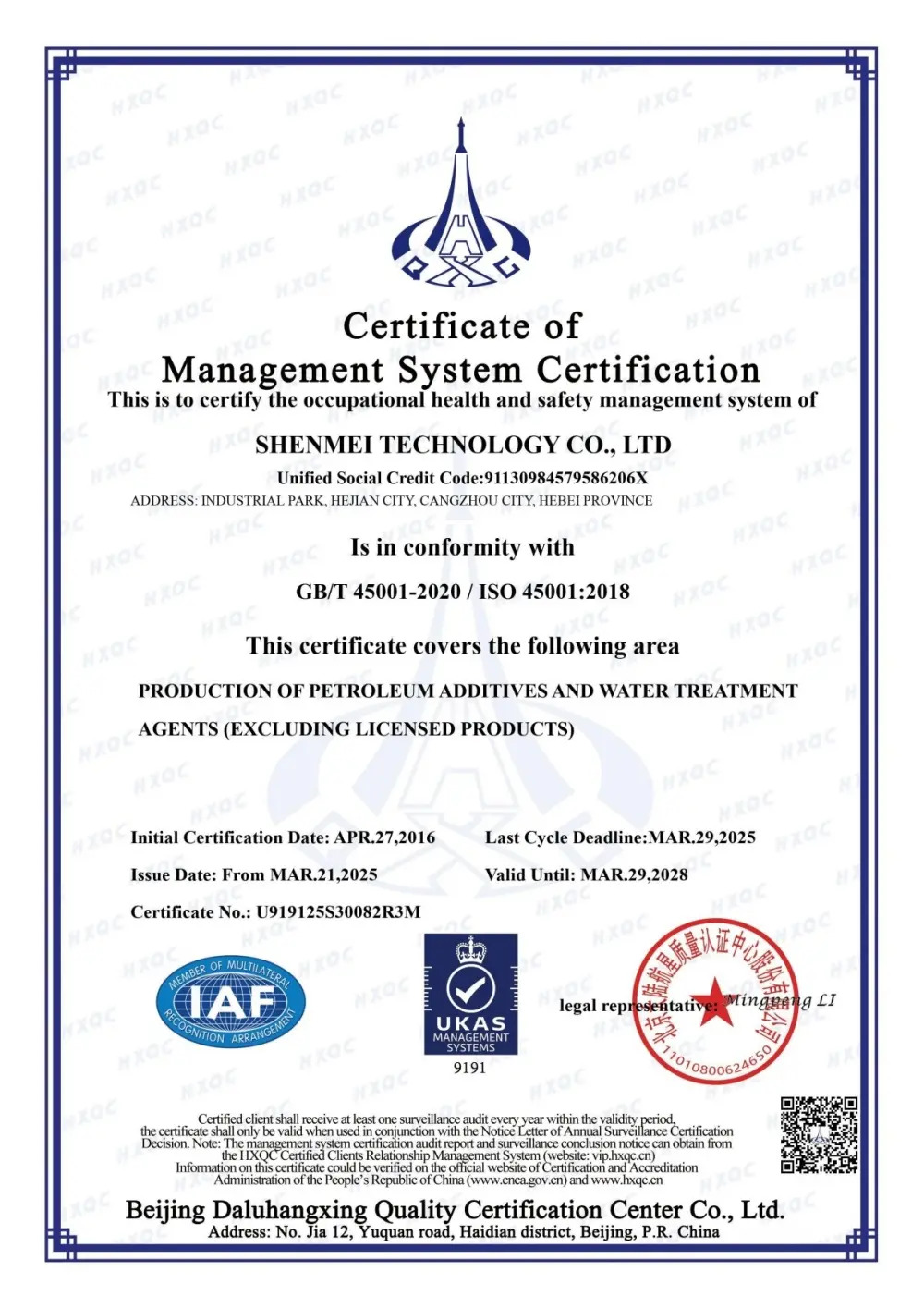
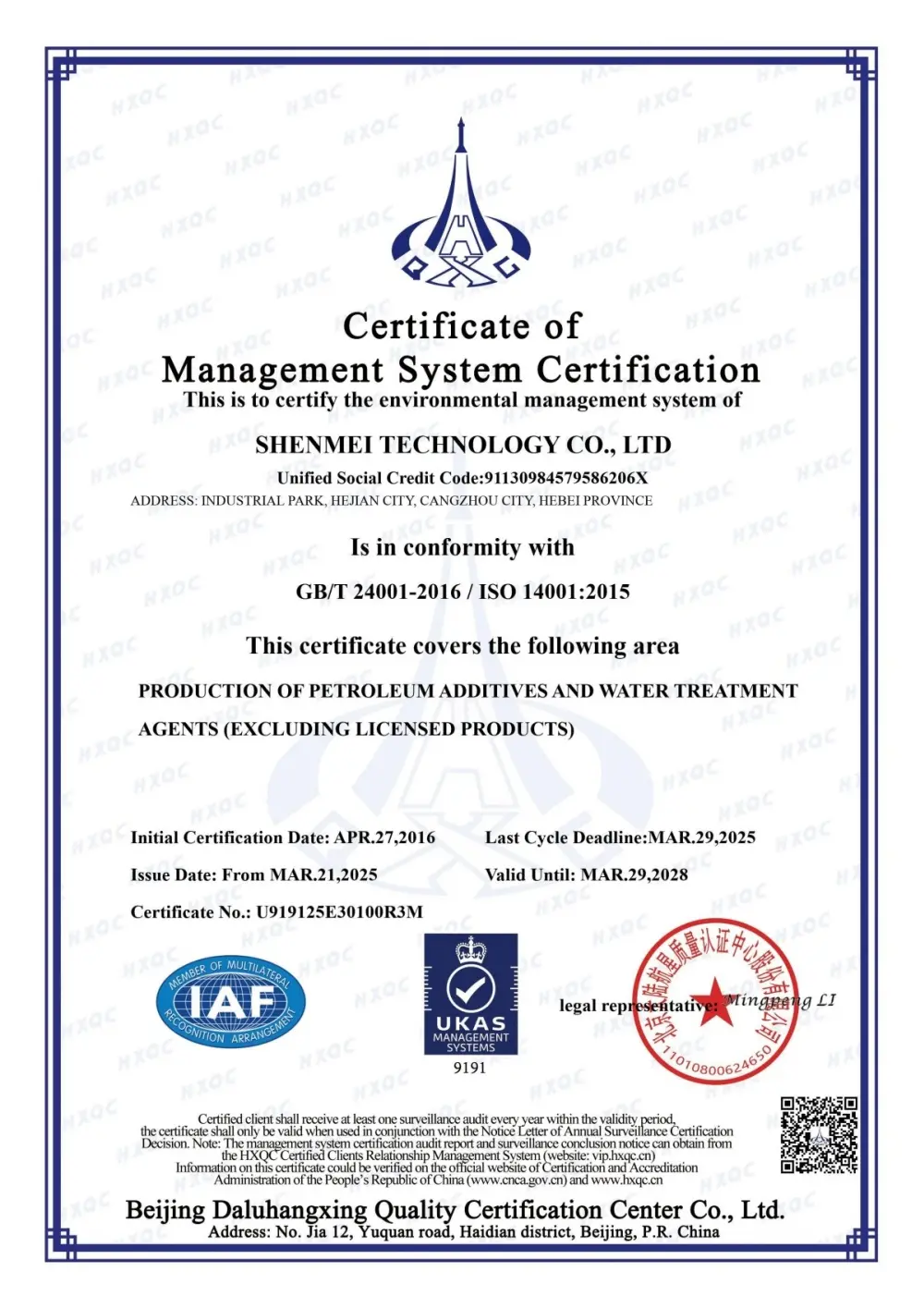
Selecting the optimal cationic flocculant is a balance between biological, chemical, and physical factors. Sludge from different sources possesses distinct biological qualities and particle characteristics that respond differently to polymer addition. A systematic screening method is essential to maximize solids recovery while controlling operating costs. Below is an overview of how Smedic designs solutions for major industrial sectors:
Municipal sewage sludge is rich in organic biological matter, primarily composed of extracellular polymeric substances (EPS) produced by activated sludge bacteria. These EPS matrices hold significant amounts of bound water within their structures and carry a strong negative surface charge. Smedic’s ODM cationic polyacrylamide series features high charge densities (ranging from 40% to 70%) coupled with high-to-ultra-high molecular weights. This combination neutralizes the bacterial cell envelope charge and collapses the EPS matrix, releasing bound water and facilitating rapid gravity filtration or mechanical expression in centrifuges and belt presses.
Mining operations generate high volumes of inorganic particulate slurries. In coal preparation, gold leaching, copper flotation, and iron ore extraction, tailings thickeners must quickly clarify wash water for recycling. Tailings particles are typically small, abrasive, and highly mineralized. Smedic provides specialized medium-charge, ultra-high molecular weight cationic flocculants that form robust, large flocs capable of rapid settling in thickener wells. By forming shear-resistant flocs, our polymers help prevent fines carryover into the recycled water circuit, extending the service life of industrial process pumps and reducing membrane scaling.
Oilfield produced water contains stable emulsions of petroleum hydrocarbons, heavy brine, suspended solids, and treatment chemicals. Breaking these emulsions to meet environmental discharge regulations requires high thermal and chemical stability. Smedic produces specialized cationic polyacrylamides engineered with high salt tolerance and thermal stability. These formulations are designed to work effectively at elevated temperatures and under high ionic strength conditions, ensuring clean water recovery for reinjection or discharge.
As the global environmental sector shifts toward sustainable chemistry and reduced carbon footprints, Smedic is focused on the next generation of water treatment technologies. Synthetic polyacrylamides have long been the industry standard due to their efficiency and stability, but their biodegradation profile is an area of ongoing focus. Smedic’s R&D division is actively working on several sustainable polymer initiatives:
As a global exporter, Smedic Technology maintains strict compliance with international chemical safety standards. Our manufacturing facilities are certified under **ISO 9001 (Quality Management)**, **ISO 14001 (Environmental Management)**, and **ISO 45001 (Occupational Health & Safety)**. For European procurement pipelines, our products are registered in compliance with the **REACH** framework, ensuring they meet rigorous safety, toxicity, and environmental impact standards. Additionally, our drinking water grade coagulants and flocculants are formulated to meet international NSF/ANSI 60 standards, ensuring low residual monomer concentrations (typically below 250 ppm) for municipal applications.
Key technical considerations and answers for procurement managers and water engineers evaluating cationic flocculant performance.
Molecular weight (MW) and charge density (CD) are the two primary parameters defining CPAM performance. MW, which spans from 8 to 15 million Daltons, determines the polymer's bridging length. Higher MW polymers create larger, more shear-resistant flocs, but can be difficult to dissolve and can cause clogging if over-dosed. CD, ranging from 10% to 80%, determines the electrostatic neutralization capacity. High CD is required for highly organic, colloidal sludges with negative surface charges (like activated sludge), while lower CD is suited for inorganic, mineralized sludges. Balancing these two properties is key to optimizing water release and cake dryness.
CPAM powder requires uniform dispersion in water to prevent agglomeration (the formation of "fish-eyes" that lower efficiency and clog feed lines). We recommend using an automated dry powder feeder to disperse the polymer into water under gentle agitation (usually 200–400 rpm). The water temperature should be kept between 15°C and 35°C; temperatures above 40°C can cause the polymer to degrade. The solution should be aged for 45 to 60 minutes before application to ensure complete polymer chain expansion.
Our ODM process begins with a sample analysis of the client's sludge or effluent. In our regional R&D laboratories, we perform jar testing, gravity drainage filtration tests, and centrifugal dewatering evaluations to determine the optimal polymer chemistry. Once we select the target monomer ratio, molecular weight profile, and structural configuration, we conduct a pilot-scale production run for field trials before transitioning to full industrial-scale production. This customized approach ensures high compatibility with the client's processing equipment.
Dry powder cationic polyacrylamides have a shelf life of up to 24 months when stored in their original, unopened packaging in a cool, dry, and well-ventilated environment away from direct sunlight. Liquid emulsion forms typically have a shorter shelf life, ranging from 6 to 12 months, and require protection from freezing and extreme temperatures to prevent emulsion separation. Prepared aqueous solutions of CPAM are subject to natural hydrolysis and biological degradation; they should ideally be used within 24 to 48 hours of preparation to maintain peak performance.
Explore our specialized range of organic defoamers, metal precipitating agents, and advanced coagulants designed to meet high environmental discharge standards.
 Smedic Tech