Engineered to optimize industrial operations, control scaling, eliminate foam, and support macro-level water purification protocols globally.
Effective solid-liquid separation forms the bedrock of municipal sanitation, mineral processing, and industrial wastewater remediation. Understanding the thermodynamic and electrostatic boundaries of colloidal systems is key to designing high-performance coagulants and flocculants.
Colloidal particles dispersed in wastewater typically carry a negative surface charge, generating an electrostatic repulsive force known as the Zeta Potential. This repulsion prevents spontaneous aggregation, keeping the suspension stable. The separation process requires a two-step chemical intervention:
Maximizing coagulation and flocculation efficiency depends on matching several critical variables to the target system's chemistry:
| Parameter | Industrial Impact | Optimization Mechanism |
|---|---|---|
| pH Threshold | Hydrolysis pathway | Determines ionic species distribution of metal coagulants. |
| Charge Density | Electrostatic kinetics | Tailored cationic/anionic charge ratio based on zeta potential. |
| Molecular Weight | Floc size & shear resistance | Higher MW (up to 22 million Da) enhances polymeric bridging capacity. |
| Shear Rate (G-Value) | Floc integrity | High shear during coagulation (mixing) followed by low shear during flocculation. |
Established in 2011, Smedic Technology Co., Ltd. is a comprehensive environmental protection solutions provider specializing in specialized water treatment agents. We integrate advanced R&D, chemical synthesis, production, sales, and on-site engineering services. We are dedicated to providing customized chemicals and technical solutions for municipal sewage treatment, industrial wastewater recycling, tap water purification, mineral processing, and oilfield operations.
Smedic produces over 80 types of environmental protection agents, maintaining an annual production capacity exceeding 1 million tons. With headquarters in Beijing and wholly-owned production bases in Hebei, Guizhou, and Shanxi, our network spans more than 20 provinces across China. Our projects support over 600 urban sewage treatment plants and 1,000 industrial customers, managing a total wastewater treatment capacity exceeding 20 million tons per day.
Recognized by the China Water Network and the E20 Environmental Platform for four consecutive years, Smedic delivers reliable products supported by technical expertise.
Our infrastructure includes wholly-owned production bases in Hebei, Guizhou, and Shanxi, alongside over ten OEM partner facilities and regional warehouses. This setup ensures stable chemical distribution and logistics across key industrial hubs.
We maintain strict inspection protocols covering raw material validation, in-process control of polymerization kinetics, and final product release testing. This guarantees batch-to-batch consistency and active ingredient purity.
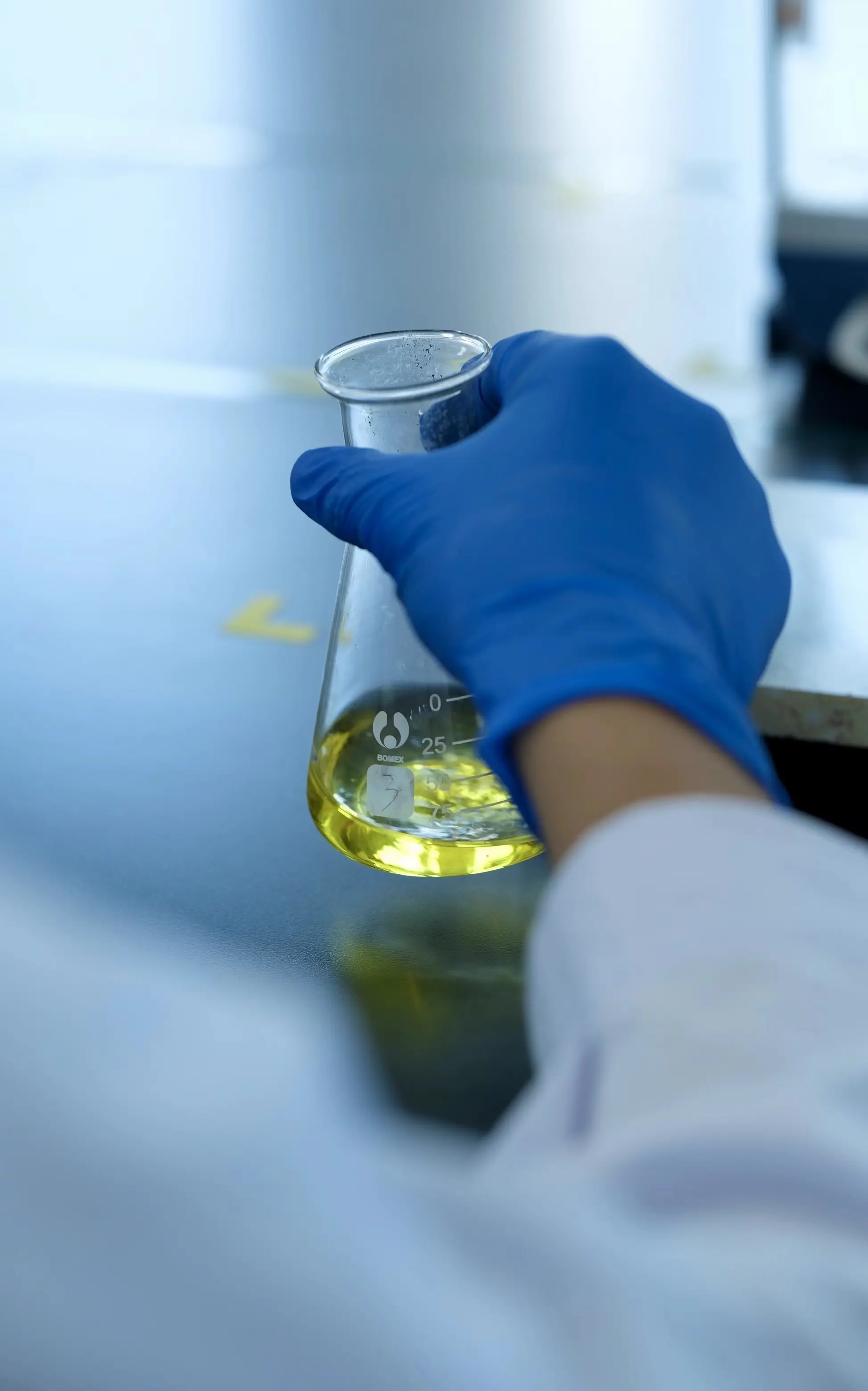
We offer customized formulation development, including adjusting molecular weights, charge densities, and active content. Our team supports clients with jar testing, pilot trials, and process optimization to meet specific wastewater targets.
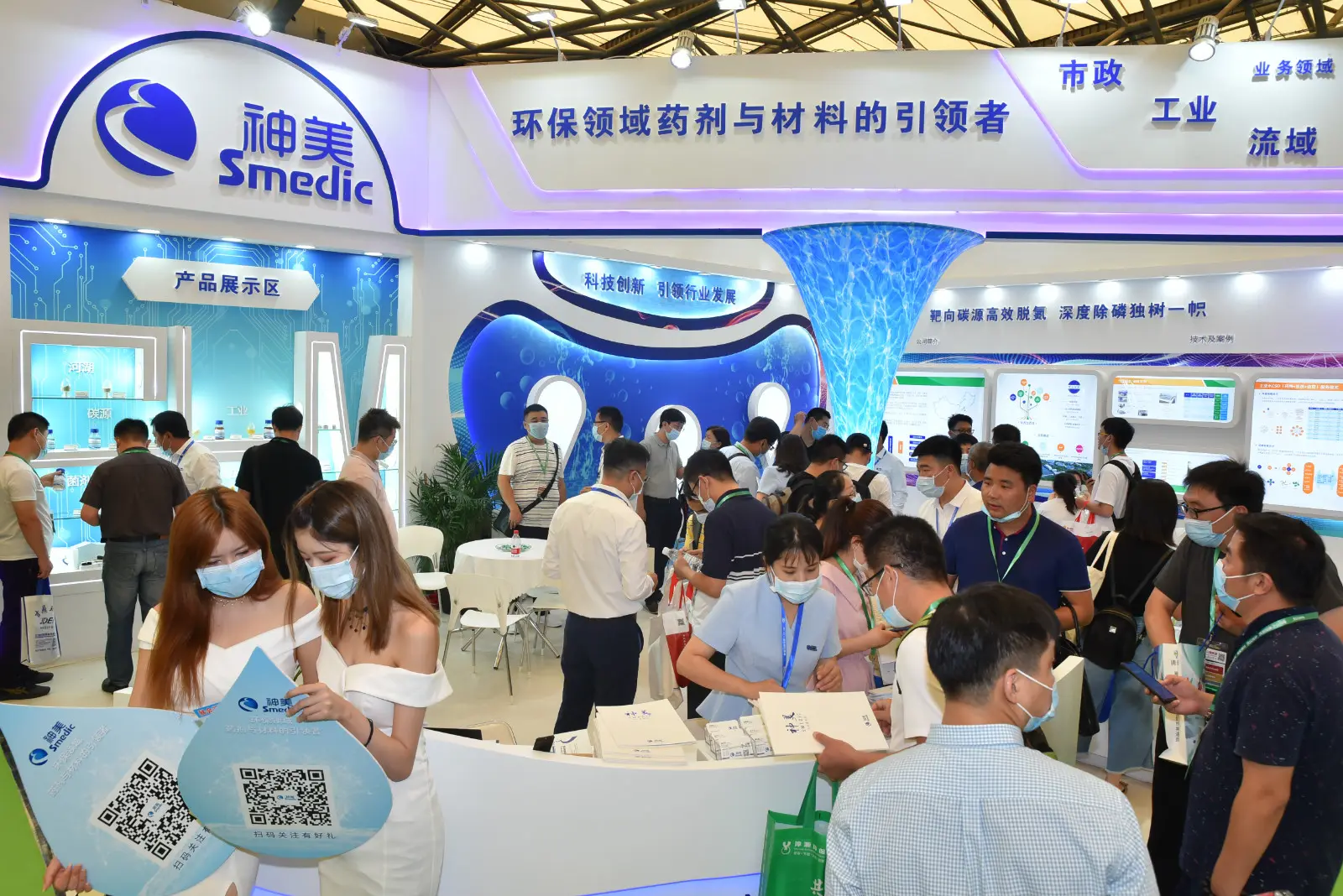
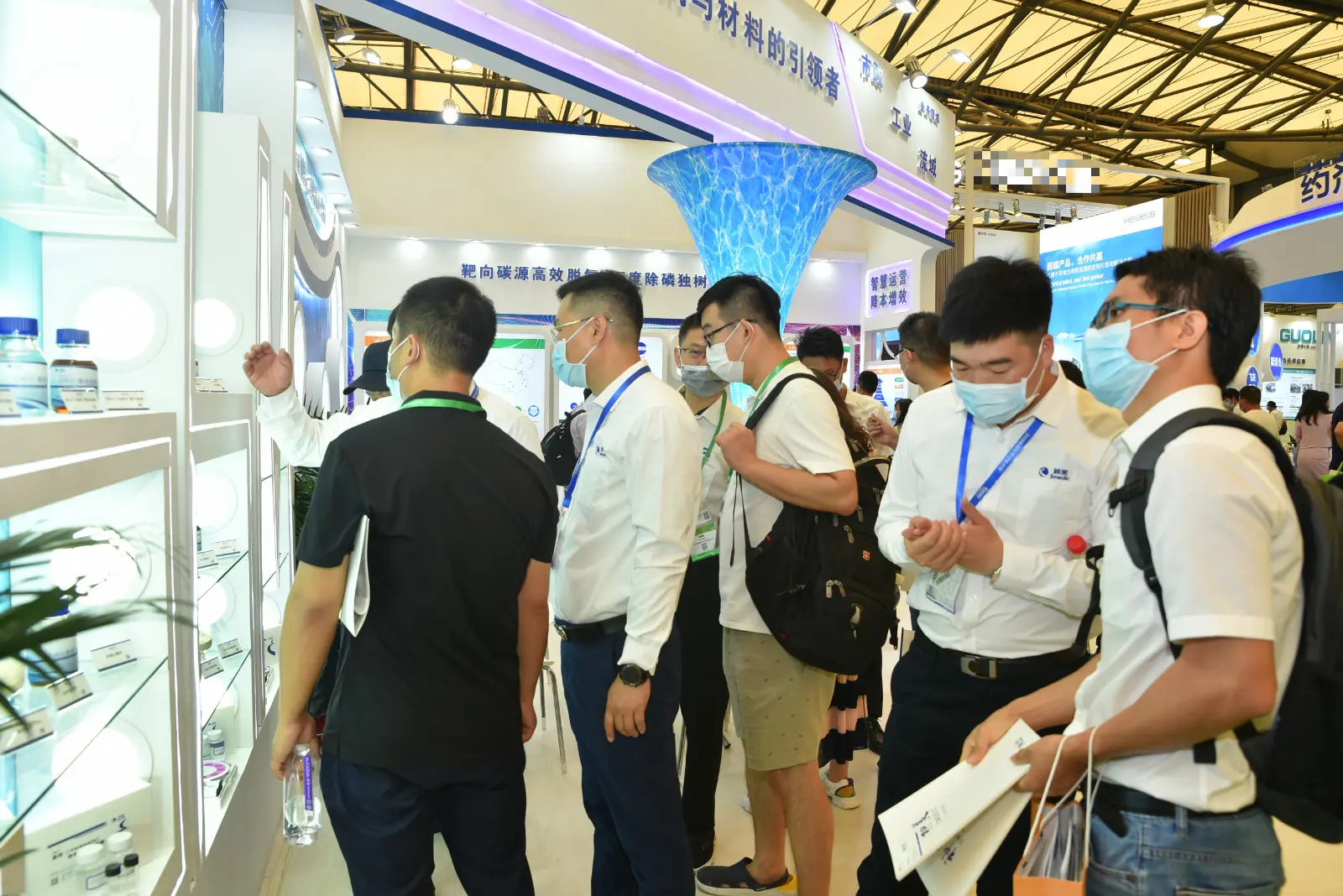
Our research and development program operates through a network of specialized research institutes and pilot testing facilities. Smedic is designated as a National High-Tech Enterprise and a National Specialized, Refined, Unique and Innovative "Little Giant" Enterprise. We host the Hebei Advanced Water Treatment Chemicals Technology Innovation Center and are recognized as a Class A R&D Institution.
We collaborate with academic institutions to advance water treatment technologies. Smedic operates an expert workstation in partnership with the Tsinghua University Association of Senior Scientists and Technicians, and has established joint R&D laboratories with Shandong University and the Beijing University of Technology. We also serve as a commercialization partner for research achievements from Peking University and Tianjin University.
How Smedic utilizes geographic placement and automated production to ensure steady supply chains and cost efficiency for global enterprises.
Our production facilities are situated near key mineral resources. Our Guizhou base is located in a primary phosphorus mining region, securing stable, cost-effective raw materials for our phosphorus removal agents, Polyferric Sulfate, and scale inhibitors.
Our production lines use DCS (Distributed Control Systems) to monitor polymerization temperature, reactant addition rates, and molecular weight distribution. Automated controls minimize batch variance and ensure consistent product performance.
With warehouse facilities near main shipping ports like Tianjin, Qingdao, and Shenzhen, we handle international logistics efficiently. Smedic provides export packaging, shipping documentation, and global delivery management for bulk purchases.
Over a decade of scaling production capacity, advancing technology, and serving municipal and industrial clients.
Smedic Technology founded, focusing on the research and development of environmental protection chemicals and water purification technologies.
Established a full product portfolio of municipal wastewater treatment chemicals, expanding sales across northern China.
Recognized as a National High-Tech Enterprise and initiated our academic collaboration program.
Constructed a water treatment chemicals production base in Guiyang, Guizhou province, securing raw material supply chains.
Completed and expanded production bases in Hebei, Shandong, and Guizhou, raising overall capacity beyond 1 million tons annually.
Received designation as a National Specialized, Refined, Unique and Innovative Small and Medium-sized "Little Giant" Enterprise.
Established our provincial-level R&D platform in Hebei, launching joint laboratories focused on advanced water purification polymer synthesis.
Recognized as a National Intellectual Property Advantage Enterprise, holding over 60 utility and invention patents.
Partnered with the Chengdu Institute of Mineral Comprehensive Utilization, China Geological Survey, to establish a joint venture for mineral processing reagents.
Smedic maintains rigorous international quality standards, documented through certified testing and patent registrations.
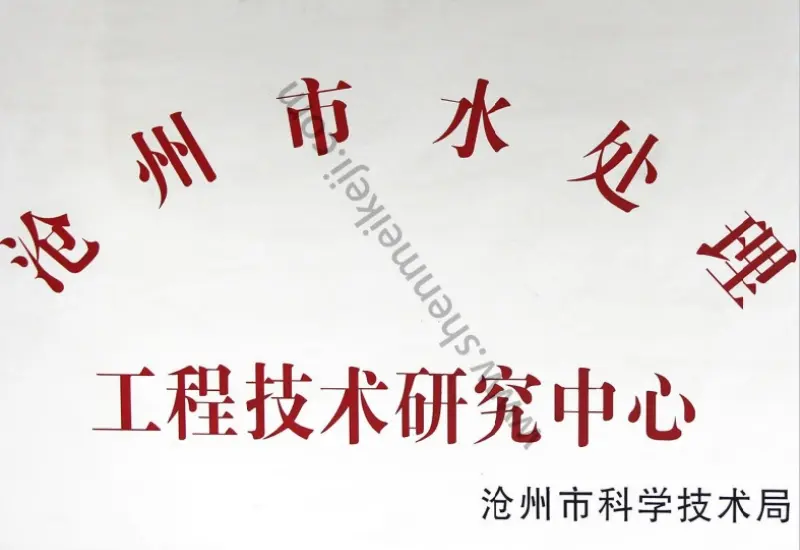
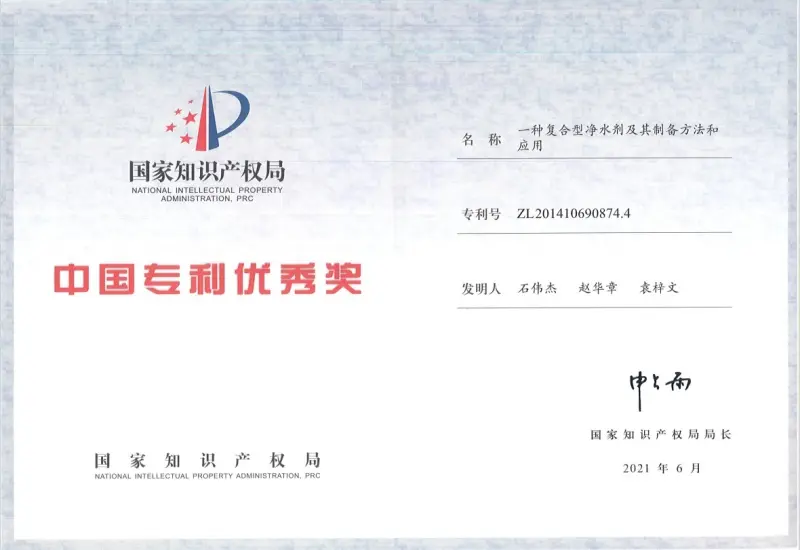
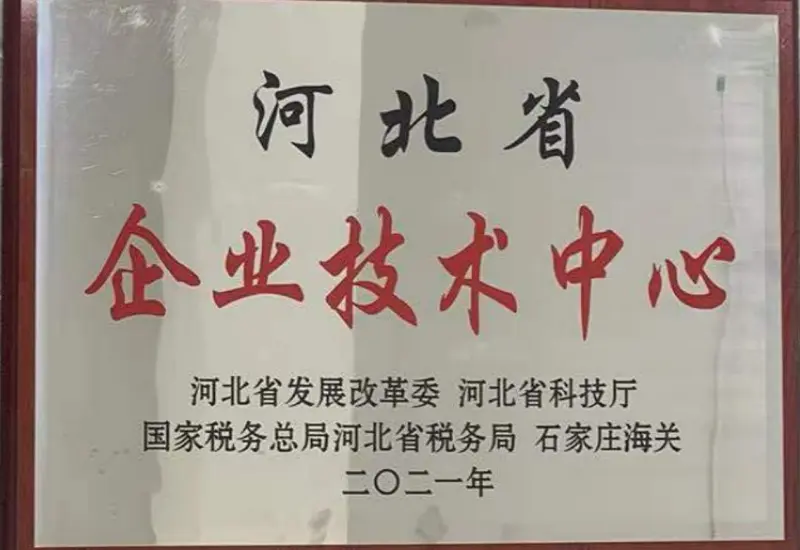
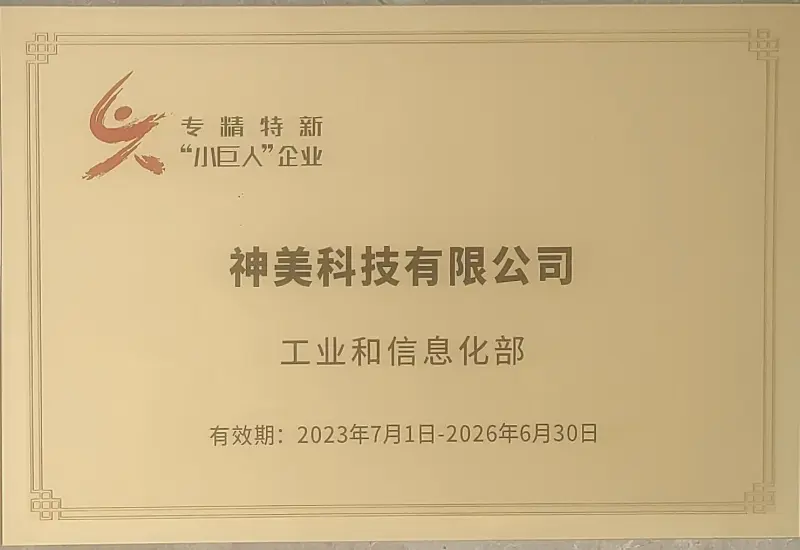
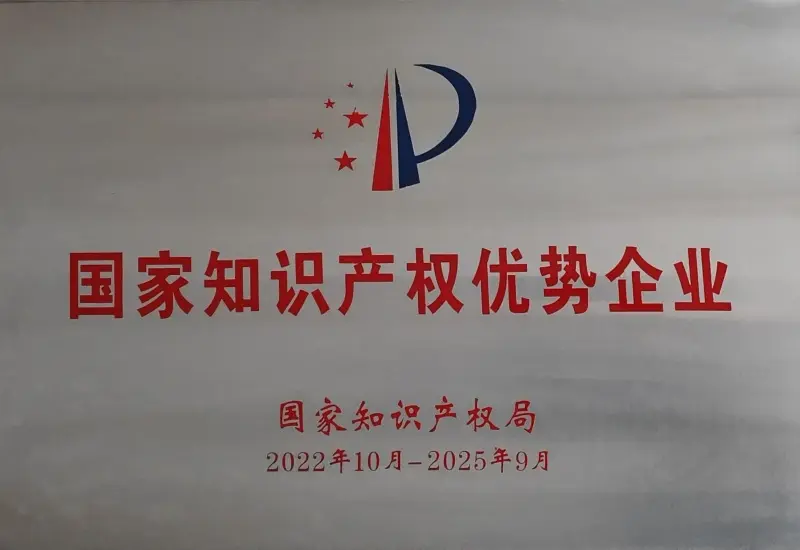
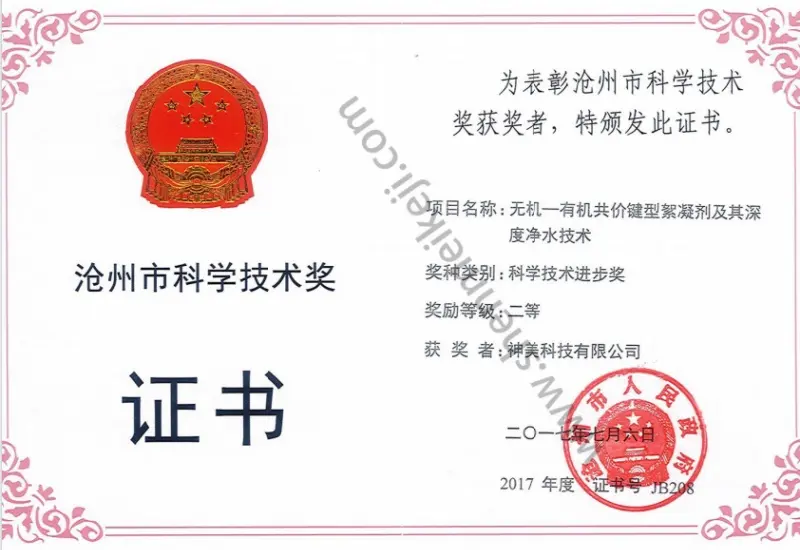
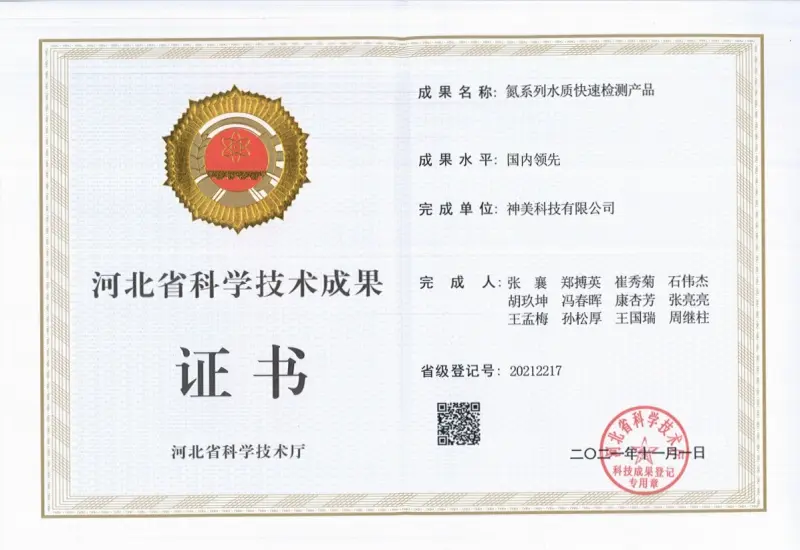
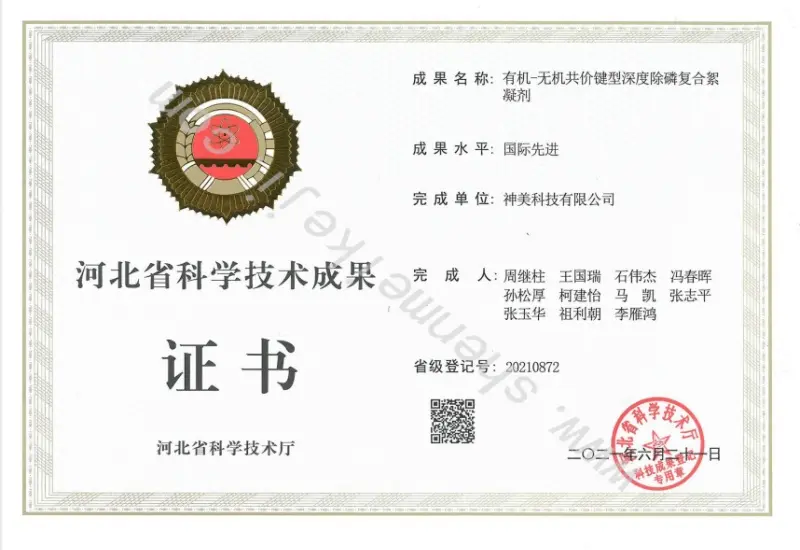
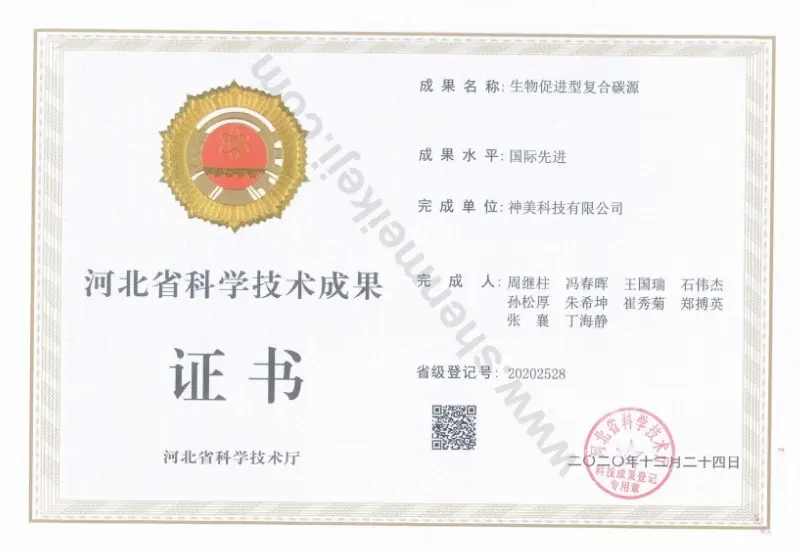
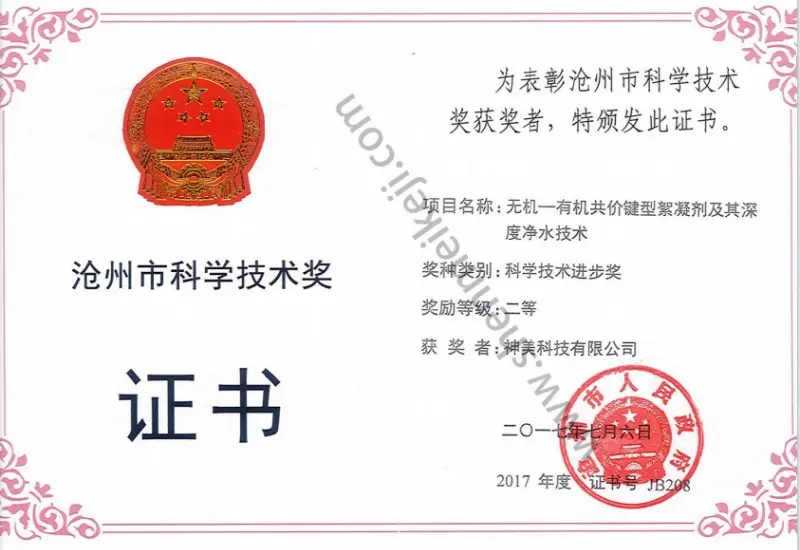
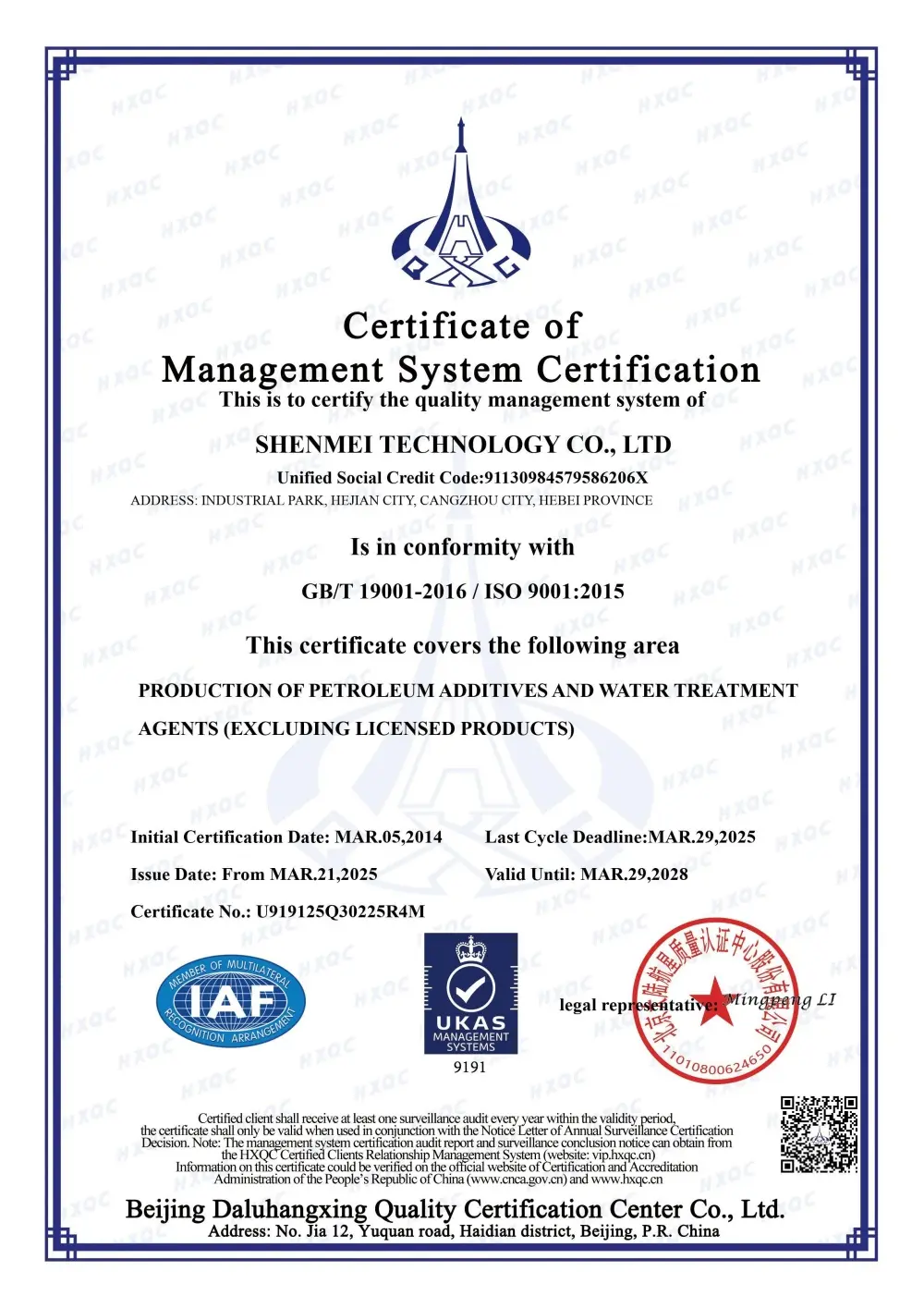
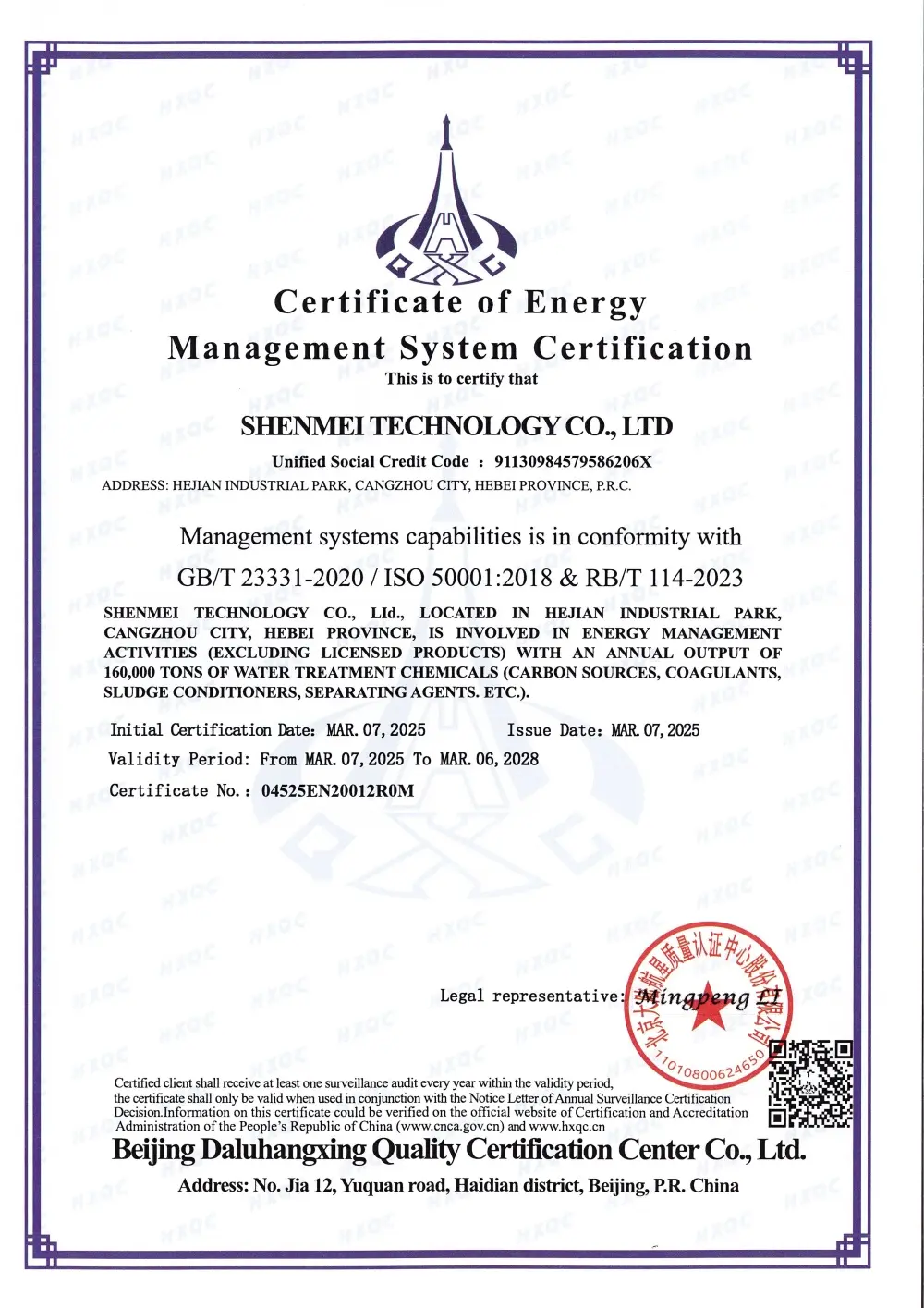
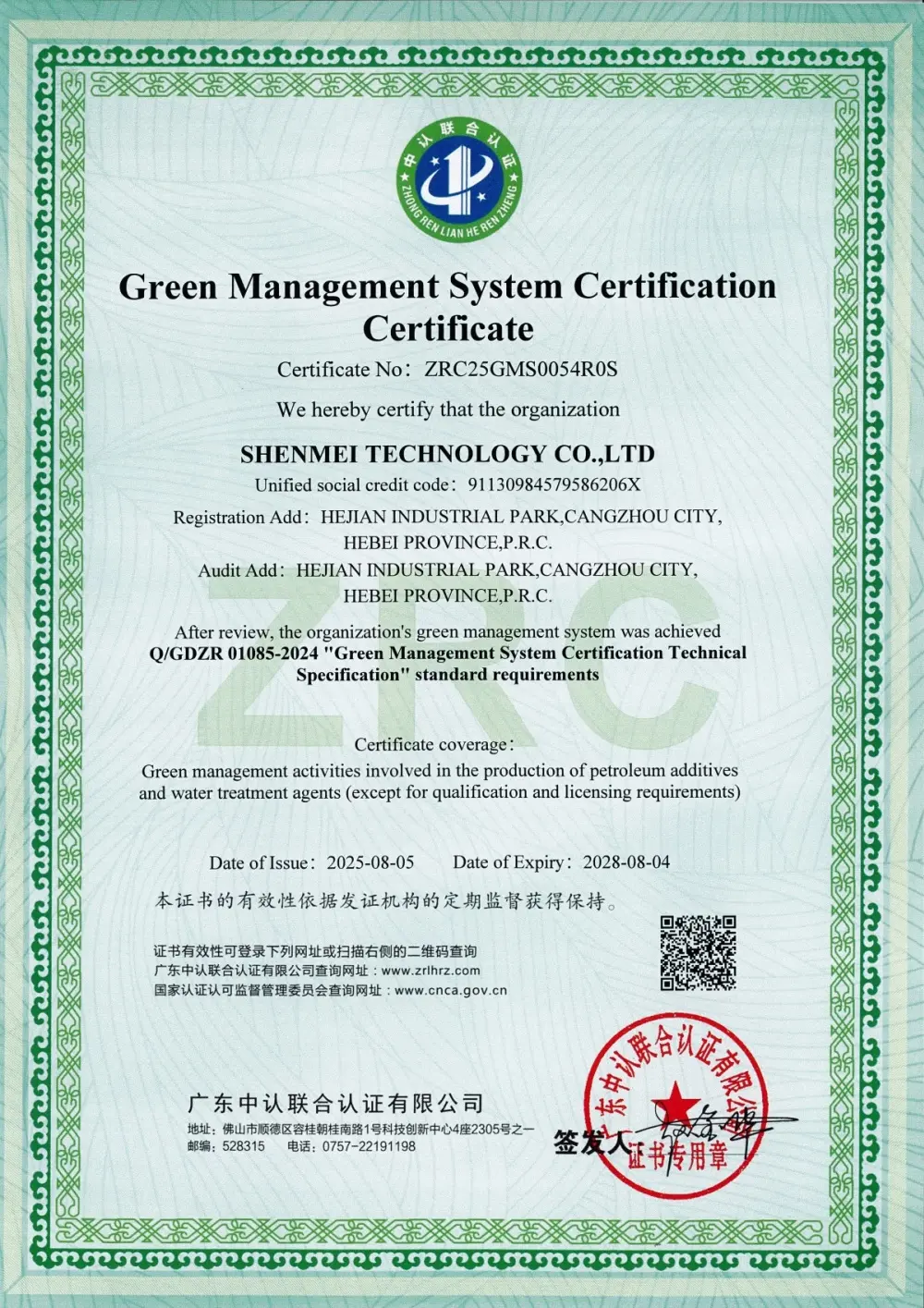
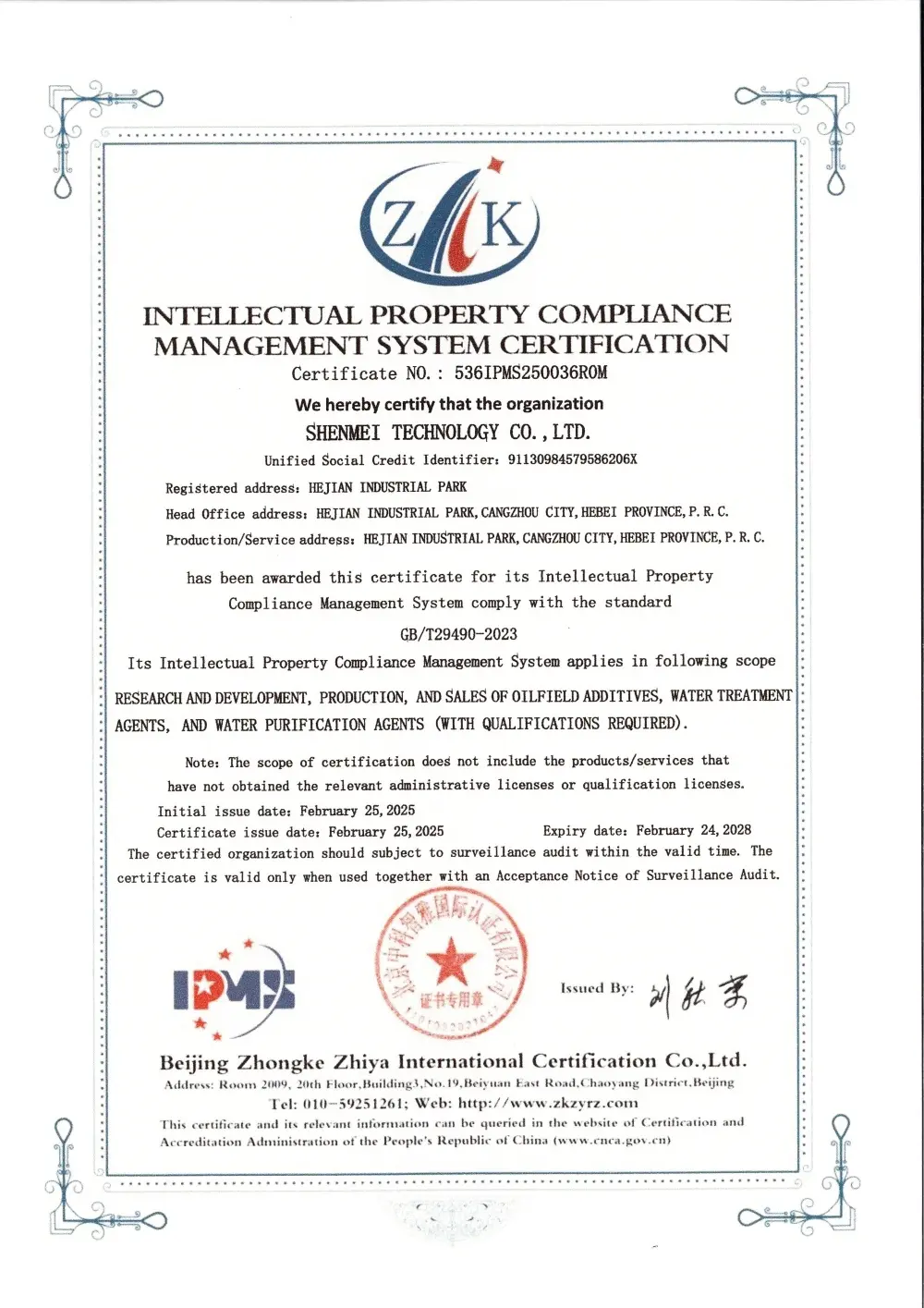
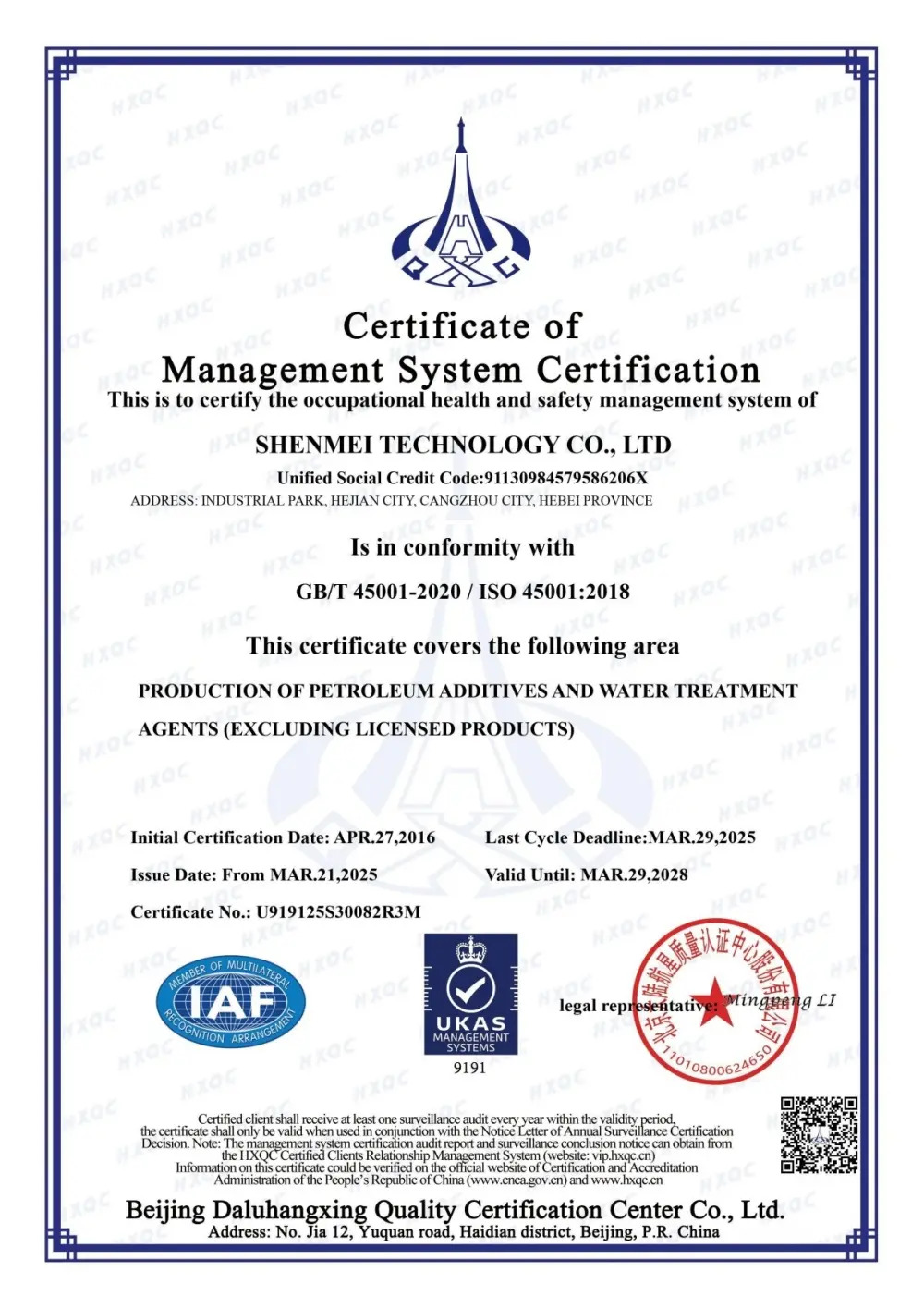
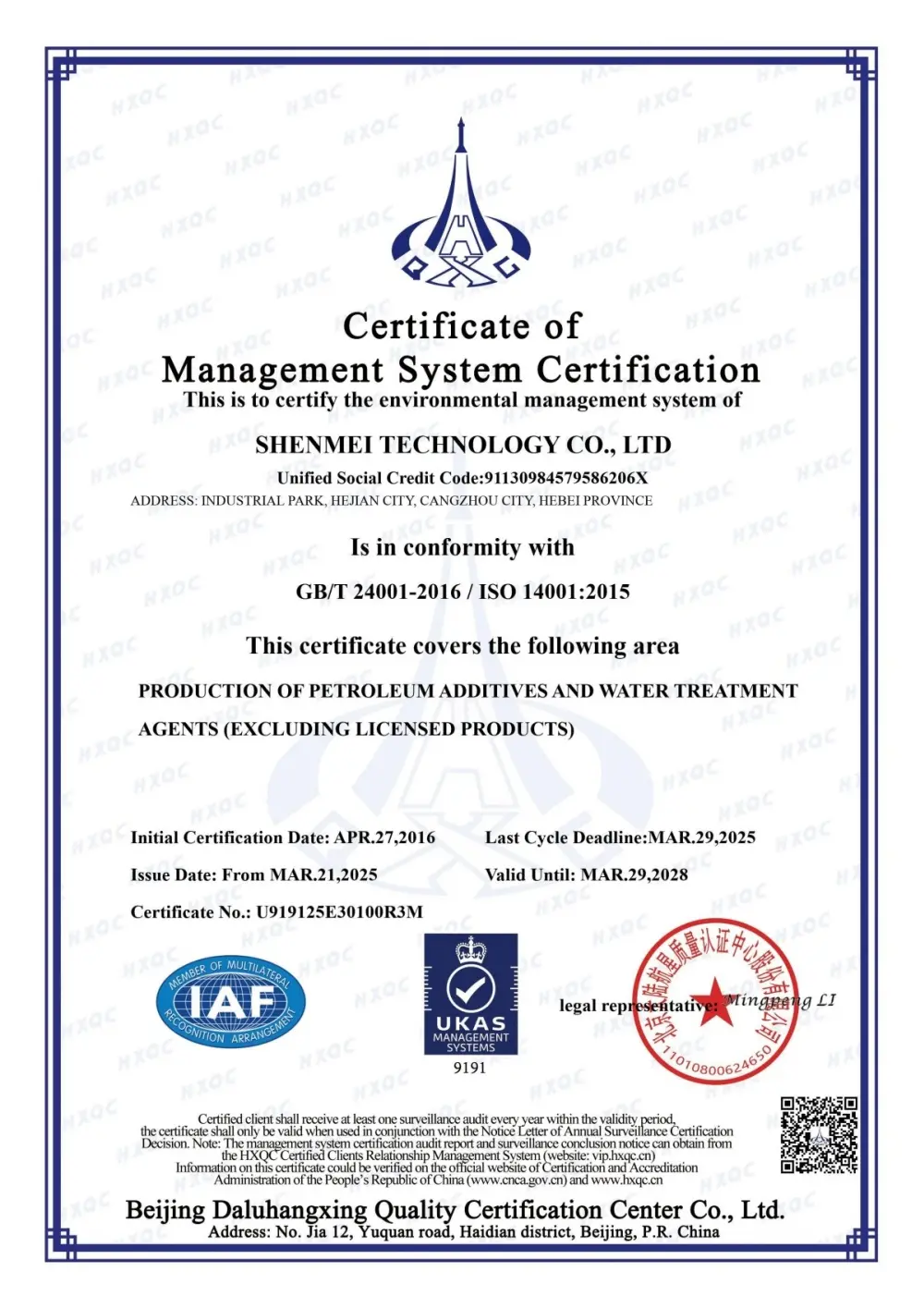
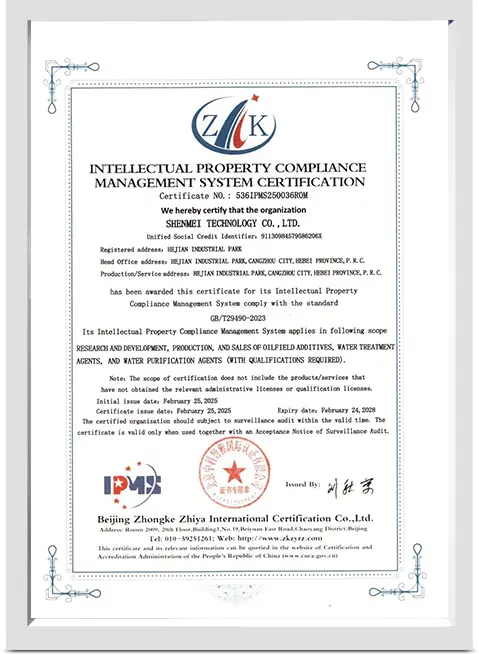
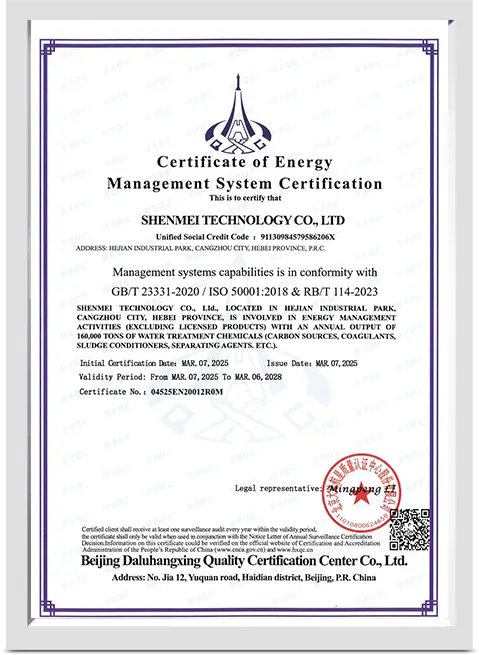
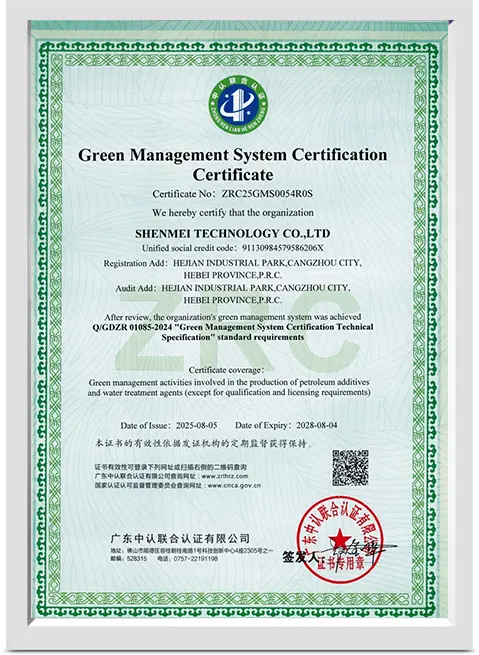
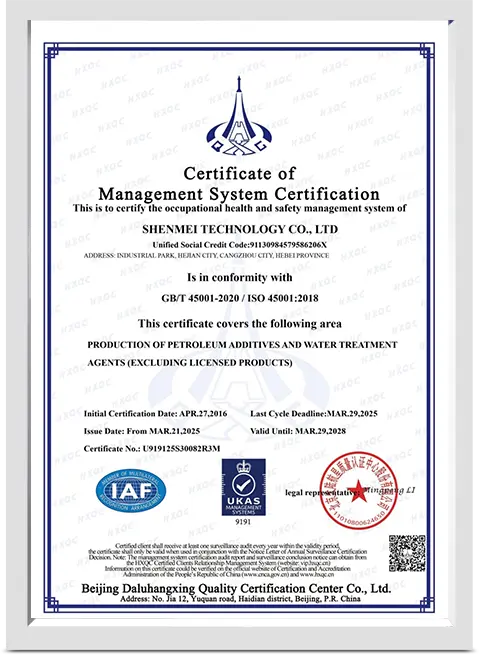
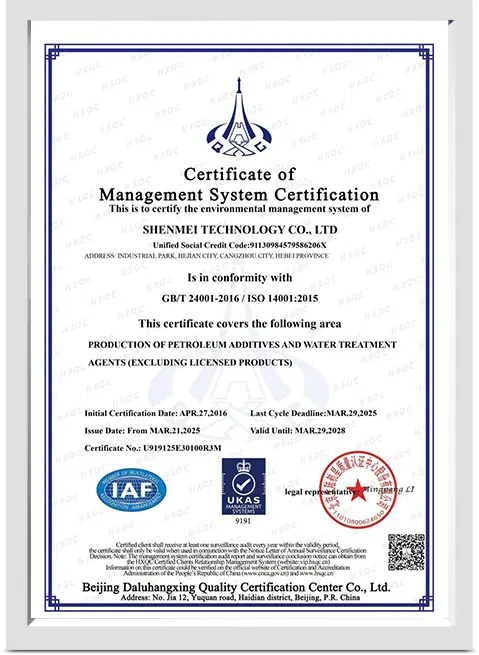
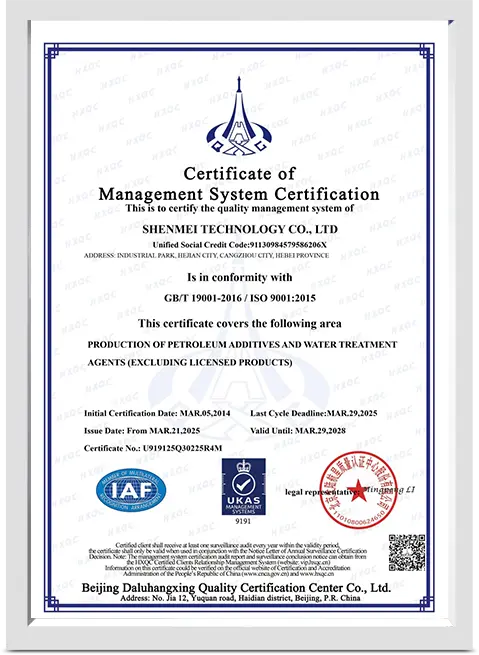
Smedic specializes in developing customized chemical formulations designed for key sectors face demanding water treatment challenges.
Our solutions optimize nitrogen and phosphorus removal in municipal facilities. Using composite carbon sources like Smedic Sodium Acetate and specialized coagulants, we support denitrification rates, helping facilities meet Class A discharge standards while reducing overall sludge volume.
Developed in collaboration with the Chengdu Institute of Mineral Comprehensive Utilization, our specialized polyacrylamides and flotation reagents accelerate solids settling in tailing ponds, optimize water recycling, and improve mineral recovery rates in complex circuits.
Our polymer portfolio includes shear-resistant polyacrylamides for Enhanced Oil Recovery (EOR) and customized defoamers. These chemicals maintain their structure under high temperature and shear stress, supporting stable oil-water separation and production efficiency.
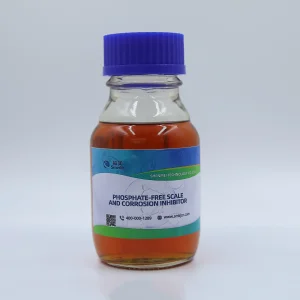
For cooling towers and boiler feeds, Smedic provides phosphate-free and organophosphorus scale and corrosion inhibitors. These agents protect heat exchange surfaces from scale formation and corrosion without contributing to downstream nutrient loading.
Our specialized fluoride removal agents reduce fluoride concentrations in industrial wastewater to sub-ppm levels. Additionally, our RO-compatible antiscalants prevent membrane scaling, extending membrane service life and reducing cleaning frequency.
Browse our selection of specialized coagulants, flocculants, and system-specific water treatment additives.
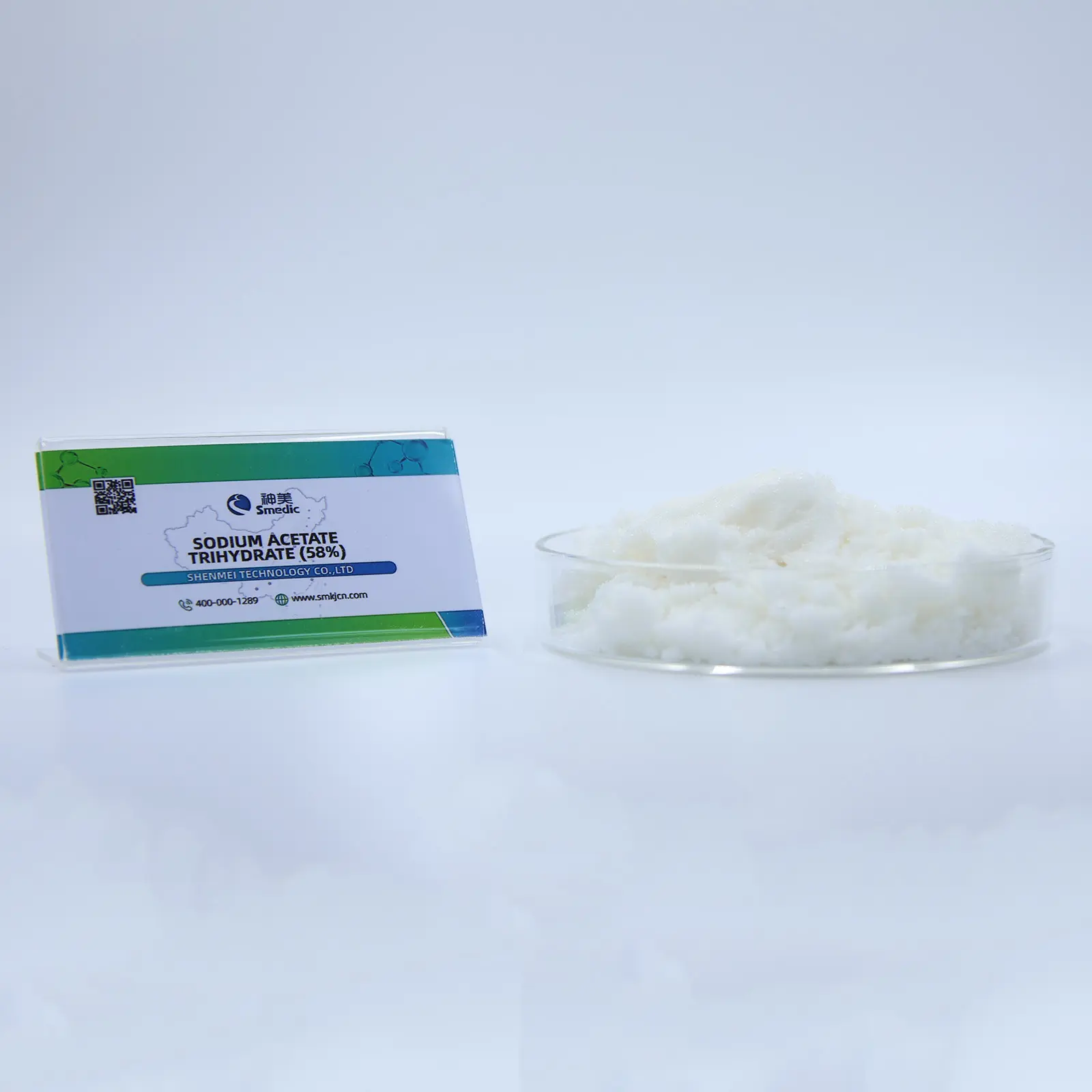
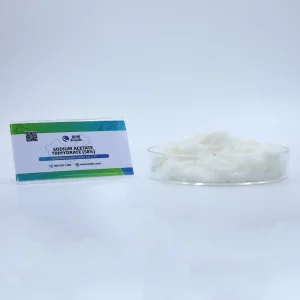
High-purity external carbon source engineered for denitrification systems to sustain microbial growth rates.
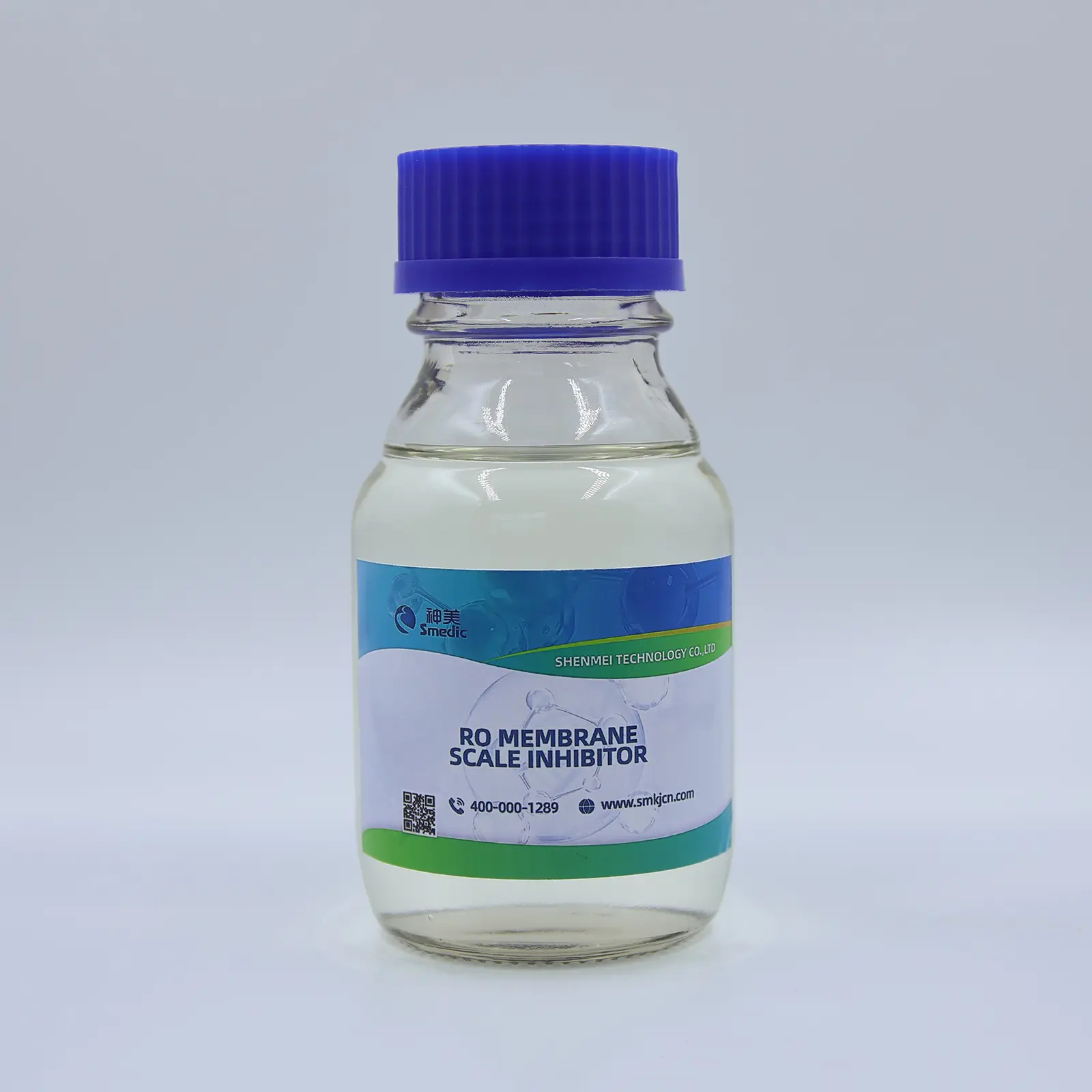
Formulated to prevent calcium carbonate, sulfate, and silica scaling on reverse osmosis membrane sheets.
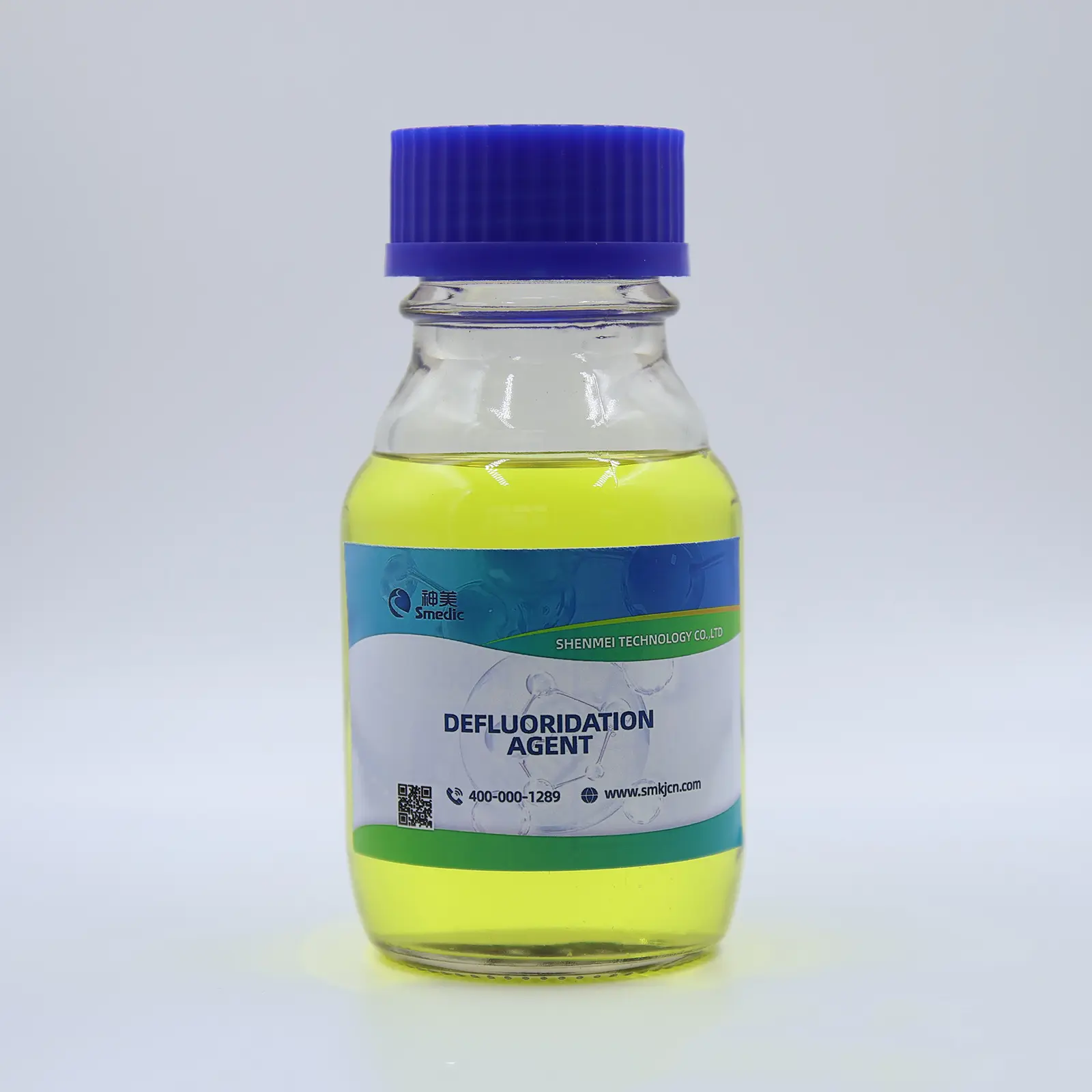
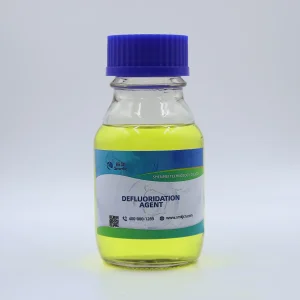
Precipitates ionic fluoride from wastewater, reducing concentrations to meet local environmental standards.
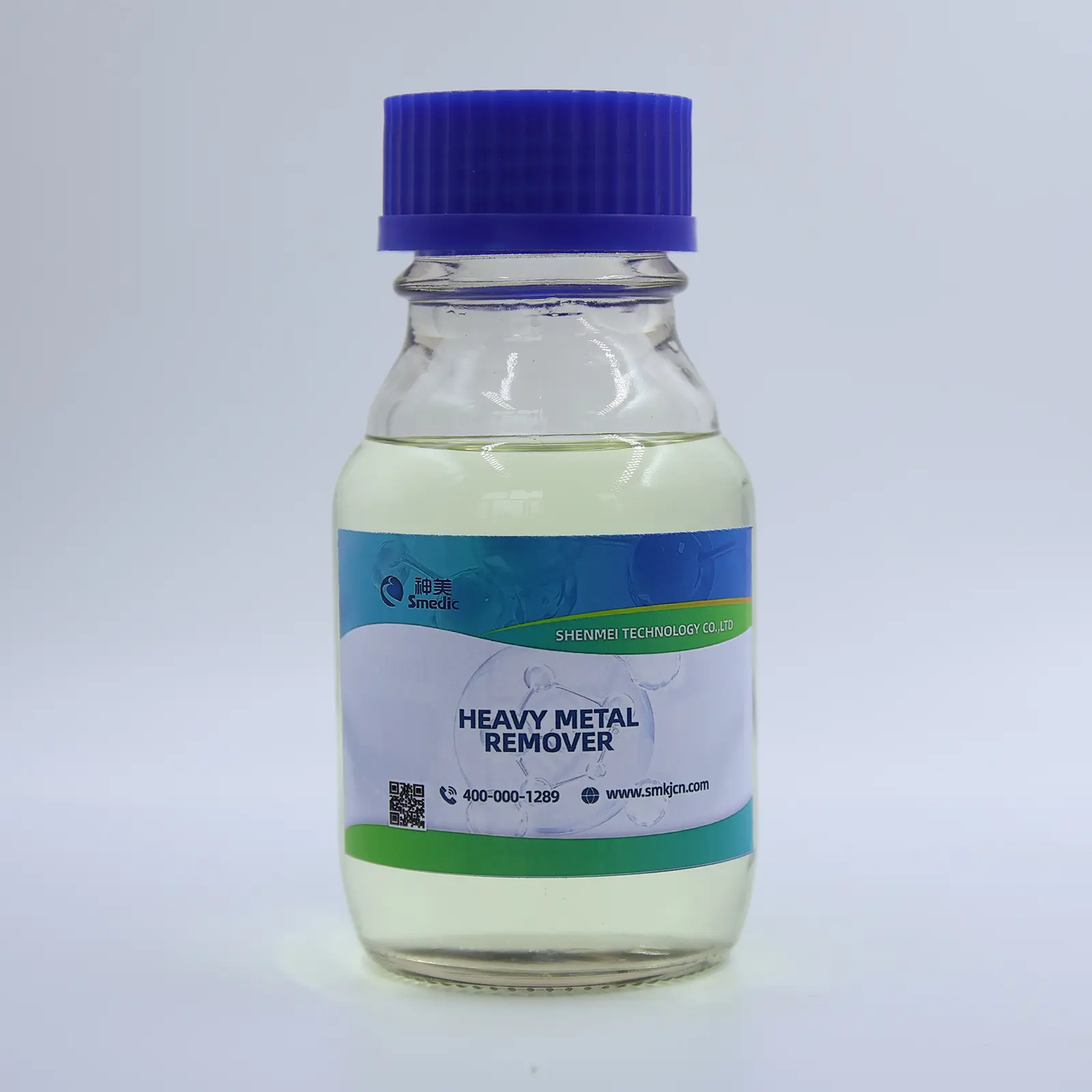
Chelating agent designed to precipitate dissolved heavy metals (copper, nickel, zinc) from plating and industrial rinses.
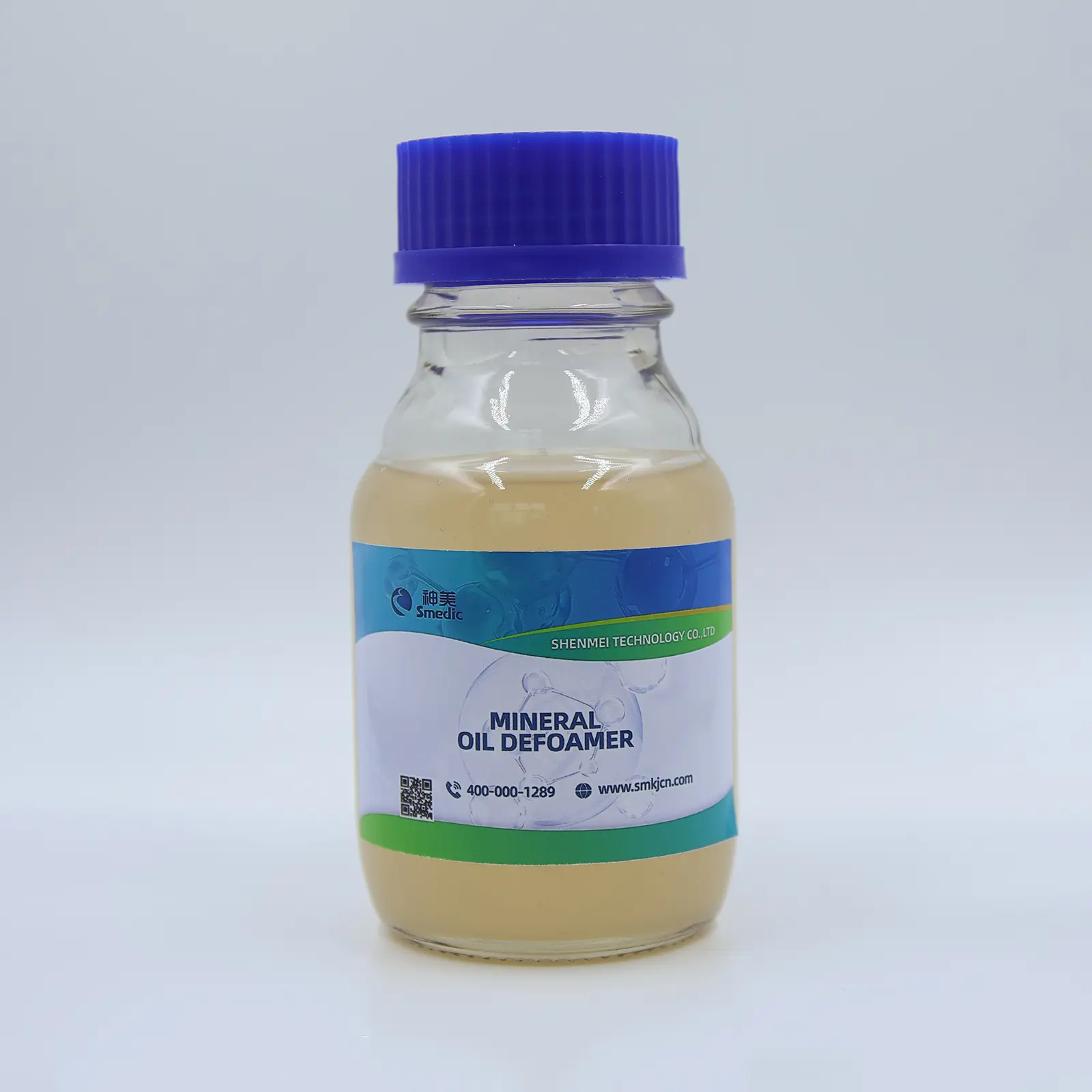
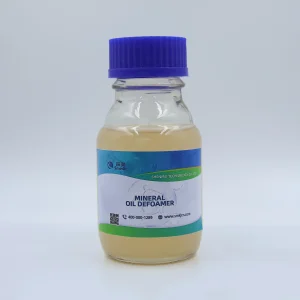
Controls surface foam in coating formulations, pulp mills, and chemical manufacturing systems.
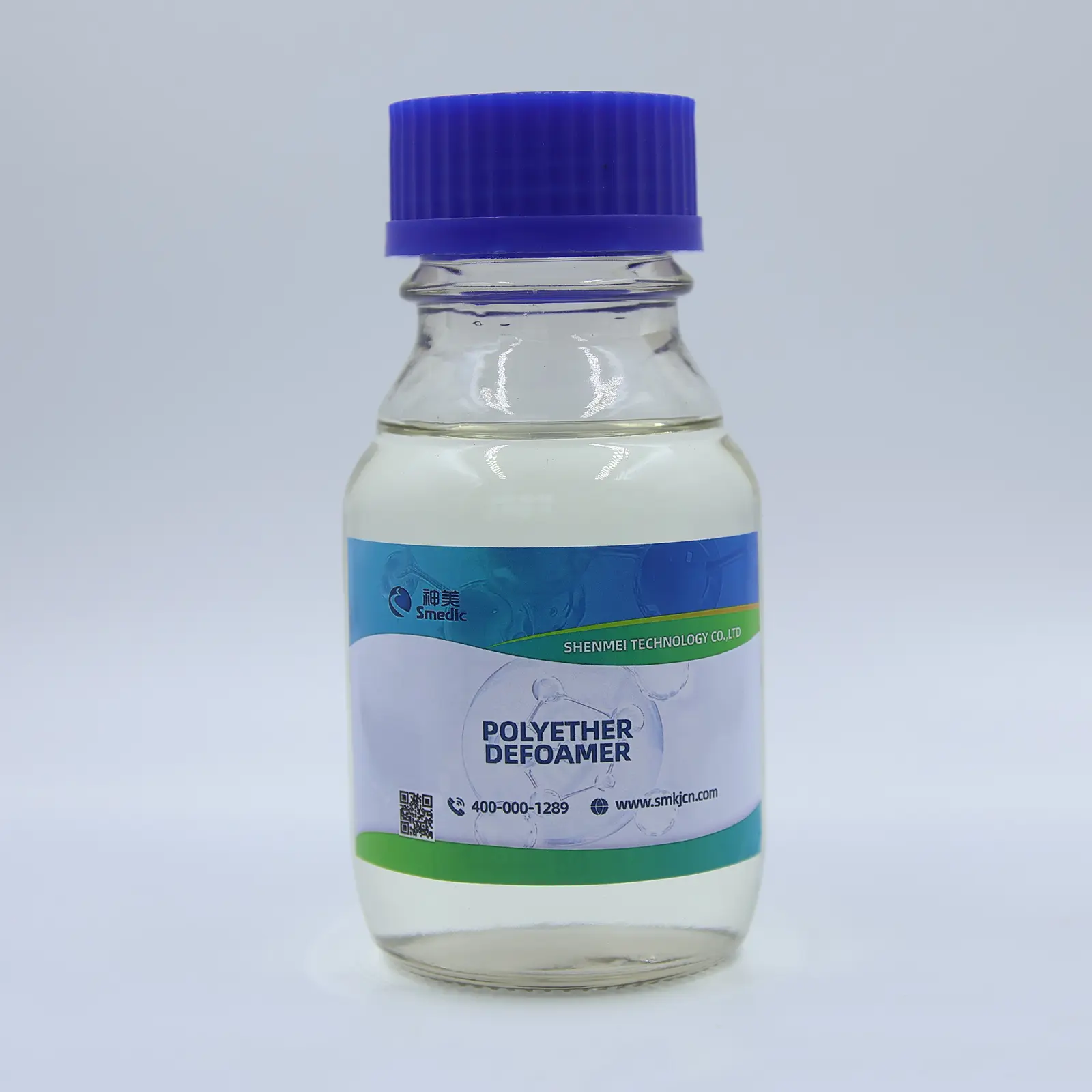
High-temperature stable defoamer suitable for biological aeration tanks, textile processing, and industrial fermentation.
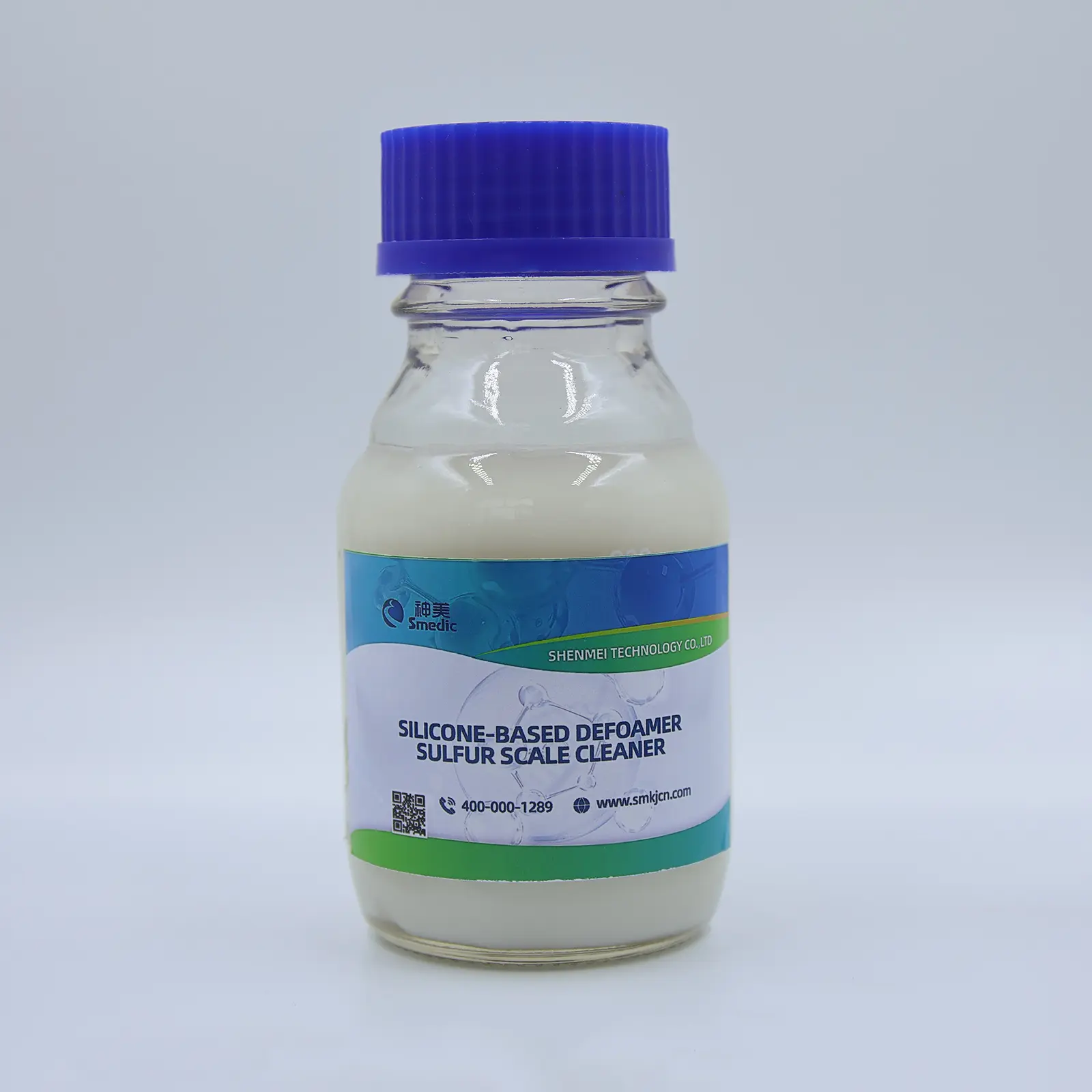
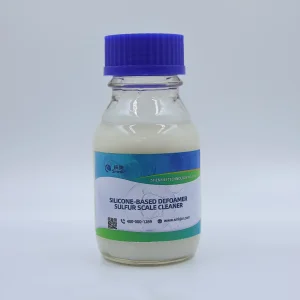
Silicone emulsion designed for rapid foam knockdown and persistent suppression in highly acidic or alkaline conditions.
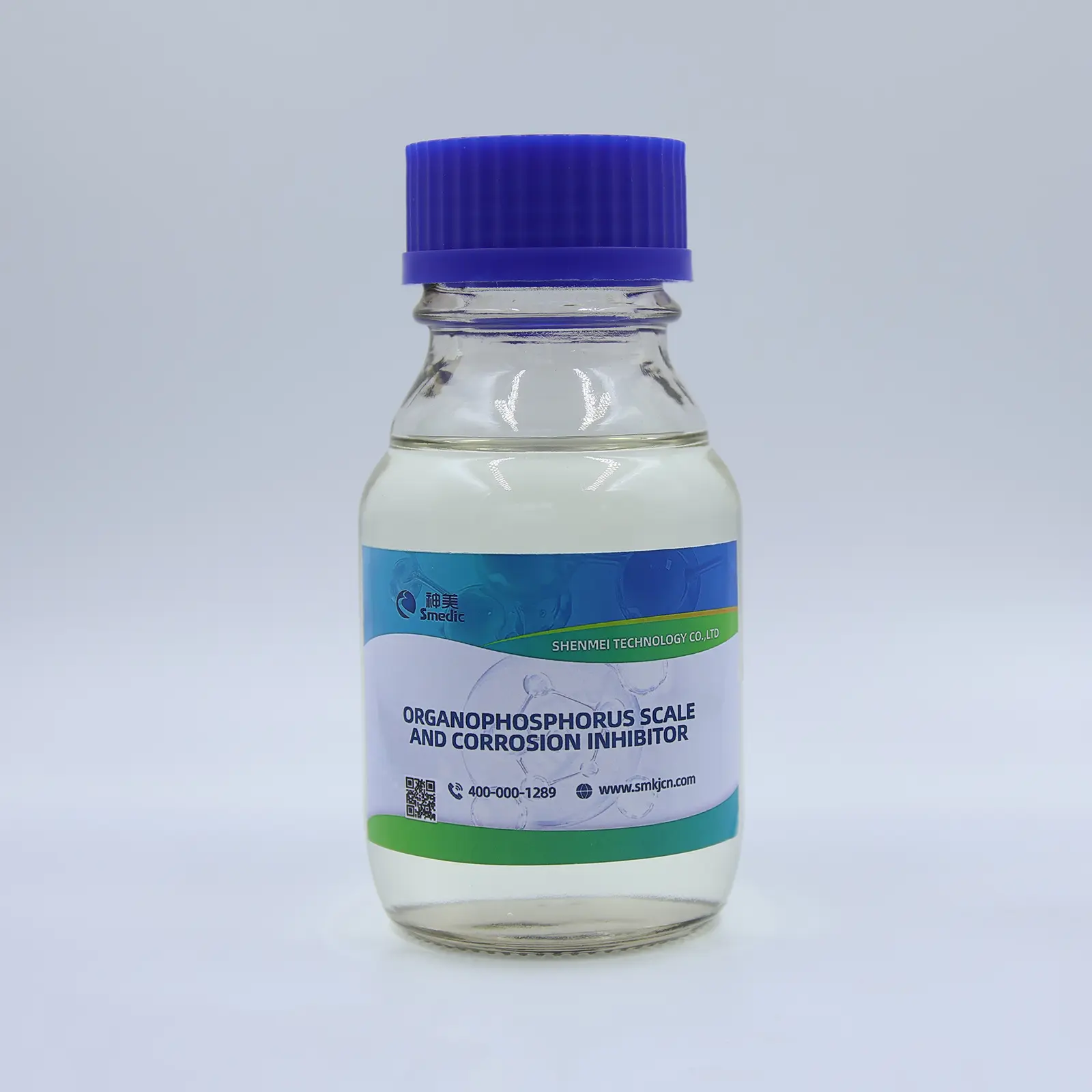
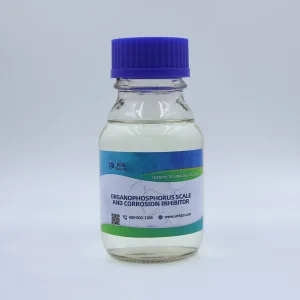
Chelates metal ions in cooling water networks to prevent carbonate scaling and protect steel pipework from corrosion.
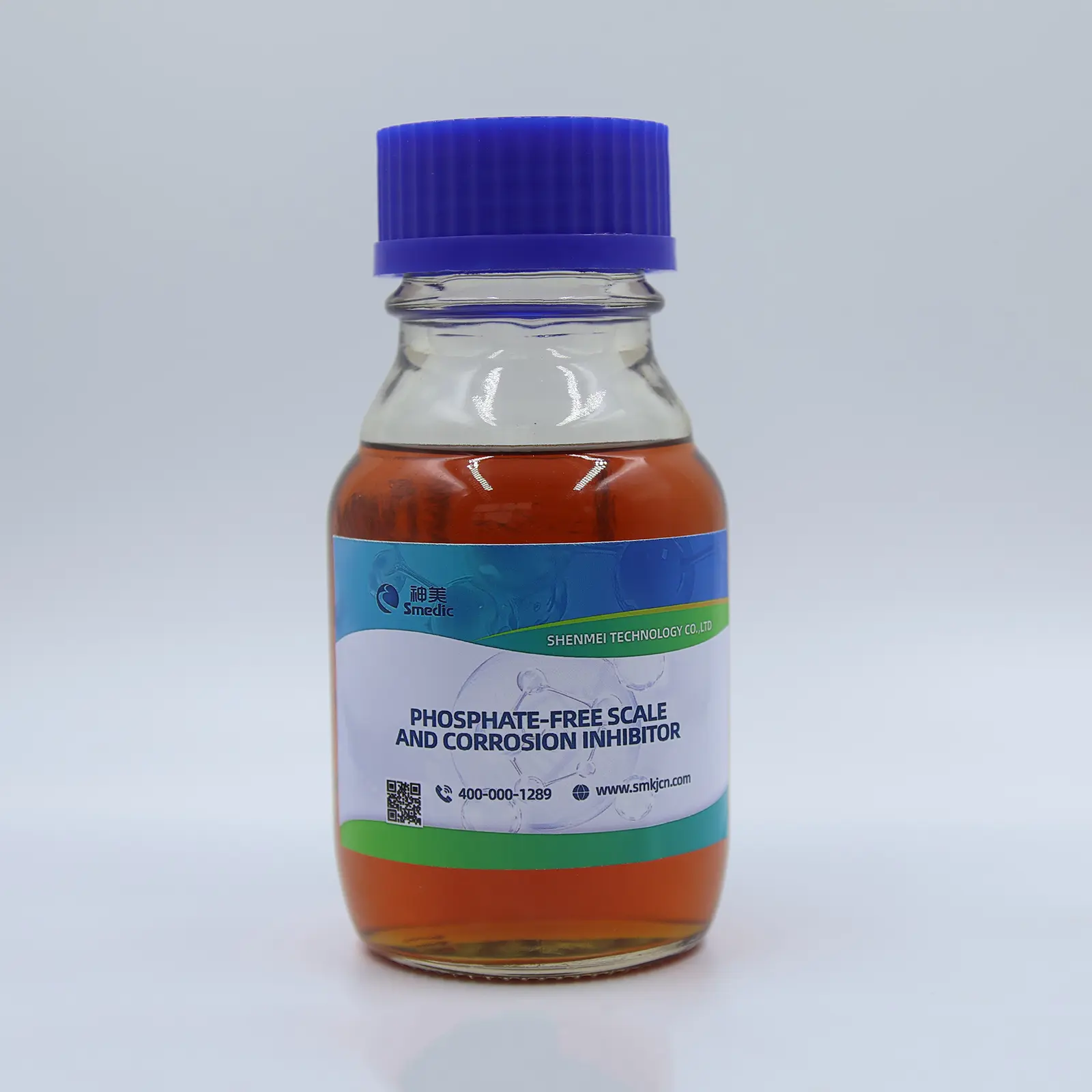
An environmentally friendly antiscalant designed to comply with tight wastewater phosphorus discharge limits.
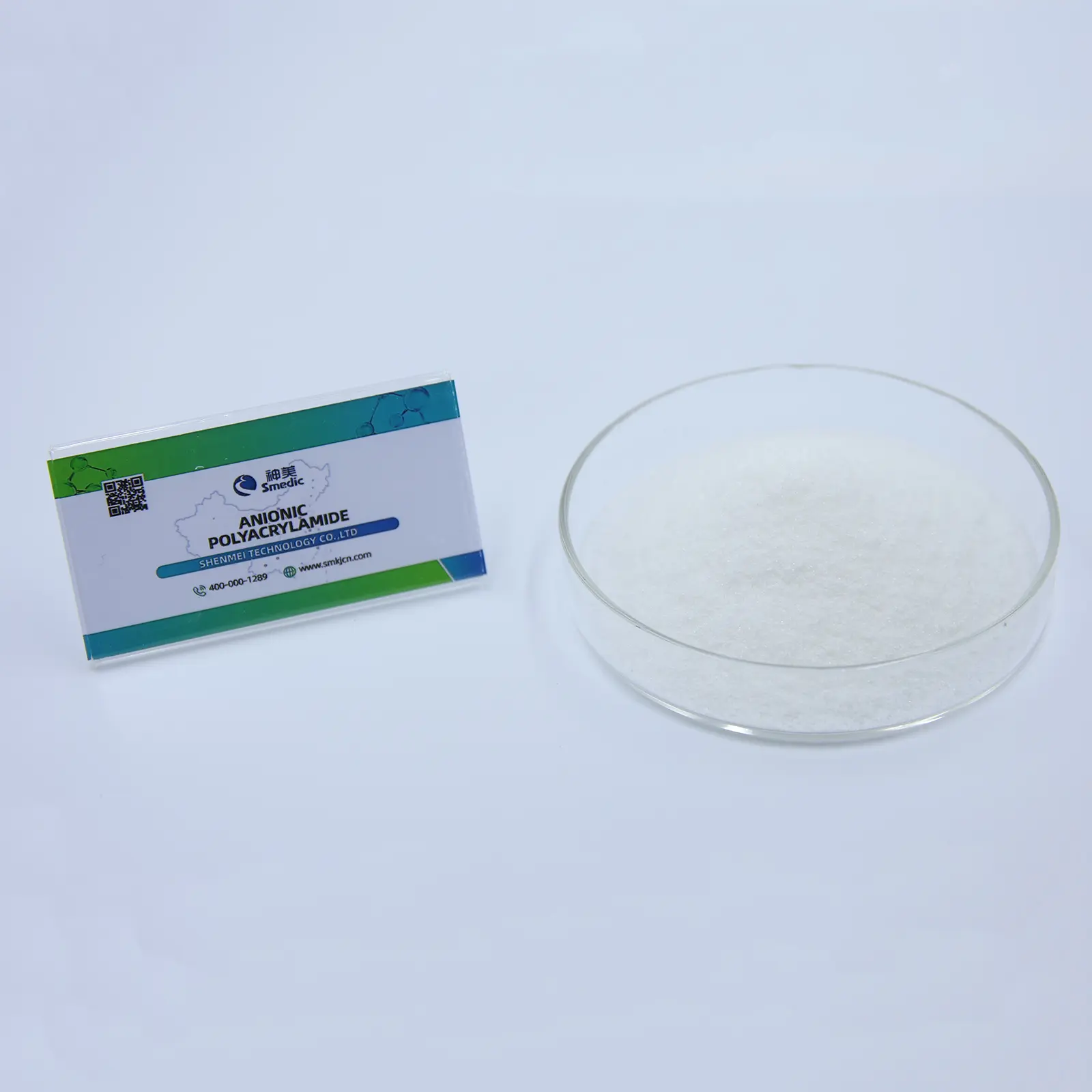
High molecular weight polymer used for industrial mineral separations, coal washing, and metal extraction.
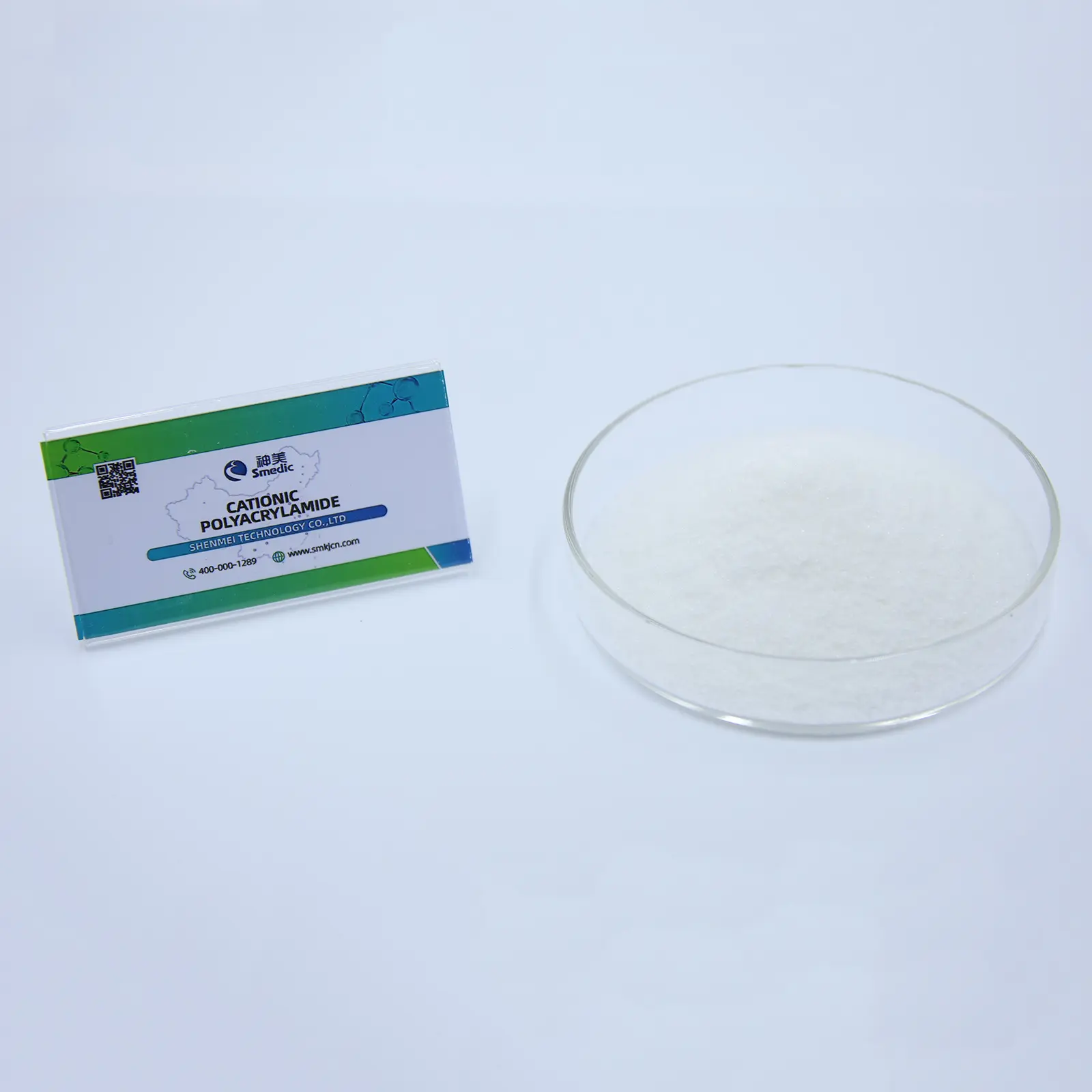
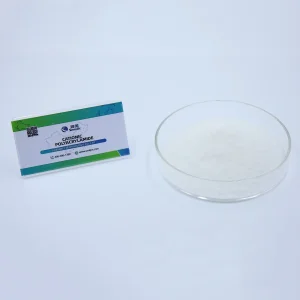
Positively charged polymer designed for municipal sludge conditioning and dewatering on belt presses and centrifuges.
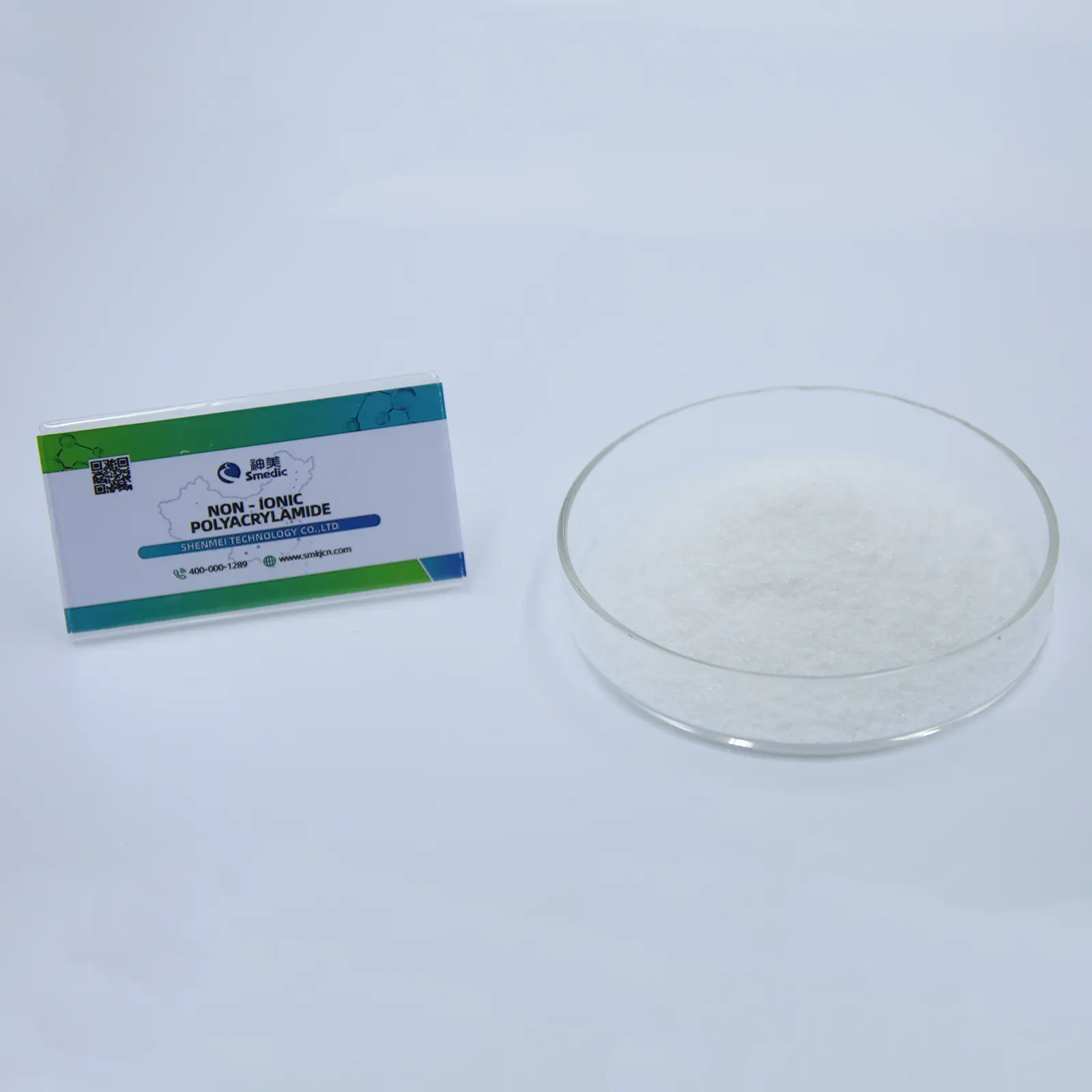
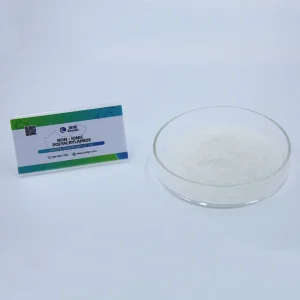
Provides high-viscosity polymeric bridging in acidic or high-salinity industrial wastewater environments.
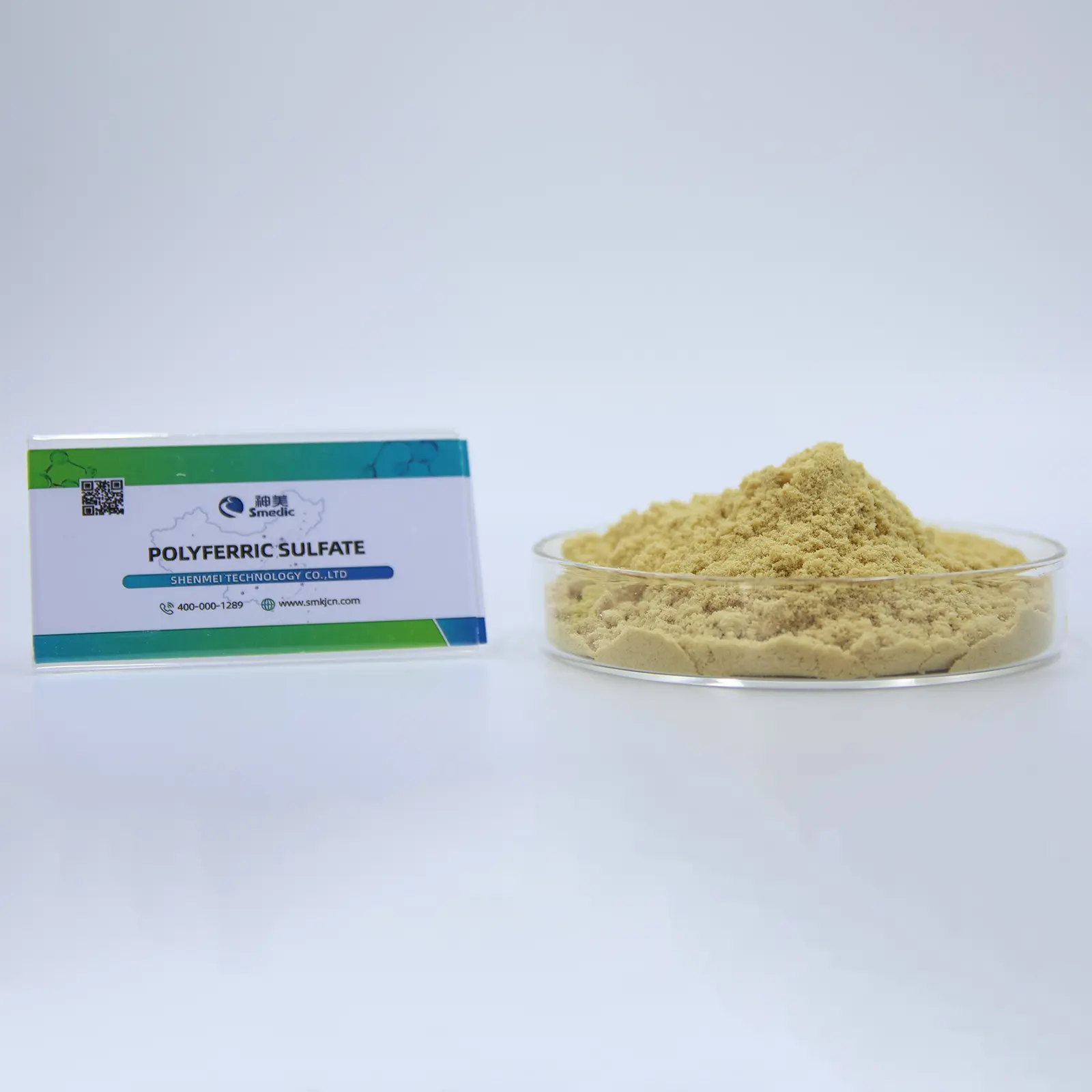
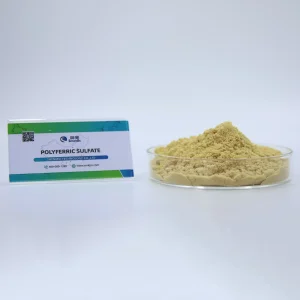
An inorganic polymer coagulant designed to accelerate floc formation, clarify water, and precipitate dissolved phosphorus.
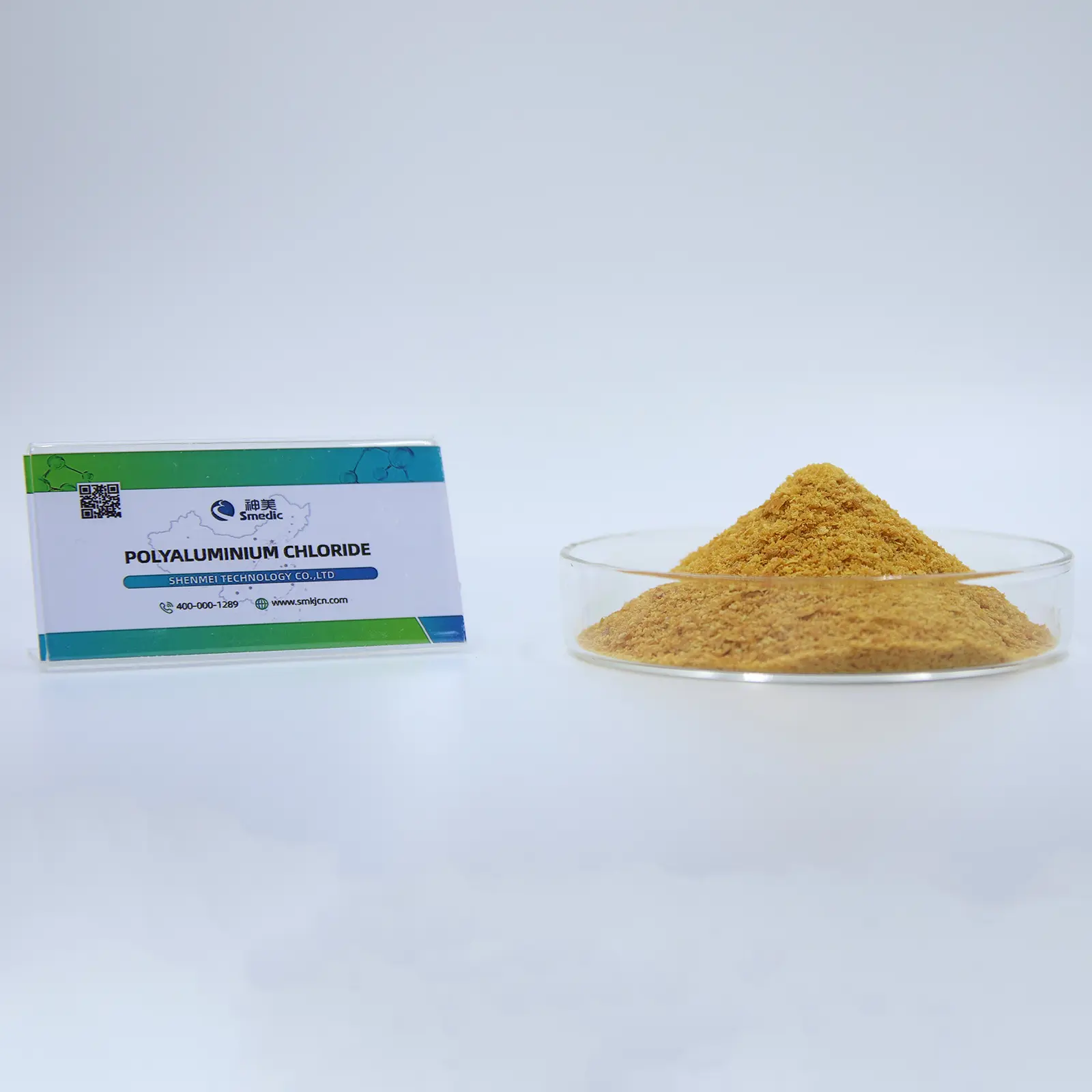
Industrial coagulant with high alumina content, ideal for drinking water purification and paper mill sizing operations.
Smedic is investing in green chemistry, biodegradable polymers, and automated dosing technologies to support sustainable water treatment.
Our chemistry team is developing hybrid flocculants that combine natural polymers like modified starches and chitosan with synthetic monomer backbones. These formulations aim to maintain high charge densities and settling rates while improving biodegradability, reducing chemical persistence in natural waterways.
We are developing integration packages for industrial systems that couple real-time sensor arrays (monitoring UV254 absorbance, turbidity, and Zeta Potential) with variable-speed dosing pumps. This setup allows chemical dosage to adjust automatically to changing influent loads, reducing chemical consumption and preventing over-dosing.
Exporting chemical products requires meeting strict regulatory standards and providing specialized technical support. Smedic operates in compliance with international environmental and chemical safety regulations:
Our logistical systems are configured to support industrial supply chains:
Answers to common technical questions regarding coagulants, flocculants, and system optimization.
Further specialized solutions for municipal sludge, industrial wastewater, defoaming, and high-temperature process applications.
 Smedic Tech