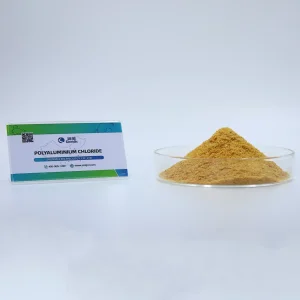
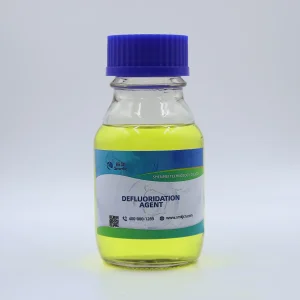
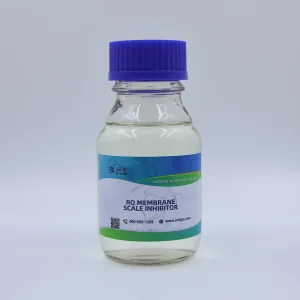
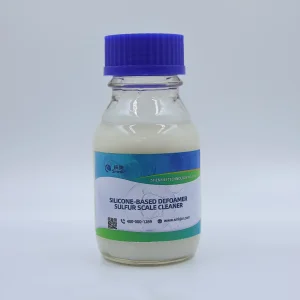
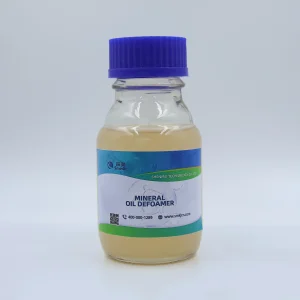
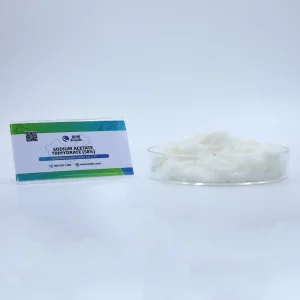
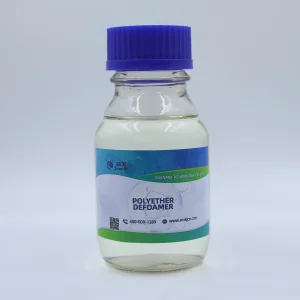
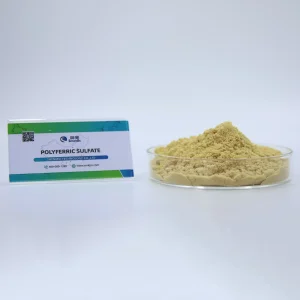
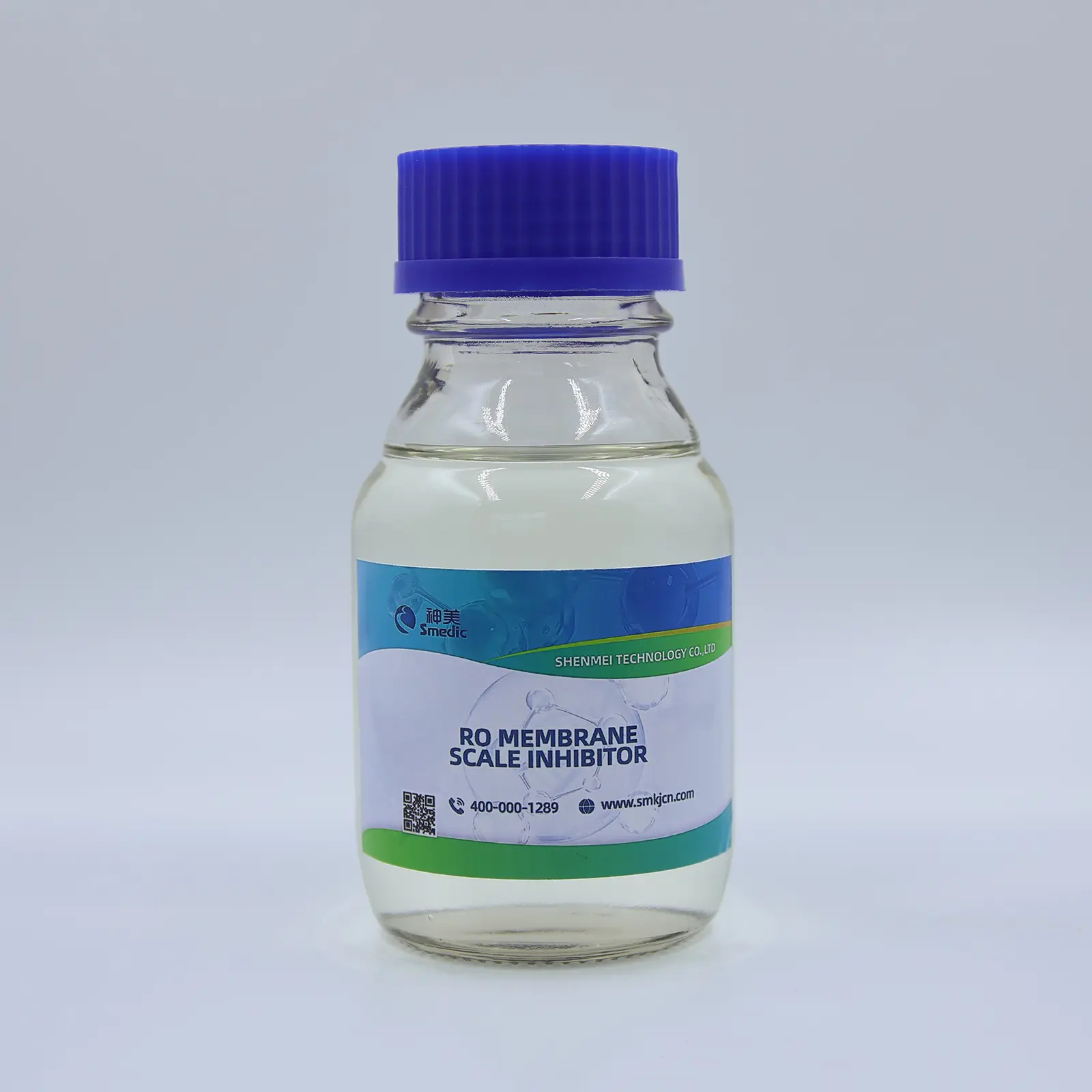
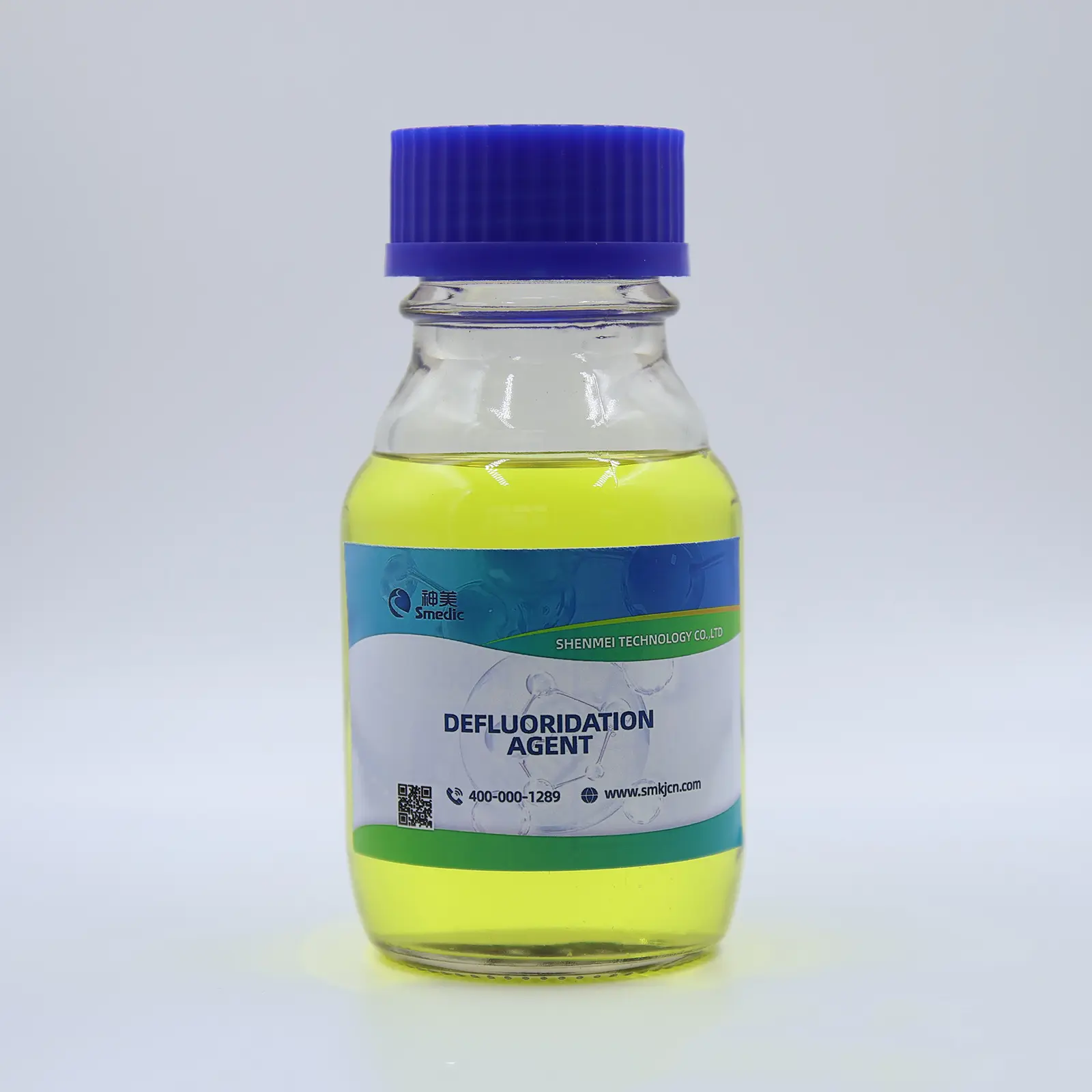
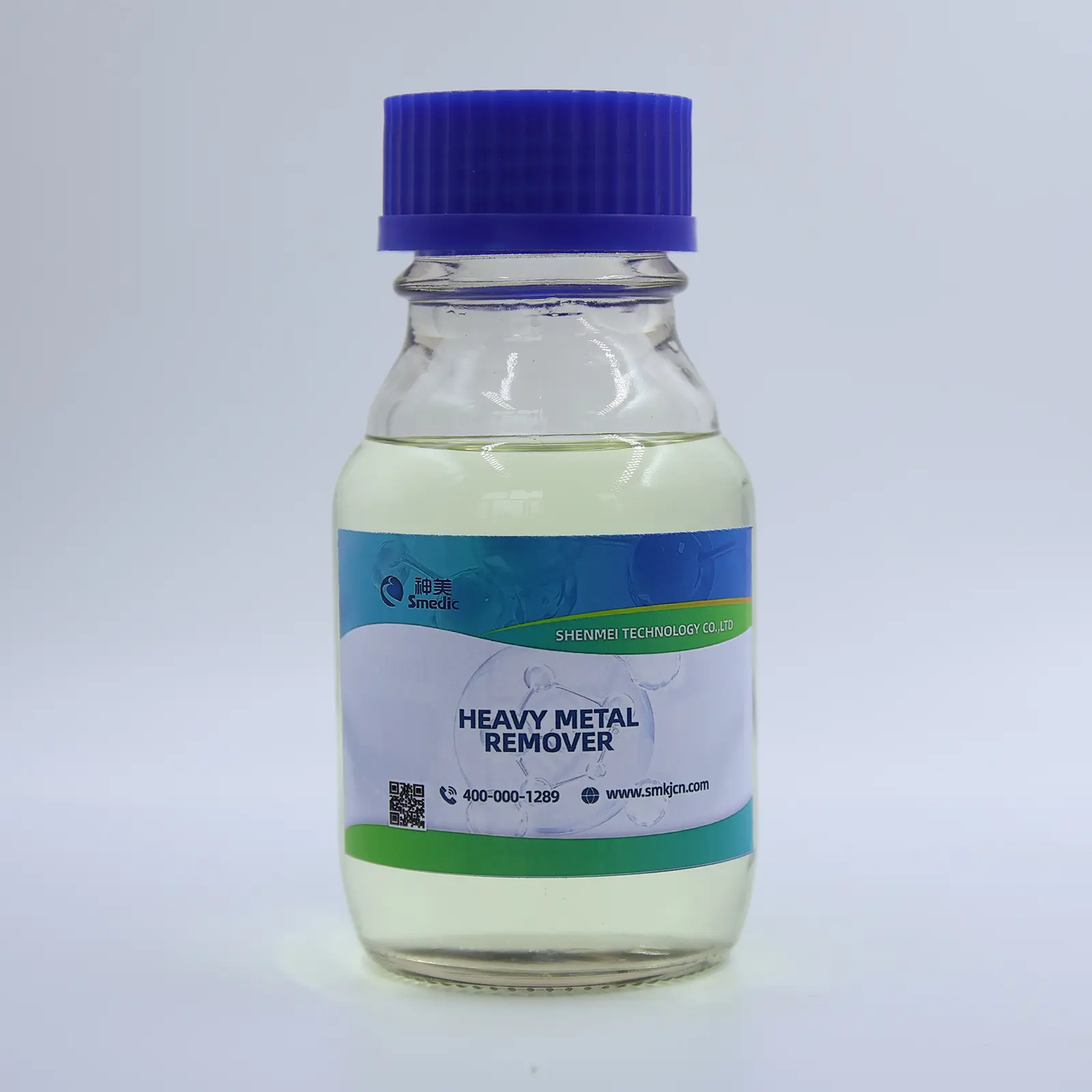
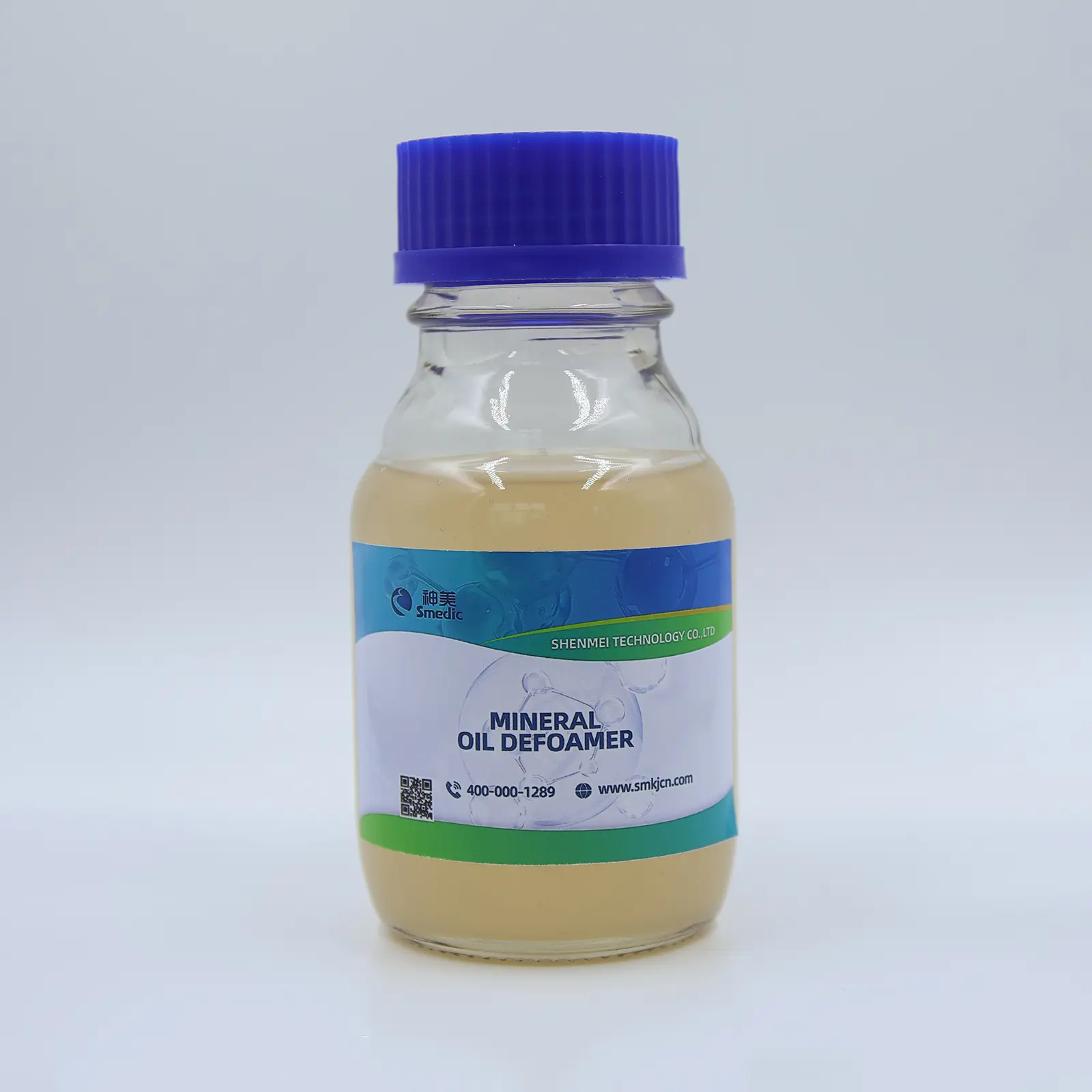
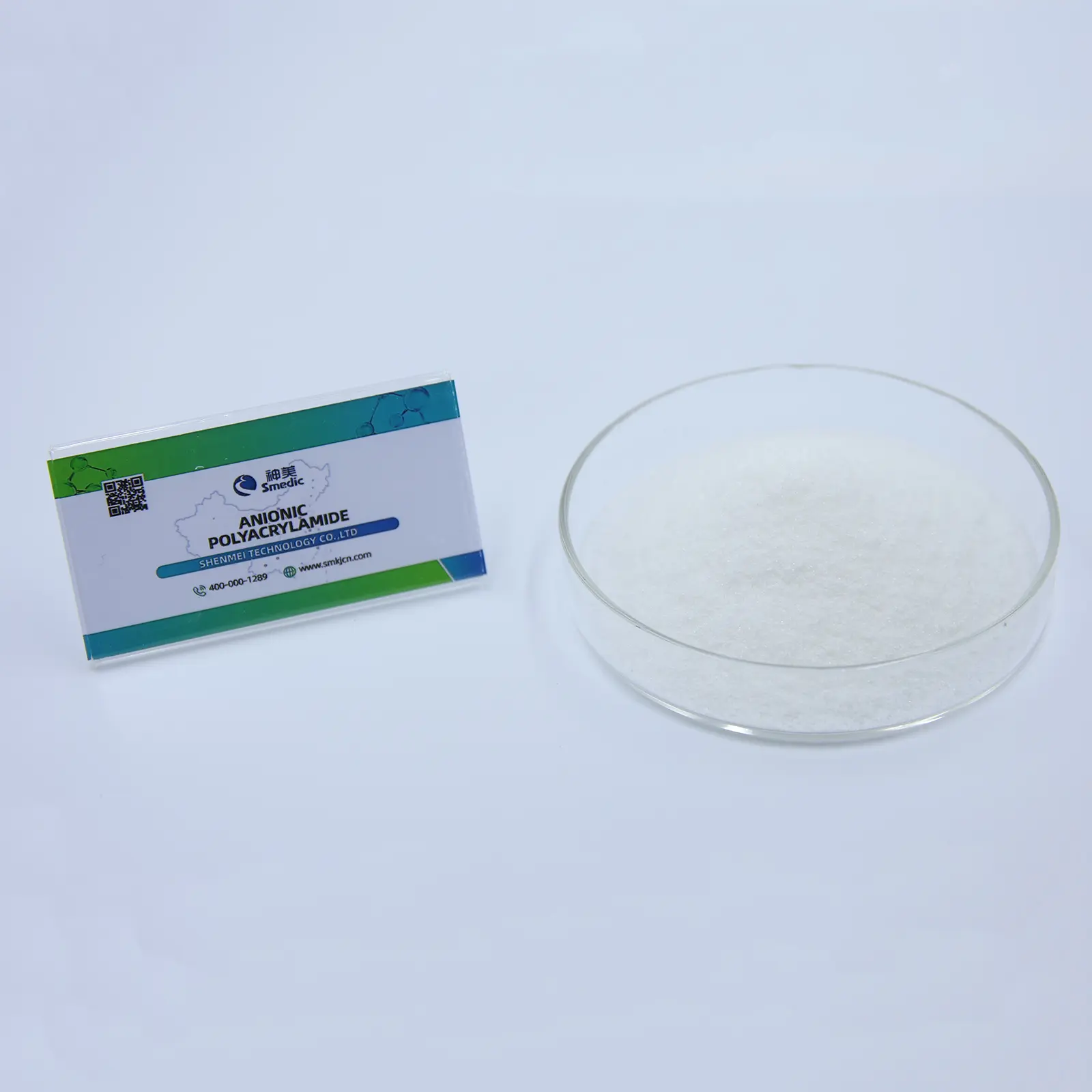
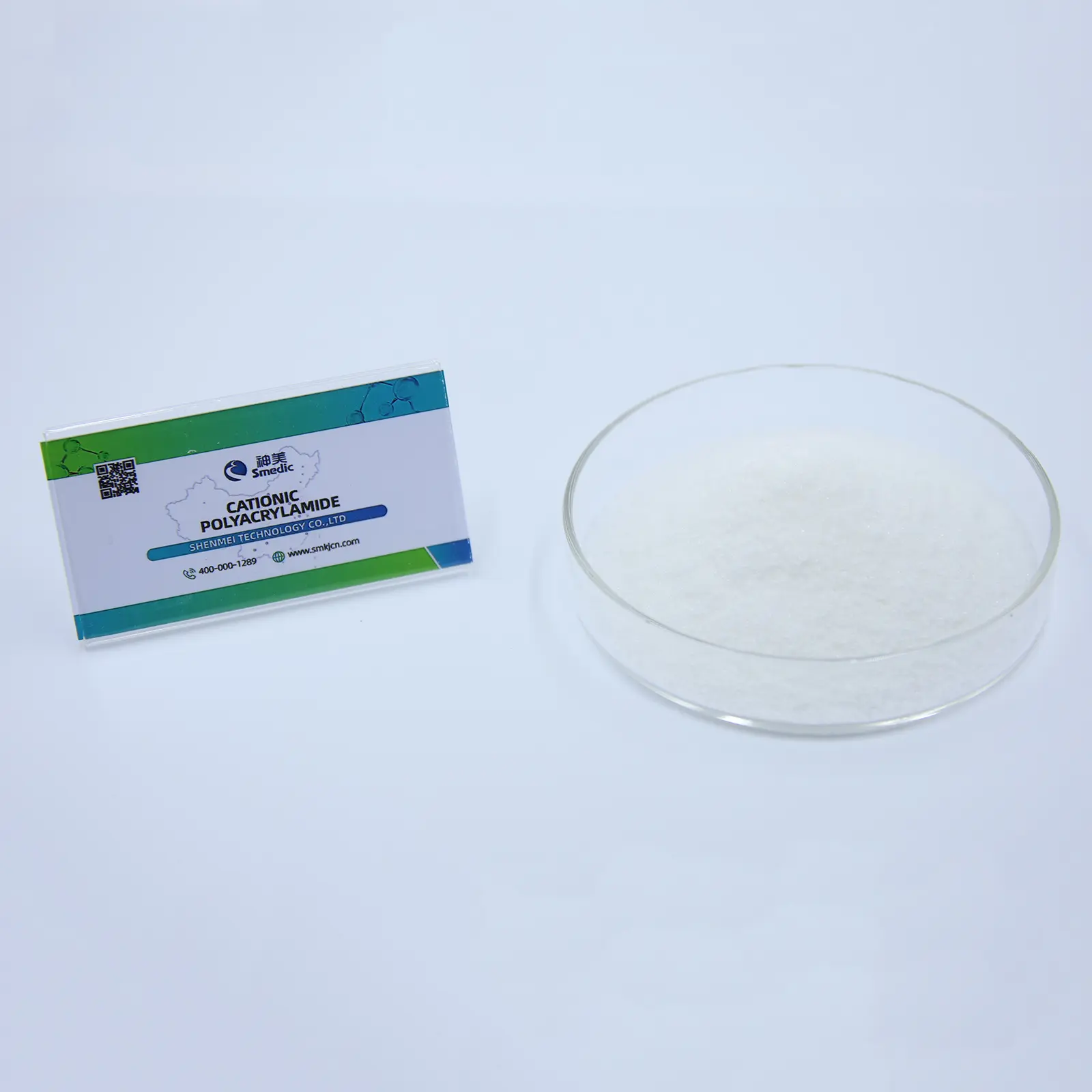
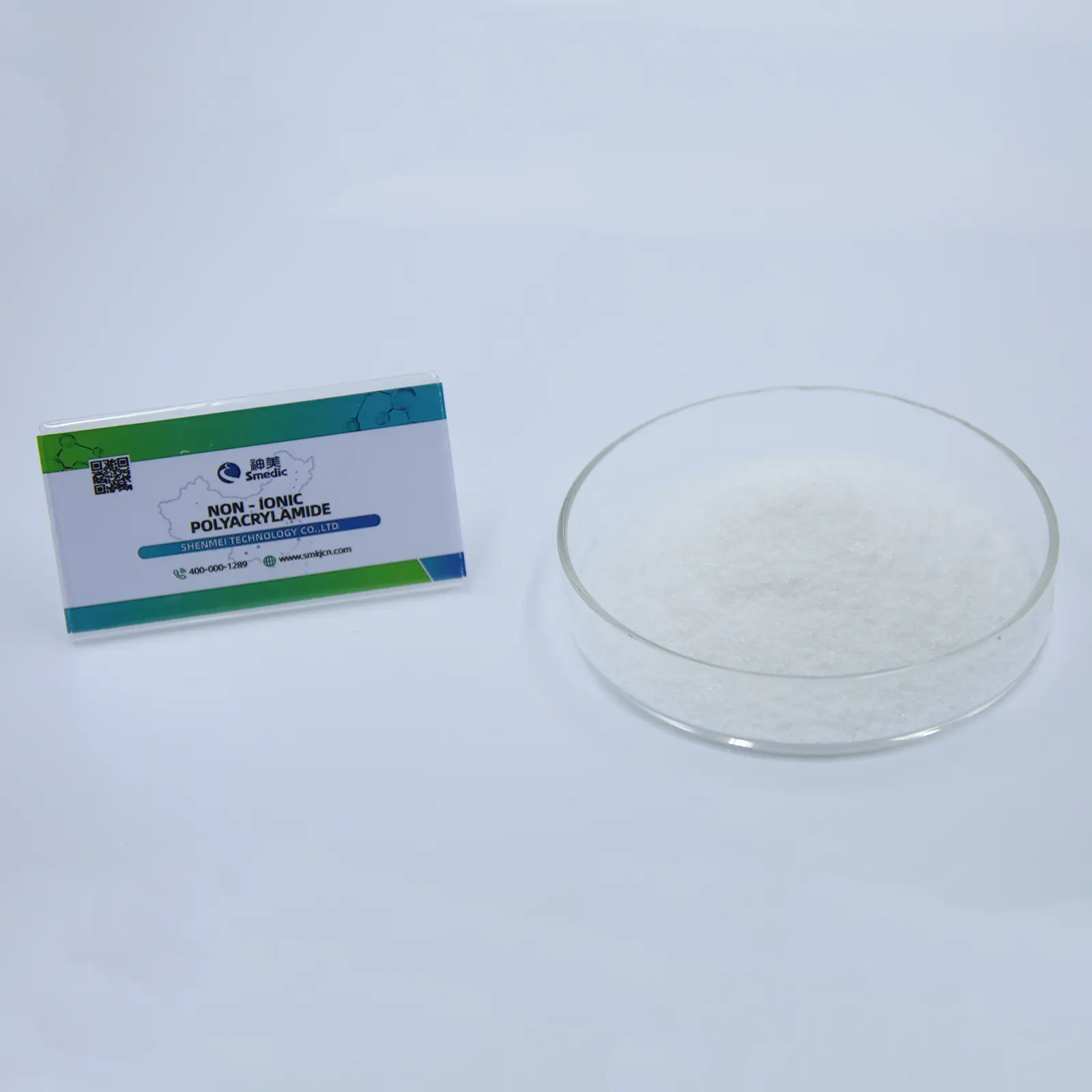
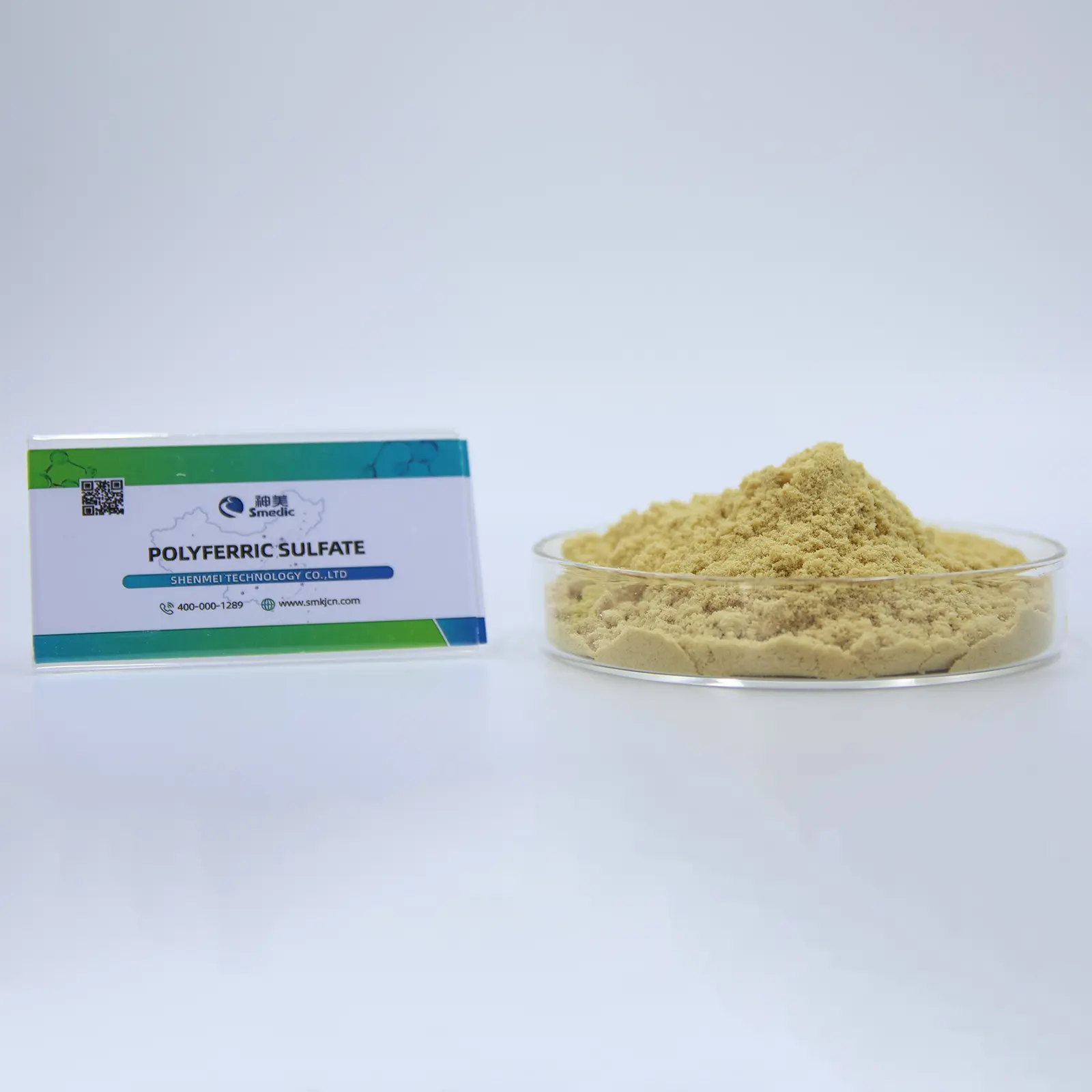
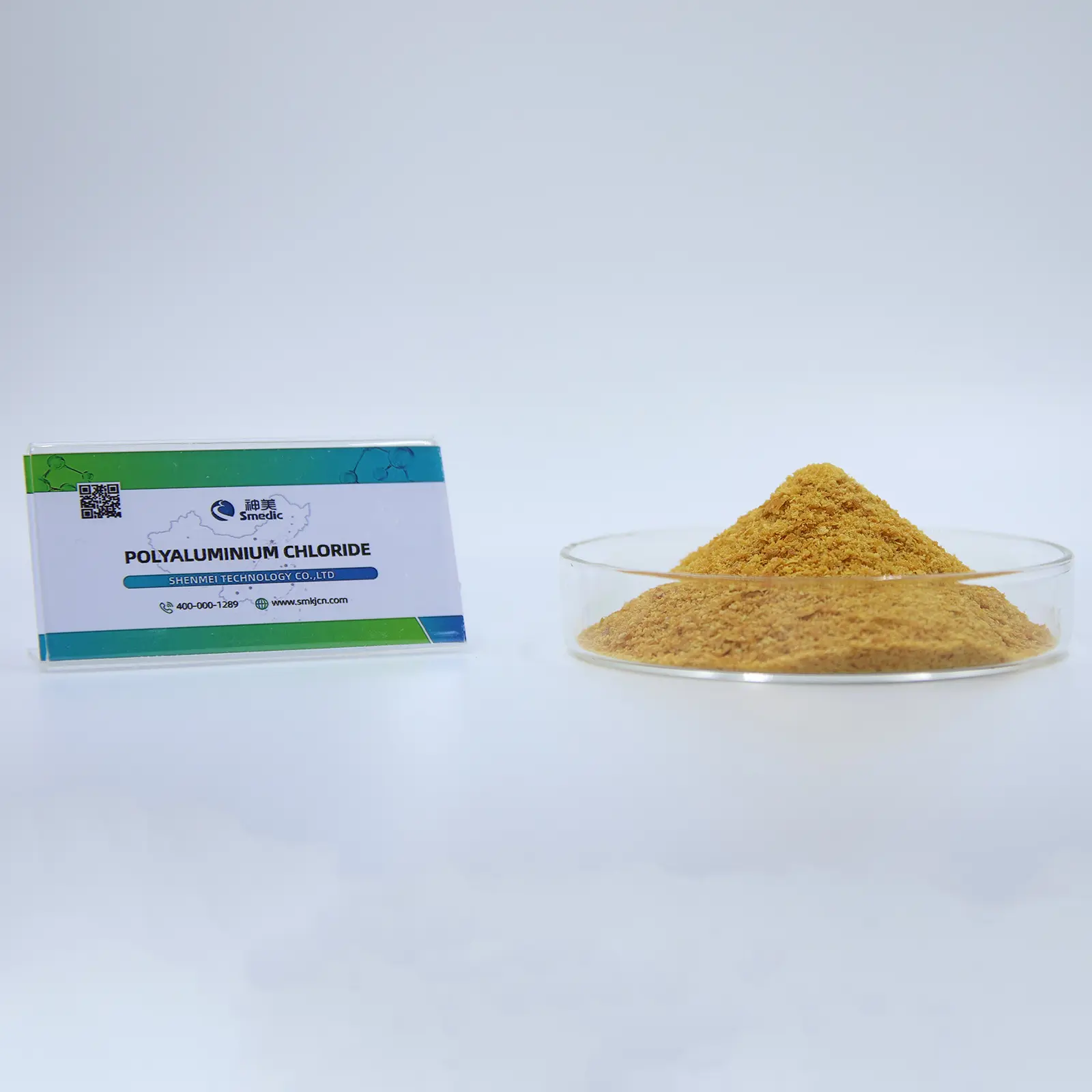
Select high-performance formulations engineered for extreme industrial environments and Municipal Water Treatment.
Chlorine chemistry remains the global cornerstone of municipal and industrial disinfection protocols. However, the presence of free residual chlorine (specifically hypochlorous acid and hypochlorite ions) and chloramines in post-process waters poses a critical risk. These active oxidants are highly toxic to aquatic life, damage downstream processing equipment, and chemically degrade membrane separation technologies. Consequently, the global demand for high-grade dechlorination chemicals has experienced a significant compound annual growth rate (CAGR), driven by stringent environmental protection frameworks and the rapid expansion of water reclamation systems.
Under regulations like the US EPA's National Pollutant Discharge Elimination System (NPDES), industrial discharge permits enforce zero or near-zero concentration limits for Total Residual Chlorine (TRC). Similarly, the EU's Water Framework Directive mandates rigorous environmental quality standards to preserve biological ecosystems in receiving waters. Industrially, power generation, chemical synthesis, and membrane-based desalination plants must employ effective dechlorination chemicals to prevent the rapid oxidation and premature failure of polyamide reverse osmosis (RO) systems and ion exchange resins. The market has transitioned from commoditized sulfur compounds to highly specialized, stabilized formulations designed for optimized dosing, low oxidation potential, and reduced downstream oxygen depletion.
Established in 2011, Smedic Technology Co., Ltd. has evolved into a premier comprehensive solution provider specializing in environmental protection agents, integrating advanced R&D, precision manufacturing, regional logistics, and dedicated technical support. We address municipal sewage, industrial wastewater, tap water purification, mineral processing, and oilfield operations, offering a robust portfolio of more than 80 specialized chemical formulations with an annual capacity exceeding 1 million tons.
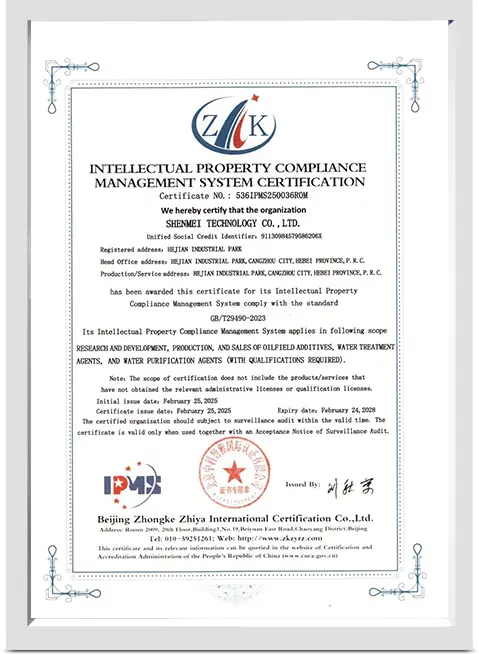
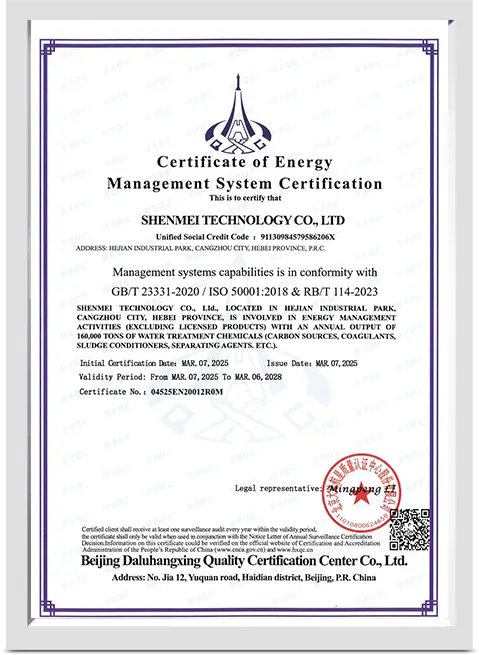
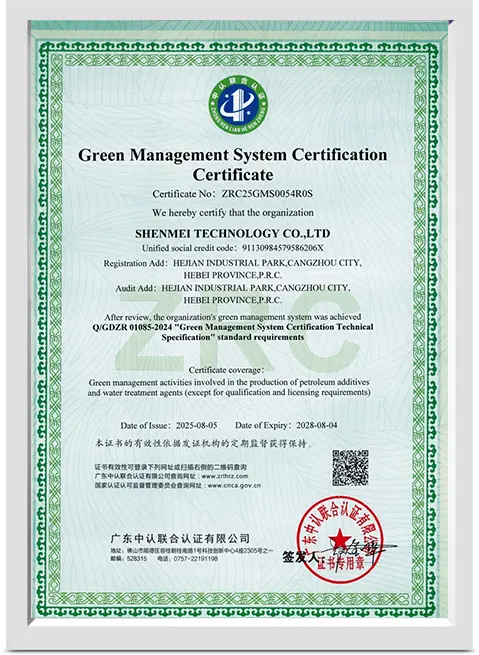
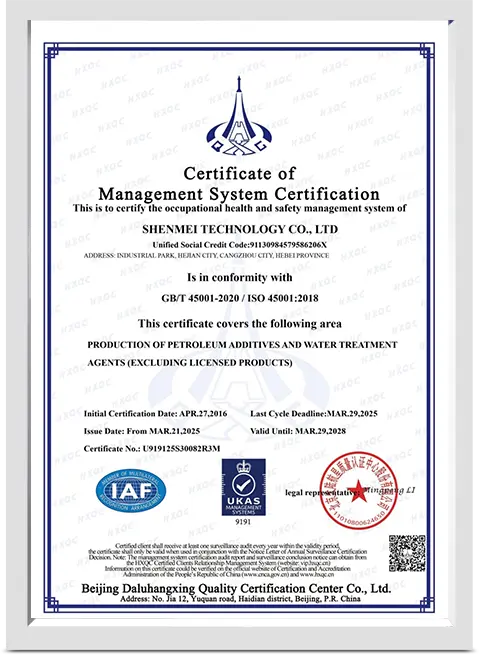
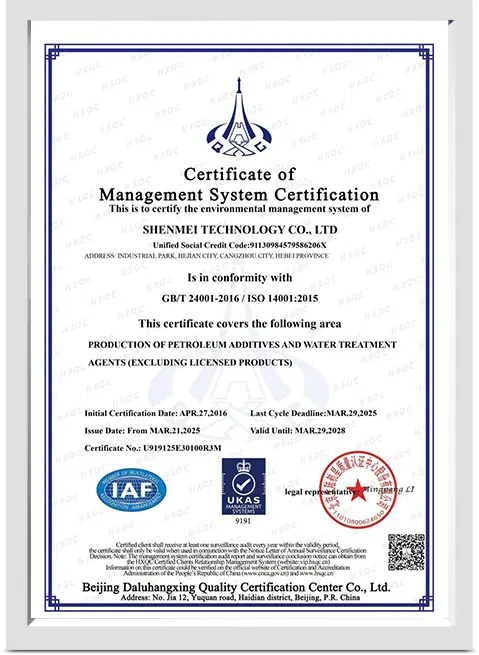
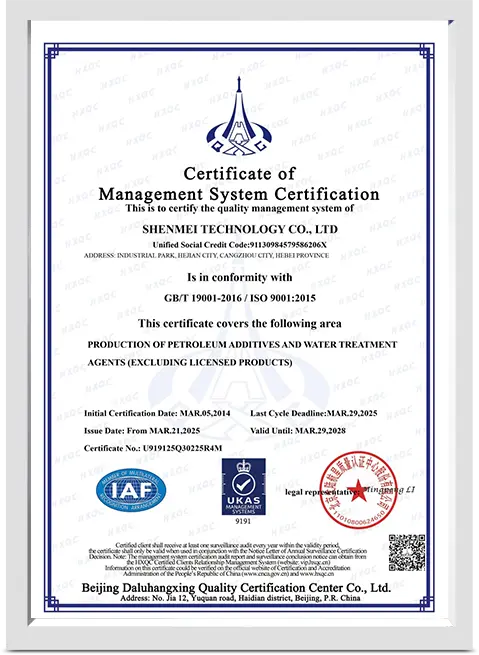
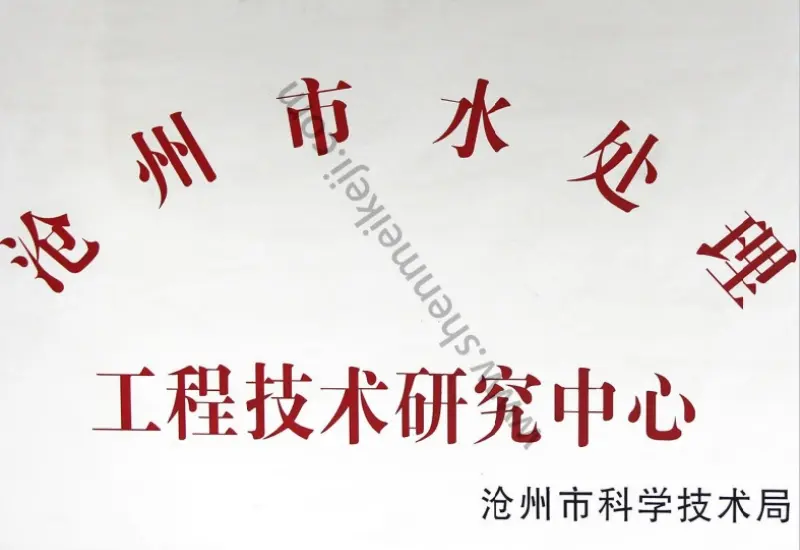
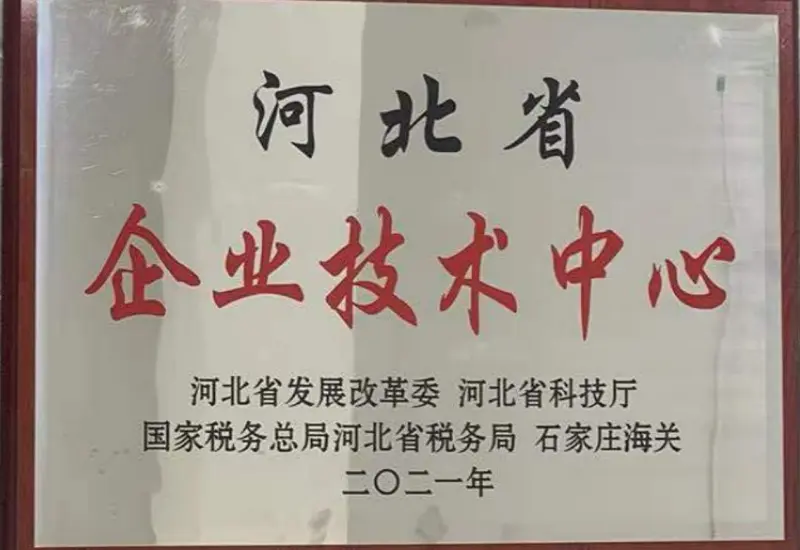
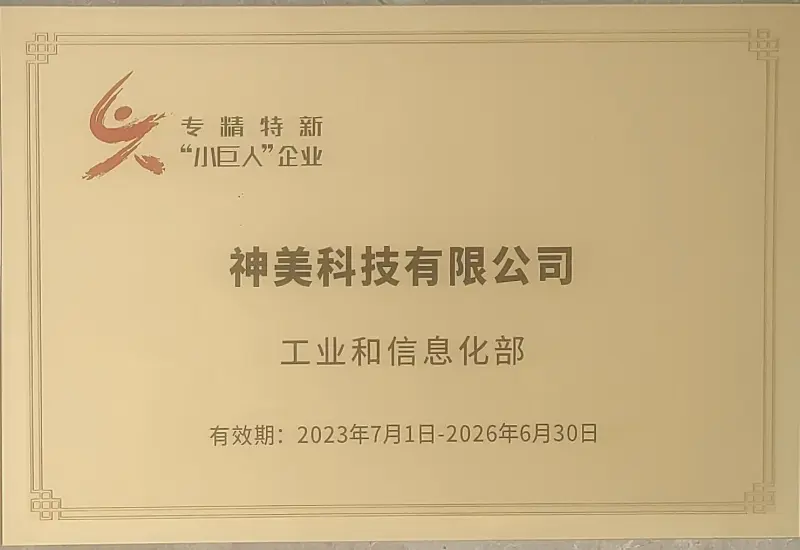
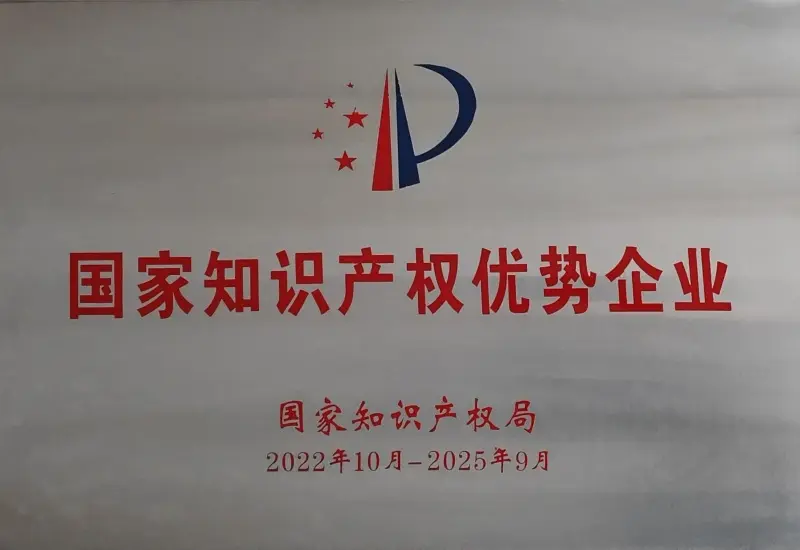
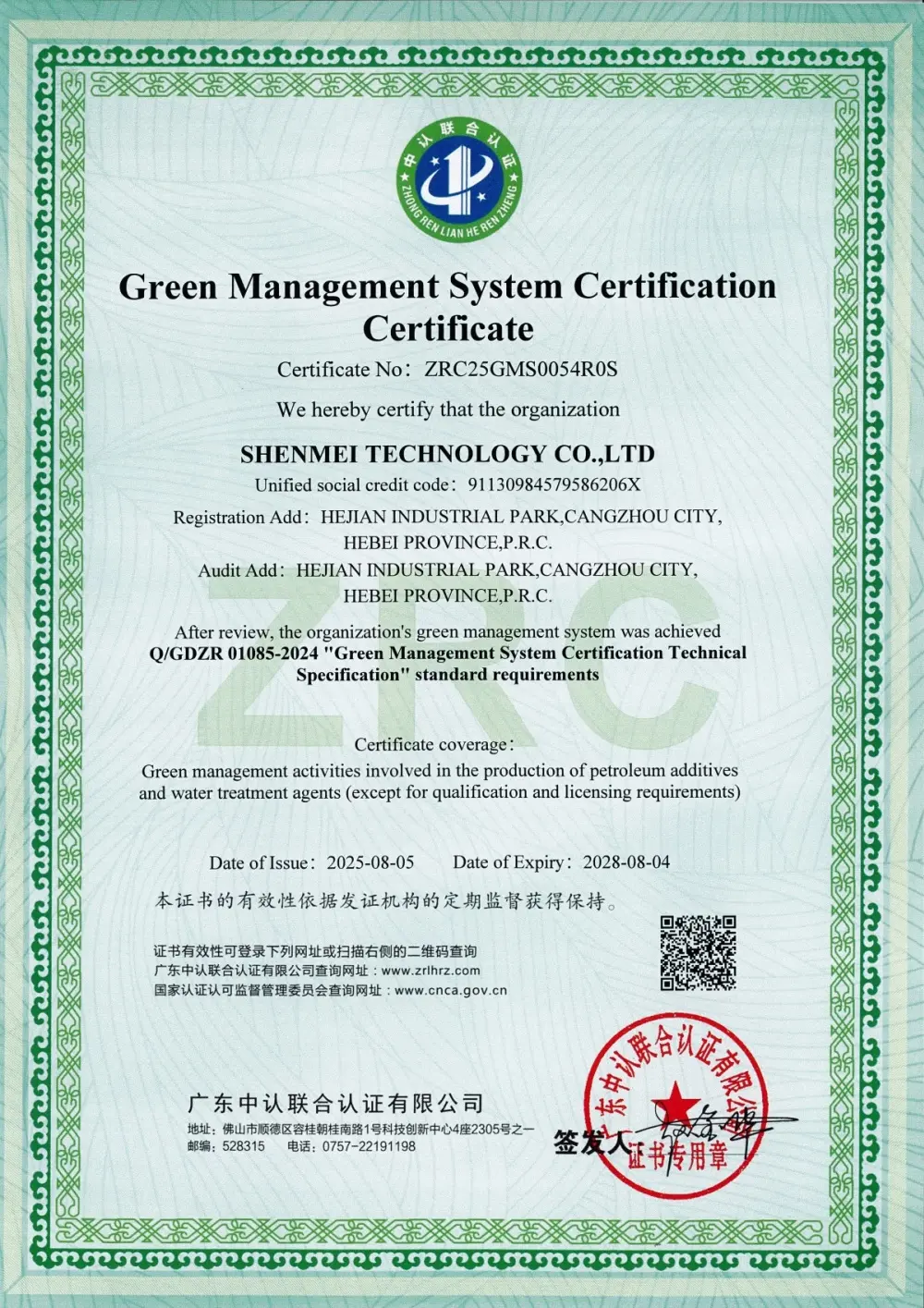
Smedic's market authority is supported by national-level recognition. We are designated as a National Specialized, Refined, Unique and Innovative "Little Giant" Enterprise, a National Key-Supported Specialized, Refined, Unique and Innovative "Little Giant" Enterprise, and a recognized Hebei Province Green Factory. We operate an advanced R&D framework consisting of 1 Academy, 3 Research Institutes, and 5 Production Bases. This technical ecosystem is further strengthened by Class A R&D status, Hebei Provincial Advanced Water Treatment Chemicals Technology Innovation Center, and a dedicated expert workstation operating in partnership with the Tsinghua University Association of Senior Scientists and Technicians. We also collaborate closely on research with Shandong University, Peking University, and Beijing University of Technology.
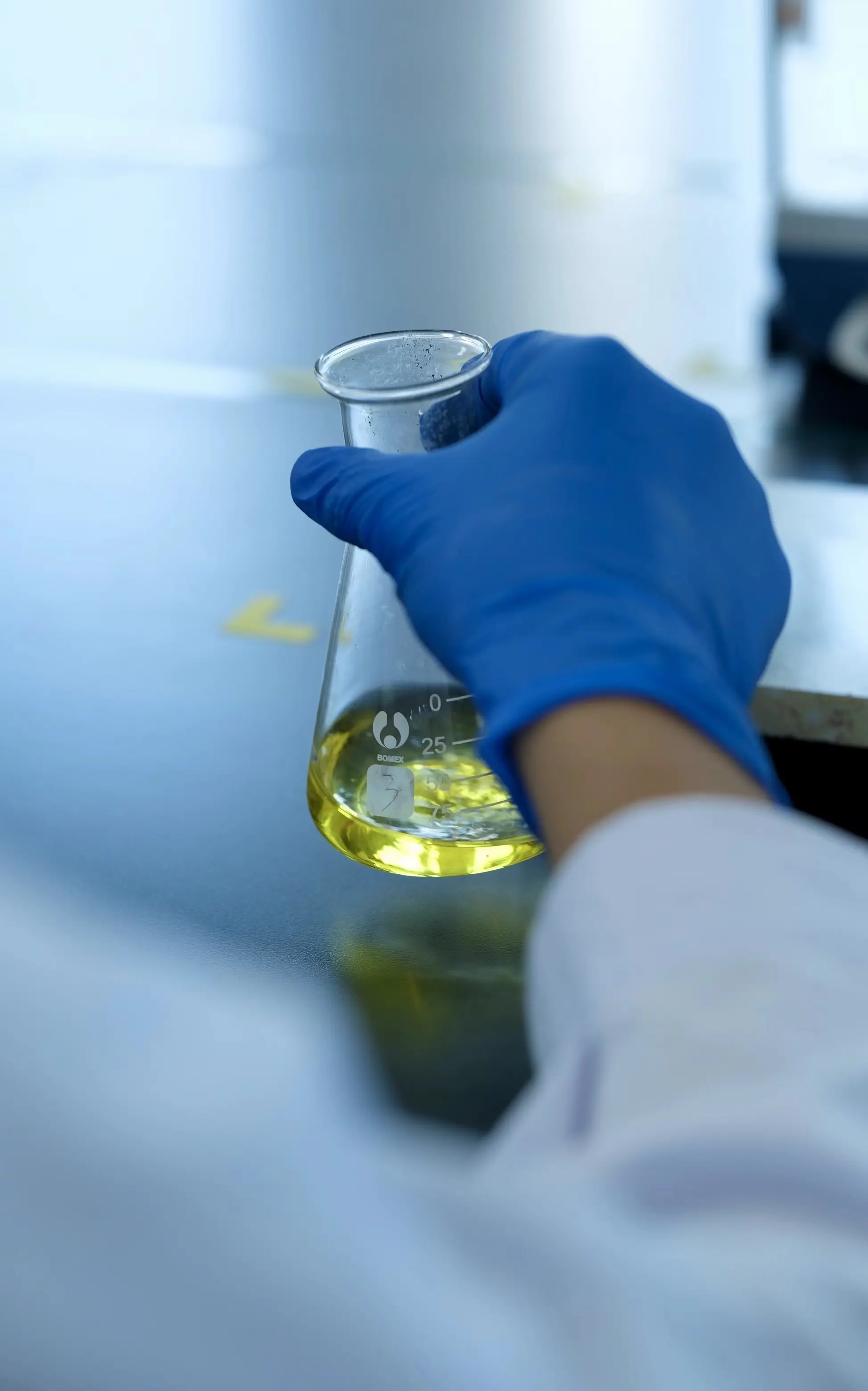
How regional operations and logistics support global industrial water treatment procurement.
Smedic operates multiple wholly-owned production bases in Hebei, Guizhou, and Shanxi, complemented by more than ten OEM partner facilities and strategic warehousing networks in Shandong, Shanxi, Anhui, Guangxi, and Sichuan. This distributed manufacturing approach minimizes transport times and ensures regional chemical supply stability.
Our service network spans 20+ provinces, supporting projects in over 600 municipal sewage treatment plants and assisting 1,000+ industrial wastewater, mineral processing, and oilfield chemical clients. The total treatment volume supported by Smedic products exceeds 20 million tons of water daily.
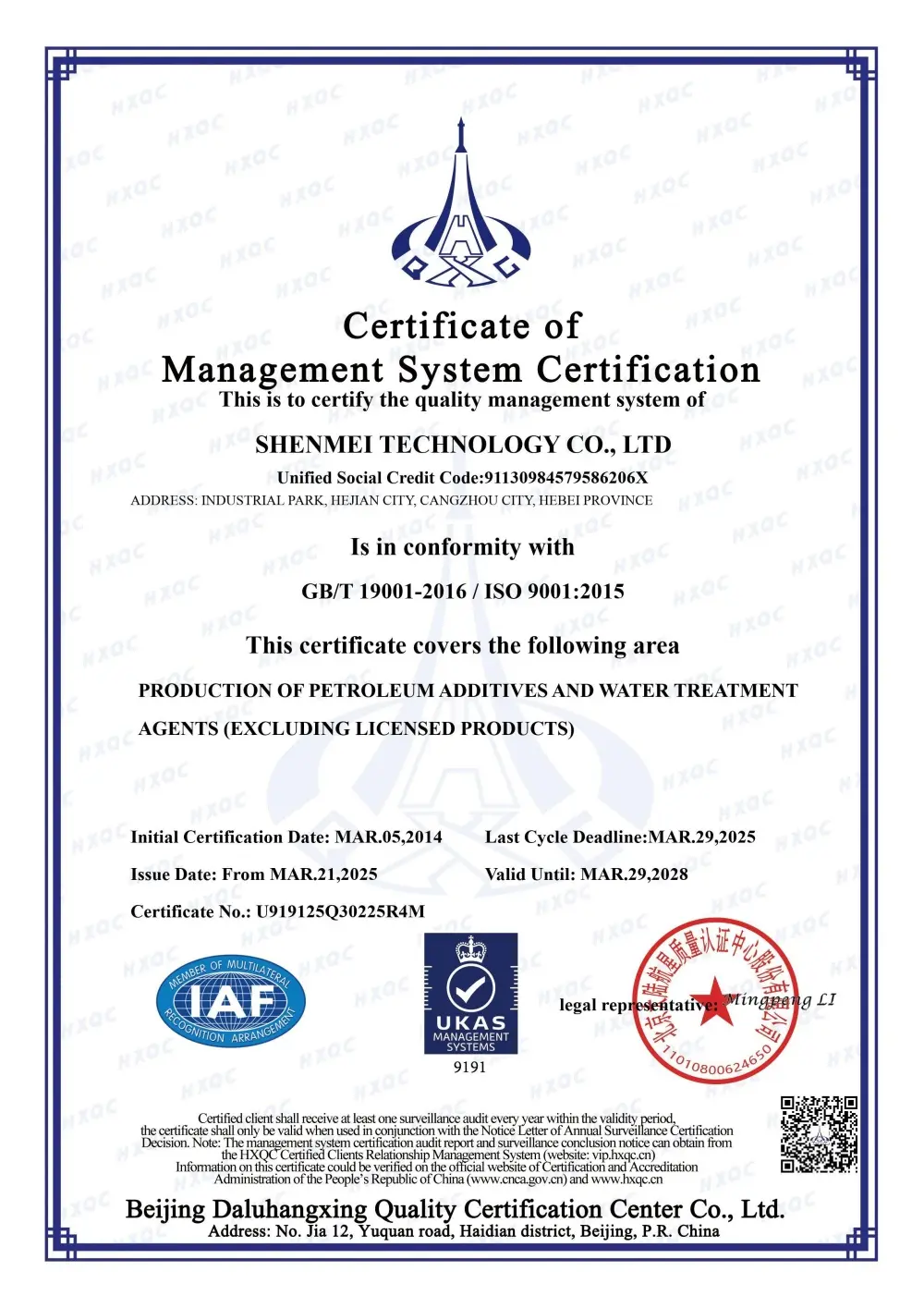
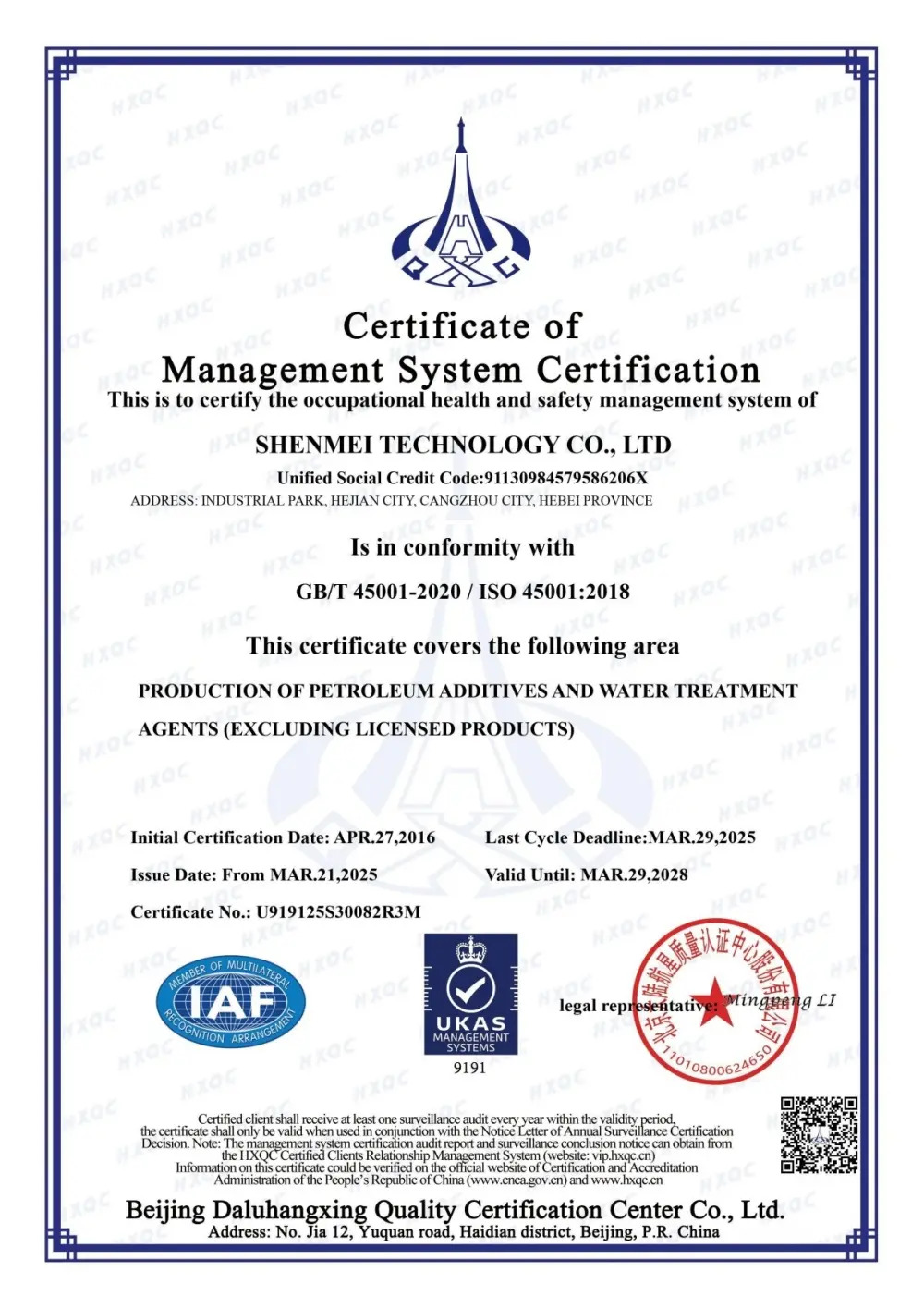
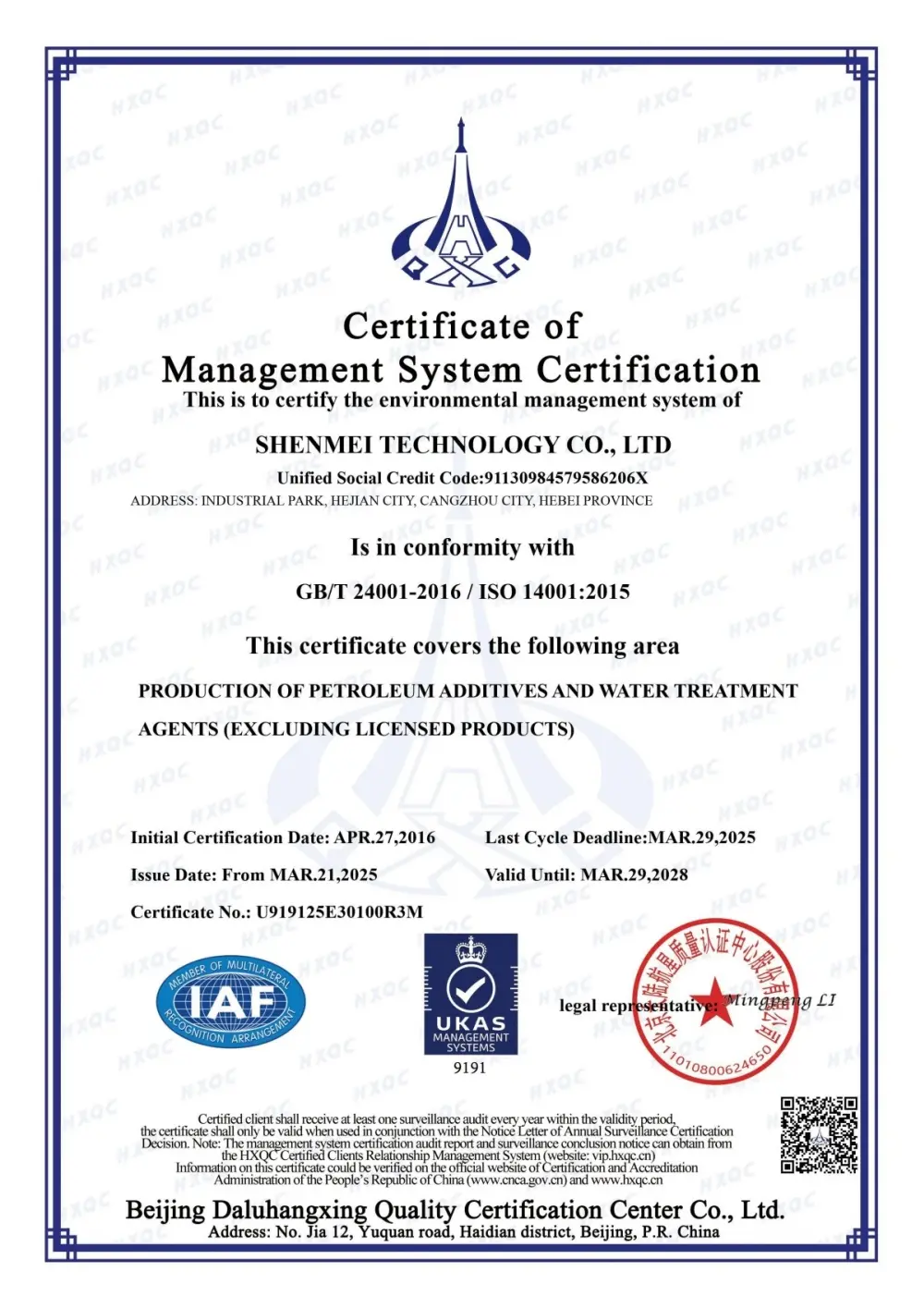
Smedic maintains rigorous inspection protocols covering raw material acceptance testing, in-process reaction monitoring, and final product release. This systematic quality control ensures consistent batch performance, meeting strict global standards for export.
Smedic's chemical solutions are engineered to perform across a range of industrial applications, ensuring safety, efficiency, and equipment longevity:
Polyamide thin-film composite membranes are highly sensitive to oxidizing biocides like chlorine. Smedic's dechlorination agents quickly reduce free chlorine in feedwaters, safeguarding downstream membrane modules from oxidative damage and extending membrane service life.
Following chlorine disinfection, residual chlorine must be neutralized prior to environmental discharge to protect aquatic biology. Our liquid bisulfite and sulfite formulations provide rapid reaction rates and low toxicity profiles, helping plants meet strict environmental discharge limits.
High-pressure steam boilers and cooling towers require highly purified water. Our oxygen scavengers and dechlorination chemical formulations protect high-alloy metal components from pitting corrosion and oxidation-driven material degradation.
Over a decade of R&D achievements and industrial expansion in water purification technology.
Smedic Technology is founded, focusing on the R&D of high-end environmental protection agents.
Establishes a complete product portfolio for municipal wastewater treatment and sludge management.
Officially recognized as a National High-Tech Enterprise, marking a significant milestone in technology innovation.
Expands production bases in Hebei, Shandong, and Guizhou, boosting aggregate annual capacity past 1 million tons.
Awarded National Specialized, Refined, Unique and Innovative "Little Giant" Enterprise status.
Joint venture established with the Chengdu Institute of Mineral Comprehensive Utilization, China Geological Survey, expanding the product line into mineral processing agents.
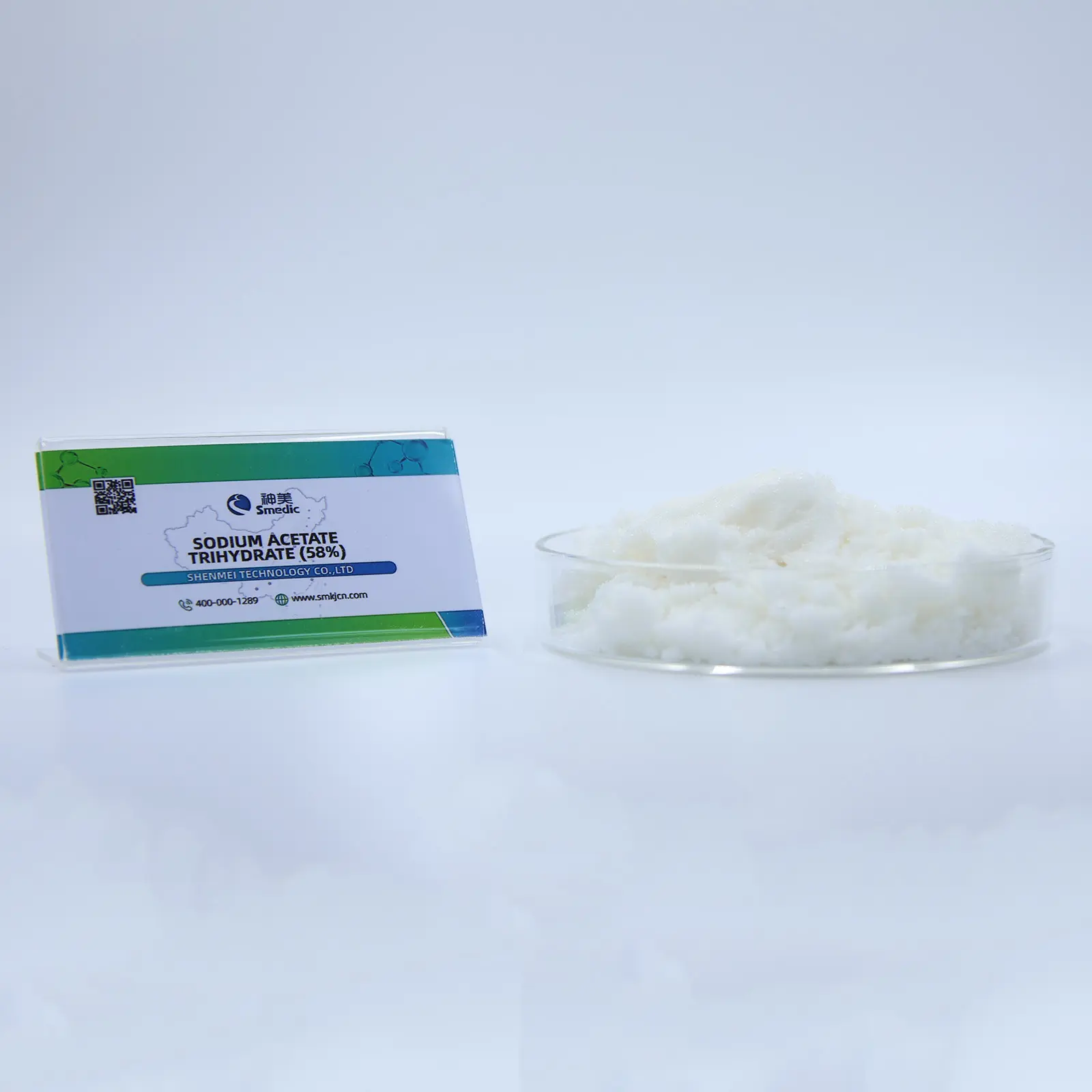
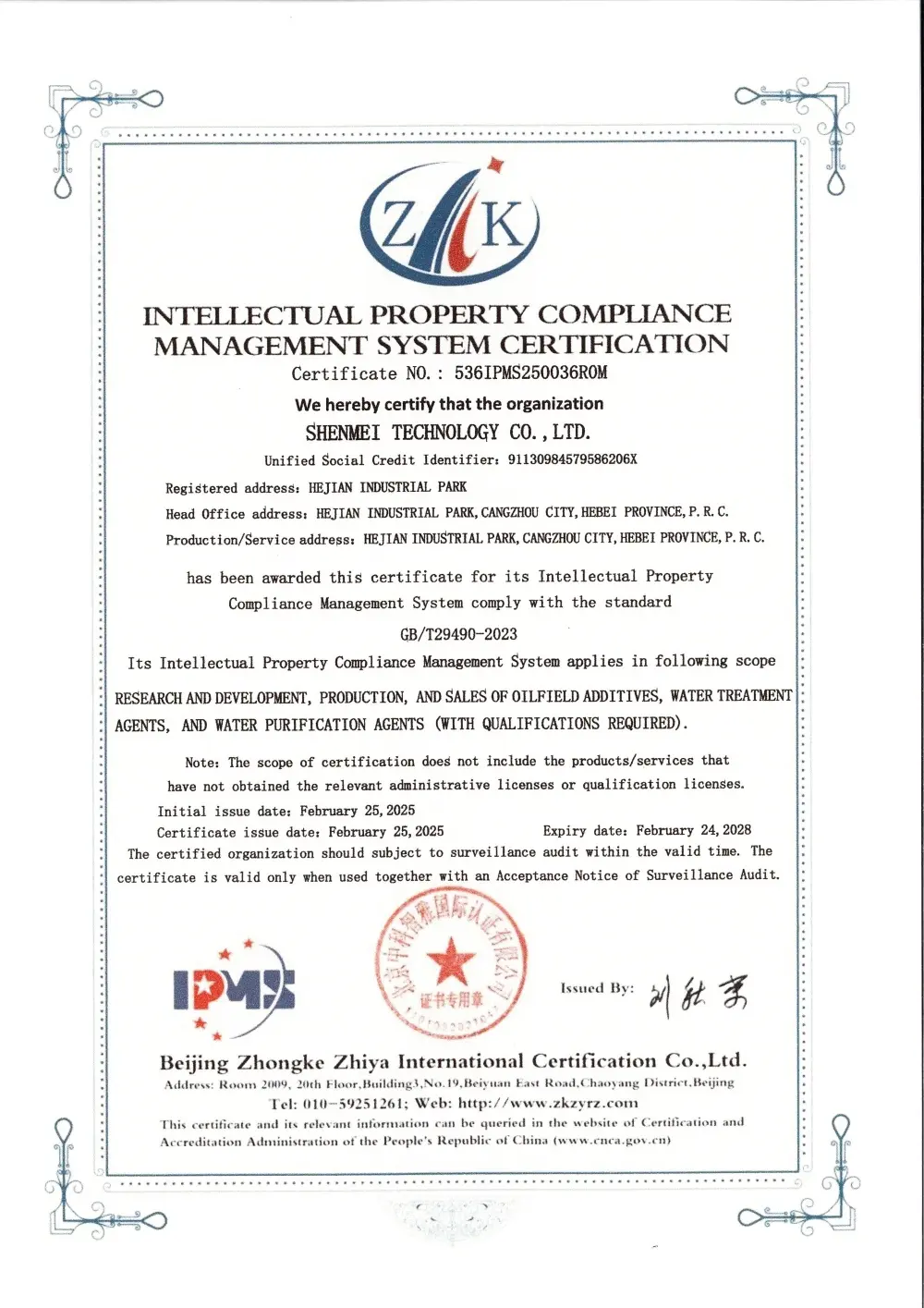
Smedic's R&D programs have resulted in more than sixty Chinese patents, including over 40 invention patents and 20 utility model patents. Smedic has led the drafting of over 10 national and industry standards covering composite carbon sources, composite coagulants, sodium acetate, and specialized bacterial agents.
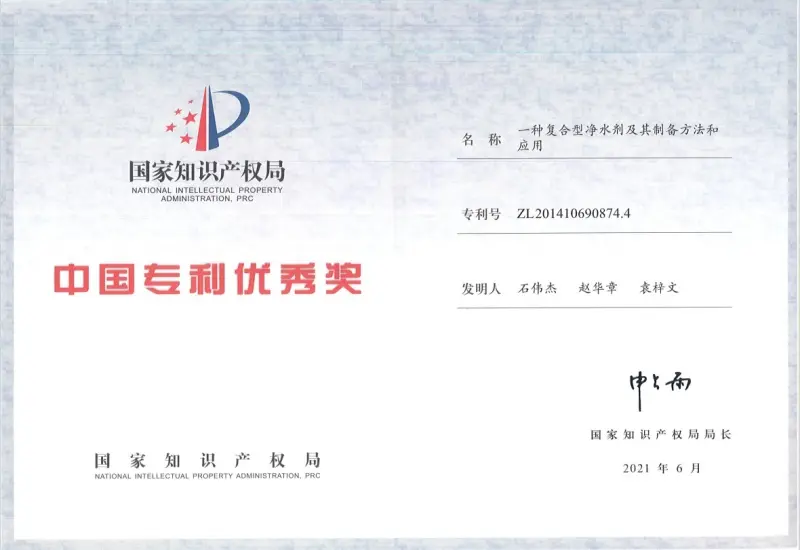
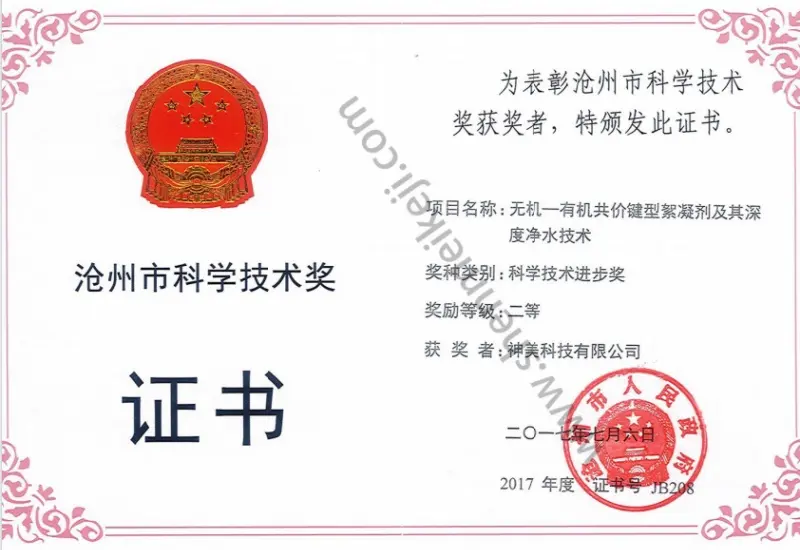
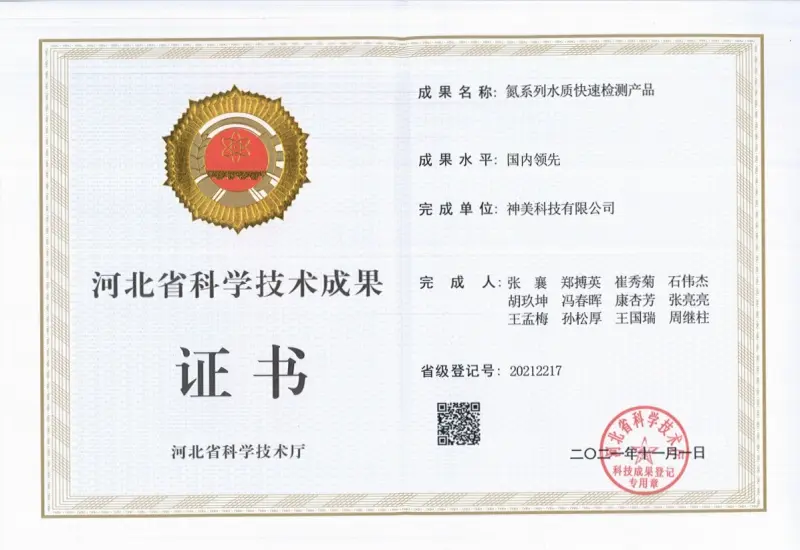
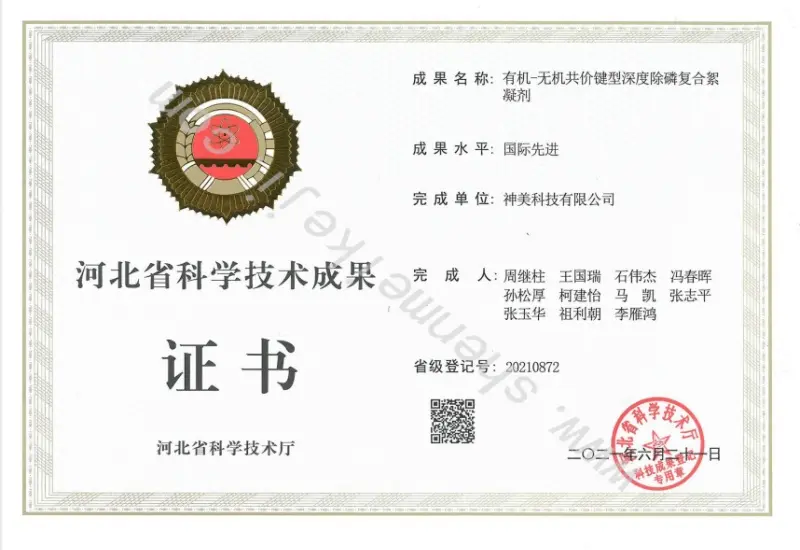
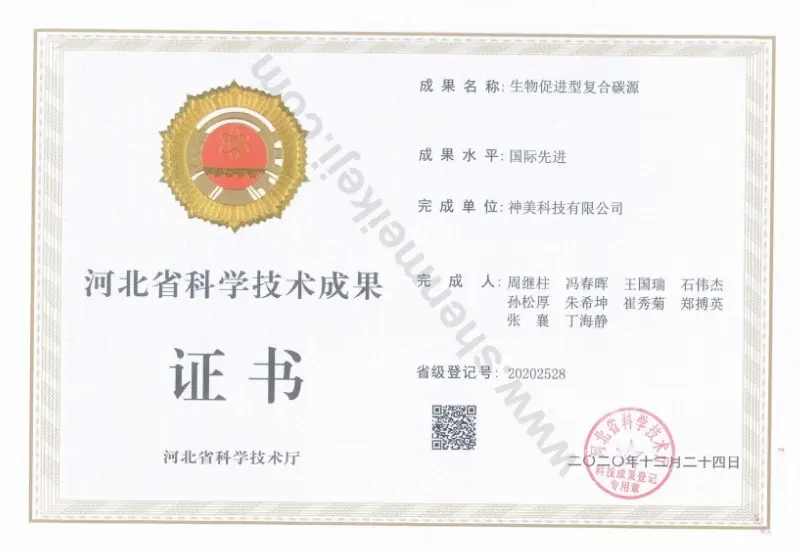
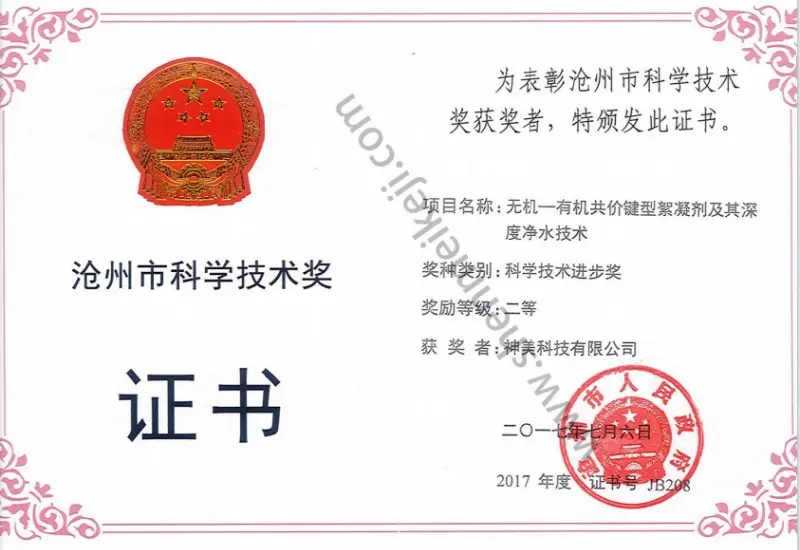
Key proprietary innovations, such as our bio-enhanced denitrification carbon source and deep multi-nuclear phosphorus removal agent, have been appraised as "internationally advanced" by the Science and Technology Department of Hebei Province. Our "Active Oxygen Compound Disinfectant" has also been recognized as a National Construction Industry Scientific and Technological Achievement Promotion Project by the Ministry of Housing and Urban-Rural Development. Smedic's Inorganic-Organic Covalent Bond Flocculant won the 22nd China Patent Award and the First Prize for Technological Invention from the China Petrochemical Industry Association.
These achievements have helped Smedic secure long-term strategic partnerships with leading environmental and water treatment corporations, including the Shouchuang Ecological and Environmental Group, Yangtze River Ecological and Environmental Group, Beijing Enterprises Water Group, OriginWater, and China Water Environment Group.
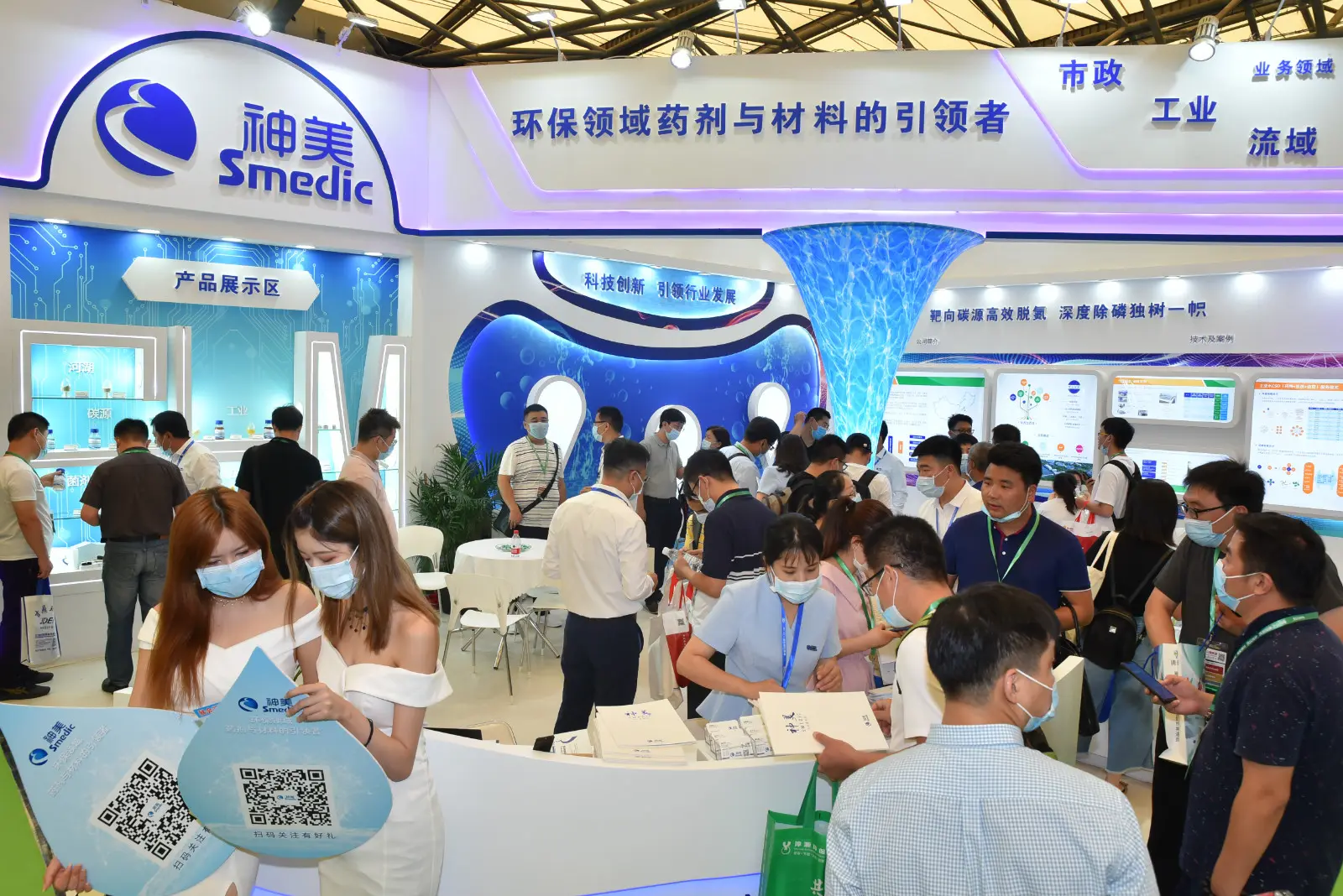
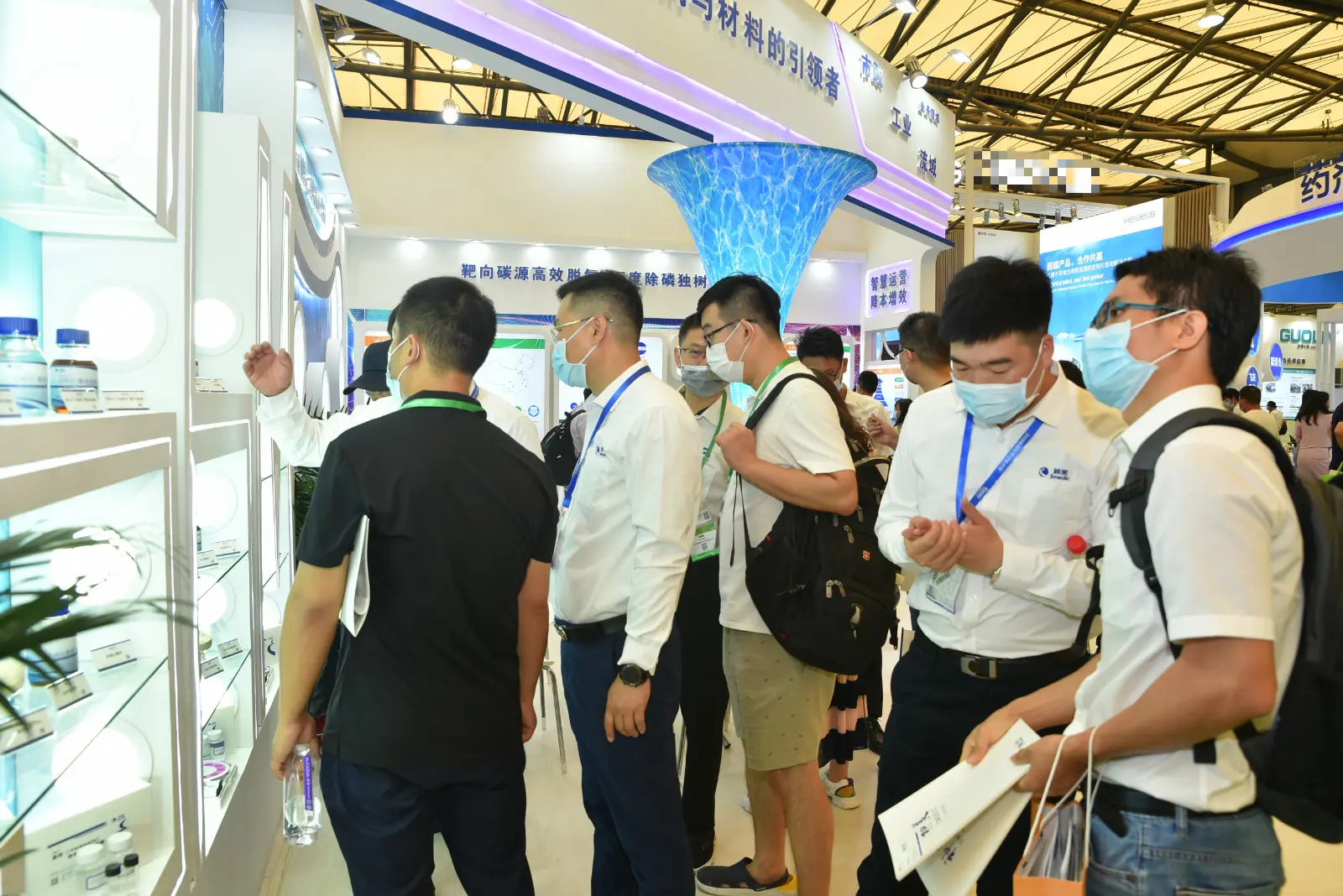
The water treatment industry is undergoing a transition driven by two primary shifts: ecological compliance and process automation. Dechlorination chemicals are being reformulated to reduce environmental footprint, focusing on minimizing excess sulfur compounds that can deplete dissolved oxygen in receiving waters. Modern chemical suppliers are developing high-efficiency bisulfite complexes that selectively reduce chlorine species without contributing to secondary pollution.
Concurrently, the integration of smart dosing technologies is reshaping industrial water management. Real-time monitoring systems track Oxidation-Reduction Potential (ORP) and Free Chlorine levels in flow lines, automatically adjusting chemical feed pumps. This closed-loop system prevents both under-dosing (which risks downstream membrane oxidation) and over-dosing (which incurs unnecessary chemical costs). Smedic is actively developing compatible chemical formulations optimized for high-speed dispersion and rapid kinetics within automated dosing installations.
Professional insights addressing engineering, chemical compatibility, and ODM sourcing queries.
Select high-performance formulations engineered for extreme industrial environments and Municipal Water Treatment.
 Smedic Tech