Ferrous Sulfate (FeSO₄), primarily produced as heptahydrate (FeSO₄·7H₂O) and monohydrate (FeSO₄·H₂O), has established itself as an indispensable chemical block in modern industrial engineering. Often compacted into structured forms such as pills, tablets, or dry granules for precise dosage control, this compound plays a pivotal role across municipal and heavy industrial applications globally.
As environmental policies grow more stringent, the demand for high-purity coagulants has surged. In wastewater treatment, Ferrous Sulfate acts as a highly effective primary flocculant, neutralizing colloidal charges and facilitating the rapid settling of suspended solids. The structural stability of the pill form reduces dust hazards, prevents caking during sea transit, and enables automated gravimetric feeding systems in advanced treatment plants.
Beyond water treatment, the industrial relevance of Ferrous Sulfate spans multiple sectors:
Established in 2011, Smedic Technology Co., Ltd. is a premier comprehensive solution provider specialized in environmental protection agents, integrating advanced research and development, smart production, global sales networks, and engineering-related technical services. Headquartered in Beijing, Smedic operates wholly-owned production bases in Hebei, Guizhou, Shanxi, and regional warehouse networks in Shandong, Anhui, Guangxi, and Sichuan.
Our project portfolio includes partnerships with over 600 municipal sewage treatment plants and more than 1,000 global end customers spanning wastewater treatment, mineral processing, and oilfield operations. With an annual production capacity exceeding 1 million tons, Smedic leads the East Asian market in the high-end environmental chemical segment.
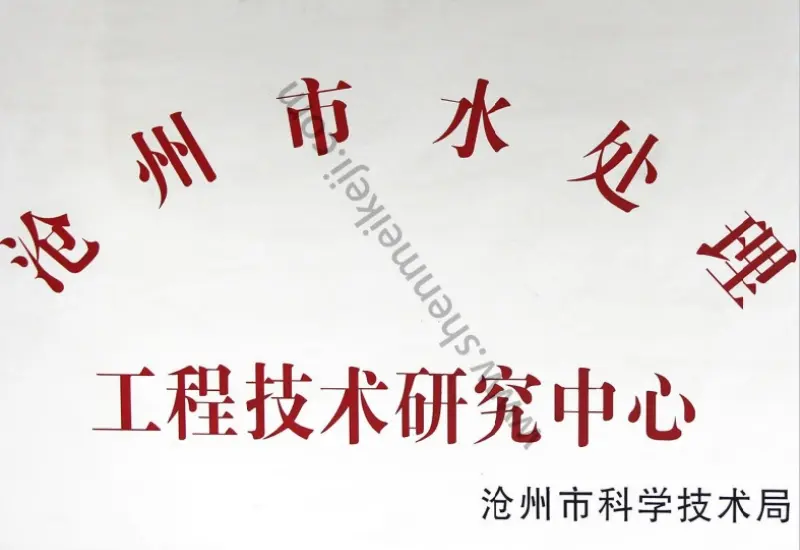
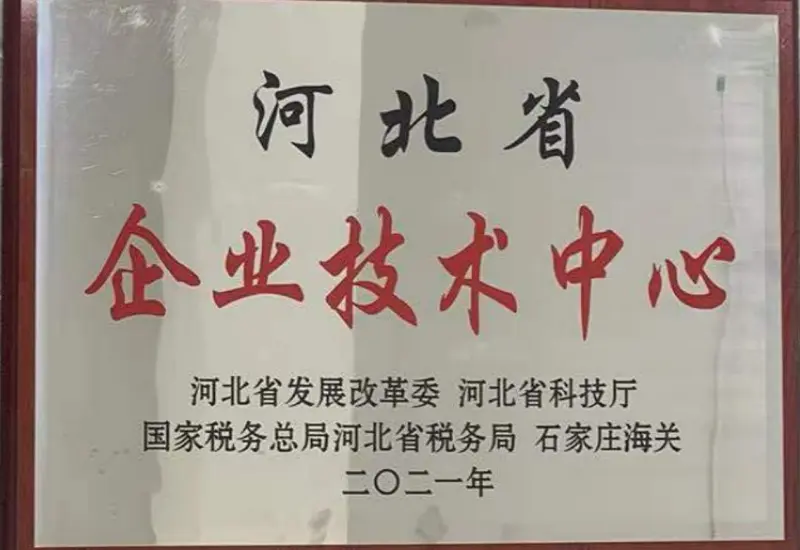
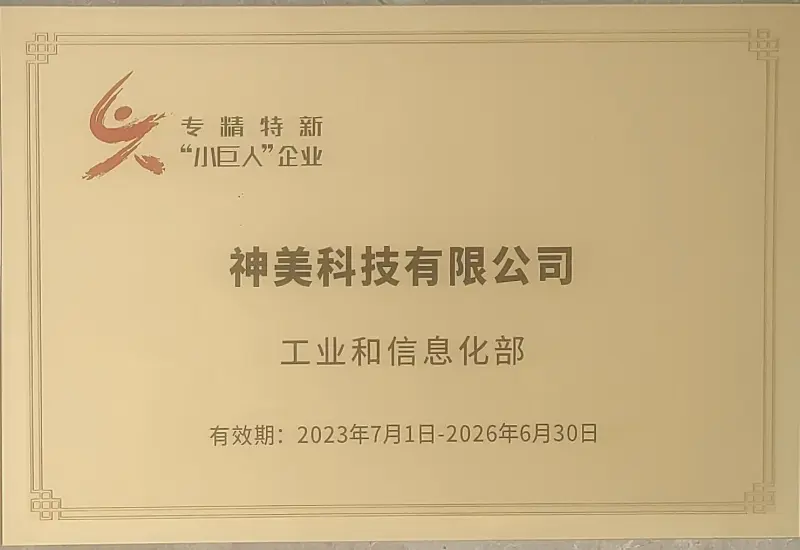
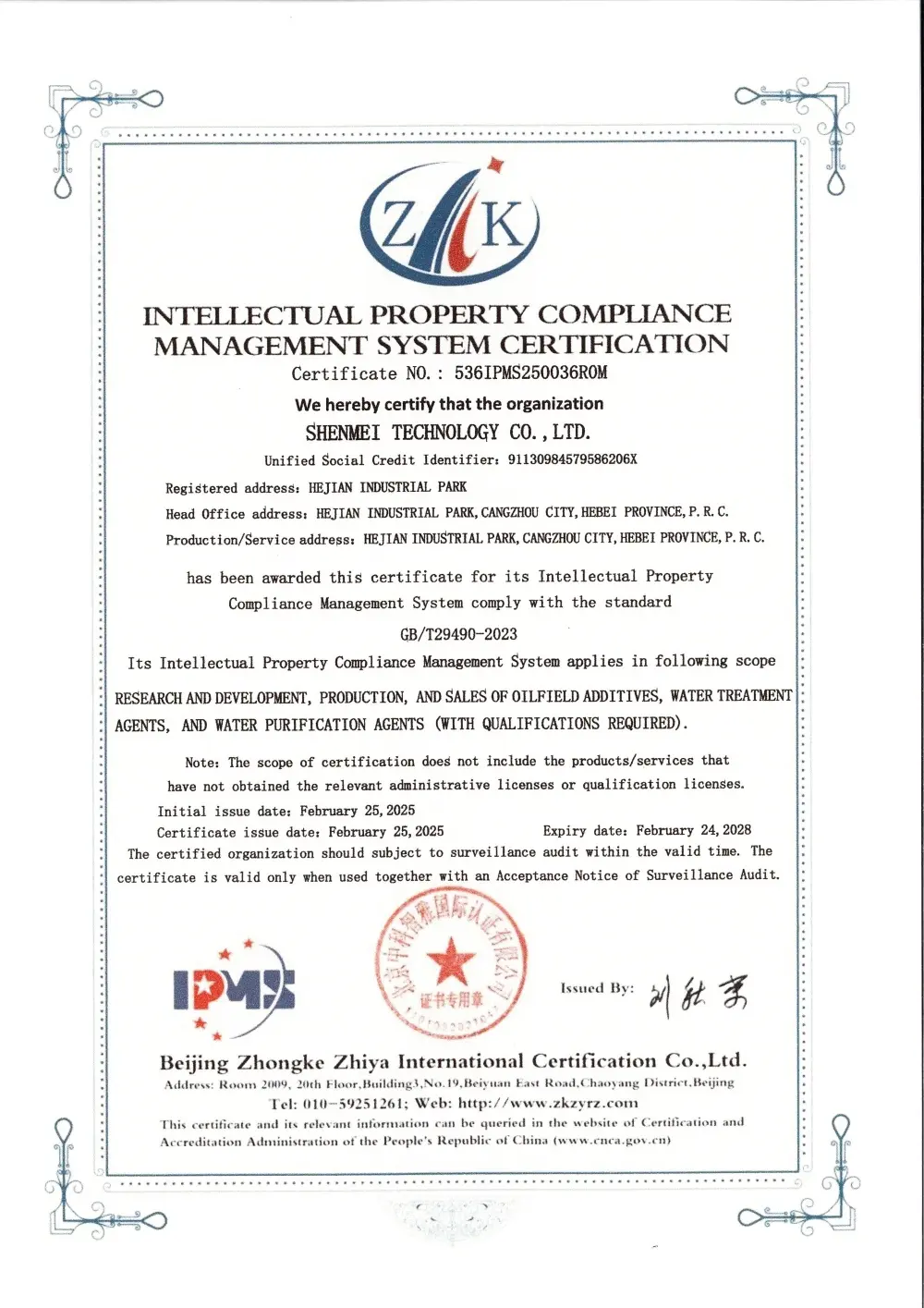
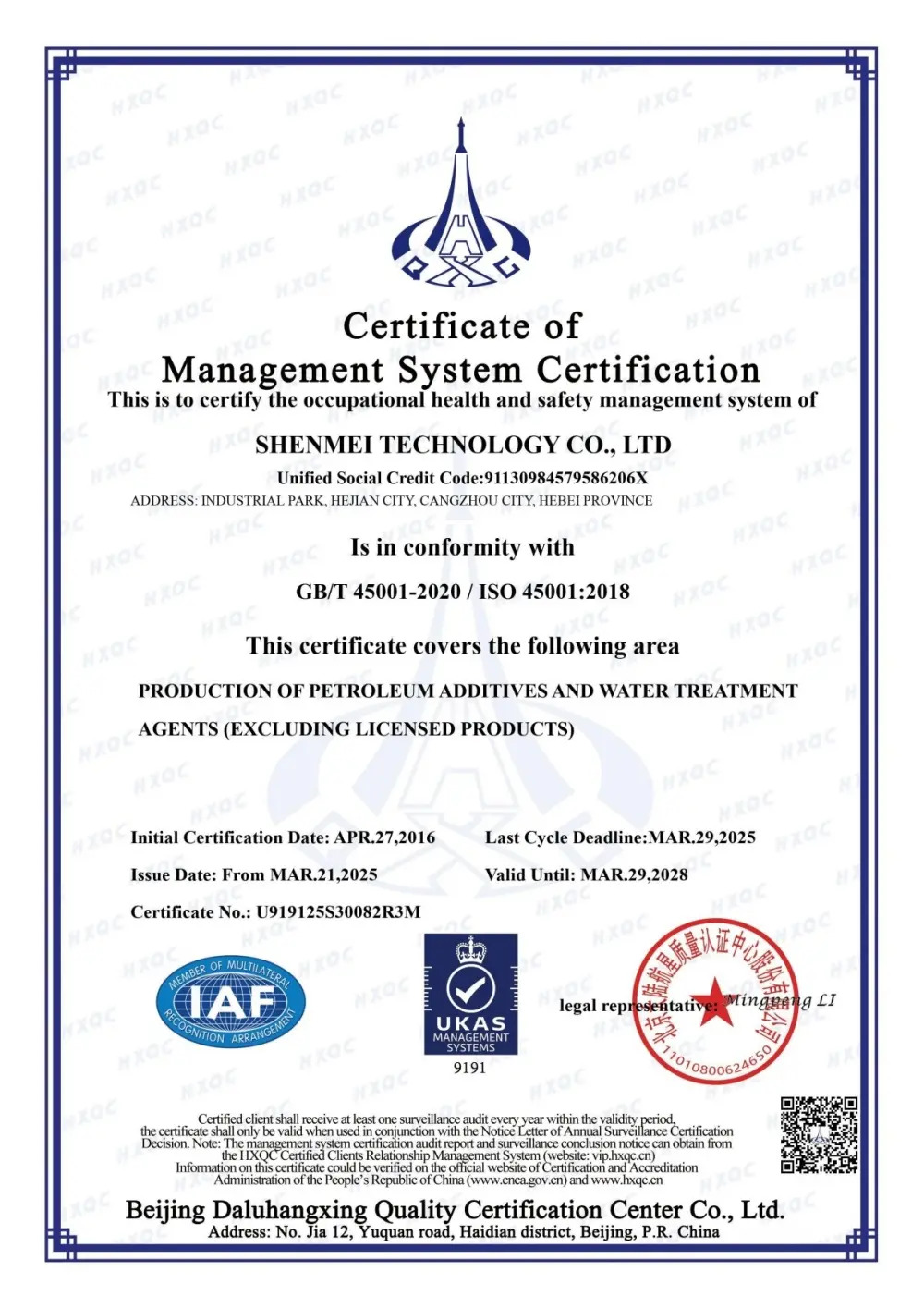
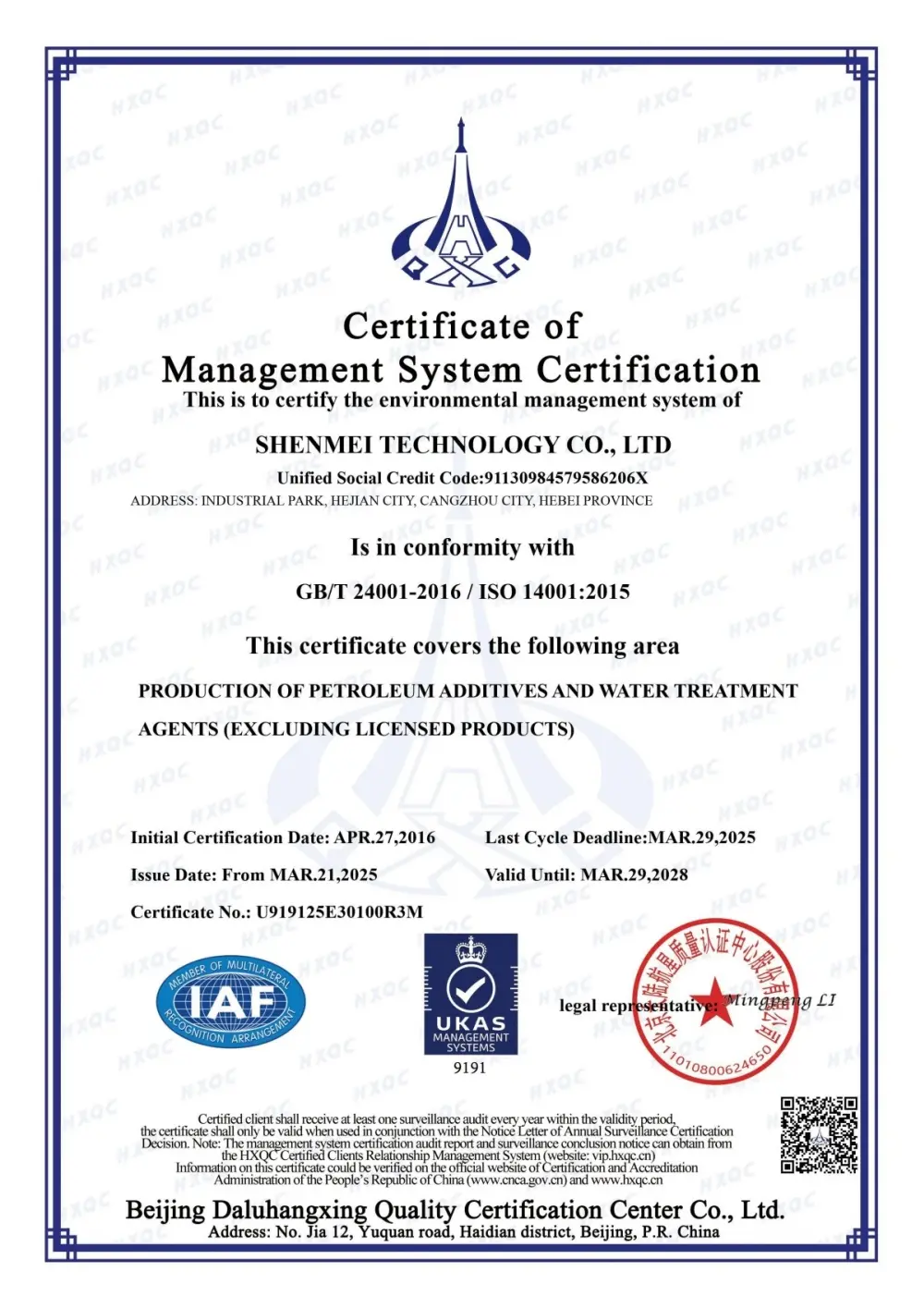
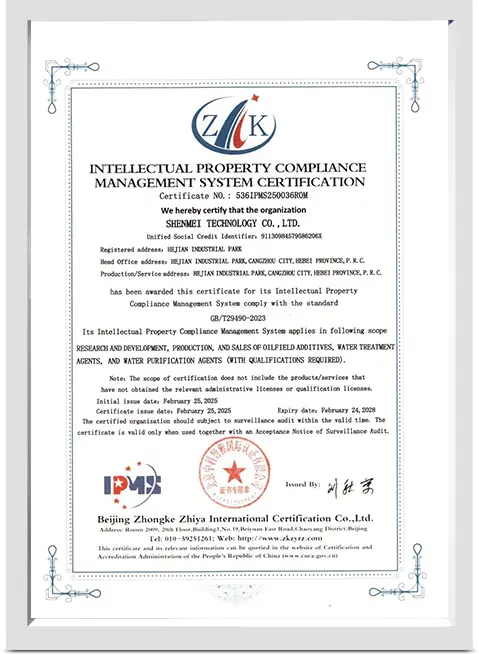
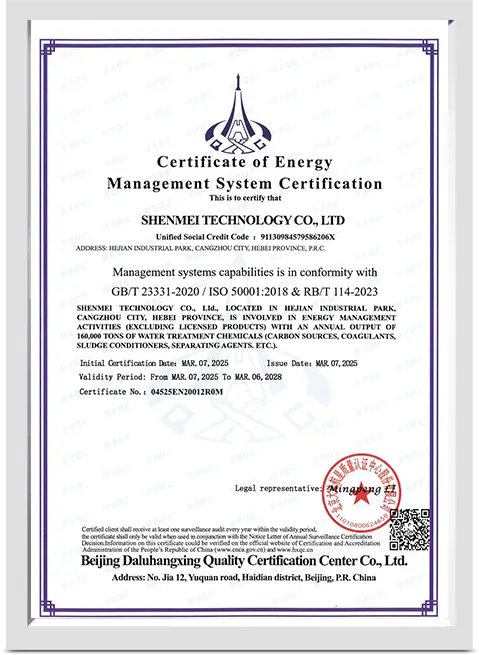
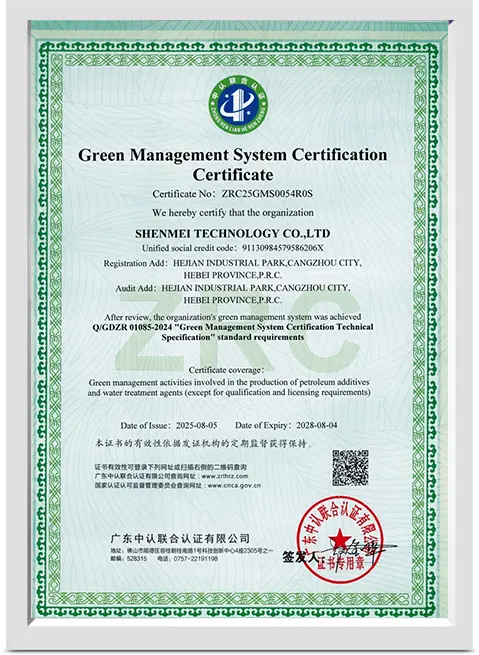
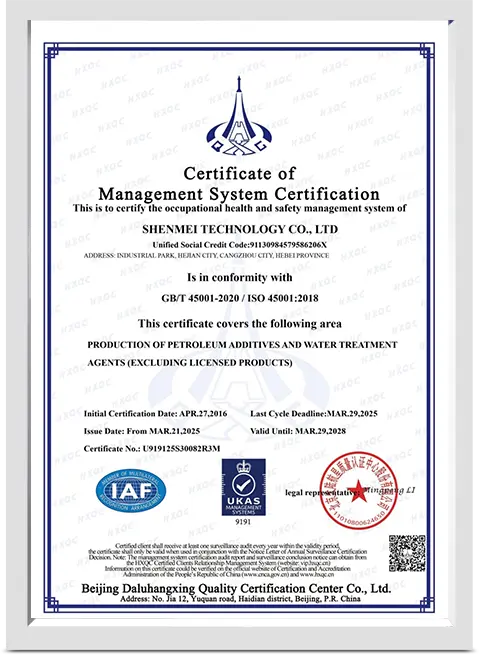
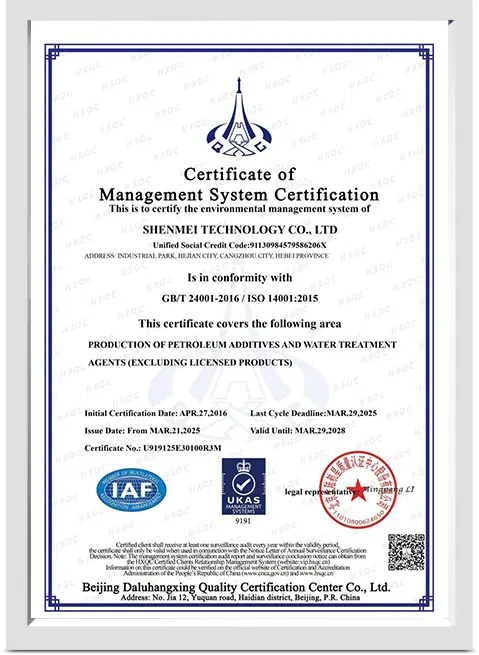
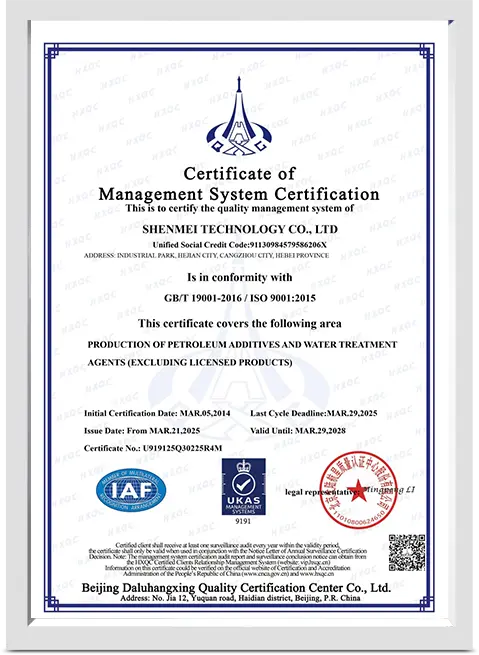
Smedic has earned prestigious government honors, recognized as a National High-tech Enterprise and a National Specialized, Refined, Unique and Innovative "Little Giant" Enterprise. Our expert-driven R&D system revolves around one academy, three research institutes, and five dedicated test bases.
We maintain long-term academic partnerships and joint laboratories with leading research centers, including Tsinghua University Association of Senior Scientists and Technicians, Shandong University, Beijing University of Technology, Peking University, and Tianjin University. These partnerships accelerate the translation of academic breakthroughs into high-performance industrial chemicals.
Our plants are strategically located close to primary iron-ore and titanium dioxide mining clusters in Hebei and Guizhou. This minimizes internal logistics costs, guarantees a consistent raw feedstock flow, and insulates international procurement partners from sudden global market price volatility.
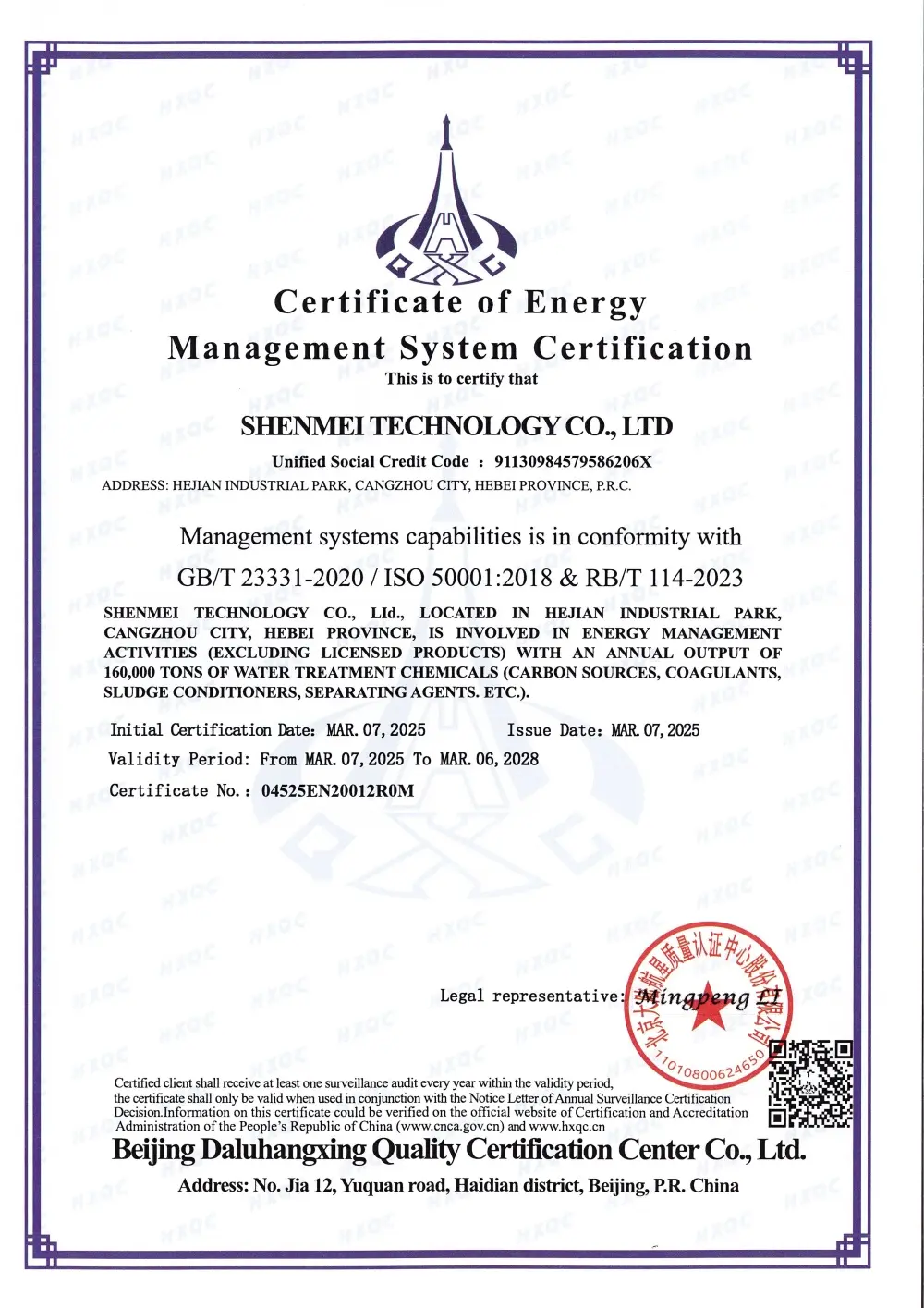
Utilizing state-of-the-art automatic rotary dry-granulators and fluidized bed dehydration systems, we precisely control the crystallization water molecule count. This technology prevents the common degradation of FeSO₄ into oxidation products like basic ferric sulfate, maintaining active Fe²⁺ content > 98%.
We manufacture custom sizes ranging from micro-pills to large tablets, complete with proprietary binding matrices that govern dissolution speed. Whether for long-term agricultural slow-release soil feeding or immediate dissolution in industrial flocculators, our configurations are customized to application needs.
Heavy Metal Flocculation: In metal-plating and electronic manufacturing hubs across Southeast Asia and North America, discharge limits for copper, nickel, and hexavalent chromium are extremely stringent. Incorporating ODM Ferrous Sulfate pills provides the dual benefit of chemical reduction and high-density flocculation. The generated ferric hydroxides exhibit excellent sweep and adsorption kinetics, bringing heavy metal contents below 0.1 ppm.
Municipal Sludge Conditioning & Odor Control: Modern wastewater infrastructures require effective anaerobic digestate management. Iron salts successfully bind hydrogen sulfide (H₂S) within the sludge matrix, dramatically reducing process corrosion and hazardous gas emissions. Furthermore, combining Ferrous Sulfate with Smedic's cationic polyacrylamides (CPAM) improves sludge dewatering efficiency, resulting in dryer filter cakes and lower disposal costs.
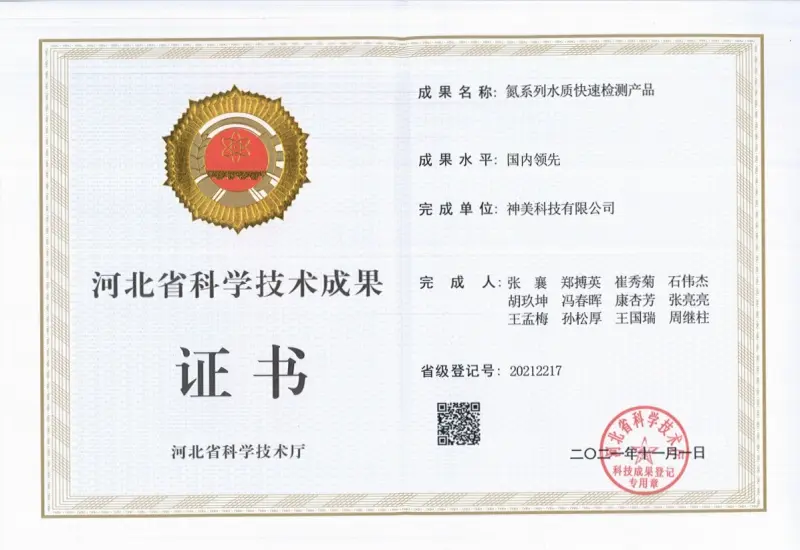
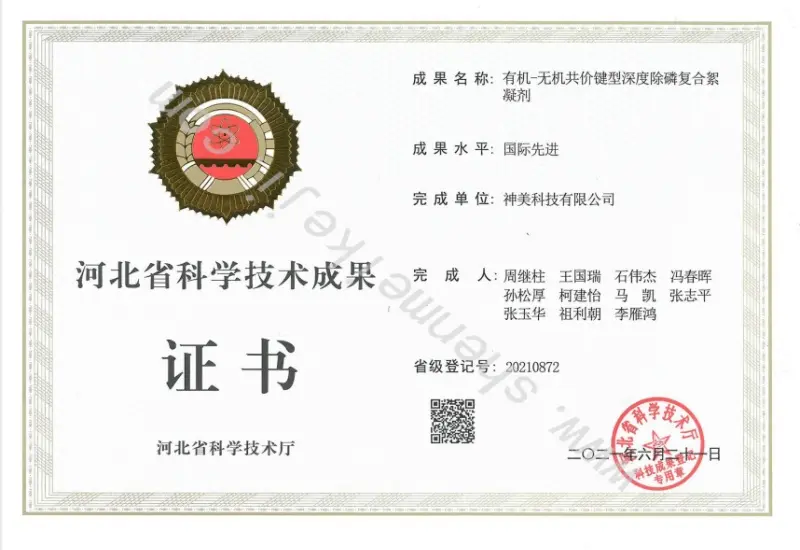
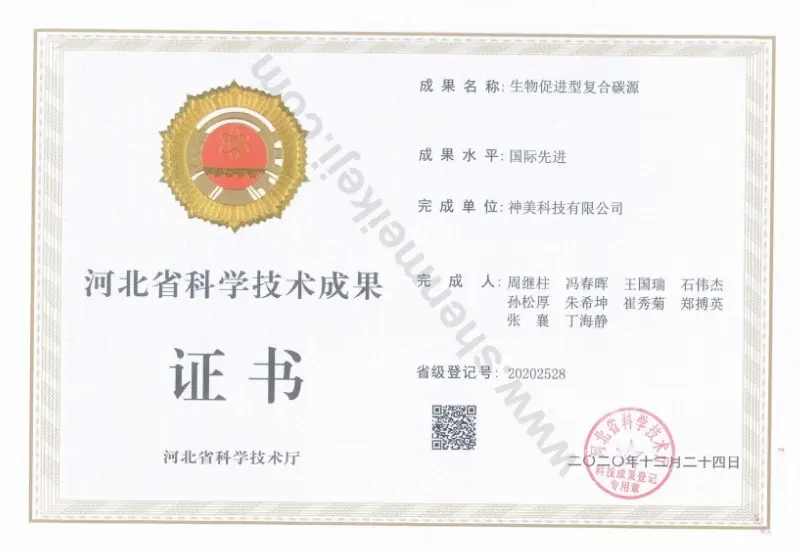
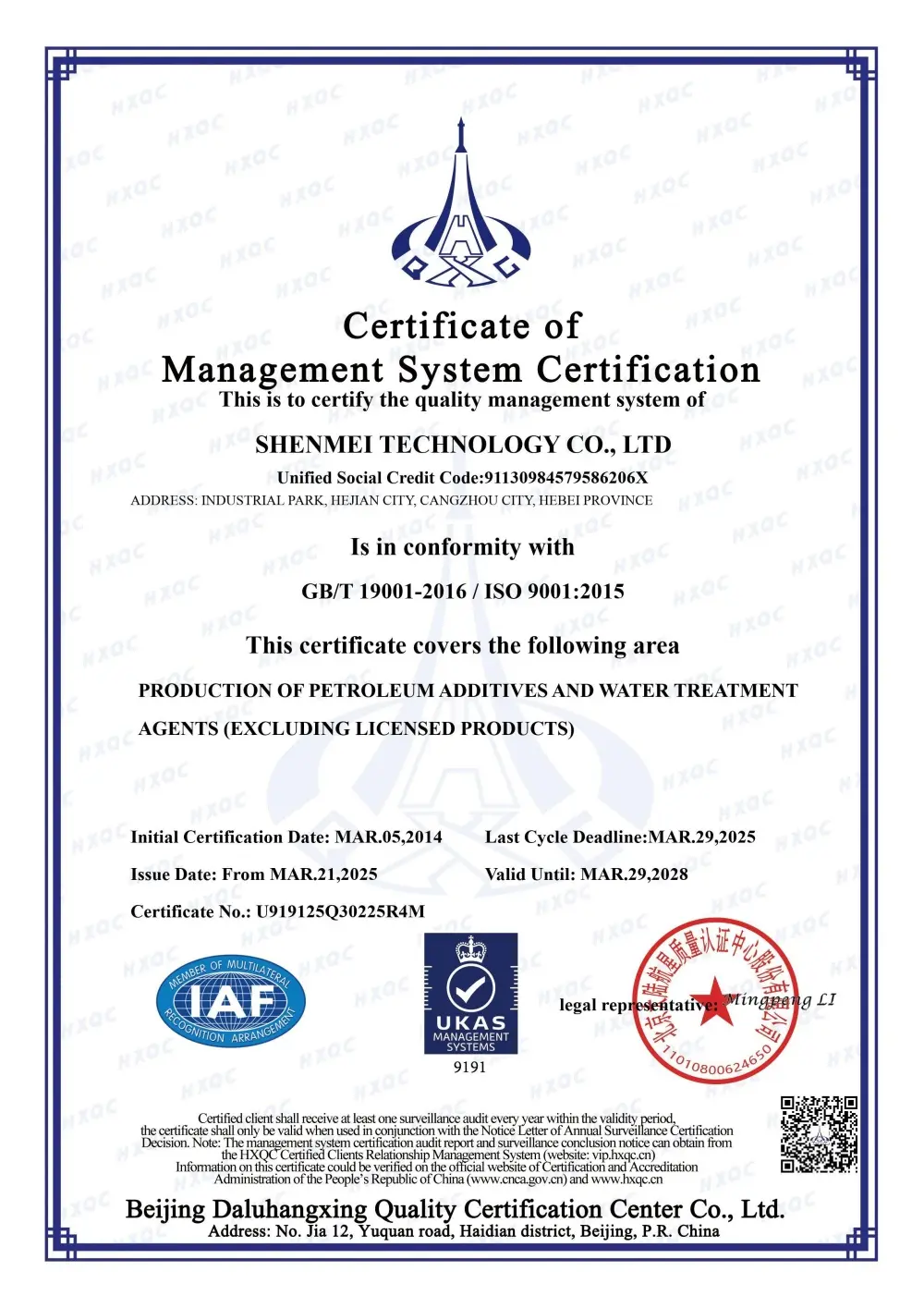
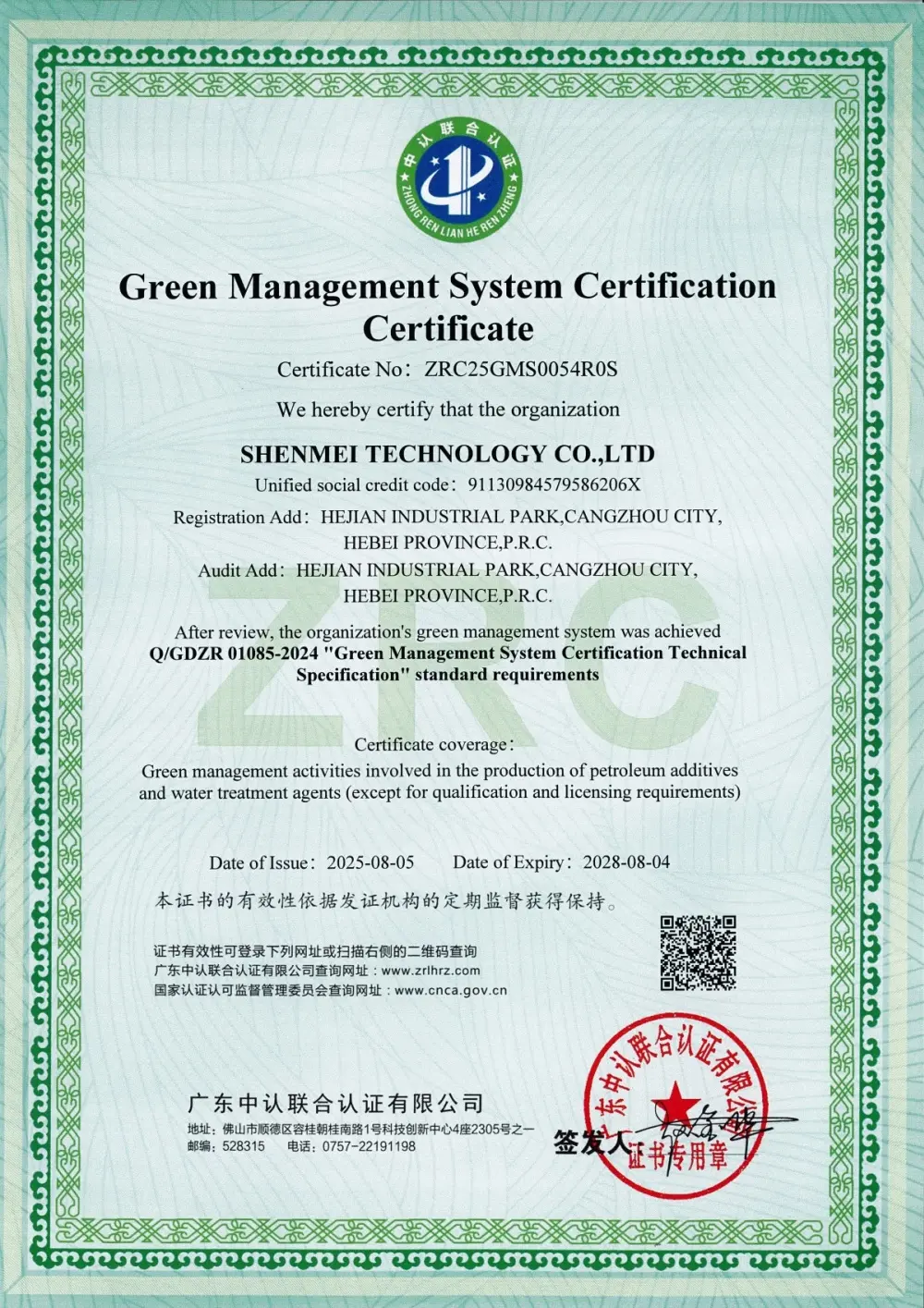
Our advanced production lines are monitored by online analytical instrumentation, verifying heavy metal impurities (such as Arsenic, Lead, and Cadmium) stay well below international environmental boundaries. Smedic's independently developed products, including bio-enhanced denitrification carbon sources and multi-nuclear phosphorus removal agents, have been certified as "internationally advanced" by the Science and Technology Department of Hebei Province.
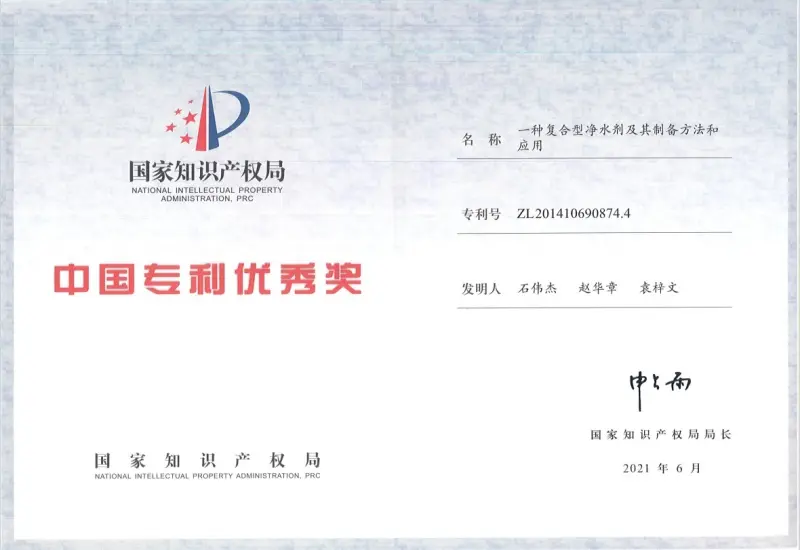
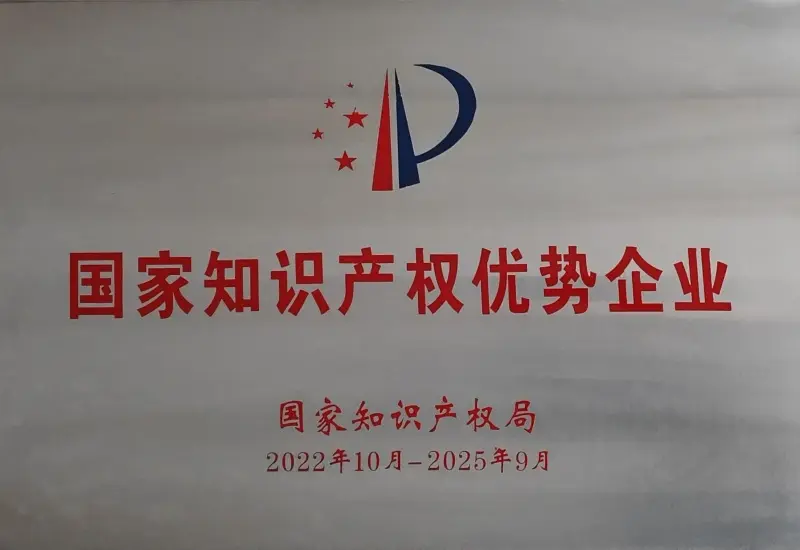
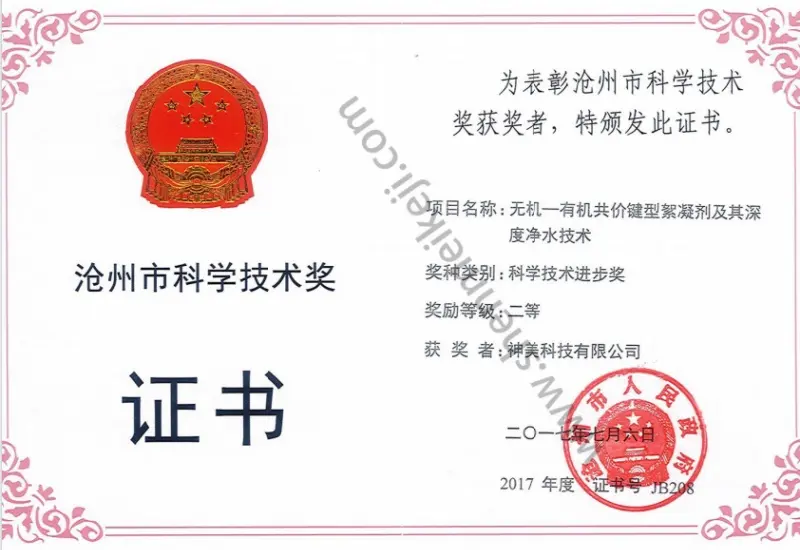
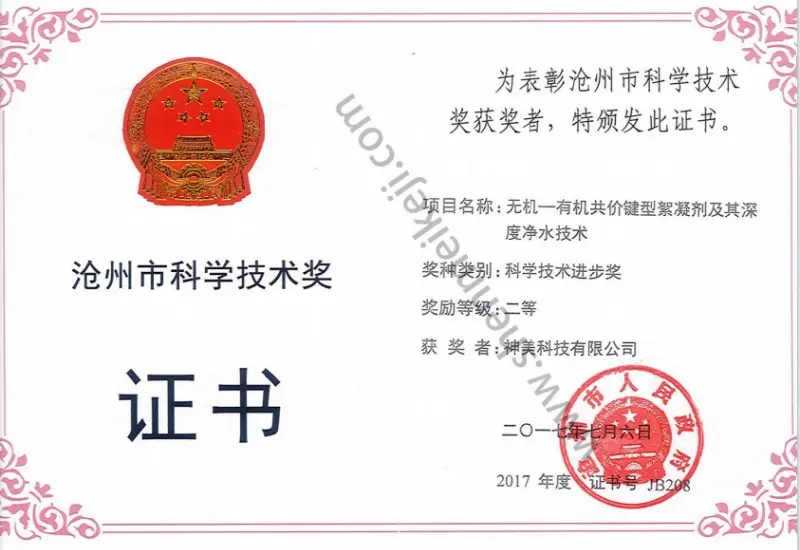
Our flagship chemical innovations have won several state accolades, including the 22nd China Patent Award, the First Prize for Technological Invention from the China Petrochemical Industry Association, and the Hebei Province Science and Technology Progress Award.
Below is the structural timeline documenting Smedic's corporate growth, scaling, and market reach over the years:
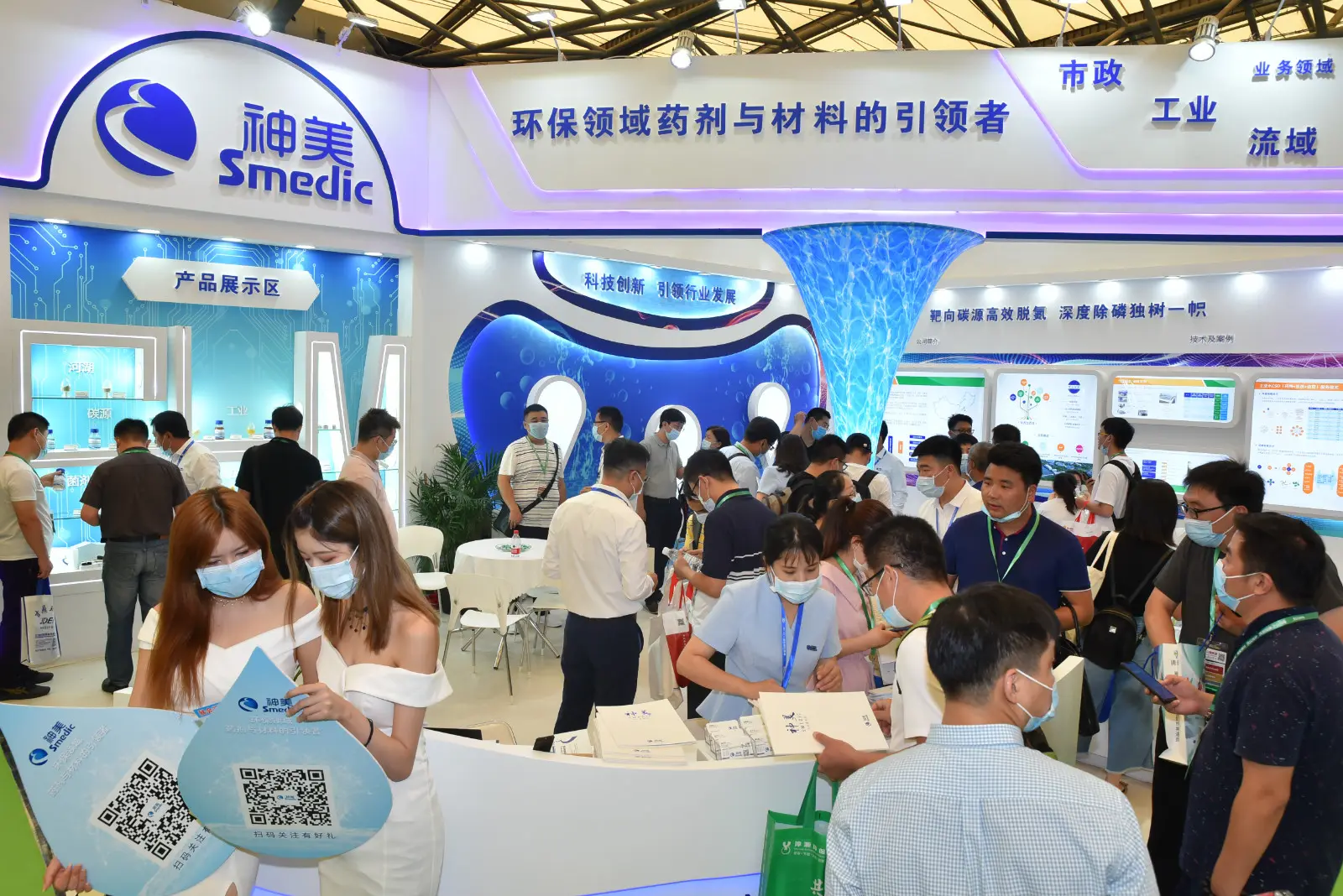
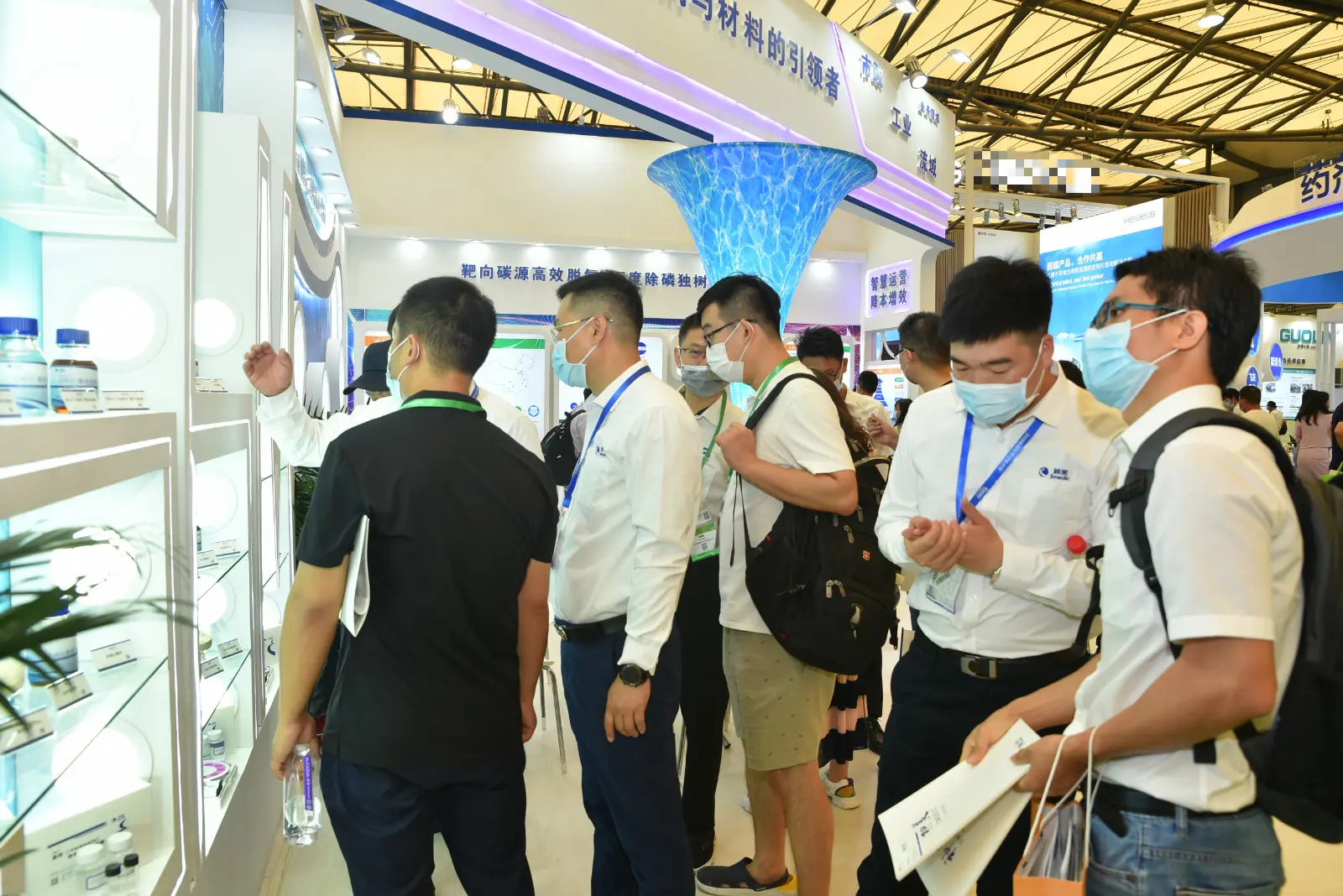
Over the last decade, we have established long-term strategic supply relationships with prominent environmental and water treatment corporations, including Shouchuang Ecological and Environmental Group, Yangtze River Ecological and Environmental Group, Beijing Enterprises Water Group (BEWG), OriginWater, and China Water Environment Group, consistently meeting their centralized raw material procurement requirements.
Corporate procurement departments sourcing Ferrous Sulfate look for more than a competitive price per ton; they seek strategic security, low moisture content, high active iron yield, and strict environmental compliance. Our analysis indicates three major trends shaping the global demand for Ferrous Sulfate pills:
1. Dust-Free Operations & Automated Dosing: Industrial health and safety guidelines (such as OSHA in the US and REACH in the EU) push facilities away from fine chemical powders. Fines are prone to wind dispersal and moisture absorption, leading to clumping inside silos. Dust-free ODM Ferrous Sulfate pills resolve these issues, enabling cleaner and safer handling.
2. Smart Packaging Systems: Cross-border logistics demand heavy-duty, moisture-barrier packaging. We offer specialized packing, including double-layered UV-resistant PP jumbo bags with interior PE liners, vacuum packing, or hard plastic drums. These preserve the chemical integrity of the pills for up to 24 months, even in tropical high-humidity climates.
3. Low Heavy-Metal Footprint: Water discharge specifications demand that treatment chemicals do not introduce secondary contaminants. Our raw materials undergo magnetic separation and chemical purification steps to maintain exceptionally low trace elements of lead, cadmium, and arsenic, making our products suitable for sensitive agricultural soils and municipal tap water plants.
Ferrous Sulfate Monohydrate (FeSO₄·H₂O) contains approximately 30% elemental iron and has lower water content, offering high thermal stability and a long shelf-life. Heptahydrate (FeSO₄·7H₂O) contains about 20% elemental iron, dissolves faster in water, and is widely preferred for rapid-reaction industrial coagulation. Pills made from the monohydrate form are highly resistant to clumping and physical degradation under pressure.
Our quality control protocols include strict raw material testing, online analysis at critical production stages, and final batch certification. By using acid dissolution followed by chemical precipitation and recrystallization, we keep arsenic, lead, and cadmium levels within the limits required by international environmental guidelines.
Yes, as a specialized ODM supplier, we integrate biodegradable polymer coatings or organic binders that slow down dissolution. This ensures a steady release of iron ions into the soil, preventing iron oxidation and locking in nutrients over extended cultivation cycles.
Our standard MOQ for customized ODM packaging (such as branded 25 kg bags or 1-ton bulk bags) is 20 metric tons. The typical lead time ranges from 14 to 21 days from order confirmation to port delivery, supported by our nationwide production plants and warehouses.
Pills are dust-free, flow easily in dry feeders, and dissolve consistently. They prevent clogging in dosing funnels and lower chemical exposure risks for plant operators, facilitating automated dosing control.
 Smedic Tech