Comprehensive wastewater treatment agents, flocculants, defoamers, and advanced inhibitors manufactured under strict E-E-A-T guidelines.
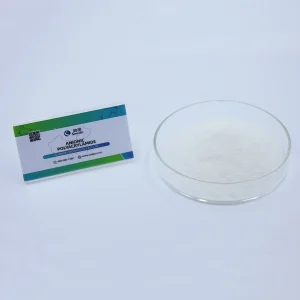
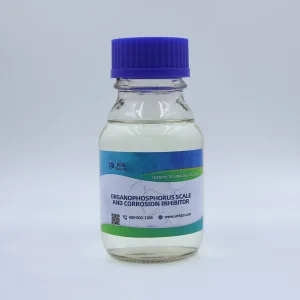
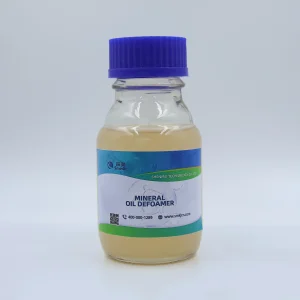
Unveiling the molecular control loops that prevent scale formation and combat localized caustic corrosion in high-pressure thermal installations.
Industrial high-pressure steam boilers operate under extreme thermodynamic conditions where feedwater impurities present severe operational hazards. Calcium and magnesium ions, if left untreated, rapidly precipitate to form dense, insulating crystalline scales (such as calcium carbonate and calcium sulfate) on heat transfer surfaces. This scaling dramatically impairs thermal efficiency, escalates fuel consumption, and risks localized overheating and tube failures.
Phosphate Boiler Water Treatment serves as a foundational chemistry strategy in subcritical boilers. By dosing precise mixtures of orthophosphates (such as trisodium phosphate, $Na_3PO_4$, and disodium phosphate, $Na_2HPO_4$), chemical engineers force calcium ions to react and form a soft, non-adherent sludge of hydroxyapatite [$Ca_{10}(PO_4)_6(OH)_2$]. Unlike hard scale, this hydroxyapatite sludge remains suspended in the boiler water and is easily discharged through continuous blowdown mechanisms.
"Optimizing the sodium-to-phosphate ($Na:PO_4$) ratio is critical. Maintaining a ratio between 2.6 and 3.0 (Coordinated/Congruent Phosphate Treatment) prevents the accumulation of free sodium hydroxide, eliminating the threat of caustic gouging and hydrogen damage under porous deposits."
Additionally, orthophosphates function as exceptional pH buffering agents. They maintain boiler water pH in the optimal range of 9.1 to 9.7, which promotes the growth and maintenance of a highly protective, microcrystalline magnetite ($Fe_3O_4$) passive film on carbon steel surfaces, shielding the boiler metallurgy from dissolved oxygen attack and general acid corrosion.
A National Specialized, Refined, Unique and Innovative "Little Giant" Enterprise shaping the future of environmental protection and water treatment chemistry since 2011.
Established in 2011, Smedic Technology Co., Ltd. is a comprehensive solution provider integrating research, development, synthesis, and industrial engineering services. Our chemical production lines deliver advanced water treatment solutions spanning municipal wastewater, tap water purification, mineral flotation reagents, oilfield chemistry, and high-performance boiler water treatment agents.
With an annual manufacturing capacity exceeding 1 million tons across our wholly-owned bases and OEM hubs, Smedic produces over 80 distinct environmental protection chemicals. Our supply chain extends through Hebei, Guizhou, Shanxi, Shandong, Anhui, Guangxi, and Sichuan, delivering high-performance agents to more than 600 municipal sewage facilities and 1,000 industrial end-users, treating a total capacity of over 20 million tons of water daily.
Why global enterprise procurement structures trust Smedic's integrated Chinese chemical manufacturing clusters.
We leverage domestic upstream access to high-grade phosphorus reserves and intermediate synthesizers, stabilizing raw material costs and buffering our global buyers against geopolitical market shocks.
Our Hebei Green Factory uses DCS-controlled synthesis reactions, guaranteeing precise stoichiometric ratios, minimal impurities, and excellent batch-to-batch reproducibility for high-pressure boilers.
All formulations meet ISO 9001 (Quality), ISO 14001 (Environmental Security), and ISO 45001 (Occupational Safety) certifications, complying with strict international import and customs standards.
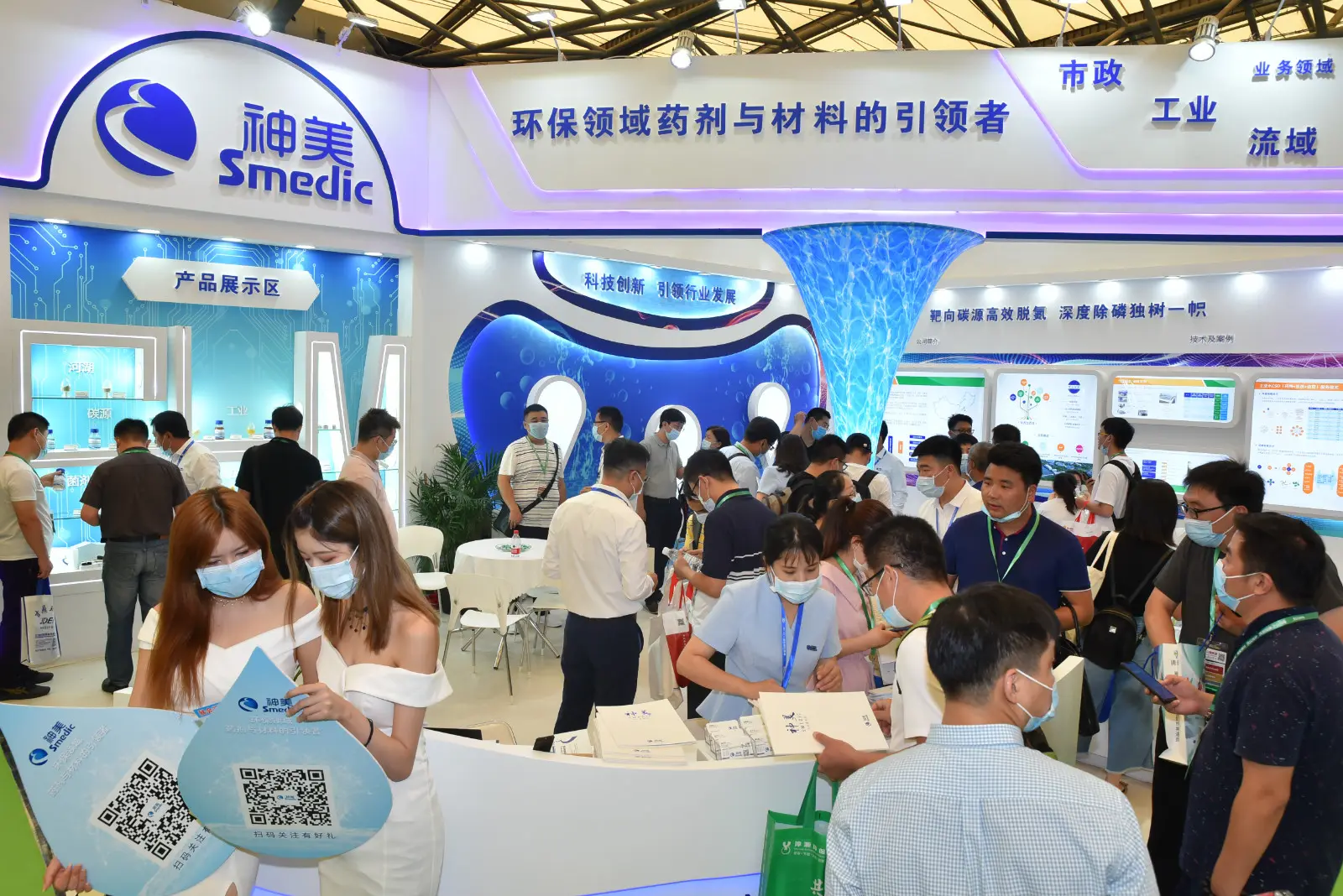
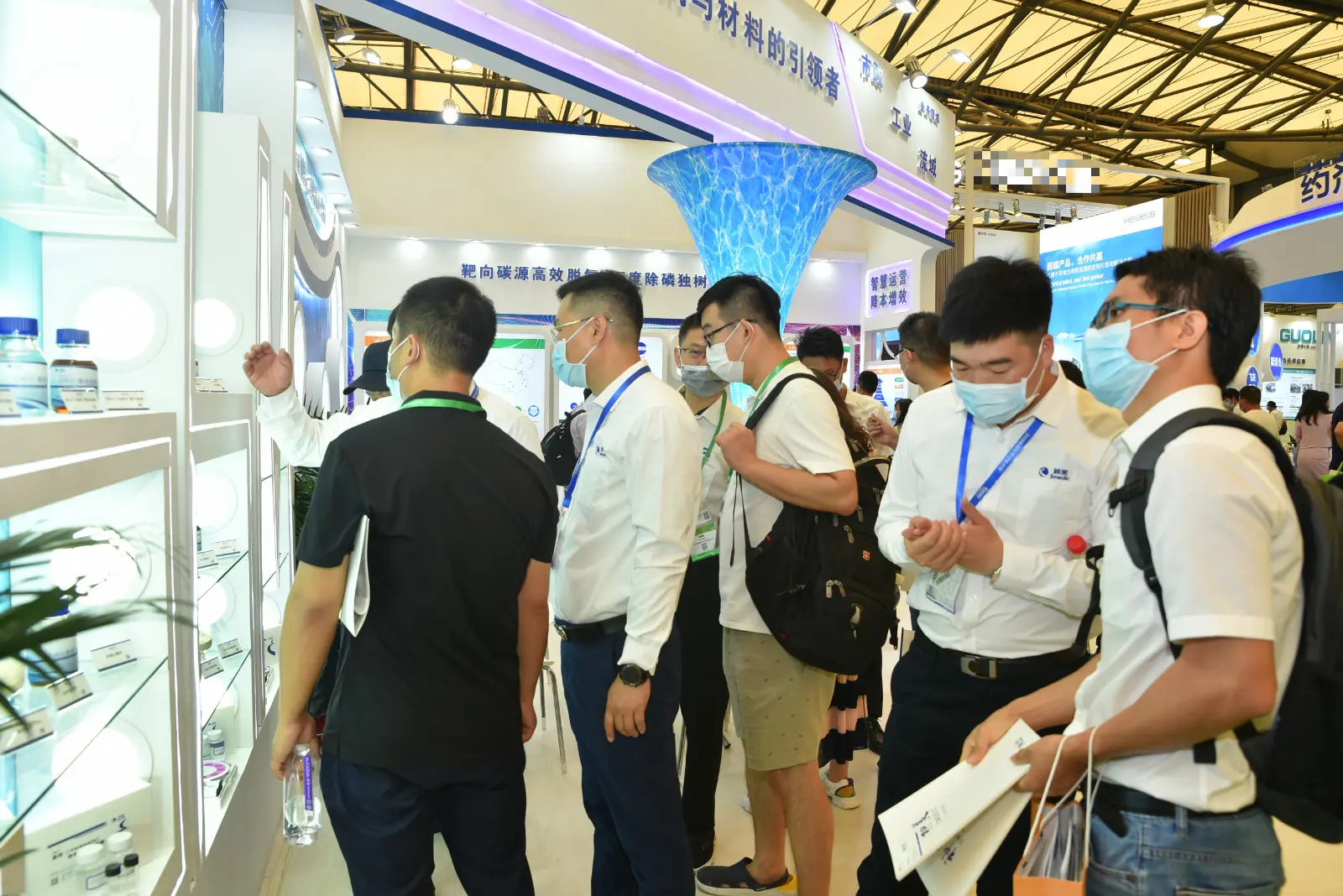
Propelling industrial innovation via academic partnerships, state-certified laboratories, and award-winning synthetic technologies.
Smedic operates an academician-led technical core structured around one academy, three research institutes, and five regional testing bases. Recognized as a Class A R&D institution, we host the Hebei Advanced Water Treatment Chemicals Technology Innovation Center and run joint R&D laboratories with Shandong University and Beijing University of Technology. Smedic is also a key commercialization partner for chemical research from Peking University and Tianjin University.
Our intellectual property portfolio includes over sixty Chinese patents (incorporating more than forty invention patents and twenty utility model patents). Smedic has led the drafting of over ten national and industrial standards. Our independently developed "Inorganic-Organic Covalent Bond Flocculant" received the 22nd China Patent Award and the First Prize for Technological Invention from the China Petrochemical Industry Association.
How Smedic's customized phosphate boiler water treatment systems stabilize large-scale operations across global industries.
Maintains congruent phosphate regimes in subcritical utility boilers operating at high temperatures, preventing silica carryover, stabilizing water pH, and protecting turbine blades from mineral deposits.
Controls scale and corrosion in high-load waste heat boilers and synthesis gas coolers. Our solutions manage sudden thermal fluctuations and maintain stable system chemistry under volatile loads.
Protects high-heat-flux cooling circuits and heavy industrial steam generators from calcium carbonate and silica deposits, maximizing uptime and reducing mechanical descaling cycles.
Provides custom chemical conditioning for recovery boilers. Our formulations handle high-alkalinity black liquor evaporation processes and protect boiler tubes from scaling.
Delivers cost-effective scale and corrosion inhibition across long-distance distribution lines, protecting localized boilers and heat exchangers from system-wide rust and buildup.
A comparative engineering reference for choosing the correct phosphate treatment based on boiler pressure limits and water chemistry requirements.
| Treatment Protocol | Sodium-to-Phosphate Ratio ($Na:PO_4$) | Operating Pressure Limit | Primary Corrosion Control Mechanism | Key Limitation / Vulnerability |
|---|---|---|---|---|
| Coordinated Phosphate | 2.85 to 3.00 | Subcritical (< 10 MPa) | Maintains protective magnetite layer ($Fe_3O_4$) via stable alkaline buffering. | Risk of caustic carryover if sodium hydroxide levels spike. |
| Congruent Phosphate | 2.60 to 2.85 | Subcritical (10 to 14 MPa) | Formulates specific ratios to prevent local hydroxide accumulation under deposits. | Susceptible to phosphate hideout at high heat loads. |
| Equilibrium Phosphate (EPT) | 2.30 to 2.60 | High Pressure (> 14 MPa) | Minimizes orthophosphate concentrations, using small amounts of free $NaOH$ for pH. | Requires precise, continuous chemical monitoring. |
| All-Volatile Treatment (AVT) | Phosphate-Free | Supercritical (> 22.1 MPa) | Uses volatile amines (ammonia, hydrazine) to control feed-water system pH. | No buffering capacity against condenser leaks or hard mineral contaminants. |
In-depth chemistry answers and troubleshooting advice for boiler utility engineers and global procurement directors.
Phosphate hideout occurs in high-pressure boilers when dissolved orthophosphate compounds react with boiler surfaces or precipitate out of solution under high heat fluxes, forming sodium-iron-phosphate complexes. When the boiler load decreases, these compounds dissolve back into the water, causing a sudden, misleading spike in phosphate concentration. To mitigate hideout, engineers should lower operating phosphate levels, transition toward Equilibrium Phosphate Treatment (EPT), and use synthetic dispersants to prevent localized mineral deposits.
Smedic uses high-purity raw materials combined with organic polymeric dispersants that resist thermal degradation at high temperatures. Our R&D laboratories test all formulations using high-pressure autoclaves that simulate real-world thermal stresses. This ensures our chemical agents remain effective and do not break down into corrosive byproducts under critical operating parameters.
The sodium-to-phosphate ($Na:PO_4$) ratio determines the equilibrium pH and controls the formation of free caustic alkalinity. If the ratio exceeds 3.0, free sodium hydroxide ($NaOH$) accumulates, concentrating under scale deposits and dissolving the protective magnetite layer. This results in caustic gouging and hydrogen embrittlement. If the ratio falls below 2.6, acid phosphate salts can form, leading to acid phosphate corrosion. Smedic's custom formulations help plants maintain this ratio within the safe 2.6 to 2.85 range.
While orthophosphates precipitate calcium as soft hydroxyapatite sludge, they cannot fully prevent mud accumulation or scale deposit growth under high heat loads. Smedic blends custom organic polymers (such as PMA, PAAs, or AMPS-based co-polymers) into our formulations. These polymers distort the crystal lattice of scaling minerals and disperse suspended particles, preventing them from adhering to boiler tubes and making them easier to blow down.
We offer comprehensive logistics and packaging options, including 25kg bags, 1000L IBC totes, and bulk ISO tanks. Smedic provides complete documentation support, including Safety Data Sheets (SDS) in multiple languages, REACH compliance certification for European markets, and custom export documentation. This ensures smooth customs clearance and safe shipping to operations worldwide.
Explore our advanced coagulants, membrane scale inhibitors, defoamers, and specialty purification agents.
 Smedic Tech