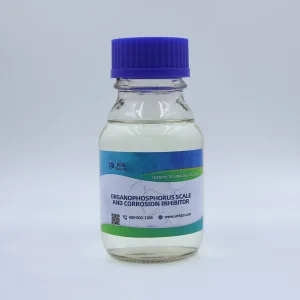
Explore our leading collection of industrial formulation products engineered to suppress foam, inhibit scaling, and enhance process efficiency.
An in-depth analysis of solid-phase foam suppression technology, market demand dynamics, and chemistry performance vectors.
Foam control is an essential process requirement in global chemical engineering, wastewater processing, mining, and cementitious formulations. Traditionally, liquid defoamers have dominated the landscape; however, the commercial and logistical constraints of transporting liquid-phase compounds—often containing over 60% water—have accelerated the transition toward advanced solid-phase and powder defoamers.
Powder defoaming agents offer extreme thermal stability, long shelf-life under high-humidity conditions, and the unique ability to be pre-blended directly into dry powder formulations. This is critical in industries such as building construction (self-leveling underlayments, grouts, and joint compounds), powdered detergents, and agricultural chemical dry mixes, where liquid defoamers are chemically incompatible or impossible to integrate.
By using solid carriers like silica, zeolites, or starches loaded with active silicone or polyether defoaming compounds, modern ODM suppliers provide highly stable, non-caking powders that release active anti-foaming surfactants instantly upon hydration, neutralizing micro and macro-foam before it compromises the structural or process integrity.
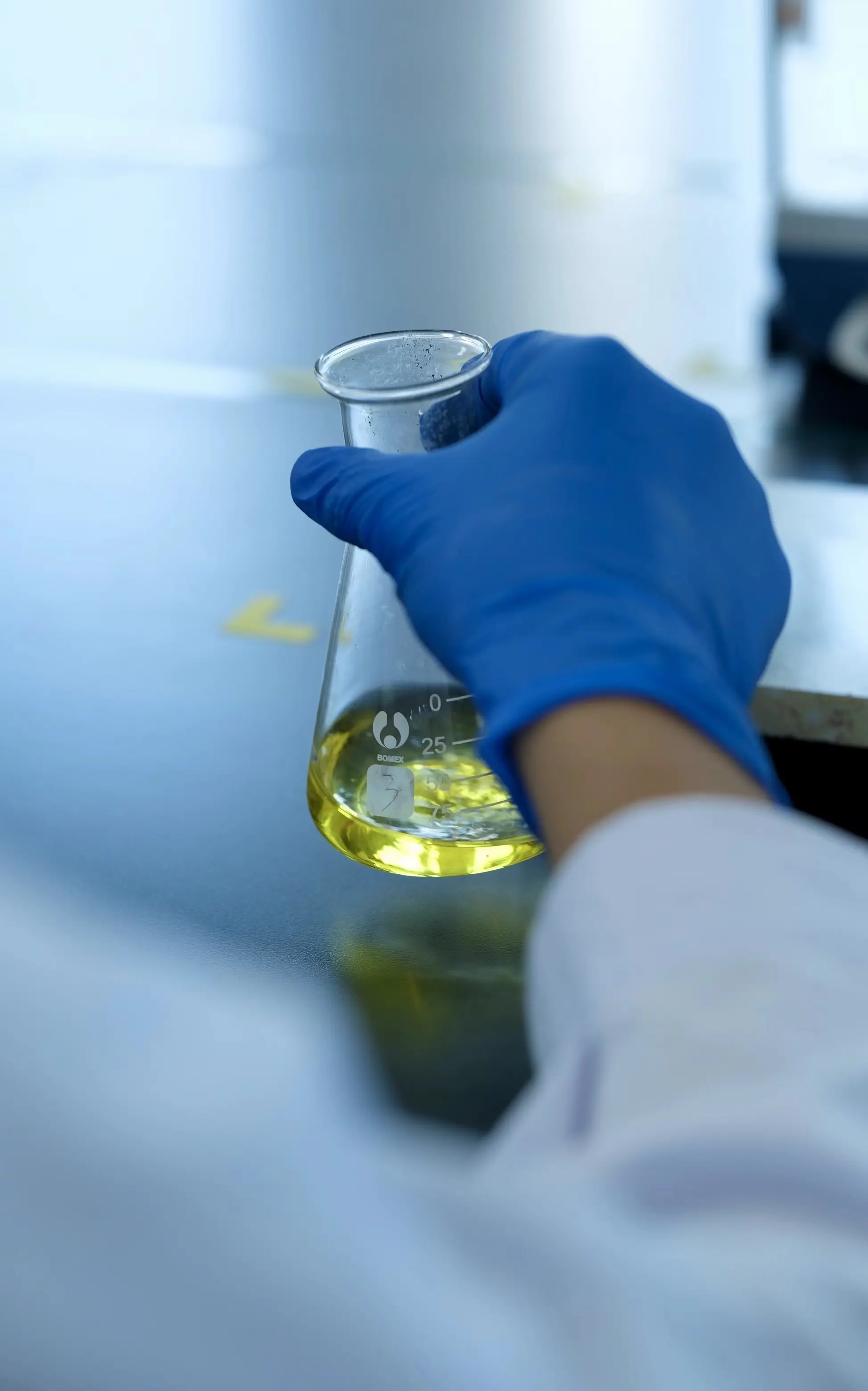
To implement an effective ODM or OEM defoaming strategy, understanding the underlying chemistry is crucial. Our state-of-the-art facilities produce two primary classes of dry-form defoamers tailored to distinct industrial applications:
The choice between these chemical architectures dictates the durability of the defoaming effect, compatibility with filtration membranes (such as Reverse Osmosis systems), and downstream environmental compliance.
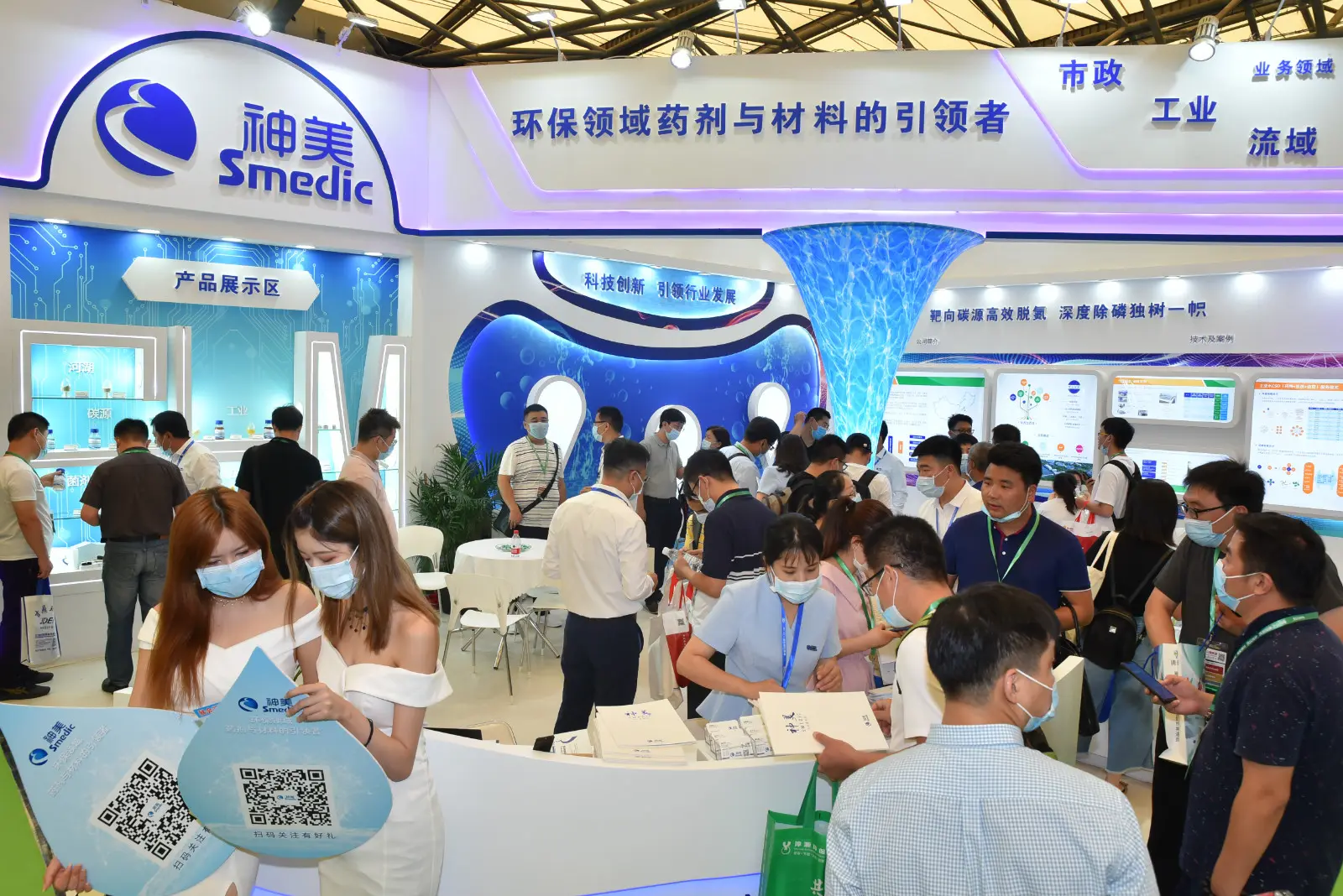
Leveraging specialized technology clusters, deep supply chains, and extensive R&D platforms to deliver competitive advantages.
Global buyers face volatile supply chains, fluctuating logistics costs, and strict ESG requirements. Smedic Technology Co., Ltd. resolves these challenges by combining regional raw material access with high-efficiency chemical synthesis plants. By optimizing manufacturing throughput across multiple production centers in Hebei, Guizhou, and Shanxi, we manage an annual capacity exceeding 1 million tons of water treatment and foam suppression chemicals.
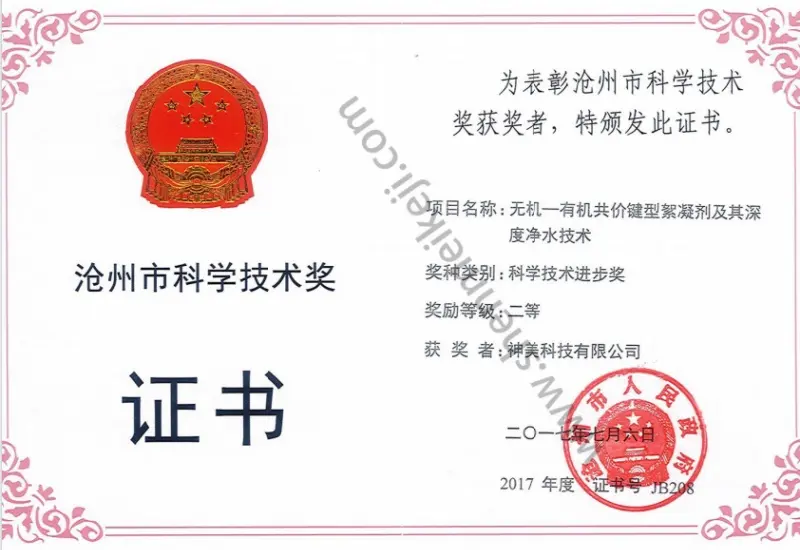
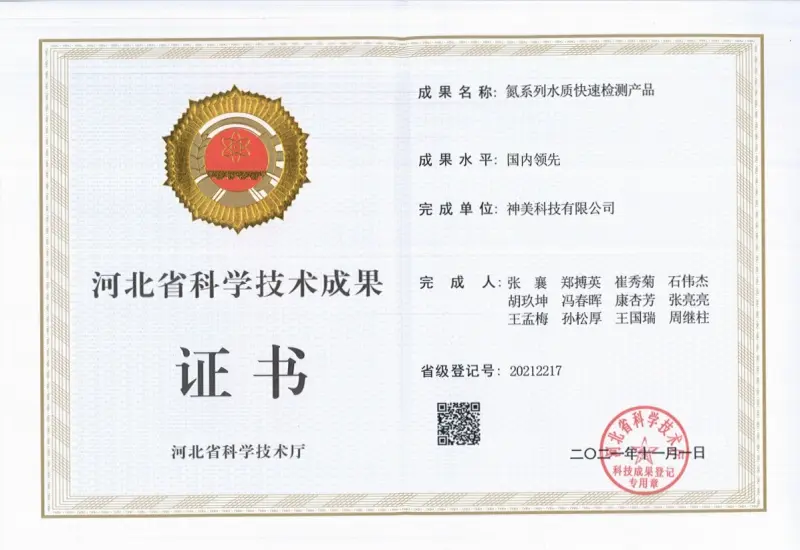
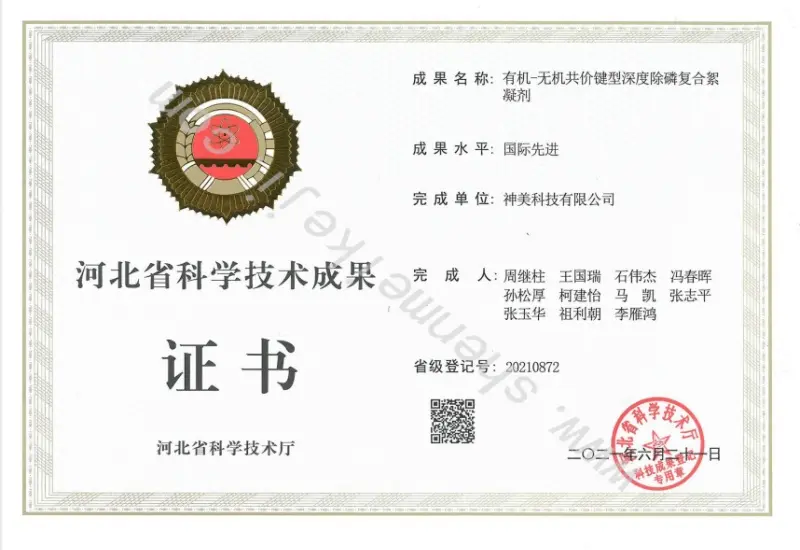
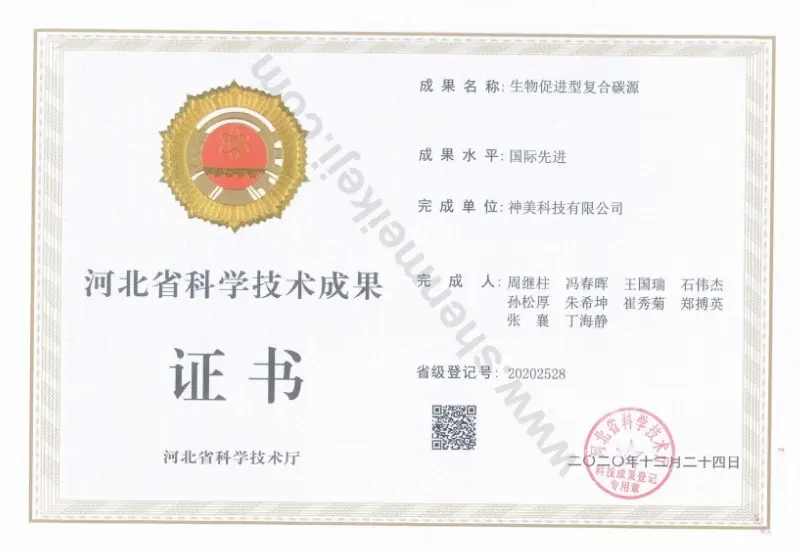
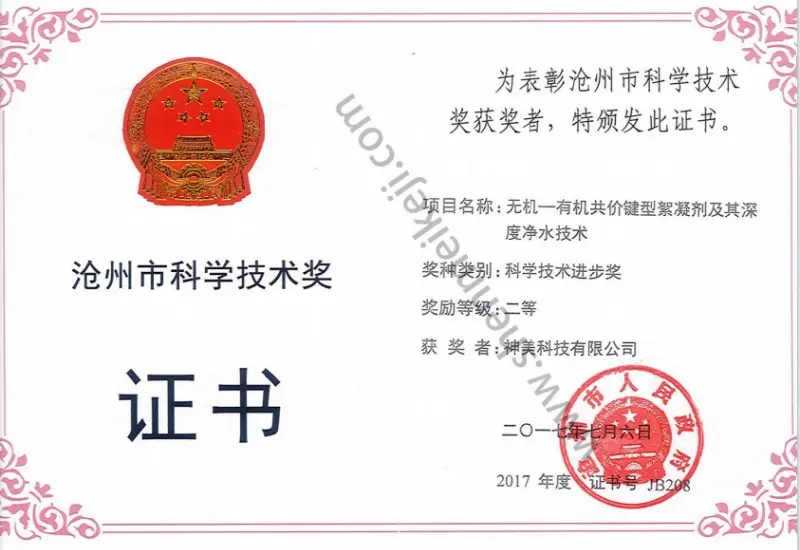
Our designation as a National Specialized, Refined, Unique and Innovative "Little Giant" Enterprise reflects our heavy investment in research. In partnership with elite academic institutions like Tsinghua University and Shandong University, our expert workstations commercialize breakthrough technologies. This allows us to offer ODM customers "information gain" via customized molecular weights, carrier customization, and system-specific performance guarantees that smaller toll manufacturers cannot provide.
Tailoring chemical profiles to solve specific environmental and operational challenges across key sectors.
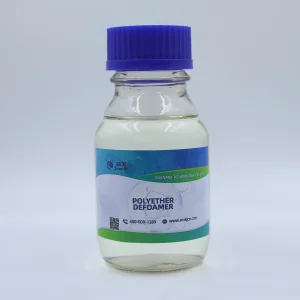
High biological loading in municipal wastewater treatment plants often induces biological foaming. Our specialized polyether defoamers suppress surfactant-stabilized foam without affecting activated sludge microbial populations or downstream ultrafiltration membranes.
In mineral extraction, slurry foaming reduces flotation cell efficiency. Smedic's joint venture with the Chengdu Institute of Mineral Comprehensive Utilization produces highly customized mineral defoamers that optimize slurry density and bubble stability.
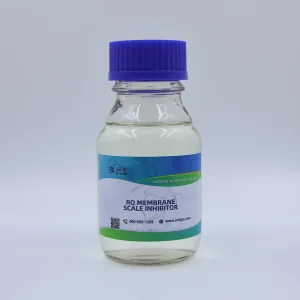
Industrial RO desalination systems are highly sensitive to surface fouling. Our combination of non-reactive defoamers and membrane scale inhibitors ensures high permeate flux while reducing clean-in-place (CIP) frequencies.
A strategic view of Smedic's evolution from a regional chemical supplier to a nationwide specialized enterprise.
Founded in Beijing in 2011, Smedic rapidly recognized that industrial water treatment requires a hybrid approach combining chemical supply with engineering consulting. By 2014, we established a complete product portfolio for municipal wastewater treatment, leading to our recognition as a National High-Tech Enterprise in 2015.
To support massive regional demand, we opened our dedicated water chemical base in Guiyang in 2016. By 2018, expansions in Hebei and Shandong pushed our total consolidated capacity beyond the 1 million ton mark. In 2020 and 2021, Smedic secured National Specialized "Little Giant" status and built its flagship provincial R&D platform in Hebei, ensuring our technological pipeline remains filled with next-generation green chemistries.
Most recently, in 2024, our joint venture with the Chengdu Institute of Mineral Comprehensive Utilization (China Geological Survey) has cemented our leadership in high-value mineral processing reagents and tailored industrial defoaming agents.
Critical operational answers for procurement managers and process engineers seeking to optimize foam control systems.
Selection depends primarily on the system interface and process mechanics. Liquid defoamers dispersion is faster in aqueous environments but susceptible to phase separation at extreme temperatures. Powder defoamers are ideal for solid pre-mix applications (such as dry-mix mortar or powder laundry detergents), offer lower freight costs, resist biological degradation, and perform reliably under extreme storage temperatures.
As a National Specialized "Little Giant" enterprise, Smedic operates a rigorous quality assurance protocol. We inspect all raw materials before processing, utilize automated process-control software to manage dosing and chemical reactions, and perform gas chromatography (GC) and particle size analysis on each batch. Certificate of Analysis (COA) records are logged for complete batch traceability.
Silicone defoamers (PDMS) are chemically inert and separate from the water phase via sedimentation in sludge, showing no toxic effects on biological wastewater treatment cultures. Polyether defoamers are partially biodegradable under municipal waste conditions. Smedic is committed to developing green carrier systems, including starch and biodegradable silicate structures, to minimize downstream environmental load.
Yes. Through our ODM/OEM customization platform, we can adjust the carrier particle size distribution (ranging from 100 to 500 microns) to match the density and segregation patterns of your dry-mix powders, ensuring uniform distribution and preventing component stratification during transit.
Explore further high-performance formulations developed to resolve complex water clarify and separation issues.
 Smedic Tech