Explore our high-performance reverse osmosis antiscalants, organic defoamers, and coagulants designed to optimize industrial and municipal water purification operations.
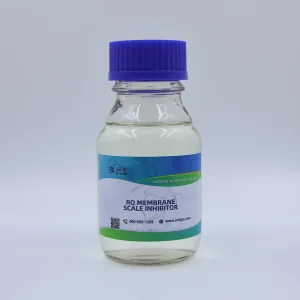
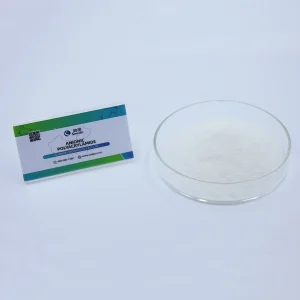
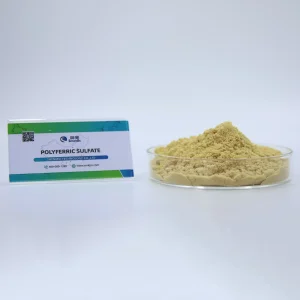
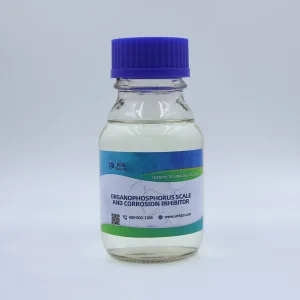
Modern industrial wastewater and municipal water systems operate under continuous stress. Scaling and fouling of high-sensitivity membrane barriers represent the leading contributors to early membrane degeneration, increased downtime, and inflated operational expenses. Reverse Osmosis (RO) membranes act as precise structural sieves, separating monovalent ions and complex organic fractions. However, the concentration polarization effect adjacent to the membrane boundary layers promotes rapid oversaturation of inorganic salts. Calcium carbonate (CaCO₃), calcium sulfate (CaSO₄), barium sulfate (BaSO₄), strontium sulfate (SrSO₄), and silica (SiO₂) precipitate continuously without customized chemical intervention.
The Core Objective of Advanced Antiscalants: By utilizing threshold inhibition, crystal distortion, and steric dispersion, premium scale inhibitors allow water systems to operate safely even at elevated Recovery Rates (75% to 90%), significantly lowering the volume of concentrate wastewater generated and decreasing overall energy input per cubic meter.
As a leading pioneer in environmental chemical synthesis, Smedic Technology Co., Ltd. partners with academic centers and global engineering firms to engineer high-grade, localized water treatment solutions. This comprehensive guide details the mechanics of RO antiscalants, our advanced Chinese manufacturing ecosystem, global procurement logistics, and strategic compliance structures designed to deliver significant information gain for industrial procurement directors and utility plant managers.
The performance of Smedic RO membrane scale inhibitors is rooted in three key physical-chemical interactions that disrupt scale formation kinetics:
Super-saturation dynamics typically drive rapid crystal nucleation. Active phosphonates and low molecular weight polymers adsorbing onto microscopic crystal embryo surfaces prevent the formation of stable seed crystals. This allows systems to operate safely well beyond theoretical thermodynamic saturation thresholds.
When salts are forced out of solution, the inhibitor chemicals insert themselves into the lattice structure of developing crystals. This distorts the normal crystalline geometry, transforming hard, dense scale structures into fragile, amorphous particles that struggle to adhere to hydrophobic membrane membranes.
Our formulations introduce negative electrostatic charges onto suspended particles, triggering mutual repulsion. This maintains minerals in a stable colloidal state throughout the high-shear environments of RO booster pumps and membrane channels, facilitating easy flushing during waste concentrate reject cycles.
Driven by strict global discharge regulations, the demand for green, biodegradable scale inhibitors has grown significantly. Traditional phosphonates (such as ATMP, HEDP, and PBTC), while highly effective, contribute phosphorus loads to reject streams, which can trigger eutrophication in receiving surface waters. Smedic’s green polymer and phosphate-free scale inhibitors utilize polyaspartic acid (PASP) and advanced polyacrylic acid derivatives. These alternatives deliver high scale control profiles (up to LSI values of +3.0) without contributing to nutrient loading in municipal or industrial effluent streams.
Established in 2011, Smedic Technology Co., Ltd. has developed into a leading, integrated provider of environmental protection agents and technical services. By bridging industrial R&D with large-scale production, we supply high-performance chemicals to municipal water plants, mine processing facilities, and oilfield operations worldwide.
Our corporate headquarters in Beijing directs three wholly-owned chemical production complexes located in Hebei, Guizhou, and Shanxi. We also operate over 10 regional OEM/ODM partner plants and dedicated warehousing hubs in Shandong, Anhui, Guangxi, and Sichuan. This distributed network ensures short lead times and stable supply chains, even during periods of high demand.
Smedic was founded, focusing on the synthesis of specialized industrial polymers for municipal water treatment.
Established a comprehensive product portfolio for municipal wastewater chemicals. Constructed our specialized production base in Guiyang to service southern regional markets.
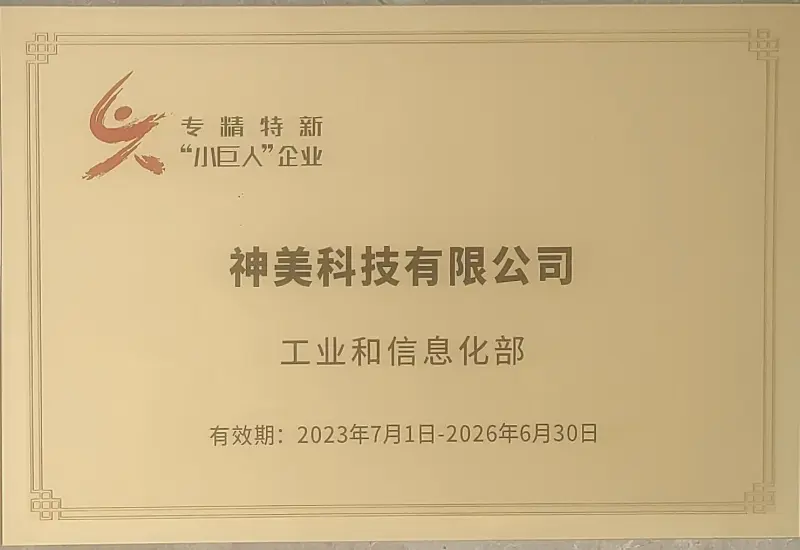
Expanded plants in Hebei and Shandong, driving total capacity past 1 million tons. Recognized as a National Specialized, Refined, Unique and Innovative Small and Medium-sized Enterprise.
Launched our provincial-level R&D platform in Hebei. Established a strategic joint venture with the Chengdu Institute of Mineral Comprehensive Utilization to expand into specialized mining chemistry fields.
Smedic’s production model leverages China's industrial chemical ecosystem, providing global clients with advantages across raw material sourcing, cost management, and distribution:
Our facilities are located near key raw material production hubs. Direct integration with major domestic producers of maleic anhydride, acrylic acid, and phosphorus derivatives ensures a stable supply and minimizes price volatility for our global clients.
Smedic plants utilize automated synthesis reactors. Continuous monitoring of temperature, pressure, and dosing parameters ensures batch-to-batch consistency and supports high volume runs, helping us maintain cost efficiency.
We support various packaging requirements, including 25kg drums, 200L barrels, and 1000L IBC containers. Our logistics network provides efficient transport paths through major shipping hubs like Tianjin, Qingdao, and Shanghai.
Standardized, one-size-fits-all antiscalants often struggle with complex feedwater chemistry. Smedic focuses on custom ODM/OEM formulations tailored to specific localized environments:
Challenge: Extremely high TDS, high sulfate levels, and elevated temperatures leading to rapid CaSO₄ scaling.
Solution: High-performance organophosphorus scale and corrosion inhibitors that maintain stability in high-electrolyte waters.
Challenge: High salt density and mechanical shear stresses on RO membranes.
Solution: NSF/ANSI 60 certified scale inhibitors, allowing clean municipal-grade drinking water extraction from high-saline feeds.
Challenge: Suspended iron/heavy metal oxides causing membrane scaling and fouling.
Solution: Specialized chelating agents blended with anionic polyacrylamide (APAM) pre-treatment polymers to clear suspended particles.
Challenge: Bio-fouling and mineral scaling from municipal wastewater effluents.
Solution: Synergistic biocide-antiscalant protocols designed to protect high-surface-area RO systems.
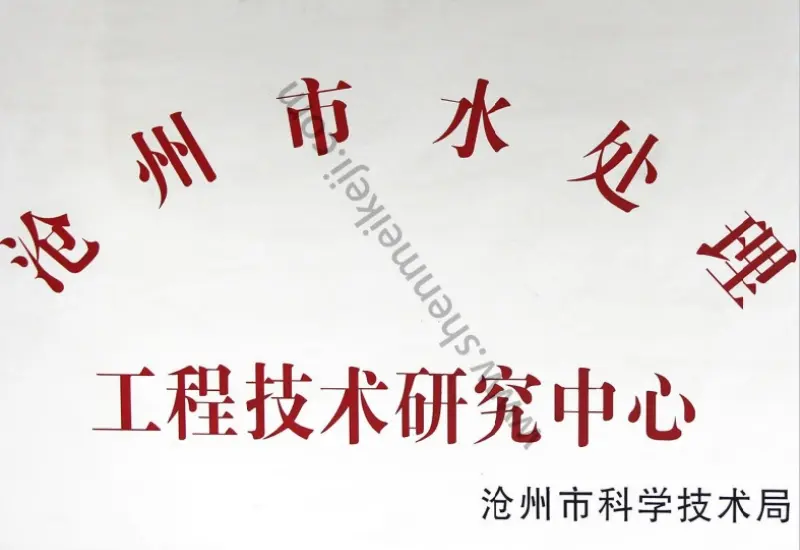
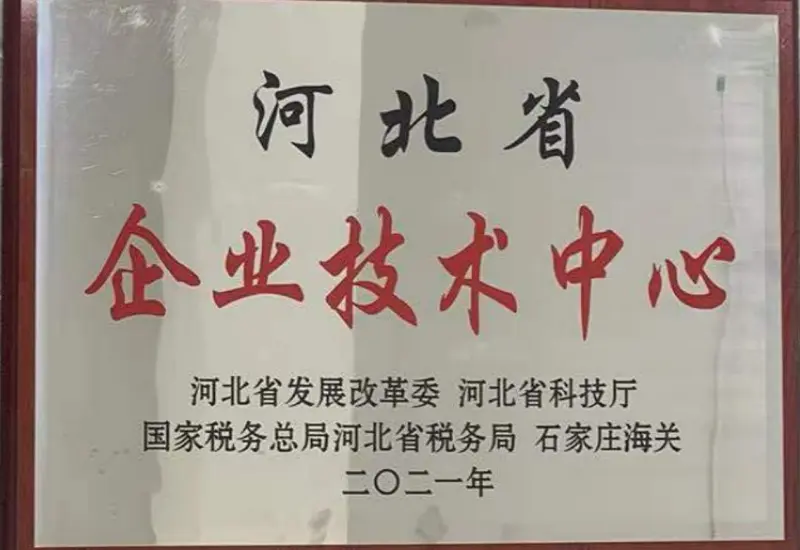
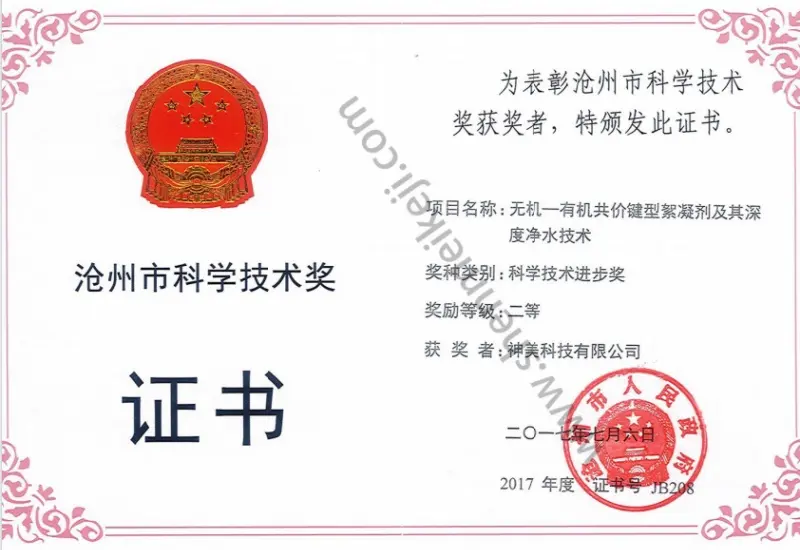
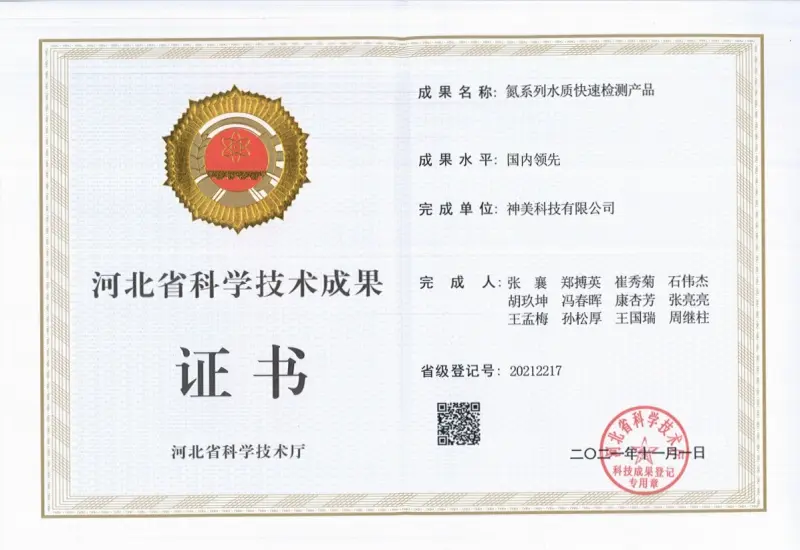
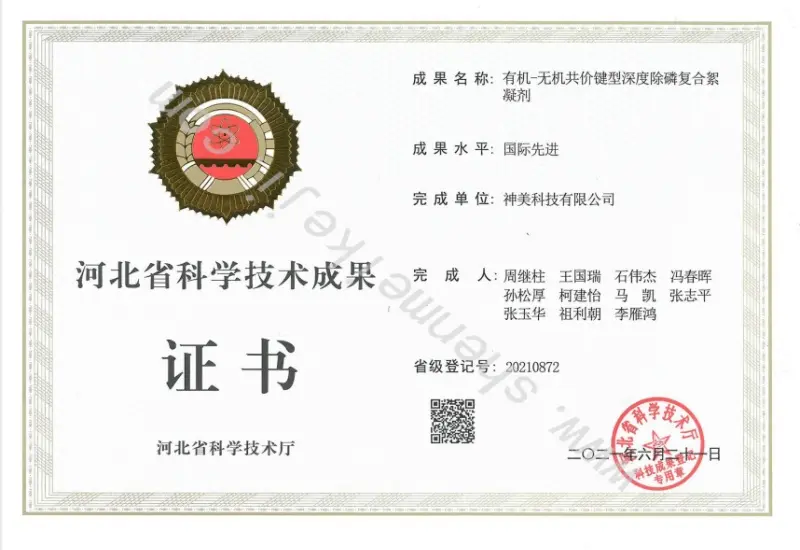
Smedic's R&D model is supported by our provincial-level research centers, including the Hebei Provincial Advanced Water Treatment Chemicals Technology Innovation Center. This framework is backed by joint research initiatives with institutions such as Tsinghua University, Shandong University, and Beijing University of Technology.
Academic Integration: We serve as a primary commercialization partner for water treatment research projects from Peking University and Tianjin University, helping transition laboratory advancements into scaled production.
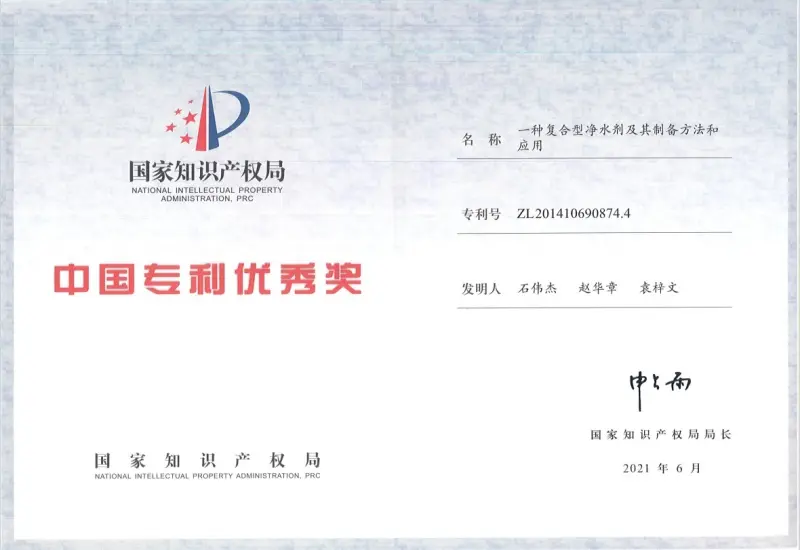
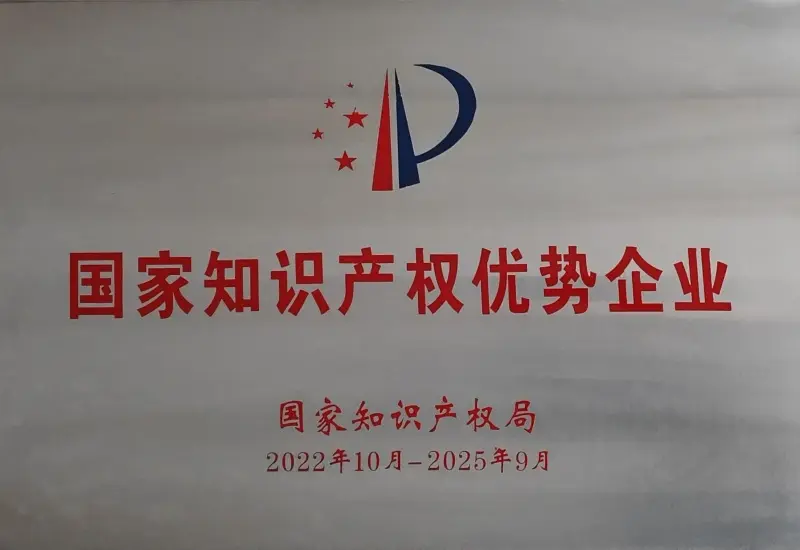
Smedic currently holds over sixty patents, including forty invention patents. We have also participated in drafting ten national and industrial standards in China, helping define quality benchmarks for composite carbon sources, coagulants, and sodium acetate solutions.
The global water treatment market is shifting toward circular water models and zero liquid discharge (ZLD) practices. As a result, RO systems are running at higher saturation points, which increases the demand for high-efficiency antiscalants. Key trends shaping this sector include:
Combining pre-treatment coagulants (like PAC and PFS) with downstream RO antiscalants is essential for protecting membranes. Proper coagulation of colloidal particles reduces downstream organic fouling and scale formation.
Modern plants are adopting real-time monitoring of scaling indicators. Smedic is designing chemical formulations that remain stable under variable dosing rates guided by smart control loops.
Global environmental regulations are driving a shift toward biodegradable agents. Developing phosphorus-free and nitrogen-free scale inhibitors that match the performance of traditional chemistries remains a core focus.
Get answers to common technical and logistical questions regarding Smedic's RO scale inhibitors and water treatment options.
Explore our scale and corrosion inhibitors, inorganic coagulants, and polyacrylamide flocculants designed for municipal and industrial water treatment.
 Smedic Tech