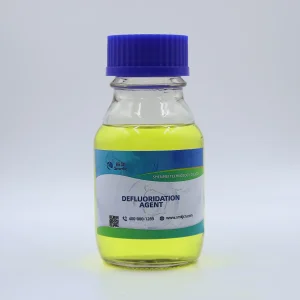
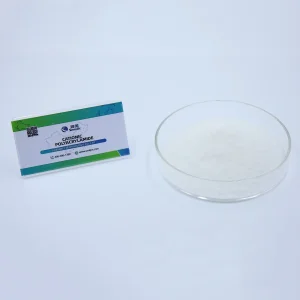
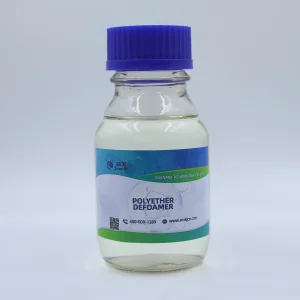
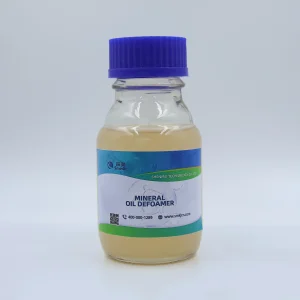
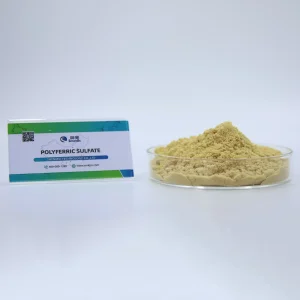
High-efficacy water treatment formulations, scale inhibitors, and defoamers engineered for demanding global manufacturing environments.
Sodium Aluminum Sulfate ($NaAl(SO_4)_2$), also known colloquially as soda alum or sodium alum, represents a critical inorganic compound at the intersection of various high-value industries. Serving primarily as an acidic regulator, industrial coagulant, and synthesis additive, its chemical stability and dual-cation composition make it indispensable. As global standards for product purity and environmental compliance tighten, finding a reliable, high-capacity ODM Sodium Aluminum Sulfate exporter has transitioned from a basic purchasing activity to a strategic supply chain decision.
For B2B procurement professionals, identifying manufacturers with comprehensive custom formulation (ODM) capabilities is paramount. ODM frameworks ensure that the physical characteristics—such as particle size distribution, bulk density, moisture levels, and anti-caking additives—can be modified to fit specific downstream processing equipment. Whether the application is food processing (acting as a slow-release leavening agent), paper manufacturing (sizing agent), leather tanning, or advanced chemical synthesis, the optimization of these parameters directly impacts operational throughput and final product quality.
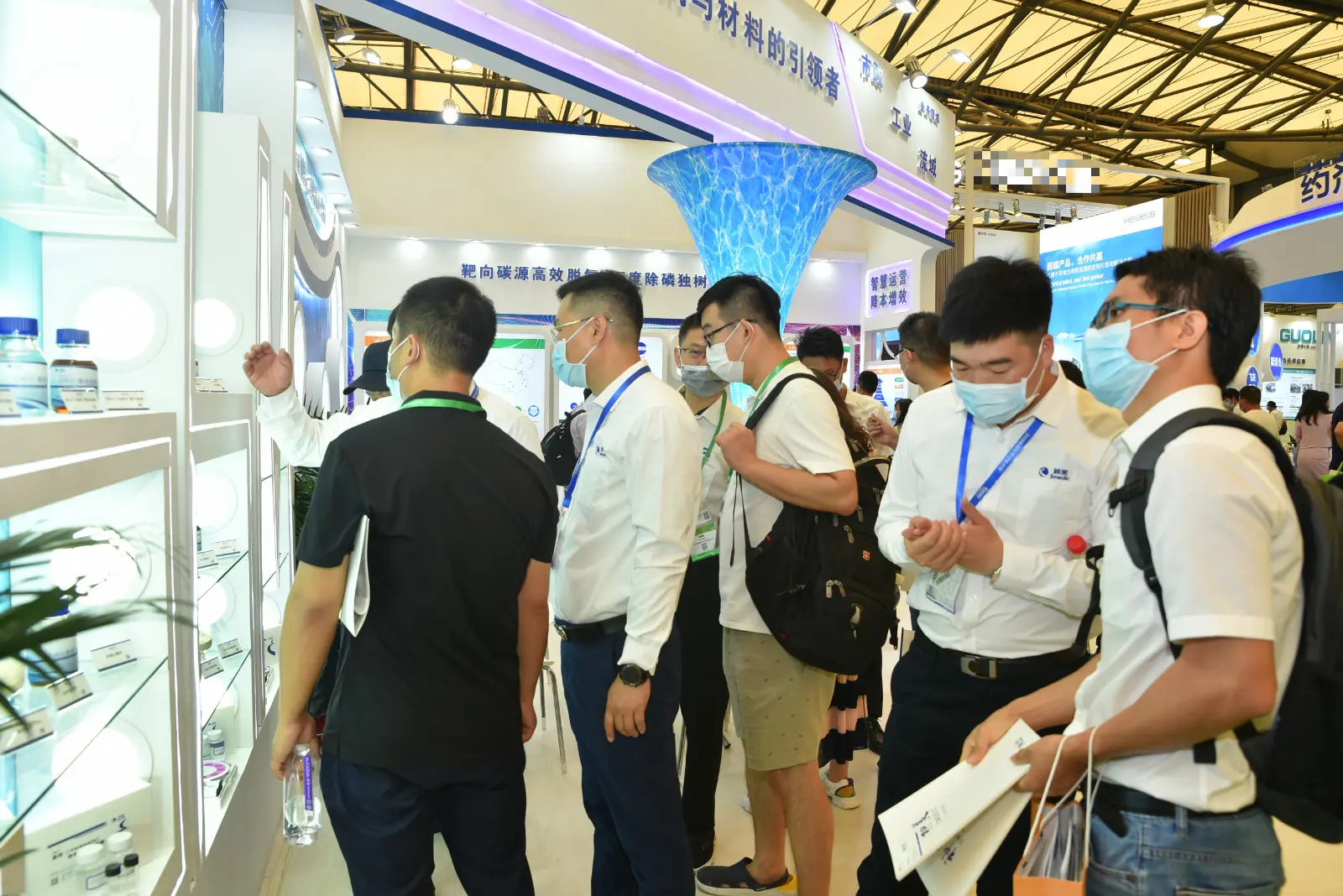
Established in 2011, Smedic Technology Co., Ltd. has evolved into a comprehensive global solutions provider specialized in advanced environmental protection agents and specialty industrial chemicals. Integrating state-of-the-art Research & Development, large-scale production, global sales channels, and engineering technical services, Smedic delivers customized chemical products designed to meet rigorous international parameters.
Smedic's chemical portfolio spans multiple essential sectors, including municipal sewage treatment, industrial wastewater purification, high-purity tap water treatment, mineral processing flotation, and oilfield extraction chemicals. Boasting an expansive catalog of more than 80 specialized products, our annual aggregate production capacity exceeds 1 million tons, guaranteeing stability and uninterrupted supply chains for global enterprise partners.
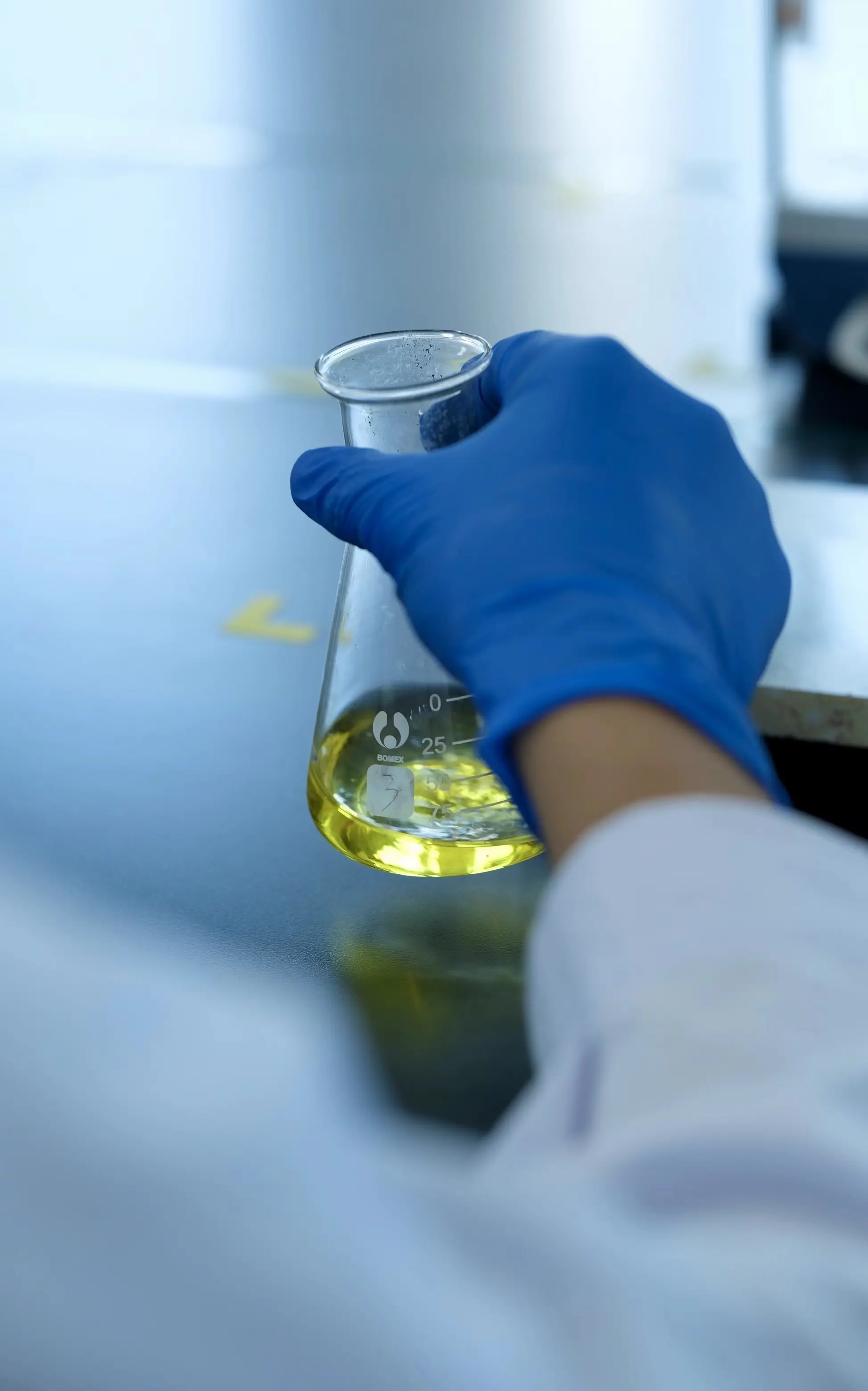
The landscape of global chemical procurement has fundamentally shifted. Commodity purchasing is giving way to application-specific, value-driven sourcing. In the realm of Sodium Aluminum Sulfate production, global enterprises are demanding strict control over impurities like heavy metals (Arsenic, Lead, Fluoride), precise pH control in solution, and tailored physical sizing. For instance, in European and North American food-grade applications, conformity to Food Chemicals Codex (FCC) standards is non-negotiable.
Furthermore, logistical resilience is a major differentiator. Smedic Technology has addressed this issue through a highly integrated distribution and warehousing network. While corporate headquarters are strategically located in Beijing, wholly-owned manufacturing complexes operate in Hebei, Guizhou, and Shanxi. To optimize international freight and domestic transport, Smedic has established over ten OEM/ODM partner factories and regional distribution centers in Shandong, Shanxi, Anhui, Guangxi, and Sichuan provinces. This grid-like infrastructure allows Smedic to mitigate supply-chain disruptions, maintaining a daily sewage treatment impact exceeding 20 million tons across industrial and municipal sectors globally.
Our raw material testing and purification processes ensure that trace impurities like iron ($Fe$), lead ($Pb$), and arsenic ($As$) are kept far below standard industry benchmarks, fulfilling strict regulatory profiles.
Custom screening, milling, and surface modification capabilities. We adapt crystalline distributions to match your blending, dissolution, or storage requirements.
Our expansive manufacturing network across multiple Chinese provinces guarantees stable output, rapid lead times, and redundancy in chemical supply.
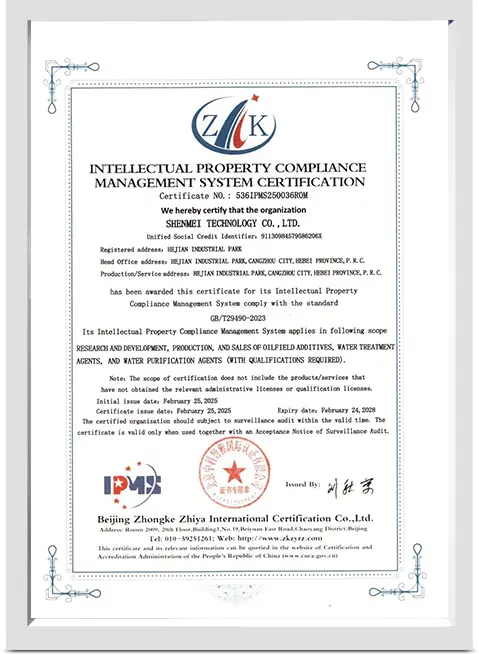
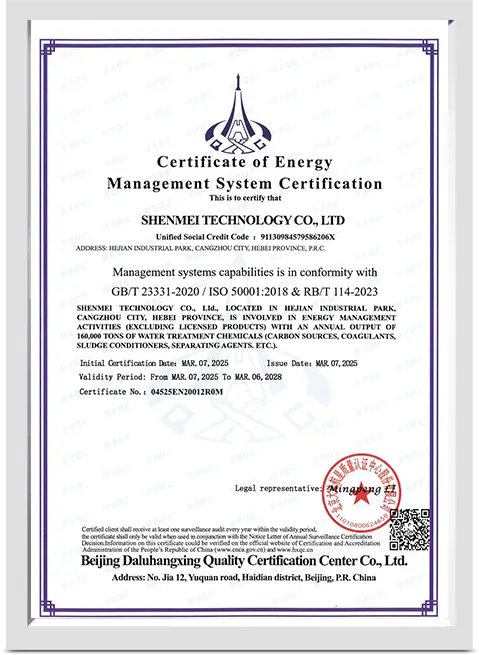
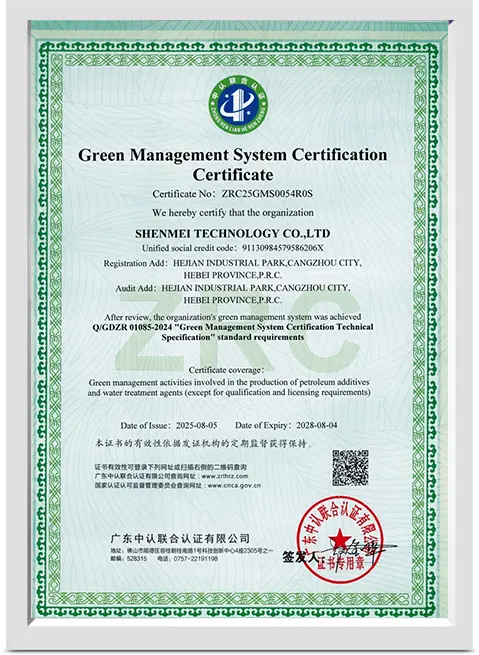
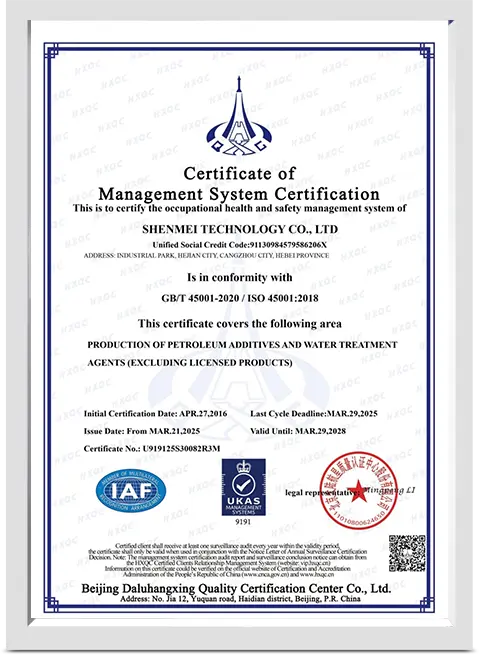
Backed by elite academic institutions, our intellectual property framework underlines our role as a trusted global chemical exporter.
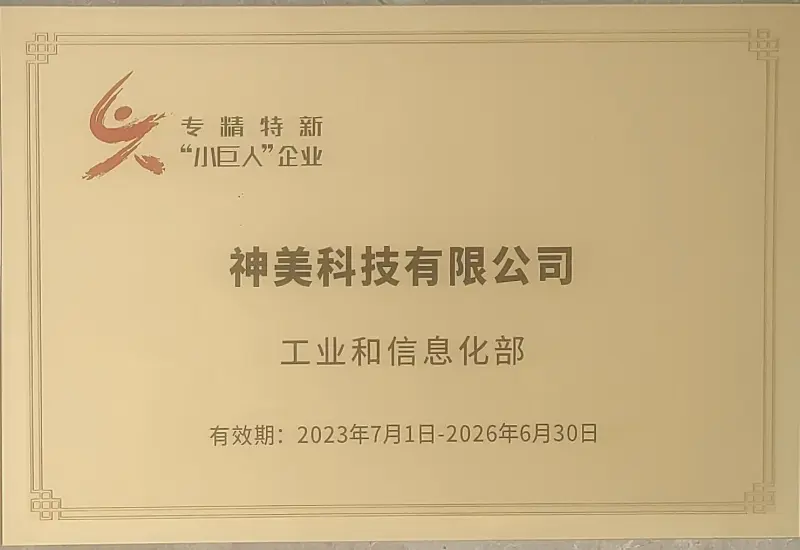
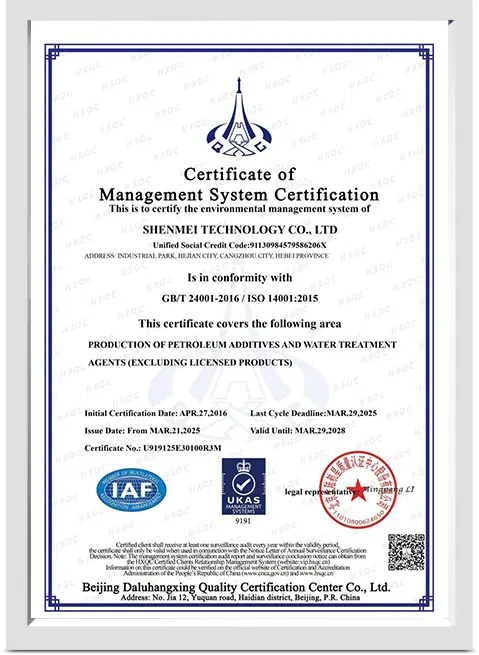
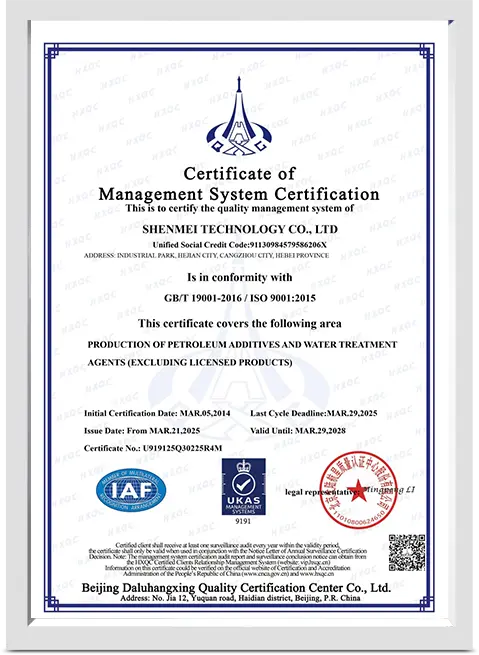
At Smedic, quality is backed by peer-reviewed science. We are designated as a National High-tech Enterprise, a National Specialized, Refined, Unique and Innovative "Little Giant" Enterprise, and a National Key-Supported "Little Giant" Enterprise. Our operations hold the distinction of being recognized as a Green Factory, demonstrating our commitment to environmental custody right from the synthesis stage.
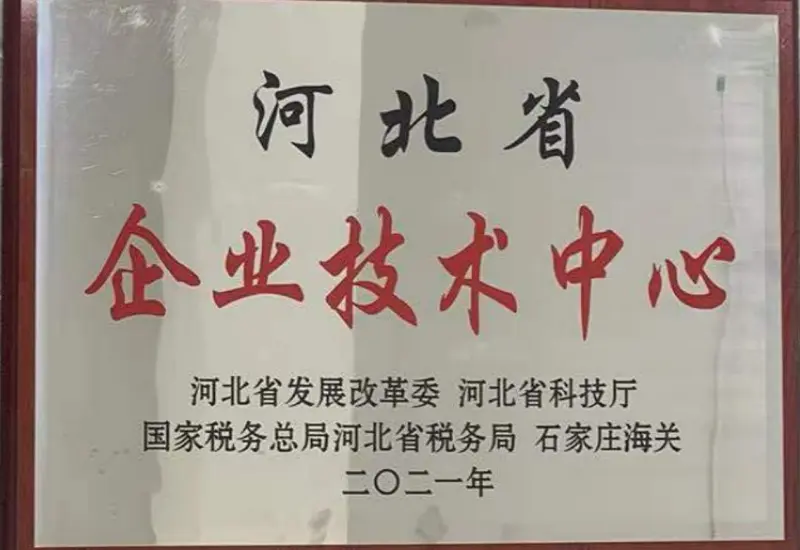
Our technical division is steered by a powerhouse team of academicians, industrial experts, professors, and senior engineers. This brain trust has built a robust research commercialization infrastructure composed of one academy, three research institutes, and five dedicated pilot bases. We host the Hebei Provincial Enterprise Technology Center and the Hebei Provincial Advanced Water Treatment Chemicals Technology Innovation Center. Working in tandem with prestigious universities like the Tsinghua University Association of Senior Scientists and Technicians, Shandong University, Beijing University of Technology, Peking University, and Tianjin University, Smedic actively bridges the gap between academic innovation and commercial-scale production.
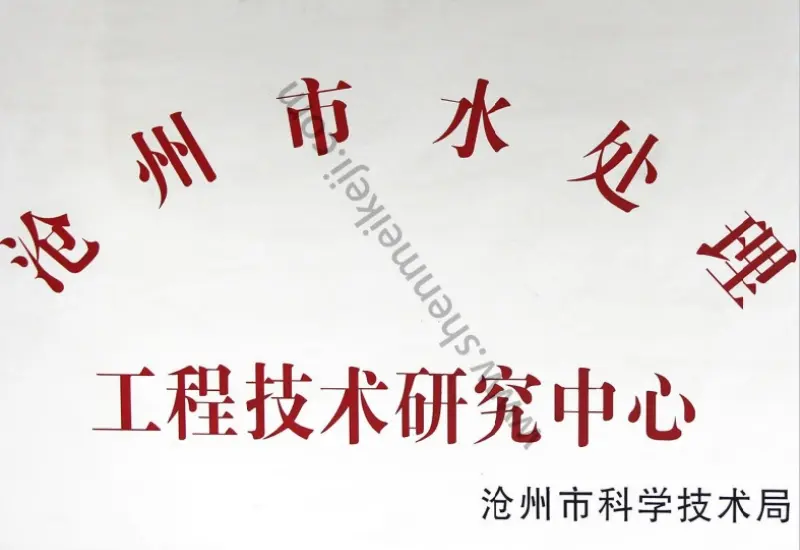
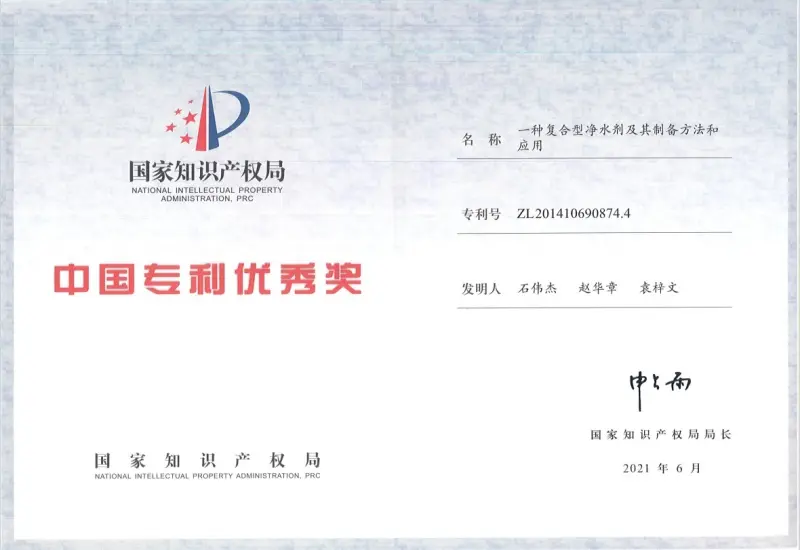
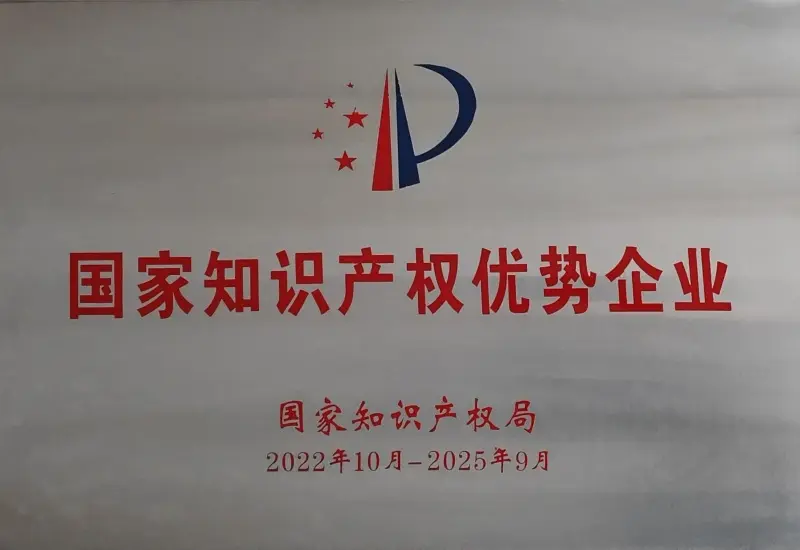
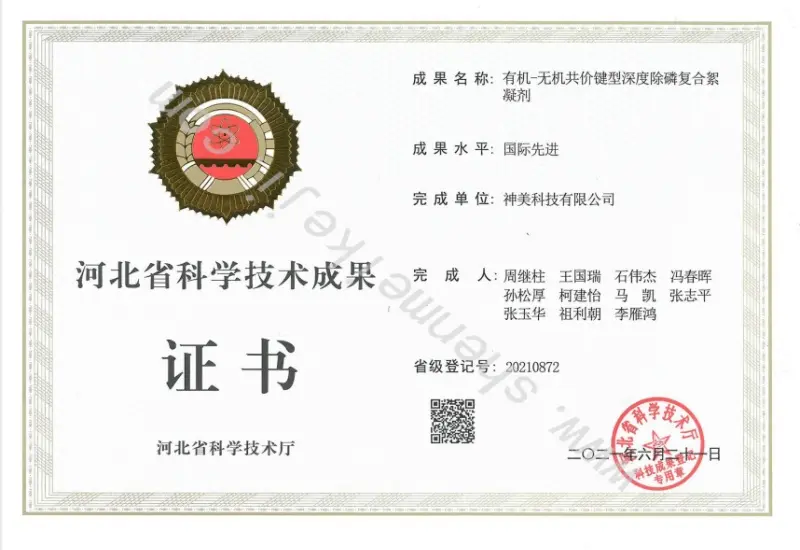
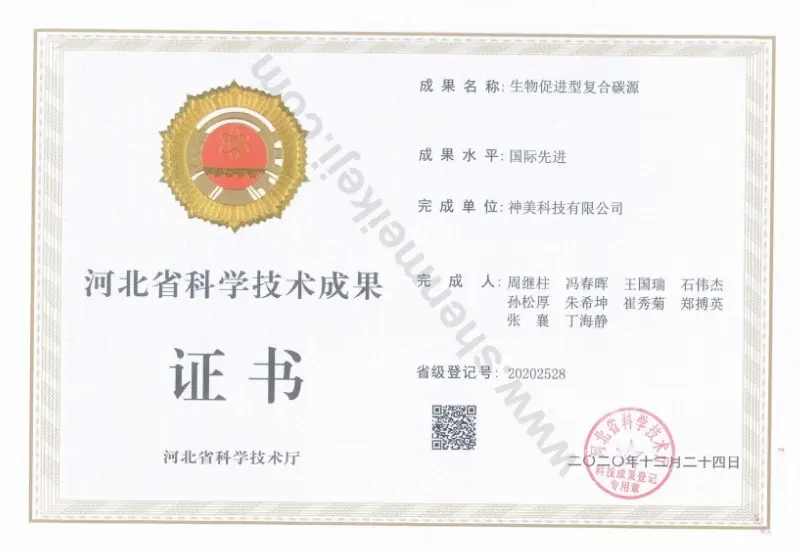
A key indicator of Smedic's authority in the specialty chemical sector is our proprietary technology. We have secured more than sixty Chinese patents, including forty invention patents and twenty utility model patents. We have taken the lead in drafting over ten national and industry chemical standards in China, dictating purity and application metrics for composite carbon sources, composite coagulants, sodium acetate, and biological nitrifying agents.
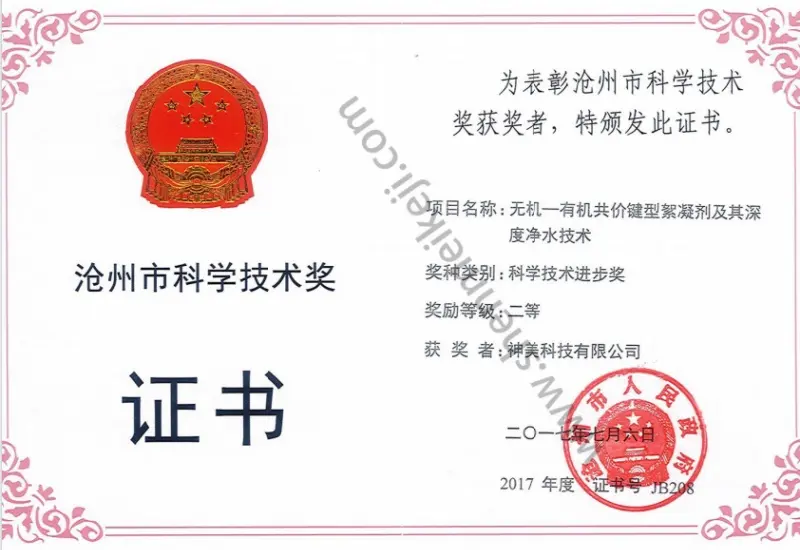
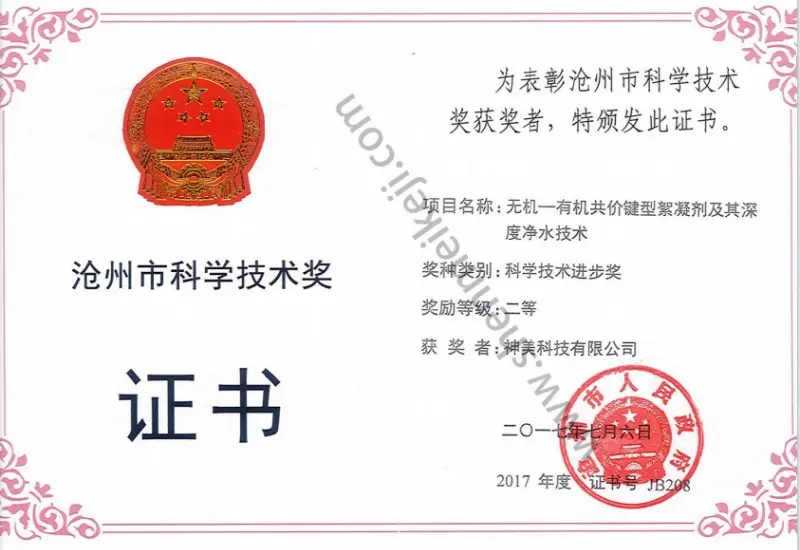
Our independently engineered "Inorganic-Organic Covalent Bond Flocculant and Its Advanced Water Purification Technology" won the prestigious 22nd China Patent Award and the First Prize for Technological Invention from the China Petrochemical Industry Association. The core concept behind this innovation—linking molecular coagulants with organic chains to form covalent structures—provides critical technical insight into how we approach Sodium Aluminum Sulfate. By controlling the polymerization pathways, we are able to produce highly active hybrid salts that achieve higher coagulation speed, faster settling rates, and minimized sludge production compared to conventional sulfates.
Collaborations with industry giants and municipal conglomerates validating our commitment to quality.
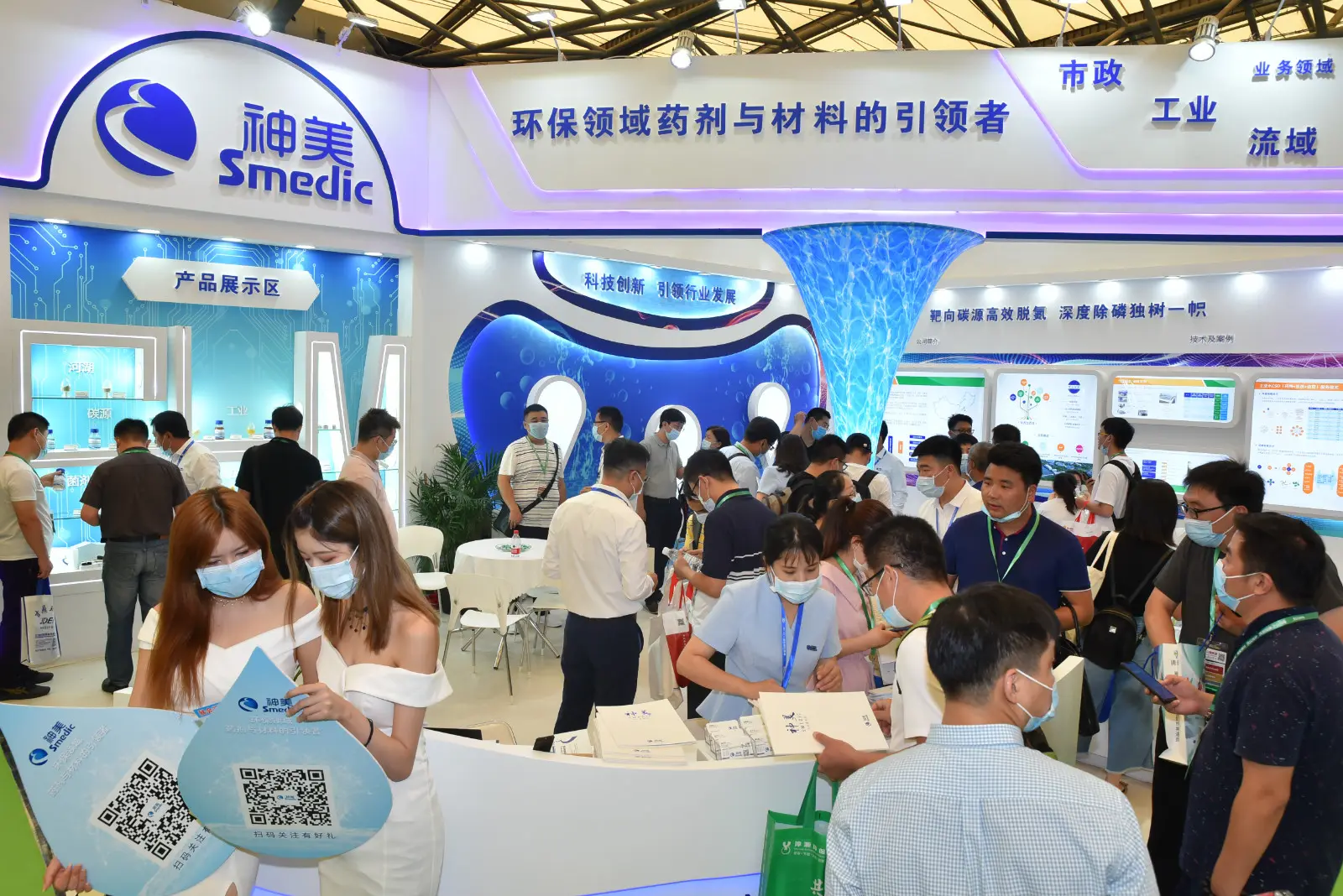
Smedic has been named the "Leading Brand of Advanced Wastewater Treatment Chemicals" and the "Most Valuable Water Treatment Chemicals Brand" by the China Water Network and the E20 Environmental Platform for four consecutive years.
We maintain long-term procurement partnerships with top-tier water groups, including Shouchuang Ecological and Environmental Group, Yangtze River Ecological and Environmental Group, Beijing Enterprises Water Group (BEWG), OriginWater, and China Water Environment Group. These enterprises demand rigorous consistency, automated chemical feed compatibility, and absolute batch-to-batch reliability.
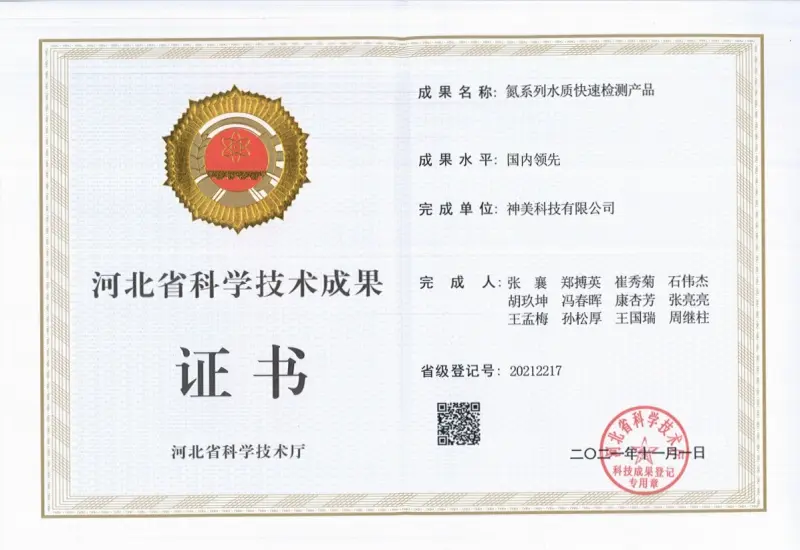
To capture optimal efficiency in applications, chemical managers must evaluate the hydrolysis behavior of Sodium Aluminum Sulfate. In aqueous solutions, SAS dissociates to yield sodium ions ($Na^+$), aluminum ions ($Al^{3+}$), and sulfate ions ($SO_4^{2-}$). The aluminum ions immediately coordinate with water molecules to form the hexaaquaaluminum complex, $[Al(H_2O)_6]^{3+}$. This complex subsequently undergoes stepwise deprotonation, releasing hydronium ions ($H_3O^+$) which drive the targeted acidification.
In food-grade baking formulations, this reaction is intentionally delayed. The low solubility of SAS at room temperature prevents premature leavening. Once temperatures reach approximately 60°C to 70°C in industrial ovens, the solubility of SAS escalates sharply, driving rapid acid release that reacts with sodium bicarbonate to yield controlled carbon dioxide bubbles. Our ODM modification process allows for precise particle encasing or moisture controls to tune this thermal-activation threshold, guaranteeing a uniform crumb structure in industrial food manufacturing.
For industrial processing and paper sizing, the trivalent aluminum acts as a strong charge-neutralizing agent. It attracts colloidal particles, converting micro-flocs into macro-flocs. Smedic's ODM technical route ensures that the free acidity of our Sodium Aluminum Sulfate is kept under strict thresholds to prevent corrosion in processing equipment, extending the service life of spray-drying systems and bulk conveyors.
Answers to critical questions asked by procurement managers and process engineers when sourcing Sodium Aluminum Sulfate.
Complementary high-purity coagulants, scale inhibitors, and defoamers from our factory direct line.
 Smedic Tech