High-performance chemicals engineered for foam control, scale prevention, and biological treatment in heavy industries.
Maintaining thermodynamic integrity and system lifespan in modern high-pressure steam plants
Industrial boilers serve as the energetic thermodynamic heart of manufacturing complexes, chemical refineries, thermal power generation plants, and district heating grids globally. However, the introduction of raw, unconditioned feed water into these closed loops exposes the hardware to intense mechanical stressors. Dissolved mineral compounds, suspended colloids, and trace gases like carbon dioxide and oxygen precipitate structural degradation. Scale formation (dominated by calcium carbonate, calcium sulfate, and silica crystallization) acts as an insulative barrier on heat exchange surfaces, directly reducing thermal transfer rates and prompting critical thermal fatigue in carbon steel tubes.
To combat these failure modes, modern industrial operators rely on optimized chemistry. OEM boiler treatment chemicals represent custom-engineered mixtures formulated to counteract specific water dynamics. Modern water-treatment programs have advanced past basic phosphate dosing to incorporate sophisticated polymer-based scale inhibitors, multi-component volatile neutralizing amines, and filming passivating agents. These solutions ensure the system runs cleanly, minimizing fuel consumption and downtime.
"Every millimeter of scale deposit inside a boiler tube increases localized fuel consumption by up to 10% and significantly raises the risk of tube rupture due to overheating."
We leverage filming amines and hydrazine-free oxygen scavengers to form an ultra-thin, dynamic monomolecular layer over carbon steel and copper piping. This barrier prevents carbon dioxide and oxygen from coming into direct contact with the base metal, keeping dissolved oxygen and acid attack in check.
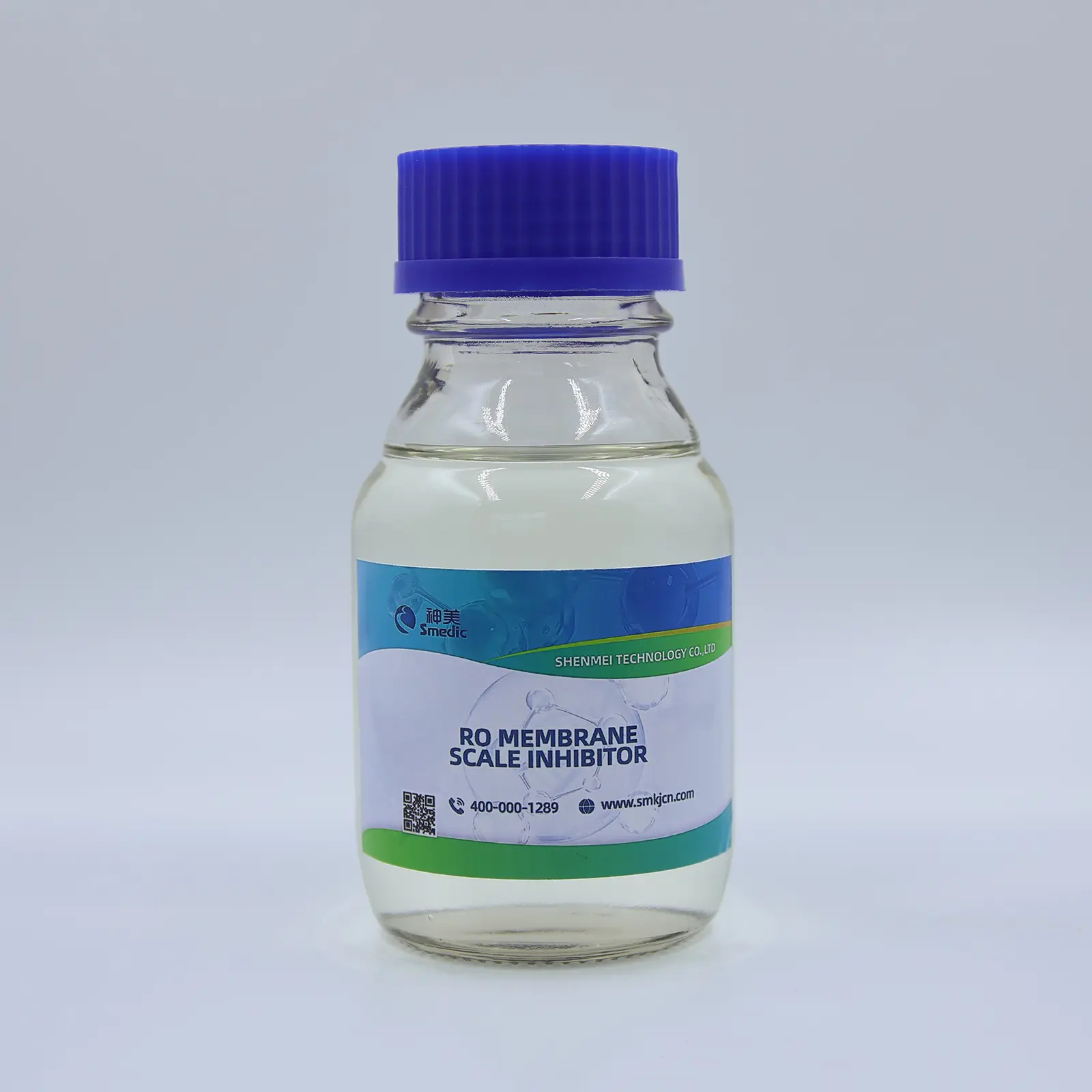
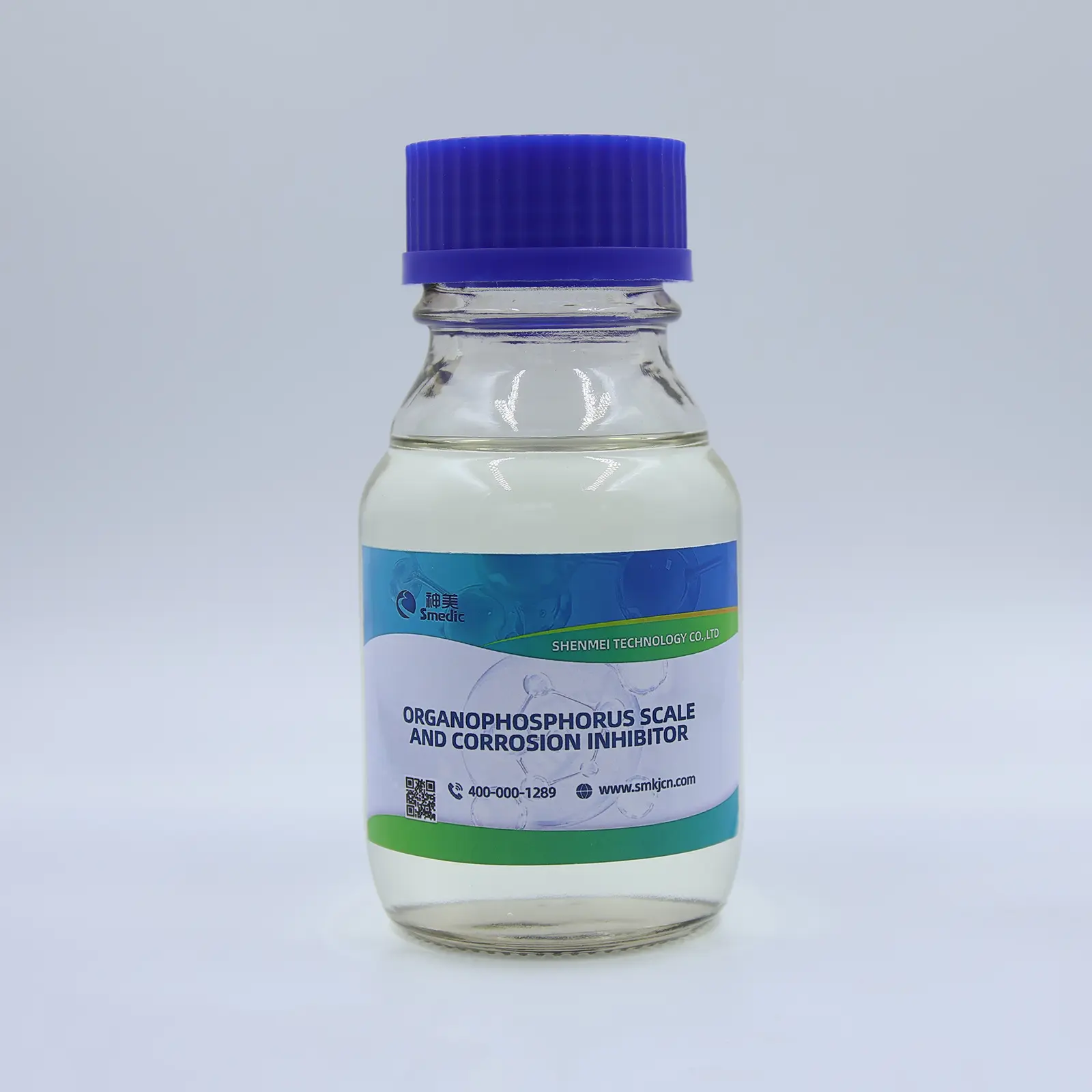
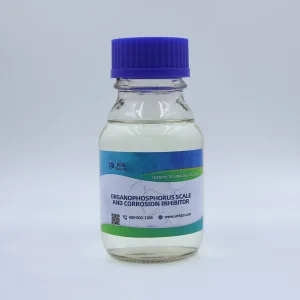
By blending organophosphorus compounds (like HEDP, ATMP) with low-molecular-weight anionic polyacrylates, we distort the crystal structure of precipitates. Calcium, magnesium, and silica salts remain suspended as a non-adherent sludge, easily cleared out during routine blowdowns.
Using precise formulations of sodium acetate, carbonates, and volatile neutralizing amines, we maintain boiler water pH between 9.5 and 10.5. This range supports the structural stability of the protective magnetite (Fe3O4) passivation layer across the entire steam circuit.
Decarbonization, regulatory compliance, and cost optimization driving raw material selection
Global procurement teams in the chemical sector are shifting away from transactional sourcing in favor of structured partnerships with OEMs. Buyers must balance environmental compliance, product safety, and supply chain security. Environmental standards such as REACH, RoHS, and local EPA guidelines are phasing out legacy chemistries like hydrazine (recognized as a carcinogen) and high-phosphate formulations that contribute to environmental eutrophication in discharge zones. Buyers are increasingly seeking biodegradable polymers and organic scale inhibitors to meet Zero Liquid Discharge (ZLD) requirements.
Smedic Technology meets these needs by producing and exporting eco-friendly formulations. Our product line includes advanced scale inhibitors, defoamers, and biological agents. Working with a domestic Chinese chemical manufacturer gives international companies access to vertically integrated raw materials, ensuring stable pricing and supply security amid global market shifts.
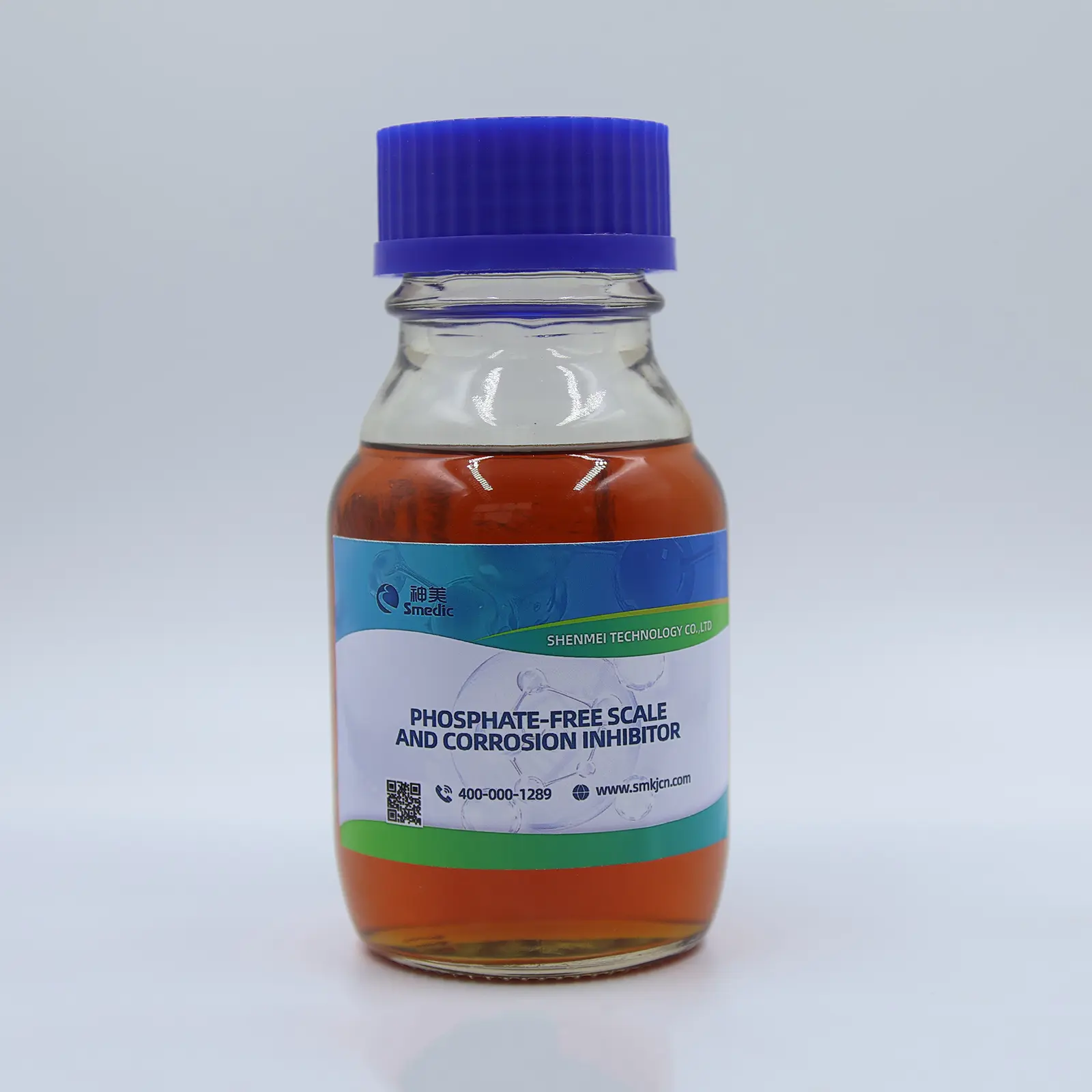
We supply advanced carboxylate-sulfonate-nonionic terpolymers that prevent scaling in high-stress boilers without contributing to environmental phosphorus pollution.
Formulations designed to function at high cycles of concentration (CoC), minimizing makeup water demands and simplifying wastewater treatment processes.
With an annual capacity of over 1 million tons, Smedic supports long-term volume agreements with water utilities, oilfields, and multi-national industrial customers.
Advanced production and logistics infrastructure delivering chemical reliability
Smedic Technology operates with a focus on modern logistics and smart manufacturing. Our headquarters is located in Beijing, and we manage wholly-owned production bases in Hebei, Guizhou, and Shanxi, along with over ten OEM partner factories and regional warehousing bases in Shandong, Anhui, Guangxi, and Sichuan. This distributed network allows us to ship chemicals quickly to major ports, ensuring reliable lead times for international orders.
Our Hebei Province Green Factory uses automated batching and mixing systems to ensure product uniformity across different runs. We verify product performance with advanced analytical equipment, including ICP-OES for trace element checks, high-pressure liquid chromatography for polymer molecular weight profiles, and laser diffraction particle analyzers for defoamer emulsion stability. This testing ensures that our products maintain their quality through long maritime transport cycles.
Targeted chemical solutions for municipal and industrial water treatment systems
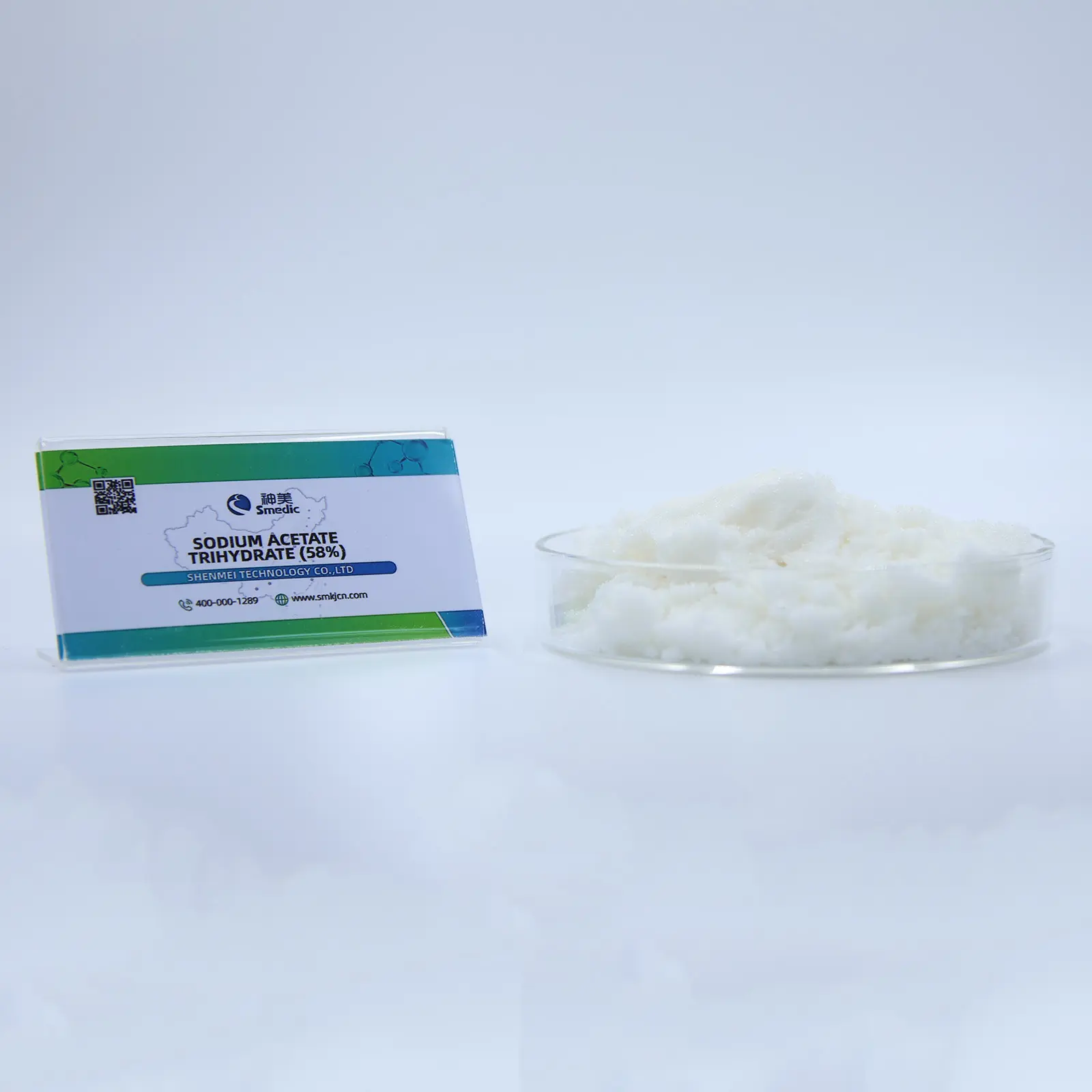
We supply high-purity sodium acetate compounds that provide a reliable carbon source for biological wastewater treatment plants. These products support denitrifiers, assisting facilities in meeting strict total nitrogen (TN) limits.
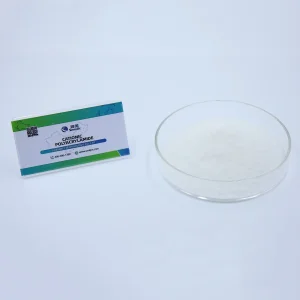
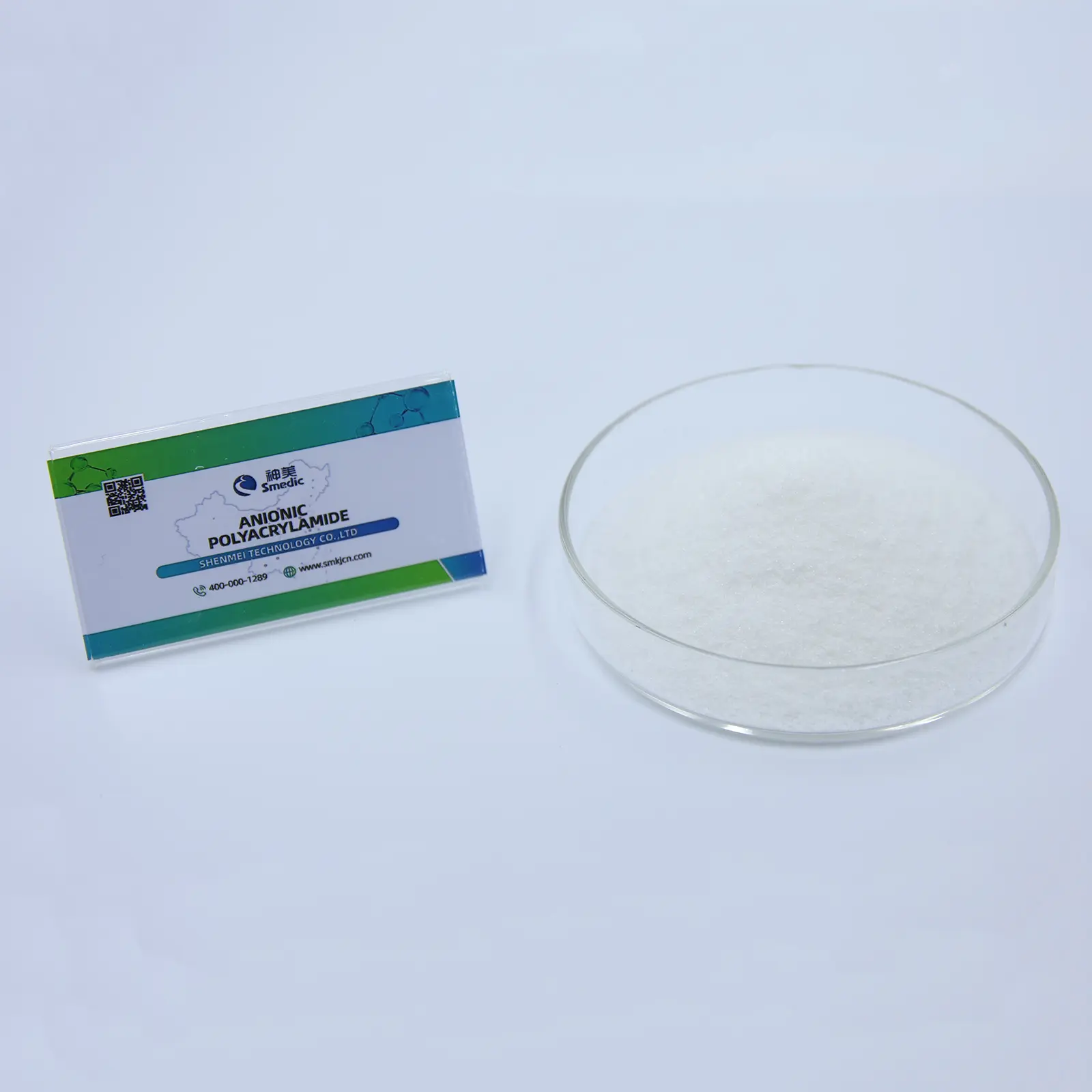
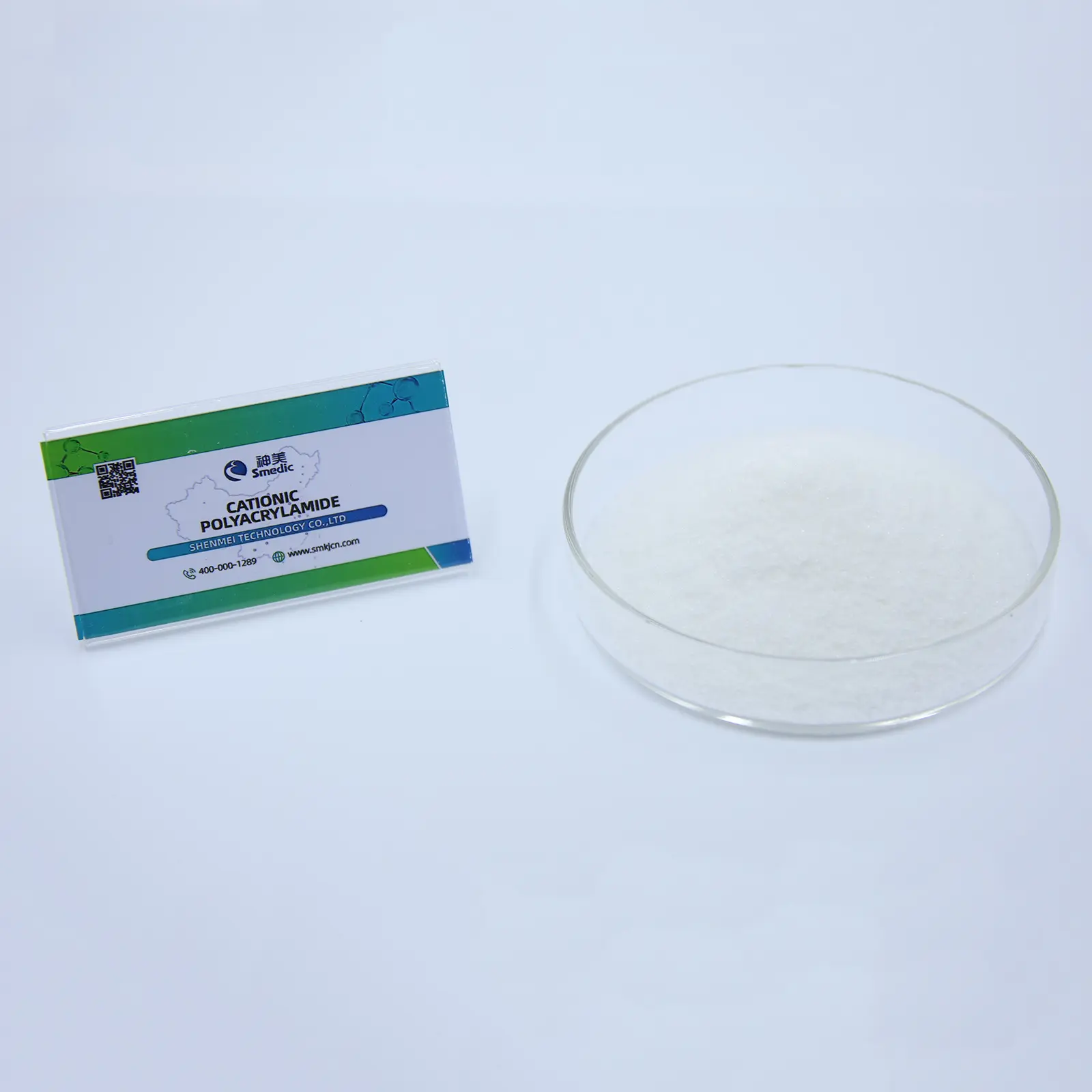
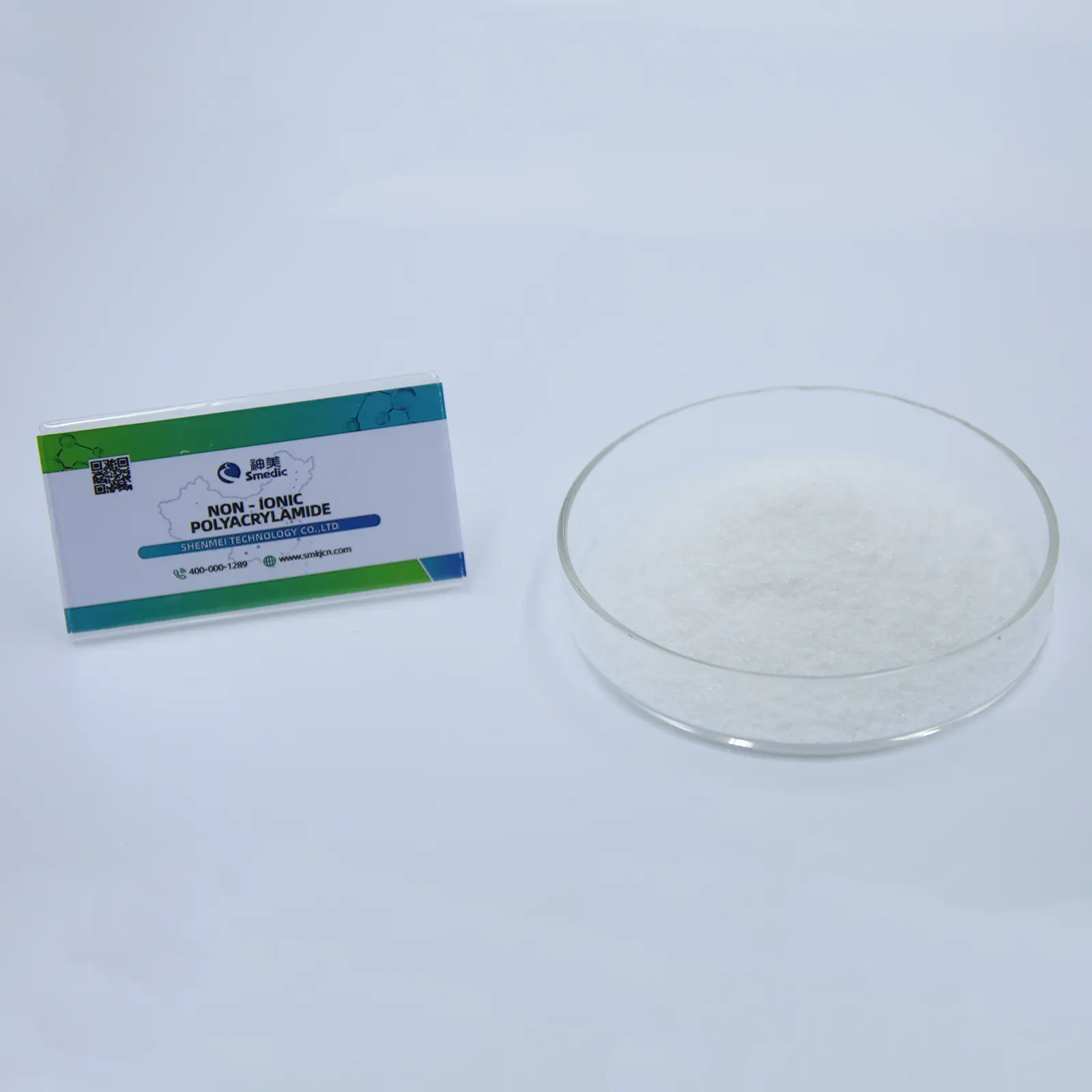
Our polyacrylamides cover cationic, anionic, and non-ionic variants, optimized for sludge dewatering, raw water clarification, and enhanced oil recovery. They feature tailored molecular weights and charge densities.
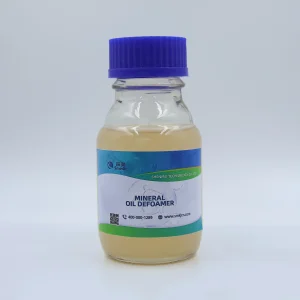
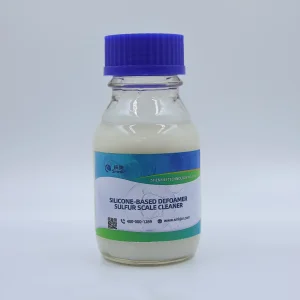
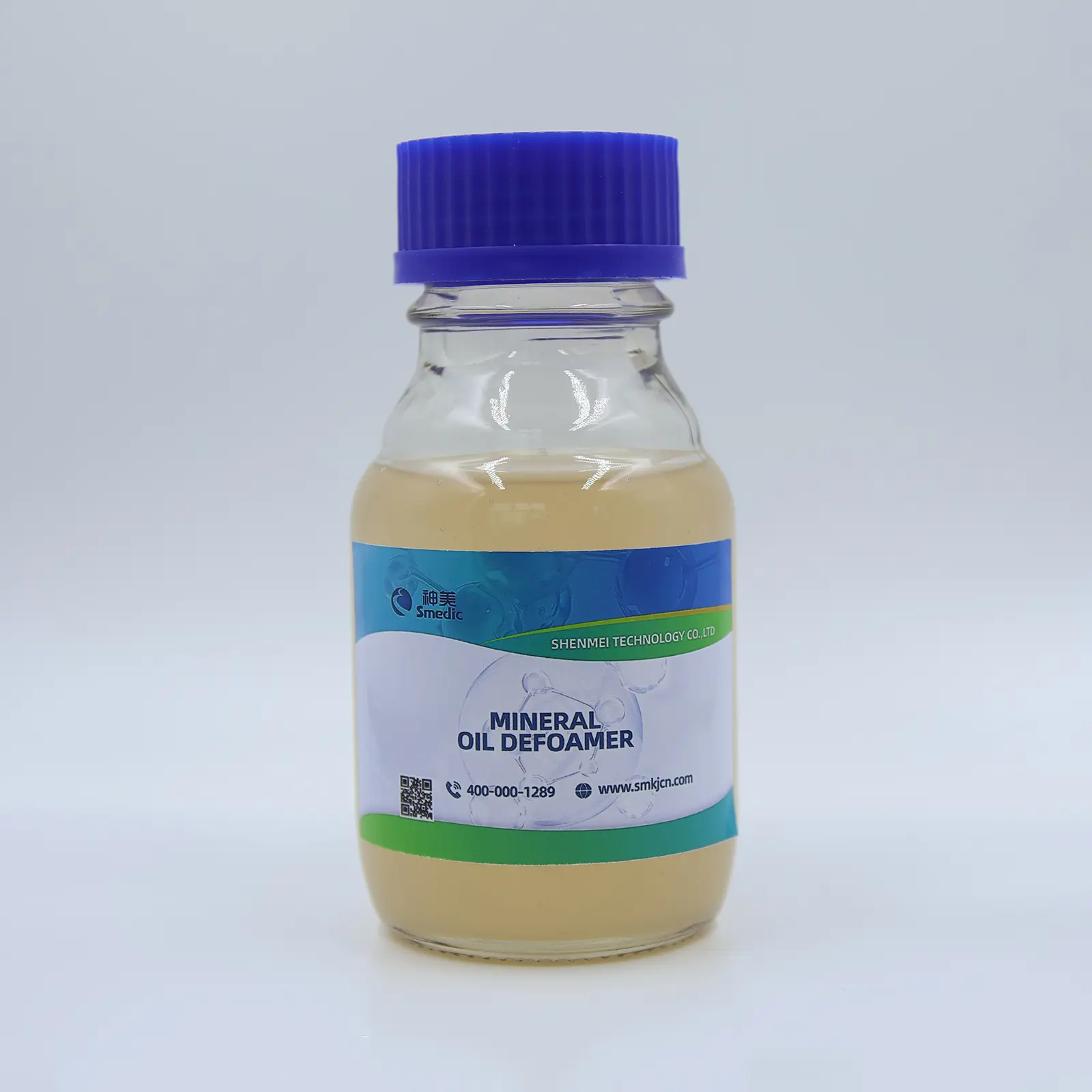
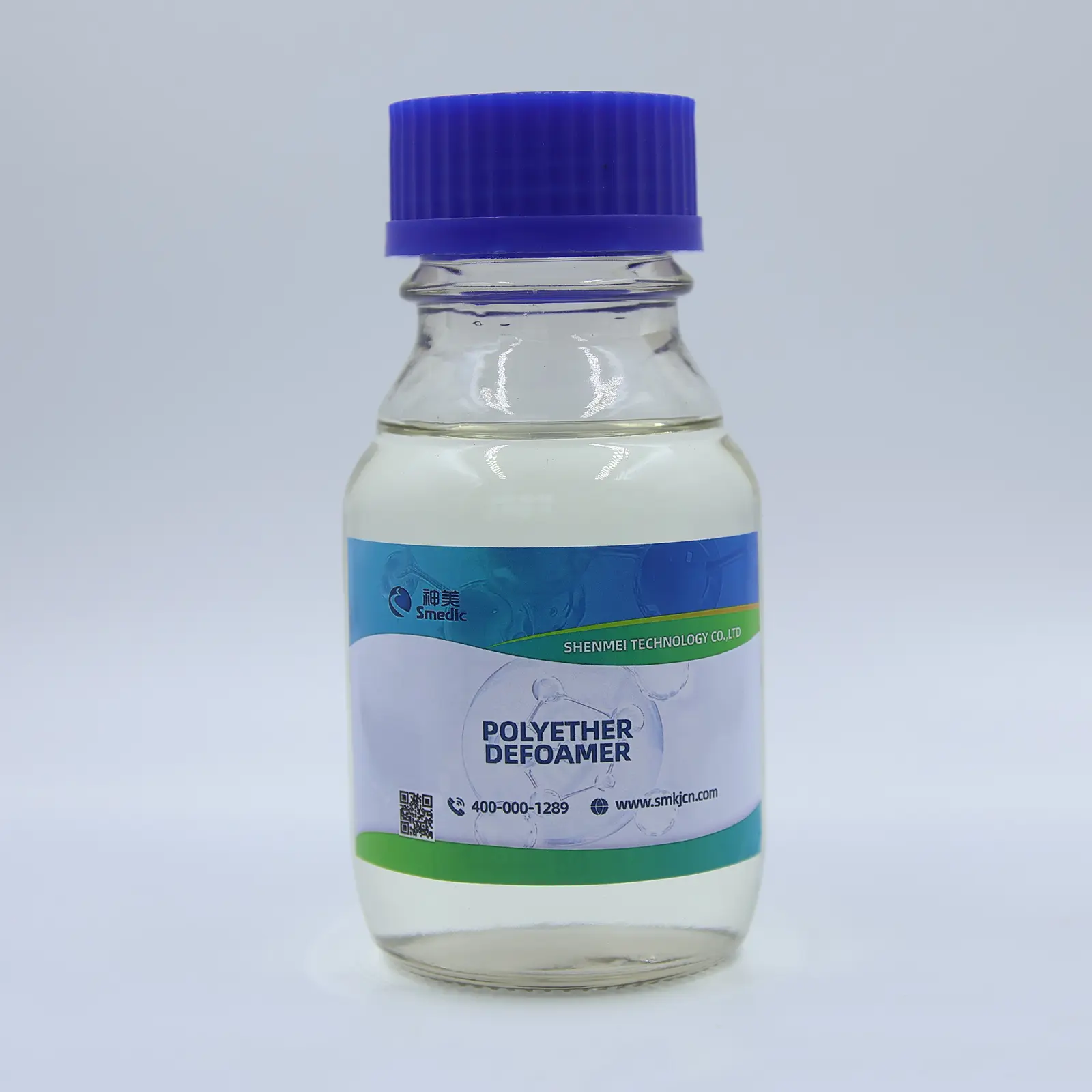
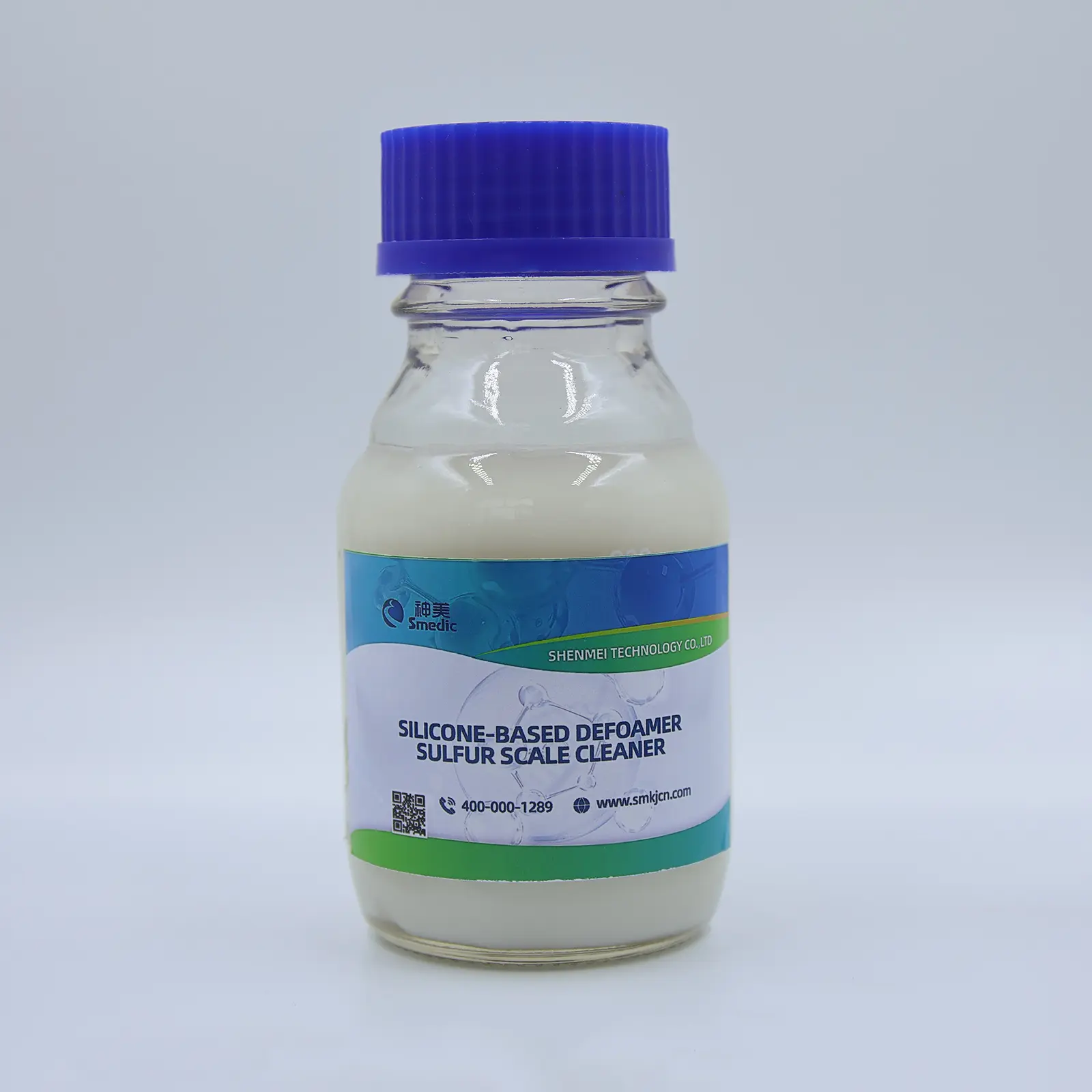
We manufacture silicone-based and mineral oil defoamers designed for high thermal resistance. They help control foam in pulp processing, petroleum refining, and boiler return lines, protecting equipment from carryover issues.
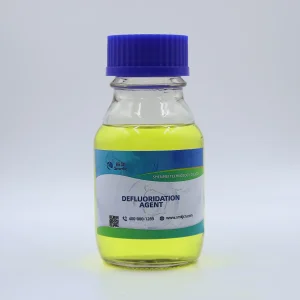
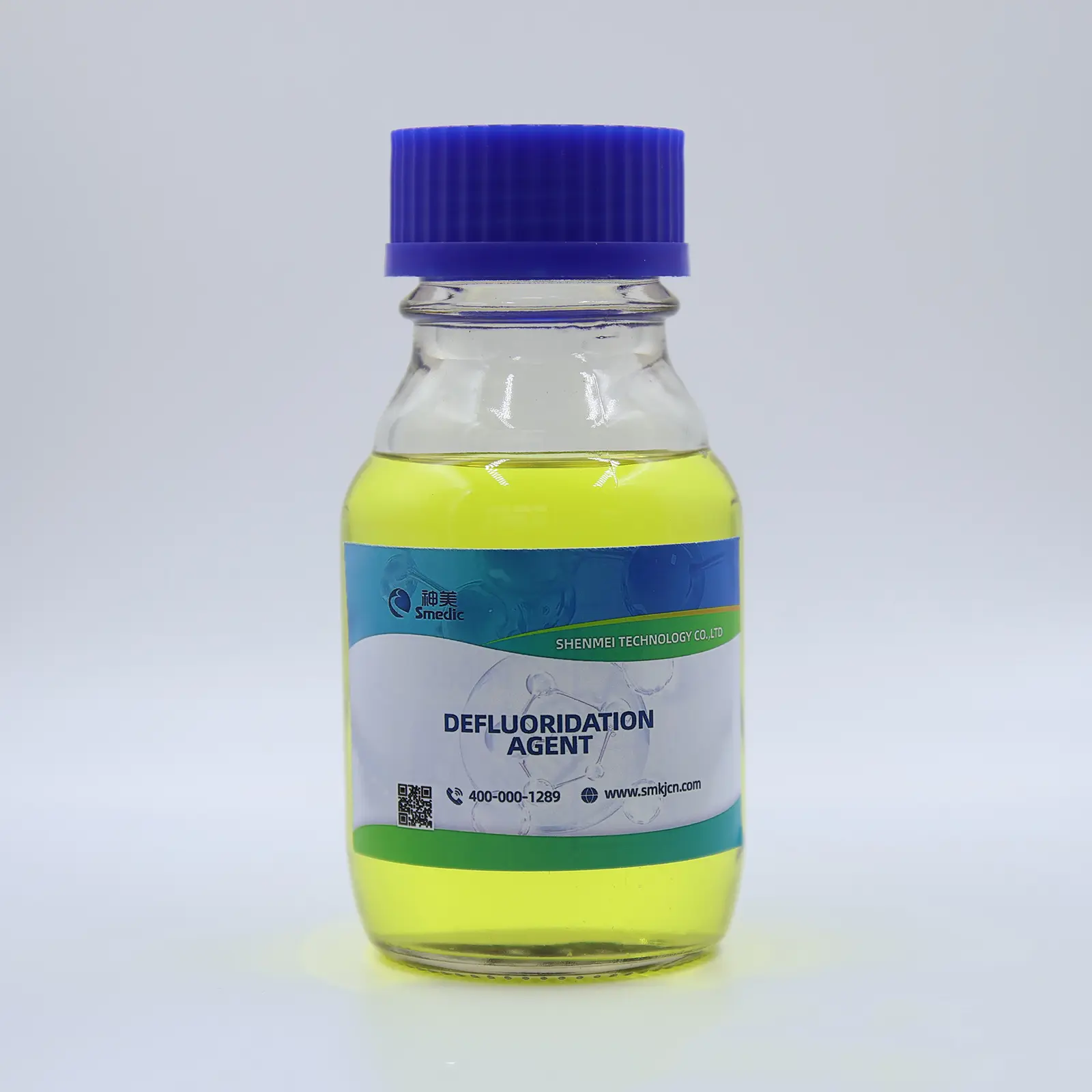
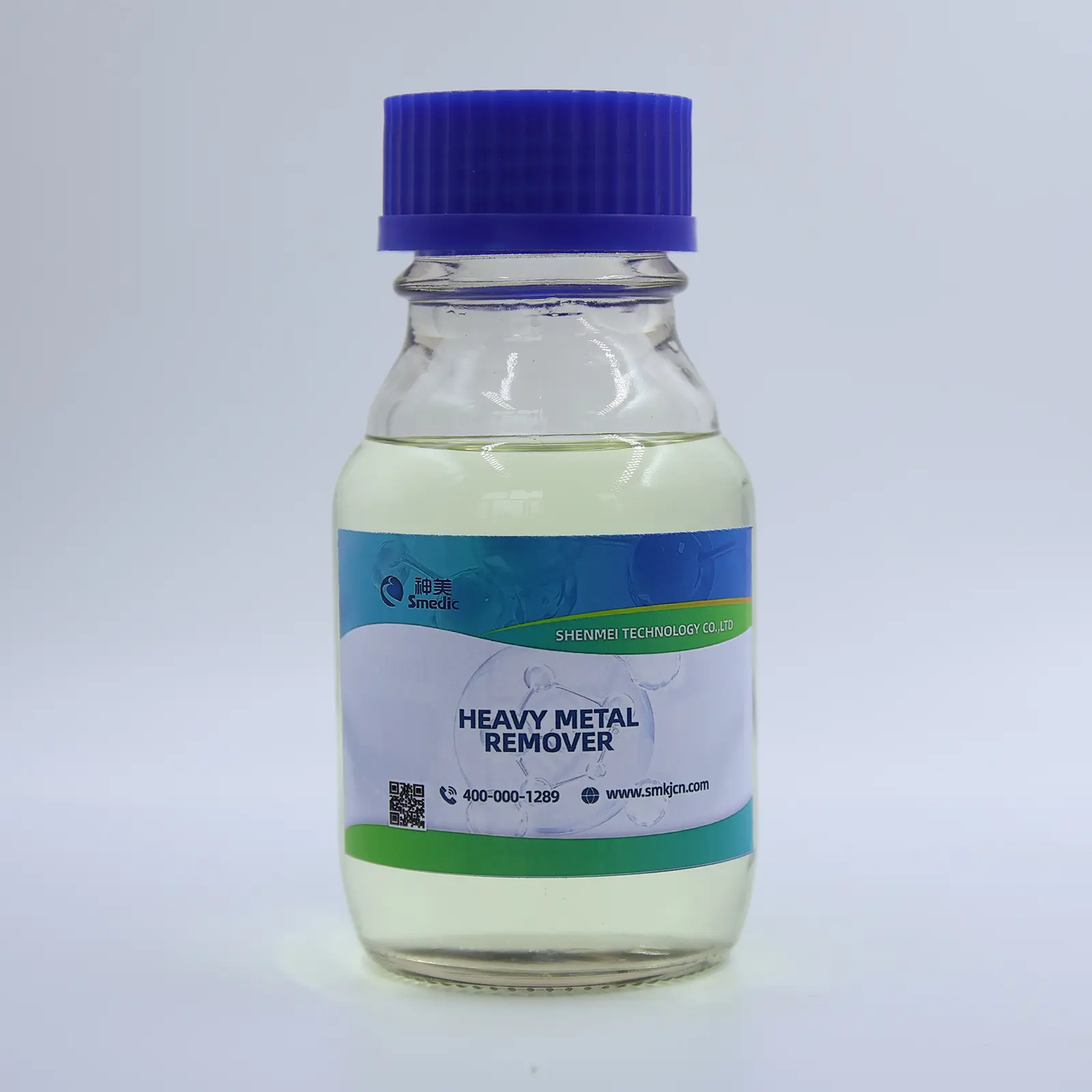
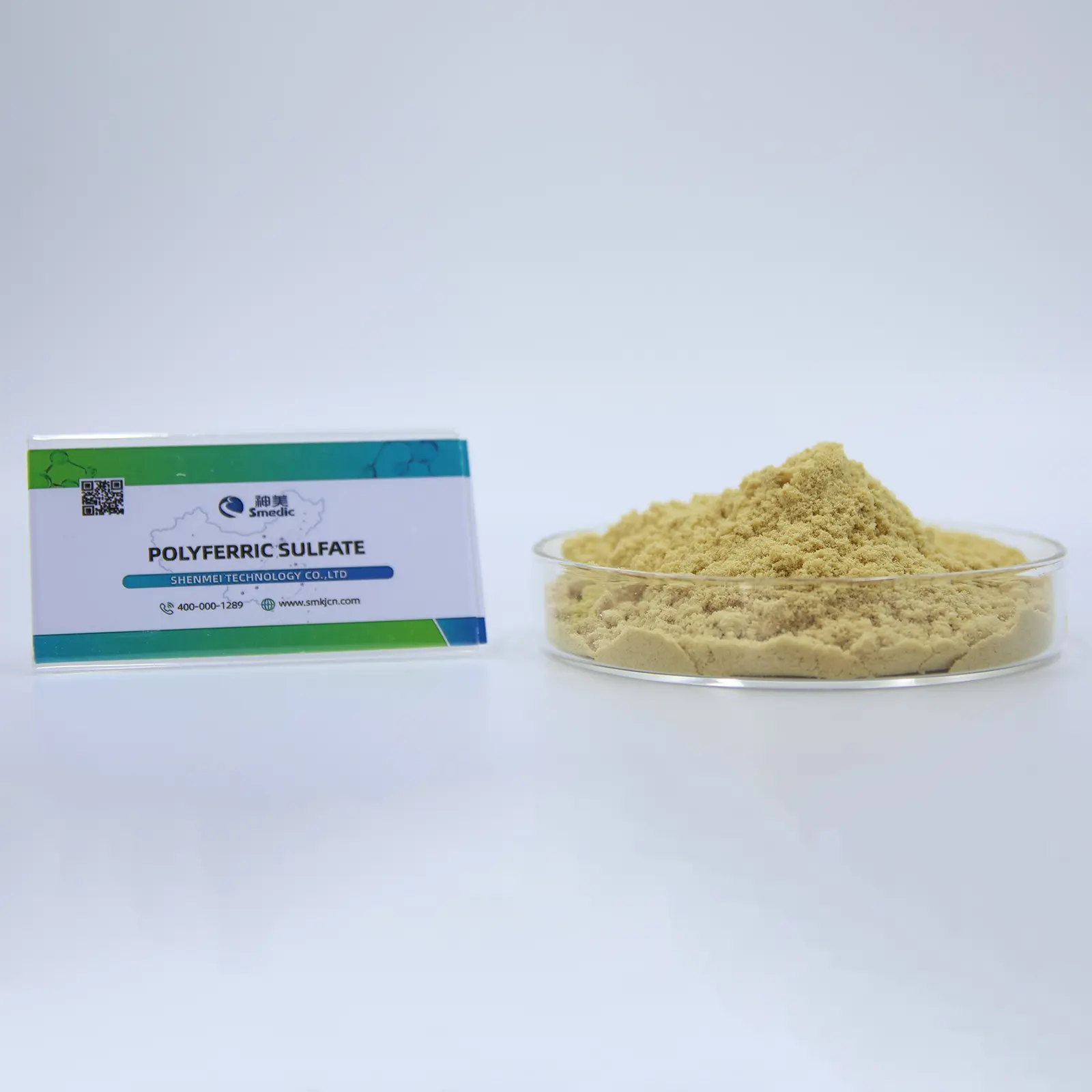
Additionally, we manufacture specialty coagulants like Polyaluminum Chloride (PAC) and Polyferric Sulfate (PFS), along with customized heavy metal precipitation agents and fluoride removal systems. Our expert workstations and joint labs with institutions like Shandong University and Beijing University of Technology allow us to develop tailored solutions to meet specific raw water conditions.
A timeline of innovation, growth, and standards development since 2011
Smedic Technology Co., Ltd. was founded in Beijing, establishing R&D for wastewater treatment agents.
Completed product lines for municipal wastewater treatment, introducing custom scale and corrosion inhibitors.
Recognized as a national high-tech enterprise, expanding R&D into industrial boiler water chemistry.
Established the Guiyang production facility, increasing logistics coverage for Southern China.
Expanded plants in Hebei, Guizhou, and Shandong, pushing annual production capacity past 1 million tons.
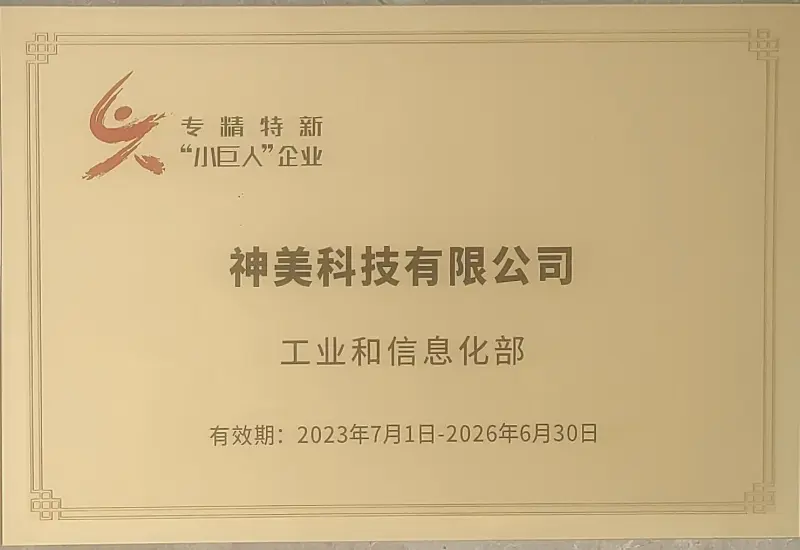
Recognized as a National Specialized, Refined, Unique and Innovative Small and Medium-sized Enterprise.
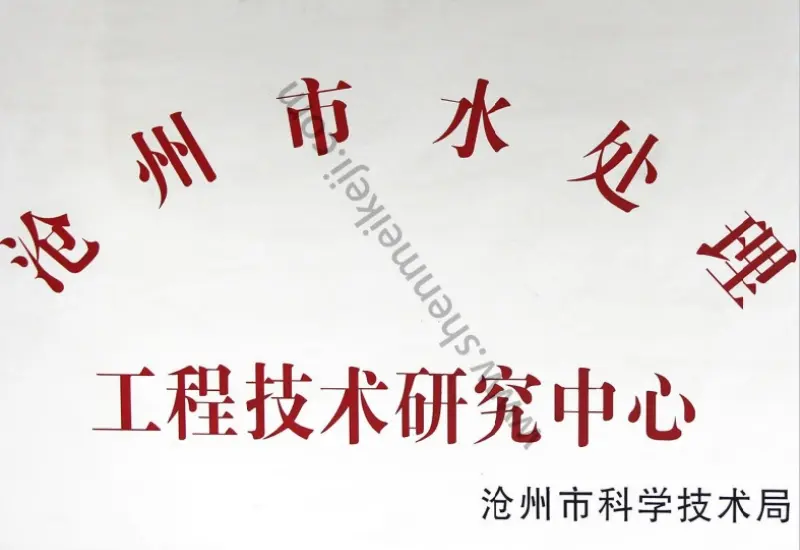
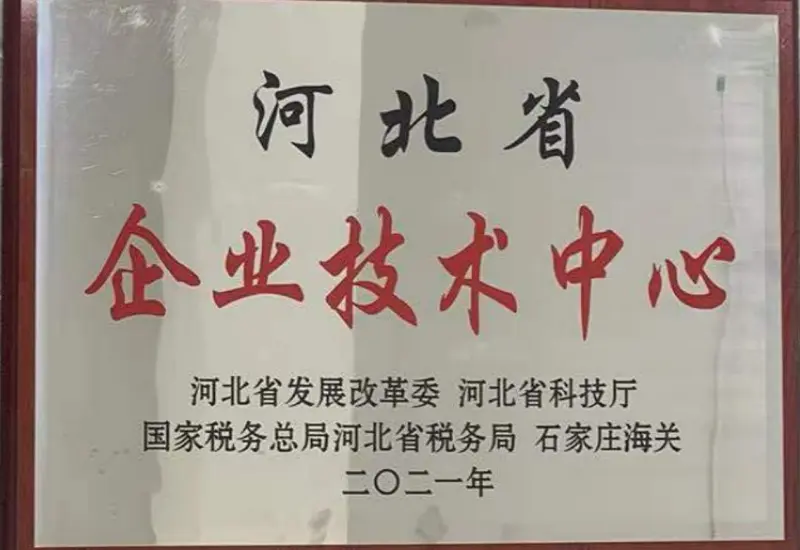
Set up the Hebei Provincial Enterprise Technology Center, building joint labs with Tsinghua University experts.
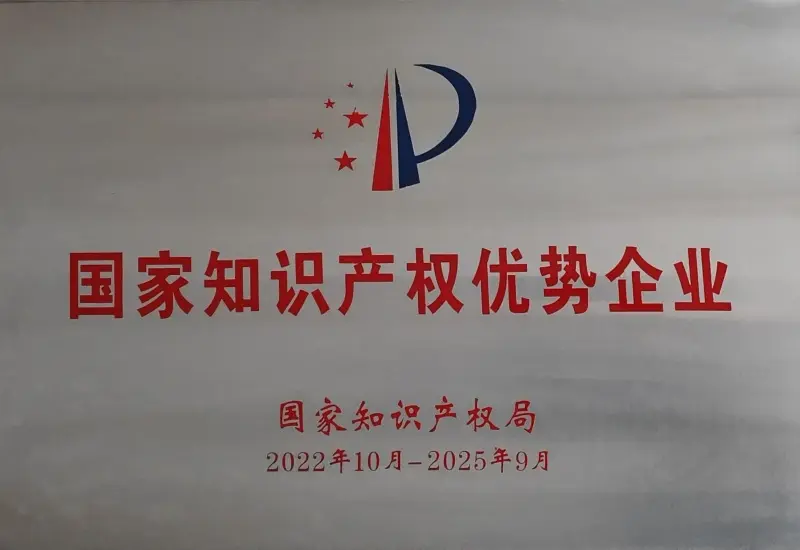
Named a National Intellectual Property Advantage Enterprise; surpassed 60 registered patents.
Partnered with the Chengdu Institute of Mineral Comprehensive Utilization, China Geological Survey, to commercialize new environmental reagents.
Demonstrated expertise through national standards leadership and scientific validation
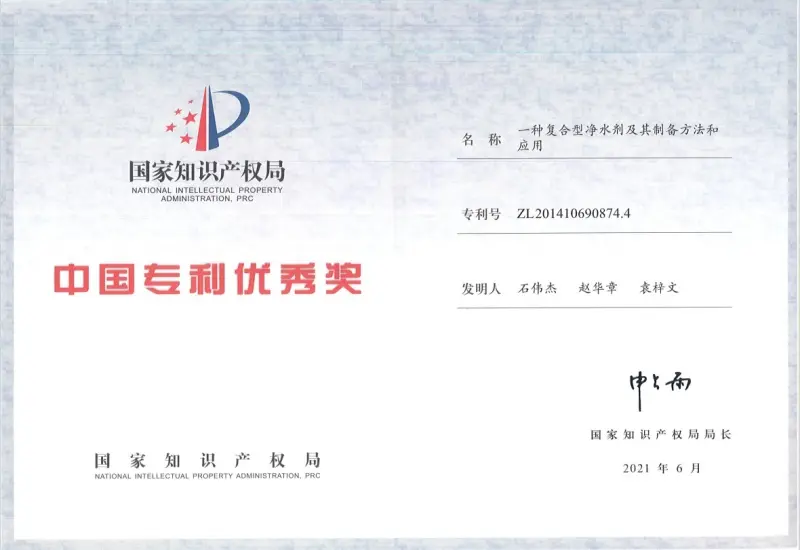
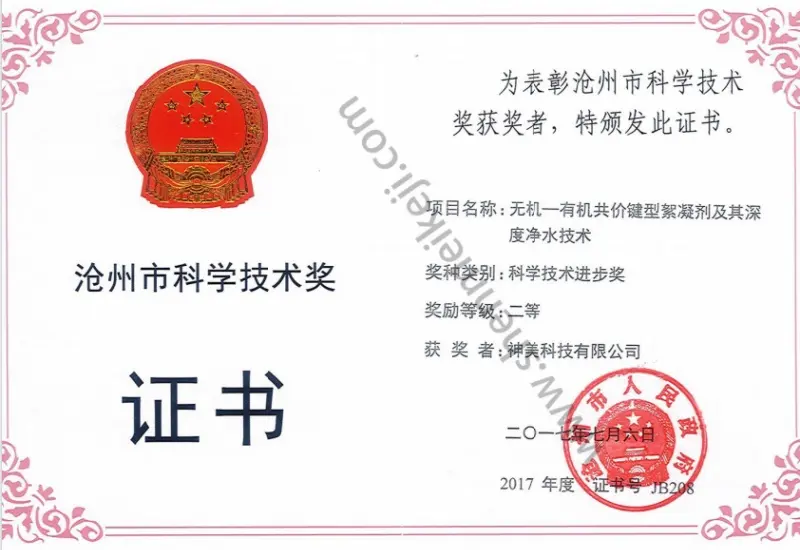
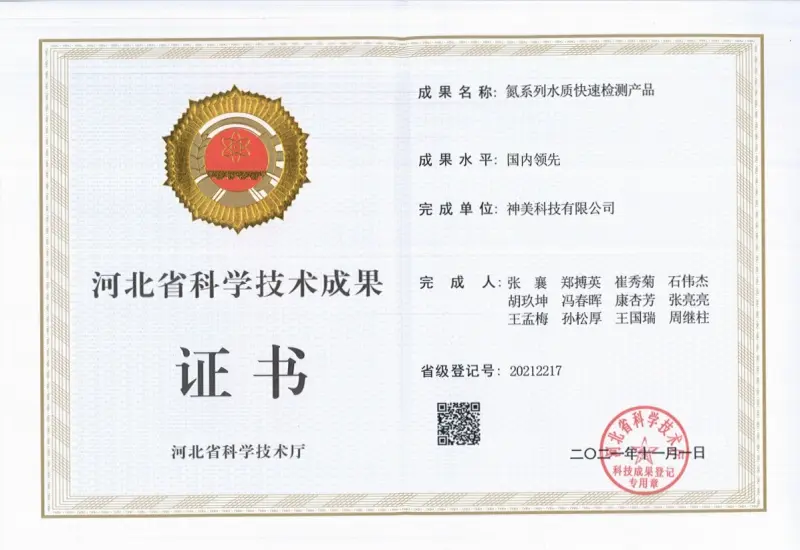
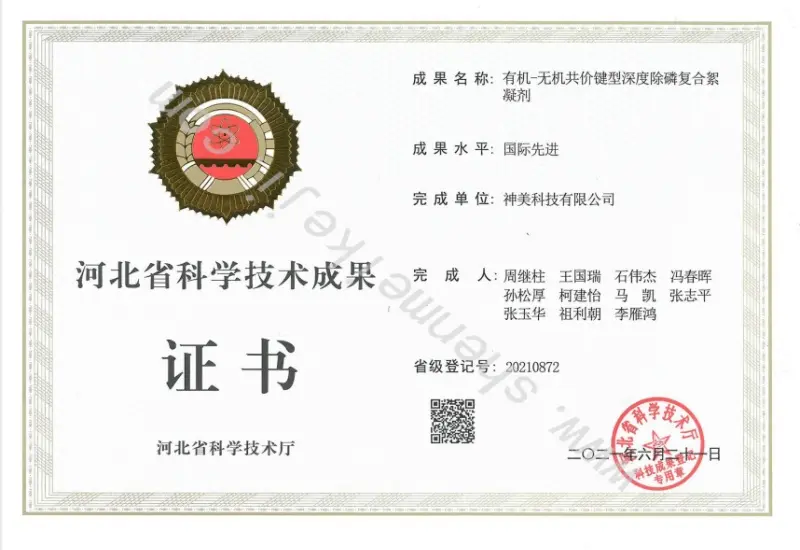
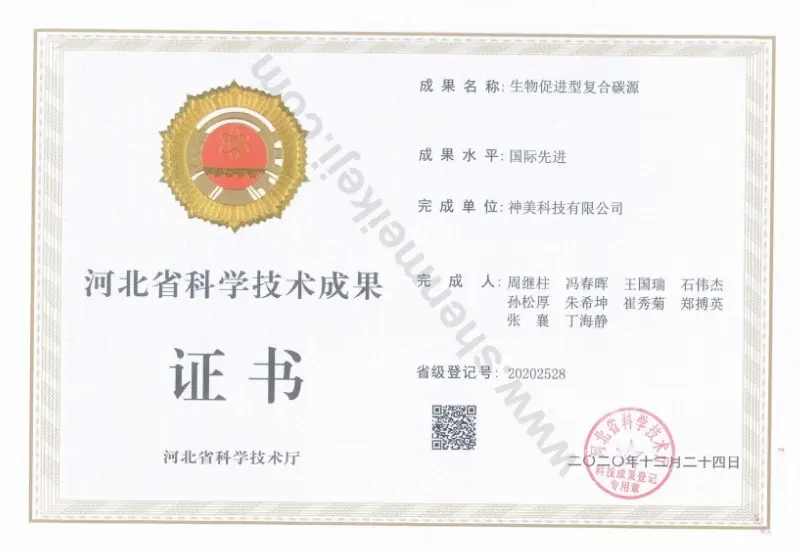
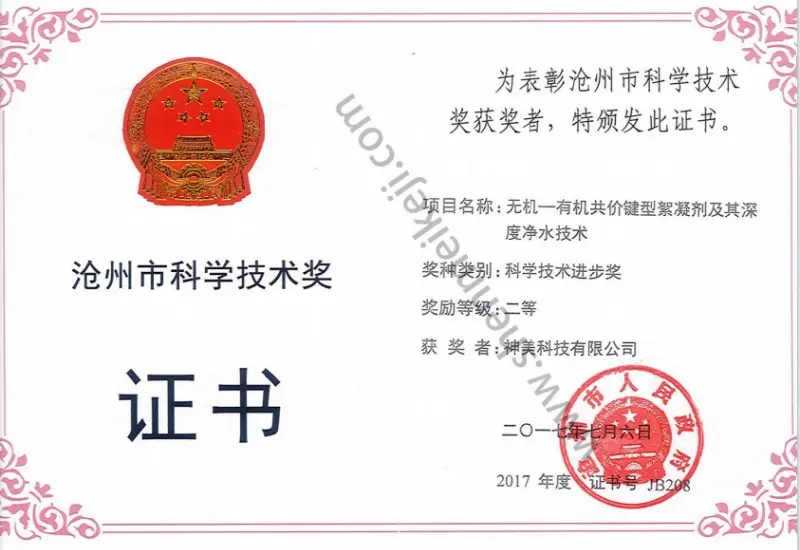
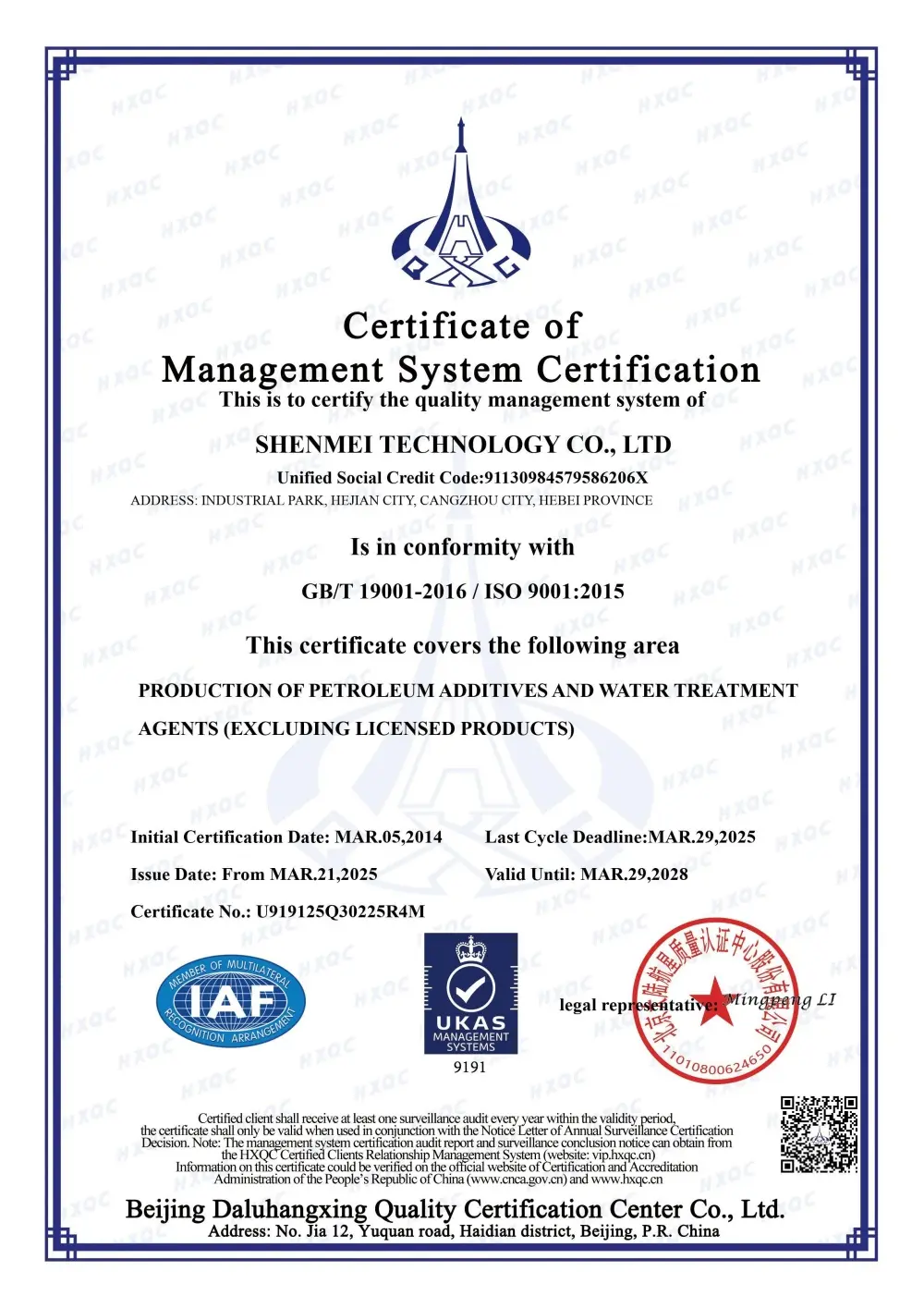
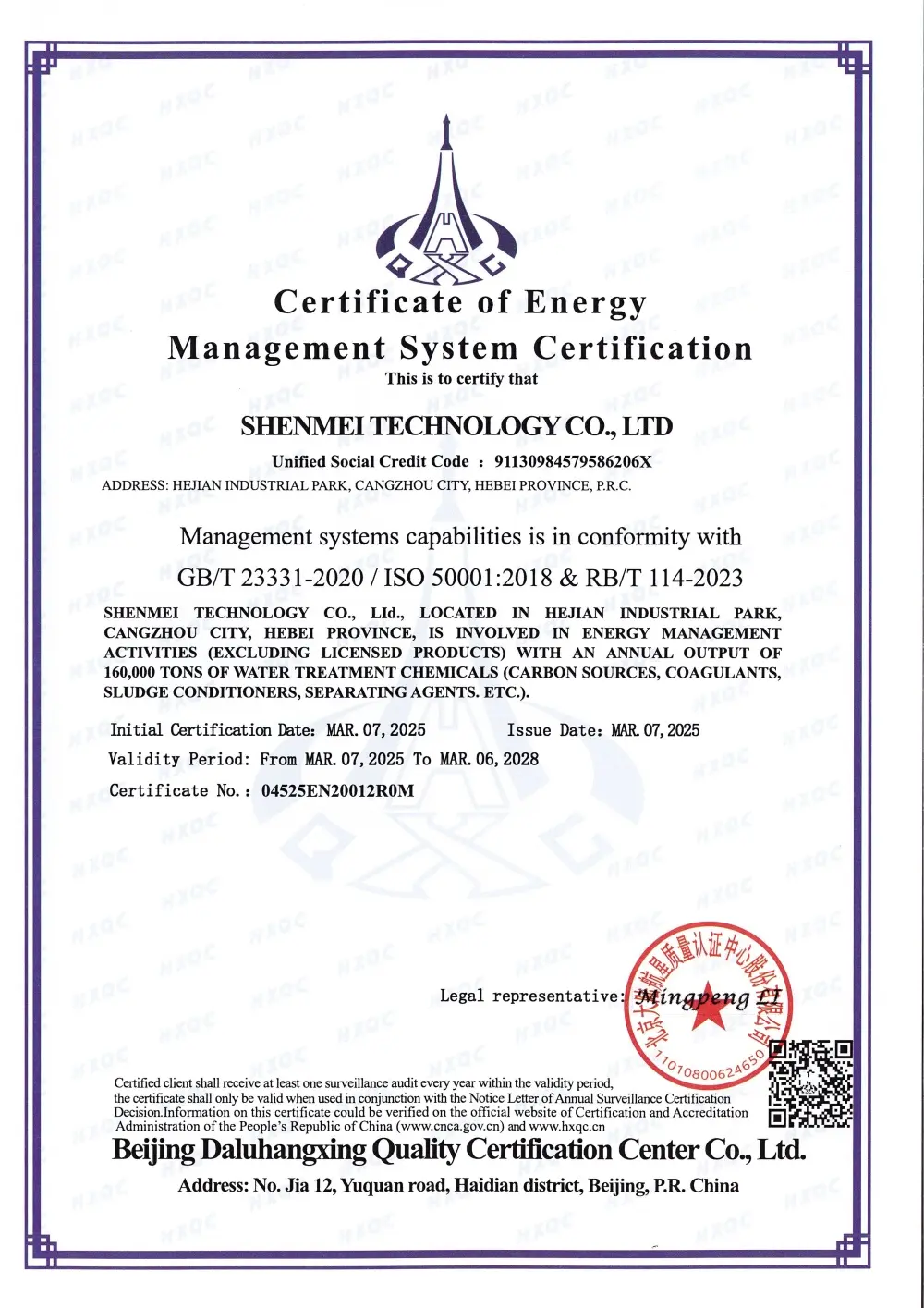
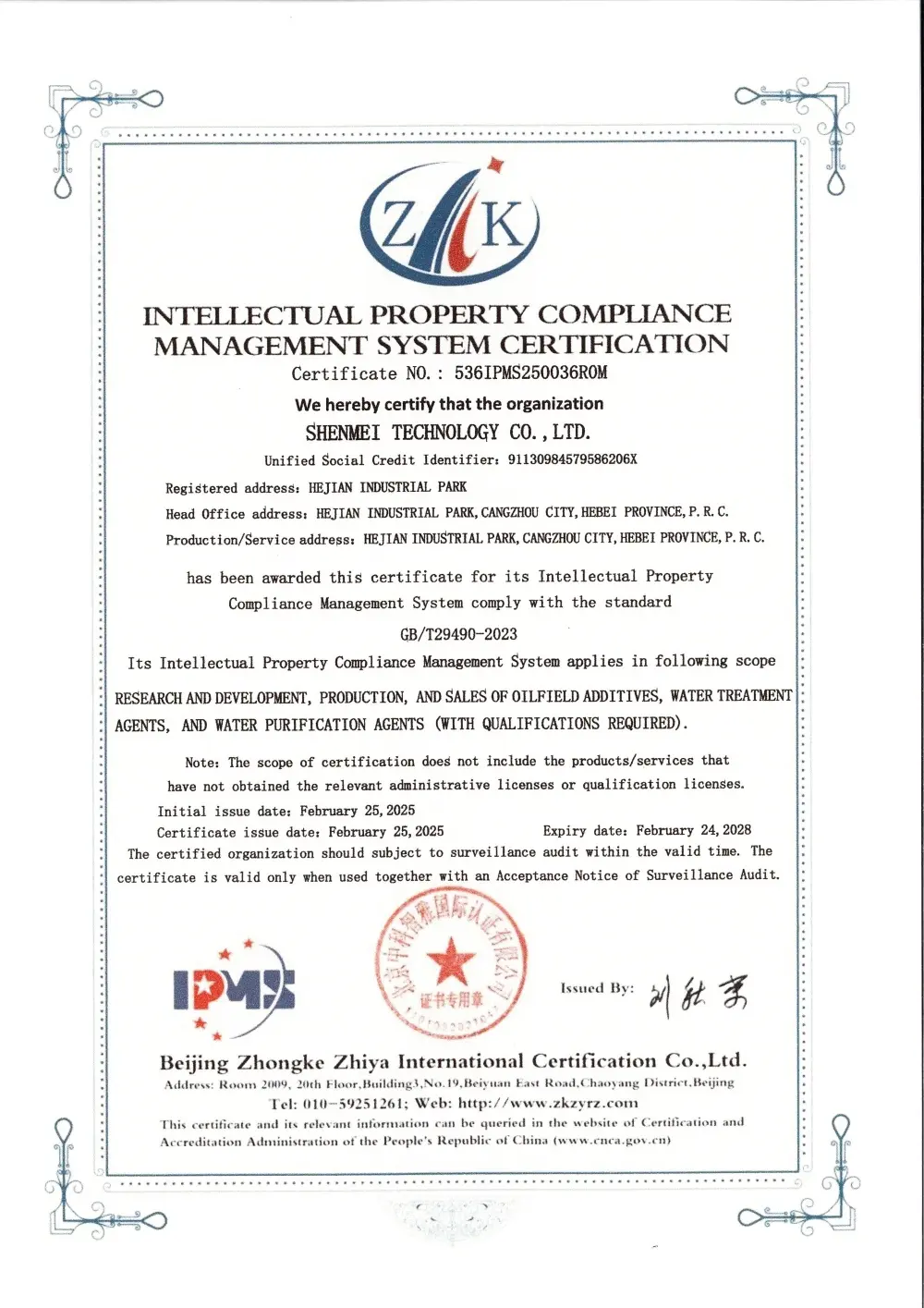
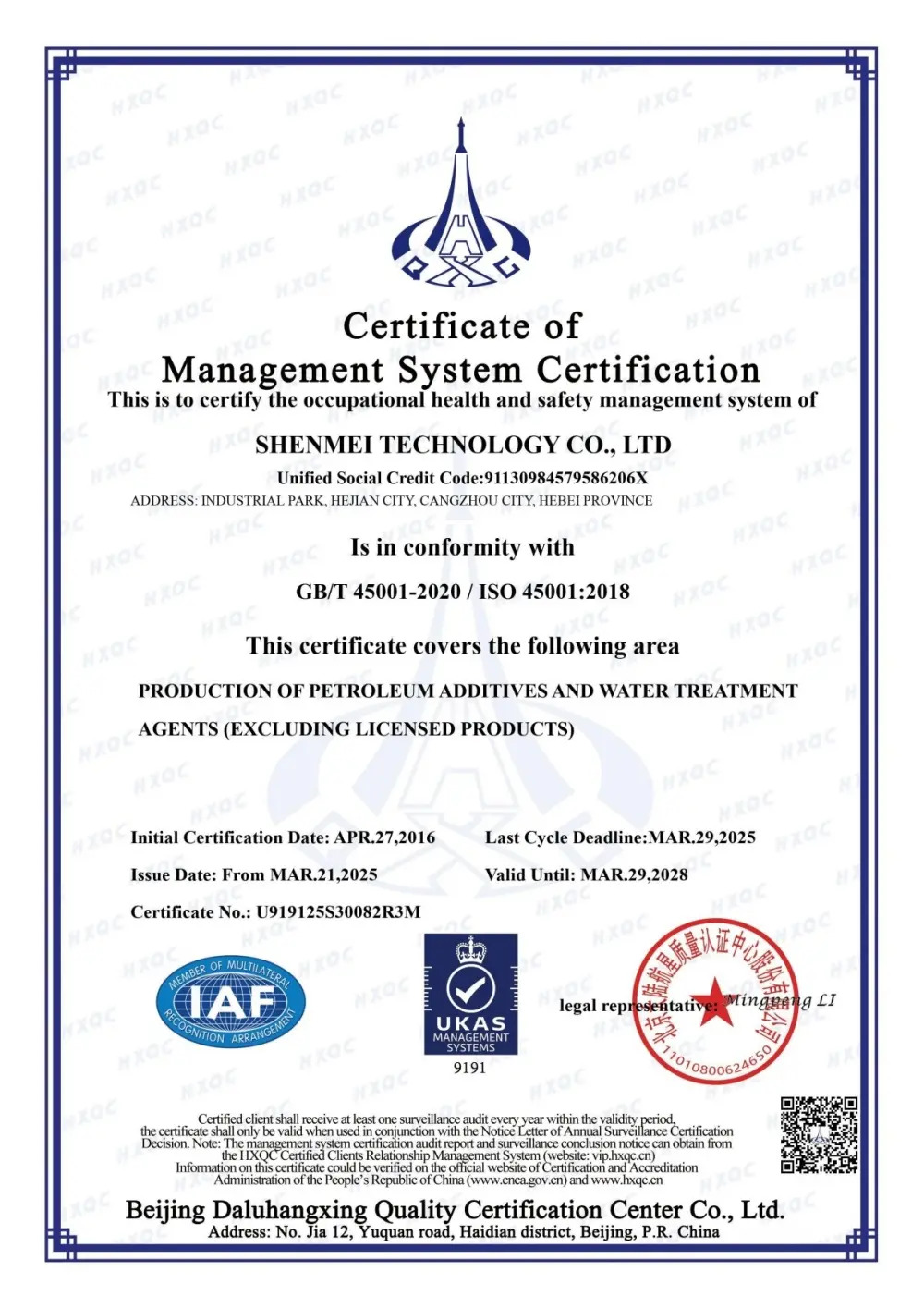
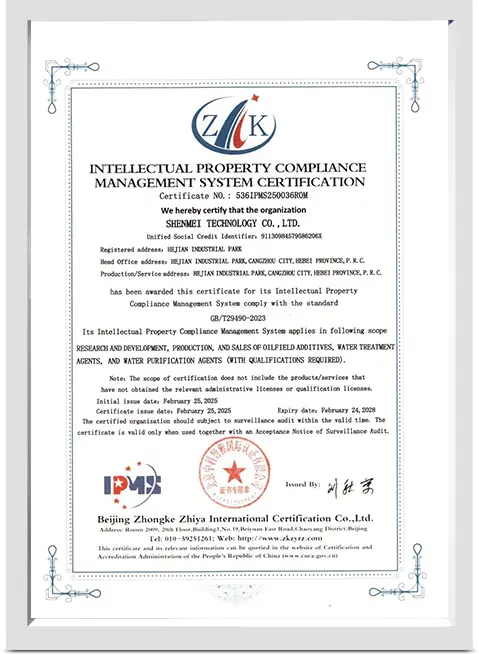
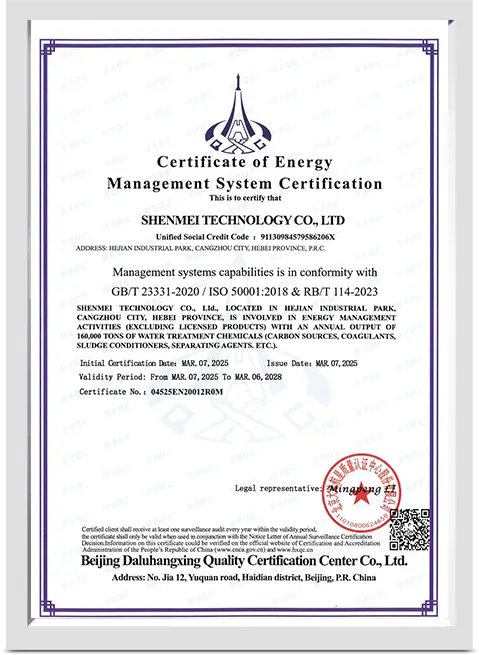
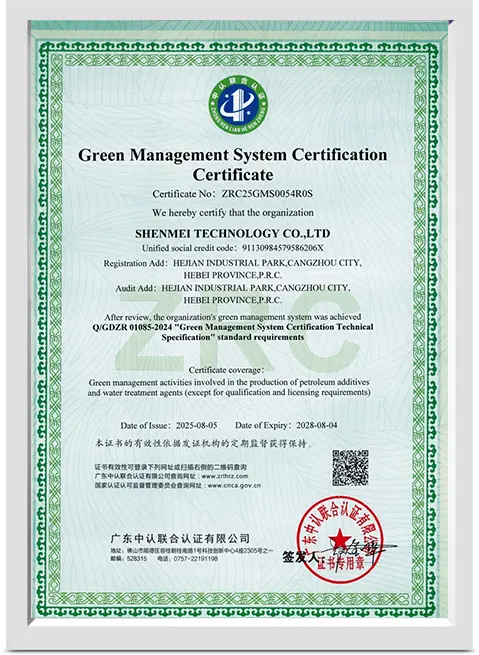
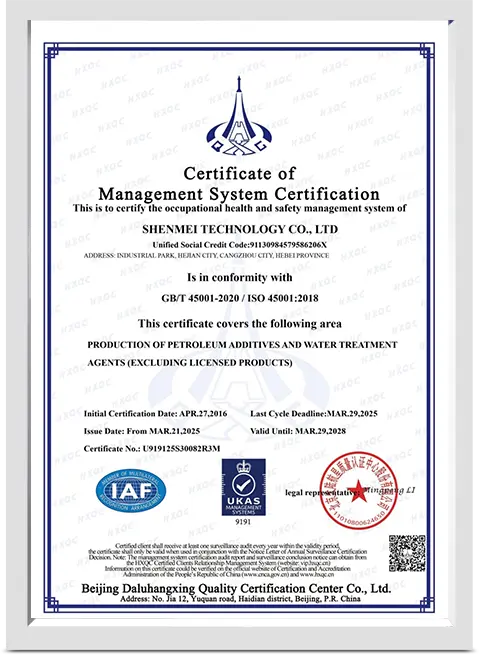
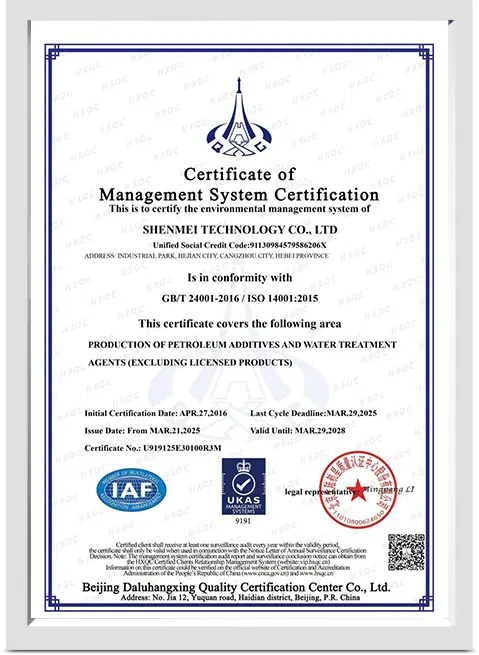
Smedic Technology holds more than 60 patents, including 40 invention patents and 20 utility models. We have participated in drafting over 10 national and industry standards for composite carbon sources, sodium acetate, and coagulants. Our "Inorganic-Organic Covalent Bond Flocculant" received the 22nd China Patent Award and first prize from the China Petrochemical Industry Association.
Technical categories for heavy industrial and municipal utility applications

Technical guidance on scale control, dosing, and oxygen management in industrial boiler systems
Polymer scale inhibitors work through a combination of threshold inhibition, crystal habit modification, and dispersion. They adsorb onto mineral micro-crystals (like calcium carbonate) as they begin to precipitate, disrupting their crystal structure and preventing them from forming dense, adherent scale layers. Instead, these minerals remain suspended as a fine, non-adherent sludge that is easily removed via surface or bottom blowdown.
Volatile amines (such as cyclohexylamine, morpholine, and DEAE) vaporize along with the steam, carrying throughout the entire steam-condensate circuit. They neutralize carbonic acid formed by dissolved carbon dioxide in the condensate lines, keeping the pH within a safe, non-corrosive range (typically 8.2–9.2). Non-volatile treatments only protect the boiler vessel itself, leaving the return lines vulnerable to acid-based corrosion.
Organic silicone defoamers feature lower surface tension and higher thermal stability compared to mineral oils. They disperse quickly across foam bubbles, thinning the bubble walls and causing them to collapse, even under high temperatures and pressures. This prevents chemical carryover into the steam, protecting downstream turbines and superheaters from deposits.
Our quality assurance protocol spans raw material checking, process control, and final analysis of finished batches. We use instrumentation such as ICP-MS and gel permeation chromatography to verify active ingredient concentrations and molecular weight distributions, ensuring each shipment meets client specifications.
Yes. Our anionic polyacrylamides (APAM) are designed for flocculation in mining, enhanced oil recovery (EOR), and municipal wastewater clarification. Our cationic polyacrylamides (CPAM) are optimized for organic sludge dewatering, helping plants produce drier sludge cakes for easier disposal.
High-purity chemical agents optimized for export packaging and overseas transport stability
 Smedic Tech