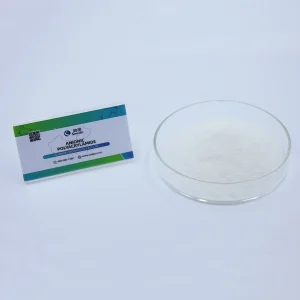
OEM Dry Polyacrylamide Manufacturer & Suppliers

Global Industrial Synthesis, Advanced Water Remediation Chemistry, and Enterprise Scale Manufacturing Solutions

1. Executive Summary & Macro-Industry Landscape of Dry Polyacrylamide (DPAM)

Dry Polyacrylamide (DPAM) represents the cornerstone of modern industrial solid-liquid separation. As a highly efficient water-soluble polymer synthesized from acrylamide monomers, dry polyacrylamide functions as a primary flocculant, coagulant aid, and rheology modifier across a vast array of industrial applications. Today, global water scarcity, stringent environmental discharge protocols, and the expansion of heavy industries like mining, oil recovery, and pulp manufacturing have driven the demand for high-performance dry polyacrylamide to unprecedented levels.

Unlike liquid emulsion polymers, dry polyacrylamide is delivered in granular or powder formats. This physical state provides significant advantages in terms of long-term storage stability, reduced transit weight, lower logistical costs, and resistance to cold-weather freezing. However, the production of high-quality dry PAM requires sophisticated molecular weight engineering, rigorous polymerization control, and precise drying technologies to prevent thermal degradation and keep the insoluble content to an absolute minimum.

"The global polyacrylamide market is shifting rapidly towards high-active-content dry formulations. As regulatory environments tighten, manufacturers that can deliver high molecular weight polymers with low residual monomer levels are setting the standard for the industry."

2. Molecular Engineering: APAM, CPAM, and NPAM Specifications

Dry Polyacrylamide is classified by its ionic charge into three primary groups, each serving distinct electrochemical roles in suspension destabilization:

  • Anionic Polyacrylamide (APAM): Synthesized via the copolymerization of acrylamide with acrylic acid or through the partial hydrolysis of non-ionic PAM. APAM carries a negative charge and is typically utilized to bind positively charged suspended mineral particulates, such as clay, silica, and metal oxides.
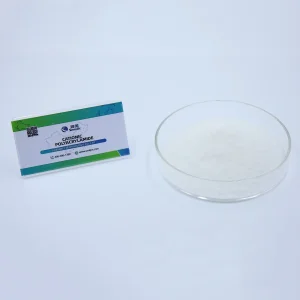
  • Cationic Polyacrylamide (CPAM): Produced by copolymerizing acrylamide with cationic monomers like DAC (acryloyloxyethyl trimethyl ammonium chloride) or DMC (methacryloyloxyethyl trimethyl ammonium chloride). Carrying a positive charge, CPAM is highly effective for dewatering organic sludge in municipal sewage plants, paper mills, and industrial wastewater installations.
  • Non-ionic Polyacrylamide (NPAM): Composed of pure acrylamide homopolymer with minimal charge density. NPAM functions primarily via steric stabilization and bridging mechanisms, making it suitable for highly acidic suspensions or environments with complex, variable saline concentrations.
Polymer Type Molecular Weight (Mw, Million) Hydrolysis / Charge Degree Primary Applications
Anionic (APAM) 8.0 – 22.0 10% – 40% Coal washing, mineral tailing thickening, enhanced oil recovery (EOR), steel manufacturing wastewater.
Cationic (CPAM) 5.0 – 12.0 5% – 80% Municipal sludge dewatering (belt press/centrifuge), paper retention aid, chemical processing plants.
Non-ionic (NPAM) 4.0 – 15.0 < 5% Acidic mining effluents, mineral processing under low pH, soil stabilization, textile sizing.

3. Global Industrial Solutions & Localized Application Scenarios

Dry polyacrylamide has become an essential chemical agent across multiple global industries. Smedic Technology Co., Ltd. customizes its molecular structures to address specific operational challenges in these key areas:

A. Municipal and Industrial Wastewater Reclamation

In municipal sewage plants, treating primary and biological sludge requires rapid water separation. Our cationic polyacrylamide (CPAM) lines neutralize the negative surface charges on biological solids, facilitating the formation of large, shear-resistant flocs. This results in cleaner filtrate water, higher cake dryness, and optimized performance in screw presses, belt filter presses, and centrifuges.

B. Mineral Processing & Metallurgical Beneficiation

In the mining industry (including gold, copper, iron, and coal extraction), processing ores requires significant amounts of water. APAM products from Smedic accelerate the sedimentation of fine tailing particles in thickeners. This speed allows plants to recycle clean overflow water immediately back into the processing loop, reducing freshwater consumption and ensuring compliance with zero-liquid-discharge (ZLD) regulations.

C. Enhanced Oil Recovery (EOR) & Drilling Fluids

In upstream petroleum operations, dry polyacrylamide functions as a mobility control agent and friction reducer. High molecular weight APAM increases the viscosity of injected water, improving sweep efficiency to extract oil trapped in rock formations. In drilling operations, NPAM and APAM act as shale inhibitors and viscosity builders, stabilizing the borehole wall and effectively carrying drill cuttings to the surface.

D. Pulp and Paper Manufacturing

In paper production, dry PAM polymers serve as critical retention and drainage aids. By binding fine fibers and fillers to the sheet, CPAM improves paper formation, speeds up water drainage, and reduces chemical loss in white water loops, boosting overall machine productivity.

4. Localized Support, Regulatory Compliance, & Supply Chain Resilience

Navigating international chemical regulations requires reliable engineering expertise and comprehensive supply chain documentation. Smedic Technology ensures that all OEM dry polyacrylamide products meet rigorous international standards, including:

  • REACH Compliance for seamless exports into the European Union.
  • NSF/ANSI Standard 60 certifications, guaranteeing safe applications in drinking water treatment systems.
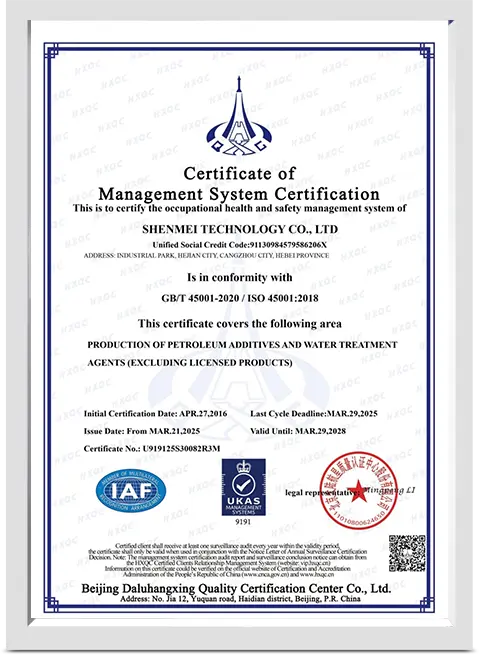
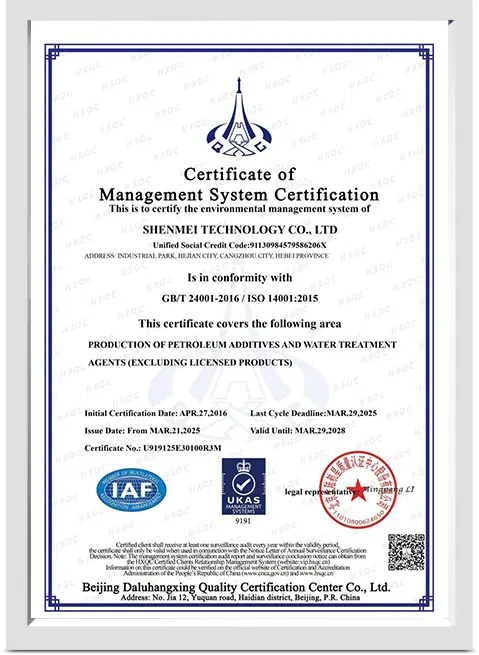
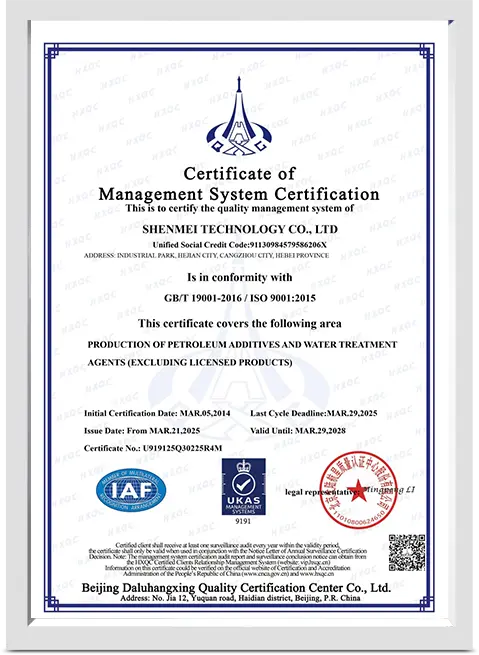
  • ISO 9001, ISO 14001, and ISO 45001 systems, ensuring high standards of quality management, environmental safety, and occupational health.

With regional logistics bases and warehouses strategically located near key global shipping hubs, Smedic guarantees steady lead times, minimizes freight costs, and mitigates supply chain risks. Our team of technical service engineers offers on-site jar testing and dosage optimization, adapting polymer formulations to match local water parameters, mineral profiles, and client machinery configurations.

5. Technical Roadmap & Future Outlook: The Evolution of Green Chemistry

The future of dry polyacrylamide chemistry centers on two key innovations: reducing environmental impact and improving polymer performance under extreme conditions. Smedic is actively developing next-generation PAM formulations that focus on:

Ultra-Low Free Monomer Content

Engineering polymer matrices with residual acrylamide monomer concentrations below 250 ppm, minimizing environmental toxicity in agricultural and municipal applications.

Biodegradable Architectures

Developing bio-hybrid polymers that combine traditional acrylic backbones with natural polysaccharides, enhancing the biodegradability of the polymer after flocculation.

High-Temperature, Salt-Tolerant PAM

Designing specialized molecules capable of maintaining visco-elastic stability in high-salinity, high-temperature oil wells and geothermal drilling operations.

6. Technical FAQ / Q&A

Q1: How do I select the optimal charge density for Cationic Polyacrylamide (CPAM)?
The optimal charge density depends directly on the organic content and colloidal charge of the sludge. High-organic municipal sludge generally requires CPAM with high charge density (40% to 80%), whereas primary sludge or paper mill sludges with higher inorganic content may perform better with a low to medium charge density (10% to 30%). We recommend running laboratory jar tests to determine the optimal dosage.
Q2: What is the recommended dissolution procedure for dry polyacrylamide?
Dry PAM must be dissolved in clean, low-mineral water at concentrations of 0.1% to 0.5%. Add the powder slowly using a dry polymer preparation system to prevent the formation of gel lumps (known as "fish-eyes"). The mixture should be stirred continuously at low speeds (150–300 RPM) for 40 to 60 minutes to allow the polymer chains to fully unfold without shearing.
Q3: How long is the shelf life of dry polyacrylamide compared to emulsion versions?
Dry polyacrylamide is highly stable and has a shelf life of up to 24 months when stored in its original, sealed packaging in a cool, dry, well-ventilated warehouse. In contrast, emulsion PAM is susceptible to phase separation and settling, typically limiting its shelf life to 6 months.
Q4: Can APAM be used in drinking water systems?
Yes, provided it has been certified under NSF/ANSI Standard 60. The residual acrylamide monomer (AM) content must be kept under strict limits (usually less than 0.05% or 500 ppm, and in some regions, less than 250 ppm) to ensure the treated water is safe for human consumption.
Q5: What are the main factors causing shear degradation of PAM solutions?
High-speed agitation (above 500 RPM), positive-displacement pumps (like gear pumps), and turbulent flow through narrow valves can break the long, high molecular weight polymer chains. Once degraded, the bridging capability of the polymer decreases significantly. We recommend using progressive cavity pumps and maintaining low-speed mixing throughout the dosing process.

Company Profile

Smedic Technology Co., Ltd. was established in 2011 as a comprehensive provider of environmental protection chemicals, integrating R&D, production, sales, and specialized engineering services.

We produce environmental protection agents covering municipal sewage, industrial wastewater, tap water treatment, mineral processing agents, and oilfield chemicals.

Global Operations Scale

Beijing Headquarters
Managing national operations, international sales, and strategic partnerships.
Production Bases
Wholly-owned manufacturing facilities in Hebei, Guizhou, and Shanxi.
OEM Partner Network
Over 10 partner factories and warehouses in Shandong, Anhui, Guangxi, and Sichuan.

R&D Excellence

Our R&D network is built around one academy, three research institutes, and five production bases. Smedic has established the Hebei Provincial Advanced Water Treatment Chemicals Technology Innovation Center and maintains an expert workstation with the Tsinghua University Association of Senior Scientists and Technicians.

We also run joint R&D laboratories with Shandong University and the Beijing University of Technology.

Corporate History

2011
Smedic founded in Beijing.
2014
Established complete municipal wastewater chemical portfolio.
2015
Recognized as a national high-tech enterprise.
2016
Completed the Guiyang manufacturing base.
2018
Expanded facilities across China, surpassing 1 million tons in annual capacity.
2020
Named a National Specialized, Refined, Unique, and Innovative "Little Giant" Enterprise.
2021
Established the provincial-level R&D platform in Hebei.
2023
Awarded National Intellectual Property Advantage Enterprise status.
2024
Launched joint venture with the Chengdu Institute of Mineral Comprehensive Utilization for mining reagents.

Enterprise Advantages

  • Over 80 types of environmental protection agents.
  • Annual production capacity exceeding 1 million tons.
  • Servicing 600+ urban wastewater plants and 1,000+ industrial customers.
  • Over 60 patents (40+ invention, 20+ utility).

Smedic at a Glance

Verified manufacturing metrics reflecting our production scale, industrial footprint, and supply chain strength.

2011
Established Year
80+
Environmental Agents
1M+
Annual Tons Capacity
600+
Sewage Plants Served
20M+
Daily Tons Treated

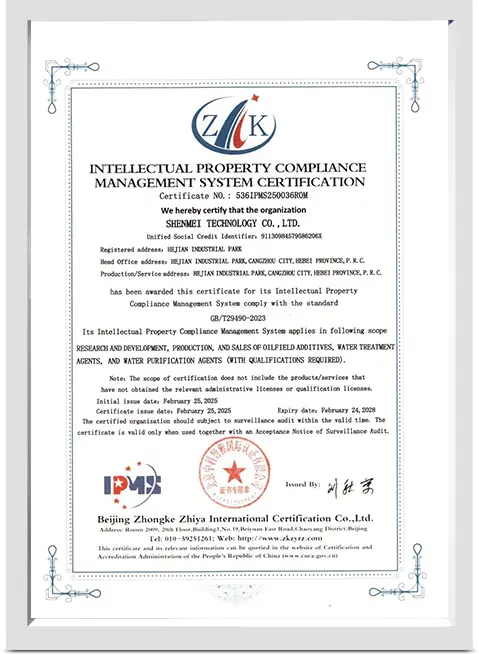
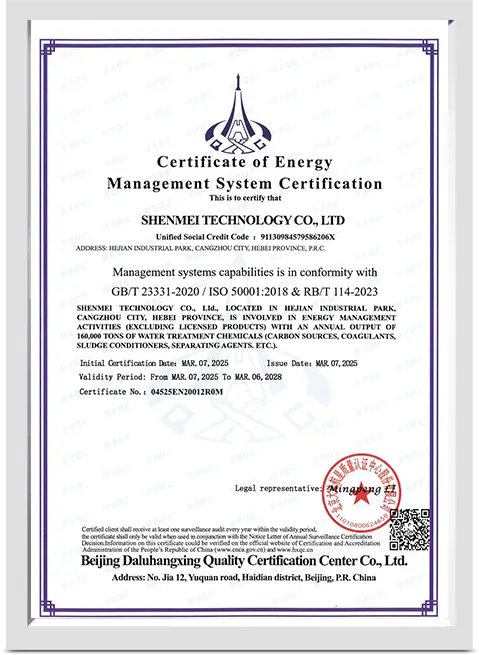
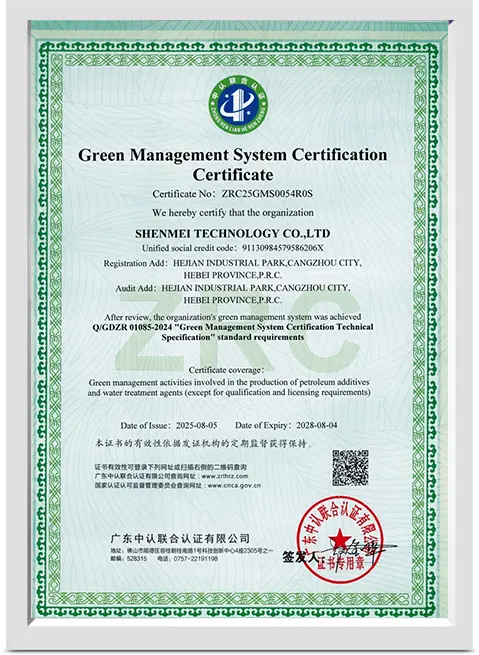
Corporate Qualifications & Intellectual Patents

Our technologies have won the 22nd China Patent Award and First Prize for Technological Invention from the China Petrochemical Industry Association.
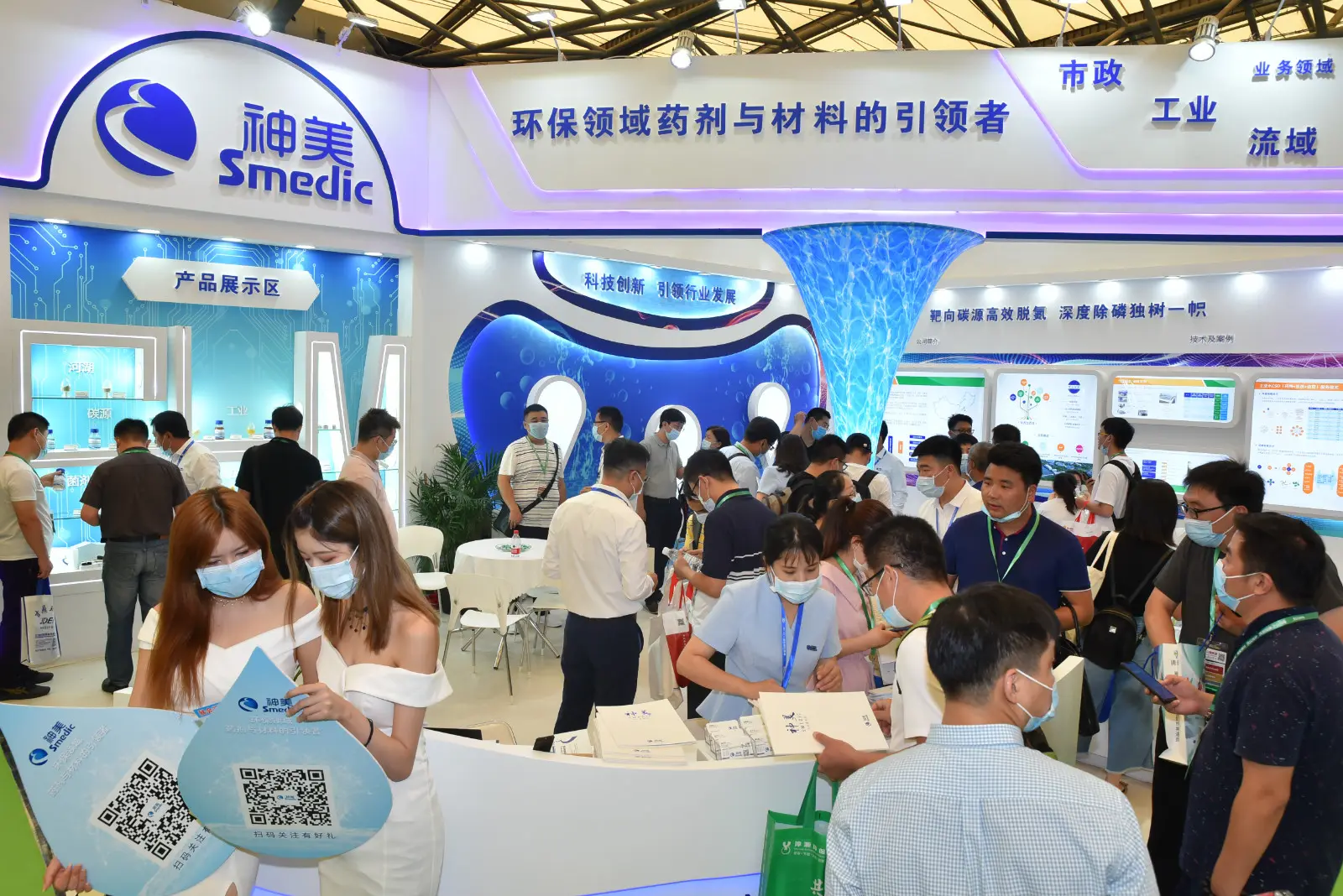
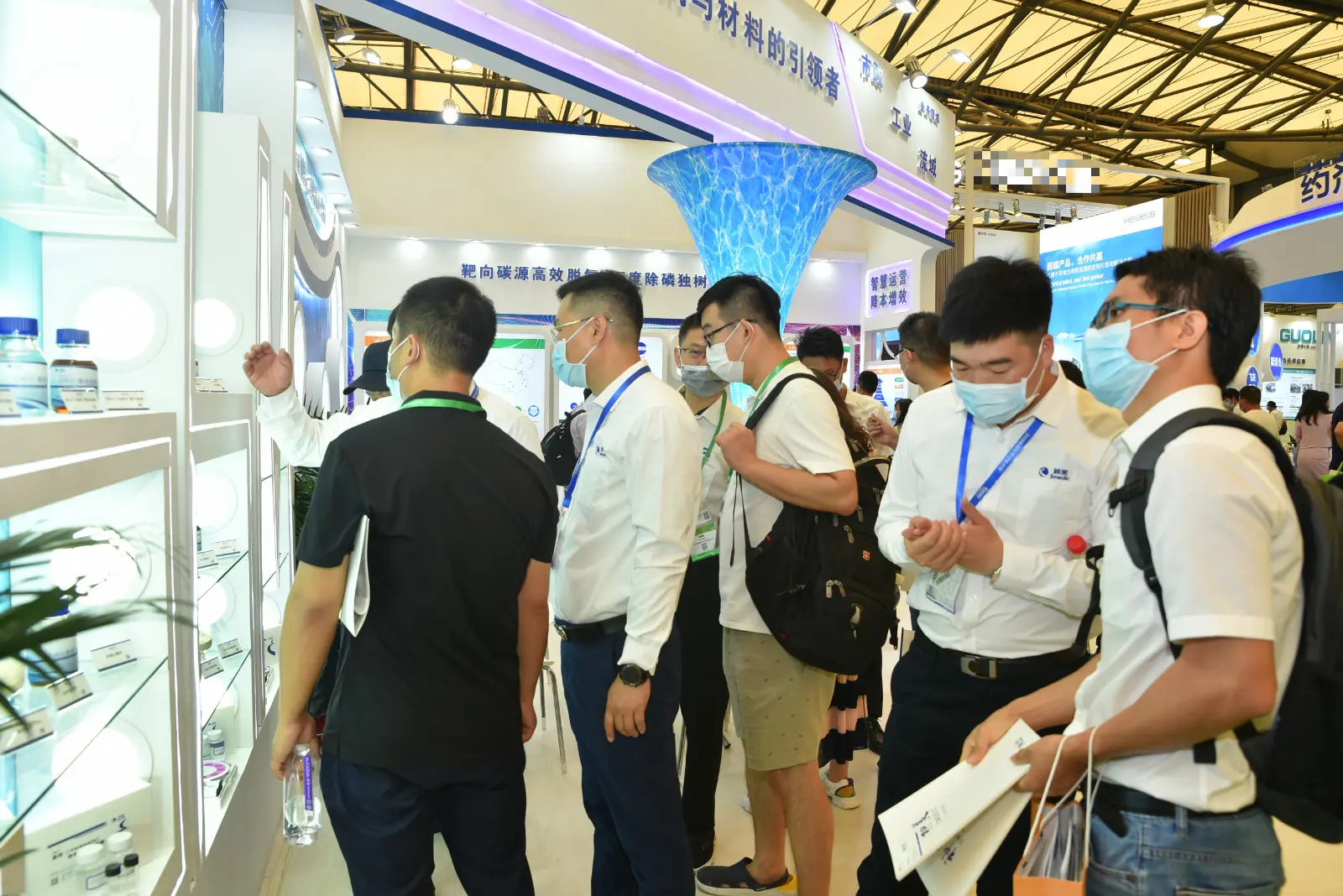
Smedic Laboratory & Factory Verification Patents and Certifications Archive 1 Patents and Certifications Archive 2
Compliance Certificate A Compliance Certificate B Compliance Certificate C Compliance Certificate D Compliance Certificate E Compliance Certificate F