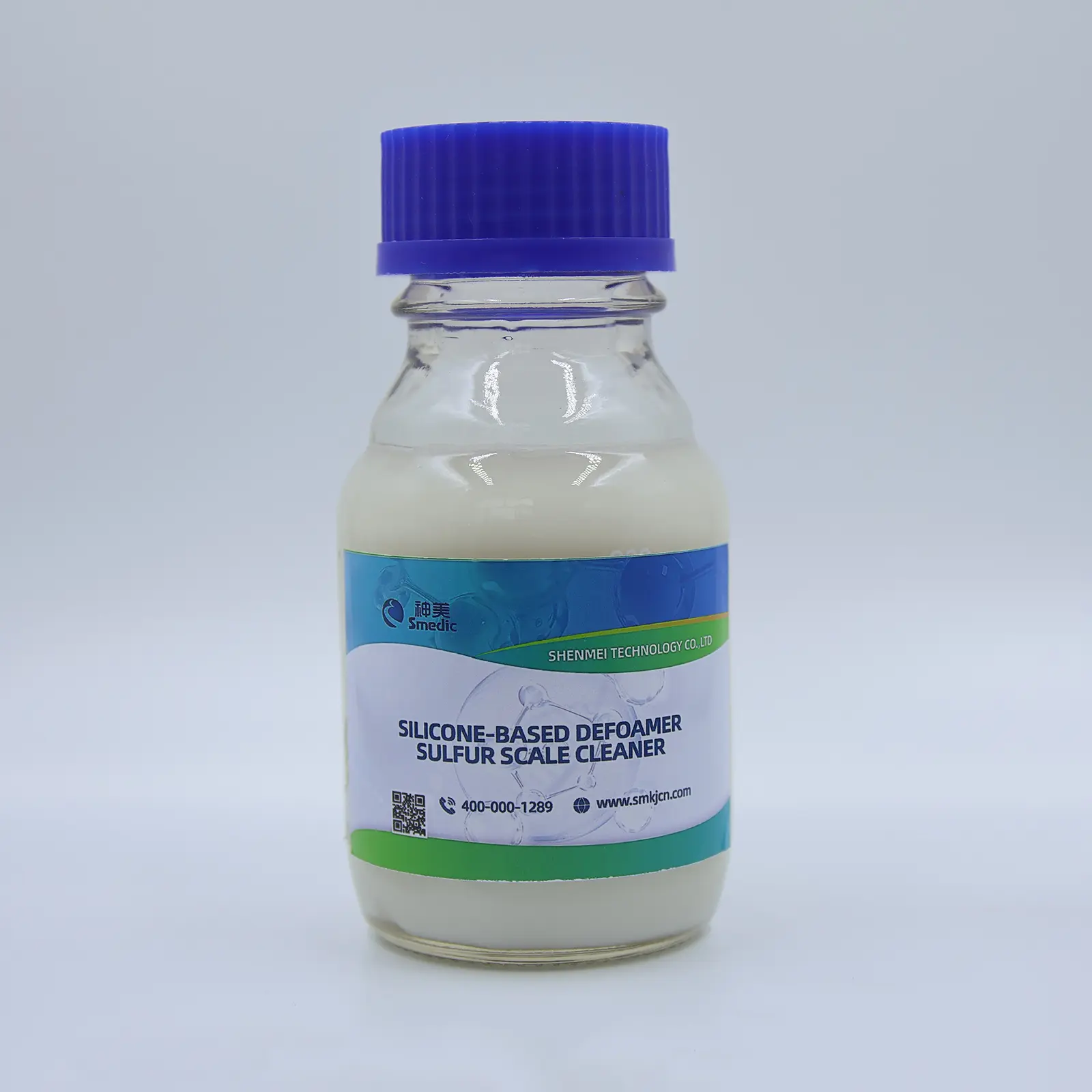
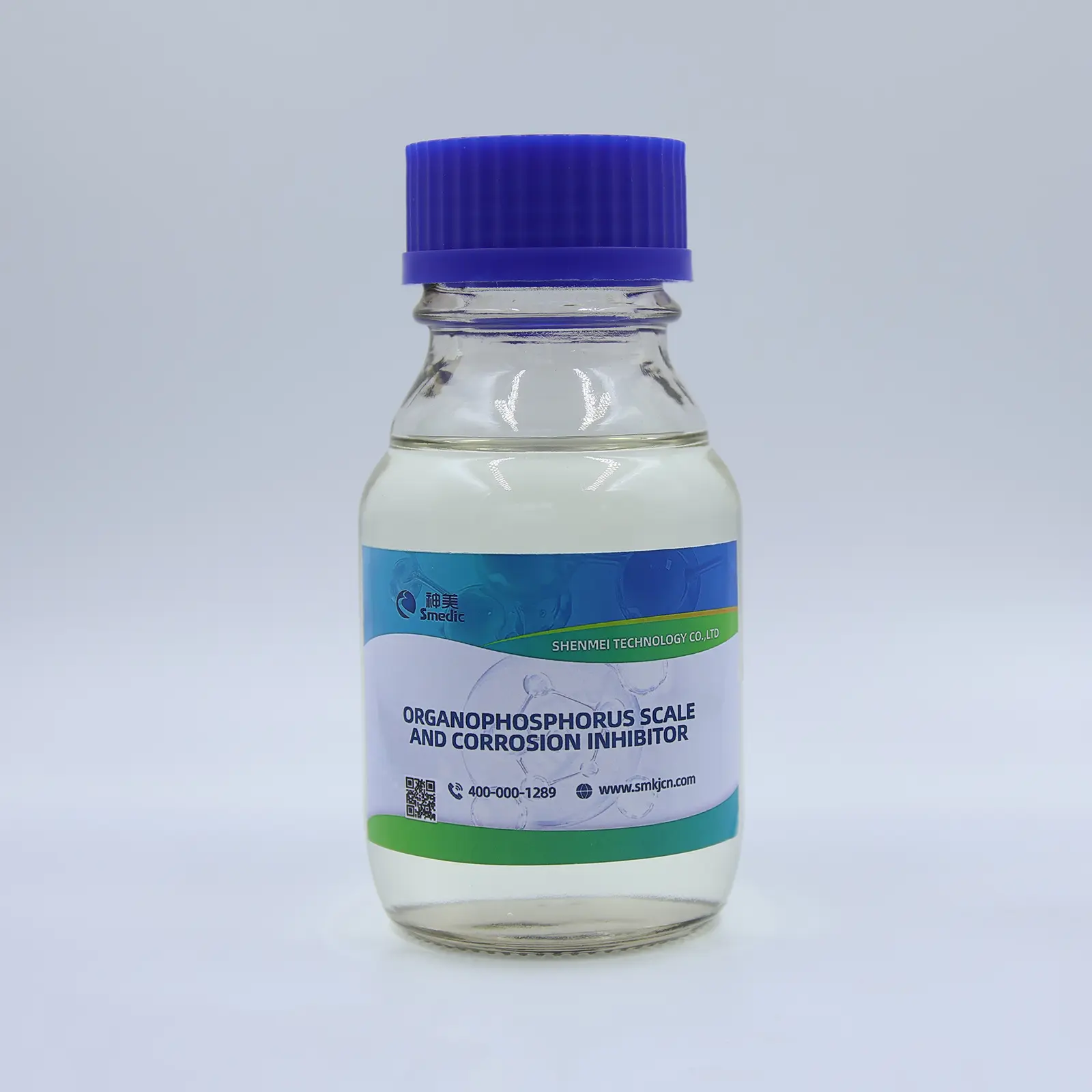
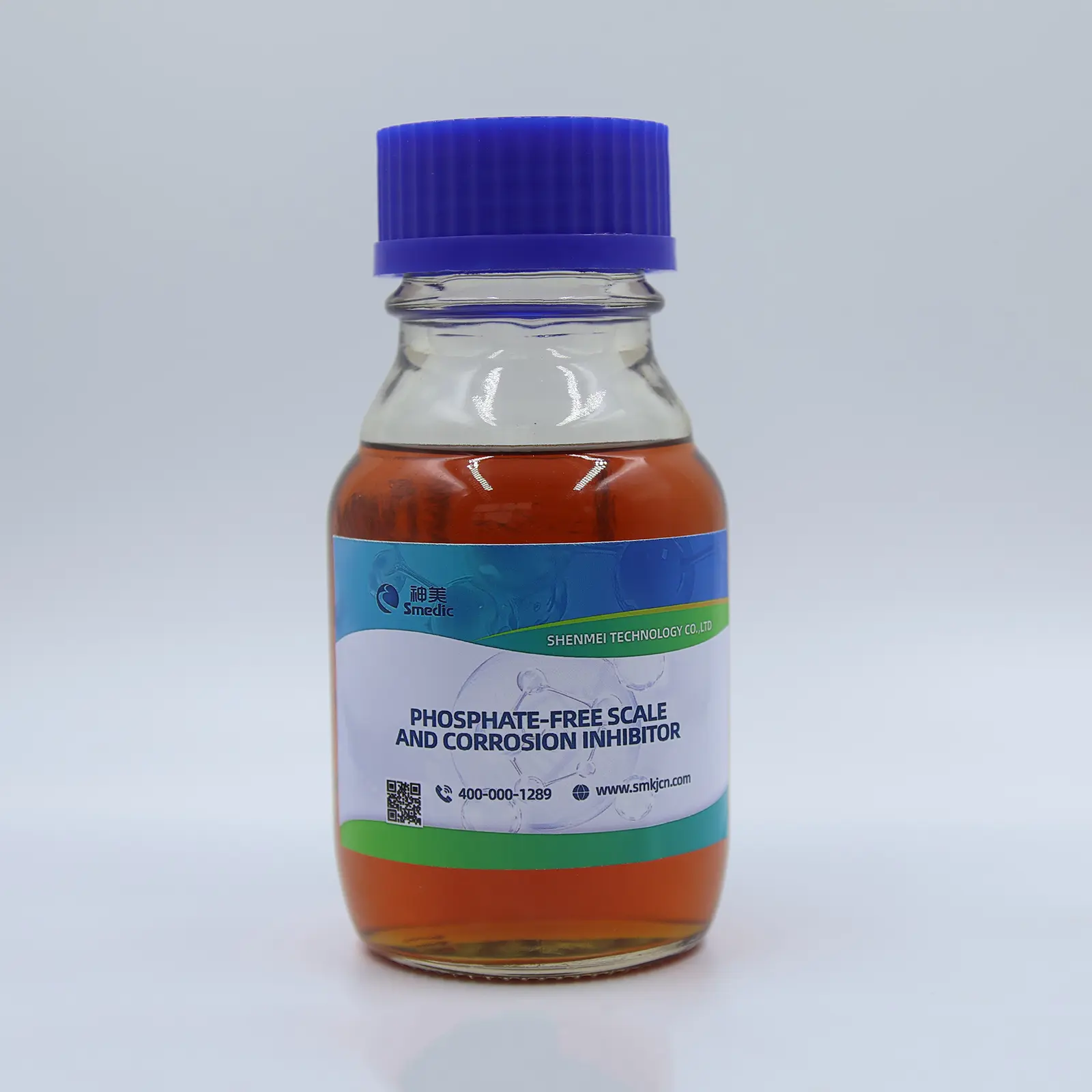
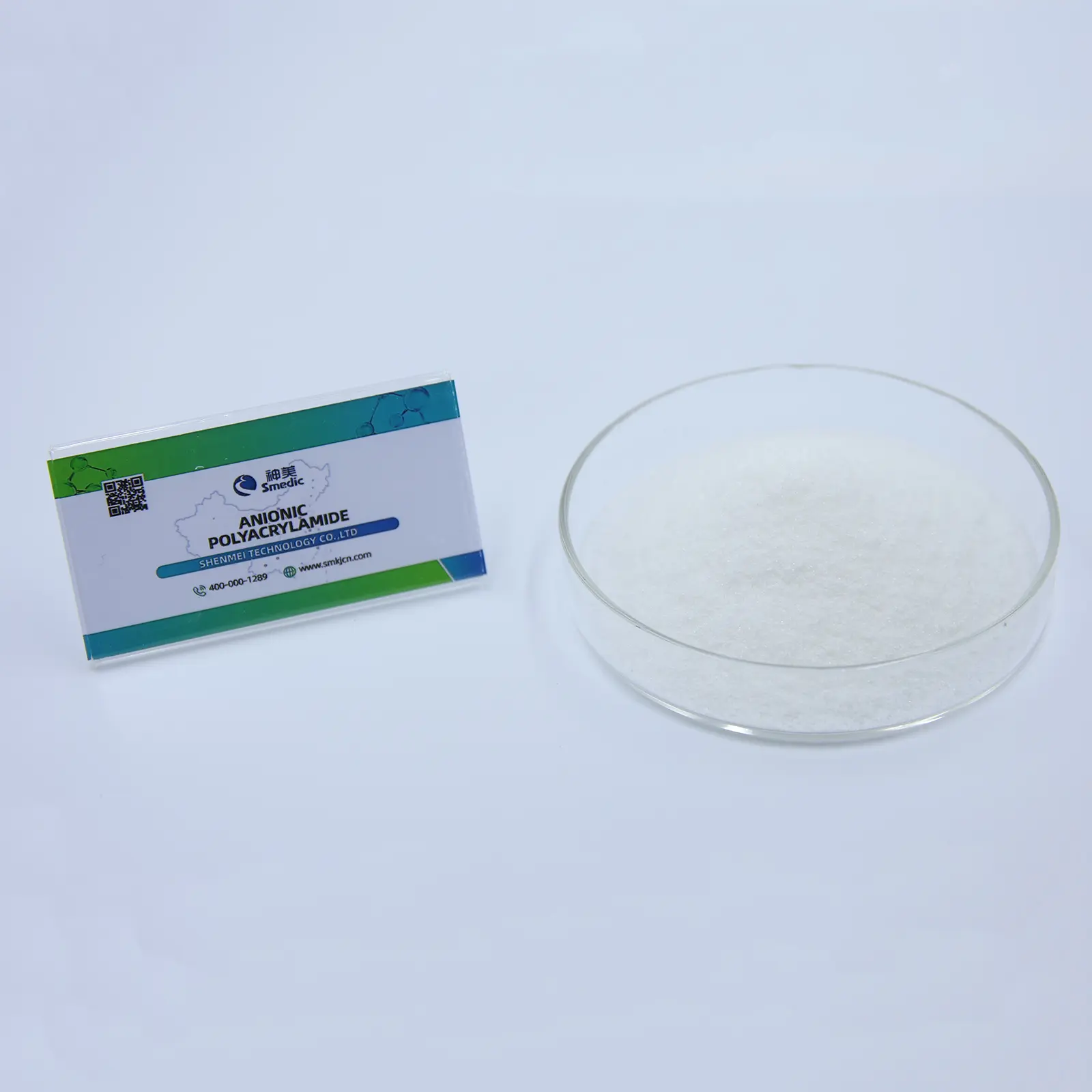
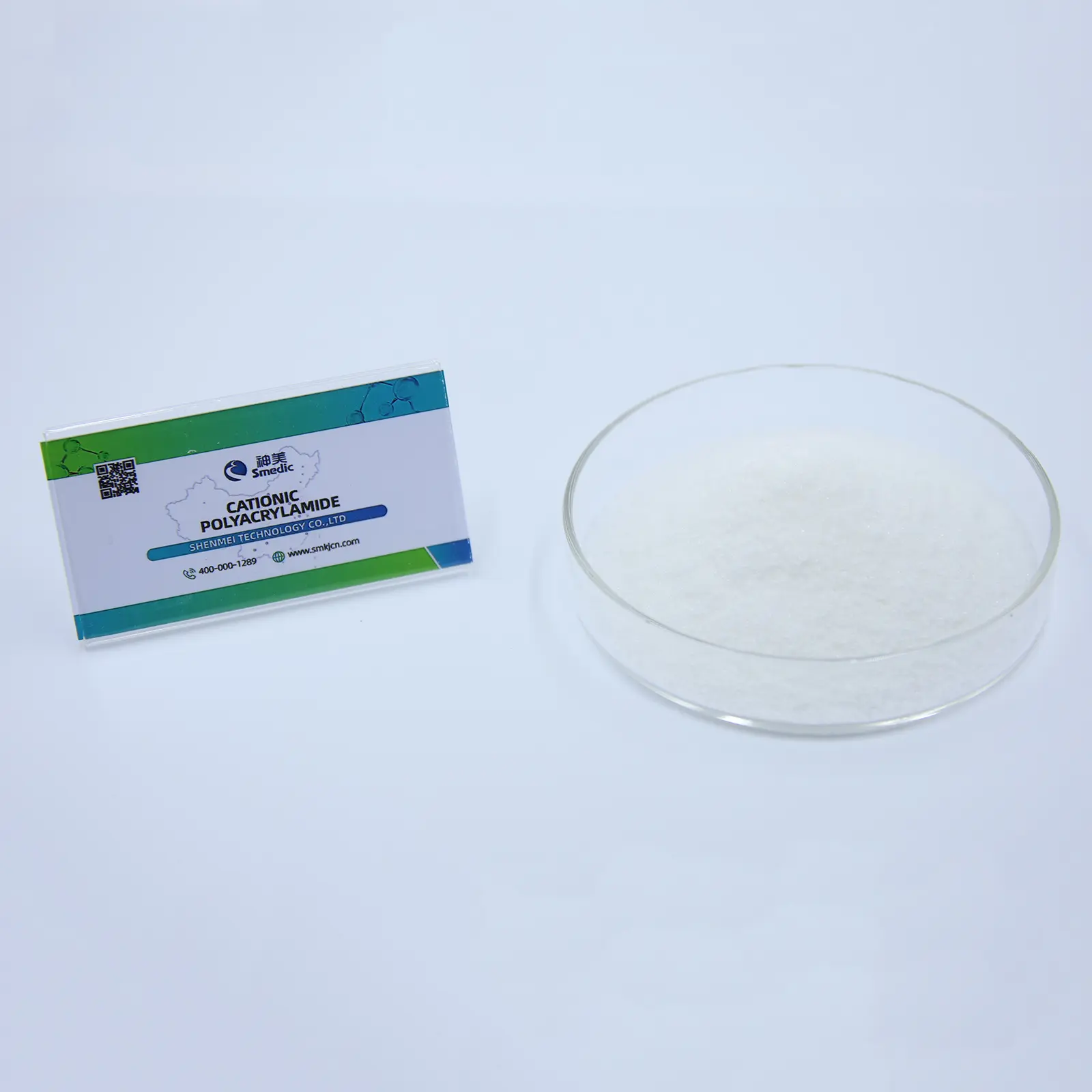
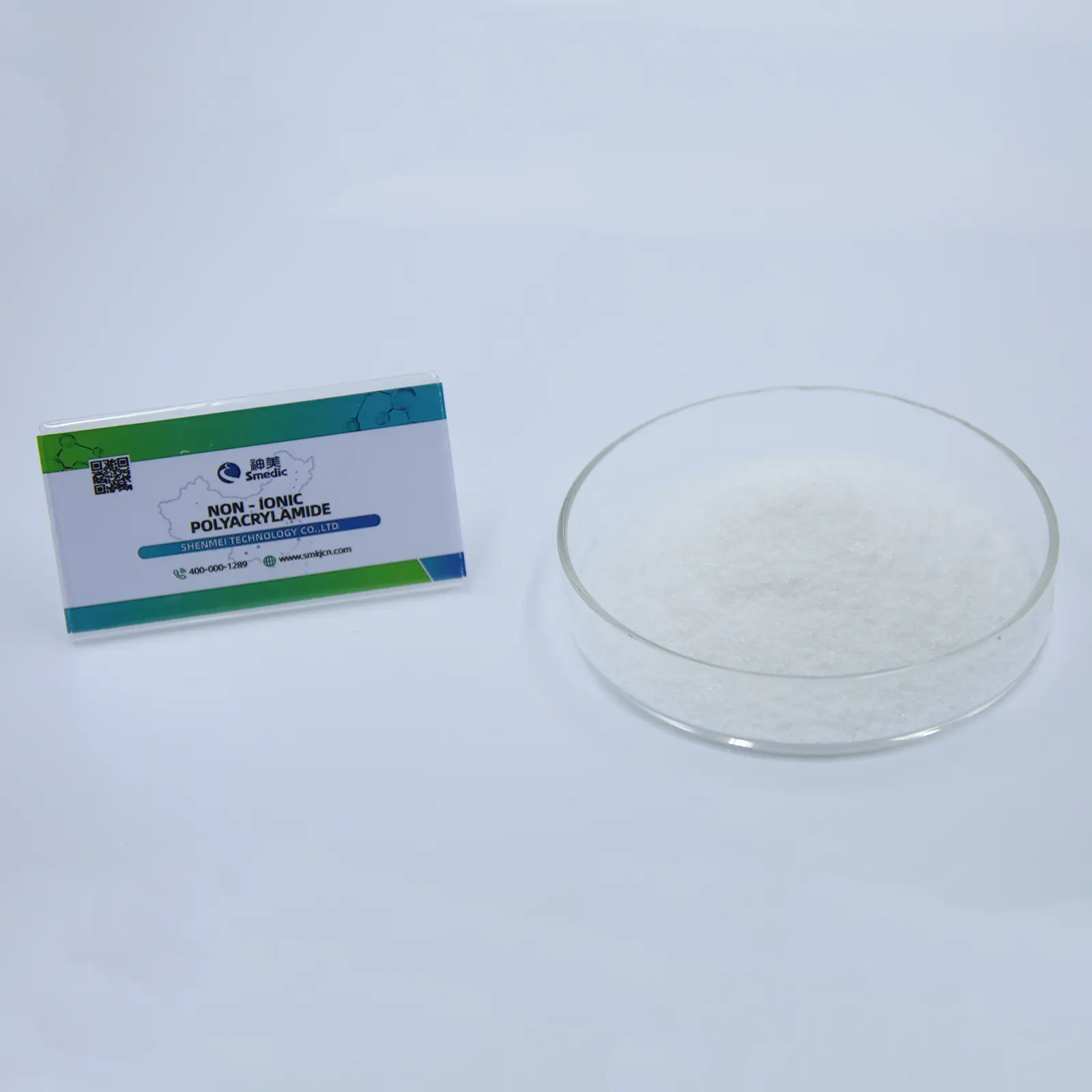
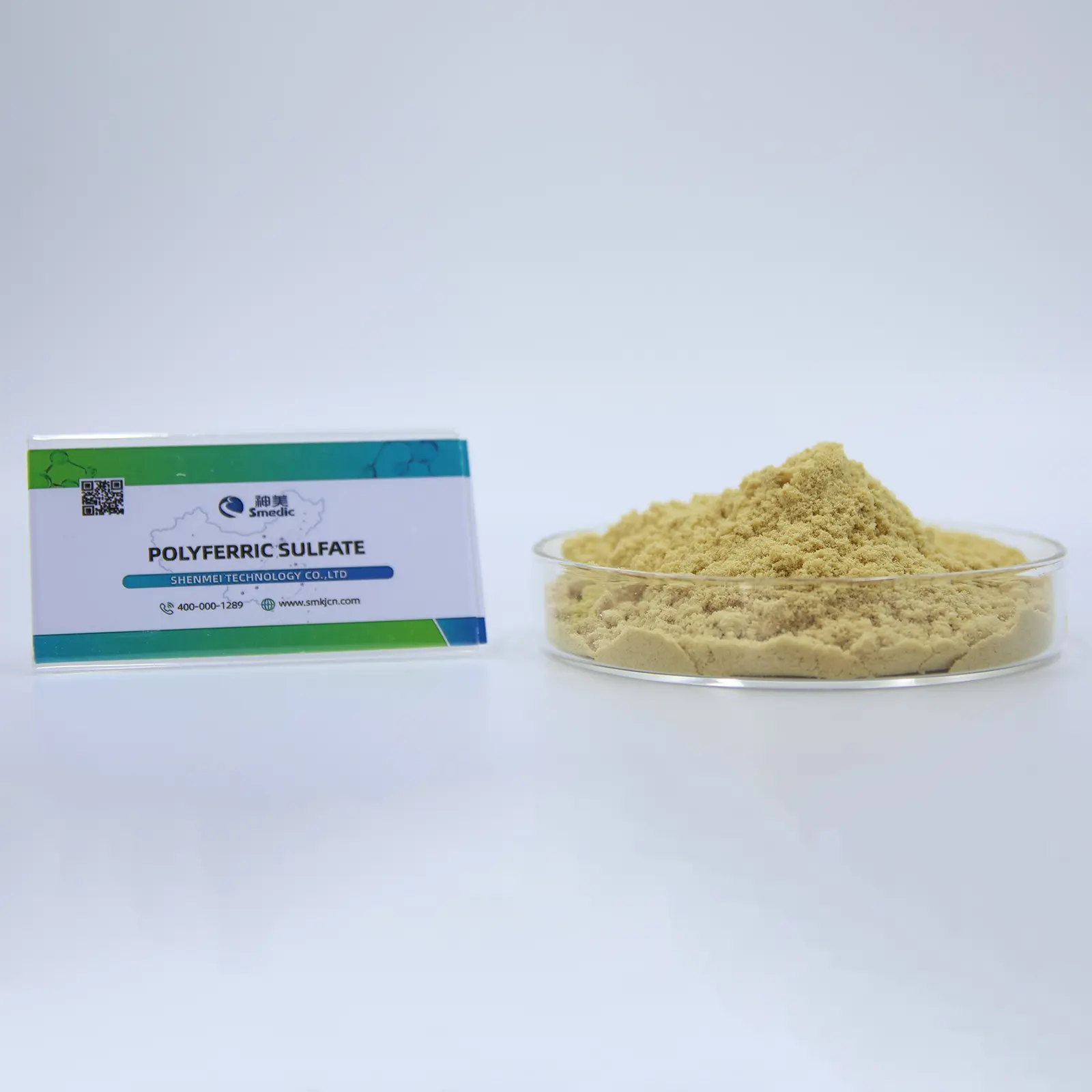
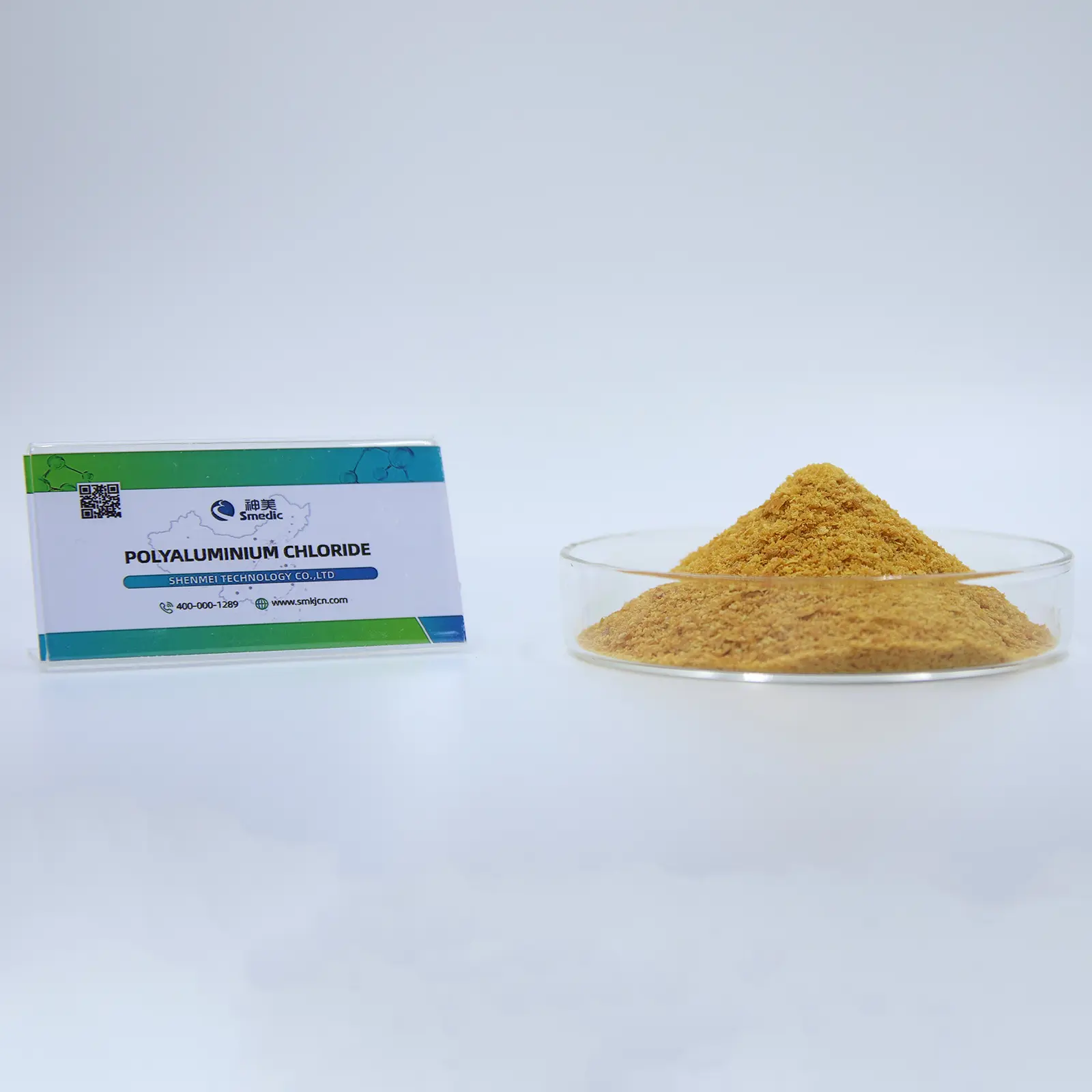
Explore Smedic's core engineering chemical solutions, manufactured to the highest global standards for diverse water purification and industrial applications.
Ferrous Sulfate, a chemical compound with the formula FeSO4, stands as one of the most versatile, high-demand inorganic salts in the global manufacturing and environmental sectors. Typically available in two primary forms—Ferrous Sulfate Heptahydrate (FeSO4·7H2O) and Ferrous Sulfate Monohydrate (FeSO4·H2O)—it serves as the backbone for key processes ranging from municipal water purification to high-tech precursor production for renewable energy batteries.
As a leading OEM Ferrous Sulfate manufacturer and exporter, we recognize the critical nature of this compound. Industrially, it acts as a premier reducing agent, a vital coagulant, and an essential micro-nutrient. Our production processes optimize purity, flowability, and chemical consistency to meet the rigorous demands of chemical formulators, municipal treatment plants, agricultural enterprises, and cement manufacturers worldwide.
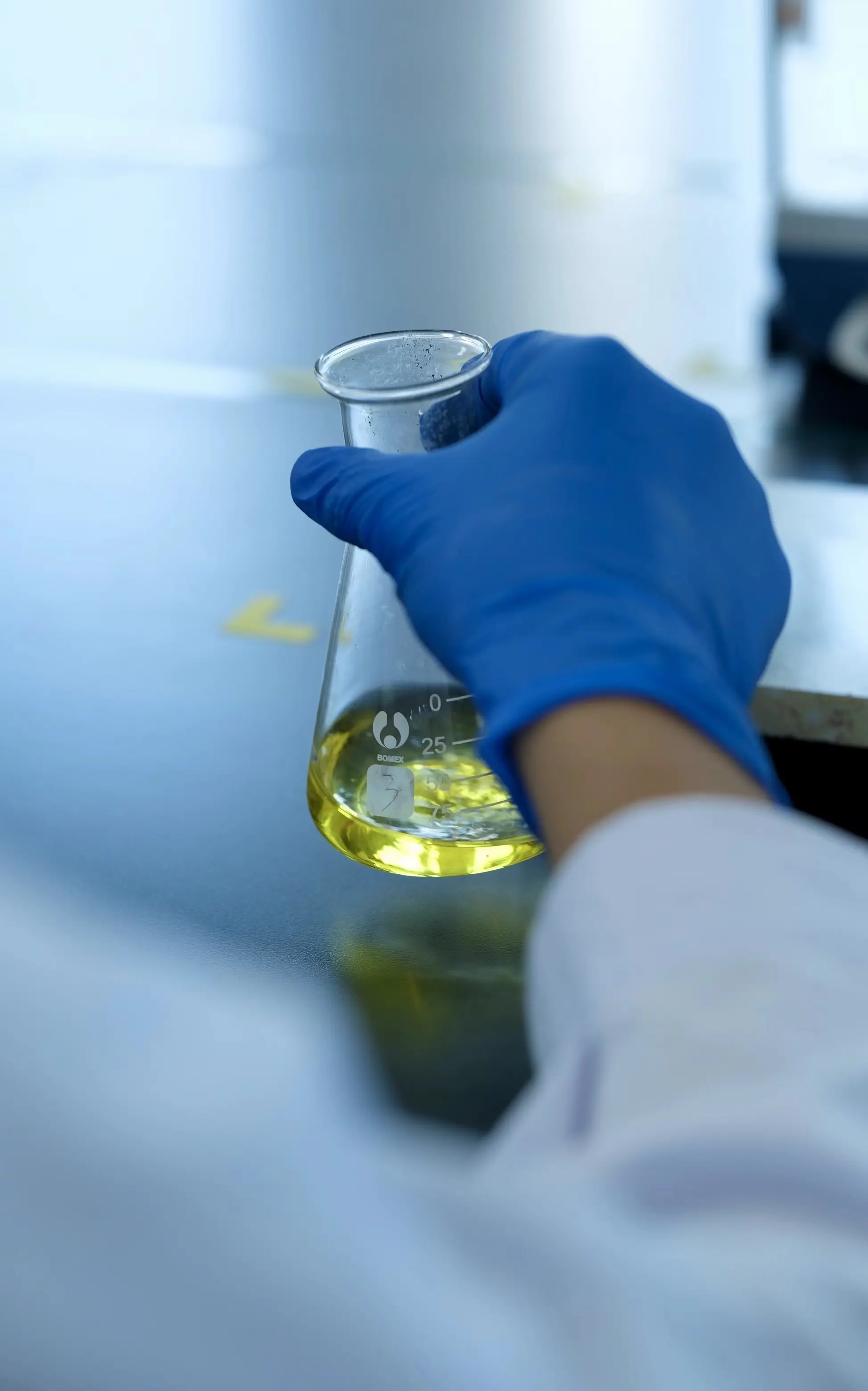
Why global enterprise buyers choose Chinese OEM production bases for stable, high-capacity, and cost-effective FeSO4 sourcing.
China is home to the world's largest titanium dioxide (TiO2) manufacturing sector utilizing the sulfate process. Ferrous Sulfate Heptahydrate is generated in massive quantities as a co-product. This direct, integrated upstream raw material supply guarantees that Chinese manufacturers have an uninterrupted, cost-stabilized source of raw FeSO4 feedstocks, shielding buyers from supply disruptions.
Converting raw, wet heptahydrate into highly stable, free-flowing monohydrate requires state-of-the-art thermal processing. Chinese factories deploy automated rotary drying kilns and fluidized bed dryers. This advanced technology ensures minimal iron content degradation and precise control over particle sizing (granular vs. powder) and moisture content.
Under strict national environmental regulations and international standards (such as EU REACH, ISO, and feed-grade specifications), Chinese manufacturers employ sophisticated purification steps. Recrystallization processes filter out trace heavy metals (As, Pb, Cd), delivering product safe for sensitive agricultural, animal feed, and municipal drinking water operations.
A comprehensive overview of typical parameters across different commercial grades of Ferrous Sulfate.
| Parameter / Indicator | Monohydrate (FeSO4·H2O) - Feed/Agri | Monohydrate (FeSO4·H2O) - Industrial | Heptahydrate (FeSO4·7H2O) - Tech Grade |
|---|---|---|---|
| Iron (Fe) Content | ≥ 30.0% | ≥ 29.0% | ≥ 19.7% |
| Lead (Pb) | ≤ 10 ppm | ≤ 20 ppm | ≤ 15 ppm |
| Arsenic (As) | ≤ 5 ppm | ≤ 10 ppm | ≤ 5 ppm |
| Cadmium (Cd) | ≤ 5 ppm | ≤ 10 ppm | ≤ 5 ppm |
| Free Acid | ≤ 0.5% | ≤ 1.0% | ≤ 1.2% |
| Physical Appearance | Dry powder or fine greyish-white granules | Fine yellowish-white powder | Blue-green wet/dry crystals |
How global enterprises deploy Ferrous Sulfate across major industrial sectors to achieve environmental and production goals.
Acting as an exceptionally efficient coagulant, FeSO4 is widely used for phosphorus removal, precipitating dissolved orthophosphates into insoluble iron phosphate complexes. It is also highly effective in removing heavy metals, combating bulking sludge, and neutralizing odorous hydrogen sulfide gas in municipal sewage systems.
Under strict international health and safety mandates (such as EU Directive 2003/53/EC), cement manufacturers use Ferrous Sulfate Monohydrate as a reducing agent to convert toxic, soluble hexavalent chromium [Cr(VI)] into non-toxic, insoluble trivalent chromium [Cr(III)], protecting workers handling dry cement mixes.
In regions with highly alkaline soils, plants suffer from iron deficiency (iron chlorosis), characterized by yellowing leaves. Ferrous Sulfate acts as an excellent soil amendment and quick-acting fertilizer ingredient, reducing soil pH and supplying highly bioavailable iron to optimize chlorophyll synthesis.
Feed-grade Ferrous Sulfate Monohydrate is a primary trace mineral supplement in livestock and poultry premixes. It supports hemoglobin synthesis, boosts immune functions, and prevents iron-deficiency anemia in swine, poultry, and aquaculture species, requiring strictly regulated low-heavy-metal levels.
Smedic Technology Co., Ltd. was established in 2011 as a comprehensive solution provider specialized in environmental protection agents, integrating R&D, production, sales, and engineering-related technical services. We are dedicated to providing customers with customized chemical products, technical solutions, and services. Smedic produces environmental protection agents covering multiple sectors such as municipal sewage, industrial wastewater, and tap water treatment, as well as mineral processing agents, and oilfield chemicals.
Our corporate headquarters is located in Beijing, we have multiple wholly-owned production bases in Hebei, Guizhou, Shanxi, and other regions, and have set up more than ten OEM partner factories and regional warehousing and logistics bases in Shandong, Shanxi, Anhui, Guangxi, and Sichuan provinces, among others. Our business and service network covers over 20 provinces across China. Our projects involve more than 600 urban sewage treatment plants and over 1,000 end customers in industrial wastewater treatment, mineral processing, and oilfield chemicals. The total sewage treatment capacity involved in the projects exceeds 20 million tons per day. We are a leading company in the Chinese market within the high-end segment of environmental protection chemicals.
Analyzing key shifts in the international chemical trade, green regulations, and demand-supply cycles.
With the explosive growth of the Electric Vehicle (EV) industry, high-purity Ferrous Sulfate has transitioned into a highly sought-after precursor for manufacturing Lithium Iron Phosphate (LFP) cathodes. This requires extreme chemical purity, zero contamination from heavy metals, and precise crystalline water configurations.
Global procurement teams struggle with the hygroscopic nature of FeSO4, which leads to severe caking and solidification during long sea transits. Leading OEM manufacturers now integrate specialized anti-caking agents and double-layer PE/PP packaging solutions to ensure products arrive as free-flowing crystals or powder.
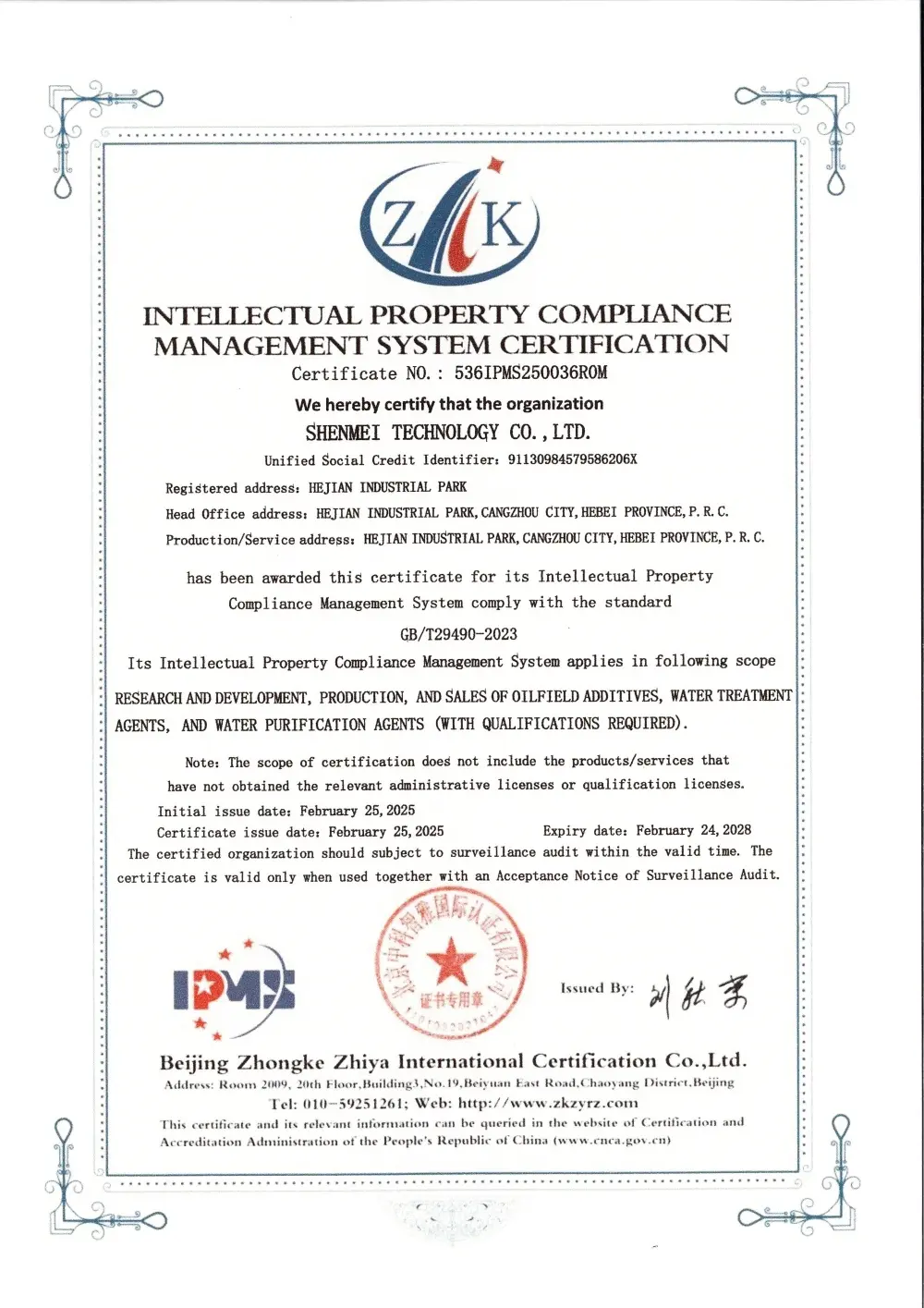
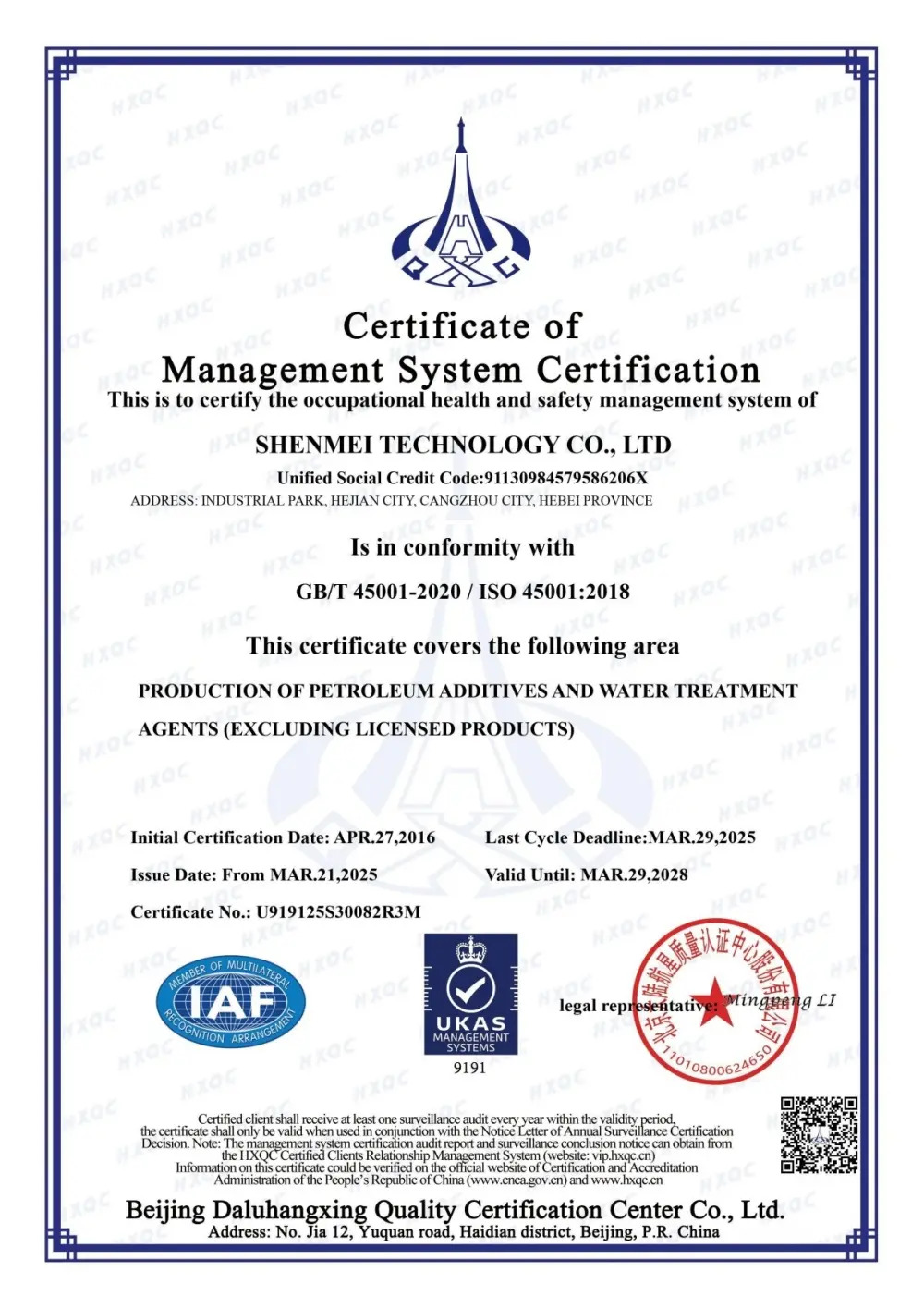
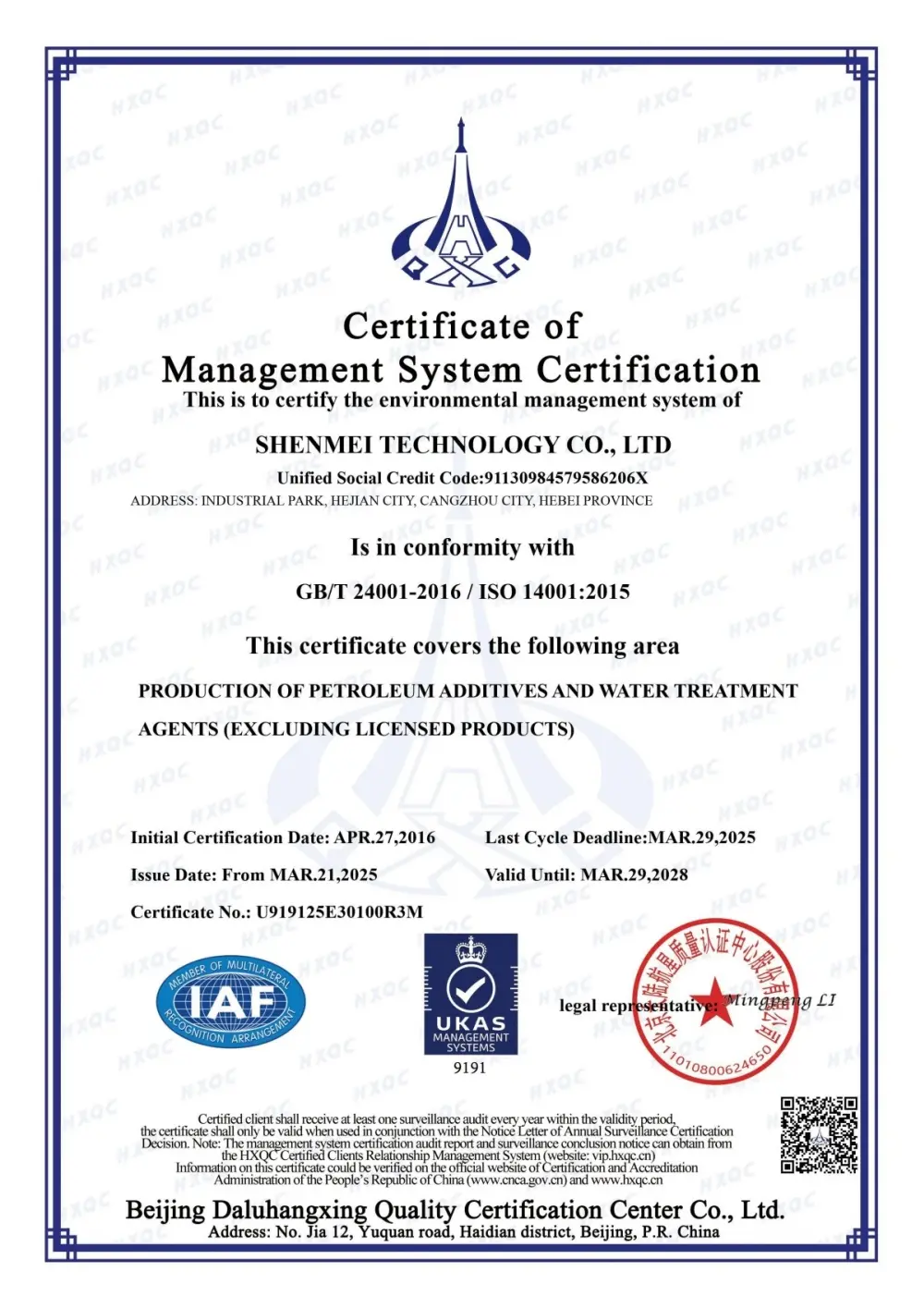
Global multi-national enterprises now mandate full environmental compliance from their OEM partners. Factories must possess verified ISO 9001, ISO 14001, and ISO 45001 systems. Smedic’s status as a recognized "National Green Factory" ensures seamless ESG auditing compliance for premium buyers in the EU and North America.
A history of continuous innovation, growing from a regional environmental agent provider to a nationwide leader.
Smedic Technology Co., Ltd. was established in Beijing, initiating its focus on advanced water treatment chemicals.
The company established a complete product portfolio for municipal wastewater treatment chemicals, widely adopted by urban utilities.
Smedic was recognized as a key national high-tech enterprise, highlighting its strong engineering and research capabilities.
A dedicated, high-capacity production base for advanced water treatment chemicals in Guiyang was established.
Production bases in Hebei, Shandong, and Guizhou were completed and expanded, pushing total annual capacity past 1 million tons.
Recognized as a National Specialized, Refined, Unique and Innovative Small and Medium-sized Enterprise ("Little Giant").
Smedic established a provincial-level advanced water treatment engineering technology research and R&D platform in Hebei.
Recognized as a National Intellectual Property Advantage Enterprise with over 60 Chinese patents granted.
Established a joint venture company with the Chengdu Institute of Mineral Comprehensive Utilization, China Geological Survey, to develop and produce specialty mineral processing reagents.
Our core technical team is composed of academicians, experts, professors, and senior engineers. We have established an R&D system and a technology commercialization platform centered around one academy, three research institutes, and five bases. We have established the Hebei Provincial Enterprise Technology Center, the Hebei Provincial Advanced Water Treatment Chemicals Technology Innovation Center, and the Cangzhou Water Treatment Engineering Technology Research Center, recognized as a Class A R&D institution in Hebei Province.
We have established expert workstations with the Tsinghua University Association of Senior Scientists and Technicians, and set up joint R&D laboratories with Shandong University and Beijing University of Technology. Furthermore, Smedic serves as a commercialization partner for the industry-academia-research achievements of Peking University and Tianjin University.
We have been granted over sixty Chinese patents, including more than forty invention patents and over twenty utility model patents. We have led the drafting of more than ten national and industry standards, including those for composite carbon sources, composite coagulants, sodium acetate, and nitrifying and denitrifying bacterial agents.
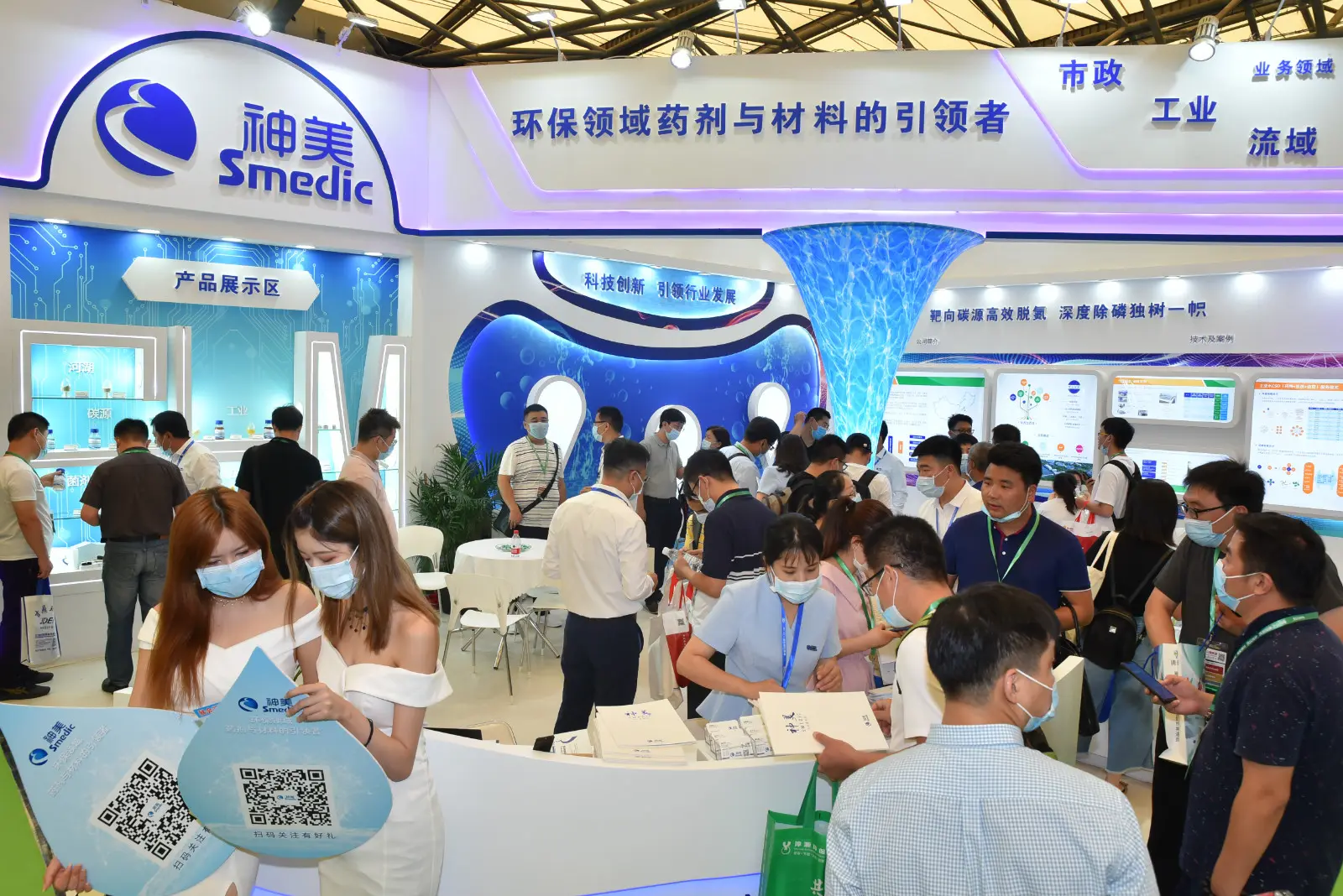
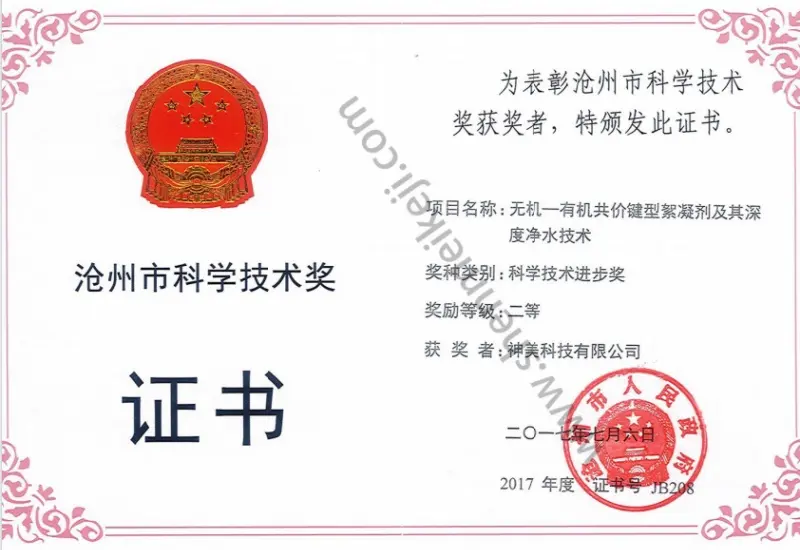
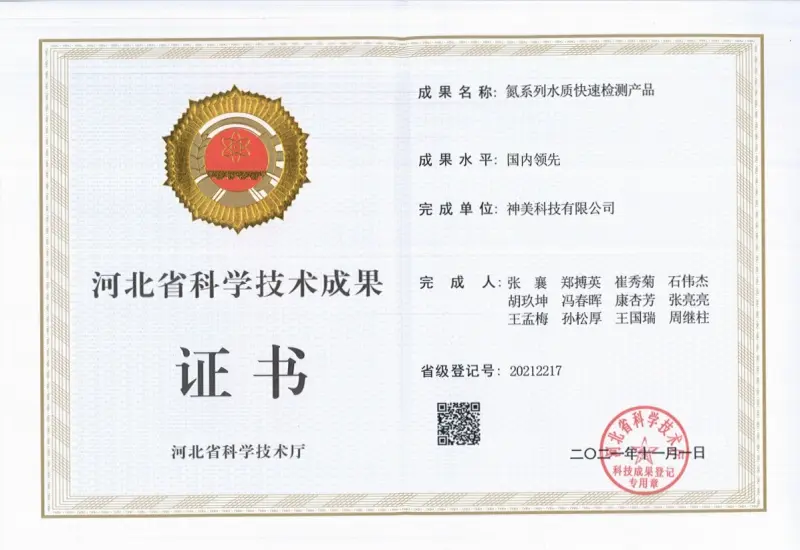
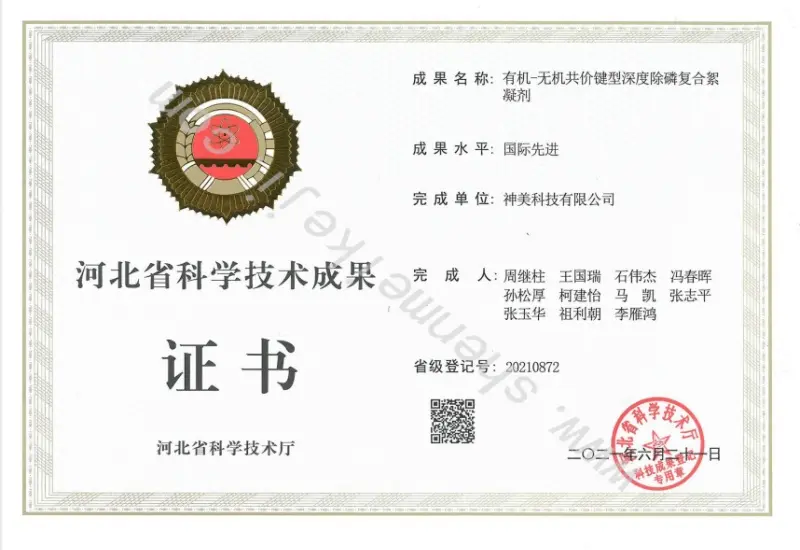
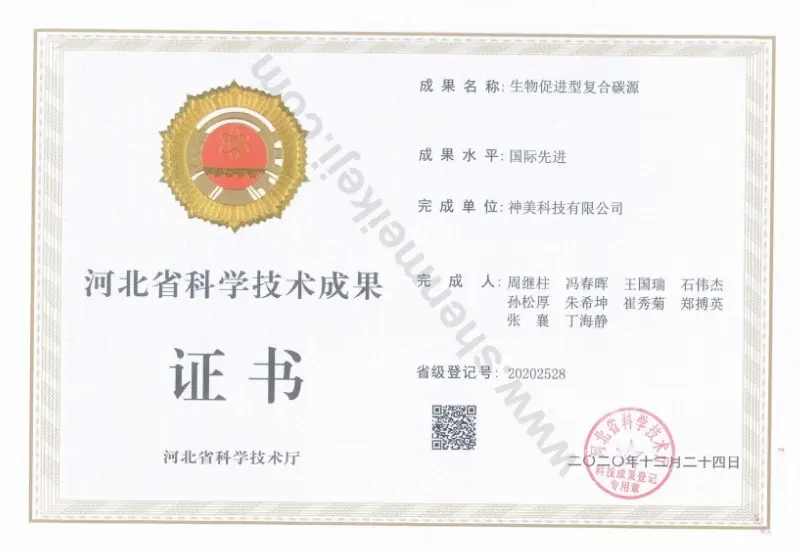
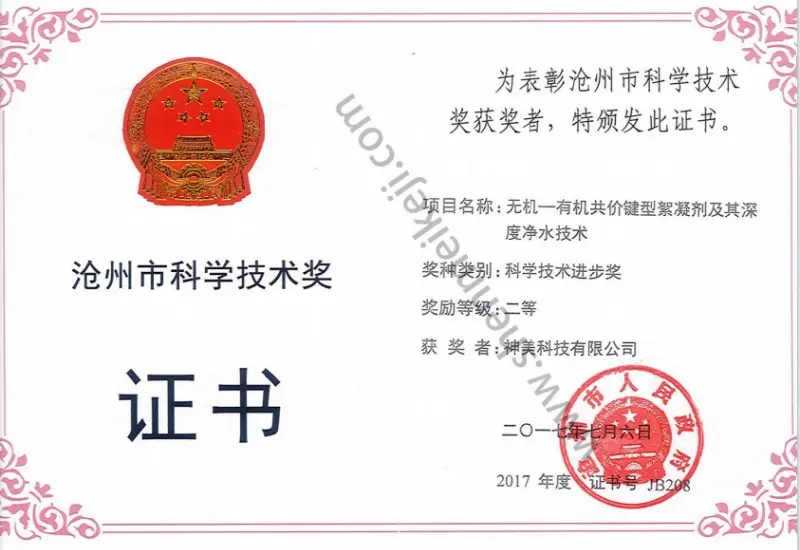
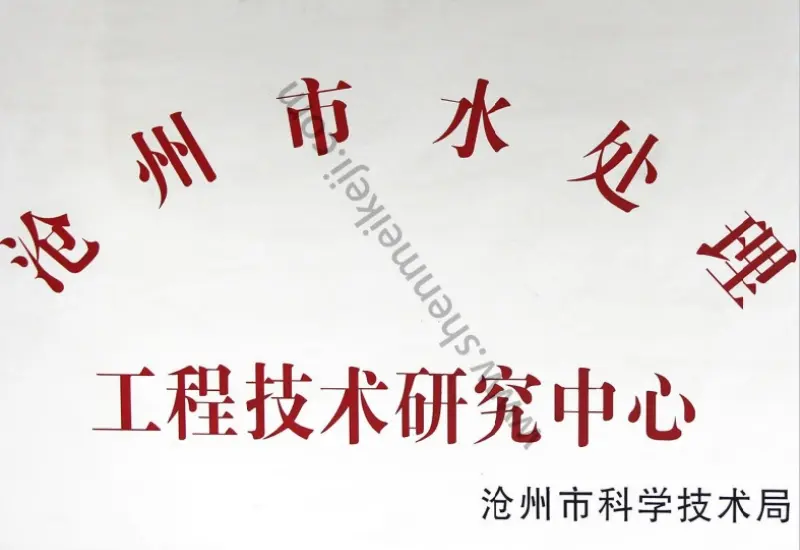
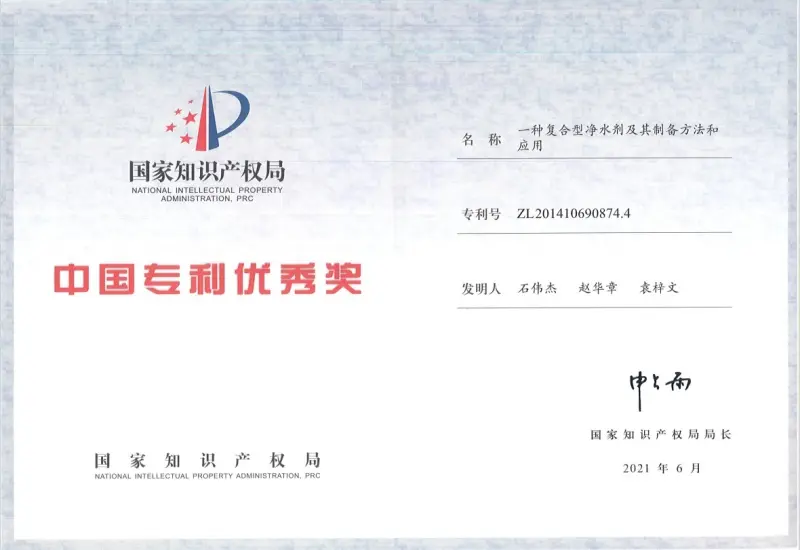
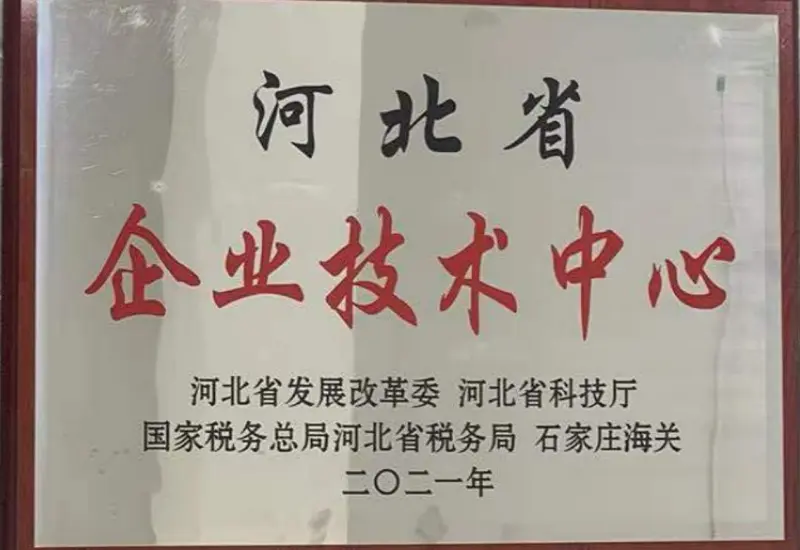
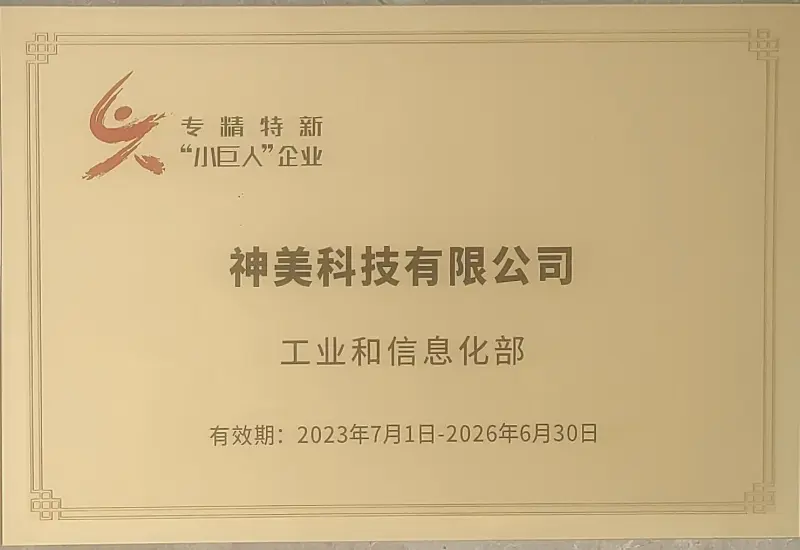
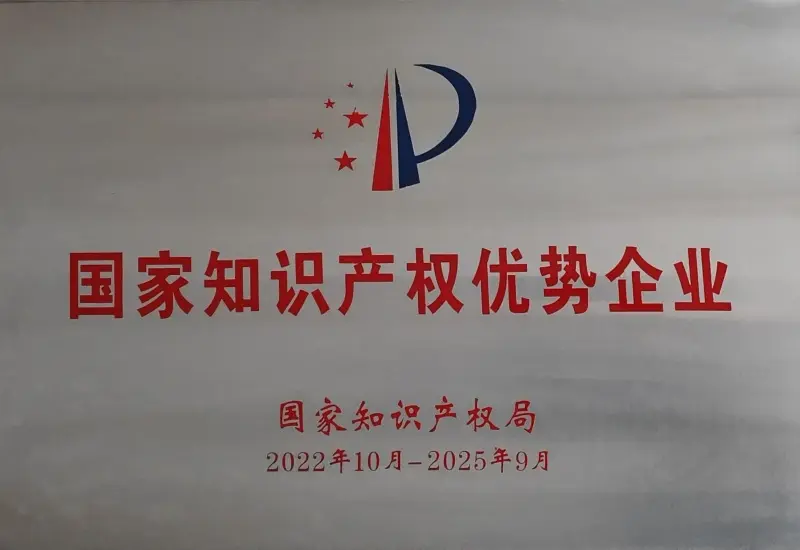
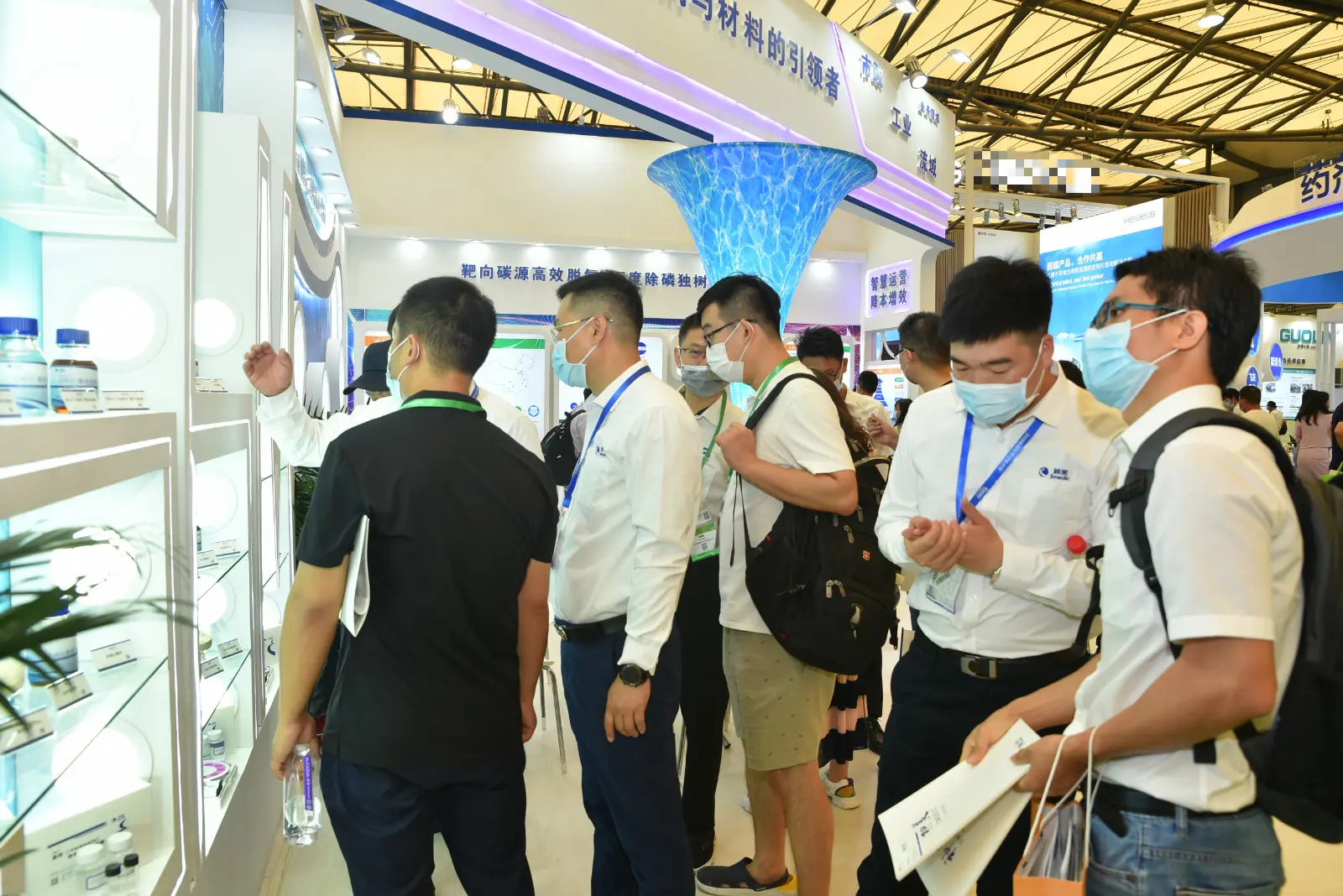
We have been recognized as the "Leading Brand of Advanced Wastewater Treatment Chemicals" and the "Most Valuable Water Treatment Chemicals Brand" by the China Water Network and E20 Environmental Platform for four consecutive periods. These accolades reflect our dedication to raw material quality, advanced testing, and engineering-related technical support.
We have established long-term strategic partnerships with dozens of major water groups, including:
Our comprehensive inspection protocols encompass raw material acceptance testing, in-process quality control, and final product release inspection, ensuring that every batch of OEM Ferrous Sulfate meets global compliance expectations.
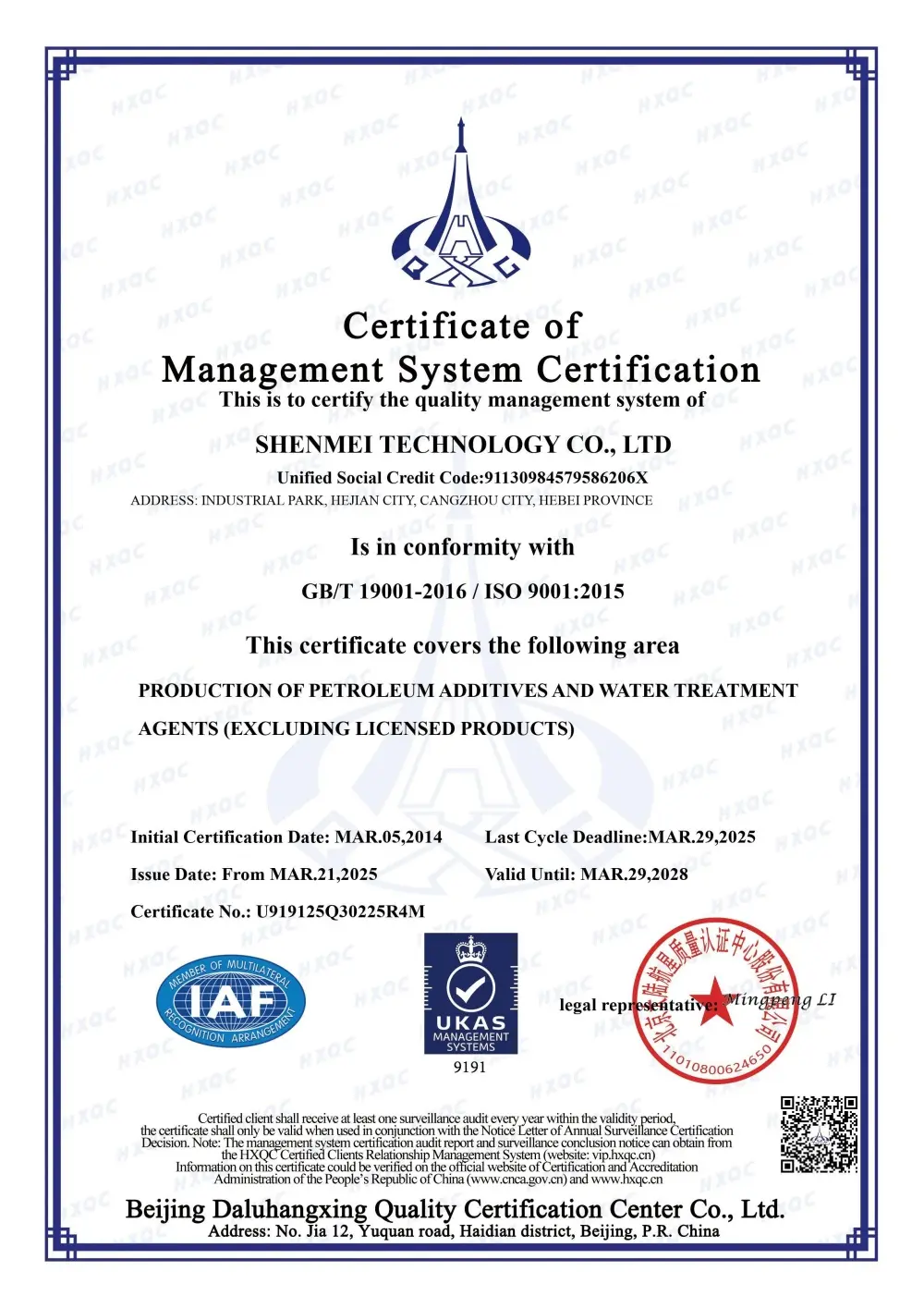
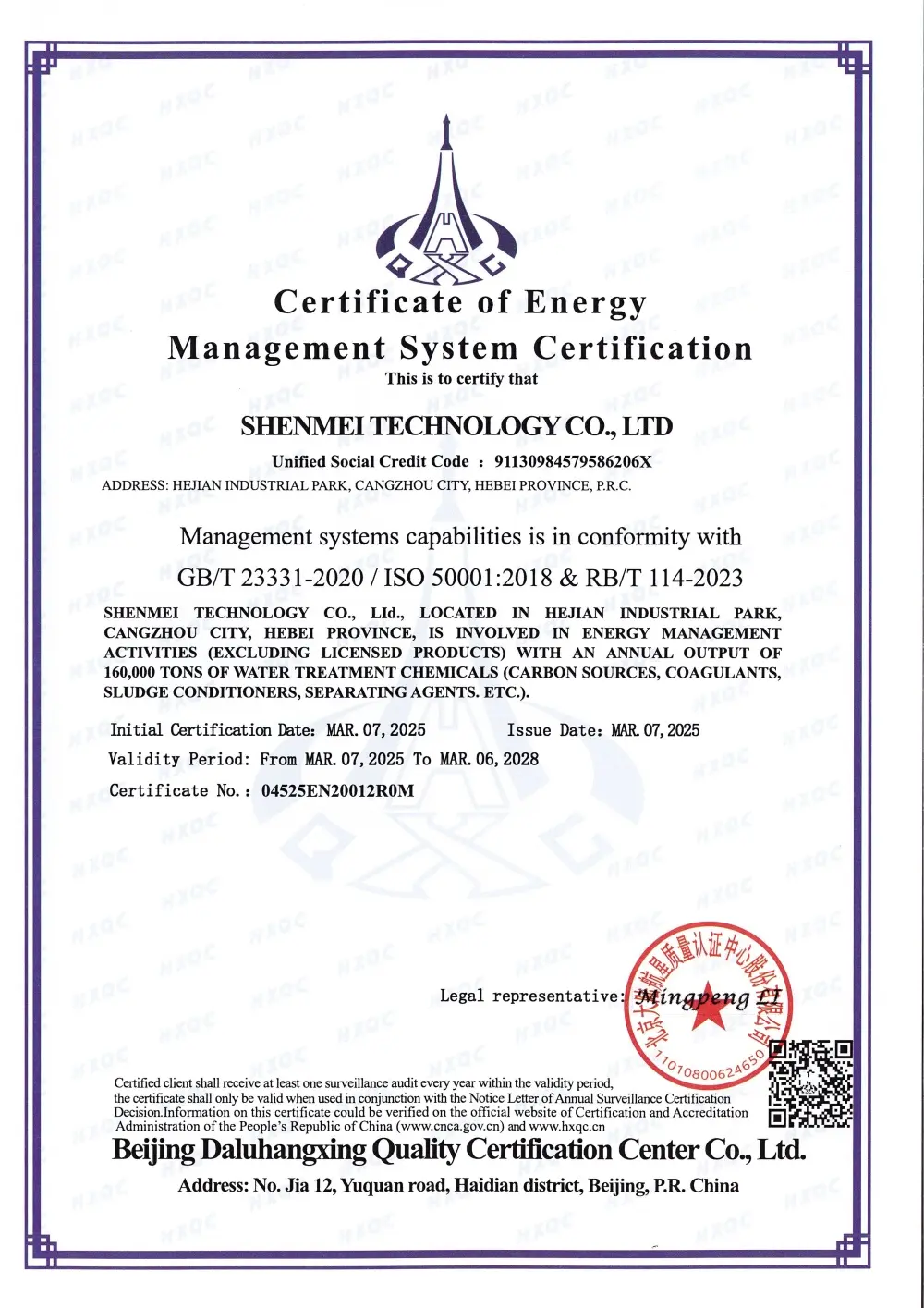
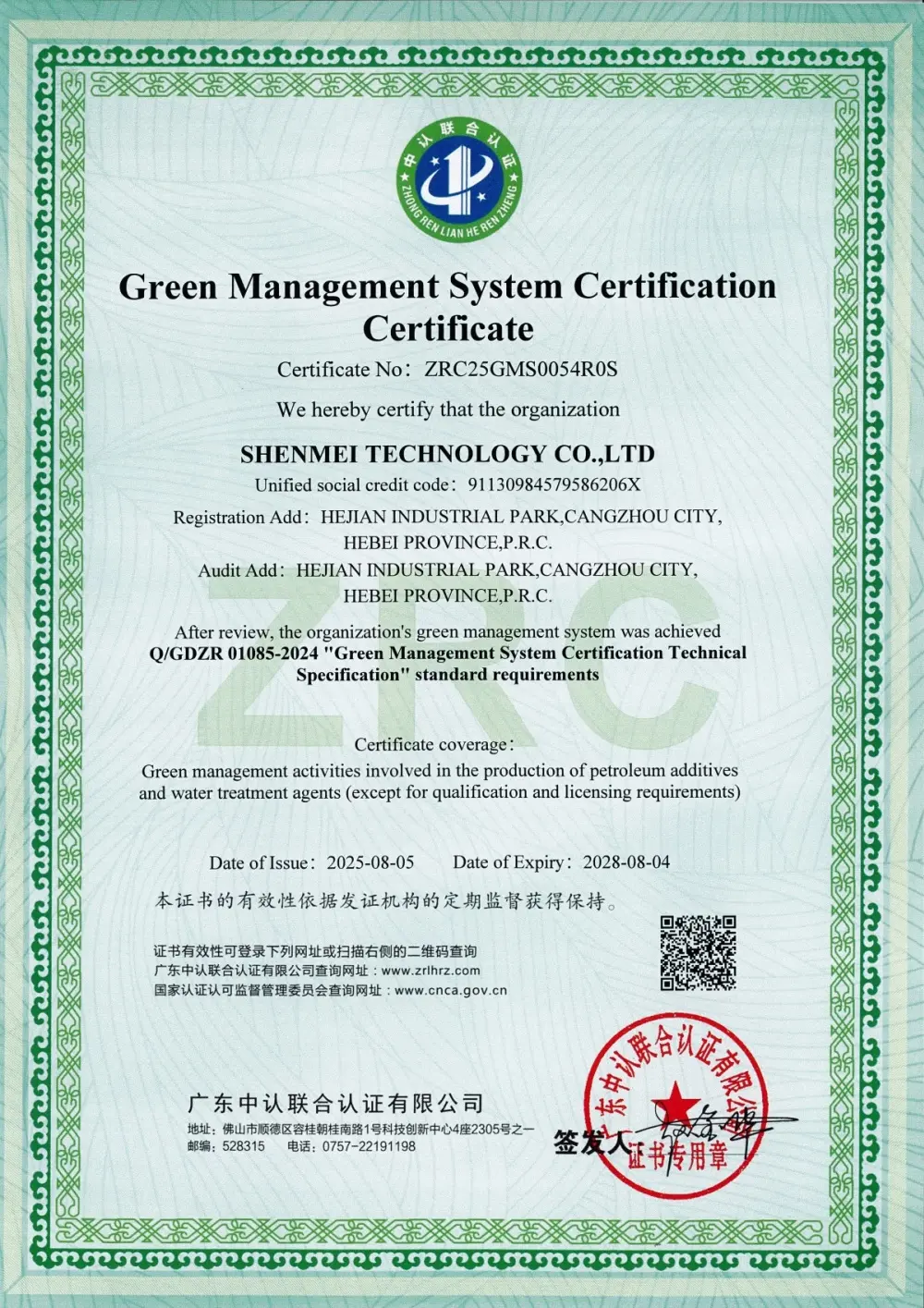
Direct technical answers from Smedic’s senior chemical engineering and quality assurance departments.
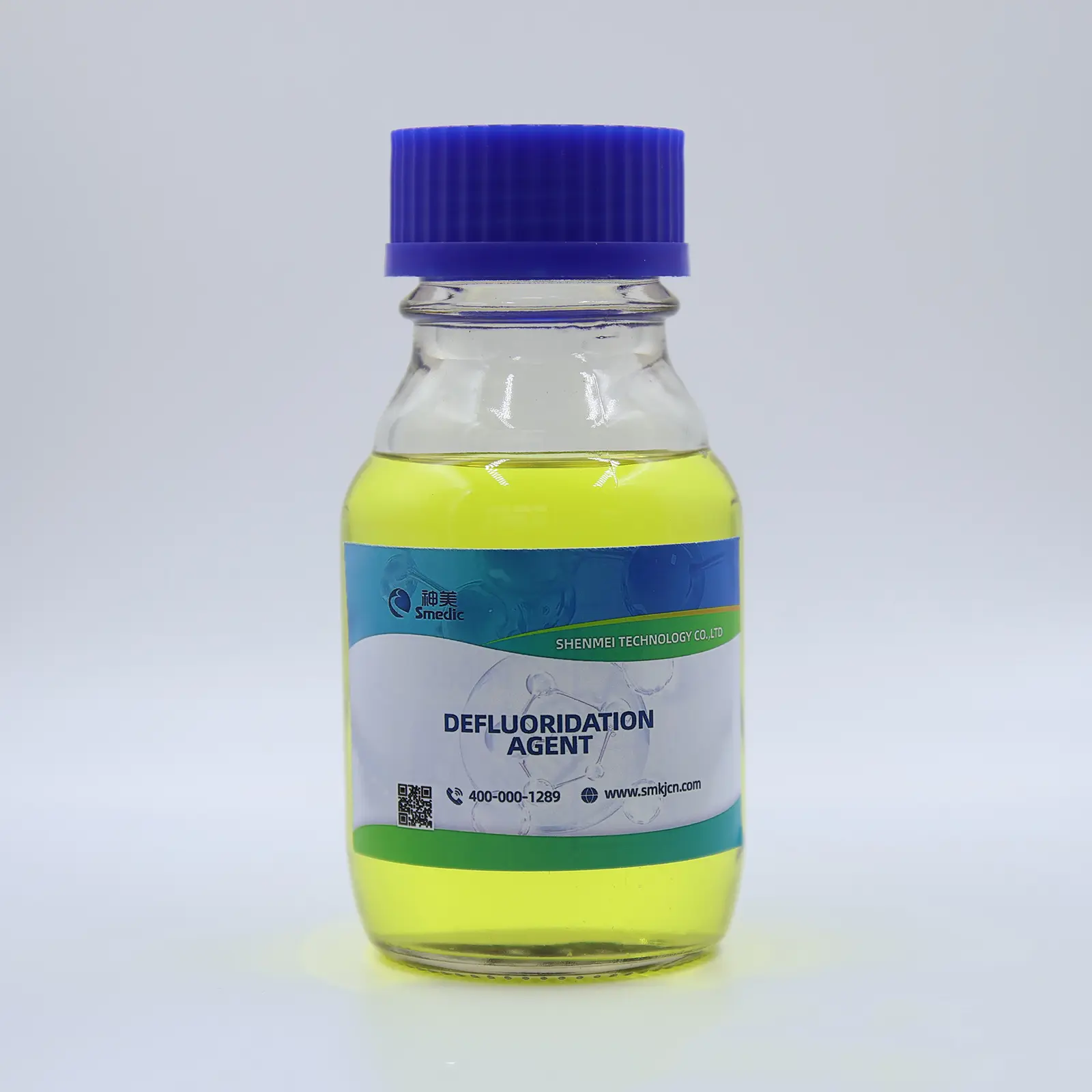
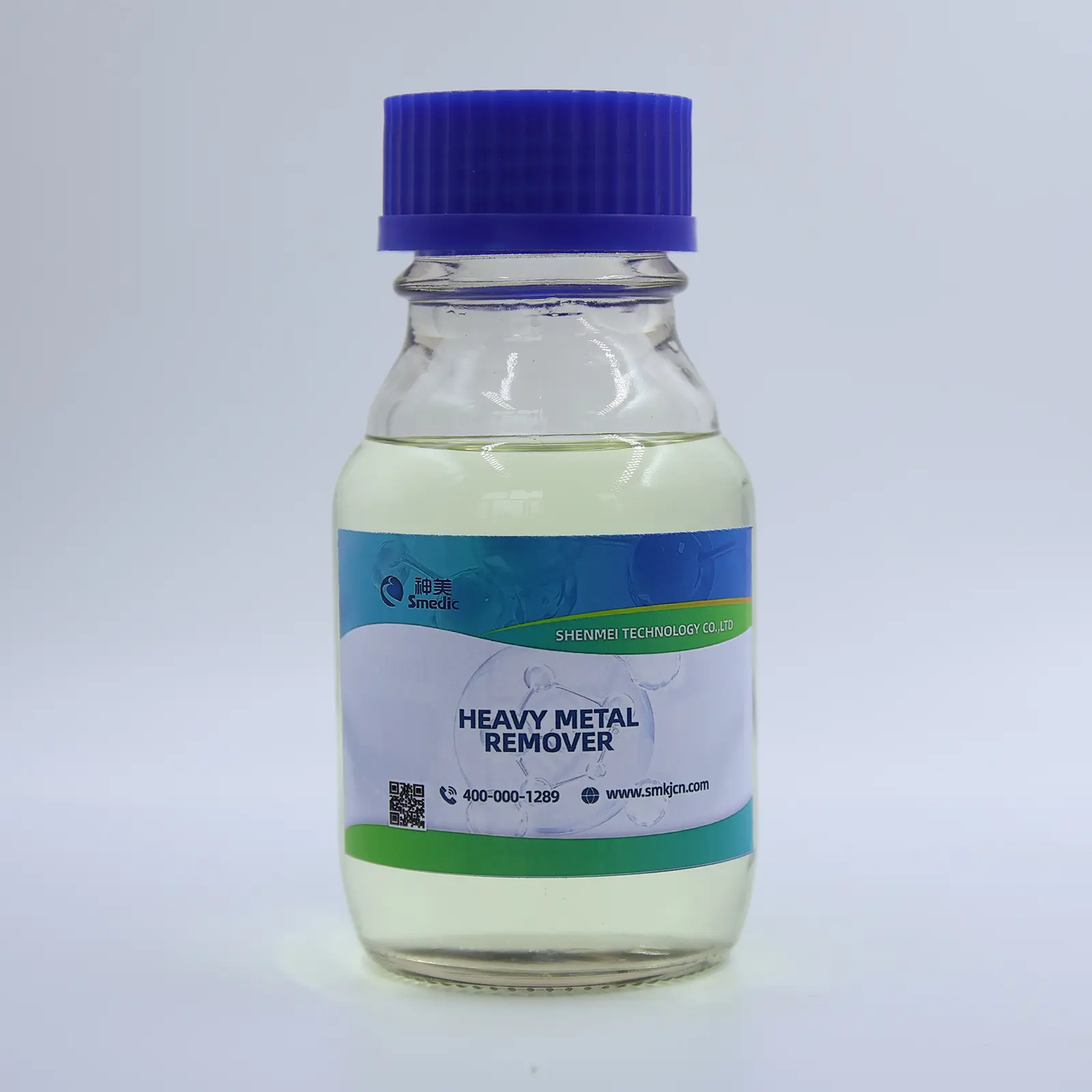
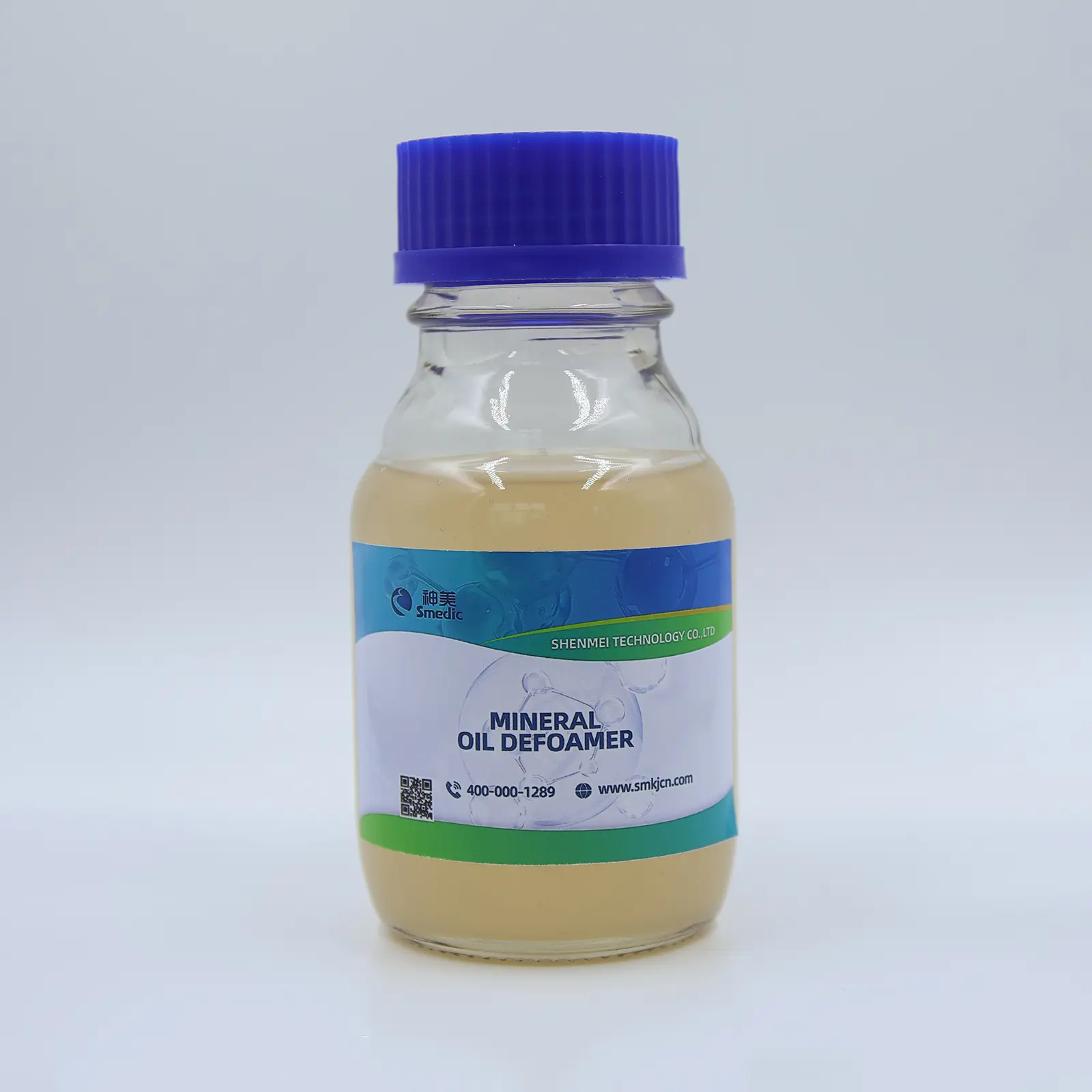
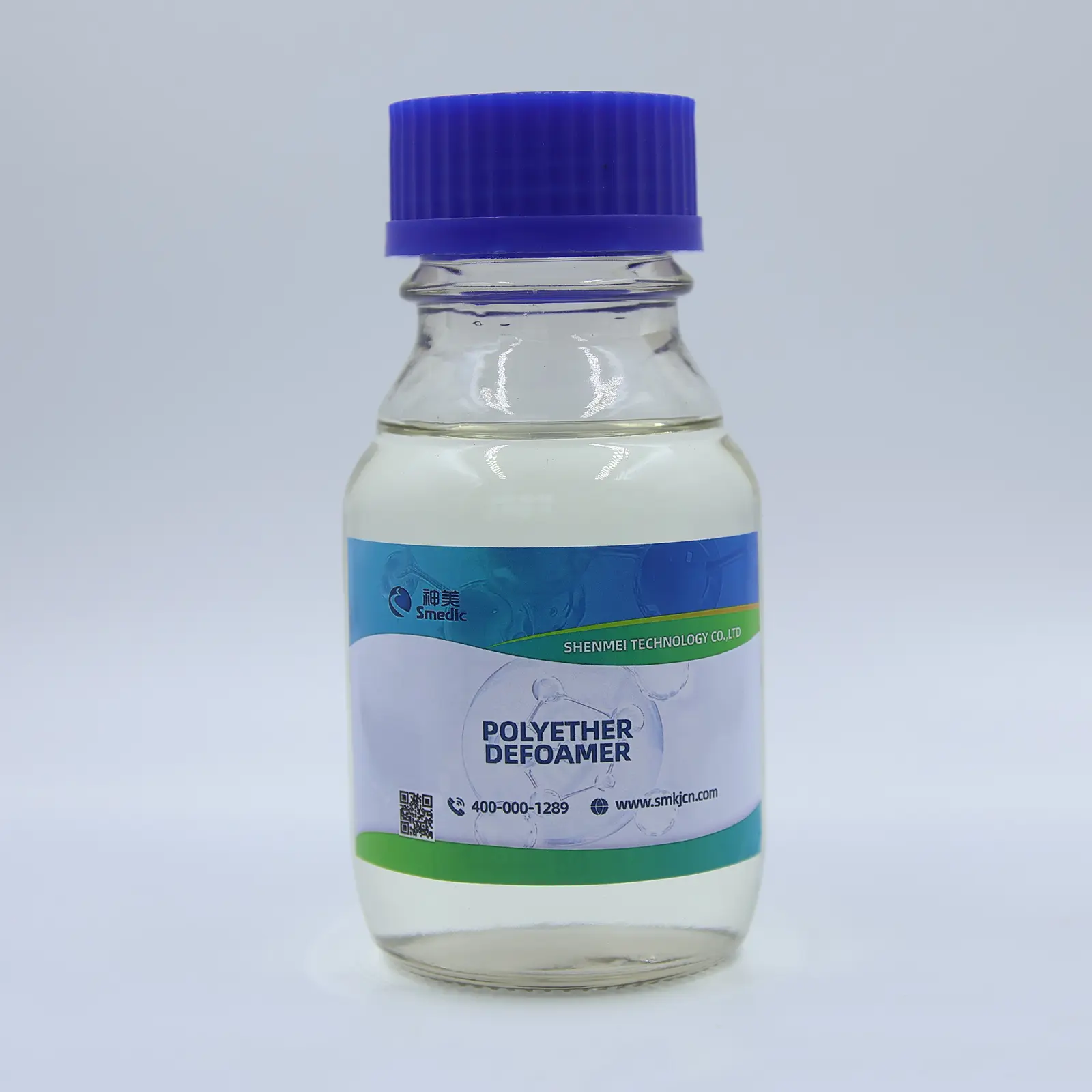
Access our comprehensive environmental protection agents, including organic/inorganic flocculants, defoamers, and heavy metal chelating chemicals.
Premium polymers, defoamers, and specific water purification agents formulated in our joint research laboratories.
 Smedic Tech