High-purity polymers, scale inhibitors, and heavy metal removal agents tailored to optimize sedimentation velocity and reduce chemical sludge yield.
Established in 2011, Smedic Technology Co., Ltd. is a premier global provider of custom environmental protection agents, combining state-of-the-art research and development, smart manufacturing, and comprehensive technical advisory services. We specialize in synthesizing customized flocculants, coagulants, defoamers, and biological agents for municipal water grids, heavy mining systems, cooling towers, and enhanced oil recovery (EOR) initiatives.
With a comprehensive product catalog featuring over 80 specialized environmental protection formulations and an annual processing capacity scaling beyond 1 million metric tons, Smedic is a trusted chemical manufacturing partner. We are committed to increasing efficiency, reducing industrial environmental footprints, and ensuring strict compliance with evolving discharge limits globally.
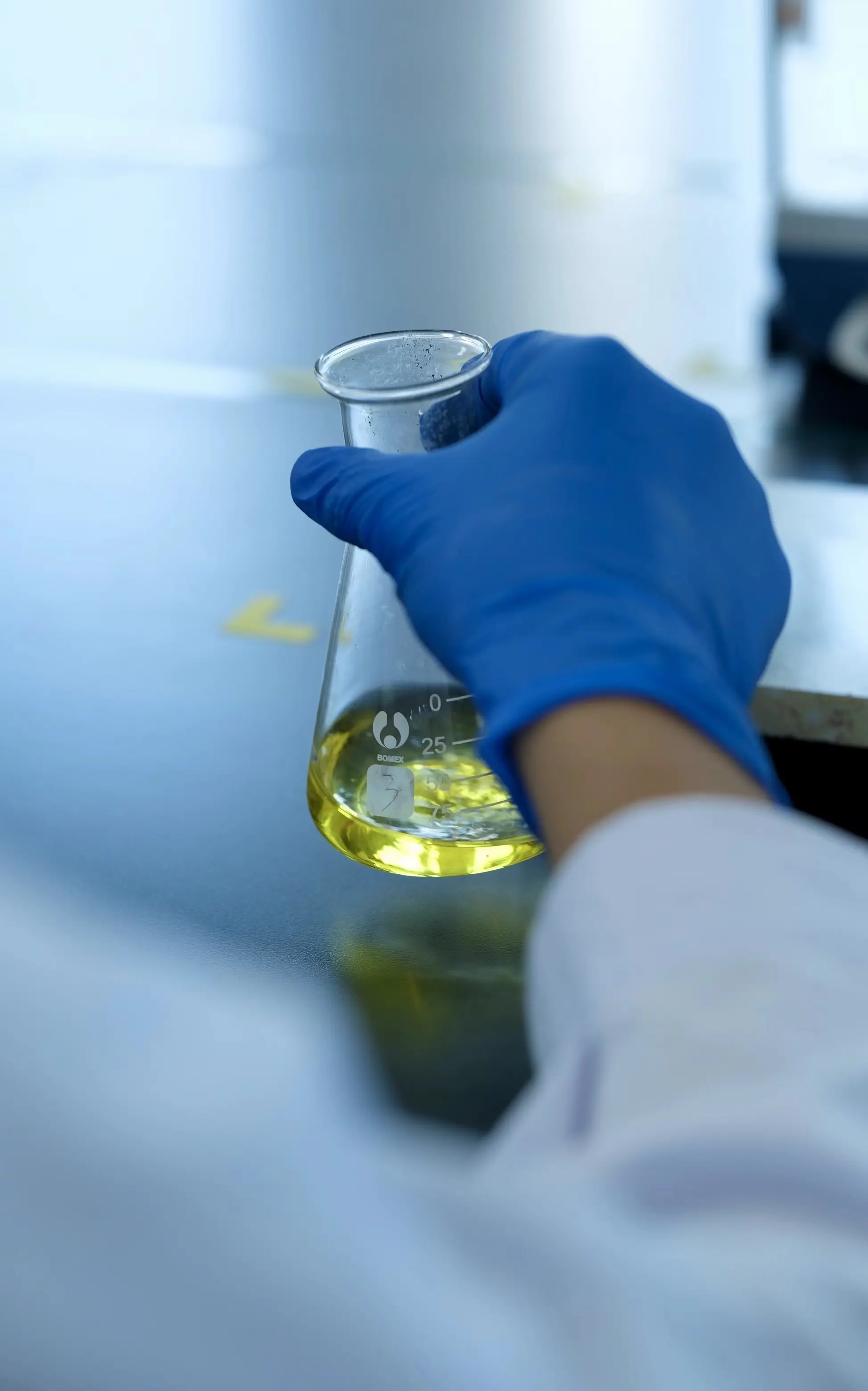
Industrial flocculation represents the core of modern solid-liquid separation science. In colloidal suspensions, dispersed particles possess negative or positive surface charges (Zeta potential) that promote mutual repulsion, preventing agglomeration. Smedic Technology's research workstation engineers high-molecular-weight polymers designed to destabilize these colloidal suspensions through three primary thermodynamic pathways: charge neutralization, polymer bridging, and sweep flocculation.
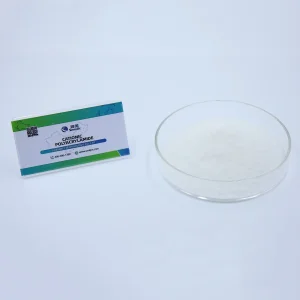
Cationic Polyacrylamide (CPAM) polymers possess high cationic charge densities generated through the copolymerization of acrylamide (AM) with cationic monomers, such as acryloyloxyethyltrimethyl ammonium chloride (DAC) or methacryloyloxyethyltrimethyl ammonium chloride (DMC). These positively charged chains attract and neutralize the negative surface charges of organic colloids, municipal biological sludge, and textile dyeing wastewater. Once the Zeta potential approaches zero (isoelectric point), electrostatic repulsion decreases, allowing the particles to aggregate under Van der Waals forces.
For inorganic mineral slurries, metal processing wastewater, and coal washing tailings, Anionic Polyacrylamide (APAM) serves as the primary polymer bridge. Hydrolyzed polyacrylamides contain carboxylic acid groups along the polymer backbone, which extend in water due to mutual charge repulsion. This expanded linear conformation allows segments of a single polymer chain to adsorb onto multiple inorganic particles simultaneously, building crosslinked macroscopic flocs that accelerate sedimentation velocities. APAM configurations are carefully tailored by molecular weight (ranging from 10 million to 25 million Daltons) and hydrolysis degree (ranging from 10% to 50%) to optimize sludge filtration performance and minimize chemical carryover in decanters.
Under extreme acid conditions, high salinity, or complex oilfield brine matrices, ionic polymers can suffer from chain collapse or salt-out reactions. Smedic’s Non-Ionic Polyacrylamide (NPAM) relies on amide groups (—CONH2) to form hydrogen bonds with particle surfaces. NPAM molecules absorb onto suspended solids, bridging them without changing the electro-kinetic balance of the liquid phase. This is critical for enhanced oil recovery (EOR), acidic tailings consolidation, and metal refining processes where ionic charges are highly unstable.
Fine-tune molecular weights from 5 million to 25 million Daltons and tailor polymer structures (linear, branched, or structured) to match dry solids, cake moisture targets, and belt filter press limits.
Precise control over cationic and anionic active levels (from 5% to 80% charge density) to ensure complete Zeta potential reduction and reduce chemical sludge generation.
Our crosslinked polymer matrices resist high shear forces encountered in high-speed centrifuges, preventing floc breakage and maintaining water clarity.
The global water treatment industry is undergoing a transition driven by carbon neutrality mandates, zero liquid discharge (ZLD) requirements, and stricter micro-pollutant controls. Smedic Technology is leading this transition by developing advanced polymeric products designed for tomorrow’s wastewater systems.
Traditional polyacrylamides leave trace amounts of residual acrylamide monomer (AMD) and exhibit low biodegradability. Smedic's R&D team, in partnership with Shandong University and Tsinghua University, is developing hybrid bio-polymers. By grafting polyacrylamide onto natural substrates such as starch, chitosan, and lignin, we have created high-performance, hybrid flocculants that retain excellent bridging characteristics while degrading faster in biological sludge, minimizing soil accumulation when sludge is land-applied.
Chemical over-dosing not only increases operating costs but can also restabilize colloids, reversing flocculation. Smedic is integrating chemical formulations with automated dosing systems. By linking real-time Zeta-potential measurements, streaming current detectors (SCD), and effluent turbidity loops, these smart systems dynamically adjust flocculant dosage, reducing polymer consumption by up to 25% while maintaining discharge parameters.
Sourcing renewable bio-monomers to reduce the carbon footprint of polymer production.
Restricting residual AMD to < 200 ppm, exceeding strict European and North American drinking water standards.
Engineering robust polymer chains that maintain conformation in high-hardness oilfield brines.
Developing single-component inorganic-organic hybrids to simplify plant chemical feed setups.
Industrial wastewater is highly variable. Every sector requires unique chemical approaches to address their specific water chemistry, solids loading, and recycling needs. Smedic Technology designs custom chemical solutions optimized for your specific industry.
Maximize phosphorus removal and enhance biological denitrification. Smedic’s specialized carbon sources and composite coagulants reduce total phosphorus (TP) levels to below 0.05 mg/L while enhancing sludge dewatering efficiency in centrate treatment loops.
Accelerate tailings thickening and wash-water clarification. Our high-molecular-weight APAM products increase coal tailings settling rates, maximize recycled wash water, and improve filter cake dryness in iron, copper, and gold extraction plants.
Break challenging oil-water emulsions and remove free hydrocarbons. Smedic defoamers, emulsion breakers, and high-performance polyacrylamides separate emulsified oils from refinery wash waters, preventing fouling in downstream biological reactors.
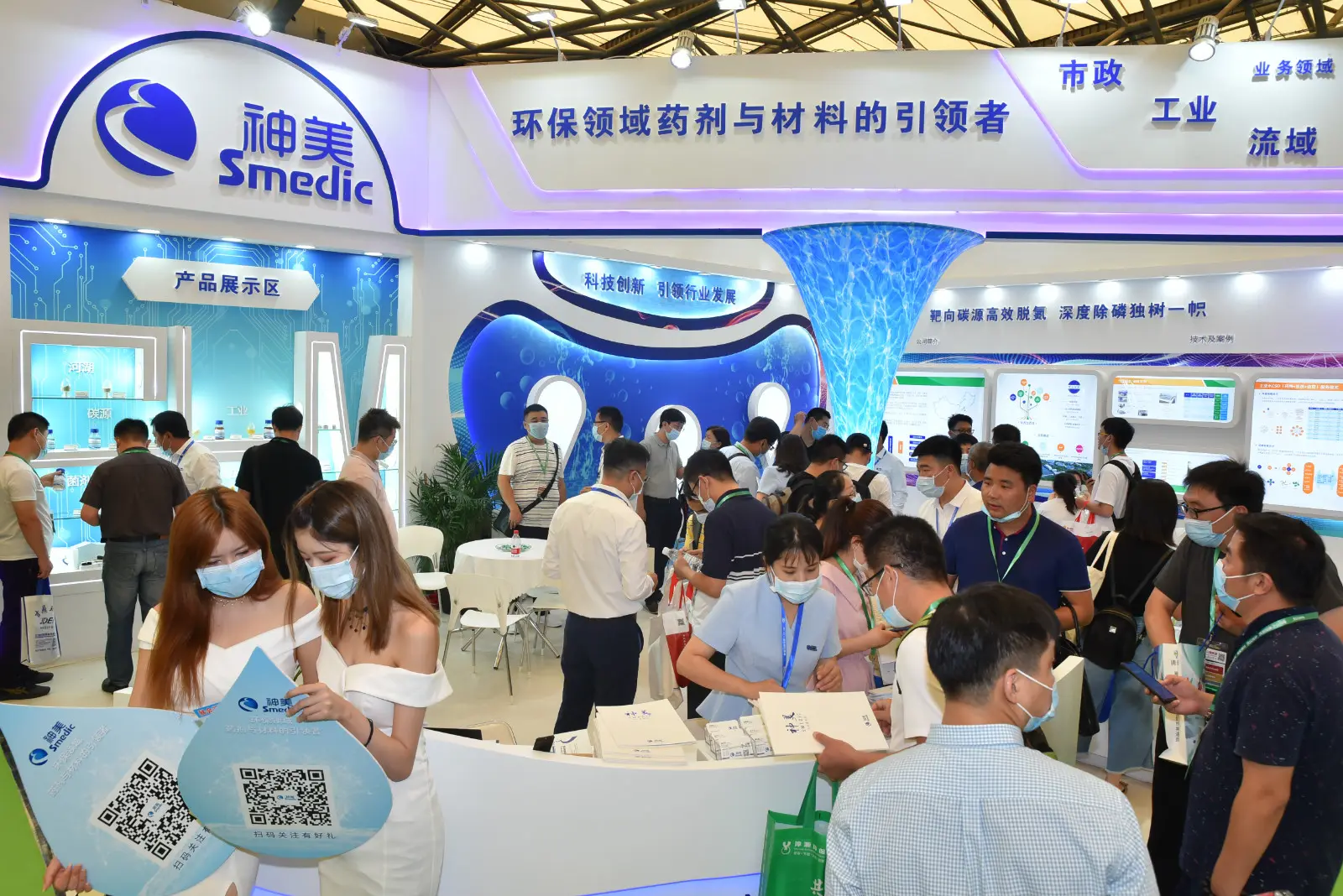
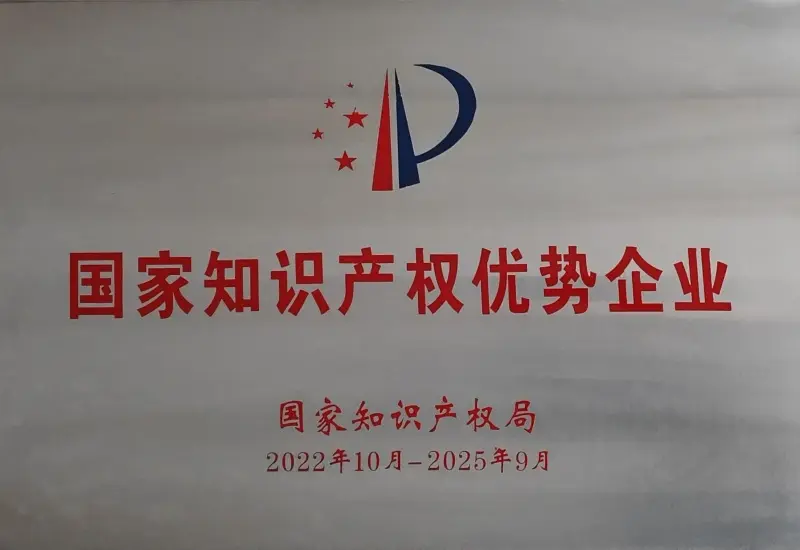
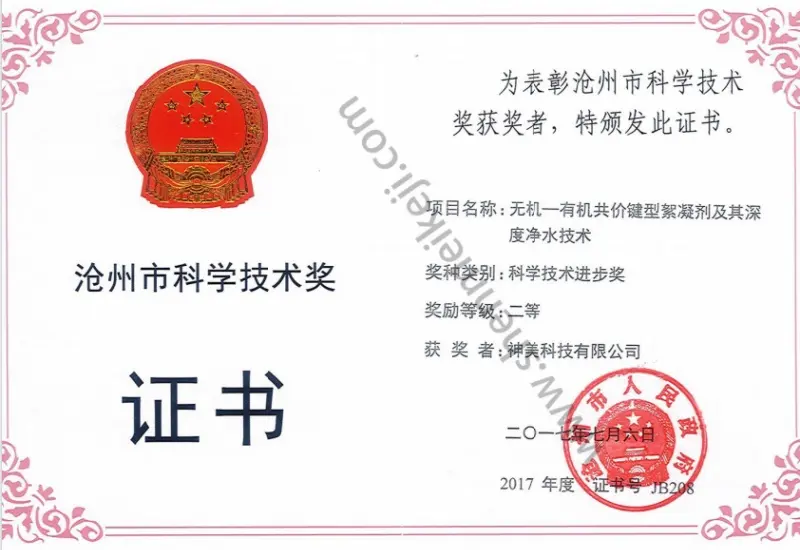
As a designated National Specialized, Refined, Unique and Innovative "Little Giant" Enterprise, Smedic has modernized its manufacturing facilities. With wholly-owned production bases in Hebei, Guizhou, and Shanxi, alongside ten joint-venture operations across Shandong, Anhui, Guangxi, and Sichuan, we operate a robust supply network capable of producing over 1 million metric tons of environmental protection agents annually.
All facilities are managed using Distributed Control Systems (DCS) and Safety Instrumented Systems (SIS), ensuring precise polymerization temperatures, consistent monomer ratios, and uniform batch-to-batch quality. Our integrated supply chain allows us to maintain direct access to core raw materials, buffering our operations against raw material market volatility and ensuring consistent delivery times for our global customers.
Smedic founded in Beijing; established industrial wastewater research laboratories.
Recognized as a National High-Tech Enterprise; launched our municipal water product portfolio.
Completed expansions at Hebei and Guizhou facilities, pushing annual production capacity past 1 million tons.
Awarded National Specialized "Little Giant" status; set up academician workstation with Tsinghua University.
Joint venture established with Chengdu Institute of Mineral Comprehensive Utilization to expand specialized mining flotation chemistries.
Exporting specialized chemicals globally requires strict compliance with international safety and environmental regulations. Smedic Technology is equipped to navigate complex regulatory landscapes, ensuring seamless logistics and importation for our global customers.
Our products are fully registered under EU REACH regulations, complying with the European Union's chemical import framework. For municipal drinking water networks, our flocculants and coagulants are formulated to meet NSF/ANSI Standard 60 requirements, ensuring maximum safety and low residual monomer limits. Additionally, Smedic operates under certified ISO 9001:2015 (Quality), ISO 14001:2015 (Environment), and ISO 45001:2018 (Occupational Health & Safety) management systems.
To support global supply chains, Smedic has established regional warehousing hubs and distribution channels. We offer full logistics support, custom packaging options (including 25kg bags, bulk super-sacks, and liquid IBC totes), and complete documentation packages including GHS-compliant Safety Data Sheets (SDS), certificates of analysis (COA) for every batch, and technical data sheets (TDS).

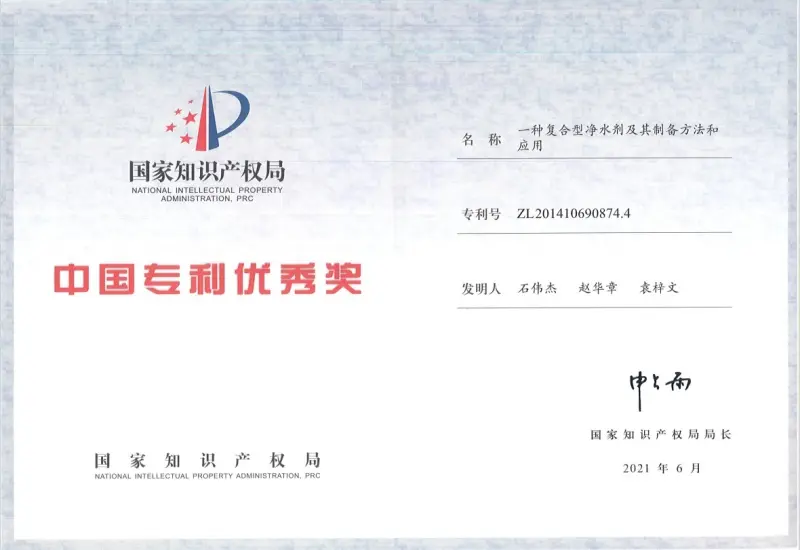
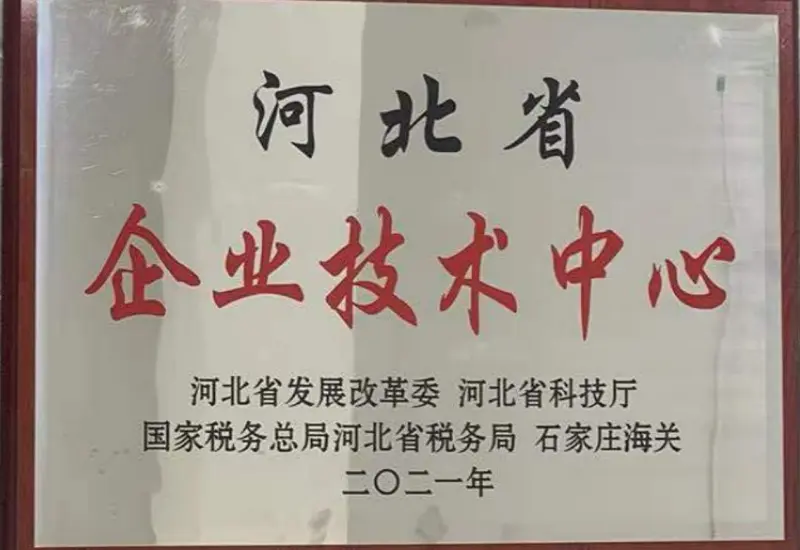
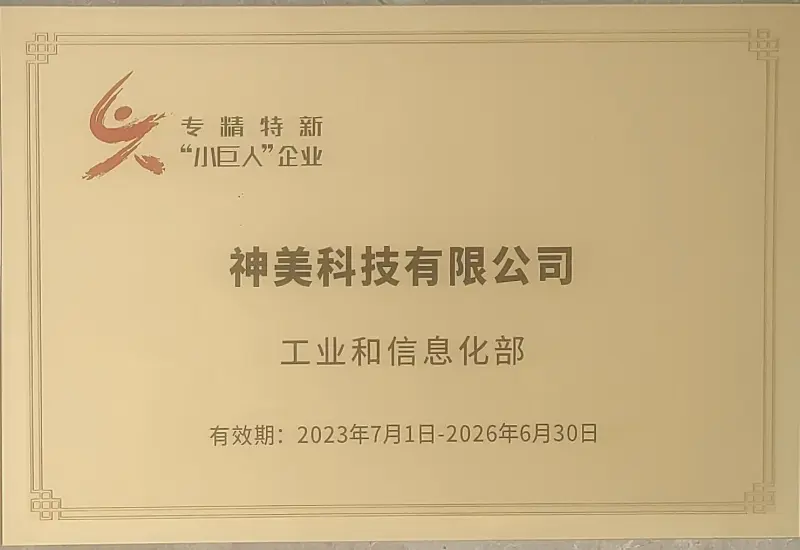
Smedic Technology provides comprehensive OEM and ODM services to leading global water treatment service companies, chemical distributors, and large-scale industrial end-users. We customize our formulations to match your specific application requirements, process equipment, and climate conditions.
Send us your industrial wastewater or sludge samples. Our technical center performs jar tests and filtration analyses to recommend the optimal polymer structure.
Our DCS-controlled polymerization reactors ensure tight molecular weight distributions and consistent active contents across batches.
Every production batch undergoes testing for residual monomers, insoluble content, bulk density, dissolution rate, and viscosity before release.
With direct access to major international shipping ports in China, we manage freight logistics to ensure timely delivery to your destination.
Insights from Smedic's senior chemical engineering and technical support teams.
Molecular weight (MW) determines the size of the polymer chain and its ability to bridge particles. High molecular weight polymers (15–25 million Daltons) are ideal for settling and sedimentation because they form large, fast-settling flocs. However, under high-shear conditions, such as inside decanter centrifuges, these long chains can break. For centrifuges and high-shear applications, structured or lower-molecular-weight polymers with higher charge densities are preferred to resist shear degradation.
Dry polyacrylamides require proper aging to allow the polymer chains to untangle and hydrate. Under standard conditions, anionic PAM requires 40 to 60 minutes of gentle agitation, while cationic PAM requires 60 to 90 minutes. If the polymer is not fully dissolved, undissolved gel particles ("fish-eyes") can form, causing feed pump blockages and reducing treatment efficiency. Smedic provides specialized fast-dissolving formulations that reduce dissolution times by up to 30% for facilities with limited tank volume.
Extreme pH values can alter the charge profile of both the target particles and the polymer chains. Anionic PAMs can hydrolyze further in highly alkaline conditions, increasing their negative charge. Cationic PAMs can lose their charge density in environments with a pH above 8.5. Temperature also affects polymer viscosity and dissolution rates. High temperatures (>60°C) can accelerate polymer degradation, while cold temperatures (<10°C) reduce chemical reaction kinetics and increase solution viscosity, requiring adjusted dosing and longer mixing cycles.
Liquid emulsions can be prone to phase separation during extended storage. Smedic uses advanced surfactant packages and stabilization additives during the emulsion polymerization process to prevent oil-water separation. Our emulsion products maintain physical stability for up to 6 months under standard storage conditions. We recommend implementing periodic circulation loops or gentle drum mixing for bulk storage systems to ensure consistent polymer concentration.
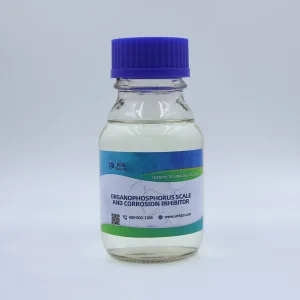
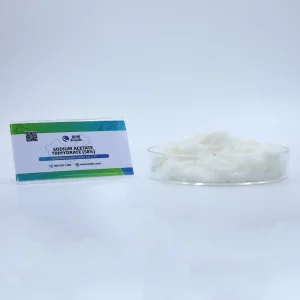
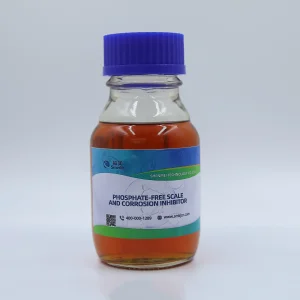
High-purity sodium acetate, RO membrane protectors, and phosphate-free scale inhibitors engineered for demanding industrial water systems.
 Smedic Tech