High-performance custom synthesized chemicals engineered for environmental processing and manufacturing optimization.
Understanding the inorganic crystallization kinetics, chemical characteristics, and high-performance physical behaviors of dry and dodecahydrate compounds.
Sodium Aluminum Sulfate, scientifically identified by the chemical formula NaAl(SO₄)₂ (often processed as a dodecahydrate crystalline complex, NaAl(SO₄)₂·12H₂O), represents an elite, highly active inorganic acid salt. Functioning as a dual-action agent with dual-cation coordination, the presence of both sodium and aluminum cations generates unique spatial molecular charges when dissolved in aqueous environments.
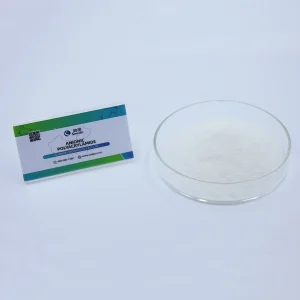
Our industrial synthesis pathways allow us to deliver a dry, high-purity dehydrated variation known as Anhydrous Sodium Aluminum Sulfate. By removing bound water via state-of-the-art fluid-bed calcination, we elevate active chemical percentages, reducing overall transport weights and expanding its utility across sensitive chemical environments where moisture control is vital.
Deciphering the supply chain dynamics, industrial demand clusters, and cost-efficiency considerations driving international SAS procurement.
Industrial baking conglomerates require reliable, non-clumping Sodium Aluminum Sulfate as the slow-phase acid component of baking powder. B2B buyers evaluate batch-to-batch particle uniformity, shelf-life moisture levels, and clean chemical profiles conforming strictly to FCC (Food Chemicals Codex) criteria.
Industrial wastewater managers rely on SAS as a dual-cation coagulant. When added to high-turbidity systems, the trivalent Al³⁺ ions rapidly collapse double-layer electrostatic charges on micro-particles, making it an excellent primary stage treatment prior to polymer addition.
For modern paper mills and textile dye houses, soda alum is a cost-effective alternative to potassium alum. It acts as an efficient sizing precipitation agent and chemical mordant, forming stable coordinates with natural fibers to ensure dye retention and structural durability.
Global logistics disruptions have driven tier-1 chemical buyers to migrate from spot-market purchases to committed OEM Contract Manufacturing models. Ensuring supply continuity requires working with a producer with an annual output exceeding 1 million tons and multiple, strategically separated manufacturing bases. This ensures localized raw material sourcing, stable pricing, and continuous access to key components.
How Smedic integrates Sodium Aluminum Sulfate within full-scale chemical programs for environmental engineering and raw water processing.
In municipal and industrial wastewater plants, Sodium Aluminum Sulfate forms the foundation of a two-stage flocculation program. In stage one, the low-cost inorganic SAS destabilizes colloidal suspensions. In stage two, high-efficiency polymers—such as Smedic Premium Anionic Polyacrylamide (APAM) or Non-ionic Polyacrylamide (NPAM)—bridge the micro-flocs, creating heavy, fast-settling aggregates.
This coordinated process reduces overall chemical costs by up to 30% compared to using synthetic polymers alone, while also lowering the volume of sludge generated. This helps operators meet strict environmental limits on wastewater discharge.
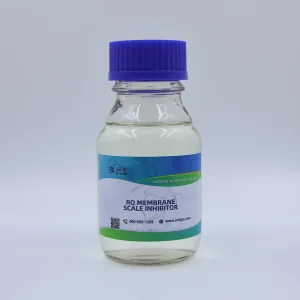
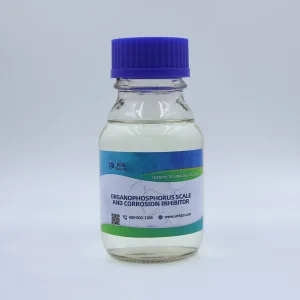
In heavy industrial cooling loops (such as petrochemical cooling towers and power generation condensates), water treatment chemicals must perform across varying temperatures and pH ranges. Incorporating SAS alongside Organophosphorus Corrosion & Scale Inhibitors and RO Membrane Scale Inhibitors ensures comprehensive system protection.
The aluminum species in SAS help selectively remove silica and fluoride contaminants through co-precipitation. This keeps high-pressure heat exchangers clean and prevents scaling on reverse osmosis membranes, extending system runtimes.
A premier environmental chemical producer, driving clean-technology solutions with a network of factories and research laboratories.
Established in 2011, Smedic Technology Co., Ltd. is a leading environmental protection chemical provider. We combine research and development, manufacturing, technical sales, and advanced field engineering services to deliver custom chemical solutions.
Our product portfolio includes municipal water treatments, complex industrial wastewater agents, mineral processing agents, and specialized oilfield chemicals. We produce over 80 environmental protection products, with our total annual production capacity now exceeding 1 million tons.
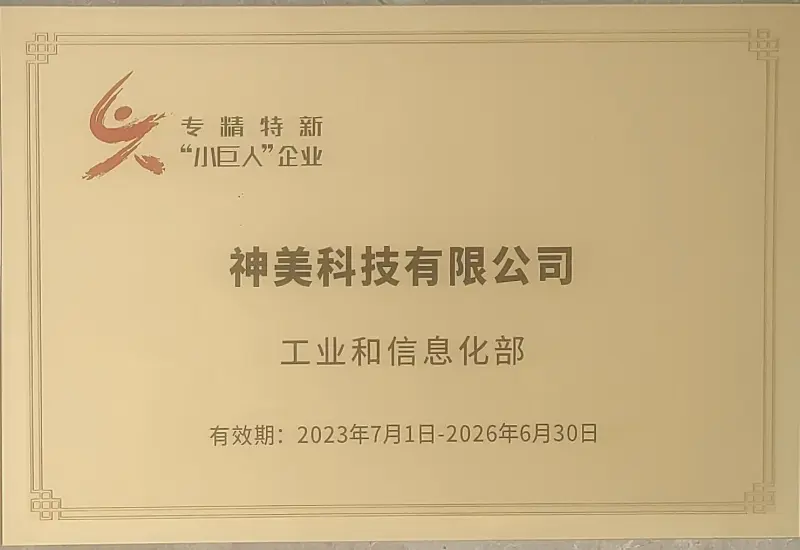
From establishing our product lines in 2011, to earning recognition as a National "Little Giant" Enterprise in 2020, and partnering with the China Geological Survey in 2024 to produce advanced mineral agents, Smedic has continuously expanded its capabilities to serve industrial customers worldwide.
Headquartered in Beijing, Smedic operates manufacturing bases across Hebei, Guizhou, and Shanxi. We also support ten OEM partner factories and regional warehousing hubs in Shandong, Shanxi, Anhui, Guangxi, and Sichuan. This service network covers over 20 Chinese provinces and key global transit ports, supporting daily treatment volumes of over 20 million tons of wastewater across municipal and industrial systems.
Academic partnerships and intellectual property driving chemical performance improvements.
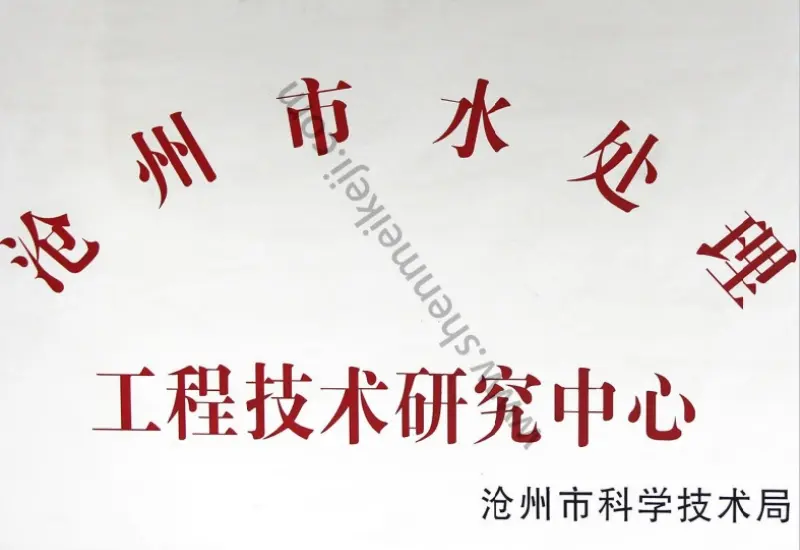
Our research programs are built on collaborative academic partnerships. Smedic maintains joint R&D laboratories with Shandong University and the Beijing University of Technology, and operates an expert workstation in partnership with the Tsinghua University Association of Senior Scientists and Technicians. We also help commercialize research from Peking University and Tianjin University.
Our R&D team is staffed by senior scientists, academicians, and chemical engineers who focus on improving inorganic crystallization processes and polymer performance. These developments help us manufacture Sodium Aluminum Sulfate with lower trace heavy metals and improved solubility profile stability.
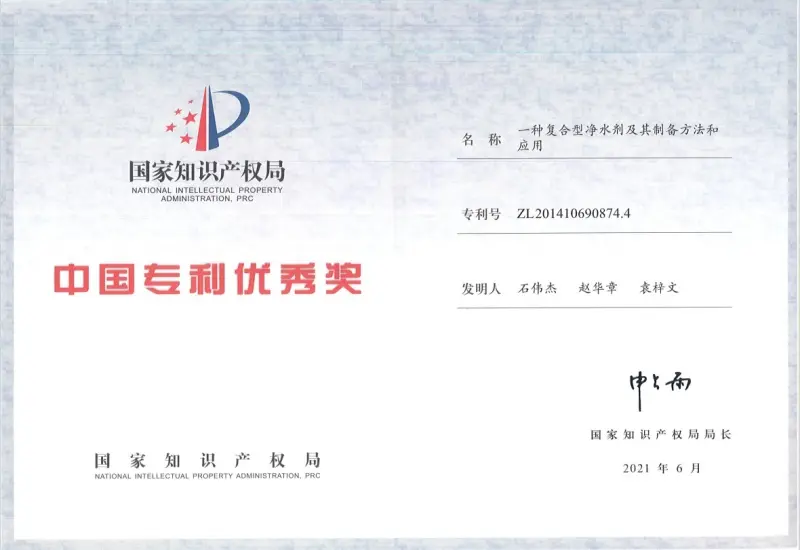
We hold over 60 Chinese patents, including more than 40 invention patents and 20 utility model patents. Smedic has led the drafting of over 10 national and industrial standards, including standards for composite carbon sources, composite coagulants, sodium acetate, and nitrifying and denitrifying bacterial agents.
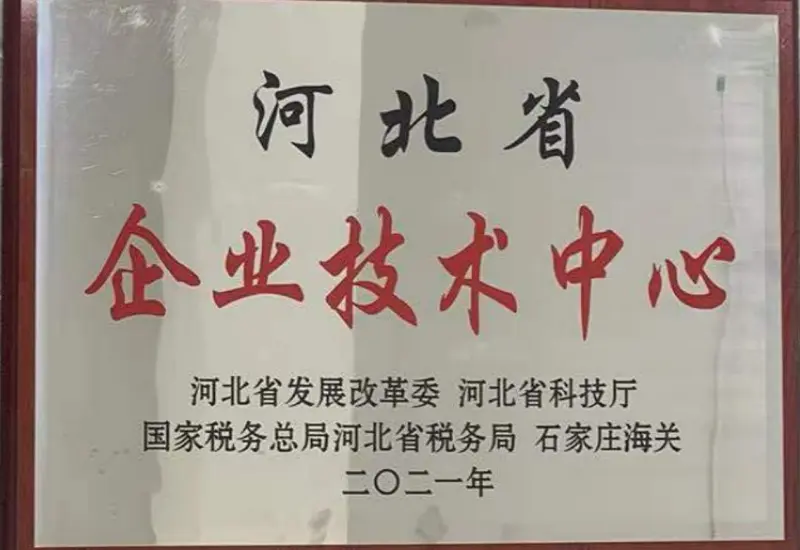
Key technologies, such as our bio-enhanced denitrification carbon source and deep multi-nuclear phosphorus removal agent, have been evaluated as "internationally advanced" by the Science and Technology Department of Hebei Province.
Process controls and advanced synthesis methods for the next generation of soda alum products.
By using hydrothermal crystallization under controlled temperature profiles, we produce Sodium Aluminum Sulfate with a consistent crystalline structure. This ensures predictable dissolution rates and reliable behavior in automated mixing systems.
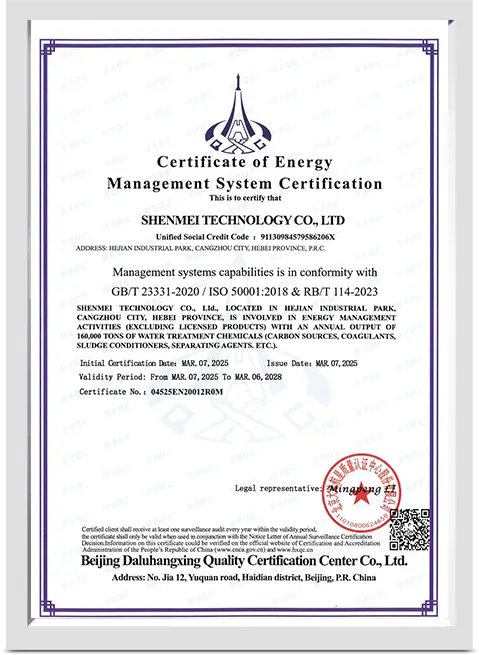
Our production facilities utilize energy-recovery systems to pre-dry raw materials. This process reduces coal and gas consumption per ton by 22%, helping municipal and industrial partners meet carbon-reduction goals.
Through multi-stage solvent extraction, we reduce lead, arsenic, and iron to parts-per-billion (ppb) levels. This makes our products suitable for high-purity chemical processing, cosmetics, and food-grade applications.
The development timeline of Smedic Technology from regional chemical manufacturer to specialized environmental solutions provider.
Smedic founded; initial focus on industrial coagulant manufacturing and regional distribution networks.
Completed full product portfolio for municipal wastewater treatment, introducing custom-formulated carbon sources.
Established Guiyang production facility, expanding supply-chain coverage to Southwestern China.
Expanded manufacturing facilities in Hebei, Shandong, and Guizhou, lifting aggregate annual capacity past 1 million tons.
Recognized as a National Specialized, Refined, Unique and Innovative "Little Giant" Enterprise.
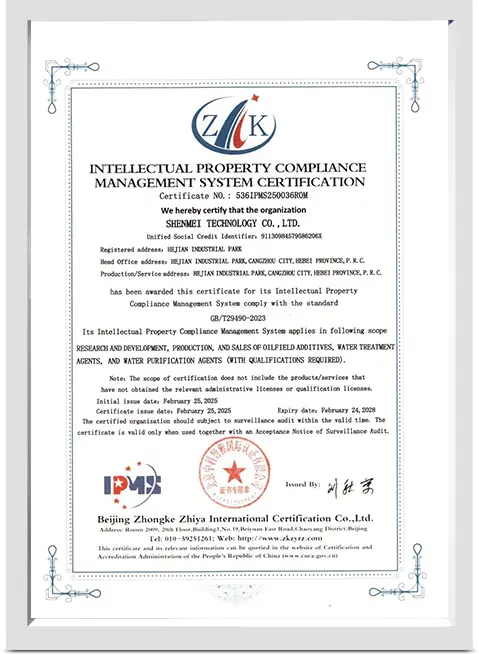
Accredited as a National Intellectual Property Advantage Enterprise with over 60 utility and invention patents.
Technical specifications, application parameters, and procurement details for industrial buyers.
While all three are double-metal sulfate compounds, Sodium Aluminum Sulfate (NaAl(SO₄)₂) offers higher solubility under specific temperature ranges and provides sodium ions rather than ammonium or potassium. In food applications, sodium alum reacts more slowly with sodium bicarbonate at low temperatures. This makes it an ideal leavening acid for commercial baking powders that require heat-activated gas release.
Our facilities utilize a multi-stage crystallization process combined with chemical precipitation to remove trace heavy metals from the raw material stream. Each production run is verified using Inductively Coupled Plasma Mass Spectrometry (ICP-MS) to ensure lead, arsenic, and iron levels remain well below FCC and regional food-safety standards.
Anhydrous SAS contains no chemically bound water of crystallization, making it suitable for moisture-sensitive dry chemical blends and reducing shipping weight. The dodecahydrate form dissolves more rapidly in aqueous applications, making it the preferred choice for automated water-treatment feed systems.
We supply SAS in 25kg multi-layer moisture-resistant PE/PP bags, as well as 1000kg and 1200kg heavy-duty super sacks. For OEM customers, we offer custom labeling, container-level palletization, and custom container packaging configurations to match varying port unloading requirements.
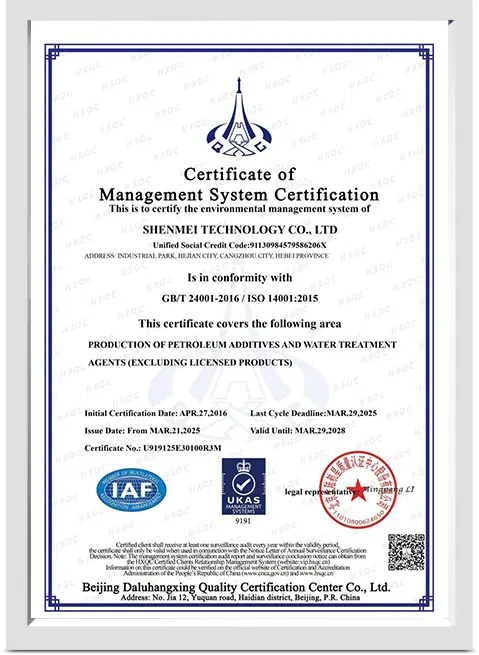
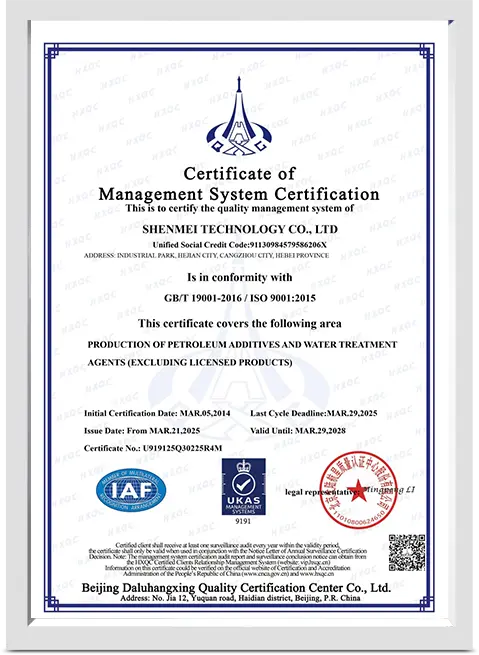
Yes, our industrial grades are registered under regional chemical inventories including REACH compliance for European shipments. Our food-grade products are manufactured in ISO 9001 and FSSC 22000 certified facilities, and hold Kosher and Halal certifications to support global distribution.
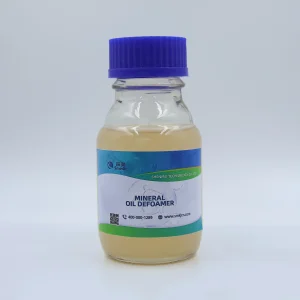
Explore our specialized formulations for membrane protection, defoaming, and high-efficiency water clarification.
 Smedic Tech