Specifically engineered chemical agents optimized for the high-temperature cooling towers, deep municipal filtration units, and industrial wastewater treatment configurations across Osaka and Kansai districts.
The industrial landscape of the Osaka Bay Area, including major manufacturing hubs in Sakai, Amagasaki, and Osaka City, hosts a high concentration of heavy machinery, chemical processors, electronics manufacturing plants, and thermal energy generators. Recirculating water systems (cooling towers, heat exchangers, boiler lines) in these plants operate under intense thermal cycles and face severe water chemistry challenges. Maintaining heat transfer efficiency while strictly adhering to Japanese environmental protection regulations requires highly engineered chemical agents.
Historically, the Yodogawa River basin and coastal industrial zones have enforced stringent regulations under Japan’s Water Pollution Prevention Act and local municipal pollution control covenants. The discharge of chemical agents into the marine environment must meet tight limits on chemical oxygen demand (COD), phosphorus levels, nitrogen concentrations, and heavy metals. Consequently, industrial water treatment in Osaka has transitioned from legacy organophosphorus treatments to biodegradable, low-dosage, high-stability chemical programs.
On a global scale, the industrial water treatment market is moving toward green chemistry, automated real-time dosing, and closed-loop recycling. Modern circulating water systems function under high cycles of concentration (CoC) to minimize raw freshwater withdrawal. However, higher CoC increases the potential for calcium carbonate, calcium phosphate, and silica scaling, along with under-deposit corrosion caused by suspended solids and microbial biofilms.
In Osaka, this global shift is accelerated by high municipal water costs and strict resource-conservation laws. Companies must operate at elevated concentration cycles without risking equipment scale deposition. Smedic Technology’s advanced scale inhibitors, defoamers, and metal precipitants are designed to meet these requirements. They provide high thermal stability and broad chemical compatibility, helping industrial operations run efficiently while maintaining regulatory compliance.
Understanding the chemistry and localized application scenarios that keep Kansai's production facilities running efficiently.
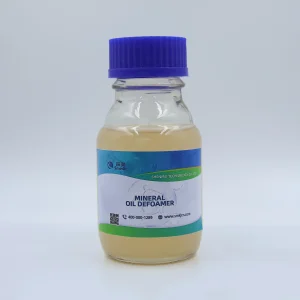
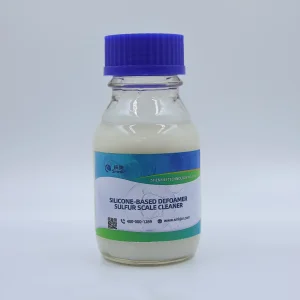
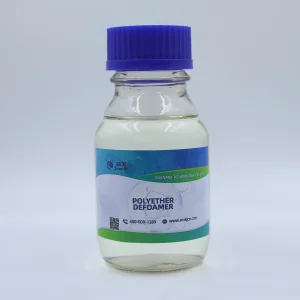
Smedic's organic silicone and polyether defoamers are formulated to control surface foam in biological reactors and industrial discharge sumps, operating across a wide pH range (3.0–12.0) and under high fluid turbulence.
Our reverse osmosis (RO) membrane scale inhibitors and phosphorus-free formulations prevent mineral deposition on heat-exchange surfaces, helping to maintain high thermal transfer rates and prevent localized corrosion.
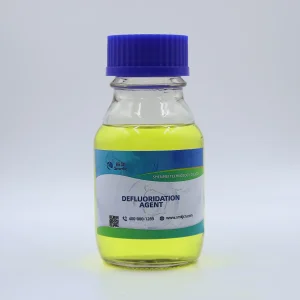
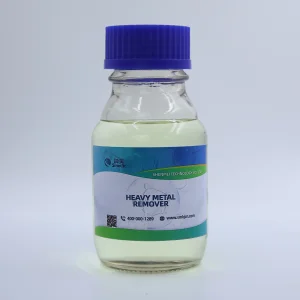
Specifically designed for semiconductor manufacturing and electroplating plants in Osaka, our chemical agents bind and precipitate heavy metals and fluorides, reducing concentration levels to meet local regulatory standards.
Industrial operations in Osaka draw water from multiple sources, including the Yodogawa River and local groundwater networks. These sources can vary in hardness, silica content, and organic load. A standard, off-the-shelf chemical formulation rarely provides optimal results under these shifting conditions.
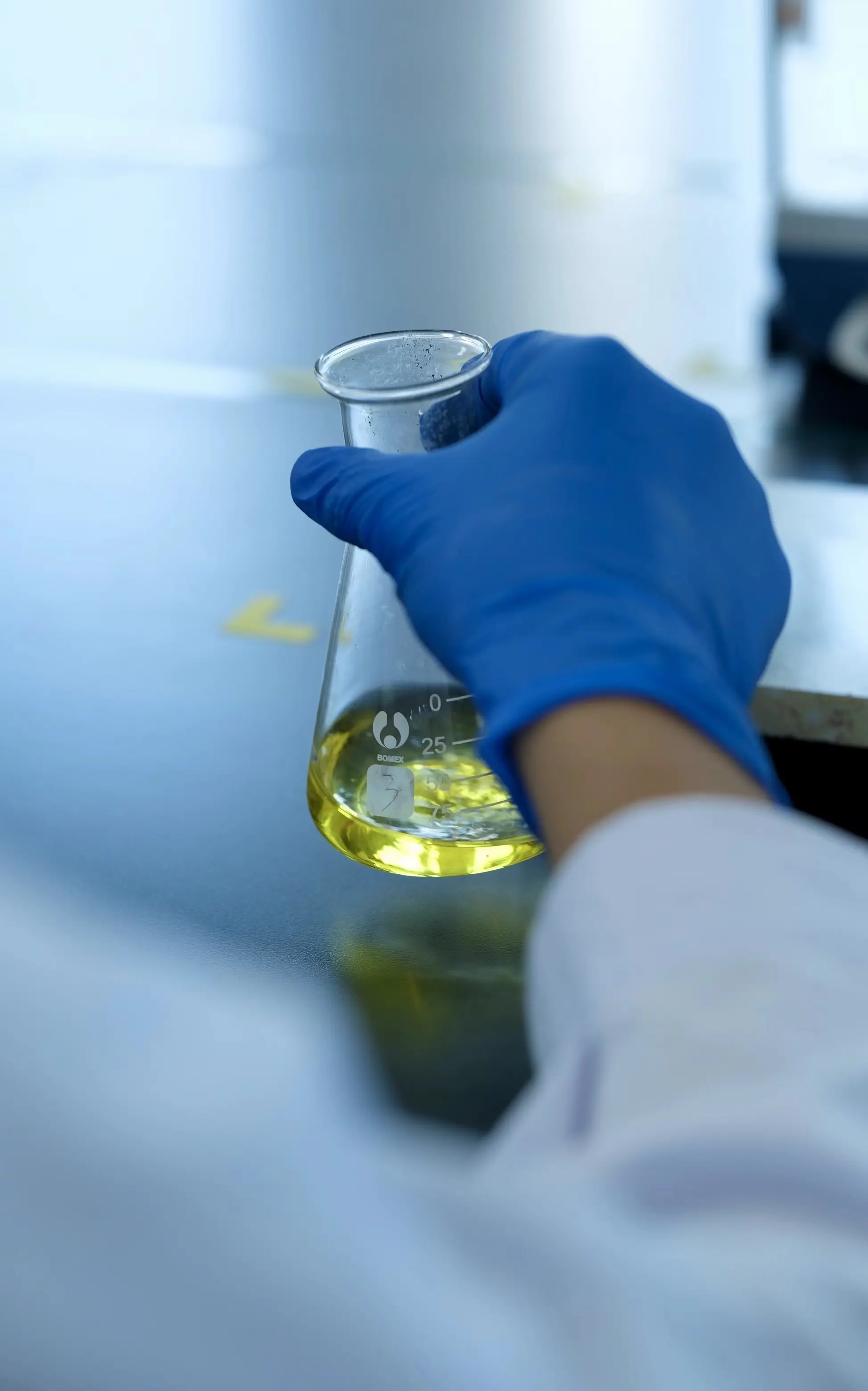
Smedic Technology conducts laboratory evaluations of water samples from our Osaka partners. By adjusting the ratios of our active polymer backbones, mineral defoaming agents, and chelating organic compounds, we supply customized formulations optimized for the customer's specific operational parameters. This custom approach helps reduce overall chemical consumption, minimize blowdown frequency, and protect heat exchanger and membrane systems from premature fouling.
Company Founded
Specialized Product Lines
Annual Production Capacity (Tons)
National Patents Granted
Importing chemical agents into Japan requires compliance with several regulatory frameworks. The Ministry of Economy, Trade and Industry (METI) enforces the Act on the Evaluation of Chemical Substances and Regulation of Their Manufacture, etc. (CSCL), which requires all imported chemicals to be registered under ENCS (Existing and New Chemical Substances). Furthermore, safety data sheets (SDS) and container labels must comply with the JIS Z 7253 standard, which aligns with the Globally Harmonized System of Classification and Labelling of Chemicals (GHS).
Smedic Technology provides comprehensive compliance support for the Japanese market, including:
By managing regulatory compliance and optimizing our regional supply chain, we offer customers in Osaka consistent, high-quality chemical formulations with stable, long-term pricing.
A comprehensive provider of environmental agents, combining R&D, manufacturing, and technical support services.
Founded in 2011, Smedic Technology Co., Ltd. has grown to become a major manufacturer of environmental protection and water treatment agents. Our business includes municipal sewage treatment, industrial wastewater treatment, tap water purification, mineral processing, and oilfield chemicals. With an annual production capacity exceeding 1 million tons across our wholly-owned bases in Hebei, Guizhou, and Shanxi, we provide reliable chemical supply chains for large-scale operations.
Our corporate headquarters in Beijing coordinates our service network across China and international export regions. Smedic products are used in more than 600 municipal sewage treatment plants and by over 1,000 industrial end-users, managing a total wastewater treatment capacity of over 20 million tons per day.
Smedic Technology was founded, focusing on the R&D of advanced industrial water treatment formulations.
Established a complete portfolio of environmental agents for municipal wastewater systems.
Opened a dedicated regional manufacturing base in Guiyang to expand total production capacity.
Expanded manufacturing facilities across Hebei, Shandong, and Guizhou, raising annual capacity past 1 million tons.
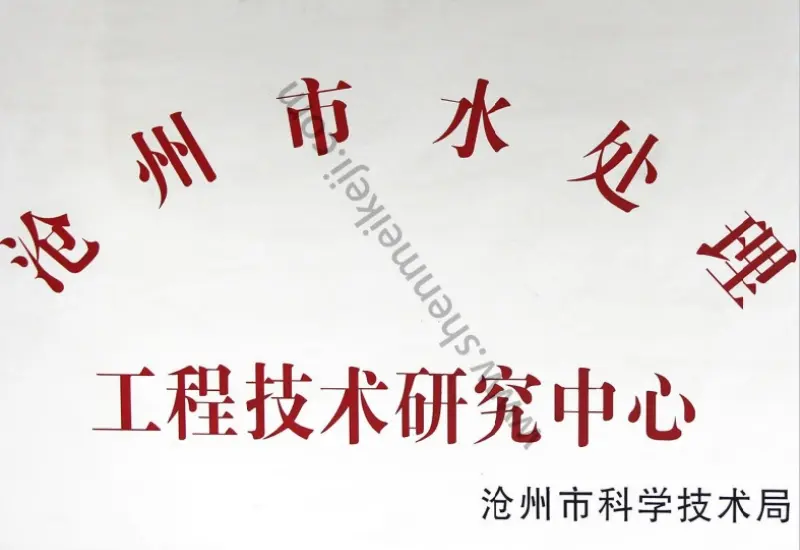
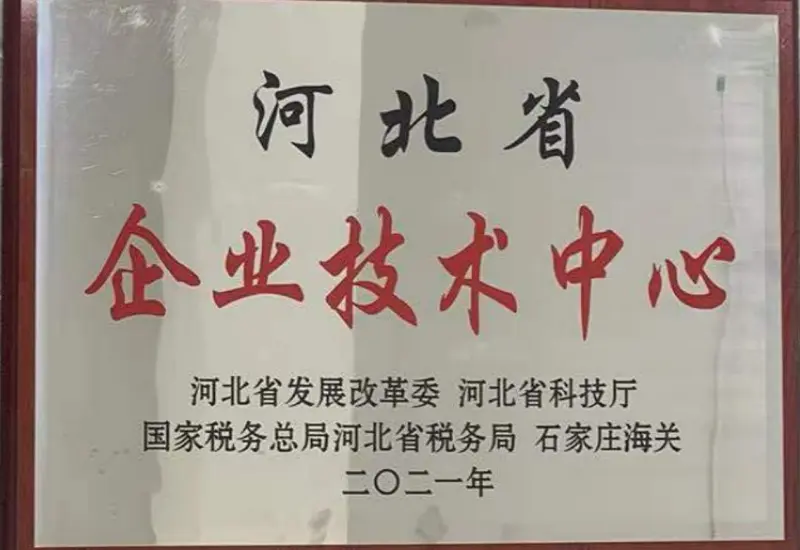
Established a provincial-level R&D platform in Hebei to accelerate work on green water treatment technologies.
Formed a joint venture with the Chengdu Institute of Mineral Comprehensive Utilization to expand into specialized mineral processing reagents.
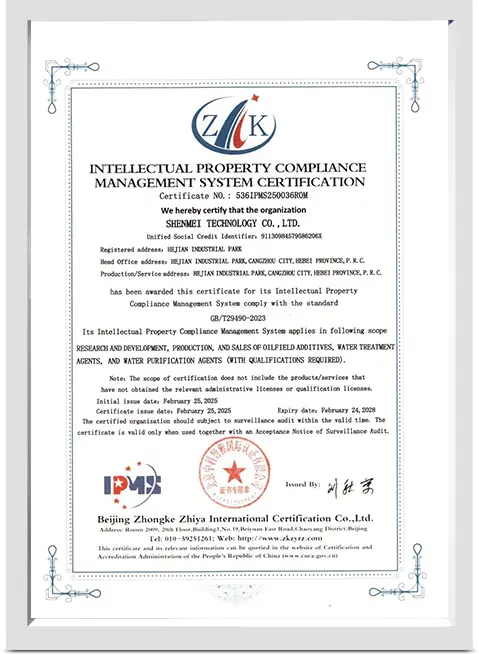
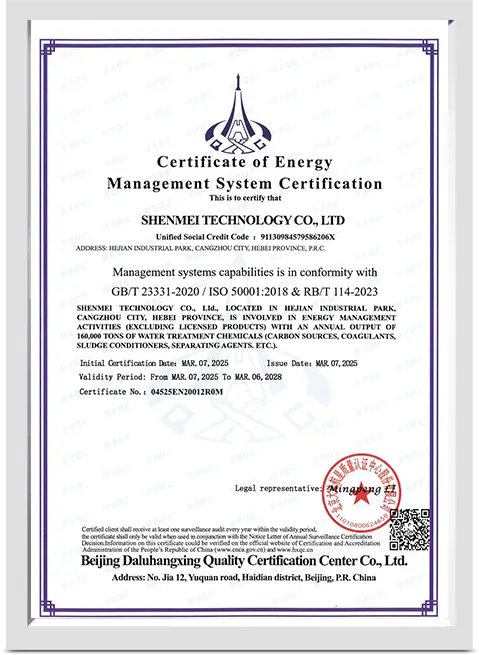
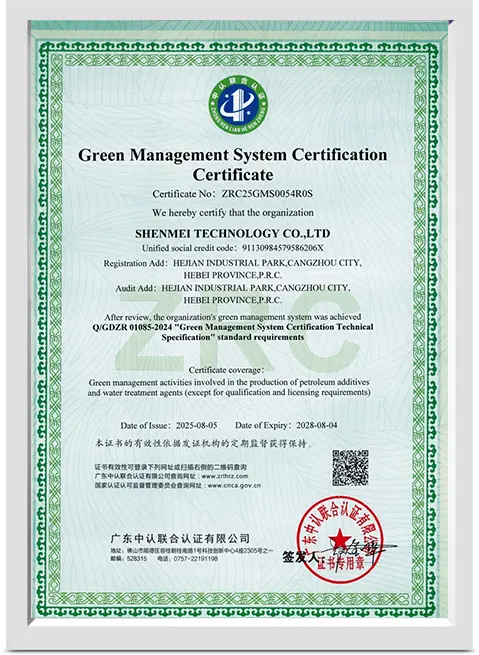
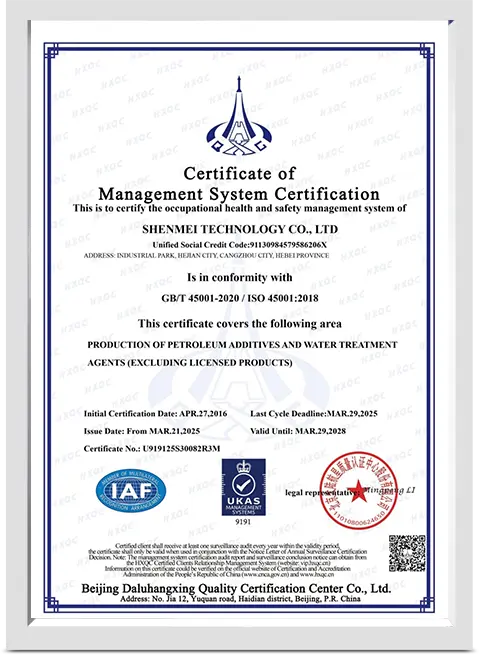
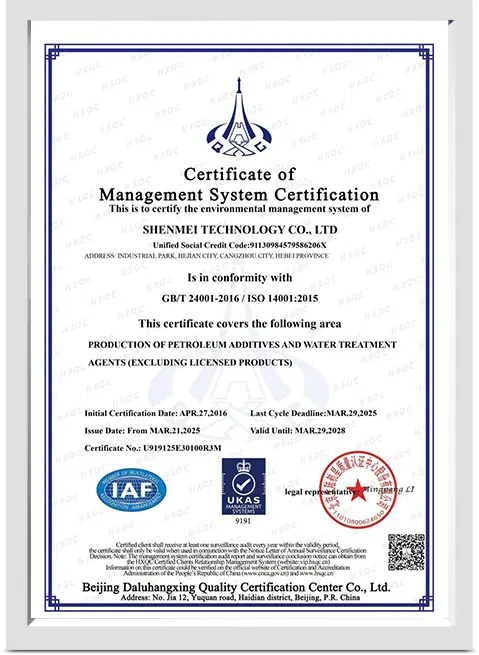
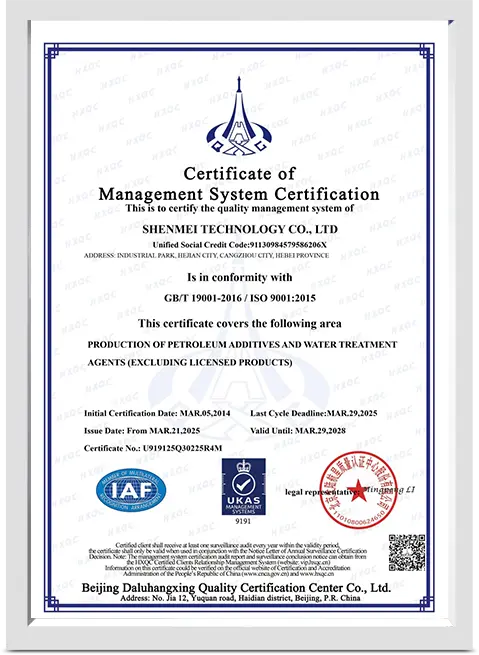
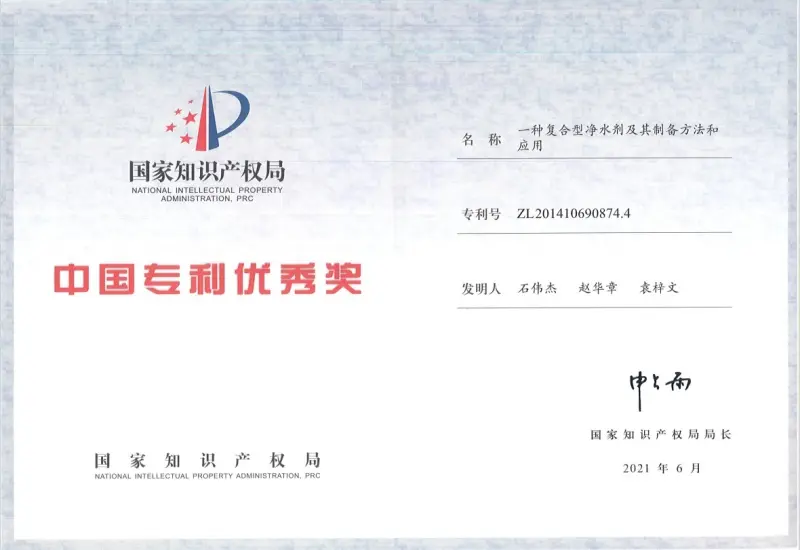
Manufactured under strict international quality control systems to ensure stable chemical performance.
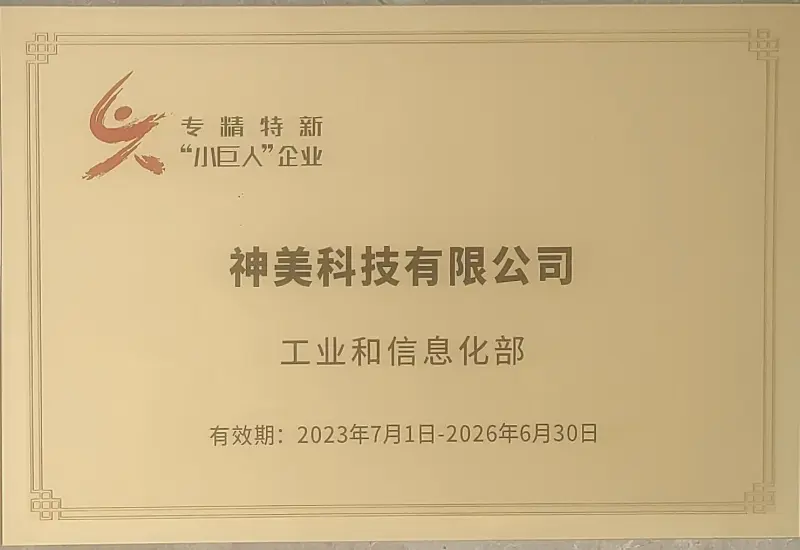
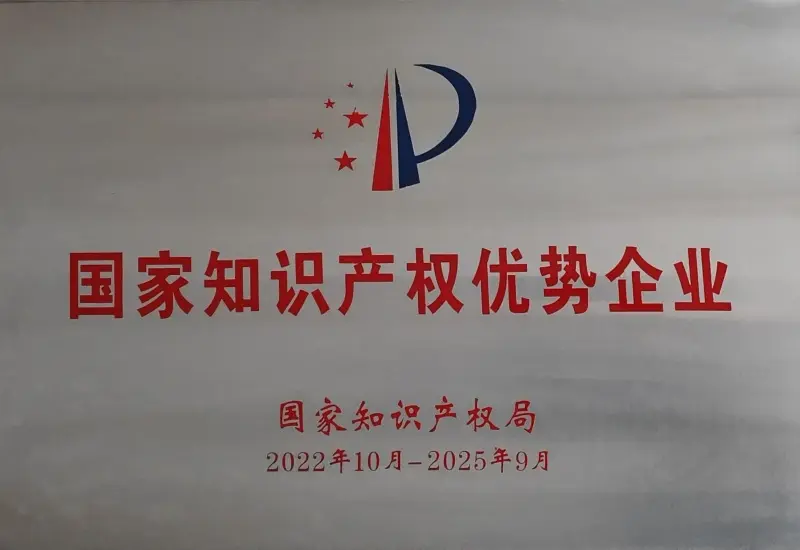
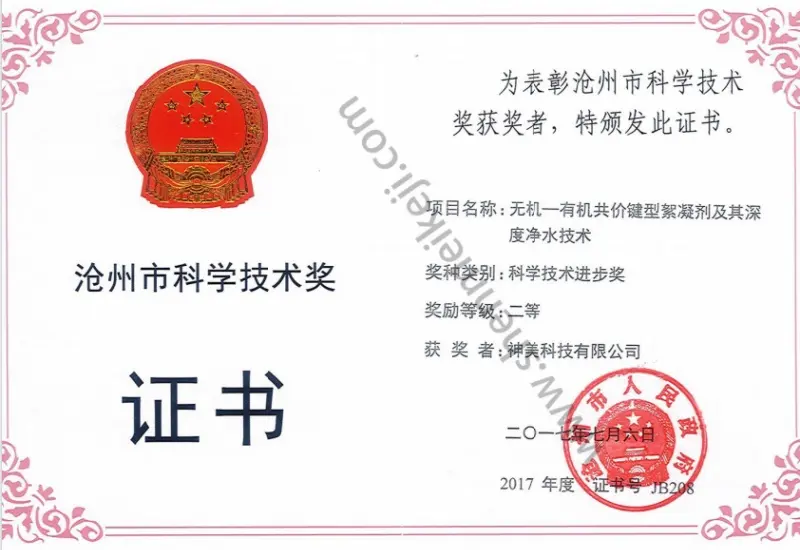
Providing technical answers for cooling system design, dosage calculation, and chemical selection.
Our comprehensive range of chemical solutions designed for cooling water loops, RO systems, and wastewater lines.
 Smedic Tech