Optimized agents for immediate bacterial kinetic enhancement and process stabilization in Czech Republic municipal and industrial WWTPs.
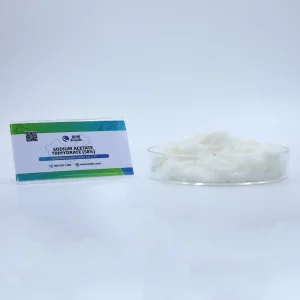
Premium high-kinetic carbon source ideal for low-temperature nitrogen removal systems in Central Europe.
View Specifications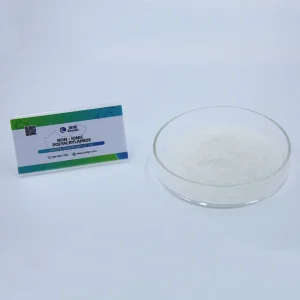
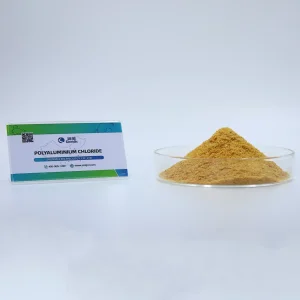
High molecular weight polymer ensuring robust solid-liquid separation and sludge compacting.
View Specifications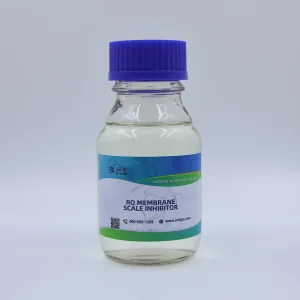
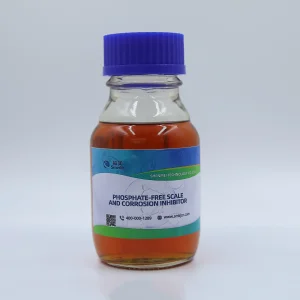
Antiscalant formulation preventing precipitation of calcium carbonate and silica on membranes.
View Specifications
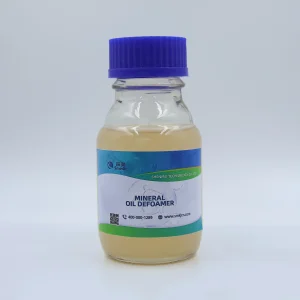
Fast-acting, long-lasting foam suppression for highly turbulent aeration tanks.
View SpecificationsAs a member state of the European Union, the Czech Republic strictly implements Council Directive 91/271/EEC concerning urban waste-water treatment and the EU Water Framework Directive (WFD). Under local regulatory frameworks overseen by the Czech Ministry of the Environment (Ministerstvo životního prostředí), discharging nitrogen and phosphorus compounds into water bodies is subject to rigorous inspection and steep penalties.
Sensitive water basins, including the Elbe (Labe), Oder (Odra), and Danube (Dunaj) river basins, are subject to stringent limits on Total Nitrogen (TN), often restricted to < 10 mg/L for medium-to-large municipalities, and as low as < 5 mg/L in ecologically vulnerable zones. Industrial chemical producers, agricultural processors, and automotive paint plants face similar discharge parameters.
Smedic Technology addresses this regulatory challenge by supplying high-purity external carbon sources and biological denitrification enhancers that assist operators in avoiding non-compliance and optimizing operating expenditures (OPEX).
Established in 2011, Smedic Technology Co., Ltd. is a comprehensive environmental protection agent provider integrating research and development, chemical production, international logistics, and engineering technical support. Our chemical synthesis capabilities allow us to serve customers across municipal sewage, metallurgy, coal chemistry, and oilfield extraction sectors globally.
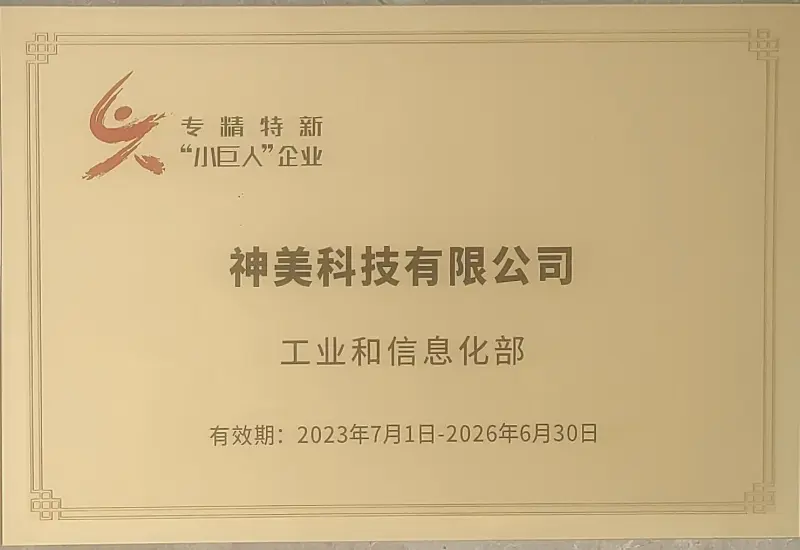
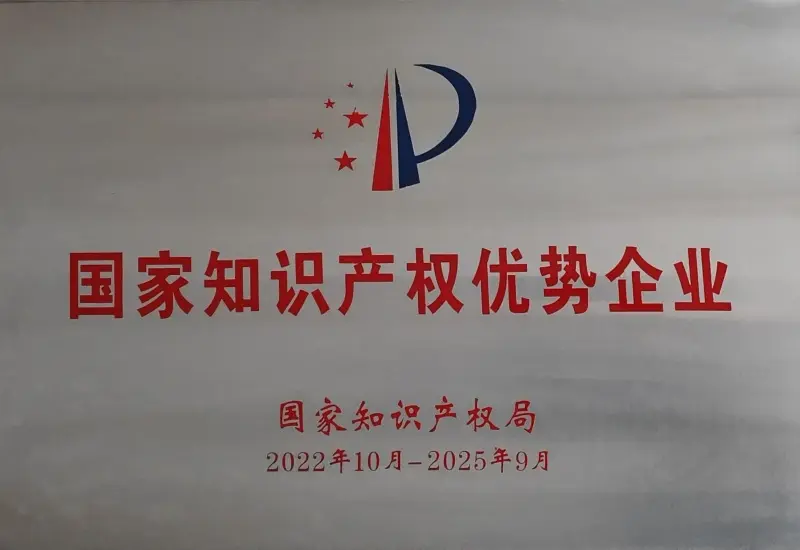
We possess an annual production capacity exceeding 1 million tons across more than 80 types of environmental protection agents. Smedic is recognized as a National High-tech Enterprise and a "Little Giant" enterprise, demonstrating our capability as a highly reliable strategic partner for Czech water management companies.
Smedic operates proprietary chemical production bases in Hebei, Guizhou, Shanxi, and over ten OEM partner facilities and logistics centers throughout China. Our business network covers municipal works with a total wastewater processing capacity exceeding 20 million tons per day.
To efficiently serve the Czech market, Smedic leverages intermodal logistics channels. Through our coordinated freight networks, we ship dry bulk and liquid-tote denitrification products to key Czech industrial centers, including Prague, Brno, Ostrava, and Plzeň, ensuring standard lead times and reliable supply chains.
"With projects spanning 600+ urban wastewater treatment plants and 1,000+ industrial end-users globally, Smedic stands as a premier manufacturing option for European procurement managers seeking scale, consistent quality, and customized formulations."
A technical guide to selecting external carbon sources for complete nitrate reduction ($NO_3^- \rightarrow NO_2^- \rightarrow NO \rightarrow N_2O \rightarrow N_2$).
Heterotrophic denitrifying bacteria (such as Pseudomonas, Paracoccus, and Alcaligenes) require an electron donor to fuel the reduction of nitrate to gaseous nitrogen. When the raw wastewater COD is insufficient (typically when the $BOD_5/TKN$ ratio is less than 4.0), dosing an external carbon source is essential. Smedic manufactures high-purity solid sodium acetate and composite liquid carbon sources formulated to enhance specific growth rates ($\mu_{max}$) even in cold climates.
| Carbon Source Type | Equivalent COD (mg/g) | Denitrification Rate ($mg\,N/(g\,MLSS\cdot h)$) | Low-Temp Kinetic Performance (< 10°C) | Safety & Handling Hazards |
|---|---|---|---|---|
| Smedic Solid Sodium Acetate | ~580,000 to 640,000 | 6.5 – 8.2 | Excellent (Maintains >75% efficiency) | Non-toxic, non-flammable, safe handling |
| Methanol | 1,100,000 | 2.0 – 4.5 (Slow adaptation) | Poor (Adapting cultures takes weeks) | Highly flammable, toxic, ATEX zoning required |
| Ethanol | 2,000,000 | 4.0 – 5.5 | Moderate | Flammable, high storage compliance costs |
| Glucose / Sugars | 1,000,000 | 2.5 – 3.8 | Poor (Risk of biomass bulking) | Biological degradation in storage |
*Data compiled from Smedic Advanced Water Treatment Chemical R&D Lab trials and client plant evaluations.
The theoretical COD demand for biological denitrification is $2.86 \, g \, COD$ per $g \, NO_3-N$ reduced. However, due to cell synthesis and aerobic dissolved oxygen scavenging, the actual dosing ratio typically ranges from $4.0$ to $6.0 \, g \, COD / g \, N$.
By utilizing Smedic Solid Sodium Acetate, plants can achieve precise dosing with minimal sludge yield compared to traditional glucose options, helping operators control secondary sludge management costs.
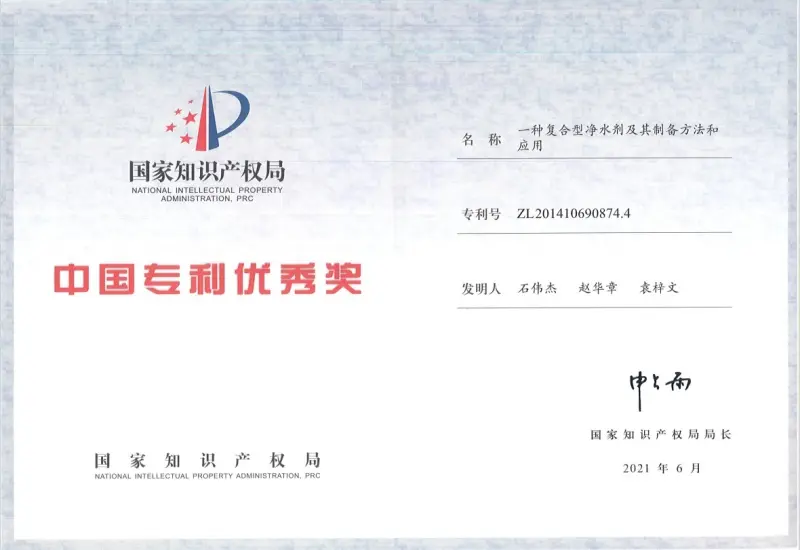
Smedic holds over 60 Chinese patents, including 40 invention patents and 20 utility models. We have spearheaded the national standards for composite carbon sources and sodium acetate in water purification.
Our bio-enhanced denitrification carbon sources have been appraised as "internationally advanced" by the Science and Technology Department, addressing traditional treatment limitations during Central European seasonal temperature transitions.
A history of developing advanced chemical technologies for high-demand municipal and industrial wastewater applications.
Custom chemical programs designed to address specific municipal and industrial wastewater streams.
Supporting municipalities in adapting existing activated sludge plants (A2O, SBR, MBR) to meet strict EU TN limits. Dosing Smedic solid sodium acetate helps maintain nitrogen removal rates during cold winter inflows without needing major concrete tank expansions.
Serving heavy industrial regions such as Central Bohemia and Moravia-Silesia. Our polyacrylamide flocculants, defoamers, and heavy metal removal agents treat painting line rinses and electroplating effluents containing high complex nitrogen and nickel.
Treating concentrated streams from fertilizer, starch, and biofuel production. Combining organic-inorganic coagulants with high-efficiency carbon dosing allows plants to manage high-strength ammonium loads safely.
Smedic products conform to ISO quality management systems and international environmental standards.
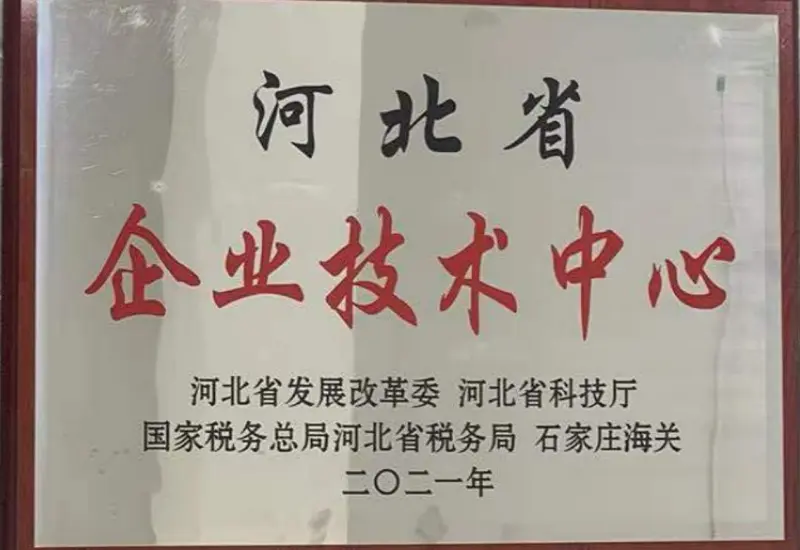
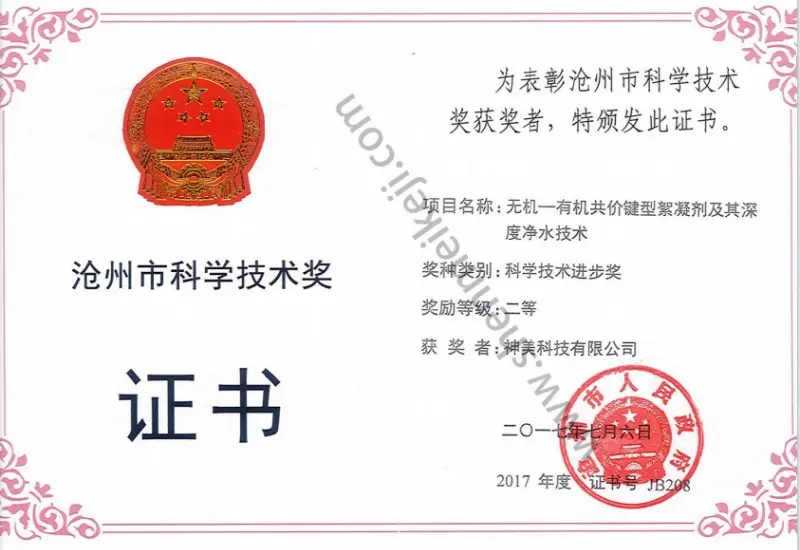
We have established the Hebei Provincial Enterprise Technology Center, the Cangzhou Water Treatment Engineering Technology Research Center, and run an expert workstation in collaboration with the Tsinghua University Association of Senior Scientists and Technicians. Our laboratory acts as a commercialization hub for industry-academia-research achievements with Peking University and Tianjin University.
Smedic holds ISO 9001 (Quality Management), ISO 14001 (Environmental Management), and ISO 45001 (Occupational Health & Safety) certifications, ensuring that every batch shipped to the Czech Republic meets consistent chemical properties and performance specifications.
Request Certificate Copies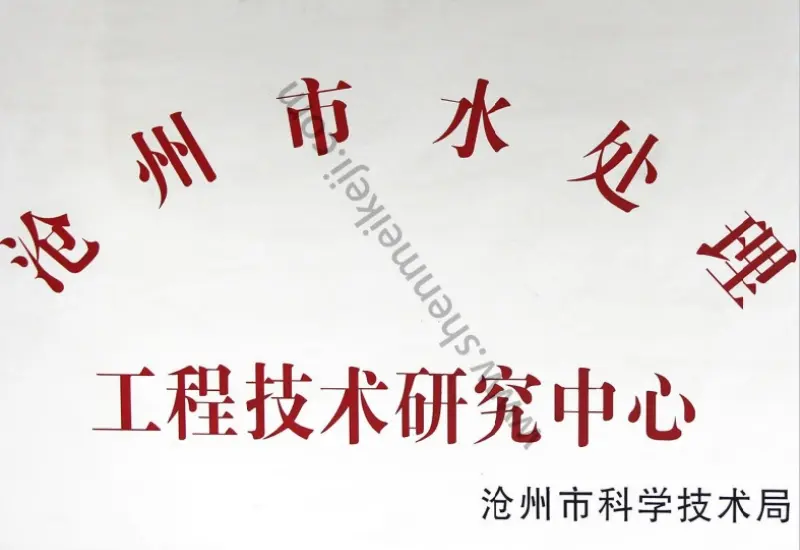
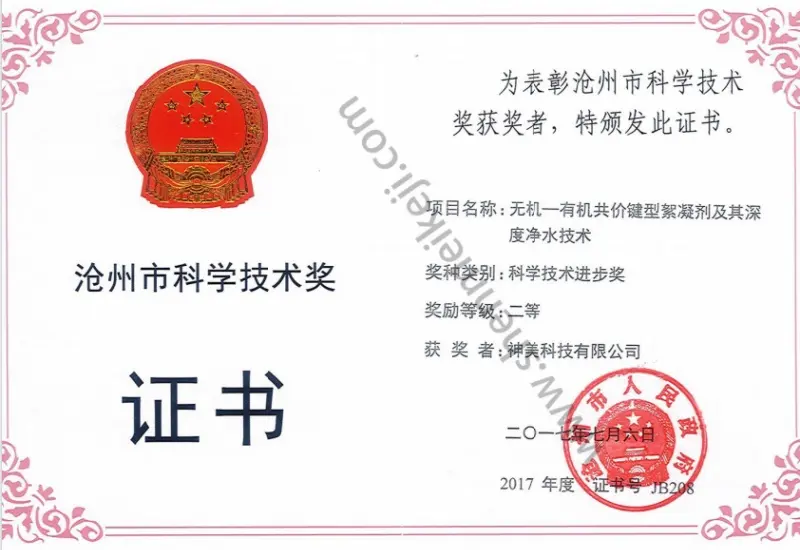
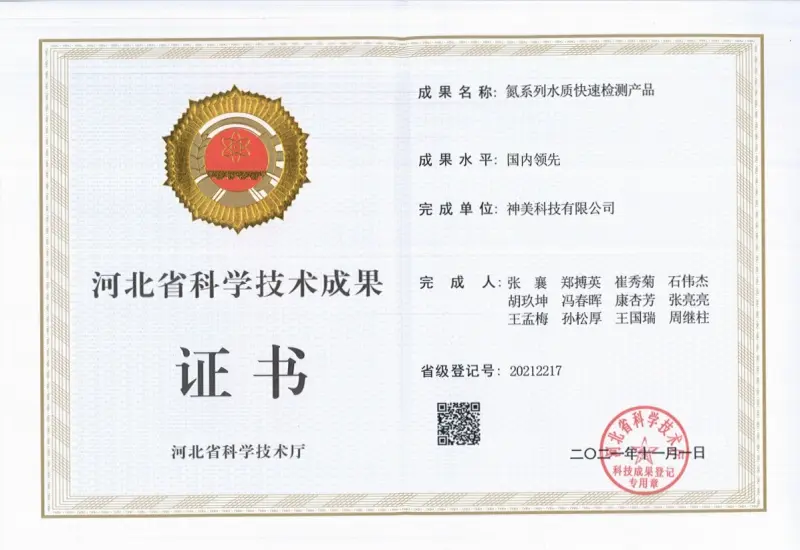
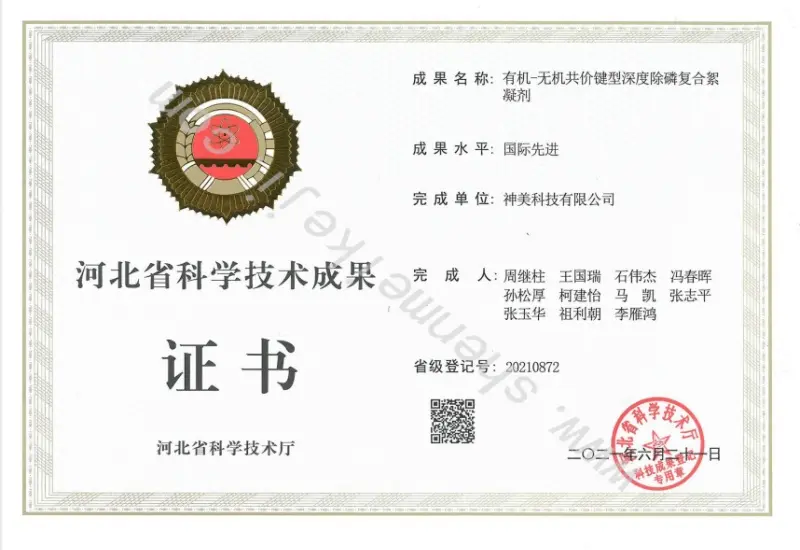
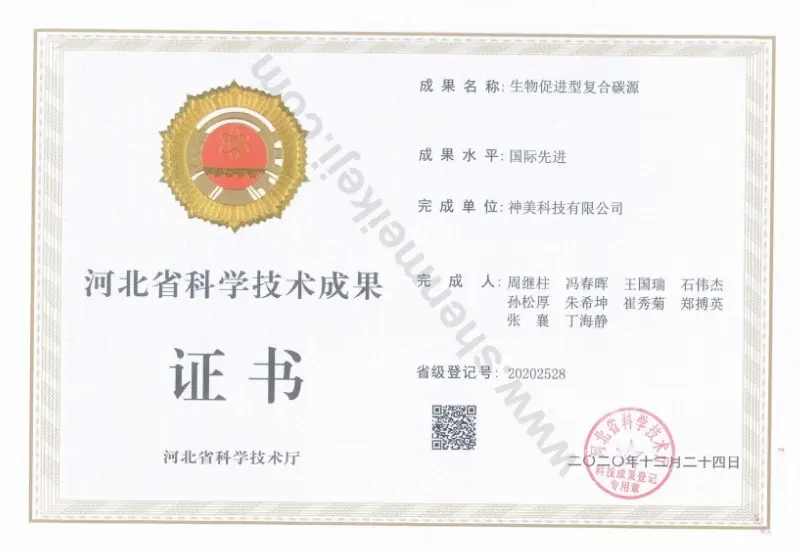
Detailed information and calculations regarding biological denitrification and agent selection.
During central European winters, sewage temperatures often fall below 10°C, reducing the kinetic activity of denitrifying bacteria. Sodium acetate ($\text{CH}_3\text{COONa}$) provides a direct metabolic pathway into the tricarboxylic acid (TCA) cycle, bypassing the need for extracellular enzymatic hydrolysis required by complex sugars. Additionally, solid sodium acetate avoids the freezing risks associated with liquid solutions stored in unheated outdoor tanks, maintaining stable dosing year-round.
Our anhydrous sodium acetate offers a theoretical COD value of approximately $0.78 \, g \, COD/g$, while Smedic's technical grade trihydrate sodium acetate ($\text{CH}_3\text{COONa} \cdot 3\text{H}_2\text{O}$) provides a practical COD equivalent of approximately $0.58$ to $0.64 \, g \, COD/g$ ($580,000$ to $640,000 \, mg/kg$). This consistency allows operators to program automated PLC-controlled dosing pumps accurately based on real-time nitrate feedback loop sensors.
Unlike methanol, which is highly toxic and flammable, requiring explosion-proof installations and strict ATEX zoning, sodium acetate is non-hazardous and non-flammable. It does not fall under the stringent European Seveso III Directive regulations for major accident hazards, simplifying environmental permitting, storage safety requirements, and lowering insurance premiums for Czech utility operators.
Yes. Our R&D department formulates composite carbon sources tailored to specific water characteristics. By blending organic acids, alcohols, and monosaccharides, we optimize COD ratios while incorporating microbial trace elements that support faster sludge acclimation and mitigate filamentous bulking under low-load conditions.
Smedic ships chemical agents from our northern Chinese production bases through major sea routes to European ports (such as Hamburg, Bremerhaven, or Koper), followed by rail or road transit directly to Czech facilities. For high-volume projects, we coordinate container shipments in 25kg dry bags or 1000kg IBC totes, maintaining regional safety stocks to ensure reliable deliveries during peak winter demand.
Our complete range of coagulants, flocculants, scale inhibitors, and foam control agents serving Czech industrial and municipal plants.
Contact Smedic's engineering support team for stoichiometric calculations, product safety data sheets, and custom bulk pricing quotes.
Request Technical Consultation Smedic Tech