Premium heavy metal precipitants, polymers, and scale inhibitors optimized for Costa Rican micro-electronics, agribusiness, and water treatment specifications.
Costa Rica is globally recognized for its exceptional commitment to environmental sustainability, aiming for decarbonization and boasting over 25% of its territory under ecological protection. However, this environmental stewardship places intense scrutiny on municipal and industrial discharges. Under the framework of the Costa Rican Ministry of Health and Ministry of Environment and Energy (MINAE), specifically the Reglamento de Vertido y Reuso de Aguas Residuales (Decree No. 33601-S-MINAE), discharge standards for heavy metals are exceptionally strict.
In industrial regions such as San José, Alajuela, Heredia, and Cartago, the growth of high-tech manufacturing, medical device fabrication, electronics assembly, and intensive agro-industries (such as coffee wet milling and pineapple processing) generates specialized wastewater streams. Contaminants such as Copper (Cu), Nickel (Ni), Lead (Pb), Zinc (Zn), and Hexavalent Chromium (Cr VI) must be treated down to trace levels. Smedic's heavy metal removal agents are engineered to form highly stable, insoluble organometallic complexes that guarantee compliance with local regulations, preventing toxic bioaccumulation in Costa Rica's sensitive tropical watersheds.
Industrial facilities discharging into water bodies or public sewage systems must adhere to strict limits:
A technical guide to polymer-based organosulfur chelators vs. traditional inorganic precipitation methods.
Smedic chelators utilize dithiocarbamate (DTC) active groups configured on polymer chains. These functional groups selectively bind with heavy metal ions (Ni²⁺, Cu²⁺, Pb²⁺, Cd²⁺, Zn²⁺) to form highly stable, macro-flocculated precipitates even in the presence of strong chelating agents like EDTA.
Traditional hydroxide precipitation requires precise pH adjustment (typically between 8.5 to 11 depending on the specific metal). Smedic’s advanced organic metal removal agents function efficiently within a wide range of pH 3.0 to 12.0, drastically reducing chemical dosing stages.
By replacing high-dosage inorganic coagulants (like lime or alum) with our high-molecular-weight organic chelators, the resulting dry sludge volume is cut by up to 50–70%. This reduces transportation and ecological landfill costs in Costa Rica.
Across North America, Europe, and Asia-Pacific, industries are adopting Zero Liquid Discharge (ZLD) systems. This paradigm requires water recycling loops where even minor mineral scaling or metal fouling can destroy downstream reverse osmosis (RO) membranes.
Consequently, high-performance scale inhibitors, organic coagulants, and heavy metal scavengers must work in synergy. As multi-national corporations expand production lines into Costa Rica, they demand the same chemical certifications (such as ISO 9001, ISO 14001, and compliance with EU RoHS/REACH) that guarantee standard global operations.
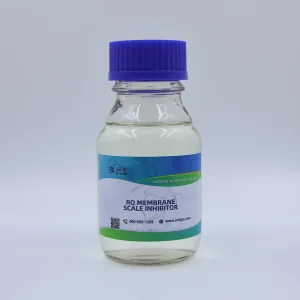
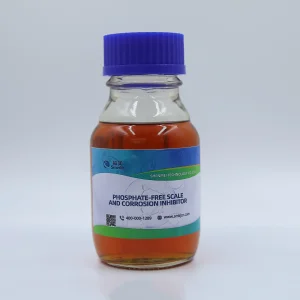
In industrial zones throughout Costa Rica, raw water and process cooling water cycles are heavily loaded with minerals. The deployment of Smedic scale inhibitors ensures that membrane systems (such as reverse osmosis systems used in pharmaceutical and food processing) remain free from scale deposits.
When combined with our specialized heavy metal removal agents, operators can treat complex effluents containing both dissolved metals and high hardness. Smedic’s unique multi-nuclear formulation rapidly binds metal ions, converting them into large, easily filterable flocs before they reach critical membrane stages, ensuring continuous operations and maximum water recovery.
A leading global provider of environmental protection agents, integrating state-of-the-art R&D and massive chemical production scale.
Established in 2011, Smedic Technology Co., Ltd. is a comprehensive environmental chemistry leader specializing in municipal sewage, industrial wastewater, tap water treatment, mineral processing agents, and oilfield chemicals.
Our Beijing headquarters coordinates multiple production bases in Hebei, Guizhou, and Shanxi, alongside ten OEM partner factories and regional warehousing networks. Our total business reach covers over 20 provinces across China and extends to key export markets worldwide, including Central and South America. Smedic works closely with municipal water groups and large-scale industrial operators, treating more than 20 million tons of wastewater per day across 600 municipal sewage treatment plants and over 1,000 industrial sites.
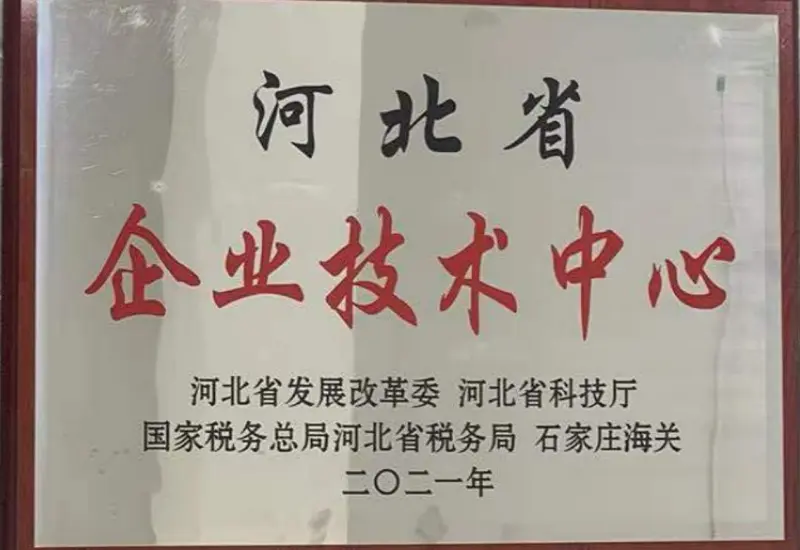
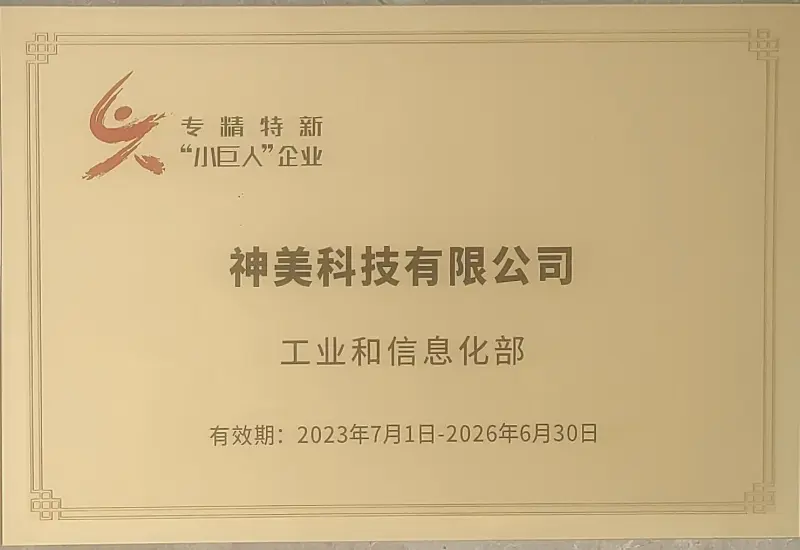
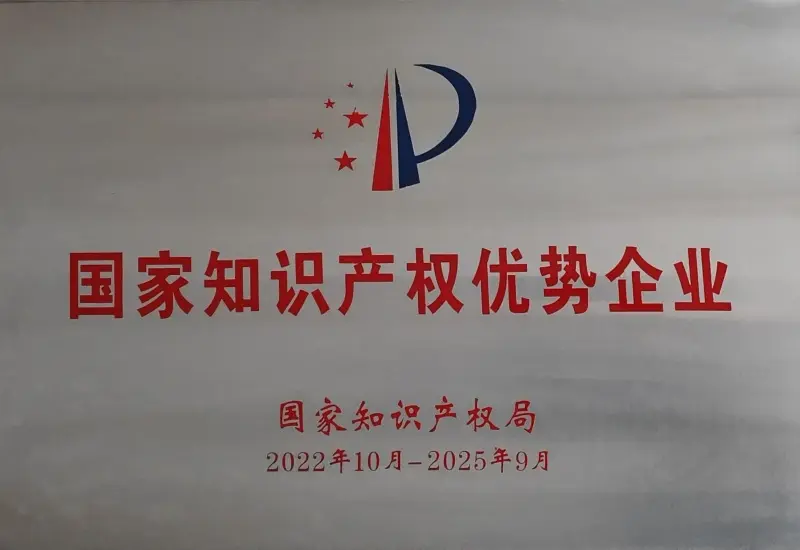
Smedic is recognized as a National High-tech Enterprise and a National Specialized, Refined, Unique and Innovative "Little Giant" Enterprise in China. Our engineering centers include the Hebei Provincial Advanced Water Treatment Chemicals Technology Innovation Center, backed by a workstation established with the Tsinghua University Association of Senior Scientists and Technicians. We hold joint R&D laboratories with Shandong University and Beijing University of Technology, commercializing innovations from Peking University and Tianjin University.
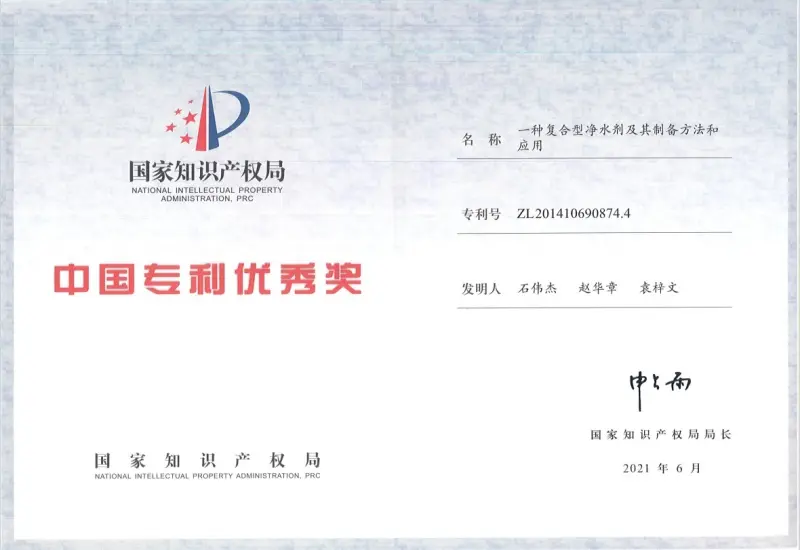
We hold over sixty patents (including forty invention patents and twenty utility model patents) and have led the drafting of more than ten national water treatment standards in China. Smedic's independently developed bio-enhanced denitrification carbon sources and deep multi-nuclear phosphorus removal agents have been certified as "internationally advanced." Our inorganic-organic covalent bond flocculants have won the prestigious 22nd China Patent Award.

Targeted effluent treatment strategies addressing the specific demands of Costa Rican manufacturers.
With large free trade zones (such as Coyol Free Zone) hosting medical device and electronics manufacturers, processing lines release effluents containing high levels of Nickel and Copper. Smedic's organosulfur chelators achieve metal removal down to < 0.1 ppm, securing compliance with eco-industrial zone discharge limits.
Agricultural processors face high organic loads combined with heavy use of industrial cleaners and mineral salts. Our sodium acetate buffers, polymeric flocculants, and defoamers manage high-COD streams and stabilize chemical oxygen demand to support local river conservation.
Gold mining and base metal recovery sites require secure, fast-settling precipitation chemistry. Smedic reagents lock up heavy metals in crystalline complexes, preventing leachate migration into tropical groundwater basins and reducing environmental liability.
A history of innovation, scale expansion, and industry leadership.
Smedic was established, focusing on professional wastewater chemical research and formulation engineering.
Established a complete environmental protection agent portfolio targeting municipal water plants.
Recognized as a key national high-tech enterprise, launching the advanced polymer division.
Completed modern production bases in Hebei and Guizhou, boosting capacity past 1 million tons annually.
Awarded the prestigious "Specialized, Refined, Unique and Innovative Small and Medium-Sized Enterprise" title.
Formed joint ventures with national geological institutes to produce advanced mineral processing agents and export globally.
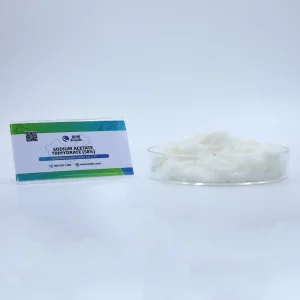
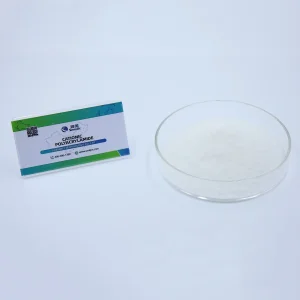
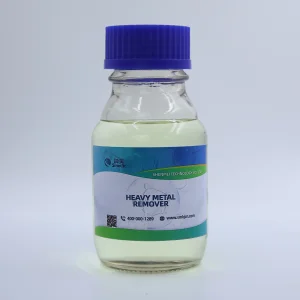
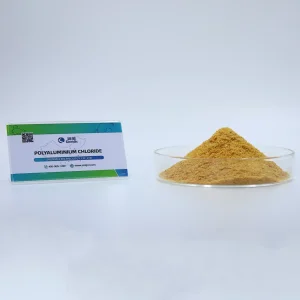
Ensure optimized water purification, scale control, and heavy metal settling with Smedic’s high-purity industrial range.
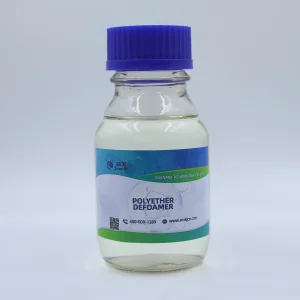
Ensuring uninterrupted chemical supply chains, customs clearance support, and process optimization.
Operating directly through primary shipping routes, Smedic provides reliable container shipping (FCL/LCL) to Puerto Limón on the Caribbean coast and Puerto Caldera on the Pacific coast. This ensures steady supply loops for Costa Rica's industrial hubs.
We offer custom jar testing and effluent characterization analysis. Our technical engineering division helps Costa Rican environmental managers adjust chemical dosages based on seasonally variable rain cycles and wastewater parameters.
All export shipments are accompanied by detailed SDS sheets, certificates of analysis (CoA), and technical data sheets in English and Spanish, complying with national import regulations and occupational safety guidelines.
Expert insights on the chemical treatment, dosing, and efficiency of our heavy metal removal agents.
Sodium hydroxide (NaOH) raises the wastewater pH to precipitate heavy metals as metal hydroxides. However, this process struggles when complexing agents (like EDTA, ammonia, or organic acids) are present in the stream, and it generates a large volume of loose, high-water-content sludge. Smedic's polymer-based dithiocarbamate (DTC) organic chelating agents form highly stable coordinate bonds directly with the metal ions, bypassing the complexes. This reaction is extremely efficient across a wide pH spectrum, generating compact, dense flocs that are easier to dewater.
While traditional chemical precipitation requires a narrow pH range (usually above 9.0), Smedic heavy metal removal agents are engineered to operate effectively within a broad pH range of 3.0 to 12.0. This wide operating window minimizes the need for acid/alkali neutralization stages, saving on chemical costs and simplifying treatment operations.
Yes. Our heavy metal removal agents are designed to reduce heavy metal concentrations (such as Copper, Nickel, Lead, Zinc, and Chromium) to levels well below the thresholds specified in Costa Rica's Decree No. 33601-S-MINAE. Because the chemical complexes formed are highly stable, they resist leaching under environmental conditions, preventing contamination of sensitive tropical water systems.
Our organic precipitants are highly selective, binding specifically to heavy metal ions rather than reacting extensively with calcium or magnesium hardness. Because of their high molecular weight, they do not require massive dosages of inorganic coagulants like iron or aluminum salts. This reduces the total volume of dry chemical sludge generated by up to 70%, lowering dewatering, transportation, and landfill disposal costs.
Yes. Supported by our provincial R&D platforms, joint university laboratories, and dedicated technical team, we offer customized product formulation services. Customers can share their effluent characteristics (including heavy metal concentrations, complexing agents, COD, and salinity), and our labs will optimize the active group ratios to deliver targeted performance for your site.
 Smedic Tech