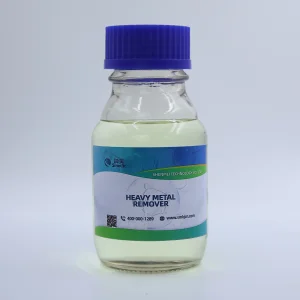
Engineered to achieve rapid precipitation, high sludge compaction, and compliance with local regulatory limits.
As the commercial and industrial heart of New South Wales, the Greater Sydney region supports a complex array of manufacturing, metal finishing, chemical manufacturing, and resource processing sectors. However, this high concentration of industry comes with significant environmental stewardship duties. The NSW Environment Protection Authority (EPA), in tandem with Sydney Water, enforces strict trade waste guidelines. Under the Protection of the Environment Operations Act 1997 (POEO Act), industries must implement rigorous onsite wastewater treatment technologies to capture and isolate toxic metals before trade waste discharge.
Traditional chemical precipitation using sodium hydroxide or lime is no longer sufficient to meet modern discharge standards. In Sydney's major industrial corridors—including Wetherill Park, Smithfield, Botany, and regional centers like Newcastle and Wollongong—the presence of complexing agents (such as EDTA, ammonia, and organic acids) in process streams prevents simple metal hydroxide formation. This results in dissolved toxic metal leakage. Smedic Technology's advanced macromolecular heavy metal removal agents solve this challenge. They target, bind, and precipitate even complexed metals (such as Copper, Nickel, Zinc, Chromium, Lead, and Cadmium) to sub-ppm (parts per million) limits, ensuring compliance with local trade waste agreements.
Designed specifically to meet the stringent water quality parameters defined in Sydney Water's Trade Waste policies, preventing costly non-compliance fines.
Breaks down strong organic-metal bonds to precipitate heavy metals where conventional inorganic precipitants fail completely.
Produces highly stable, compact, non-leachable flocs that pass the Toxicity Characteristic Leaching Procedure (TCLP) for landfill disposal.
Globally, water scarcity and ecological degradation have driven the adoption of Zero Liquid Discharge (ZLD) technologies. Industrial facilities are under intense pressure to minimize their environmental footprint by recycling up to 98% of process water. However, the presence of dissolved heavy metals presents a significant challenge. These metals accumulate in membrane filtration systems, causing irreversible scale formation and fouling of high-recovery Reverse Osmosis (RO) systems.
Integrating chemical chelation with mechanical membrane filtration represents a major advancement. By dosing high-performance organic precipitating agents upstream, operators can convert soluble heavy metals into dense, filterable particles. This protects downstream RO membranes from metallic scale and improves overall water recovery. At Smedic, we help companies design these systems to combine chemical efficiency with mechanical longevity.
Consult Our Experts
Smedic Technology Co., Ltd. is a comprehensive environmental solutions provider, integrating R&D, production, sales, and specialized engineering services.
Established in 2011, Smedic has expanded its footprint globally, offering over 80 distinct environmental protection formulations. Our annual production capacity exceeds 1 million tons across our production bases in Hebei, Guizhou, Shanxi, and regional warehousing sites. Our products support water treatment systems processing over 20 million tons per day, serving more than 600 municipal sewage plants and over 1,000 industrial end-users.
Smedic was founded in 2011, establishing a complete range of municipal wastewater treatment chemicals and high-performance coagulants.
Recognized as a key National High-Tech Enterprise. Established our Guiyang production base and expanded operations in Hebei and Shandong, pushing annual production capacity past the 1 million-ton threshold.
Recognized as a National Specialized, Refined, Unique, and Innovative "Little Giant" Enterprise. Established our provincial-level R&D platform in Hebei, partnering with leading universities.
Awarded National Intellectual Property Advantage Enterprise status. Partnered with the Chengdu Institute of Mineral Comprehensive Utilization (China Geological Survey) to develop specialized mineral processing agents.
A technical analysis of Smedic's heavy metal chelating technology compared to conventional chemical precipitation.
Traditional treatment methods rely on hydroxide precipitation. While cost-effective for simple wastewater streams, they face major limitations: they require precise pH adjustments, produce high volumes of loose sludge, and fail to break down dissolved organic complexes. Smedic's macromolecular heavy metal chelating agents contain dense active sulfur and nitrogen donor groups. These groups react rapidly with divalent and trivalent metal ions to form highly stable chelate rings through coordinated and covalent bonding, ensuring robust performance under varying pH conditions.
| Performance Parameter | Traditional Hydroxide Precipitation (NaOH/Lime) | Sodium Sulfide Precipitation (Na2S) | Smedic Macromolecular Heavy Metal Removal Agent |
|---|---|---|---|
| Discharge Level achieved | 0.5 - 2.0 ppm (unstable) | 0.1 - 0.5 ppm | < 0.05 ppm (Highly stable) |
| pH Operating Range | Narrow (typically 8.5 - 9.5) | Broad, but releases toxic H2S at low pH | Extremely wide (2.0 - 14.0) |
| Complexed Metals (EDTA/Ammonia) | Ineffective; complexes remain soluble | Partially effective, high dosages required | Extremely effective; easily displaces complexing ligands |
| Sludge Characteristics | High volume, high water content, difficult to dewater | Fine colloidal particles, slow settling speed | Coarse flocs, fast settling, minimal sludge volume |
| Leaching Risk (TCLP) | High; easily re-dissolves if pH shifts | Moderate; risk of sulfide oxidation | Zero leaching risk; stable long-term coordinate bonds |
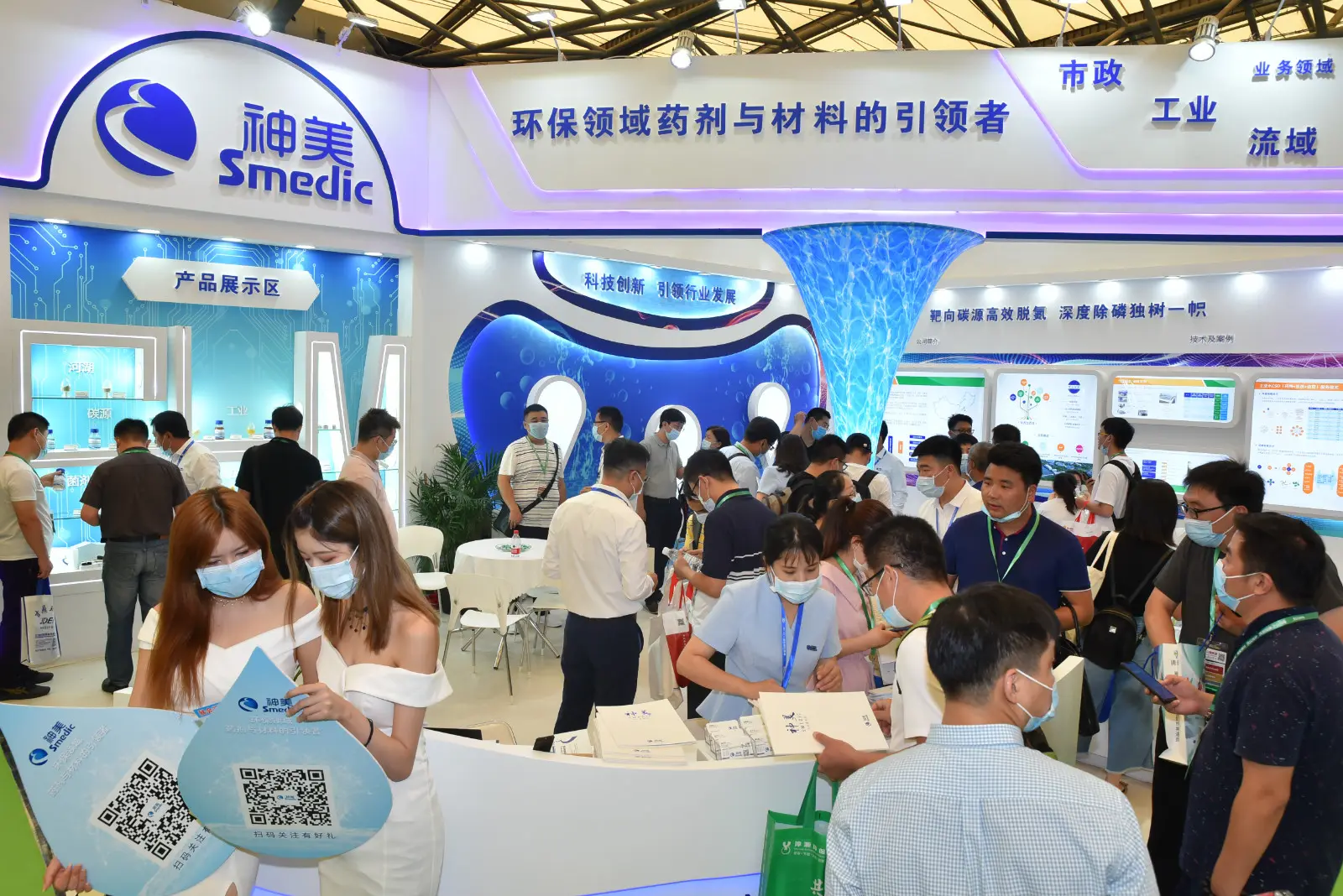
Smedic leads the industry in research and development, supported by academicians, water treatment experts, and senior chemical engineers. We have established joint R&D laboratories with Tsinghua University's Association of Senior Scientists and Technicians, Shandong University, and Beijing University of Technology.
Our technology platform has secured over 60 Chinese patents, including 40+ invention patents and 20+ utility patents. We have drafted more than 10 national and industry standards for chemical carbon sources, composite coagulants, sodium acetate, and bacterial formulations. Our independently developed inorganic-organic covalent bond flocculant and multi-nuclear phosphorus removal agents have won the 22nd China Patent Award and the First Prize for Technological Invention from the China Petrochemical Industry Association.
Inquire for Technical CollaborationTargeted solutions for NSW's key industrial activities, helping operators achieve wastewater compliance and environmental protection.
Plating shops in Wetherill Park and Smithfield process copper, nickel, chrome, and zinc. Smedic's chelating agents precipitate these dissolved metals down to sub-ppm levels, ensuring compliance with local trade waste requirements even in the presence of cleaning surfactants and chelating chemicals.
PCB manufacturing generates complex wastewater containing high concentrations of chelated copper. Our macromolecular chelators displace EDTA and citric acid ligands, precipitating copper ions to ensure reliable and compliant treatment systems.
In regional NSW, mining operations face challenges from acid mine drainage containing heavy metals. Smedic's high-capacity treatment agents neutralize acidity, precipitate toxic heavy metals, and flocculate solids to protect regional waterways and natural habitats.
Expert insights on heavy metal chelation chemistry, dosages, and compliance requirements in the Sydney market.
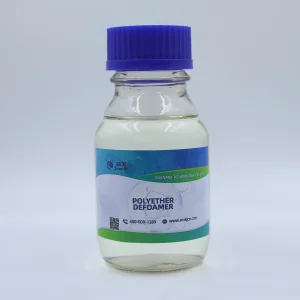
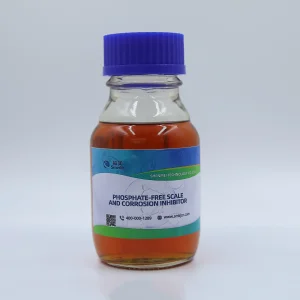
Our complete line of process chemicals, defoamers, scale inhibitors, and coagulants optimized for industrial and municipal plants.
Speak to our application specialists for technical evaluations, dosage calculations, and customized formulations designed for the Sydney market.
Send Inquiry Now Smedic Tech