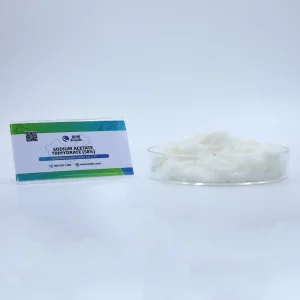
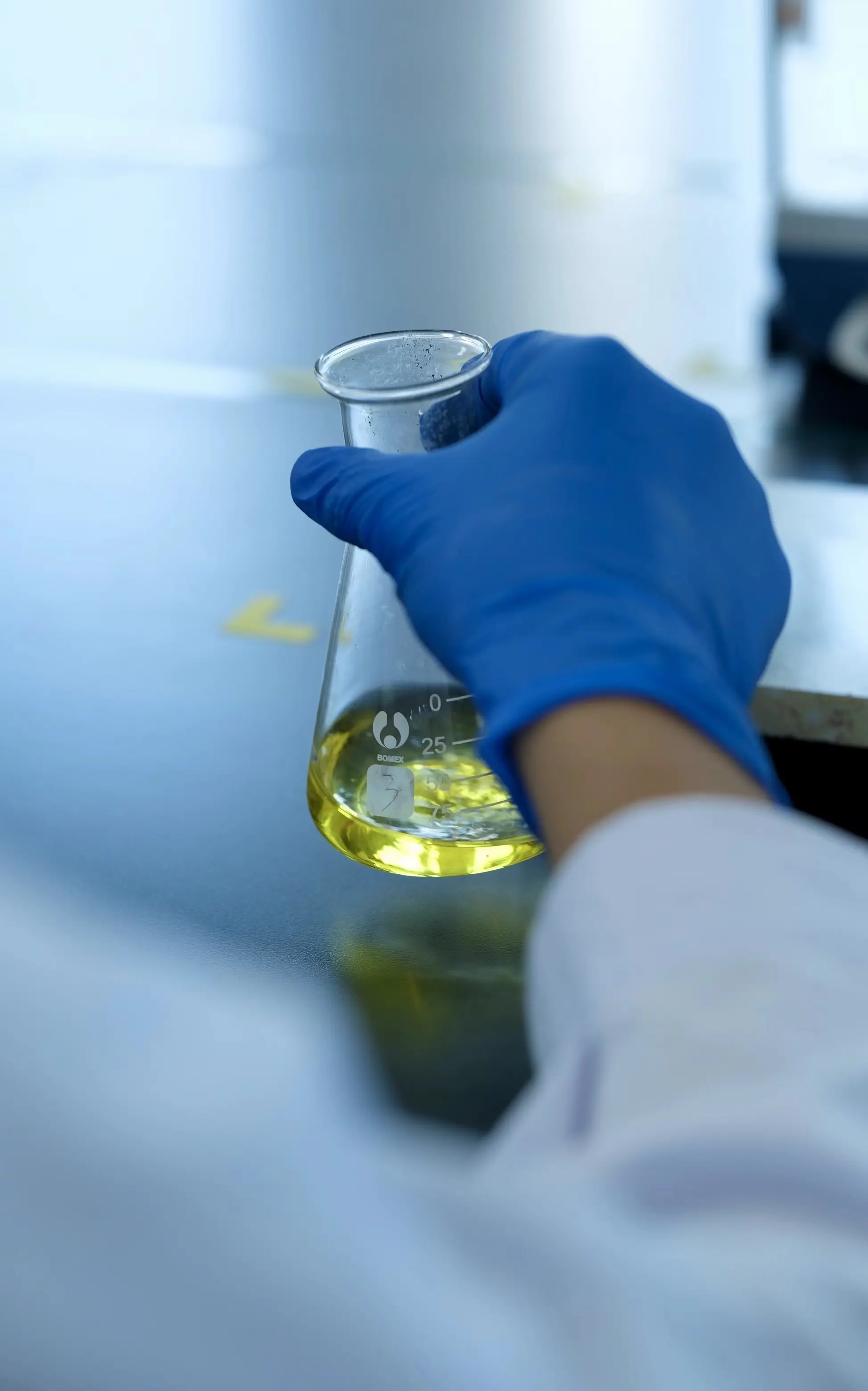
Our flagship formulations engineered for the demanding regulatory environment of the Klang Valley and Greater Kuala Lumpur region.
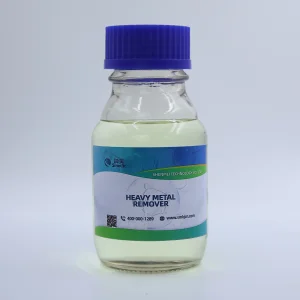
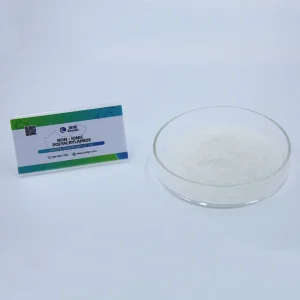
As the industrial hub of Malaysia, the Klang Valley and Kuala Lumpur area host diverse manufacturing industries including electroplating, printed circuit board (PCB) fabrication, automotive assembly, chemical synthesis, and metal finishing. Industrial effluents from these activities are heavily loaded with complexed heavy metals (such as Copper, Nickel, Zinc, Lead, Cadmium, and Chromium) that cannot be precipitated using conventional hydroxide neutralization methods alone.
The Malaysian Department of Environment (DOE) strictly enforces the Environmental Quality Act 1974 and its Environmental Quality (Industrial Effluent) Regulations 2009. Depending on the discharge location (catchment vs. non-catchment areas), plants must comply with Standard A or Standard B. Non-compliance results in severe operational halts, legal prosecution, and environmental damage to vital waterways like the Klang River basin. Smedic’s advanced organosulfur heavy metal removal agents are designed to break chelates and achieve compliance down to sub-ppm levels.
Under local laws, effluents must be strictly controlled:
Smedic agents regularly reduce these to <0.05 mg/L.
In standard wastewater facilities, plant operators use simple pH adjustment (typically by adding sodium hydroxide or calcium hydroxide) to precipitate metals as metal hydroxides. However, this approach faces fundamental physical-chemical limitations:
Different metals precipitate at different pH levels (e.g., Nickel at pH 10.5, Zinc at pH 9.0). If you have a mixed-metal stream, finding a single pH "sweet spot" is chemically impossible. Smedic reagents operate effectively across a broad pH range (3 to 12).
Complexing agents like EDTA, ammonia, and tartrates bind tightly to divalent metal ions, completely preventing standard hydroxide precipitation. Our agents have a stronger binding affinity, displacing the chelators to form stable insoluble salts.
Hydroxide precipitation generates high volumes of loose, gelatinous sludge that is difficult to filter. Smedic heavy metal removal agents produce compact, highly crystalline flocs that settle rapidly and dewater easily, significantly lowering landfill disposal costs.
Smedic heavy metal precipitation agents are based on polymeric sodium organosulfur compounds containing multiple active chelating sites. These active groups carry a strong negative charge that attracts positive metal ions. Once bonded, the linear polymer molecules cross-link to form an insoluble macro-molecular network:
Because the solubility product constant (Ksp) of Smedic metal-chelate complexes is orders of magnitude lower than that of corresponding metal hydroxides, the reaction proceeds quantitatively even at parts-per-billion (ppb) target ranges.
Established in 2011, Smedic Technology Co., Ltd. is a comprehensive environmental protection solution provider integrating chemical research, production, international trade, and process engineering support. We are dedicated to providing global industrial customers with customized wastewater treatment formulations and systems.
Smedic operates multiple state-of-the-art production bases in Hebei, Guizhou, and Shanxi provinces. Through over ten OEM partner facilities and strategic logistics networks in Shandong, Shanxi, Anhui, Guangxi, and Sichuan, we supply over 80 environmental protection products to international markets. Our annual production capacity exceeds 1 million tons, ensuring stable supply chains and competitive cost advantages for global procurement.
Our environmental networks cover municipal sewage plants, complex industrial sectors, oilfields, and mining enterprises. In China alone, our formulations treat more than 20 million tons of wastewater daily across 600 municipal facilities and over 1,000 industrial sites.
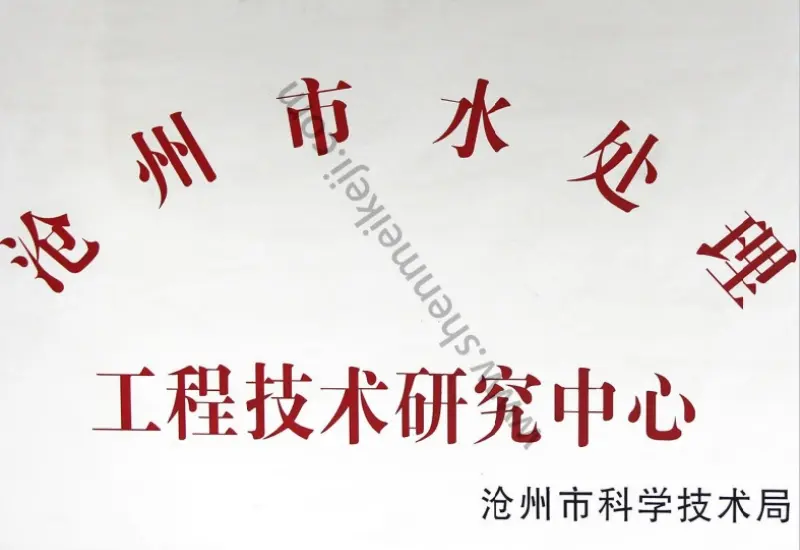
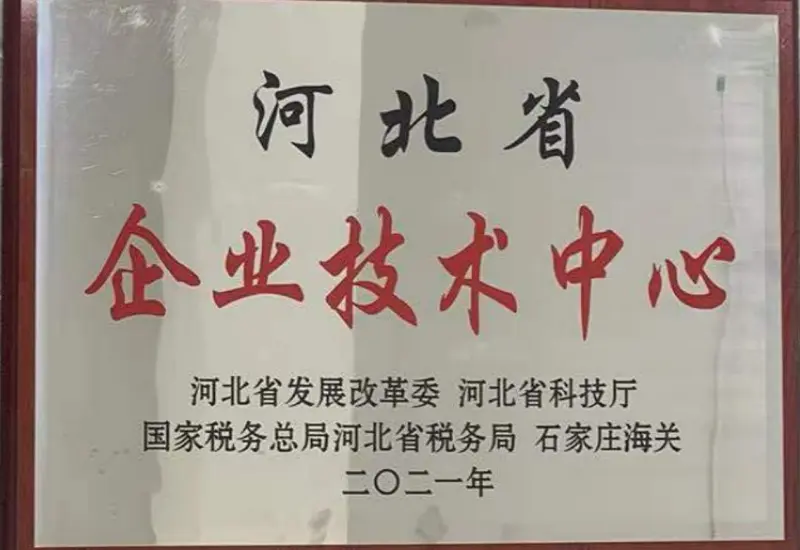
We have established a robust R&D system and technology commercialization platform centered around one academy, three research institutes, and five specialized bases. Our research centers have been recognized as Class A R&D institutions in Hebei Province, including the Hebei Provincial Enterprise Technology Center and the Cangzhou Water Treatment Engineering Technology Research Center.
Through academic-industry workstations with Tsinghua University Association of Senior Scientists and Technicians, and joint R&D laboratories with Shandong University and Beijing University of Technology, we remain at the forefront of chemical innovation. We also act as the industrialization partner for Peking University, Tianjin University, and the Chengdu Institute of Mineral Comprehensive Utilization.
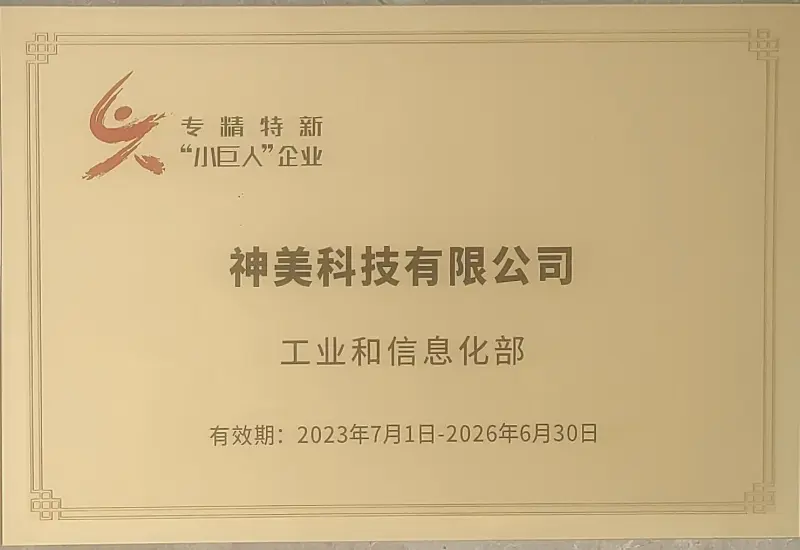
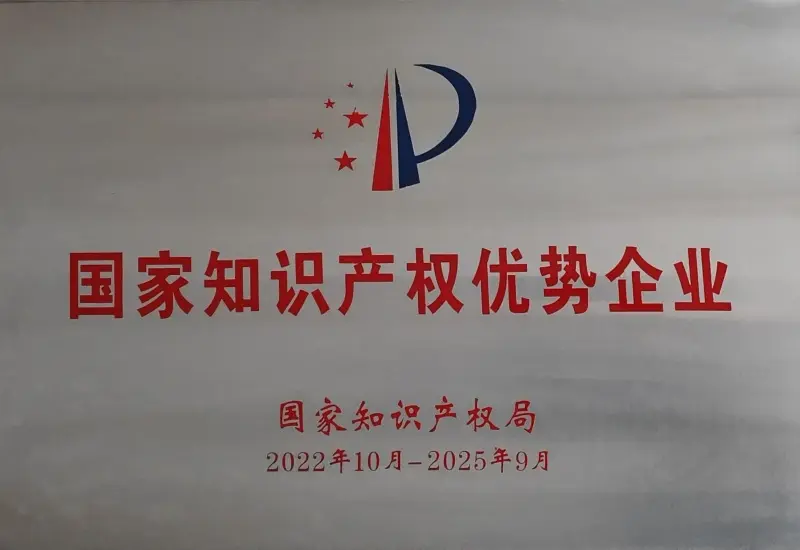
Smedic is certified as a National High-tech Enterprise and a National Specialized, Refined, Unique and Innovative "Little Giant" Enterprise. Our focus on quality and innovation has earned us over sixty Chinese patents, including more than forty invention patents and over twenty utility model patents.
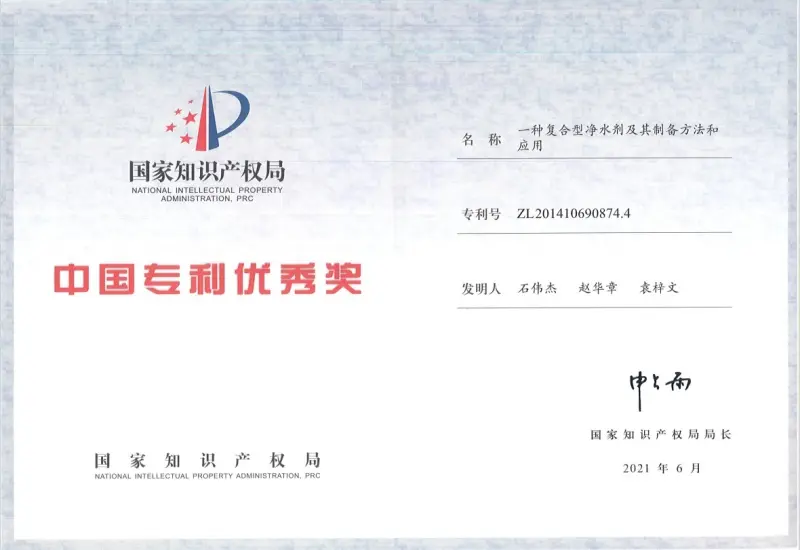
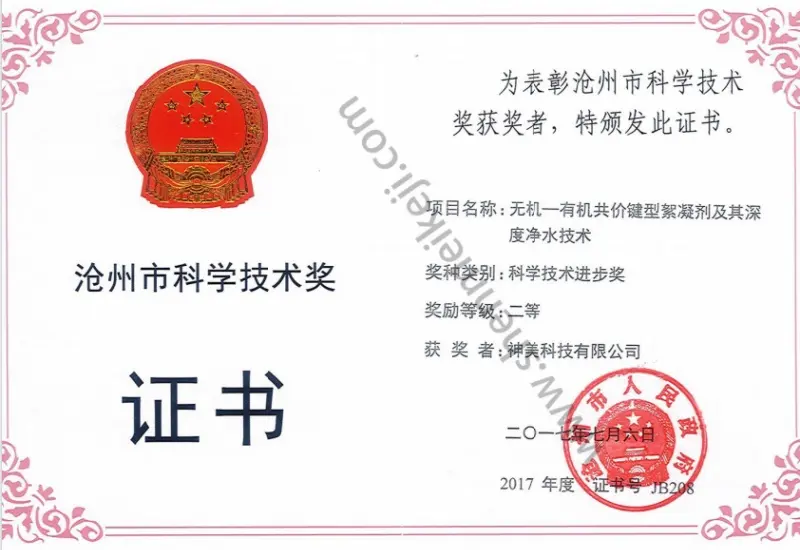
Our independently developed **"Inorganic-Organic Covalent Bond Flocculant and Its Advanced Water Purification Technology"** won the 22nd China Patent Award and the First Prize for Technological Invention from the China Petrochemical Industry Association. We have also drafted over ten national and industry standards for chemical carbon sources, coagulants, and sodium acetate.
A structured guide for factory managers and water engineers in Kuala Lumpur to implement advanced heavy metal recovery systems.
Quantify metal concentrations, identify organic complexes (EDTA, tartrates), and determine pH/conductivity values of the raw waste stream.
Conduct jar testing to determine the optimal stoichiometry. Smedic heavy metal removal agents are typically dosed at a 1:1 to 5:1 ratio relative to metal mass.
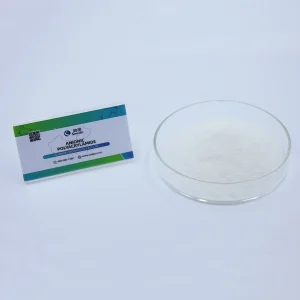
Add high-molecular-weight APAM (Anionic Polyacrylamide) to agglomerate micro-precipitates into heavy, rapid-settling flocs.
Run clarified supernatant through sand filters or membrane systems before testing against DOE Standard A or Standard B requirements.
| Metal Ion Group | Conventional Hydroxide Limit | Smedic Chelation Performance | Optimal Operating pH Range | Sludge Volume Index (SVI) |
|---|---|---|---|---|
| Copper (Cu2+) | 0.5 - 1.2 mg/L | < 0.05 mg/L | 3.0 - 11.0 | Low (Crystalline) |
| Nickel (Ni2+) | 0.8 - 1.5 mg/L | < 0.10 mg/L | 4.5 - 10.5 | Very Low |
| Lead (Pb2+) | 0.3 - 0.8 mg/L | < 0.02 mg/L | 3.5 - 12.0 | Compact |
| Zinc (Zn2+) | 1.0 - 3.0 mg/L | < 0.15 mg/L | 5.0 - 10.0 | Minimal |
Over a decade of engineering solutions for demanding wastewater and municipal infrastructure requirements.
Smedic Tech was incorporated in Beijing, establishing core laboratories for municipal coagulant synthesis.
Developed a comprehensive catalog of organic coagulants, scale inhibitors, and defoamers for industrial clients.
Established our primary Southern China production base in Guiyang to optimize shipping times to Southeast Asia.
Recognized by the Ministry of Industry and Information Technology for specialized contributions to environmental safety.
Awarded for holding over 60 utility and invention patents in water clarification chemistry.
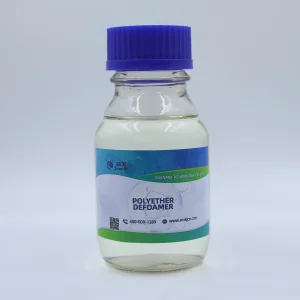
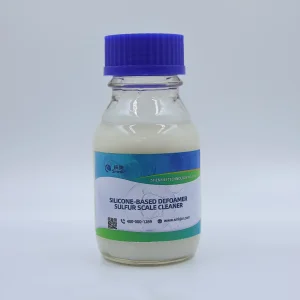
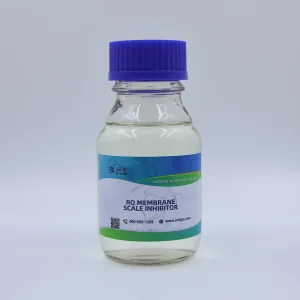
Preserved technical catalog for cooling towers, municipal grids, mining recovery, and boiler operations in Selangor and KL.
Purchasing heavy metal removal agents is only the first step. To ensure sustained compliance without raising chemical expenditure, Smedic provides technical support and diagnostic site evaluations for manufacturing firms in Kuala Lumpur, Selangor, and the wider Klang Valley. We assist plant engineers in setting up efficient automated chemical dosing loops using industrial pH/ORP sensors, minimizing manual dosing errors.
We provide flexible bulk logistical shipments tailored to Malaysian customs and transport regulations (including DOSH compliance):
Smedic is committed to green chemistry. Unlike traditional thiocarbonate formulas that release trace toxic hydrogen sulfide (H₂S) gas under acidic conditions, our patented polymer-base heavy metal precipitant exhibits high thermal and chemical stability, releasing no hazardous by-products in standard operating zones. This keeps local workers safe and complies fully with Malaysia’s Occupational Safety and Health Act (OSHA 1994).
Deep technical answers compiled by our environmental laboratory researchers for water treatment professionals.
Contact Smedic Technology today to request custom jar tests, safety data sheets, and competitive volume pricing for Port Klang deliveries.
Get Technical Consultation & Quote Smedic Tech