Engineered chemicals targeting dissolved heavy metals and complexed fluorides in municipal and industrial process water.
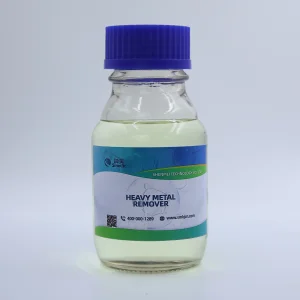
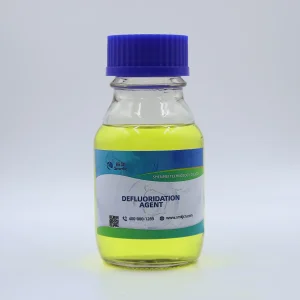
UK industrial sites are subject to tight restrictions managed by the Environment Agency (EA), Scottish Environment Protection Agency (SEPA), and local water companies via trade effluent consents. Traditional hydroxide precipitation often fails to reach the low microgram-per-liter (µg/L) limits demanded by the UK's Environmental Permitting Regulations, particularly when metal complexes (such as those containing EDTA, ammonia, or tartrate) are present in the waste stream.
Our macromolecular heavy metal chelating agents address these compliance requirements. Designed for rapid reaction kinetics, they form strong coordinate bonds with targeted metal ions, including Nickel (Ni), Copper (Cu), Zinc (Zn), Lead (Pb), Cadmium (Cd), Chromium (Cr), and Mercury (Hg), even in the presence of strong complexing agents.
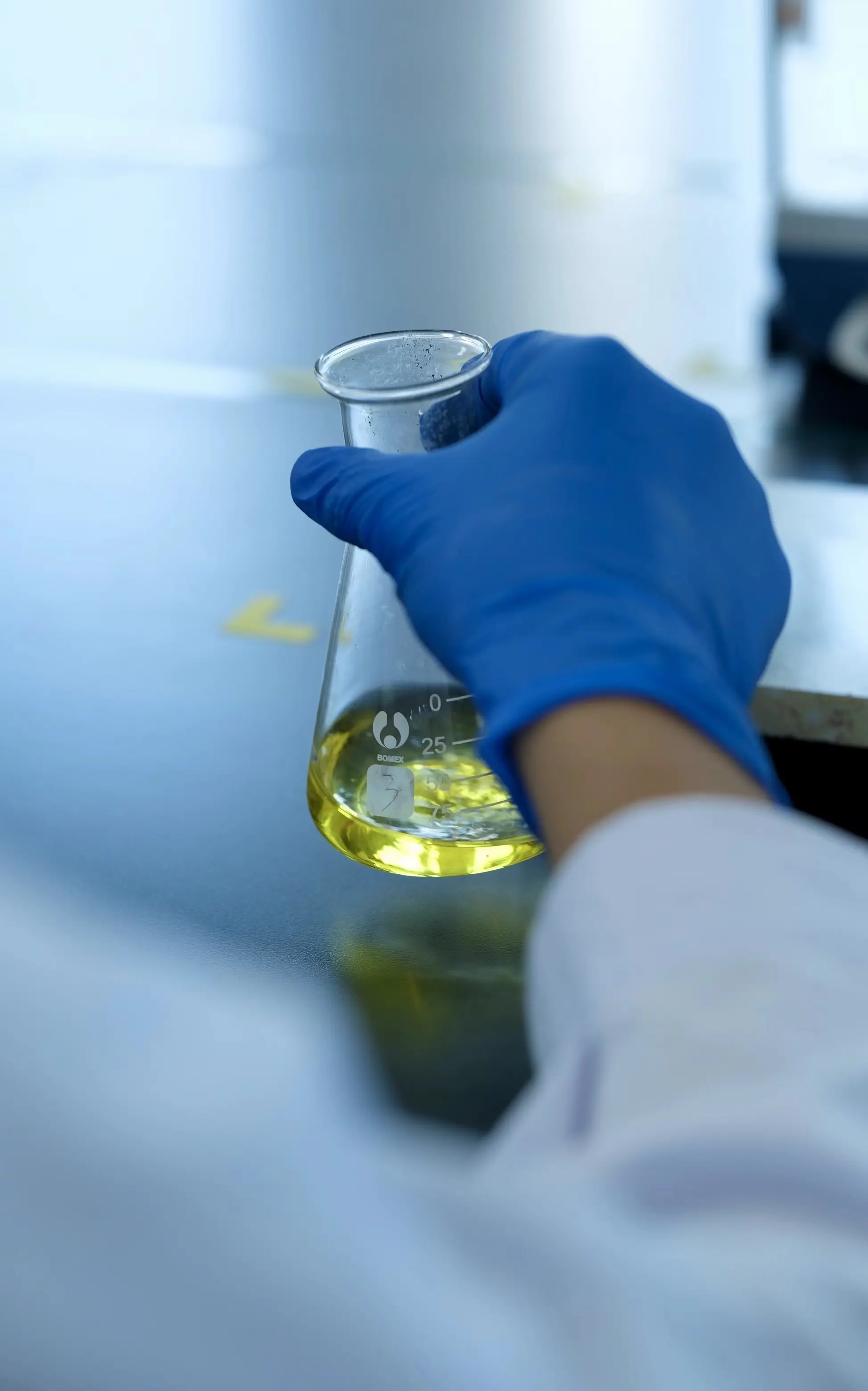
A comprehensive provider of environmental agents, integrating R&D, production, sales, and engineering support services.
Our core technical team consists of specialists, professors, and senior engineers working in partner laboratories with Shandong University and Beijing University of Technology.
Recognized as a National Specialized, Refined, Unique and Innovative "Little Giant" Enterprise in China. Our water treatment developments have received awards, including the 22nd China Patent Award.
With multiple production sites across China and a logistics network reaching over 20 provinces, we ensure stable delivery for major water groups and international partners.
Traditional chemical precipitation relies on adjusting pH to form metal hydroxides (e.g., Cu(OH)₂, Ni(OH)₂). However, this method has limitations. Firstly, different metals reach their minimum solubility at different pH levels, making simultaneous treatment of mixed metals challenging. Secondly, industrial effluents often contain complexing agents that prevent hydroxide precipitation.
Our heavy metal removal agent utilizes macromolecular organic chemistry, incorporating chelating groups like dithiocarbamates (DTC). These active groups form stable coordinate bonds with heavy metal ions. The resulting complexes are highly insoluble and form large, stable flocs that settle rapidly.
This process operates effectively in complex matrices containing chelating agents, allowing operators to meet strict discharge standards with a simplified system design.
Our heavy metal removal agent is formulated for compatibility with typical British industrial wastewater treatment plant (WWTP) setups. The parameters below illustrate performance capabilities.
| Target Metal Ion | Typical Raw Effluent Conc. (mg/L) | Post-Treatment Conc. (mg/L) | pH Treatment Range | Sedimentation Time |
|---|---|---|---|---|
| Copper (Cu²⁺) | 50 - 150 mg/L | < 0.1 mg/L | 3.0 - 11.0 | 10 - 15 mins |
| Nickel (Ni²⁺) | 20 - 80 mg/L | < 0.1 mg/L | 4.5 - 10.0 | 12 - 18 mins |
| Zinc (Zn²⁺) | 100 - 300 mg/L | < 0.2 mg/L | 3.0 - 12.0 | 10 - 15 mins |
| Lead (Pb²⁺) | 10 - 50 mg/L | < 0.05 mg/L | 4.0 - 11.0 | 10 - 15 mins |
| Cadmium (Cd²⁺) | 5 - 25 mg/L | < 0.01 mg/L | 3.0 - 11.0 | 15 - 20 mins |
A broad range of coagulants, defoamers, and process agents designed for municipal, industrial, and mining applications.
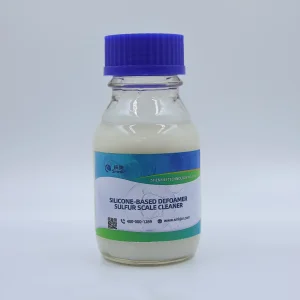
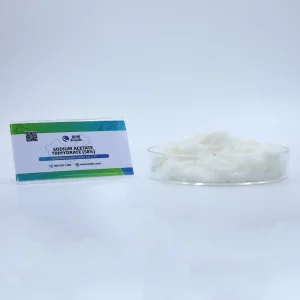
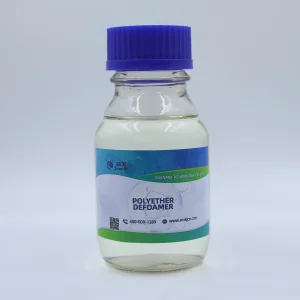
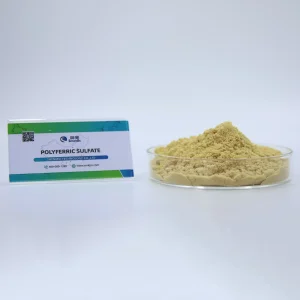
A history of capacity expansion, technology commercialization, and patent development.
Smedic Technology was established, focusing on environmental protection chemicals for water purification and industrial applications.
Established a complete range of municipal wastewater treatment chemicals. Built a production facility in Guiyang to meet growing demand.
Completed and expanded production bases in Hebei, Shandong, and Guizhou, raising annual capacity to over 1 million tons. Recognized as a National Specialized, Refined, Unique and Innovative Small and Medium-sized Enterprise.
Established a provincial R&D platform in Hebei and recognized as a National Intellectual Property Advantage Enterprise. Set up a joint venture with the Chengdu Institute of Mineral Comprehensive Utilization (China Geological Survey) to develop advanced mineral processing agents.
Find answers to common questions regarding chemistry, dosage, and regulatory compliance.
Hydroxide precipitation is highly dependent on pH, and different metals precipitate at different pH values. Chelating agents containing active groups like dithiocarbamates form stable complexes with heavy metals across a wide pH range. Unlike sulfide precipitation, these organic chelators avoid the risk of releasing toxic hydrogen sulfide gas in acidic environments, improving operational safety.
Our macromolecular heavy metal chelating agent has a higher stability constant for heavy metals than common complexing agents like EDTA, citric acid, or ammonia. The active sulfur groups displace these weaker ligands, binding with the metal ions to form insoluble precipitates that can be settled using standard clarifiers or dissolved air flotation (DAF) systems.
While the sludge contains concentrated heavy metals and must be disposed of in accordance with the UK's Hazardous Waste Regulations, the organometallic complex is highly stable. It exhibits low leachability under standard waste acceptance criteria (WAC) testing, which can help simplify disposal routing and manage associated landfill taxes.
The liquid heavy metal removal agent has a shelf life of 12 months when stored in its original sealed container. It should be kept in a cool, well-ventilated area away from direct sunlight, strong acids, and oxidizing agents, in compliance with COSHH regulations in the UK.
Speak with our technical engineering team about your effluent parameters. We offer custom dosing calculations, jar testing protocols, and volume pricing for UK industrial buyers.
 Smedic Tech