Premium industrial agents deployed globally and optimized for Azerbaijan's municipal and petrochemical water challenges.
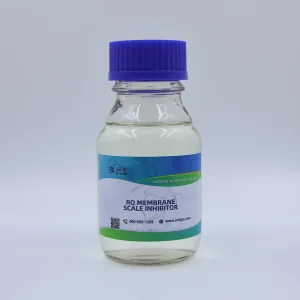
Engineered for desalinating high-salinity Caspian Sea brackish water, preventing severe mineral scaling on advanced reverse osmosis membranes.
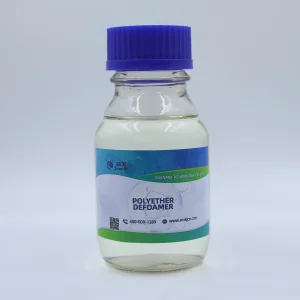
Non-silicon chemistry optimized for rapid foam suppression in Baku oil refining processes and highly turbulent biological treatment aerators.
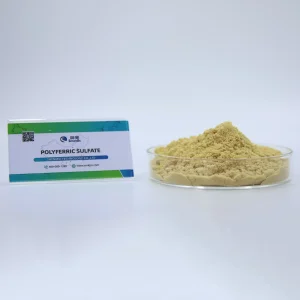
High-molecular inorganic polymer providing rapid floc formation and superior heavy metal precipitation for Azerbaijan's metallurgy sectors.
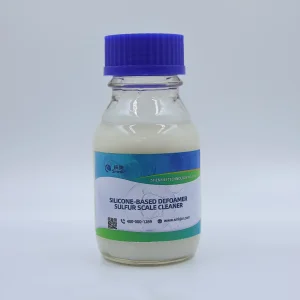
Ultimate temperature-resistant formula for severe foam elimination under extreme conditions in Azerbaijan's enhanced oil recovery operations.
Azerbaijan, situated at the geostrategic crossroads of Eastern Europe and Western Asia, is experiencing rapid industrial expansion driven by the oil and gas wealth of the Caspian basin. However, this growth demands a rigorous approach to industrial water conservation, municipal wastewater purification, and ecological protection of the fragile Caspian Sea ecosystem. Under the Azerbaijani government's national infrastructure plans, compliance with international wastewater standards is no longer optional—it is a core pillar of sustainable industrial licensing.
The water footprint of petrochemical refining in the Baku-Tbilisi-Ceyhan corridor, combined with mining operations in the Dashkasan mineral belt, generates complex wastewater containing suspended solids, recalcitrant organic matter, and toxic heavy metals. Smedic Technology addresses these ecological vectors directly. By exporting advanced coagulants, heavy metal precipitants, and targeted defoaming agents, we support local enterprises in reducing chemical dosage costs while upgrading system effluents to meet local regulatory guidelines.
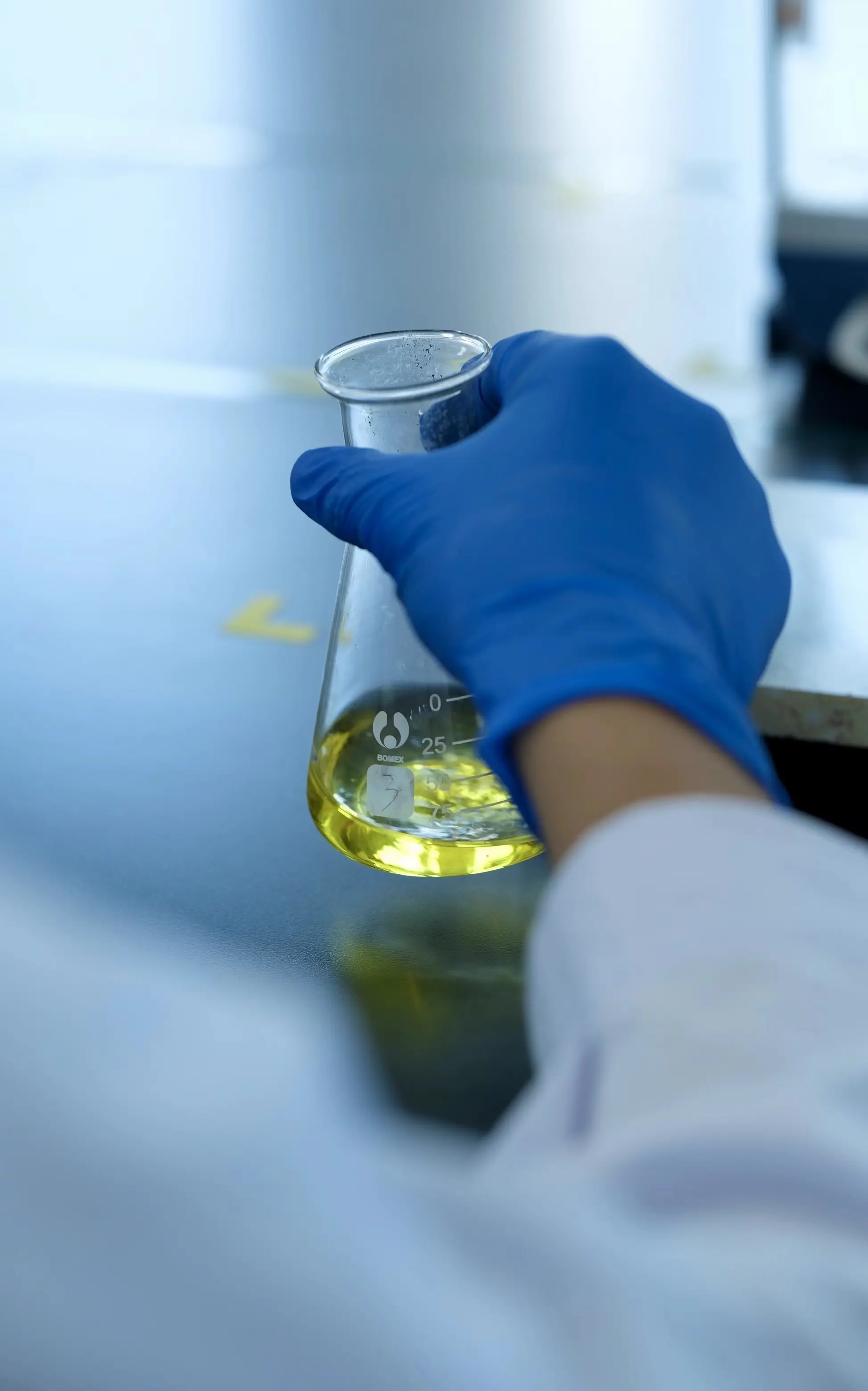
Providing high information-gain formulations engineered specifically for Azerbaijan's local geology and water chemistry parameters.
Deploying specialized Non-Ionic Polyacrylamide (NPAM) and organic silicone defoamers in Caspian offshore platforms to accelerate oil-water separation and minimize chemical carryover during secondary oil recovery.
Utilizing high-purity solid sodium acetate carbon sources at Baku municipal sewage treatment centers to ensure optimal feed ratios for denitrifying bacteria under sub-zero winter temperatures, driving total nitrogen levels down.
Leveraging high-charge Cationic Polyacrylamide (CPAM) and specialized heavy metal removal agents to bind with divalent copper, zinc, and iron complexes in runoff from the Dashkasan ore dressing mills.
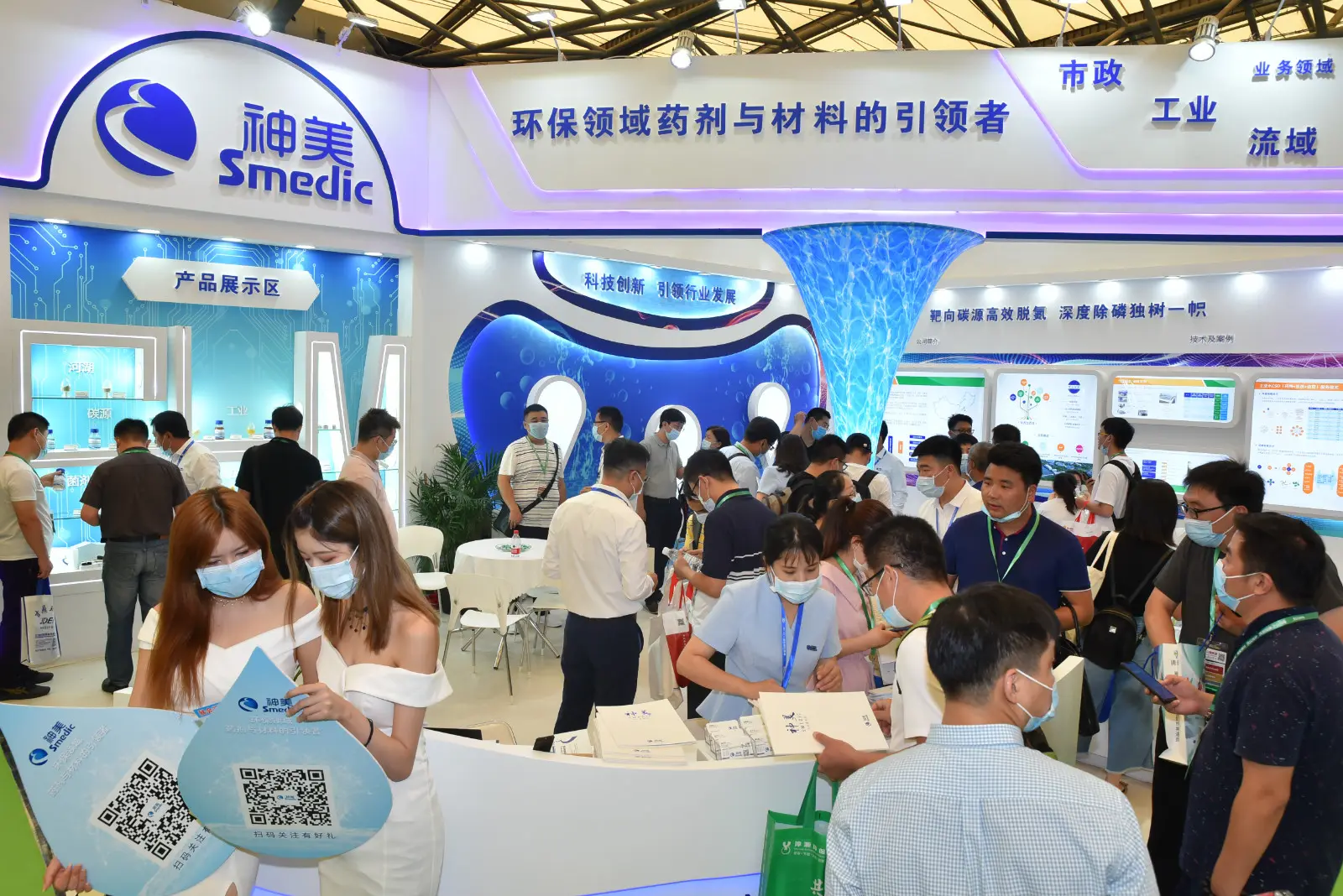
Established in 2011, Smedic Technology Co., Ltd. is a comprehensive environmental chemical solution provider integrating advanced R&D, mass production, export logistics, and technical engineering support. We specialize in synthesizing state-of-the-art environmental protection agents covering municipal sewage purification, heavy industrial wastewater treatment, municipal potable water clarification, mineral processing collectors/flocculants, and specialized oilfield chemicals.
Headquartered in Beijing, Smedic owns and operates wholly-owned manufacturing bases in Hebei, Guizhou, and Shanxi, supplemented by over ten joint-venture OEM production plants and strategic regional warehousing hubs across China. With an annual chemical manufacturing capacity exceeding 1 million tons across more than 80 core product formulations, our supply footprint spans over 20 Chinese provinces and serves as a vital exporter to key global markets, including Eastern Europe, the CIS region, and Central Asia.
Company Established
Annual Production Capacity
Sewage Plants Supported
Environmental Agents Formulated
Our core technical department consists of industry-leading academicians, polymer formulation experts, and senior environmental engineers. Smedic's technology incubation framework operates via a specialized structure: one academy, three research institutes, and five experimental pilot bases. We host several recognized research initiatives, including the Hebei Provincial Advanced Water Treatment Chemicals Technology Innovation Center and the Class-A rated Hebei Enterprise R&D Institution.
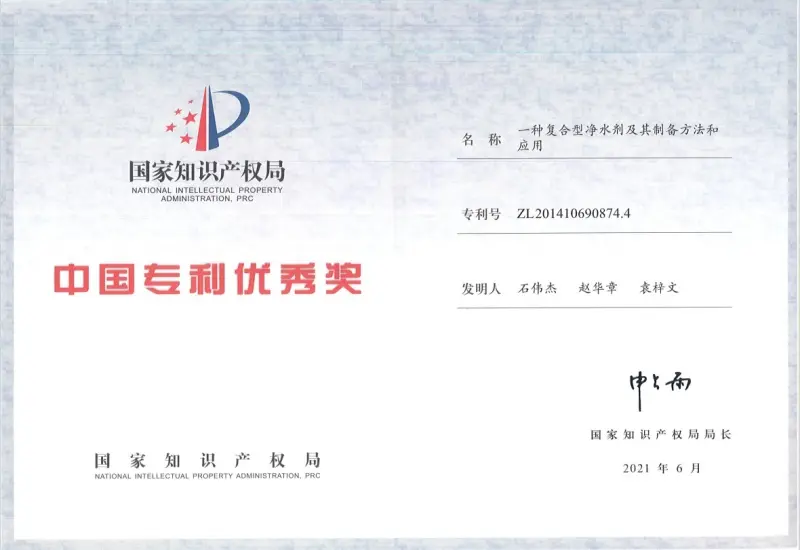
Through academic alliances with Tsinghua University Association of Senior Scientists and Technicians, Shandong University, and Beijing University of Technology, Smedic actively translates advanced laboratory theories into highly optimized products. We own over sixty Chinese patents, including forty invention patents and twenty utility patents. Smedic has drafted ten national and industry standards regulating the quality of composite carbon sources, coagulants, sodium acetate, and bacterial cultures.
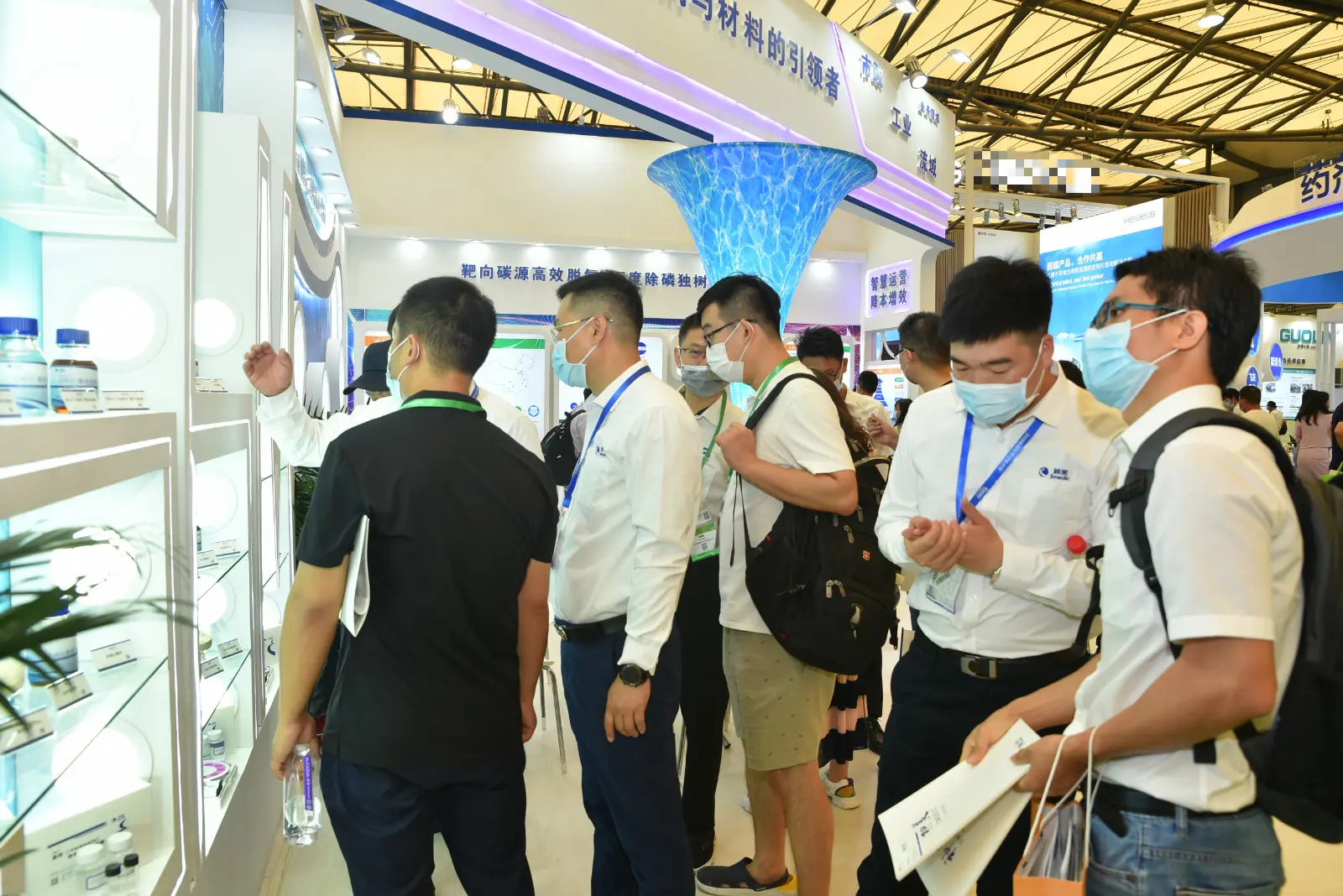

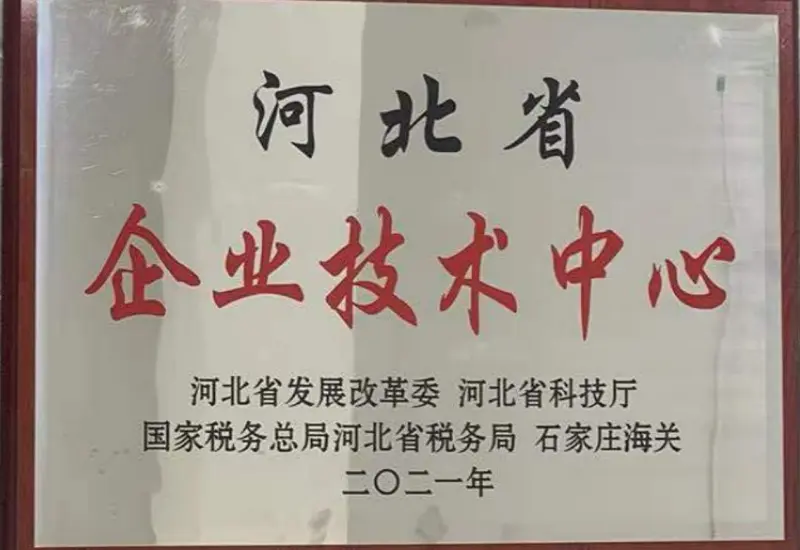
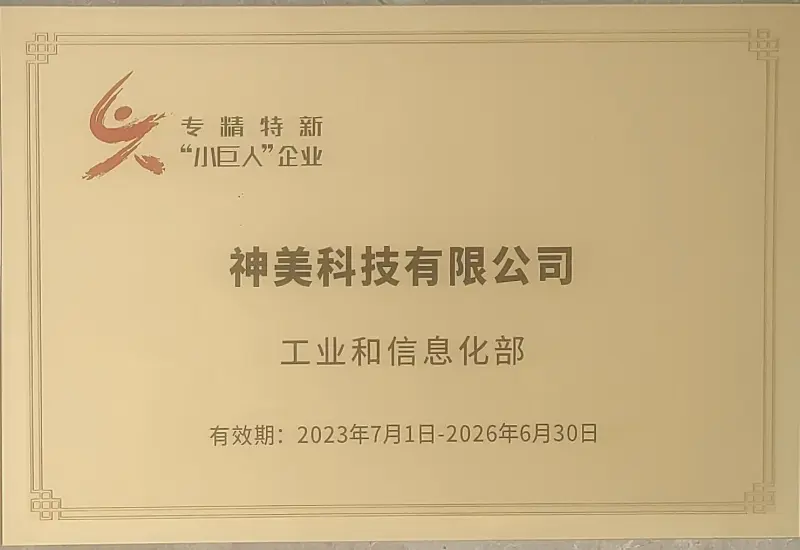
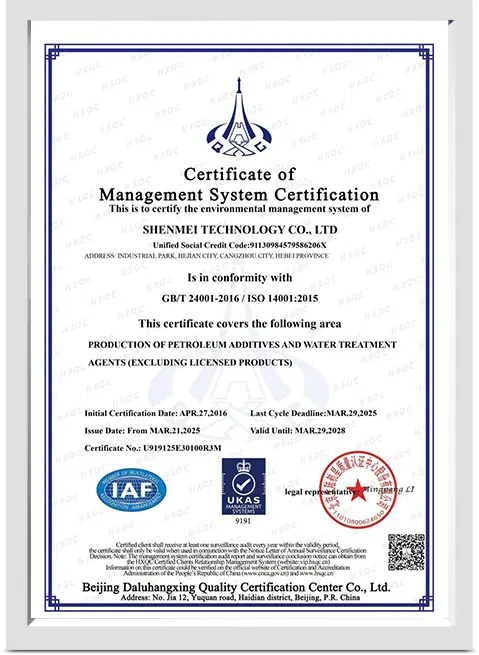
In the modern industrial market, stability of supply is as vital as formulation efficacy. With multiple production bases in China, Smedic maintains massive reserves of key raw materials like epichlorohydrin, acrylic acid, and ferrous sulfate. This integration insulates our international customers from sudden price shocks or domestic raw material shortages.
For Azerbaijani buyers, we leverage efficient logistics corridors. Our dispatch centers utilize the direct rail connections linking northwestern China to Central Asia, crossing the Caspian Sea via the Baku Port (Alat), as well as combined land-sea transport routes routing through Chinese ports directly to Poti or Batumi, then onward to Baku by rail. We manage all export customs clearance documents, GSP certificates of origin, and phytosanitary certificates, guaranteeing seamless logistics from the factory door to your facility gates.
Smedic enforces a strict three-tier quality control sequence governing raw material validation, mid-process synthesis parameters, and finished batch assays. Every industrial chemical shipment is issued a corresponding Certificate of Analysis (COA) containing exact test results for active polymer content, bulk density, pH value, and impurity levels.
Whether exporting polyacrylamide flocculants or biodegradable scale inhibitors, our batches are retain-sampled for twelve months to guarantee trace-back reliability. Our factories are certified under ISO 9001, ISO 14001, and ISO 45001, satisfying global safety and environmental guidelines.
A history of growth, scientific innovation, and international market expansion.
Smedic founded in Beijing, pioneering advanced polymer synthesis research.
Established a complete municipal wastewater treatment chemical catalog, securing contracts with major water treatment agencies.
Completed construction of the Guiyang production base, optimizing logistics for southern mining markets.
Expanded facilities in Shandong, Hebei, and Guizhou, boosting aggregate annual capacity past 1 million tons.
Formally recognized as a National Specialized, Refined, Unique and Innovative Small and Medium-sized Enterprise.
Awarded the National Intellectual Property Advantage Enterprise title, securing major global export licenses.
Partnered with Chengdu Institute of Mineral Comprehensive Utilization (China Geological Survey) to co-develop eco-friendly flotation agents for international mineral processing markets.
Targeted solutions developed for specific foam suppression and heavy metal filtration requirements.
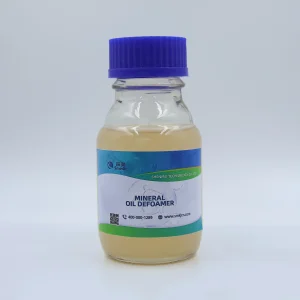
Specially formulated for Baku building coating plants, offering micro-foam control during high-shear mixing without causing surface craters.
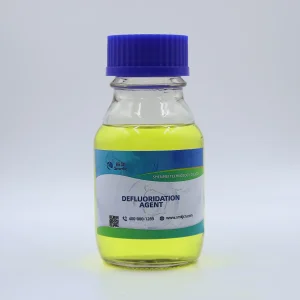
Removes excess fluoride ions from industrial and mining wastewater down to levels below 1 mg/L via simple chemical precipitation.
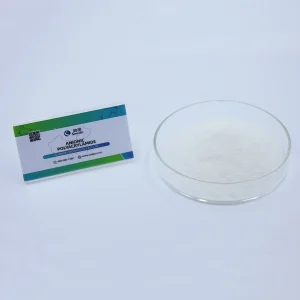
Ultra-high molecular weight anionic polymer for fast settling and high filtration rates in mineral tailings and clay wash systems.
Exhibits excellent reverse solubility and chemical stability across dynamic temperature ranges in petrochemical processing loops.
Addressing core engineering questions regarding chemical performance, water parameters, and custom logistics.
Due to the unique chemical profile of the Caspian Sea, which exhibits high levels of sulfate (SO4²⁻) and calcium (Ca²⁺) compared to typical ocean water, we advise using our specialized RO Membrane Scale Inhibitor. This formulation includes phosphonobutane tricarboxylic acid (PBTC) and polycarboxylic acid polymers. It effectively prevents calcium carbonate and calcium sulfate precipitation at recovery rates up to 75%, maintaining membrane flux and extending clean-in-place (CIP) intervals.
Baku municipal wastewater plants often experience dropping temperatures in winter, which can slow biological denitrification. Smedic's Pure Solid Sodium Acetate serves as an easily digestible carbon source, providing rapid assimilation for denitrifying bacteria down to 5°C. This helps maintain steady total nitrogen reduction without the risk of safety hazards associated with methanol feeding systems.
For standard products like PAC or Polyacrylamide, the typical transit time to Baku is 25 to 35 days. Shipping via the Caspian Sea rail network route through Kazakhstan is often fastest for inland shipments, while bulk sea containers routing through Georgian ports (Batumi/Poti) offer high efficiency for larger volume orders.
Yes. All Smedic coagulants, defoamers, and polymers are synthesized in ISO-certified green factories. Our raw material sourcing and manufacturing standards align with EU REACH regulations, making them well-suited for Azerbaijani industrial operations that require compliance with international safety and quality standards.
Our complete range of coagulants, polymers, scale inhibitors, and defoamers designed for diverse water treatment processes.
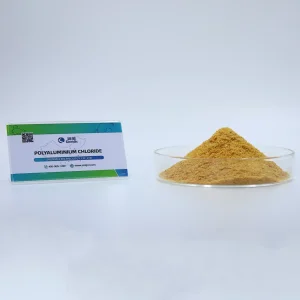
High-purity spray-dried Polyaluminum Chloride (PAC) for raw water purification in Baku drinking water networks, featuring low residual alumina.
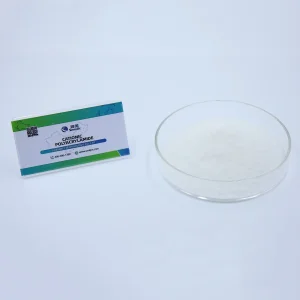
Fast-acting cationic flocculant designed to improve cake dry solids in belt presses and decanter centrifuges at municipal plants.
High molecular weight anionic polymer for fast solid-liquid settling and water recovery in mining tailings and construction wash water.
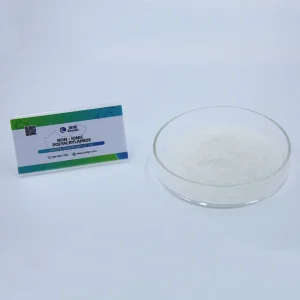
Non-ionic polyacrylamide (NPAM) tailored for mobility control and profiling in Baku polymer flooding EOR projects, offering good shear stability.
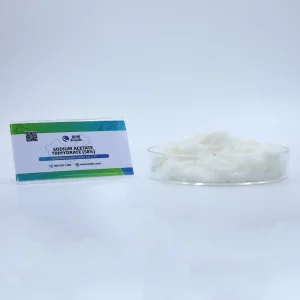
Pure crystalline solid sodium acetate, providing an easily metabolized carbon source for biological nutrient removal (BNR) systems.
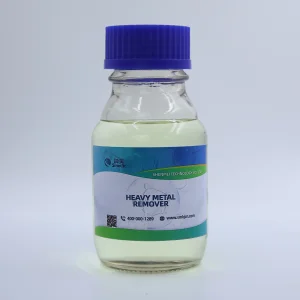
Precipitates toxic chelated heavy metals like copper, nickel, and zinc from electroplating and mining wastewater to help meet strict discharge levels.
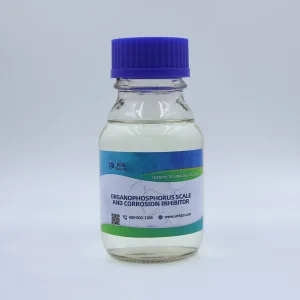
Maintains clean surfaces in refinery cooling towers, providing thermal and chemical stability under elevated temperatures.
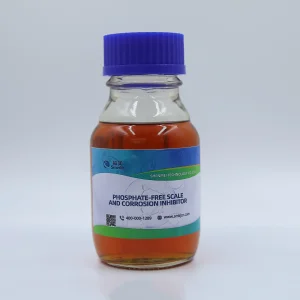
Biodegradable, zero-phosphorus formulation designed to prevent scale and corrosion in cooling systems while avoiding eutrophication in discharge zones.
 Smedic Tech