Engineered for high-recovery membrane systems, municipal filtration structures, and heavy industrial cooling processes in Luxembourg.
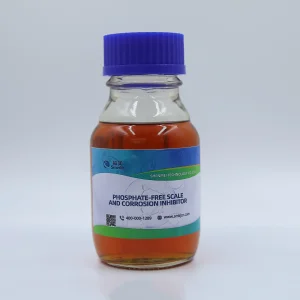
Eco-friendly scale inhibitor preventing calcium carbonate and iron oxide deposits without triggering phosphorus discharge limits in municipal wastewater facilities.
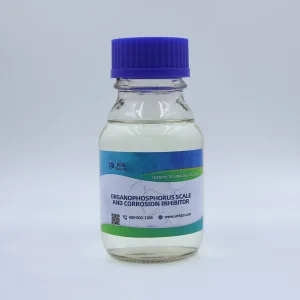
Formulated with premium organic phosphonic acids to sequester calcium and zinc ions, offering exceptional thermal stability and scale protection.
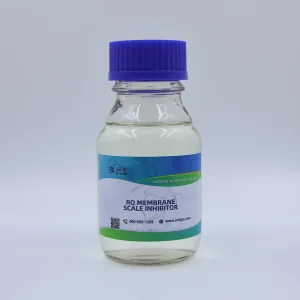
Optimizes permeate flux and prevents membrane blockage caused by silicate and calcium sulfate scale in advanced tertiary municipal water plants.
A broad-spectrum liquid antiscalant designed for high hardness surface waters, extending RO system membrane lifespan while reducing CIP cleaning cycles.
Luxembourg's industrial ecosystem, ranging from high-capacity steel production lines in the southern basins to modern food processing hubs and expanding data center campuses in Bissen, demands highly reliable water purification infrastructure. The regional geological variations—soft surface water in the northern Oesling area contrasting with heavily mineralized, hard groundwater in the southern Gutland region—create significant scale and biofouling challenges for reverse osmosis (RO), nanofiltration (NF), and membrane bioreactor (MBR) facilities.
To comply with the strict environmental mandates of the Grand Duchy, including the EU Water Framework Directive and national water conservation regulations, companies are increasingly shifting towards high-recovery circular loops. In closed-loop systems, the concentration of dissolved minerals rises exponentially. Smedic Technology's range of high-efficiency membrane chemicals is formulated to counter these specific mineral challenges. Our targeted scale inhibitors, biocides, and cleaners prevent membrane degradation, minimize energy consumption, and guarantee continuous manufacturing operations.
Our solutions prevent calcium, sulfate, silica, and metal fouling by utilizing threshold inhibition, dispersion, and crystal structure distortion mechanisms.
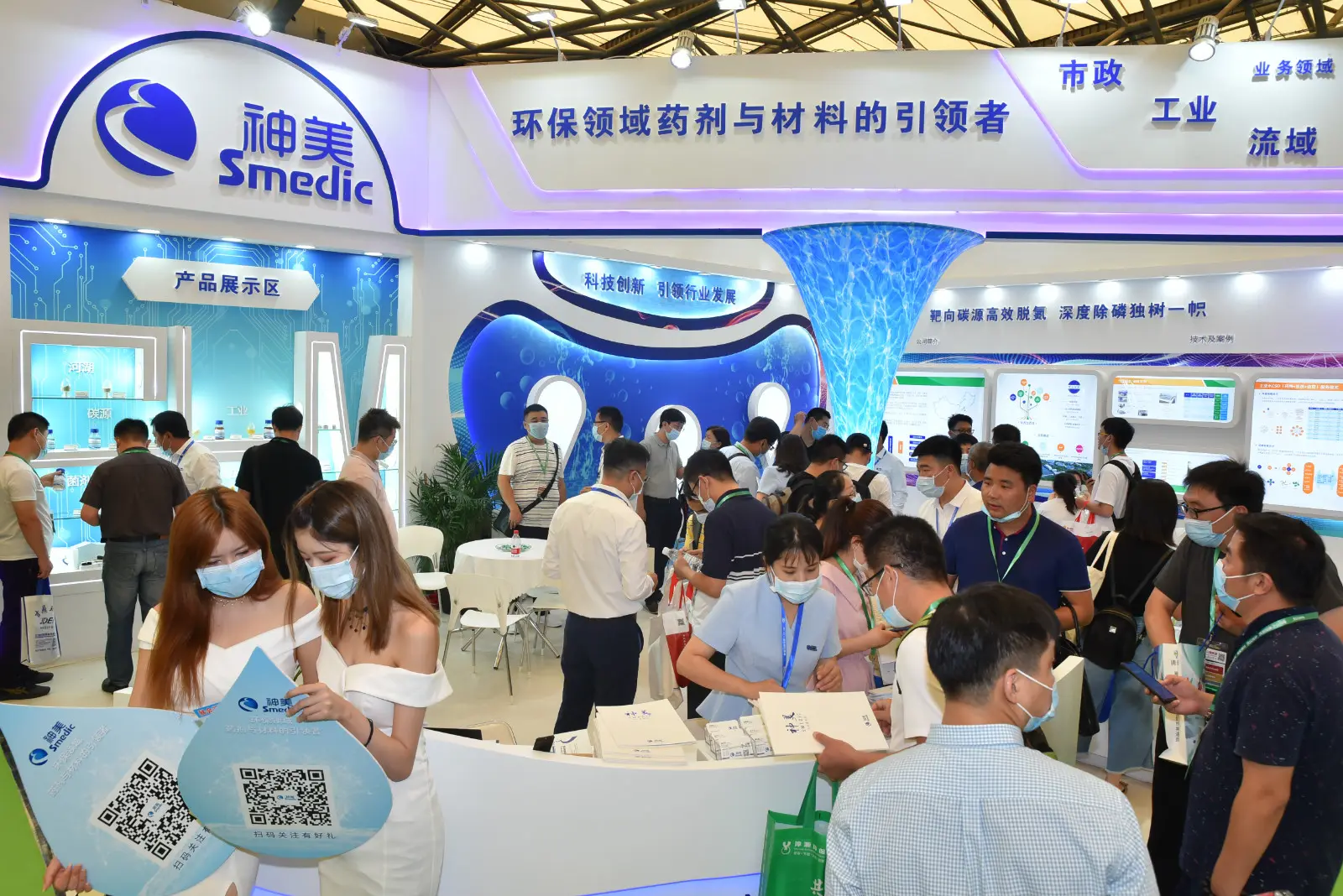
Membrane fouling occurs when the concentration of sparingly soluble salts exceeds their solubility limits at the membrane boundary layer. Smedic's research and development focuses on the formulation of polycarboxylic acid polymers and phosphonate blends designed to disrupt the nucleation of crystalline salts:
With our collaboration with leading research institutes like Peking University, Shandong University, and the Tsinghua University Association of Senior Scientists and Technicians, we develop customized polymer systems that offer high thermal stability, keeping MBR and RO membranes clean even under variable feed water parameters.
| Product Class | Primary Active Agent | Application Scenario | Luxembourg Regulatory Target |
|---|---|---|---|
| Phosphate-Free Antiscalants | Acrylic Copolymer Blend | High hardness Municipal RO feed | Compliance with strict phosphorous limits |
| Organophosphorus Antiscalants | Organic Phosphonates (ATMP/HEDP) | Industrial water loop recycling | High recycling recovery rates, low waste discharge |
| Cationic / Anionic Polyacrylamide | High molecular weight polyacrylamides | Sludge dewatering & coagulation | Minimal chemical carryover, clean discharge loops |
| Bio-dispersants & Defoamers | Polyether / Silicone emulsions | MBR and industrial aeration basins | Foam control in Biological Treatment Networks |
Leveraging high production capacity, advanced quality control, and optimized logistics channels to Europe.
For large-scale Luxembourg industrial buyers, raw material sourcing stability is critical. Operating multiple wholly-owned manufacturing bases in Hebei, Guizhou, and Shanxi, plus over 10 partner plants, Smedic produces over 1 million tons of environmental protection chemicals annually. This scale provides a significant cost advantage over localized boutique chemical synthesis facilities in Western Europe.
Our raw material sourcing network guarantees competitive pricing on critical chemical intermediates. By maintaining strategic warehousing and inventory reserves, we protect our European partners from supply shocks, ensuring consistent batch-to-batch chemical delivery to main industrial locations like Differdange, Dudelange, and Esch-sur-Alzette.
REACH & EU Chemical Standards Compliance: All exported compounds undergo thorough REACH registration assessments. We work alongside global testing bodies like SGS to assure that each shipping batch aligns with European safety data sheet (SDS) guidelines and environmental threshold limits.
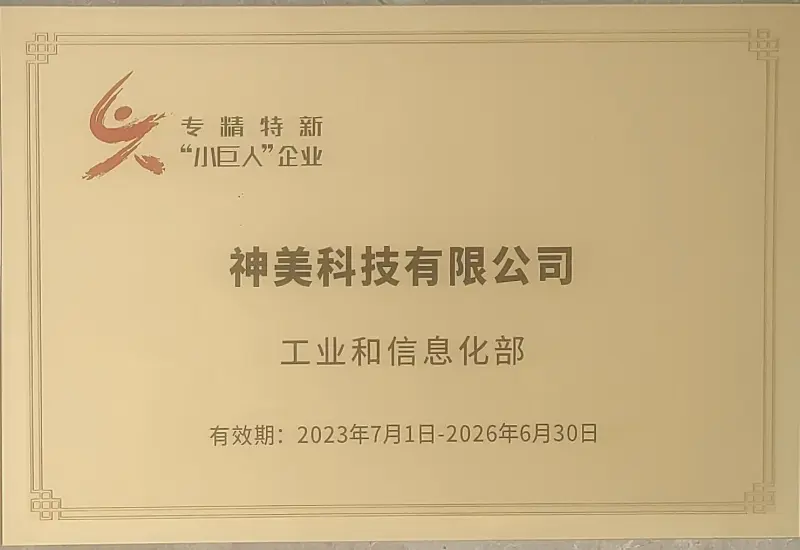
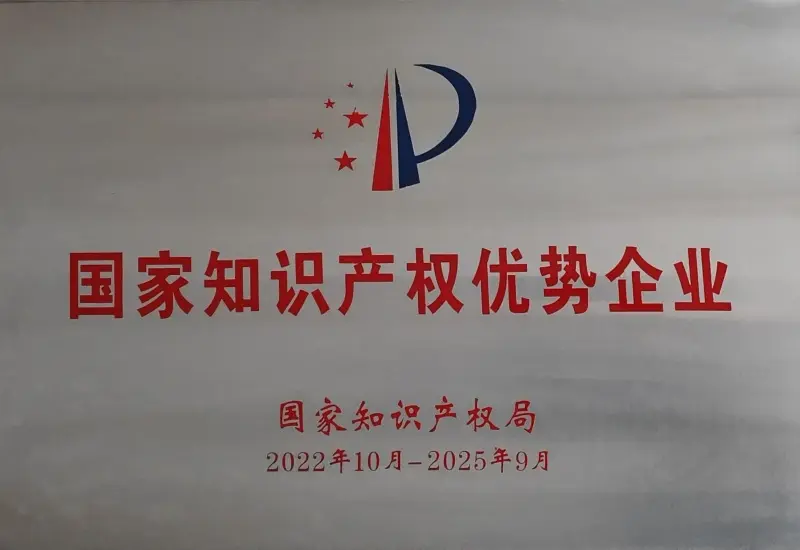
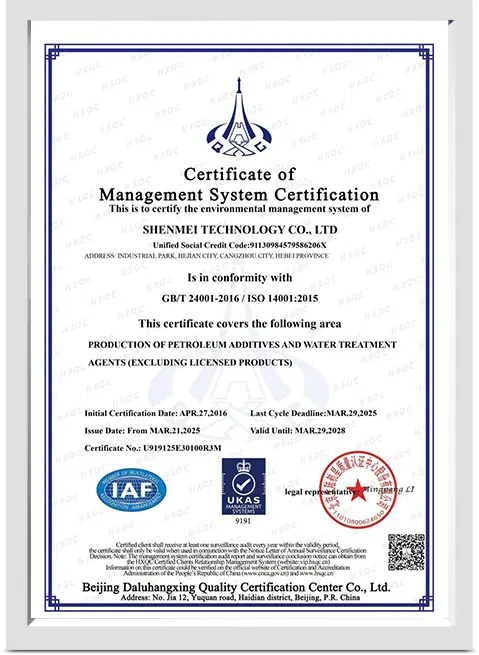
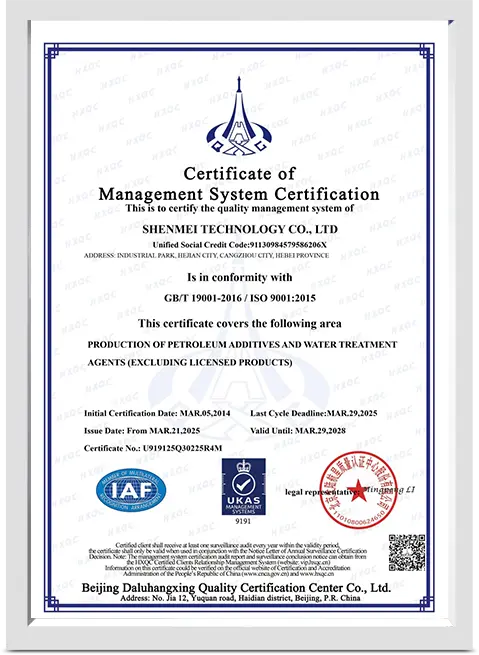
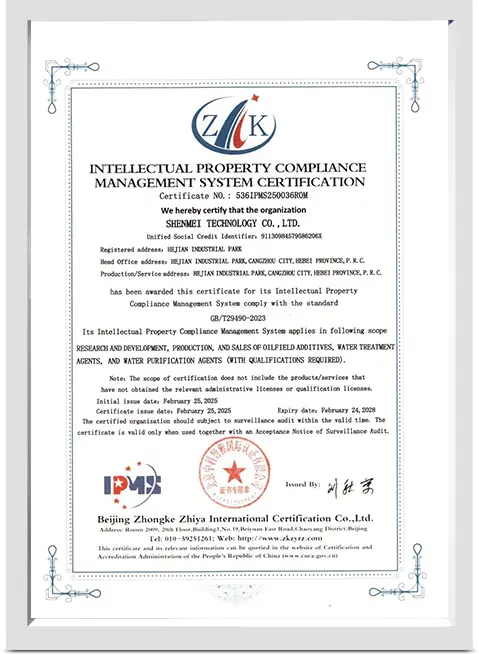
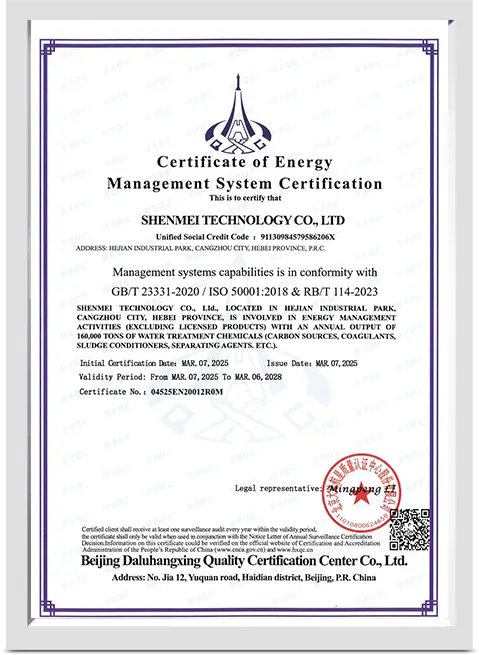
Smedic is recognized as a National High-tech Enterprise and a "Little Giant" enterprise in China. Our quality system centers on:
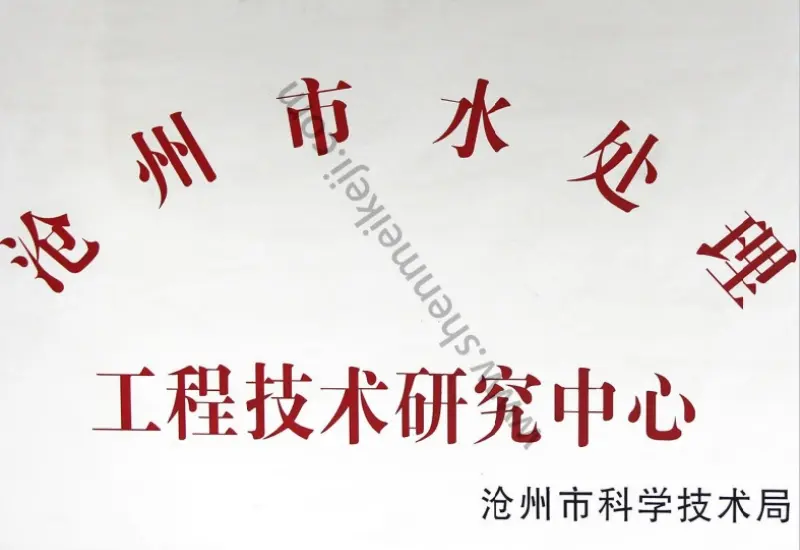
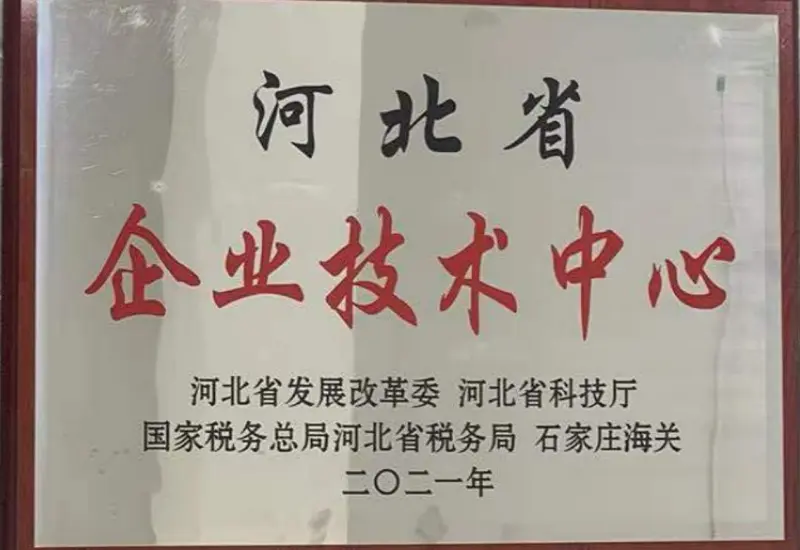
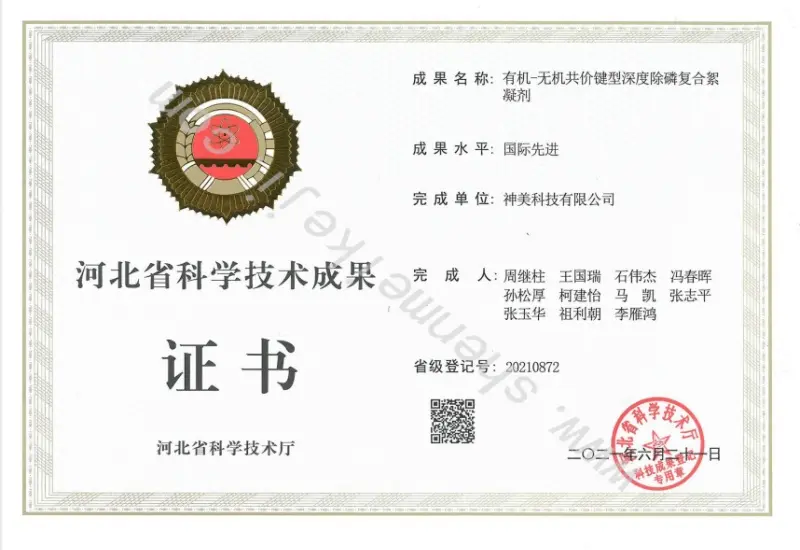
Recognized as the Hebei Advanced Water Treatment Chemicals Technology Innovation Center, developing patented chemical solutions.
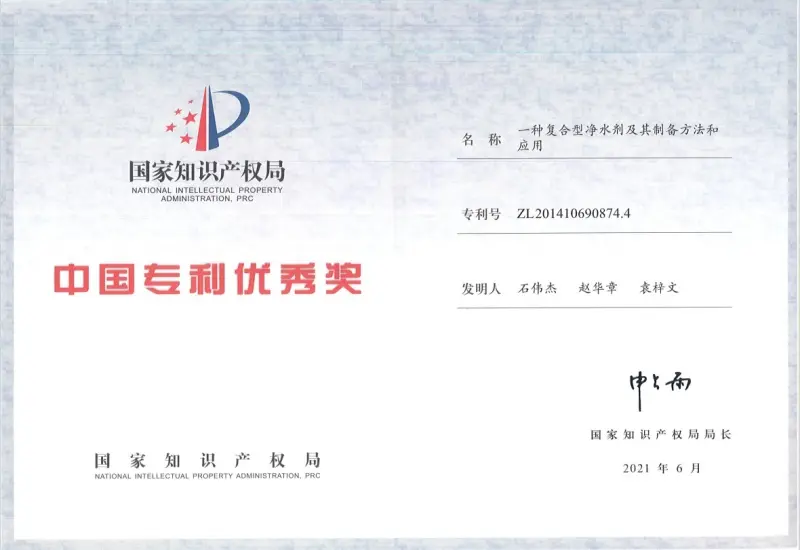
Over sixty patents, including 40+ invention patents covering bio-enhanced carbon sources, coagulants, and scale inhibitors.
How Smedic membrane chemistries resolve water treatment challenges across the Grand Duchy's industrial landscape.
Luxembourg's digital economy has expanded data center hubs requiring significant cooling capacity. To minimize drinking water usage, operators are turning to municipal greywater treated through tertiary UF and RO membrane networks. Standard feed water contains trace phosphorus and organic remnants, posing a major risk of biofouling. Smedic's non-oxidizing biocides and organic silicone defoamers maintain high membrane cleanliness, keeping heat exchange systems running efficiently without unplanned downtime.
Heavy steel mills in southern Luxembourg consume high amounts of recycling water. Calcium carbonate scales fast in these high-temperature environments. Standard phosphonates are often limited by local discharge laws. Smedic's Phosphate-Free Scale and Corrosion Inhibitors provide excellent protection at temperatures up to 200°C without raising phosphorus loads in effluent streams, keeping cooling towers and treatment loops scale-free.
Municipal water boards (such as SIDEN and SIDERO) operate complex wastewater treatment units handling both domestic sewage and agricultural runoff. Smedic's Cationic Polyacrylamide (CPAM) and high-efficiency Polyferric Sulfate (PFS) coagulants work together to optimize sludge flocculation. By accelerating particle settling and enhancing filter press dewatering, our formulations help municipalities reduce waste volumes and sludge disposal costs.
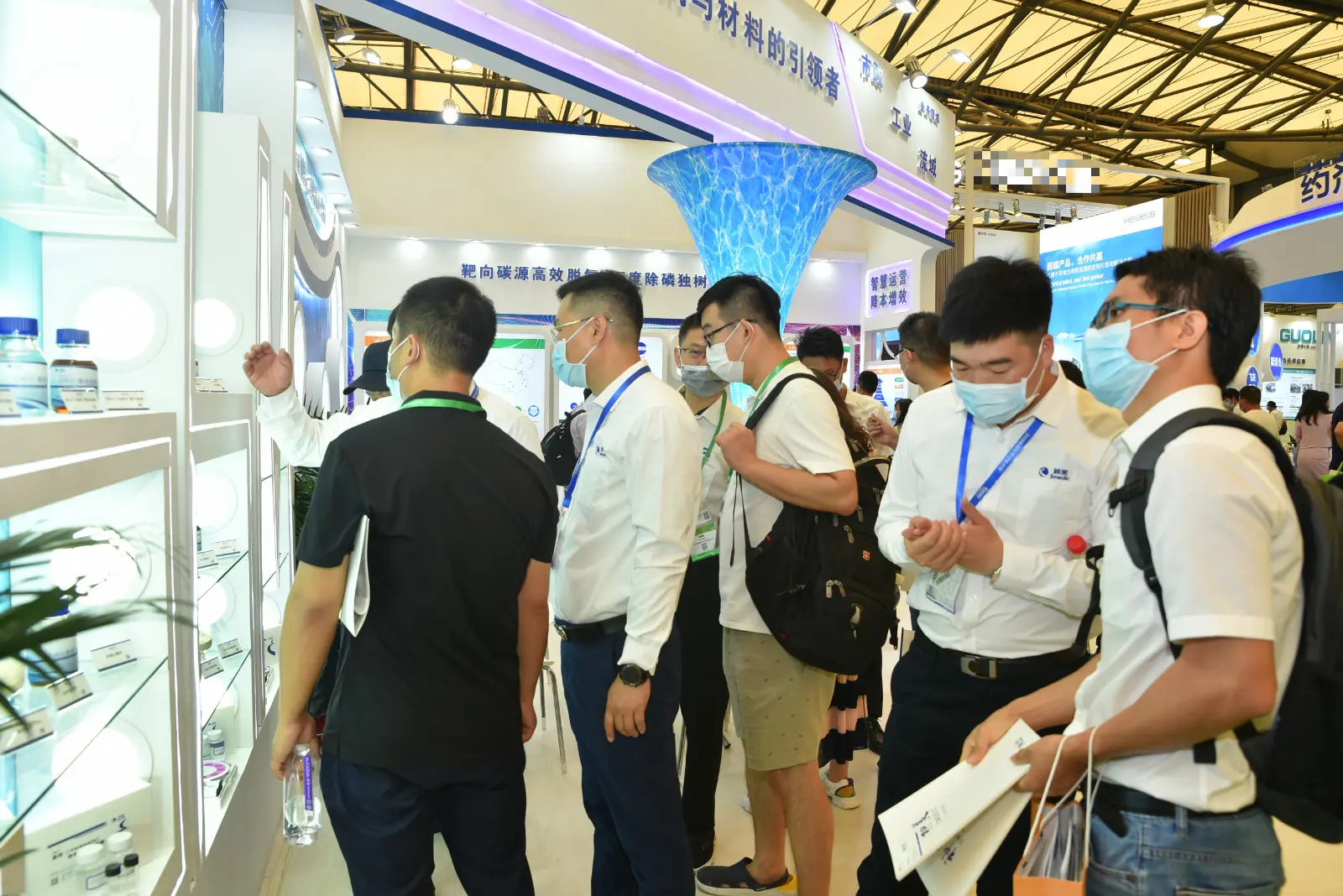
A full portfolio of flocculants, coagulants, defoamers, and specialty removal agents to support your industrial processes.
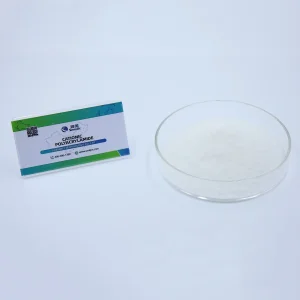
High cationicity polymer that optimizes floc formation in municipal and industrial sludge dewatering systems.
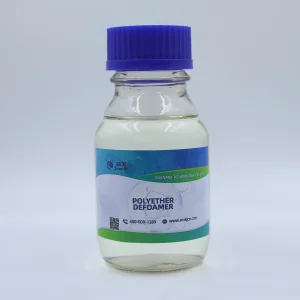
Offers superior foam control in biological aeration basins without harming active bacterial flora or fouling membranes.
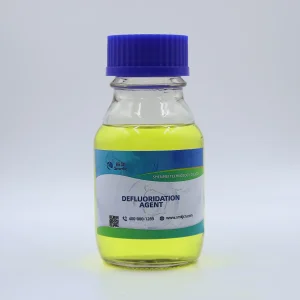
Highly targeted precipitant designed to reduce fluoride concentrations in industrial pickling effluents down to compliant levels.
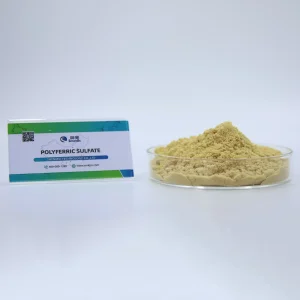
A fast-settling inorganic polymer coagulant ideal for turbidity removal and phosphorus precipitation in raw water intakes.
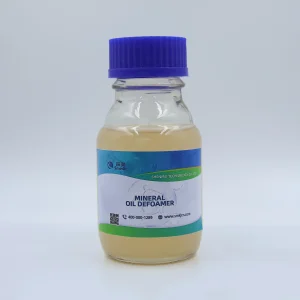
Provides persistent foam suppression in industrial coatings, textile sizing, and municipal dewatering processes.
Extends the run-time of municipal reverse osmosis systems by targeting calcium and magnesium carbonate scale.
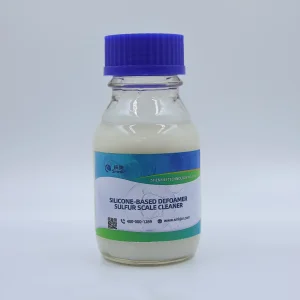
High-temperature foam control solution designed for dairy processing plants, sugar extraction, and beverage washing lines.
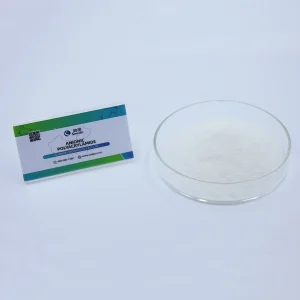
Promotes rapid solids sedimentation in industrial gravel washings and mineral tailing thickener circuits.
Ensuring full alignment with local water discharge guidelines and EU chemical registrations.
Under Luxembourg's national waste and resource management strategy, the industrial sector is tasked with adopting closed-loop cycles while avoiding toxic chemical releases. Our R&D division has prioritized the development of eco-friendly, biodegradable scale inhibitors and organic dispersants that replace traditional toxic chemicals:
Technical guidance and insights regarding our water treatment chemistries and supply chain options.
 Smedic Tech